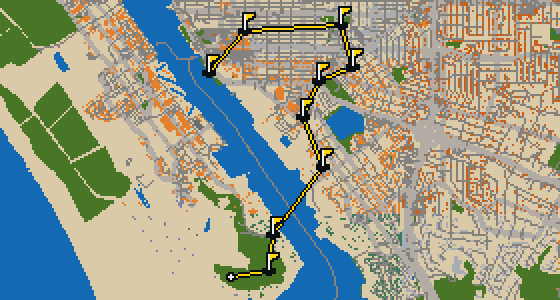
Bozeman - 9 stops - par 26
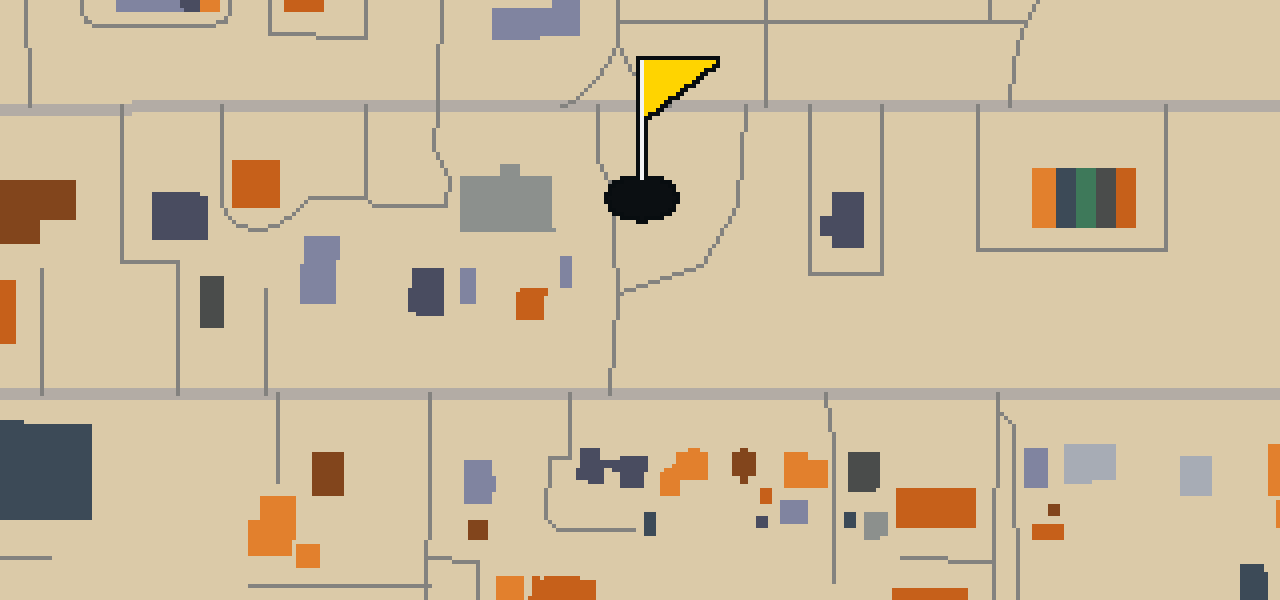
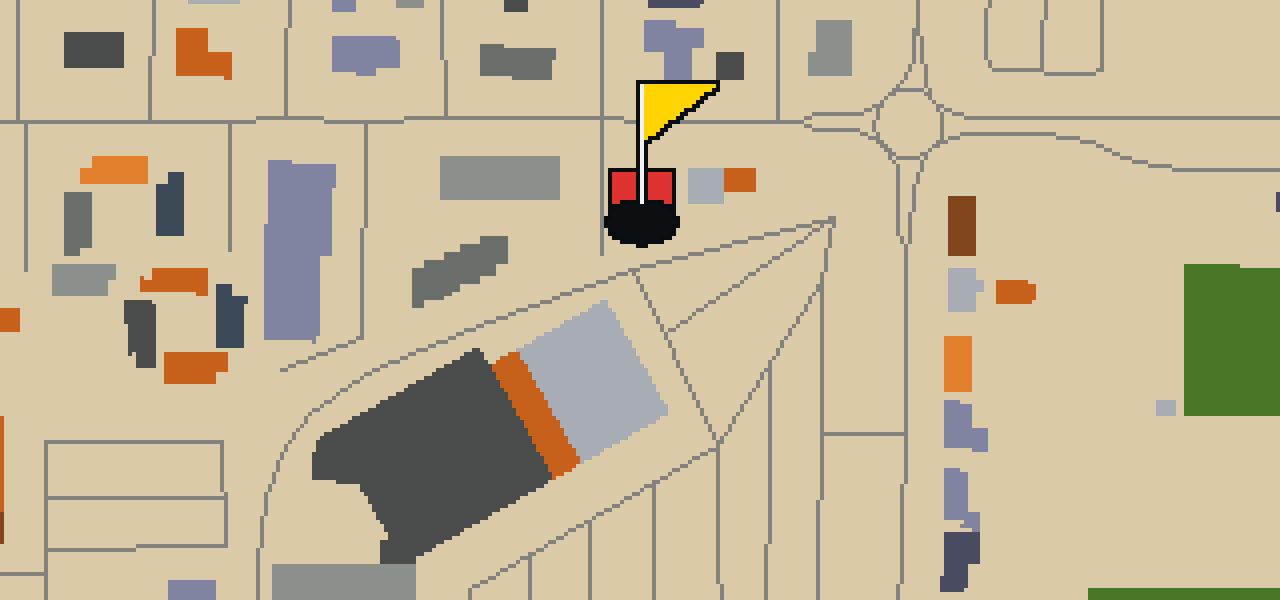
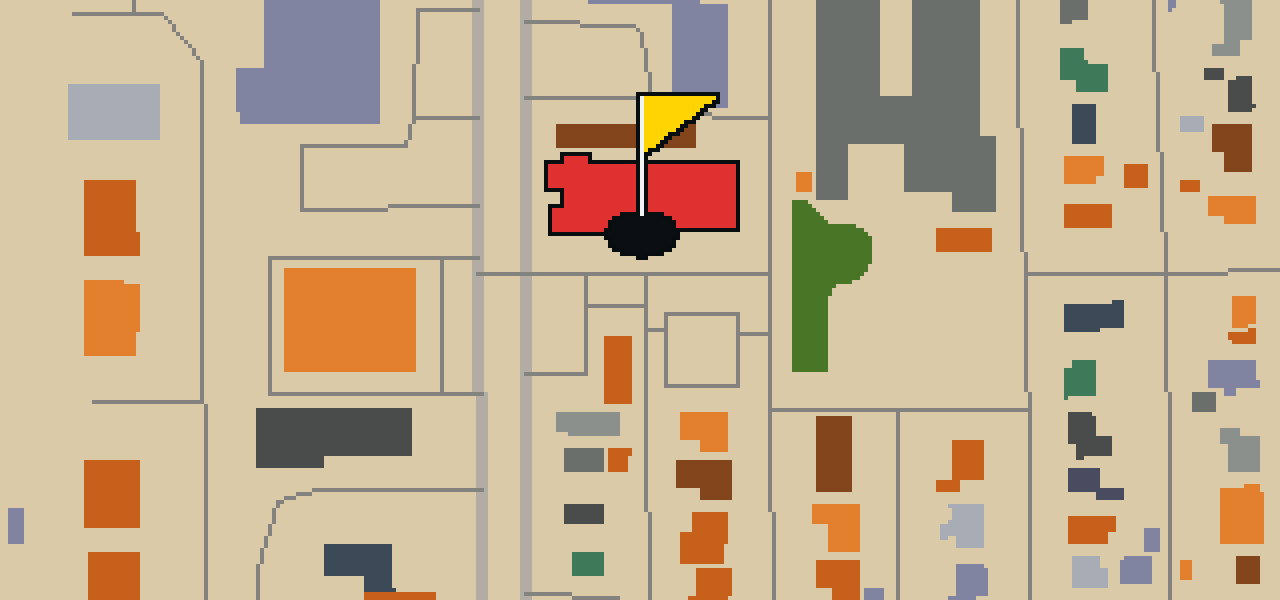
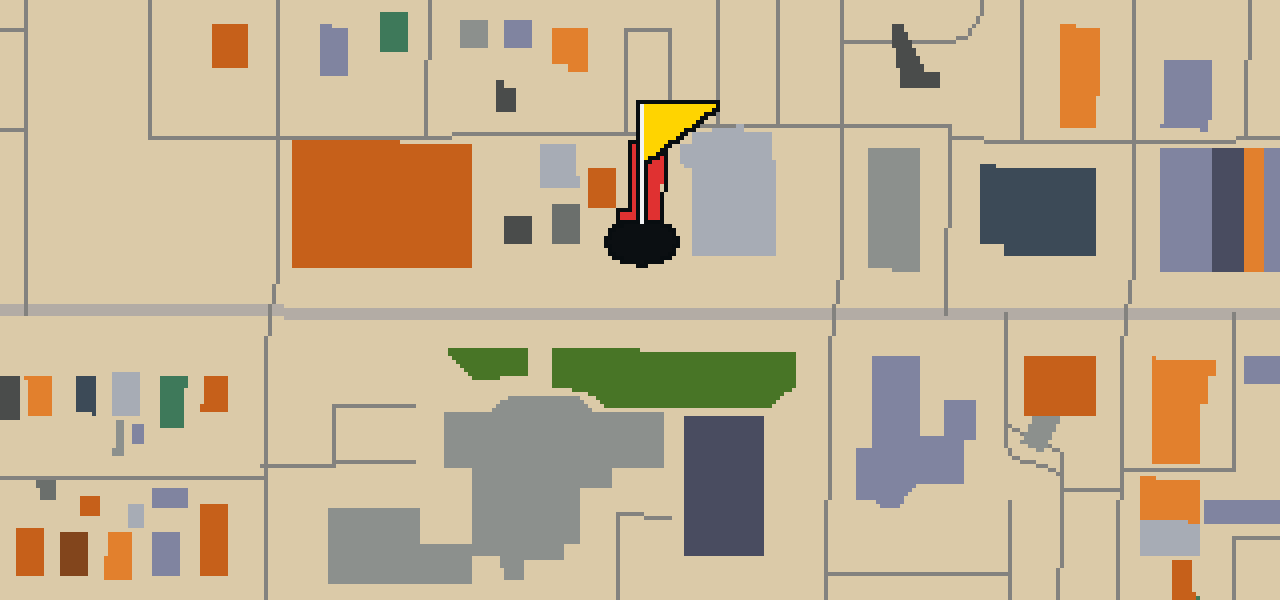
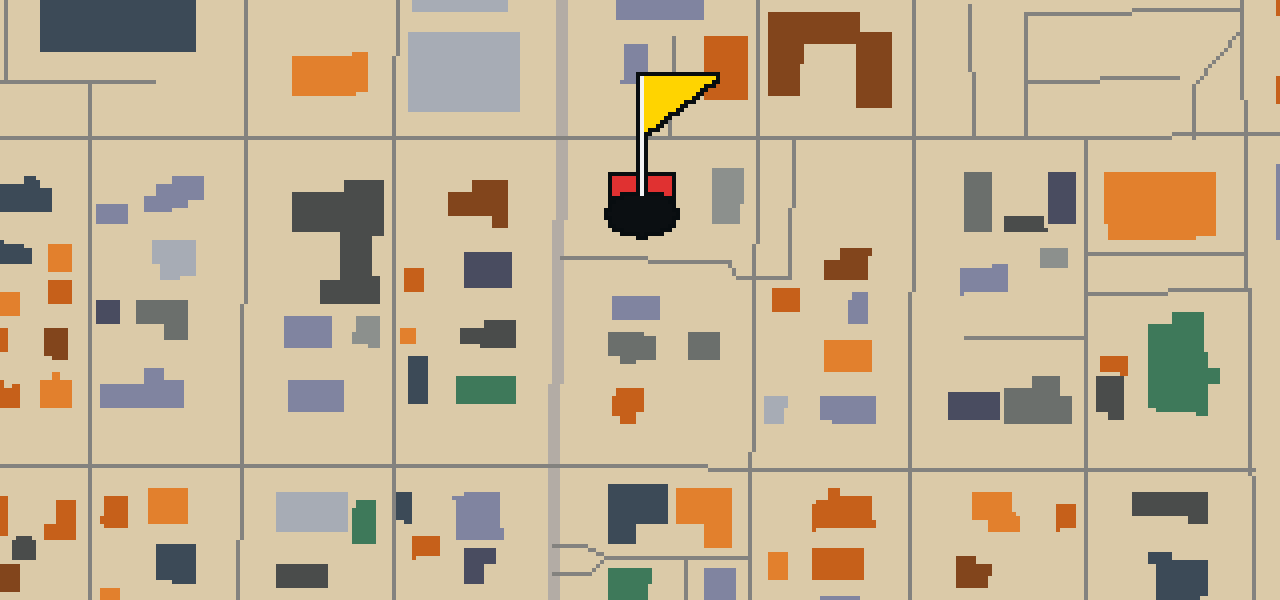
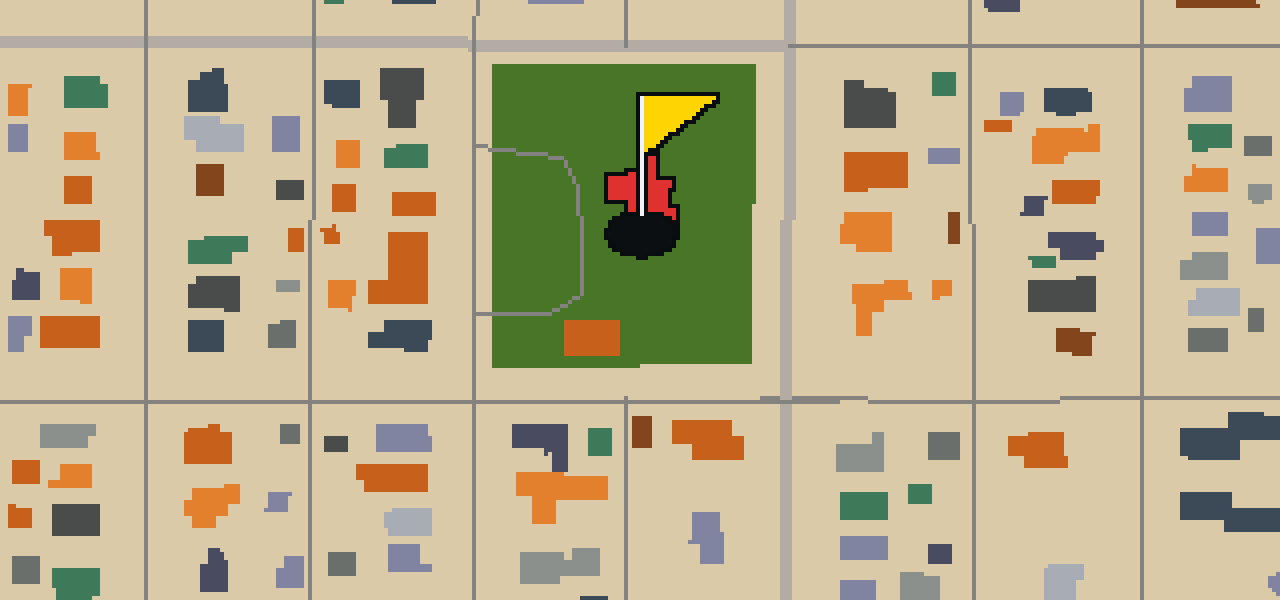
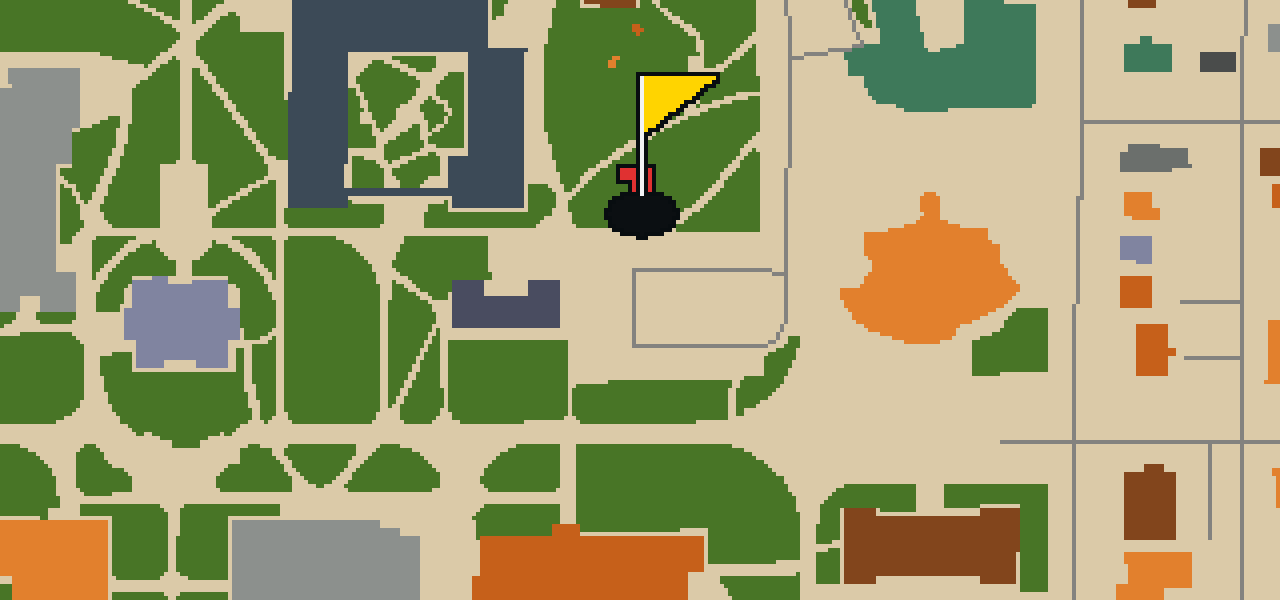
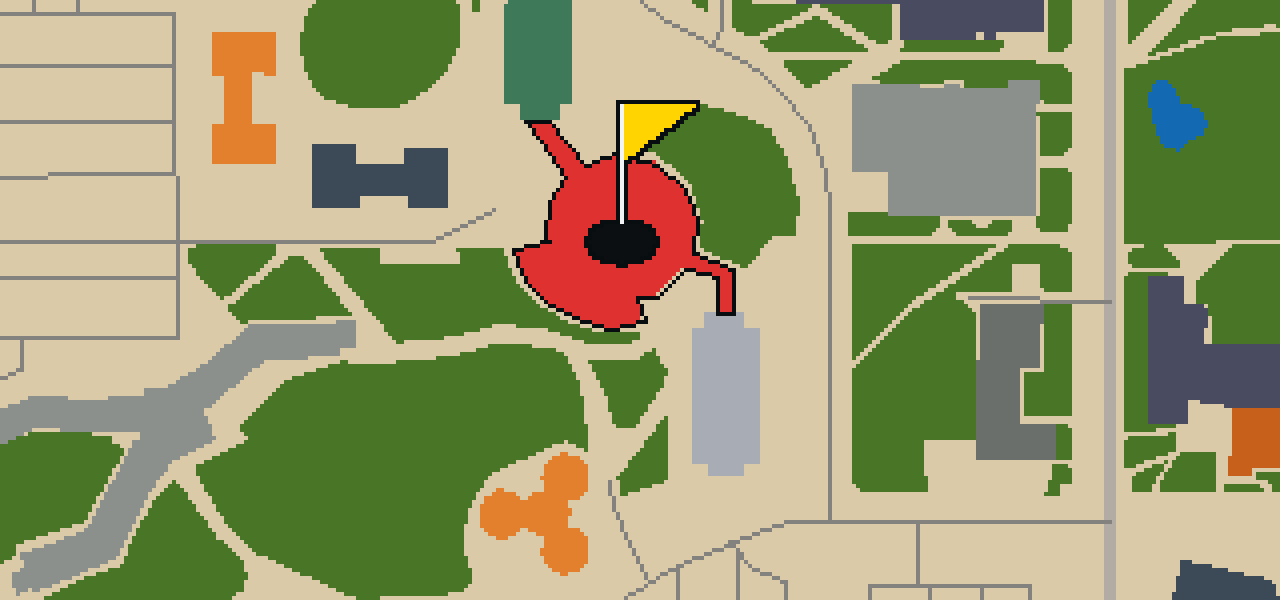
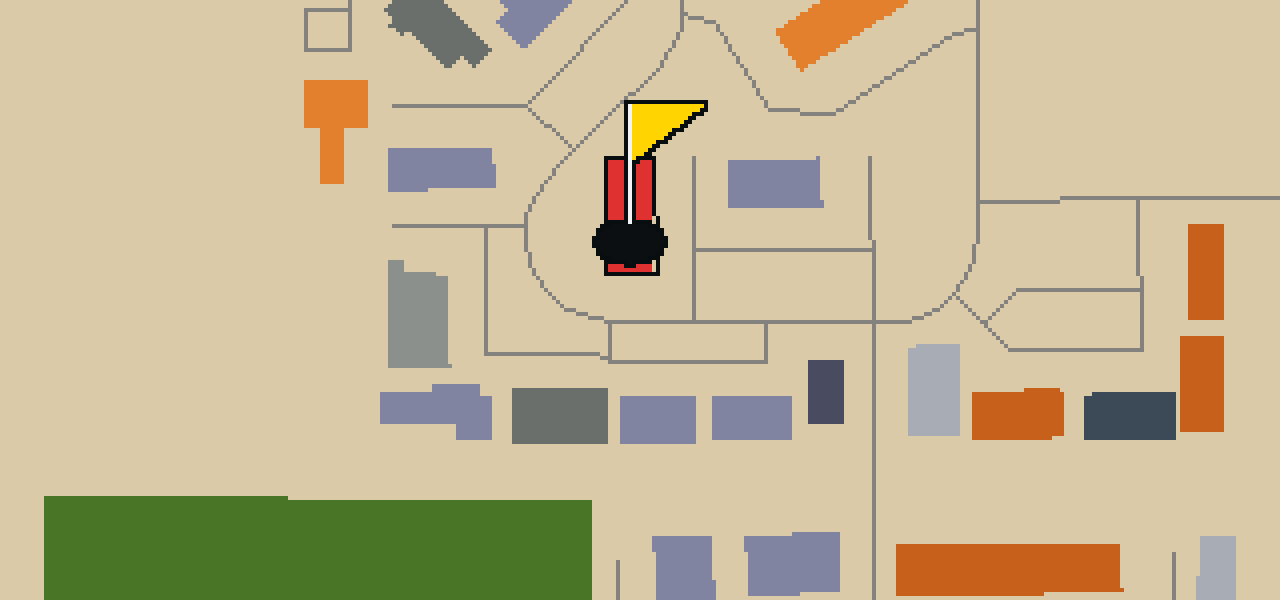
This is Bozeman. The map follows the real city and the round is played on its actual streets, using landmarks like the Museum of the Rockies to build the holes. Skip knows these sidewalks by heart. It is a quick round of 9 holes with a par of 26, covering a walk of 3.6 mi.
The course is drawn on the real street grid, so the map you play is the map you walk.
Drag to aim, release to swing. Buildings bounce and water costs you a stroke.
Every hole ends at an attraction. Sink the putt, read the story, walk to the next tee.
The American Computer Museum was founded in 1990 and is located in Bozeman. It is a computer museum that preserves the legacy of technology for all visitors. You can pick out exhibits dedicated to the history of computing and communications, as well as the history of artificial intelligence. The museum also focuses on the history of robotics. It is a great spot for anyone interested in how these fields evolved over time. I have found that the collection of machines is quite a sight to see. Because it is located in Montana, United States, it serves as a unique destination for those traveling through the region. Whether you are a tech enthusiast or just curious about the past, there is plenty here to see. I think you will appreciate the way the exhibits are laid out for the public.
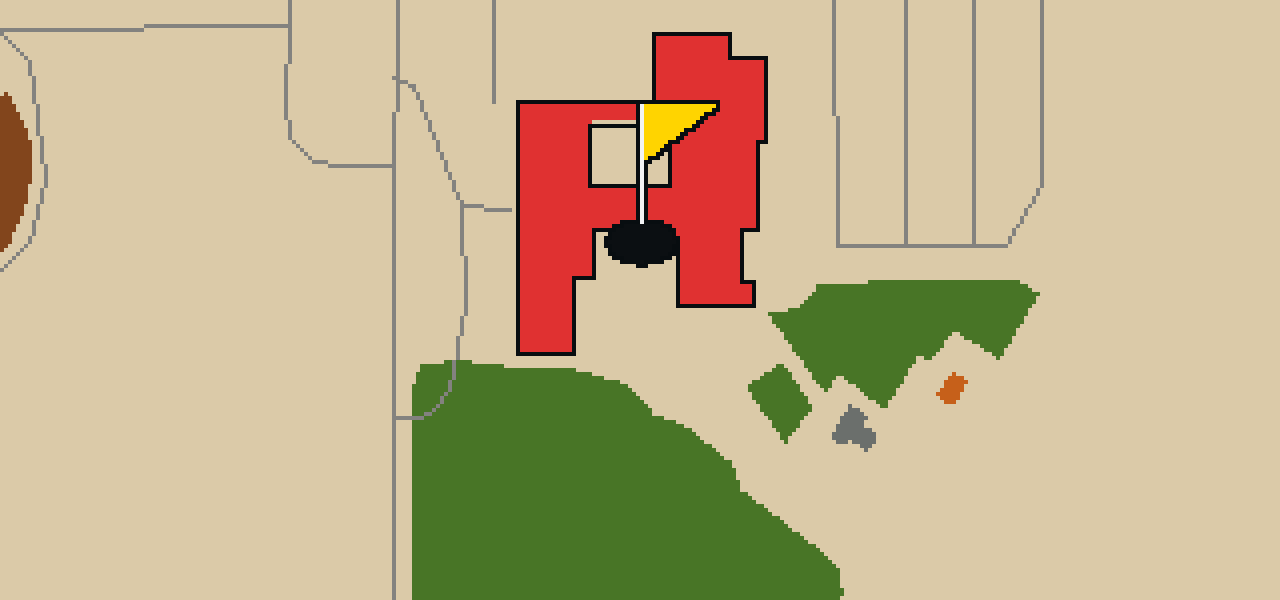
The Museum of the Rockies is a museum in Bozeman, Montana, founded in 1957. It is affiliated with the Smithsonian Institution and was originally affiliated with Montana State University in Bozeman. As part of the Montana Dinosaur Trail, it holds a massive amount of prehistoric history. You can find the largest collection of North American Dinosaur fossils in the United States here, including a Tyrannosaurus rex thigh bone that contains soft-tissue remains. I've noticed that people usually spend the most time staring at the fossils, and for good reason. It is a place where the scale of the past really hits you, and the exhibits are arranged to make you feel the weight of those ancient years. It is a great spot to spend an afternoon if you enjoy seeing things that were once the kings of the earth.
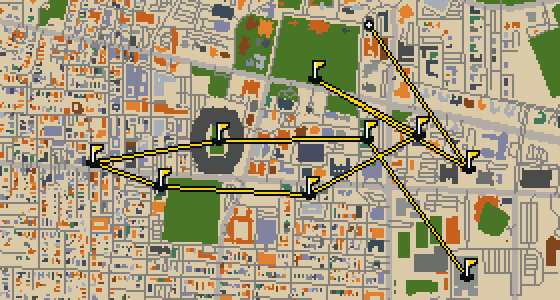
Tuscaloosa is the setting for this round, played on the actual city streets. The map uses real attractions like Bryant-Denny Stadium to build the holes, turning the town into a course. Skip knows these sidewalks well, having spent plenty of time dodging crumbs on the way to the cup. This quick 9-hole round covers 3.2 mi with a total par of 26.
Oceanside is the setting for this round, with the ball rolling across the real streets of the city. The holes are built from actual attractions, like the Oceanside Museum of Art. Skip is a local guide who knows every curb and crumb. This quick 9-hole round covers 3.6 mi on foot with a par of 28.
The Vallejo Naval and Historical Museum is the end of this quick nine-hole round. The map is the real city and the ball rolls across its actual streets, banking off building facades. Local attractions provide the structure for each hole. Skip knows these sidewalks well, including the 3.7 mi walk and the two portals used to bridge the gaps.
Salinas is the setting for this round, with the ball rolling across the actual city streets. The holes are built from real attractions, including the National Steinbeck Center. Skip knows these sidewalks well and has a few feathers in the wind. This quick round of 9 holes has a par of 28 and covers a total walk of 3.7 mi.
Danbury is the setting for this round, where the map is the real city and the ball rolls along its actual streets. The holes are built from real attractions, ending at Wooster Square. Skip is a local guide who knows the pavement well. A quick 9-hole round covers 3.4 mi with a total par of 27.
Yes. Every course runs in the browser with no account and no install.
No. The full round plays from anywhere. Walking the real route is a nice way to see the city, but it is not required.
Yes. The geometry comes from OpenStreetMap data, rendered chunky on purpose. Streets, water and parks sit where they really are.