
BOULDER - 9 HOLES - FREE

BOULDER
CITY MAP MINIGOLF

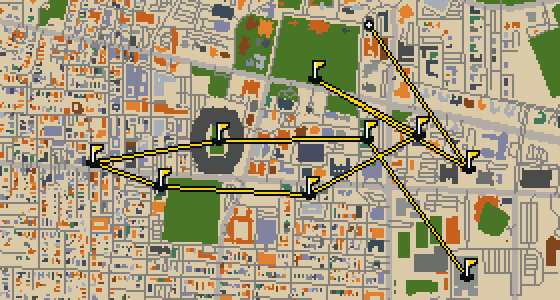
Boulder - 9 stops - par 29

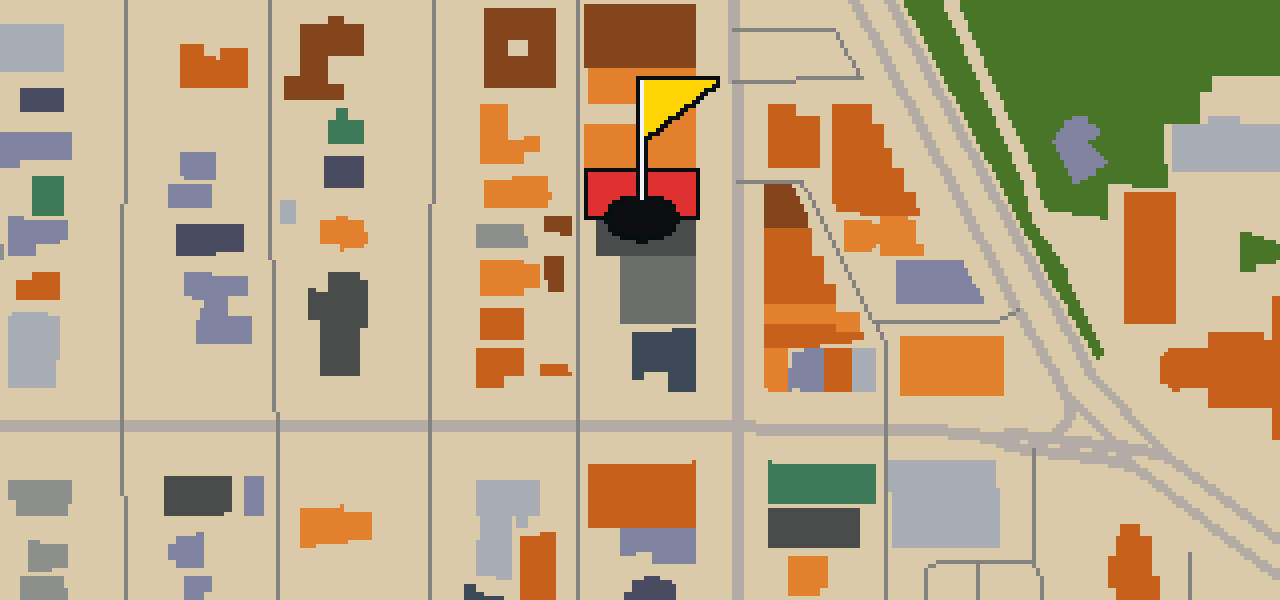
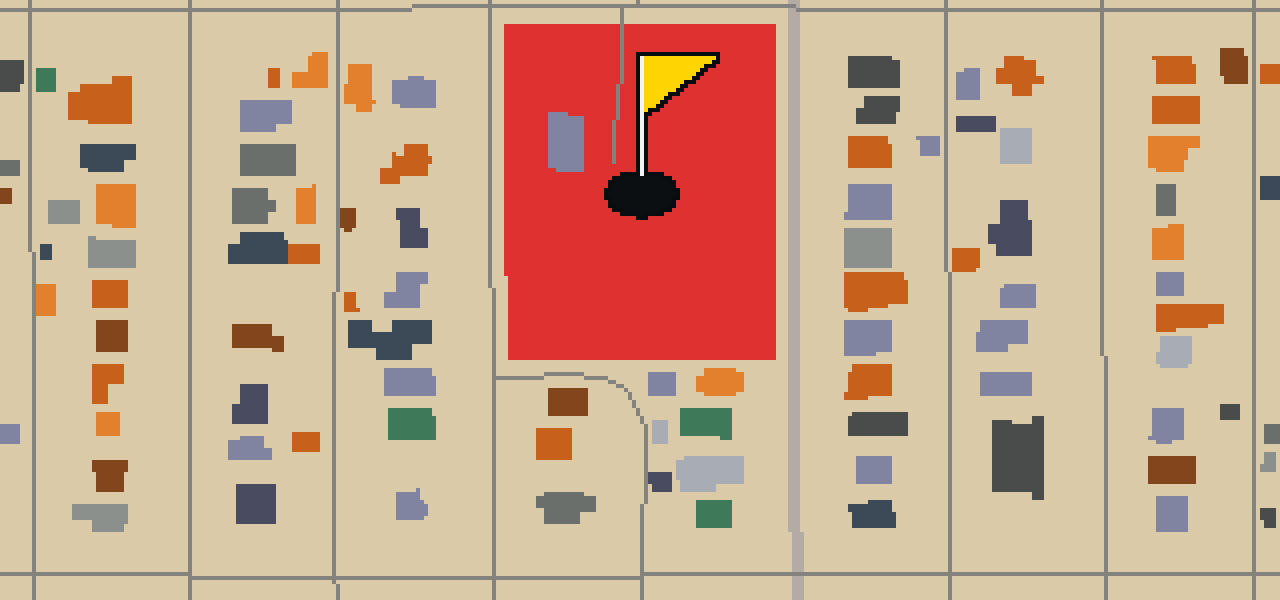
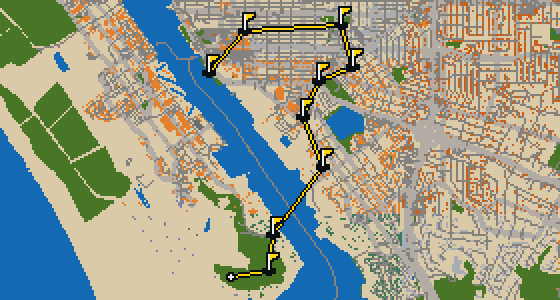
This is Boulder, where the map is the real city and the round is played on its real streets. The holes are built from real attractions, ending at the Chautauqua Auditorium. Skip knows these sidewalks well, even the parts where the crumbs are best. It is a quick round of 9 holes with a par of 29, covering a walk of 3.9 mi.

Trouble loading? Open the game in its own tab.

HOW IT WORKS

01

Pick a city

The course is drawn on the real street grid, so the map you play is the map you walk.

02

Putt to the pin

Drag to aim, release to swing. Buildings bounce and water costs you a stroke.

03

Sightsee between strokes

Every hole ends at an attraction. Sink the putt, read the story, walk to the next tee.

THE BOULDER ROUND - STOP BY STOP

HOLE 1 - PAR 4

North Boulder Park

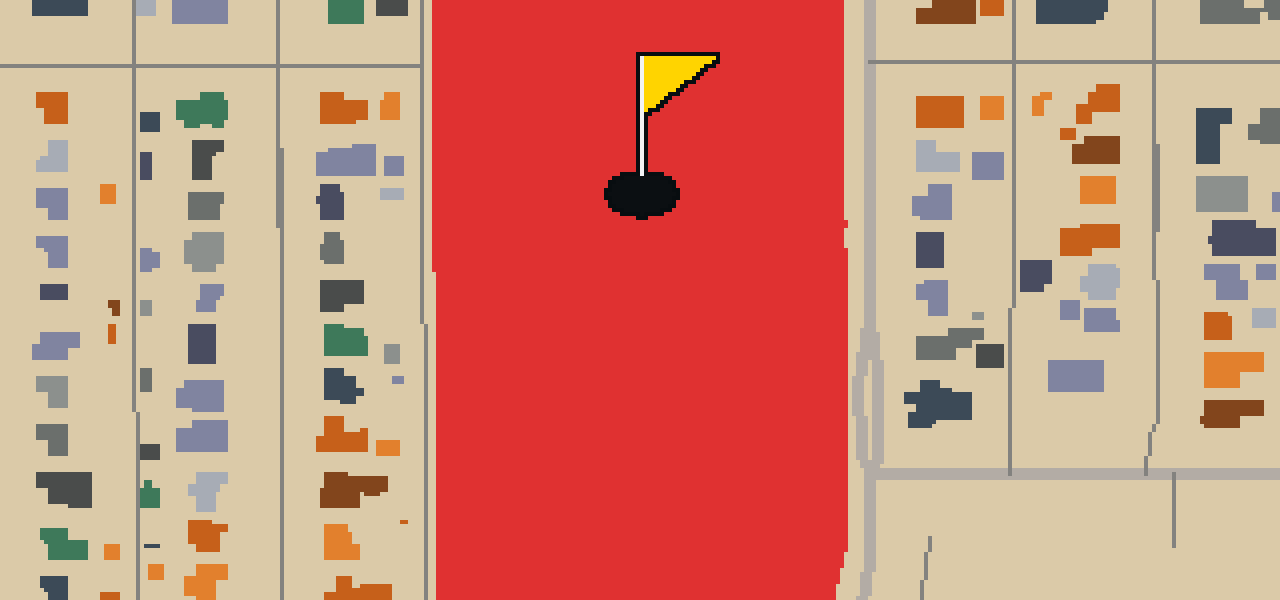
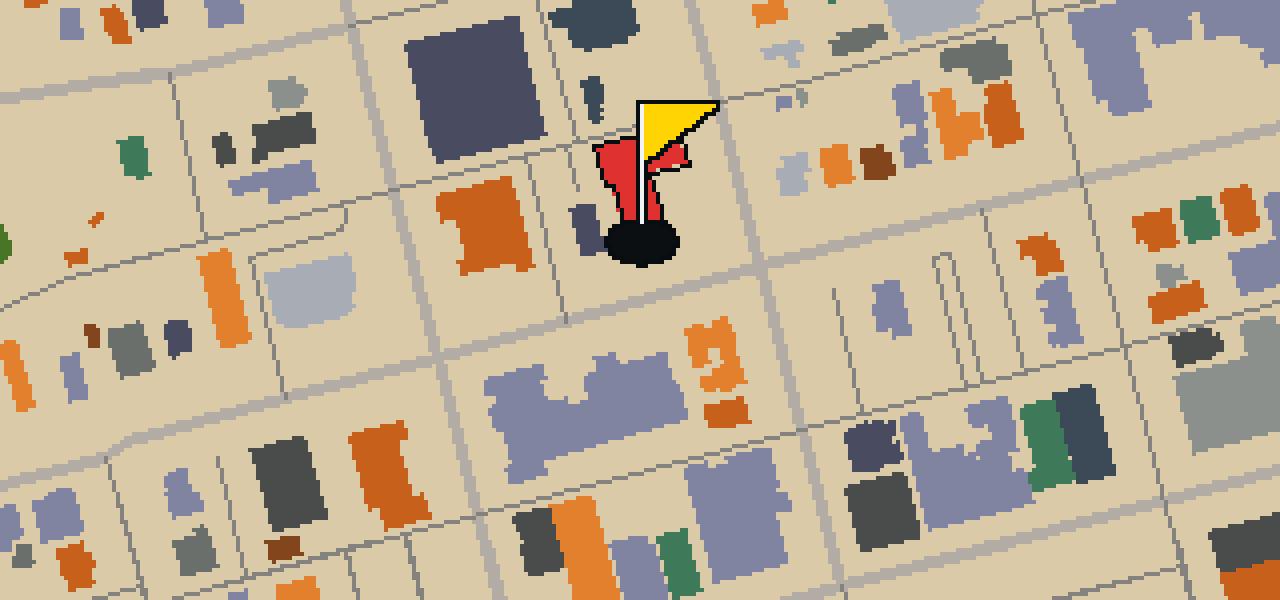
Let me show you North Boulder Park. This is a park that provides a place for people to gather and enjoy the outdoors. It is a useful spot for anyone visiting the area who needs a moment of quiet away from the busier parts of town. I've noticed it is a pleasant place to spend an afternoon.
Wikidata

HOLE 2 - PAR 4

Pine Street Church

Pine Street Church is a church building in Boulder. Built from 1925 to 1926, the structure is designed in the Gothic Revival style and is listed on the National Register of Historic Places. The First Baptist Church of Boulder is located at 1237 Pine St. in Boulder, Colorado, and was listed on the National Register of Historic Places in 2004. When you look at the site, you can see that it is a brick L-shaped building. A central three-story square tower is located at the inside corner of the L. This combination of the square tower and the L-shaped layout makes the building a distinct presence on Pine Street, reflecting the architectural choices of the mid-1920s in this part of the city.

Wikidata · Wikipedia

HOLE 3 - PAR 3

Media Archaeology Lab

You can find a variety of old tech and forgotten media formats housed here. The Media Archaeology Lab is a museum and organization dedicated to the study of these tools. It was founded in 2009 to ensure that the history of how we record and share information isn't lost as technology changes. Whether you are interested in obsolete hardware or the way data is stored, this is the place to see those physical remnants of the digital age. I've noticed the visitors here often have a look of nostalgia, even for machines they were too young to actually use. It is a great spot for anyone who wants to see how the gear we use today evolved from the clunky, mechanical predecessors of the previous century.

Wikidata

HOLE 4 - PAR 2

Museum of Natural History - Henderson Building

You will first notice a massive variety of specimens and artifacts here. The Museum of Natural History - Henderson Building is a university museum in Boulder, Colorado, that had its inception in 1902. It holds more than four million items across the fields of anthropology, botany, entomology, paleontology and zoology. For anyone visiting the city, this is the place to see the breadth of local and global nature. I've noticed that the sheer volume of things on display can make you feel very small, which is exactly how a good natural history museum should make you feel. Whether you are interested in the smallest insect or the largest fossil, there is something here that will catch your eye and keep you wandering through the galleries for hours.

Wikidata · Wikipedia

HOLE 5 - PAR 3

CU Art Museum

You might expect another academic building or a quiet lecture hall on this part of campus, but you have actually found the CU Art Museum. It is an art museum that brings a different kind of creative energy to the surrounding university area. Whether you are a student attending classes or a visitor exploring the city for the first time, it is a place to stop and look at the exhibits. I've found that taking a break here is a great way to reset your mind and enjoy some visual inspiration before heading back out into the Boulder bustle. It provides a steady point of interest for anyone walking through the neighborhood, offering a space for reflection that stands apart from the typical classroom experience found elsewhere on the grounds.

Wikidata

HOLE 6 - PAR 3

Fiske Planetarium

Let me show you the Fiske Planetarium, located in Boulder. This museum is one of the largest planetariums in the United States, making it a significant spot for anyone interested in the stars. It is a constituent of the Department of Astrophysical and Planetary Sciences at the University of Colorado Boulder and was founded in 1975. You can pick out the specialized equipment and displays designed to bring the cosmos closer to the ground. I've found that the scale of the place really puts things in perspective, even for a bird who spends most of their time looking down at the pavement. Whether you are a student or just visiting the city, it is a great place to see the universe without leaving the neighborhood.

Wikidata · Wikipedia

HOLE 7 - PAR 4

Folsom Field

This isn't a professional arena or a multipurpose dome. Folsom Field is an outdoor college football stadium located on the campus of the University of Colorado in Boulder, Colorado. It is the home field of the Colorado Buffaloes, who compete as part of the Big 12 Conference. If you are visiting the campus, you can pick out the massive scale of the stands against the local scenery. I have found that the energy here is quite something on game days, though I usually prefer watching from a high ledge where the crowds can't reach me. Whether you are a sports fan or just passing through the university grounds, the presence of the stadium is hard to miss. It stands as a major landmark for the school and the city of Boulder.

Wikidata · Wikipedia

HOLE 8 - PAR 2

Fox Theatre

Look for the signage of the Fox Theatre as you move through the city. This spot is a live music venue located in Boulder, Colorado. Whether you are looking for a concert or a film, you can find both here since it is also a movie theater. I have noticed that the crowds usually have a great energy when they gather around the entrance for a show. It is one of those places that anchors the local scene by providing a space for different types of entertainment under one roof. When you are visiting the area, this is a key landmark to keep an eye out for. It is a versatile space that keeps the neighborhood lively, and the transition from a cinema experience to a live performance venue makes it a unique stop for any visitor to the city.

Wikidata · Wikipedia

HOLE 9 - PAR 4

Beach Park

Let me show you Beach Park. This spot is a park located in Boulder, providing a green space for visitors and residents to enjoy. Whether you are passing through on a tour or looking for a place to relax, you can pick out the natural elements that make this park a distinct part of the local environment. I've seen plenty of folks stop here to stretch their legs before moving on to the next landmark. It is a simple, open area that allows you to experience the city at a slower pace.

Wikidata

STOP 10

Chautauqua Auditorium

I can show you the Chautauqua Auditorium, a wooden building in Boulder. It was constructed for the first season of the Colorado Chautauqua in 1898. Today, this site operates as a performing arts center, theatre building, and movie theater. You can pick out the historic character of the structure, as it is a National Register of Historic Places listed place and a contributing property. It is a great spot to see how the city has preserved its early gathering spaces for the arts. I've noticed the wood grain looks different depending on how the sun hits it during the day, and it is always a pleasure to see people gathering here for a show. This spot keeps the spirit of the original 1898 season alive through its continued use as a venue for music, film, and stage performances in the heart of the community.

Wikidata · Wikipedia

OTHER COURSES

9 HOLES - PAR 29

Fayetteville

9 stops

Fayetteville is the setting for this round, where the map is the real city and the ball rolls across its actual streets. The holes are built from real attractions, beginning at the Walton Arts Center. This quick 9-hole round covers 3.6 mi with a par of 29. Skip is a local guide who knows every curb and crack in the pavement.

9 HOLES - PAR 30

Lincoln

9 stops

The ball finds the cup at the Statue of Abraham Lincoln in Lincoln. The map is the real city and the round is played on its real streets, using actual attractions as the holes. This quick 9-hole round covers 4.4 mi with a par of 30. Skip is a local guide who knows these sidewalks well, even the parts where the crumbs are best.

18 HOLES - PAR 55

Duluth

18 stops

This is Duluth. The map is the real city and the round is played on its actual streets, where the ball banks off the facades of real attractions like the SS William A. Irvin to reach the cup. Skip is a local guide who knows every nook and cranny of these sidewalks. It is a full round of 18 holes with a par of 55. The total walk covers 7.1 mi, though a pigeon can take a few shortcuts across the rooftops.

9 HOLES - PAR 29

Traverse City

9 stops

Traverse City is the setting for this quick nine-hole round. The map uses the actual city layout where the ball rolls across real streets and banks off the facades of attractions like the Wise Memorial Clock Tower. Skip knows every ledge and gutter in town. The walk covers 3.8 mi on a course with a par of 29.

9 HOLES - PAR 31

Grand Rapids

9 stops

Banking a ball off the glass and stone of the Van Andel Arena feels different than the soft edges of a park. This round takes place on the real streets of Grand Rapids, where the city map is the course and local attractions are the holes. It is a quick nine-hole round covering 4.4 mi. Skip knows every sidewalk and ledge in this town.

FAQ

Is it free to play?

Yes. Every course runs in the browser with no account and no install.

Do I need to be in the city?

No. The full round plays from anywhere. Walking the real route is a nice way to see the city, but it is not required.

Are the maps real?

Yes. The geometry comes from OpenStreetMap data, rendered chunky on purpose. Streets, water and parks sit where they really are.