
BATON ROUGE - 9 HOLES - FREE

BATON ROUGE
CITY MAP MINIGOLF

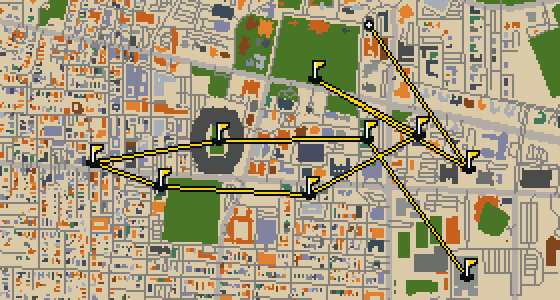
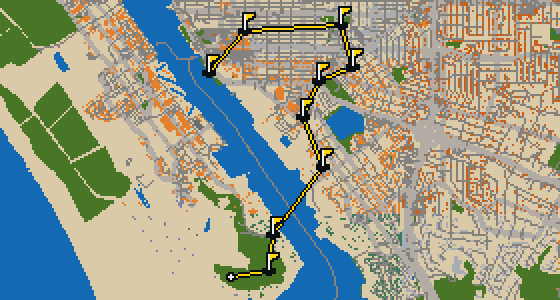
Baton Rouge - 9 stops - par 28

Baton Rouge is the setting for this round, played on the actual streets of the city. The course uses real attractions like Tiger Stadium as the basis for the holes. Skip knows every sidewalk and shortcut in town, even the ones where the best crumbs are hidden. This quick 9-hole round covers 3.5 mi with a total par of 28.

Trouble loading? Open the game in its own tab.

HOW IT WORKS

01

Pick a city

The course is drawn on the real street grid, so the map you play is the map you walk.

02

Putt to the pin

Drag to aim, release to swing. Buildings bounce and water costs you a stroke.

03

Sightsee between strokes

Every hole ends at an attraction. Sink the putt, read the story, walk to the next tee.

THE BATON ROUGE ROUND - STOP BY STOP

HOLE 1 - PAR 3

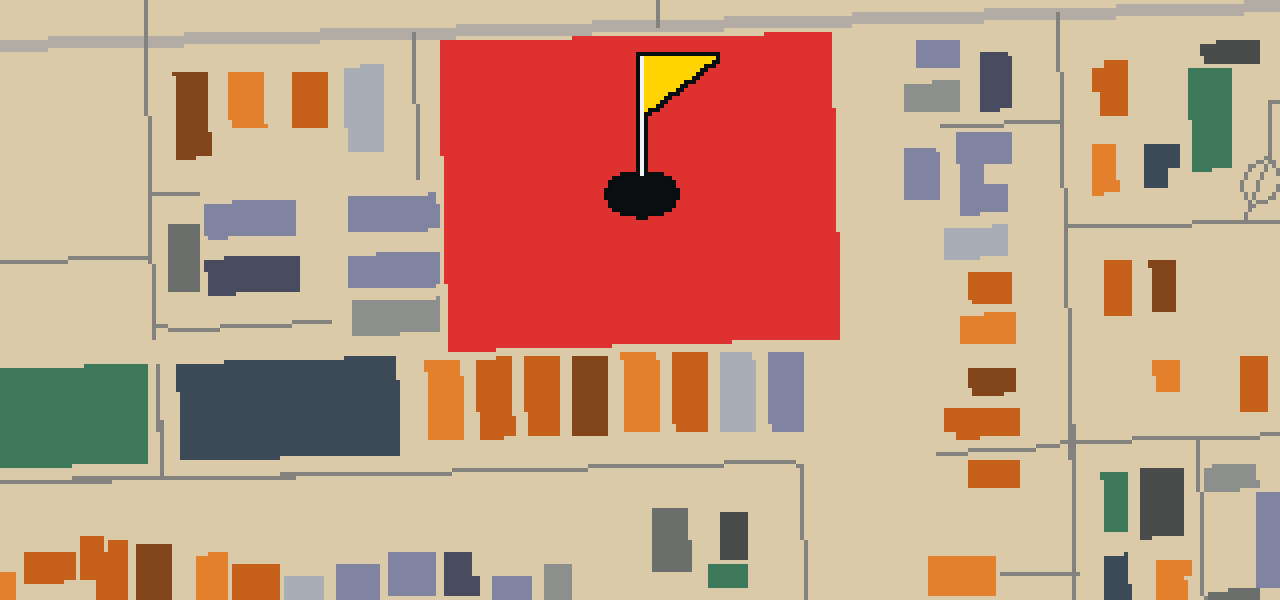
Tiger Stadium

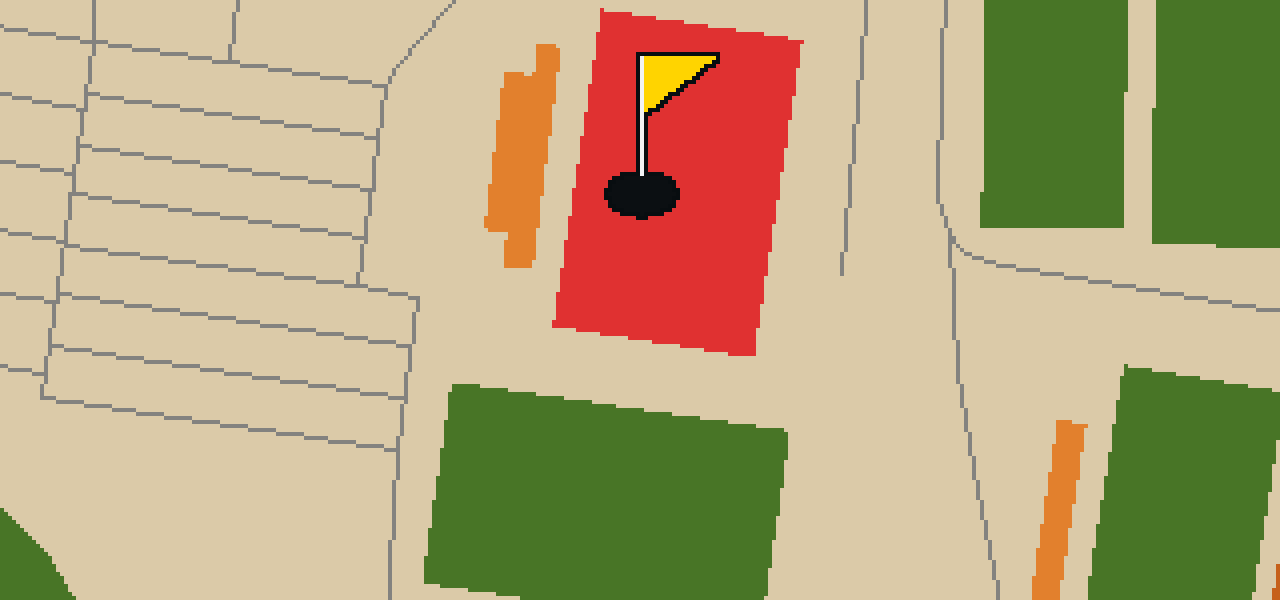
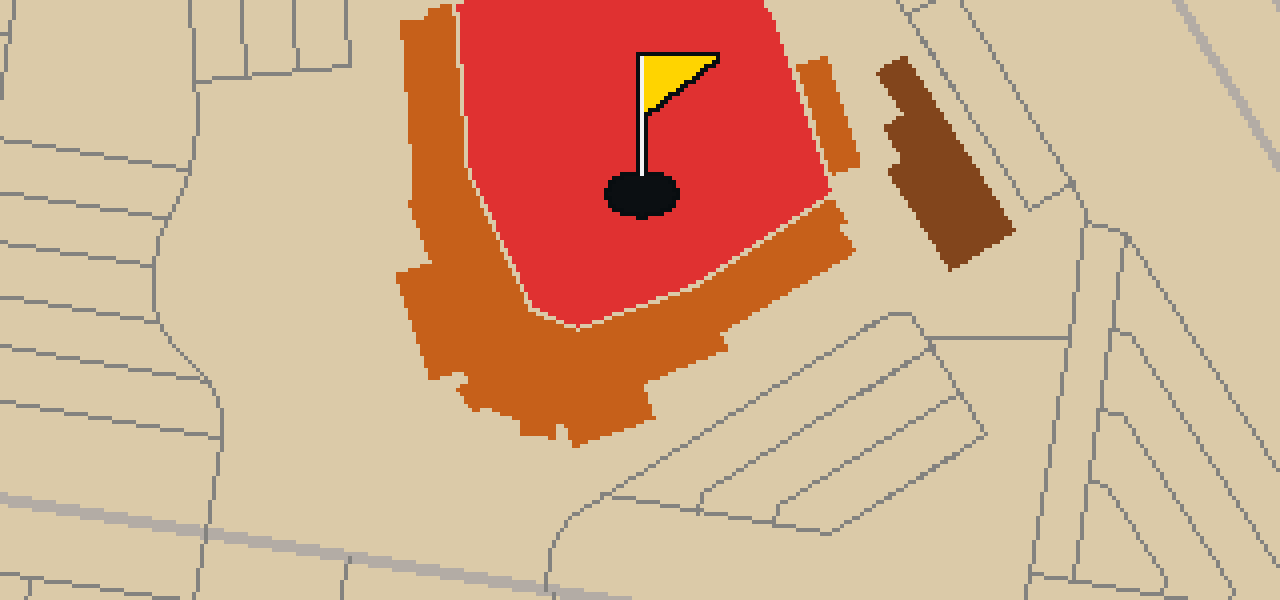
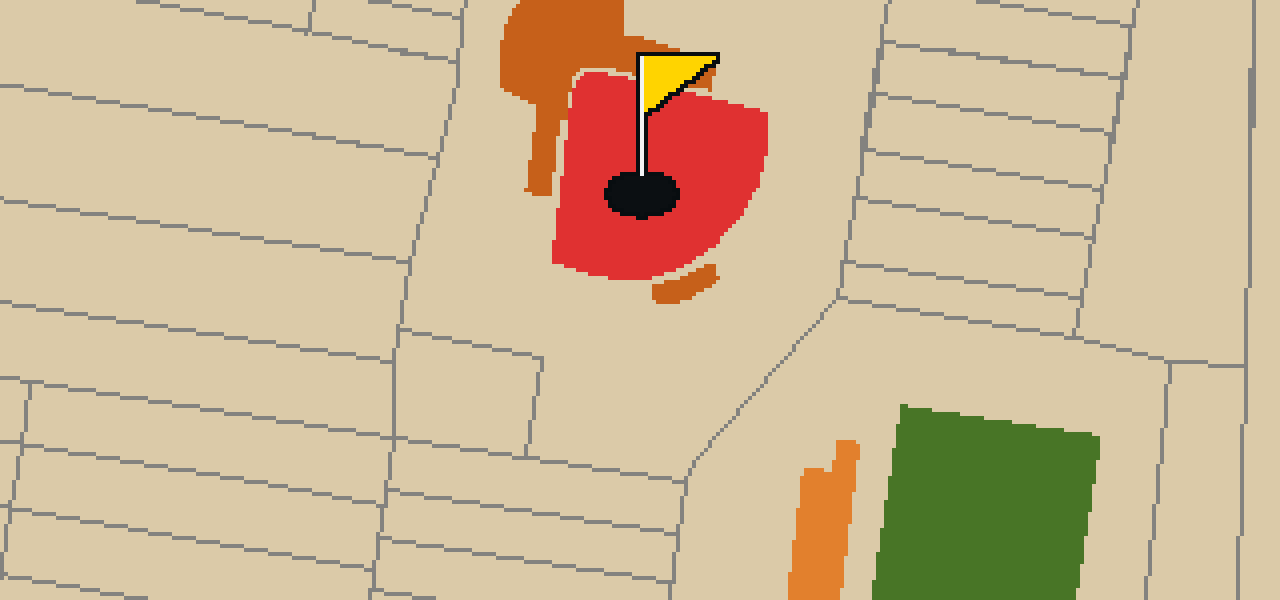
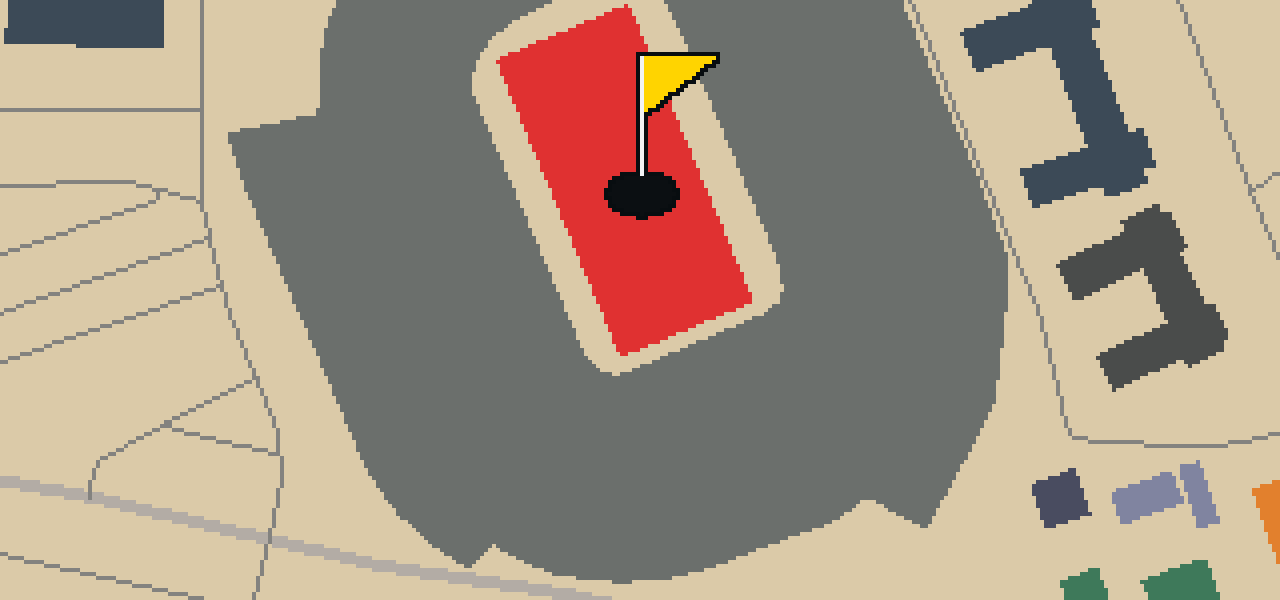
You aren't looking at a quiet campus lawn. This is Tiger Stadium, an outdoor stadium located in Baton Rouge, Louisiana. Situated on the campus of Louisiana State University, it is the home stadium of the LSU Tigers football team. Many people refer to the venue as Death Valley. While the stadium's inception was in 1924, the university didn't always play here. Prior to 1924, LSU played its home games at State Field, which was located on the old LSU campus in Downtown Baton Rouge. I've seen plenty of crowds from the air, but nothing quite matches the energy of this place on a game day. It is a massive landmark that defines the atmosphere of the campus for everyone who visits.
Wikidata · Wikipedia

HOLE 2 - PAR 3

Greek Theatre

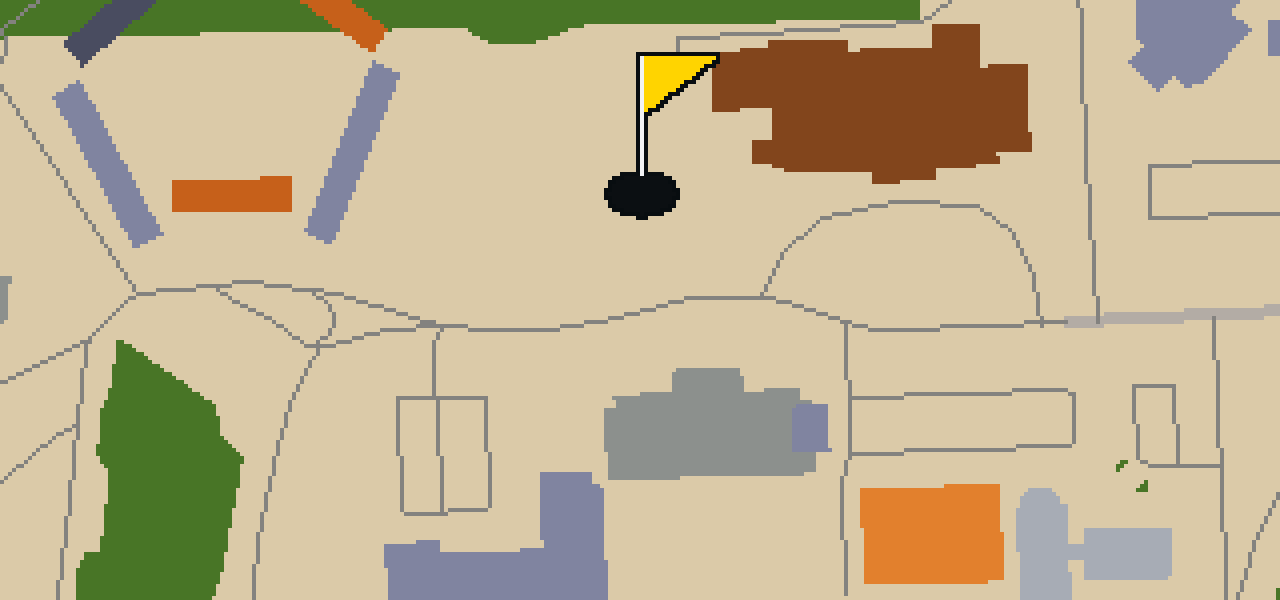
Let me show you the Greek Theatre, a sylvan theater located on the campus of Louisiana State University in Baton Rouge, Louisiana. This open-air space opened in 1925 and is designed with seating for approximately 3,500 people. It was built to hold the entire university population, making it a central point for the campus community. You can pick out where the crowd once gathered, as the theater was once the location of major university assemblies. I have found that the layout makes it a wonderful spot for a quiet break between classes, though I usually prefer the higher branches of the surrounding trees for a better view of the seating area. It is a unique piece of the campus that manages to feel both grand and tucked away from the main bustle of university life.

Wikidata · Wikipedia

HOLE 3 - PAR 3

Magnolia Mound Park

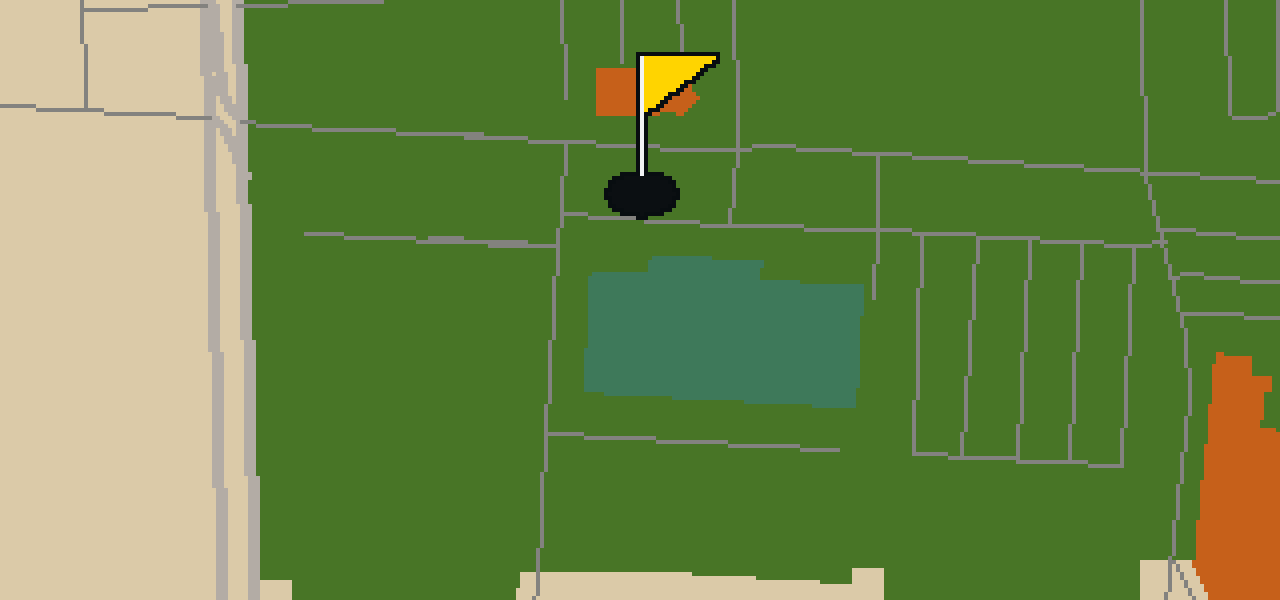
You will first notice the open space and greenery of Magnolia Mound Park. This spot is a park where visitors can spend some time outdoors in the city. I find it is a pleasant place to stretch your legs and watch the world go by while you are exploring Baton Rouge.

Wikidata

HOLE 4 - PAR 3

Roosevelt Street Park

Let me show you Roosevelt Street Park. This area is a park, providing a dedicated space for greenery and outdoor activity within the city. Whether you are passing through or stopping for a moment, it is a spot where the natural environment takes center stage. I often see people enjoying the open air here, and it is a pleasant break from the surrounding urban bustle.

Wikidata

HOLE 5 - PAR 4

Beauregard Town Historic District

Let me show you the Beauregard Town Historic District. This area of Baton Rouge is a historic district. When you are walking through the neighborhood, you can pick out the specific characteristics that define the region. I have spent plenty of time flying over these streets, and it is a great spot to get your bearings in the city. Whether you are here for the game or just visiting, this district provides a glimpse into the local layout of the area.

Wikidata

HOLE 6 - PAR 2

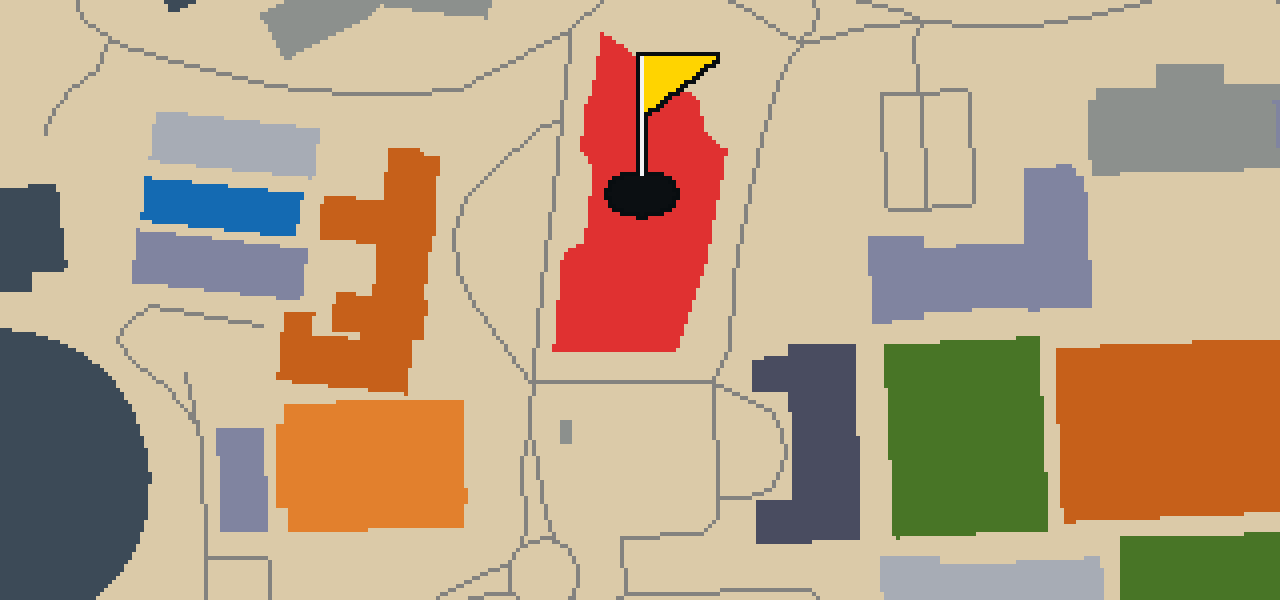
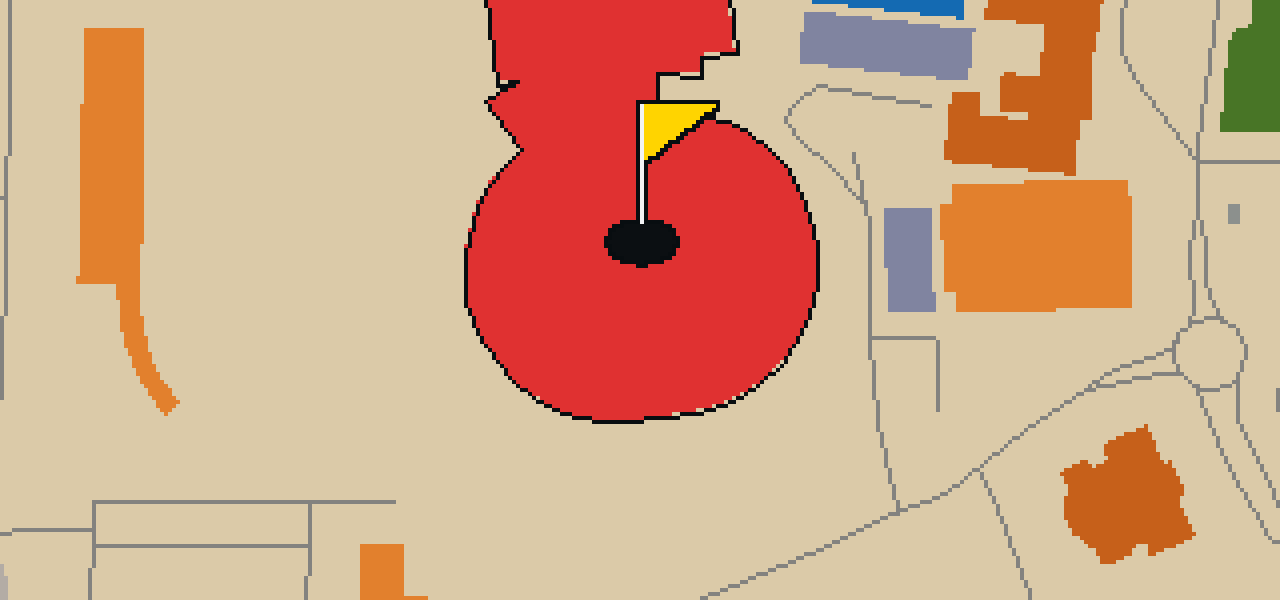
LSU Campus Mounds

Look up at the 20-foot-tall heights of these two Native American mounds. Located on the campus of Louisiana State University in Baton Rouge, this archaeological site dates back to the Archaic Period. The mounds predate the Great Pyramids of Egypt, with construction beginning more than 11,000 years ago. Work on the site may have continued until 5,000 years ago. Because of their age and significance, they are listed on the National Register of Historic Places. I've seen plenty of things on this campus from my perch in the trees, but these are some of the oldest landmarks in the area. You can see how the land was shaped long before the university ever existed, providing a window into the distant past of Louisiana.

Wikidata · Wikipedia

HOLE 7 - PAR 4

Pete Maravich Assembly Center

Take a look at the seating; there is room for 13,215 people in this multi-purpose arena. This is the Pete Maravich Assembly Center in Baton Rouge, Louisiana. It opened in 1972 and was originally known as the LSU Assembly Center. Shortly after Pete Maravich died in 1988, Louisiana governor Buddy Roemer signed an act to rename the building in Maravich's honor. I've seen plenty of crowds gather here, and the energy in the air is always something to behold. Whether you are visiting for a basketball game or a large show, it is a landmark of the city that anchors the local sporting culture. It is the kind of place where you can really feel the passion of the crowd echoing off the walls.

Wikidata · Wikipedia

HOLE 8 - PAR 3

LSU Soccer Stadium

Built in 1996, the LSU Soccer Stadium is an association football venue located on the campus of Louisiana State University in Baton Rouge. Since its construction, it has become the home of the LSU Tigers women's soccer team. If you are visiting the grounds, you can pick out the two levels of the stadium, which provide a clear view of the pitch. The facility has a seating capacity of 2,197. I have noticed that the campus layout makes it a great spot for a stroll between matches, and the atmosphere during a home game is something you can really feel in the air. Whether you are a sports fan or just exploring the university, the stadium is a distinct part of the campus landscape that shows the growth of the athletic program over the last few decades.

Wikidata · Wikipedia

HOLE 9 - PAR 3

Alex Box Stadium

Alex Box Stadium is a baseball stadium in Baton Rouge, Louisiana. It is the home stadium of the Louisiana State University Tigers baseball team and was designed by the architect DLR Group. As you look around the grounds, you can pick out the different dedications that define the space. The stadium section was named for Simeon Alex Box, who was an LSU letterman in 1942. Additionally, the field was named and dedicated on May 17, 2013, in honor of Skip Bertman, a former athletic director and head baseball coach for LSU. It is a great spot to feel the energy of the local sports scene. I have found that the atmosphere here is always buzzing, even when there isn't a game in progress.

Wikidata · Wikipedia

STOP 10

Tiger Park

Tiger Park opened prior to the 2009 college softball season as a sports venue on the campus of Louisiana State University in Baton Rouge, Louisiana. Since its inception in 2009, it has become the home field of the LSU Lady Tigers softball team. You can pick out the Tiger Park Terrace, an outfield berm renamed in 2016 that can accommodate in excess of 1,200 fans. The stadium has an official capacity of 2,671 people, though it has seen larger crowds in the past. For instance, a record attendance of 3,242 occurred on March 25, 2016, during a game versus the University of Florida. I've seen plenty of excited fans gathering here for the big games.

Wikidata · Wikipedia

OTHER COURSES

9 HOLES - PAR 26

Tuscaloosa

9 stops

Tuscaloosa is the setting for this round, played on the actual city streets. The map uses real attractions like Bryant-Denny Stadium to build the holes, turning the town into a course. Skip knows these sidewalks well, having spent plenty of time dodging crumbs on the way to the cup. This quick 9-hole round covers 3.2 mi with a total par of 26.

9 HOLES - PAR 28

Oceanside

9 stops

Oceanside is the setting for this round, with the ball rolling across the real streets of the city. The holes are built from actual attractions, like the Oceanside Museum of Art. Skip is a local guide who knows every curb and crumb. This quick 9-hole round covers 3.6 mi on foot with a par of 28.

9 HOLES - PAR 29

Vallejo

9 stops

The Vallejo Naval and Historical Museum is the end of this quick nine-hole round. The map is the real city and the ball rolls across its actual streets, banking off building facades. Local attractions provide the structure for each hole. Skip knows these sidewalks well, including the 3.7 mi walk and the two portals used to bridge the gaps.

9 HOLES - PAR 28

Salinas

9 stops

Salinas is the setting for this round, with the ball rolling across the actual city streets. The holes are built from real attractions, including the National Steinbeck Center. Skip knows these sidewalks well and has a few feathers in the wind. This quick round of 9 holes has a par of 28 and covers a total walk of 3.7 mi.

9 HOLES - PAR 27

Danbury

9 stops

Danbury is the setting for this round, where the map is the real city and the ball rolls along its actual streets. The holes are built from real attractions, ending at Wooster Square. Skip is a local guide who knows the pavement well. A quick 9-hole round covers 3.4 mi with a total par of 27.

FAQ

Is it free to play?

Yes. Every course runs in the browser with no account and no install.

Do I need to be in the city?

No. The full round plays from anywhere. Walking the real route is a nice way to see the city, but it is not required.

Are the maps real?

Yes. The geometry comes from OpenStreetMap data, rendered chunky on purpose. Streets, water and parks sit where they really are.