
BALTIMORE - 18 HOLES - FREE

BALTIMORE
CITY MAP MINIGOLF

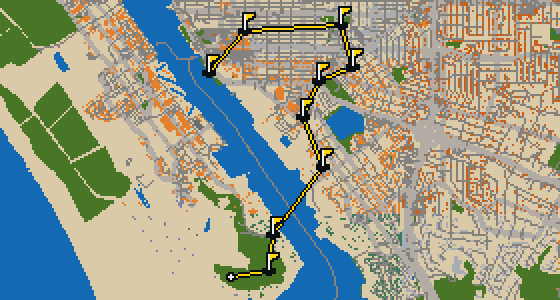
Baltimore - 18 stops - par 54

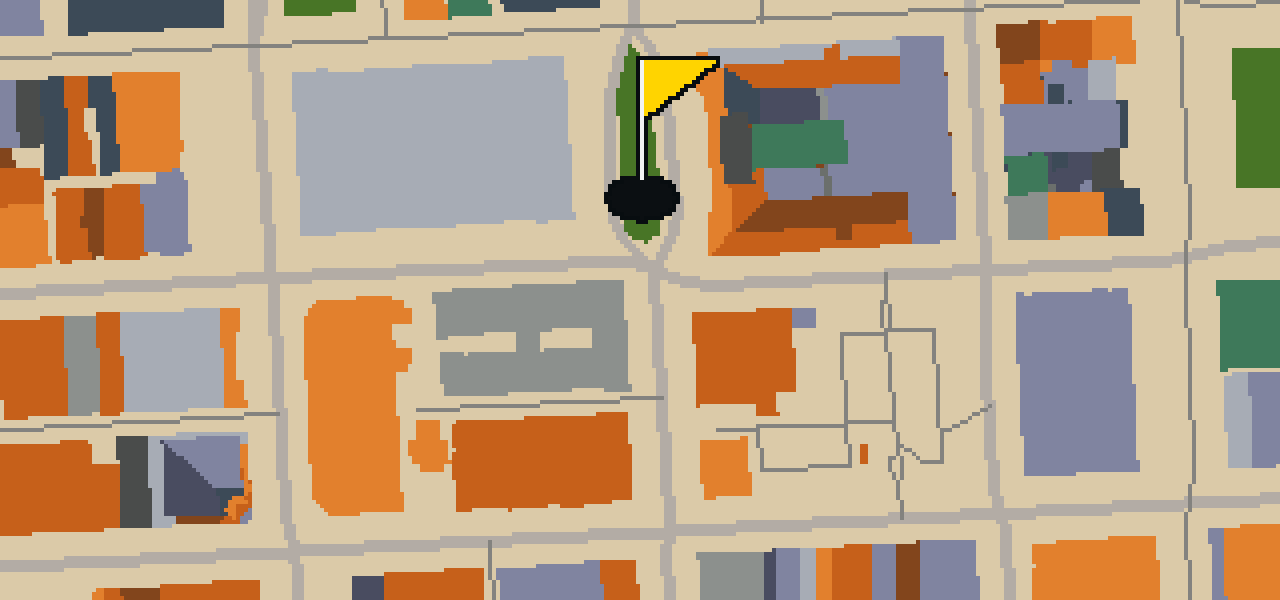
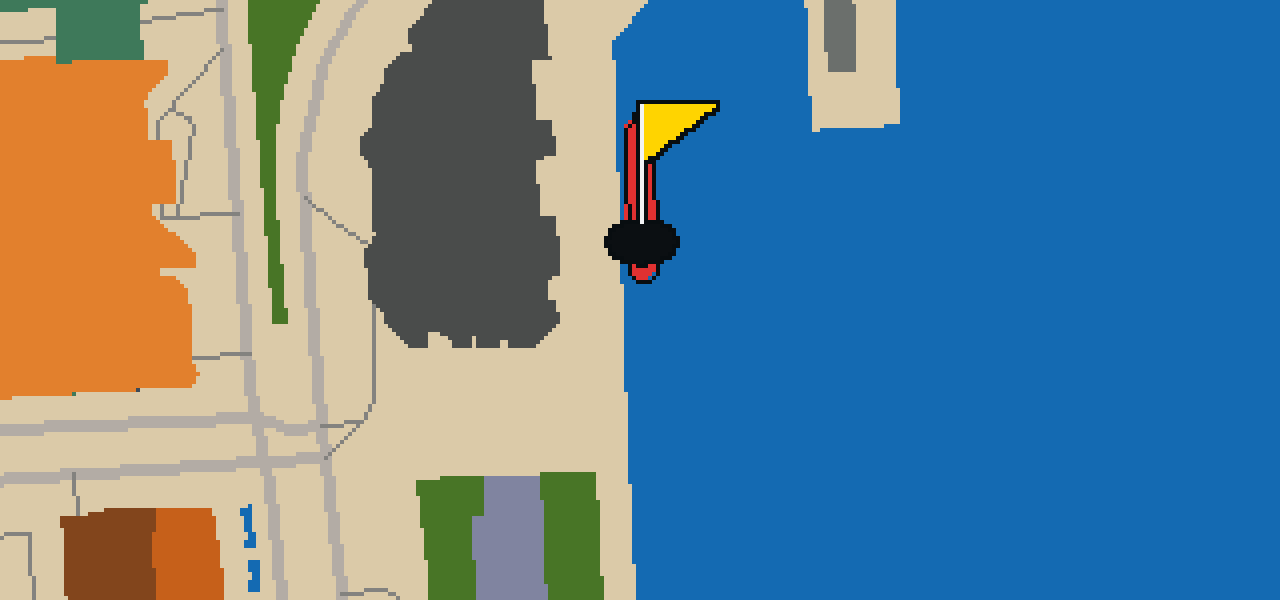
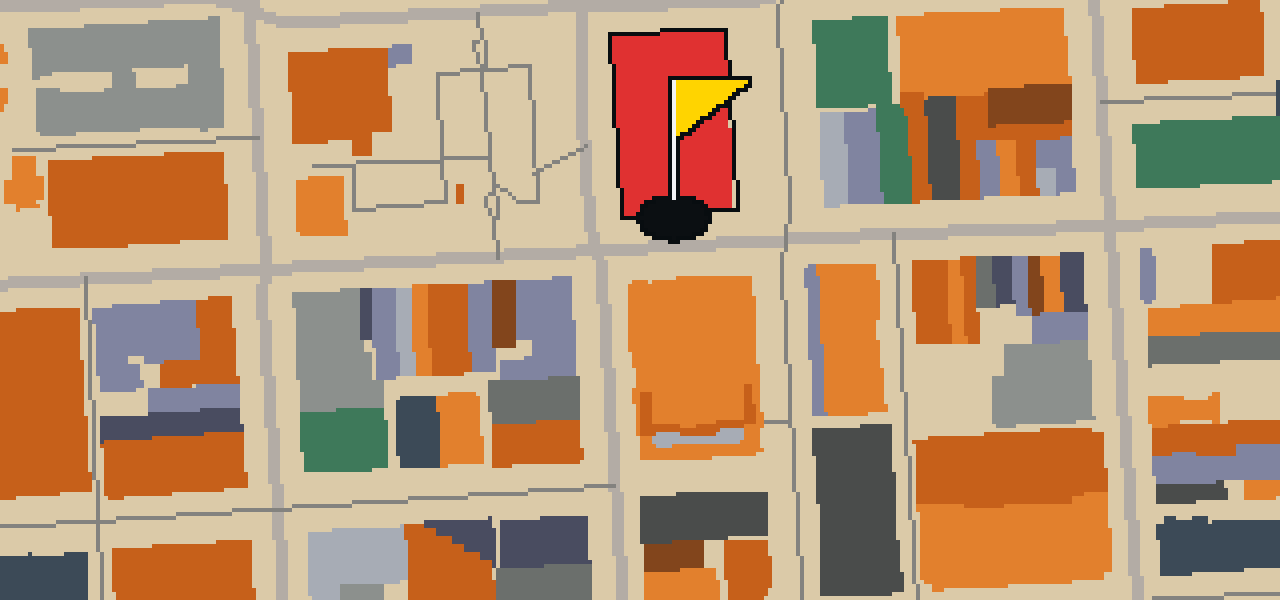
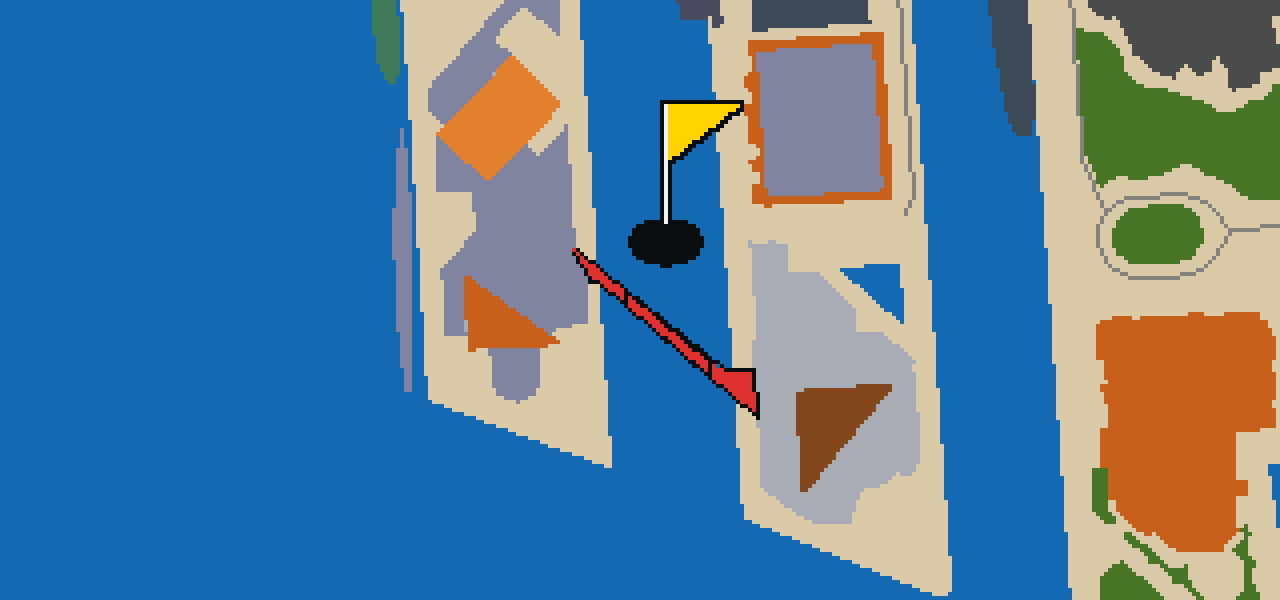
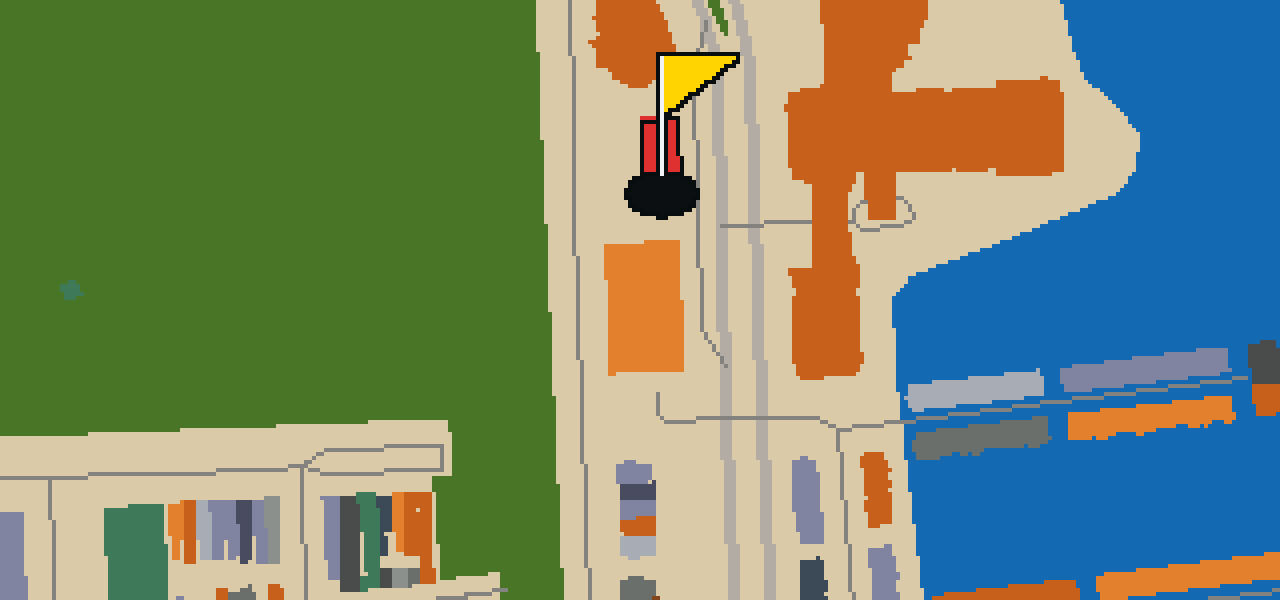
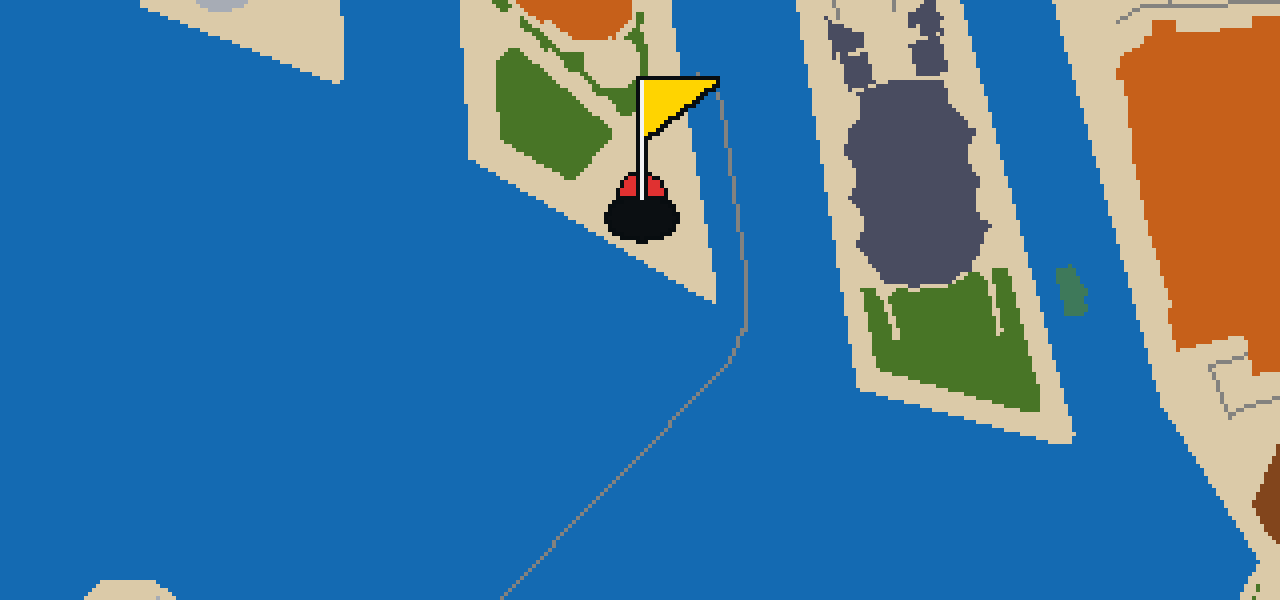
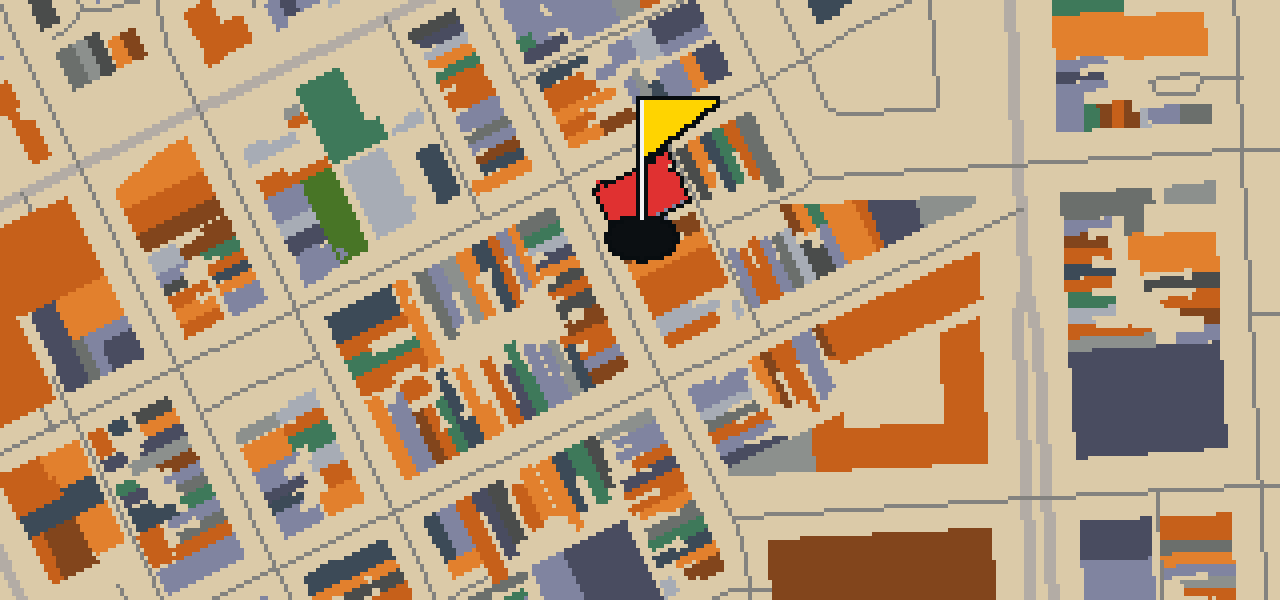
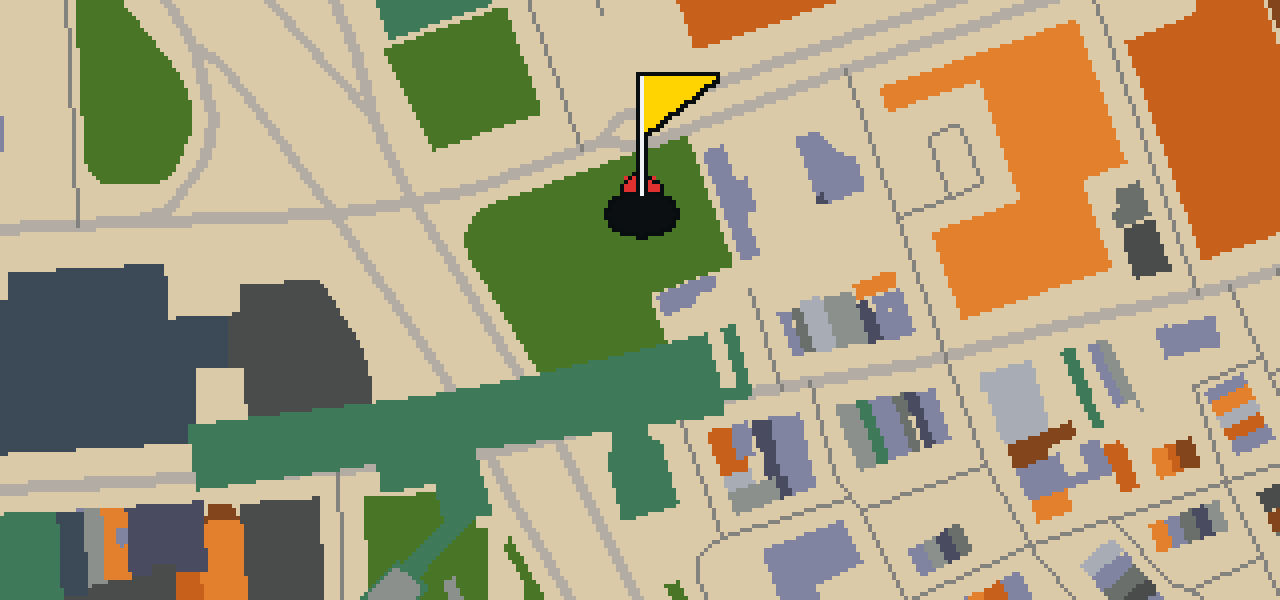
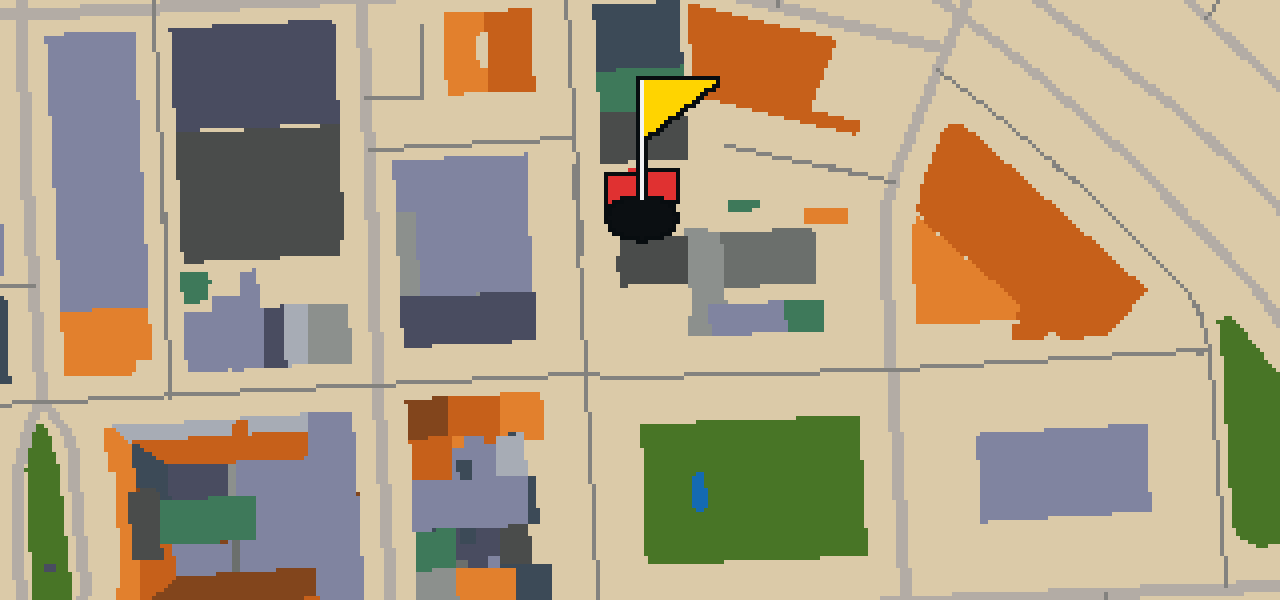
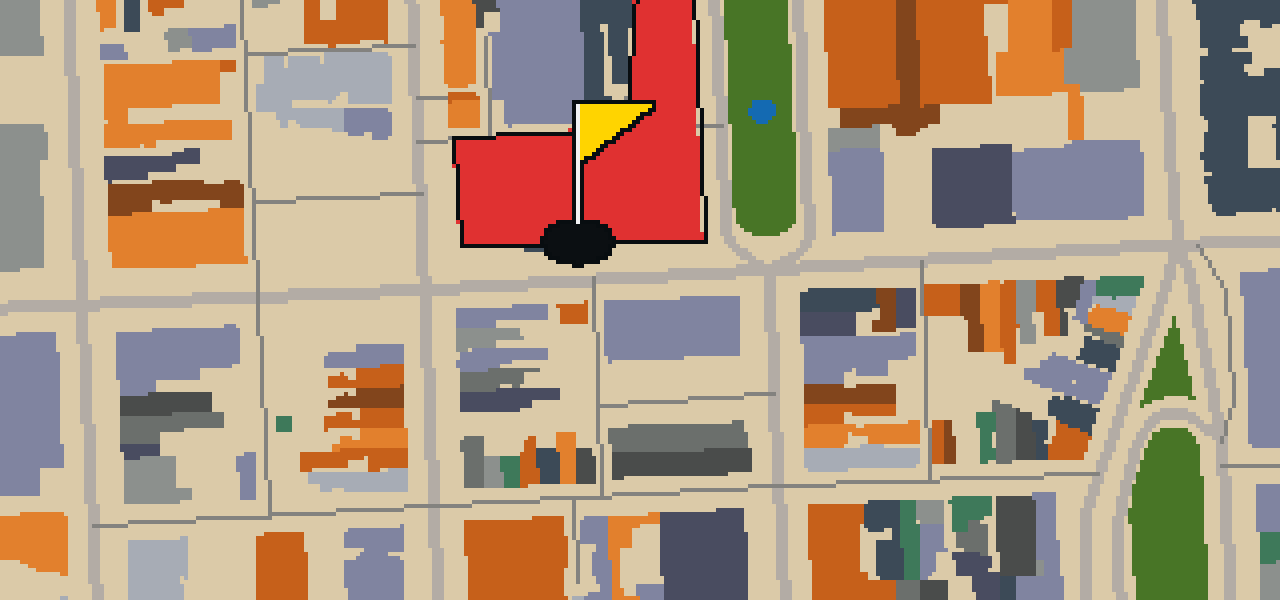
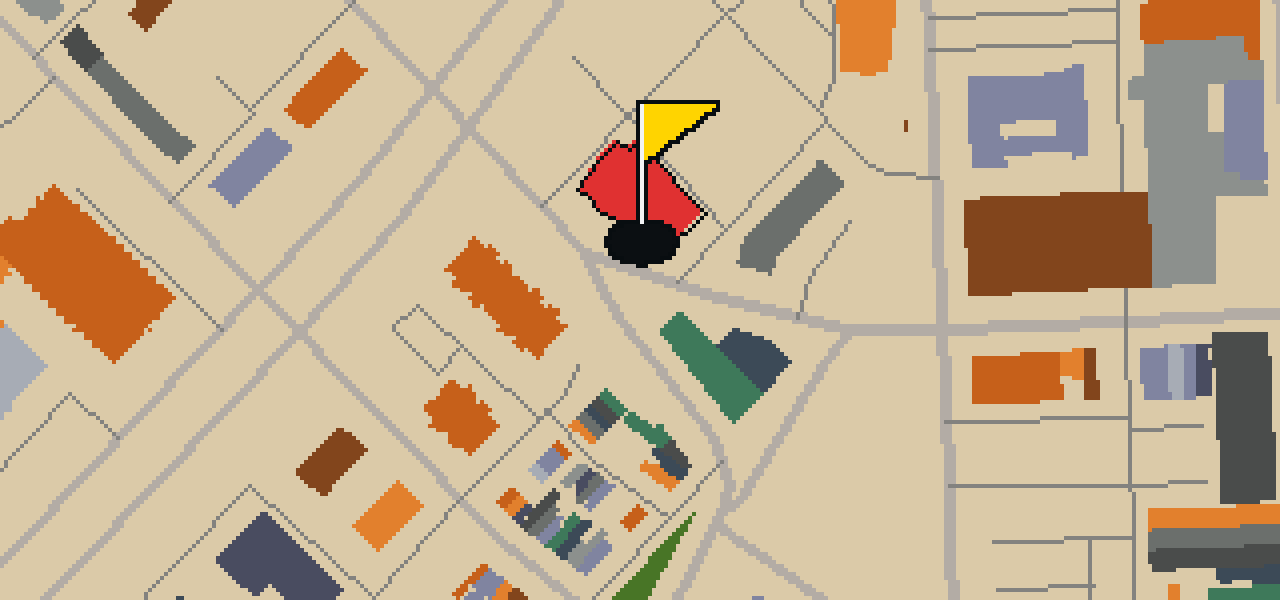
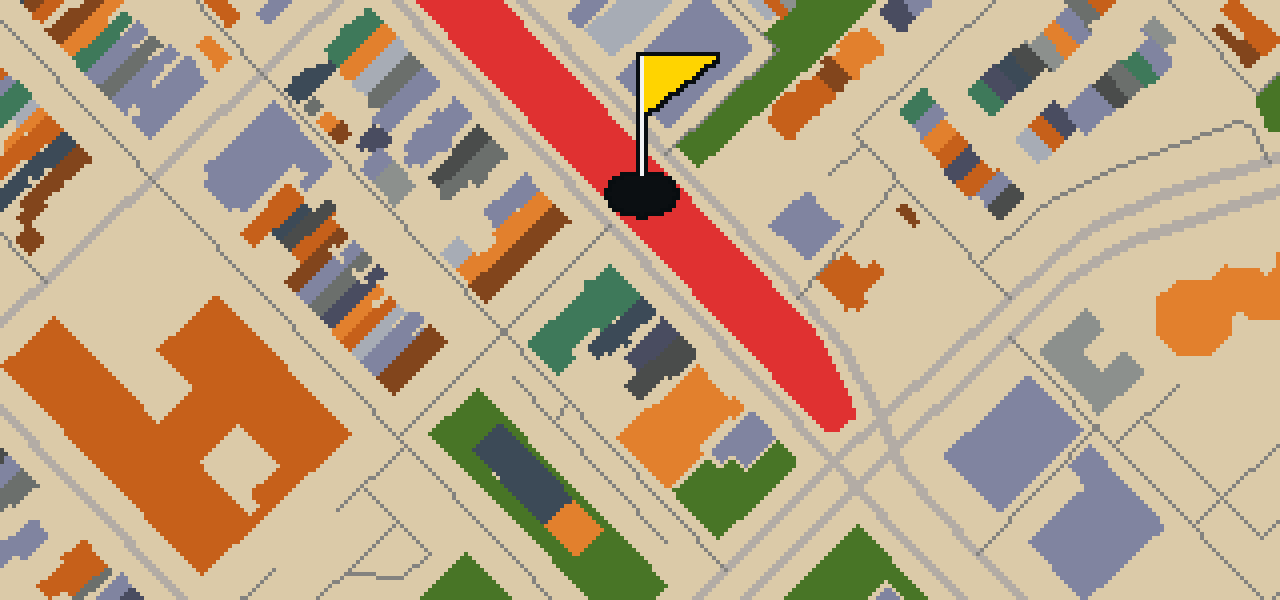
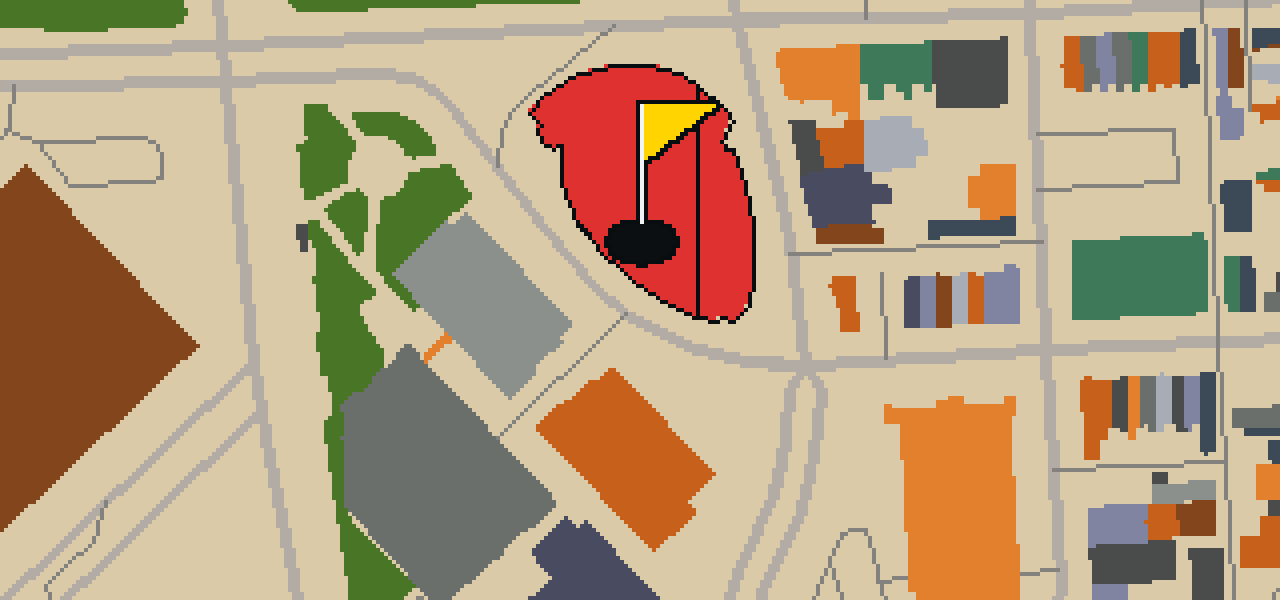
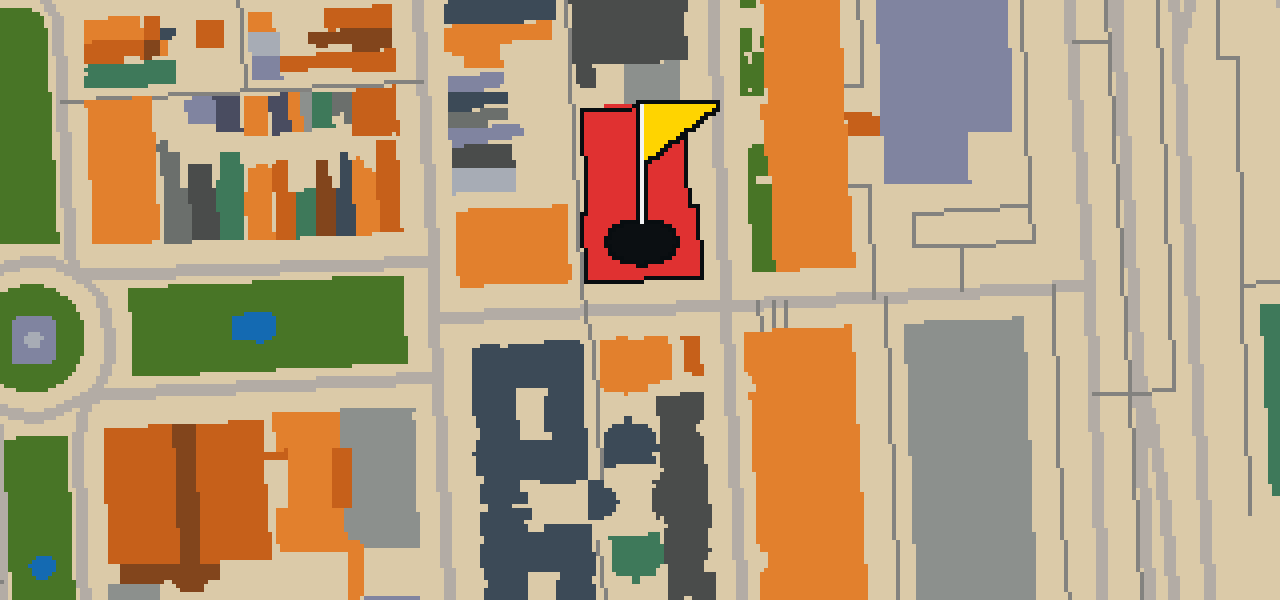
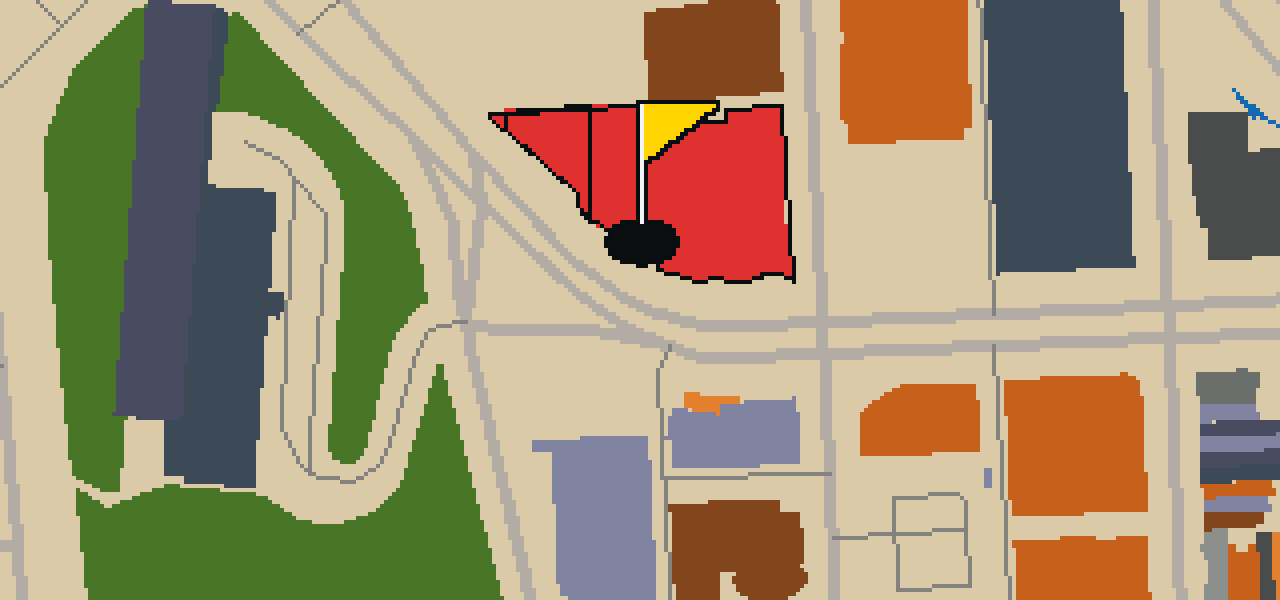
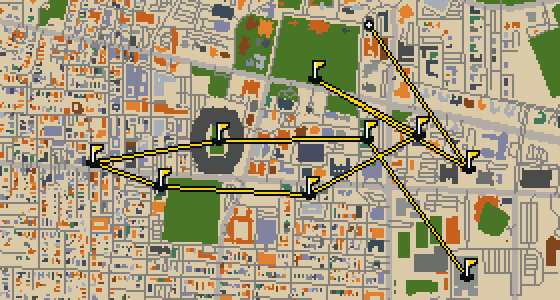
This is a full round through Baltimore. The map is the real city and the ball rolls across its actual streets, banking off building facades until it hits a landmark like the National Aquarium. These real attractions form the holes. Skip knows every alleyway and curb here, having spent plenty of time dodging crumbs on the sidewalk. The walk covers 7.1 mi across 18 holes with a par of 54, using 16 portals to bridge the gaps between the distant districts.

Trouble loading? Open the game in its own tab.

HOW IT WORKS

01

Pick a city

The course is drawn on the real street grid, so the map you play is the map you walk.

02

Putt to the pin

Drag to aim, release to swing. Buildings bounce and water costs you a stroke.

03

Sightsee between strokes

Every hole ends at an attraction. Sink the putt, read the story, walk to the next tee.

THE BALTIMORE ROUND - STOP BY STOP

HOLE 1 - PAR 4

M&T Bank Stadium

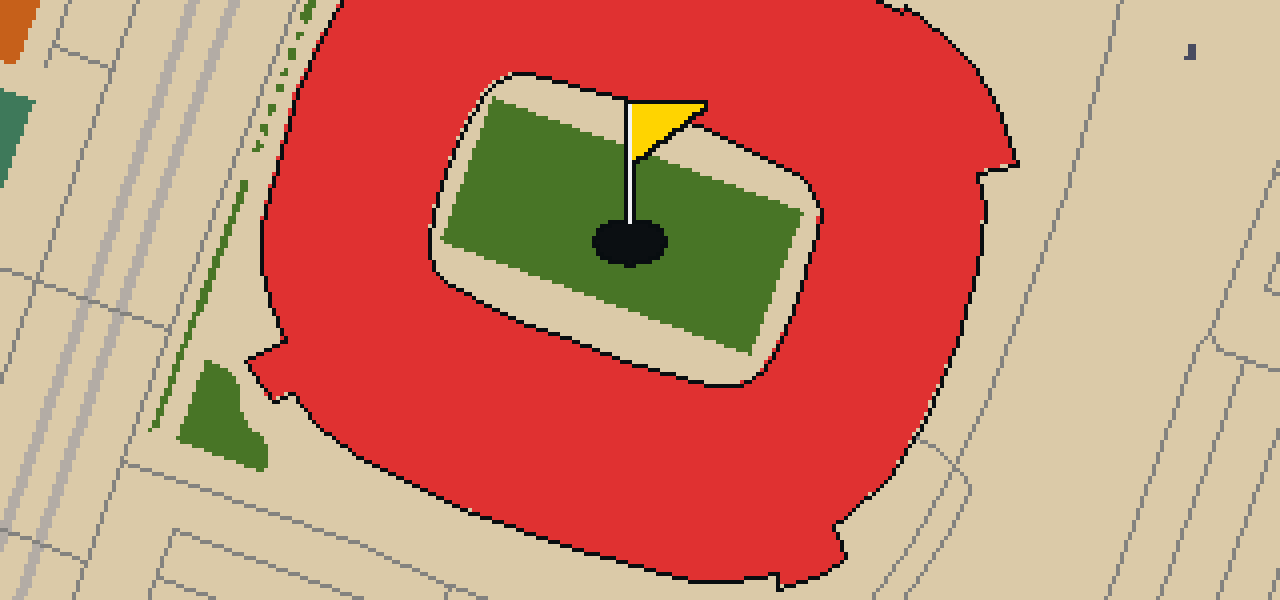
You'll find M&T Bank Stadium in Baltimore, Maryland, positioned immediately adjacent to Oriole Park at Camden Yards. This multi-purpose stadium was started in 1998 and was designed by the architect Populous. It reaches a height of 56.4 meters. Since its opening in 1998, the venue has been the home of the Baltimore Ravens of the National Football League. I've seen plenty of fans flocking here on game days, and it makes sense given the listed capacity of 70,745. It is a massive presence in this part of the city.

Wikidata · Wikipedia

HOLE 3 - PAR 3

Battle Monument

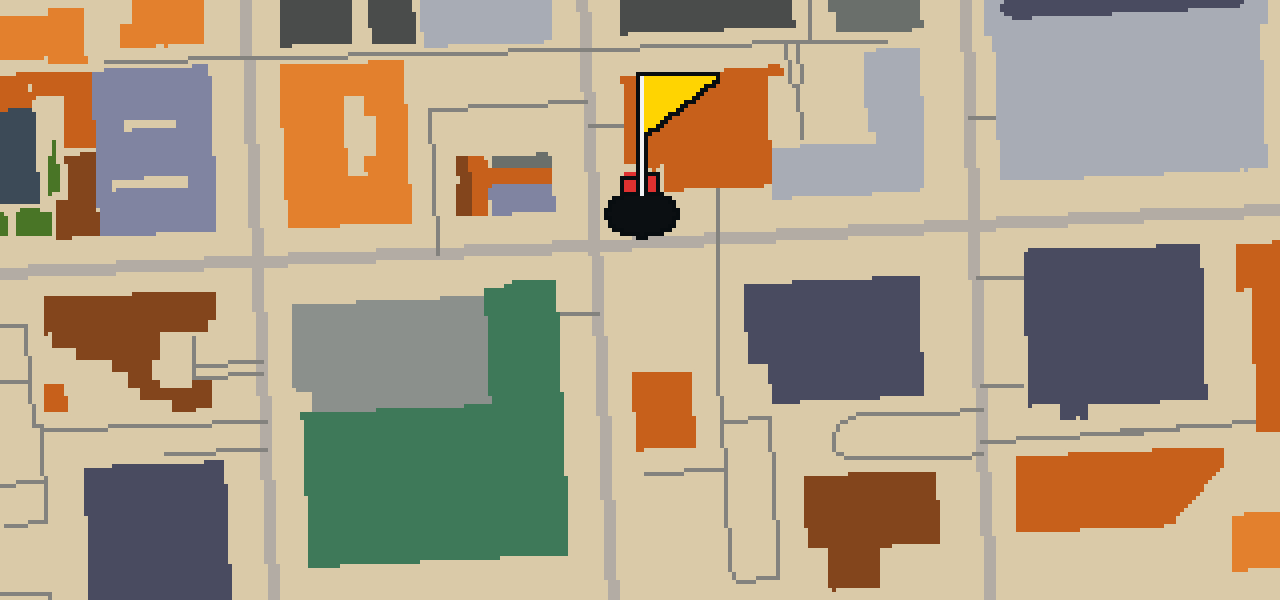
The Battle Monument is a monument located in Battle Monument Square on North Calvert Street between East Fayette and East Lexington Streets in Baltimore, Maryland. Designed by architect Maximilian Godefroy, the project's inception was in 1825. It commemorates the Battle of Baltimore, specifically the Battle of North Point and the British fleet of the Royal Navy's bombardment of Fort McHenry. You can pick out the intricate details of the structure while visiting the square. I've found that the surrounding streets make it a great spot to pause and look up.

Wikidata · Wikipedia

HOLE 4 - PAR 3

USS Constellation

You might expect a sleek steel hull here, but instead you will find the USS Constellation. This sloop-of-war is a National Historic Landmark and a National Register of Historic Places listed place. It served with the Mediterranean Squadron from 1855 until 1858 before becoming the flagship of the Africa Squadron in 1859. During the American Civil War from 1861 to 1865, the ship returned to the Mediterranean to patrol for Confederate vessels. I've noticed the wind usually carries the scent of the harbor right up to the decks.

Wikidata · Wikipedia

HOLE 5 - PAR 3

Business and Government Historic District

Don't mistake this for a modern corporate park. This is the Business and Government Historic District in downtown Baltimore, Maryland. It was listed on the National Register of Historic Places in 1987. When you wander through, you can pick out the War Memorial Plaza as the major feature of the area. If you look to the west of the plaza, you will find City Hall, while the War Memorial sits to the east. It is a concentrated hub where the city's official business and commercial history meet.

Wikidata · Wikipedia

HOLE 6 - PAR 3

National Aquarium

Located at 501 East Pratt Street on Pier 3 in the Inner Harbor area of Downtown Baltimore, the National Aquarium is a nonprofit public aquarium. Peter Chermayeff LLC and Kevin Roche were architects for the facility. It houses a massive collection of aquatic life, including more than 17,000 specimens representing over 750 species. I've seen plenty of fish from the air, but these are much easier to spot behind the glass. Whether you are here for the architecture or the animals, it is a centerpiece of the downtown waterfront.

Wikidata · Wikipedia

HOLE 7 - PAR 3

American Visionary Art Museum

Let me show you the American Visionary Art Museum. Located at 800 Key Highway in Baltimore, Maryland's Federal Hill neighborhood, this art museum specializes in the preservation and display of outsider art. It is a nonprofit organization that was founded in 1995 and now sees 100,000 annual visitors. Because of its unique focus, Congress has designated the museum as America's national museum for visionary art. I've noticed the crowds here are always quite spirited, and the energy of the place is something you can really feel as you walk through the doors.

Wikidata · Wikipedia

HOLE 8 - PAR 3

Seven Foot Knoll Lighthouse

Let me show you the Seven Foot Knoll Lighthouse. This lighthouse was built in 1855 and stands 16 meters tall. It is the oldest screw-pile lighthouse in Maryland and is a National Register of Historic Places listed place. You can find it today in Baltimore's Inner Harbor, where it was relocated to serve as a museum exhibit after its time atop Seven Foot Knoll in the Chesapeake Bay. I have always found the screw-pile design quite clever for the water, as it keeps the whole thing steady. It is a great spot to pause and look at the harbor.

Wikidata · Wikipedia

HOLE 9 - PAR 3

Saint Leo Catholic Church

Saint Leo Catholic Church is a church building started in 1880. Designed in the Renaissance Revival architecture style, the site is a National Register of Historic Places listed place. This Roman Catholic church complex is located within the Archdiocese of Baltimore in Little Italy, Maryland. For those visiting the area, the church is regarded as the core of the neighborhood, providing a central point of reference for the surrounding streets and buildings in this part of the United States.

Wikidata · Wikipedia

HOLE 10 - PAR 2

Phoenix Shot Tower

Completed in 1828, the Phoenix Shot Tower is also known as the Old Baltimore Shot Tower. This red brick tower was built in less than 6 months and held the title of the tallest structure in the United States upon its completion. You can find it in East Baltimore, near the Jonestown, Little Italy, and downtown communities. It is now recognized as a National Historic Landmark and is listed on the National Register of Historic Places. I've noticed the bricks have a particular glow when the sun hits them just right.

Wikidata · Wikipedia

HOLE 11 - PAR 3

The Peale

Let me show you The Peale, a community museum located in Baltimore. This site is a National Register of Historic Places listed place and a National Historic Landmark. You can pick out the unique architecture of the building, as it was the first in the Americas designed and built specifically as a museum. The inception of The Peale was in 1786. After being vacant for 20 years, the museum reopened in 2017 and was fully renovated by 2022. I've noticed it's a great spot to see how the city preserves its early history.

Wikidata · Wikipedia

HOLE 12 - PAR 3

Walters Art Museum

You can find the Walters Art Museum in the Mount Vernon neighborhood of Baltimore. This public art museum opened in 1934 and was designed by the architect William Adams Delano. Much of the art and sculpture here was gathered by two major American collectors, William Thompson Walters and his son Henry Walters. William began his collecting journey in 1861 after moving to Paris. The museum continues to hold collections from the mid-19th century, making it a great stop for anyone interested in the history of art collection. I've noticed the neighborhood around here has a great feel to it.

Wikidata · Wikipedia

HOLE 13 - PAR 3

Arena Players

Arena Players is a community theatre located in Baltimore, Maryland. This organization is historically African-American and holds a distinguished place in the American arts. It is the oldest continually performing historically African-American community theatre in the United States. When you are visiting, you can see how they have maintained their presence over the years to provide a space for storytelling. I always think it is impressive that they have kept the curtains rising for so long without a break in their performance history.

Wikidata · Wikipedia

HOLE 14 - PAR 3

Francis Scott Key Monument

The Francis Scott Key Monument is a sculpture in the Bolton Hill neighborhood of Baltimore. Its inception was in 1911. Dedicated to the author of the text of the American national anthem "The Star-Spangled Banner," the monument is a detailed tribute. You can pick out a gilded statue of Lady Columbia waving a flag on a pedestal of four stone columns. I've noticed the way the gold catches the light when I'm flying overhead. It's a sturdy spot to stop and look at the figures that tell the story of the city's history.

Wikidata · Wikipedia

HOLE 15 - PAR 3

Joseph Meyerhoff Symphony Hall

Let me show you the Mount Vernon neighborhood, where you will find the Joseph Meyerhoff Symphony Hall at 1212 Cathedral Street. This music venue opened September 16, 1982. It takes its name from Joseph Meyerhoff, who served as president of the Baltimore Symphony from 1965 to 1983. Whether you are here for the architecture or the acoustics, it is a centerpiece of the local arts scene. I usually find the area around here has some of the best views for a bird's eye perspective.

Wikidata · Wikipedia

HOLE 16 - PAR 2

Mount Vernon Place United Methodist Church

Mount Vernon Place United Methodist Church is a church building located at 2-10 Mount Vernon Place in Baltimore. Completed in 1872 and designed by architect Thomas Dixon, the structure is built in the Gothic Revival style. It is a National Register of Historic Places listed place. Visitors can note the scale of the interior sanctuary, which seats 900, and the historical significance of the grounds, as the church stands on the site where Francis Scott Key died in 1843. This location provides a moment of reflection within the Mount Vernon neighborhood.

Wikidata · Wikipedia

HOLE 17 - PAR 3

Basilica of the National Shrine of the Assumption of the Blessed Virgin Mary

The Basilica of the National Shrine of the Assumption of the Blessed Virgin Mary is a Catholic cathedral in Baltimore. It is designed in the Neoclassical architecture style and is recognized as a National Historic Landmark. This site is also a National Register of Historic Places listed place. Beyond its architectural significance, the building is a minor basilica and a national shrine. The inception of the site was in 1821, and Benjamin Henry Latrobe served as the architect for the project.

Wikidata · Wikipedia

HOLE 18 - PAR 4

Center Stage

Let me show you Center Stage. Founded in 1963, this nonprofit organization is a theatre company that has become the state theater of Maryland. It is Baltimore's largest professional producing theater, making it a central hub for the performing arts in the city. Whether you are a fan of the stage or just passing through, it is a significant spot in the local cultural scene. I find the energy around the building quite lively when a show is about to begin.

Wikidata · Wikipedia

STOP 19

The Patricia and Arthur Modell Performing Arts Center at the Lyric

You can pick out the Renaissance Revival architecture of the Patricia and Arthur Modell Performing Arts Center at the Lyric as you walk by. This theatre building in Baltimore, Maryland, was inaugurated on October 31, 1894. It has a long history of high-profile music, including touring performances by the Metropolitan Opera starting in 1904. Later, the venue became the home of the Baltimore Opera Company from 1950 until that company's liquidation in 2009. I've noticed the building's facade always makes for a great backdrop.

Wikidata · Wikipedia

OTHER COURSES

9 HOLES - PAR 29

Fayetteville

9 stops

Fayetteville is the setting for this round, where the map is the real city and the ball rolls across its actual streets. The holes are built from real attractions, beginning at the Walton Arts Center. This quick 9-hole round covers 3.6 mi with a par of 29. Skip is a local guide who knows every curb and crack in the pavement.

9 HOLES - PAR 30

Lincoln

9 stops

The ball finds the cup at the Statue of Abraham Lincoln in Lincoln. The map is the real city and the round is played on its real streets, using actual attractions as the holes. This quick 9-hole round covers 4.4 mi with a par of 30. Skip is a local guide who knows these sidewalks well, even the parts where the crumbs are best.

18 HOLES - PAR 55

Duluth

18 stops

This is Duluth. The map is the real city and the round is played on its actual streets, where the ball banks off the facades of real attractions like the SS William A. Irvin to reach the cup. Skip is a local guide who knows every nook and cranny of these sidewalks. It is a full round of 18 holes with a par of 55. The total walk covers 7.1 mi, though a pigeon can take a few shortcuts across the rooftops.

9 HOLES - PAR 29

Traverse City

9 stops

Traverse City is the setting for this quick nine-hole round. The map uses the actual city layout where the ball rolls across real streets and banks off the facades of attractions like the Wise Memorial Clock Tower. Skip knows every ledge and gutter in town. The walk covers 3.8 mi on a course with a par of 29.

9 HOLES - PAR 31

Grand Rapids

9 stops

Banking a ball off the glass and stone of the Van Andel Arena feels different than the soft edges of a park. This round takes place on the real streets of Grand Rapids, where the city map is the course and local attractions are the holes. It is a quick nine-hole round covering 4.4 mi. Skip knows every sidewalk and ledge in this town.

FAQ

Is it free to play?

Yes. Every course runs in the browser with no account and no install.

Do I need to be in the city?

No. The full round plays from anywhere. Walking the real route is a nice way to see the city, but it is not required.

Are the maps real?

Yes. The geometry comes from OpenStreetMap data, rendered chunky on purpose. Streets, water and parks sit where they really are.