
ALBANY - 9 HOLES - FREE

ALBANY
CITY MAP MINIGOLF

Albany - 9 stops - par 29

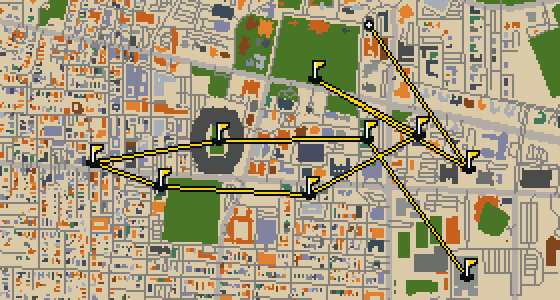
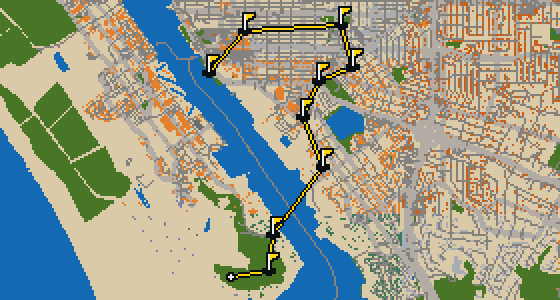
Albany is the setting for this round, where the map is the actual city and the ball rolls along its real streets. The holes are built from local attractions like the Schuyler Mansion Museum. Skip knows every sidewalk here. This quick 9-hole round covers 3.7 mi with a par of 29, using 2 portals to bridge the gaps.

Trouble loading? Open the game in its own tab.

HOW IT WORKS

01

Pick a city

The course is drawn on the real street grid, so the map you play is the map you walk.

02

Putt to the pin

Drag to aim, release to swing. Buildings bounce and water costs you a stroke.

03

Sightsee between strokes

Every hole ends at an attraction. Sink the putt, read the story, walk to the next tee.

THE ALBANY ROUND - STOP BY STOP

HOLE 1 - PAR 3

Schuyler Mansion Museum

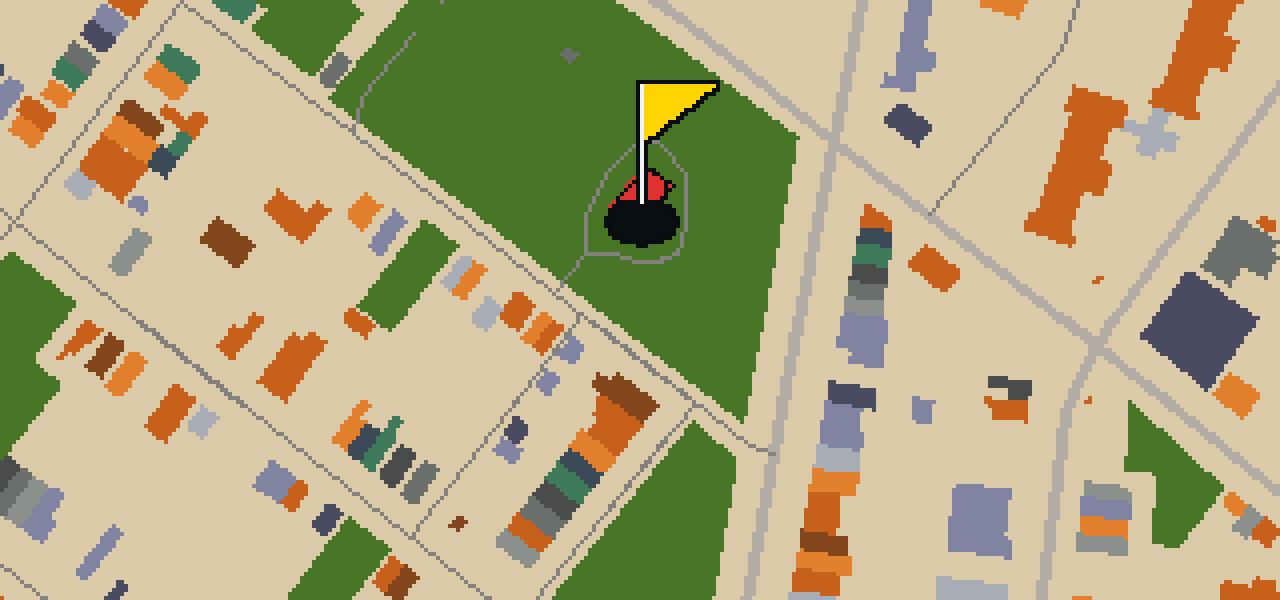
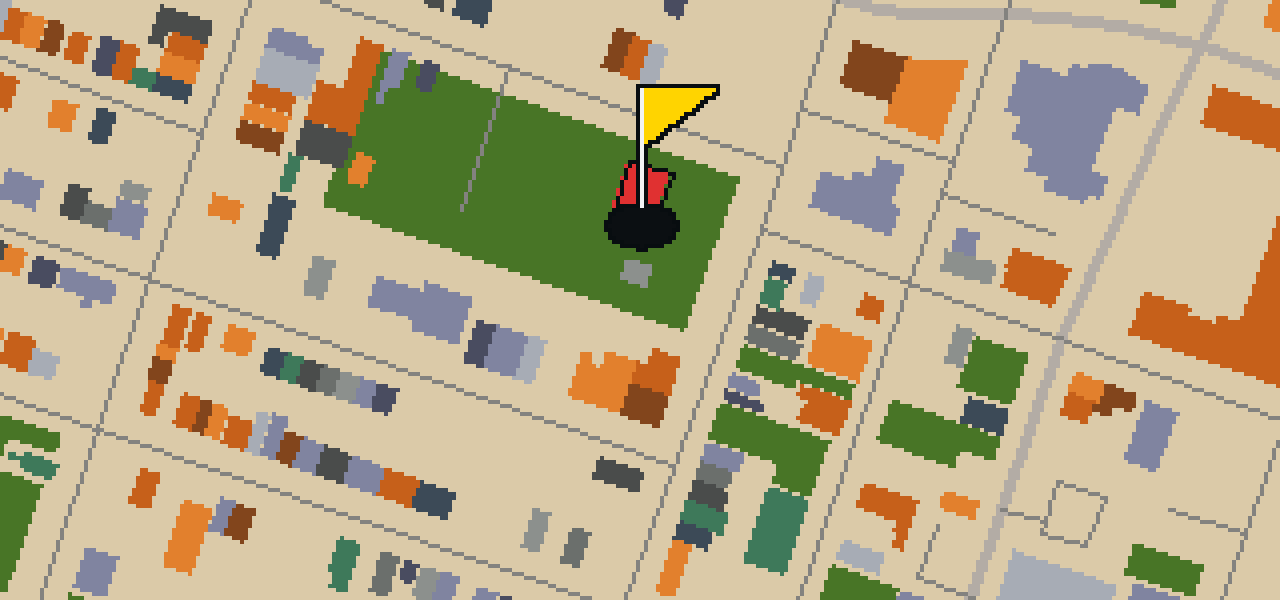
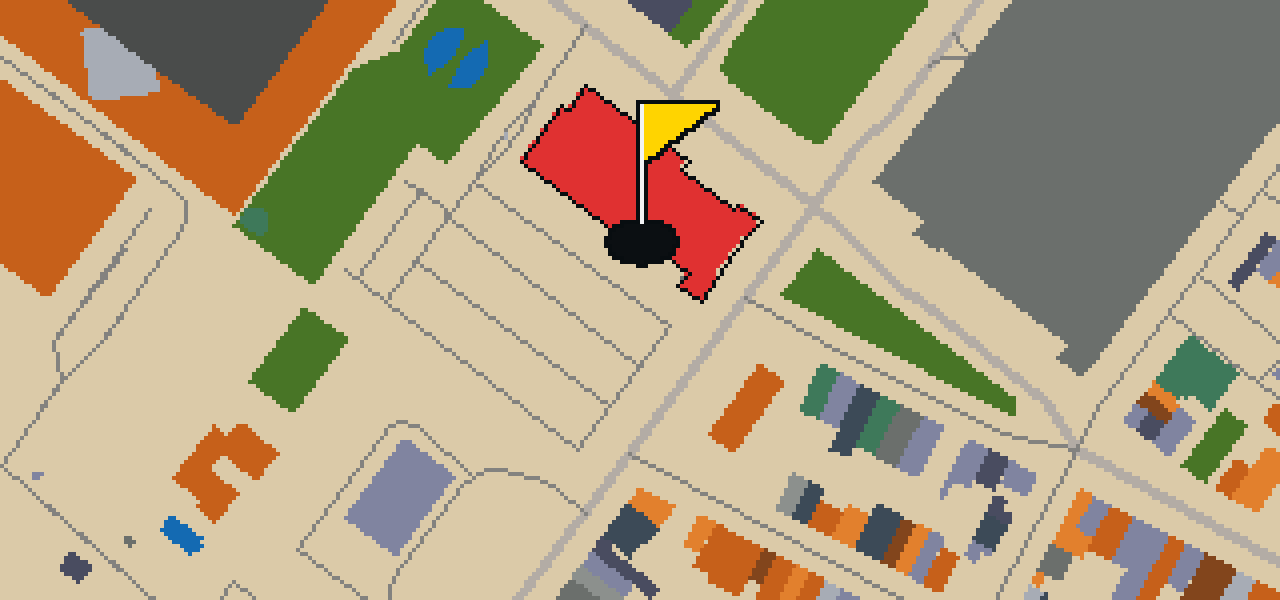
The Schuyler Mansion Museum is a historic house museum located at 32 Catherine Street in Albany, New York. The building is an instance of Georgian architecture and was declared a National Historic Landmark on December 24, 1967. It is also a contributing property to the South End–Groesbeckville Historic District, which was listed on the National Register of Historic Places in 1984. You can pick out the symmetry and proportions typical of the Georgian style as you walk the grounds. I've noticed that the neighborhood around the mansion provides a great sense of the city's older layout. Since the mansion was constructed from 1761 to 1765 for Philip Schuyler, it remains one of the most significant residences in the area for those who appreciate early American building styles.
Wikidata · Wikipedia

HOLE 2 - PAR 4

Destroyer Escort Historical Museum

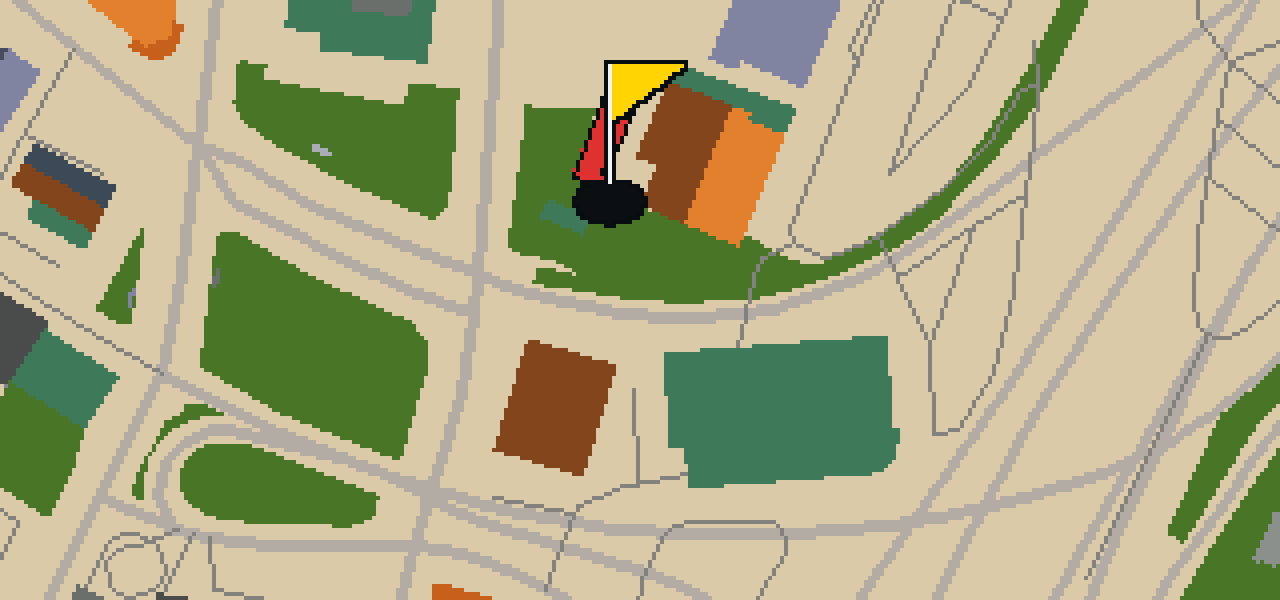
The United States Navy operated the USS Slater (DE-766), a Cannon-class destroyer escort that now serves as the Destroyer Escort Historical Museum. This museum ship is a preserved watercraft and a National Register of Historic Places listed place. After its time with the American fleet, the ship was transferred to Greece and renamed Aetos, where it served in the Hellenic Navy. It remained in service until it was decommissioned in 1991. You can walk the decks of this National Historic Landmark to see how these vessels operated during their active years. I have noticed that the steel feels a lot colder than the city sidewalk when the wind kicks up off the water, reminding you that this ship was built for the open sea.

Wikidata · Wikipedia

HOLE 3 - PAR 4

Cathedral of the Immaculate Conception

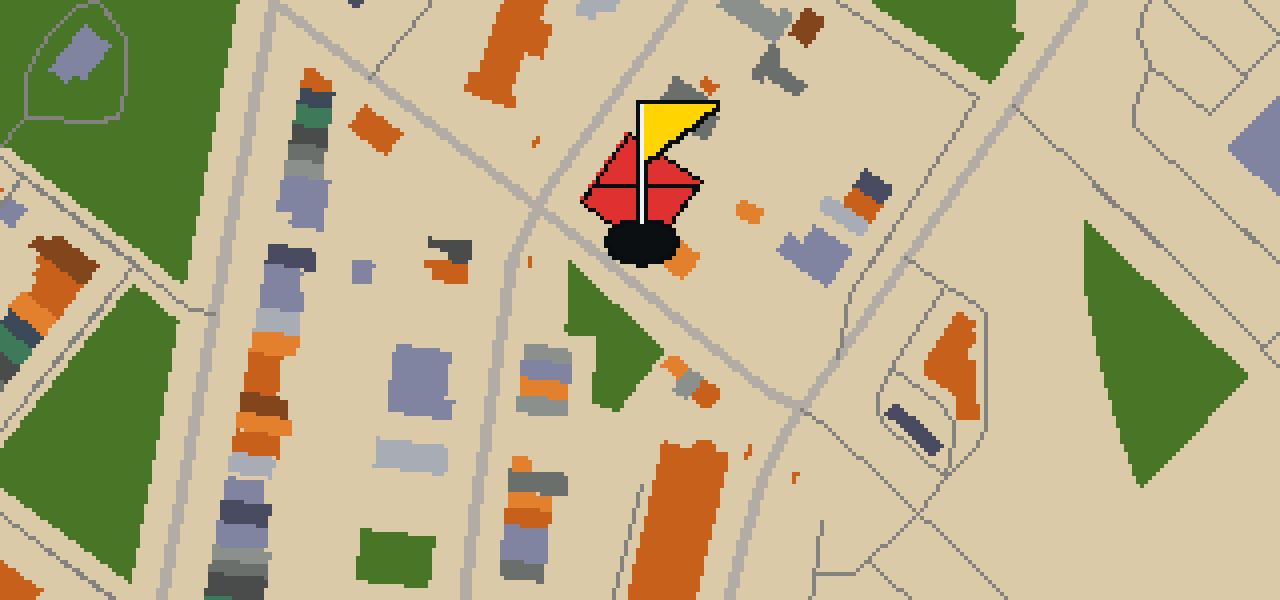
The Cathedral of the Immaculate Conception is a Catholic cathedral located near the Mansion District in Albany, New York. It serves as the mother church of the Diocese of Albany. Designed by architect Patrick Charles Keely, the structure was built in the Gothic Revival style. The construction of the cathedral took place in the period of 1848–1852, and the project was started in 1852. Because of its historical and architectural significance, the site is a National Register of Historic Places listed place. It was officially listed on the National Register of Historic Places in 1976. This site stands as a primary example of the Gothic Revival style in the region, maintaining its role as a central religious landmark for the community in the United States.

Wikidata · Wikipedia

HOLE 4 - PAR 4

Albany Institute of History and Art

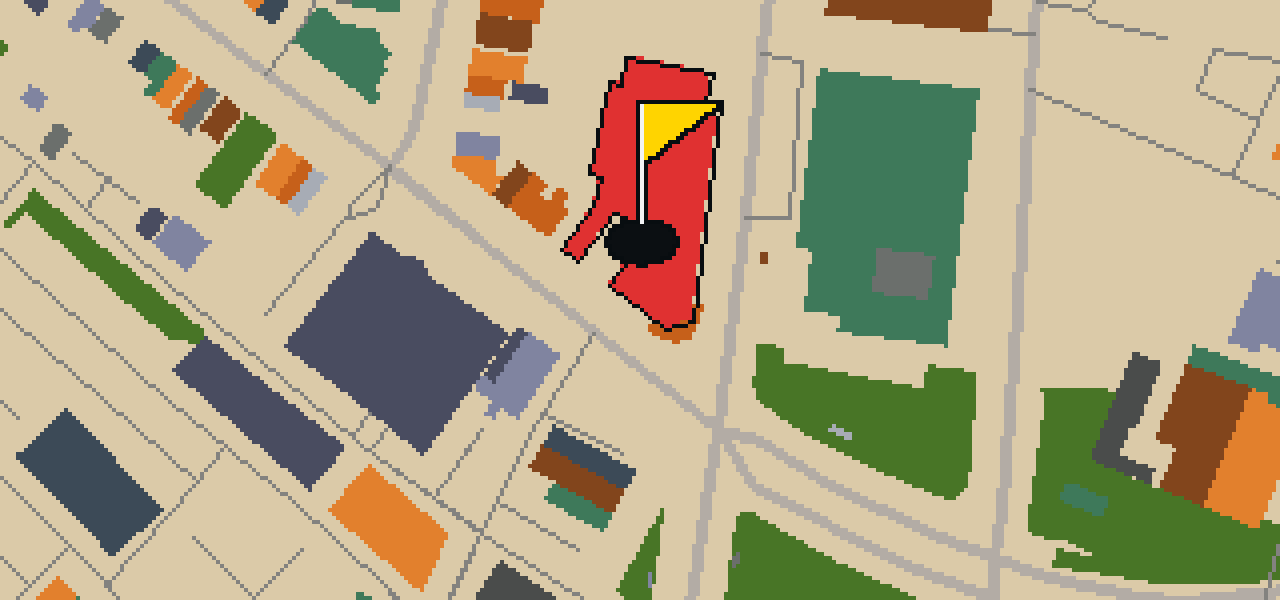
Richard Morris Hunt and Marcus T. Reynolds are the architects behind the Albany Institute of History and Art. This museum is located on Washington Avenue in downtown Albany. It is a nonprofit organization that was founded in 1791 and is housed in a museum building. Because of its significance, it is a National Register of Historic Places listed place. You can pick out the distinct architectural styles that these two designers brought to the structure. I've found that the building's presence on the street makes it a great landmark for getting your bearings in the downtown area. It is a wonderful spot to pause and appreciate how the city has grown around it over the centuries since its founding.

Wikidata · Wikipedia

HOLE 5 - PAR 3

Ten Broeck Mansion

Let me show you the Ten Broeck Mansion, a historic house museum located in Albany. This home was built in 1797 and has since become a preserved piece of the city's past. Over time, its significance was formally recognized when it was listed on the National Register of Historic Places in 1971. You can also find it included as a contributing property to the Arbor Hill Historic District–Ten Broeck Triangle. It is a great spot to stop and admire the architecture of a different era while you are out and about. I've noticed the eaves make for a decent spot to watch the street from a bird's eye view, though I'll leave the actual house tours to you. It is a wonderful example of how a private residence can evolve into a public treasure.

Wikidata · Wikipedia

HOLE 6 - PAR 3

Irish American Heritage Museum

You might expect a typical art gallery or a general city archive, but this is the Irish American Heritage Museum. Located in Albany, New York, it is a history museum dedicated to the experiences and legacy of Irish Americans. It provides a focused look at a specific cultural journey within the city, ensuring that these particular stories are preserved for every visitor who walks through the doors. I've found that the quiet atmosphere here makes it a great spot to step away from the busier streets for a while. Whether you are a history buff or just passing through on your way to the next landmark, it is a site that offers a distinct perspective on the people who helped shape the local area.

Wikidata · Wikipedia

HOLE 7 - PAR 2

Capital Repertory Theatre

Inside this building, you will find a house with 309 seats. This is the Capital Repertory Theatre, a professional regional theatre located in Albany. It operates under collective bargaining agreements with other theatre worker unions and the Actors' Equity Association. For those interested in the industry, it is a member of the League of Resident Theatres (LORT). In fact, it is the only theatre in the Capital District that holds membership in the LORT. I have always found the energy of a professional stage to be quite infectious, even for a bird. Whether you are a lifelong fan of the arts or just passing through the city, this building is a central point for professional performance in the region.

Wikidata · Wikipedia

HOLE 8 - PAR 3

Palace Theatre

John Eberson was the architect behind the Palace Theatre. He designed this building in the Art Deco style, and it first opened in 1931. You can find it on the corner of Clinton Avenue and North Pearl Street in downtown Albany, New York. Today, the building functions as a theatre building, movie theater, and concert hall. It is operated by the Palace Performing Arts Center, Inc., a 501(c)(3) non-profit organization. This operating organization was established in 1984 and was incorporated as a not-for-profit corporation in 1989. I've noticed the architecture makes it a real standout on the street corner, and it is a great place to stop and admire the facade while you are navigating the downtown area on your way to the next hole.

Wikidata · Wikipedia

HOLE 9 - PAR 3

The Cathedral Of All Saints

This site is not a secular monument; it is the Cathedral of All Saints. Located on Elk Street in central Albany, this Anglican cathedral is the central church of the Episcopal Diocese of Albany. The building was designed by Robert W. Gibson and built in the 1880s in the Gothic Revival style. Its historical significance is recognized by several official designations. It was listed on the National Register of Historic Places in 1974 and was recognized as a contributing property to the Lafayette Park Historic District, which was listed on the Register in 1970. The inception of the cathedral was 1888. You can see the influence of the Gothic Revival style in the architecture of the building as you pass by it on your way through the central part of the city.

Wikidata · Wikipedia

OTHER COURSES

9 HOLES - PAR 29

Fayetteville

9 stops

Fayetteville is the setting for this round, where the map is the real city and the ball rolls across its actual streets. The holes are built from real attractions, beginning at the Walton Arts Center. This quick 9-hole round covers 3.6 mi with a par of 29. Skip is a local guide who knows every curb and crack in the pavement.

9 HOLES - PAR 30

Lincoln

9 stops

The ball finds the cup at the Statue of Abraham Lincoln in Lincoln. The map is the real city and the round is played on its real streets, using actual attractions as the holes. This quick 9-hole round covers 4.4 mi with a par of 30. Skip is a local guide who knows these sidewalks well, even the parts where the crumbs are best.

18 HOLES - PAR 55

Duluth

18 stops

This is Duluth. The map is the real city and the round is played on its actual streets, where the ball banks off the facades of real attractions like the SS William A. Irvin to reach the cup. Skip is a local guide who knows every nook and cranny of these sidewalks. It is a full round of 18 holes with a par of 55. The total walk covers 7.1 mi, though a pigeon can take a few shortcuts across the rooftops.

9 HOLES - PAR 29

Traverse City

9 stops

Traverse City is the setting for this quick nine-hole round. The map uses the actual city layout where the ball rolls across real streets and banks off the facades of attractions like the Wise Memorial Clock Tower. Skip knows every ledge and gutter in town. The walk covers 3.8 mi on a course with a par of 29.

9 HOLES - PAR 31

Grand Rapids

9 stops

Banking a ball off the glass and stone of the Van Andel Arena feels different than the soft edges of a park. This round takes place on the real streets of Grand Rapids, where the city map is the course and local attractions are the holes. It is a quick nine-hole round covering 4.4 mi. Skip knows every sidewalk and ledge in this town.

FAQ

Is it free to play?

Yes. Every course runs in the browser with no account and no install.

Do I need to be in the city?

No. The full round plays from anywhere. Walking the real route is a nice way to see the city, but it is not required.

Are the maps real?

Yes. The geometry comes from OpenStreetMap data, rendered chunky on purpose. Streets, water and parks sit where they really are.