
AREQUIPA - 9 HOLES - FREE

AREQUIPA
CITY MAP MINIGOLF

Arequipa - 9 stops - par 27

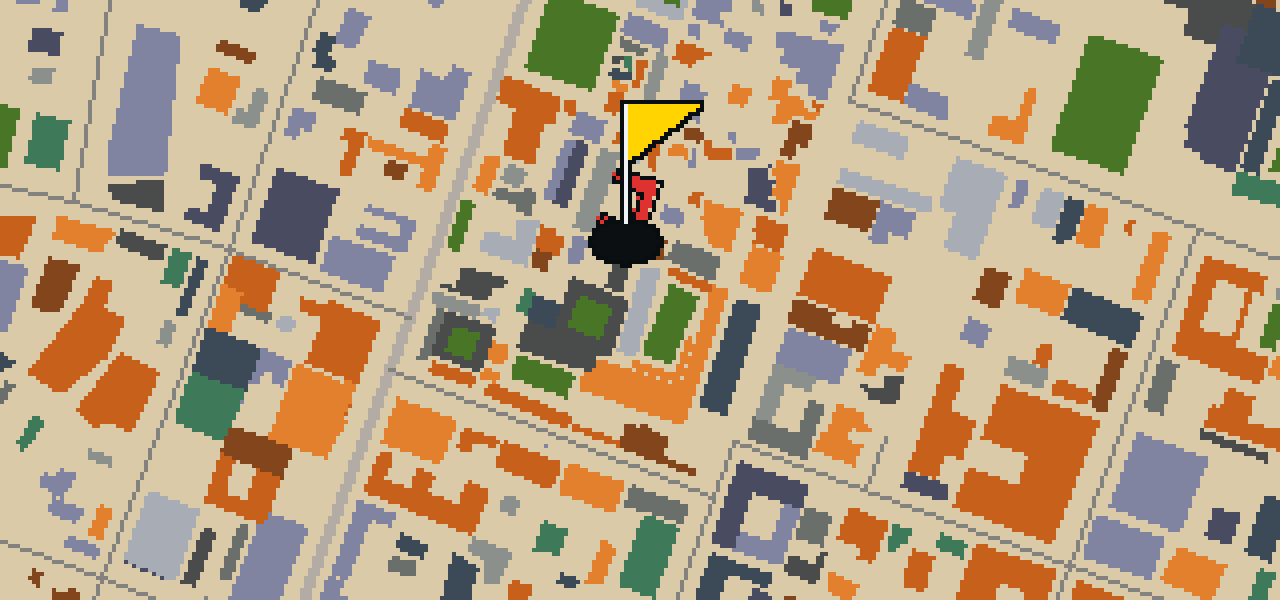
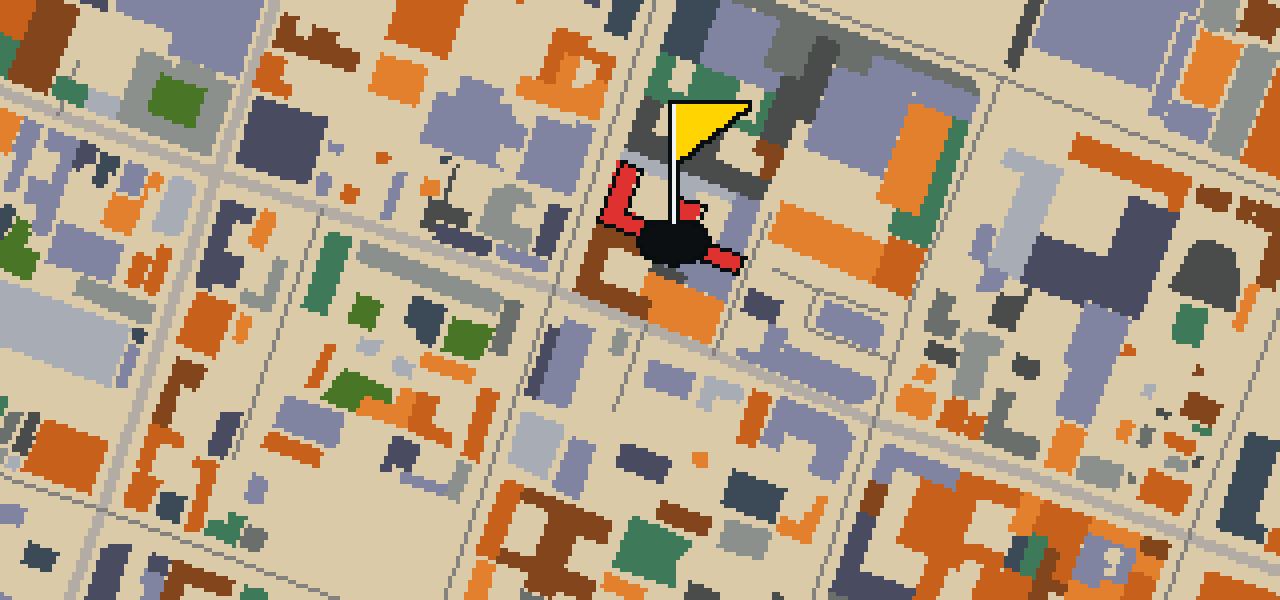
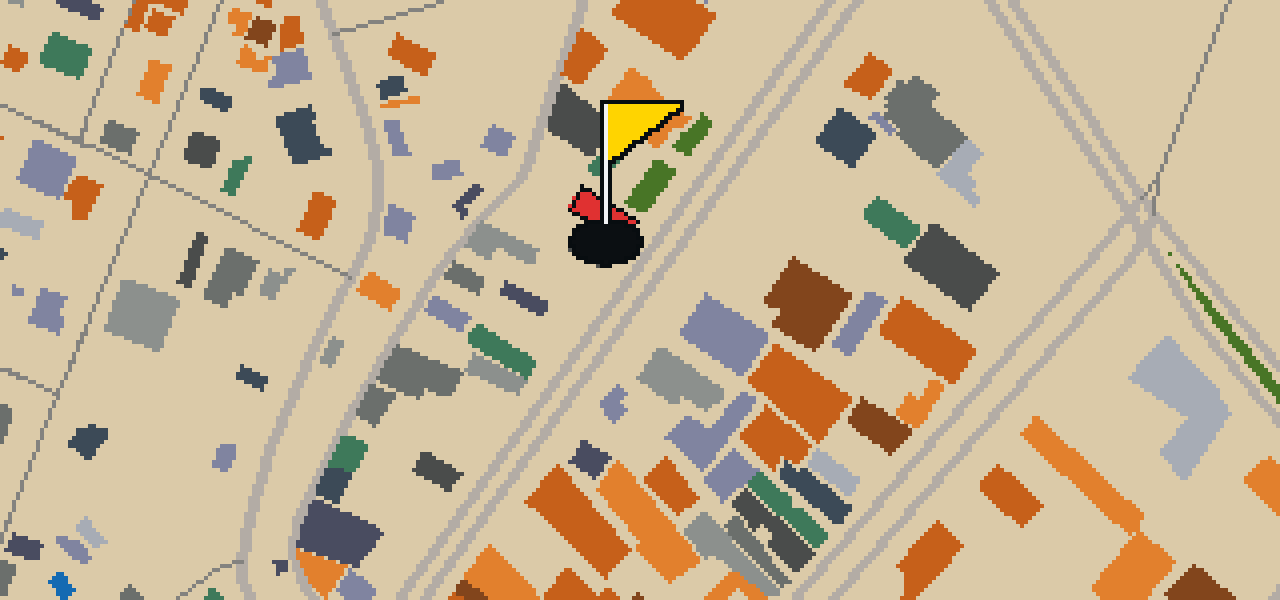
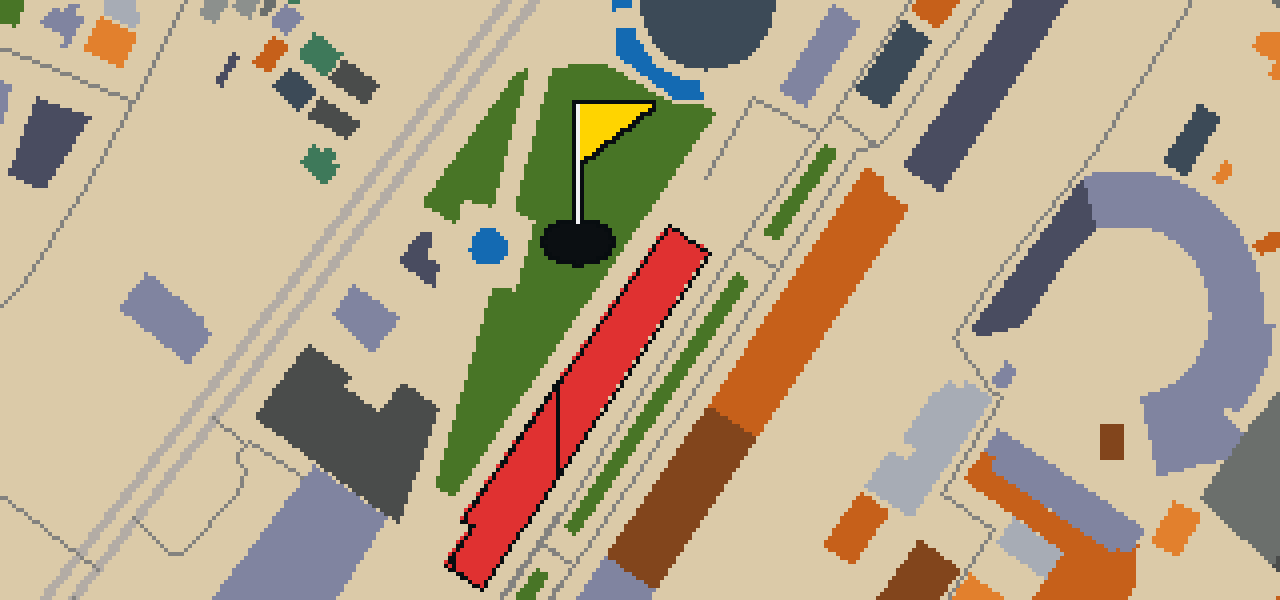
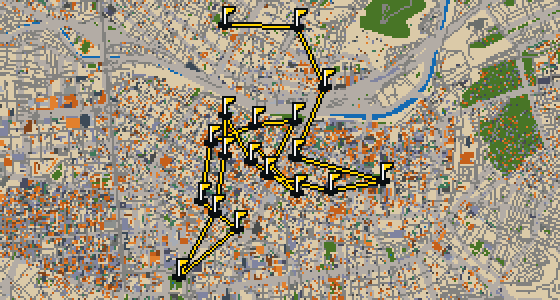
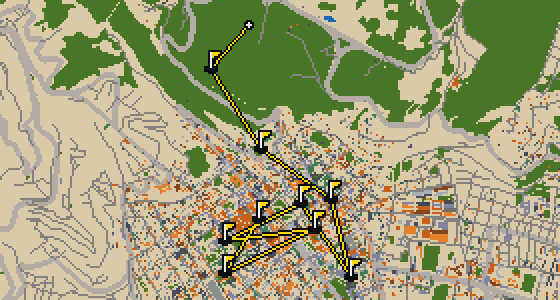
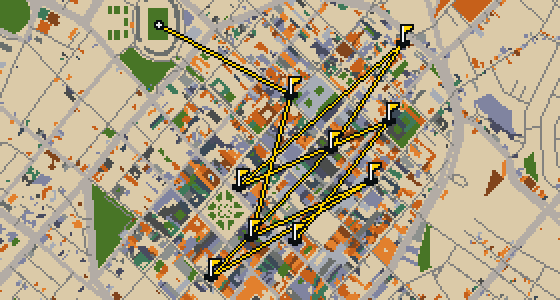
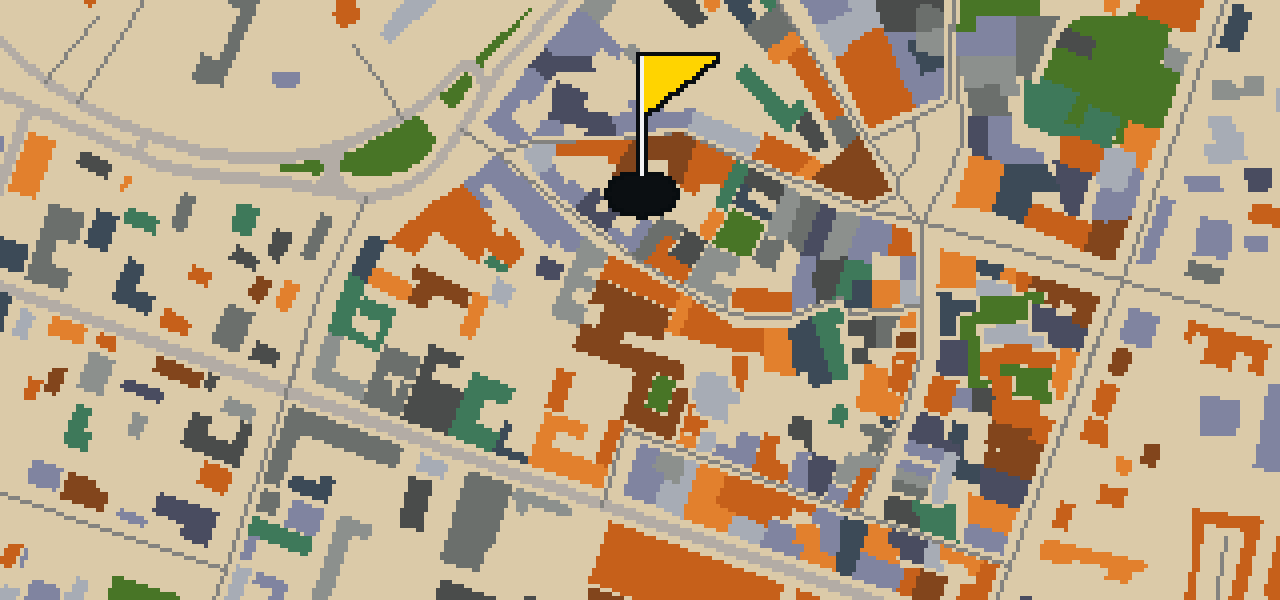
This is Arequipa. The map is the real city and the round is played on its real streets, where attractions like the Monasterio de Santa Catalina are the holes. Skip is a local guide who knows the place. This quick round of 9 holes is a 5.3 km walk with a par of 27, using 10 portals to move between districts.

Trouble loading? Open the game in its own tab.

HOW IT WORKS

01

Pick a city

The course is drawn on the real street grid, so the map you play is the map you walk.

02

Putt to the pin

Drag to aim, release to swing. Buildings bounce and water costs you a stroke.

03

Sightsee between strokes

Every hole ends at an attraction. Sink the putt, read the story, walk to the next tee.

THE AREQUIPA ROUND - STOP BY STOP

HOLE 1 - PAR 3

Casa de Moral

Located in Arequipa, Casa de Moral is an ancestral house built around 1730. It is a sample of Andean Baroque civil architecture and is recognized as part of the cultural heritage of Peru. When you visit, you can pick out the baroque architecture style used throughout the building, which helps define the visual character of the area. I should mention that the house gets its name from a centennial tree of moras that grows in the center of the main patio. It is a wonderful spot to see how the city's history is preserved in its stone. I always find that the shade of that old tree makes the courtyard feel like a different world compared to the busy streets outside. It is a great place to pause and look at the details of the carved walls before moving on to your next target.

Wikidata · Wikipedia

HOLE 2 - PAR 2

Barrio San Lázaro

You will first notice the traditional feel of Barrio San Lázaro, which is an old town and a monumental zone. It is a place where the city's history remains visible in the streets. Because of its significance, this urban area is considered cultural heritage of Peru. It is also a World Heritage Site. To be more specific about its international recognition, UNESCO declared the historical center of Arequipa a World Heritage Site in December 2000. I find it is a great spot to wander if you want to see the older side of the city. Since it is a monumental zone, there are many details to pick out as you walk through the neighborhood. It is one of the most atmospheric parts of the city for any visitor to explore.

Wikidata · Wikipedia

HOLE 3 - PAR 3

Monasterio de Santa Catalina

The Monasterio de Santa Catalina is a monastery located in Arequipa, Peru. Founded in 1579, it was consecrated in that same year and is recognized as cultural heritage of Peru. This complex belongs to the Dominican Second Order. When you walk through the grounds, you can see why it is considered a significant site within the region. The monastery is not an isolated landmark; it is part of the UNESCO World Heritage Site known as the Historical Centre of the City of Arequipa. This designation highlights the importance of the monastery and the surrounding urban area to the history of the country. It remains a primary example of the Dominican Second Order's establishment in Peru, serving as a place of worship and residence since its foundation in 1579.

Wikidata · Wikipedia

HOLE 4 - PAR 4

Museo Santuarios Andinos

You'll find the Museo Santuarios Andinos located in Arequipa, Peru. This archaeological museum was founded in 1997 and is recognized as a cultural property. It is a key stop for anyone wanting to understand the deeper history of the region through its preserved artifacts. I've noticed that the layout makes it easy to get your bearings before you start exploring the exhibits. Whether you are a history buff or just passing through the city, this museum offers a professional look at the area's ancient heritage. It is a place where the past is kept safe for everyone to see, making it a valuable addition to the city's cultural offerings for both locals and visitors alike.

Wikidata · Wikipedia

HOLE 5 - PAR 2

Casa museo Mario Vargas Llosa

Look closely at the facade of the Casa museo Mario Vargas Llosa. This building is a historic house museum that allows you to step inside a preserved residential space. It had its inception in 2014, providing a dedicated place to explore the environment associated with the writer. I always find the atmosphere here quite calming compared to the busier streets of Arequipa. Whether you are a fan of literature or simply appreciate the local architecture, this spot offers a glimpse into a specific way of living. It is a useful stop for anyone wanting to see how a private home is transformed into a public cultural site. Taking a moment here helps you appreciate the quiet side of the city's residential history.

Wikidata

HOLE 6 - PAR 4

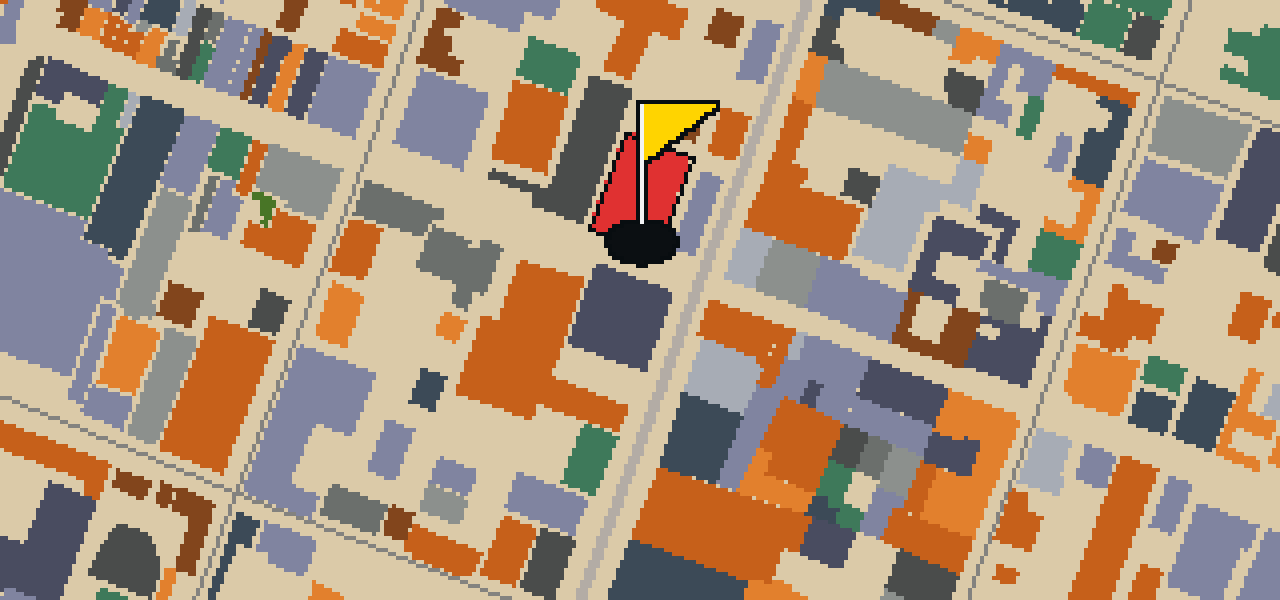
Palacio Mario Vargas Llosa

The Palacio Mario Vargas Llosa is a theatre building that stands as a prominent part of the local skyline. While its presence in the city speaks to its age, the building has evolved to meet the needs of the modern community. Today, it is a cultural center where the people of Arequipa can engage with the arts. Whether you are interested in a live performance or a local exhibition, this site provides a dedicated space for creative expression. I've noticed that the architecture makes it a great landmark for getting your bearings while walking through the district. It is a useful spot to stop and appreciate how the city maintains its older structures by giving them new purposes that serve the residents and visitors alike.

Wikidata

HOLE 7 - PAR 4

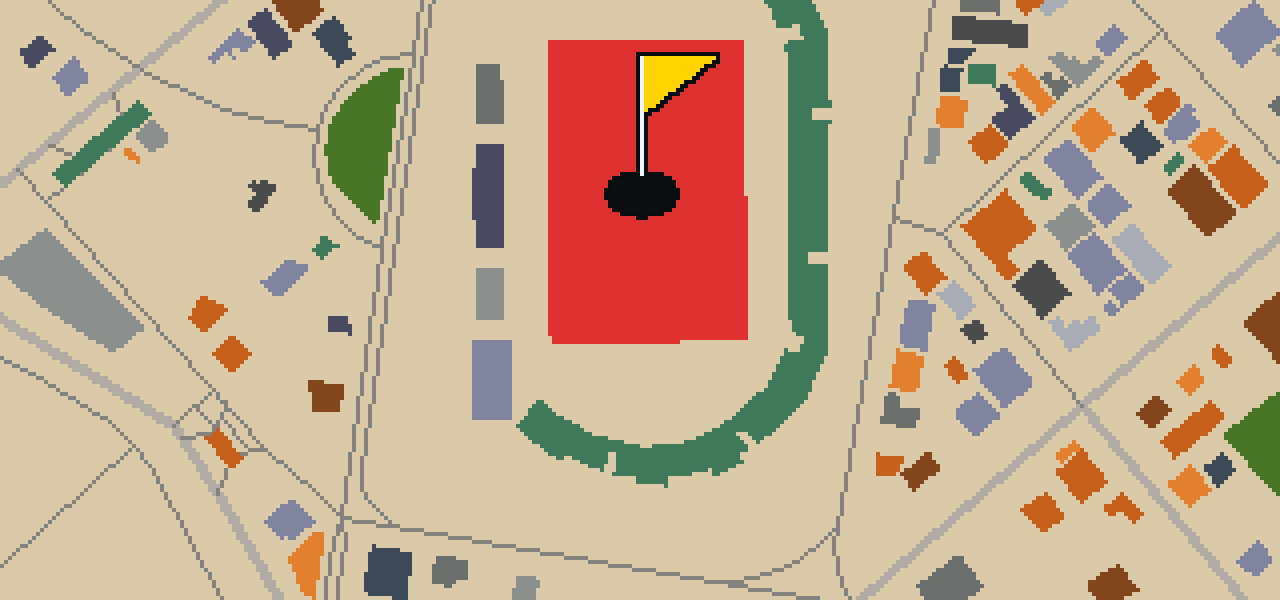
Estadio Melgar

You can pick out the running track used for track and field events before you see the rest of Estadio Melgar. This multi-use stadium in Arequipa, Peru, has a seating capacity of 15,000 and was founded in 1954. The stadium takes its name from Mariano Melgar, who was a poet and Peruvian patriot from Arequipa. Whether you are visiting for a game or just passing through the neighborhood, the scale of the stands is a prominent feature of the local skyline. I've noticed the energy here is always high during a match, and the crowd brings a lot of life to the area. It is a central spot for athletics in the city, providing a space for various sporting events beyond just football. Walking around the perimeter gives you a good sense of the stadium's role in the community's sporting life.

Wikidata · Wikipedia

HOLE 8 - PAR 3

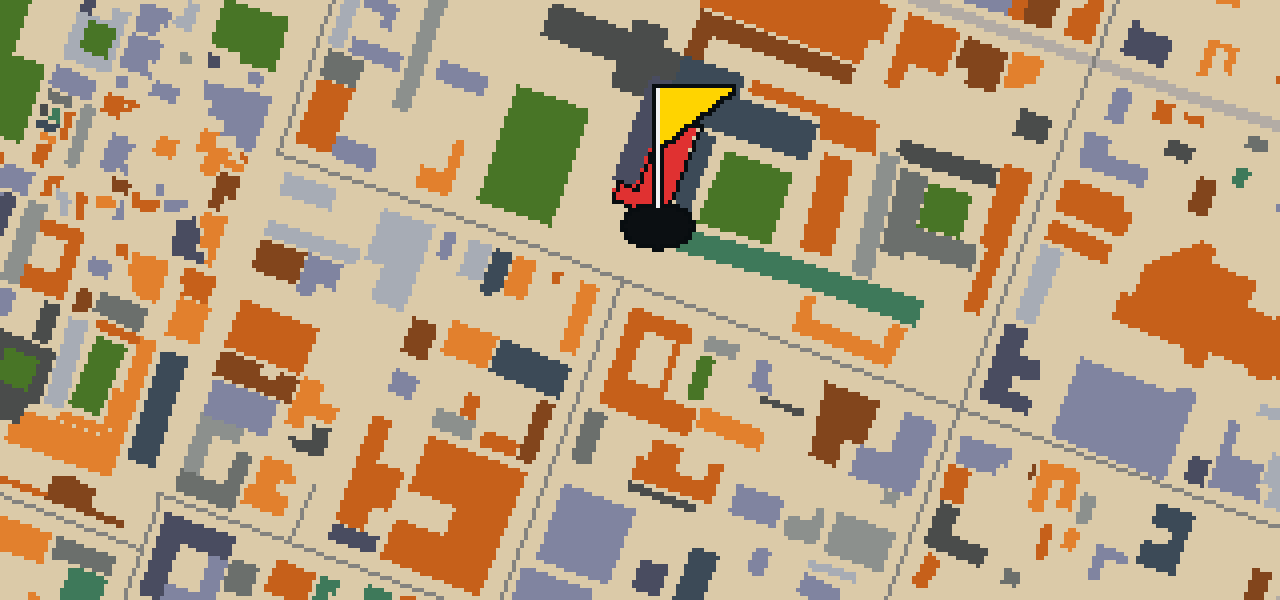
Teatro Municipal de Arequipa

Peru has designated the Teatro Municipal de Arequipa as cultural heritage of Peru. It is a theatre building that brings art and performance to the heart of the city. Whether you are interested in the performing arts or simply admiring the local architecture, this site is a key point of interest for any visitor. I always find the energy around the entrance quite lively, as people gather before the curtains rise. It is a place where the city's creative spirit is on full display for everyone to see. As you walk toward it, you can feel the weight of its importance to the local community. It remains a central pillar for the arts in Arequipa, ensuring that the tradition of live performance continues to thrive for future generations to enjoy.

Wikidata

HOLE 9 - PAR 2

San Francisco

San Francisco is a minor basilica and a Franciscan friary. Located in the historic center of Arequipa, Peru, the Basilica and Convent of San Francisco is a church and a heritage site. This complex is part of the cultural heritage of Peru. Visitors can observe the traditional architecture and the religious significance of the site as it sits within the heart of the city's historic district. It is a place of worship and residence for the friars, maintaining its role as a spiritual center. The site is recognized as part of the cultural heritage of Peru, ensuring that its history and structure are preserved for future generations to see. Because it is located in the historic center of Arequipa, it is an essential point of reference for anyone exploring the city's oldest neighborhoods.

Wikidata · Wikipedia

STOP 10

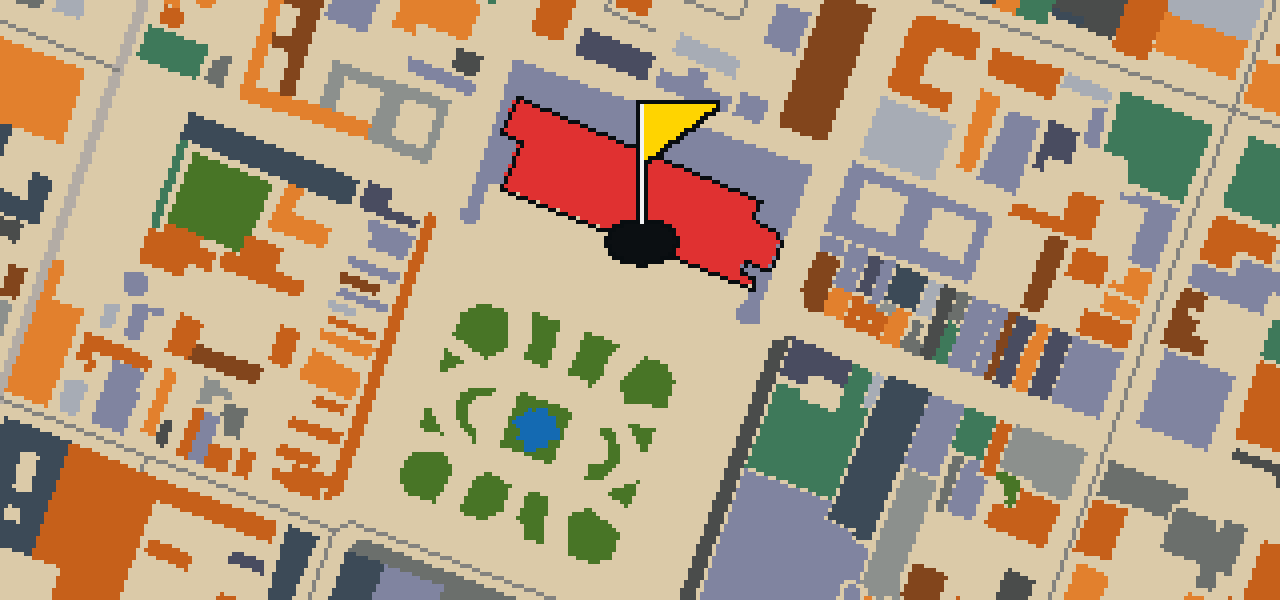
Basílica Catedral de Arequipa

You will first see the Basílica Catedral de Arequipa situated in the Main Square, known as the Plaza de Armas. This cathedral is a piece of cultural heritage of Peru and is designed in the Spanish Colonial architecture style. The architect Lucas Poblete contributed to the design of the building. It is the most important Catholic church of the city of Arequipa and is the base of the archbishop and the metropolitan council of the Roman Catholic Archdiocese of Arequipa. Visitors can observe the distinct characteristics of the Spanish Colonial style that define the structure. As the primary seat of the archbishop, the building remains a central point for the Roman Catholic Archdiocese of Arequipa and a key landmark for anyone visiting the city's main province.

Wikidata · Wikipedia

OTHER COURSES

18 HOLES - PAR 53

Lima

18 stops

The ball finds the cup at the Catedral de Lima to finish a full round of 18 holes. This course uses the real streets of Lima as the map, with the city's actual attractions forming the obstacles and holes. A local guide like Skip knows these corners well, including where to find the best crumbs. The walk covers 11 km and uses 10 portals to move between districts, with a total par of 53.

9 HOLES - PAR 25

Cusco

9 stops

Cusco is the setting for this round, played on the actual streets of the city. The map follows the real layout, where attractions like Sacsayhuamán become the holes. A quick 9-hole round with a par of 25 covers a walk of 4.5 km. Skip knows every cobblestone and crumb of bread in this place and acts as the local guide.

9 HOLES - PAR 27

Trujillo

9 stops

This is a quick nine-hole round through Trujillo. The map follows the real city, with the ball rolling across actual streets and banking off building facades. Real attractions like the Palacio Iturregui are the holes, and two portals help bridge the distance. Skip knows these corners well and will be the local guide for the 4.9 km walk.

FAQ

Is it free to play?

Yes. Every course runs in the browser with no account and no install.

Do I need to be in the city?

No. The full round plays from anywhere. Walking the real route is a nice way to see the city, but it is not required.

Are the maps real?

Yes. The geometry comes from OpenStreetMap data, rendered chunky on purpose. Streets, water and parks sit where they really are.