
VENICE - 18 HOLES - FREE

VENICE
CITY MAP MINIGOLF

Venice - 18 stops - par 54

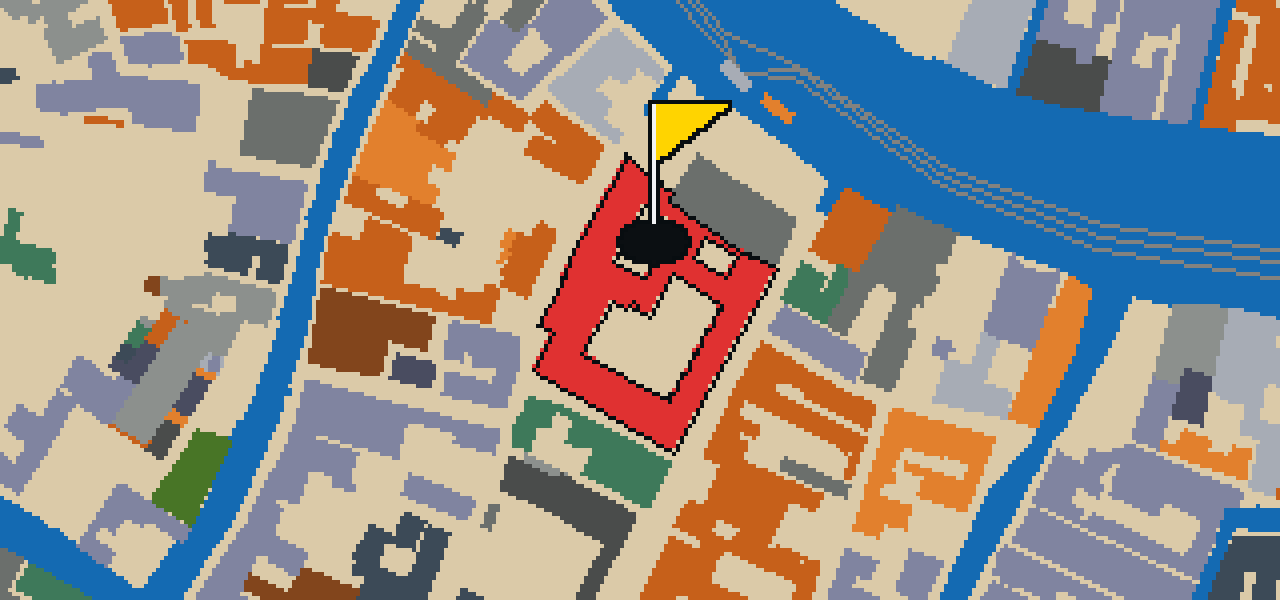
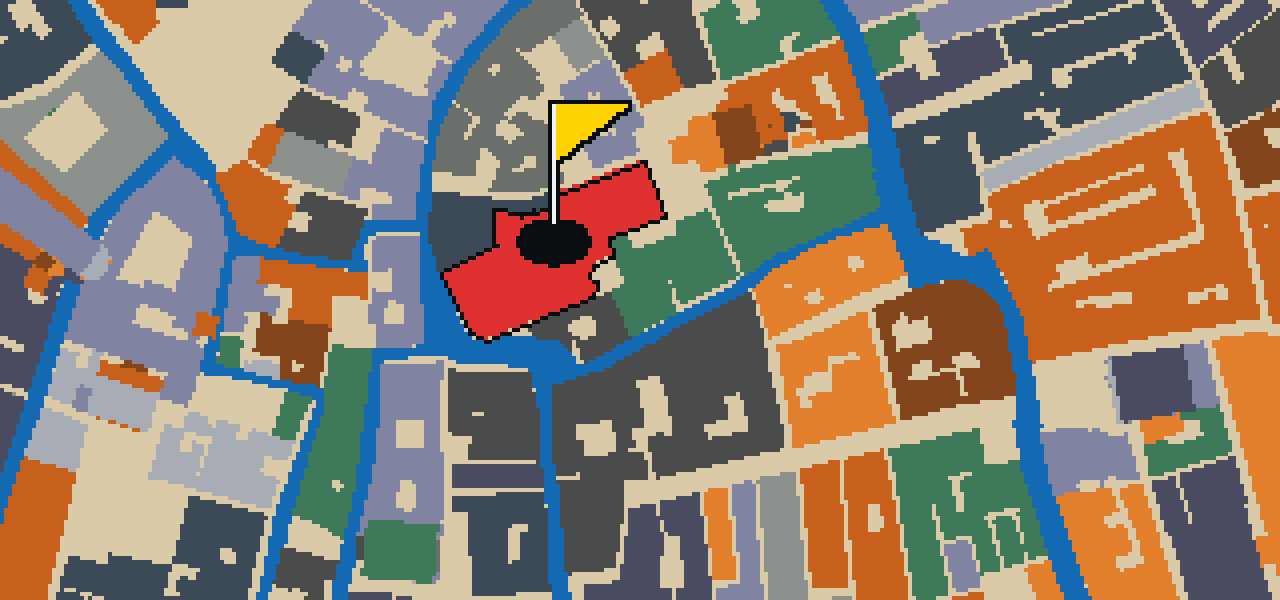
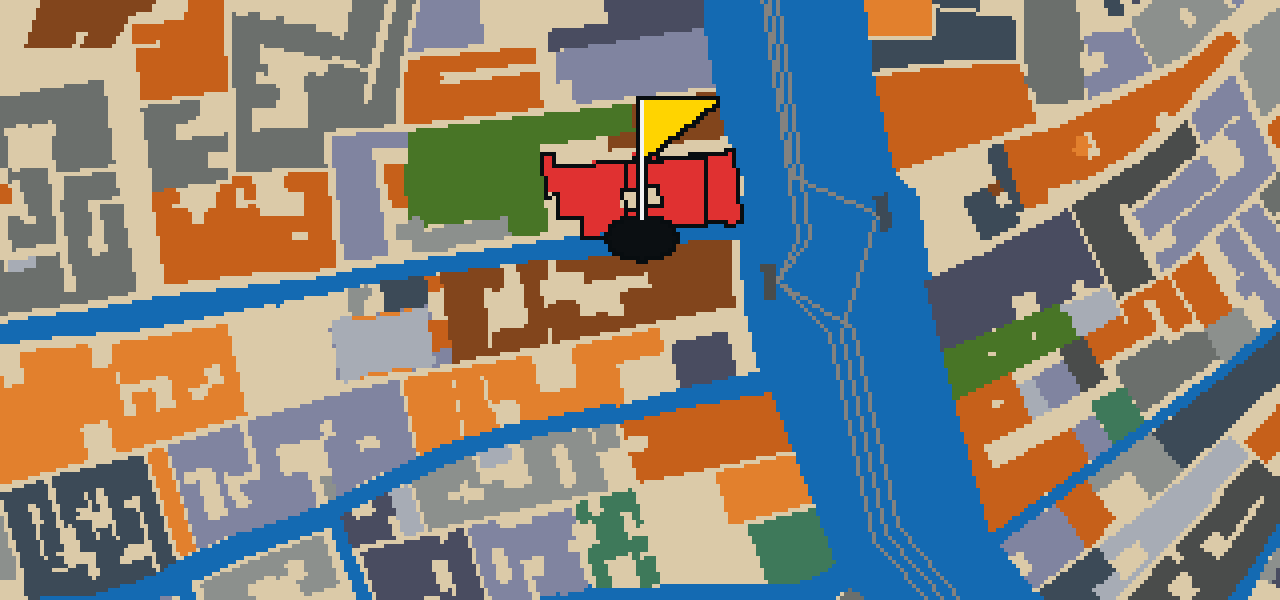
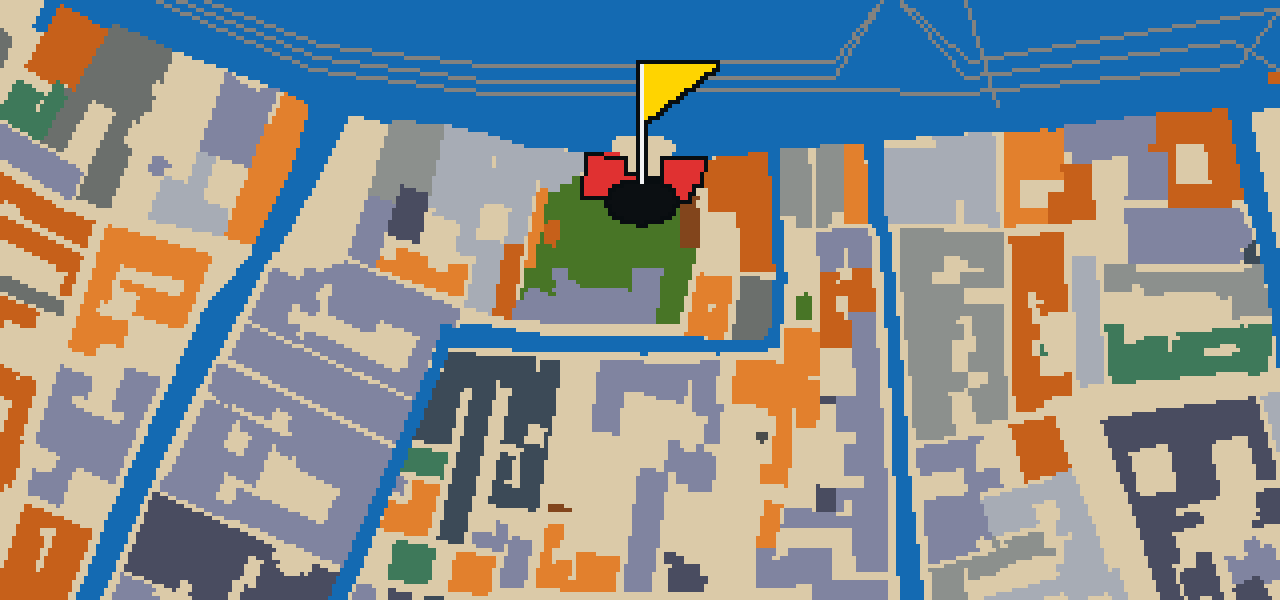
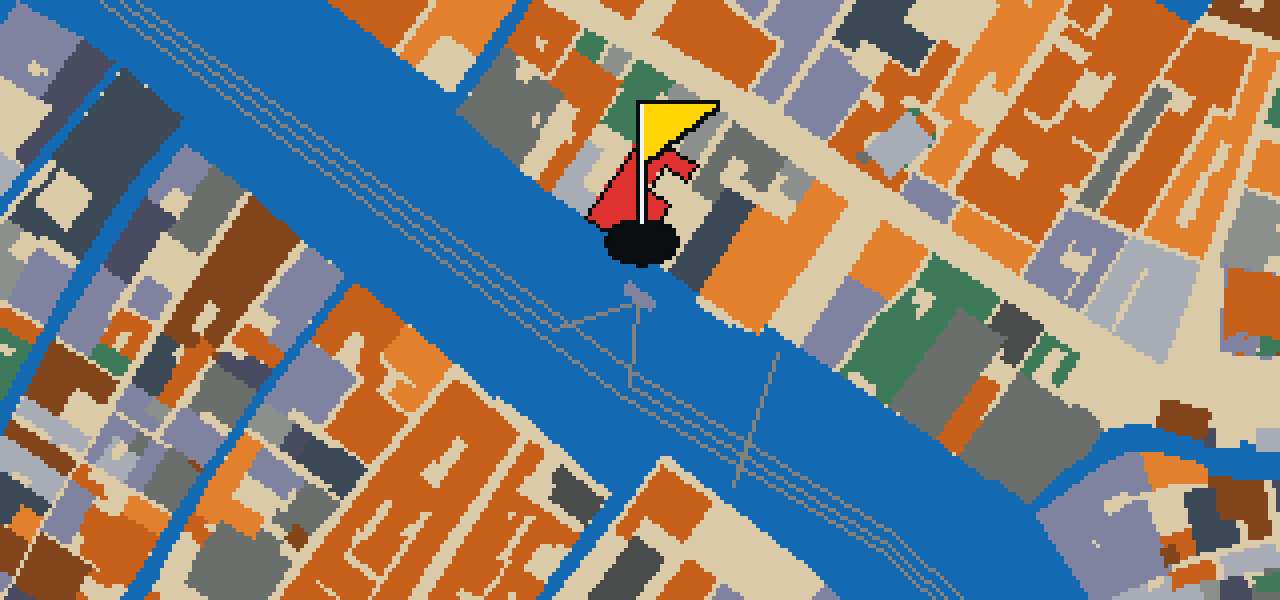
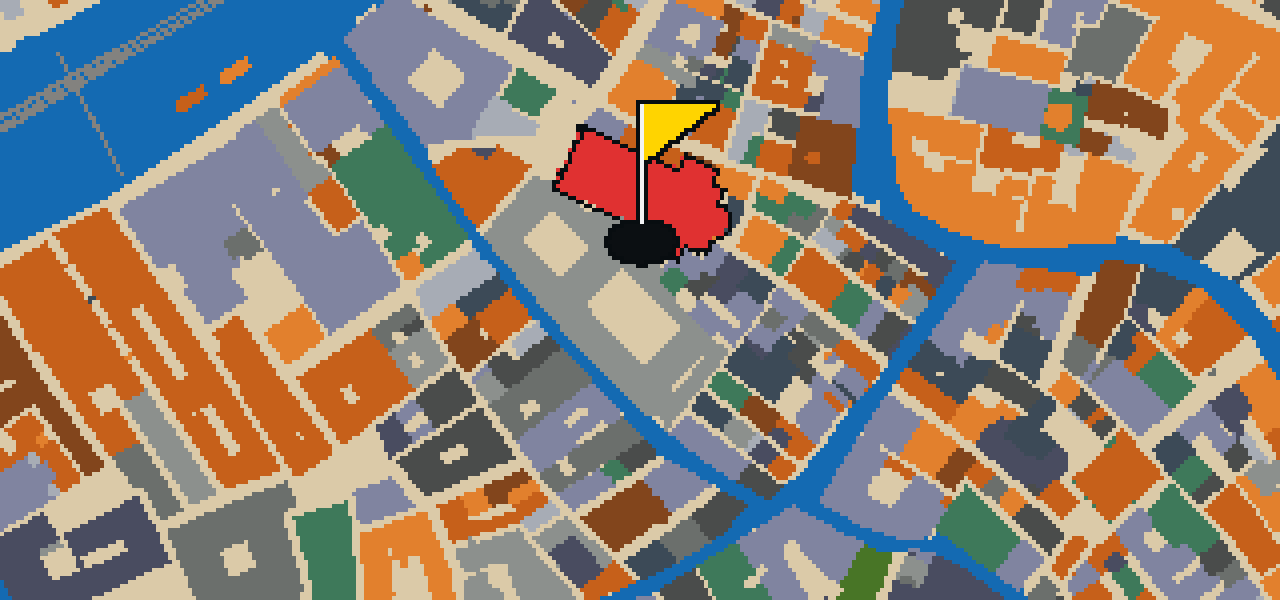
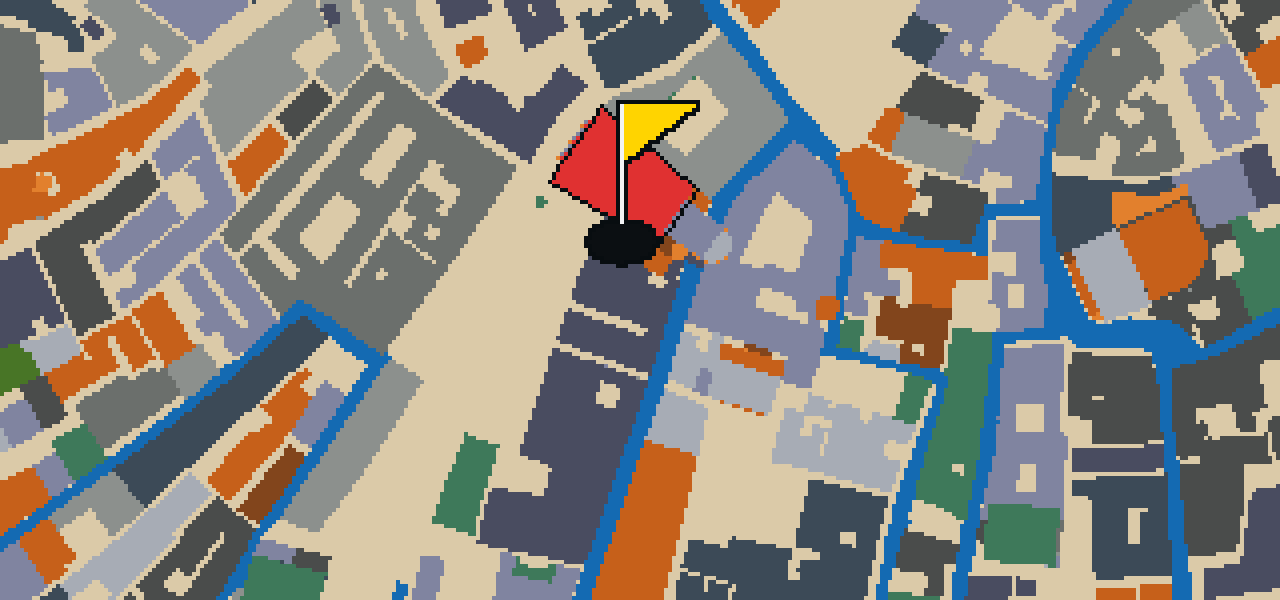
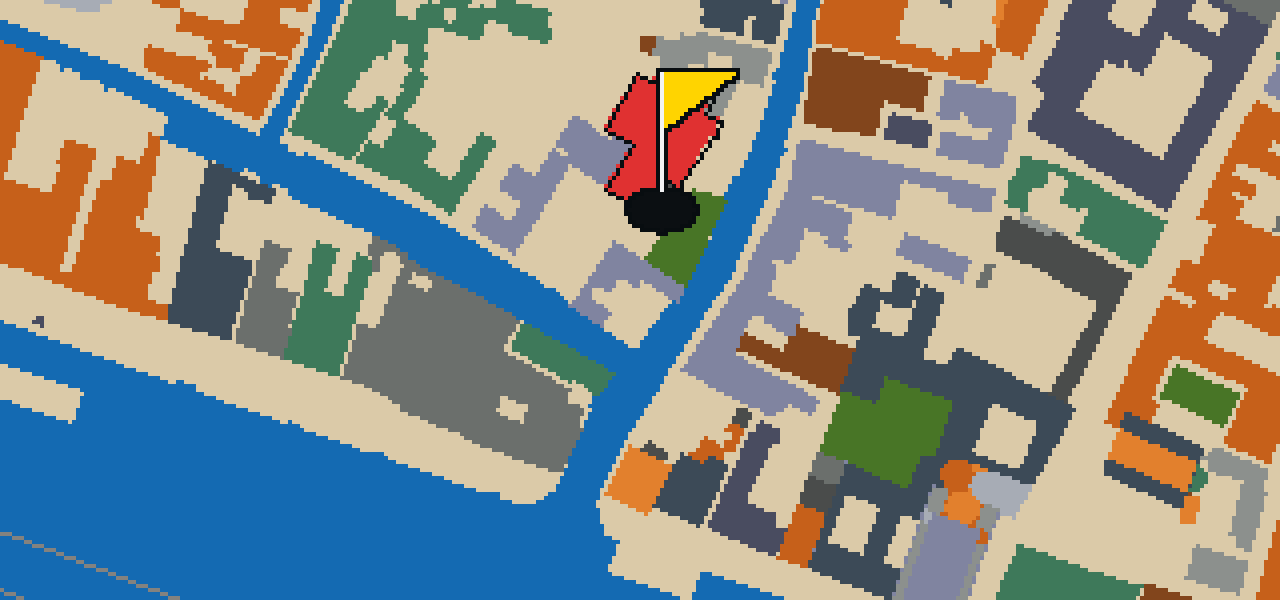
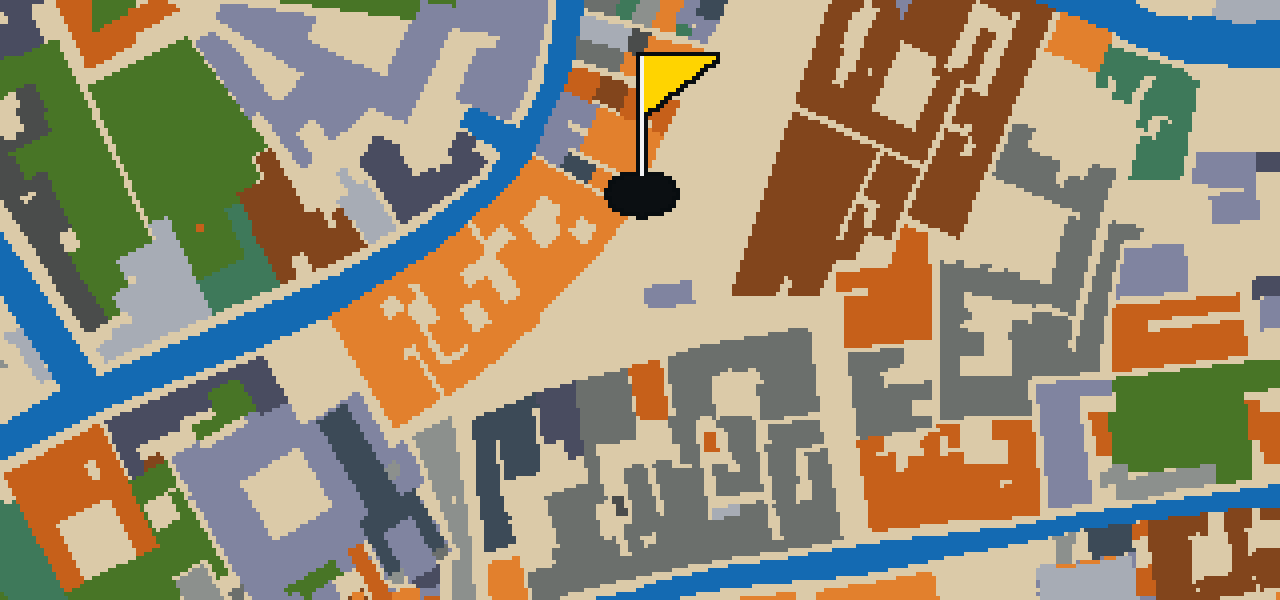
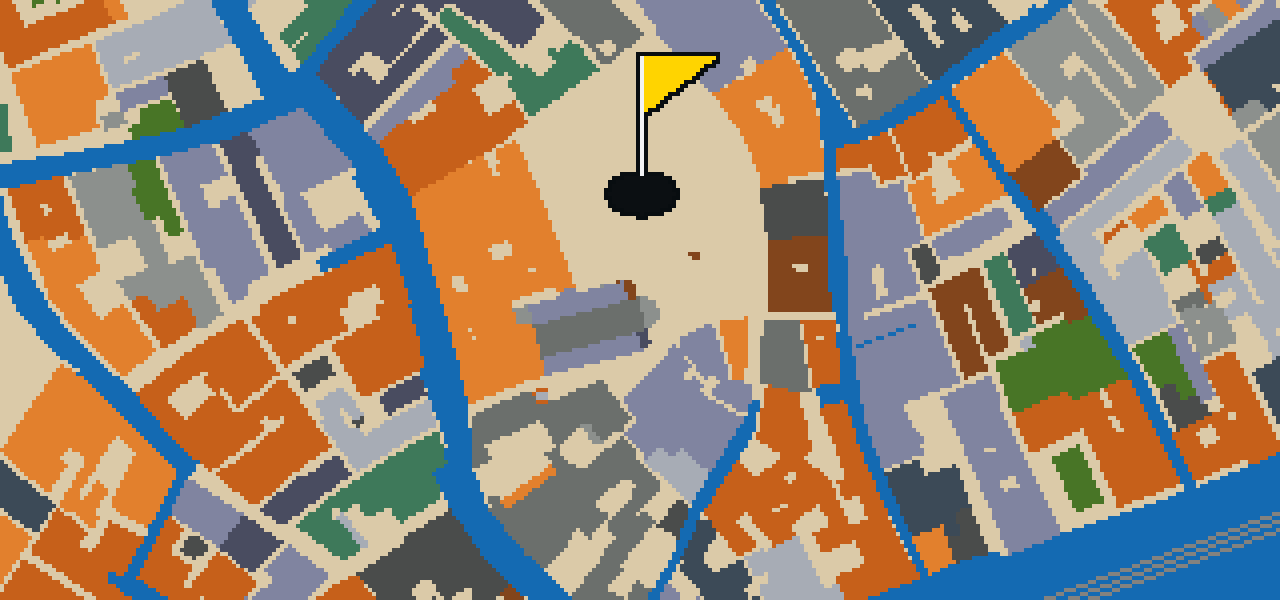
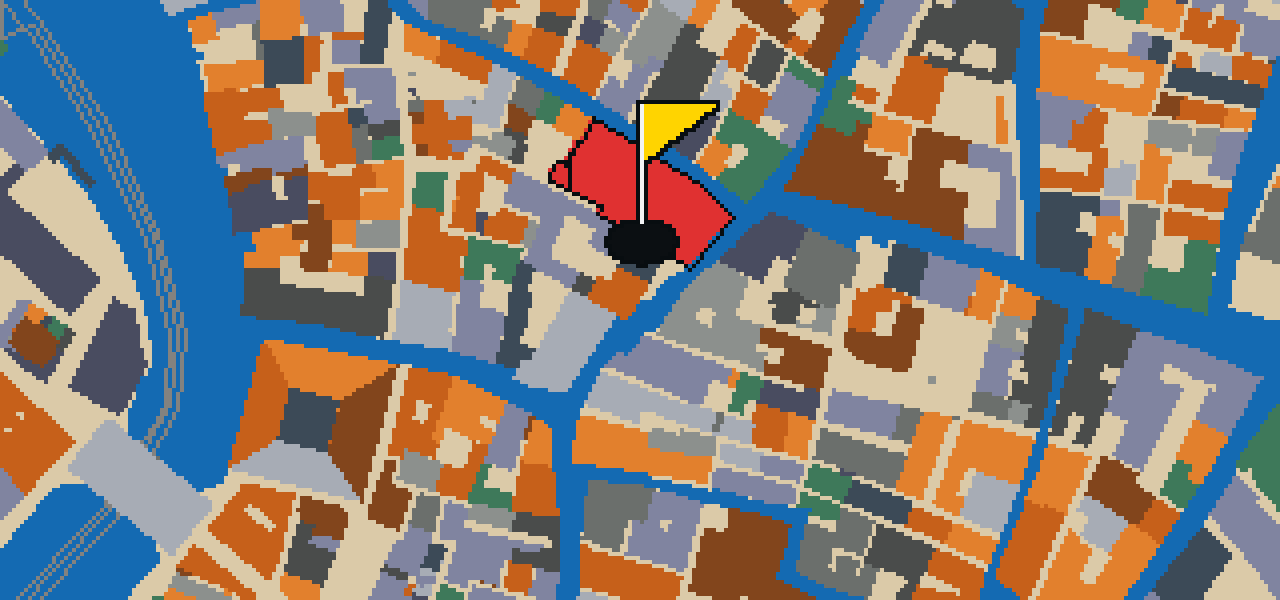
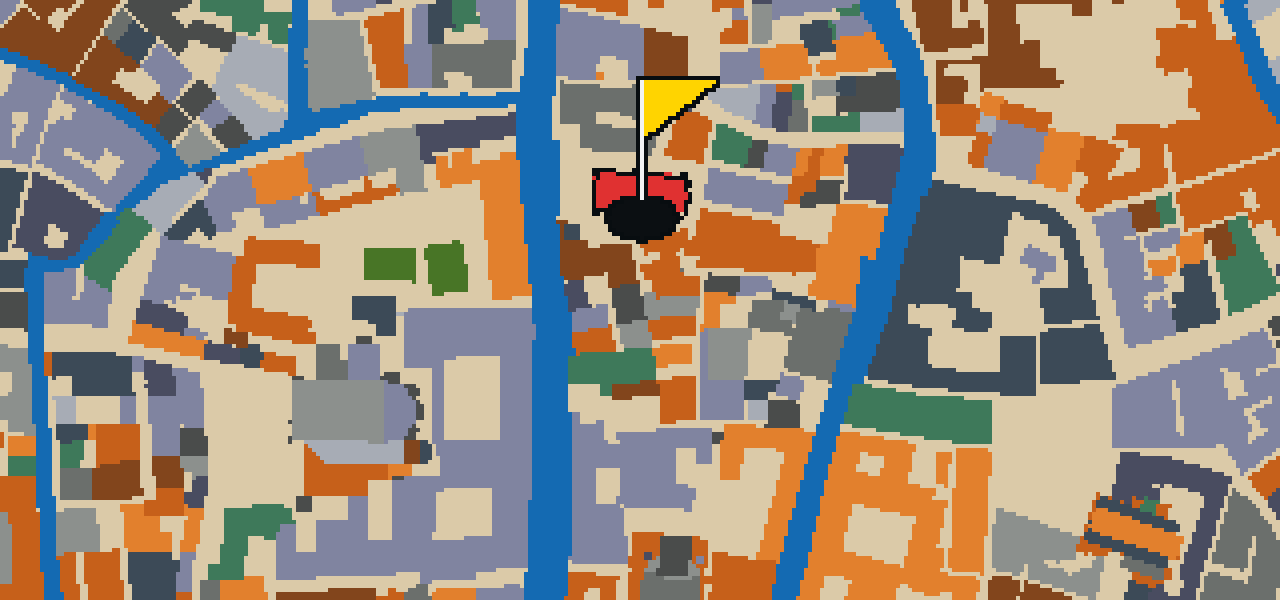
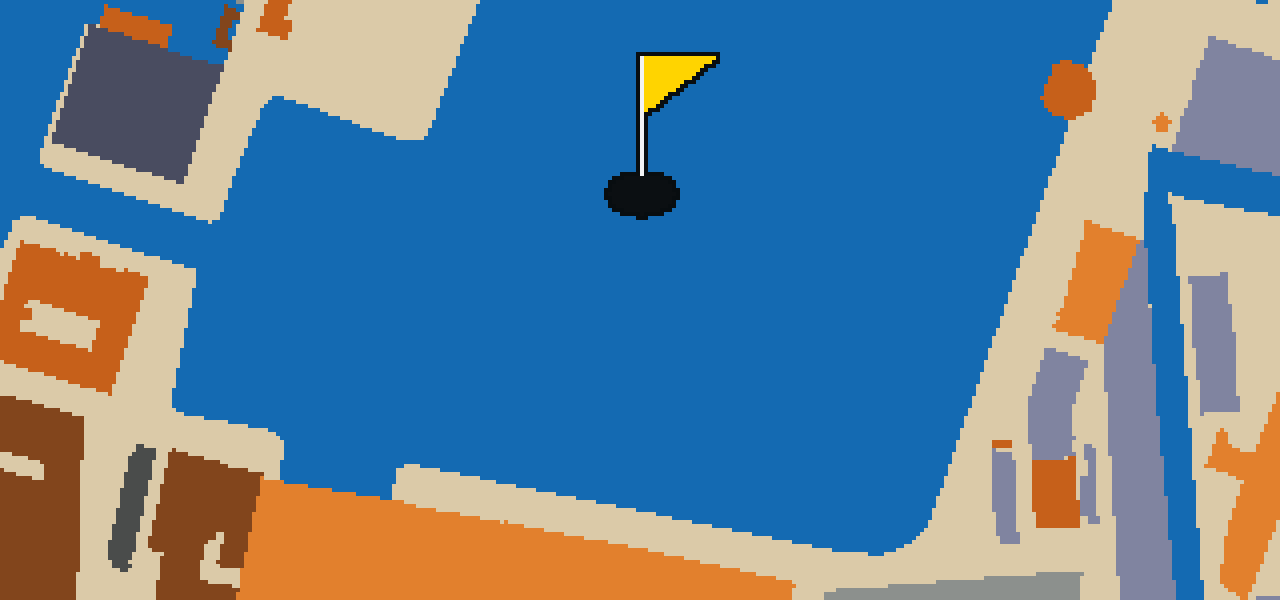
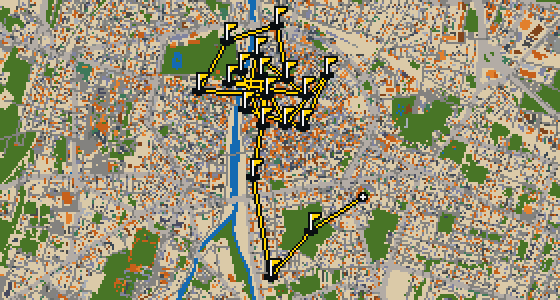
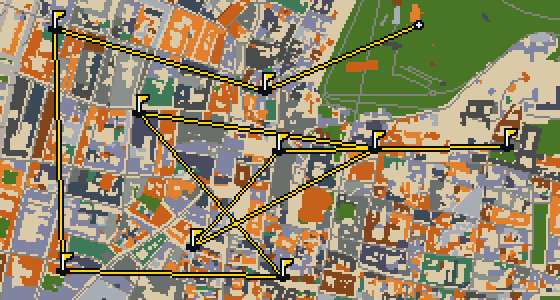
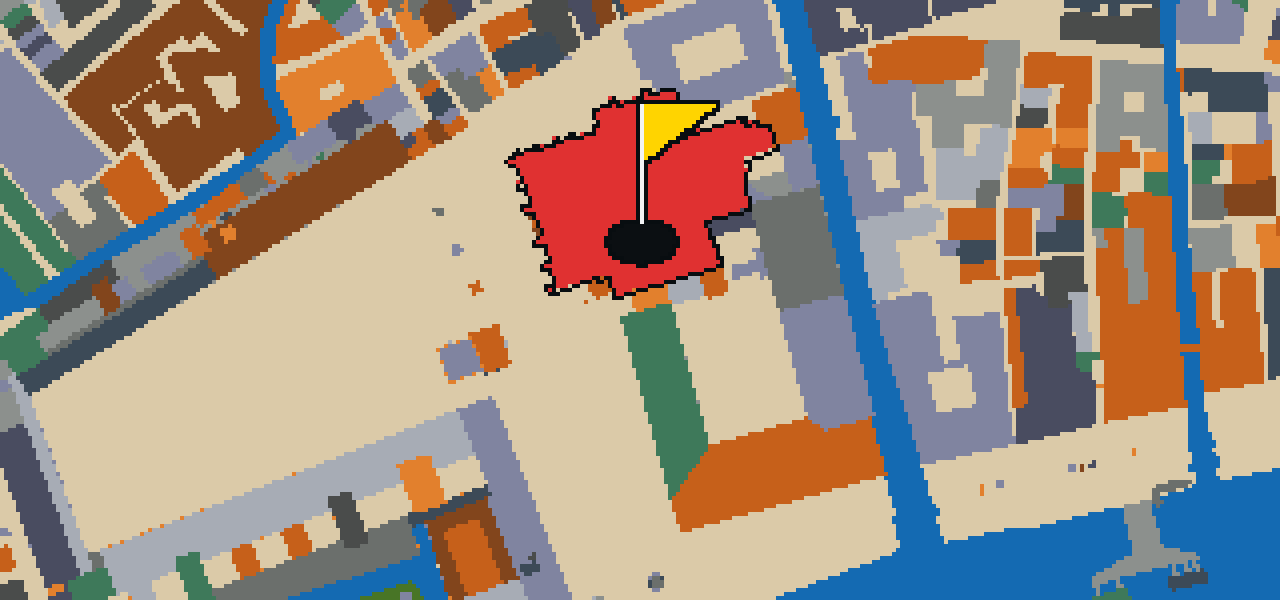
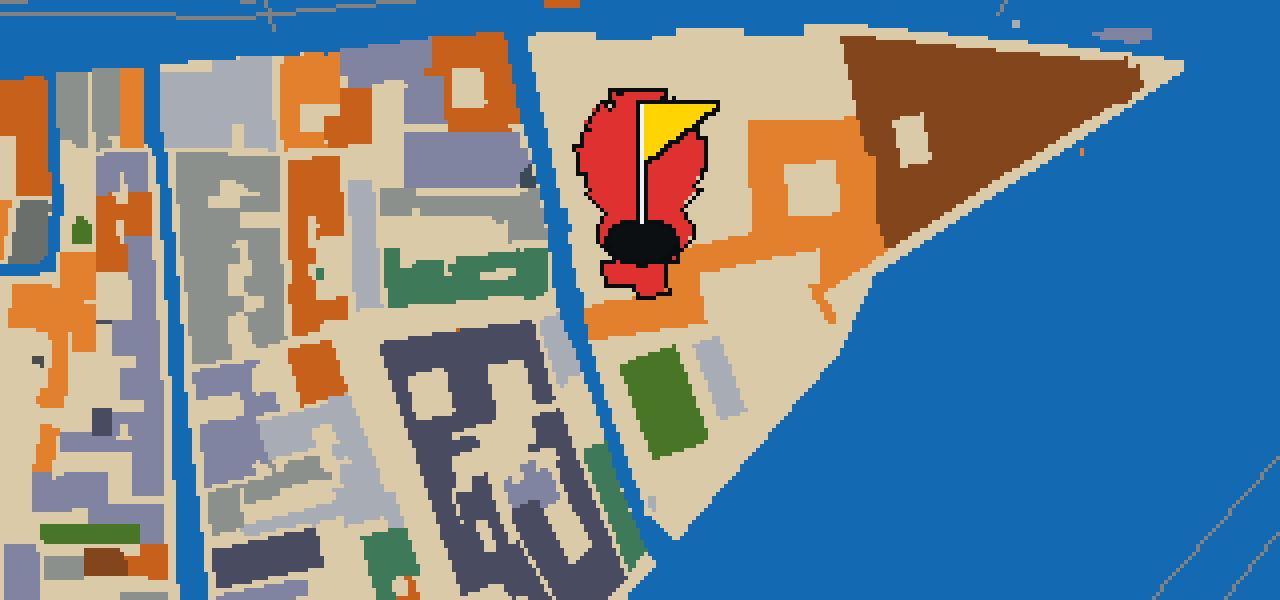
Venezia is the city for this round, where the map is the actual city and the game is played on its real streets. The holes are built from real attractions, starting with the Basilica di San Marco. This is a full round of 18 holes with a par of 54. The ball covers a walk of 10.2 km and uses 102 portals to move across the water. Skip is a local guide who knows these alleys and canals by heart, even if a few breadcrumbs occasionally go missing.

Trouble loading? Open the game in its own tab.

HOW IT WORKS

01

Pick a city

The course is drawn on the real street grid, so the map you play is the map you walk.

02

Putt to the pin

Drag to aim, release to swing. Buildings bounce and water costs you a stroke.

03

Sightsee between strokes

Every hole ends at an attraction. Sink the putt, read the story, walk to the next tee.

THE VENICE ROUND - STOP BY STOP

HOLE 1 - PAR 3

Basilica di San Marco

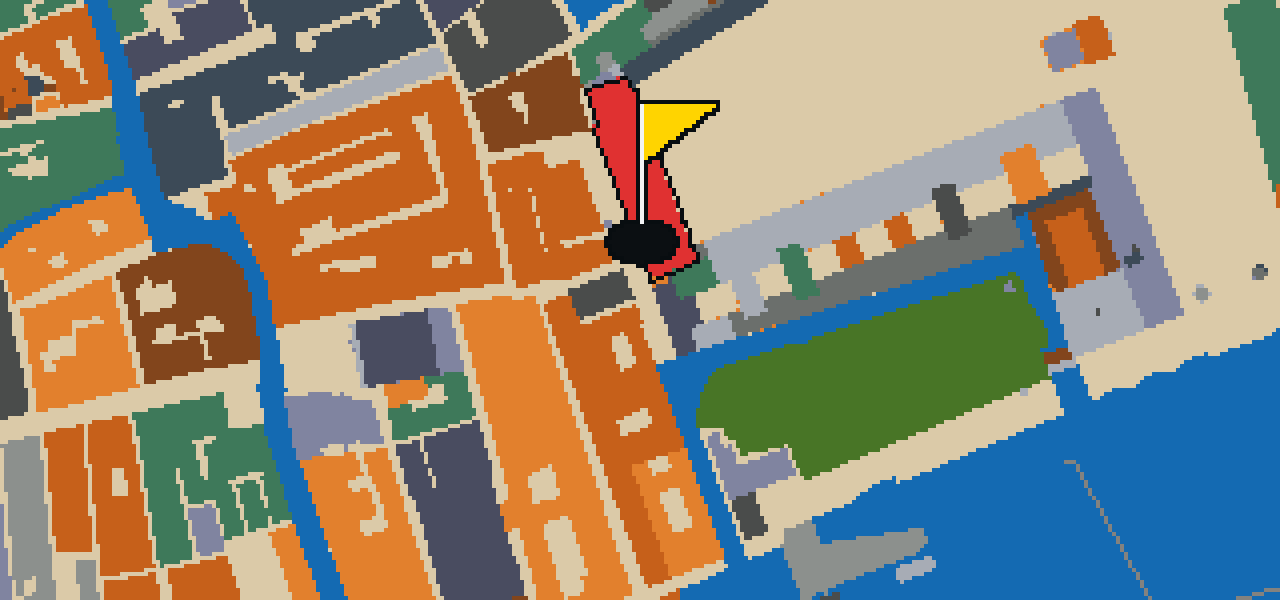
Look closely at the blend of Byzantine and Romanesque architecture styles. These details define the Basilica di San Marco, a cathedral that began in 828. Domenico I Contarini served as the architect for this building, which is now part of a UNESCO World Heritage Site. It is also a minor basilica. In 1807, the building became the episcopal seat of the Patriarch of Venice. This site is a central landmark of the city, reflecting a long history of religious and political importance through its distinct structure and its status within the world heritage community.

Wikidata · Wikipedia

HOLE 2 - PAR 3

Santa Maria della Salute

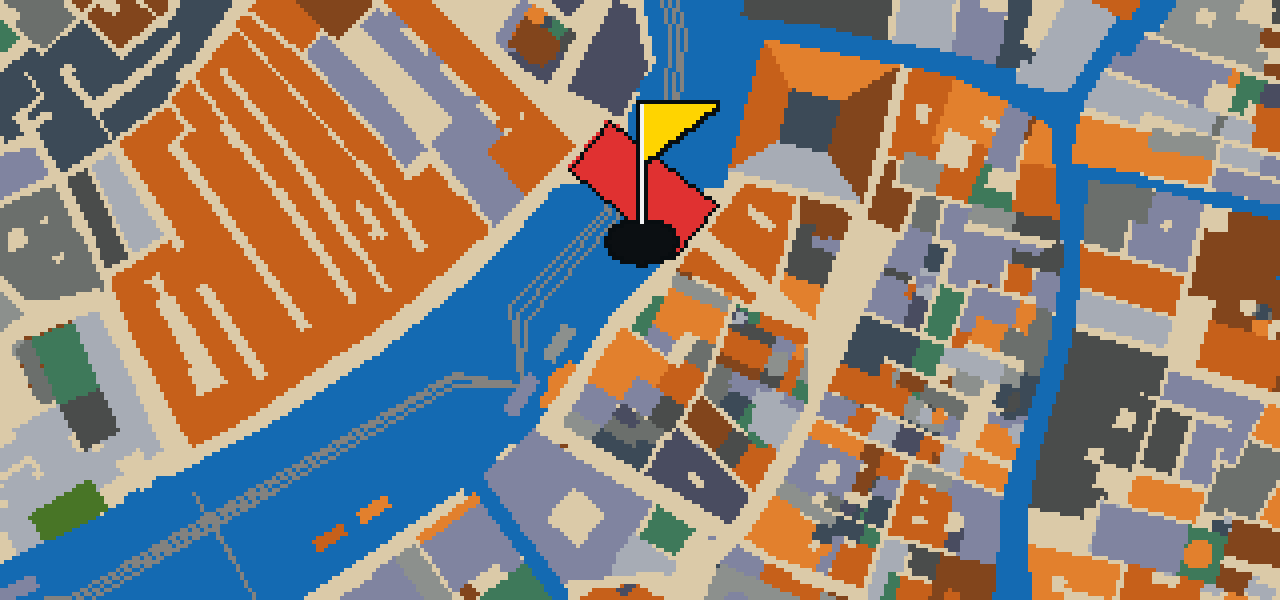
The octagonal shape of Santa Maria della Salute defines its presence at the Punta della Dogana in the Dorsoduro sestiere. This Roman Catholic church was designed by architect Baldassarre Longhena in the baroque architecture style. Its inception was from 1631 to 1687, and it now exists as a votive church and minor basilica. Because of its historical and architectural importance, the site is part of a UNESCO World Heritage Site. You can see the influence of the baroque style in the building's grand proportions and detailed ornamentation as you approach the water's edge.

Wikidata · Wikipedia

HOLE 3 - PAR 3

Gallerie dell'Accademia

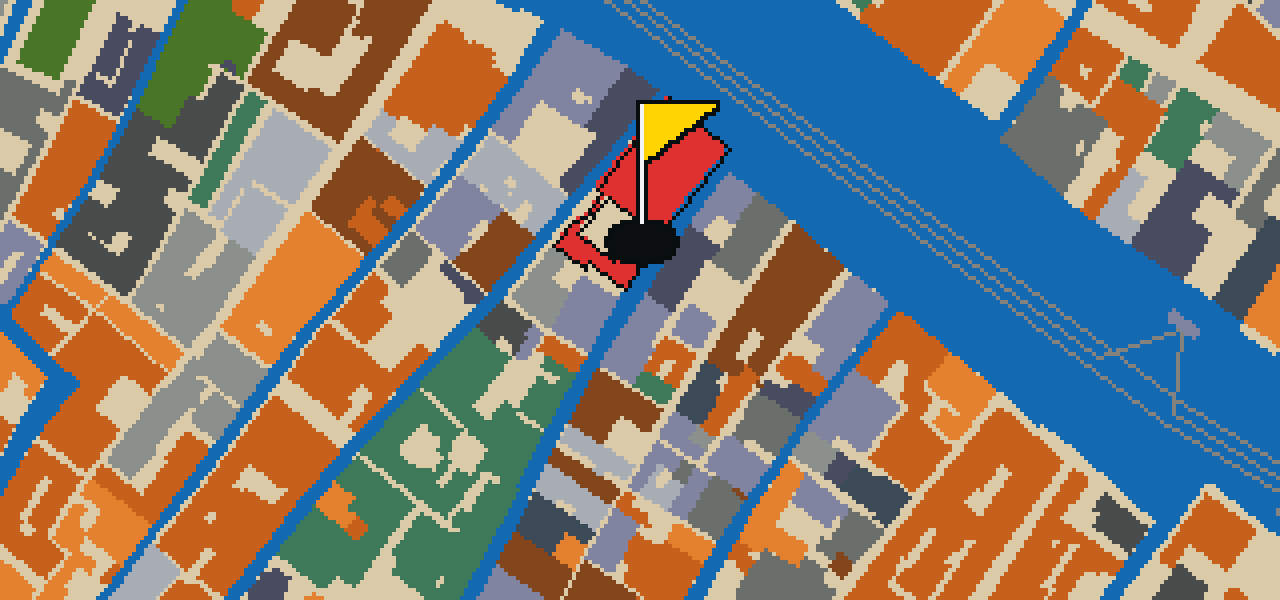
You can find the Gallerie dell'Accademia within the sestiere of Dorsoduro on the south bank of the Grand Canal. This museum gallery focuses on pre-19th-century art in Venice. One of its most famous pieces is the Leonardo da Vinci drawing known as The Vitruvian Man. Because of conservation reasons, you can only see that specific work for a few weeks every six years. I have noticed that the crowds here are quite consistent, as the museum sees 356,191 annual visitors. It is a wonderful spot to spend an afternoon away from the main tourist rush.

Wikidata · Wikipedia

HOLE 4 - PAR 3

Teatro La Fenice

You will find Teatro La Fenice tucked into the streets of Venice. This opera house is built in the Italian theater style and was started in 1792. It was designed by architects Gian Antonio Selva, Giovanni Battista Meduna, and Tommaso Meduna. The venue is famous for hosting many operatic premieres, particularly during the 19th century. I always think it is a grand spot to stop and admire the local architecture while you are wandering through the city. It is a place that really shows off the traditional style of the region.

Wikidata · Wikipedia

HOLE 5 - PAR 3

Museo Ca' Rezzonico

Look at the Baroque style of this palace before heading inside. Baldassarre Longhena was the architect of Museo Ca' Rezzonico, which began in 1667. Located on the Grand Canal in the Dorsoduro sestiere, the building is recognized as Italian national heritage. Today, it is a public museum dedicated to 18th-century Venice. I've noticed the water reflections on the facade are particularly striking from the canal side. It is one of the 11 venues managed by the Fondazione Musei Civici di Venezia, making it a key stop for anyone wanting to see the city's historic mansions.

Wikidata · Wikipedia

HOLE 6 - PAR 3

Peggy Guggenheim Collection

Look for the Palazzo Venier dei Leoni, an 18th-century palace on the Grand Canal in the Dorsoduro sestiere. This building houses the Peggy Guggenheim Collection, a museum of modern art. Peggy Guggenheim began displaying her private collection to the public seasonally in 1951. Following her death in 1979, the collection passed to the Solomon R. Guggenheim Foundation, which opened the museum year-round from 1980. Lorenzo Boschetti is the architect of the collection. It is a lovely spot for a stroll, though I usually stick to the ledges outside to avoid the guards.

Wikidata · Wikipedia

HOLE 7 - PAR 3

Museo Correr

The Fondazione Musei Civici di Venezia runs 11 civic museums, including the Museo Correr. This history and art museum is located in St. Mark's Square in Venice, northern Italy. You can find it extending along the southside of the square on the upper floors of the Procuratorie Nuove. It is recognized as Italian national heritage and attracts 286,454 annual visitors. I've noticed the crowds here are always buzzing, but the views of the square from this position are hard to beat.

Wikidata · Wikipedia

HOLE 8 - PAR 3

Ponte di Rialto

You might expect a simple crossing here, but the Ponte di Rialto is a sophisticated stone arch bridge. It is a Renaissance footbridge that is both covered and built-on. The inception of this structure was 1588, and it reaches a height of 6.7 meters. I've noticed that the stone feels much more permanent than the original 1173 pontoon bridge that first stood in this spot. It is a great place to stop and look at the water before you continue your walk through the city.

Wikidata · Wikipedia

HOLE 9 - PAR 3

Ca' Pesaro

Baldassarre Longhena and Antonio Gaspari were the architects behind Ca' Pesaro. This palace, which began in 1710, is a museum built in the baroque architecture style. You can find it facing the Grand Canal of Venice, Italy. Today, it is recognized as Italian national heritage and is one of the 11 museums run by the Fondazione Musei Civici di Venezia system. I always find the facade a great spot to pause and watch the boats go by, especially when the light hits the stone just right.

Wikidata · Wikipedia

HOLE 10 - PAR 3

Basilica di Santa Maria Gloriosa dei Frari

In the San Polo district of Venice, you will find the Basilica di Santa Maria Gloriosa dei Frari. This parish church sits in the Campo dei Frari and is dedicated to the Assumption of Mary. Built in the Gothic architecture style, the structure began in 1250. It holds the status of a minor basilica and is recognized as part of a UNESCO World Heritage Site. The site is a notable example of Gothic design within the district, offering a direct look at the religious history of the city.

Wikidata · Wikipedia

HOLE 11 - PAR 3

Ca' d'Oro

Look closely at the Gothic architecture of Ca' d'Oro, a palace on the Grand Canal in Venice. This site, also known as Palazzo Santa Sofia, was designed by Marino Contarini with the help of architects Bartolomeo Bon, Giovanni Bono, and Matteo Raverti. Its inception was in 1424, and it eventually transitioned from a mansion to a museum building. I've noticed that the facade looks different depending on how the light hits the water. It remains one of the most striking examples of the city's residential history.

Wikidata · Wikipedia

HOLE 12 - PAR 3

Chiesa di San Salvador

The Chiesa di San Salvador is a church building built in the Renaissance style. Located on the Campo San Salvador in Venice, northern Italy, it is a place of worship designed by architects Tullio Lombardo, Giorgio Spavento, and Giuseppe Sardi. The inception of the church was in 1141. While the original structure was consecrated by Pope Alexander III in 1177, the building you see today was begun around 1508 by Giorgio Spavento. Giuseppe Sardi later added the facade in 1663.

Wikidata · Wikipedia

HOLE 13 - PAR 3

Chiesa di Santo Stefano

The Chiesa di Santo Stefano is a Roman Catholic church in Venice, Italy. Visitors will first notice the building is designed in the Gothic architecture style. It is located at the northern end of the Campo Santo Stefano, providing a focal point for the square. This church building is situated in the sestiere of San Marco. It functions as both a place of worship and an organization within the city.

Wikidata · Wikipedia

HOLE 14 - PAR 3

Campo San Trovaso

You will first notice the specific dimensions of Campo San Trovaso, which has a height of 2.54 meters. This spot is a city square located in Venice, Italy. It is a great place to pause and take in the atmosphere of the city, especially if you enjoy seeing how the local architecture interacts with the open air. I find the space here quite refreshing compared to the narrow alleys nearby, and it offers a nice break for anyone walking through the district. It is a simple but essential part of the Venetian experience for any visitor.

Wikidata · Wikipedia

HOLE 15 - PAR 3

Campo Santa Margherita

Let me show you Campo Santa Margherita. This city square is located in the sestiere of Dorsoduro in Venice, Italy. It is a central gathering point for the neighborhood, and you can pick out the open layout of the square as you walk through this part of the city. I have found that it is a great spot to watch the local rhythm of Venice unfold while you take in the surroundings. Whether you are visiting for the first time or just passing through, this square is a key landmark in the Dorsoduro area.

Wikidata · Wikipedia

HOLE 16 - PAR 3

Campo San Polo

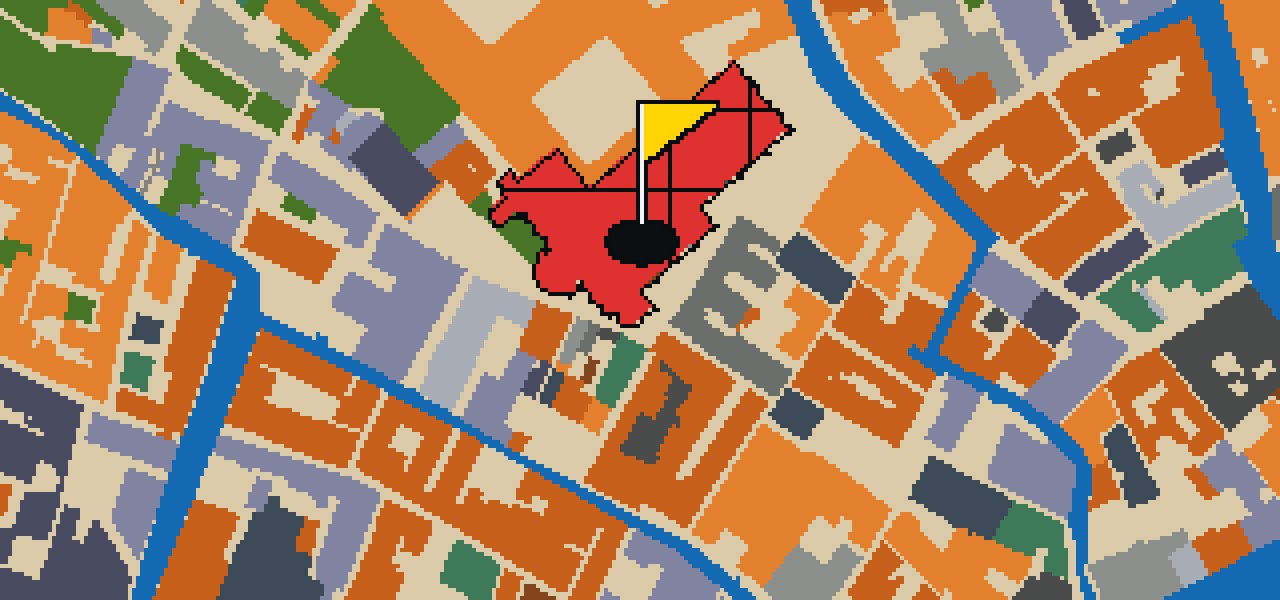
You first notice the sheer amount of breathing room here. Campo San Polo is the largest campo in Venice and is located in the Sestiere San Polo. While most of the city is a maze of narrow alleys, this wide public square provides a rare sense of scale. It is the second largest Venetian public square after the Piazza San Marco. I usually find it a great spot to stretch my wings and watch the city move. It is located in Venice, Italy.

Wikidata · Wikipedia

HOLE 17 - PAR 3

Malibran

You will find Malibran as a prominent opera house in Venice. Thomas Bezzi is the architect of this theatre building, which opened in 1678 with a production of Carlo Pallavicino's opera Vespasiano. It was formerly known as Teatro San Giovanni Grisostomo. By 1683, it became known as the richest, most beautiful and biggest theatre in the city. I have found that the acoustics here are quite something, even for a bird, and the atmosphere is always lively. It is a wonderful place to see how the city celebrates the arts.

Wikidata · Wikipedia

HOLE 18 - PAR 3

Chiesa di San Giorgio dei Greci

Sante Lombardo was the architect of the Chiesa di San Giorgio dei Greci. This Eastern Orthodox cathedral is located in the sestiere of Castello in Venice, northern Italy. The building is designed in the Renaissance architecture style and construction on the site started in 1530. Beyond its role as a place of worship, the church was the center of the Scuola dei Greci, which was the Confraternity of the Greeks in Venice. It remains a significant example of the community's historical presence in the city.

Wikidata · Wikipedia

STOP 19

Arsenale di Venezia

Look closely at the old shipyards and armories that make up this complex in northern Italy. This is the Arsenale di Venezia, a naval arsenal designed by architect Alessandro Tremignon. It is an Italian national heritage site owned by the state. For centuries, from the Late Middle Ages to the early modern period, this place was responsible for the bulk of the Venetian Republic's naval power. I've seen plenty of ships come and go, but the scale of this place is something else entirely.

Wikidata · Wikipedia

OTHER COURSES

18 HOLES - PAR 53

Verona

18 stops

This is a full round of 18 holes through Verona. The map is the real city and the ball rolls along its actual streets, using attractions like the Arena di Verona as the basis for the holes. A total of 10 portals help bridge the 10.1 km walk across the city. Skip is a local guide who knows these pavements well, including exactly which ledges offer the best view of the street. This round follows the real geography of the town to reach each cup.

18 HOLES - PAR 56

Turin

18 stops

Torino is the setting for this full round of 18 holes. The map follows the real city layout, using its actual streets for the ball to roll. Landmarks like the Mole Antonelliana form the physical basis for the holes. This 11.6 km walk uses 42 portals to bridge the gaps between districts. Skip knows these corners well, from the grand piazzas to the hidden alleys where the crumbs are best. The total par for the round is 56.

18 HOLES - PAR 53

Siena

18 stops

Siena looks different from a rooftop, but the ball stays grounded on the real streets. This full round of 18 holes covers 10 km and uses eight portals to bridge the gaps between the city's edges. Real attractions, like the Cattedrale di Santa Maria Assunta, are the foundations for every hole. Skip knows these alleys by heart and can find the best bank shots from a bird's eye view, provided there are no stray crumbs to distract a local guide.

18 HOLES - PAR 53

Rome

18 stops

The cup for the final hole is the open expanse of Piazza San Pietro. This full round of 18 holes takes place on the actual streets of Roma, where the map is the real city and the landmarks are the rails and targets. A total walk of 10.8 km connects the course, with 90 portals moving the ball across the city. Skip is a local guide who knows every cobblestone, even the ones where a pigeon might find a stray crumb.

18 HOLES - PAR 56

Pisa

18 stops

This is a full round through Pisa. The map is the real city and the ball rolls along its actual streets, banking off building facades until it reaches a landmark like the Torre di Pisa. These real attractions are what the holes are built from. A local guide who knows every nook and cranny, Skip handles the navigation for this 11.1 km walk. The 18 holes have a par of 56, and the ball uses 4 portals to bridge the gaps between districts.

FAQ

Is it free to play?

Yes. Every course runs in the browser with no account and no install.

Do I need to be in the city?

No. The full round plays from anywhere. Walking the real route is a nice way to see the city, but it is not required.

Are the maps real?

Yes. The geometry comes from OpenStreetMap data, rendered chunky on purpose. Streets, water and parks sit where they really are.