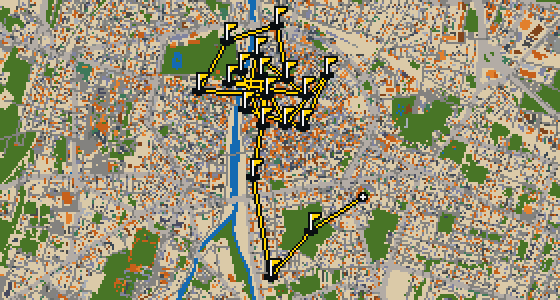
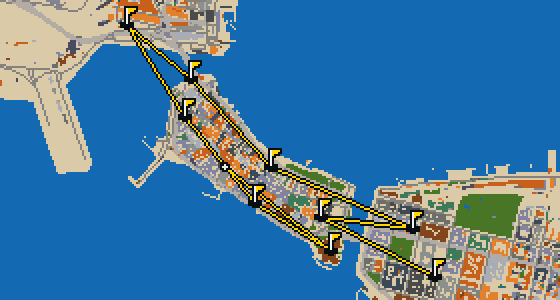
THE BRESCIA ROUND - STOP BY STOP


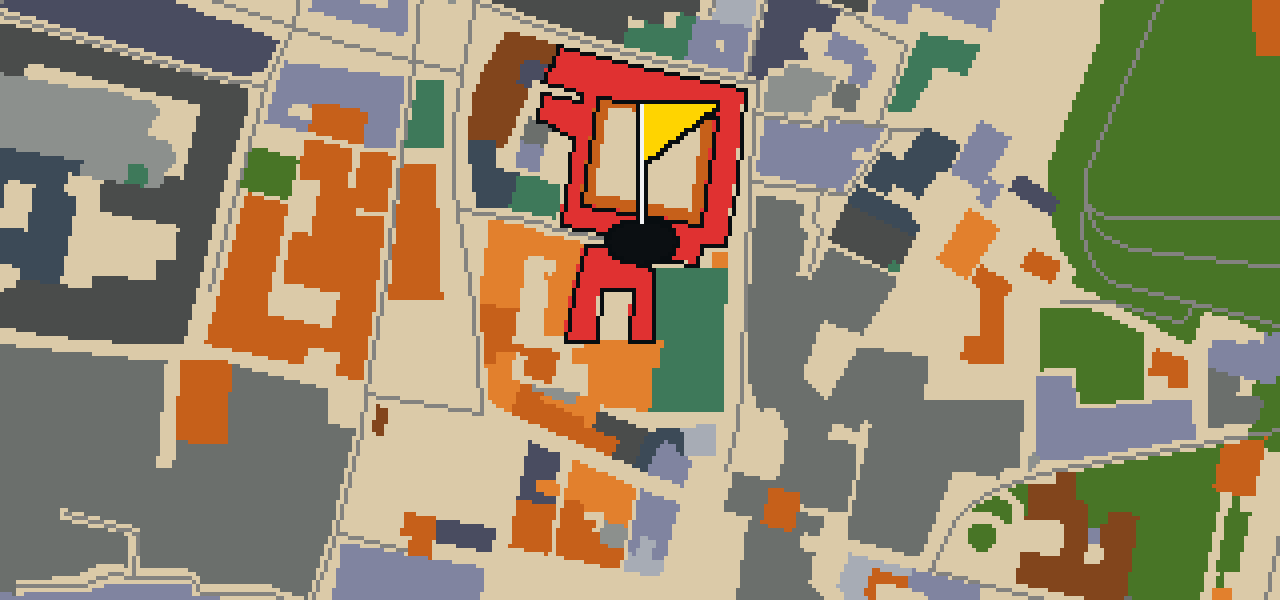

Museo diocesano
You will first notice the peaceful surroundings of the greater cloister of the Monastery of Saint Joseph in via Gasparo Salò. This is where the Museo diocesano is located. As a religious museum, it is dedicated to the artistic patrimony of the Diocese of Brescia. It is an art museum and a private museum that was founded in 1978. I can tell you that it is recognized as Italian national heritage. It is a quiet spot in the city, welcoming 9,503 annual visitors who come to see the collection. Since it is located in Italy, it fits right into the local tradition of preserving sacred art within monastic walls. It is a place where you can slow down and appreciate the craftsmanship of the region's ecclesiastical history.
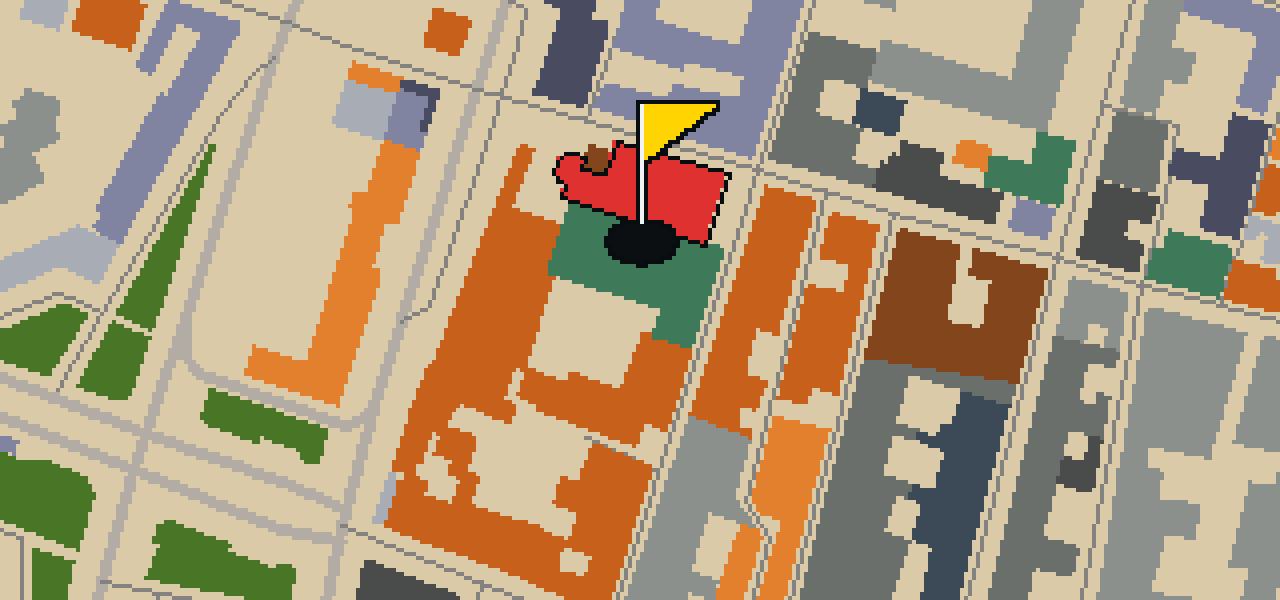

Chiesa di Santa Maria delle Grazie
The Jesuits established this site as a school and church in Brescia. The Chiesa di Santa Maria delle Grazie is a minor basilica that reflects both Renaissance and Italian Baroque architecture. It is located at the intersection of Via delle Grazie and the western end of Via Elia Capriolo. While the building dates back to the 16th century, the interior was later decorated in the Baroque style during a remodeling in the 17th century. Visitors can also see the Sanctuary of Santa Maria delle Grazie, which is a Neo-Gothic work situated adjacent to the church. The combination of these different architectural styles makes the site a notable point of interest for those visiting the city center of Brescia.
Chiesa dei Santi Nazaro e Celso
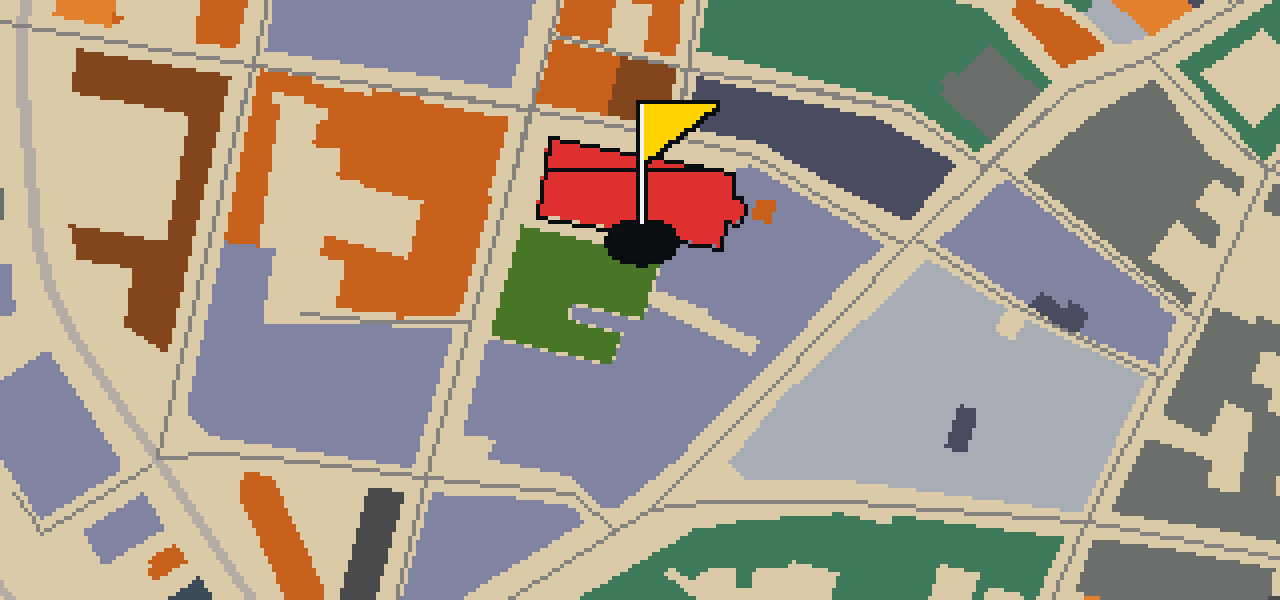
You will first notice the Italian Neoclassical architecture of the Chiesa dei Santi Nazaro e Celso. This church building is located on Corso Giacomo Matteotti, at the intersection with via Fratelli Bronzetti, in Brescia, Lombardy, Italy. Antonio Marchetti was the architect of the site, and the inception of the building was 1780. It is recognized as an Italian national heritage. For those interested in art, the church contains the Averoldi Polyptych, which is a masterwork of Titian from 1522. The site is a significant point of interest in the city of Brescia, combining a distinct architectural style with historical art. Whether you are passing through the intersection of via Fratelli Bronzetti or visiting specifically for the heritage, the building is a prominent landmark of the region.

Teatro Grande
You will find Teatro Grande in Brescia, where it serves as the main performance venue for the city. This theatre building is a central spot for the local arts scene and is used as an opera house. It was designed by the architect Luigi Canonica. Whether you are looking for traditional opera or something more contemporary, this is the place to be. The venue hosts a diverse schedule of performances, including plays, concerts, ballet, and modern dance, alongside musicals and other various entertainments. I always think the energy outside the doors is great right before a show begins, as people gather for a night of music or drama. It is a wonderful spot to see how the city celebrates its love for the performing arts in a grand setting.
Torre della Pallata
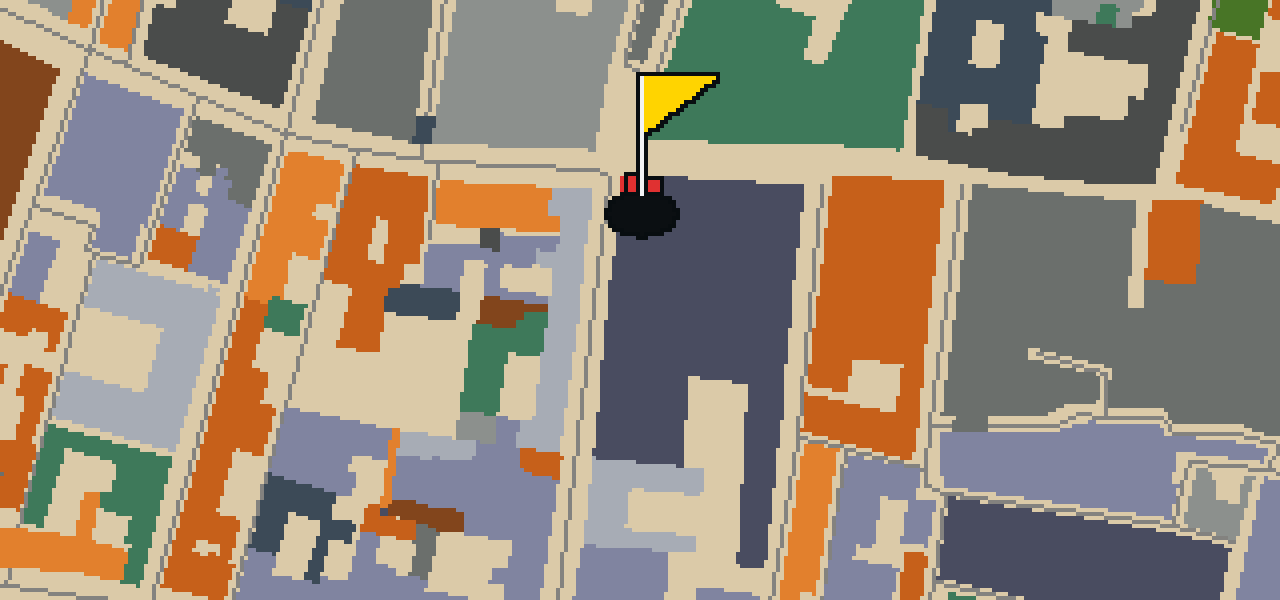
Let me show you the Torre della Pallata, which you can find located on Corso Giuseppe Garibaldi in the center of Brescia, within the region of Lombardy, Italy. This tower was started in 1254 and is a 13th-century tower. It stands at 32 metres high, or 105 ft high, and is designated as Italian national heritage. When you are walking through the city center, this structure is a sturdy landmark that helps you keep your bearings. It is a great example of the city's older architecture and is one of the points of interest that define the local skyline. I think it is a wonderful spot to pause and look around the surrounding area of the city center before you move on to your next destination in Brescia.

Chiesa di Santa Maria della Carità
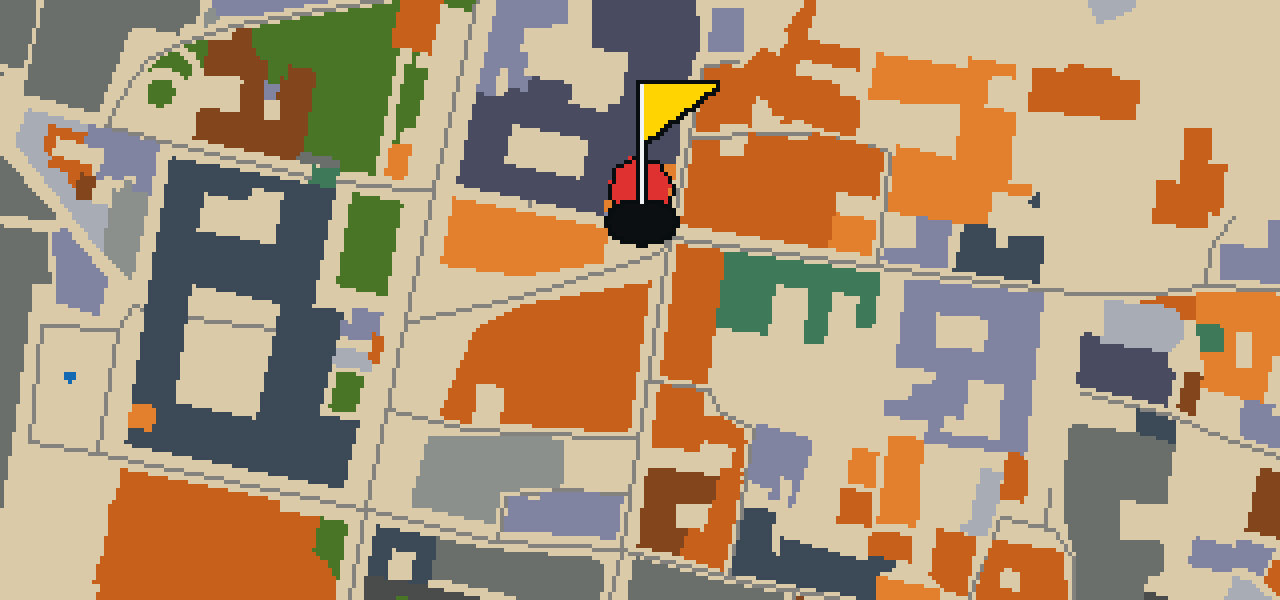
The inception of Chiesa di Santa Maria della Carità was in 1640. This Roman Catholic church in Brescia, Lombardy, was designed by the architect Agostino Avanzo. You can see the influence of the Italian Baroque architecture style in its design. It is located on the corner of Via dei Musei and via Rosa. This building is recognized as an Italian national heritage. As you walk through the streets of Brescia, you can pick out the specific details of the Baroque style that Agostino Avanzo implemented when he served as the architect for this site. It remains a significant place of worship in the region of Lombardy, Italy, and is positioned at the intersection of Via dei Musei and via Rosa for those visiting the city.
Chiesa di Santa Maria al Mercato del Lino
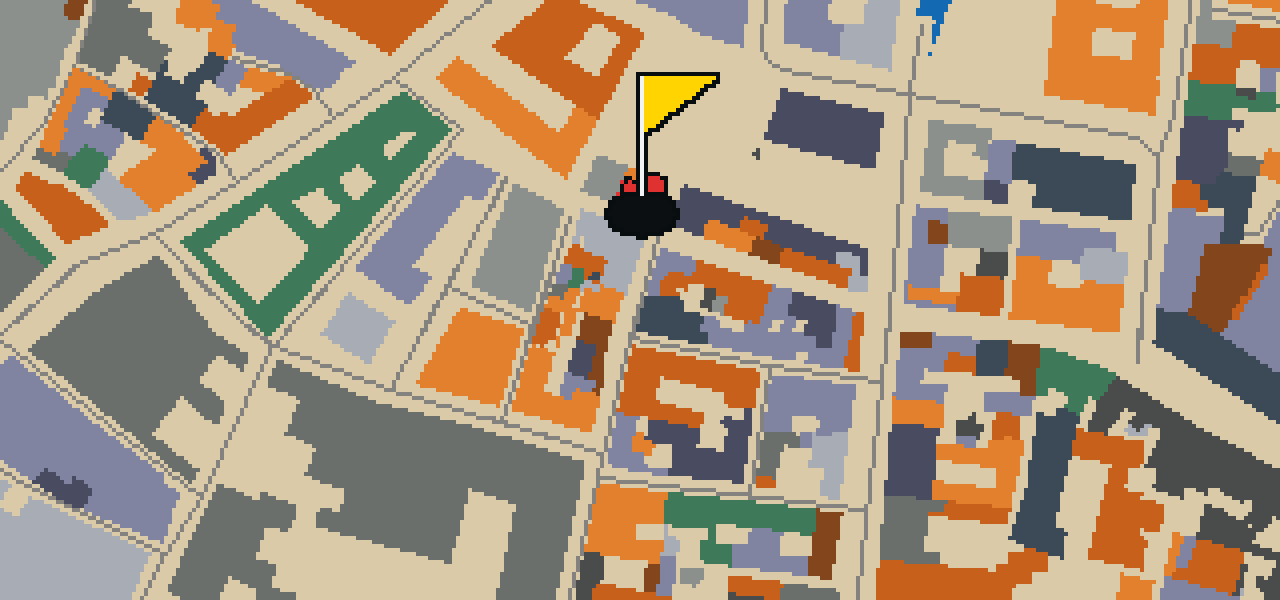
On the Southwest corner of Piazza Mercato, you can find the Chiesa di Santa Maria al Mercato del Lino. This Roman Catholic church is a notable example of the Renaissance architecture style. The building was started in 1605 and remains a significant site within the city of Brescia. Situated in the region of Lombardy, Italy, the church is positioned to be easily seen by those visiting the square. It provides a clear view of the architectural preferences and religious history of the area for any visitor walking through the city center. Whether you are interested in the specific layout of the square or the religious heritage of the region, this building is a point of interest that anchors the corner of the marketplace.
Torre dell'Orologio
You might expect a simple timepiece, but this is the Torre dell'Orologio, a clock tower built in the 16th century. Located in the Piazza della Loggia in Brescia, northern Italy, it is a prime example of Renaissance architecture. Lodovico Beretta is the architect of the building. I've found that the tower's style makes it a great focal point for the square. When you visit, you can pick out the specific design elements that define the Renaissance period in this part of the city. It is a landmark that helps orient you while you explore the surrounding area. The tower remains one of the most recognizable features of the piazza, blending its functional purpose with the artistic standards of the era in which it was constructed.

Chiesa di San Salvatore
Chiesa di San Salvatore is a church building and an Italian national heritage site. It is designed in the style of Lombard architecture. The site is part of San Salvatore, which is a former monastery located in Brescia, Lombardy, in northern Italy. While it once functioned as a place of worship and monastic life, San Salvatore is now a museum. Visitors can explore a wide variety of historical layers within the monastic complex. These layers include Roman remains that exist alongside buildings from the pre-Romanesque, Romanesque, and Renaissance eras. Because it houses so many different architectural styles and periods in one location, the complex provides a clear look at the long history of the region and the various stages of construction that occurred over time.