
NAPLES - 18 HOLES - FREE

NAPLES
CITY MAP MINIGOLF

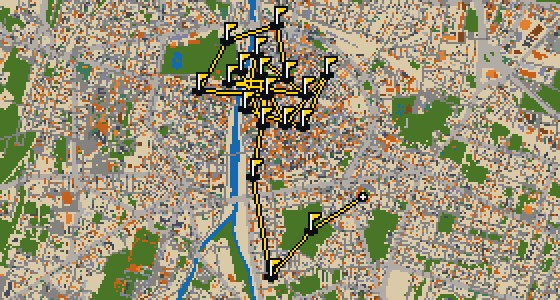
Naples - 18 stops - par 53

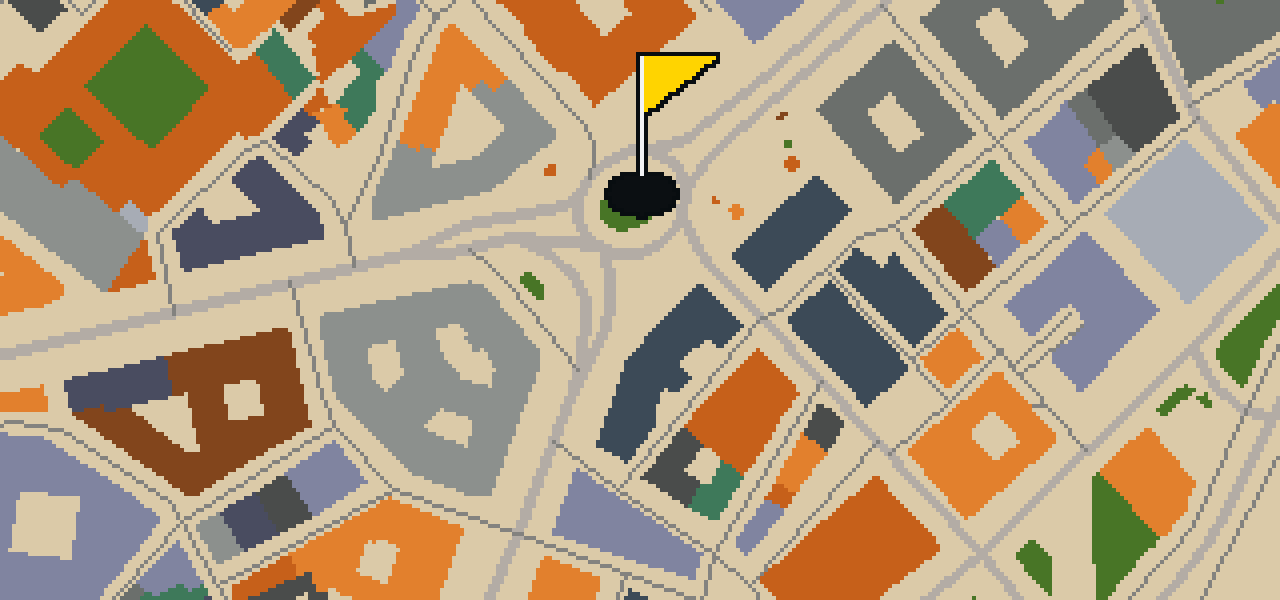
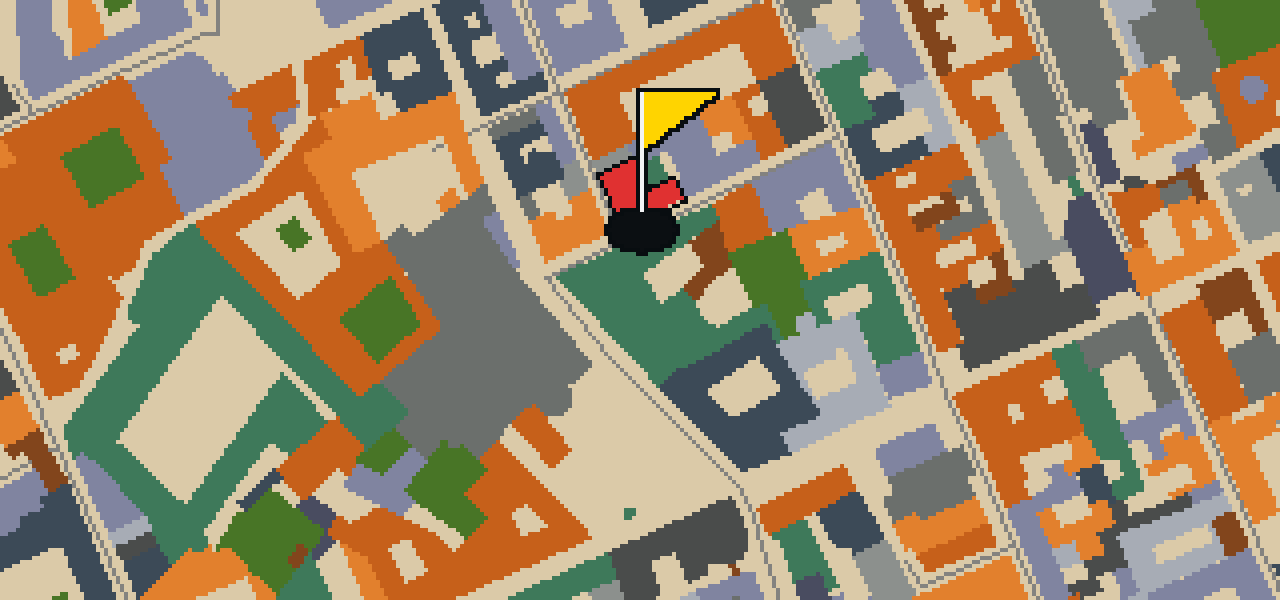
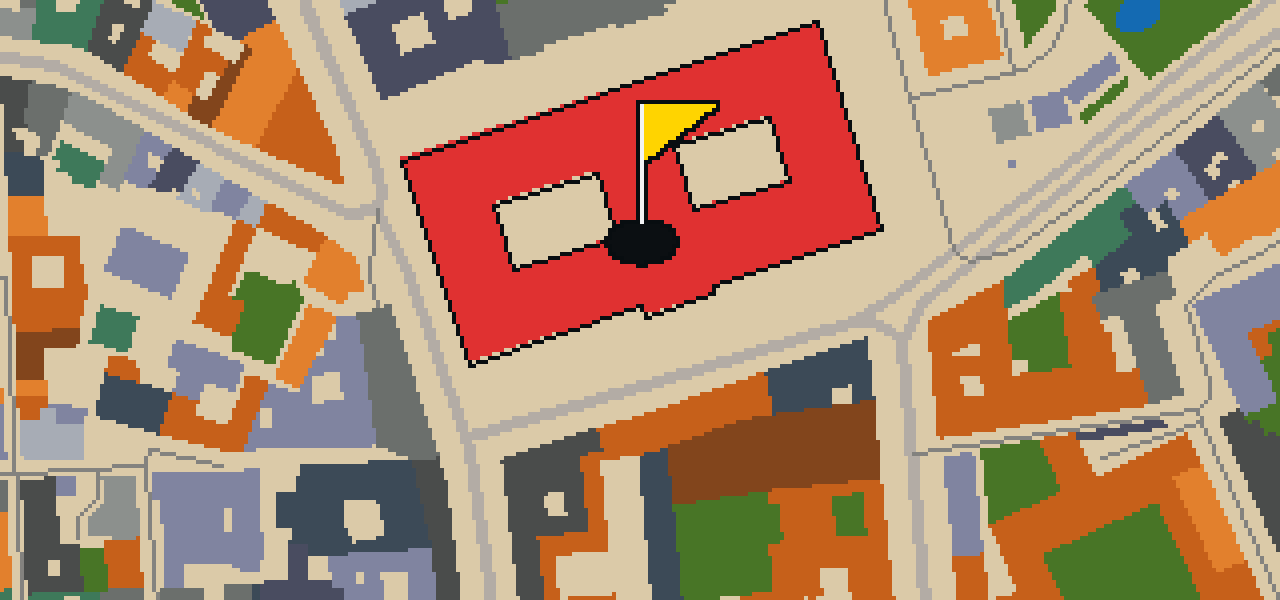
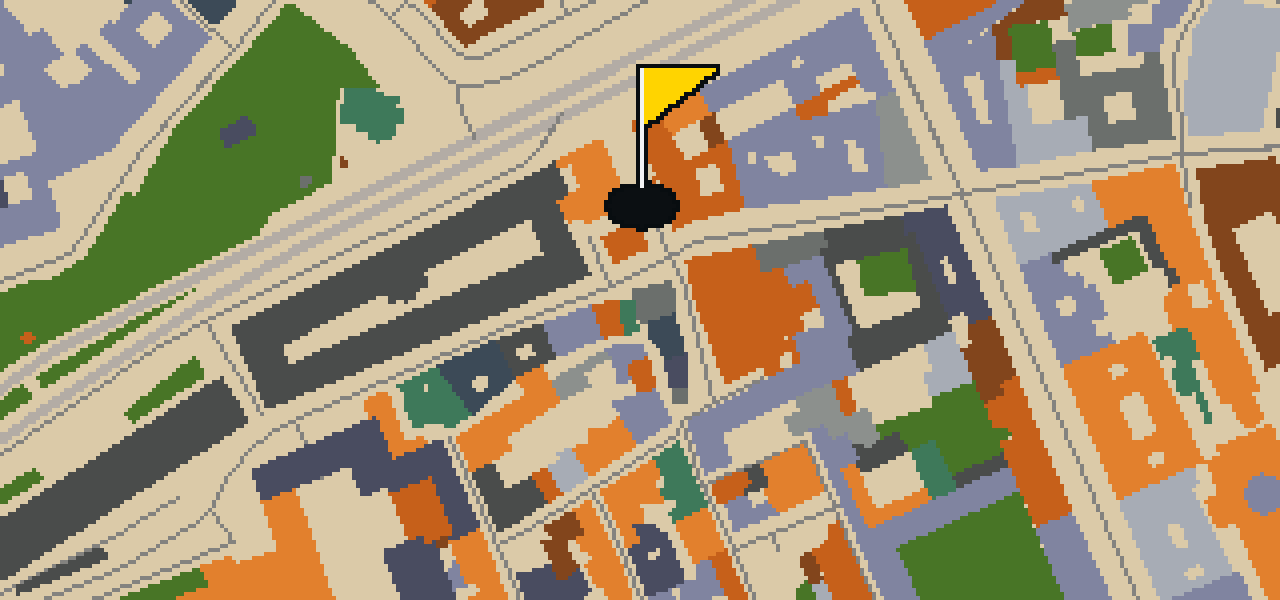
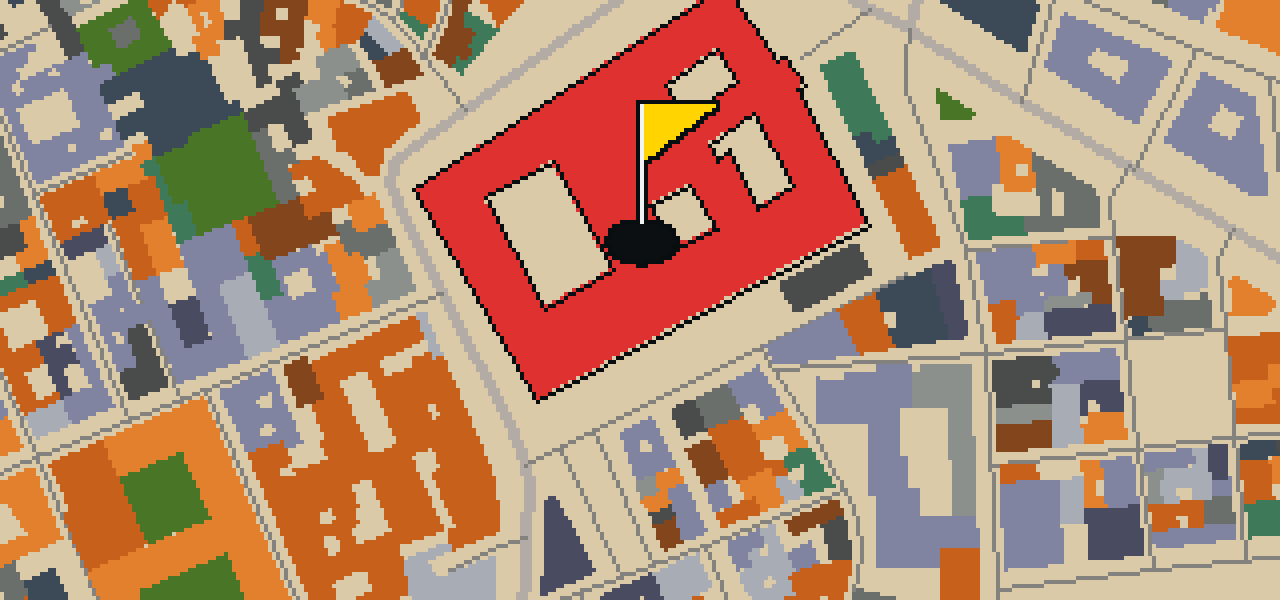
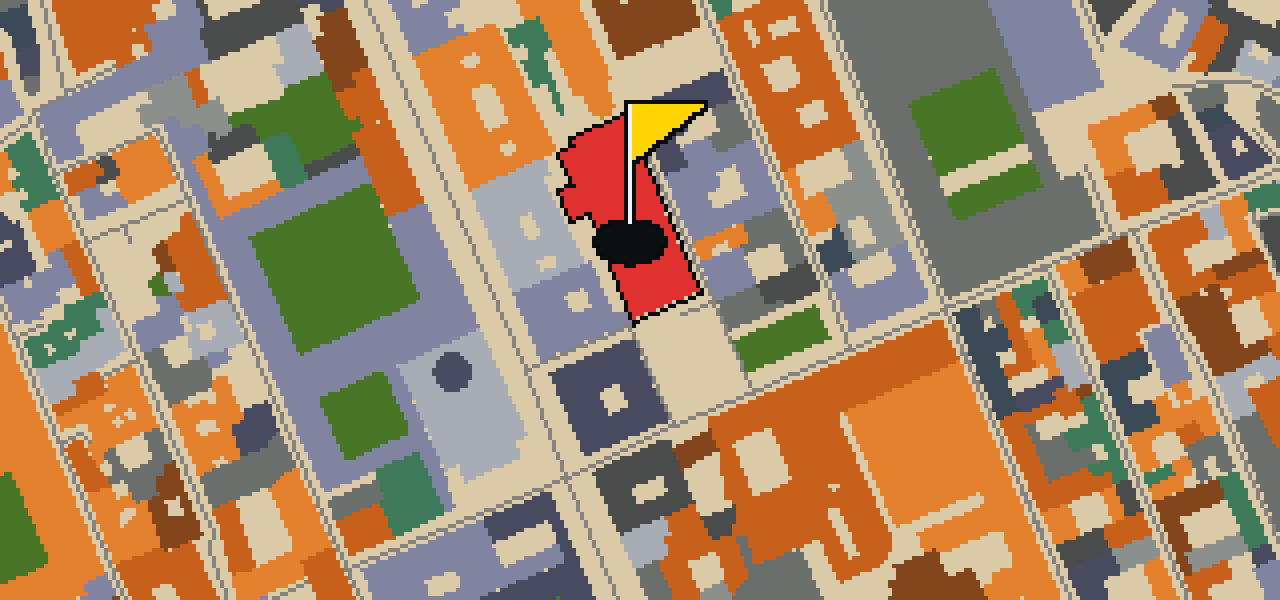
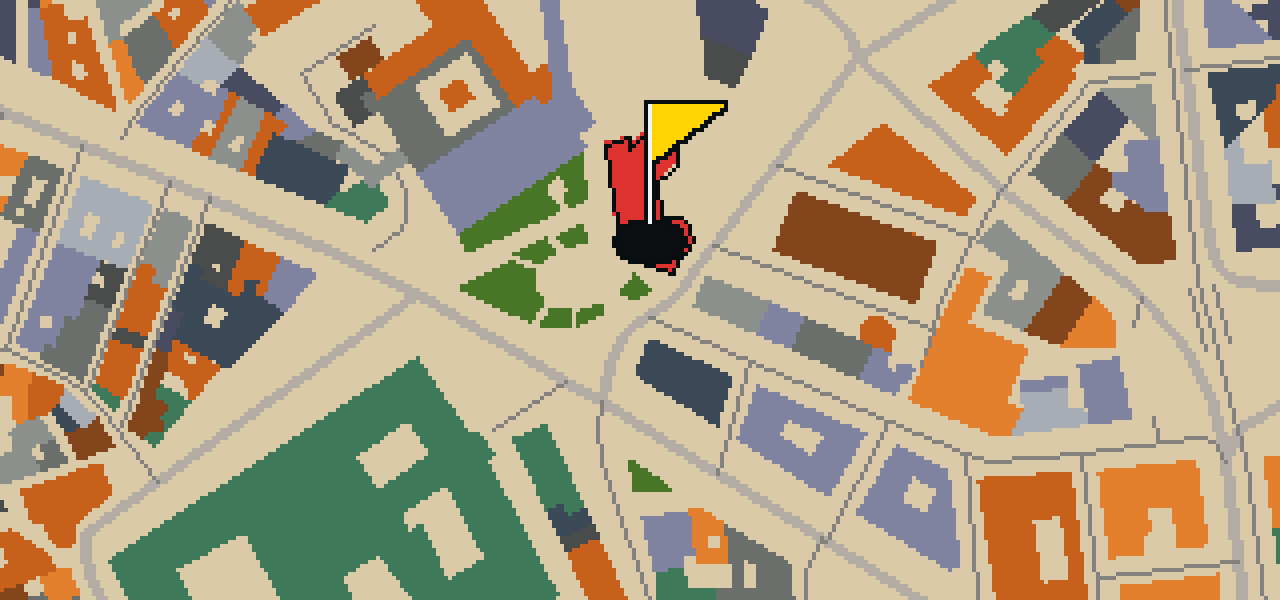
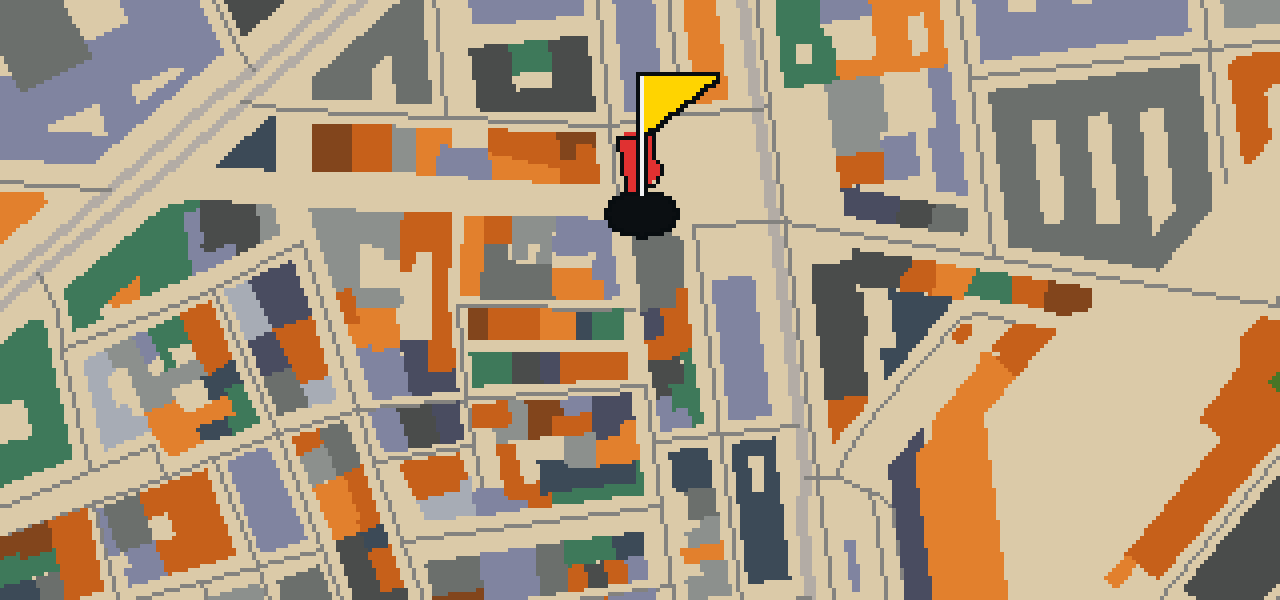
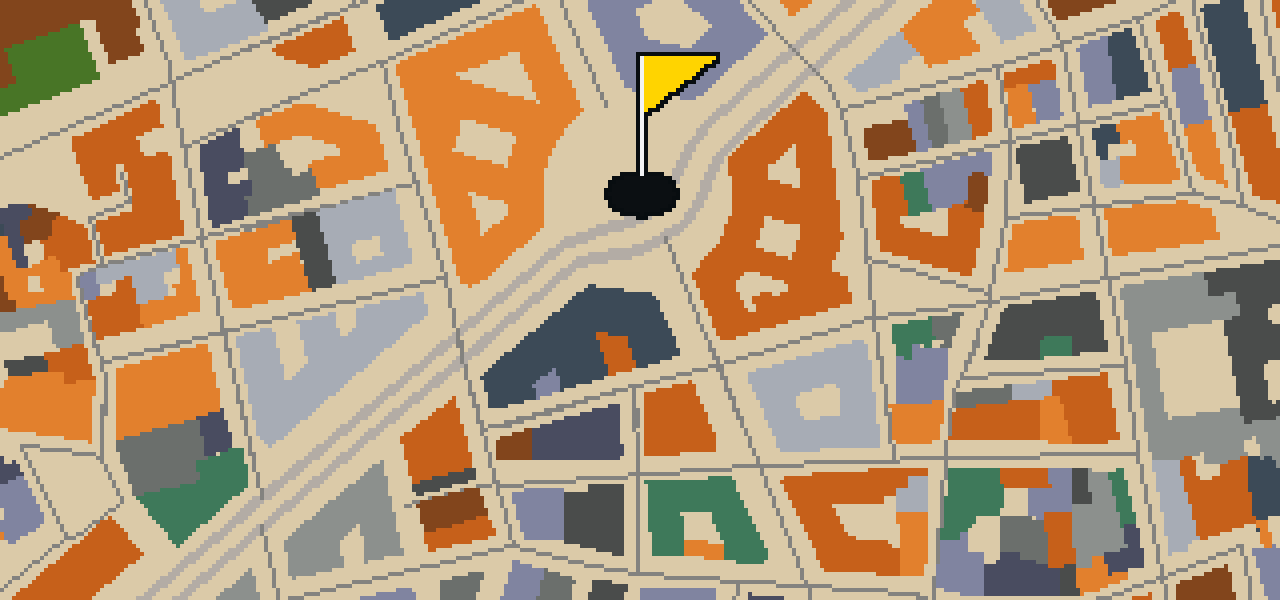
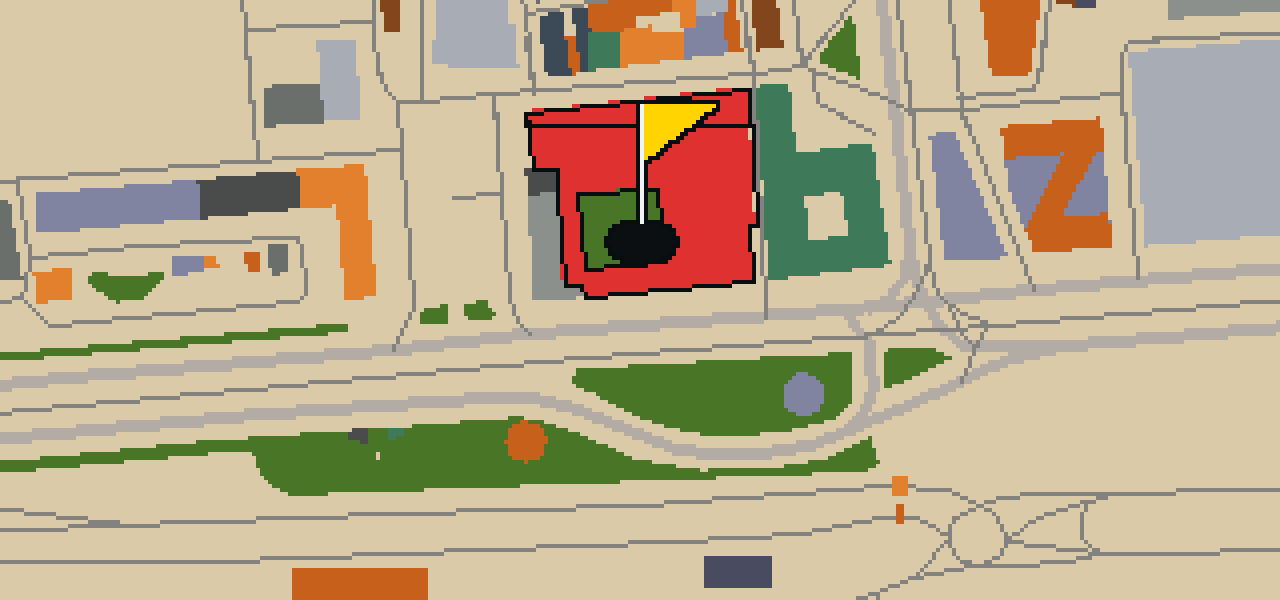
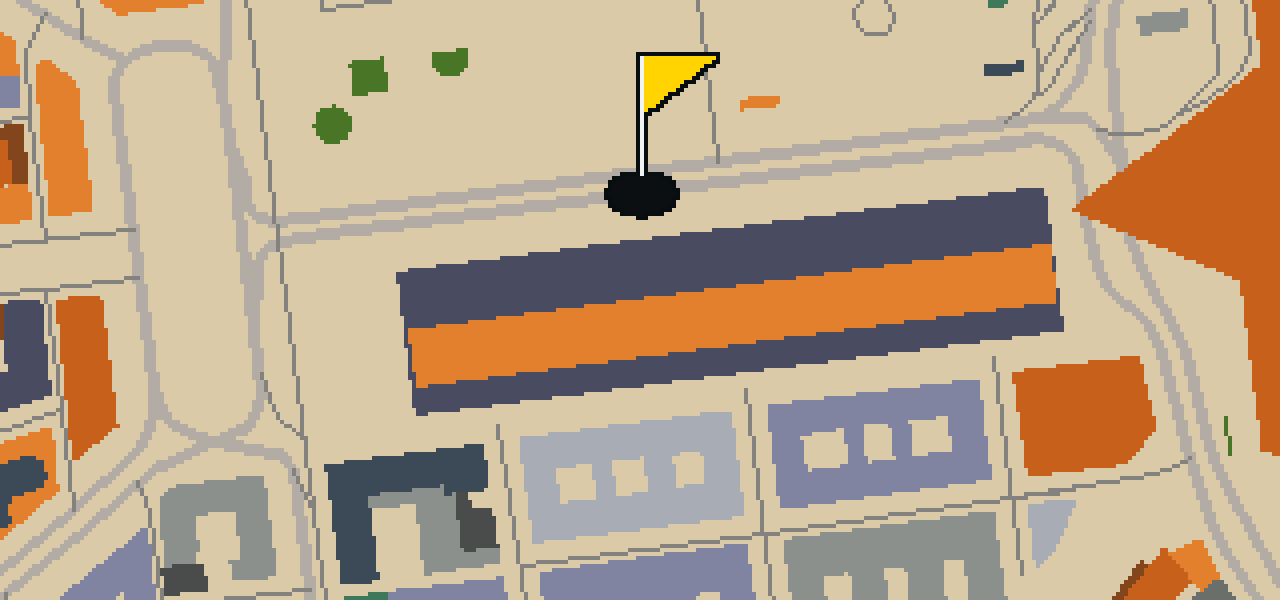
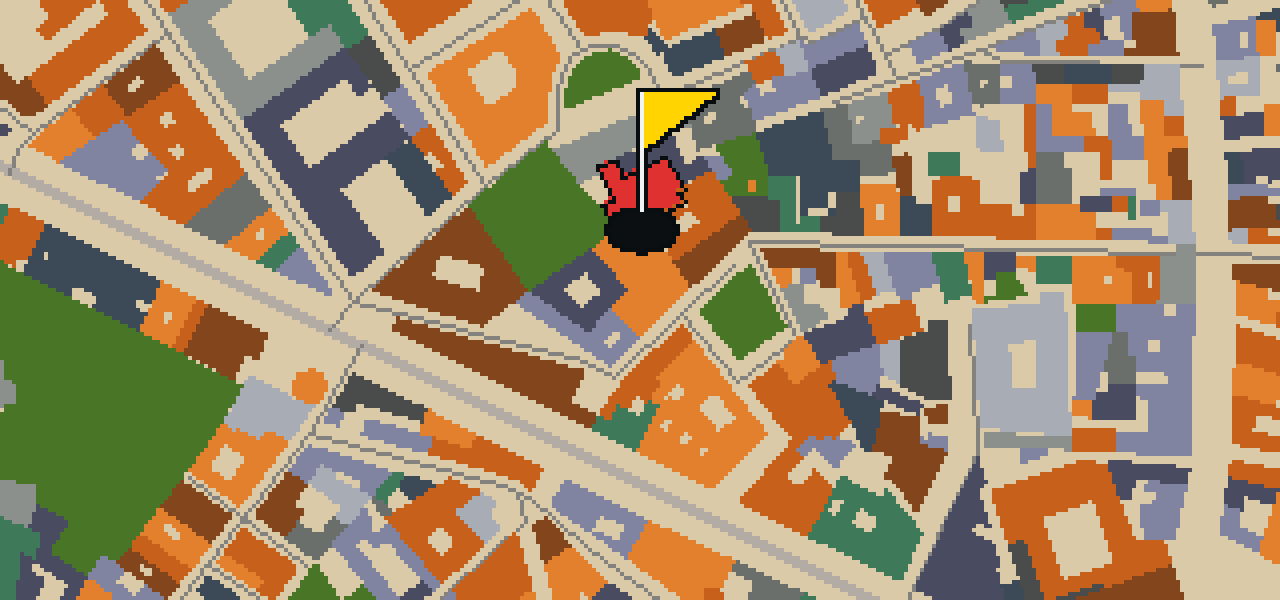
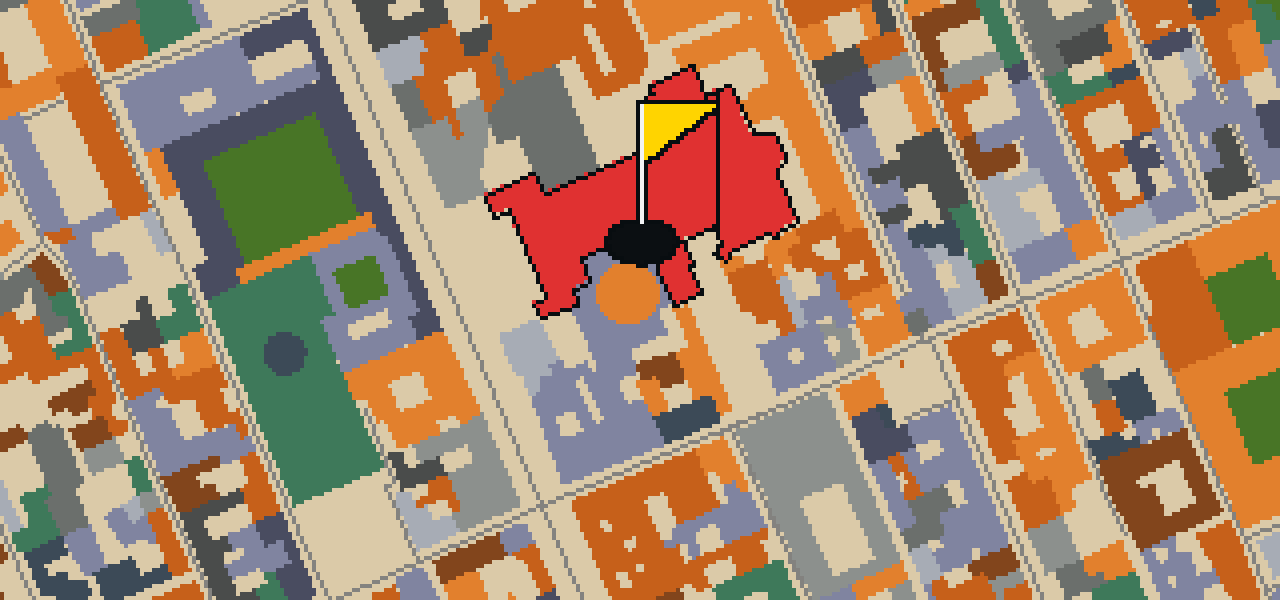
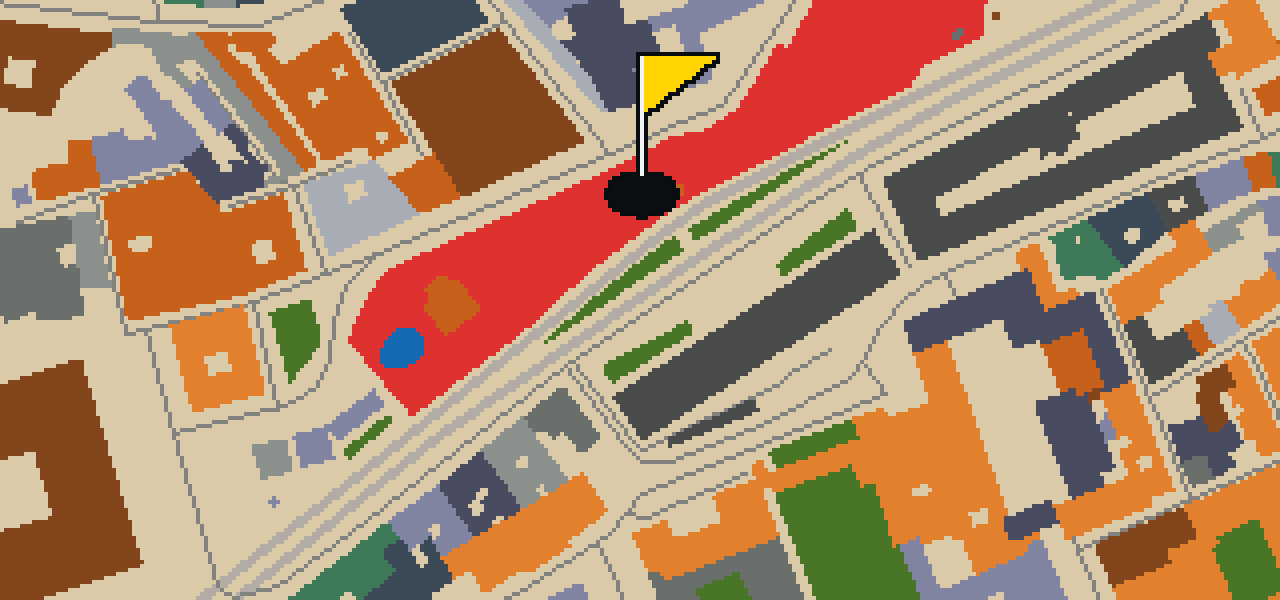
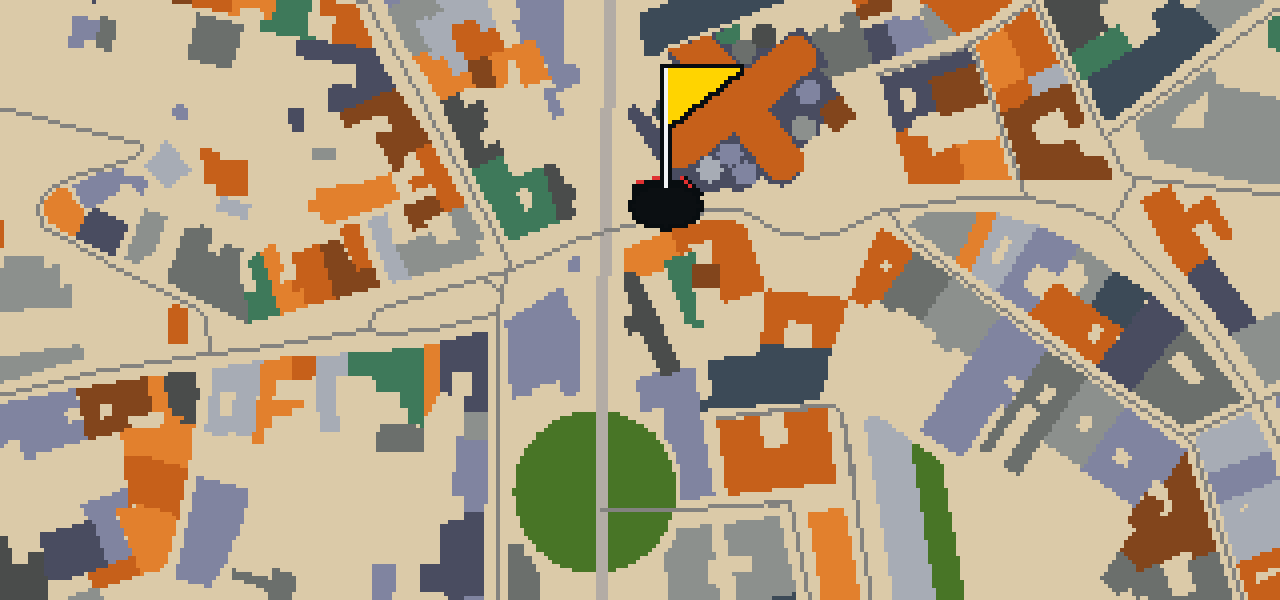
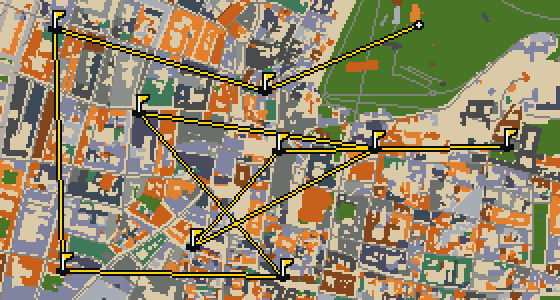
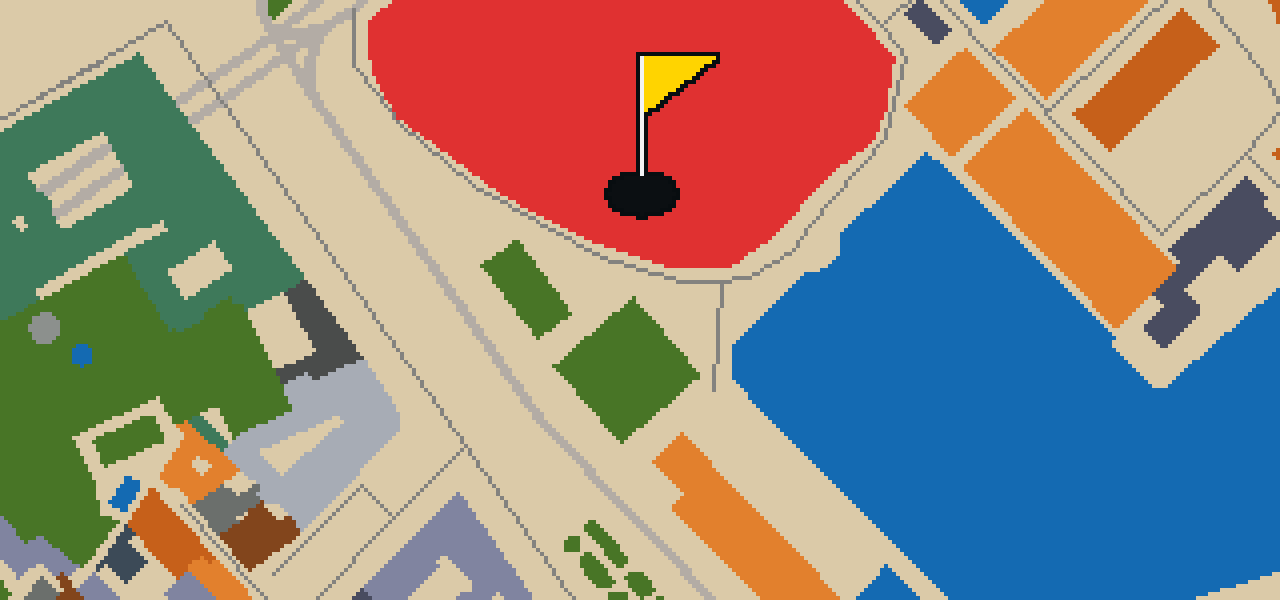
This is a full round of eighteen holes across Napoli. The map is the real city and the ball rolls its actual streets, banking off facades to reach landmarks like the Teatro di San Carlo. These attractions are the basis for every hole. Skip knows these alleys well, even if a few breadcrumbs get lost along the 10.6 km walk. The route uses 52 portals to move between the far reaches of the city.

Trouble loading? Open the game in its own tab.

HOW IT WORKS

01

Pick a city

The course is drawn on the real street grid, so the map you play is the map you walk.

02

Putt to the pin

Drag to aim, release to swing. Buildings bounce and water costs you a stroke.

03

Sightsee between strokes

Every hole ends at an attraction. Sink the putt, read the story, walk to the next tee.

THE NAPLES ROUND - STOP BY STOP

HOLE 1 - PAR 3

Teatro di San Carlo

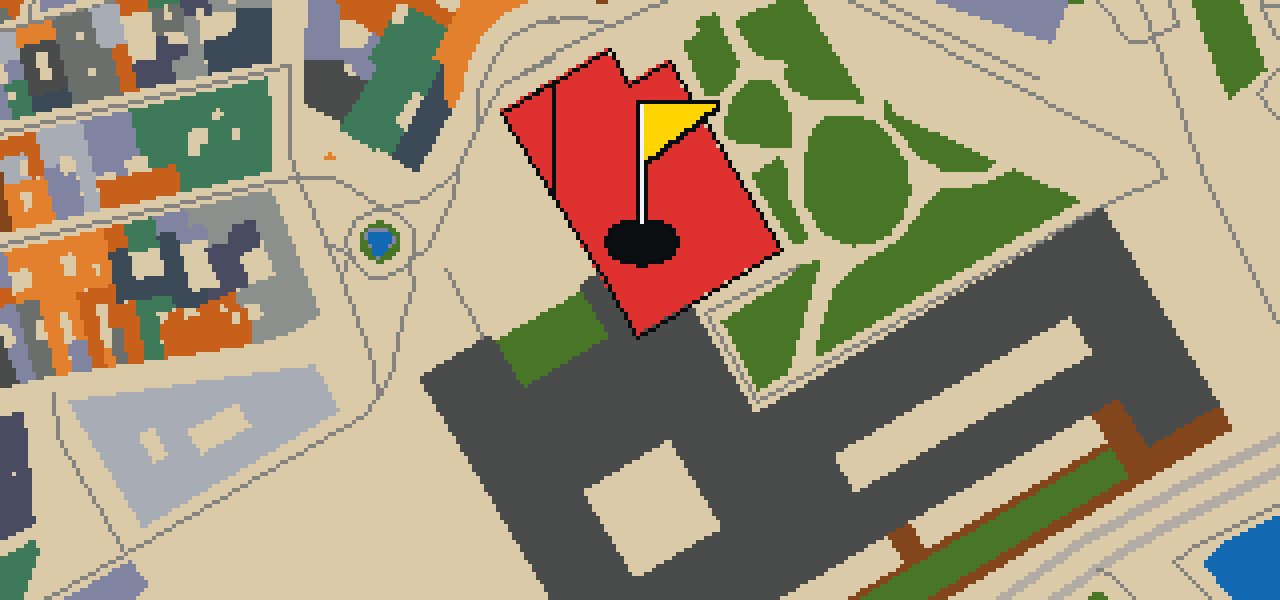
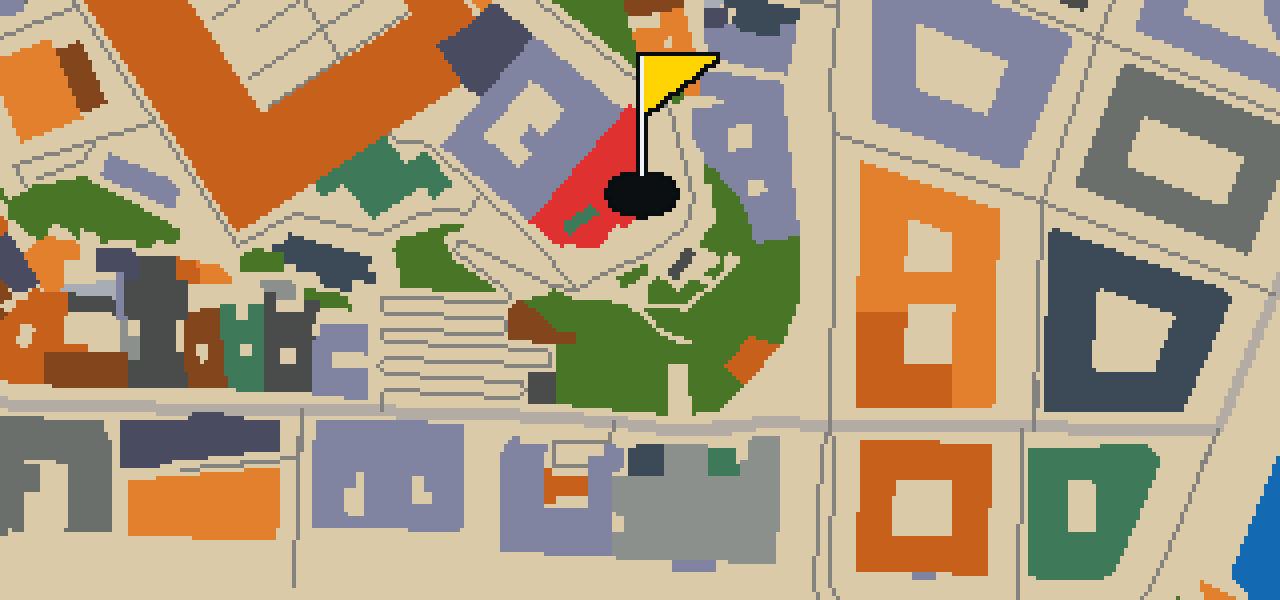
Teatro di San Carlo is an opera house and Italian theater located in Naples, Italy. This cultural institution is connected to the Royal Palace and sits adjacent to the Piazza del Plebiscito. It is recognized as Italian national heritage. Giovanni Antonio Medrano and Angelo Carasale were architects of the site, which had its inception in 1737. I find the proximity to the palace makes it a very grand spot to visit, and you can pick out the distinct style of the building as you walk by. It is a place where the history of the city is felt in every stone.
Wikidata · Wikipedia

HOLE 2 - PAR 3

Resti della Villa di Licinio Lucullo

Let me show you the Resti della Villa di Licinio Lucullo, an archaeological site in Naples. This ancient Roman villa was built in the first century BC by Lucius Licinius Lucullus. He was a man of many titles, serving as a general, consul, and gourmet. While this site is a highlight here, he also had a villa in Tusculum in the Alban Hills and the Gardens of Lucullus in Rome. It is a fascinating spot to see what remains of such a grand Roman estate. I've seen plenty of ruins, but these walls still have a certain presence.

Wikidata · Wikipedia

HOLE 3 - PAR 2

Fontana dei Papiri

Let me show you the Fontana dei Papiri. This site is a fountain located in Napoli. It is a piece of the city's public water features that you can visit while exploring the area. I've found it to be a pleasant spot to pause for a moment.

Wikidata

HOLE 4 - PAR 3

Castel Nuovo

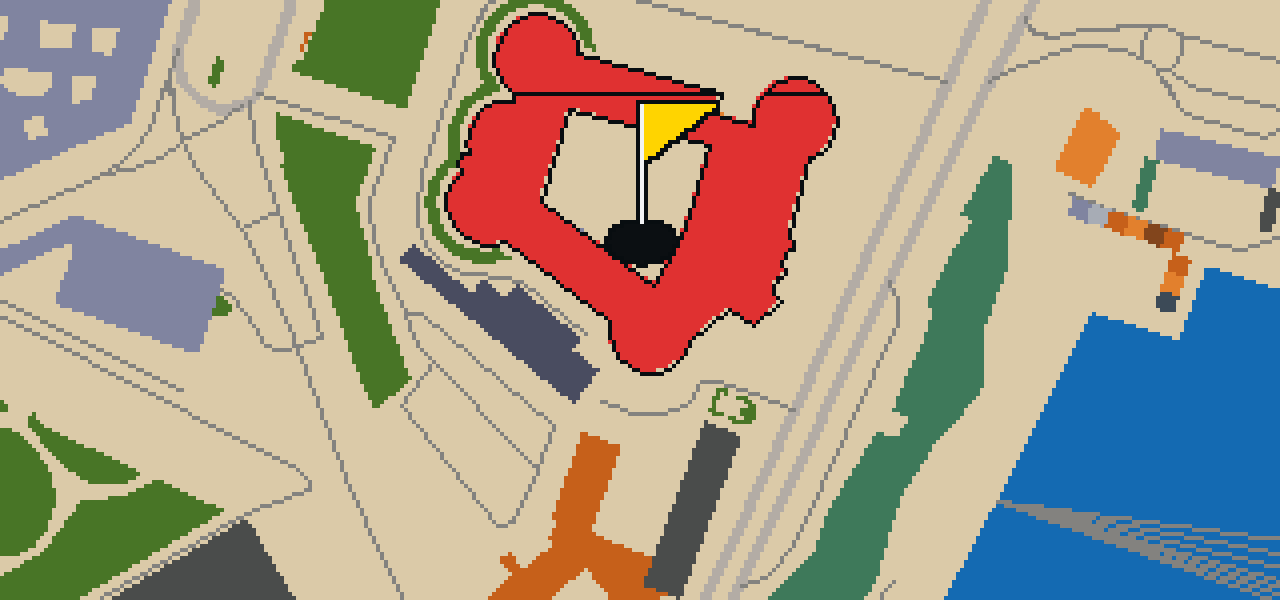
Let me show you Castel Nuovo, a castle in central Naples, Campania, Italy. You can pick out the Gothic art style of the building, which was first erected in 1279. Pierre d'Angicourt was the architect of the structure, and its inception was 1282. It sits right in front of the city hall and Piazza Municipio. For a long time, this place served as a royal seat for kings of Spain, Aragon, and Naples until 1815. I've seen plenty of tourists stop here to admire the scale of the walls.

Wikidata · Wikipedia

HOLE 5 - PAR 3

Vittorio Emanuele II

Let me show you the work of the artist who created this piece. They produced a sculpture of Vittorio Emanuele II, which is a notable landmark for any visitor to Napoli. Whether you are walking the city or banking a ball off the surrounding facades, this sculpture is a key point of interest. I have noticed that the scale of the work makes it very easy to spot from a distance, and it helps orient you as you move through the neighborhood. It is a great example of the city's public art for anyone to appreciate.

Wikidata

HOLE 6 - PAR 3

Cappella Sansevero

You will first notice the baroque architecture of the Cappella Sansevero. Located on Via Francesco de Sanctis 19 in the historic center of Naples, Italy, this site is a former church building that now functions as both an art museum and a private museum. Its inception was in 1593. Inside, the chapel contains works of Rococo art created by Italian artists of the 18th century. It is recognized as an Italian national heritage, drawing in 175,138 annual visitors who come to see these specific works of art.

Wikidata · Wikipedia

HOLE 7 - PAR 3

Museo archeologico nazionale di Napoli

You aren't visiting a contemporary exhibition here. The Museo archeologico nazionale di Napoli is an Italian national museum and archaeological museum founded in 1777. It is a major heritage site that draws 616,878 visitors every year. When you walk through the halls, you can pick out a vast collection of works from the Renaissance, as well as Greek and Roman eras. I've noticed that the Roman artifacts from the Stabiae, Herculaneum and Pompeii sites are particularly impressive. It is a place where the ancient world feels very present.

Wikidata · Wikipedia

HOLE 8 - PAR 3

Porta San Gennaro

Porta San Gennaro is a city gate located in Napoli. As one of the ancient gates of the city, it is positioned off Via Foria and runs east and parallel to Via Duomo. If you are navigating the area, you can find it southwest of the edge of the Piazza Cavour. It is a great spot to pause before the gate leads you into a pedestrian alley. I've noticed the flow of the streets here makes for a tricky bank shot if you're aiming for the hole.

Wikidata · Wikipedia

HOLE 9 - PAR 3

Castel Capuano

Castel Capuano is a castle located in Naples, southern Italy. You can find it at the southwest end of via dei Tribunali. The site is Italian national heritage and takes its name from the point in the city walls where the road led out to the city of Capua. Until recently, the castle housed the Naples Hall of Justice, though that office has since moved to the Centro Direzionale. I've noticed the building has a very commanding presence on the street.

Wikidata · Wikipedia

HOLE 10 - PAR 3

Museo Diocesano

While it may look like a place of worship, this is the Museo Diocesano. It is a former church building designed in the baroque architecture style. The architect of the building was Giovan Giacomo Di Conforto, and work on the structure was started in 1617. Visitors can observe the specific details of the baroque style throughout the site. It remains a significant example of the city's architectural history, transitioning from its original religious purpose to its current role as a museum.

Wikidata · Wikipedia

HOLE 11 - PAR 3

Porta Capuana

Porta Capuana is a Renaissance city gate and a piece of Italian national heritage. While the gate itself is the main draw, you can still see two bastions of the medieval city walls remaining to its sides. This structure originally passed through those medieval walls. Beyond its history as an entrance to the city, the gate gives its name to a zone that is one of the ten boroughs of Naples. That specific zone is part of the Fourth Municipality. I've found the area around here has a great energy for a stroll.

Wikidata · Wikipedia

HOLE 12 - PAR 3

Porta Nolana

Giuliano da Maiano is the architect of Porta Nolana. This city gate is built in the Renaissance architecture style and sits in Piazza Nolana. It is a remnant of one of the medieval city gates in Naples, Italy. If you are visiting the area, you can pick out the nearby Mercato di Porta Nolano pedestrian market or the Napoli Porta Nolana train station with the Circumvesuviana lines. I've noticed the gate takes its name from the road that lead to Nola.

Wikidata · Wikipedia

HOLE 13 - PAR 3

Piazza Nicola Amore

Let me show you Piazza Nicola Amore. This square is located in the Historic Centre of Naples along Corso Umberto I. You can find it right at the intersection with Via Duomo. It is a useful spot for getting your bearings while you wander through the city. I usually keep an eye out for the crowds gathering here as they move between the main thoroughfares. It is a central point in a part of the city where the streets can get quite narrow, making this open square a welcome sight for any visitor.

Wikidata · Wikipedia

HOLE 14 - PAR 3

Basilica Santuario di Santa Maria del Carmine Maggiore

Located at one end of Piazza Mercato in Naples, Italy, the Basilica Santuario di Santa Maria del Carmine Maggiore is a church building. It is a minor basilica and a shrine that exhibits Neapolitan baroque art. The structure features a 75-metre bell tower and its inception was in 1200. Because of its significance, the basilica is an Italian national heritage and part of a UNESCO World Heritage Site. You can see the influence of its style in the architecture and the way it anchors the square.

Wikidata · Wikipedia

HOLE 15 - PAR 3

Piazza Garibaldi

Let me show you Piazza Garibaldi. This square in Naples, Italy, is located at the boundary between the quarters of Pendino, Mercato, San Lorenzo, and Zona Industriale. It is a significant spot in the city that was started in 1866. You can pick out how it connects these four distinct areas, making it a central point for anyone exploring the local geography. I've noticed that the sheer scale of the square makes it easy to spot from a distance as you move through the surrounding quarters. It is a useful landmark for getting your bearings in this part of town.

Wikidata · Wikipedia

HOLE 16 - PAR 3

Teatro San Ferdinando

You will find the Teatro San Ferdinando in Naples, Italy. This theatre building is named after King Ferdinand I of Naples and was designed by the architect Camillo Lionti in the late eighteenth century. It holds a strong association with Eduardo De Filippo and the productions he directed during the 1950s. After closing in the 1980s, the venue reopened in 2007. Today, the Teatro Stabile of Naples manages the site. I've always found the history of the performances here to be the most interesting part of the building.

Wikidata · Wikipedia

HOLE 17 - PAR 3

Cattedrale di Santa Maria Assunta

Cattedrale di Santa Maria Assunta is a church building started in 1272. This structure is built in the Gothic architecture style and is recognized as an Italian national heritage. As a Roman Catholic cathedral, it is the main church of Naples, southern Italy. It is also the seat of the Archbishop of Naples. You can see the influence of its Gothic design on the facade and throughout the building as you walk through this historic site in the heart of the city.

Wikidata · Wikipedia

HOLE 18 - PAR 3

Piazza Cavour

Let me show you Piazza Cavour, which is a square located in the historic centre of Naples. You might see it referred to as Piazza Camillo Benso Conte di Cavour on some local maps. This area is positioned between the Stella district and the San Lorenzo district, providing a clear dividing line between the two. It is a useful landmark for getting your bearings while exploring the city. I usually find that the open space makes for an easy glide, though I spend most of my time watching the crowds from the nearby ledges.

Wikidata · Wikipedia

STOP 19

Catacombe di San Gaudiosio

Deep beneath the soil, you will find the paleo-Christian burial sites of the Catacombs of Saint Gaudiosus. Located in the northern area of Naples, this archaeological site is a catacomb. It is a place where the quiet of the earth replaces the chaos of the city. I usually find the silence down here a nice break from the noisy streets above, though you will be more interested in the history of these ancient burial grounds. Let me show you around this unique part of the city's underground layout.

Wikidata · Wikipedia

OTHER COURSES

9 HOLES - PAR 26

Reggio Emilia

9 stops

Reggio nell'Emilia is the setting for this round, where the map is the actual city and the ball rolls along its real streets. The holes are built from local attractions, including the Cattedrale di Santa Maria Assunta. Skip knows these blocks well. This quick 9-hole round covers a 5 km walk with a total par of 26.

9 HOLES - PAR 26

Modena

9 stops

From a rooftop perch, Modena looks like a clean slate for a quick nine-hole round. The map is the real city and the ball rolls across its actual streets, using attractions like the Duomo di Modena as the holes. Two portals help skip the long stretches of a 4.8 km walk. Skip knows these alleys well and will be the local guide.

18 HOLES - PAR 55

Parma

18 stops

This is Parma, where the map is the real city and the round is played on its actual streets. The holes are built from real attractions, ending the walk at the Torrione Visconteo. Skip is a local guide who knows the place and where the best crumbs are hidden. A full round of 18 holes takes a 10.5 km walk with a par of 55, using four portals to bridge the gaps.

9 HOLES - PAR 26

Brescia

9 stops

Brescia is the setting for this round, with the ball rolling across the real streets of the city. The holes are built from actual attractions, including the Castello di Brescia. This quick 9-hole round covers 4.9 km and uses 16 portals to move between districts. Skip knows these pavements well and is the local guide.

9 HOLES - PAR 27

Reggio Calabria

9 stops

Reggio di Calabria is the setting for this round, where the map follows the real city and the ball rolls across its actual streets. Real attractions like the Castello Aragonese provide the architecture for the holes. This is a quick nine-hole round covering a 5.6 km walk. I know these sidewalks well and will act as the local guide.

FAQ

Is it free to play?

Yes. Every course runs in the browser with no account and no install.

Do I need to be in the city?

No. The full round plays from anywhere. Walking the real route is a nice way to see the city, but it is not required.

Are the maps real?

Yes. The geometry comes from OpenStreetMap data, rendered chunky on purpose. Streets, water and parks sit where they really are.