
CATANIA - 18 HOLES - FREE

CATANIA
CITY MAP MINIGOLF

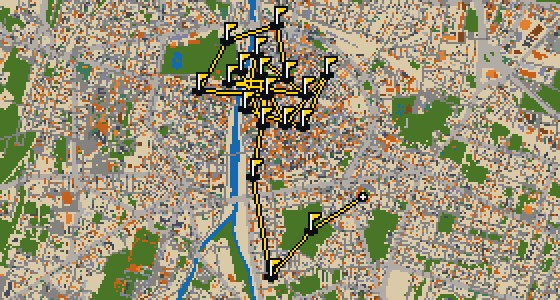
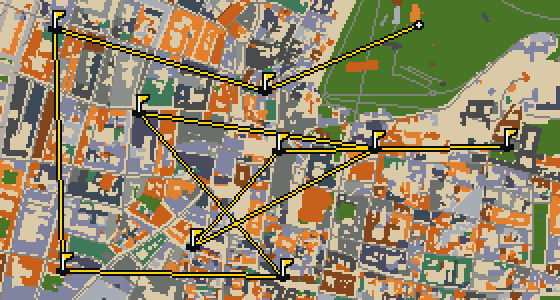
Catania - 18 stops - par 58

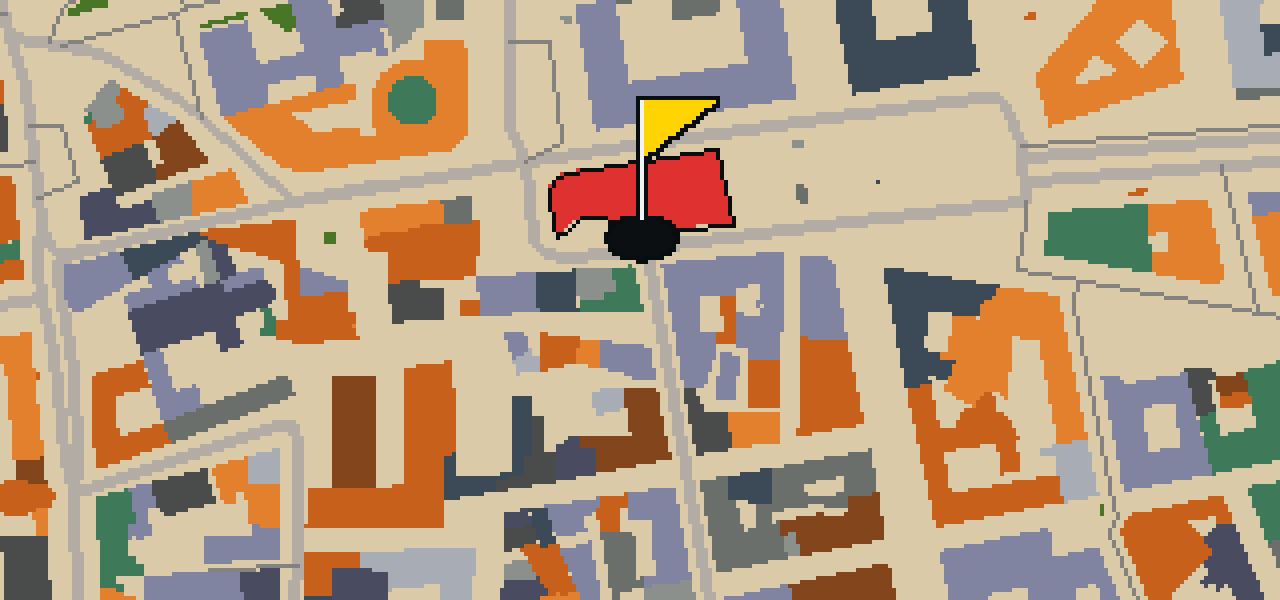
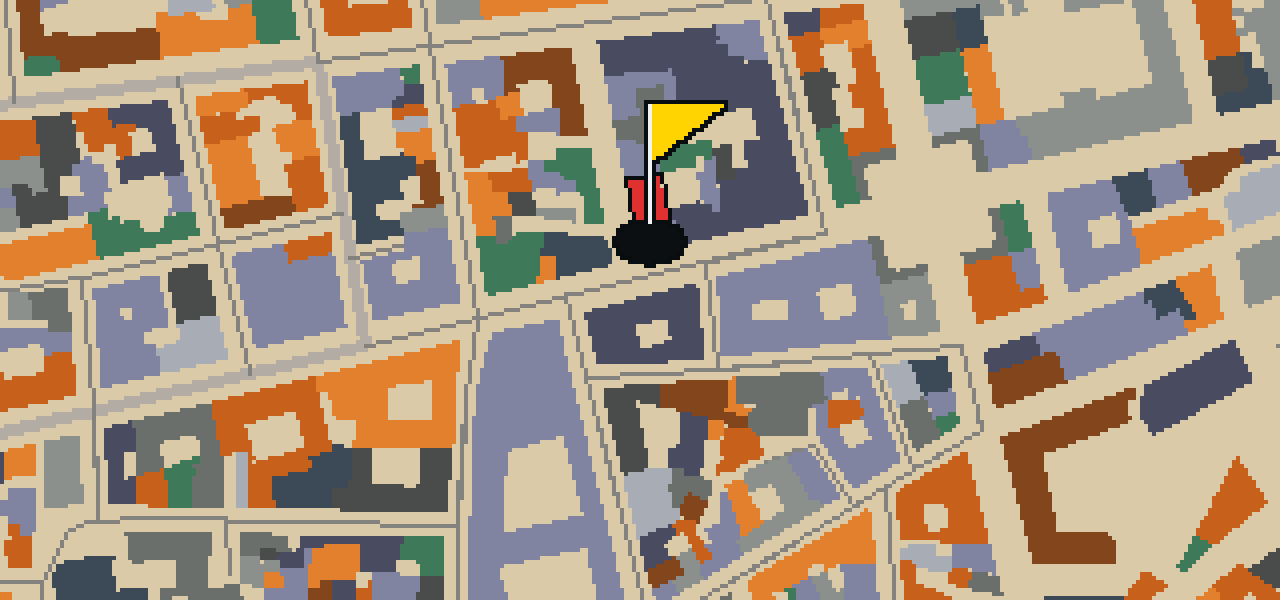
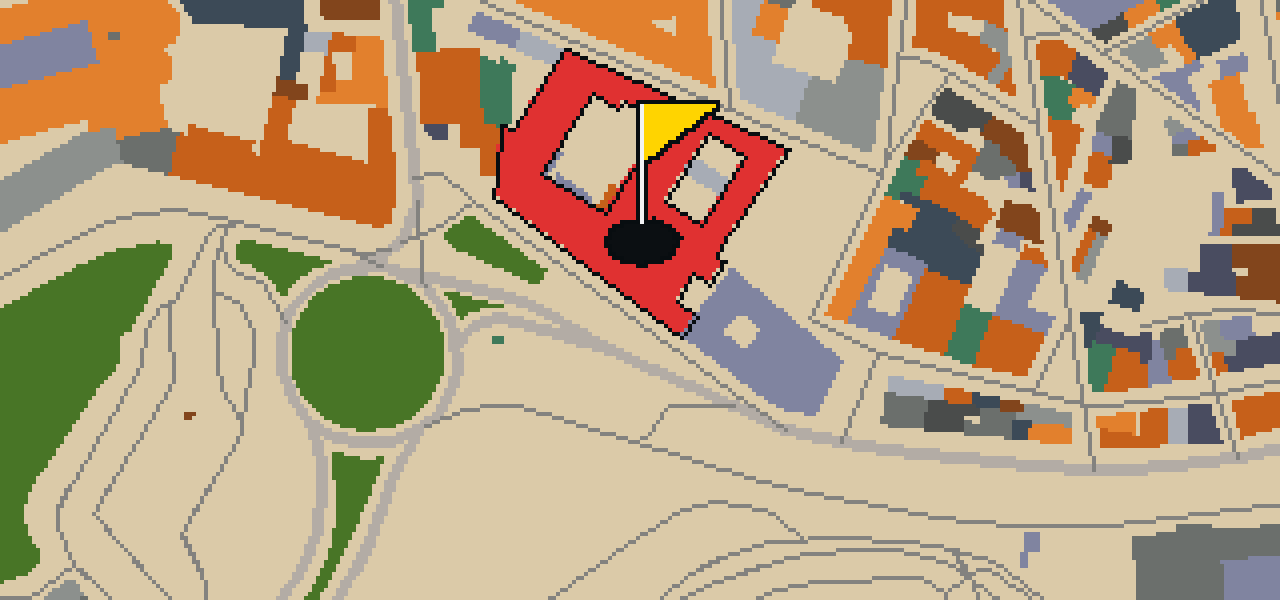
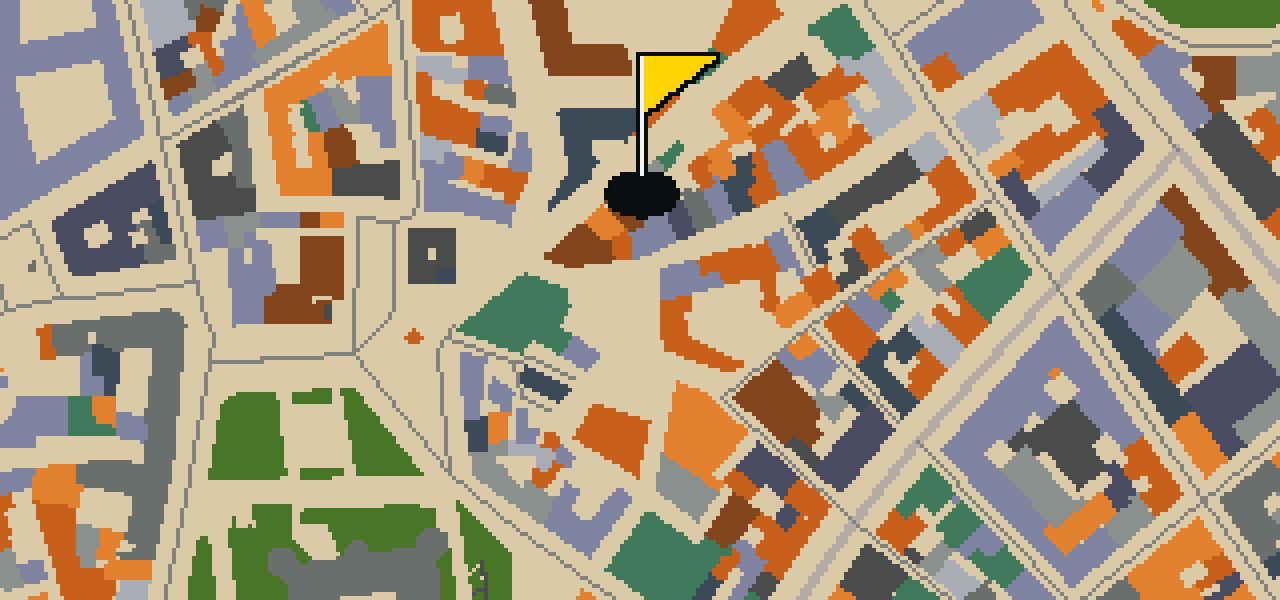
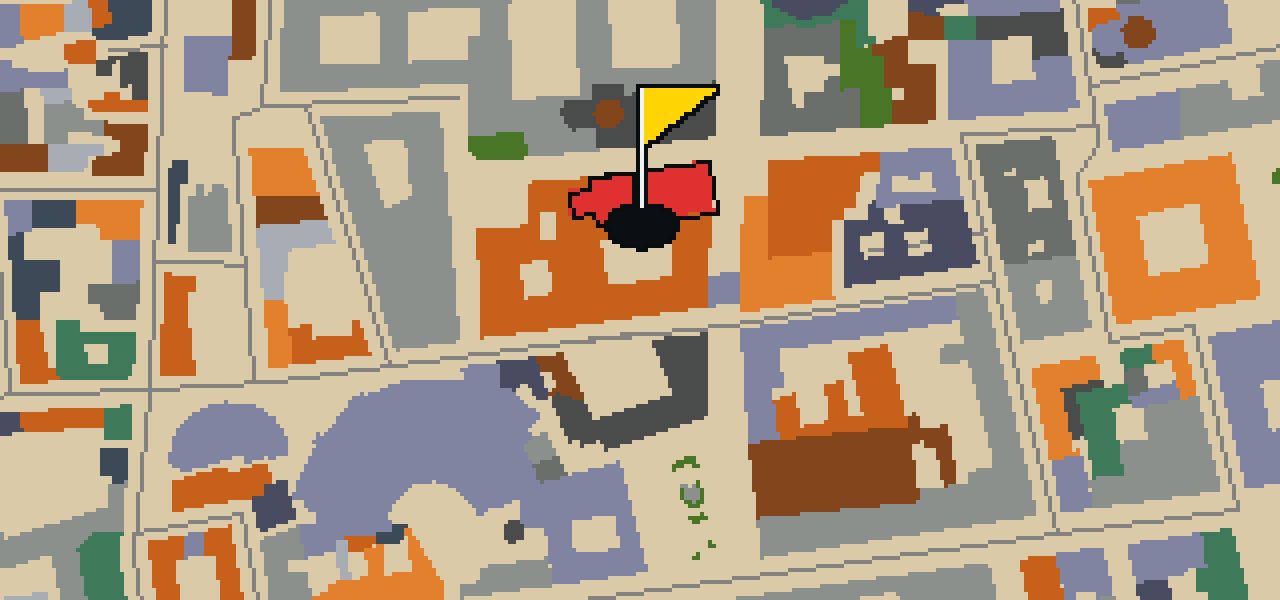
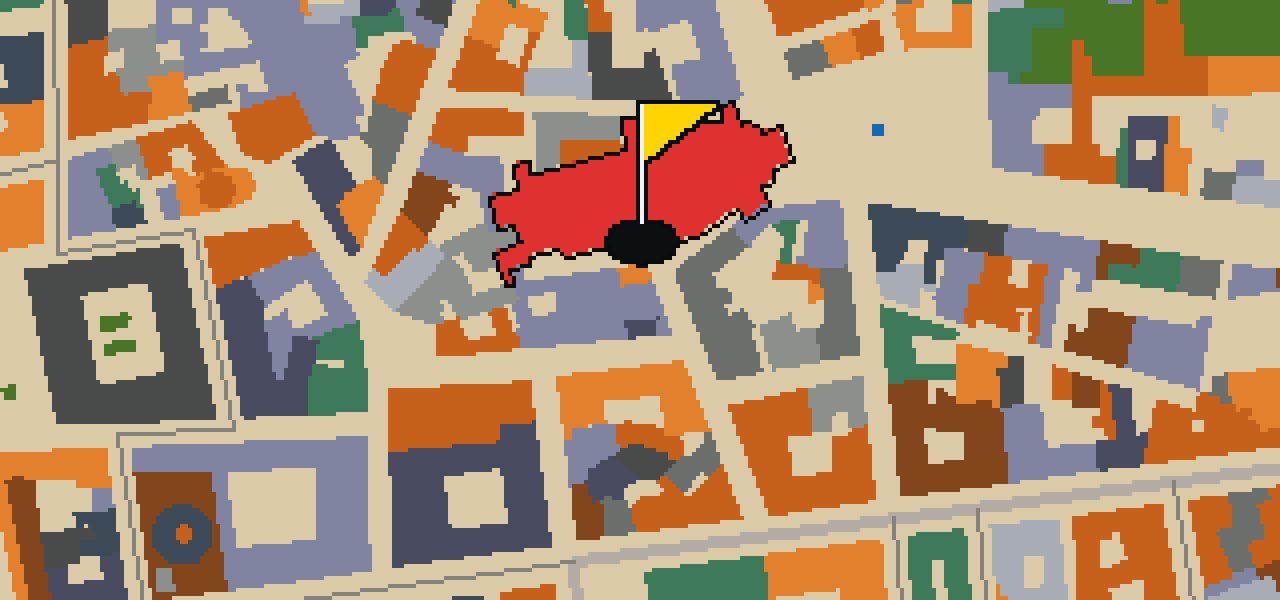
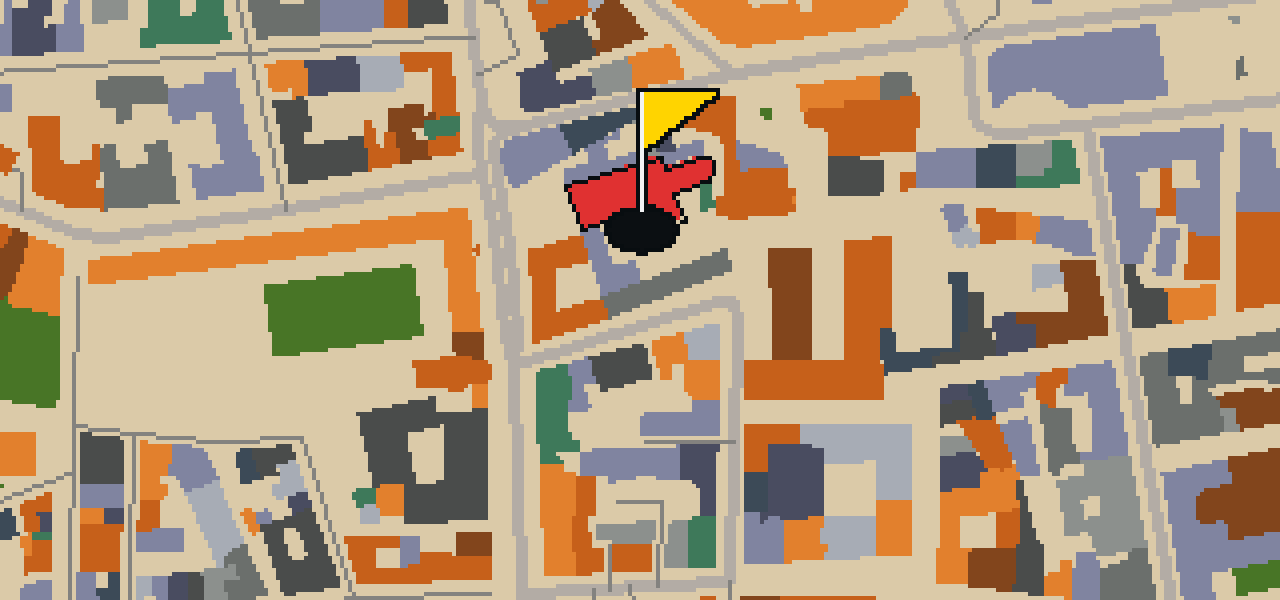
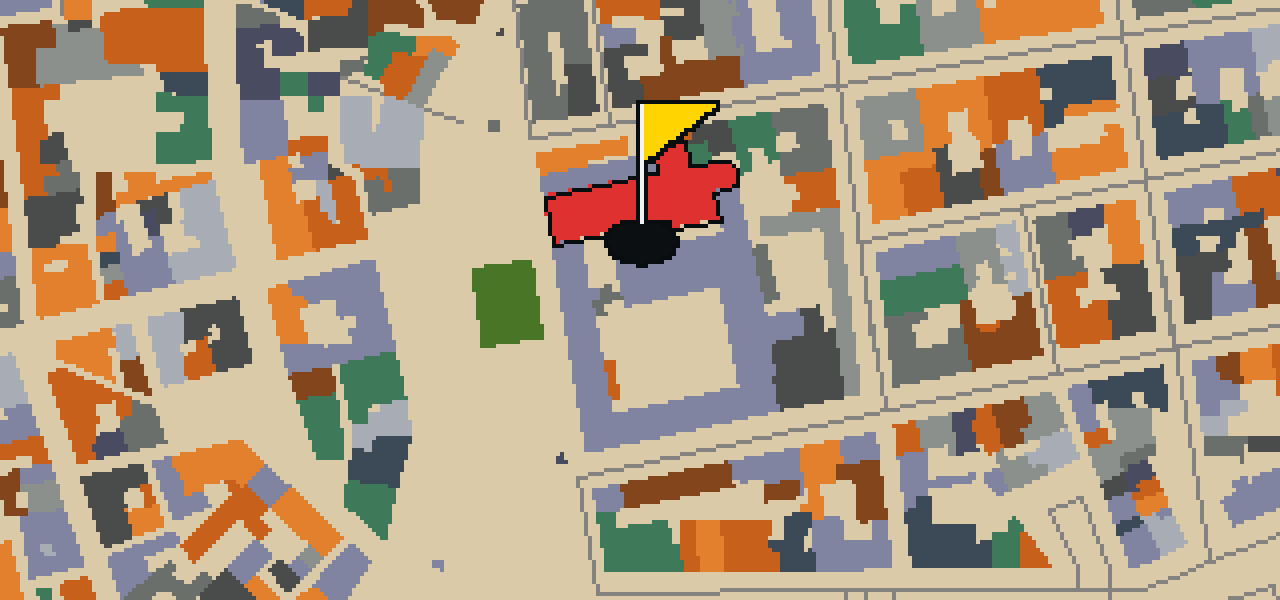
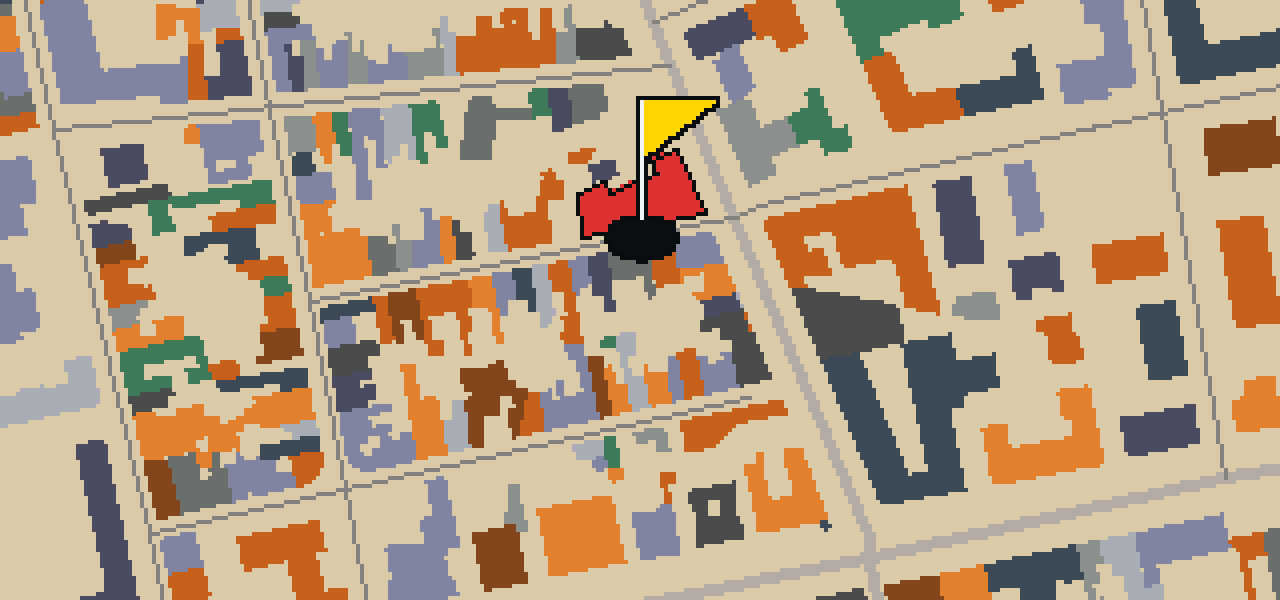
Catania is the setting for this full round of 18 holes. The map follows the real city and the ball rolls across its actual streets, using the city's attractions as the basis for the holes. Skip knows the local corners well, including the stretch through the historic center toward the Cattedrale di Sant'Agata. The walk covers 12 km and uses 10 portals to bridge the gaps between landmarks.

Trouble loading? Open the game in its own tab.

HOW IT WORKS

01

Pick a city

The course is drawn on the real street grid, so the map you play is the map you walk.

02

Putt to the pin

Drag to aim, release to swing. Buildings bounce and water costs you a stroke.

03

Sightsee between strokes

Every hole ends at an attraction. Sink the putt, read the story, walk to the next tee.

THE CATANIA ROUND - STOP BY STOP

HOLE 1 - PAR 3

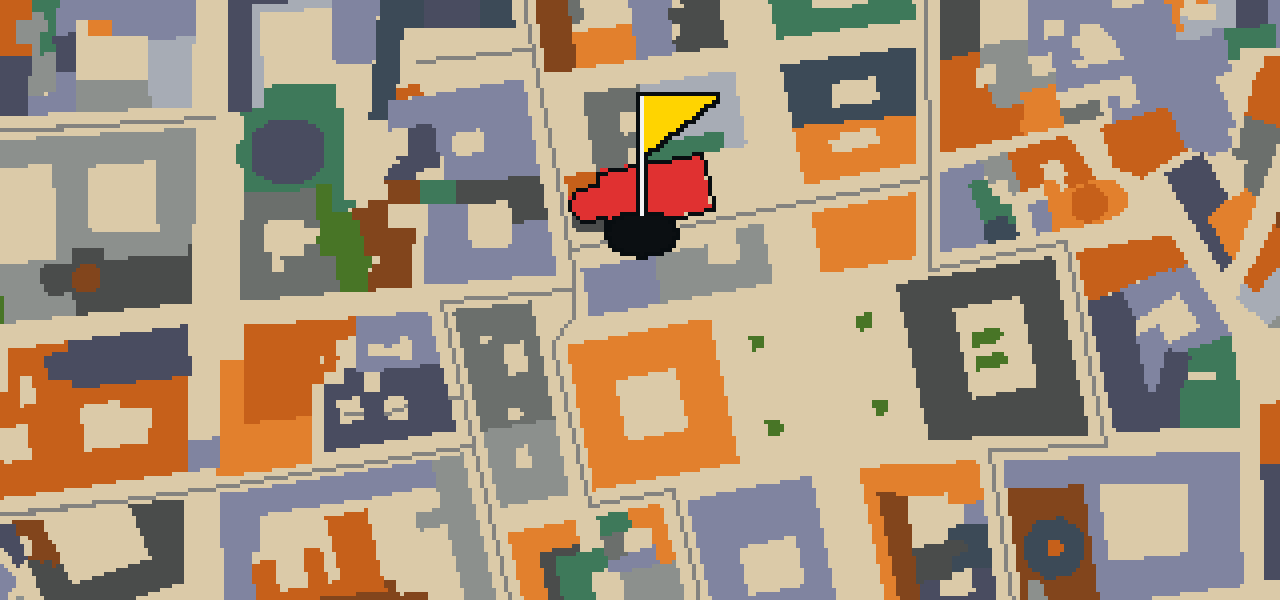
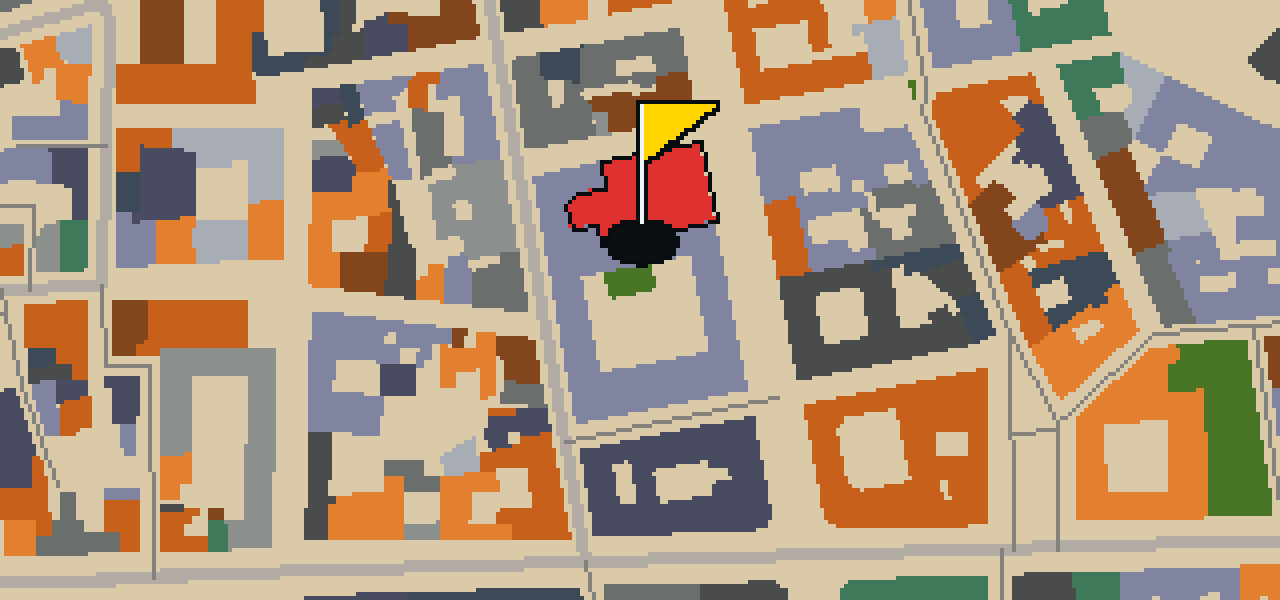
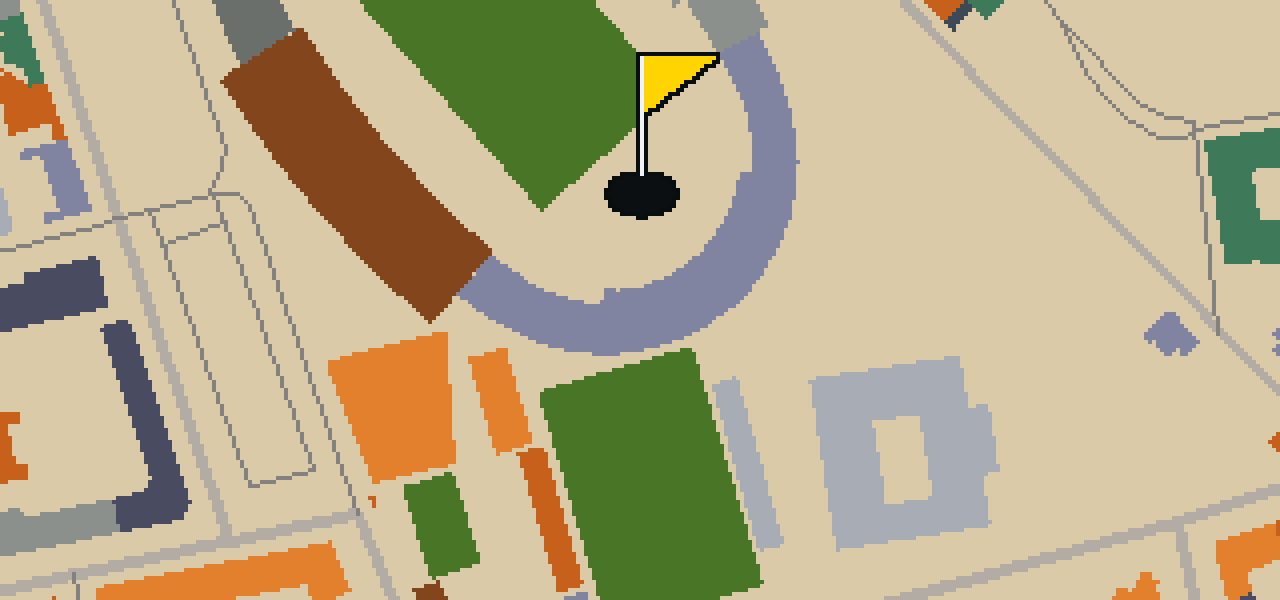
Stadio Angelo Massimino

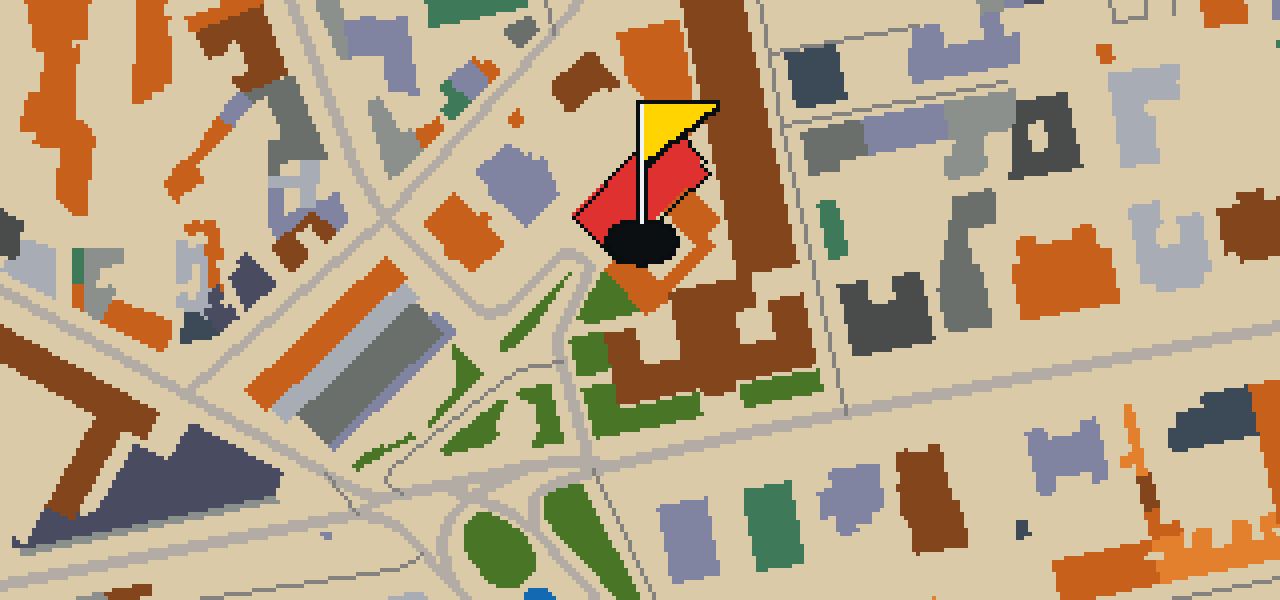
Architect Raffaele Leone built this multi-use stadium in 1935. It is an association football venue in Catania, Italy, and is used mostly for football matches. The stadium is the home of Calcio Catania and has a capacity of 23,266 people. In 2002, the venue was renamed after Angelo Massimino, a former Catania chairman who lived from 1927 to 1996. I have seen plenty of exciting matches here from the rafters, and the energy of the crowd is always something to notice when you visit this part of the city.

Wikidata · Wikipedia

HOLE 2 - PAR 4

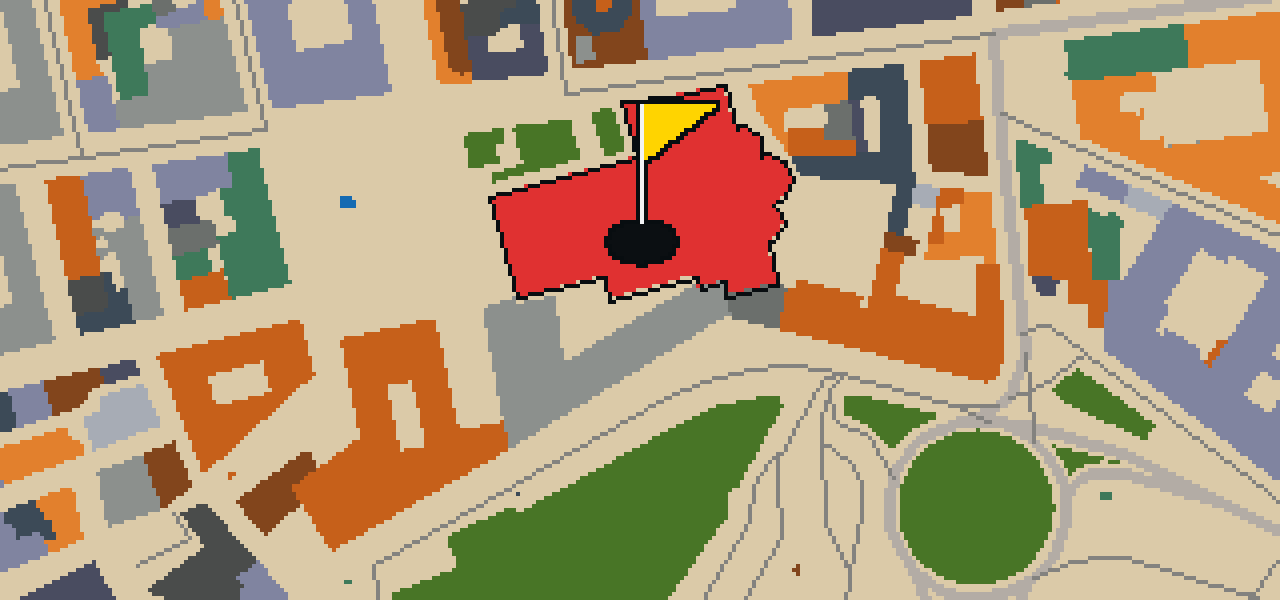
Santa Maria di Gesù

Located at #18 of the piazza of the same name in Catania, Santa Maria di Gesù is a Roman Catholic parish church. This building is situated in the Region of Sicily, Italy. It is an Italian national heritage site and a parish that was started in 1442. Visitors to the city can find this church building standing as a significant point of interest within the local neighborhood, reflecting the religious and architectural history of the area through its status as a recognized national heritage site.

Wikidata · Wikipedia

HOLE 3 - PAR 3

Anfiteatro Romano

The Romans built the Anfiteatro Romano during the Roman Imperial period, probably in the 2nd century AD. Located in Catania, Sicily, this Roman amphitheatre sits on the northern edge of the ancient city at the base of the Montevergine hill. Visitors can explore the area as an archaeological site and an archaeological artifact museum. The structure is part of the Parco archeologico greco-romano di Catania. I've noticed the crowds are usually quite light around these ruins, as the site receives about 2,000 annual visitors.

Wikidata · Wikipedia

HOLE 4 - PAR 3

Casa Museo Giovanni Verga

Let me show you Casa Museo Giovanni Verga, which is a historic house museum and an Italian national heritage site. It functions as a history museum and is a museum of a public entity. The site was established in 1991 and currently receives 2,500 annual visitors. When you visit, you can see how the space has been preserved as a public institution. It is a great spot to stop and appreciate the local atmosphere of Catania. I have found that the quiet pace here is a nice break from the busier streets nearby.

Wikidata

HOLE 5 - PAR 3

Palazzo Biscari

Located in Catania, Italy, Palazzo Paternò Castello di Biscari is a palace and a historic building. Started in 1758, it was designed by the architect Alonzo di Benedetto. You can pick out the Sicilian Baroque style in its design, which has led to its status as an Italian national heritage site. I always think the building looks quite grand from the street, but the real treat is inside. The interiors are open for guided tours if you want to see more of the detail.

Wikidata · Wikipedia

HOLE 6 - PAR 3

Pozzo di Gammazita

Let me show you Pozzo di Gammazita. This location is an archaeological site, offering a glimpse into the city's distant past for anyone visiting the area. It is a place where the remnants of previous eras remain visible today.

Wikidata

HOLE 7 - PAR 3

Basilica Maria Santissima dell'Elemosina

The Basilica Maria Santissima dell'Elemosina is a church building designed in the baroque architecture style. This site is a minor basilica and is recognized as Italian national heritage. The inception of the building was in 1768, and Angelo Italia was the architect. For those exploring the city, this structure is an important example of the religious architecture found in the region. It remains a central point of interest for visitors who wish to see the specific baroque details and the heritage of the local church buildings in Catania.

Wikidata · Wikipedia

HOLE 8 - PAR 3

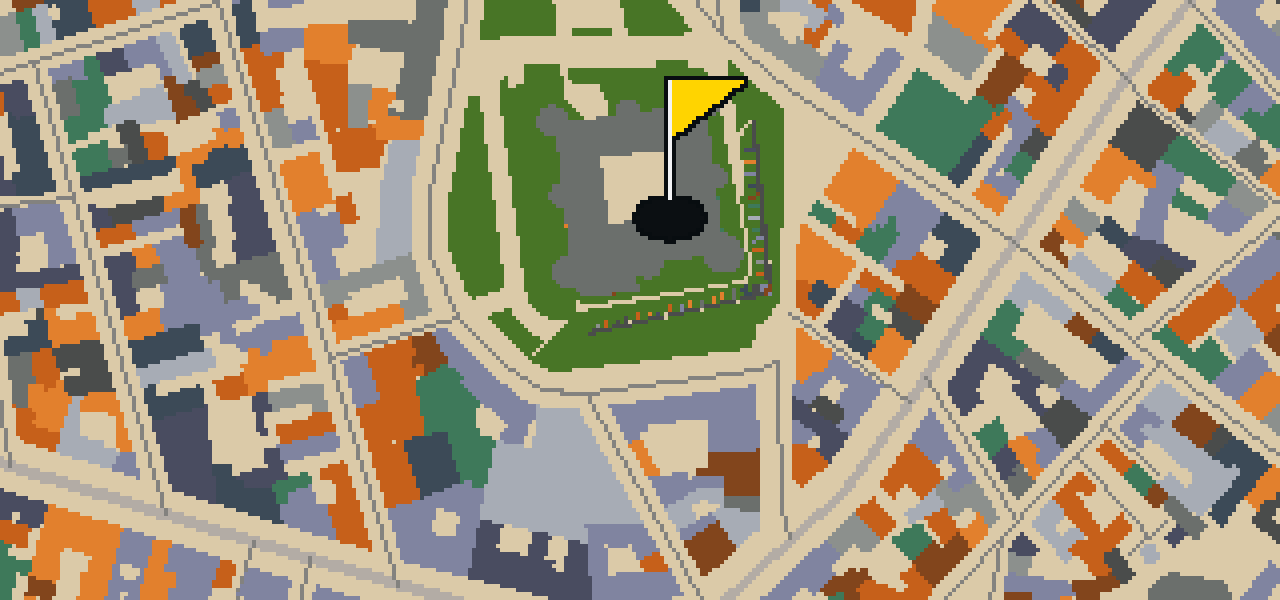
Castello Ursino

Castello Ursino is a castle in Catania, Sicily. Built in the 13th century as a royal castle of the Kingdom of Sicily, its inception was in 1239. Riccardo da Lentini was the architect of the structure, which is designed in the style of Gothic art. Today, you can visit the site as it is open to the public as a museum. I've always found the Gothic lines of the building quite striking against the city skyline, and it remains one of the most recognizable landmarks for anyone visiting the area.

Wikidata · Wikipedia

HOLE 9 - PAR 3

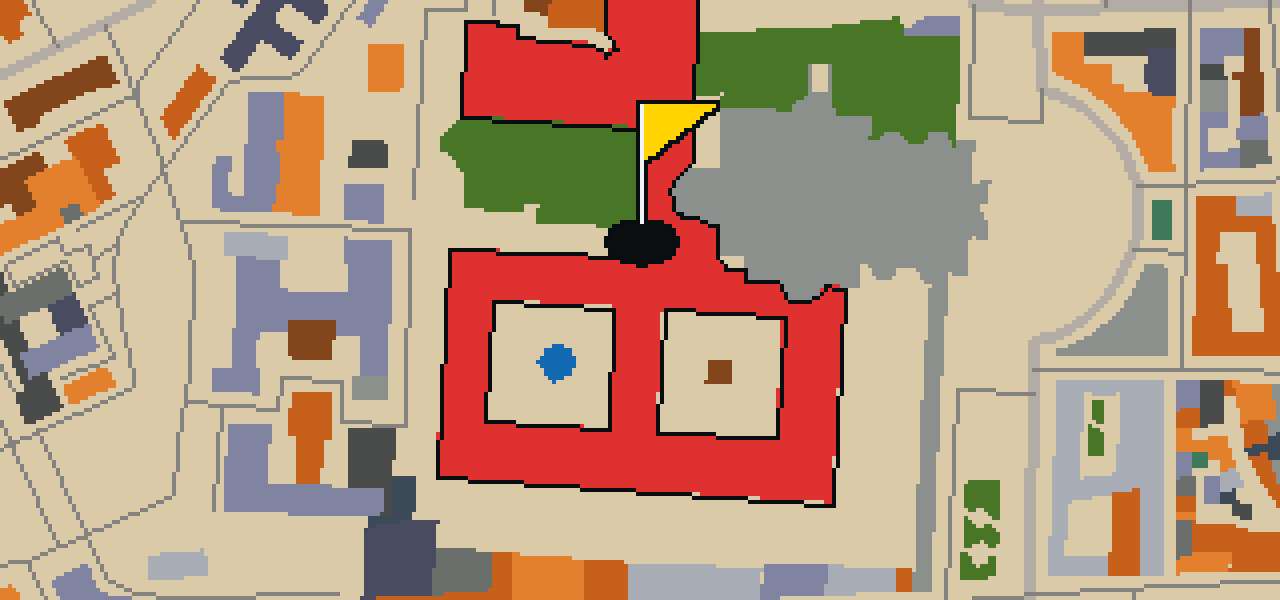
Monastero di San Nicolò l'Arena

This building is no longer a place of secluded prayer. It is the Monastero di San Nicolò l'Arena, a former Benedictine monastery located at Piazza Dante 30 in Catania. The structure is designed in the Baroque style. While its original purpose as a religious retreat has changed, the site remains a center of study and thought for the city. This is because the complex now houses the Department of Humanities of the University of Catania, allowing students and faculty to work within a historic setting that reflects the architectural heritage of the region.

Wikidata · Wikipedia

HOLE 10 - PAR 4

Porta Garibaldi

Porta Garibaldi is a city gate and triumphal arch built in 1768. You can find it at the end of Via Giuseppe Garibaldi, situated between the Piazza Palestro and Piazza Crocifisso in the quartiere Fortino of Catania. Originally known as the Porta Ferdinandea or Porta Ferdinanda, it was built to celebrate the marriage of the Bourbon king Ferdinand I of the Two Sicilies to the Austrian princess Maria Carolina d'Asburgo-Lorena. It is a grand spot to stop and look up, though I usually spend my time watching the traffic flow beneath it.

Wikidata · Wikipedia

HOLE 11 - PAR 3

Chiesa di San Benedetto

Located in Catania, Sicily, the Chiesa di San Benedetto is a Roman Catholic church. You can find the entrance to the church and monastery through Piazza Asmundo #9, while the facade faces Via Crociferi. This architectural ensemble is built in the baroque architecture style and is a former Benedictine monastery. The site is situated in southern Italy, where the building serves as a point of interest for those visiting the city's historic center.

Wikidata · Wikipedia

HOLE 12 - PAR 3

Teatro Massimo Bellini

You will first notice the Art Nouveau architecture of the Teatro Massimo Bellini. This opera house is located on Piazza Vincenzo Bellini in Catania, Sicily, in southern Italy. Andrea Scala and Carlo Sada were architects of the building, which was inaugurated on 31 May 1890. It is named after the composer Vincenzo Bellini and can seat 1,200 people. I always find the square a great place to pause and look up at the facade, especially since it is such a prominent landmark for anyone visiting the city center.

Wikidata · Wikipedia

HOLE 13 - PAR 3

Chiesa di Sant'Agata la Vetere

You will first notice the Baroque style of the Chiesa di Sant'Agata la Vetere. This Roman Catholic church is located in the piazza of the same name in Catania, Sicily, southern Italy. It is one of several sites dedicated to the saint in the city. To the east of this building is the church of Sant'Agata al Carcere. Further east on Piazza Stesicoro, two blocks away, is Sant'Agata alla Fornace, which is now known as San Biagio. This area allows you to see how these different landmarks are positioned across the city streets.

Wikidata · Wikipedia

HOLE 14 - PAR 3

Basilica Santuario di Maria Santissima Annunziata al Carmine

Located on Piazza Carlo Alberto in Catania, Sicily, the Basilica di Maria Santissima Annunziata al Carmine is a Roman Catholic minor basilica church and Marian sanctuary. This site is a shrine and a parish church that is part of a UNESCO World Heritage Site. It is also called the Santuario della Madonna del Carmine. Visitors to the city can find this place of worship and sanctuary situated within the city's layout on the square, where it functions as both a minor basilica and a parish church.

Wikidata · Wikipedia

HOLE 15 - PAR 3

Chiesa di San Michele Arcangelo ai Minoriti

Chiesa di San Michele Arcangelo ai Minoriti is a Sicilian Baroque church building. Designed by architect Francesco Battaglia, its inception was in 1785. It is a Roman Catholic parish church and attached monastery located in the city center of Catania, Sicily. While the church remains a place of worship, the former monastery has been repurposed. You can find shops on the ground floor of the old monastery, while the offices of the Prefettura and the Provincial government are located on the floors above.

Wikidata · Wikipedia

HOLE 16 - PAR 4

Cattedrale di Sant'Agata

You will first notice the blend of styles at the Cattedrale di Sant'Agata. This cathedral and minor basilica combines Norman and baroque architecture, with Giovanni Battista Vaccarini serving as the architect. The church building is recognized as an Italian national heritage and is part of a UNESCO World Heritage Site. It held a central role in the local church hierarchy for many years, as it was the seat of the Bishops of Catania until 1859. It is a primary example of how different architectural eras can exist within a single religious structure.

Wikidata · Wikipedia

HOLE 17 - PAR 3

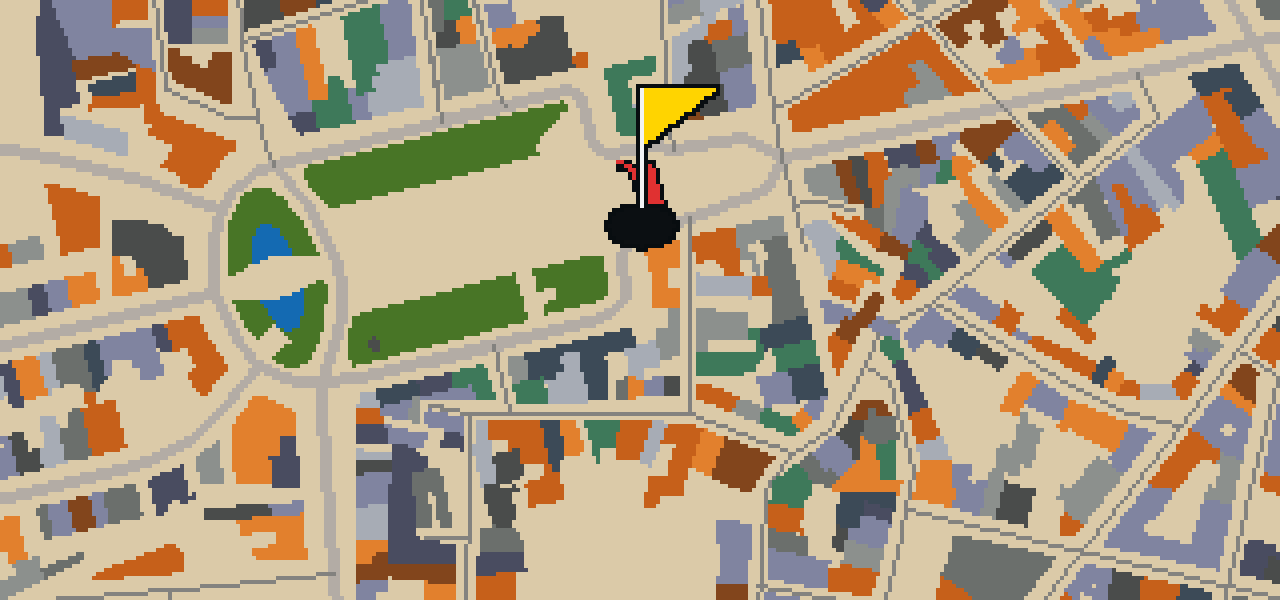
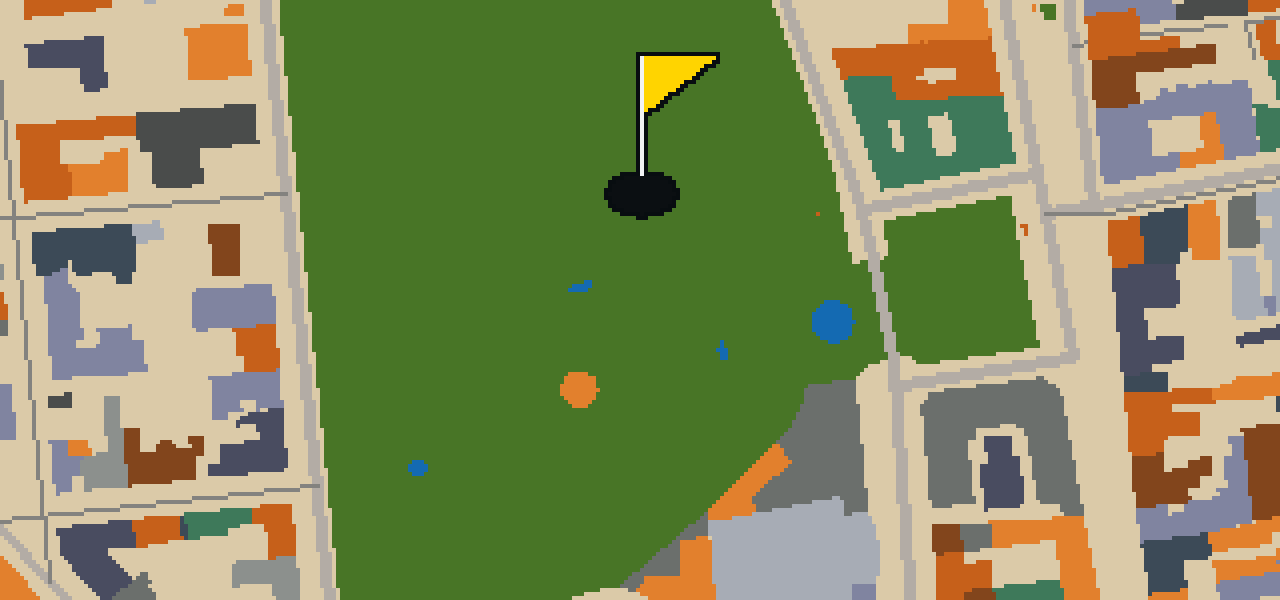
Giardino Bellini

Greenery breaks up the city stone here at Giardino Bellini. This urban park is located in Catania and provides a natural escape for visitors. It is the oldest urban park of Catania, making it a long-standing fixture of the local environment for everyone who passes through. I always find the air feels a bit fresher once you step inside the gates, which is a welcome change from the busy streets outside. It is a great spot to see how the city balances its urban growth with preserved open spaces.

Wikidata · Wikipedia

HOLE 18 - PAR 4

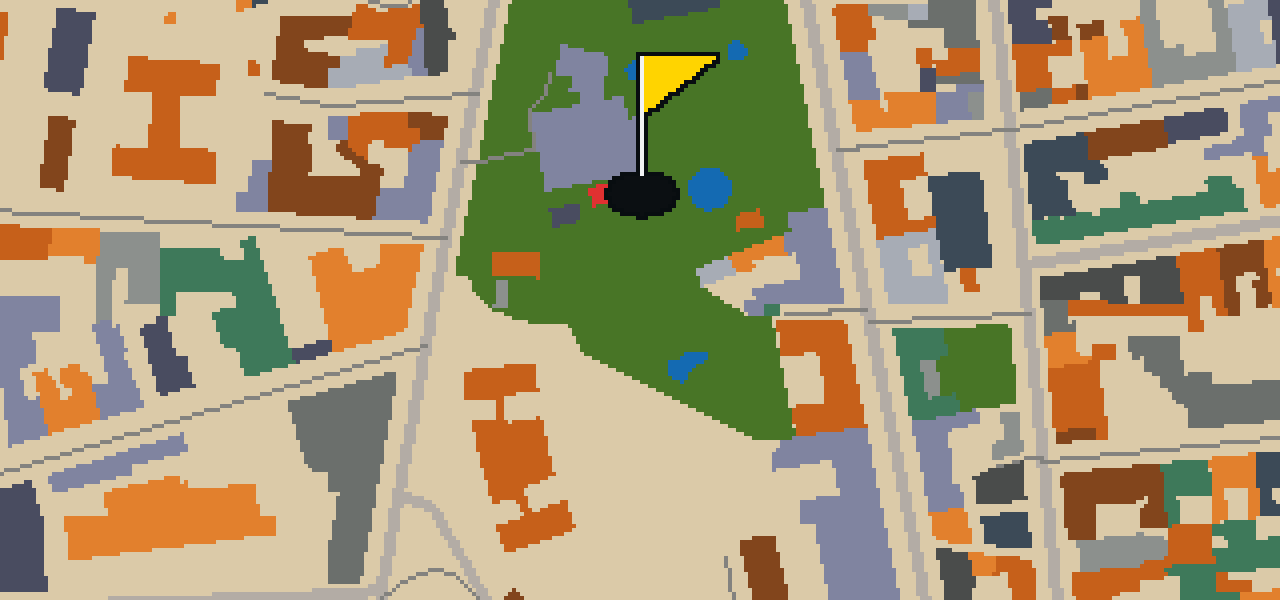
Orto Botanico di Catania

Established in 1858, the Orto Botanico di Catania is a botanical garden located in Catania, Sicily, southern Italy. The University of Catania botany department operates the garden, which is also known as the Hortus Botanicus Catinensis. The institution is a member of BGCI and uses the international identification code CAT. It is a place where you can see a wide variety of plants maintained for scientific study. I always find it a peaceful spot to stretch my wings and watch the visitors wander through the greenery away from the noise of the city streets.

Wikidata · Wikipedia

STOP 19

Teatro Giovanni Verga

You will find Teatro Giovanni Verga in Catania on Via Giuseppe Fava #34, just a few blocks south of the Stadio Angelo Massimino, which is the main soccer arena in the city. Started in 1969, this theatre building is the headquarters of the Teatro Stabile di Catania. If you enjoy local culture, you can pick out the influence of the region here, as the Teatro Stabile di Catania mainly sponsors works by regional authors. I've noticed the walk between the stadium and the theatre is a great way to see the neighborhood.

Wikidata · Wikipedia

OTHER COURSES

9 HOLES - PAR 26

Reggio Emilia

9 stops

Reggio nell'Emilia is the setting for this round, where the map is the actual city and the ball rolls along its real streets. The holes are built from local attractions, including the Cattedrale di Santa Maria Assunta. Skip knows these blocks well. This quick 9-hole round covers a 5 km walk with a total par of 26.

9 HOLES - PAR 26

Modena

9 stops

From a rooftop perch, Modena looks like a clean slate for a quick nine-hole round. The map is the real city and the ball rolls across its actual streets, using attractions like the Duomo di Modena as the holes. Two portals help skip the long stretches of a 4.8 km walk. Skip knows these alleys well and will be the local guide.

18 HOLES - PAR 55

Parma

18 stops

This is Parma, where the map is the real city and the round is played on its actual streets. The holes are built from real attractions, ending the walk at the Torrione Visconteo. Skip is a local guide who knows the place and where the best crumbs are hidden. A full round of 18 holes takes a 10.5 km walk with a par of 55, using four portals to bridge the gaps.

9 HOLES - PAR 26

Brescia

9 stops

Brescia is the setting for this round, with the ball rolling across the real streets of the city. The holes are built from actual attractions, including the Castello di Brescia. This quick 9-hole round covers 4.9 km and uses 16 portals to move between districts. Skip knows these pavements well and is the local guide.

9 HOLES - PAR 27

Reggio Calabria

9 stops

Reggio di Calabria is the setting for this round, where the map follows the real city and the ball rolls across its actual streets. Real attractions like the Castello Aragonese provide the architecture for the holes. This is a quick nine-hole round covering a 5.6 km walk. I know these sidewalks well and will act as the local guide.

FAQ

Is it free to play?

Yes. Every course runs in the browser with no account and no install.

Do I need to be in the city?

No. The full round plays from anywhere. Walking the real route is a nice way to see the city, but it is not required.

Are the maps real?

Yes. The geometry comes from OpenStreetMap data, rendered chunky on purpose. Streets, water and parks sit where they really are.