
TOURS - 9 HOLES - FREE

TOURS
CITY MAP MINIGOLF

Tours - 9 stops - par 28

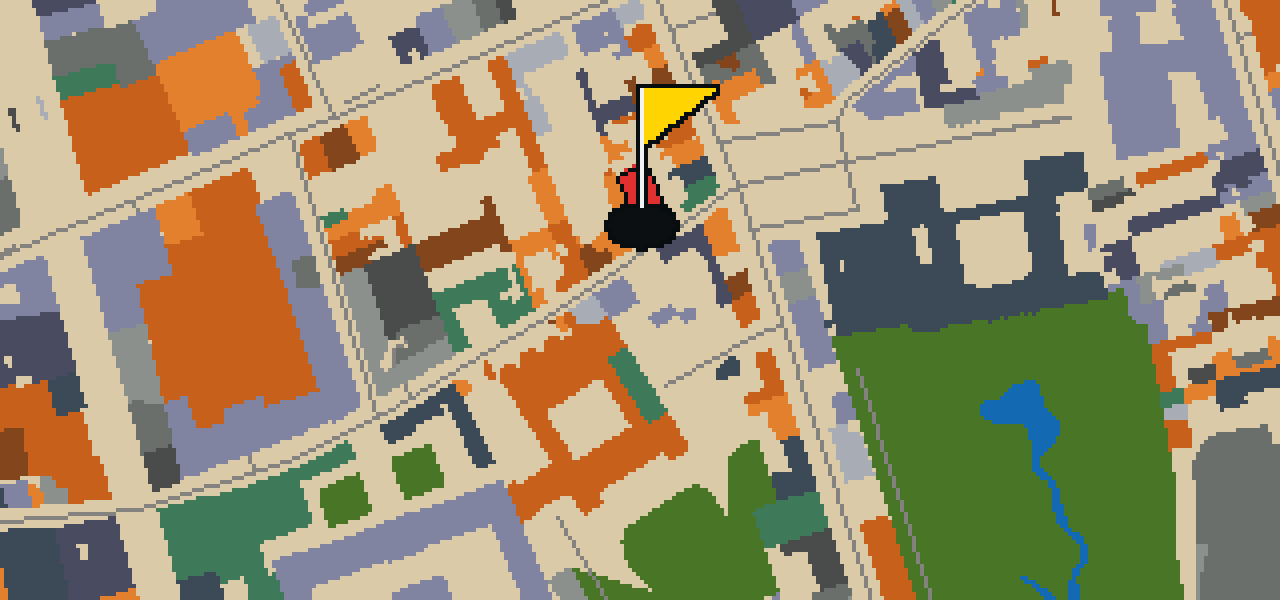
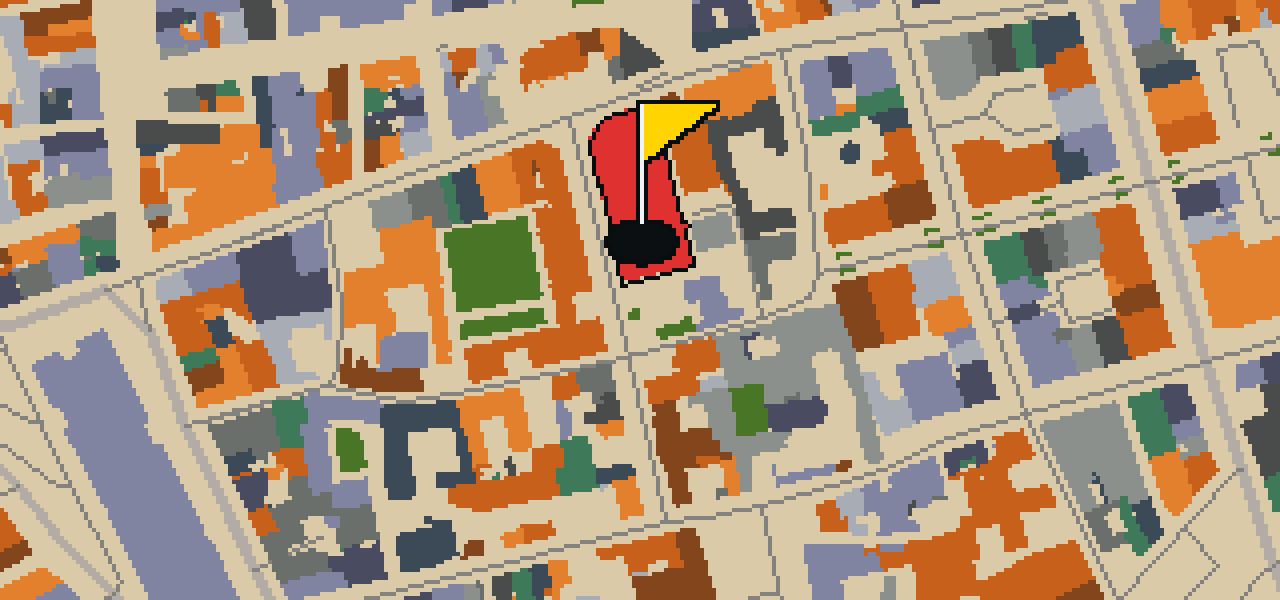
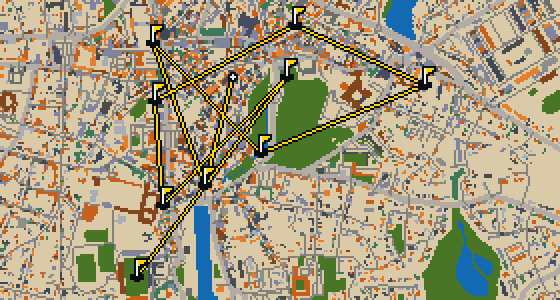
This is Tours, where the map is the real city and the round is played on its real streets. The holes are built from real attractions, like the Cathédrale Saint-Gatien. Skip is a local guide who knows the place. It is a quick round of 9 holes with a par of 28, covering a 5.5 km walk with two portals for the ball to ride.

Trouble loading? Open the game in its own tab.

HOW IT WORKS

01

Pick a city

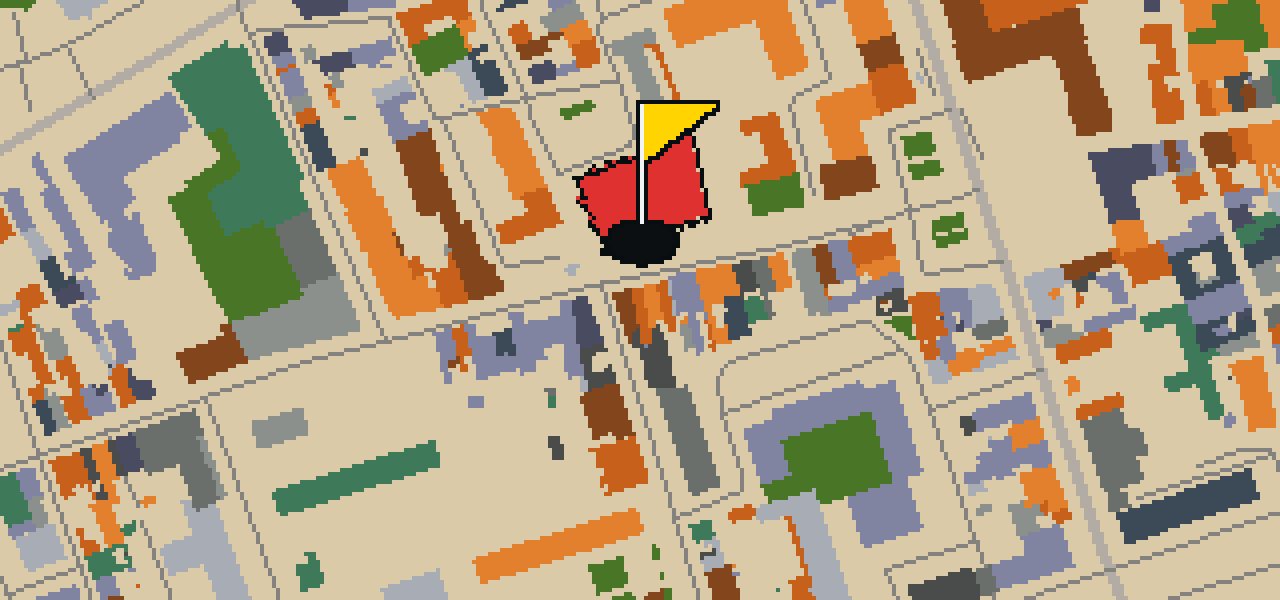
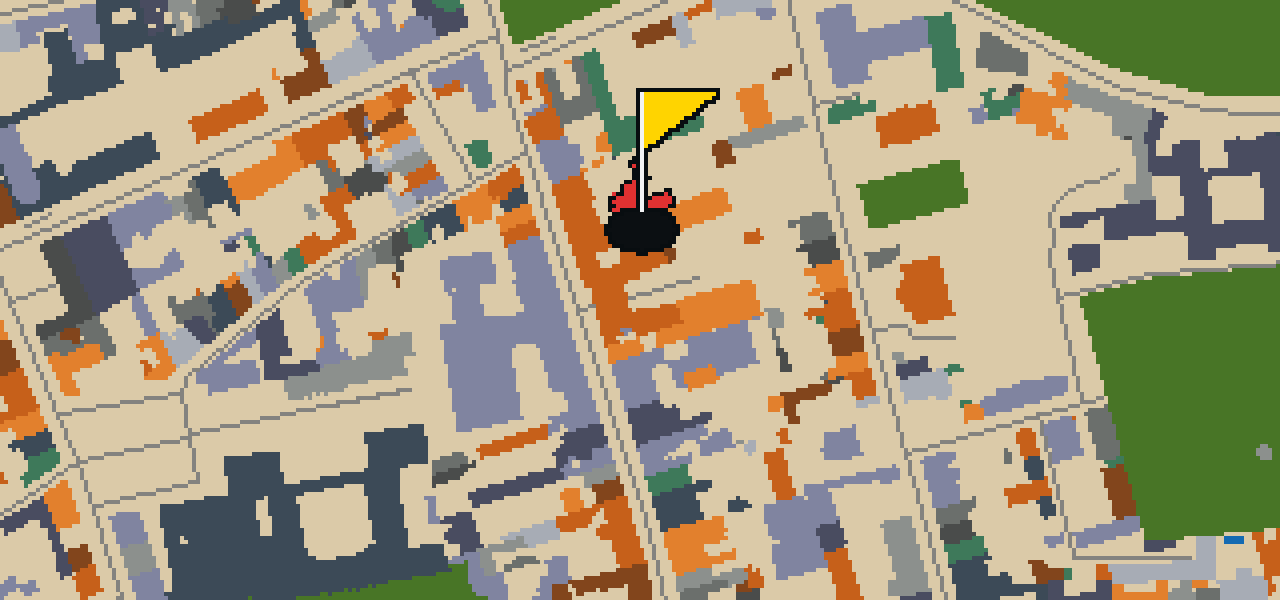
The course is drawn on the real street grid, so the map you play is the map you walk.

02

Putt to the pin

Drag to aim, release to swing. Buildings bounce and water costs you a stroke.

03

Sightsee between strokes

Every hole ends at an attraction. Sink the putt, read the story, walk to the next tee.

THE TOURS ROUND - STOP BY STOP

HOLE 1 - PAR 3

Cathédrale Saint-Gatien

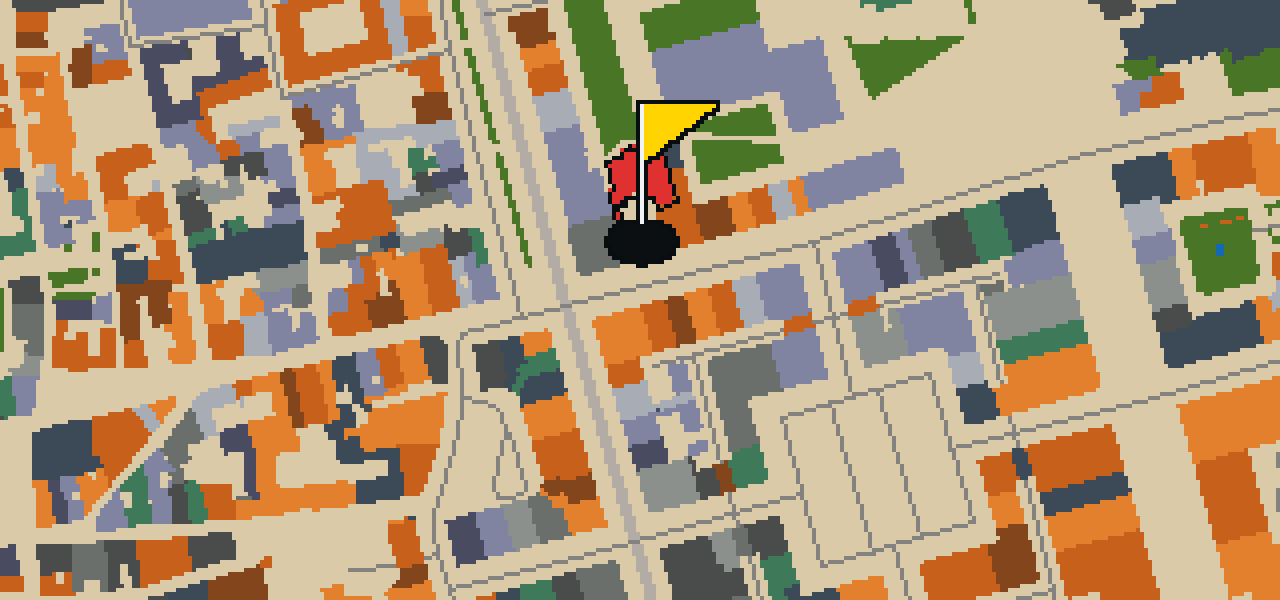
The builders of Cathédrale Saint-Gatien worked across several centuries to create this Catholic cathedral in Tours, Indre-et-Loire, France. They utilized Gothic architecture to reach a height of 68 meters, making it a prominent feature of the city. The inception of the project was in 1170, and the structure was built between 1170 and 1547. This lengthy timeline reflects the scale of the work required to complete such a massive stone edifice. Because of its architectural and historical importance, the cathedral is a classified historical monument. It has been officially recognized as a monument historique since 1862, ensuring that the site is preserved for all who visit Tours today. You can see the influence of the Gothic style in the height and detail of the remaining masonry.

Wikidata · Wikipedia

HOLE 2 - PAR 3

Hôtel Goüin

Don't let the name fool you; this isn't a hotel for travelers, but a private mansion. The Hôtel Goüin is a hôtel particulier in Tours, France, that showcases the Renaissance architecture style. It is a classified historical monument that reflects the city's heritage through its design. You can pick out the influence of its architects, as Jean Hardion, Jacques-Aimé Meffre, and Edmond Meffre all worked on the building. I've noticed the streets around here make for a tricky bank shot, so keep a steady hand on your putt. It is one of those places where the facade tells a story of the city's past without needing a sign to explain it to you. Take a moment to look at the stonework before you move on to the next hole on the course.

Wikidata · Wikipedia

HOLE 3 - PAR 3

Château de Tours

Look closely at the stone walls of the Château de Tours. This castle is a classified historical monument that now functions as an art museum. Located in Tours, Indre-et-Loire, France, it is a place where history and creativity meet. It is also recognized as a monument historique inscrit. I find the blend of fortress architecture and gallery spaces makes for a great stroll through the city. Whether you are here for the art or the architecture, the site offers a glimpse into the heritage of the region. It is a steady landmark in the city that remains a point of interest for any visitor passing through the streets of Tours. Taking a moment to appreciate the scale of the fortifications helps you understand the original purpose of the site before it became a museum.

Wikidata · Wikipedia

HOLE 4 - PAR 3

Temple Réformé de Tours

Wikidata

HOLE 5 - PAR 3

Basilique Saint-Martin

You will first notice the Romanesque Revival architecture of the Basilique Saint-Martin. This minor basilica is a monument historique inscrit located in Tours, France. The building was designed by architect Victor Laloux, and its inception was in 1924. As a monastery and church building, it holds a place of religious importance for visitors and the local community. It is a Catholic basilica dedicated to Saint Martin of Tours, and the site is built specifically over the tomb of Saint Martin of Tours. These elements make the basilica a key point of interest in the city, combining the vision of its architect with the historical presence of the tomb it protects.

Wikidata · Wikipedia

HOLE 6 - PAR 3

Opéra de Tours

You might expect another playhouse or a cinema, but this is the Opéra de Tours. It is an opera house that stands as a key cultural landmark in the city. If you look closely at the design, you can see the work of its architect, Stanislas Loison. Beyond its role in the arts, the building is recognized for its heritage and is a classified historical monument. It also holds the status of monument historique inscrit. I have found that the facade makes for a great spot to watch the crowds go by while I wait for a stray crumb. It is the kind of place where the architecture tells a story of the city's dedication to the performing arts, making it a stop worth noticing for any visitor who appreciates the finer details of a historic building.

Wikidata

HOLE 7 - PAR 3

Église Saint-Saturnin

The creators of Église Saint-Saturnin established this church building in the city. It is recognized as a monument historique inscrit. This designation marks its importance to the architectural and cultural history of the area, ensuring the structure is preserved for those who visit Tours. When you visit, you can see the specific details that led to its official recognition as a monument historique inscrit. This status is reserved for sites of particular interest, and this church building is one such example in the local community. Whether you are interested in the history of religious architecture or simply exploring the city's registered landmarks, this site provides a direct connection to the heritage of the region. It remains a significant example of a church building within the urban fabric of Tours.

Wikidata

HOLE 8 - PAR 4

Église Notre-Dame La Riche

Located on Rue Georges-Courteline in the old town district of Tours, Église Notre-Dame La Riche is a Roman Catholic church building. This site holds a significant place in the local geography, as the town of La Riche is named after the church. The building was designed by the architect Étienne Charles-Gustave Guérin. Because of its architectural and historical value, it is officially designated as a monument historique inscrit. When you visit the old town district, you can see how this church serves as a focal point for the neighborhood. It remains a key example of the religious architecture found within the city of Tours, maintaining its role as a place of worship while being recognized for its protected status as a historical monument.

Wikidata · Wikipedia

HOLE 9 - PAR 3

Église Saint-Julien

You might expect a contemporary structure here, but instead you find Église Saint-Julien. This church building is a significant site in Tours, with an inception that dates back to 1240. It is a place of worship and history that has been preserved for the public. Because of its importance to the heritage of the region, it is a classified historical monument. Visitors can observe the enduring stonework and the layout of a building that has stood for centuries. It is a direct link to the medieval period of the city, providing a sense of the scale and purpose of religious architecture from that era. Whether you are interested in the history of the region or the specific details of the construction, this site offers a clear window into the past of the community.

Wikidata

STOP 10

Oratoire de la Sainte-Face

Let me show you the Oratoire de la Sainte-Face. This Roman Catholic oratory began in the former home of Venerable Leo Dupont, who is the figure central to its creation. While it was originally established on the Rue St. Etienne, you can now find the site relocated to 8 Rue Bernard Palissy. Today, the Dominican Fathers of the French Province have care of the oratory. It is a quiet spot in Tours where you can appreciate the history of the building's move and its connection to Leo Dupont. I've noticed that the transition from a private home to a place of public worship gives the space a very particular feeling.

Wikidata · Wikipedia

OTHER COURSES

9 HOLES - PAR 24

Le Havre

9 stops

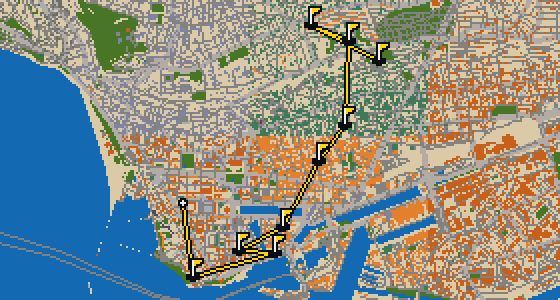
This is Le Havre. The map is the actual city and the round is played on its real streets, using attractions like Église Saint-Joseph as the basis for the holes. Skip is a local guide who knows every corner. It is a quick round of 9 holes with a par of 24, covering a walk of 5.1 km and using 8 portals to move between districts.

18 HOLES - PAR 56

Versailles

18 stops

This is Versailles. The map is the real city and the round is played on its real streets, using attractions like the Château de Versailles as the basis for the holes. Skip is a local guide who knows every cobblestone. It is a full round of 18 holes with a par of 56, covering a walk of 11.7 km. The ball uses 6 portals to move between the different districts.

9 HOLES - PAR 26

Vannes

9 stops

A quick nine-hole round winds through Vannes, following the real city map and its actual streets. The course uses local attractions, such as Cathédrale Saint-Pierre, to form the holes. Skip knows every corner of this 4.8 km walk, including the two portals that skip over the long stretches. A pigeon's eye view is the best way to see how the ball rolls.

9 HOLES - PAR 27

Toulon

9 stops

This is a quick nine-hole round through Toulon. The map is the real city and the play happens on its actual streets, using attractions like the Opéra as the basis for the holes. Skip knows these sidewalks well and will act as the local guide for the 5.2 km walk. Six portals help move the ball across the city.

9 HOLES - PAR 26

Saint-Malo

9 stops

Saint-Malo is the setting for this round, played on the actual streets of the city. Real attractions like the Tour Solidor form the holes, with the map mirroring the physical layout. I know these corners well, having spent plenty of time dodging tourists for crumbs. This quick 9-hole round covers 5.6 km and uses 6 portals to move the ball across the map.

FAQ

Is it free to play?

Yes. Every course runs in the browser with no account and no install.

Do I need to be in the city?

No. The full round plays from anywhere. Walking the real route is a nice way to see the city, but it is not required.

Are the maps real?

Yes. The geometry comes from OpenStreetMap data, rendered chunky on purpose. Streets, water and parks sit where they really are.