
RENNES - 18 HOLES - FREE

RENNES
CITY MAP MINIGOLF

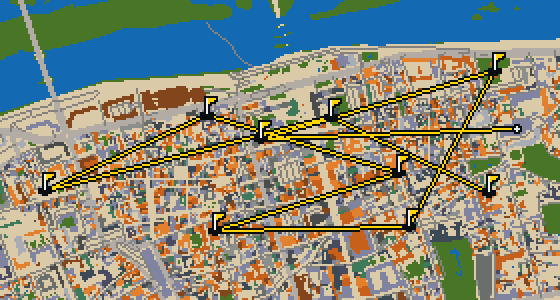
Rennes - 18 stops - par 57

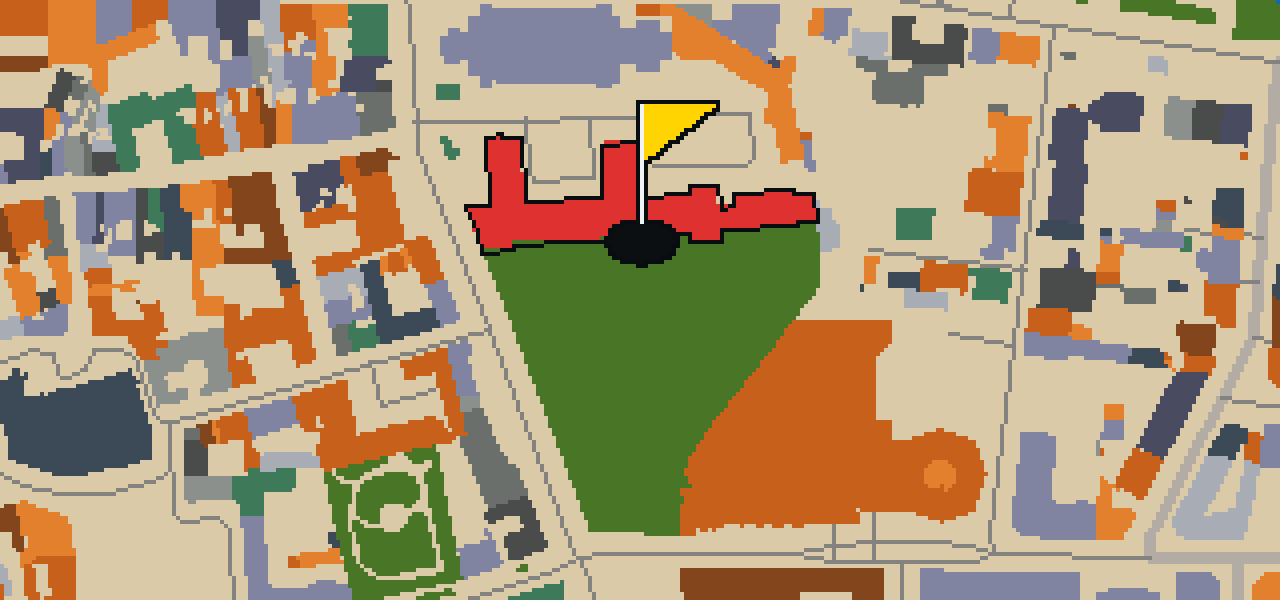
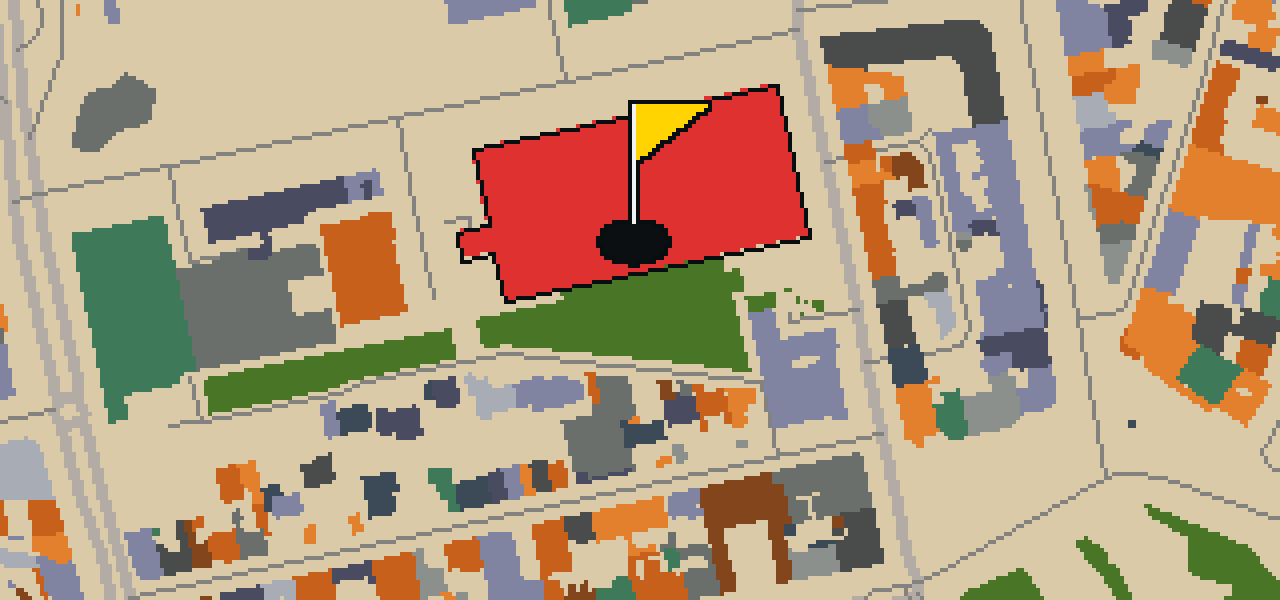
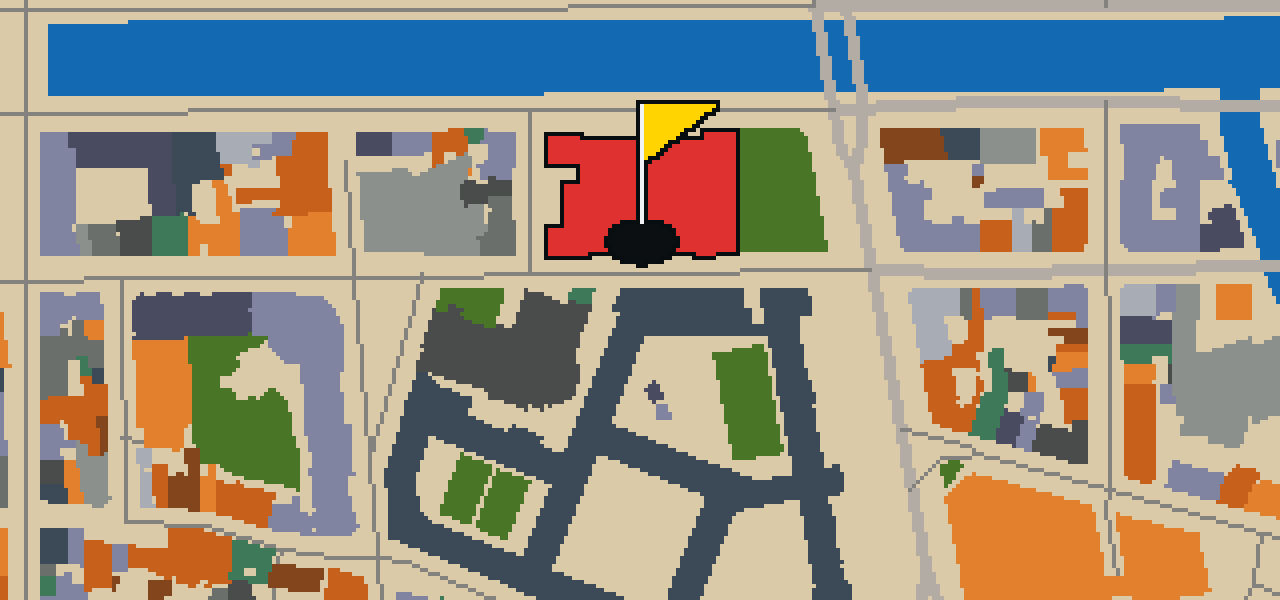
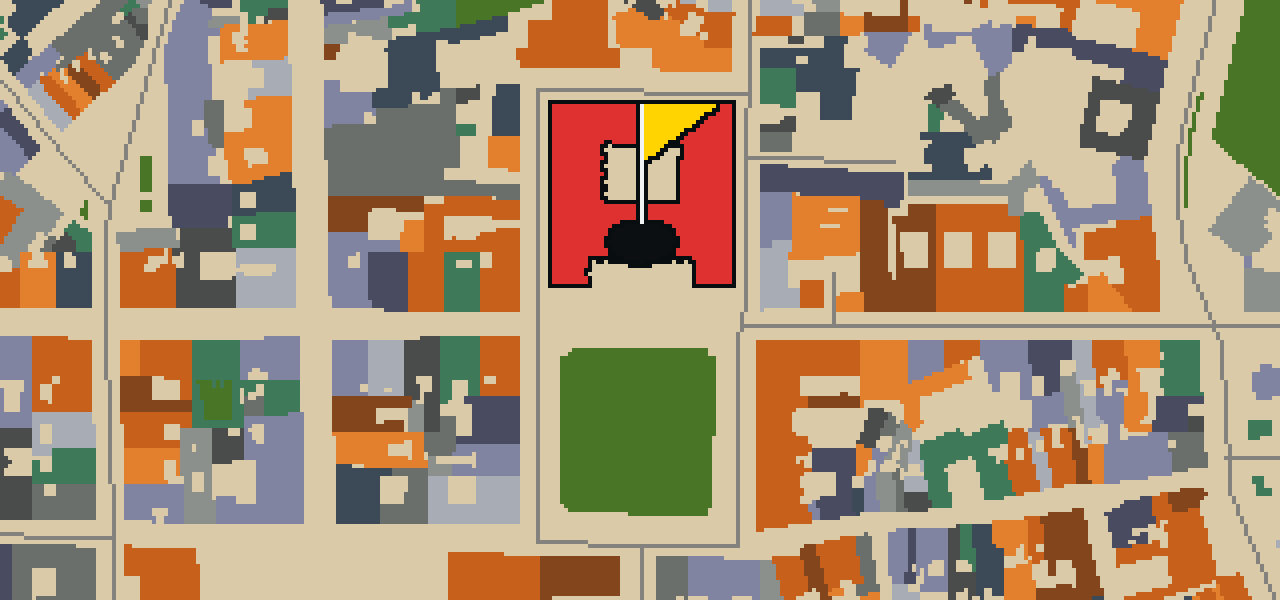
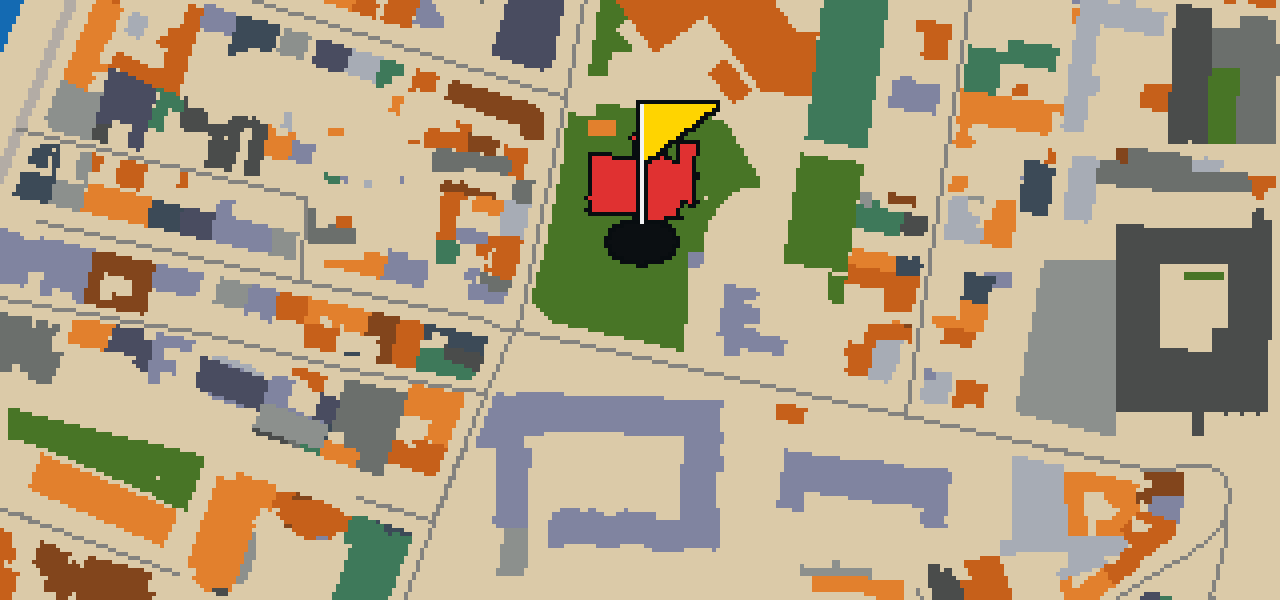
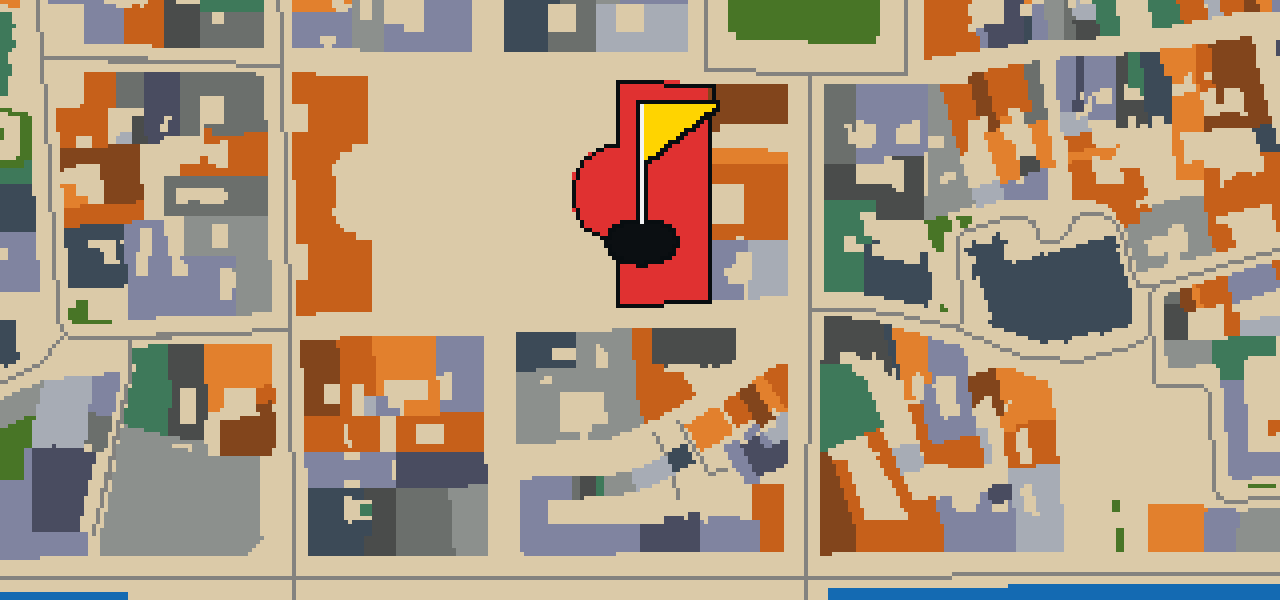
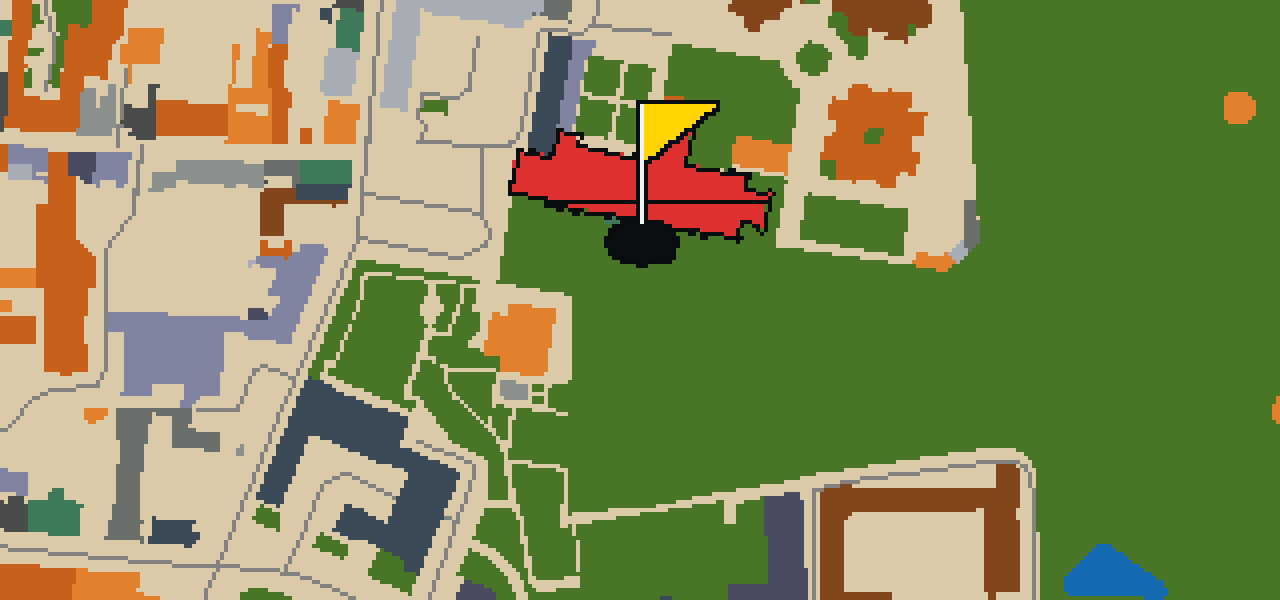
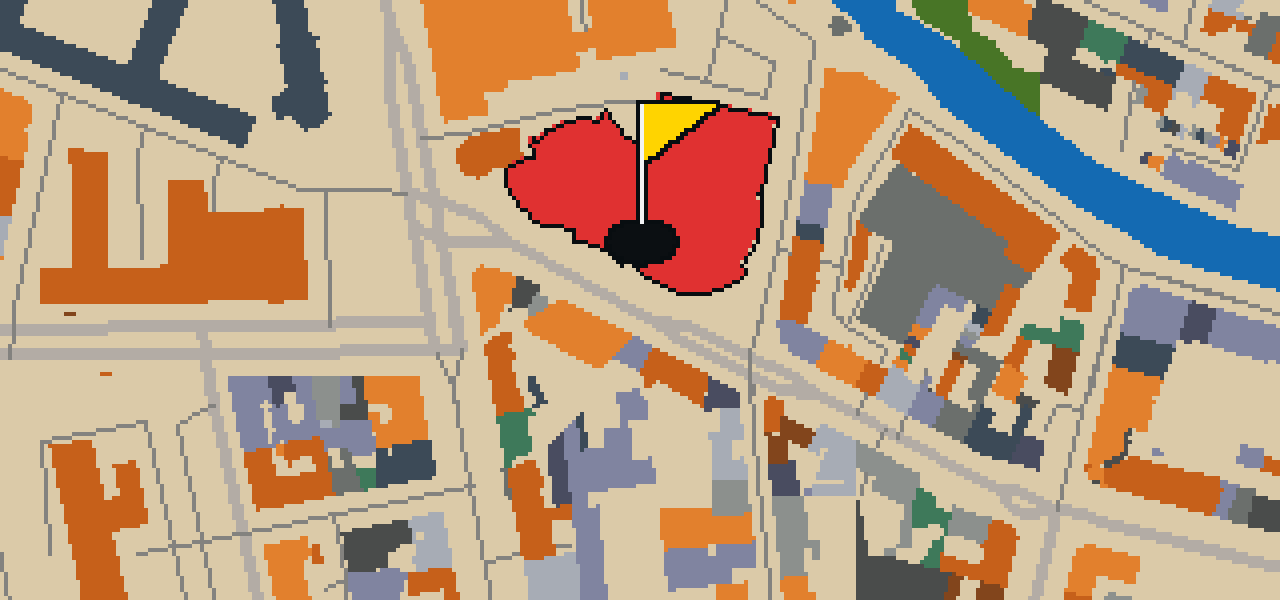
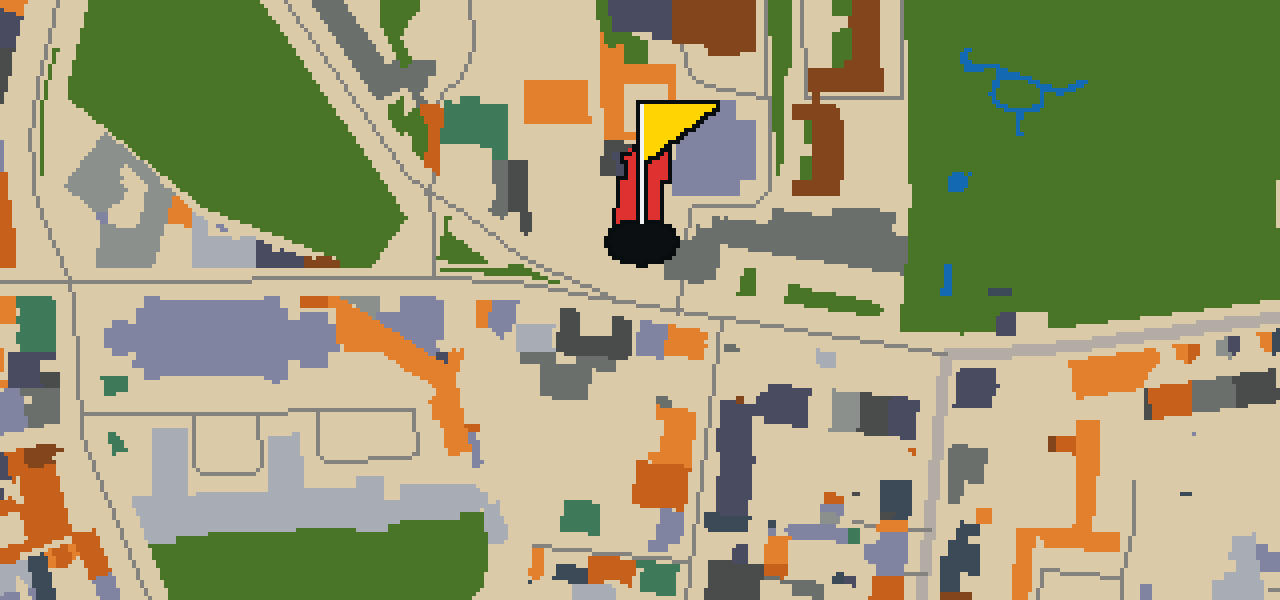
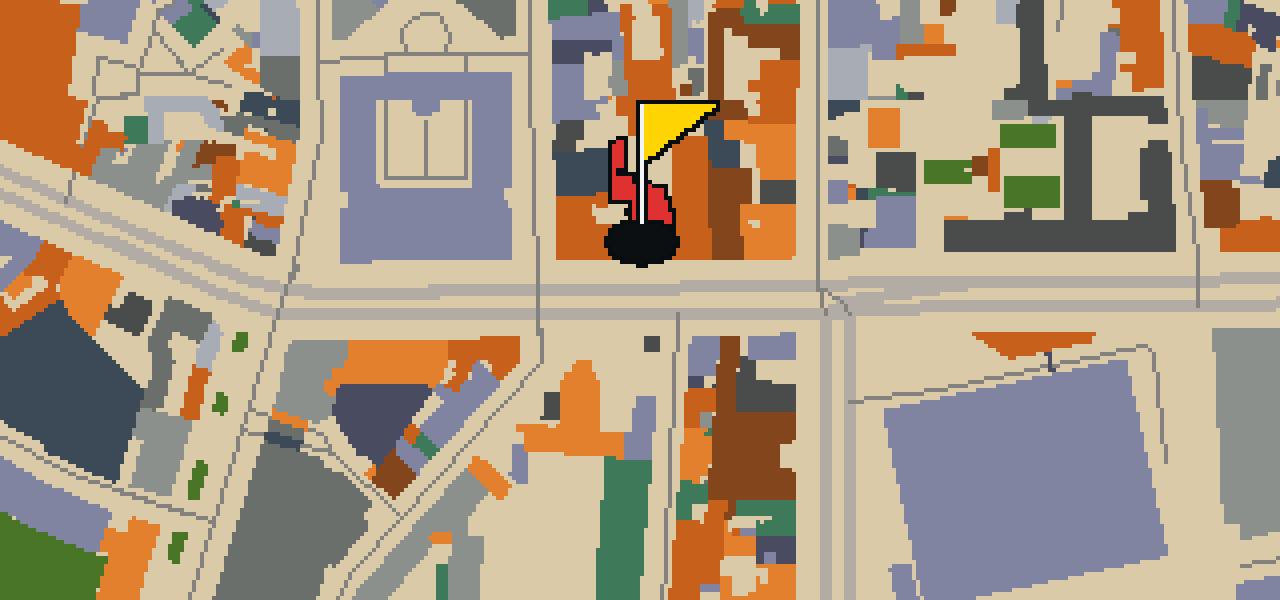
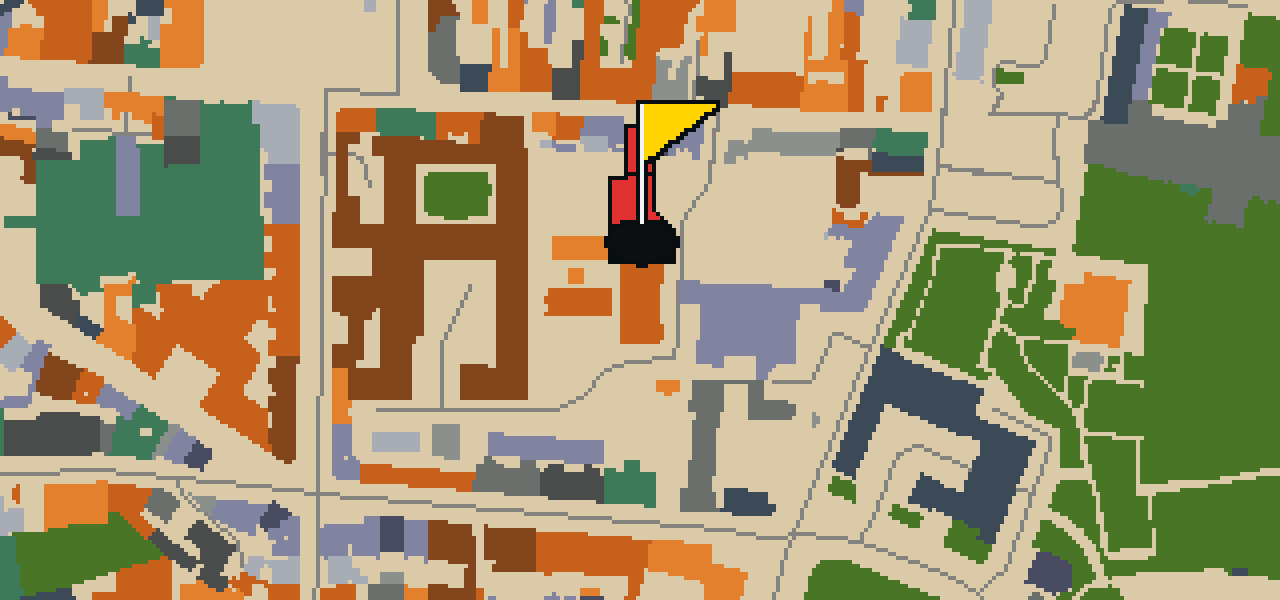
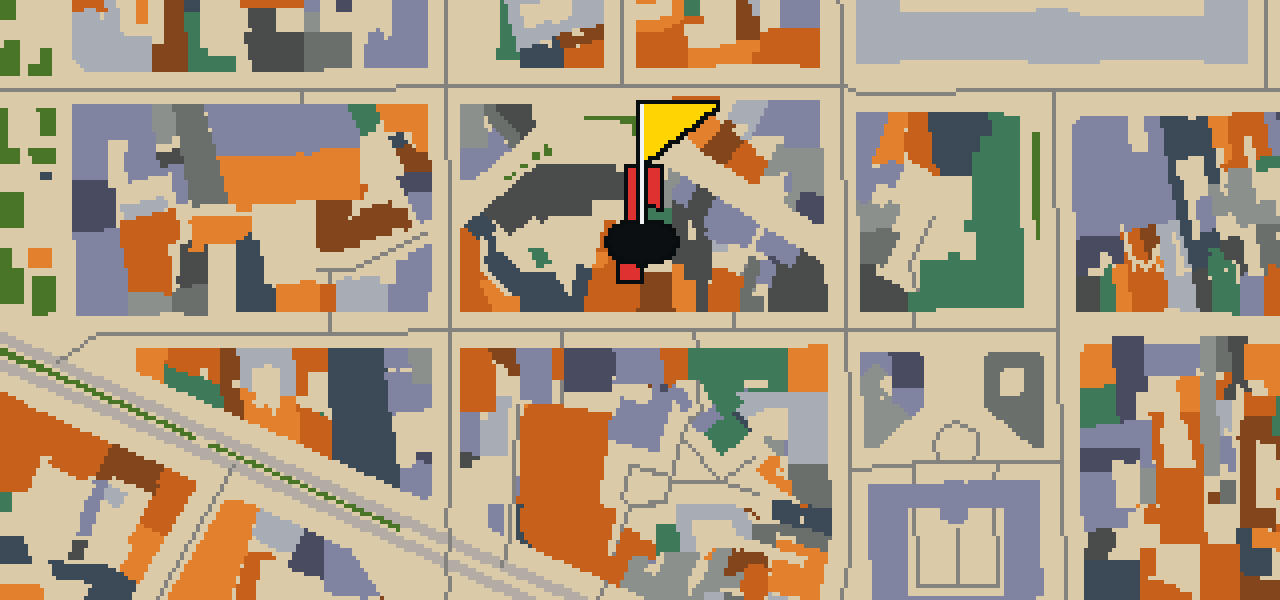
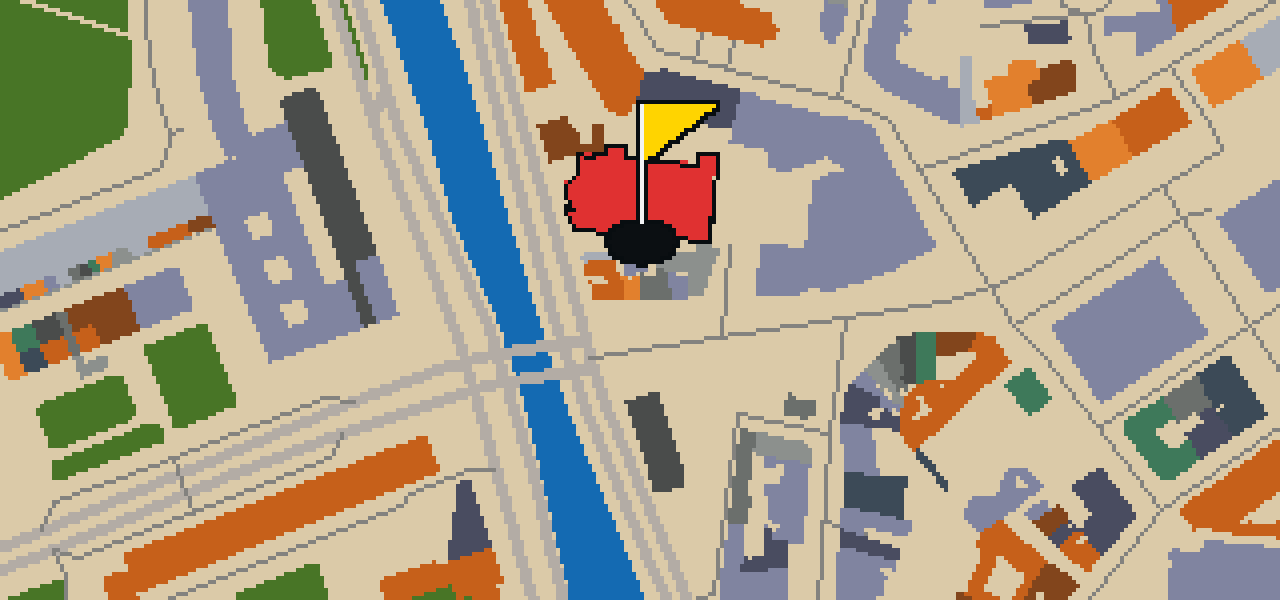
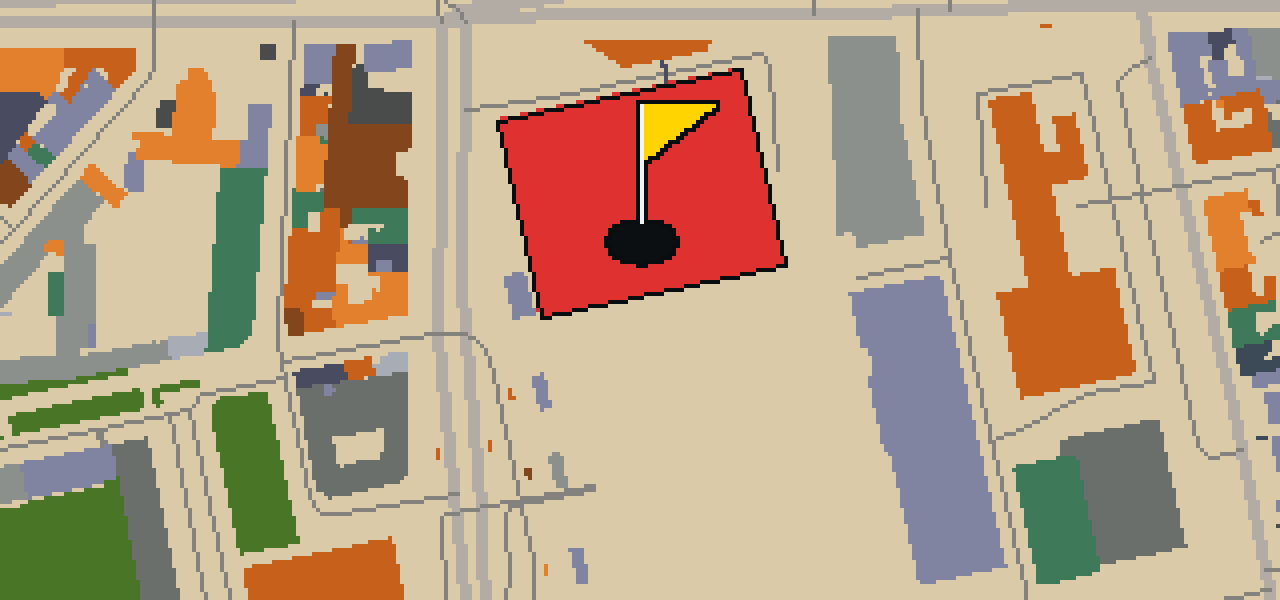
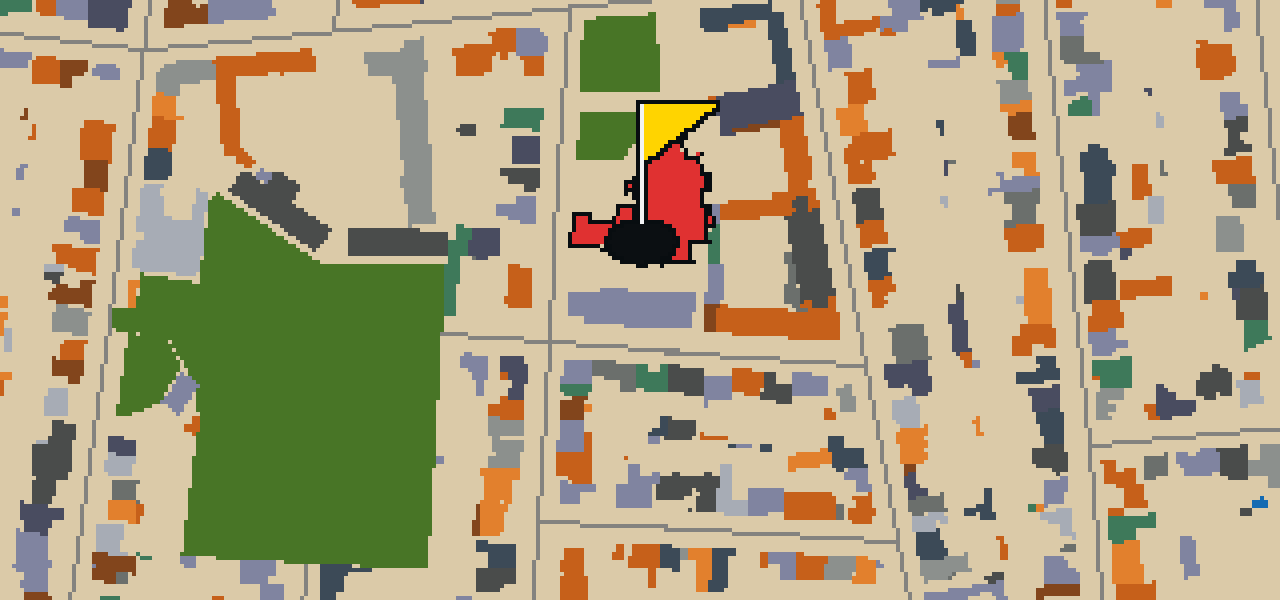
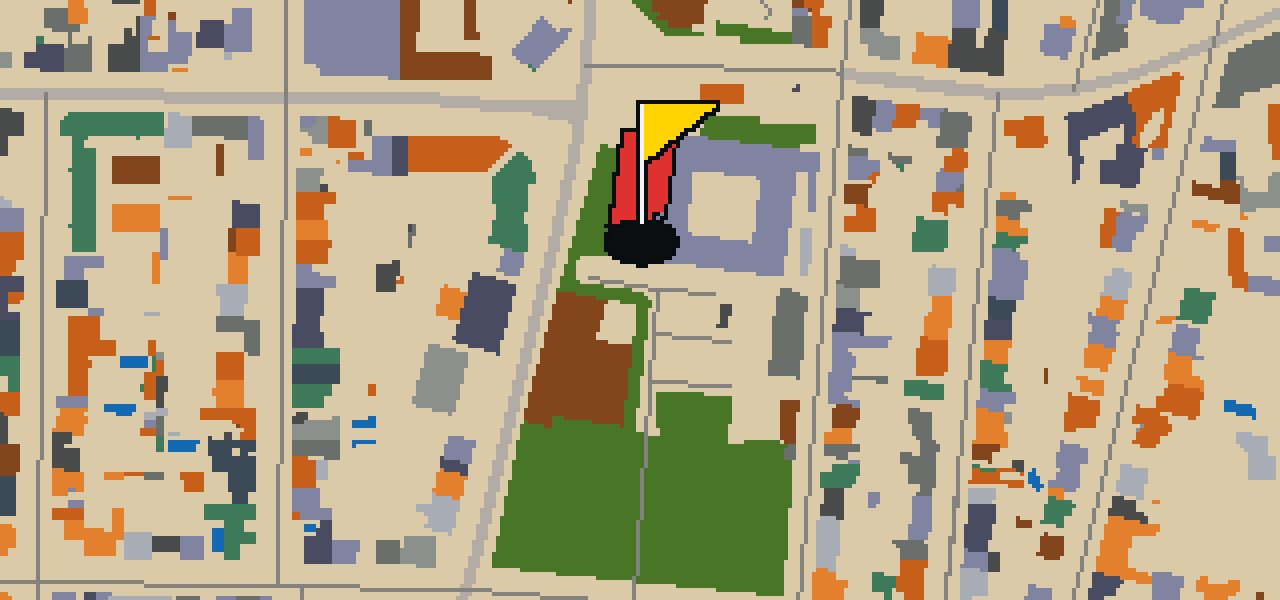
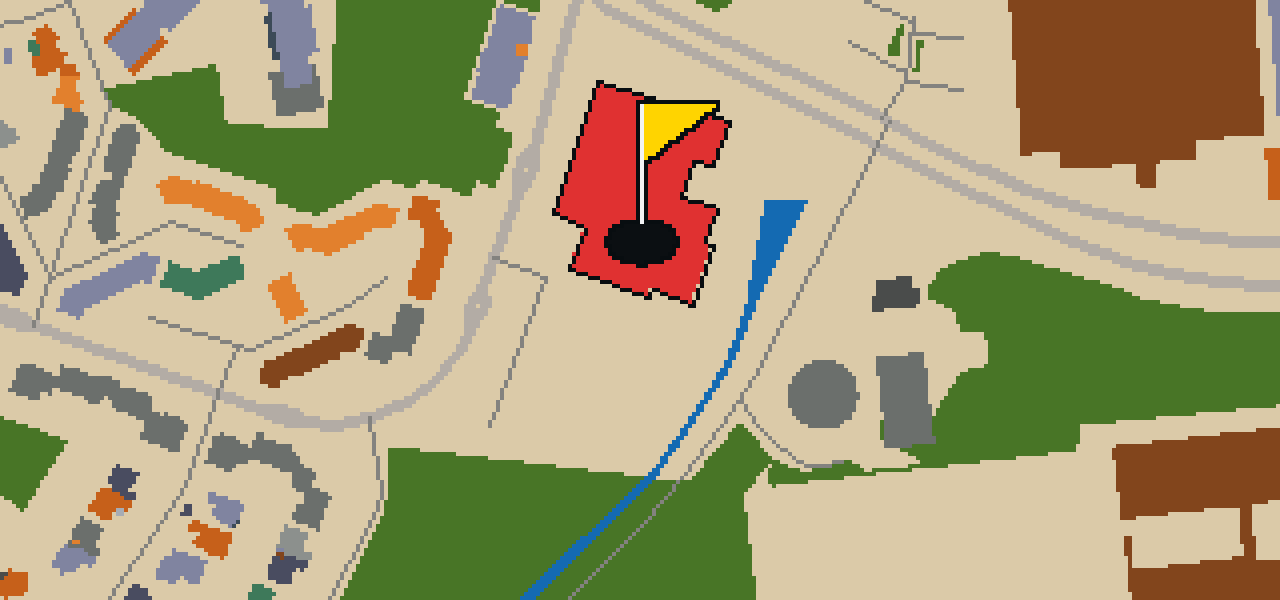
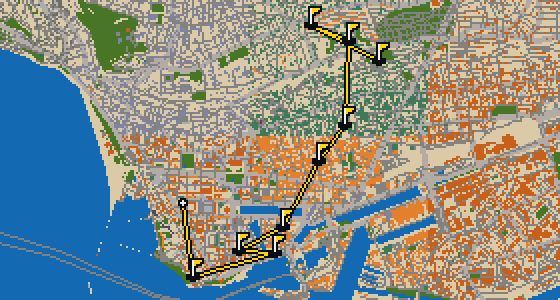
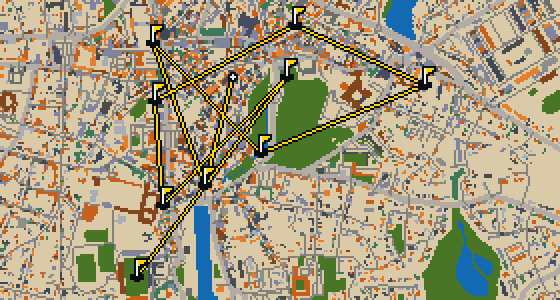
The cup for the final hole is the Chapelle Saint-François-d'Assise, but the game begins much further across Rennes. This full round of 18 holes uses the actual city map, with the ball rolling over real streets and banking off the facades of local attractions. The course covers a 12.7 km walk, using 30 portals to bridge the gaps between districts. Skip knows every cobblestone here and is the local guide for the trip.

Trouble loading? Open the game in its own tab.

HOW IT WORKS

01

Pick a city

The course is drawn on the real street grid, so the map you play is the map you walk.

02

Putt to the pin

Drag to aim, release to swing. Buildings bounce and water costs you a stroke.

03

Sightsee between strokes

Every hole ends at an attraction. Sink the putt, read the story, walk to the next tee.

THE RENNES ROUND - STOP BY STOP

HOLE 1 - PAR 3

Cathédrale Saint-Pierre

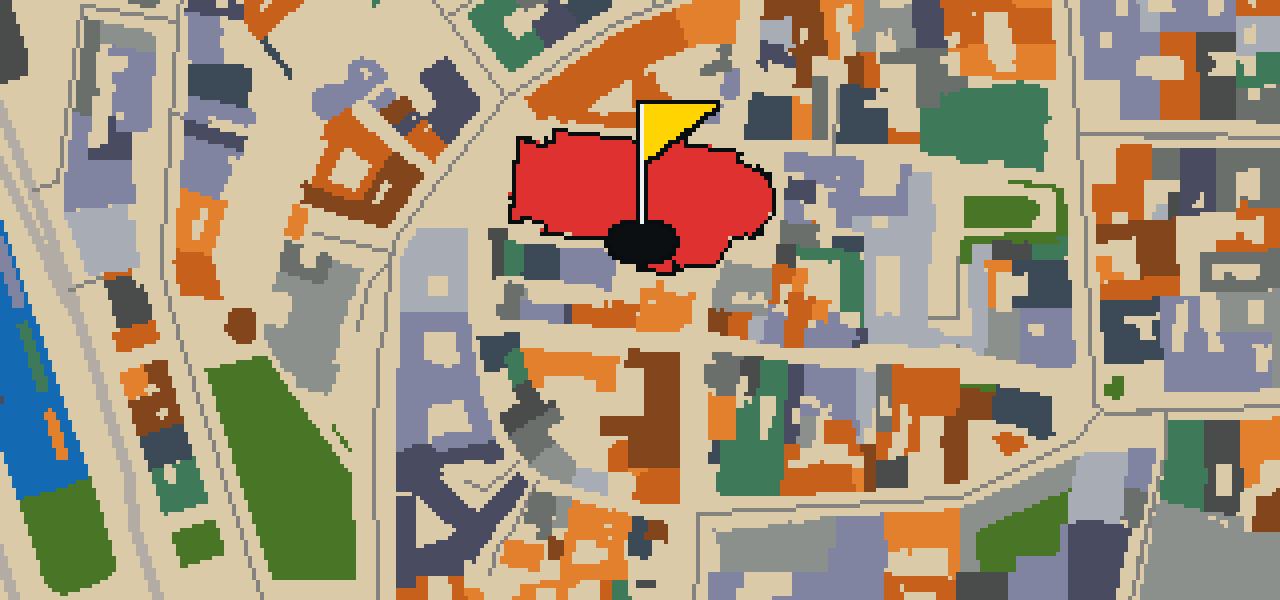
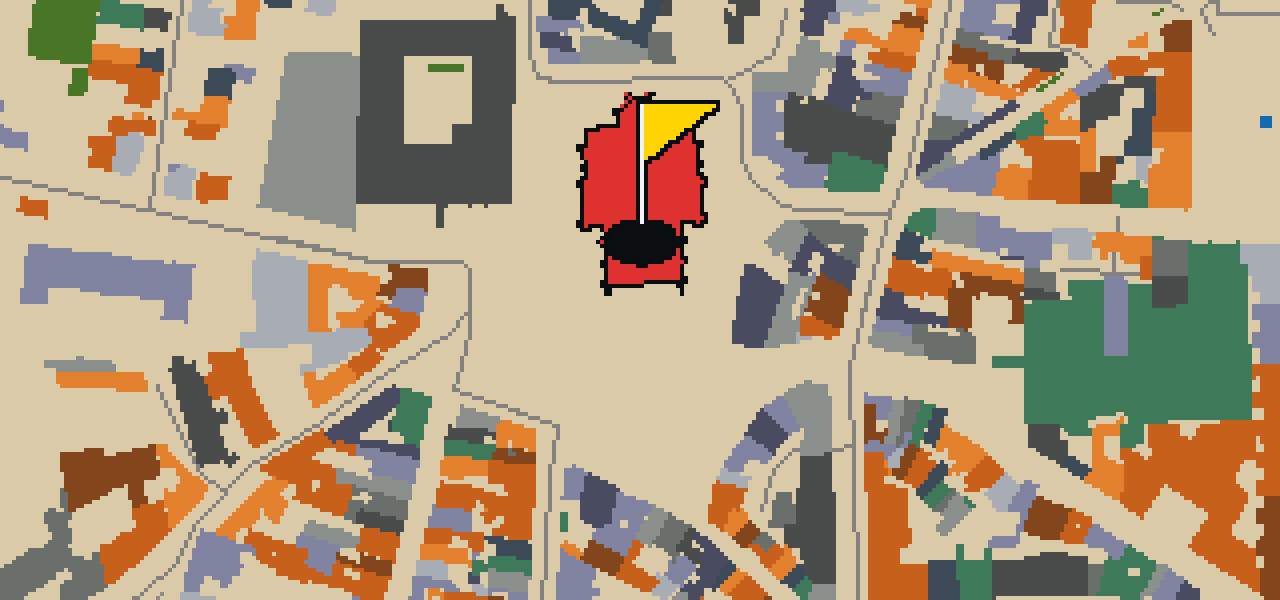
You will first notice the classical architecture style of Cathédrale Saint-Pierre. This Catholic cathedral is a classified historical monument in the city of Rennes. The inception of the building was in 1845. Its creation involved several different architects, including François Huguet, Mathurin Crucy, Louis Richelot, Tugal Caris, and Pierre Corbineau. It remains a prominent site of worship and a key point of interest for those visiting the city center.

Wikidata · Wikipedia

HOLE 2 - PAR 3

Basilique Notre-Dame-de-Bonne-Nouvelle

Basilique Notre-Dame-de-Bonne-Nouvelle is a minor basilica designed in the Gothic Revival style. This church building was started in 1904 and was designed by the architect Jean-Baptiste Martenot. It is a site that is listed in the general inventory of cultural heritage. Visitors can observe the specific architectural choices made by Martenot to align the building with the Gothic Revival tradition. This place of worship remains a significant landmark in the city of Rennes for those interested in the religious architecture of the early twentieth century.

Wikidata

HOLE 3 - PAR 3

Palais Saint-Georges

Right here in the city of Rennes, you can find the Palais Saint-Georges. This abbey was built in 1670 and was designed by the architect Pierre Corbineau. It is a significant piece of local history, though the Benedictine Abbey of Saint George was forced to close in 1792. Today, the site is recognized for its importance, having been listed as a monument historique of France since 1930. I always think it has a very stately presence on the street, which makes it a great spot to pause and look around.

Wikidata · Wikipedia

HOLE 4 - PAR 3

Musée de Bretagne

The Musée de Bretagne is a regional museum located in Rennes. You can find it inside the Champs Libres cultural centre, where it functions as a museum of regional history and society. It was originally structured as an archeology and ethnology museum, though it now focuses on social history. Beyond its exhibits, the institution also operates as a publishing house. It attracts 99,553 annual visitors. I've noticed the crowds here usually move in a very steady stream, which makes it a pleasant place to wander and observe the displays without feeling too rushed.

Wikidata · Wikipedia

HOLE 5 - PAR 2

Musée des Beaux-Arts

You will first notice the wide variety of works at the Musée des Beaux-Arts, as the collections range from ancient Egyptian antiquities to modern art. This municipal museum of fine arts is located in Rennes, which is the capital of Brittany. Founded in 1794, the building was designed by architects Charles Millardet and Vincent-Marie Boullé. It attracts 55,897 annual visitors who come to see the art. I've found that the mix of eras makes it a great spot to spend an afternoon.

Wikidata · Wikipedia

HOLE 6 - PAR 3

Parlement de Bretagne

You will find the Parlement de Bretagne situated in the heart of Rennes. This courthouse is a parliament building designed in the classical architecture style. It is a classified historical monument that you can admire while walking through the city. I can tell you that it was designed by architects Salomon de Brosse and Germain Gaultier. It is a great spot to stop and look at the facade before you continue your journey. I always find the lines of this particular building quite striking from the street.

Wikidata

HOLE 7 - PAR 3

Théâtre du Vieux Saint-Étienne

Théâtre du Vieux Saint-Étienne is a church building. This site is a monument historique inscrit, which recognizes its importance to the local heritage of Rennes. While it was originally a church building, it is now a former church building that has been adapted for a new purpose. Today, it is a theatre building where the city's cultural life continues in a space that retains its original religious architecture.

Wikidata

HOLE 8 - PAR 3

Opéra de Rennes

You will find the Opéra de Rennes sitting on Place de la Mairie. This opera house is a classified historical monument that brings a touch of classical grandeur to the city. It was designed by Charles Millardet and built by Pierre Louise. The building was inaugurated in 1836. I've noticed that the architecture makes it a standout landmark in the square, whether you are here for a performance or just passing through on your way to the city hall. It is a wonderful spot to pause and admire the facade.

Wikidata · Wikipedia

HOLE 9 - PAR 3

Notre-Dame-en-Saint-Melaine

Jacques Mellet is the architect of Notre-Dame-en-Saint-Melaine. He designed this abbey church in the classical architecture style, creating a structure that remains a prominent part of the city. The building is recognized as a classified historical monument and is also a monument historique inscrit. In addition to its role as an abbey church, it is a pro-cathedral. These designations mark the building as a site of historical value, and the influence of Mellet is evident in the formal lines of the classical style used throughout the construction.

Wikidata

HOLE 10 - PAR 3

Théâtre national de Bretagne

You can find the Théâtre national de Bretagne in Rennes. It is a national drama center that is listed in the general inventory of cultural heritage. The organization is currently led by director Arthur Nauzyciel. This institution was created by combining the Maison de la Culture of Rennes and the Centre dramatique de l'Ouest. I've noticed the building has a presence that makes it a great landmark for banking your ball during the round, and it is a wonderful spot to stop and admire the architecture.

Wikidata · Wikipedia

HOLE 11 - PAR 3

Chapelle des Carmes

Located in the city of Rennes, Chapelle des Carmes is a chapel. The building is designed in the Gothic Revival style, a choice that defines its visual character and presence within the neighborhood. Its inception was in 1860. Because of its historical and architectural value, the site is listed in the general inventory of cultural heritage. Visitors can observe the specific details of the Gothic Revival influence on the structure as they pass through this part of the city.

Wikidata

HOLE 12 - PAR 3

Église réformée de Rennes

Situated within the city, you will find the Église réformée de Rennes. This church building was started in 1882 and was designed by the architect Abel Chabal. It is a place of worship that holds a specific place in the local community. Because of its historical and architectural value, the building is listed in the general inventory of cultural heritage. When you visit, you can observe the specific design choices made by Chabal that define the character of the building and its presence in the neighborhood.

Wikidata

HOLE 13 - PAR 3

Centre chorégraphique national de Rennes et de Bretagne

Let me show you the Centre chorégraphique national de Rennes et de Bretagne. Tucked into the city, this site is a national choreographic centre. It was founded in 1984 and continues to be a point of interest for those visiting Rennes. I often find that the energy of the city flows right through this neighborhood, making it a great spot to pause. Whether you are here for the dance or just passing through on your way to another landmark, this institution is a key part of the local scene.

Wikidata

HOLE 14 - PAR 3

Théâtre de la Parcheminerie

Let me show you the Théâtre de la Parcheminerie. This theatre building is a notable stop on your walk through Rennes, as it is officially listed in the general inventory of cultural heritage. You can pick out the architectural details that make it a recognized part of the city's cultural record. I usually find that the best way to appreciate these spots is to take a moment to look at the facade before moving on to the next stop on your route.

Wikidata

HOLE 15 - PAR 4

Église Saint-Étienne

Église Saint-Étienne is a church building that was started in 1676. It is built in the classical architecture style, which you can observe in the lines and proportions of the structure. Because of its historical and architectural importance, the building is a monument historique inscrit. This designation ensures that the site is preserved as a point of interest in Rennes for all who visit the city.

Wikidata

HOLE 16 - PAR 4

Le Liberté

Louis Arretche designed the lines of Le Liberté, a building that serves the city as a concert hall. It began its life in 1961 and remains a key facility for the public. While many come for the music, the site also operates as a sports venue. I've noticed it's a great spot to watch the crowd flow in from the street. Whether you are visiting for a show or an athletic competition, the structure is a landmark that blends these different public needs into one shared space for everyone in the city.

Wikidata

HOLE 17 - PAR 4

Église des Sacrés-Cœurs

The Gothic Revival style defines the appearance of the Église des Sacrés-Cœurs. This church building is a prominent site in Rennes, designed by the architect Arthur Regnault. Visitors can observe the specific architectural elements that characterize the revival of medieval forms. Due to its historical and structural significance, the building is listed in the general inventory of cultural heritage. This designation ensures that the site is recognized as a part of the region's protected cultural assets for future generations to see.

Wikidata

HOLE 18 - PAR 4

Chapelle Saint-François-d'Assise

The creators of this site built the Chapelle Saint-François-d'Assise. This chapel is a place of worship designed in the Romanesque Revival architecture style. Visitors can observe the specific characteristics of this style in the building's form. The site remains a dedicated chapel for the community.

Wikidata

STOP 19

Antipode

Let me show you Antipode. This location is an event venue in Rennes. It provides a dedicated space for the city to host various gatherings and performances. I've noticed it's a handy spot for anyone looking to experience the local scene.

Wikidata

OTHER COURSES

9 HOLES - PAR 24

Le Havre

9 stops

This is Le Havre. The map is the actual city and the round is played on its real streets, using attractions like Église Saint-Joseph as the basis for the holes. Skip is a local guide who knows every corner. It is a quick round of 9 holes with a par of 24, covering a walk of 5.1 km and using 8 portals to move between districts.

18 HOLES - PAR 56

Versailles

18 stops

This is Versailles. The map is the real city and the round is played on its real streets, using attractions like the Château de Versailles as the basis for the holes. Skip is a local guide who knows every cobblestone. It is a full round of 18 holes with a par of 56, covering a walk of 11.7 km. The ball uses 6 portals to move between the different districts.

9 HOLES - PAR 26

Vannes

9 stops

A quick nine-hole round winds through Vannes, following the real city map and its actual streets. The course uses local attractions, such as Cathédrale Saint-Pierre, to form the holes. Skip knows every corner of this 4.8 km walk, including the two portals that skip over the long stretches. A pigeon's eye view is the best way to see how the ball rolls.

9 HOLES - PAR 28

Tours

9 stops

This is Tours, where the map is the real city and the round is played on its real streets. The holes are built from real attractions, like the Cathédrale Saint-Gatien. Skip is a local guide who knows the place. It is a quick round of 9 holes with a par of 28, covering a 5.5 km walk with two portals for the ball to ride.

9 HOLES - PAR 27

Toulon

9 stops

This is a quick nine-hole round through Toulon. The map is the real city and the play happens on its actual streets, using attractions like the Opéra as the basis for the holes. Skip knows these sidewalks well and will act as the local guide for the 5.2 km walk. Six portals help move the ball across the city.

FAQ

Is it free to play?

Yes. Every course runs in the browser with no account and no install.

Do I need to be in the city?

No. The full round plays from anywhere. Walking the real route is a nice way to see the city, but it is not required.

Are the maps real?

Yes. The geometry comes from OpenStreetMap data, rendered chunky on purpose. Streets, water and parks sit where they really are.