
REIMS - 18 HOLES - FREE

REIMS
CITY MAP MINIGOLF

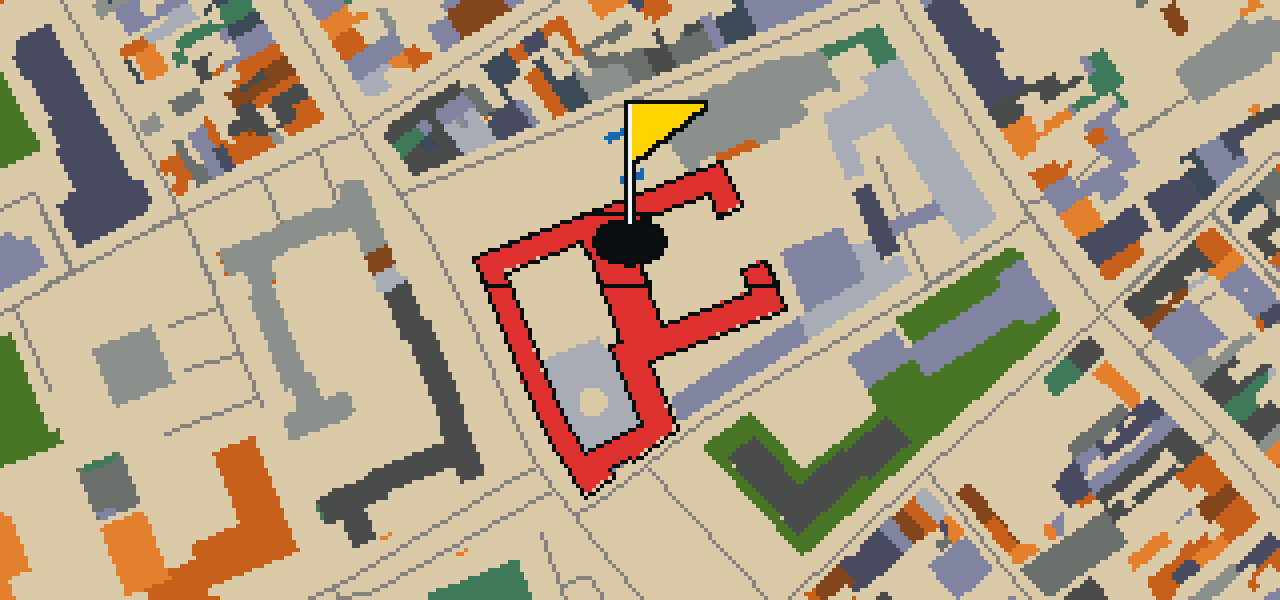
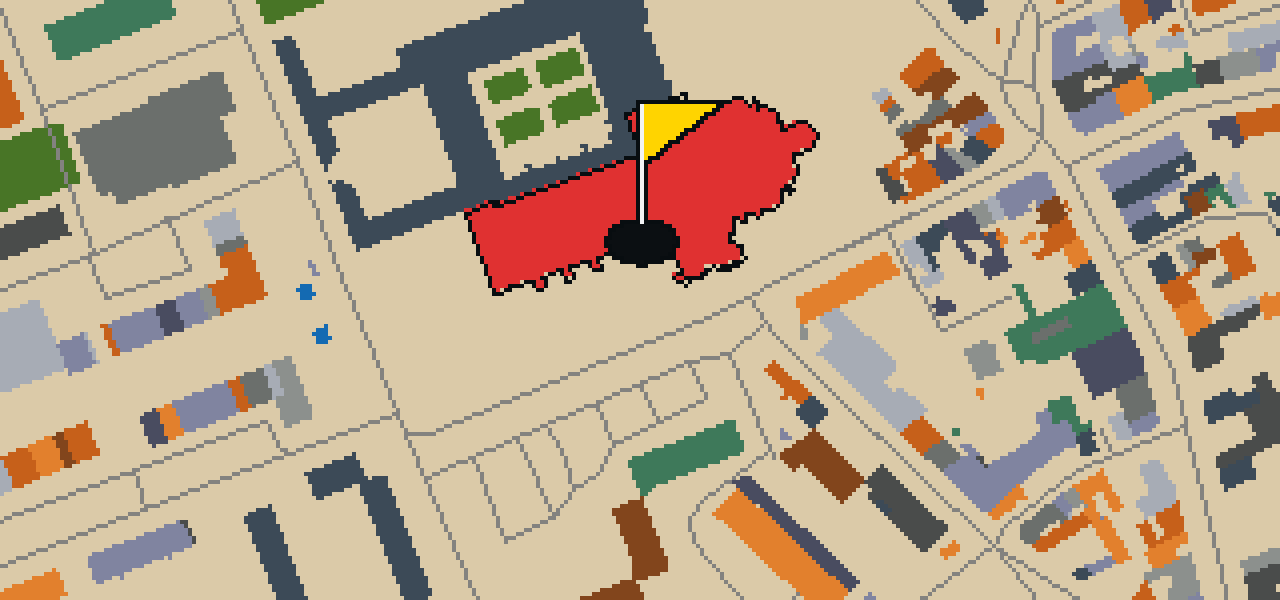
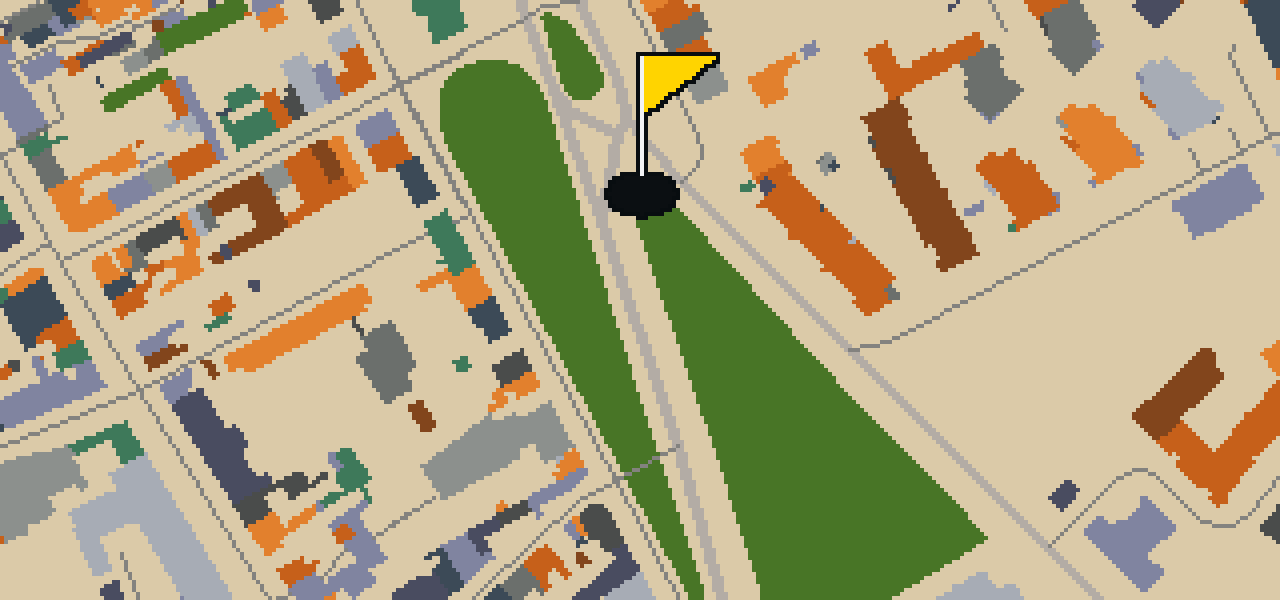
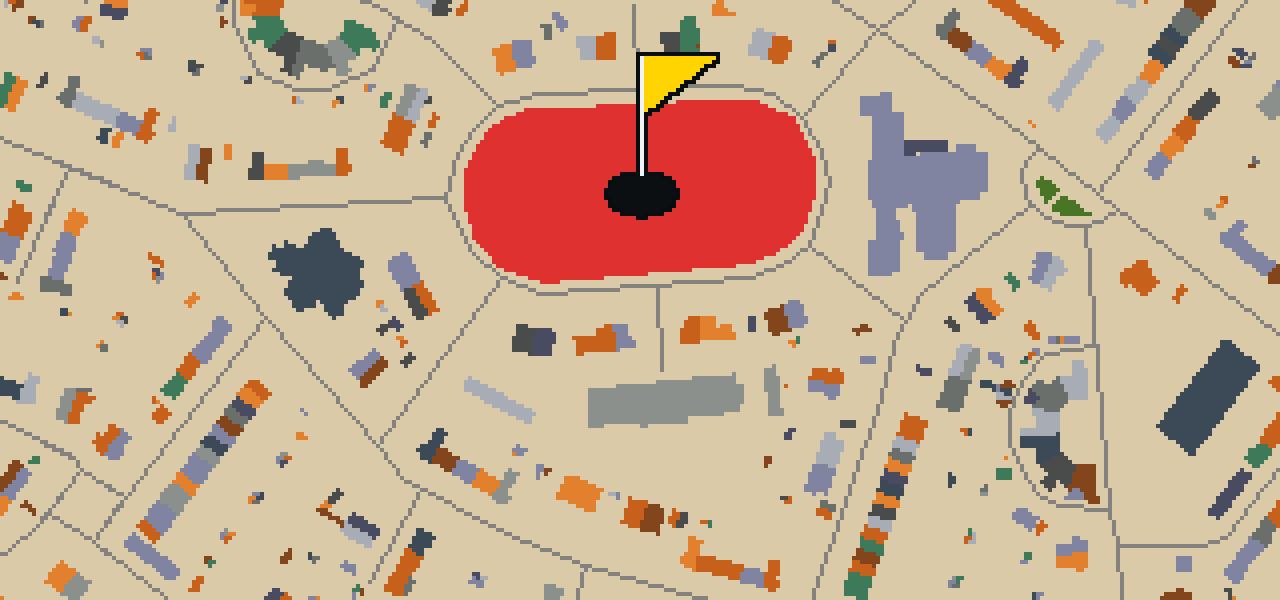
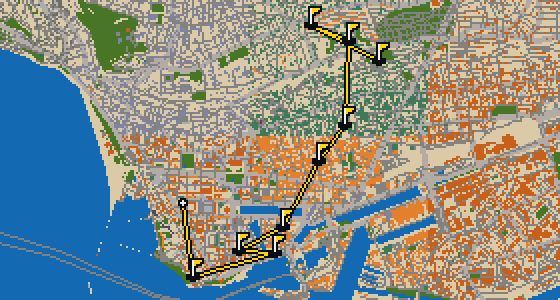
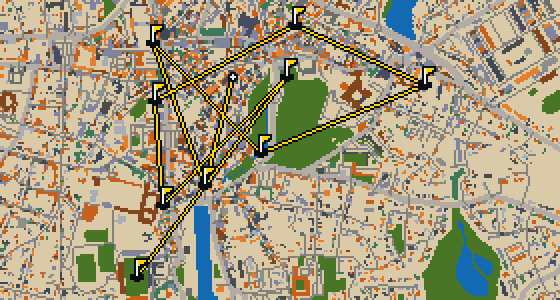
Reims - 18 stops - par 56

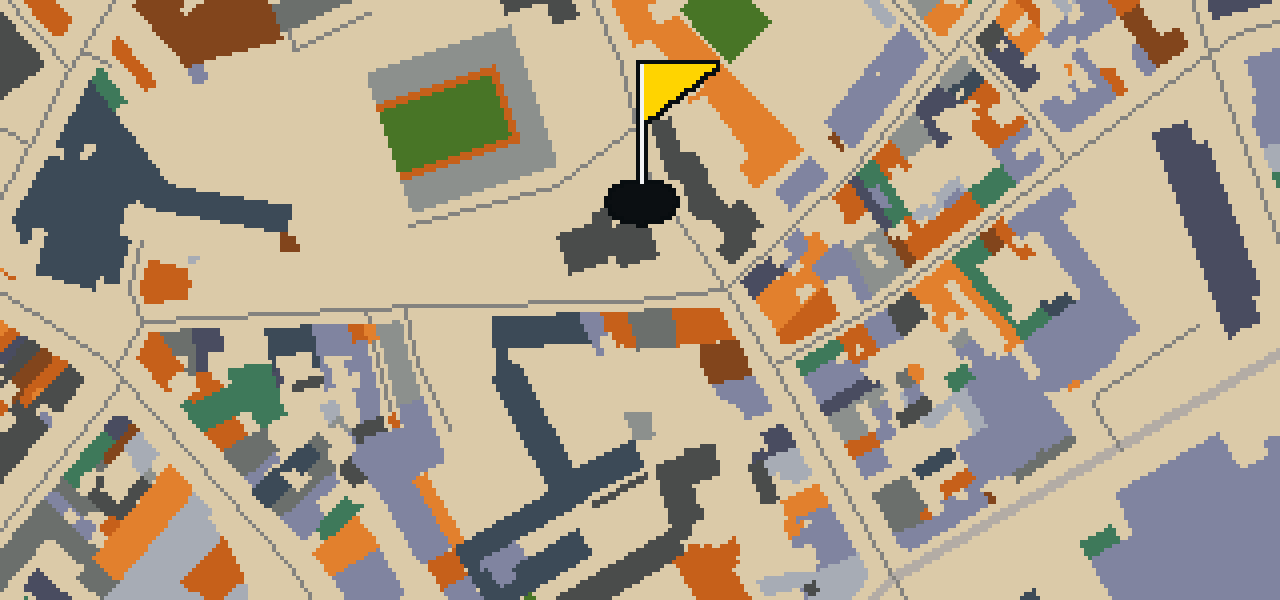
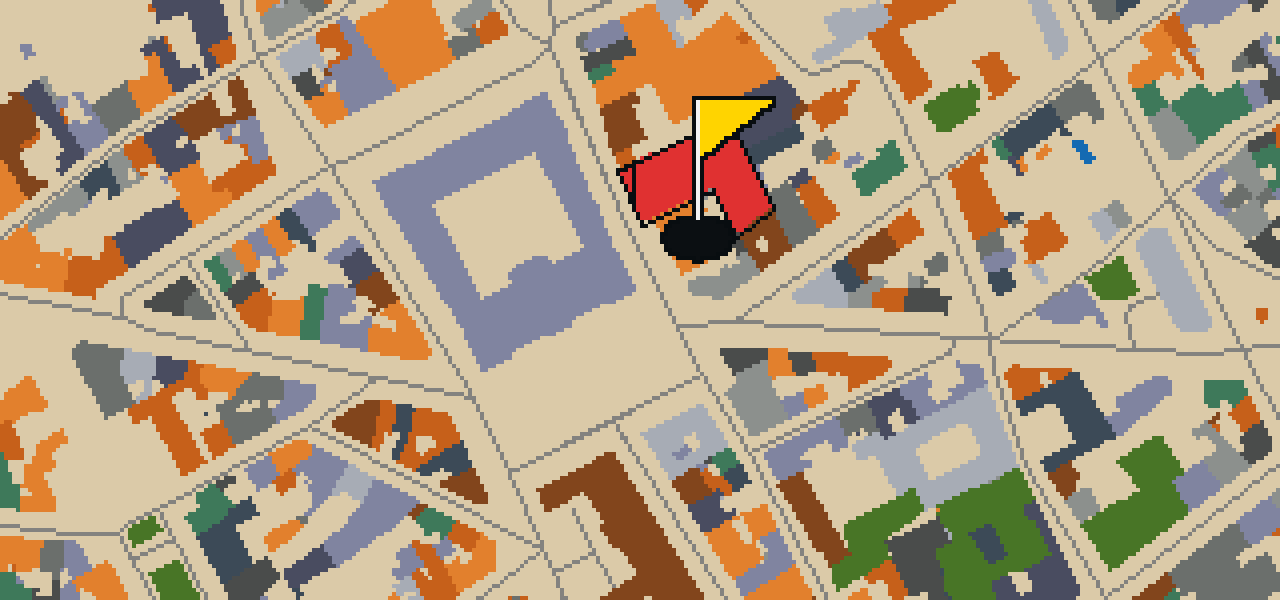
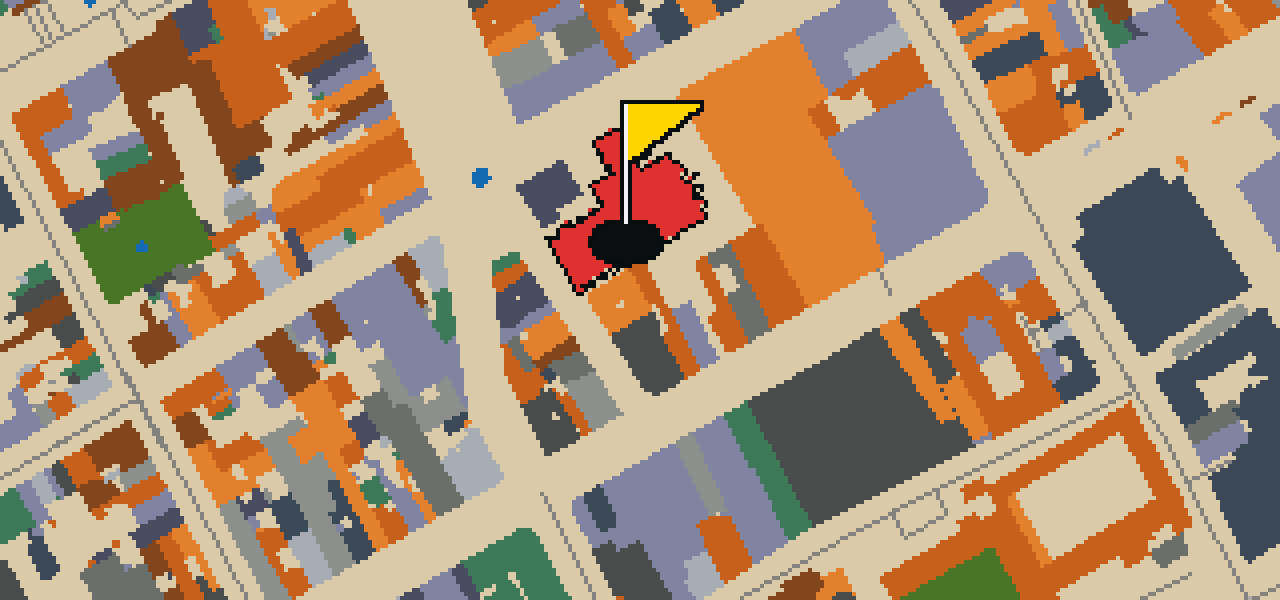
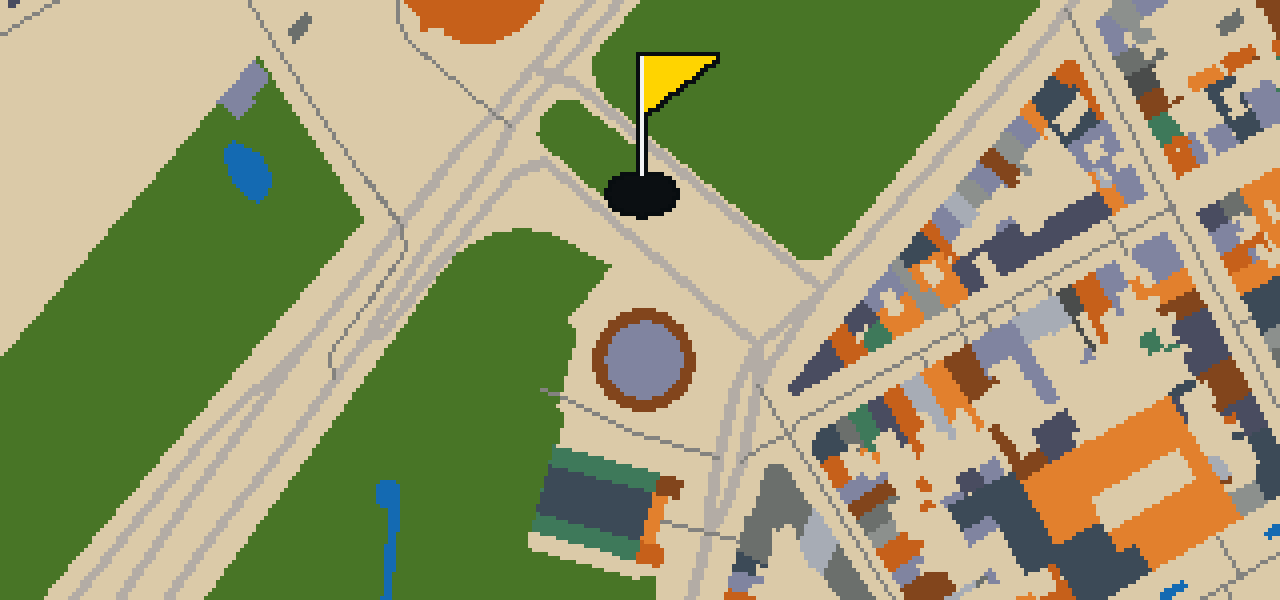
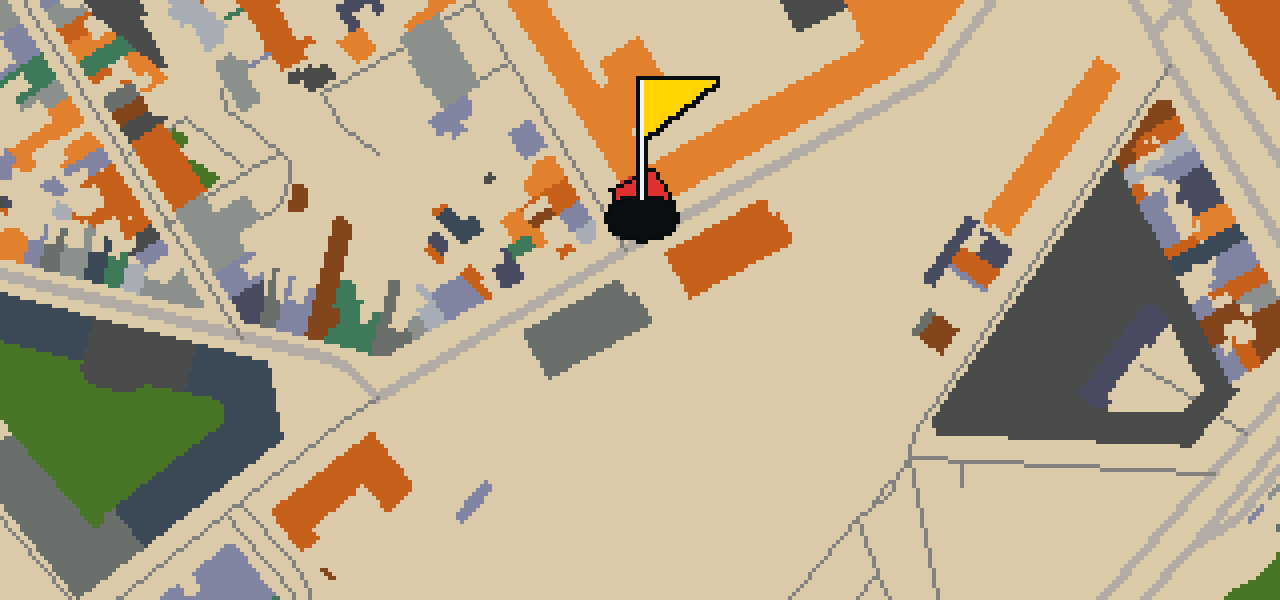
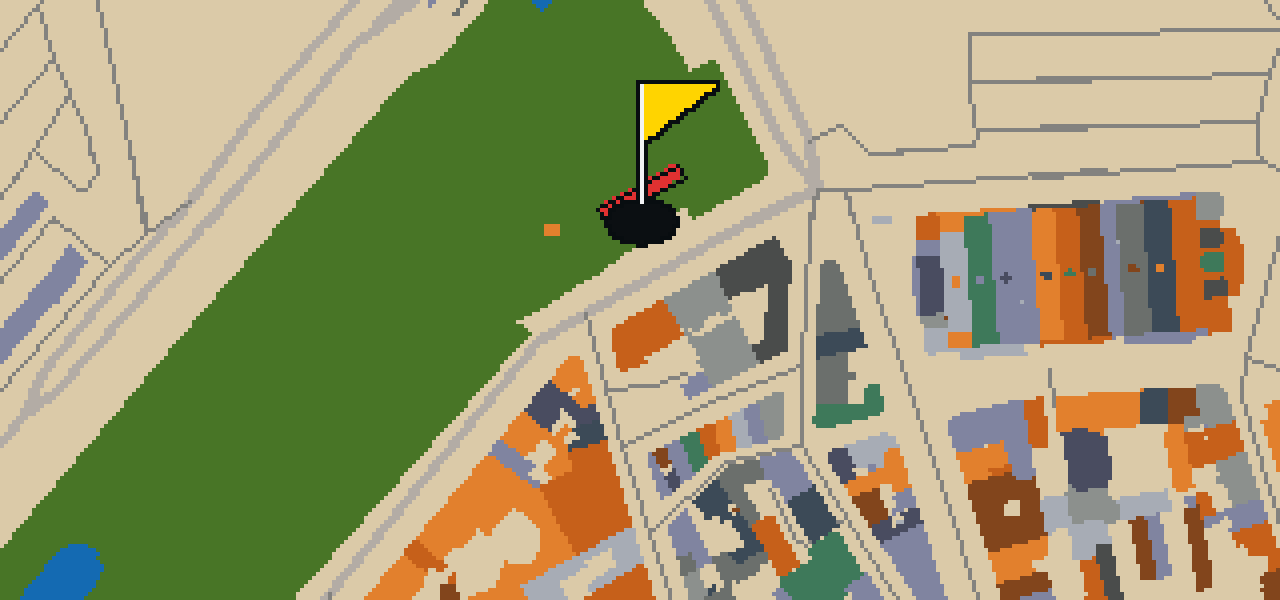
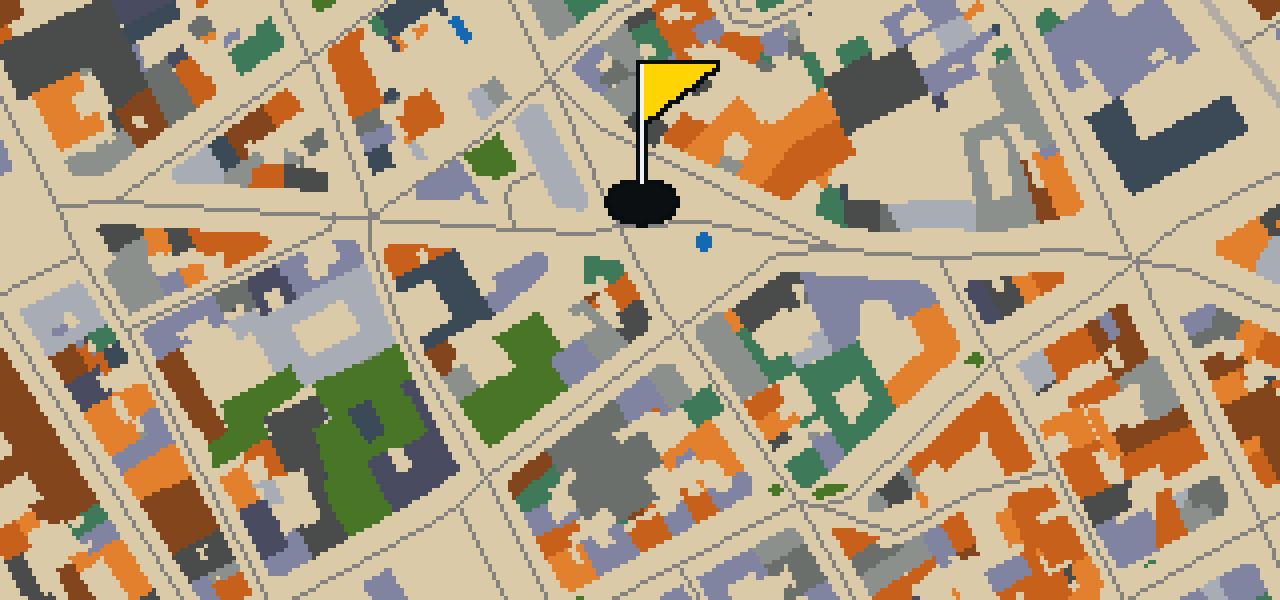
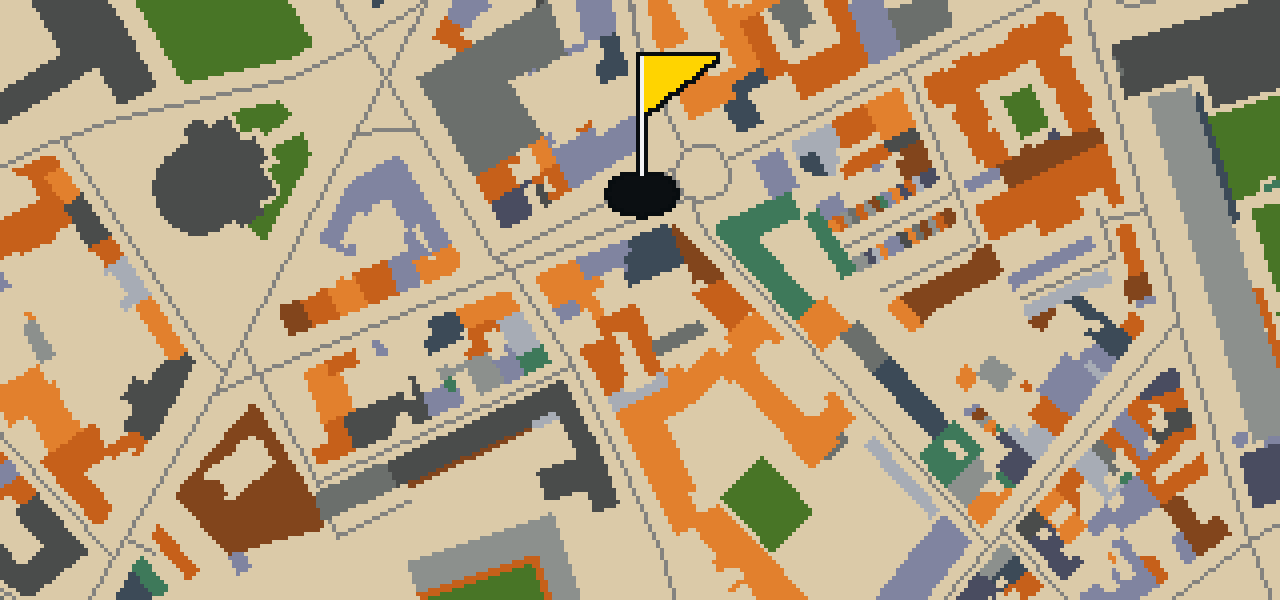
This is Reims, where the map is the actual city and the round is played on its real streets. The holes are built from real attractions, starting with the Cathédrale Notre-Dame. Skip knows these pavements well, perhaps because of the crumbs. It is a full 18-hole round with a par of 56, covering a walk of 11.4 km. The ball moves between distant districts using 6 portals to keep the pace moving across the city.

Trouble loading? Open the game in its own tab.

HOW IT WORKS

01

Pick a city

The course is drawn on the real street grid, so the map you play is the map you walk.

02

Putt to the pin

Drag to aim, release to swing. Buildings bounce and water costs you a stroke.

03

Sightsee between strokes

Every hole ends at an attraction. Sink the putt, read the story, walk to the next tee.

THE REIMS ROUND - STOP BY STOP

HOLE 1 - PAR 3

Cathédrale Notre-Dame

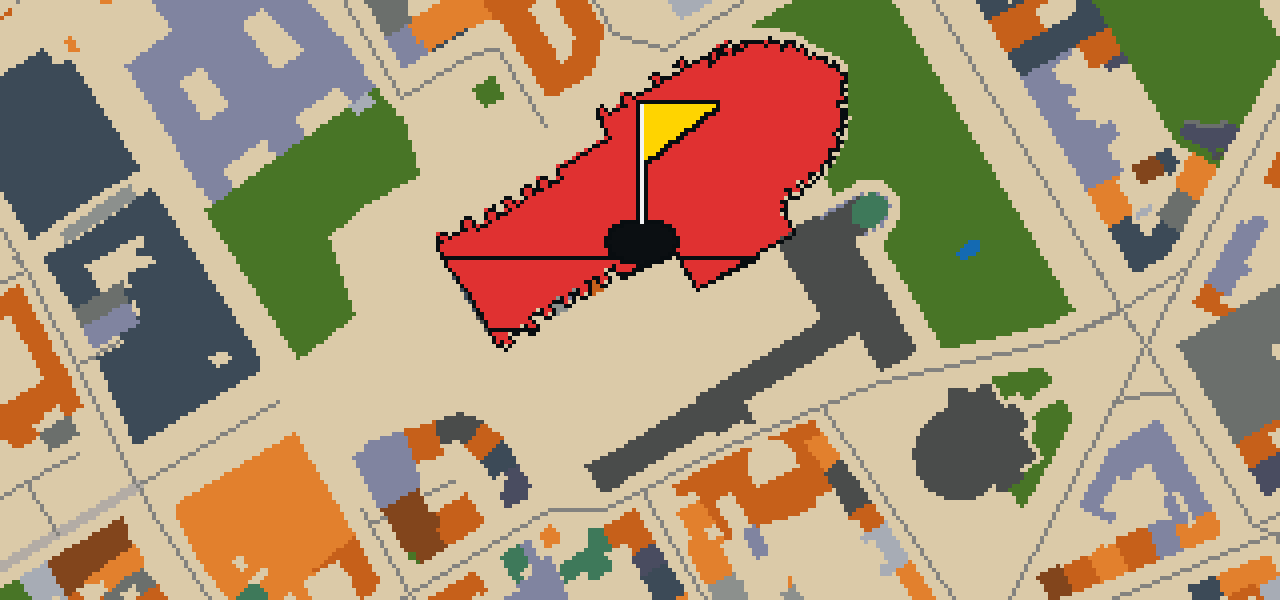
This is not a simple house of worship, but Cathédrale Notre-Dame, a Catholic cathedral built in the classic gothic style by architect Jean d'Orbais. It is a classified historical monument and became a UNESCO World Heritage Site in 1991. The building is known for its significance as the traditional location for the coronation of the kings of France. Today, it continues to be a major point of interest for people from around the world, receiving about a million visitors annually.

Wikidata · Wikipedia

HOLE 2 - PAR 3

Villa Douce

Villa Douce is a private mansion that began construction in 1932. It is a notable example of the Art Deco style, designed by architects Pol Gosset and Jacques Debat-Ponsan. Over time, the building has gained official recognition and is now a monument historique inscrit. I have always found the clean, sharp lines of this era to be quite striking against the broader city backdrop. It is the kind of place where you can really see how the architectural tastes of the early twentieth century shaped the residential character of Reims.

Wikidata

HOLE 3 - PAR 3

Porte Bazée

Look closely at the weathered stonework of Porte Bazée. This structure is a city gate that once formed part of the defenses protecting the heart of Reims. Because of its architectural and regional significance, the site is now a classified historical monument. When you walk through it, you can feel the weight of the city's old boundaries. I always think the masonry looks particularly sturdy when I am gliding over the rooftops, giving a great view of how the gate fits into the surrounding streets.

Wikidata

HOLE 4 - PAR 3

Musée des Beaux-Arts

Founded in 1794, the Musée des Beaux-Arts is an art museum located in Reims, France. It is a classified historical monument as well as a monument historique inscrit. You can see how the city preserves its creative legacy here, where 34,638 annual visitors come to view the collections. I usually see a few crumbs left behind by tourists near the entrance, but the art inside is the real draw for everyone. It is a great place to spend an afternoon if you want to see how the local culture has evolved over the centuries.

Wikidata · Wikipedia

HOLE 5 - PAR 3

Ancien Cellier d'expédition Mum

You will likely notice the Art Deco style first when you come across the Ancien Cellier d'expédition Mum. This facility is a monument historique inscrit, meaning it is recognized for its architectural and historical importance to the city. It was started in 1898 and was designed by the architect Ernest Kalas. It is a great spot to stop and admire the geometric lines of the era before you move on to the next part of your journey. I always find the clean edges of these buildings quite satisfying to look at while I'm perched nearby.

Wikidata

HOLE 6 - PAR 3

Église Saint-Jacques

You will first notice the presence of Église Saint-Jacques, which is a church building located here in the city. This site is recognized as a classified historical monument. When you look closer at the structure, you can see the work of Narcisse Brunette, who is the architect of Église Saint-Jacques. It is a place of significance for those visiting the area and appreciating the local architecture. Whether you are passing through or stopping to observe the details, this building remains a key point of interest in the urban environment.

Wikidata

HOLE 7 - PAR 4

Porte de Paris

Let me show you the Porte de Paris. This city gate sits as a prominent point in the layout of Reims, serving as a landmark for those navigating the streets. It is a classified historical monument, making it a significant stop for anyone interested in the city's preserved architecture. You can pick out the specific details of the structure as you pass through the gateway. I have found that the open space around this monument makes it a great spot for people-watching while you take in the sights of the city.

Wikidata

HOLE 8 - PAR 2

Musée de la Reddition

You will first notice that the Musée de la Reddition is a classified historical monument. As a museum, it preserves a specific moment in time for visitors to study and reflect upon. The institution was founded in 1985 to maintain the site's significance for future generations. I have noticed that the building has a certain stillness to it that makes it very easy to focus on the exhibits inside, away from the noise of the city. It is a place where the architecture itself tells part of the story before you even step through the entrance.

Wikidata

HOLE 9 - PAR 3

Porte de Mars

You might think you are looking at a later addition to the city, but this is actually the Porte de Mars. It is an ancient Roman triumphal arch in Reims, France, that dates from the third century AD. While many arches are narrow, this one was the widest arch in the Roman world. Narcisse Brunette was the architect of the structure, and today it is a classified historical monument. I've seen plenty of tourists stop here to admire the scale of the stonework.

Wikidata · Wikipedia

HOLE 11 - PAR 3

Place Godinot

This is not a cathedral or a museum, but a square. Place Godinot is a key open space in the center of Reims. I often see people crossing it on their way to other sights. It is a simple, open area that gives you a chance to breathe and look around the city streets. While it might seem plain compared to the monuments nearby, it is an essential part of the city's layout. You can pick out the flow of local traffic and the way the surrounding buildings frame the space as you walk through.

Wikidata

HOLE 12 - PAR 2

Ancien Collège des Jésuites

You might expect another quiet gallery, but the Ancien Collège des Jésuites is actually an educational institution and a museum. This 16th-century building in Reims was designed by architect Narcisse Brunette and is now a classified historical monument. I've noticed the architecture holds a certain weight that makes you feel the history of the Marne region. It is a place where the city's academic past meets its present, providing a glimpse into the structural legacy of the area for any visitor passing through.

Wikidata · Wikipedia

HOLE 13 - PAR 3

Basilique Saint-Remi

Founded in the 11th century, the Basilique Saint-Remi is a medieval abbey church in Reims. It is the largest Romanesque church in northern France, although it features later additions. When you look at the structure, you can pick out a blend of Romanesque architecture and classic gothic styles. The building is a classified historical monument and has been a monument historique since 1840. Its global importance is further recognized by its status as a UNESCO World Heritage Site since 1991. It is a place of significant history and architectural transition in the region.

Wikidata · Wikipedia

HOLE 14 - PAR 3

Statue du Maréchal Drouet Comte d'Erlon

Let me show you the Statue du Maréchal Drouet Comte d'Erlon. This sculpture is a statue that had its inception in 1845. It is a prominent landmark for those visiting the city, providing a glimpse into the local artistic history. I find it is a great spot to pause and look around at the surrounding streets before you move on to your next destination. It is one of those places where you can really feel the age of the city just by looking up at the figure.

Wikidata

HOLE 15 - PAR 3

Musée de l'Automobile

You will first notice an impressive array of vintage cars at the Musée de l'Automobile. This museum is located in Reims and was founded in 1985. It was specifically created to house the collection of Philippe Charbonneaux. Whether you are a gearhead or just passing through, the sheer variety of automotive design here is a sight to behold. I always think the polished chrome looks particularly sharp under the gallery lights, making it a great spot for a few photos before you move on to your next destination.

Wikidata · Wikipedia

HOLE 16 - PAR 4

Place du 11 Novembre

Wikidata

HOLE 17 - PAR 4

Tour de la Poudrière

You might expect a tower with this name to be a defensive fort, but the Tour de la Poudrière is actually a building. It holds a special status as a classified historical monument, making it a key stop for any visitor interested in the local heritage. Beyond its national recognition, the building is also part of a UNESCO World Heritage Site. I have noticed that it is a great spot to pause and appreciate the scale of the surrounding architecture while you take a breather. It is a fine example of how the city preserves its most important structures for everyone to see.

Wikidata

HOLE 18 - PAR 4

Basilique Sainte-Clotilde

Basilique Sainte-Clotilde is a minor basilica that began its inception in 1905. This church building is a notable site in the city because it is designed in the Byzantine Revival architecture style. When you visit, you can notice how this specific style influences the building's overall form and presence. It stands as a later addition to the city's religious landscape, bringing a different aesthetic tradition to the local area than the more common Gothic structures found elsewhere in Reims.

Wikidata

STOP 19

Parc Léo Lagrange

Let me show you Parc Léo Lagrange. It is an urban green space that offers a breath of fresh air for anyone visiting the city. You can take a stroll through the greenery to see how the city integrates nature into its layout. I've found it's a great spot to stretch your legs.

Wikidata

OTHER COURSES

9 HOLES - PAR 24

Le Havre

9 stops

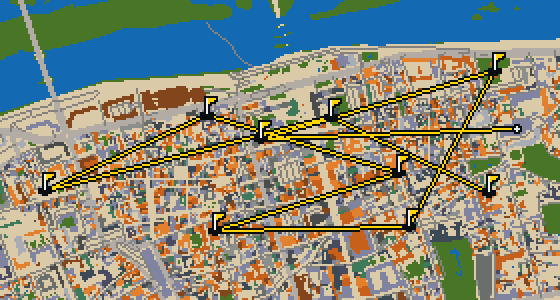
This is Le Havre. The map is the actual city and the round is played on its real streets, using attractions like Église Saint-Joseph as the basis for the holes. Skip is a local guide who knows every corner. It is a quick round of 9 holes with a par of 24, covering a walk of 5.1 km and using 8 portals to move between districts.

18 HOLES - PAR 56

Versailles

18 stops

This is Versailles. The map is the real city and the round is played on its real streets, using attractions like the Château de Versailles as the basis for the holes. Skip is a local guide who knows every cobblestone. It is a full round of 18 holes with a par of 56, covering a walk of 11.7 km. The ball uses 6 portals to move between the different districts.

9 HOLES - PAR 26

Vannes

9 stops

A quick nine-hole round winds through Vannes, following the real city map and its actual streets. The course uses local attractions, such as Cathédrale Saint-Pierre, to form the holes. Skip knows every corner of this 4.8 km walk, including the two portals that skip over the long stretches. A pigeon's eye view is the best way to see how the ball rolls.

9 HOLES - PAR 28

Tours

9 stops

This is Tours, where the map is the real city and the round is played on its real streets. The holes are built from real attractions, like the Cathédrale Saint-Gatien. Skip is a local guide who knows the place. It is a quick round of 9 holes with a par of 28, covering a 5.5 km walk with two portals for the ball to ride.

9 HOLES - PAR 27

Toulon

9 stops

This is a quick nine-hole round through Toulon. The map is the real city and the play happens on its actual streets, using attractions like the Opéra as the basis for the holes. Skip knows these sidewalks well and will act as the local guide for the 5.2 km walk. Six portals help move the ball across the city.

FAQ

Is it free to play?

Yes. Every course runs in the browser with no account and no install.

Do I need to be in the city?

No. The full round plays from anywhere. Walking the real route is a nice way to see the city, but it is not required.

Are the maps real?

Yes. The geometry comes from OpenStreetMap data, rendered chunky on purpose. Streets, water and parks sit where they really are.