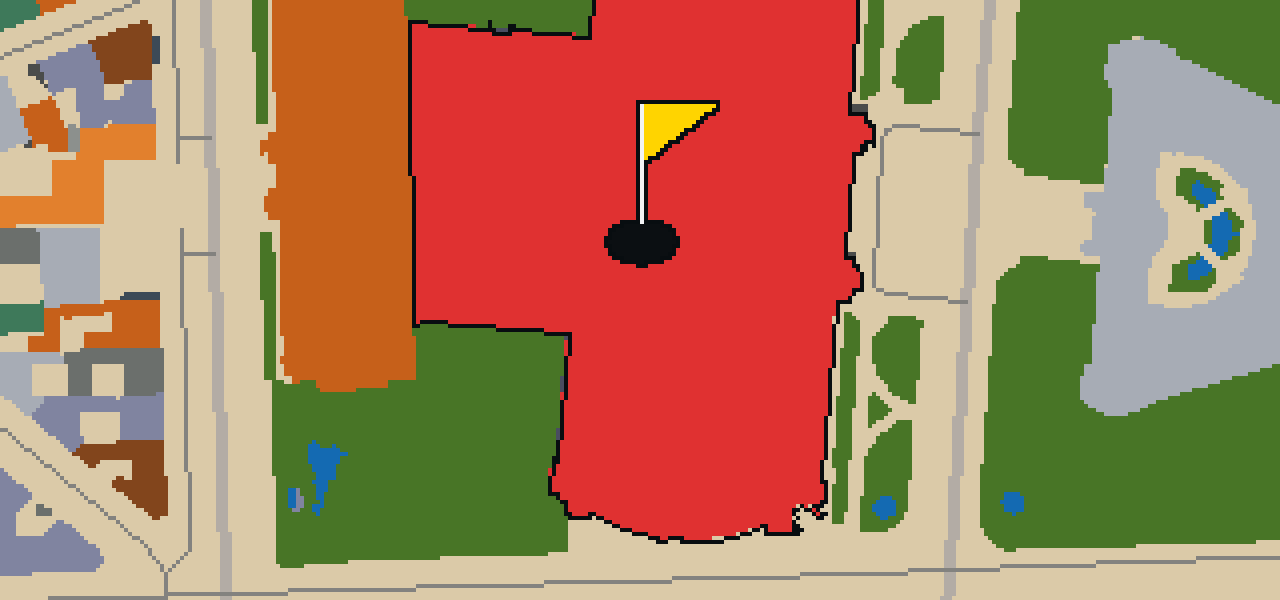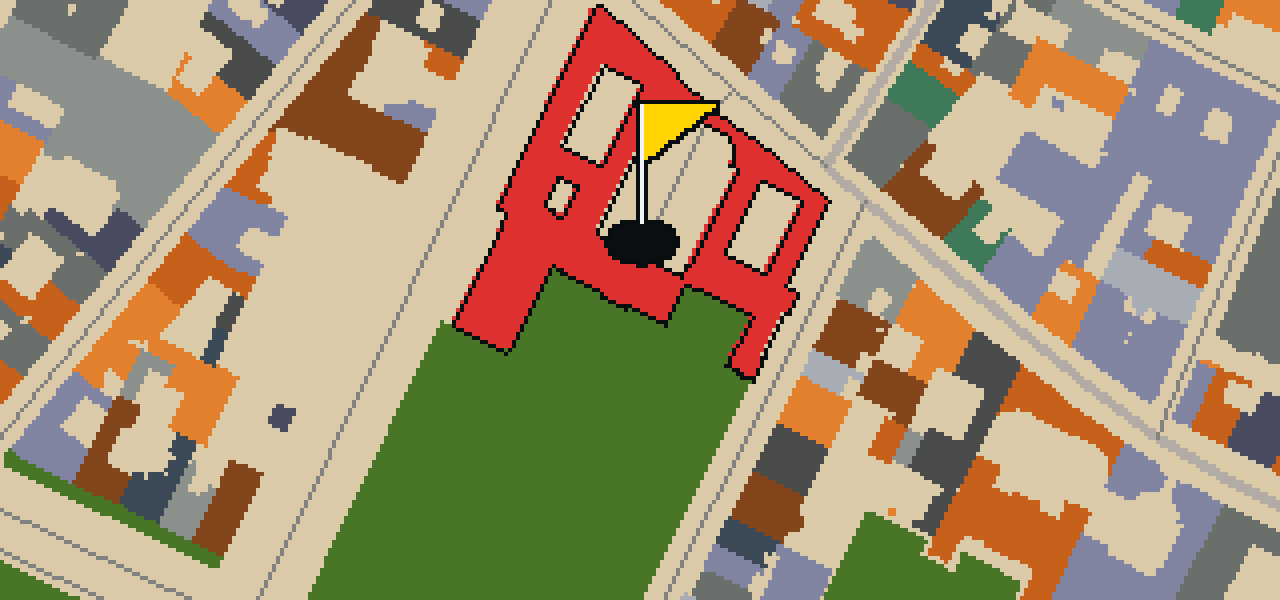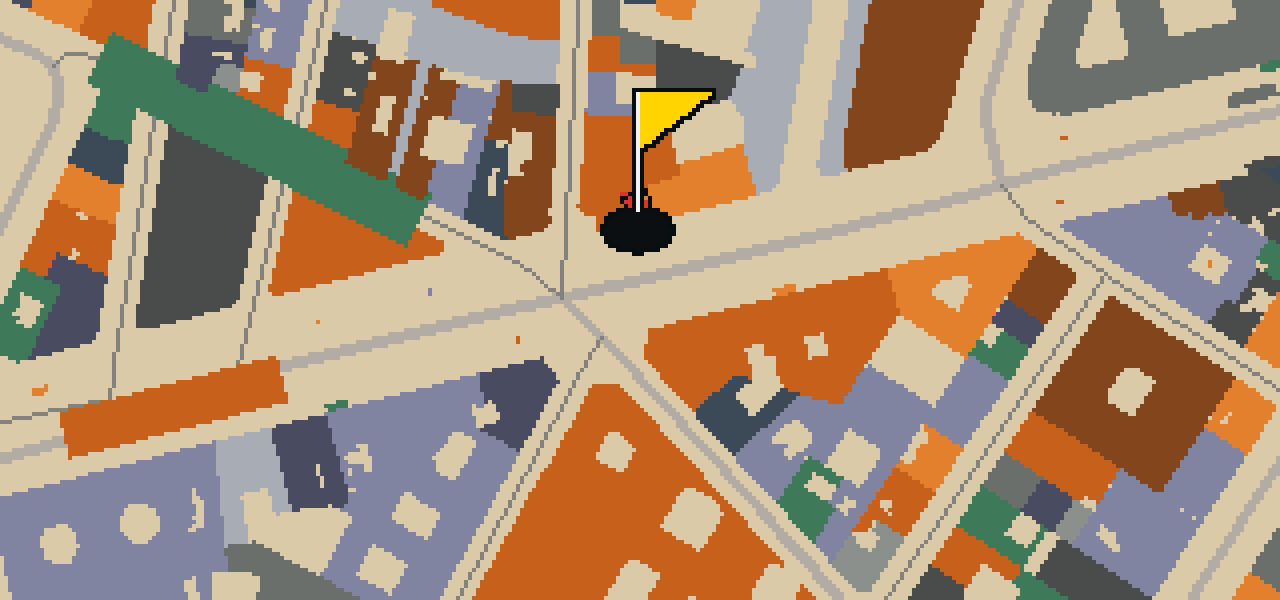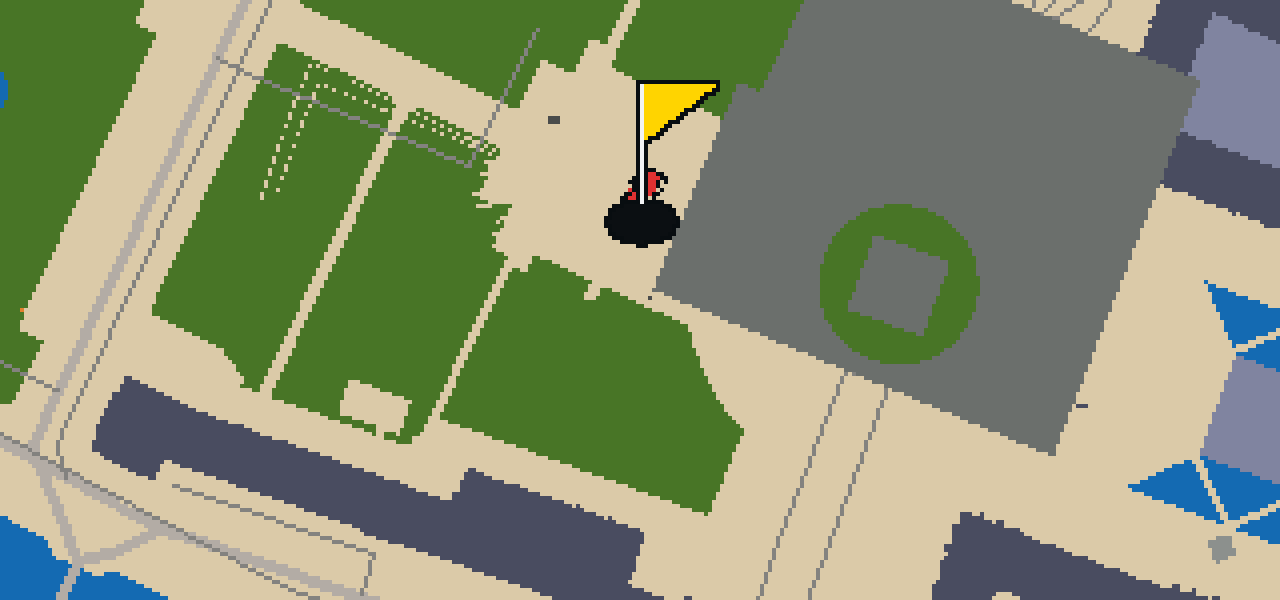

PARIS - 18 HOLES - FREE

PARIS
CITY MAP MINIGOLF

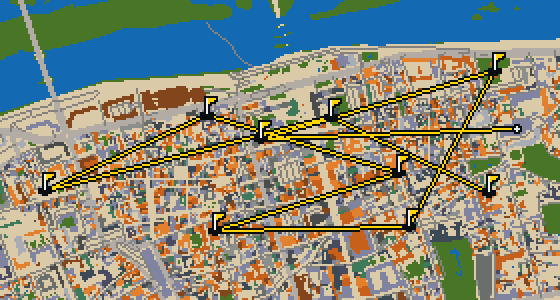
Paris - 18 stops - par 59

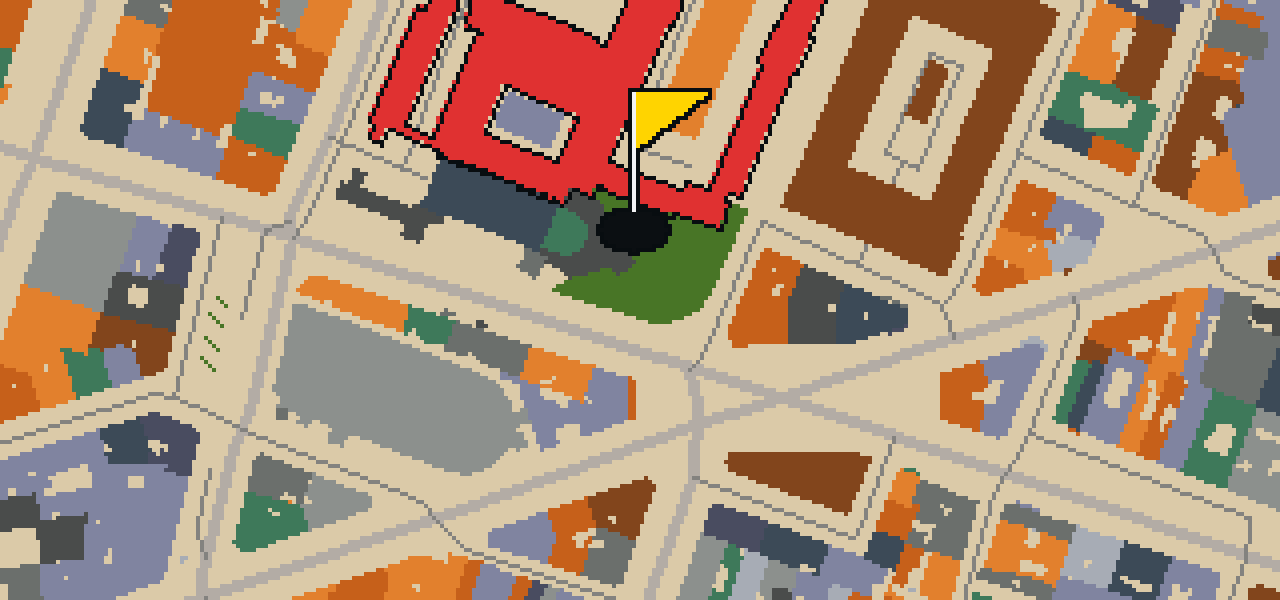
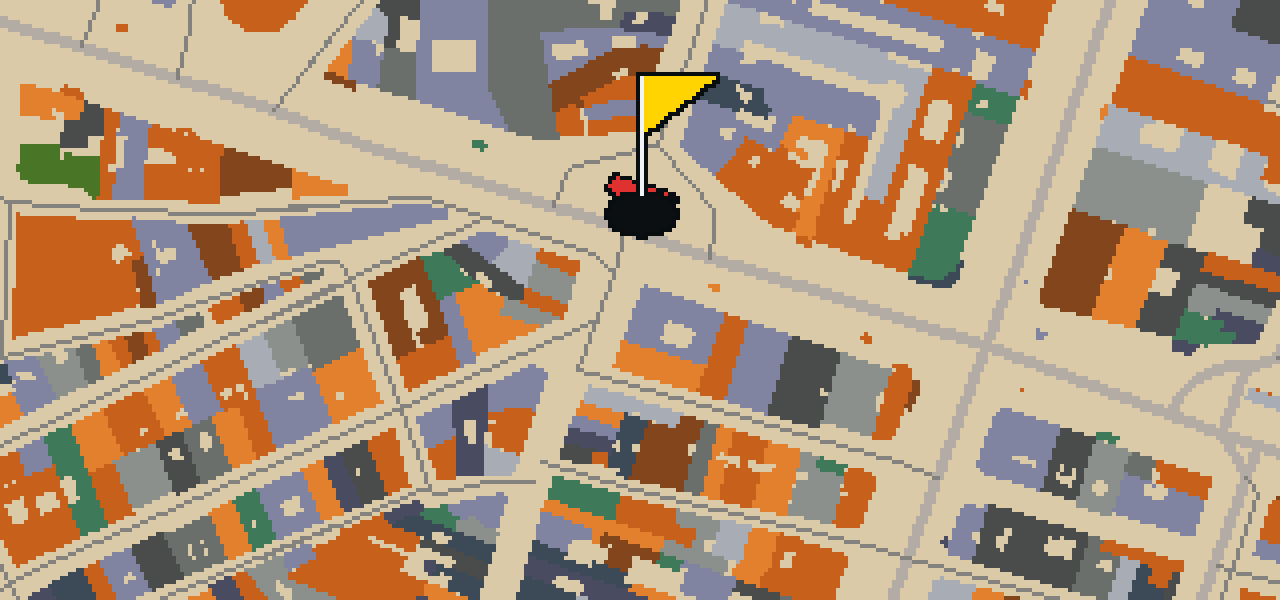
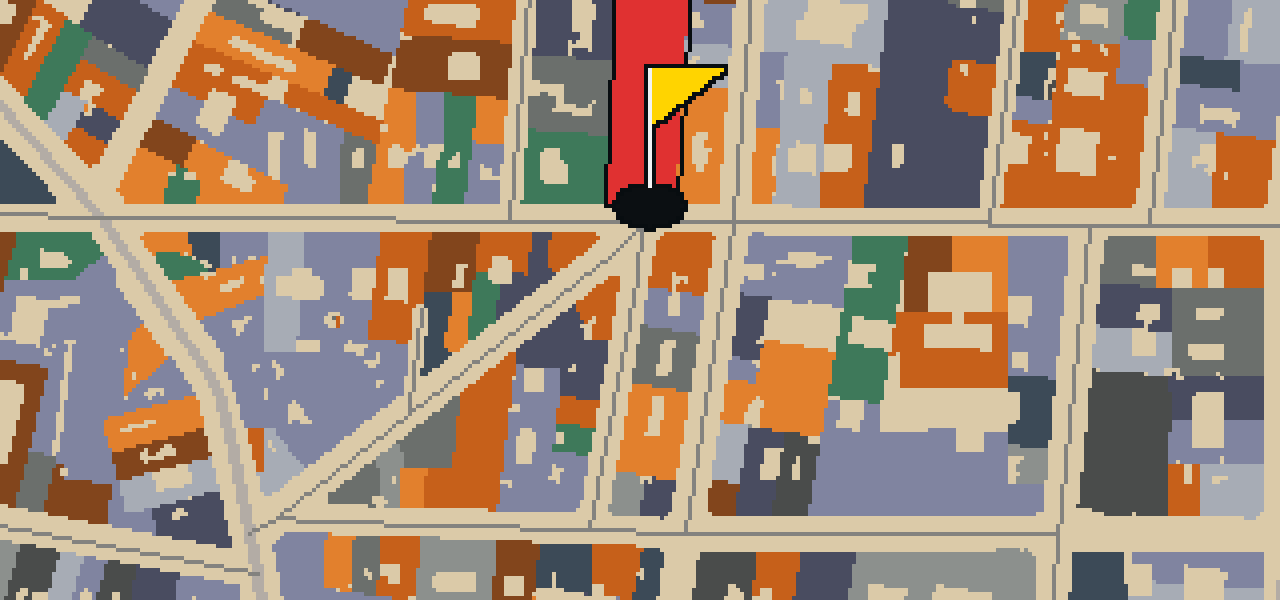
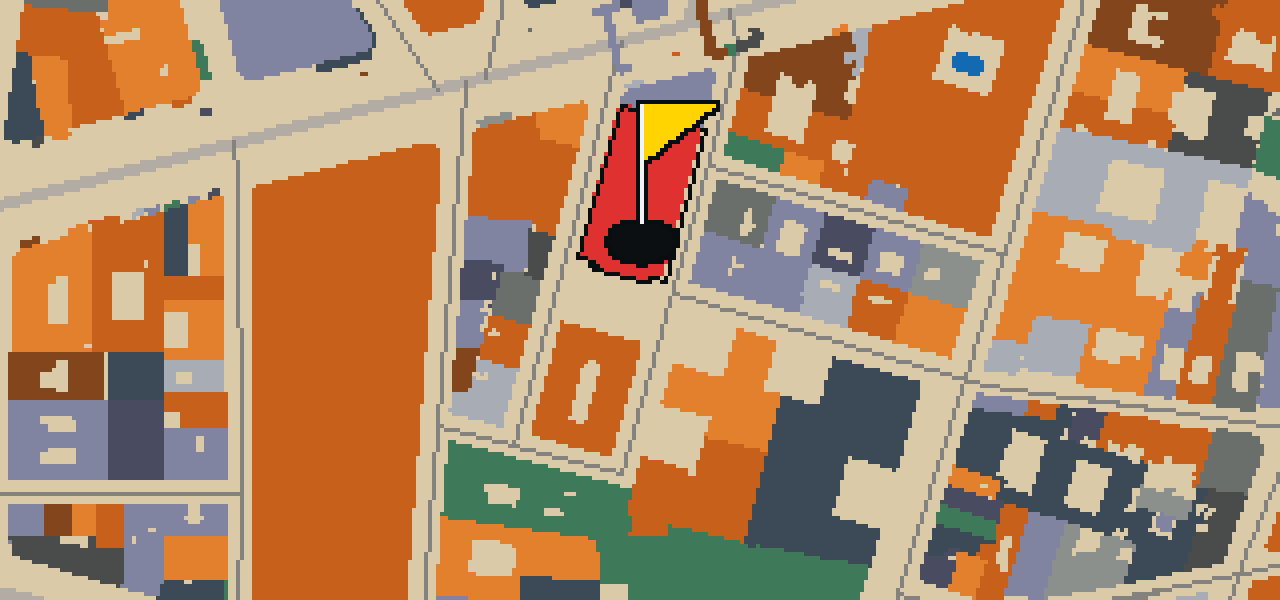
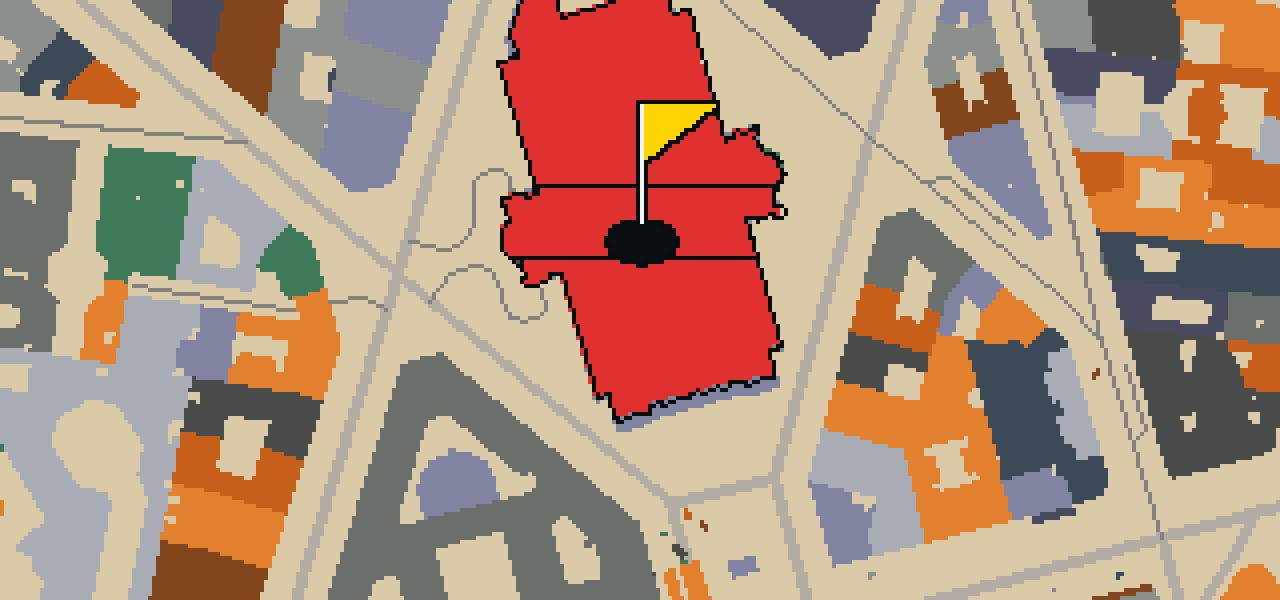
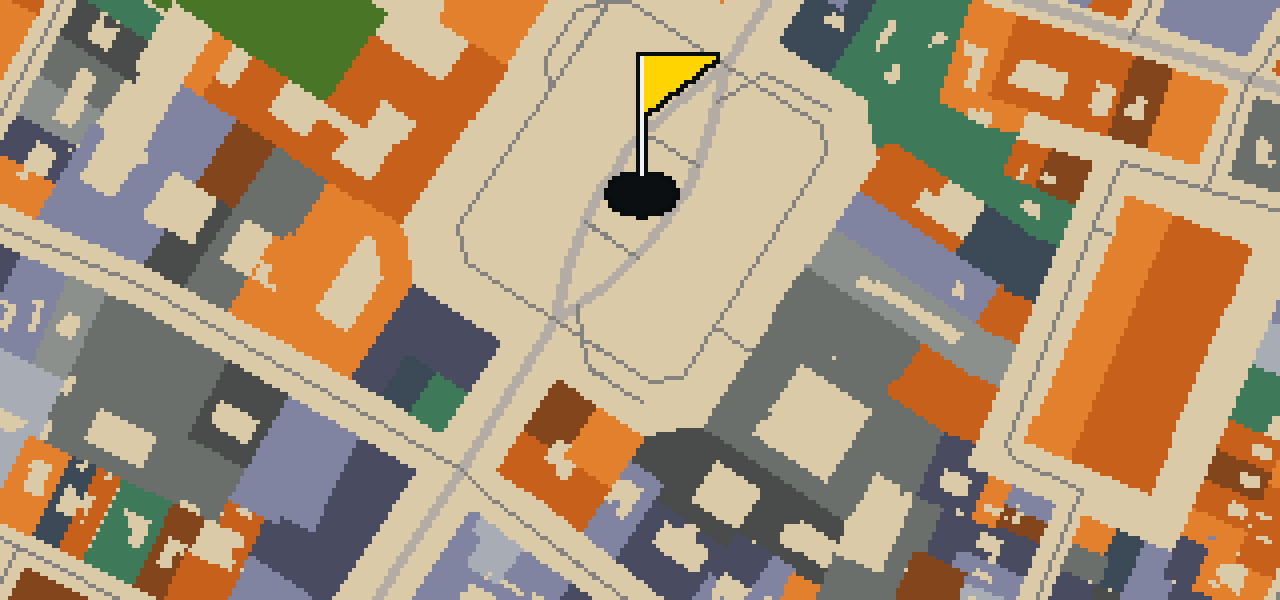
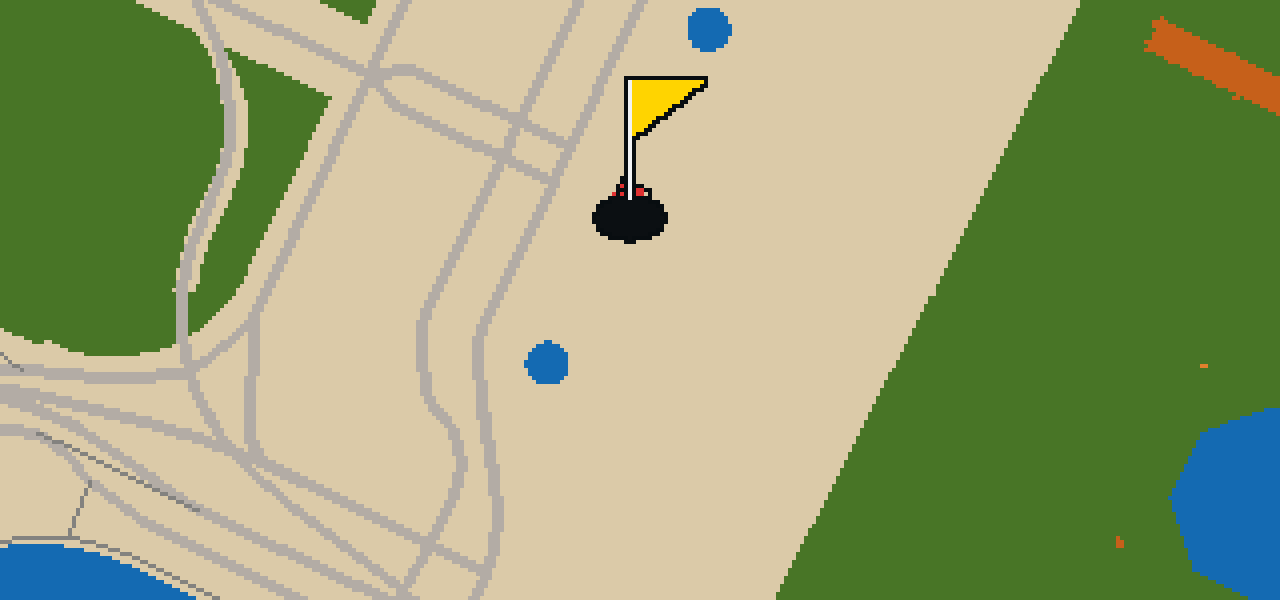
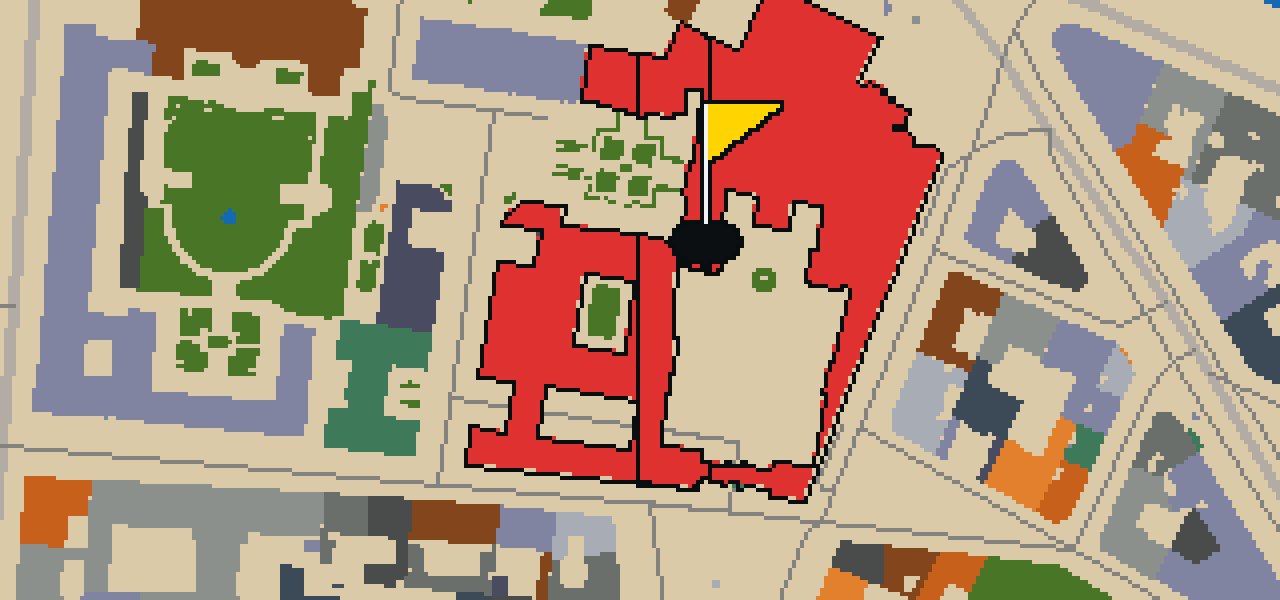
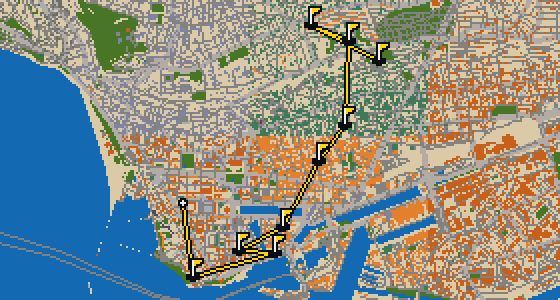
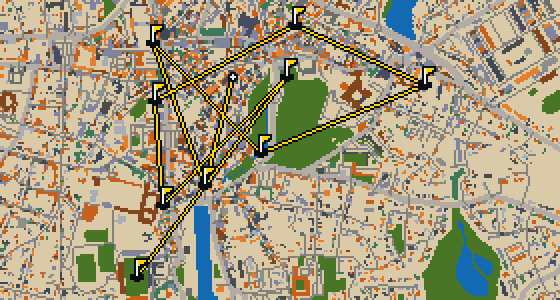
This is Paris. The map is the real city and the round is played on its real streets, where the real attractions like the Arc de Triomphe du Carrousel are what the holes are built from. Skip knows these pavements well, even the bits where the breadcrumbs are best. A full round of 18 holes covers 12 km with a par of 59, using 198 portals to bridge the gaps between landmarks.

Trouble loading? Open the game in its own tab.

HOW IT WORKS

01

Pick a city

The course is drawn on the real street grid, so the map you play is the map you walk.

02

Putt to the pin

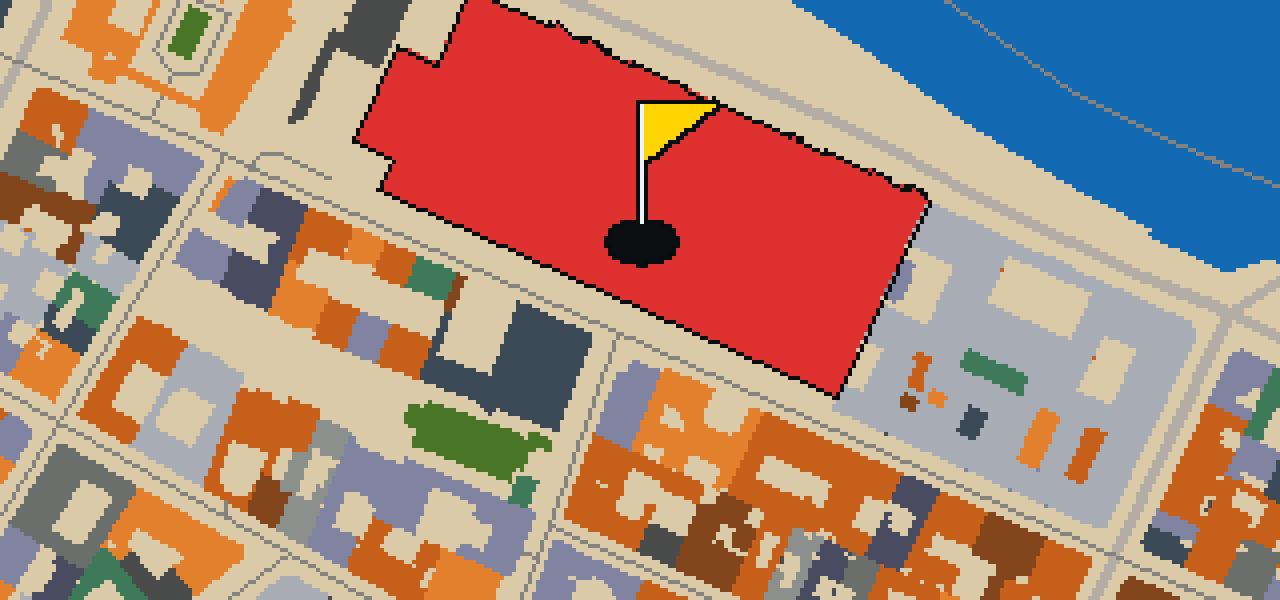
Drag to aim, release to swing. Buildings bounce and water costs you a stroke.

03

Sightsee between strokes

Every hole ends at an attraction. Sink the putt, read the story, walk to the next tee.

THE PARIS ROUND - STOP BY STOP

HOLE 1 - PAR 4

Mètre étalon

You are looking at the Mètre étalon, which is the base unit of length in the International System of Units (SI). It is a metric unit and a UCUM base unit. While it represents a standard of measurement, the way we define that distance has changed. Since 2019, the metre has been defined as the length of the path travelled by light in vacuum during a time interval of 1/299792458 of a second. I usually find it funny how humans try to pin down a single exact length while we just fly wherever the wind takes us.

Wikidata · Wikipedia

HOLE 2 - PAR 3

Pendule de Foucault

You can find the Pendule de Foucault inside the Panthéon. This physical phenomenon uses a long and heavy pendulum suspended from a high roof above a circular area. As the Earth makes its 24-hourly rotation, the plane of oscillation appears to change spontaneously. This effect is greatest at the poles and diminishes with lower latitude until it no longer exists at Earth's equator. I have noticed that the crowd always holds its breath when the ball knocks over a peg. It is a fascinating sight to see the rotation of our planet made visible right here in the city.

Wikidata · Wikipedia

HOLE 3 - PAR 4

Palais du Luxembourg

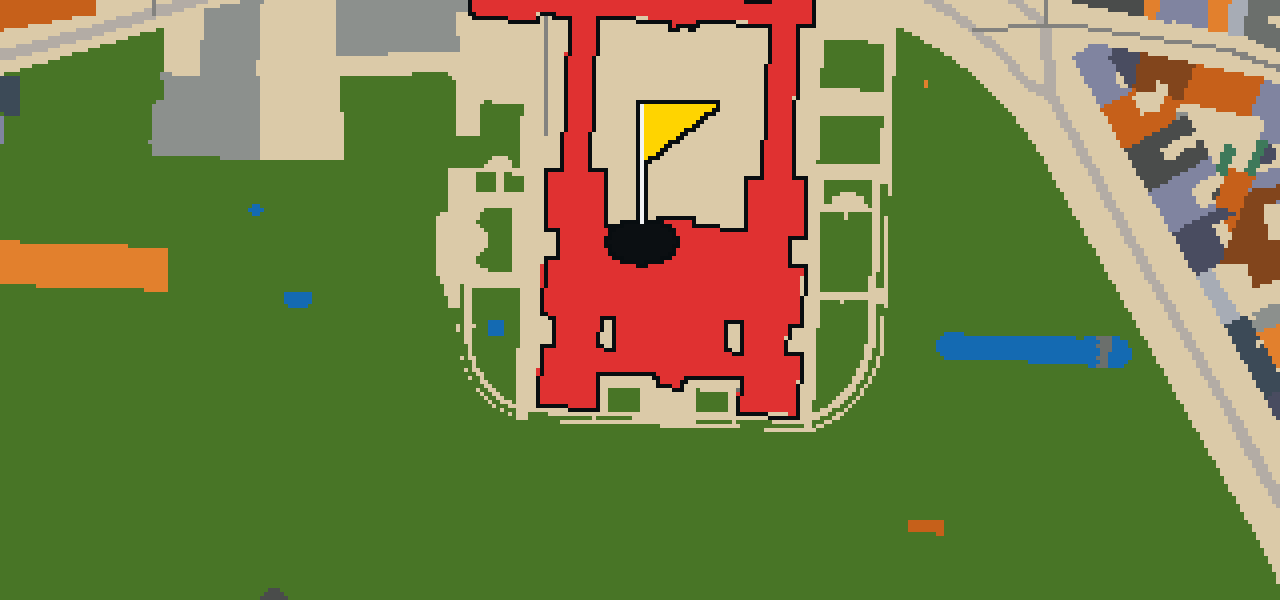
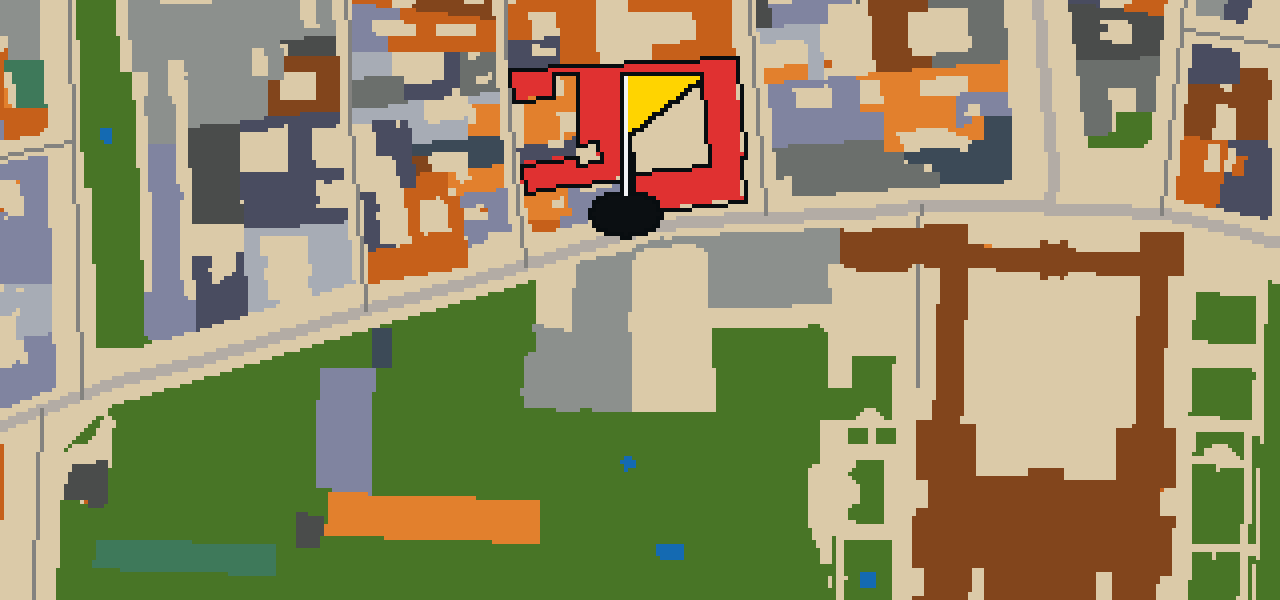
Look closely at the baroque architecture style of the Palais du Luxembourg. This palace is located at 15 Rue de Vaugirard in the 6th arrondissement of Paris, France. It was originally built between 1615 and 1645 to the designs of Salomon de Brosse, though construction was started in 1620. Over the years, the structure evolved as Alphonse de Gisors enlarged and remodeled the palace between 1835 and 1856. I've found the surrounding gardens are a great spot to relax after you've finished your round.

Wikidata · Wikipedia

HOLE 4 - PAR 3

Sainte-Chapelle

Sainte-Chapelle is located within the medieval Palais de la Cité. This chapel, which is also a secularized church, is a classified historical monument. Its inception was in 1245, and it was designed by the architect Pierre de Montreuil. You can see the Rayonnant style in its construction, and the building reaches a height of 75.75 meters. It is a place of great historical significance that remains a focal point for visitors exploring the older sections of the city.

Wikidata · Wikipedia

HOLE 5 - PAR 4

Cathédrale Notre-Dame de Paris

Notre-Dame de Paris is a Catholic cathedral, minor basilica, and parish church. Located on the Île de la Cité in the 4th arrondissement of Paris, France, it is a classified historical monument. The inception of the building was in 1163, and the structure reaches a height of 69 meters. Because of its status and history, it is one of the most visited sites in the region, receiving 13,600,000 annual visitors. You can find it situated centrally on the island in the middle of the river.

Wikidata · Wikipedia

HOLE 6 - PAR 3

Centre Georges Pompidou

Let me show you the Centre Georges Pompidou in Paris. This building was designed by architects Richard Rogers and Renzo Piano in the style of high-tech architecture. It officially opened on 31 January 1977, though its inception was in 1977. The center is named after Georges Pompidou, the President of France from 1969 to 1974. The structure stands 42 meters tall and attracts 5,367,514 visitors annually. You can pick out the bold industrial elements that make this museum building so distinct from its neighbors.

Wikidata · Wikipedia

HOLE 7 - PAR 3

Musée des Arts et Métiers

You will first notice a vast array of machinery and gadgets; this is the Musée des Arts et Métiers. Located in Paris, it functions as a science, technology, automobile, and university museum. It is primarily an industrial design museum that houses the collection of the Conservatoire national des arts et métiers. This specific institution was founded in 1794 to serve as a repository for the preservation of scientific instruments and inventions. It is a popular spot that sees 250,000 annual visitors. I find the sheer variety of old inventions quite impressive.

Wikidata · Wikipedia

HOLE 8 - PAR 3

Porte Saint-Denis

The Porte Saint-Denis is a triumphal arch built in the classical architecture style. You can find it in the 10th arrondissement of Paris, where it sits at the site of one of the gates of the Wall of Charles V. It is a classified historical monument that reaches a height of 24.65 meters. François Blondel was the architect for this project, which was started in 1672. I've noticed the street traffic always swirls around it in a very specific way.

Wikidata · Wikipedia

HOLE 9 - PAR 3

Folies Bergère

You will first notice the Art Deco style of the Folies Bergère, a famous cabaret music hall in Paris. Located at 32 Rue Richer in the 9th Arrondissement, this theatre building and performance hall is a monument historique inscrit. The architect Plumeret built the venue as an opera house. It opened on 2 May 1869 under the name Folies Trévise before it became the Folies Bergère on 13 September 1872. I've found that the street view here is always a bit more colorful than the next block over.

Wikidata · Wikipedia

HOLE 10 - PAR 3

Théâtre national de l'Opéra Comique

This is not a modern concert hall, but the Théâtre national de l'Opéra Comique. Located at Place Boïeldieu in the 2nd arrondissement of Paris, it is both an opera company and a theatre building. The Opéra-Comique was founded around 1714 by some of the popular theatres of the Parisian fairs, though the inception of the Théâtre national de l'Opéra Comique was 1715. Up to about 1793, the company was called the Théâtre-Italien. I always find the history of these old stages fascinating.

Wikidata · Wikipedia

HOLE 11 - PAR 3

Opéra Garnier

Charles Garnier was the architect of Opéra Garnier. He created a structure that is both an opera house and a museum building. The inception of the project was in 1861, and it has been a monument historique of France since 1923. It is also a classified historical monument. You can pick out the grand scale of the place as you walk by. I've found that the fancy facade makes for a great spot to watch the crowds from a ledge.

Wikidata · Wikipedia

HOLE 12 - PAR 3

Colonne Vendôme

You will first notice the massive scale of the Colonne Vendôme, a victory column and sculpture that reaches a height of 44.3 meters. This classified historical monument was designed by architects Jacques Gondouin and Jean-Baptiste Lepère, with its inception running from 1805 to 1810. It is a significant landmark in the city, though its history is turbulent. While Napoleon I originally put the column up to commemorate the Battle of Austerlitz, the Paris Commune issued a decree to tear the original structure down on 16 May 1871. I've seen plenty of statues, but this one really towers over the square.

Wikidata · Wikipedia

HOLE 13 - PAR 3

Place de la Concorde

You will first notice the sheer scale of Place de la Concorde, as it is the largest square in Paris. Located in the 8th arrondissement, this public square measures 7.6 ha in area. It was started in 1772 and was designed by the architect Ange-Jacques Gabriel. Today, it is a classified historical monument that visitors can wander through to get a feel for the city's layout. I usually find the open space a nice break from the narrower streets nearby.

Wikidata · Wikipedia

HOLE 14 - PAR 3

Assemblée nationale

Look for the députés, or deputies, who make up the membership of this legislature. The Assemblée nationale is a lower house and an assembly that had its inception in 1958. It functions as the lower house of the bicameral French Parliament under the Fifth Republic. While you are here, you can think about the other half of that bicameral system, as the Senate is the upper house of the French Parliament. I've always found the bustle around this building fascinating.

Wikidata · Wikipedia

HOLE 15 - PAR 3

Grand Palais

Located in the heart of Paris, the Grand Palais is an event venue and convention center. This classified historical monument is built in the Art Nouveau architecture style and was designed by Charles Girault. Construction of the building began in 1897, and it had its inception in 1900. Today, the site remains a major draw for the public, seeing 1,500,000 annual visitors. I've seen plenty of tourists stop in their tracks just to look up at the glasswork. It is a wonderful spot to pause and appreciate the scale of the city's heritage.

Wikidata · Wikipedia

HOLE 16 - PAR 4

Palais de l'Élysée

Located in Paris, the Palais de l'Élysée is a city palace that serves as the official residence of the president of France. You can pick out the baroque and Classicism styles in its design, which identify it as a classified historical monument. Armand Claude Mollet and Pierre-François-Léonard Fontaine were architects of the palace. I have spent a lot of time gliding over the rooftops of this city, and the scale of this residence always catches my eye. It is a place where the city's formal elegance is on full display for everyone to see.

Wikidata · Wikipedia

HOLE 17 - PAR 4

L'Olympia

Let me show you L'Olympia, a concert hall and theatre building in the 9th arrondissement of Paris. This venue was started in 1893 and is located at 28 Boulevard des Capucines, which is 300 metres north of the Place Vendôme. It is officially a monument historique inscrit. I've found that the area around the Boulevard des Capucines always has a great energy for people heading to a show, and the building itself is a landmark you cannot miss when walking through this part of the city.

Wikidata · Wikipedia

HOLE 18 - PAR 3

Arc de Triomphe du Carrousel

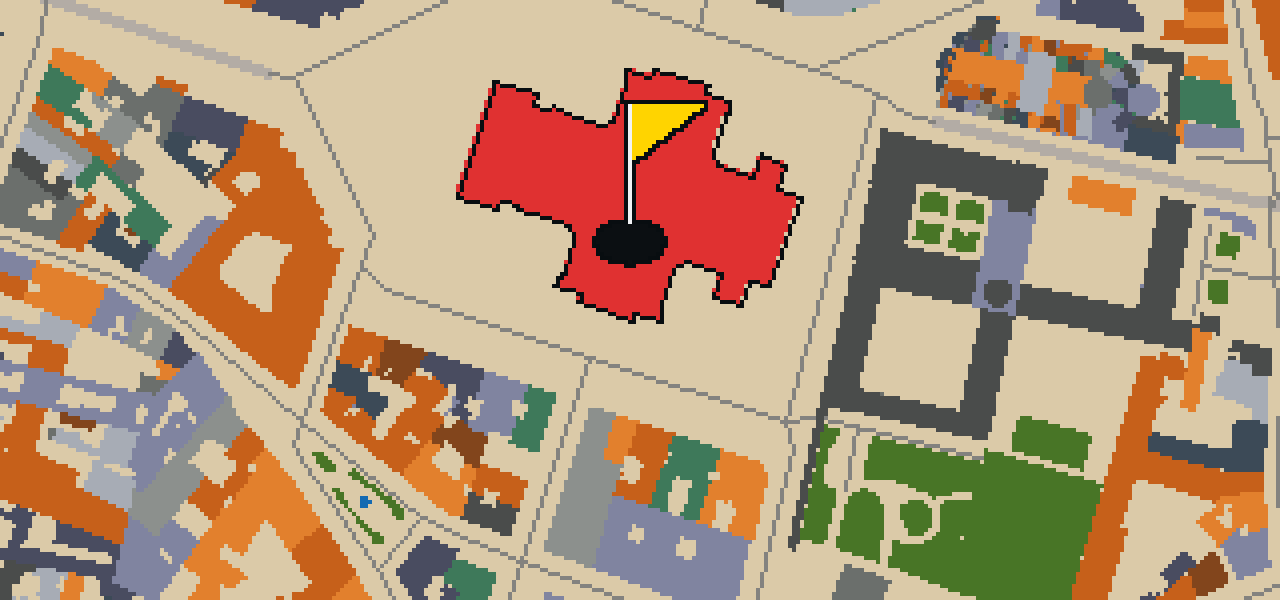
Pierre-François-Léonard Fontaine was the architect behind the Arc de Triomphe du Carrousel. Located in the Place du Carrousel in Paris, this triumphal arch is an example of Neoclassicism. You can pick out the Corinthian order used in its Neoclassical architecture. The arch was built between 1806 and 1808 to commemorate Napoleon's military victories in the Wars of the Third and Fourth Coalitions. I've noticed the street layout here makes for a tricky bank shot if you aren't careful with your aim.

Wikidata · Wikipedia

STOP 19

Musée d'Orsay

You will find the Musée d'Orsay in Paris, France, on the Left Bank of the Seine. It is an art museum, national museum, and production company that had its inception in 1986. The museum is housed in the former Gare d'Orsay, which was a Beaux-Arts railway station. When you walk through the halls, you can pick out mainly French art dating from 1848 to 1914. I've always found the scale of the old station halls impressive, though I prefer the view from the roof.

Wikidata · Wikipedia

OTHER COURSES

18 HOLES - PAR 56

Versailles

18 stops

This is Versailles. The map is the real city and the round is played on its real streets, using attractions like the Château de Versailles as the basis for the holes. Skip is a local guide who knows every cobblestone. It is a full round of 18 holes with a par of 56, covering a walk of 11.7 km. The ball uses 6 portals to move between the different districts.

9 HOLES - PAR 26

Vannes

9 stops

A quick nine-hole round winds through Vannes, following the real city map and its actual streets. The course uses local attractions, such as Cathédrale Saint-Pierre, to form the holes. Skip knows every corner of this 4.8 km walk, including the two portals that skip over the long stretches. A pigeon's eye view is the best way to see how the ball rolls.

9 HOLES - PAR 28

Tours

9 stops

This is Tours, where the map is the real city and the round is played on its real streets. The holes are built from real attractions, like the Cathédrale Saint-Gatien. Skip is a local guide who knows the place. It is a quick round of 9 holes with a par of 28, covering a 5.5 km walk with two portals for the ball to ride.

9 HOLES - PAR 27

Toulon

9 stops

This is a quick nine-hole round through Toulon. The map is the real city and the play happens on its actual streets, using attractions like the Opéra as the basis for the holes. Skip knows these sidewalks well and will act as the local guide for the 5.2 km walk. Six portals help move the ball across the city.

FAQ

Is it free to play?

Yes. Every course runs in the browser with no account and no install.

Do I need to be in the city?

No. The full round plays from anywhere. Walking the real route is a nice way to see the city, but it is not required.

Are the maps real?

Yes. The geometry comes from OpenStreetMap data, rendered chunky on purpose. Streets, water and parks sit where they really are.