
NÎMES - 9 HOLES - FREE

NÎMES
CITY MAP MINIGOLF

Nîmes - 9 stops - par 25

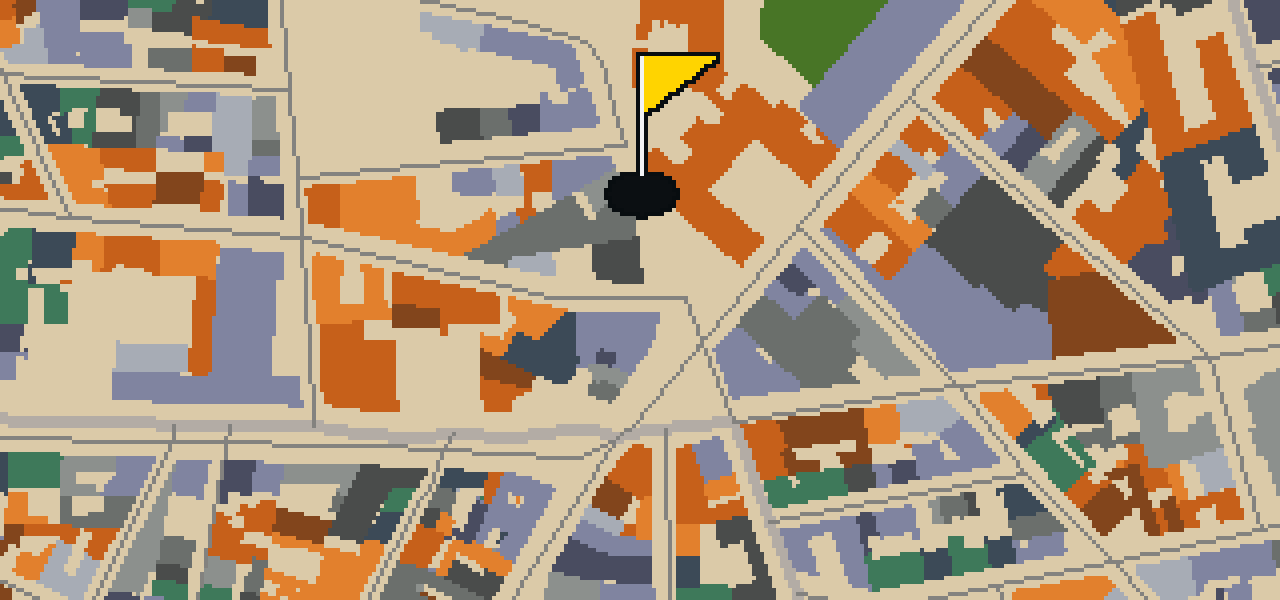
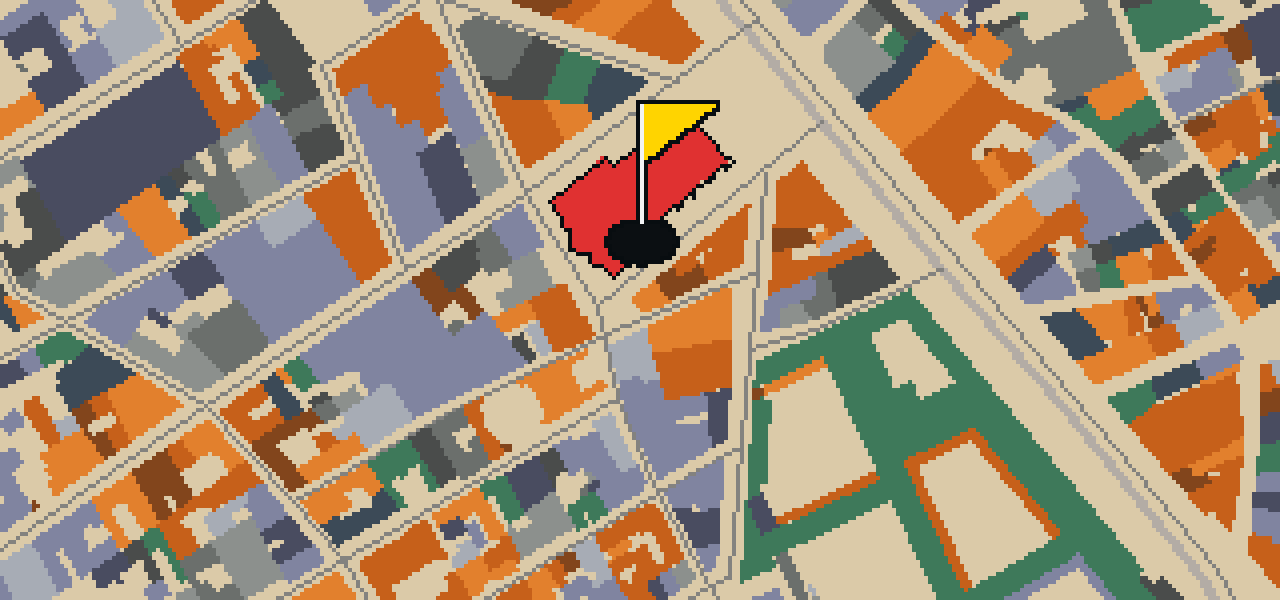
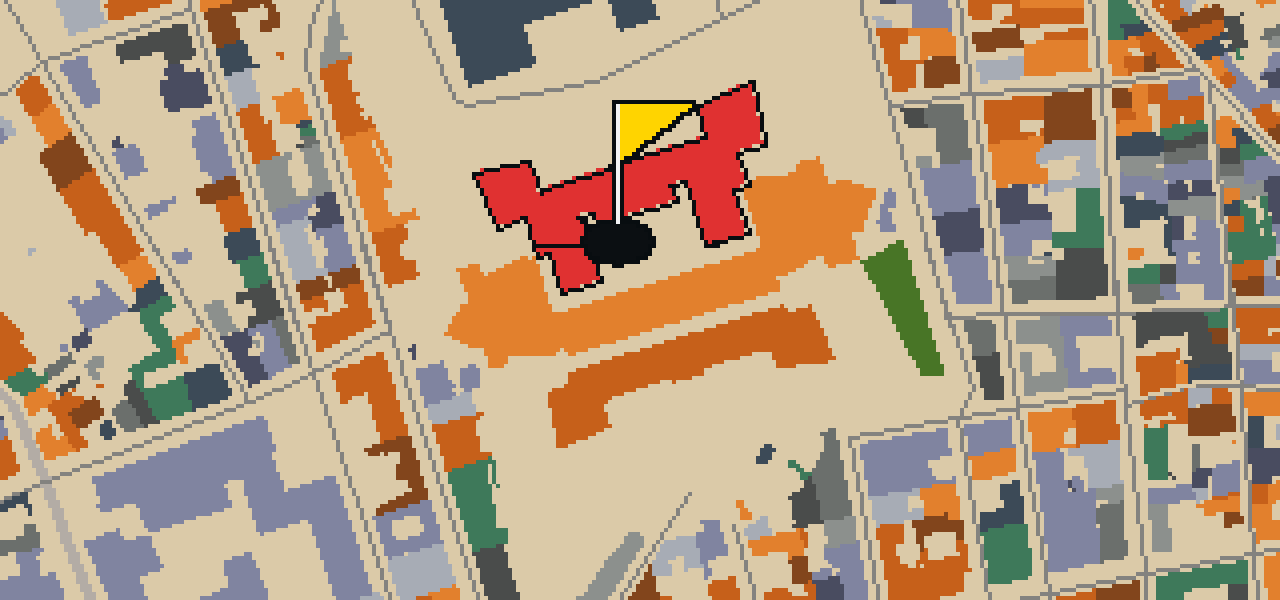
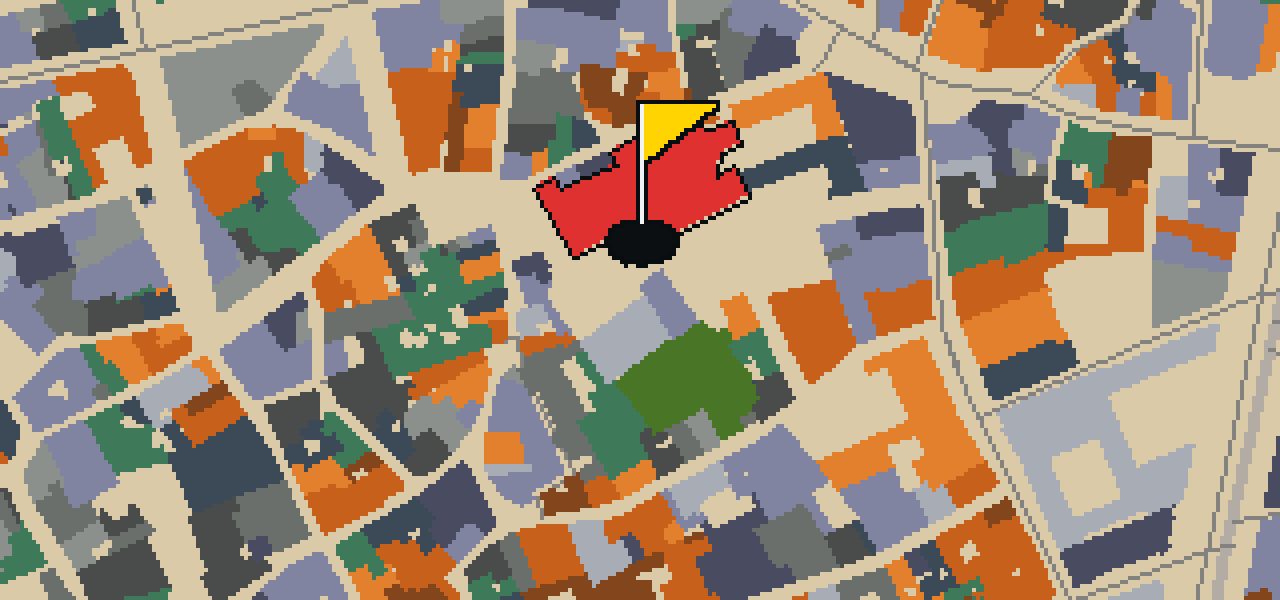
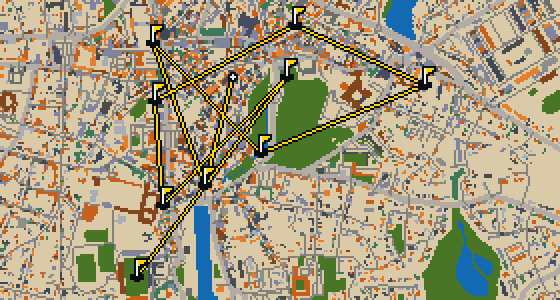
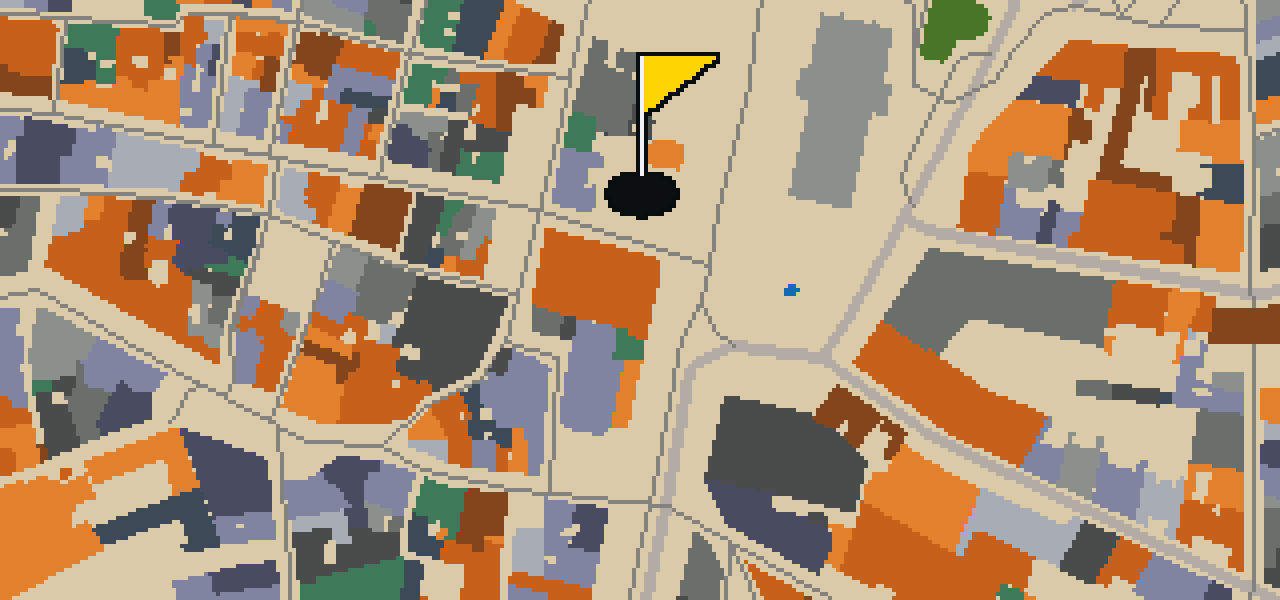
Banking a ball off the limestone of the Maison Carrée feels different than any other street. This round takes place in Nîmes, using the real city map and its actual streets for the course. The holes are built directly from the local attractions, and Skip knows every nook of this place. It is a quick nine-hole round covering 4.7 km, with a couple of portals to speed up the walk.

Trouble loading? Open the game in its own tab.

HOW IT WORKS

01

Pick a city

The course is drawn on the real street grid, so the map you play is the map you walk.

02

Putt to the pin

Drag to aim, release to swing. Buildings bounce and water costs you a stroke.

03

Sightsee between strokes

Every hole ends at an attraction. Sink the putt, read the story, walk to the next tee.

THE NÎMES ROUND - STOP BY STOP

HOLE 1 - PAR 3

Maison Carrée

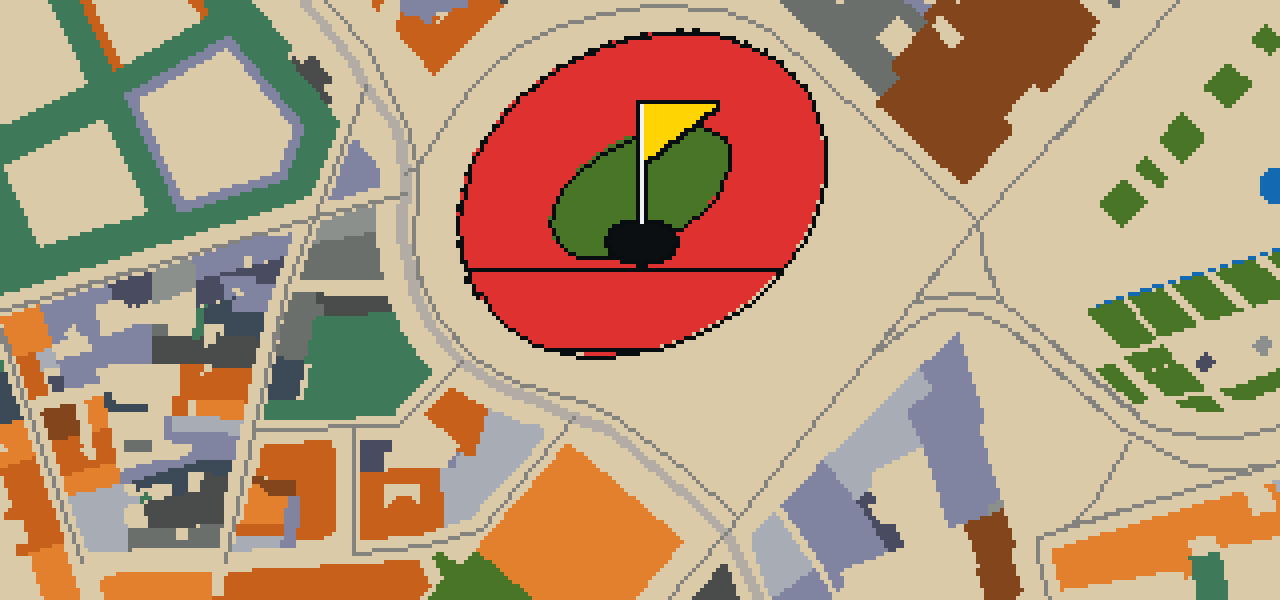
You can see the intricate details of the Corinthian order style on the columns of the Maison Carrée. This ancient Roman temple in Nîmes, southern France, is a mid-sized Augustan provincial temple of the Imperial cult, known as a caesareum. Beyond its architecture, the structure is an archaeological site and a classified historical monument. It is one of the most well-preserved examples of an ancient Roman structure in the region. Because of its preservation and significance, it is also recognized as a World Heritage Site. When you look at the building, you are seeing a piece of history that has remained largely intact through the centuries, providing a clear window into the Imperial cult of the Augustan era.

Wikidata · Wikipedia

HOLE 2 - PAR 3

Porte d'Auguste

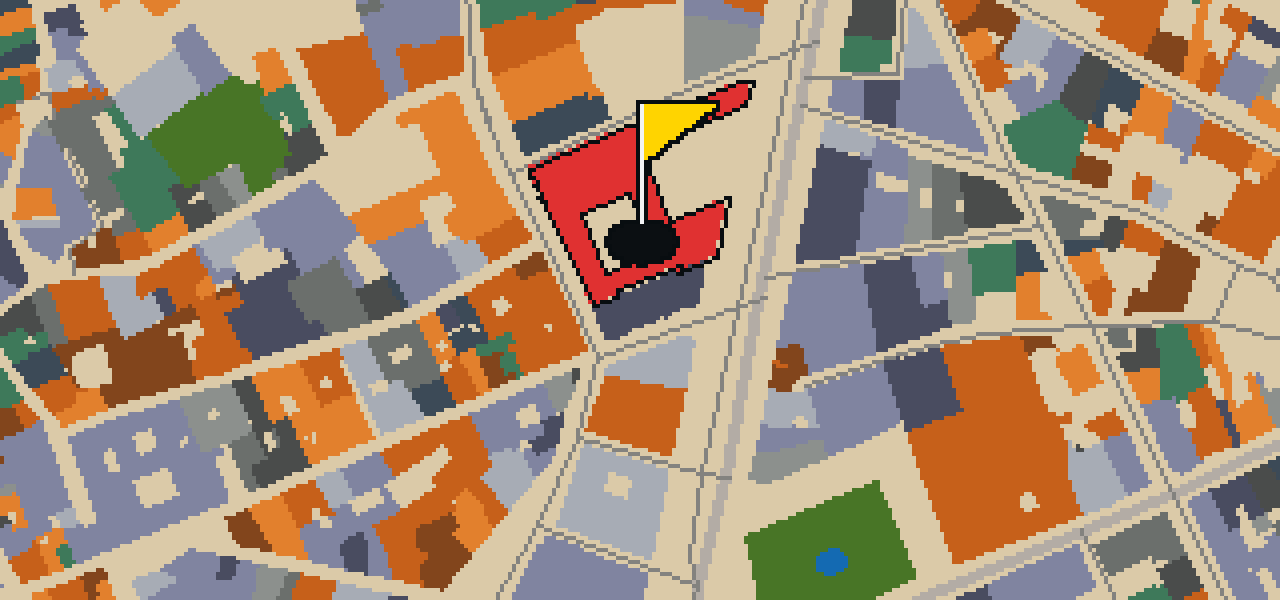
You will first notice the imposing stone arches of Porte d'Auguste. This city gate is one of the most prominent remnants of the city's ancient infrastructure. Construction on the gate was started in 16 BC, making it a significant point of interest for anyone walking through the center of Nîmes today. Because of its preservation and age, the site is a classified historical monument. I always find the scale of the masonry impressive when flying overhead, as it shows just how substantial the original city entrances were meant to be for those arriving on foot or by carriage. It is a great spot to stop and admire the craftsmanship of the stone before moving on to the next landmark in the city.

Wikidata

HOLE 3 - PAR 2

Arènes de Nîmes

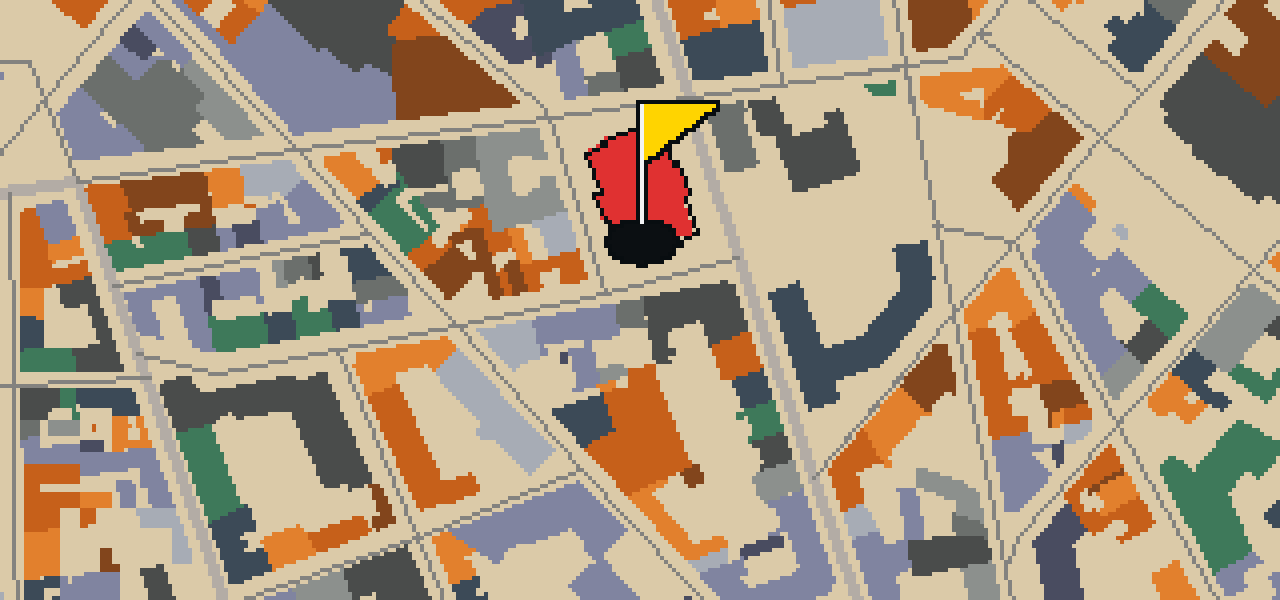
Let me show you the Arènes de Nîmes, a Roman amphitheatre in Southern France. Its inception was in 90, and it was built around 100 AD. This site is a classified historical monument that has survived since the Roman era. You can pick out the massive scale of the structure, which is 133 metres long and 101 metres wide, with an inner arena measuring 68 by 38 metres. In Roman times, the building could hold 24,000 spectators spread over 34 tiers of terraces. The outer facade stands 21 metres high and contains two storeys of 60 arcades. It is a great spot to see how the ancients managed huge crowds, though I mostly appreciate it for the wide ledges that make for a comfortable perch.

Wikidata · Wikipedia

HOLE 4 - PAR 3

Collège des Jésuites

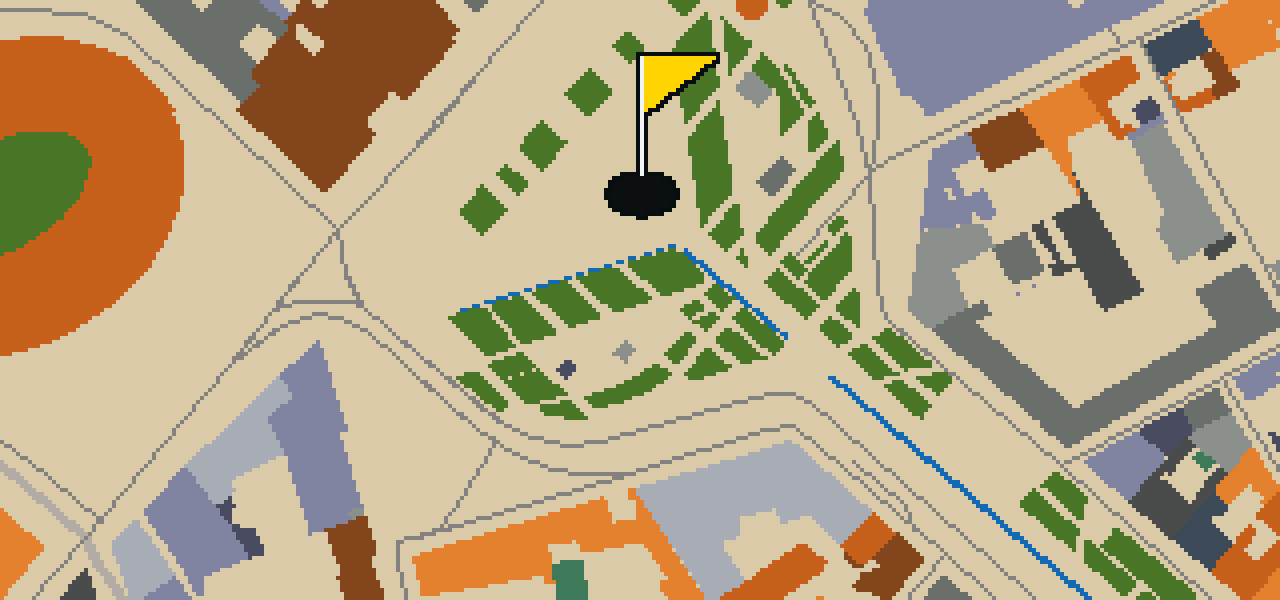
Let me show you the Collège des Jésuites. It is a school building that holds a special place in the city's architecture. When you look at the structure, you can pick out the details that earned it the status of a classified historical monument. It is also recognized as a monument historique inscrit. I always find the atmosphere here quite different from the busier streets nearby, making it a peaceful point of interest for any visitor to Nîmes. Whether you are here for the game or just exploring the neighborhood, the building stands as a significant piece of the local heritage. I like to watch the way the light hits the facade at different times of the day, which brings out the character of the stone and the history embedded in the walls.

Wikidata

HOLE 5 - PAR 2

Musée des Beaux-Arts

The Musée des Beaux-Arts is an art museum located in southern France. It is the fine arts museum of Nîmes and had its inception in 1824. Visitors can explore the collections here, and the site sees 14,905 annual visitors. I have seen plenty of folks wandering in and out of these doors while I was looking for a good crumb of bread. It is a steady spot for anyone wanting to see the local artistic heritage of the region. Since it is the primary fine arts museum for the city, it is a key stop for anyone wanting to understand the creative history of Nîmes. Whether you are a seasoned traveler or just passing through southern France, this museum offers a glimpse into the art that defines the area. I usually prefer the view from the rooftops, but the treasures inside are worth your time.

Wikidata · Wikipedia

HOLE 6 - PAR 3

Fontaine Pradier

You will first notice the flowing water of Fontaine Pradier, which is a fountain located here in Nîmes. It is a spot where you can pause and take in the local atmosphere while the water runs. Beyond its visual appeal and its role as a public water source, this site is a monument historique inscrit. I find it is a great place to watch the city move around you while you enjoy the sound of the water. Whether you are passing through on your way to other landmarks or just exploring the neighborhood, this fountain is a steady presence in the urban environment. It is the kind of place where you can simply stop for a moment and appreciate the architecture of the city before moving on to your next destination.

Wikidata

HOLE 7 - PAR 3

Porte de France (Nîmes)

Let me show you Porte de France, a city gate here in Nîmes. This structure is a classified historical monument, which means it is officially protected and recognized for its significance to the city. When you stand before it, you can see the scale of the masonry and the way it once controlled access to the urban center. It is a great spot to stop and appreciate the local architecture before you continue your walk through the streets. I often notice people pausing here to look up at the details of the gate's construction. Whether you are a history enthusiast or just passing through, this site is an important piece of the city's physical identity that remains standing for everyone to see today.

Wikidata

HOLE 8 - PAR 3

Église Saint-Paul

You will first notice the Romanesque Revival architecture style of Église Saint-Paul. This church building is a classified historical monument in Nîmes, making it a significant point of interest for those exploring the city's religious sites. The construction of the building was started in 1835. Charles-Auguste Questel was the architect of Église Saint-Paul, and his work is evident in the structural details of the facade and the overall layout of the sanctuary. Visitors often stop here to observe how the revivalist style blends with the surrounding urban environment. Because it is a classified historical monument, the site is preserved to maintain the integrity of Questel's original vision and the architectural standards of the nineteenth century. It remains a calm and direct example of the era's ecclesiastical design within the heart of the city.

Wikidata

HOLE 9 - PAR 3

Fort Vauban

Let me show you Fort Vauban, a fort that stands as a key part of the city's defenses. You can pick out the specific influence of its architect, François Ferry, in the layout and construction of the walls. This site was designed to protect the area and manage the strategic movements of troops. Its inception was in 1686, marking a period of significant fortification across the region. Whether you are interested in military history or just want to see how the city was once guarded, this fort provides a clear look at those old defensive strategies. I find the scale of the stonework quite impressive when you see it from the ground.

Wikidata

STOP 10

Cathédrale Notre-Dame et Saint-Castor

Cathédrale Notre-Dame et Saint-Castor is a Roman Catholic church in Nîmes, France. The building is constructed in the style of classical architecture and is a classified historical monument. It holds the status of both a Catholic cathedral and a minor basilica. The cathedral is dedicated to the Blessed Virgin Mary and to the local Saint Castor of Apt. Visitors to the site can see how the classical architectural style defines the structure of this religious landmark. It is a place of worship that remains an important part of the city's religious and historical identity, serving the community as a Catholic cathedral while also maintaining its designation as a minor basilica.

Wikidata · Wikipedia

OTHER COURSES

9 HOLES - PAR 24

Le Havre

9 stops

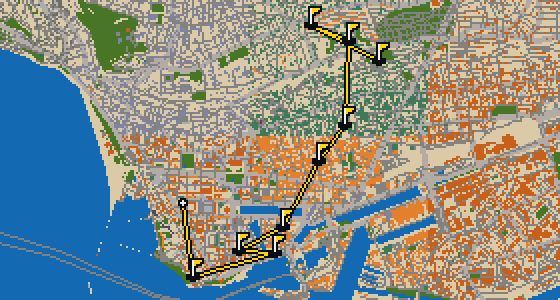
This is Le Havre. The map is the actual city and the round is played on its real streets, using attractions like Église Saint-Joseph as the basis for the holes. Skip is a local guide who knows every corner. It is a quick round of 9 holes with a par of 24, covering a walk of 5.1 km and using 8 portals to move between districts.

18 HOLES - PAR 56

Versailles

18 stops

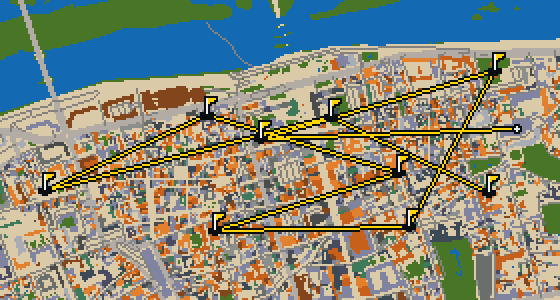
This is Versailles. The map is the real city and the round is played on its real streets, using attractions like the Château de Versailles as the basis for the holes. Skip is a local guide who knows every cobblestone. It is a full round of 18 holes with a par of 56, covering a walk of 11.7 km. The ball uses 6 portals to move between the different districts.

9 HOLES - PAR 26

Vannes

9 stops

A quick nine-hole round winds through Vannes, following the real city map and its actual streets. The course uses local attractions, such as Cathédrale Saint-Pierre, to form the holes. Skip knows every corner of this 4.8 km walk, including the two portals that skip over the long stretches. A pigeon's eye view is the best way to see how the ball rolls.

9 HOLES - PAR 28

Tours

9 stops

This is Tours, where the map is the real city and the round is played on its real streets. The holes are built from real attractions, like the Cathédrale Saint-Gatien. Skip is a local guide who knows the place. It is a quick round of 9 holes with a par of 28, covering a 5.5 km walk with two portals for the ball to ride.

9 HOLES - PAR 27

Toulon

9 stops

This is a quick nine-hole round through Toulon. The map is the real city and the play happens on its actual streets, using attractions like the Opéra as the basis for the holes. Skip knows these sidewalks well and will act as the local guide for the 5.2 km walk. Six portals help move the ball across the city.

FAQ

Is it free to play?

Yes. Every course runs in the browser with no account and no install.

Do I need to be in the city?

No. The full round plays from anywhere. Walking the real route is a nice way to see the city, but it is not required.

Are the maps real?

Yes. The geometry comes from OpenStreetMap data, rendered chunky on purpose. Streets, water and parks sit where they really are.