
MARSEILLE - 18 HOLES - FREE

MARSEILLE
CITY MAP MINIGOLF

Marseille - 18 stops - par 55

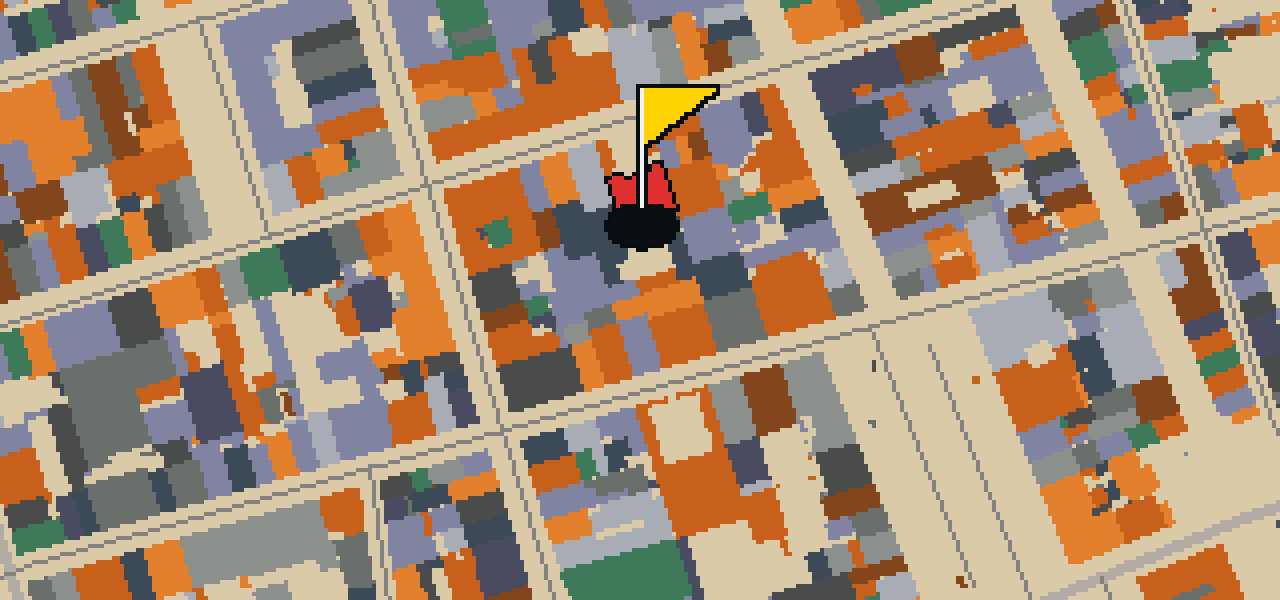
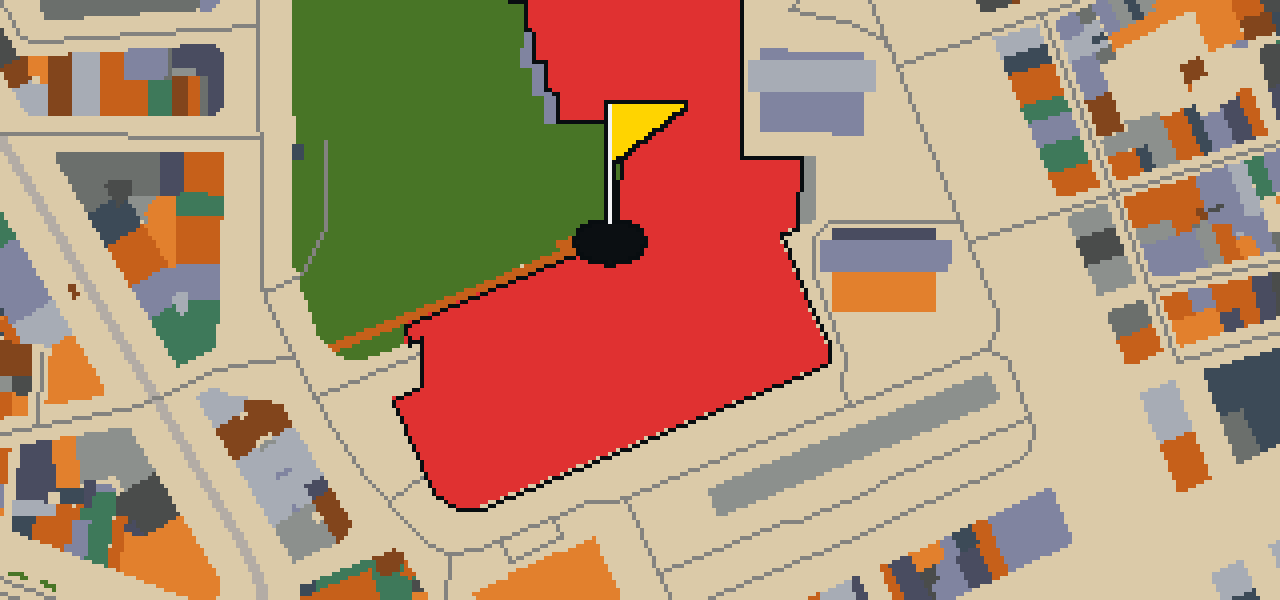
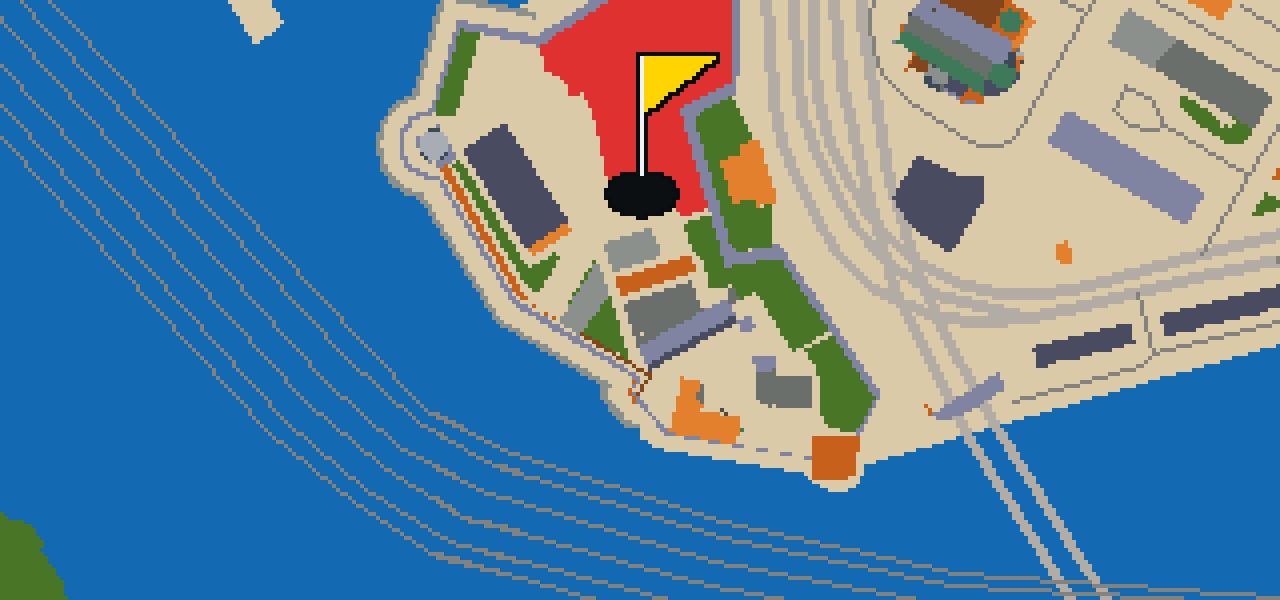
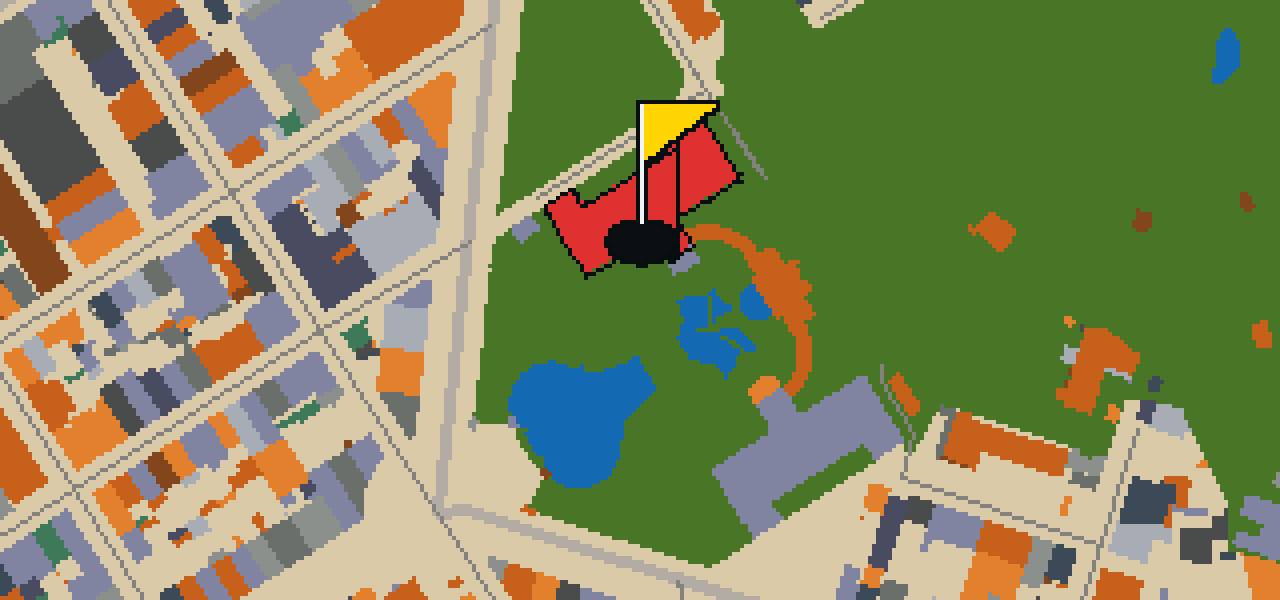
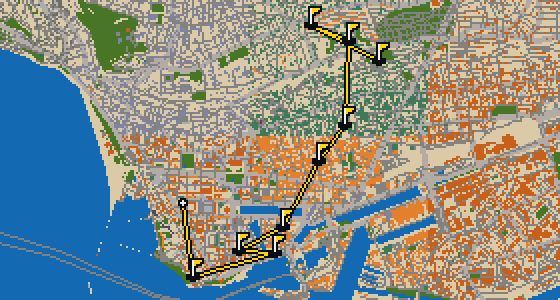
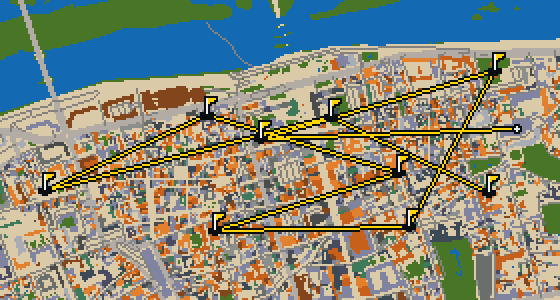
Marseille is the setting for this round, where the map is the real city and the ball rolls across its actual streets. The holes are built from real attractions, starting at the Basilique Notre-Dame de la Garde. This full round of 18 holes covers 10.9 km with a par of 55, using 42 portals to move between districts. Skip is a local guide who knows these pavements well, even the spots where the crumbs are best.

Trouble loading? Open the game in its own tab.

HOW IT WORKS

01

Pick a city

The course is drawn on the real street grid, so the map you play is the map you walk.

02

Putt to the pin

Drag to aim, release to swing. Buildings bounce and water costs you a stroke.

03

Sightsee between strokes

Every hole ends at an attraction. Sink the putt, read the story, walk to the next tee.

THE MARSEILLE ROUND - STOP BY STOP

HOLE 1 - PAR 3

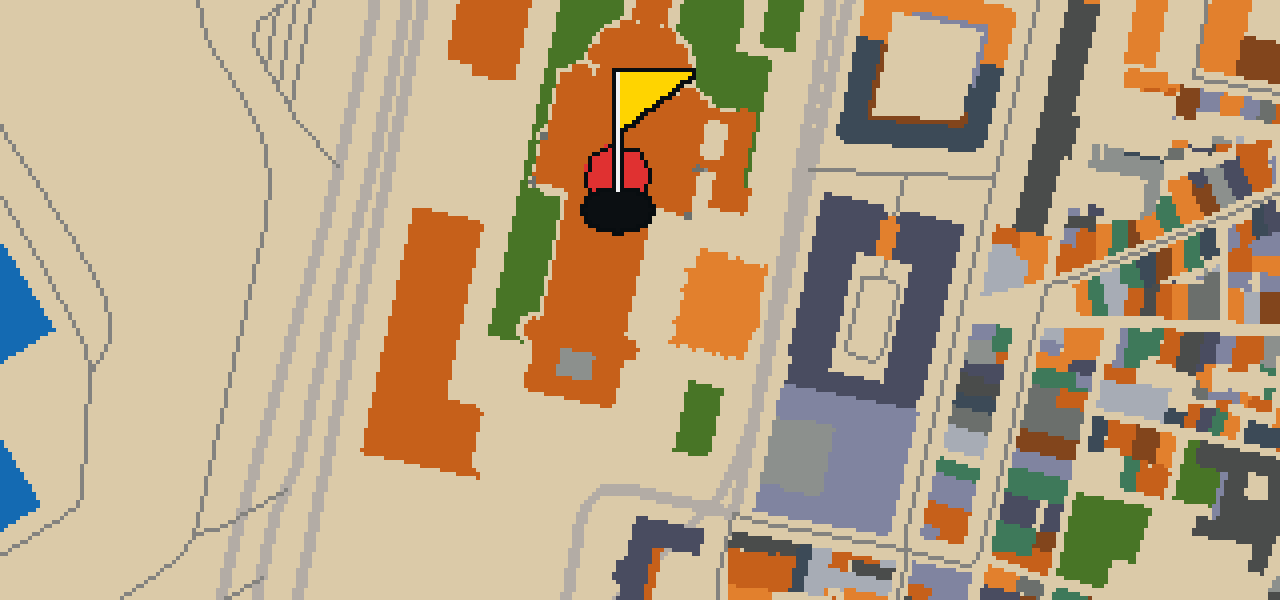
Basilique Notre-Dame de la Garde

This site is not a military outpost, though it occupies a strategic height. It is the Basilique Notre-Dame de la Garde, a Catholic basilica in Marseille, France. Designed by architect Henri-Jacques Espérandieu, the church building is a minor basilica featuring Byzantine Revival architecture. The structure reaches a height of 60 m. The inception of the building was in 1853, and it was placed on the foundations of an ancient fort at a 149 m limestone outcropping. It remains one of the most recognizable landmarks in the city.

Wikidata · Wikipedia

HOLE 2 - PAR 3

Grande Synagogue

This building is not a civic hall or a museum; it is the Grande Synagogue. Located on Rue Breteuil in the 6th arrondissement of Marseille, the synagogue was started in 1864. It is built in the Romanesque architecture style and is a monument historique inscrit. The building was listed as a monument historique in 2007. Within these walls, the congregation worships in the Sephardi rite. It is a significant site for the community and a notable example of the architectural heritage found within this part of the city.

Wikidata · Wikipedia

HOLE 3 - PAR 3

Musée Cantini

Let me show you the Musée Cantini, an art museum located in Marseille. Established in 1936, it has been open to the public since that same year. The museum specializes in modern art, with a particular focus on paintings from the first half of the 20th century. I find it a great spot to see how styles shifted during that era. It is a popular destination in the city, drawing 76,298 annual visitors. It is a wonderful place to spend an afternoon if you appreciate the evolution of art in the early 1900s.

Wikidata · Wikipedia

HOLE 4 - PAR 3

Musée d'histoire de Marseille

The Musée d'histoire de Marseille is the local historical and archaeological museum of Marseille in France. You enter the museum building from within the Centre Bourse shopping arcade. It was founded in 1983, though the site was excavated in 1967. The museum opens out onto the Jardin des Vestiges, which contains classical ramparts, port buildings, and a necropolis. It sees 43,824 annual visitors. I've noticed it's a bit of a surprise to find such a deep dive into the past tucked inside a shopping area.

Wikidata · Wikipedia

HOLE 5 - PAR 3

Vieux-Port

The people of antiquity established the Vieux-Port as the natural harbour of the city. This seaport remains a central piece of the city's identity and is now the main popular place in Marseille. When you visit, you can reach the water by walking down the Canebière, which is the major street of Marseille. I like how the atmosphere changed after the area became mainly pedestrian in 2013, making it much easier for you to wander along the docks and take in the sights of the harbor without worrying about traffic.

Wikidata · Wikipedia

HOLE 6 - PAR 3

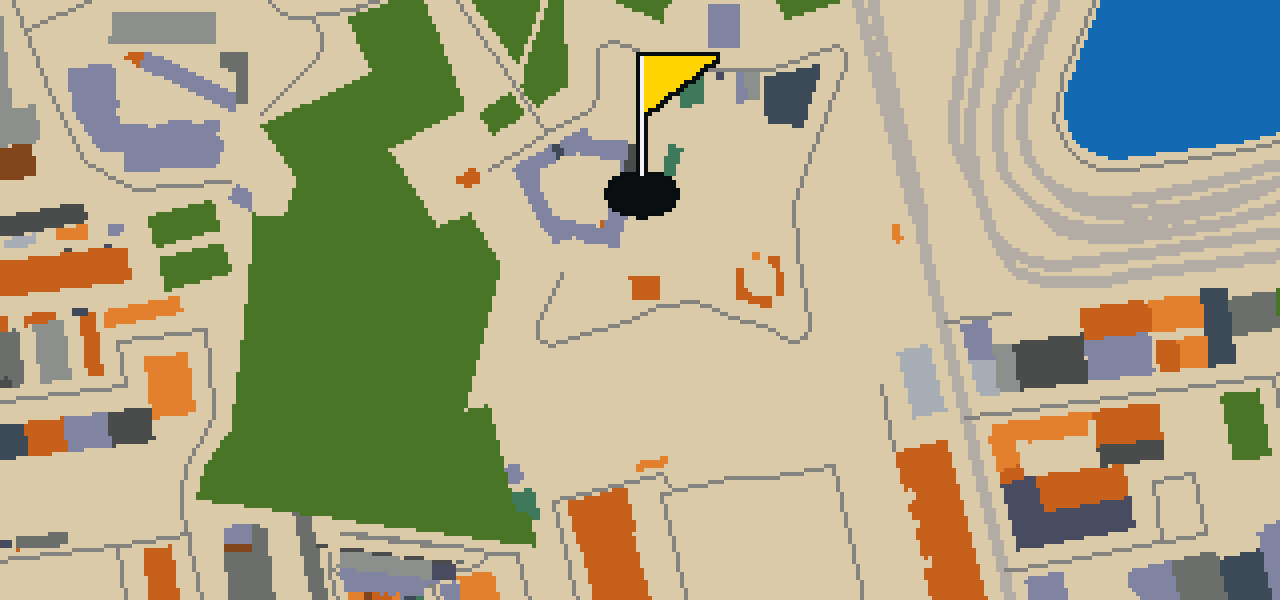
Fort Saint-Jean

Let me show you Fort Saint-Jean, a fortification sitting at the entrance to the Old Port in Marseille. Built by Louis XIV in 1660, this site is a classified historical monument. You can pick out two foot-bridges that have linked the fort since 2013 to the Museum of European and Mediterranean Civilisations and the historical district Le Panier. It is a great spot to get your bearings of the harbor before heading further into the city. I always find the view of the water from these walls to be one of the best in the area.

Wikidata · Wikipedia

HOLE 7 - PAR 3

Cathédrale de la Major

Léon Vaudoyer and Henri-Jacques Espérandieu were architects of Cathédrale de la Major. This building is a Catholic cathedral and a minor basilica, and it is also a national monument of France. The inception of Cathédrale de la Major was in 1852. It is the seat of the Archdiocese of Marseille. Visitors can observe the scale of this minor basilica, which has held that specific status since 1896. It remains one of the most significant religious sites in the region.

Wikidata · Wikipedia

HOLE 8 - PAR 3

Musée des Civilisations de l'Europe et de la Méditerranée

You might expect a classic museum building, but the Musée des Civilisations de l'Europe et de la Méditerranée is a modern landmark in Marseille. Designed by architect Rudy Ricciotti, this museum attracts 571,516 visitors every year. It was inaugurated on 7 June 2013 as part of Marseille-Provence 2013 and later received the Council of Europe Museum Prize in 2015. I find the building's shape quite interesting to look at from the air, especially when I'm gliding over the harbor. It is a striking addition to the city's waterfront that you can't miss.

Wikidata · Wikipedia

HOLE 9 - PAR 3

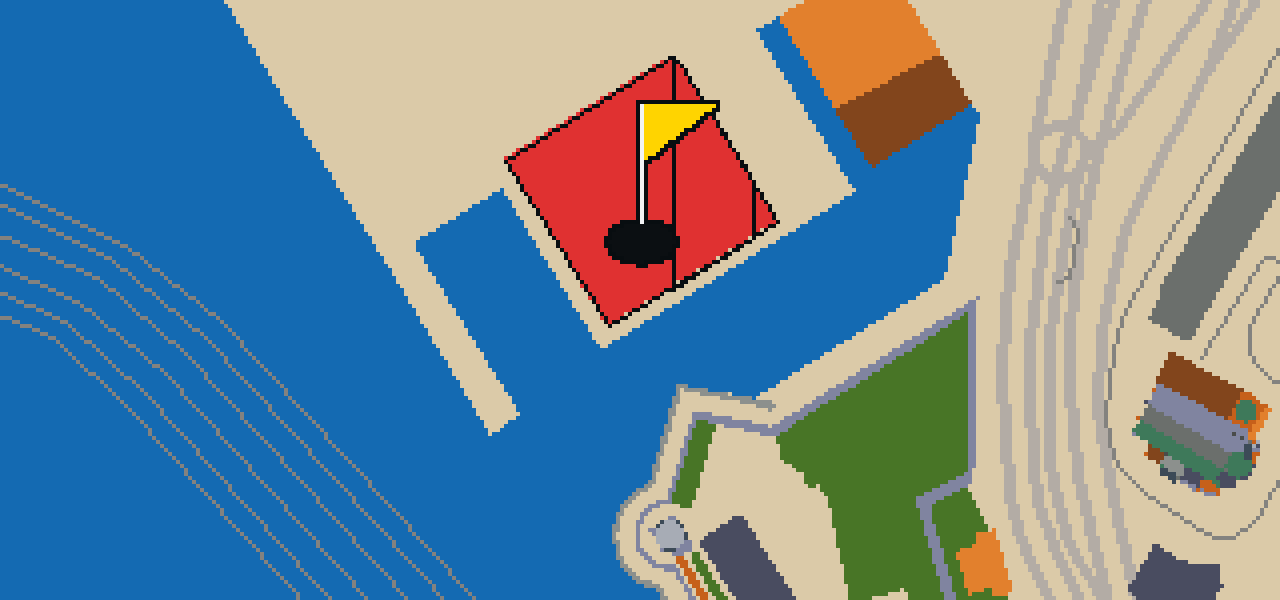
Fort Saint-Nicolas

Louis Nicolas de Clerville was the architect behind Fort Saint-Nicolas. Started in 1660, this former military fort in Marseille is now a classified historical monument. I've always found the layout interesting, though you'll mainly want to notice how it relates to the rest of the coast. It is the sister fort to Fort Saint-Jean, and together they help define the city's old defenses. Whether you are here for the history or the views, it is a significant stop in the city.
Wikidata · Wikipedia

HOLE 10 - PAR 3

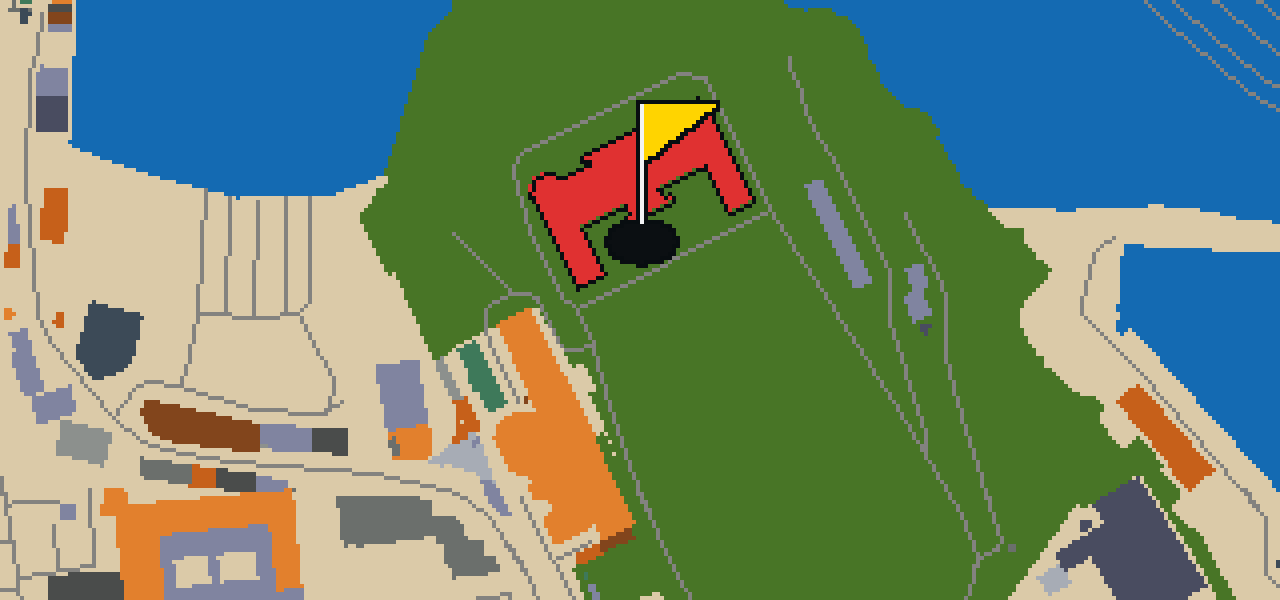
Palais du Pharo

Emperor Napoleon III commissioned the Palais du Pharo for Empress Eugénie starting in 1858. Designed by architect Jean Marc Samuel Louis Vaucher-Crémieux, the palace is built in Second Empire style and is located west of the Old Port. You can see how the building overlooks the Mediterranean Sea from its position in Marseille, southern France. It had just been finished at the fall of the Second Empire in 1870. I've always found the view from this spot to be one of the best in the city.

Wikidata · Wikipedia

HOLE 11 - PAR 4

Basilique Saint-Victor

The Abbey of Saint-Victor was founded during the late Roman period in Marseille in the south of France. This site is a minor basilica, a monastery, and a religious community. It is a classified historical monument that visitors recognize by its Romanesque and Gothic architecture. You can pick out these two distinct styles throughout the complex as you walk the grounds. The site remains an important example of how different architectural eras coexist within a single religious center in the heart of the city.

Wikidata · Wikipedia

HOLE 12 - PAR 3

Opéra de Marseille

You might expect a sports venue here, but you have found the Opéra de Marseille. It is an opera house and opera company located in Marseille, France. The city has a long history with the art; in 1685, Marseille was the second city in France after Bordeaux to have an opera house, though that original structure was erected on a tennis court. This current site is a classified historical monument. I always find the transition from athletics to opera a bit fancy, but it suits the neighborhood.

Wikidata · Wikipedia

HOLE 13 - PAR 3

Église Saint-Cannat-les-Prêcheurs

Gothic architecture defines the physical form of the Église Saint-Cannat-les-Prêcheurs. This Roman Catholic church is located in Marseille and is recognized as a monument historique inscrit. The building is a preserved piece of the city's religious history, where the specific Gothic style is the most prominent feature to notice upon arrival. Visitors can see how these architectural elements characterize the church building, marking its place as a protected site of historical interest within the urban layout of Marseille.

Wikidata · Wikipedia

HOLE 14 - PAR 3

Musée d'Archéologie Méditerranéenne

Step inside and you will find a collection focused on the ancient world. The Musée d'Archéologie Méditerranéenne is an archaeological museum that brings the history of the surrounding seas to life. It is a focused destination for those interested in the physical remains of past civilizations, currently drawing 20,257 annual visitors each year. I find it a great spot to escape the midday sun and see how the locals lived thousands of years ago, providing a quiet contrast to the busy streets outside where the ball usually rolls.

Wikidata

HOLE 15 - PAR 3

Porte d'Aix

Located where travelers once entered the city from Aix-en-Provence, Porte d'Aix is a triumphal arch in Marseille. This classified historical monument was designed by architect Michel-Robert Penchaud and completed in 1839. The project has a long history; it was first conceived in 1784 to honour Louis XVI and the Peace of Paris. Work resumed in 1823 following the restoration of the Bourbon monarchy to commemorate French victories in the Spanish Expedition, specifically the Battle of Trocadero on August 31, 1823. I've found the scale of the arch makes for a great landmark when you're navigating the streets.

Wikidata · Wikipedia

HOLE 16 - PAR 4

Église Saint-Ferréol

The Église Saint-Ferréol is a Roman Catholic church located in Marseille. This church building is designed in the Gothic architecture style, and its inception was in 1447. In addition to its religious role, the Église Saint-Ferréol is a monument historique inscrit. Visitors to the city can observe the specific Gothic elements that define the structure of this historic site. It remains a significant example of the city's religious architecture and its long history.

Wikidata · Wikipedia

HOLE 17 - PAR 3

Église Saint-Vincent-de-Paul-Les Réformés

The Église Saint-Vincent-de-Paul-Les Réformés is a church building designed in the Gothic Revival style. Architect François Reybaud was responsible for the design of this structure, which serves as a Roman Catholic church in Marseille. It is recognized as a monument historique inscrit, a designation that protects its architectural and historical value. The inception of the building was in 1886. You can observe the intricate details of the Gothic Revival influence on the facade and the overall form of the building as you move through the city streets.

Wikidata · Wikipedia

HOLE 18 - PAR 2

Musée Grobet-Labadié

You first notice the 19th-century hôtel particulier that houses the Musée Grobet-Labadié. This art museum in Marseille is a classified historical monument and a monument historique inscrit. Founded in 1919, the museum attracts 12,987 annual visitors. I have found that the residential style of the building makes the experience feel much more intimate than a typical gallery. It is a great spot to see how a private residence can be transformed into a public space for art. Let me show you around this unique piece of the city's history.

Wikidata · Wikipedia

STOP 19

Musée des Beaux-Arts

Let me show you the Musée des Beaux-Arts, an art museum located in Marseille within the Provence-Alpes-Côte d'Azur region. This institution was founded in 1801 and is situated inside a wing of the Palais Longchamp. You can pick out a collection of sculptures, drawings, and paintings that span the 16th to 19th centuries. It is a popular spot in the city, drawing 60,476 annual visitors. I find the Palais Longchamp a great place to spend an afternoon, as the architecture is quite something to see while you walk around.

Wikidata · Wikipedia

OTHER COURSES

18 HOLES - PAR 56

Toulouse

18 stops

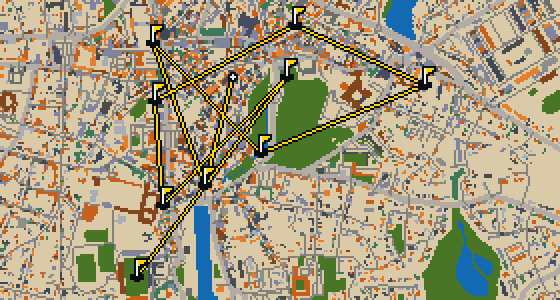
Toulouse looks like a sea of terracotta from a pigeon's perch, but the action happens down on the pavement. The map is the real city and the round is played on its actual streets, using local attractions like the Capitole as holes. Skip knows these alleys by heart. It is a full round of 18 holes with a par of 56, covering 11.1 km and using 34 portals.

18 HOLES - PAR 53

Strasbourg

18 stops

From a rooftop perch, Strasbourg looks like a puzzle of timber and stone. The map is the real city and the round is played on its real streets, where attractions like Cathédrale Notre-Dame provide the architecture for the holes. This full round of 18 holes covers 10.3 km with a par of 53, using 8 portals to bridge the gaps. Skip knows every nook of these alleys and is the local guide.

18 HOLES - PAR 59

Paris

18 stops

This is Paris. The map is the real city and the round is played on its real streets, where the real attractions like the Arc de Triomphe du Carrousel are what the holes are built from. Skip knows these pavements well, even the bits where the breadcrumbs are best. A full round of 18 holes covers 12 km with a par of 59, using 198 portals to bridge the gaps between landmarks.

9 HOLES - PAR 30

Nice

9 stops

The ball rolls through the streets of Nice, where the map is the real city and the round is played on its actual pavement. The holes are built from real attractions, like the Musée Matisse, and Skip knows these neighborhoods by heart. A quick 9-hole round covers 6.8 km with a par of 30, using 16 portals to skip across the city. A few crumbs for the effort.

18 HOLES - PAR 52

Montpellier

18 stops

The ball drops into the cup at the Musée Fabre to start things off in Montpellier. The map is the real city, and the round is played on its actual streets using local landmarks for the holes. Skip knows these sidewalks well and acts as the local guide. This full round of 18 holes covers 10.3 km with a par of 52, using six portals to move across town.

FAQ

Is it free to play?

Yes. Every course runs in the browser with no account and no install.

Do I need to be in the city?

No. The full round plays from anywhere. Walking the real route is a nice way to see the city, but it is not required.

Are the maps real?

Yes. The geometry comes from OpenStreetMap data, rendered chunky on purpose. Streets, water and parks sit where they really are.