
LYON - 18 HOLES - FREE

LYON
CITY MAP MINIGOLF

Lyon - 18 stops - par 52

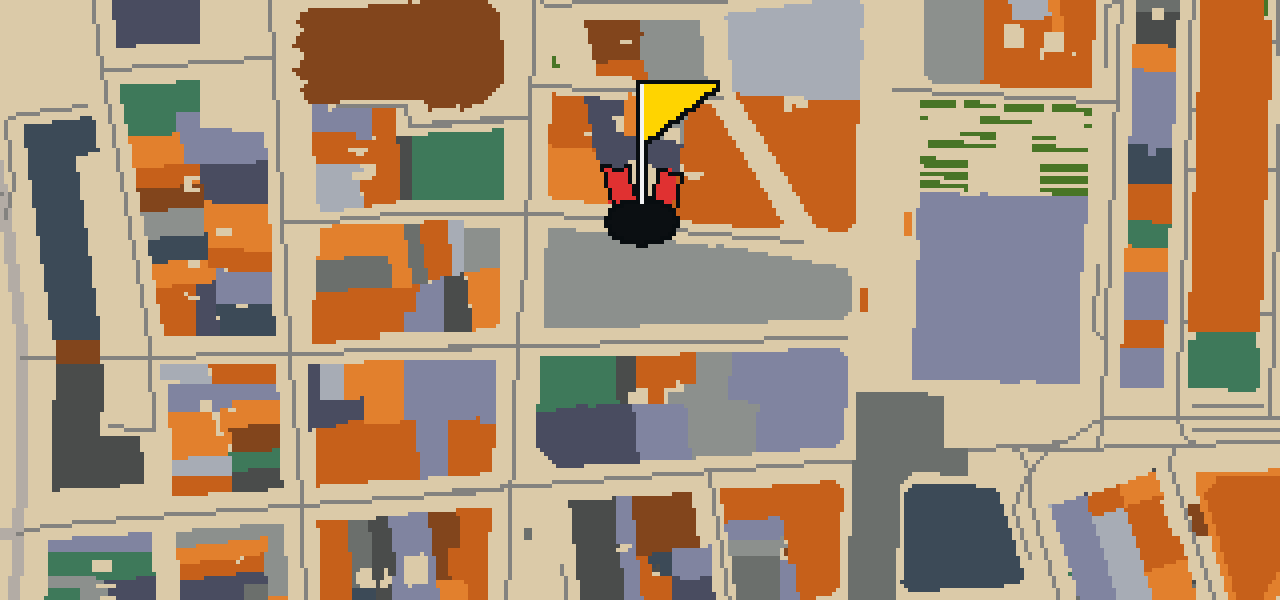
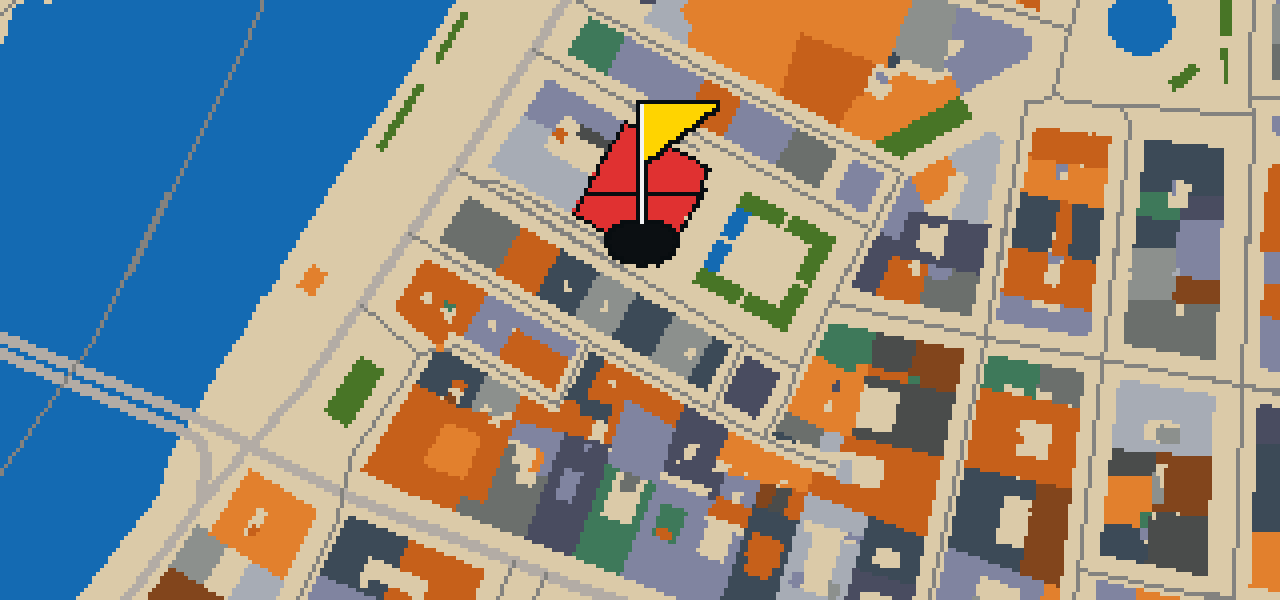
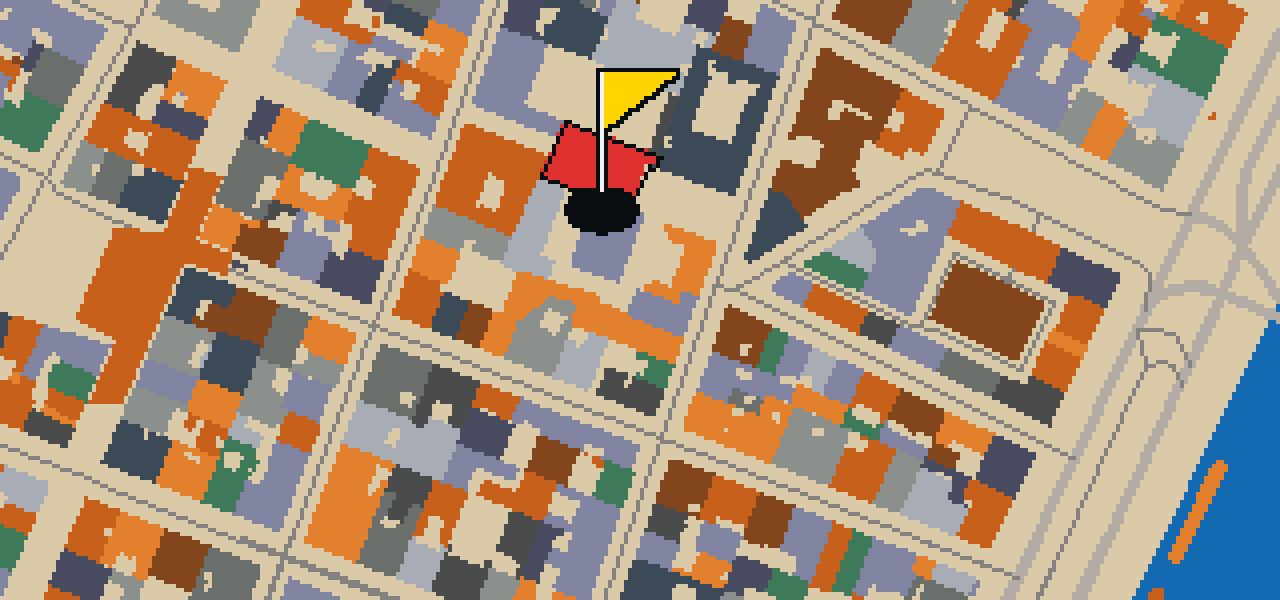
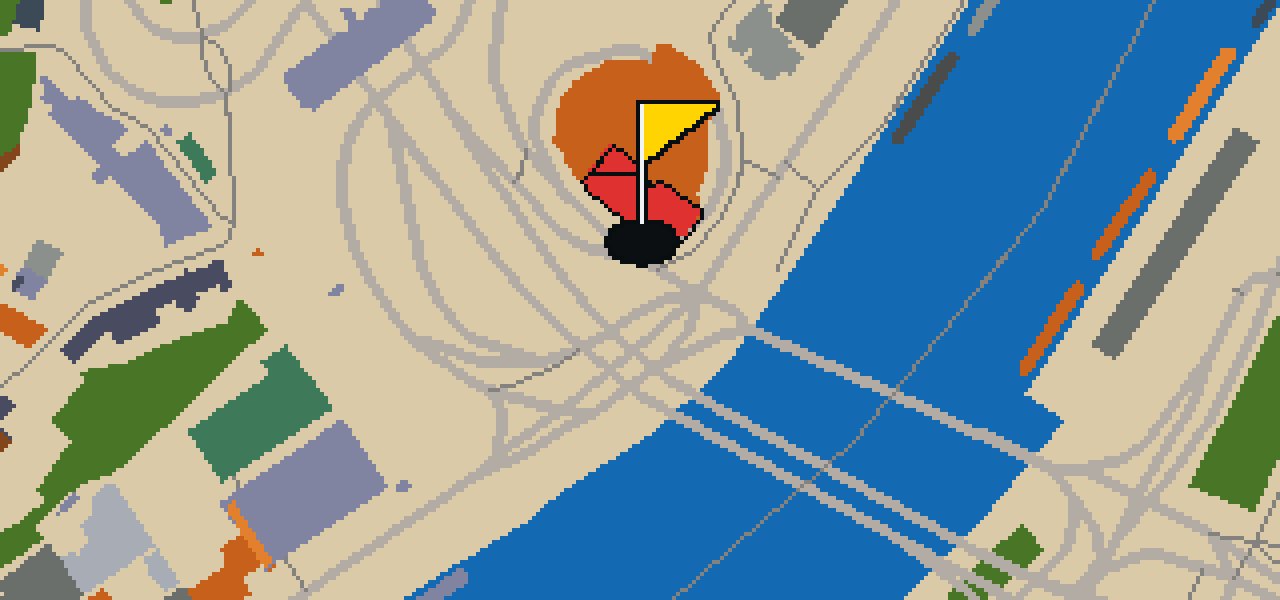
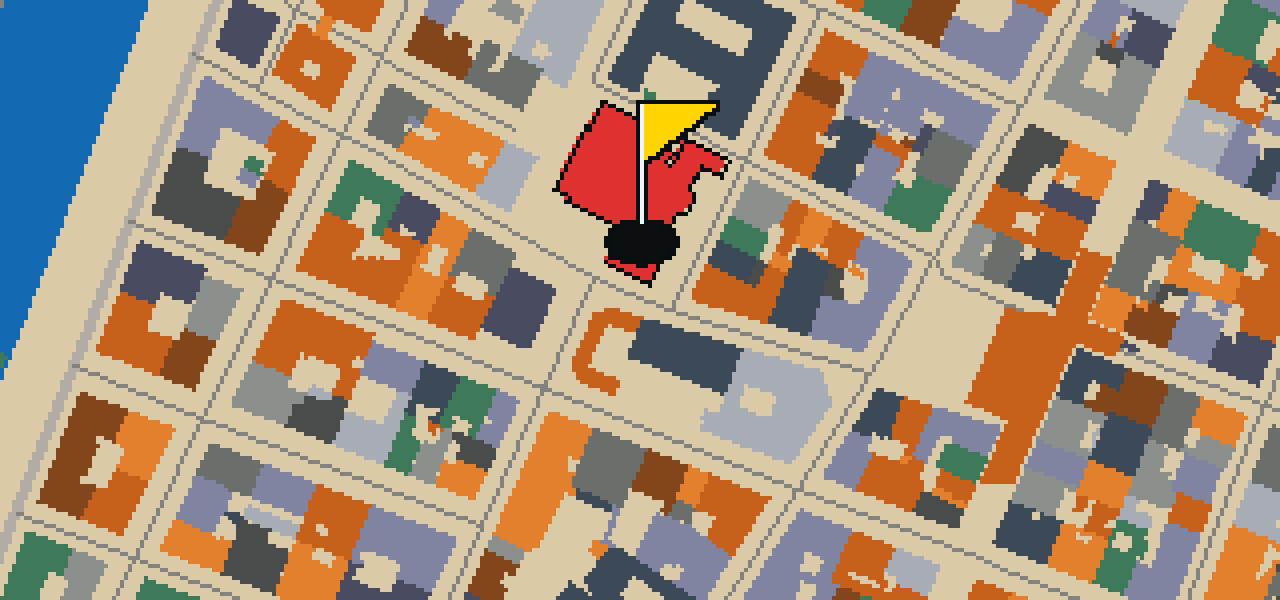
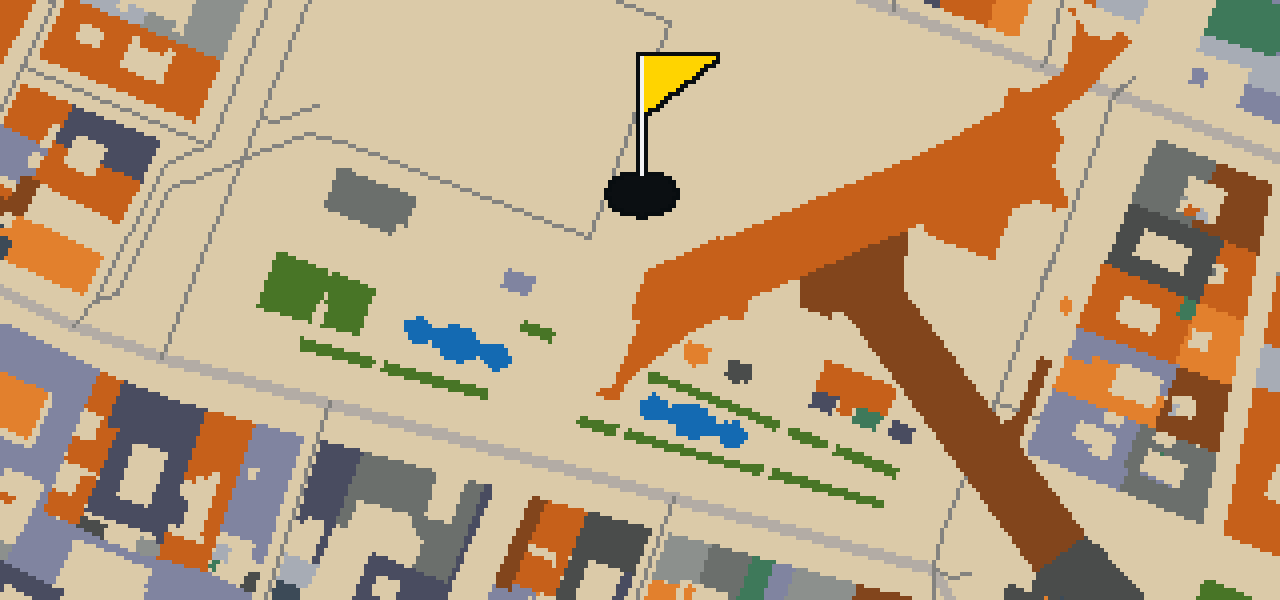
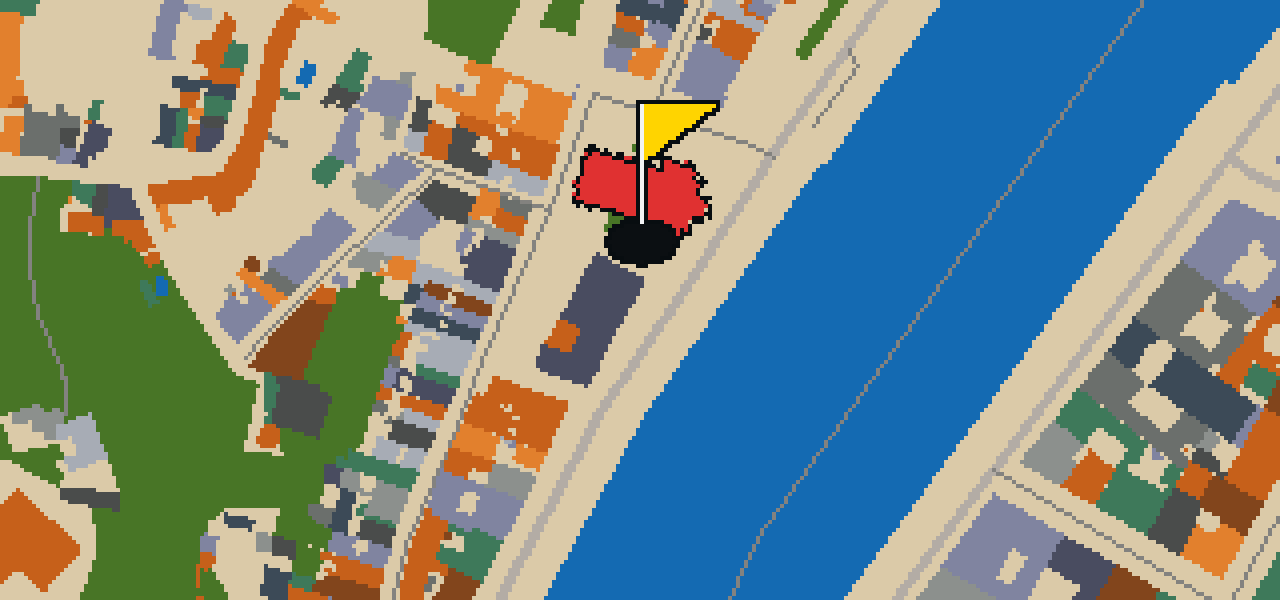
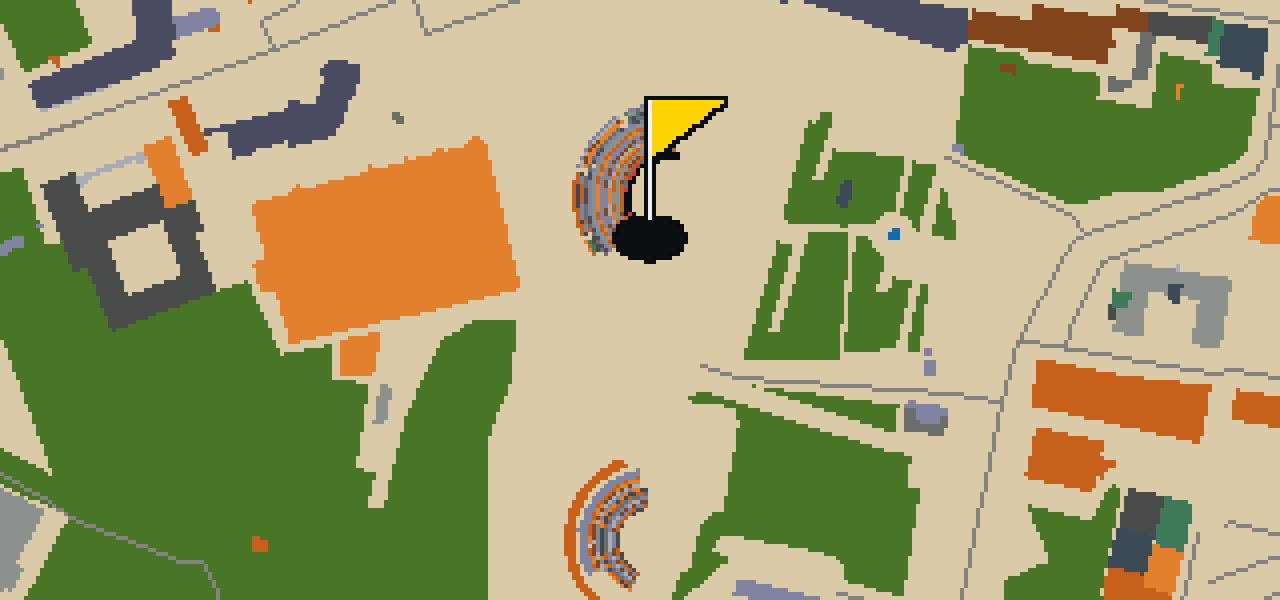
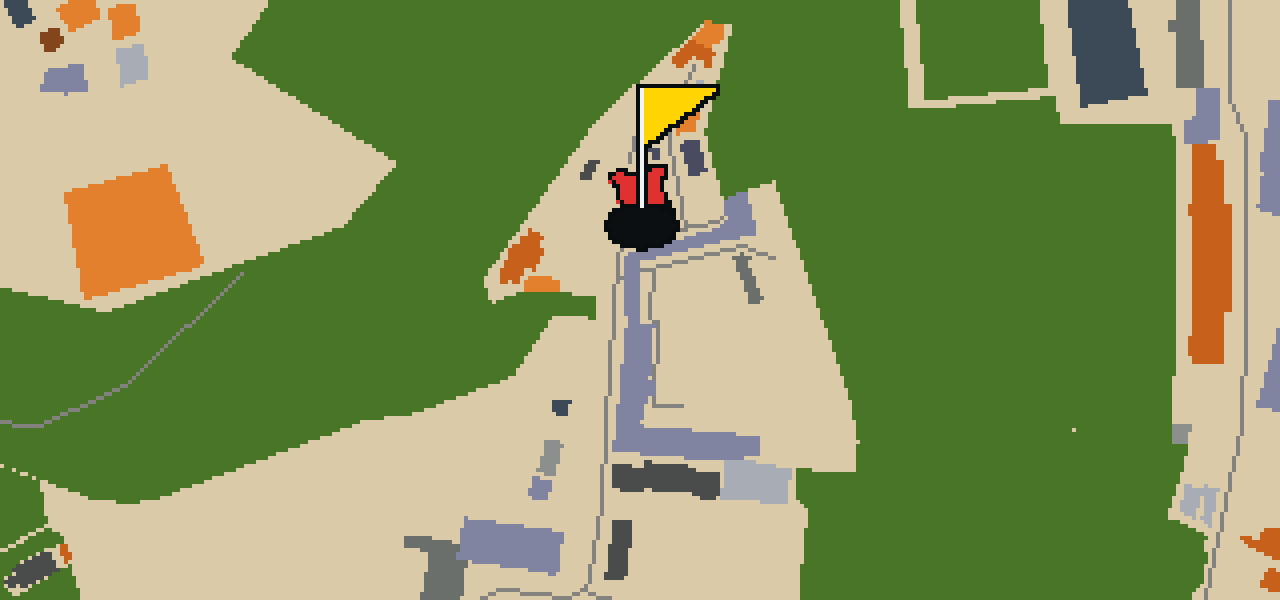
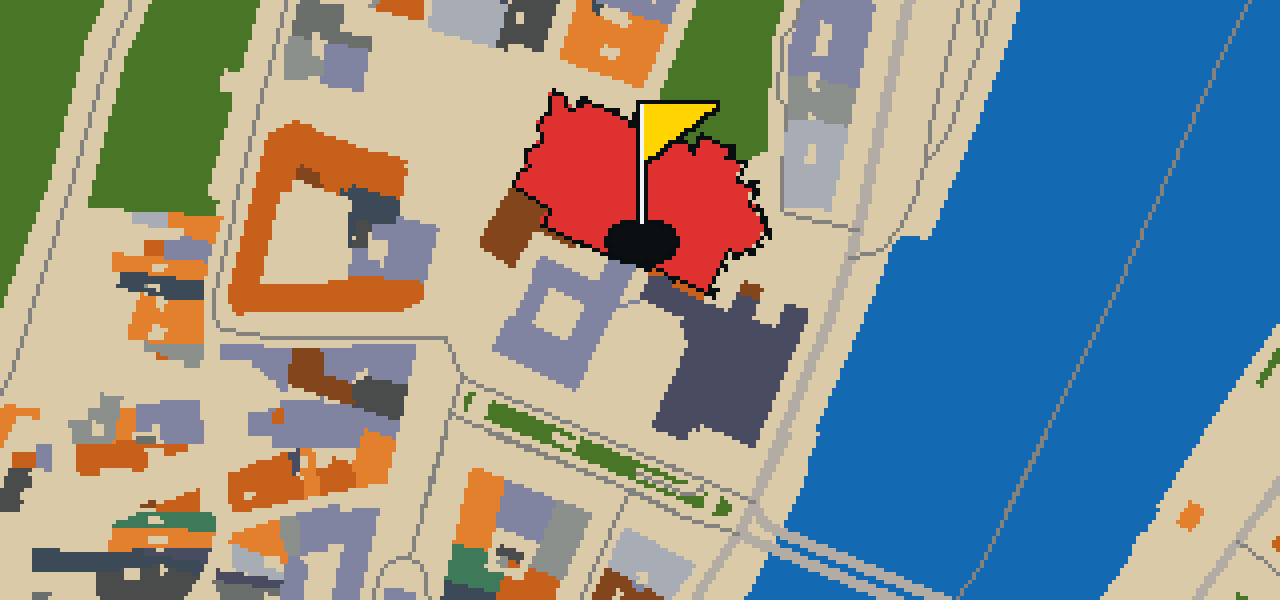
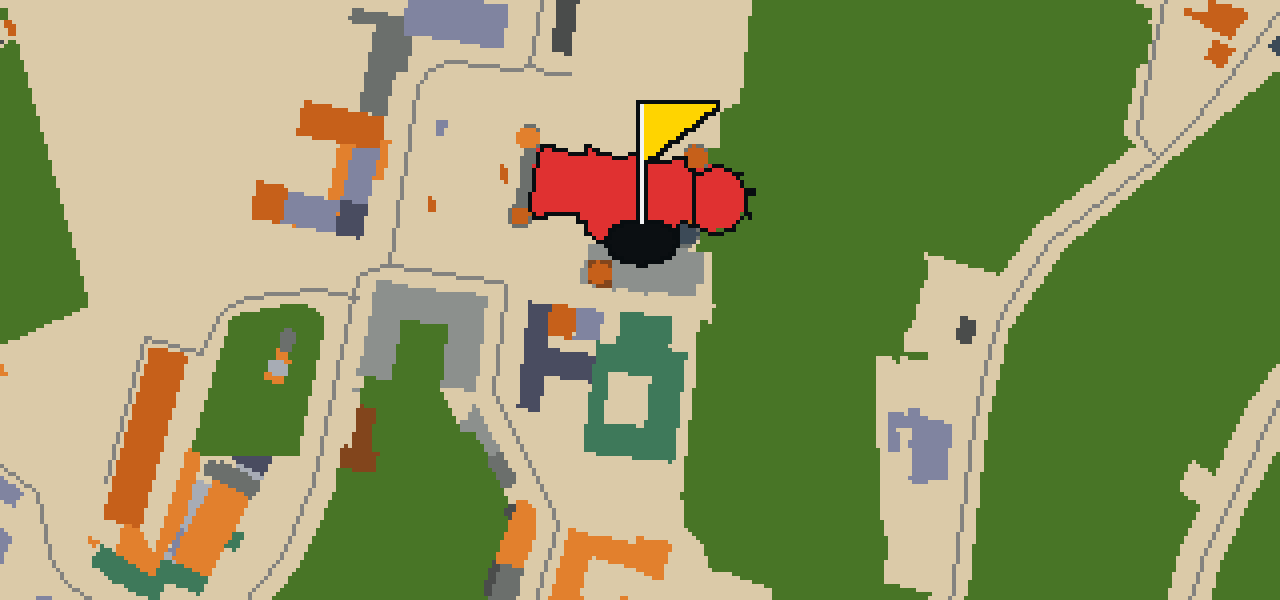
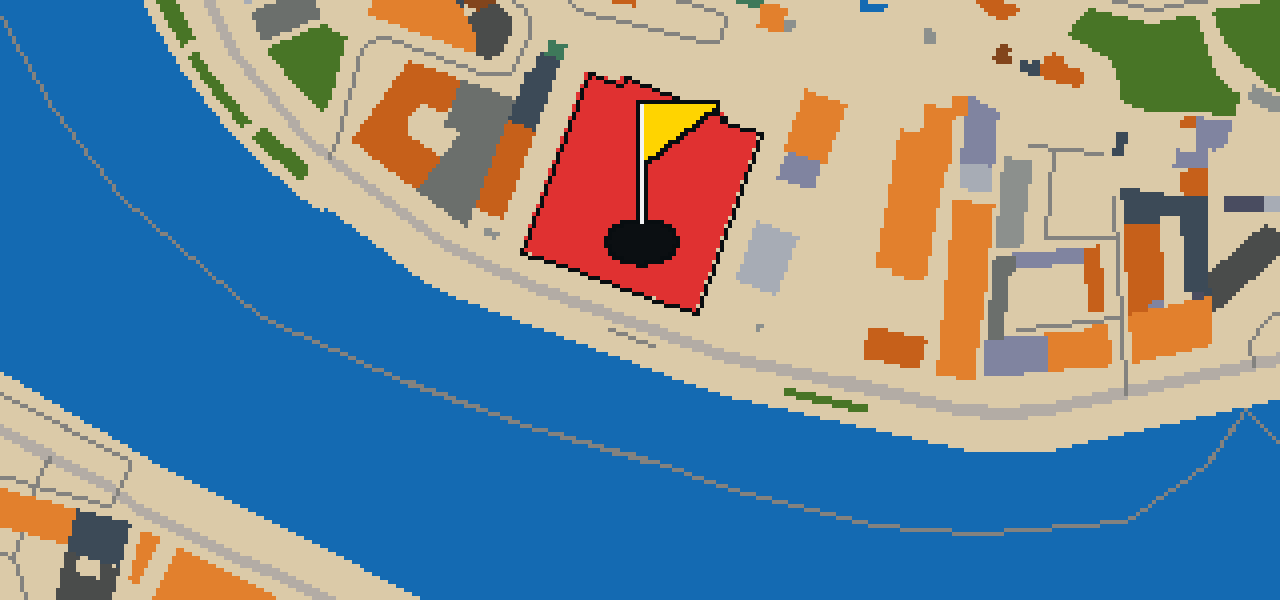
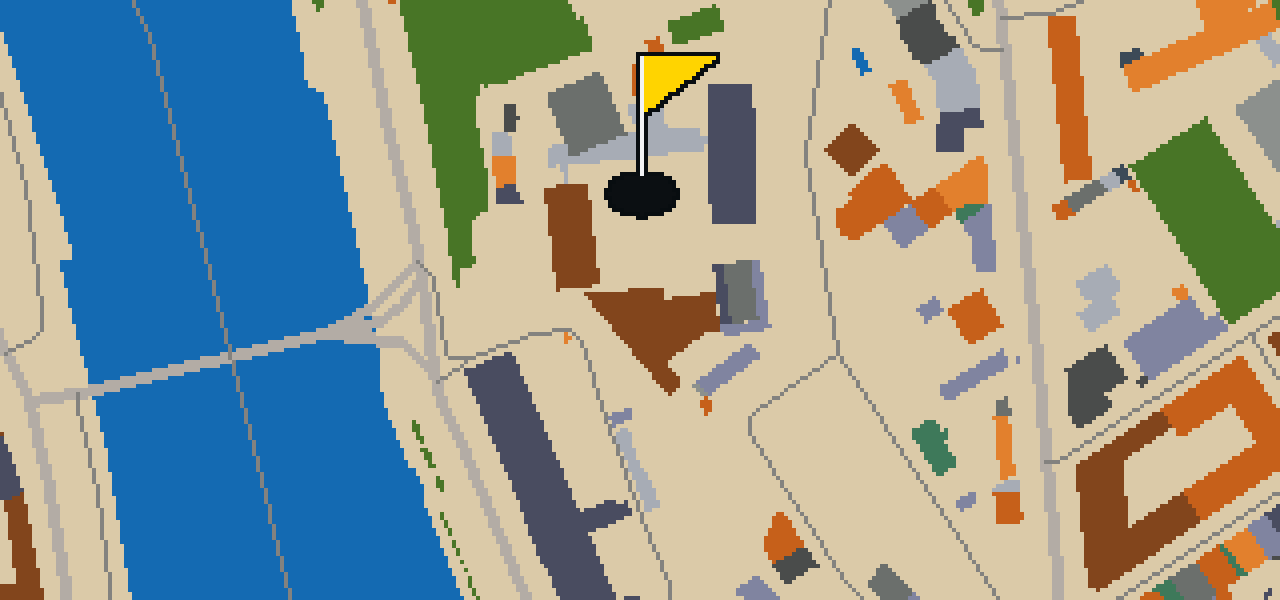
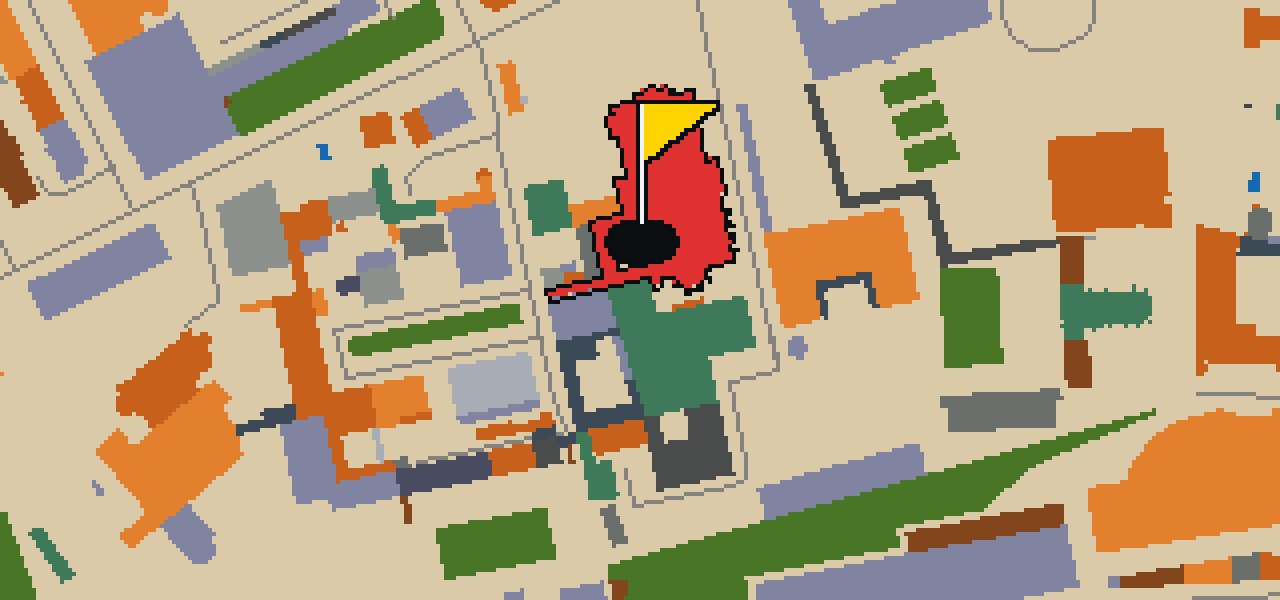
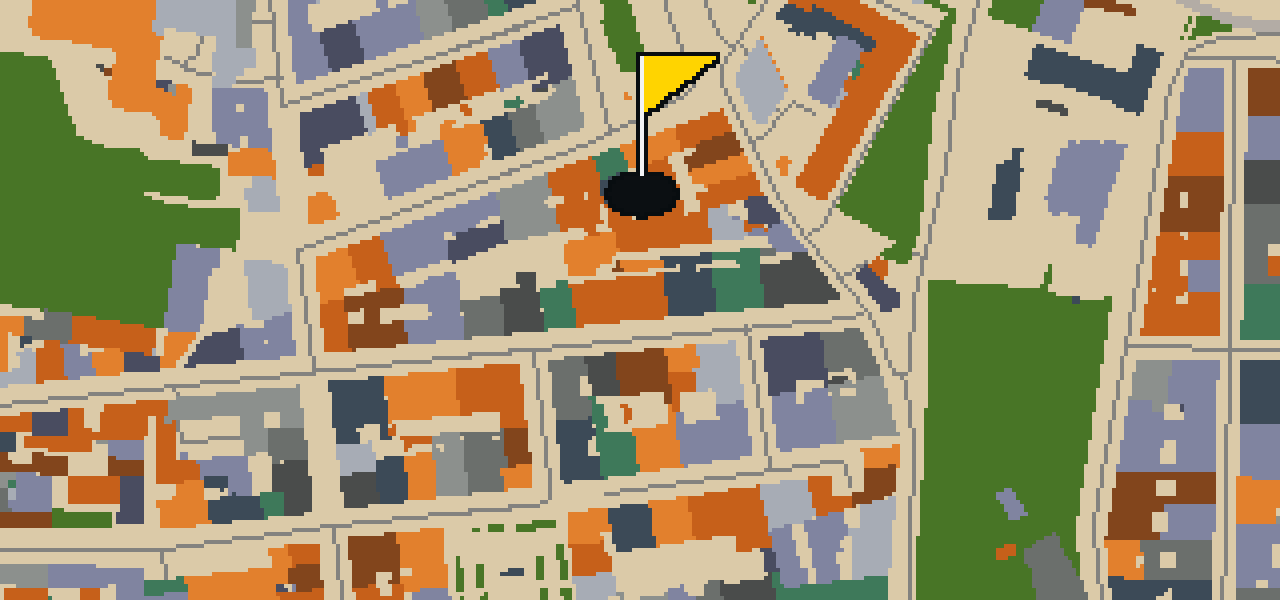
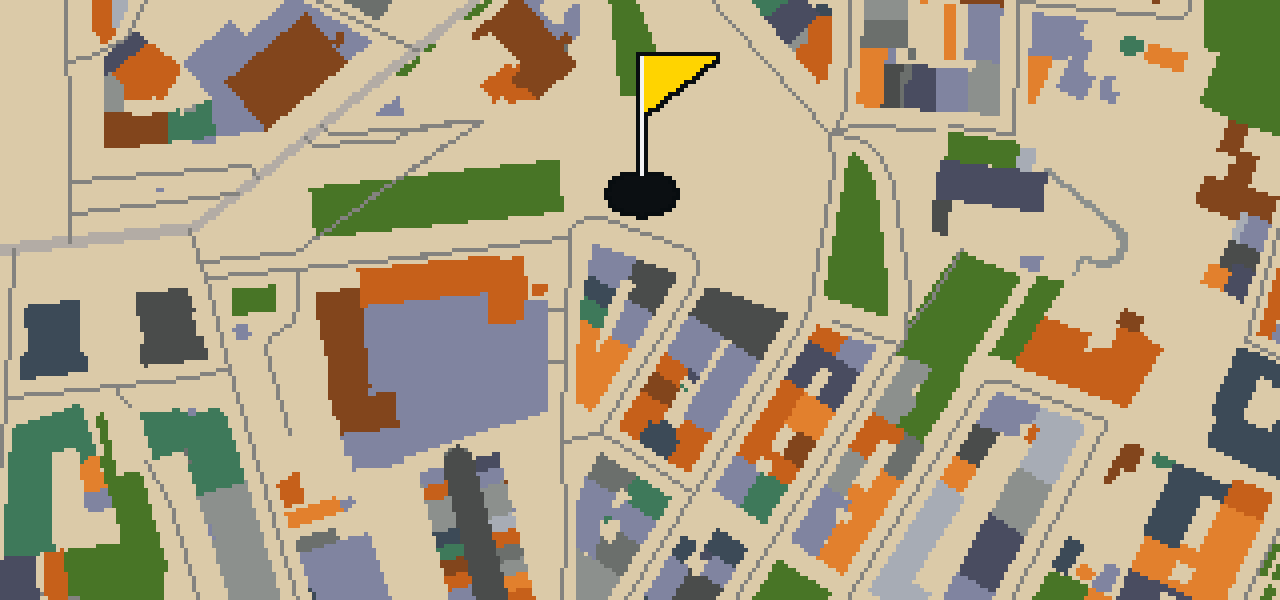
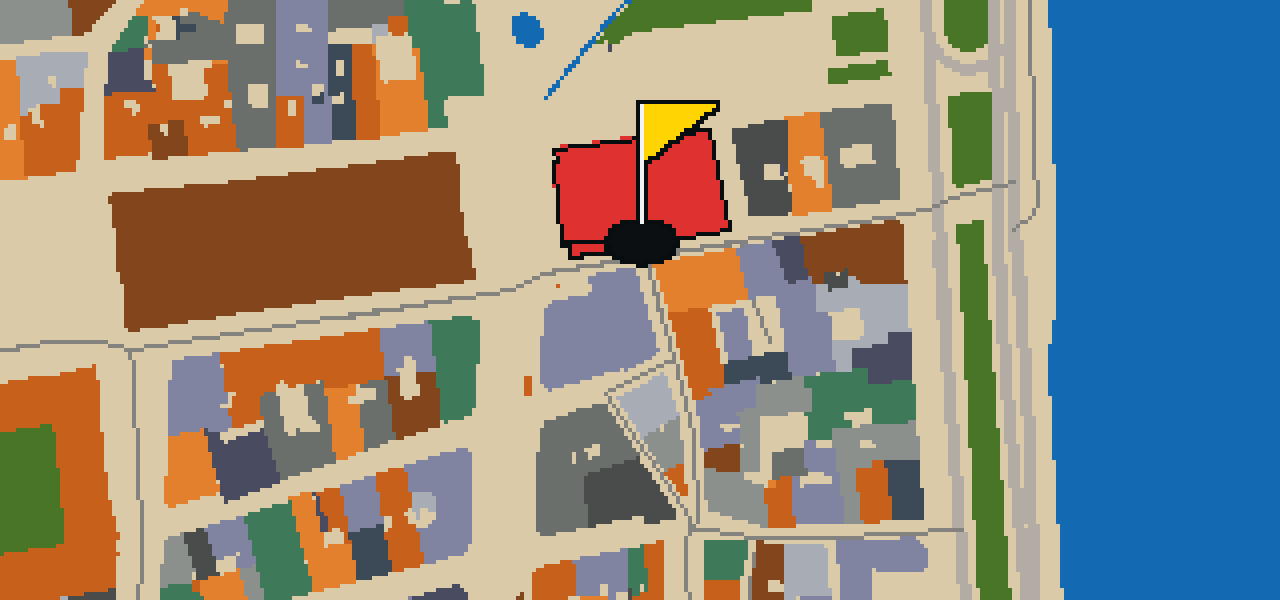
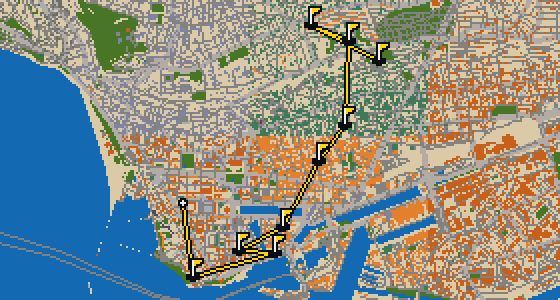
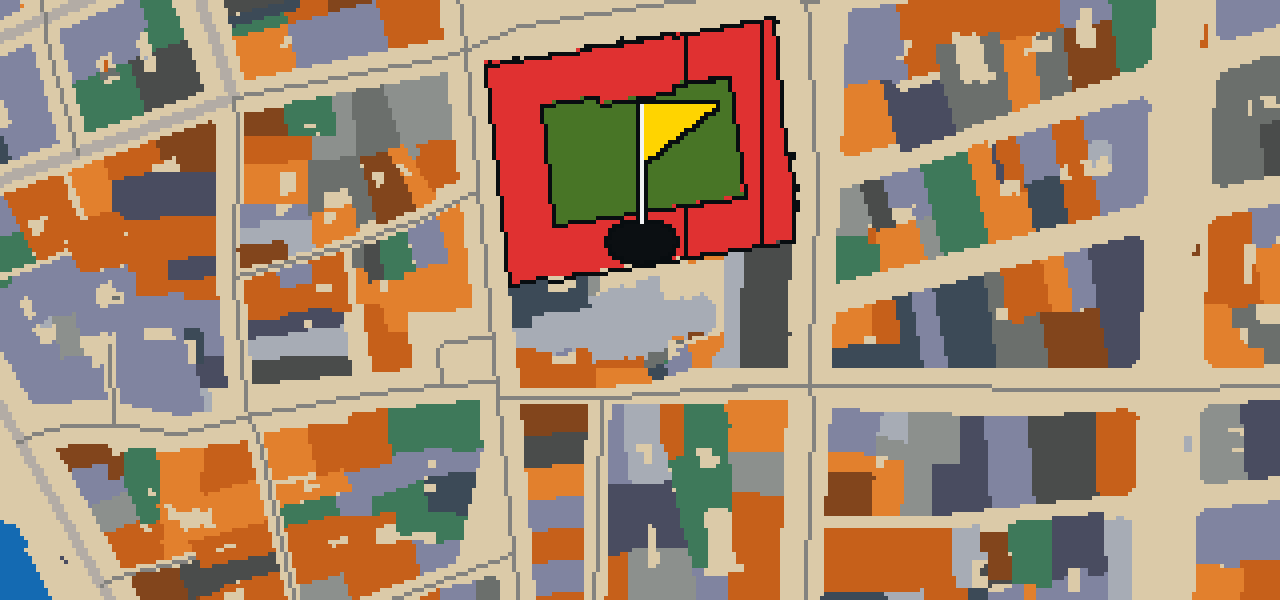
Lyon is the setting for this round, with the map following the real city and the ball rolling across its actual streets. The holes are built from real attractions, starting at the Musée des Beaux-Arts de Lyon. This is a full 18-hole round with a par of 52, covering a walk of 10.4 km. A few portals help the ball skip across the map. Skip knows every corner of these streets, provided there are no crumbs to distract him.

Trouble loading? Open the game in its own tab.

HOW IT WORKS

01

Pick a city

The course is drawn on the real street grid, so the map you play is the map you walk.

02

Putt to the pin

Drag to aim, release to swing. Buildings bounce and water costs you a stroke.

03

Sightsee between strokes

Every hole ends at an attraction. Sink the putt, read the story, walk to the next tee.

THE LYON ROUND - STOP BY STOP

HOLE 1 - PAR 3

Musée des Beaux-Arts de Lyon

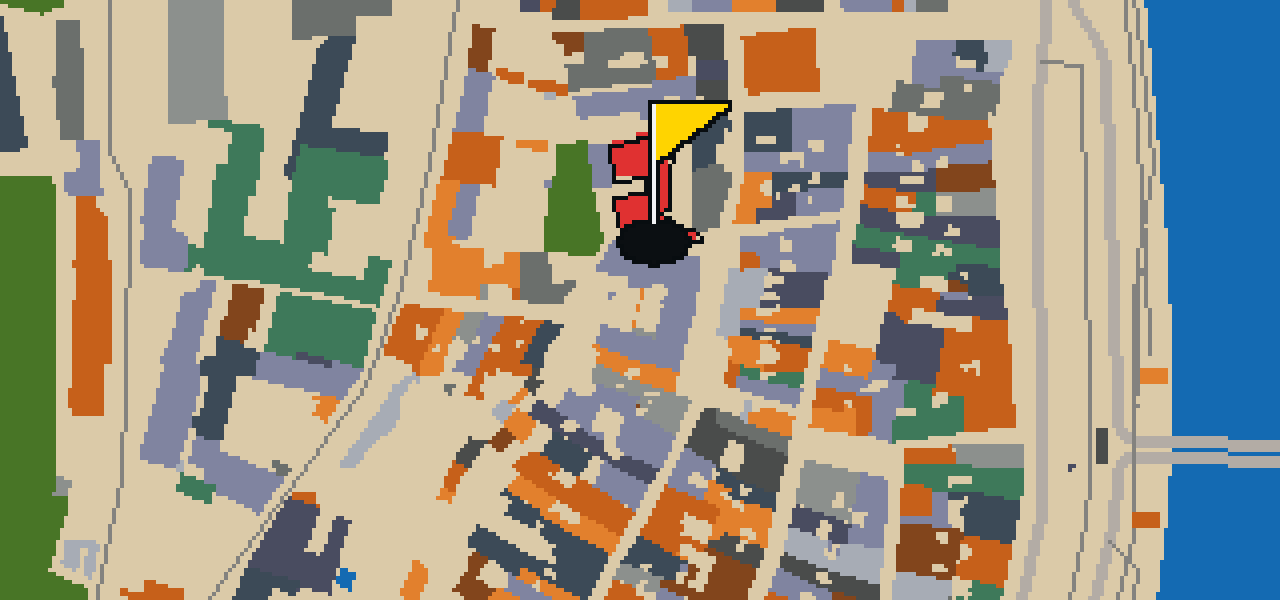
You can see the history of the building in its walls, as the Musée des Beaux-Arts de Lyon is housed in a former Benedictine convent that was active during the 17th and 18th centuries. Now an art museum in the city of Lyon, it welcomes 241,916 annual visitors. The museum has a history of hosting diverse artists; for instance, it held an exhibition on the work of Théodore Géricault from April to July 2006, and it hosted exhibitions of works by Georges Braque and Henri Laurens in the second half of 2005. I've always found the courtyard a great spot for a quick break.

Wikidata · Wikipedia

HOLE 2 - PAR 3

Musées Gadagne

You might expect a single exhibit, but the Musées Gadagne is actually a dual destination. It is composed of the Musée d'Histoire de Lyon and the Musée des Marionnettes du monde. Located in the Saint-Jean quarter of the 5th arrondissement in Vieux Lyon, it serves as both a museum and a puppetry museum. The site underwent a period of renovation and expansion after closing in 1998, eventually re-opening on 12 June 2009. I've noticed it's a great spot to see how the city's history and art collections live together in one place.

Wikidata · Wikipedia

HOLE 3 - PAR 3

Musée de l'Imprimerie et de la communication graphique

Look closely at the printed page and you will see the legacy this place protects. The Musée de l'Imprimerie et de la communication graphique is a museum located in Lyon, France. Its mission is enhancing, conserving, documenting and valuing the heritage of printed books and graphic arts. I always find it interesting how much work goes into the things we usually just skim through. Since it was founded in 1963, the museum has become a dedicated home for the history of the written word and visual communication in the city.

Wikidata · Wikipedia

HOLE 4 - PAR 3

Théâtre des Célestins

The Théâtre des Célestins is a theatre building located on the Place des Célestins in Lyon. Designed by Gaspard André, the venue was inaugurated in 1877 and later inaugurated again in 2005. It is a monument historique inscrit and operates as a municipal theatre run by the City of Lyon. I always find the square outside a great spot to pause and people-watch before heading inside. Whether you are a fan of the performing arts or just admire the facade, it is a central piece of the local neighborhood.

Wikidata · Wikipedia

HOLE 5 - PAR 3

Musée des Tissus et des Arts décoratifs

Founded in 1864, the Musée des Tissus et des Arts décoratifs is a museum located in Lyon, France. The institution consists of a textiles collection and a decorative arts collection. You can find the museum located in two 18th century hôtels particuliers of Lyon's 2nd arrondissement. With 131,800 annual visitors, it is a busy spot for anyone interested in the city's artistic history. I've noticed the architecture of the buildings is just as interesting as the exhibits inside, making it a great stop for a walk through the neighborhood.

Wikidata · Wikipedia

HOLE 6 - PAR 3

Basilique funéraire Saint-Laurent de Choulans

The Basilique funéraire Saint-Laurent de Choulans is a church building. It is also an archaeological site. Visitors can observe the physical remains of the structure, which provide a direct link to the past. The site allows for a study of early ecclesiastical architecture and the way these spaces were used over time. It is a place of significant historical value that combines the nature of a place of worship with the technical aspects of an archaeological excavation.

Wikidata

HOLE 7 - PAR 3

Basilique Saint-Martin d'Ainay

The Basilique Saint-Martin d'Ainay is built in the Romanesque architecture style. This minor basilica is located in Ainay in the Presqu'île district in the historic centre of Lyon, France. It is a classified historical monument and has been inscribed on the UNESCO World Heritage List. You can find this church in the heart of the city's historic centre, where its architecture reflects the Romanesque tradition. It is a site of significant heritage and is recognized as a minor basilica within the religious landscape of Lyon.

Wikidata · Wikipedia

HOLE 8 - PAR 3

Place Bellecour

Let me show you Place Bellecour, a square located in the centre of Lyon, France. It sits to the north of the Ainay district. You can pick out the sheer scale of the area as you walk; it is the largest pedestrian square in Europe. I've noticed there is plenty of room for everyone to move around here, which makes sense given it is the third biggest square in France. It is a wide, open spot that anchors the heart of the city.

Wikidata · Wikipedia

HOLE 9 - PAR 3

Église Saint-Georges

The Gothic Revival style defines the exterior of the Église Saint-Georges. This church building is located on the Place François-Bertras in the 5th arrondissement of Lyon, situated within the Vieux Lyon quarter. Designed by the architect Pierre Bossan, the inception of the church was in 1848. It is a Roman Catholic church and is recognized as a monument historique inscrit. The building is currently under the direction of the Primatiale parish. Visitors to the area can find this landmark standing as a key point of interest in the historic district.

Wikidata · Wikipedia

HOLE 10 - PAR 3

Théâtre Gallo-Romain de Fourvière

You will first notice the massive stone tiers of the Théâtre Gallo-Romain de Fourvière. This Roman theatre building is an ancient Roman structure and a Roman archaeological site located on the hill of Fourvière in Lyon, France. Its inception was 15 BC, and the entire site is built in the style of ancient Roman architecture. I find the scale of the seating quite impressive when you stand at the bottom. It is a great spot to get your bearings of the city below.

Wikidata · Wikipedia

HOLE 11 - PAR 3

Tour métallique de Fourvière

You will first notice the intricate steel framework of the Tour métallique de Fourvière, a landmark of Lyon, France. This lattice tower was built between 1892 and 1894 and now reaches a height of 101 m. The structure weighs 210 tons. I usually find the view from this height the best part of the climb, though the metalwork itself is the real draw for most visitors. It is a striking example of the era's engineering that dominates the local skyline from its position on the hill.

Wikidata · Wikipedia

HOLE 12 - PAR 2

Cathédrale Saint-Jean

This site is not a modern church, but the Cathédrale Saint-Jean, a Catholic cathedral and episcopal see located on Place Saint-Jean in central Lyon, France. Its inception was in 1175, and Jacques de Beaujeu served as the architect. The structure is a classified historical monument that incorporates both Romanesque and Gothic architectural styles. You can see the influence of these two eras in the building's design, which remains a central part of the city's history. It is an important landmark for visitors exploring the heart of the city.

Wikidata · Wikipedia

HOLE 13 - PAR 3

Basilique de Fourvière

Architects Pierre Bossan and Louis Sainte-Marie-Perrin designed the Basilica of Notre-Dame de Fourvière. This Gothic Revival minor basilica in Lyon, France, is both a classified historical monument and a monument historique inscrit. The building was constructed using private funds between 1872 and 1896, with its inception occurring in 1872. You can see how the site connects different eras of the city's history, as the basilica occupies the ground where the forum vetus, the Roman forum of Trajan, once stood. It is a significant landmark that blends religious architecture with the ancient foundations of the region.

Wikidata · Wikipedia

HOLE 14 - PAR 2

Les Subsistances

In the 1st arrondissement of Lyon, you will find Les Subsistances. It is a performance hall and a cultural centre of diffuse artistic production. Since 2007, this site has housed a creative laboratory and the École nationale des beaux-arts de Lyon. Guy Walter serves as the director, with Cathy Bouvard as the vice director. I've noticed the scale of the place is quite impressive, as it consists of 22,500 square metres of buildings and 16,000 square meters of land. It is a substantial presence in the neighborhood for any visitor to appreciate.

Wikidata · Wikipedia

HOLE 15 - PAR 3

Fort Saint-Jean

Let me show you Fort Saint-Jean, located in the 1st arrondissement of Lyon. This fort was started in 1834 and is part of the first fort belt of Lyon. You can pick out other sites from that same defensive ring, such as Fort de Loyasse. The belt also included Fort Duchère and Fort de Caluire, though both of those are now demolished. It's a sturdy spot for a break, though I find the ledges are the real highlight for someone with wings.

Wikidata · Wikipedia

HOLE 16 - PAR 4

Église Saint-Bruno-les-Chartreux

You are not looking at a standard cathedral, but Église Saint-Bruno-les-Chartreux. Located in Lyon, France, this Catholic church building is dedicated to Saint Bruno of Cologne. Its inception was in 1750 and it is built in the baroque architecture style. This site is a classified historical monument and holds a unique place in the city's layout as the only Baroque church in the city. Until the French Revolution, it functioned as the church of Lyon Charterhouse. Please take a moment to observe the specific details of its design and its place within the neighborhood.

Wikidata · Wikipedia

HOLE 17 - PAR 2

Cour des Voraces

You might think this is a simple courtyard, but it is actually a traboule. Located in the 1st arrondissement of Lyon within the Pentes quarter, the Cour des Voraces is a monument historique inscrit. This site was started in 1840 and is also called Maison de la République. You can find entrances on the Rue Imbert-Colomès, Place Colbert, and Montée Saint-Sébastien. Once inside, you can pick out the six-floor stairway. I've always found the layout of these hidden passages fascinating.

Wikidata · Wikipedia

HOLE 18 - PAR 3

Le Gros Caillou

Let me show you Le Gros Caillou, a landmark of Lyon located in the Croix-Rousse neighborhood. While it looks like a simple boulder, it was actually placed here by nature. Slow moving glaciers transported the rock from the nearby Alps. Because of its mineralogical composition, we know it is a glacial erratic. It is a strange thing to find a piece of the mountains sitting right here in the city, but that is what makes it worth a stop. I often see people stop to admire the sheer scale of this mountain traveler.

Wikidata · Wikipedia

STOP 19

Opéra de Lyon

You can find the Opéra de Lyon in Lyon, France. This opera house was started in 1831 and is the home of the Opéra National de Lyon. The original structure was re-designed between 1985 and 1993 by architect Jean Nouvel. For this project, Nouvel worked in association with the acoustician Peutz and the agency of scenography dUCKS scéno. I've always found the modern lines of the exterior quite striking against the older streets. It is a great spot to pause and look at the architecture before you move on to your next shot.

Wikidata · Wikipedia

OTHER COURSES

18 HOLES - PAR 56

Toulouse

18 stops

Toulouse looks like a sea of terracotta from a pigeon's perch, but the action happens down on the pavement. The map is the real city and the round is played on its actual streets, using local attractions like the Capitole as holes. Skip knows these alleys by heart. It is a full round of 18 holes with a par of 56, covering 11.1 km and using 34 portals.

18 HOLES - PAR 53

Strasbourg

18 stops

From a rooftop perch, Strasbourg looks like a puzzle of timber and stone. The map is the real city and the round is played on its real streets, where attractions like Cathédrale Notre-Dame provide the architecture for the holes. This full round of 18 holes covers 10.3 km with a par of 53, using 8 portals to bridge the gaps. Skip knows every nook of these alleys and is the local guide.

18 HOLES - PAR 59

Paris

18 stops

This is Paris. The map is the real city and the round is played on its real streets, where the real attractions like the Arc de Triomphe du Carrousel are what the holes are built from. Skip knows these pavements well, even the bits where the breadcrumbs are best. A full round of 18 holes covers 12 km with a par of 59, using 198 portals to bridge the gaps between landmarks.

9 HOLES - PAR 30

Nice

9 stops

The ball rolls through the streets of Nice, where the map is the real city and the round is played on its actual pavement. The holes are built from real attractions, like the Musée Matisse, and Skip knows these neighborhoods by heart. A quick 9-hole round covers 6.8 km with a par of 30, using 16 portals to skip across the city. A few crumbs for the effort.

18 HOLES - PAR 52

Montpellier

18 stops

The ball drops into the cup at the Musée Fabre to start things off in Montpellier. The map is the real city, and the round is played on its actual streets using local landmarks for the holes. Skip knows these sidewalks well and acts as the local guide. This full round of 18 holes covers 10.3 km with a par of 52, using six portals to move across town.

FAQ

Is it free to play?

Yes. Every course runs in the browser with no account and no install.

Do I need to be in the city?

No. The full round plays from anywhere. Walking the real route is a nice way to see the city, but it is not required.

Are the maps real?

Yes. The geometry comes from OpenStreetMap data, rendered chunky on purpose. Streets, water and parks sit where they really are.