
LA ROCHELLE - 9 HOLES - FREE

LA ROCHELLE
CITY MAP MINIGOLF

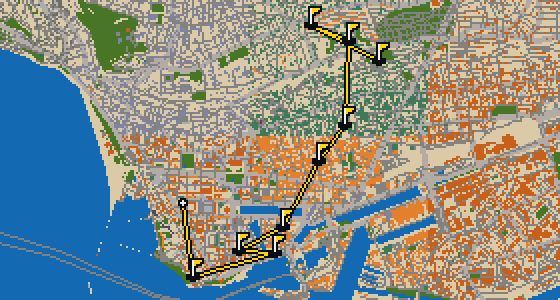
La Rochelle - 9 stops - par 26

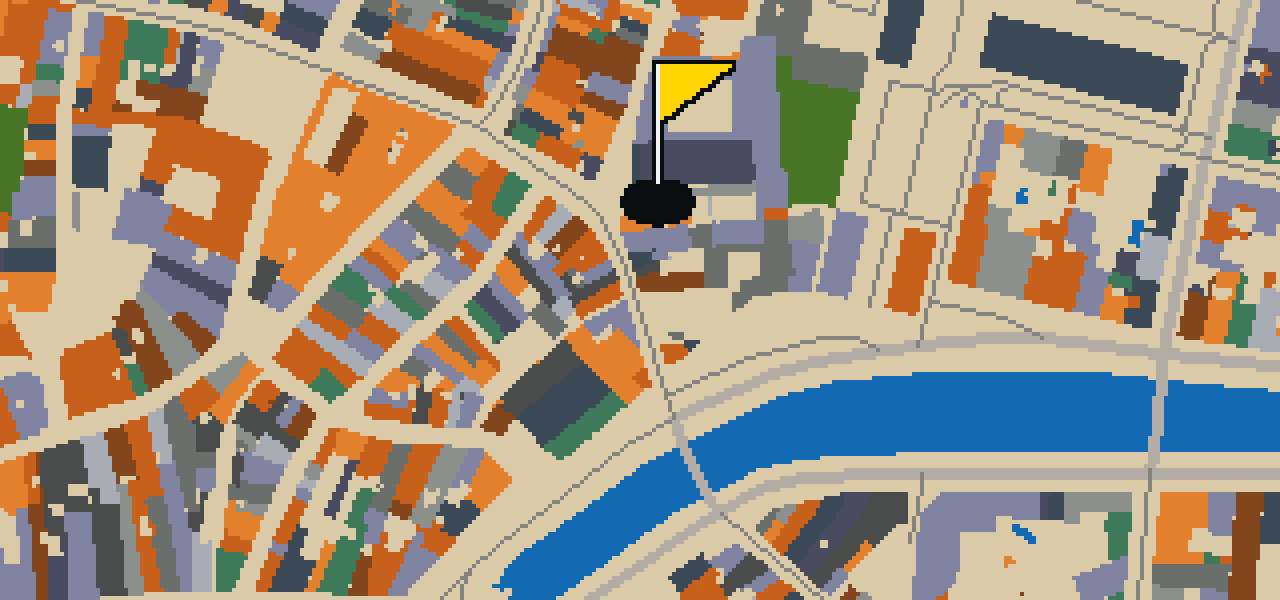
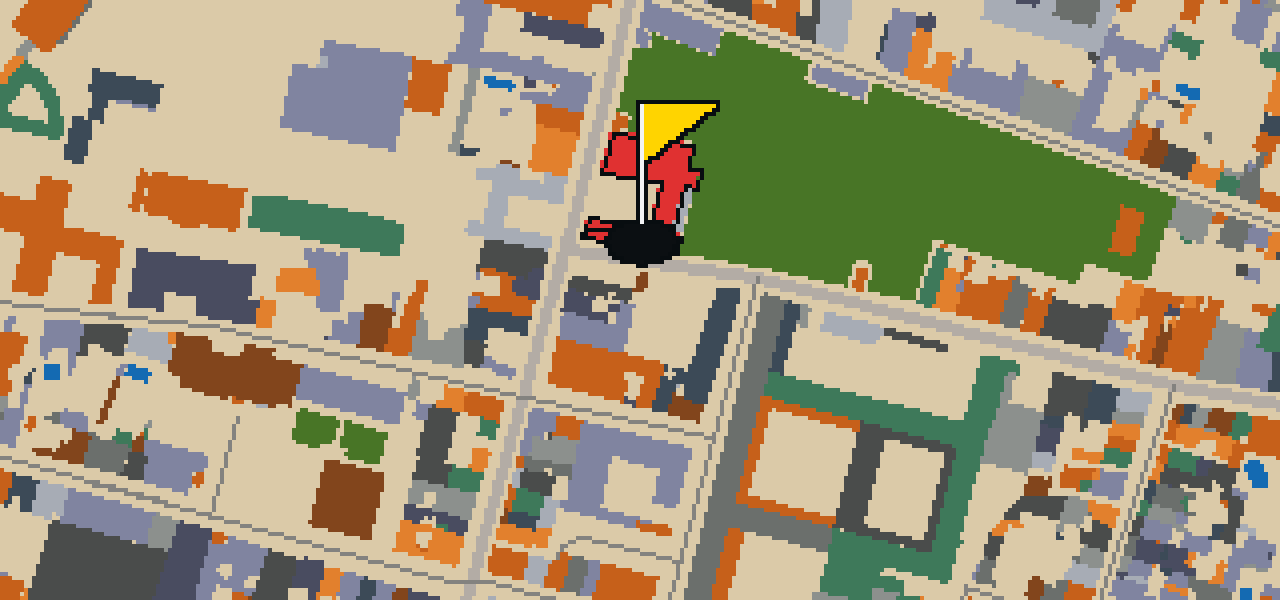
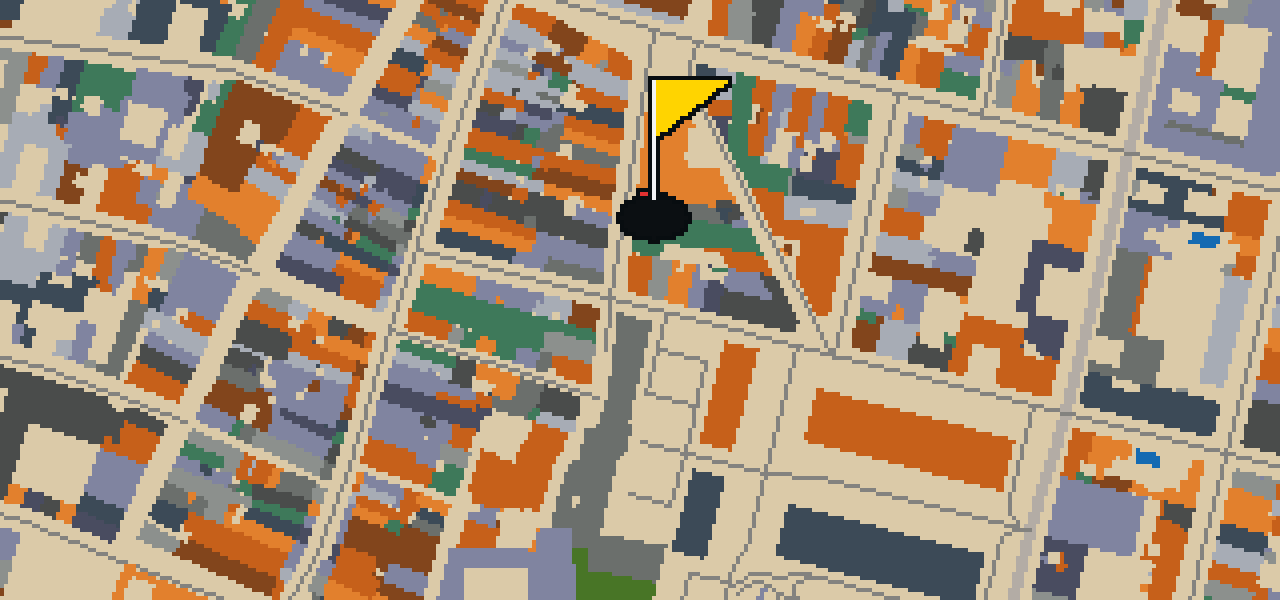
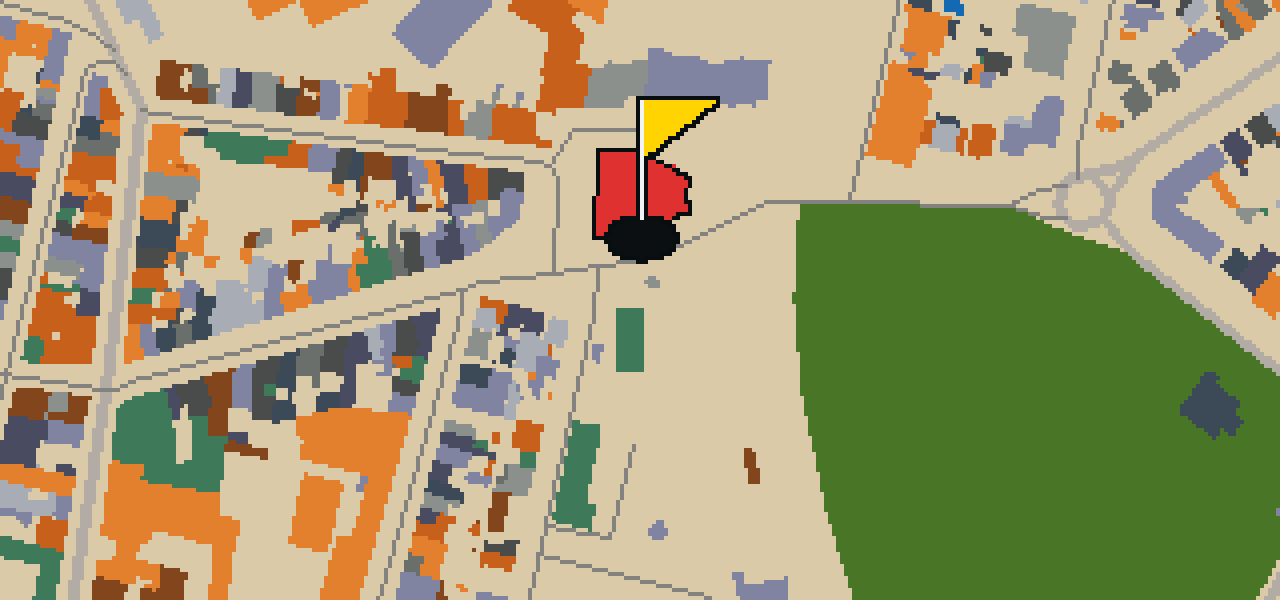
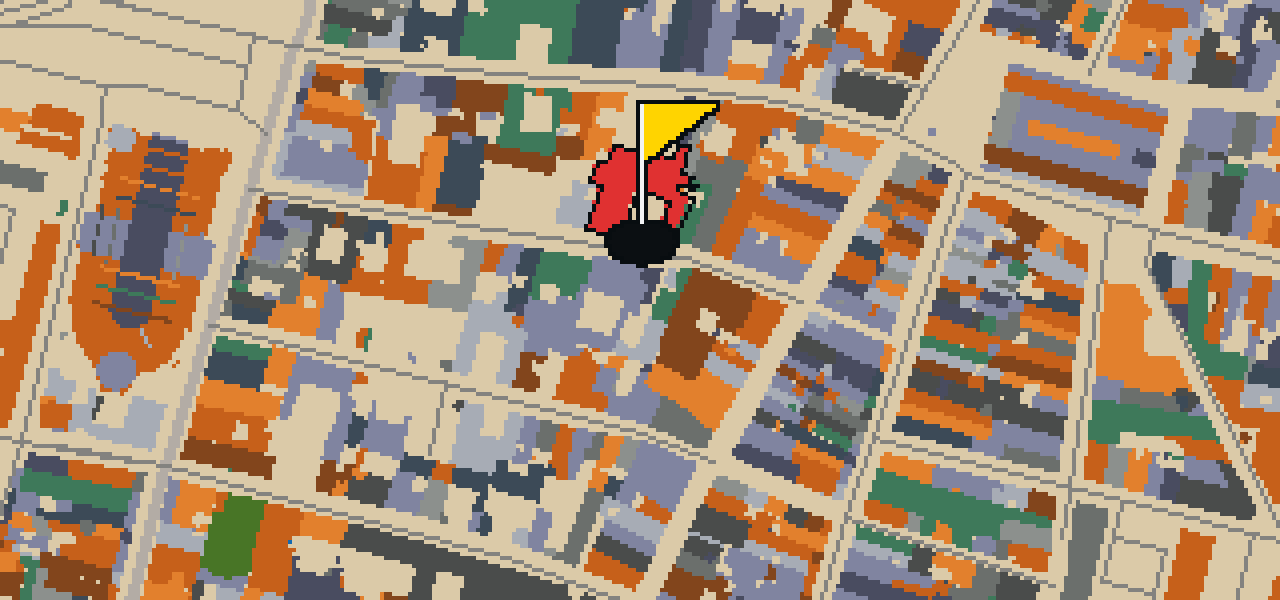
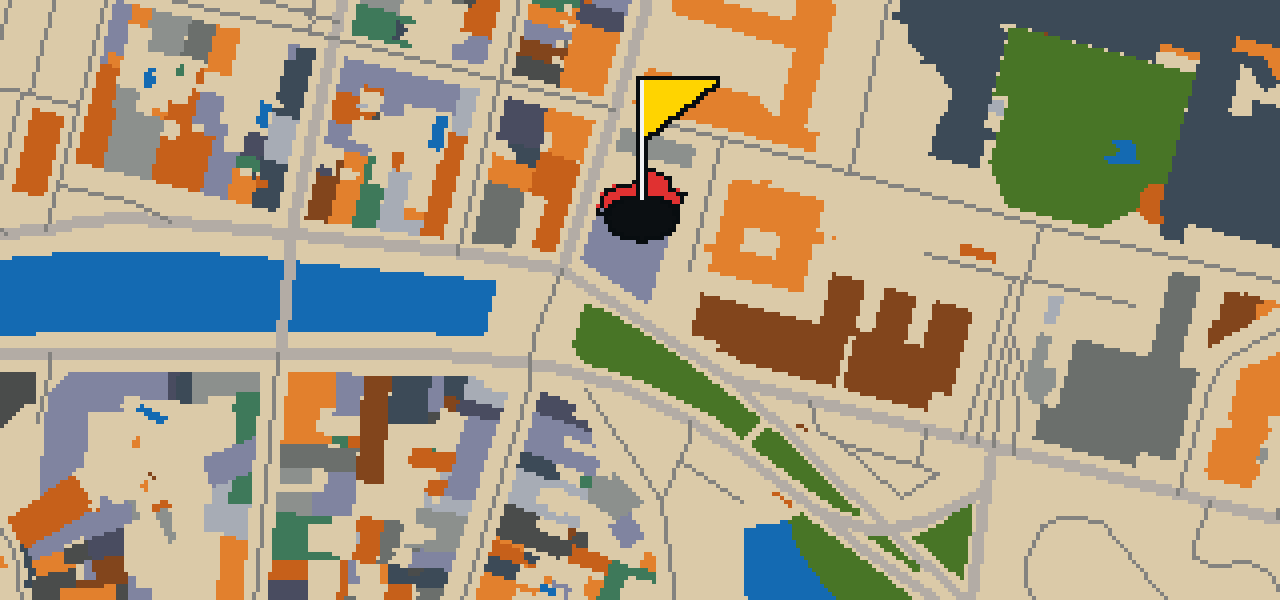
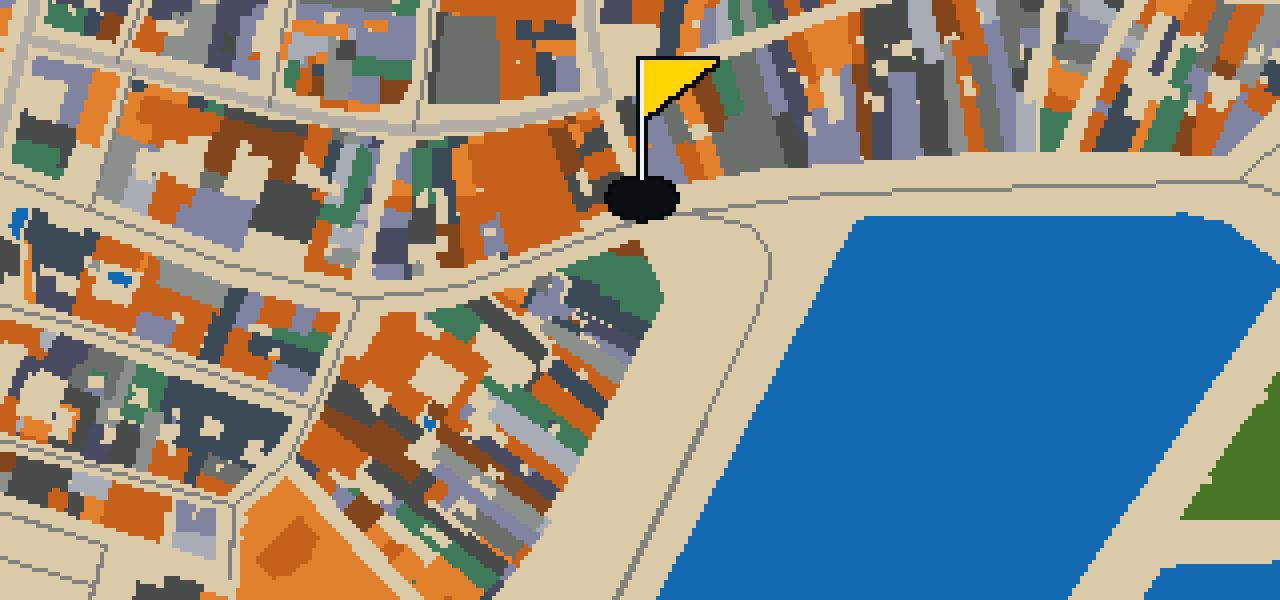
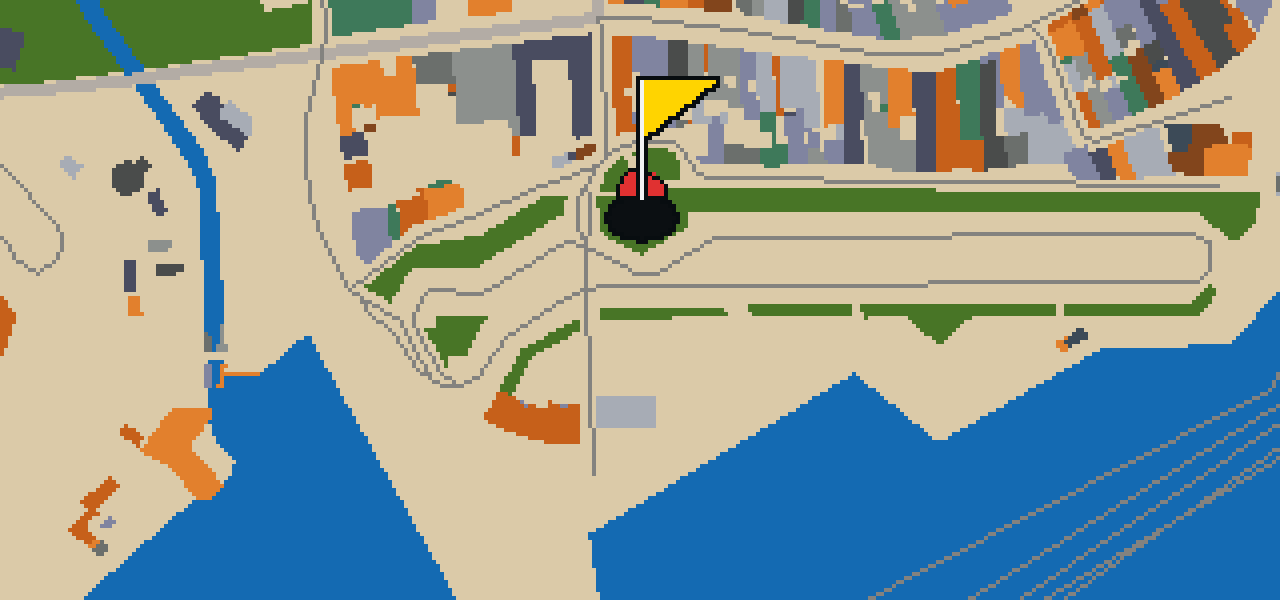
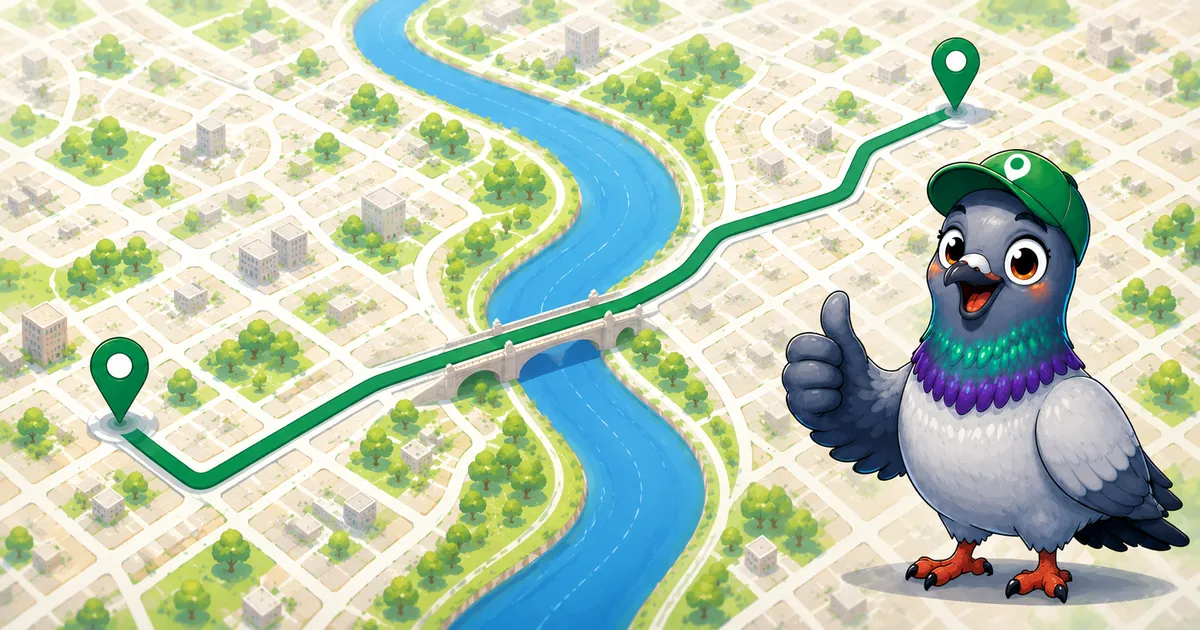
This is La Rochelle. The map is the real city and the round is played on its real streets, where landmarks like the Porte de la Grosse Horloge are the holes. Skip knows these streets by heart. It is a quick round of 9 holes with a par of 26, covering a 4.8 km walk and using 4 portals.

Trouble loading? Open the game in its own tab.

HOW IT WORKS

01

Pick a city

The course is drawn on the real street grid, so the map you play is the map you walk.

02

Putt to the pin

Drag to aim, release to swing. Buildings bounce and water costs you a stroke.

03

Sightsee between strokes

Every hole ends at an attraction. Sink the putt, read the story, walk to the next tee.

THE LA ROCHELLE ROUND - STOP BY STOP

HOLE 1 - PAR 3

Cathédrale Saint-Louis

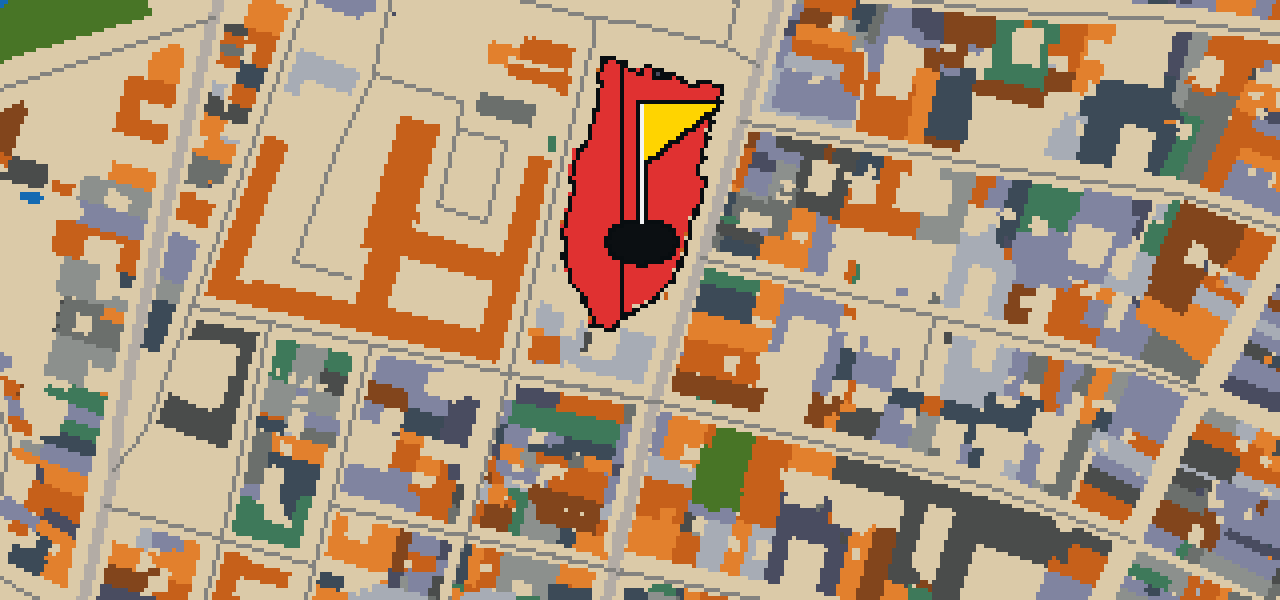
You will first notice the classical architecture style of Cathédrale Saint-Louis. This Catholic cathedral is a classified historical monument located in La Rochelle, France. The structure was started in 1742 and was designed by the architect Jacques Gabriel. Because of its significance to the city and the country, it has been recognized as a national monument since 1906. Visitors can observe how the classical elements define the exterior of this Catholic church, which remains a central point of interest in La Rochelle. By looking at the facade and the layout, you can see the influence of Jacques Gabriel's design. The cathedral is not only a place of worship but also a site of historical preservation, maintaining its status as a classified historical monument for all to see.

Wikidata · Wikipedia

HOLE 2 - PAR 3

Préfecture de la Charente-Maritime

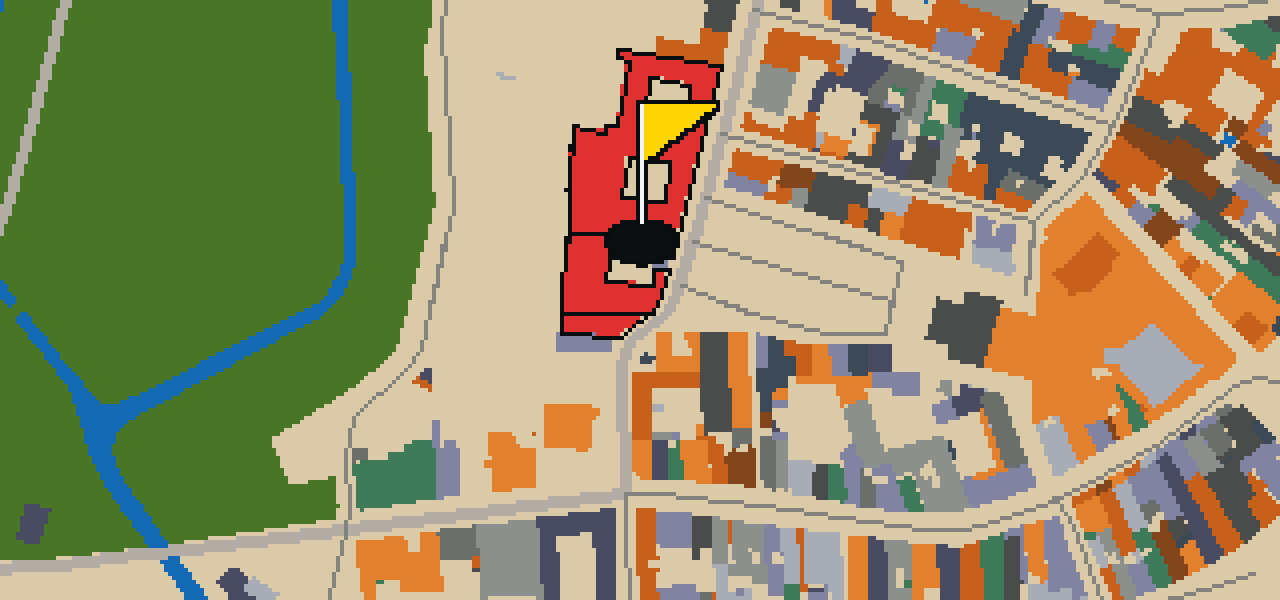
The Préfecture de la Charente-Maritime is a private mansion that functions as an administrative building. When you arrive here, you can pick out the specific features of a grand residence that now houses the machinery of local government. This blend of private luxury and public utility is a common sight in the city, but this particular site is distinguished by its status as a monument historique inscrit. I often notice how the formality of the administrative offices contrasts with the original domestic purpose of the mansion. It is a useful example of how La Rochelle repurposes its architectural heritage to meet the needs of the state without losing the character of the original home. Whether you are interested in governance or architecture, this building offers a glimpse into the city's layered history.

Wikidata

HOLE 3 - PAR 3

Musée Rochelais d'Histoire Protestante

Let me show you the Musée Rochelais d'Histoire Protestante. This museum was founded in 1931 and provides a dedicated space to understand the specific religious history of La Rochelle. While some of the city's larger landmarks draw massive crowds, this site maintains a more intimate scale, seeing 1,814 annual visitors. It is a useful stop for anyone wanting to move beyond the general tourist path to see how the city's past was preserved through the twentieth century. I usually find the pace here much slower than the bustling harbor area, making it a good spot to catch your breath and look closer at the exhibits. Whether you are a history buff or just passing through, it offers a focused glimpse into a distinct part of the local identity that defines this port city.

Wikidata

HOLE 4 - PAR 3

Muséum d'Histoire Naturelle

Look closely at the architecture of this building, which is listed as a historic monument by order of October 27, 2003. This structure houses the Muséum d'Histoire Naturelle, a natural history museum located in La Rochelle. It is a significant site for those interested in the natural world, as the museum is a member of the national network of naturalist collections. Whether you are a local or just passing through, it is a place where you can see how the city preserves its scientific heritage. I usually see quite a few people heading inside, which makes sense given that the museum has 38,556 annual visitors. It is a great spot to take a break from the streets and see what the natural world has to offer.

Wikidata · Wikipedia

HOLE 5 - PAR 3

Le Bunker de La Rochelle

Look at the thickness of the walls first; the massive slabs of concrete are the most striking part of the structure. Once you step inside, you will see that this is Le Bunker de La Rochelle. It is a museum that allows visitors to explore the interior of a coastal defense work. I find that the scale of the walls makes the whole experience feel quite heavy.

Wikidata

HOLE 6 - PAR 3

Porte Royale

Pierre Bullet was the architect behind Porte Royale, a city gate that stands as a prominent entrance to the city. Construction on the gate started in 1706. If you look closely at the stonework, you can see the style Bullet brought to the project. Today, the structure is a classified historical monument, ensuring that its design is preserved for everyone to see. I usually find the best views of the architecture from the street level, where you can appreciate the scale of the entrance. It is a great spot to stop and consider the city's old boundaries before you move on to your next destination. I always enjoy watching the people pass through it, just as they have for hundreds of years.

Wikidata

HOLE 7 - PAR 3

Musée du Nouveau Monde

Founded in 1982, Musée du Nouveau Monde is a museum that provides a dedicated space for exploration and history. Since its opening, it has become a steady point of interest for those visiting La Rochelle. You can see the impact of its collections through the number of people who pass through its doors each year, as the museum sees 10,118 annual visitors. It is a useful stop for anyone wanting to understand the local heritage and the stories the city holds. I often see folks lingering around the entrance, perhaps thinking about the various exhibits inside. Whether you are a history buff or just passing through on a walk, this museum offers a glimpse into the past that is well worth your time.

Wikidata

HOLE 8 - PAR 3

Porte Maubec

You might think you are looking at just another street entrance, but this is Porte Maubec. It is a city gate that stands as a remnant of the city's old boundaries. Beyond its function as a passageway, the site is recognized as a classified historical monument. I have spent plenty of time watching the crowds pass through these arches from the rooftops. It is a great spot to stop and appreciate how the old fortifications integrated into the current street layout of La Rochelle. Whether you are walking or rolling a golf ball, the scale of the gate makes it a prominent landmark in the neighborhood. It is the kind of place where you can really feel the weight of the city's defensive history just by standing beneath the stone.

Wikidata

HOLE 9 - PAR 2

Porte de la Grosse Horloge

Let me show you the Porte de la Grosse Horloge. This city gate is a prime example of medieval architecture, reflecting the old defenses and style of the era. As you walk through it, you can see how the structure has endured over time to become a prominent part of the city's layout. It is now a classified historical monument, ensuring that its stone walls and historic character are preserved for everyone to see. I've noticed that the crowds often gather here to admire the facade, though I usually prefer the view from the rooftops. Whether you are interested in the history of fortifications or just enjoying a stroll, this gate provides a tangible link to the city's past.

Wikidata

STOP 10

Tour de la Lanterne

Standing as a sentinel for the coast, the Tour de la Lanterne is a lighthouse and one of three medieval historic towers in La Rochelle, Poitou-Charentes, France. Construction on the tower started in 1468. Beyond guiding ships, the tower served as a prison. It has been known by several different names over the years, including the Garrot tower, Priest tower, and Four Sergeant tower. The French government declared the site a Monument historique in 1789, and it remains a classified historical monument today. I always find it interesting how these old stone walls have held so many different roles throughout the centuries. It is a great spot to stop and look at the architecture while you are exploring the waterfront area of the city.

Wikidata · Wikipedia

OTHER COURSES

9 HOLES - PAR 24

Le Havre

9 stops

This is Le Havre. The map is the actual city and the round is played on its real streets, using attractions like Église Saint-Joseph as the basis for the holes. Skip is a local guide who knows every corner. It is a quick round of 9 holes with a par of 24, covering a walk of 5.1 km and using 8 portals to move between districts.

18 HOLES - PAR 56

Versailles

18 stops

This is Versailles. The map is the real city and the round is played on its real streets, using attractions like the Château de Versailles as the basis for the holes. Skip is a local guide who knows every cobblestone. It is a full round of 18 holes with a par of 56, covering a walk of 11.7 km. The ball uses 6 portals to move between the different districts.

9 HOLES - PAR 26

Vannes

9 stops

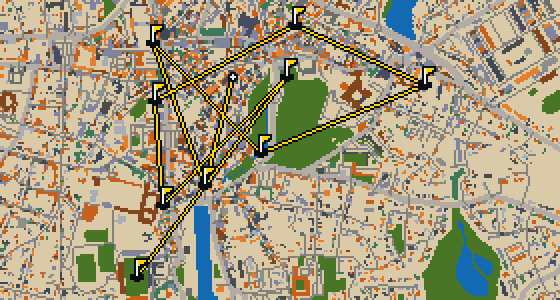
A quick nine-hole round winds through Vannes, following the real city map and its actual streets. The course uses local attractions, such as Cathédrale Saint-Pierre, to form the holes. Skip knows every corner of this 4.8 km walk, including the two portals that skip over the long stretches. A pigeon's eye view is the best way to see how the ball rolls.

9 HOLES - PAR 28

Tours

9 stops

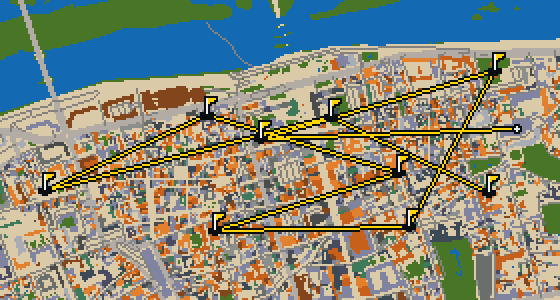
This is Tours, where the map is the real city and the round is played on its real streets. The holes are built from real attractions, like the Cathédrale Saint-Gatien. Skip is a local guide who knows the place. It is a quick round of 9 holes with a par of 28, covering a 5.5 km walk with two portals for the ball to ride.

9 HOLES - PAR 27

Toulon

9 stops

This is a quick nine-hole round through Toulon. The map is the real city and the play happens on its actual streets, using attractions like the Opéra as the basis for the holes. Skip knows these sidewalks well and will act as the local guide for the 5.2 km walk. Six portals help move the ball across the city.

FAQ

Is it free to play?

Yes. Every course runs in the browser with no account and no install.

Do I need to be in the city?

No. The full round plays from anywhere. Walking the real route is a nice way to see the city, but it is not required.

Are the maps real?

Yes. The geometry comes from OpenStreetMap data, rendered chunky on purpose. Streets, water and parks sit where they really are.