
DIJON - 18 HOLES - FREE

DIJON
CITY MAP MINIGOLF

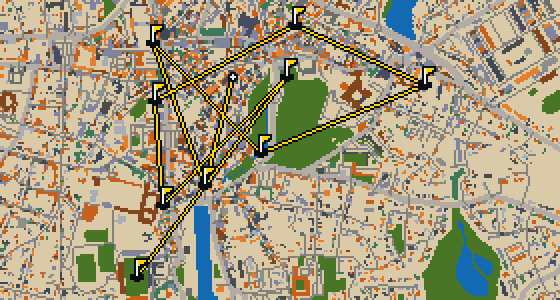
Dijon - 18 stops - par 52

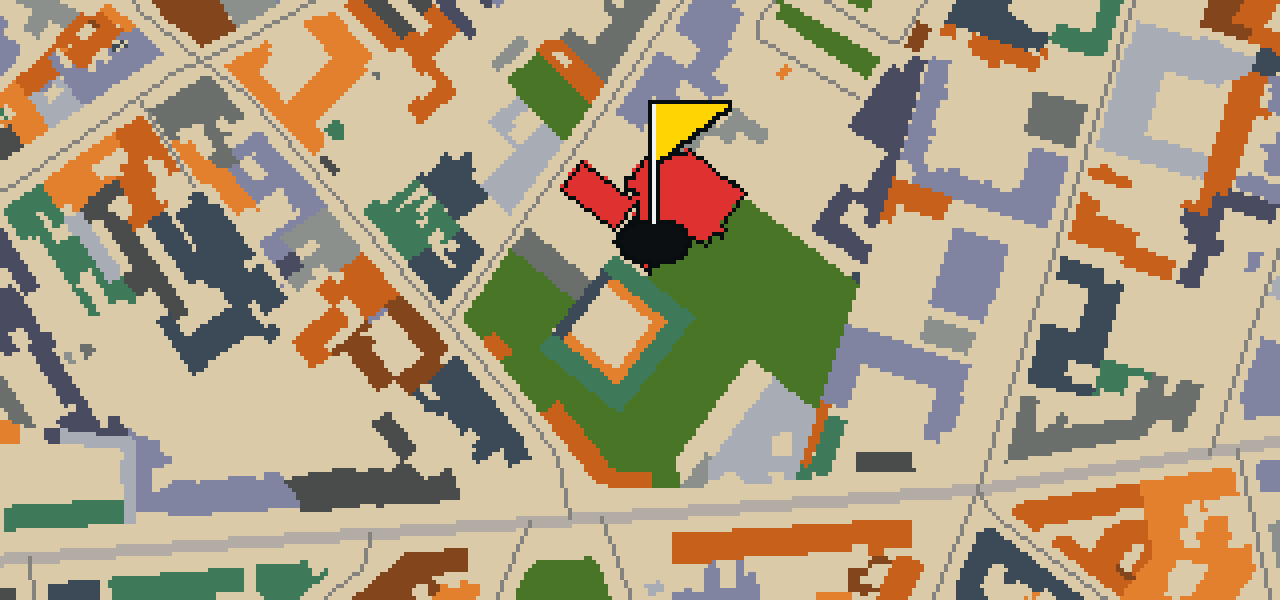
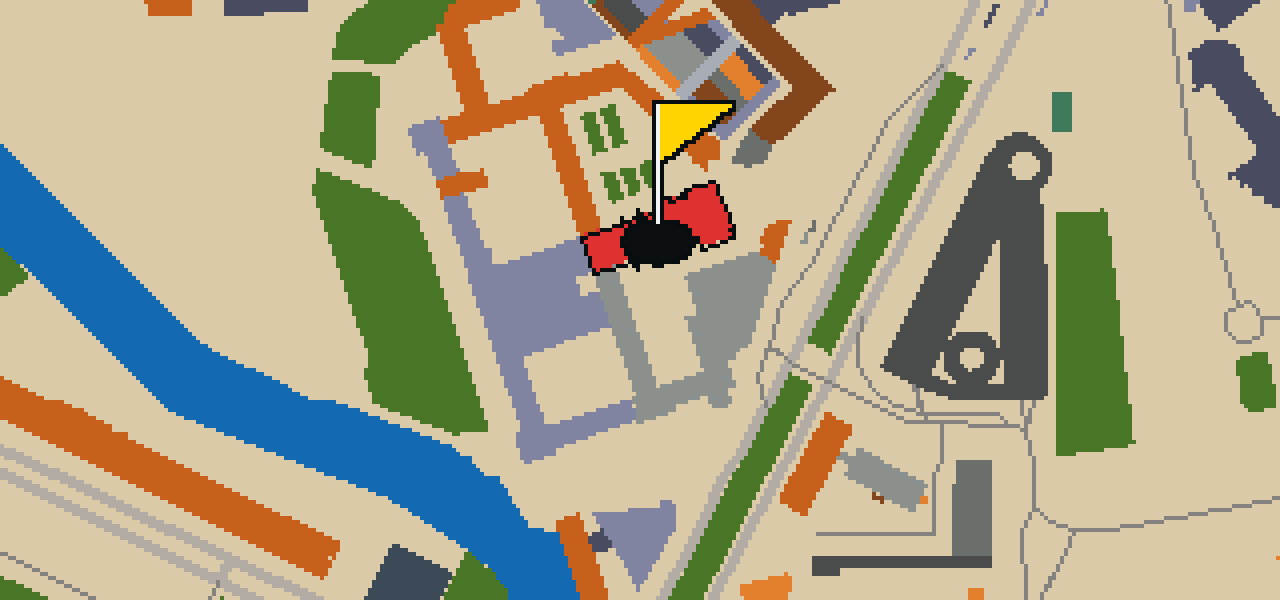
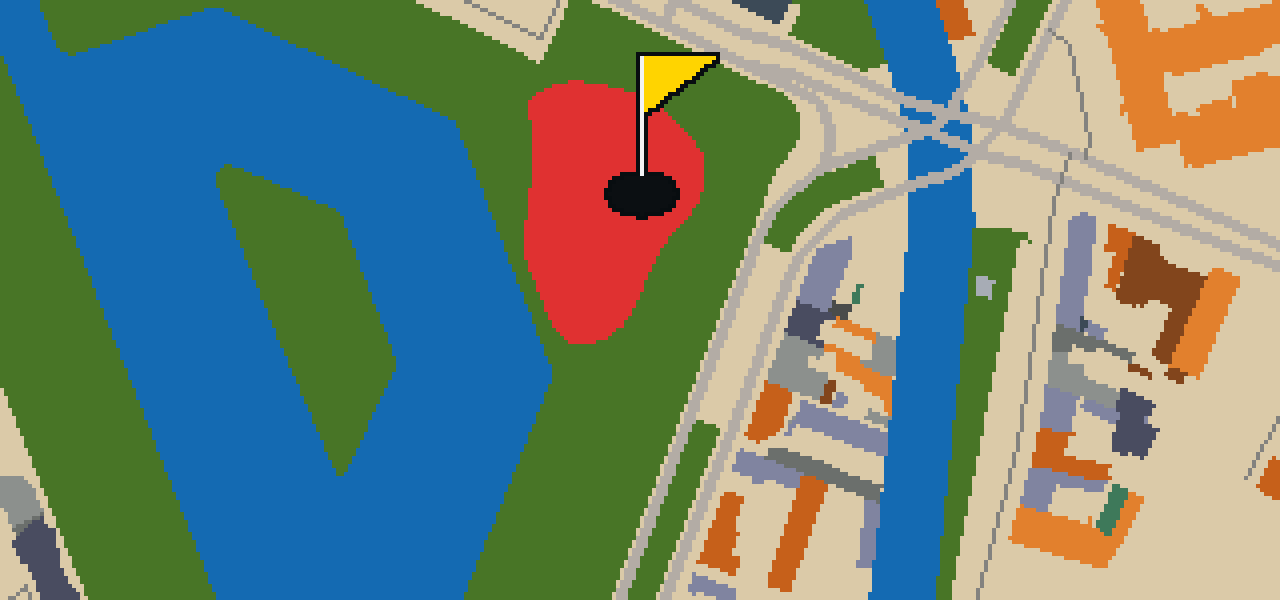
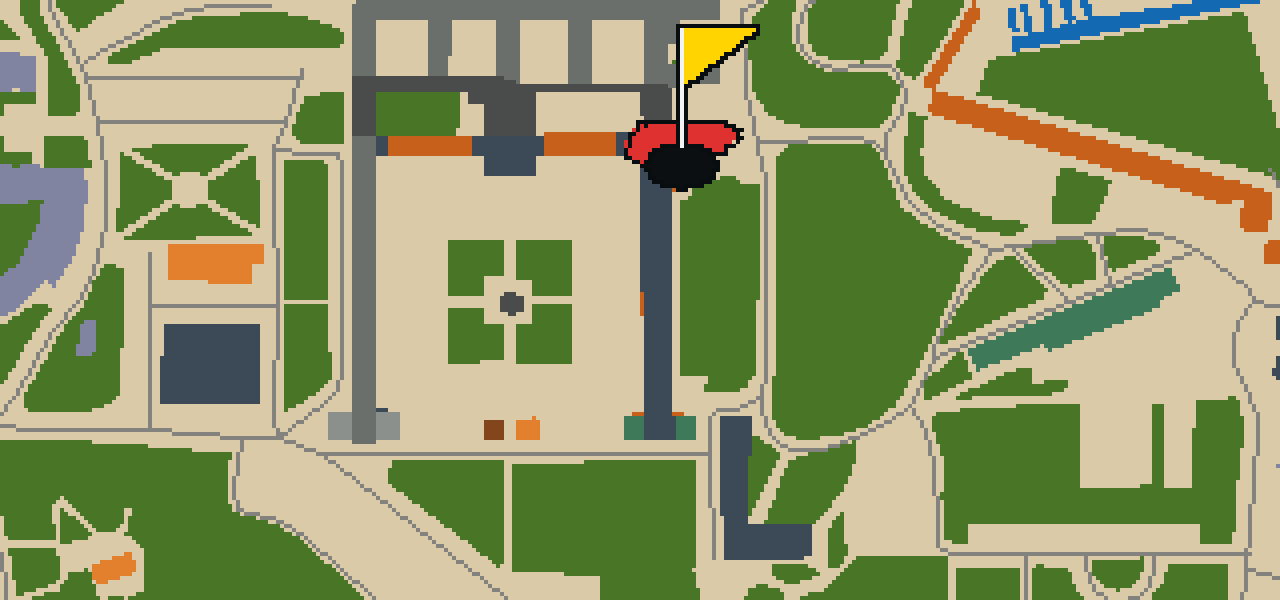
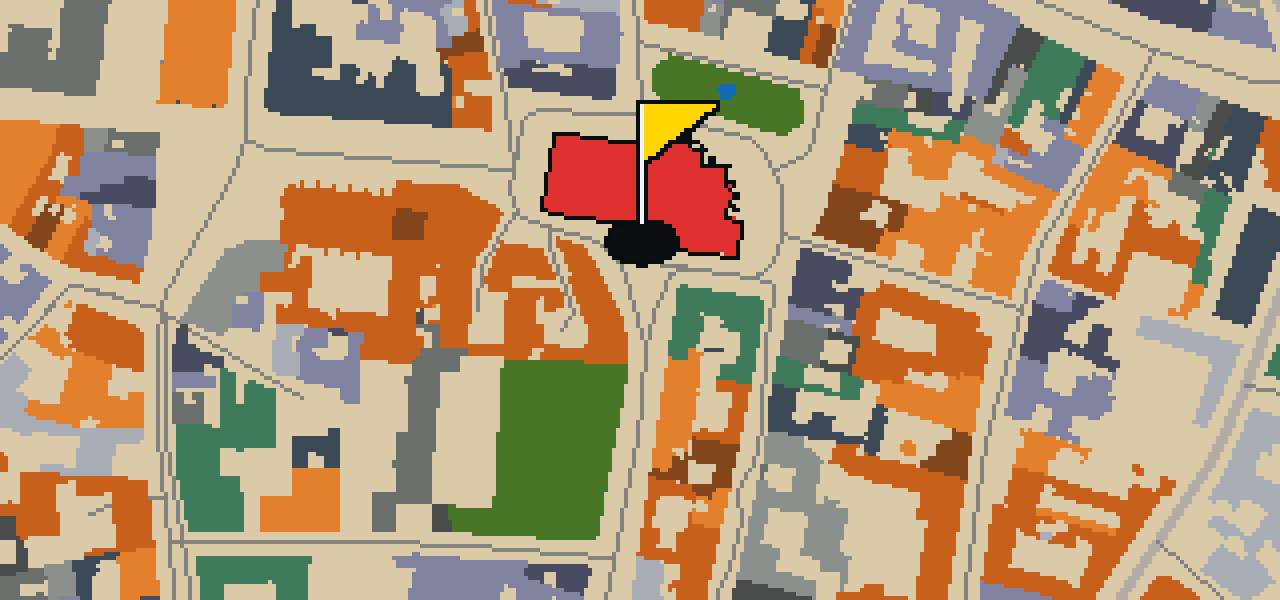
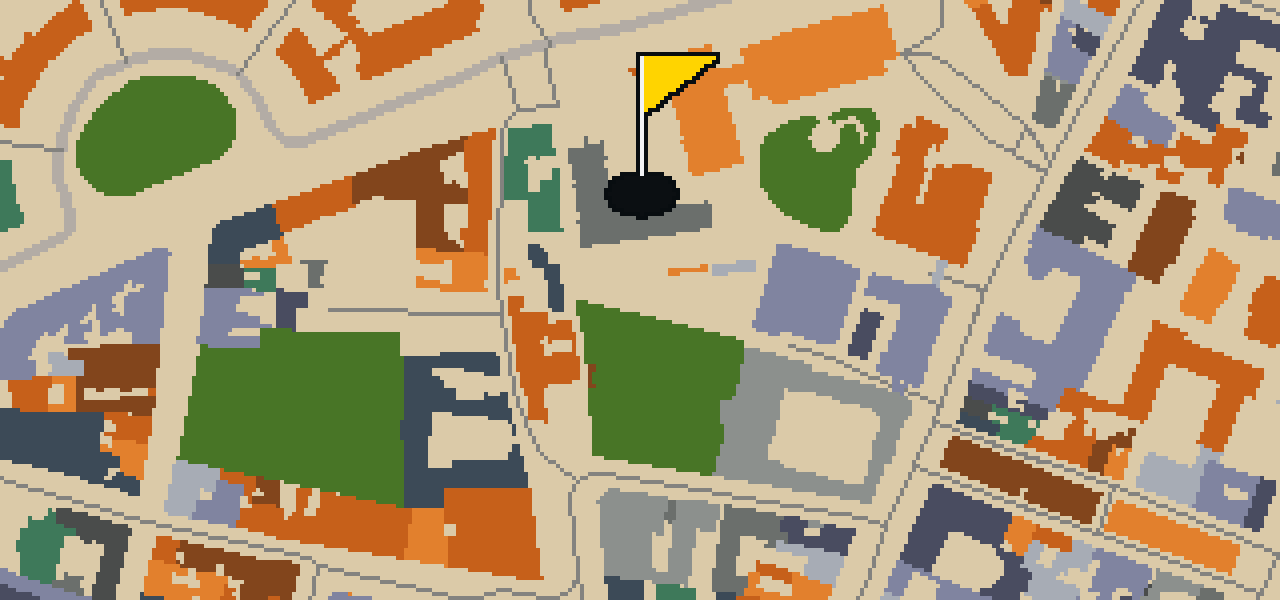
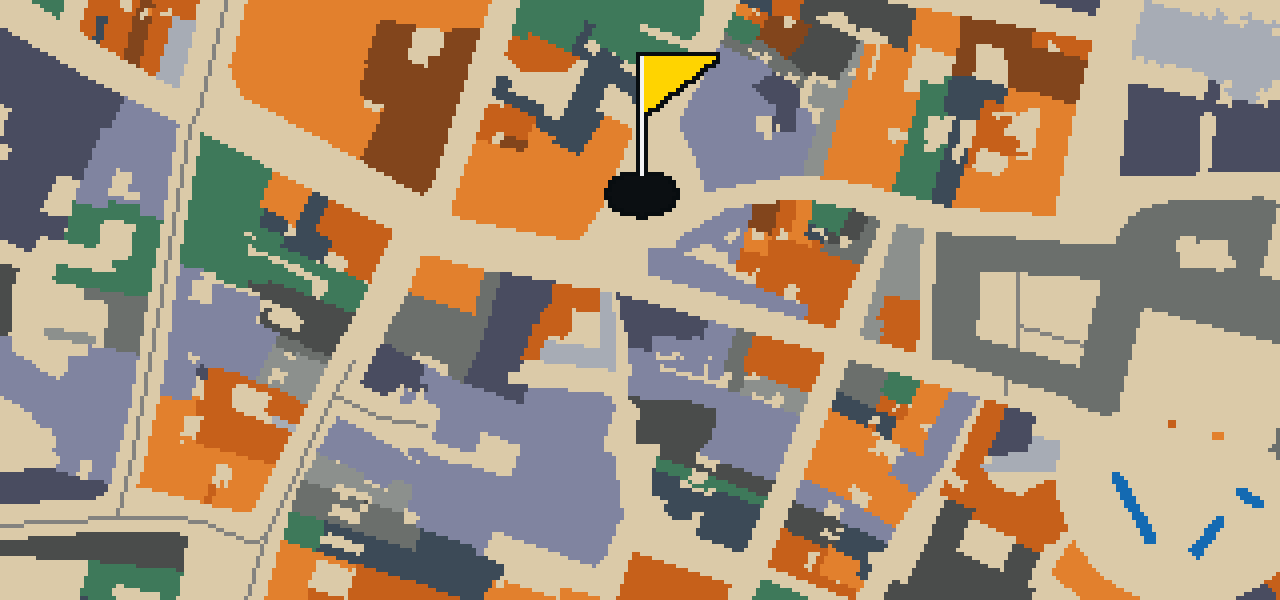
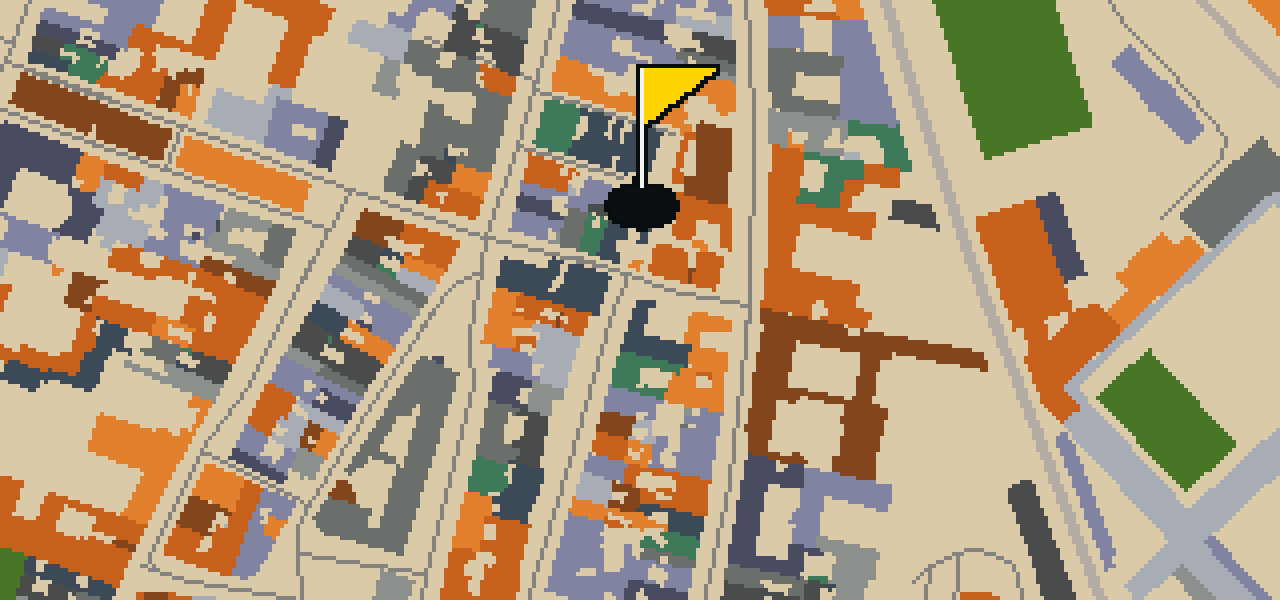
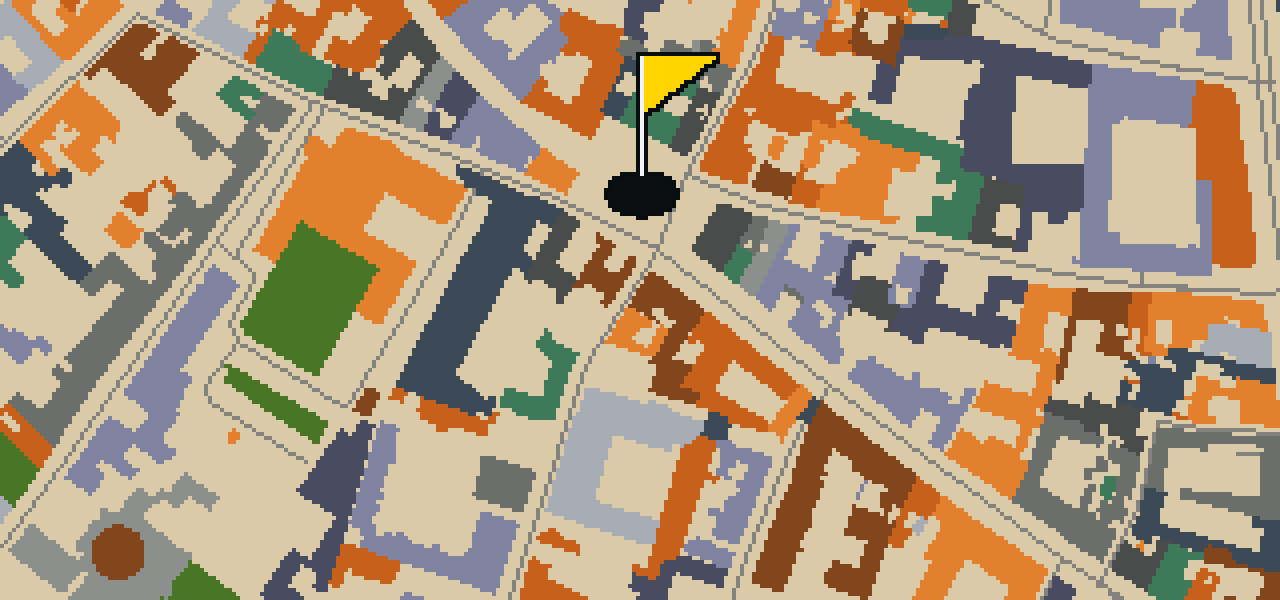
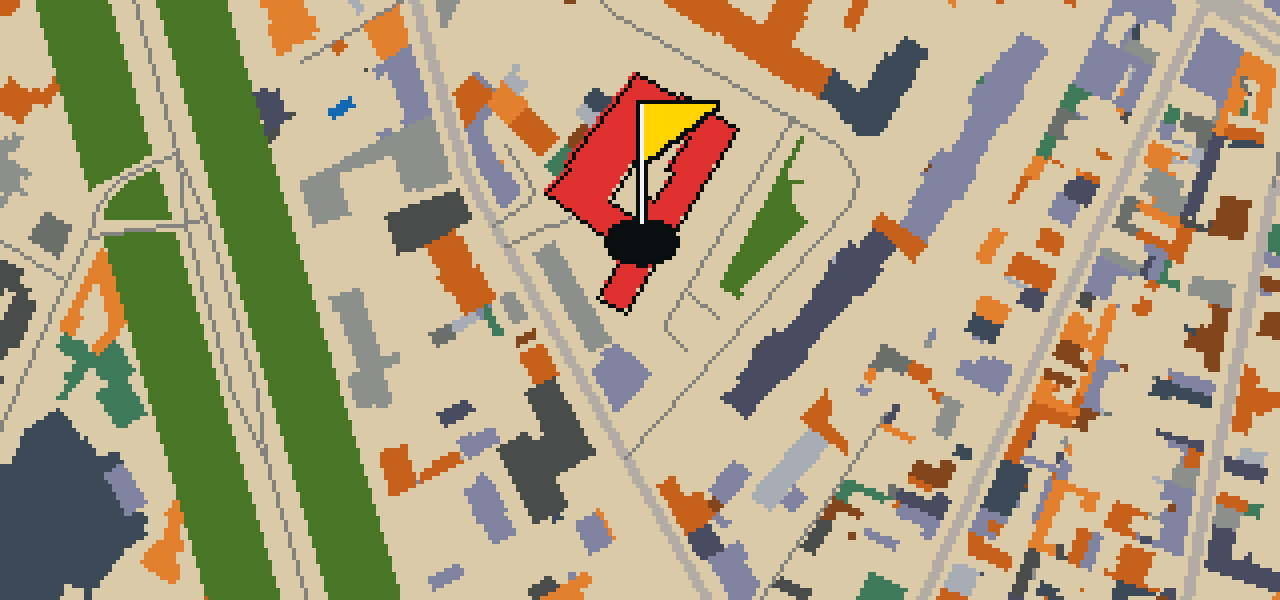
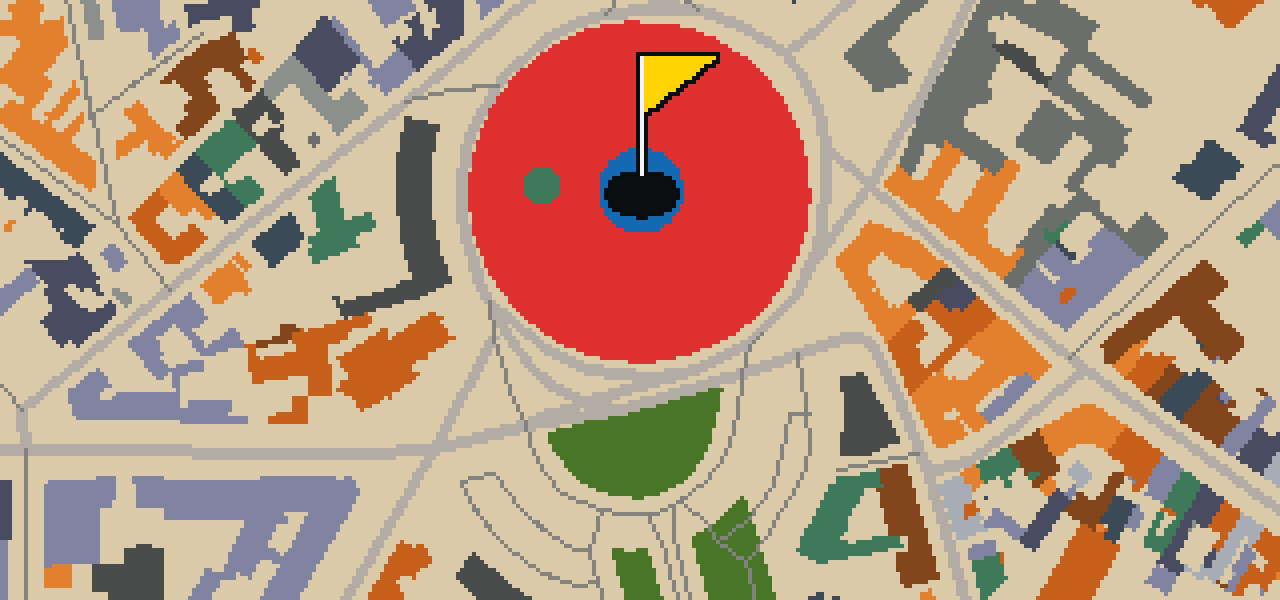
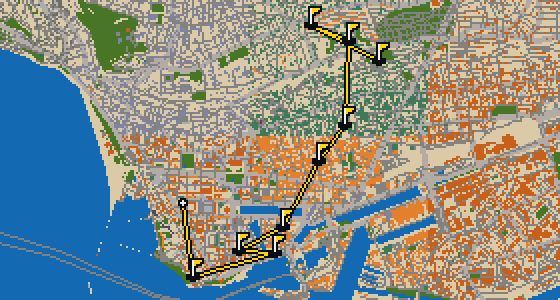
The round begins at Cathédrale Saint-Bénigne in Dijon. The map is the actual city and the game is played on its real streets, using local attractions as the foundation for each hole. Skip is a local guide who knows these pavements well, perhaps from a few too many crumbs found along the way. This full eighteen-hole course covers 10.5 km and uses four portals to move the ball across the map, ensuring the walk stays efficient between the landmarks.

Trouble loading? Open the game in its own tab.

HOW IT WORKS

01

Pick a city

The course is drawn on the real street grid, so the map you play is the map you walk.

02

Putt to the pin

Drag to aim, release to swing. Buildings bounce and water costs you a stroke.

03

Sightsee between strokes

Every hole ends at an attraction. Sink the putt, read the story, walk to the next tee.

THE DIJON ROUND - STOP BY STOP

HOLE 1 - PAR 3

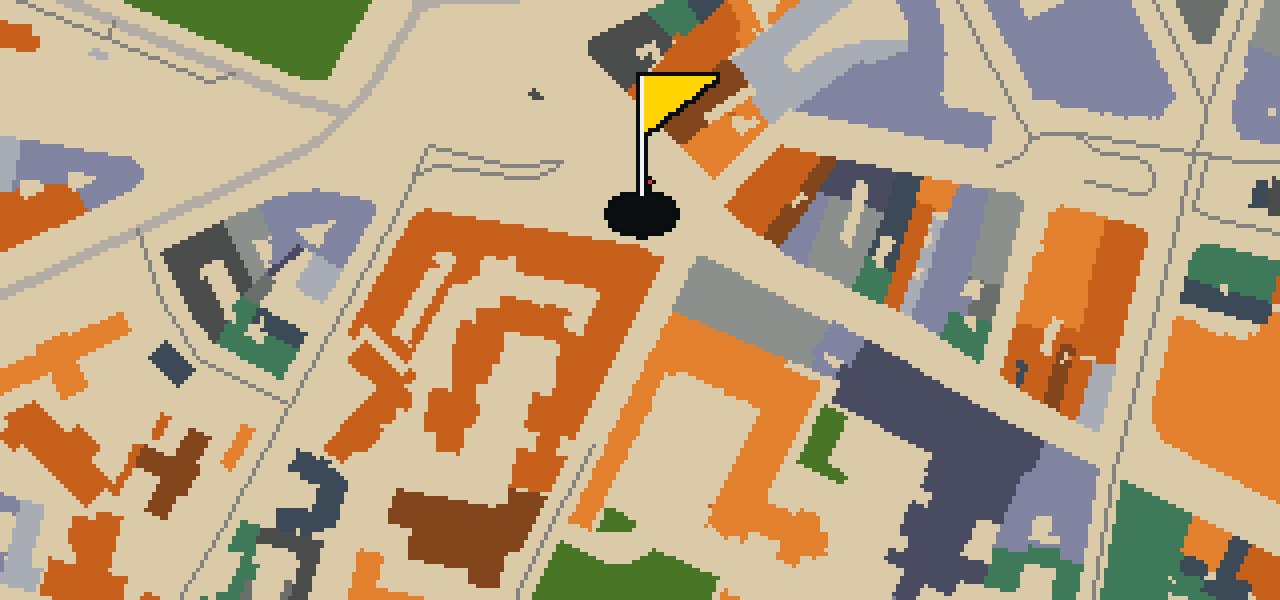
Cathédrale Saint-Bénigne

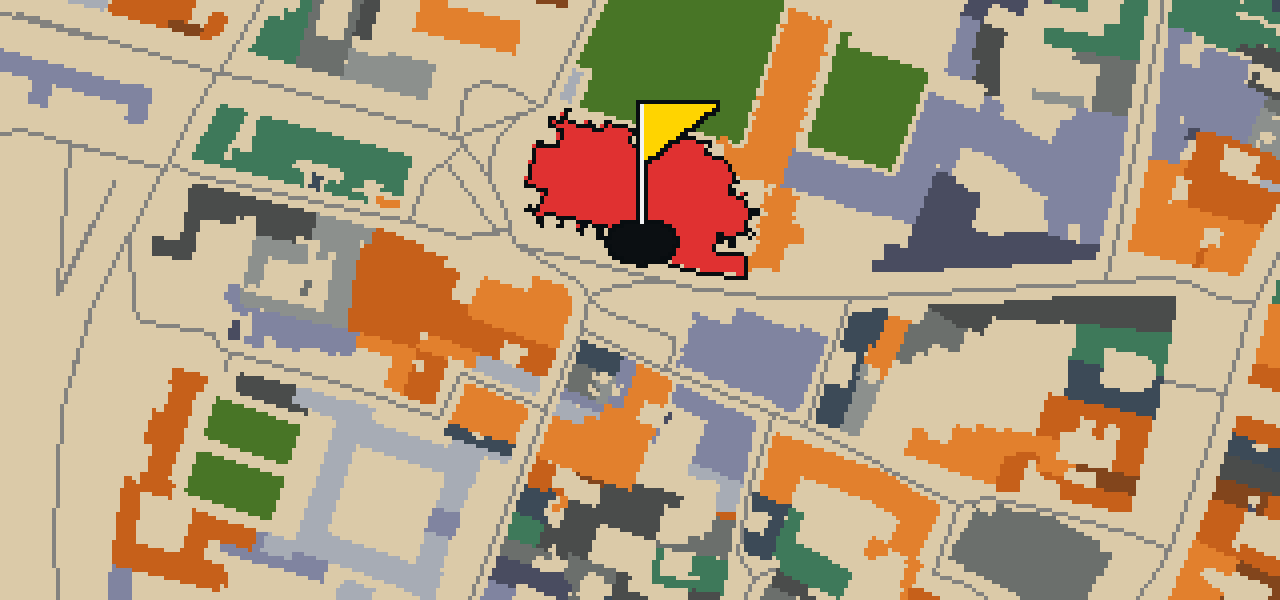
Located in Dijon, Burgundy, France, Cathédrale Saint-Bénigne is a Catholic cathedral. This classified historical monument is built in the Gothic architecture style. The building was constructed between 1280 and 1325. It is dedicated to Saint Benignus of Dijon. The inception of the cathedral was 1280, and the final dedication occurred on 9 April 1393. As a listed national monument, it stands as a primary example of the Gothic style within the city of Dijon.
Wikidata · Wikipedia

HOLE 2 - PAR 3

Palais des Ducs et États de Bourgogne

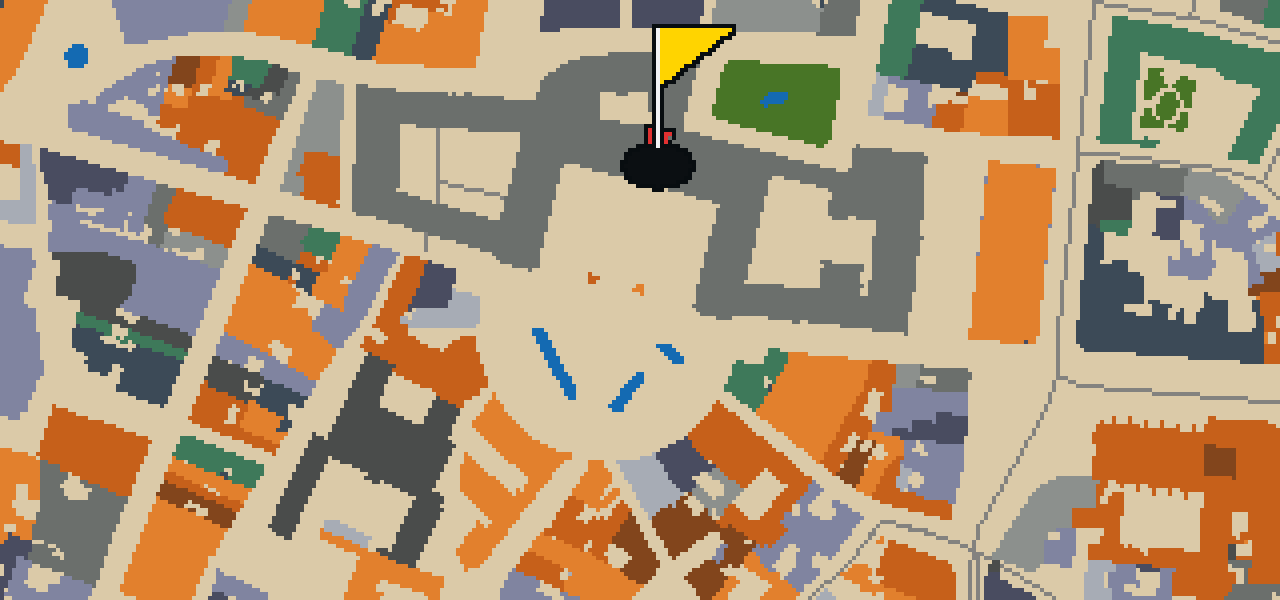
Let me show you the Palais des Ducs et États de Bourgogne, a palace that sits as a central point of the city. You can pick out a mix of Gothic, Renaissance, and Neoclassical architectural styles here. The oldest part of the palace is the Gothic ducal palace from the 14th and 15th century. Louis Belin was the architect for the palace, which had its inception in 1737. It is a classified historical monument that houses both the city's Hôtel de Ville and the musée des Beaux-Arts. I've noticed the streets around here make for a great bank shot.

Wikidata · Wikipedia

HOLE 3 - PAR 3

Porte Guillaume

Let me show you Porte Guillaume, a city gate located in Dijon. When you visit this part of the city, you will find that the gate is a classified historical monument. It is a great spot to stop and appreciate the old fortifications that once defined the city's boundaries. You can pick out the weathered textures of the stone as you walk by. I've found that the ledge here is a favorite spot for a few of my friends to keep an eye on the passing crowds.

Wikidata

HOLE 4 - PAR 3

Musée d'art sacré

Located at 17 rue Sainte-Anne, this art museum is housed within the Église Sainte-Anne. The city of Dijon bought the church in 1950, and Canon Jean Marilier later inaugurated the museum there in 1980. It carries the label "Musée de France" and welcomes 7,137 annual visitors. I've noticed the building provides a very specific atmosphere for the art it holds, which is quite different from a standard gallery. Since 1993, the site has also been associated with the Musée de la Vie Bourguignonne Perrin Puycousin, connecting the two institutions for visitors.

Wikidata · Wikipedia

HOLE 5 - PAR 2

Cité Internationale de la Gastronomie et du Vin

You will first notice the scale of the Cité Internationale de la Gastronomie et du Vin. This site is an exhibition dedicated to the culinary arts, providing a space where visitors can explore the intersection of food and culture. Beyond the public displays, the facility is an educational institution and also serves as a convention center for professional events. I find it a great spot to spend an afternoon exploring the local flavors of Dijon. Whether you are here for a class or a conference, there is plenty to see within these walls.

Wikidata

HOLE 6 - PAR 4

Obélisque

Let me show you the Obélisque, an obelisk that marks a distinct spot in Dijon. Emiland Gauthey is the architect of this monument, and it has since been designated as a monument historique inscrit. You can pick out the clean lines of the stone against the surrounding streets, which makes it a great point of orientation while you are exploring the neighborhood. I usually find the best view of the spire when the light hits the peak just right, though you have to watch out for the crowds gathering at the base.

Wikidata

HOLE 7 - PAR 3

Chartreuse de Champmol

On the outskirts of Dijon sits the Chartreuse de Champmol. This Carthusian monastery was founded in 1383 by Duke Philip the Bold, who intended for the site to provide a dynastic burial place for the Valois Dukes of Burgundy. While the inception of the Chartreuse de Champmol was in 1388, the monastery remained in operation until it was dissolved in 1791. It is now recognized as a classified historical monument, preserving the memory of the monks and the nobility who were once centered here on the edge of the city.

Wikidata · Wikipedia

HOLE 8 - PAR 4

Parc des Carrières Bacquin

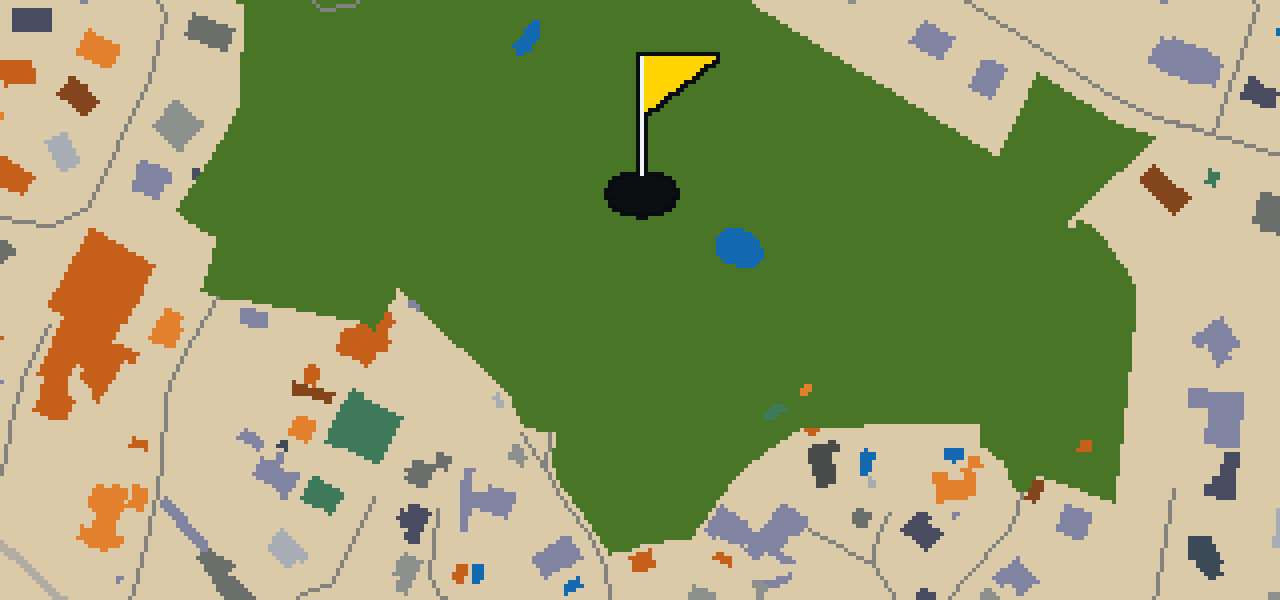
Let me show you Parc des Carrières Bacquin. Situated in Dijon, this location is a park. It is a spot for visitors to stop and see a different side of the city's greenery. I find it is a pleasant place to spend some time while exploring the area.

Wikidata

HOLE 9 - PAR 3

Jardin de l'Arquebuse

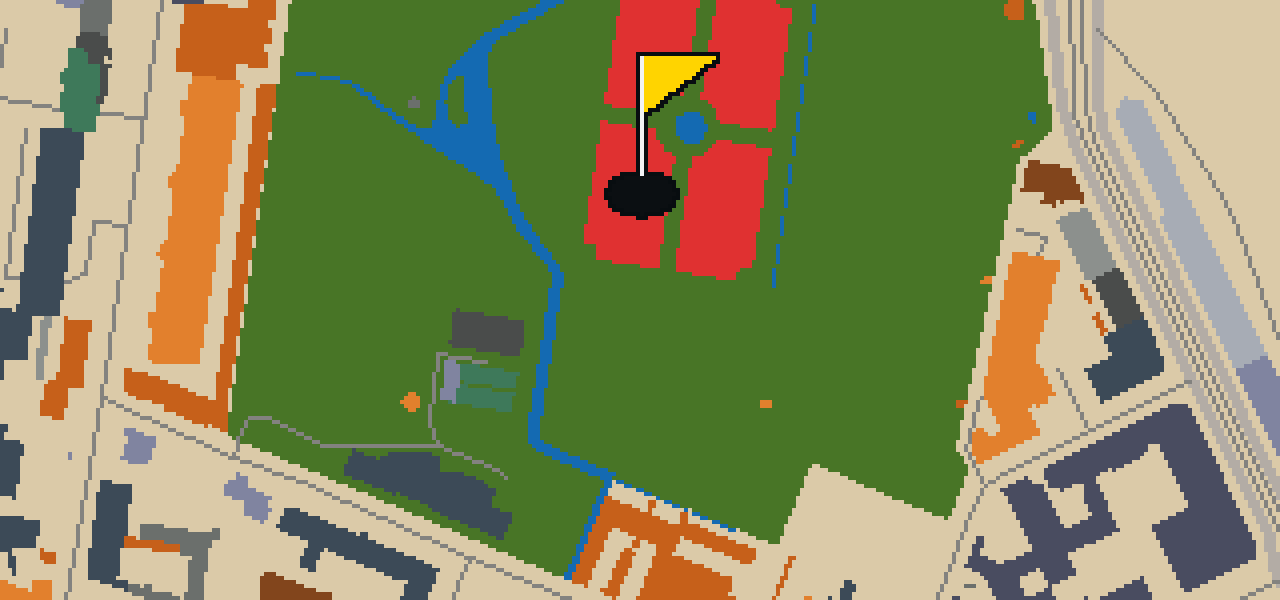
Let me show you the Jardin de l'Arquebuse. This botanical garden is a significant local spot that also functions as an arboretum. You can find it at 1 Avenue Albert-Premier in Dijon, Côte-d'Or, Bourgogne, France. It is open daily without charge, making it an easy place to spend an afternoon. I have noticed it stays quite busy, as the garden sees 100,590 annual visitors. It is a great place to stretch your legs between shots, and the open access makes it a favorite for everyone in the city.

Wikidata · Wikipedia

HOLE 10 - PAR 3

Temple

The Temple is built in the Romanesque Revival architecture style. It is a Protestant church building that was started in 1898. This site is recognized as a monument historique inscrit, making it a point of significance for those visiting the city. You can see the specific influence of the Romanesque Revival style in the building's design and form. It serves as a place of worship and a preserved piece of the local architectural history.

Wikidata

HOLE 11 - PAR 3

Place de la République

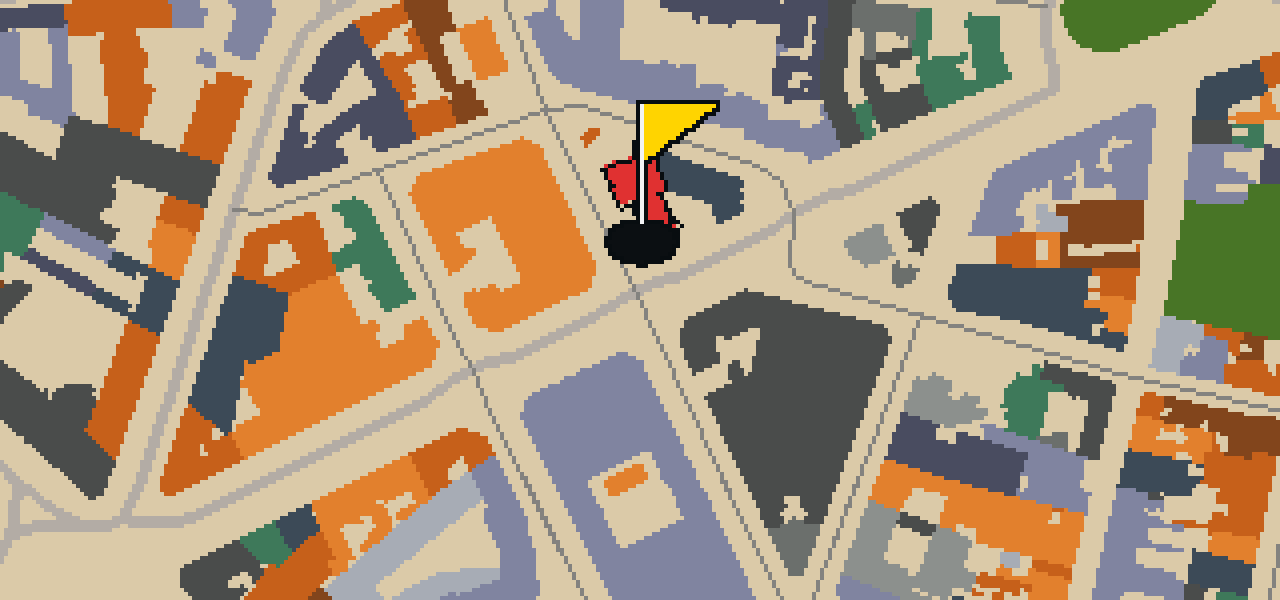
Looking across the open pavement, you will see that Place de la République is a square. I like to spend time here watching the city move around the perimeter. It is a useful spot for visitors to get their bearings before heading deeper into Dijon.

Wikidata

HOLE 12 - PAR 3

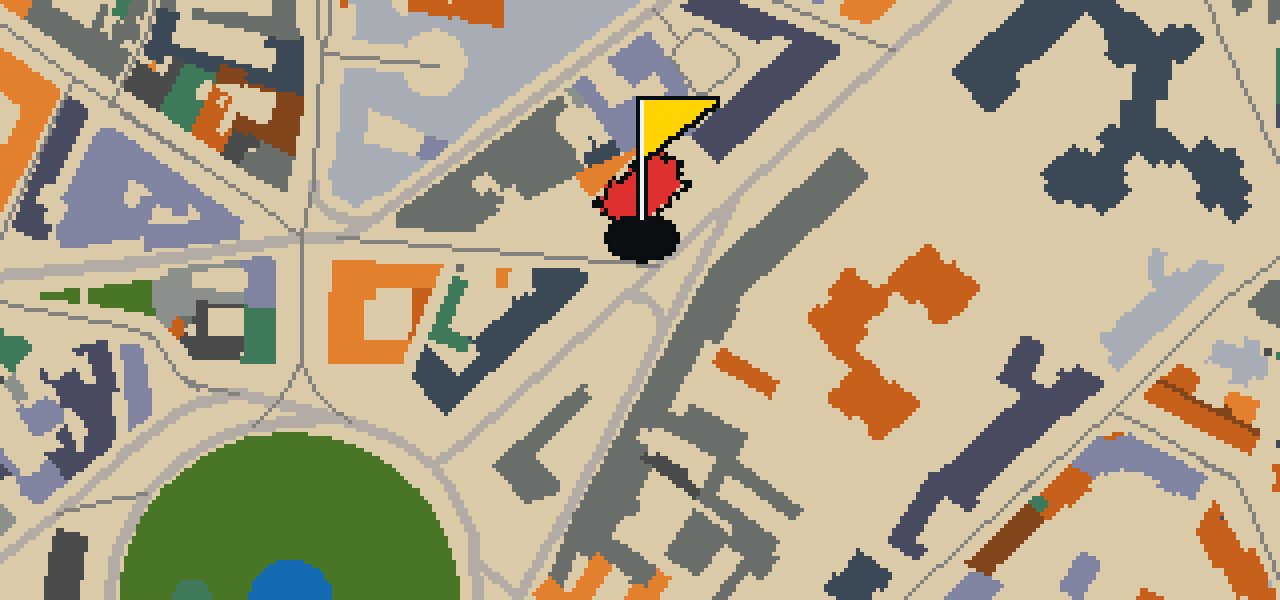
Église Saint-Michel

You are not looking at a contemporary structure, but at Église Saint-Michel. This church building is built in the Gothic architecture style and is a classified historical monument. Construction on the site was started in 1497. It is a significant site for those visiting the city, providing a direct look at the Gothic architectural elements that define its exterior and interior. When you stand before it, you can see the specific design choices that make it a classified historical monument in the city of Dijon.
Wikidata

HOLE 13 - PAR 2

Cellier de Clairvaux

Look closely at the weathered stone walls of this monastic grange. This is the Cellier de Clairvaux, a site that is also a pantry. It is a classified historical monument in Dijon, preserved for its architectural and historical value. When you walk around the perimeter, you can get a sense of how these spaces functioned for the community. I always think it is fascinating how a place built for simple storage can end up as such a significant landmark for the city.

Wikidata

HOLE 14 - PAR 3

Place François Rude

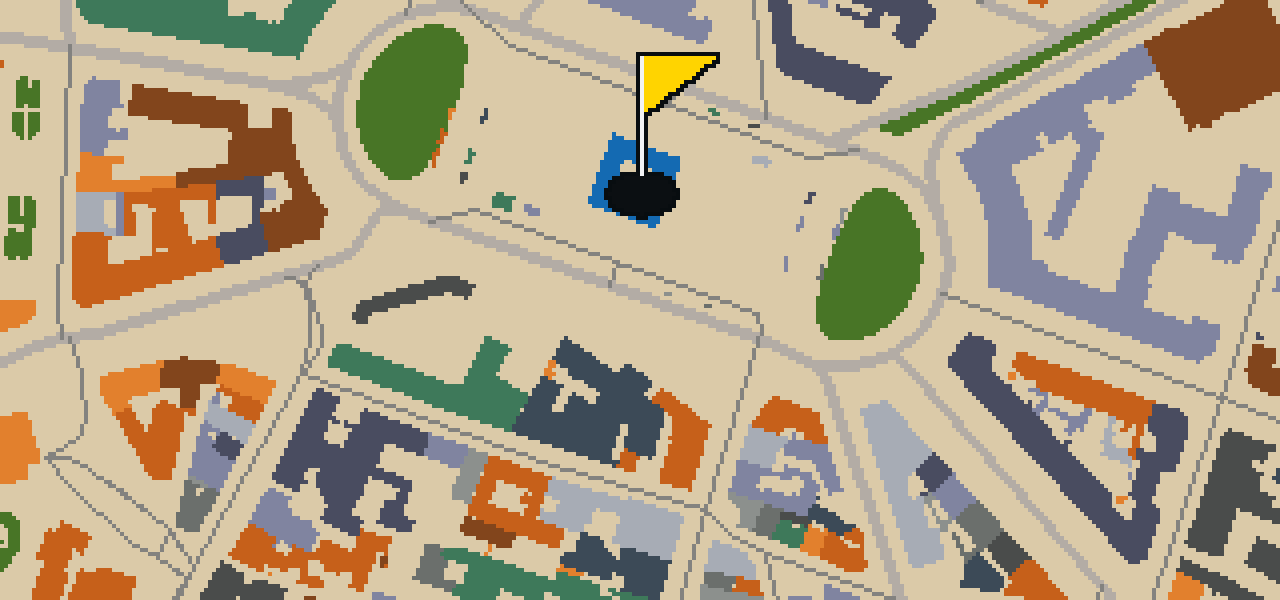
You will first notice the open layout of Place François Rude. This square is a central point in Dijon where people gather and visitors can orient themselves. I find it a great spot to watch the city move around you while you take a break from walking.

Wikidata

HOLE 15 - PAR 3

Tour Saint-Nicolas

You will first notice the tall spire of Tour Saint-Nicolas reaching high above the surrounding buildings. This structure is a bell tower that helps define the local horizon and is a prominent point of interest for anyone visiting the area. If you look closely at the exterior, you can see it is designed in the Gothic architecture style. It is a great spot to pause and look at the city from a different perspective. I often see my friends perched on the ledges here to get a better view of the streets below.

Wikidata

HOLE 16 - PAR 2

Place des Cordeliers

Let me show you Place des Cordeliers. This location is a square in Dijon. It is a spot where you can pause and take in the surrounding city atmosphere as you make your way through the streets.

Wikidata

HOLE 17 - PAR 3

Synagogue de Dijon

The Synagogue de Dijon is a synagogue. It was designed by the architect Alfred Sirodot. This site is a place of worship and holds significance within the city. In addition to its role as a synagogue, the building is designated as a monument historique inscrit. Visitors to the area can observe the architectural work of Alfred Sirodot as they pass by this recognized historical monument.

Wikidata

HOLE 18 - PAR 2

Le Consortium

Le Consortium is an art museum based in Dijon. It was founded from the association Le Coin du Miroir by Xavier Douroux, Franck Gautherot, and others. After receiving the Art Center label in 1982, the museum grew significantly. It occupied an appliance store downtown before relocating to a factory on the city's outskirts in 1991. Eric Troncy joined the team as co-director in 1996, and the site expanded further when a new building designed by Shigeru Ban opened in 2011. I find the shift from a small shop to a massive factory quite a jump in scale.

Wikidata · Wikipedia

STOP 19

Place du Président Wilson

Let me show you Place du Président Wilson. This location is a square, providing an open area for visitors to navigate. I find it a pleasant spot to pause for a moment while you are out and about in the city.

Wikidata

OTHER COURSES

9 HOLES - PAR 24

Le Havre

9 stops

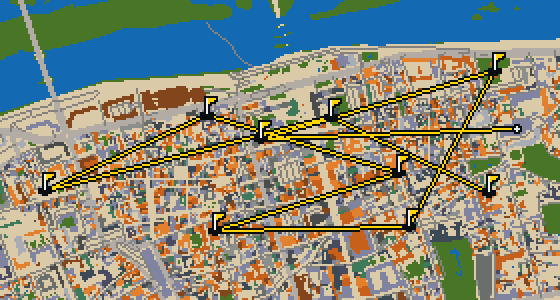
This is Le Havre. The map is the actual city and the round is played on its real streets, using attractions like Église Saint-Joseph as the basis for the holes. Skip is a local guide who knows every corner. It is a quick round of 9 holes with a par of 24, covering a walk of 5.1 km and using 8 portals to move between districts.

18 HOLES - PAR 56

Versailles

18 stops

This is Versailles. The map is the real city and the round is played on its real streets, using attractions like the Château de Versailles as the basis for the holes. Skip is a local guide who knows every cobblestone. It is a full round of 18 holes with a par of 56, covering a walk of 11.7 km. The ball uses 6 portals to move between the different districts.

9 HOLES - PAR 26

Vannes

9 stops

A quick nine-hole round winds through Vannes, following the real city map and its actual streets. The course uses local attractions, such as Cathédrale Saint-Pierre, to form the holes. Skip knows every corner of this 4.8 km walk, including the two portals that skip over the long stretches. A pigeon's eye view is the best way to see how the ball rolls.

9 HOLES - PAR 28

Tours

9 stops

This is Tours, where the map is the real city and the round is played on its real streets. The holes are built from real attractions, like the Cathédrale Saint-Gatien. Skip is a local guide who knows the place. It is a quick round of 9 holes with a par of 28, covering a 5.5 km walk with two portals for the ball to ride.

9 HOLES - PAR 27

Toulon

9 stops

This is a quick nine-hole round through Toulon. The map is the real city and the play happens on its actual streets, using attractions like the Opéra as the basis for the holes. Skip knows these sidewalks well and will act as the local guide for the 5.2 km walk. Six portals help move the ball across the city.

FAQ

Is it free to play?

Yes. Every course runs in the browser with no account and no install.

Do I need to be in the city?

No. The full round plays from anywhere. Walking the real route is a nice way to see the city, but it is not required.

Are the maps real?

Yes. The geometry comes from OpenStreetMap data, rendered chunky on purpose. Streets, water and parks sit where they really are.