THE CLERMONT-FERRAND ROUND - STOP BY STOP


Château de Rabanesse
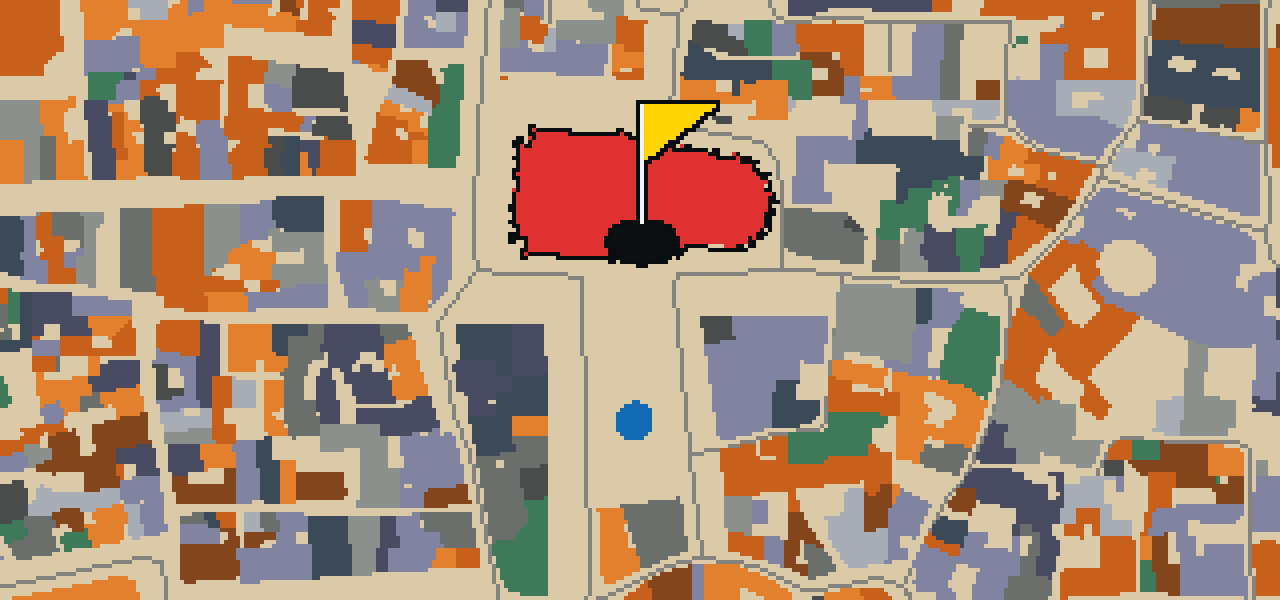
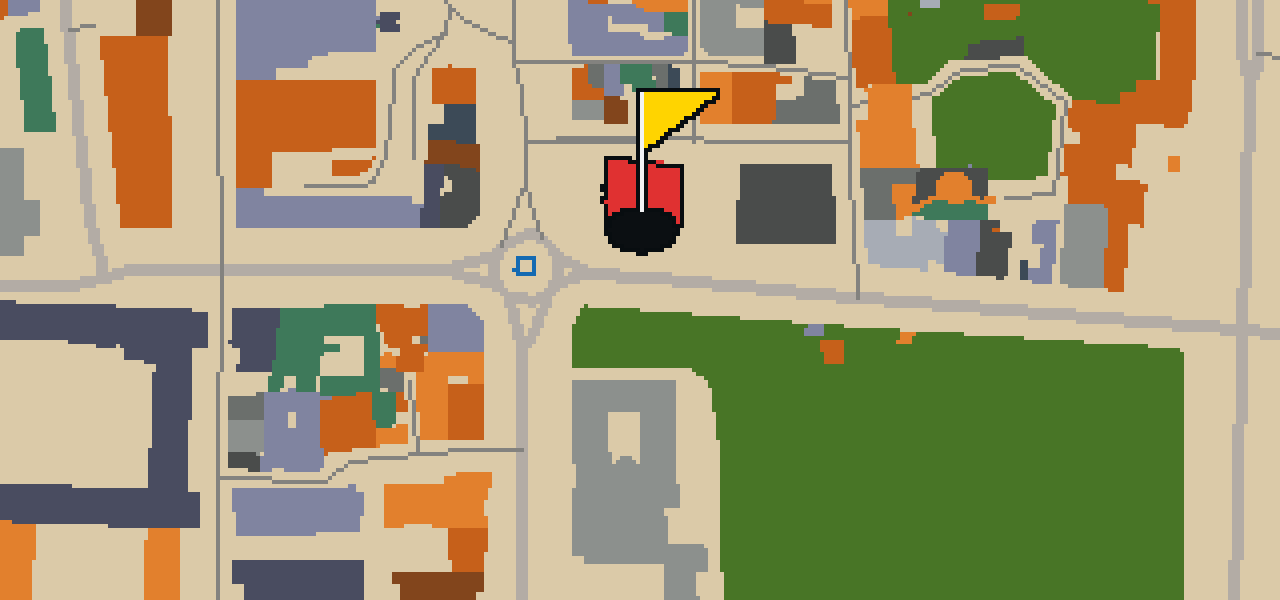
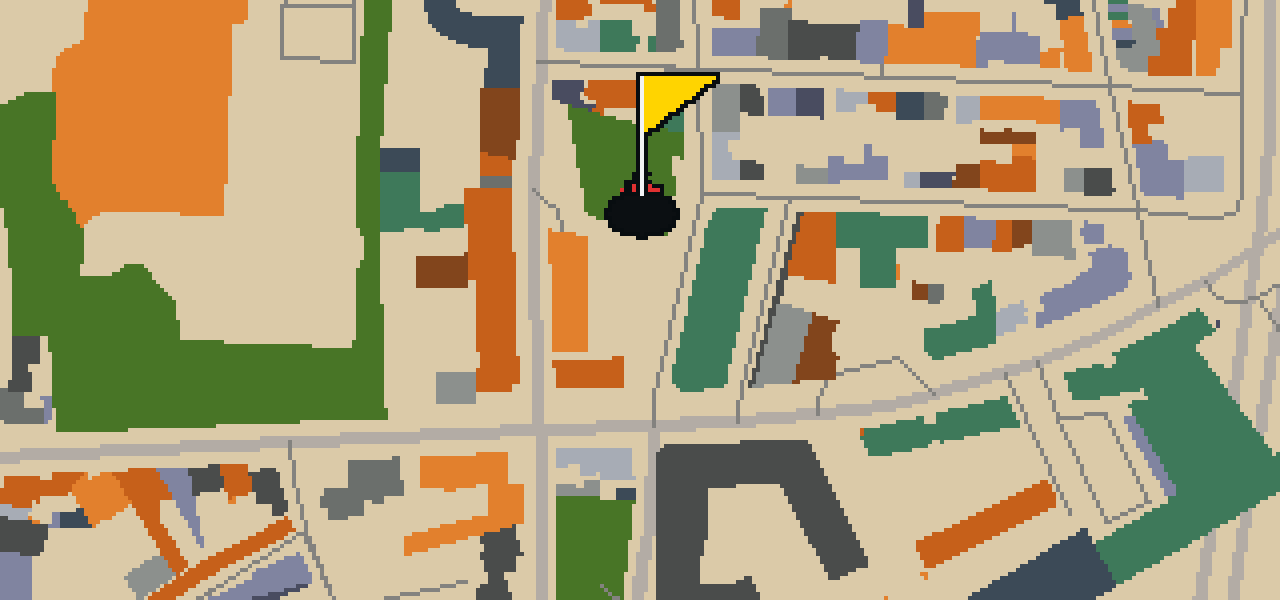
Let me show you the Château de Rabanesse. This site is a château and is officially recognized as a monument historique inscrit. When you visit, you can take in the sight of this historic structure and appreciate the way it sits within the local surroundings. It is a useful point of reference for anyone wanting to see the traditional estates of the region. I often see people stopping here to admire the grounds, and it is certainly one of the more distinguished spots in the city for a stroll.

Église Saint-Genès des Carmes
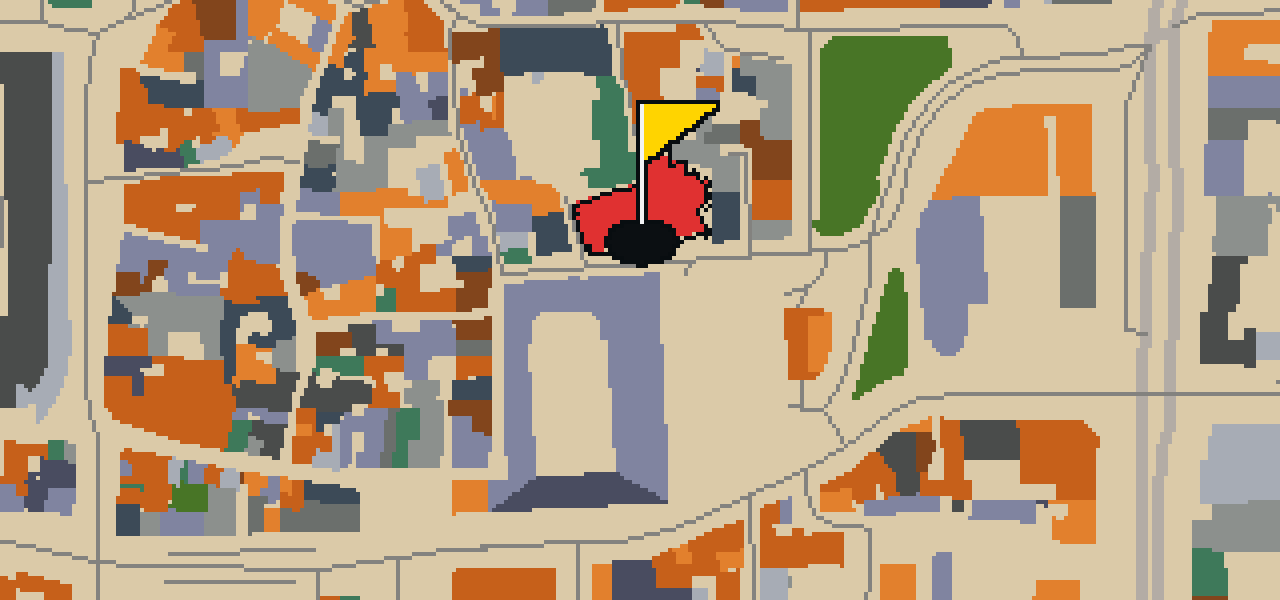
Église Saint-Genès des Carmes is a church building located in Clermont-Ferrand. When you arrive, you will find that it is a monument historique inscrit. This designation means the building is officially recognized for its historical importance. Visitors often come to see the architecture of this church building and appreciate its status as a monument historique inscrit. It remains a point of interest for those exploring the various religious sites and protected monuments found throughout the streets of the city.
Basilique Notre-Dame-du-Port
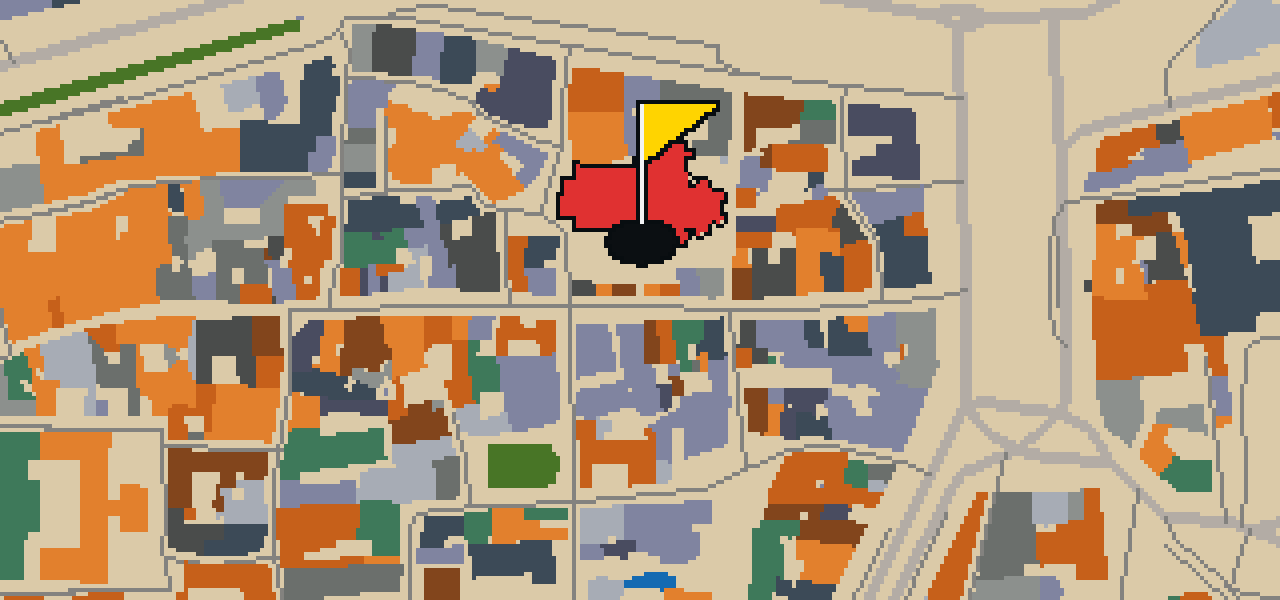
The Basilique Notre-Dame-du-Port is a minor basilica built in the Romanesque architecture style. Formerly a collegiate church, this building was served by a community of canons from the 10th century until the French Revolution. This specific community of canons was regular until the 13th century. Today, the site is recognized as a classified historical monument and is part of a UNESCO World Heritage Site. You can find this church building located in the Port quarter of Clermont-Ferrand, where it stands as a testament to the city's architectural history.
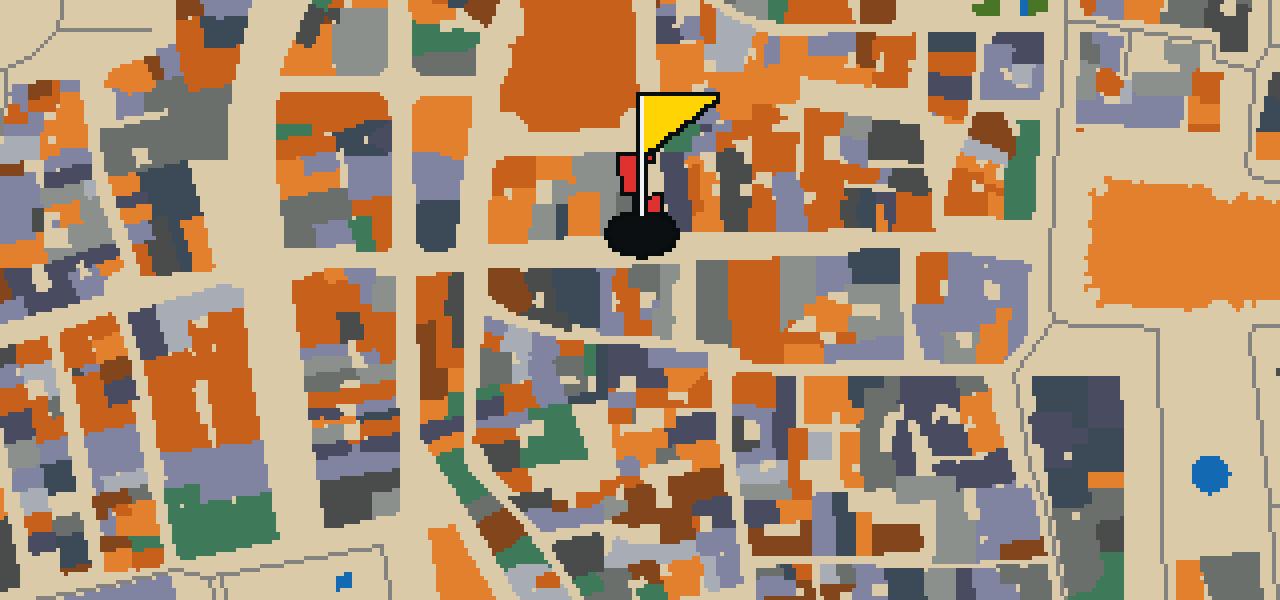
Hôtel Fontfreyde Centre Photographique
Let me show you the Hôtel Fontfreyde Centre Photographique. This site is a private mansion and holds the status of a classified historical monument. You can pick out the specific architectural details that earned it this official designation from the state. It is a place where the city's residential history meets a modern purpose as a photographic center. I find the way the building has transitioned from a private home to a public space for art quite interesting, and it is a great example of how the city maintains its old estates.
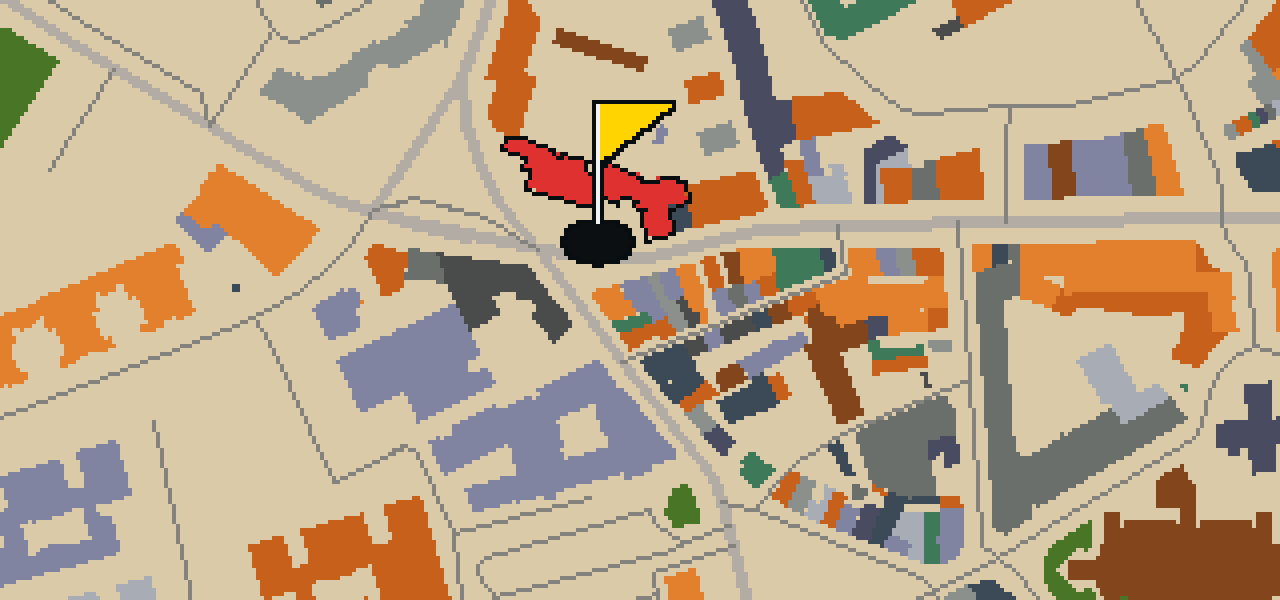

Ancien couvent
Don't let the name fool you; this is not a functioning convent. The Ancien couvent is actually a house located here in Clermont-Ferrand. It is officially recognized as a monument historique inscrit, which means it is a protected site of heritage. I always find it funny how names can mislead you until you actually see the building for yourself, but that is part of the charm of exploring these old streets. It is a great example of how a building's purpose can shift while its official status remains a point of pride for the city.
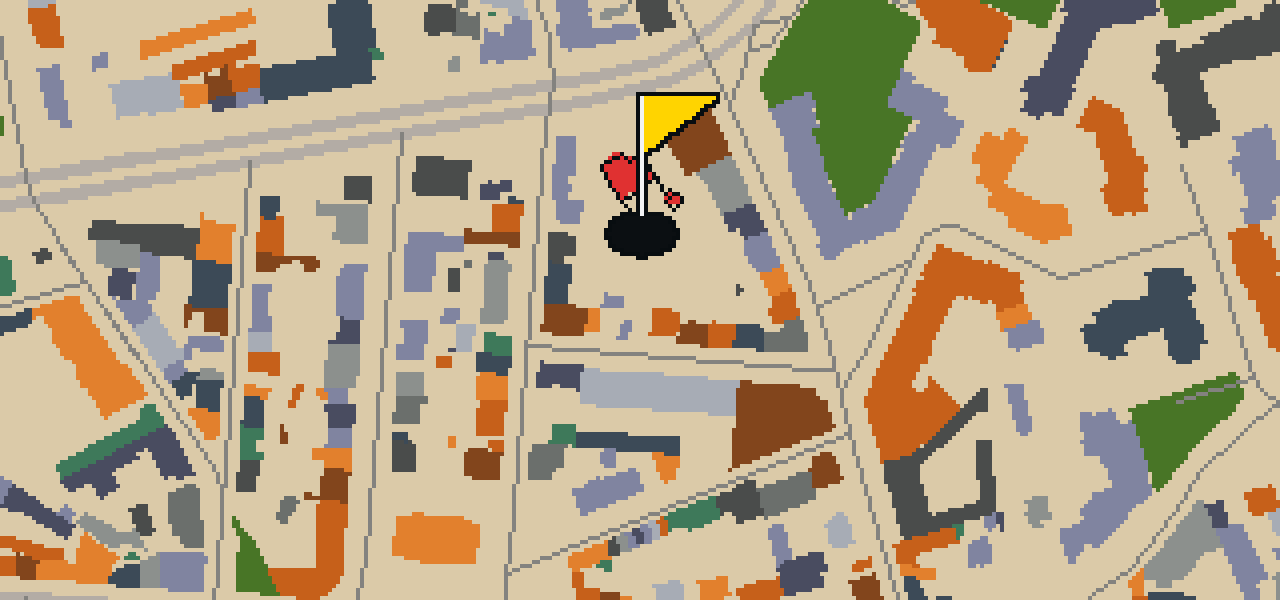
Manoir de Beaulieu
You will first notice the preserved character of Manoir de Beaulieu, which is a manor estate. It is recognized as a monument historique inscrit, a status that highlights its importance to the local heritage of Clermont-Ferrand. When you visit, take a moment to look at how the estate sits within the surrounding environment. I always find the architecture here a bit more relaxing than the busy city center, and it is a great place to slow down your pace while you explore the area.
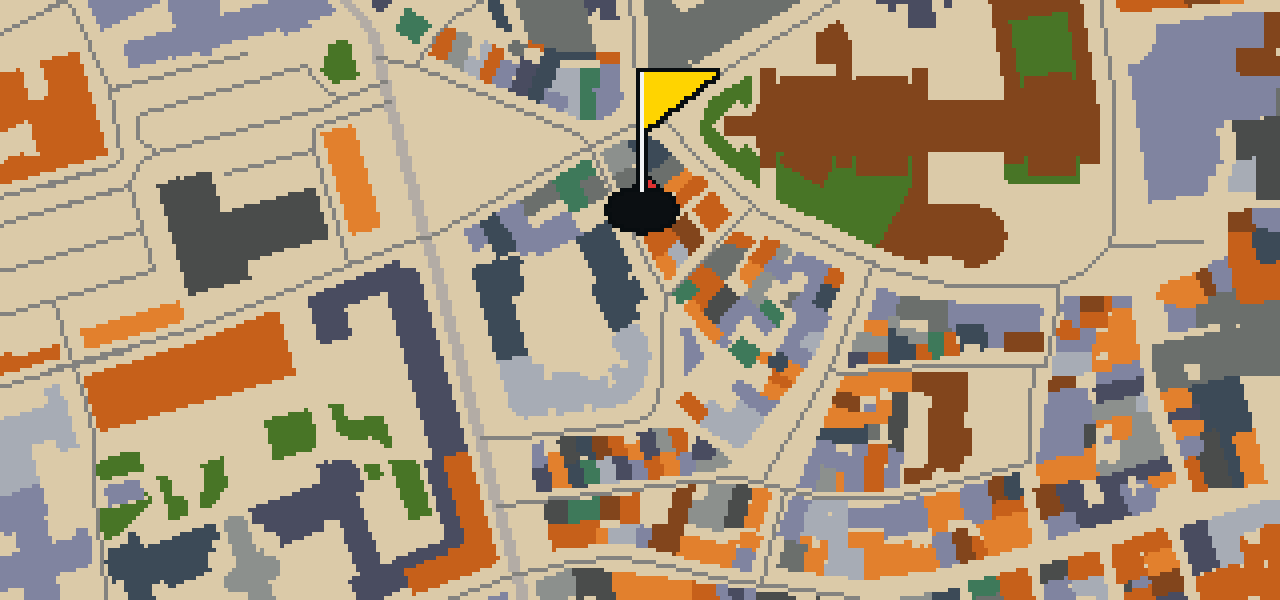
Synagogue Beit Yacov
Synagogue Beit Yacov is a synagogue. It is recognized as a monument historique inscrit, which is a designation given to buildings of significant cultural or historical interest. This recognition helps protect the structure and ensures that its place in the city's heritage is maintained for future generations to observe and respect.
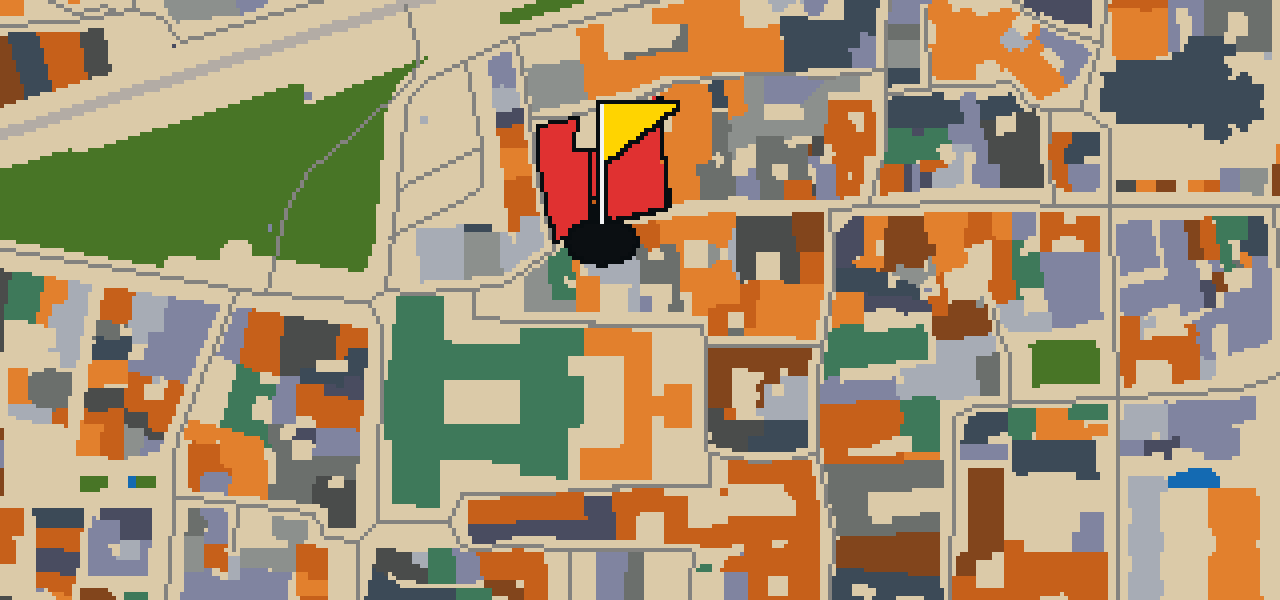
Maneil Tatoo Creations
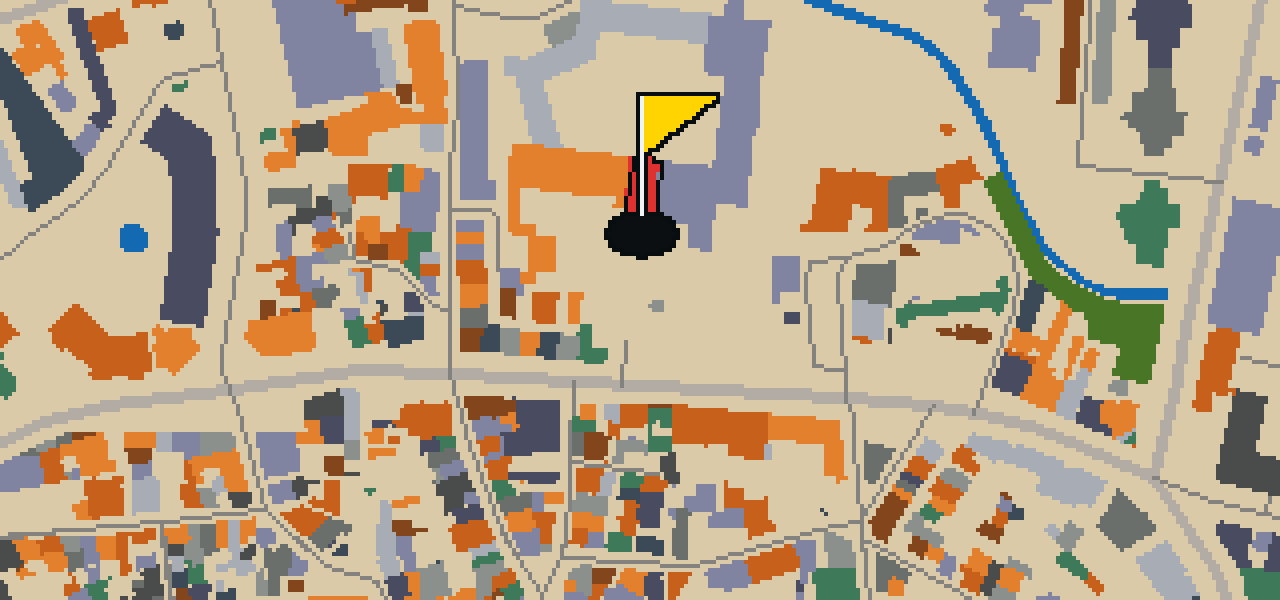

Saint-Alyre
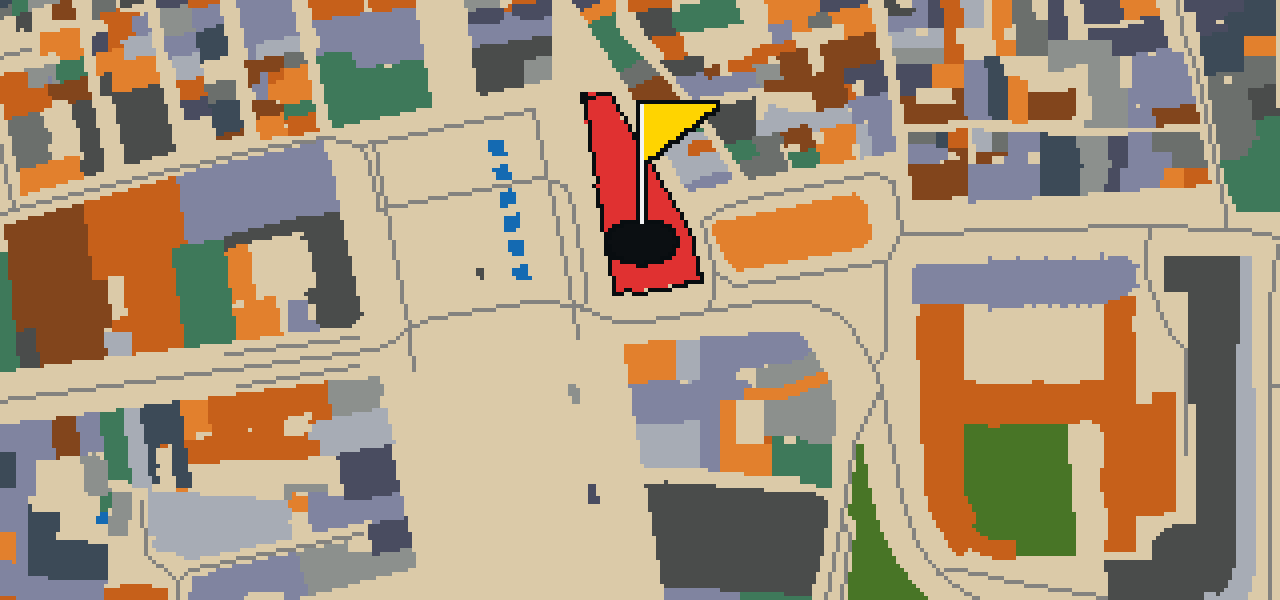
Opéra-Théâtre
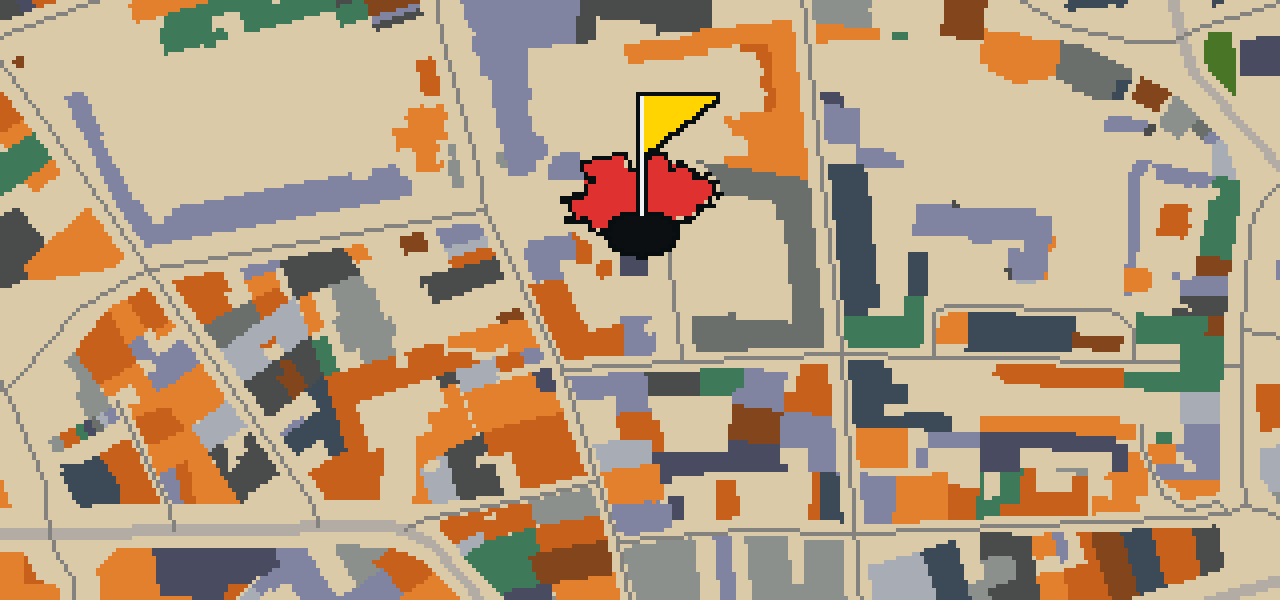
Église Saint-Eutrope
Église Saint-Eutrope is a church building located in Clermont-Ferrand. It is recognized as a monument historique inscrit, which is a designation given to sites of significant historical or architectural interest. The inception of this building was in 1862. When you visit, you can observe the specific design elements that led to its official registration as a protected monument. It remains a place of quiet reflection and a point of interest for those exploring the religious heritage of the city.
Place d'Arménie
Square Blaise Pascal
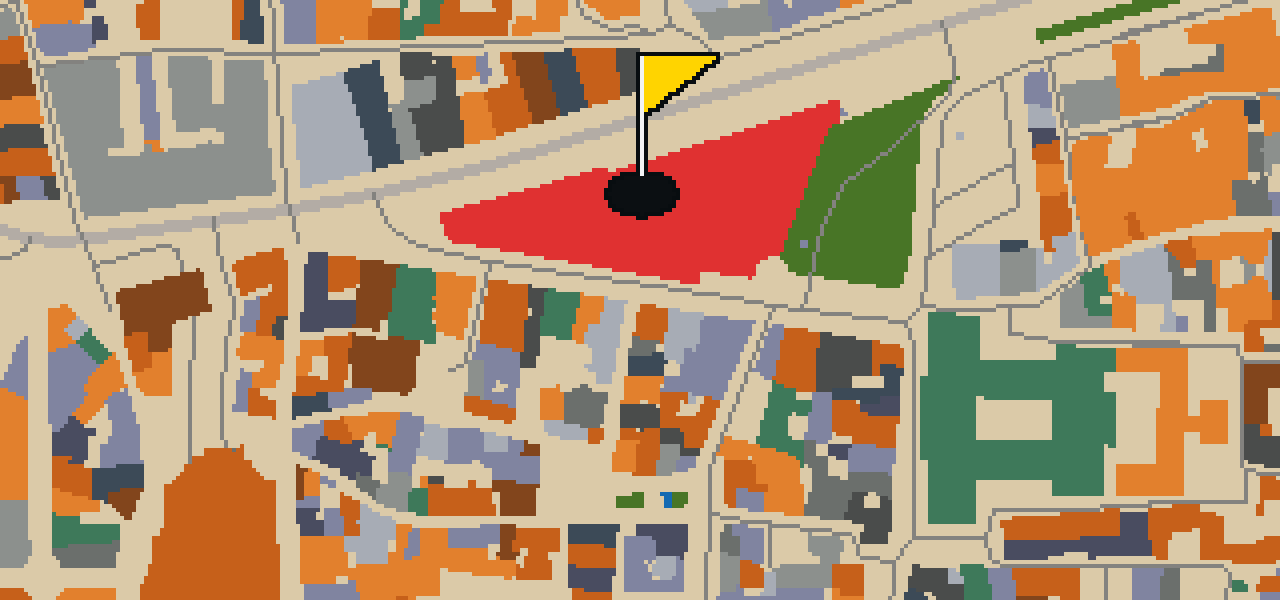
This isn't a bustling plaza or a transit hub. Instead, it is a garden square. You can visit Square Blaise Pascal to enjoy a more relaxed environment among the plants. I find it a nice spot to pause and watch the city move around the greenery.
Chapelle Notre-Dame-de-la-Merci
Place du 1er Mai
L'Aventure Michelin
You can pick out rows of vintage tires and chassis before realizing you are inside L'Aventure Michelin. This automobile museum is a major stop in the city, drawing 100,000 annual visitors. It is also a business and has been open since its inception in 2009. I find the sheer scale of the collection impressive, and it is a great spot to see how transportation has evolved over the years. Whether you are a fan of cars or just curious about local industry, there is plenty to see among the galleries here.
La Coopérative de Mai
Let me show you La Coopérative de Mai, a concert hall located in Clermont-Ferrand, France. This music venue was inaugurated on March 7, 2000, and the event featured a performance by Rita Mitsouko. It is a central point for the local music scene, providing a dedicated space for various artists to reach an audience. I often see people milling about the entrance with their tickets ready, waiting for the lights to go down and the show to begin. It is a great landmark to aim for as you navigate the streets of the city.