
CARCASSONNE - 9 HOLES - FREE

CARCASSONNE
CITY MAP MINIGOLF

Carcassonne - 9 stops - par 24

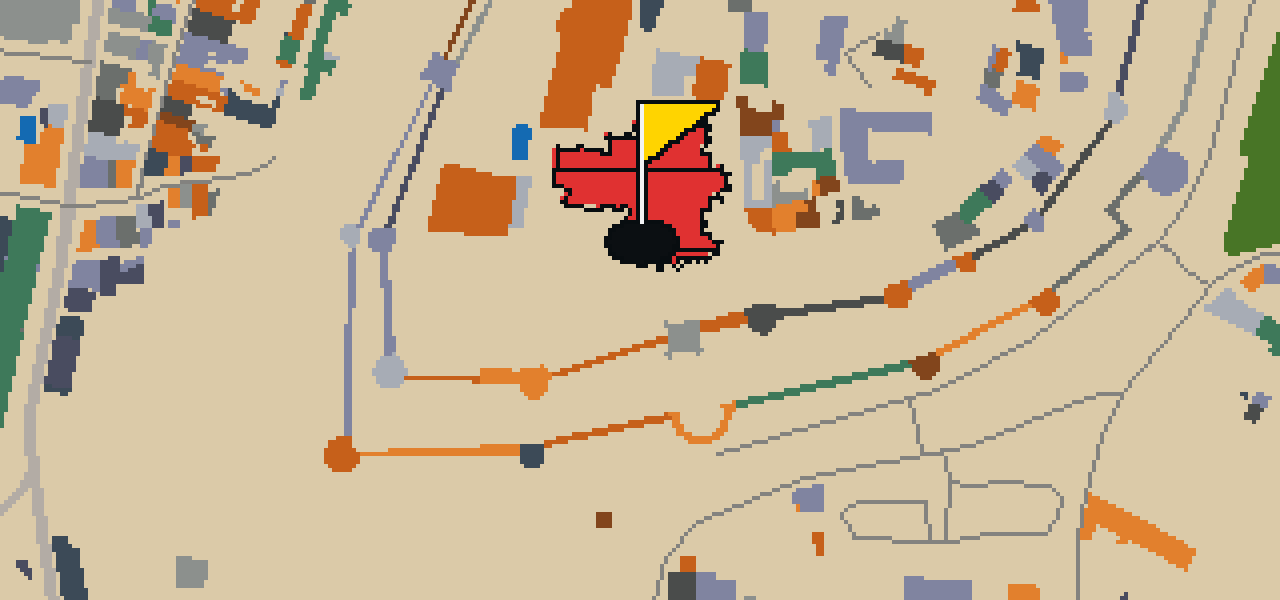
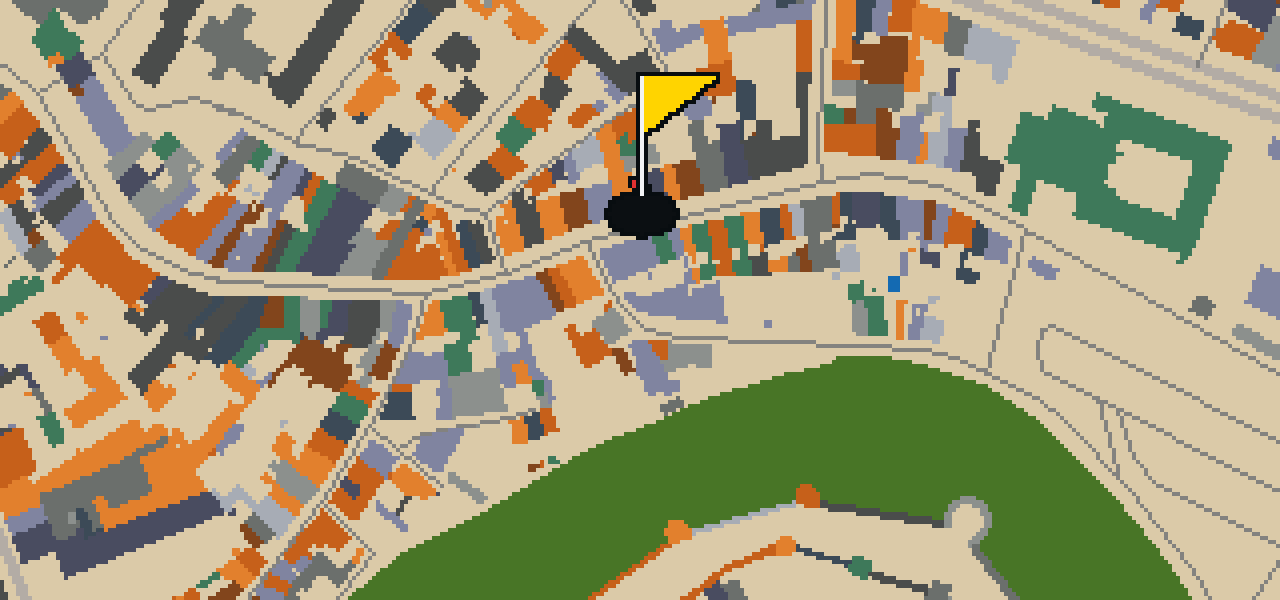
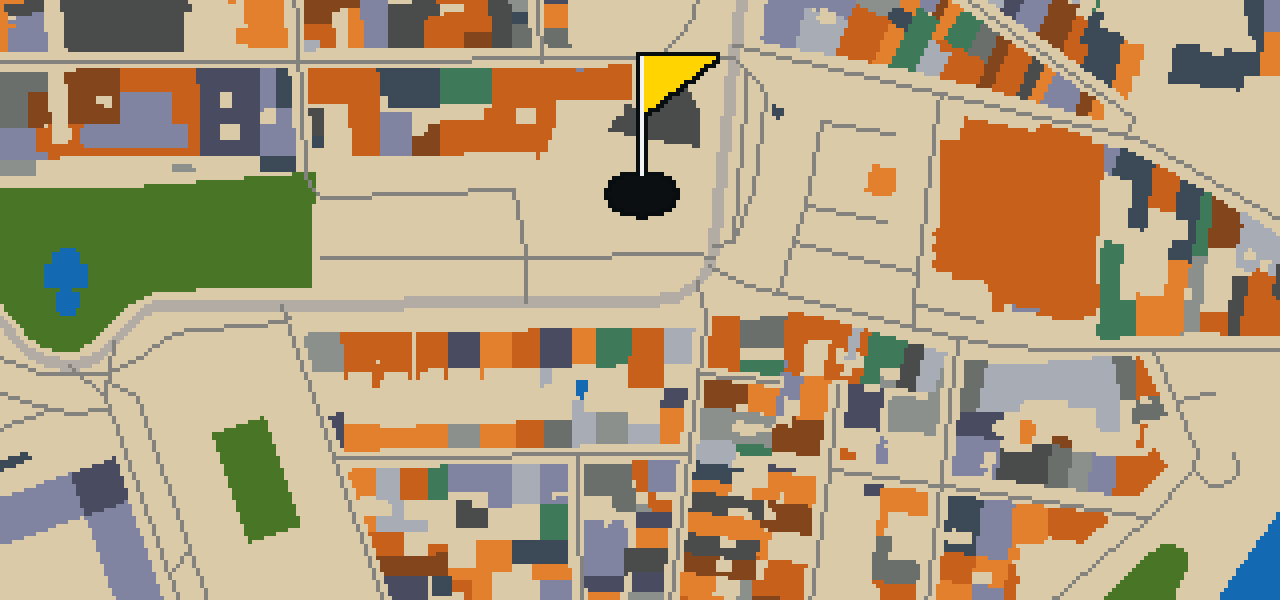
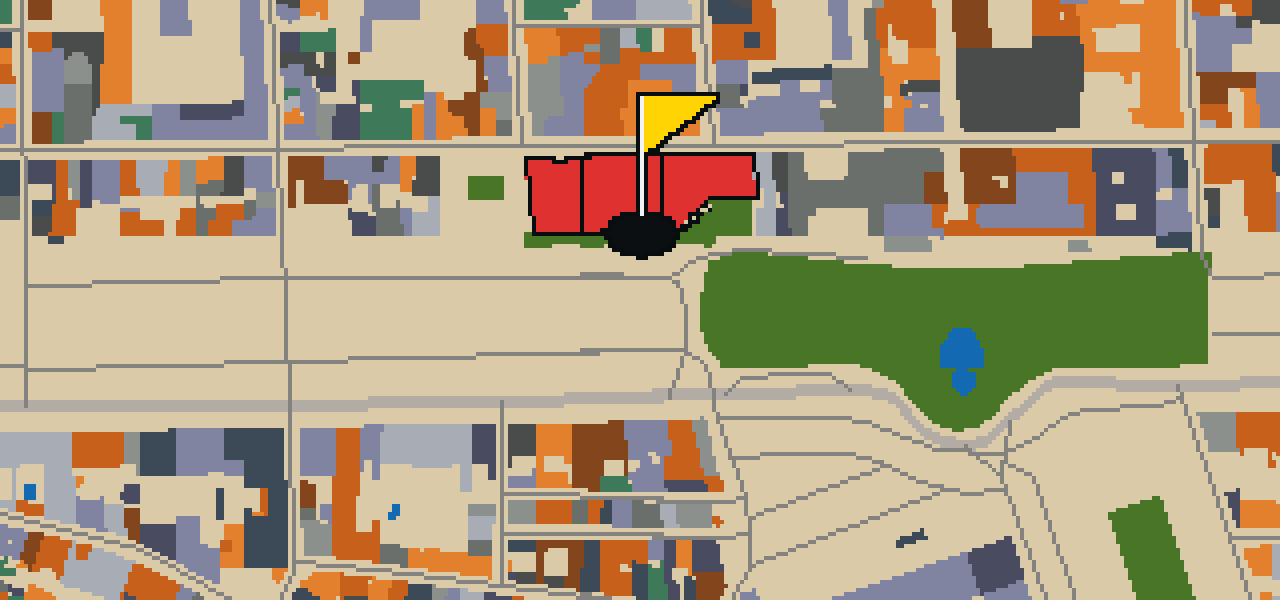
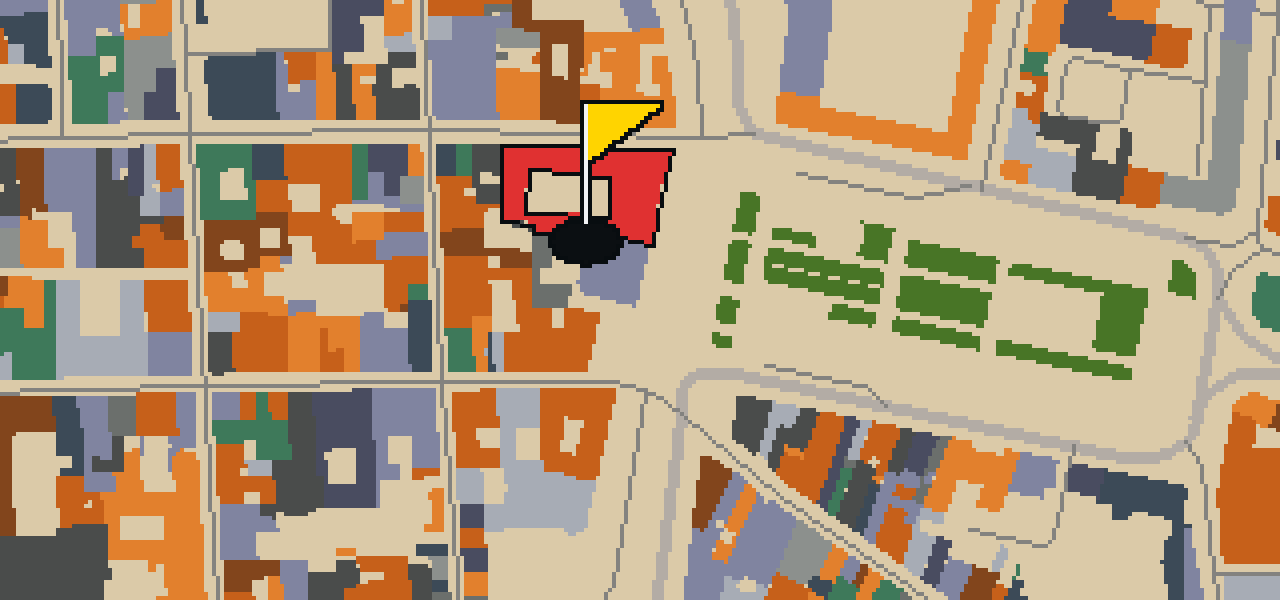
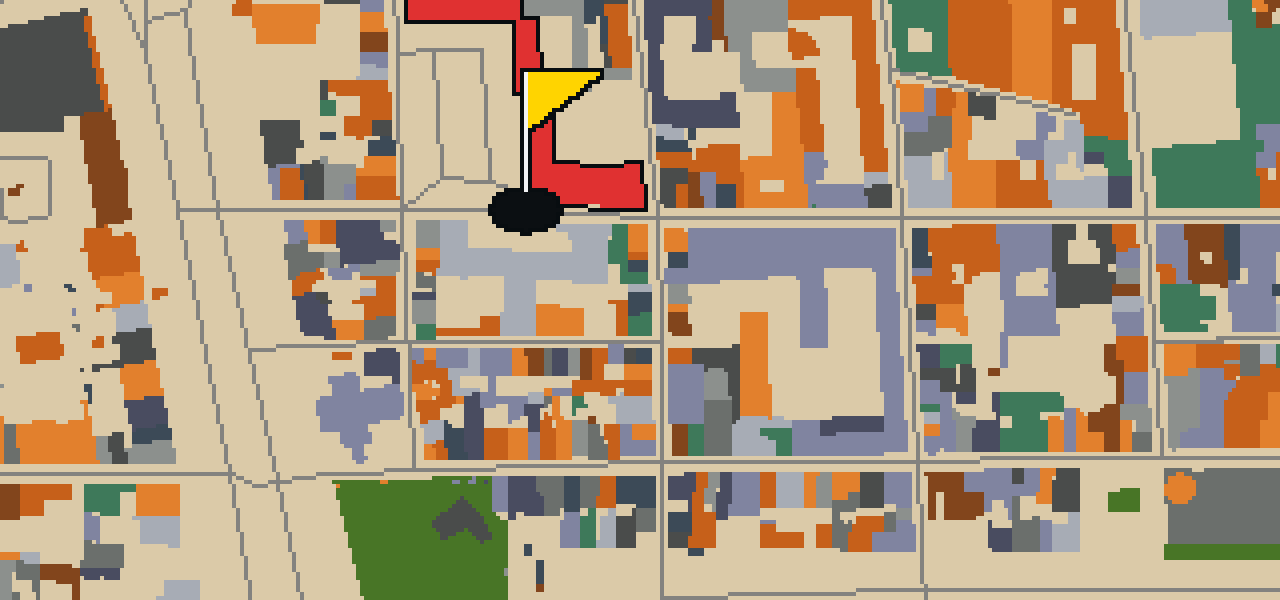
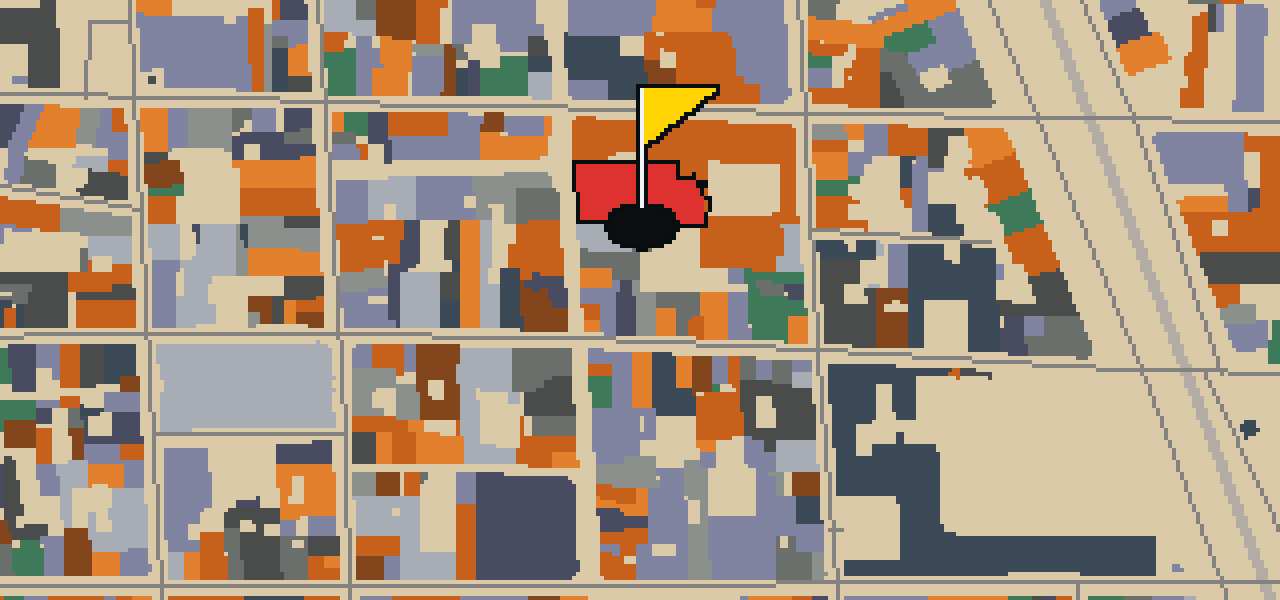
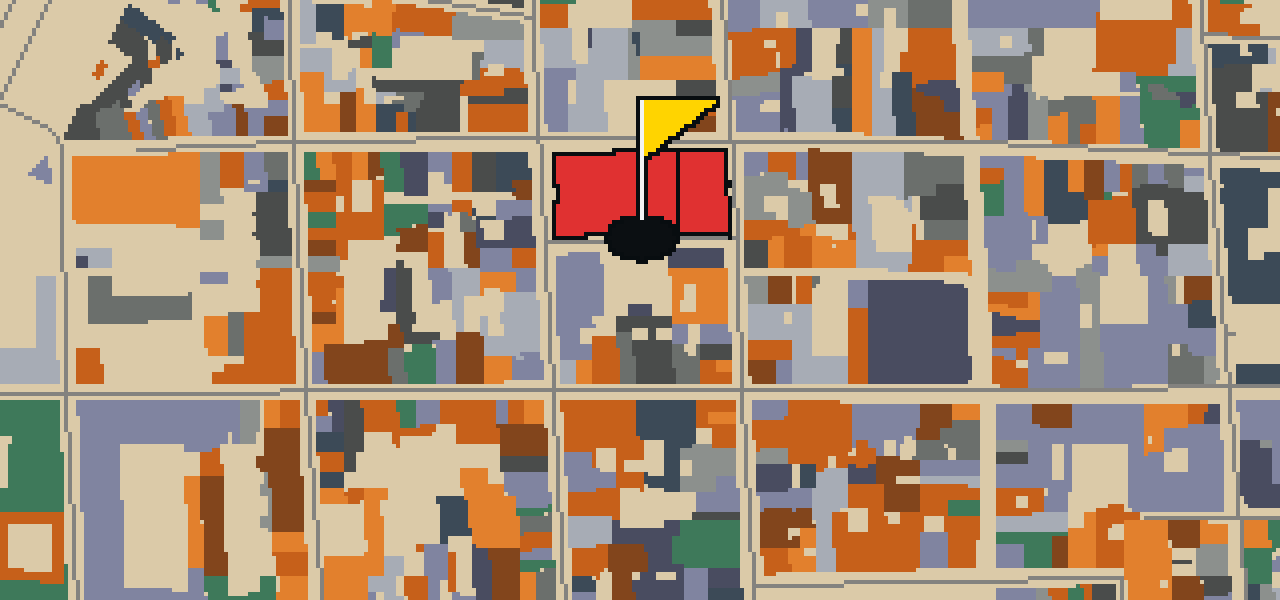
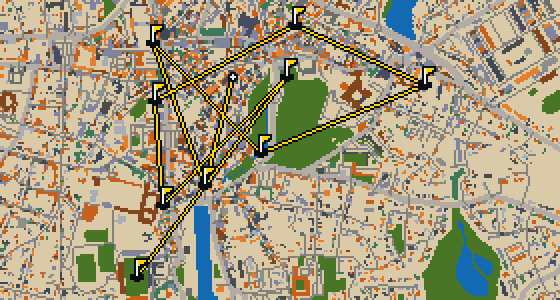
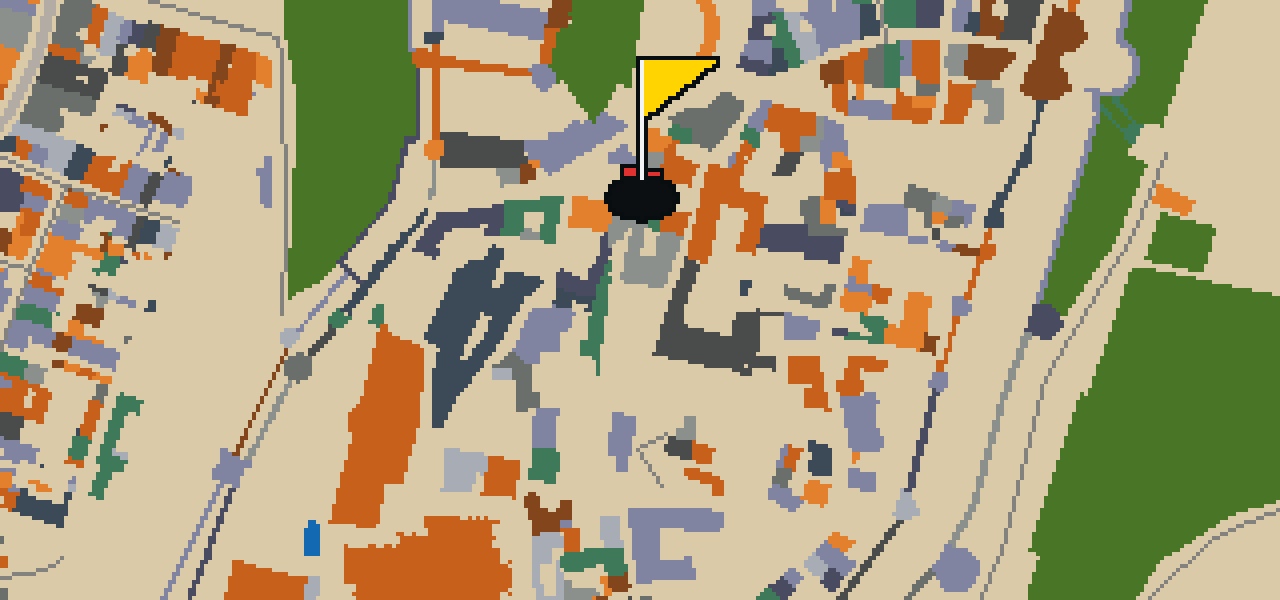
Banking a ball off the stone fortifications of the Cité de Carcassonne requires a soft touch and a bit of luck. This round uses the real streets of Carcassonne as the map, with the city's actual attractions forming the holes. A quick 9-hole round covers 4.2 km and uses 2 portals to move across town. Skip knows every cobblestone here.

Trouble loading? Open the game in its own tab.

HOW IT WORKS

01

Pick a city

The course is drawn on the real street grid, so the map you play is the map you walk.

02

Putt to the pin

Drag to aim, release to swing. Buildings bounce and water costs you a stroke.

03

Sightsee between strokes

Every hole ends at an attraction. Sink the putt, read the story, walk to the next tee.

THE CARCASSONNE ROUND - STOP BY STOP

HOLE 1 - PAR 3

Cité de Carcassonne

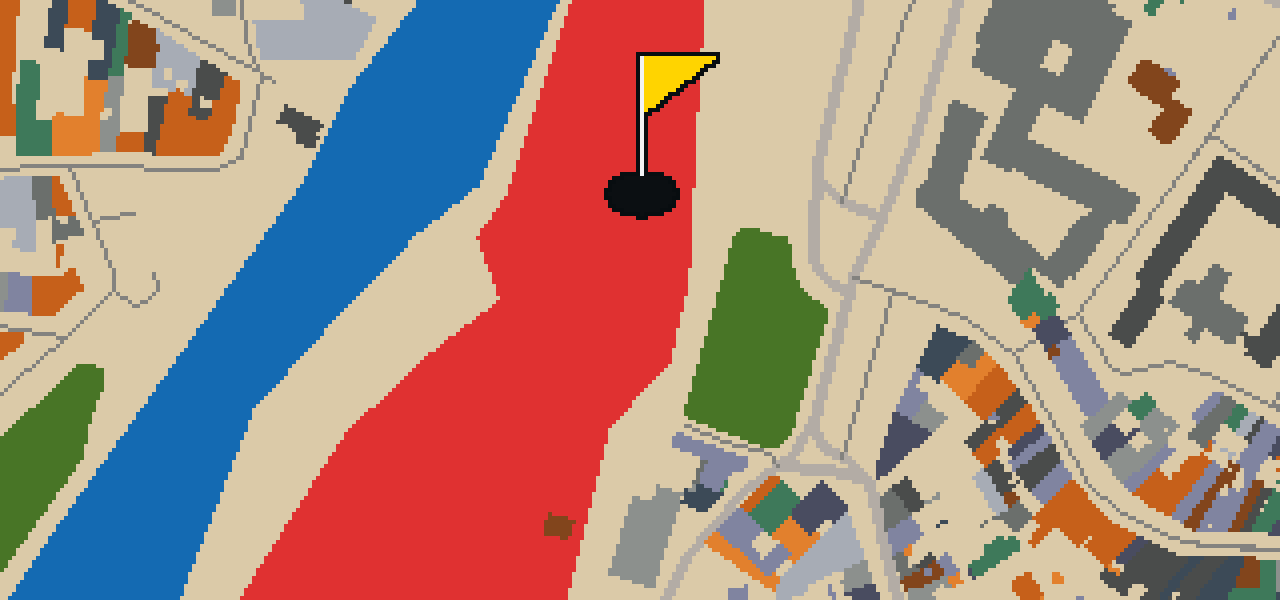
Looking toward the river Aude, you will see the Cité de Carcassonne sitting on a hill on the right bank. This medieval citadel is a fortified town located in the French city of Carcassonne. It sits within the Aude department of the Occitania region. Because of its historical importance, it is designated as a World Heritage Site. Whether you are visiting for the first time or just passing through the city, this fortress is the most prominent feature of the skyline. I have found that the views from the higher points of the walls are quite something, though I usually prefer the view from a ledge above the tourists. It is a place where the scale of the fortifications really makes an impression on anyone walking through the gates for the first time.

Wikidata · Wikipedia

HOLE 2 - PAR 3

Pont-Vieux

Let me show you the Pont-Vieux. This structure is a bridge and is recognized as a classified historical monument. For anyone visiting the city, it is a significant landmark that helps define the character of the local area. You can pick out the architectural details as you cross over the water, making it a useful waypoint for those exploring the streets on foot. I often see people pausing here to take in the view of the river, and it is a great place to get your bearings before moving on to the next attraction. Whether you are interested in the city's layout or just looking for a scenic walk, this bridge is a spot you cannot miss while you are in town. It provides a steady path across the water and connects different parts of the urban landscape together.

Wikidata

HOLE 3 - PAR 3

Basilique Saint-Nazaire

You will first notice the blend of styles at the Basilique Saint-Nazaire. This church building is a minor basilica that follows the Gothic-Romanesque architectural tradition. Its inception was in 1100, and it is located in the citadel of Carcassonne, France. The building is both a classified historical monument and a national monument, making it a significant stop for anyone visiting the city. Whether you are interested in the Gothic architecture style or the religious history of the region, this site provides a direct look at the architectural evolution of the citadel. As a Roman Catholic minor basilica, it stands as a key point of interest within the walls of the historic fortified city, offering a glimpse into the religious and cultural heritage of France.

Wikidata · Wikipedia

HOLE 4 - PAR 3

Ancien hôtel de Pelletier

You will first notice the facade of the Ancien hôtel de Pelletier, which is a private mansion. This building is a monument historique inscrit, meaning it is recognized for its historical importance to the city. I always find that these private residences give you a better sense of the local scale than the larger fortifications. It is a great spot to pause and appreciate the architectural details of the neighborhood before you move on to the next landmark. When you look at the stone and the layout of the property, you can see the style of the private mansion that makes this specific site a monument historique inscrit. It is a quiet corner of the city that provides a glimpse into the domestic side of local history away from the main tourist crowds.

Wikidata

HOLE 5 - PAR 2

Bastion de Montmorency

Start by looking at the heavy masonry of the Bastion de Montmorency. This structure is a bastion that forms part of the city's formidable defenses. When you step back, you can see how it anchors the perimeter of the fortifications, providing a clear example of how the city was once guarded. Because of its architectural and historical importance, the site is designated as a monument historique inscrit. It is a great spot to get a feel for the military engineering used to protect the city for generations. I usually find the wind hitting the stone here is a bit stronger than in the center of town, which makes the heavy walls feel even more necessary. Let me show you how the angles of the stone were designed to deflect attacks and provide a vantage point over the surrounding area.

Wikidata

HOLE 6 - PAR 2

Cathédrale Saint-Michel

You will first notice the distinct Gothic and Meridional Gothic architecture of Cathédrale Saint-Michel. This Catholic cathedral is located in Carcassonne, France, and construction began in 1247. The structure is recognized as both a classified historical monument and a designated national monument. Beyond its architectural significance, the cathedral is the seat of the Roman Catholic Bishop of Carcassonne and Narbonne. Visitors can observe how the Meridional Gothic style defines the space and shape of the building. These details mark the cathedral as a central point of religious and historical importance in the city. Because it is a designated national monument, the site is preserved to show the specific architectural transitions that occurred after the building was started in 1247.

Wikidata · Wikipedia

HOLE 7 - PAR 3

Musée des Beaux-Arts

Let me show you the Musée des Beaux-Arts. This art museum has been a part of the city since its inception in 1856. It is a place dedicated to the display and preservation of art for the public to enjoy. You can pick out a variety of works as you walk through the galleries. The museum maintains a consistent presence in the community, drawing in 46,306 annual visitors who come to see the collections. It is a useful stop for anyone wanting to see how the city celebrates creativity and maintains its artistic records. I've found that the pace here is a nice change from the busier streets outside, making it a great place to pause and look around before moving on to your next destination.

Wikidata

HOLE 8 - PAR 3

Ancienne Chapelle des Jésuites

The stone walls of the Ancienne Chapelle des Jésuites mark a quiet presence in the city. This site is a chapel, providing a space of reflection amidst the surrounding streets. It is officially recognized as a monument historique inscrit. Work on the building was started in 1640, making it a lasting piece of the local architectural history. Visitors can appreciate the structure as a preserved example of the religious buildings found throughout the area. As you walk past the facade, you can see the enduring nature of the masonry and the simple lines of the design. It is a place where the city's history is held in a state of stillness, offering a contrast to the more active parts of the town. This chapel remains an important point of reference for those exploring the older quarters of the city.

Wikidata

HOLE 9 - PAR 2

Église Notre-Dame des Carmes

Église Notre-Dame des Carmes is a church building. It is recognized as a monument historique inscrit, a designation that marks the building as a protected piece of heritage within the city. For those visiting the area, this status indicates the site is officially recognized for its historical and architectural significance. The church stands as a point of interest for anyone exploring the religious landmarks of Carcassonne, providing a glimpse into the city's preserved building traditions. Whether you are passing through on a walk or following the path of the course, the building remains a quiet presence in the urban layout, maintained as a testament to the region's cultural history and its commitment to preserving specific historic monuments for future generations to see.

Wikidata

STOP 10

Église Saint-Vincent

Église Saint-Vincent is a church building whose inception was in 1269. When you look at the structure, you can see that it was built in the Meridional Gothic style, a specific architectural approach found in this region. This building has remained a part of the city's fabric since the thirteenth century, maintaining its presence through the centuries. Because of its age and its architectural significance, the building is now a classified historical monument. This designation means the site is protected and preserved as a piece of the city's heritage. Visitors to Carcassonne can observe the transition from its medieval origins to its current status as a protected landmark, making it a point of interest for anyone interested in the history of the region's religious architecture.

Wikidata

OTHER COURSES

9 HOLES - PAR 24

Le Havre

9 stops

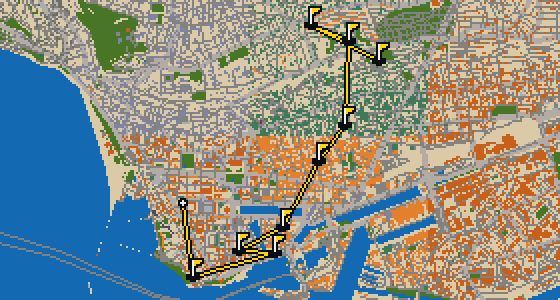
This is Le Havre. The map is the actual city and the round is played on its real streets, using attractions like Église Saint-Joseph as the basis for the holes. Skip is a local guide who knows every corner. It is a quick round of 9 holes with a par of 24, covering a walk of 5.1 km and using 8 portals to move between districts.

18 HOLES - PAR 56

Versailles

18 stops

This is Versailles. The map is the real city and the round is played on its real streets, using attractions like the Château de Versailles as the basis for the holes. Skip is a local guide who knows every cobblestone. It is a full round of 18 holes with a par of 56, covering a walk of 11.7 km. The ball uses 6 portals to move between the different districts.

9 HOLES - PAR 26

Vannes

9 stops

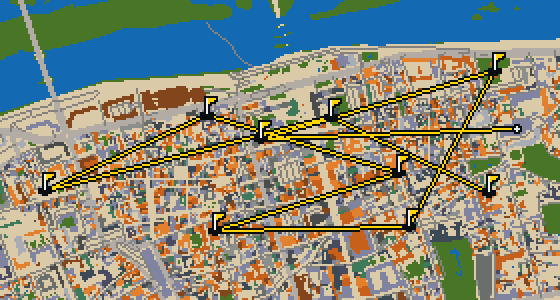
A quick nine-hole round winds through Vannes, following the real city map and its actual streets. The course uses local attractions, such as Cathédrale Saint-Pierre, to form the holes. Skip knows every corner of this 4.8 km walk, including the two portals that skip over the long stretches. A pigeon's eye view is the best way to see how the ball rolls.

9 HOLES - PAR 28

Tours

9 stops

This is Tours, where the map is the real city and the round is played on its real streets. The holes are built from real attractions, like the Cathédrale Saint-Gatien. Skip is a local guide who knows the place. It is a quick round of 9 holes with a par of 28, covering a 5.5 km walk with two portals for the ball to ride.

9 HOLES - PAR 27

Toulon

9 stops

This is a quick nine-hole round through Toulon. The map is the real city and the play happens on its actual streets, using attractions like the Opéra as the basis for the holes. Skip knows these sidewalks well and will act as the local guide for the 5.2 km walk. Six portals help move the ball across the city.

FAQ

Is it free to play?

Yes. Every course runs in the browser with no account and no install.

Do I need to be in the city?

No. The full round plays from anywhere. Walking the real route is a nice way to see the city, but it is not required.

Are the maps real?

Yes. The geometry comes from OpenStreetMap data, rendered chunky on purpose. Streets, water and parks sit where they really are.