
BREST - 9 HOLES - FREE

BREST
CITY MAP MINIGOLF

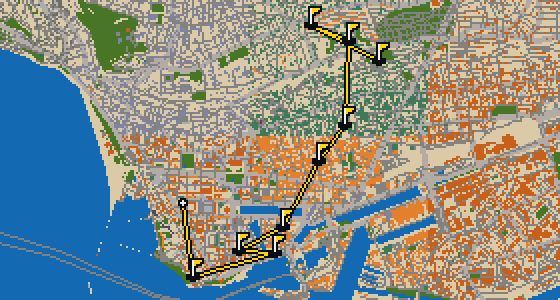
Brest - 9 stops - par 25

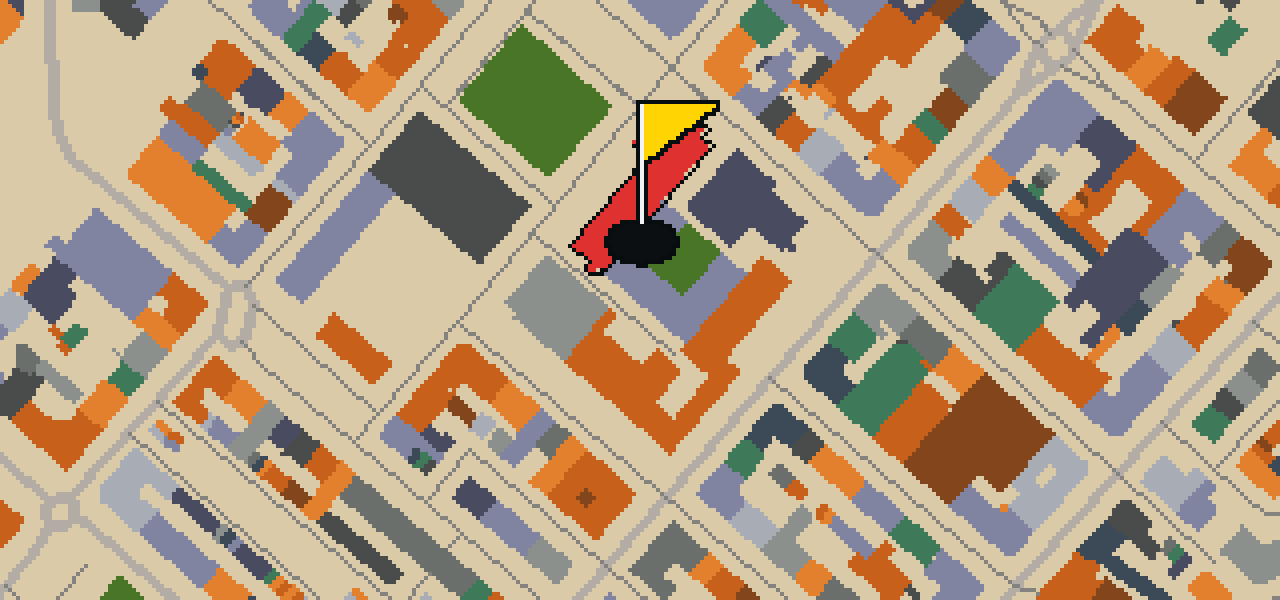
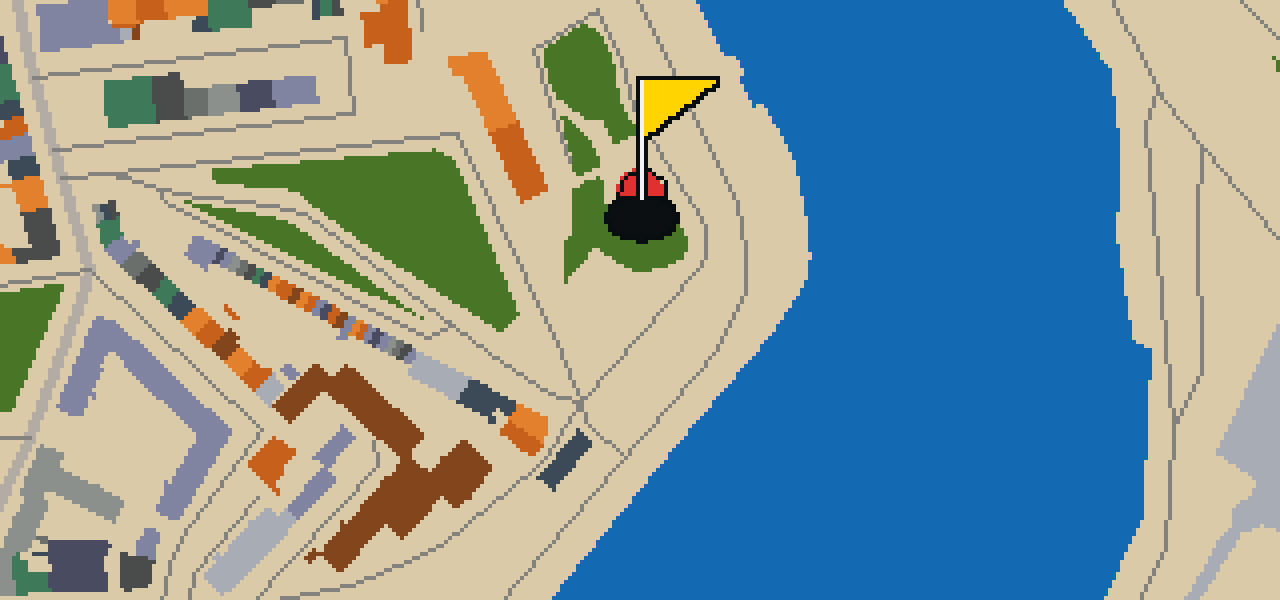
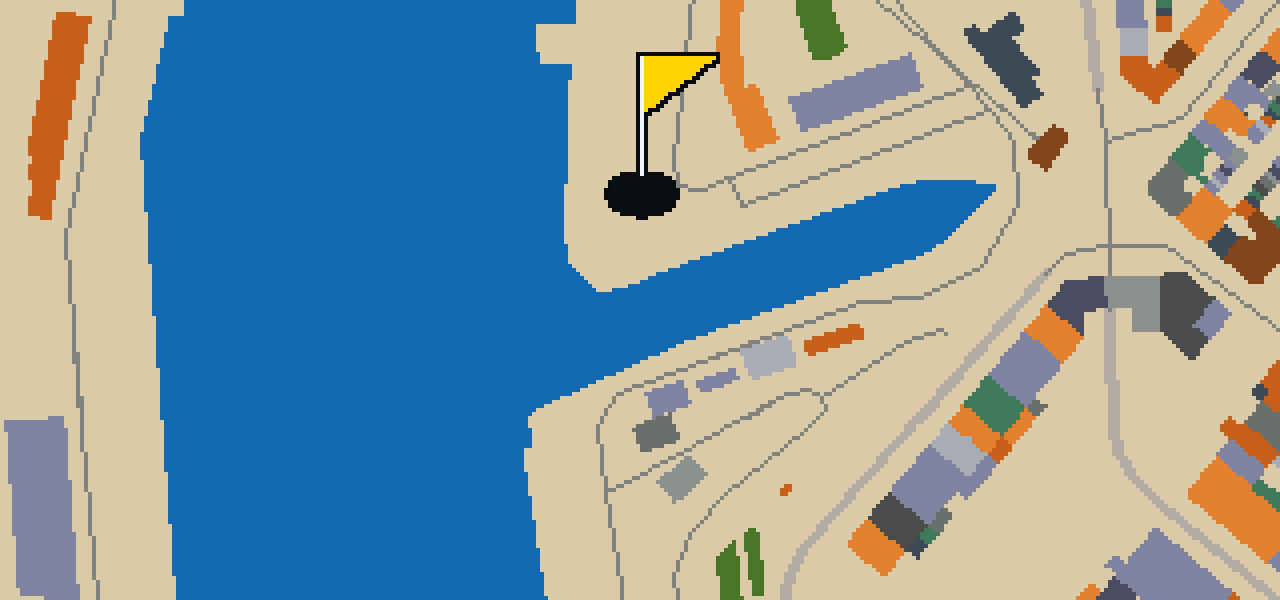
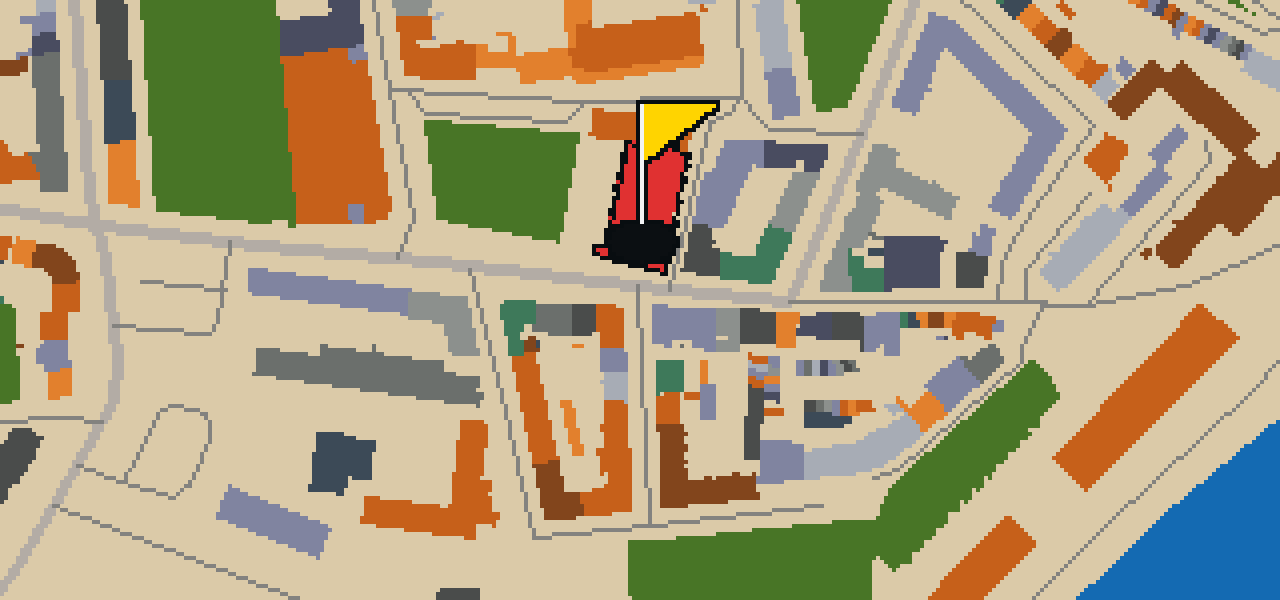
Brest is the setting for this round, with the map mirroring the actual city and the ball rolling across its real streets. The course is built from local attractions, using landmarks like the Château de Brest as holes. This quick 9-hole round covers 4.9 km with a par of 25, using 4 portals to skip across town. Skip knows every ledge and gutter here from a bird's eye view.

Trouble loading? Open the game in its own tab.

HOW IT WORKS

01

Pick a city

The course is drawn on the real street grid, so the map you play is the map you walk.

02

Putt to the pin

Drag to aim, release to swing. Buildings bounce and water costs you a stroke.

03

Sightsee between strokes

Every hole ends at an attraction. Sink the putt, read the story, walk to the next tee.

THE BREST ROUND - STOP BY STOP

HOLE 1 - PAR 3

Château de Brest

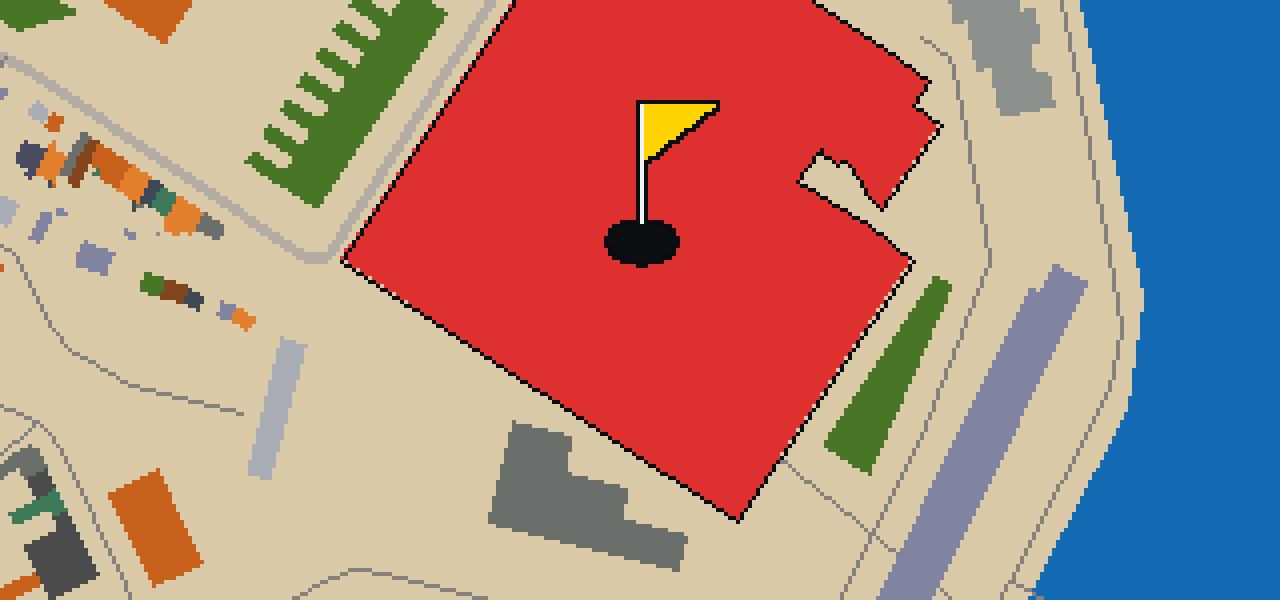
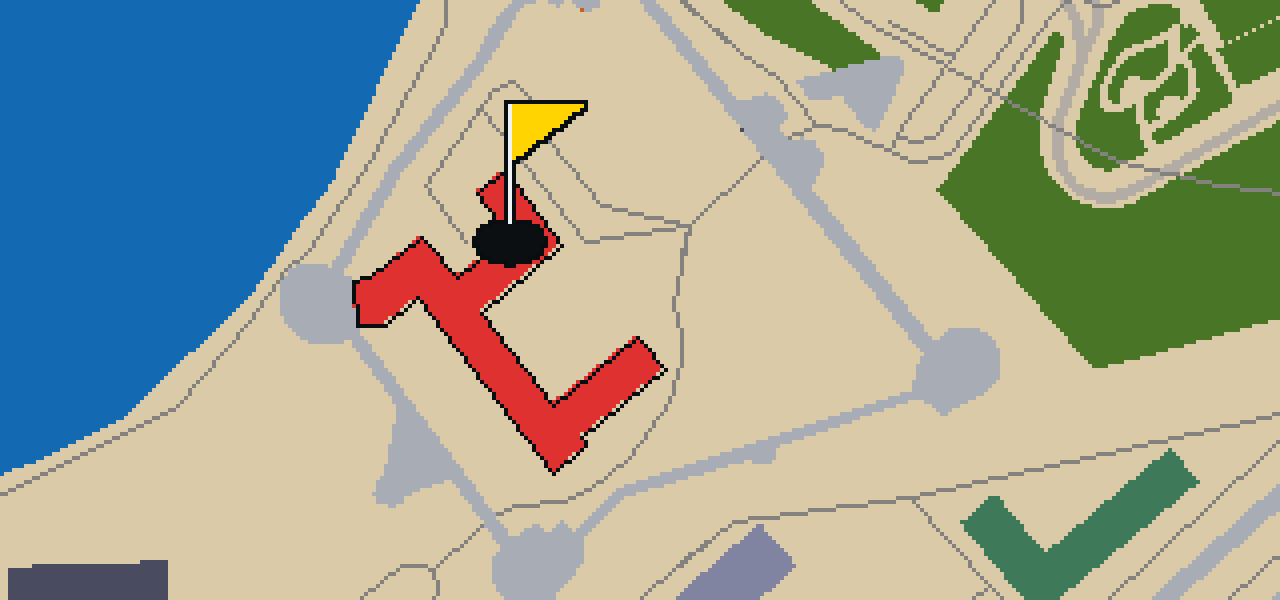
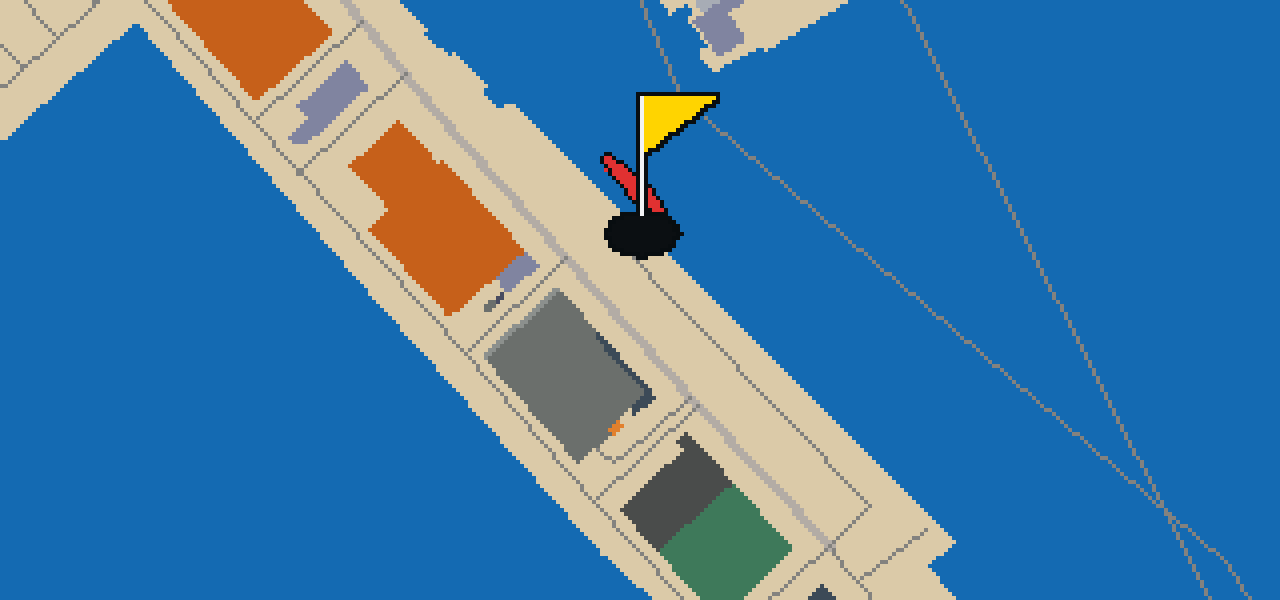
Look toward the mouth of the river Penfeld to find the Château de Brest. This fortress in Brittany, France, has over 1700 years of history and was designed by the architect Pierre de Massiac. It is a classified historical monument, having been designated as a monument historique on 21 March 1923. I find the position by the water makes it a great spot to watch the current. Whether you are interested in the military architecture or just the view of Finistère, the citadel is a central part of the city's layout. You can see how the walls were built to command the river, making it a formidable closed city in its time.

Wikidata · Wikipedia

HOLE 2 - PAR 3

La Recouvrance

HOLE 3 - PAR 3

Musée des Beaux-Arts

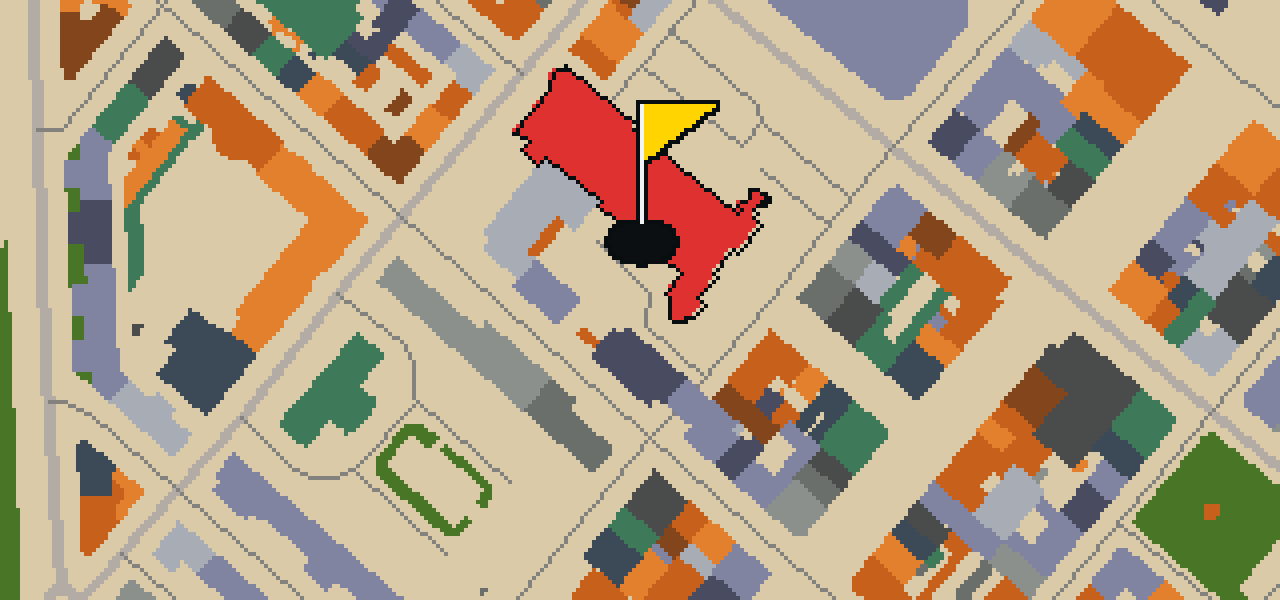
Let me show you the Musée des Beaux-Arts, an art museum founded in 1968. It is located in the city of Brest, Brittany, France. While the current institution is relatively young, the previous museum and most of the city were destroyed by Allied bombing during the Second World War. The building you see today was completed in 1968 to provide a new home for the art. Inside, you can pick out works from French and Italian old masters alongside various pieces of modern art. It is a steady spot for the community, drawing 20,147 annual visitors. I've noticed it's a great place to stretch your wings and admire some color after a long walk through the city streets.

Wikidata · Wikipedia

HOLE 4 - PAR 2

Tour Tanguy

The Tour Tanguy is a medieval tower located on a rocky motte beside the Penfeld river in Brest, France. Also known as Bastille de Quilbignon or Tour de la Motte Tanguy, this site is a key landmark that faces the château de Brest. If you head inside, you will find the Museum of Old Brest. I recommend spending some time with their collection of dioramas, which depict the city of Brest on the eve of World War II. It is a great way to see how the city looked before the conflict began. I've noticed the river views from this spot are quite something, and the rocky foundation gives the whole place a very sturdy feel. It is a wonderful place to stop and orient yourself within the city.

Wikidata · Wikipedia

HOLE 5 - PAR 3

La Consulaire

Let me show you La Consulaire, a monument and cannon with an inception in 1833. This Algerian Barbary artillery piece has a long history, having once defended Algiers harbour. The piece was looted by the French during the Invasion of Algiers on 5 July 1830, and it was later taken as a trophy to Brest. Today, the cannon is listed in the general inventory of cultural heritage, which ensures its place in the city's layout. I have noticed that many people stop to admire the heavy ironwork while they walk past. It is a striking piece of artillery that brings a bit of distant history right here to our streets, reminding us of the various trophies brought back to the port over the years.

Wikidata · Wikipedia

HOLE 6 - PAR 3

Église Saint-Sauveur

Amédée-François Frézier was the architect of Église Saint-Sauveur. This church building is located in the Recouvrance district of Brest, France. It is a Jesuit-style church that was constructed between 1740 and 1749. While the construction period spanned those years, the inception of Église Saint-Sauveur was in 1749. Visitors to the Recouvrance district can observe the specific Jesuit-style architectural influences that Frézier brought to the design of the building. Beyond its physical presence in the city, the church is listed in the general inventory of cultural heritage. This recognition ensures that the building is documented as a significant part of the local history. Whether you are interested in the work of Frézier or the religious architecture of the region, this site provides a direct connection to the mid-eighteenth century in Brest.

Wikidata · Wikipedia

HOLE 7 - PAR 3

Ateliers des Capucins

Let me show you the Ateliers des Capucins. This site is an architectural ensemble located here in Brest. It is a significant place for visitors to observe while exploring the city's layout. I often see people pausing to take in the scale of the structures. Whether you are a tourist or a local, it is a landmark that defines the surrounding area. You can spend some time walking around the perimeter to get a full sense of the space.

Wikidata

HOLE 8 - PAR 2

Église Saint-Louis

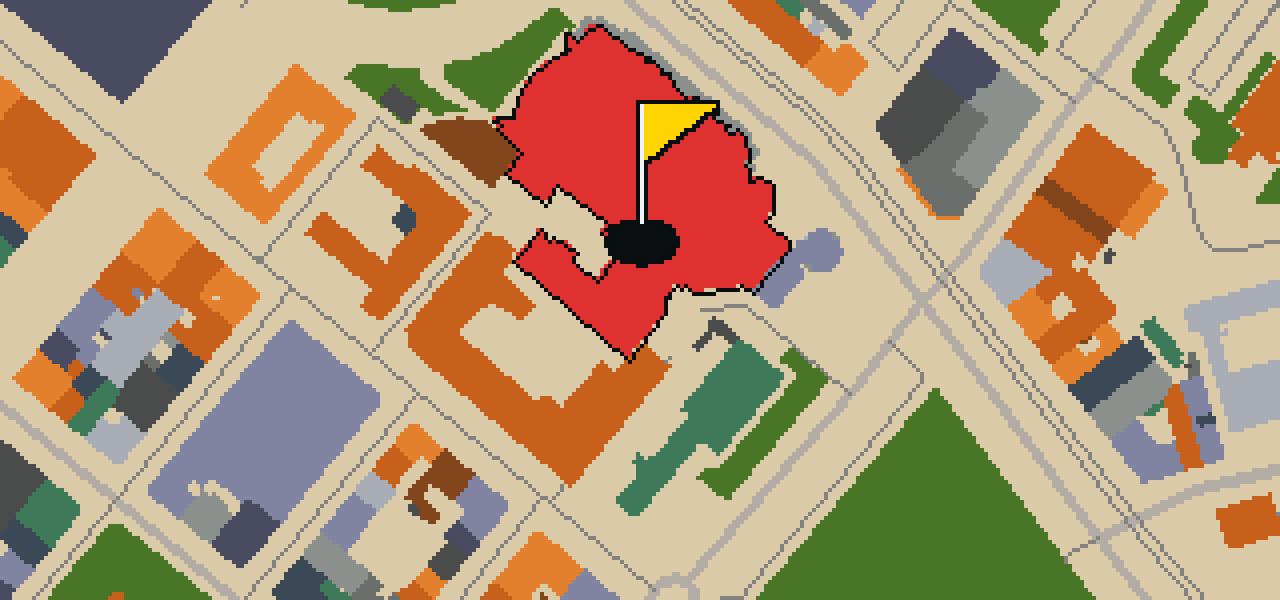
You might expect a traditional spire here, but Église Saint-Louis is instead a work of modern architecture. This church building is dedicated to Saint Louis, King of France. Architects Yves Michel and Jean Lacaille led the design for the inception of the building in 1958. While a former church of the same name was constructed between 1686 and 1785, this current structure represents a different era of the city's history. It is the largest French church rebuilt after the war, making it a significant landmark in the local landscape. Visitors can appreciate the stark lines and scale of the space, which stands as a testament to the mid-century rebuilding efforts in Brest.

Wikidata · Wikipedia

HOLE 9 - PAR 3

Le Quartz

Le Quartz is a performance hall and convention center. You can pick out the influence of contemporary architecture in the design of the building, which makes it a standout feature of the local skyline. It had its inception in 1988 and provides a dedicated space for events and shows in Brest. I find the sharp lines of the exterior quite striking when you first approach it on foot. Whether you are visiting for a professional gathering or a musical performance, the structure is a prominent example of the city's modern development. It is a useful spot to see how the city integrates large-scale functional spaces with a specific architectural style. You will notice that the design focuses on openness and light, which is typical for this type of contemporary build.

Wikidata

STOP 10

La Carène

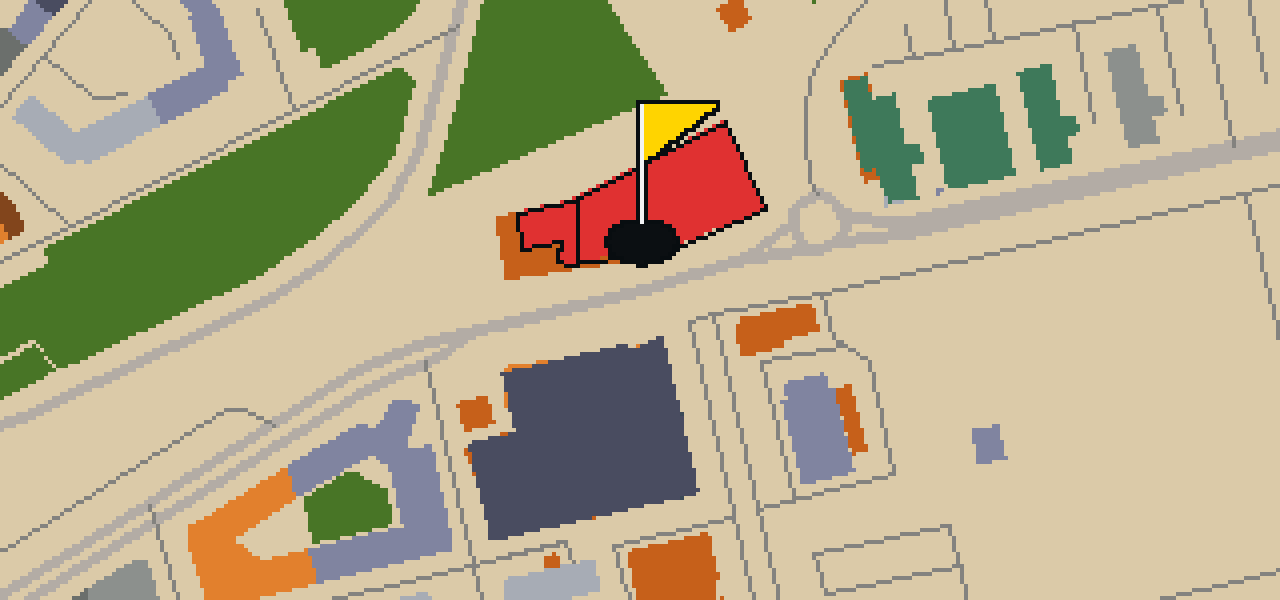
Look closely at the lines of the structure before you take in the whole site. This is La Carène, an event venue that stands as a prominent feature of the local area. When you walk around the perimeter, you can see the specific vision of Jacques Ripault, who is the architect of the building. It is a space used for various gatherings and functions, making it a key spot for people to meet in the city. I have noticed that the scale of the place makes it easy to spot from a distance, even for a bird in flight. Whether you are visiting for a specific occasion or just passing through the streets of Brest, the building is a distinct landmark that anchors this part of the city.

Wikidata

OTHER COURSES

9 HOLES - PAR 24

Le Havre

9 stops

This is Le Havre. The map is the actual city and the round is played on its real streets, using attractions like Église Saint-Joseph as the basis for the holes. Skip is a local guide who knows every corner. It is a quick round of 9 holes with a par of 24, covering a walk of 5.1 km and using 8 portals to move between districts.

18 HOLES - PAR 56

Versailles

18 stops

This is Versailles. The map is the real city and the round is played on its real streets, using attractions like the Château de Versailles as the basis for the holes. Skip is a local guide who knows every cobblestone. It is a full round of 18 holes with a par of 56, covering a walk of 11.7 km. The ball uses 6 portals to move between the different districts.

9 HOLES - PAR 26

Vannes

9 stops

A quick nine-hole round winds through Vannes, following the real city map and its actual streets. The course uses local attractions, such as Cathédrale Saint-Pierre, to form the holes. Skip knows every corner of this 4.8 km walk, including the two portals that skip over the long stretches. A pigeon's eye view is the best way to see how the ball rolls.

9 HOLES - PAR 28

Tours

9 stops

This is Tours, where the map is the real city and the round is played on its real streets. The holes are built from real attractions, like the Cathédrale Saint-Gatien. Skip is a local guide who knows the place. It is a quick round of 9 holes with a par of 28, covering a 5.5 km walk with two portals for the ball to ride.

9 HOLES - PAR 27

Toulon

9 stops

This is a quick nine-hole round through Toulon. The map is the real city and the play happens on its actual streets, using attractions like the Opéra as the basis for the holes. Skip knows these sidewalks well and will act as the local guide for the 5.2 km walk. Six portals help move the ball across the city.

FAQ

Is it free to play?

Yes. Every course runs in the browser with no account and no install.

Do I need to be in the city?

No. The full round plays from anywhere. Walking the real route is a nice way to see the city, but it is not required.

Are the maps real?

Yes. The geometry comes from OpenStreetMap data, rendered chunky on purpose. Streets, water and parks sit where they really are.