
ARLES - 9 HOLES - FREE

ARLES
CITY MAP MINIGOLF

Arles - 9 stops - par 26

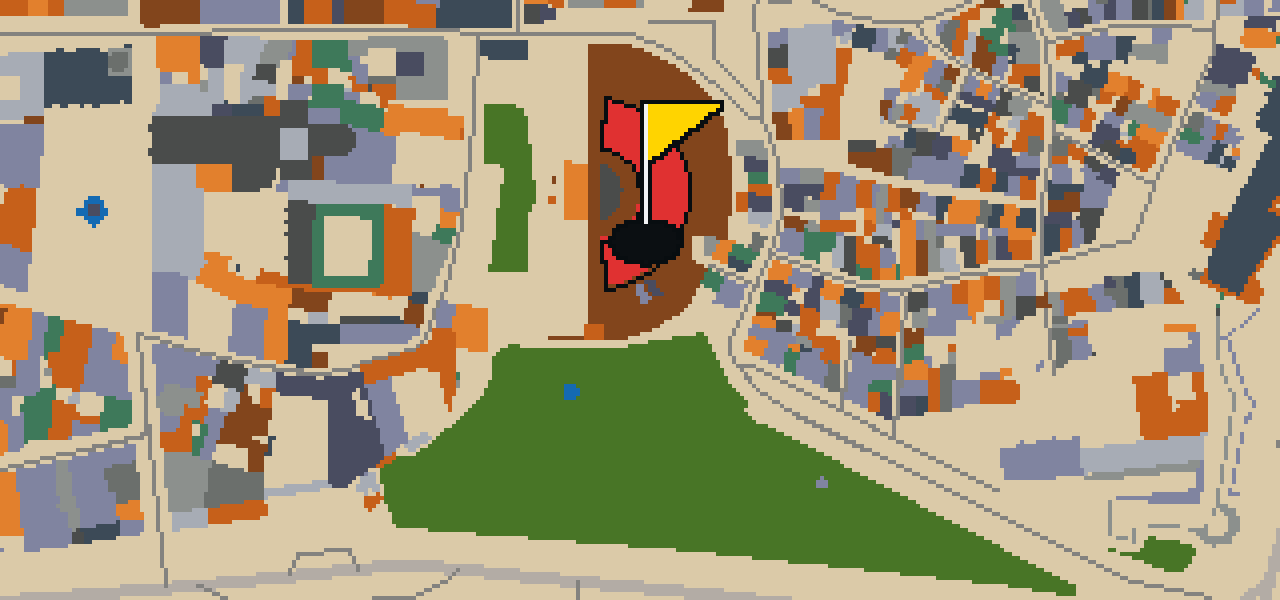
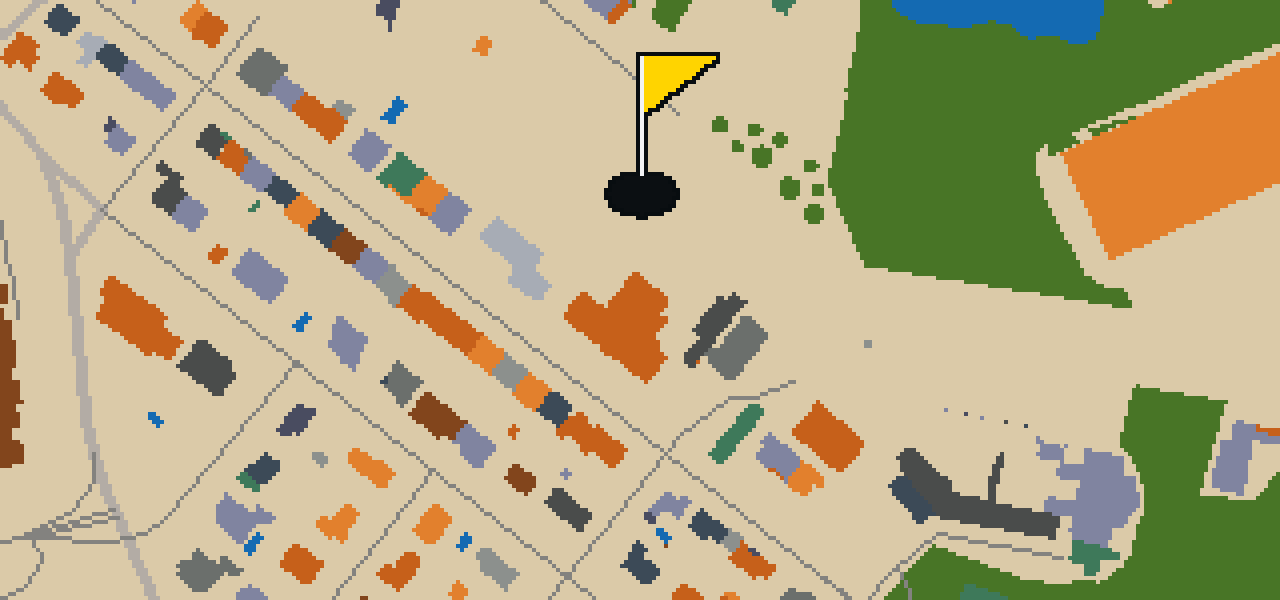
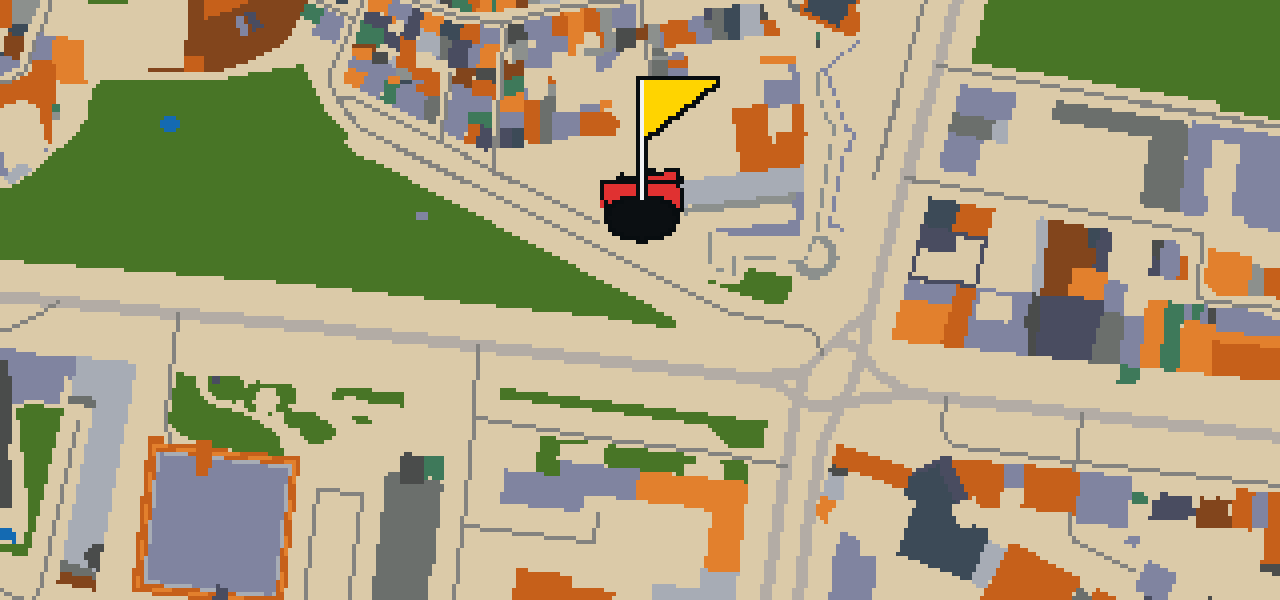
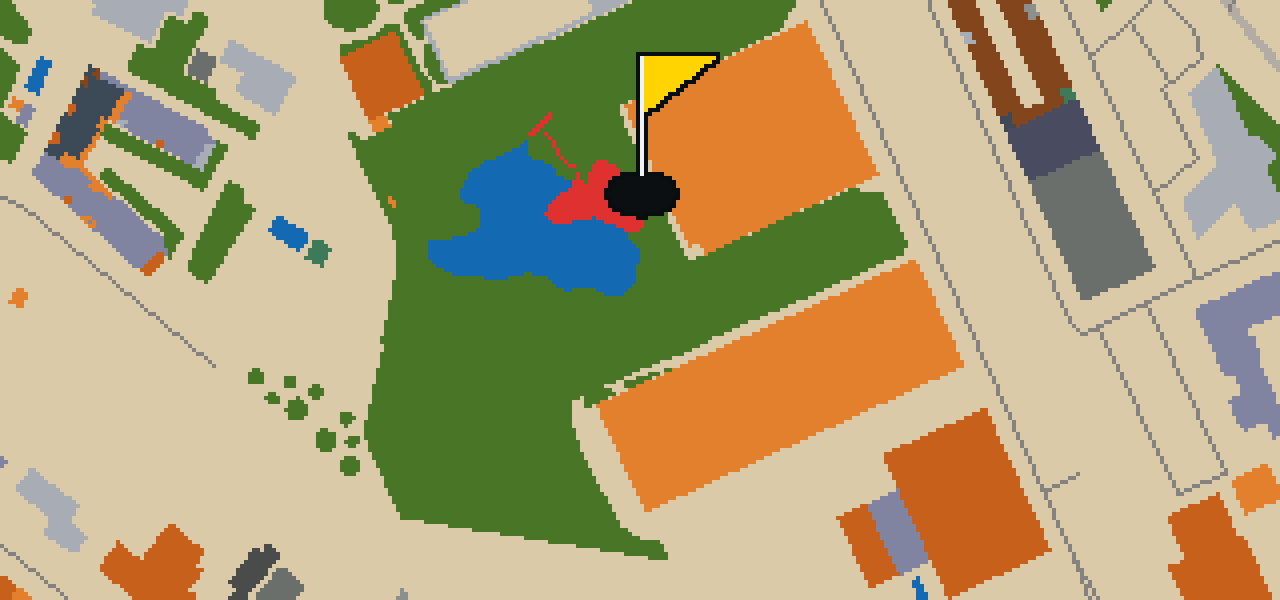
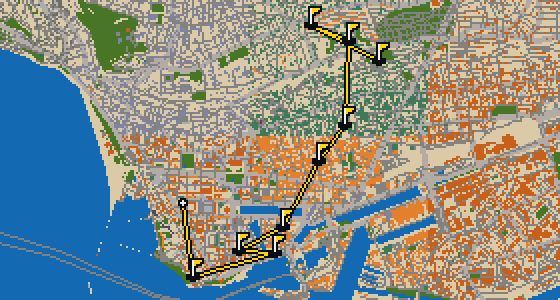
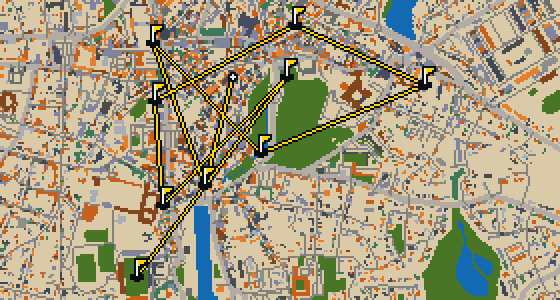
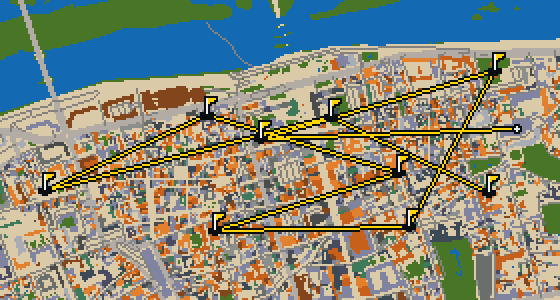
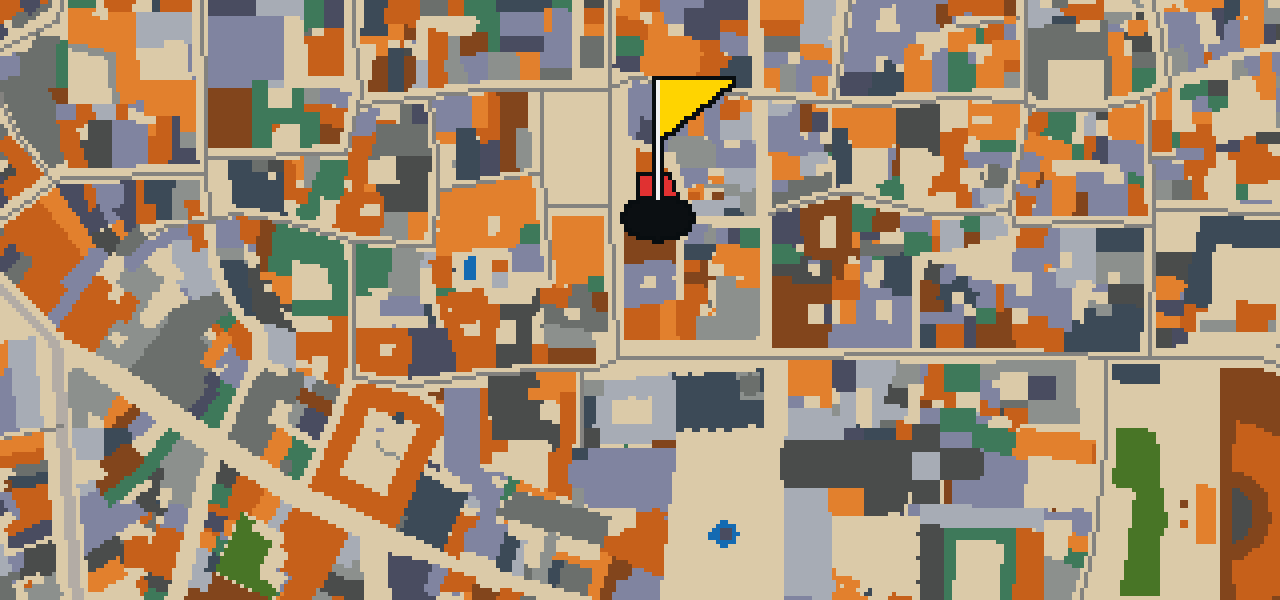
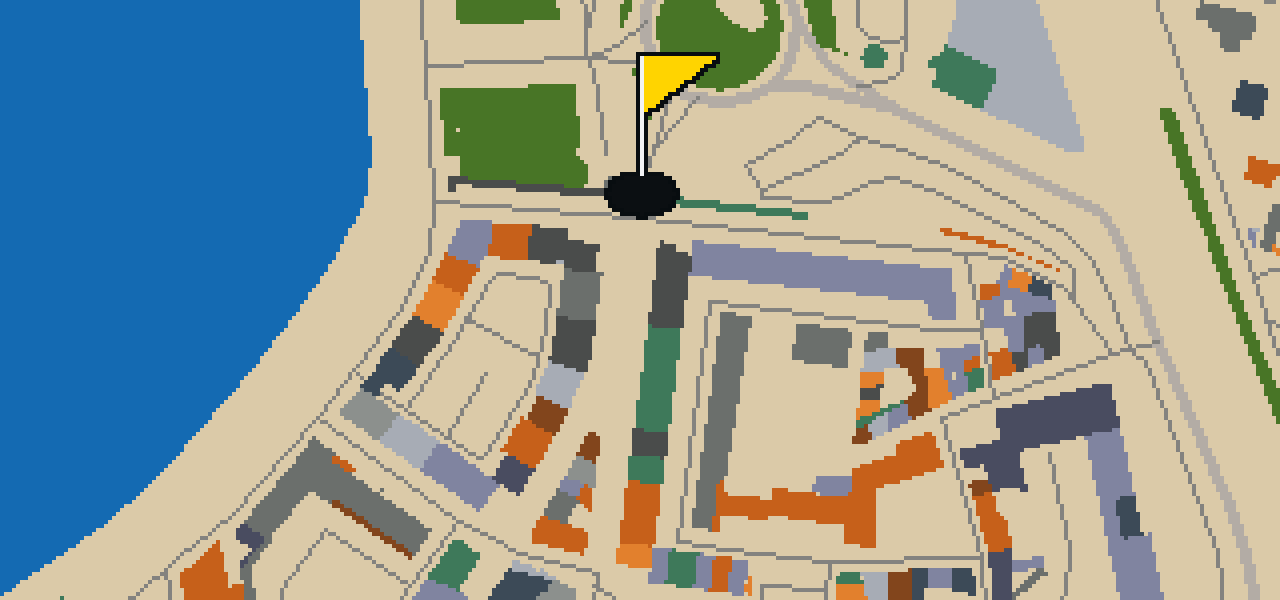
This is a quick nine-hole round through Arles. The map is the real city and the ball rolls across its actual streets, using landmarks like the Théâtre antique as the holes. Six portals help bridge the gaps over a 4.8 km walk. Skip knows every cobblestone here, even the ones where the crumbs are best.

Trouble loading? Open the game in its own tab.

HOW IT WORKS

01

Pick a city

The course is drawn on the real street grid, so the map you play is the map you walk.

02

Putt to the pin

Drag to aim, release to swing. Buildings bounce and water costs you a stroke.

03

Sightsee between strokes

Every hole ends at an attraction. Sink the putt, read the story, walk to the next tee.

THE ARLES ROUND - STOP BY STOP

HOLE 1 - PAR 3

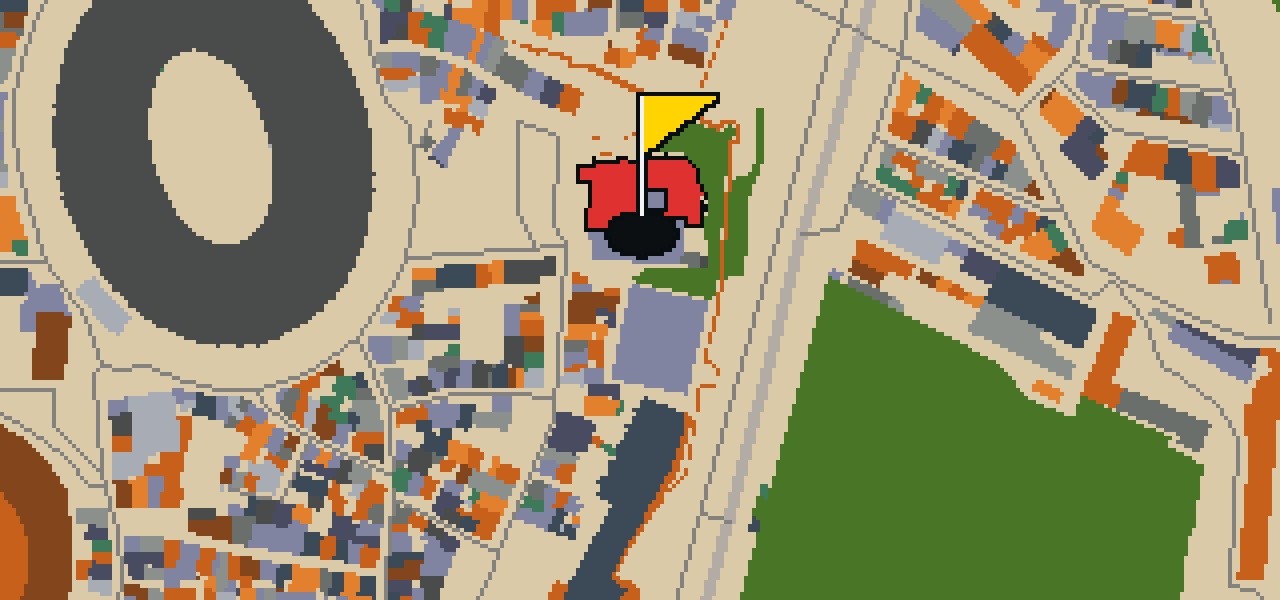
Le Café la Nuit

This oil painting by Vincent van Gogh is a study of light and shadow in Arles. Created in 1888, the piece depicts a terrace under the night sky and measures 0.8 meters in height. It is a significant example of the artist's work from this period, focusing on the atmosphere of a public space after dark. You can pick out the specific mood van Gogh intended for the scene. I've always thought the colors make it feel like the air is still warm from the day. Whether you are an art historian or just passing through, this painting remains one of the most recognizable images of the city's evening life.

Wikidata · Wikipedia

HOLE 2 - PAR 3

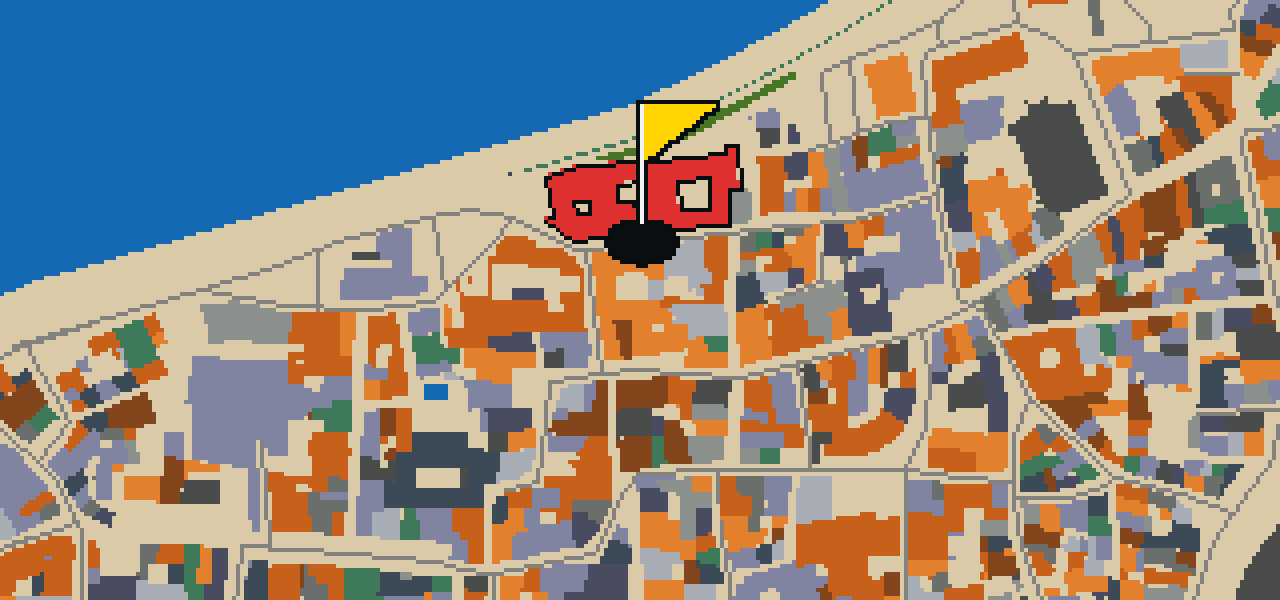
Porte de la Cavalerie

You will first notice the imposing presence of Porte de la Cavalerie as you approach. This is a city gate, a structure that once defined the boundary between the urban center and the world outside. Because it is a classified historical monument, the gate is preserved as a piece of the city's architectural record, allowing you to see the specific masonry and design used for these fortifications. I always find that these massive stone entrances make the surrounding modern streets feel a bit smaller by comparison, reminding us of how the town used to be enclosed. It is a great spot to pause and look at the scale of the walls before moving on to the next part of your journey through Arles.

Wikidata

HOLE 4 - PAR 3

Nécropole des Alyscamps

Let me show you the Nécropole des Alyscamps. This archaeological site is a large Roman necropolis situated a short distance outside the walls of the old town of Arles, France. It is a place of significant literary interest, as the Alyscamps are referred to by Dante in the Inferno and by Ariosto in Orlando Furioso. Walking through the grounds, you can pick out the remnants of an ancient city of the dead that has captured the imagination of poets for centuries. I've noticed that the quiet atmosphere here makes it a great spot to step away from the busier streets of the city center and appreciate the scale of these old ruins. It is a unique part of the city's layout that helps you understand how the old town used to end and the burial grounds begin.

Wikidata · Wikipedia

HOLE 5 - PAR 3

Église Saint-Blaise

Église Saint-Blaise is a church building located in the city of Arles. As a place of worship, it is a site where visitors can observe the architecture and the presence of the building within the urban environment. This location is a significant point of interest for those exploring the city, offering a space for reflection and a glimpse into the local heritage. When you visit, you can see how the structure fits into the surrounding streets and neighborhoods. It is a place that matters to the community and provides a sense of continuity in the city's layout. Whether you are interested in the history of the region or simply passing through the area, this church building is a notable stop on your journey through Arles.

Wikidata

HOLE 6 - PAR 3

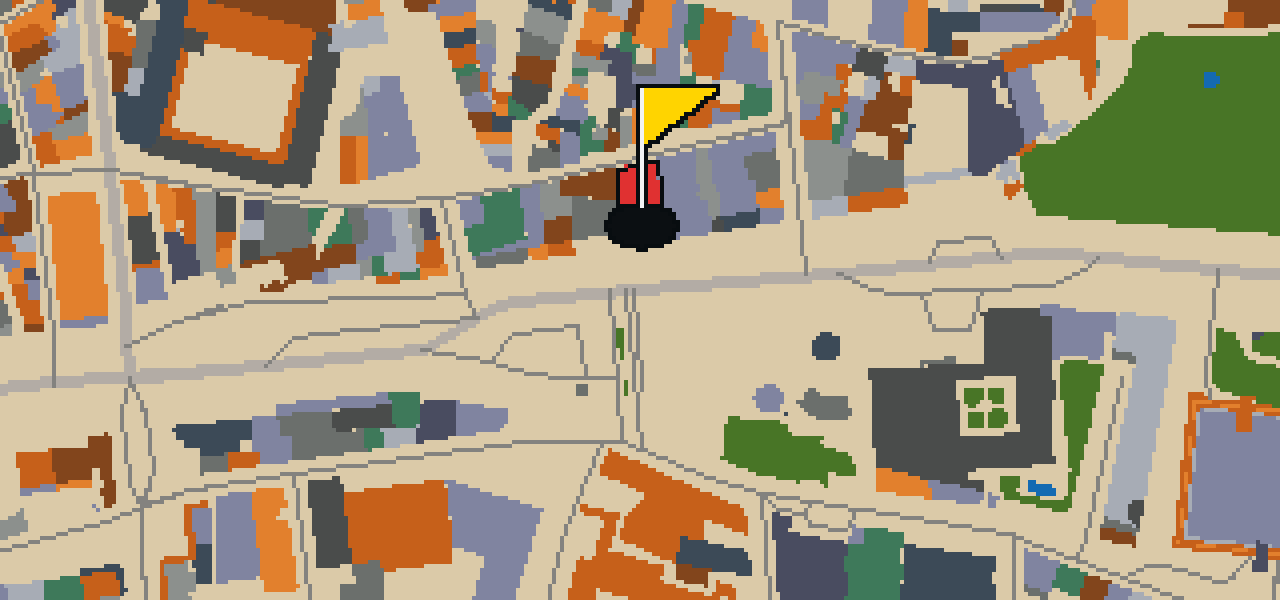
Parc des Ateliers

You can't miss the LUMA Tower, a 15,000 square meter building defined by a skin of 11,000 angled reflective stainless steel panels. This structure is part of the Parc des Ateliers, a cultural center and architectural ensemble that also incorporates a railway workshop. The site had its inception in 2013 and was designed by architects Frank Gehry and Bureau Bas Smets. It sits alongside Luma Arles, which is an arts center in Arles, France. I've noticed the steel panels catch the light in a way that makes the whole tower seem to shift as you walk around it. It is a striking place to visit, whether you are interested in the scale of the tower or the history of the workshops that anchor the ensemble.

Wikidata · Wikipedia

HOLE 7 - PAR 3

Église Notre-Dame de la Major

Église Notre-Dame de la Major is a church building located in Arles. The structure is built in the Romanesque architecture style, a design choice that informs the physical presence of the building. Over time, the importance of the site has been formally recognized by the state, and it is now a classified historical monument. When you look at the building, you can pick out the specific elements of the Romanesque style that define its exterior. This classification ensures that the church is preserved as a key piece of the city's history. Whether you are visiting for the first time or are a student of architecture, the building provides a clear example of this specific style within the urban environment of Arles.

Wikidata

HOLE 8 - PAR 2

Musée Réattu

You can pick out a large collection of photographs as you enter Musée Réattu. This art museum in Arles was founded in 1868 and now welcomes 60,905 annual visitors. Inside, the galleries house paintings, including works by Jacques Réattu, and drawings by Picasso. Beyond these permanent holdings, the museum houses sculptures and regularly holds exhibitions of contemporary art. It is a great spot to see how different mediums sit side by side in one space. I usually find the quiet corners of the galleries are the best place to linger, away from the main flow of the crowds. The way the light hits the sculptures in the afternoons is something you should look for when you walk through the halls.

Wikidata · Wikipedia

HOLE 9 - PAR 3

Pont de Constantin

As you move through Arles, you will come across the Pont de Constantin. This is a Roman bridge that allows you to see the scale of the city's early infrastructure. It is an ancient Roman structure and is recognized as a classified historical monument. I often see folks stopping here to admire how the stone has held up over the centuries. It is a great spot to take a breather and look at the way the bridge integrates with the surrounding landscape. Whether you are here for the history or just passing through, the bridge is a significant landmark in the local area. It is a place where the weight of the past is visible in every block of stone, making it a highlight for any visitor to the city.

Wikidata

STOP 10

Temple de la Rotonde

You will first notice the distinct Neoclassical architecture style of the Temple de la Rotonde. This structure is a church building that stands as a clear example of that specific design approach, characterized by its symmetry and classical proportions. In addition to its architectural significance, the site is recognized as a monument historique inscrit. It is a point of interest for those visiting Arles who want to see how these classical forms were applied to religious buildings in the region. The building remains a prominent part of the city's physical history, providing a direct look at the Neoclassical influence on local construction. Whether you are interested in the history of the area or simply the aesthetic of the facade, this church building provides a focused example of the style.

Wikidata

OTHER COURSES

9 HOLES - PAR 24

Le Havre

9 stops

This is Le Havre. The map is the actual city and the round is played on its real streets, using attractions like Église Saint-Joseph as the basis for the holes. Skip is a local guide who knows every corner. It is a quick round of 9 holes with a par of 24, covering a walk of 5.1 km and using 8 portals to move between districts.

18 HOLES - PAR 56

Versailles

18 stops

This is Versailles. The map is the real city and the round is played on its real streets, using attractions like the Château de Versailles as the basis for the holes. Skip is a local guide who knows every cobblestone. It is a full round of 18 holes with a par of 56, covering a walk of 11.7 km. The ball uses 6 portals to move between the different districts.

9 HOLES - PAR 26

Vannes

9 stops

A quick nine-hole round winds through Vannes, following the real city map and its actual streets. The course uses local attractions, such as Cathédrale Saint-Pierre, to form the holes. Skip knows every corner of this 4.8 km walk, including the two portals that skip over the long stretches. A pigeon's eye view is the best way to see how the ball rolls.

9 HOLES - PAR 28

Tours

9 stops

This is Tours, where the map is the real city and the round is played on its real streets. The holes are built from real attractions, like the Cathédrale Saint-Gatien. Skip is a local guide who knows the place. It is a quick round of 9 holes with a par of 28, covering a 5.5 km walk with two portals for the ball to ride.

9 HOLES - PAR 27

Toulon

9 stops

This is a quick nine-hole round through Toulon. The map is the real city and the play happens on its actual streets, using attractions like the Opéra as the basis for the holes. Skip knows these sidewalks well and will act as the local guide for the 5.2 km walk. Six portals help move the ball across the city.

FAQ

Is it free to play?

Yes. Every course runs in the browser with no account and no install.

Do I need to be in the city?

No. The full round plays from anywhere. Walking the real route is a nice way to see the city, but it is not required.

Are the maps real?

Yes. The geometry comes from OpenStreetMap data, rendered chunky on purpose. Streets, water and parks sit where they really are.