
ANNECY - 9 HOLES - FREE

ANNECY
CITY MAP MINIGOLF

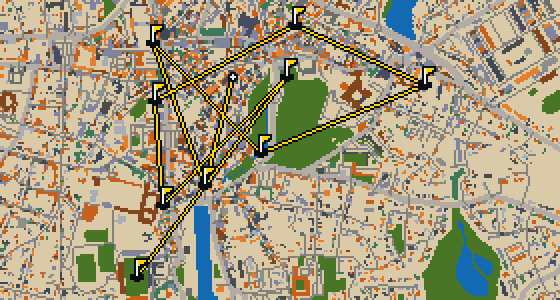
Annecy - 9 stops - par 27

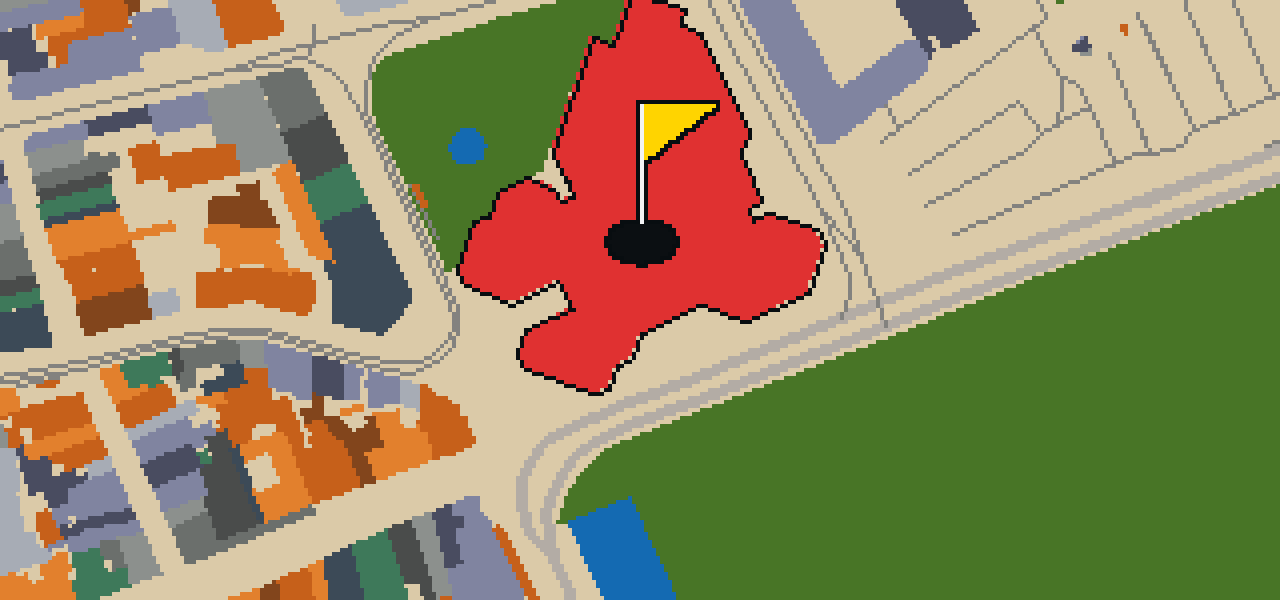
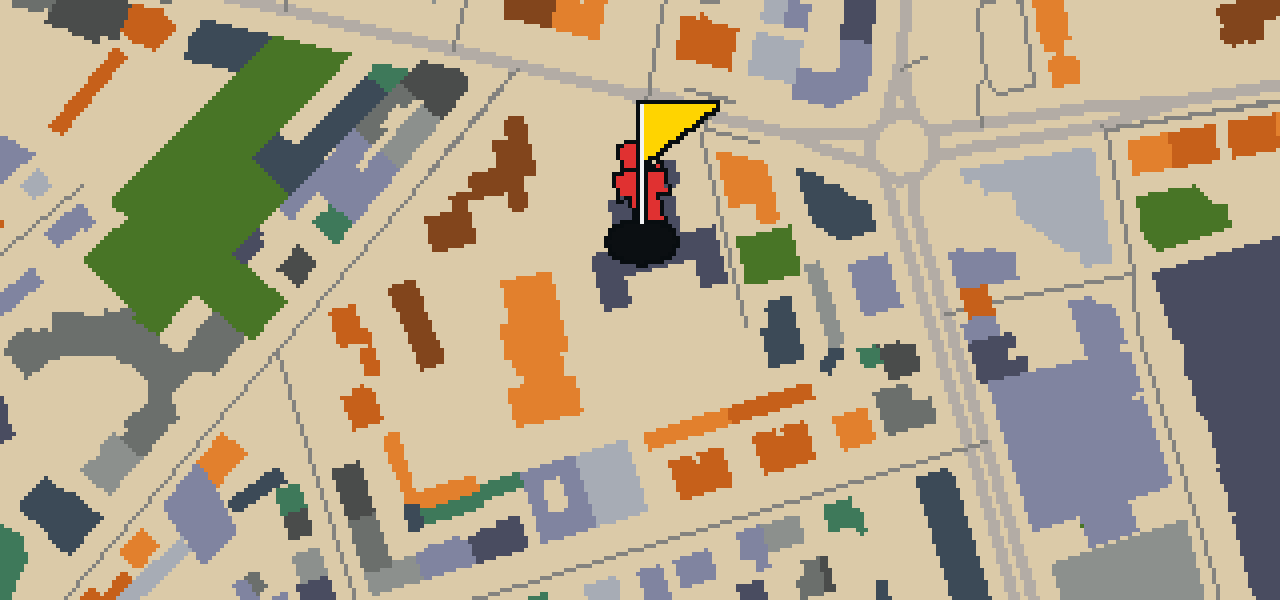
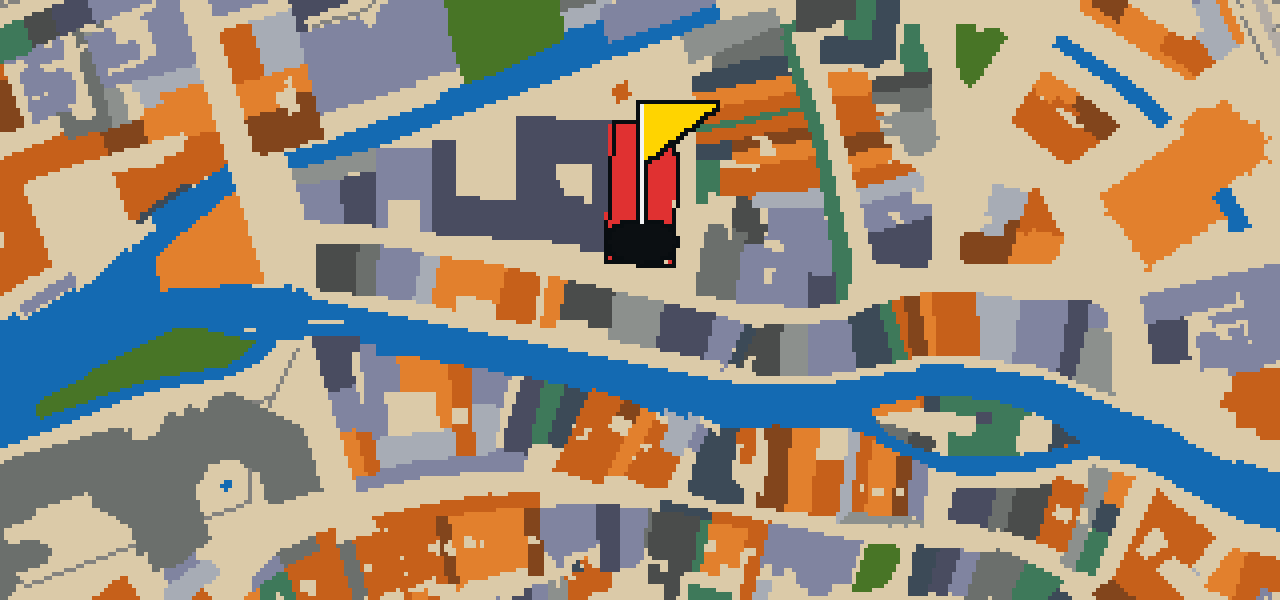
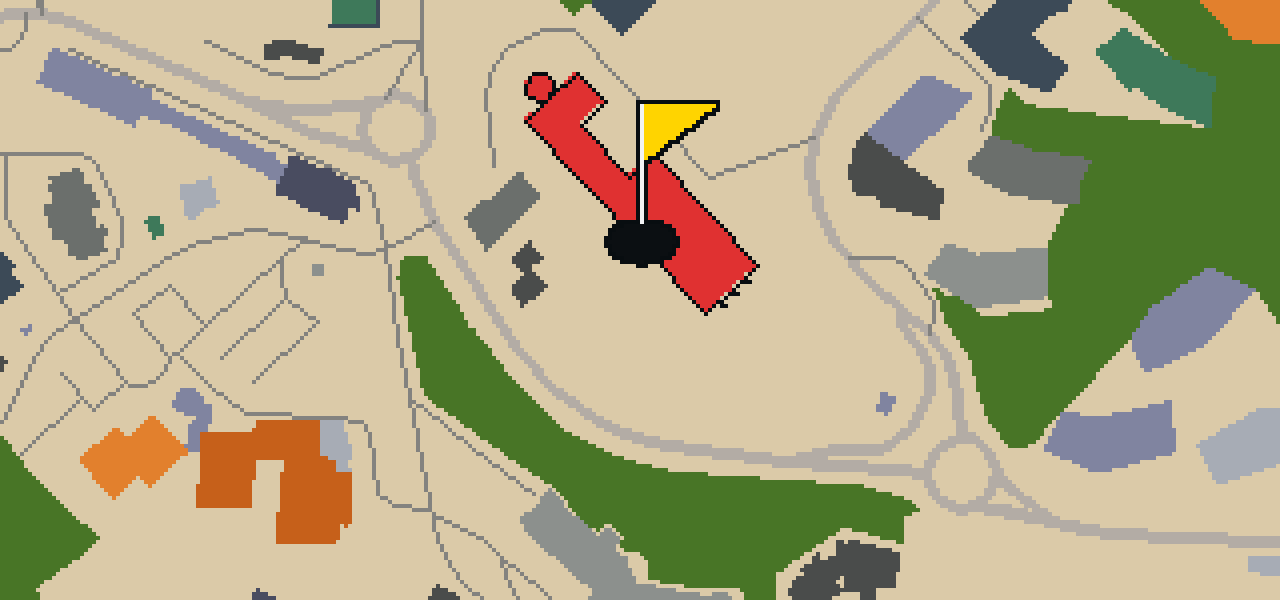
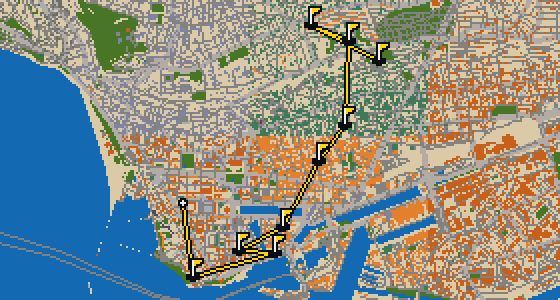
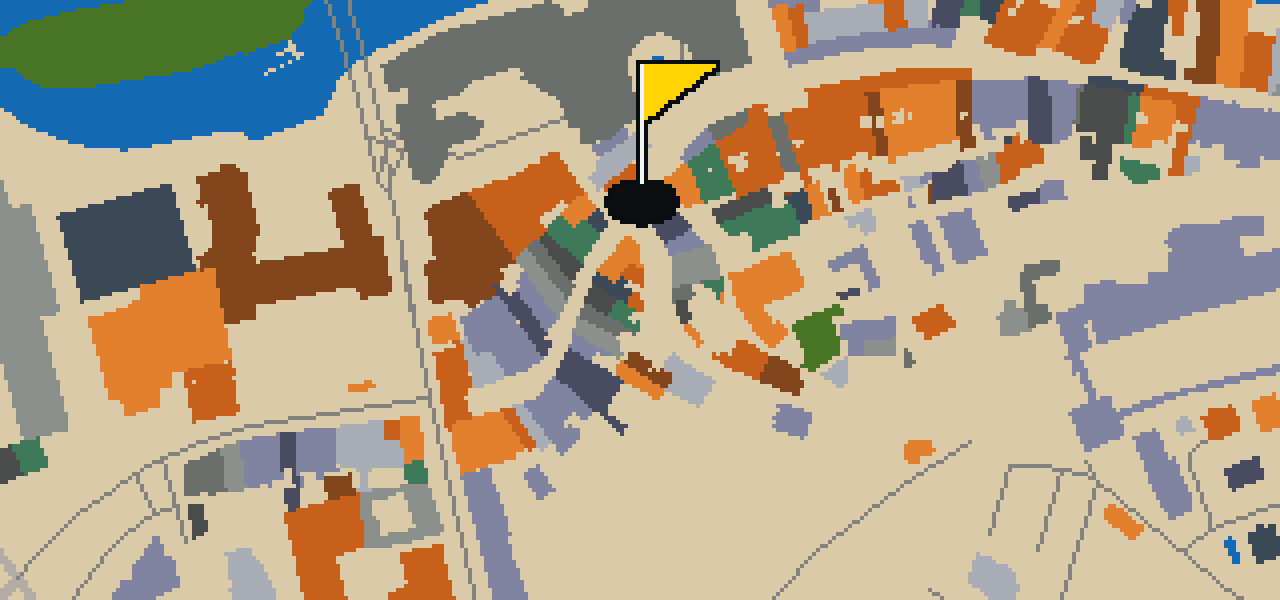
This is Annecy. The map is the real city and the round is played on its real streets, where attractions like the Château d'Annecy are the holes. This quick 9-hole round covers 5.9 km with a par of 27, using a couple of portals to bridge the gaps. Skip is a local guide who knows the place, even if the pigeons mostly care about the crumbs.

Trouble loading? Open the game in its own tab.

HOW IT WORKS

01

Pick a city

The course is drawn on the real street grid, so the map you play is the map you walk.

02

Putt to the pin

Drag to aim, release to swing. Buildings bounce and water costs you a stroke.

03

Sightsee between strokes

Every hole ends at an attraction. Sink the putt, read the story, walk to the next tee.

THE ANNECY ROUND - STOP BY STOP

HOLE 1 - PAR 3

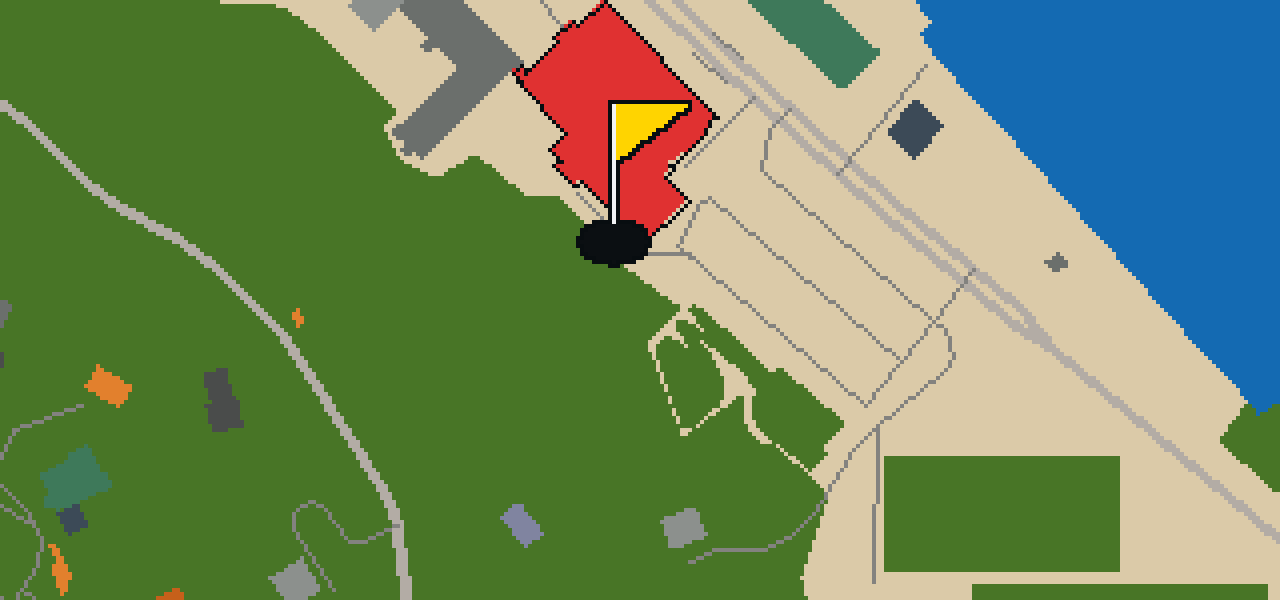
Château d'Annecy

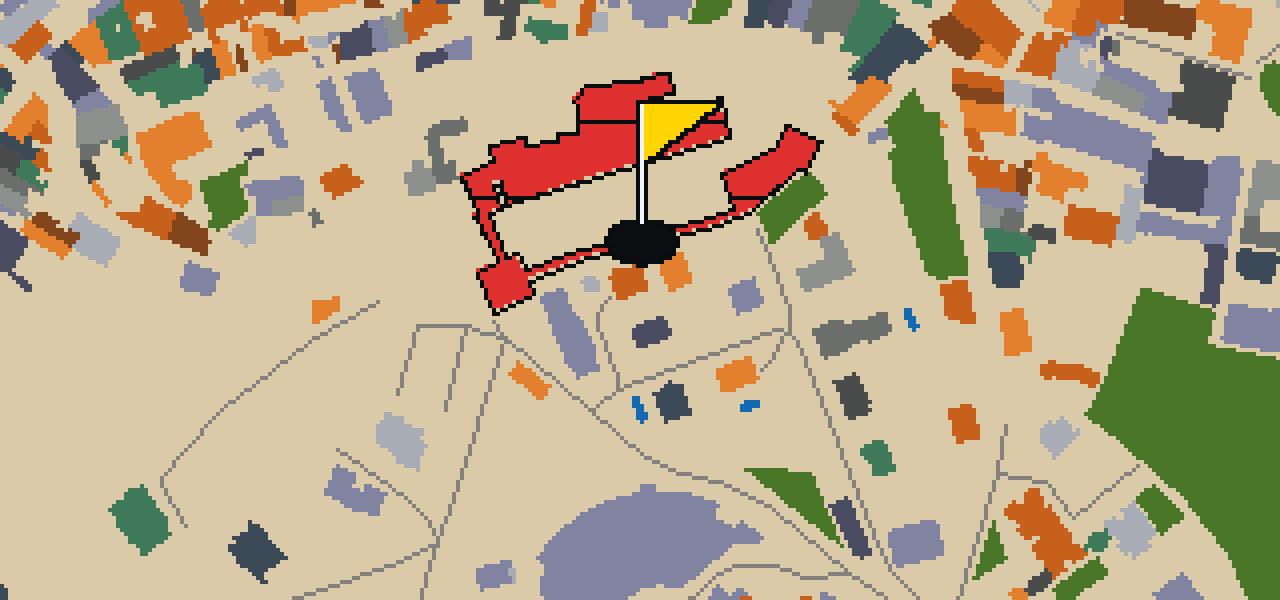
The town of Annecy bought this castle, restored it, and transformed it into a museum known as le musée-château d'Annecy. You can find the site in the old French town of Annecy within the Haute-Savoie département. It is a classified historical monument that has served as barracks and an abandoned site in the past. I've noticed that the transition from a fortress to a museum building makes it a great spot to spend an afternoon. Whether you are interested in the architecture or the local history, the museum offers a glimpse into the past of this region. It is a place where you can pick out the remnants of its various lives, from its time as a military installation to its current role as a center for art and history.
Wikidata · Wikipedia

HOLE 2 - PAR 3

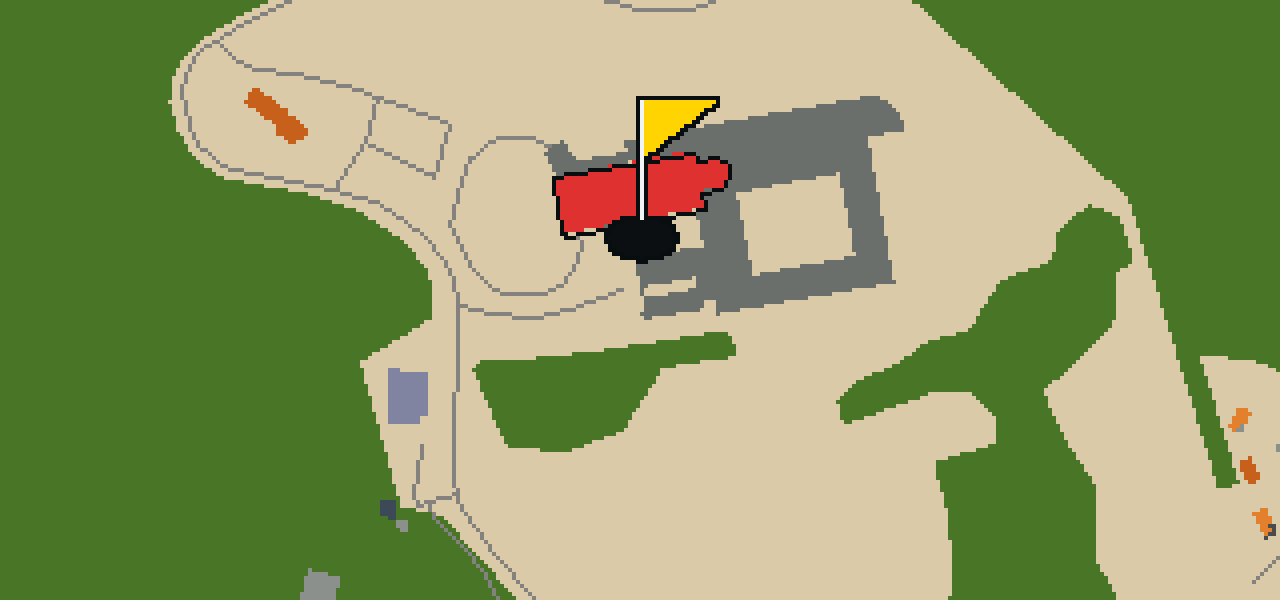
Château de Trésum

Look closely at the stone walls and the layout of the grounds before you take it all in. This site is the Château de Trésum, a château located in Annecy. It is a place where the architecture tells a story of the region's past. I find the surrounding area quite peaceful for a stroll. Whether you are interested in local history or simply looking for a scenic spot in the city, this landmark is a notable stop on your journey through the streets of Annecy.

Wikidata

HOLE 3 - PAR 3

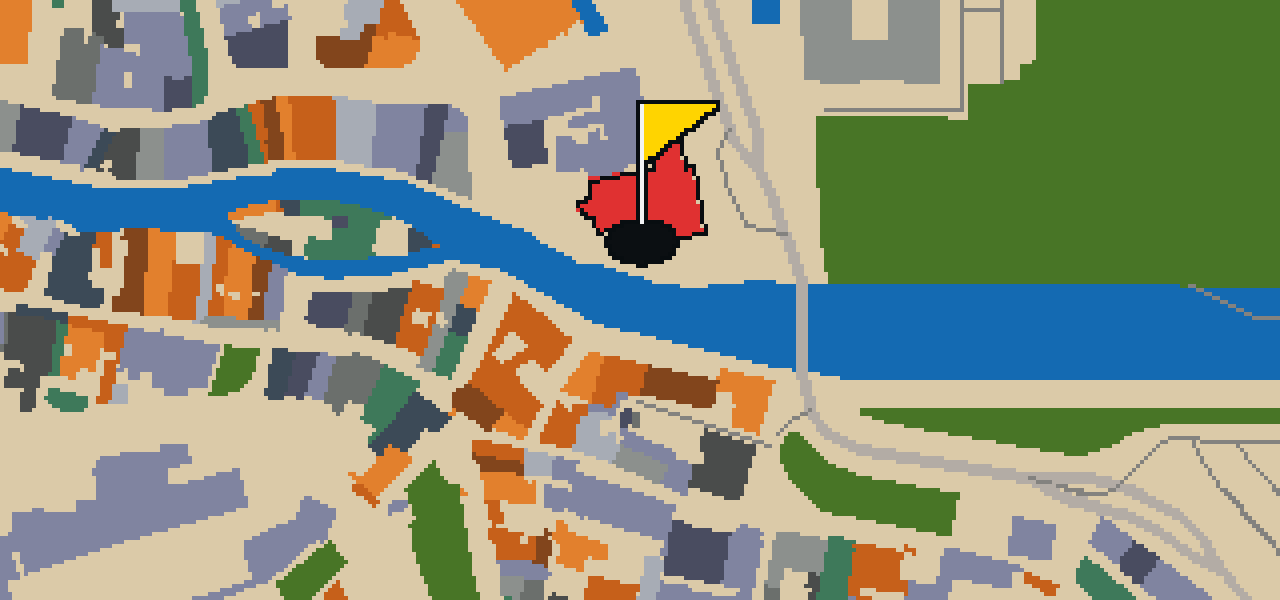
Porte Saint-Clair

Look closely at the masonry of Porte Saint-Clair. This structure is a city gate that once controlled access to the town. It stands as a physical reminder of the old boundaries that defined the urban center of Annecy. While the city has grown around it, the gate remains a focal point for those walking through the historic districts. I often see people pausing here to admire the stone before continuing their journey toward the lake. It is a simple but sturdy piece of history that helps you orient yourself within the winding streets of the old town.

Wikidata

HOLE 4 - PAR 3

Centre Bonlieu

You will first notice the distinct architectural style of Centre Bonlieu, which was designed by Maurice Novarina. This site is a performing arts center that brings various creative disciplines together in one location. For those visiting the city, it is a key spot for experiencing the local arts scene. It is also a theatre building, providing a dedicated space for stage productions and live performances. I often see people gathering near the entrance before a show begins, waiting for the doors to open. Whether you are here for the architecture or the performance, it is a prominent fixture of the city's cultural life. It is an essential stop for anyone who wants to see how the city supports the arts and provides a home for performers.

Wikidata

HOLE 5 - PAR 3

Chapelle des Capucins

Wikidata

HOLE 6 - PAR 3

Cathédrale Saint-Pierre

Cathédrale Saint-Pierre is a Roman Catholic church located in Annecy, France. The building is a Catholic cathedral that blends two distinct eras of design, as it is built in both Gothic and Renaissance architecture styles. Visitors can observe how these two influential periods of European building coexist within a single structure. Beyond its primary religious role as a church building, the site is a classified historical monument and a national monument. These designations highlight the building's importance to the heritage of the region. When you visit, take a moment to look at the facade and the interior details that distinguish the Gothic elements from the Renaissance additions. This combination of styles makes the cathedral a significant point of interest for anyone exploring the history of architecture in the city of Annecy.

Wikidata · Wikipedia

HOLE 7 - PAR 3

Conservatoire d'Art et d'Histoire

You will first notice the distinct presence of the Conservatoire d'Art et d'Histoire as you move through the streets. This is a school building that holds a special status within the city, as it is a monument historique inscrit. This official designation means the building is recognized for its importance to the local heritage and is protected accordingly. Whether you are visiting to appreciate the arts or simply enjoy the local architecture, this site is a key landmark to spot while you are exploring the area. I have always found that the atmosphere around this particular building is quite peaceful for a stroll, making it a pleasant stop on any itinerary. It is the kind of place that helps you feel the history of the neighborhood just by looking at the facade.

Wikidata

HOLE 8 - PAR 3

Le Brise-Glace

You might expect a place with this name to be a ship or a winter sports hub, but it is actually an event venue. Let me show you Le Brise-Glace, a spot that has been part of the local scene since its inception in 1998. Whether you are visiting Annecy for the first time or have spent years wandering its streets, it is a useful landmark to keep in mind while orienting yourself in the area. I have seen plenty of people pass by here while looking for the lake, though the venue itself is the main draw for those attending a function. It is a straightforward destination that serves its purpose for the community.

Wikidata

HOLE 9 - PAR 3

Basilique de la Visitation

The first thing you will notice about the Basilique de la Visitation is its scale, as the structure reaches a height of 72 meters. This minor basilica is a church building designed in the Romanesque Revival architecture style. The project was started in 1930 and involved the work of architects Henri Adé and Alfred-Henri Recoura. It is a significant landmark in Annecy, blending traditional stylistic influences with the scale of the early twentieth century. Visitors often spend time observing the exterior details that characterize the Romanesque Revival style before entering the space. The combination of the architects' vision and the specific height of the building makes it a prominent feature of the local skyline, ensuring it is visible from various points throughout the surrounding area.

Wikidata

STOP 10

Église Saint-François-de-Sales

Located within the city of Annecy, you can find Église Saint-François-de-Sales. This church building is a notable example of the baroque architecture style, which is evident in its design and form. For those visiting the center of the city, the site is a significant point of interest. Beyond its architectural style, the building is officially recognized as a monument historique inscrit. The origins of the site go back several centuries, as construction on the church building was started in 1642. Whether you are exploring the city's layout or interested in historical structures, this building is a primary landmark in the local area. It remains a place of importance for the community and visitors alike, standing as a testament to the specific artistic and building traditions of its era.

Wikidata

OTHER COURSES

9 HOLES - PAR 24

Le Havre

9 stops

This is Le Havre. The map is the actual city and the round is played on its real streets, using attractions like Église Saint-Joseph as the basis for the holes. Skip is a local guide who knows every corner. It is a quick round of 9 holes with a par of 24, covering a walk of 5.1 km and using 8 portals to move between districts.

18 HOLES - PAR 56

Versailles

18 stops

This is Versailles. The map is the real city and the round is played on its real streets, using attractions like the Château de Versailles as the basis for the holes. Skip is a local guide who knows every cobblestone. It is a full round of 18 holes with a par of 56, covering a walk of 11.7 km. The ball uses 6 portals to move between the different districts.

9 HOLES - PAR 26

Vannes

9 stops

A quick nine-hole round winds through Vannes, following the real city map and its actual streets. The course uses local attractions, such as Cathédrale Saint-Pierre, to form the holes. Skip knows every corner of this 4.8 km walk, including the two portals that skip over the long stretches. A pigeon's eye view is the best way to see how the ball rolls.

9 HOLES - PAR 28

Tours

9 stops

This is Tours, where the map is the real city and the round is played on its real streets. The holes are built from real attractions, like the Cathédrale Saint-Gatien. Skip is a local guide who knows the place. It is a quick round of 9 holes with a par of 28, covering a 5.5 km walk with two portals for the ball to ride.

9 HOLES - PAR 27

Toulon

9 stops

This is a quick nine-hole round through Toulon. The map is the real city and the play happens on its actual streets, using attractions like the Opéra as the basis for the holes. Skip knows these sidewalks well and will act as the local guide for the 5.2 km walk. Six portals help move the ball across the city.

FAQ

Is it free to play?

Yes. Every course runs in the browser with no account and no install.

Do I need to be in the city?

No. The full round plays from anywhere. Walking the real route is a nice way to see the city, but it is not required.

Are the maps real?

Yes. The geometry comes from OpenStreetMap data, rendered chunky on purpose. Streets, water and parks sit where they really are.