
TOULOUSE - 18 HOLES - FREE

TOULOUSE
CITY MAP MINIGOLF

Toulouse - 18 stops - par 56

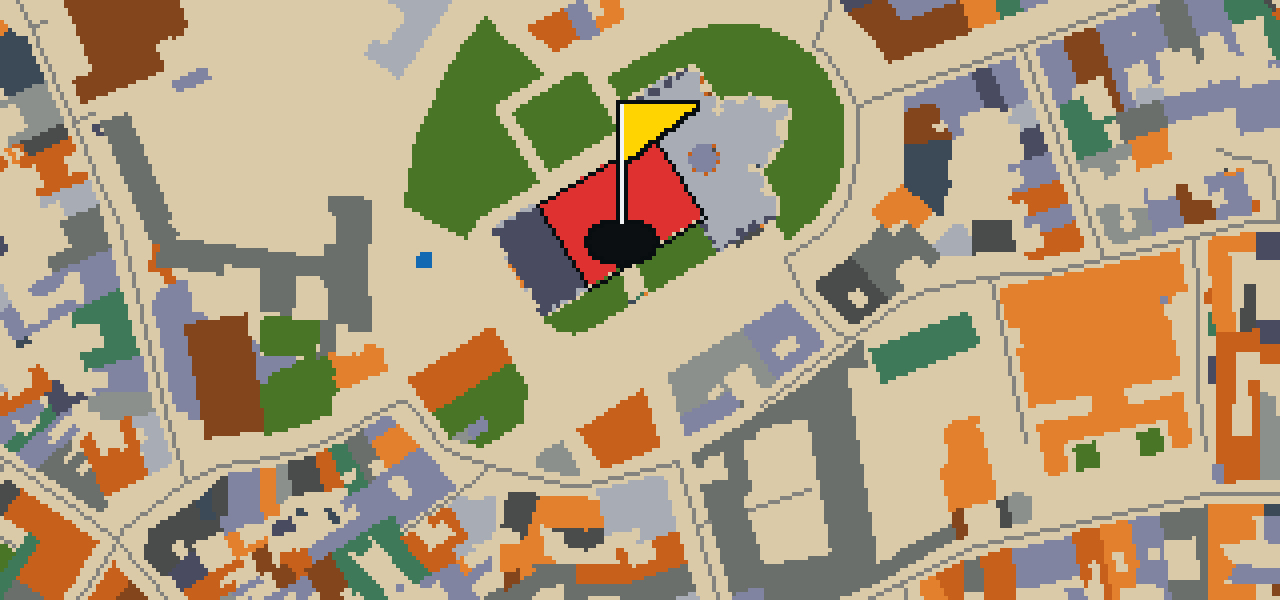
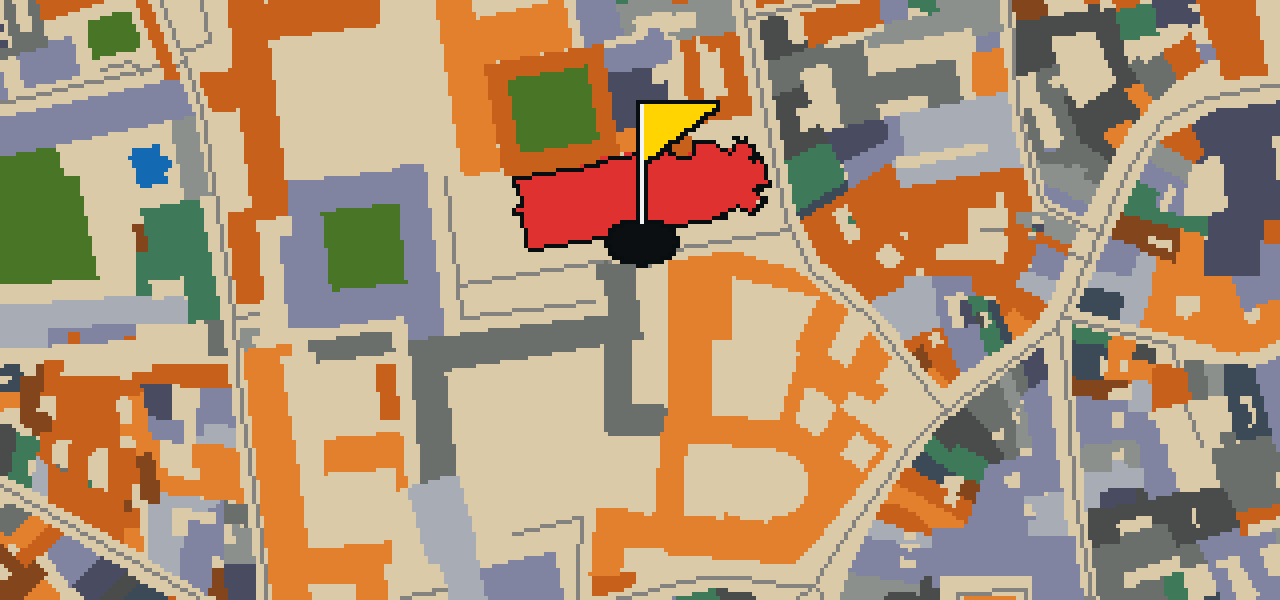
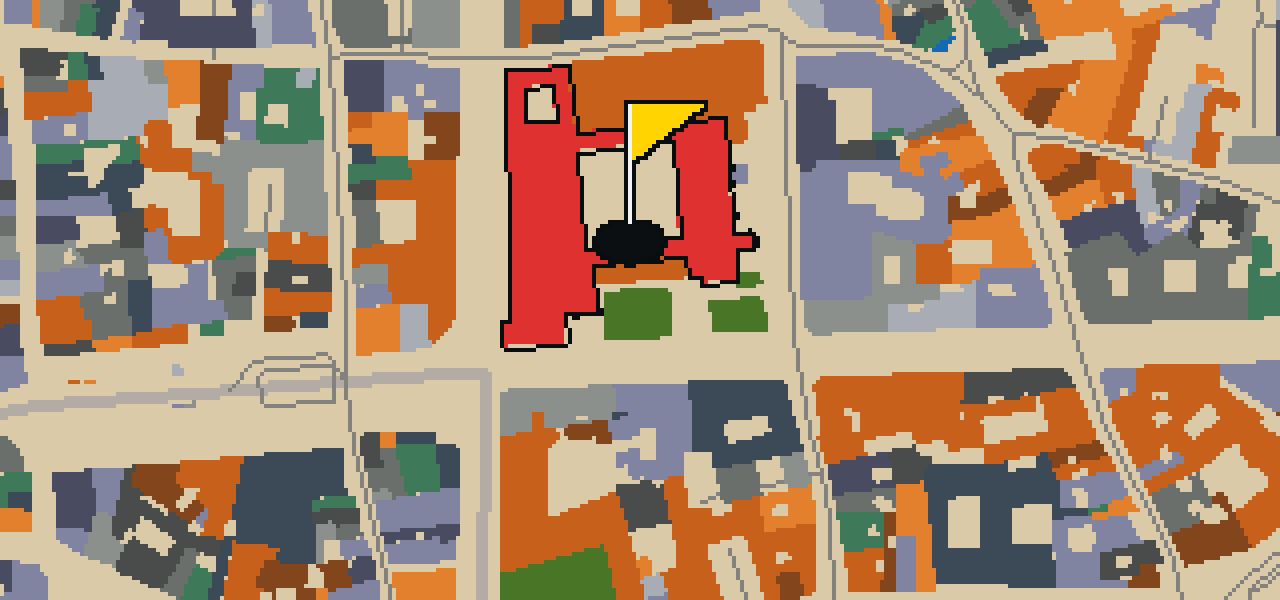
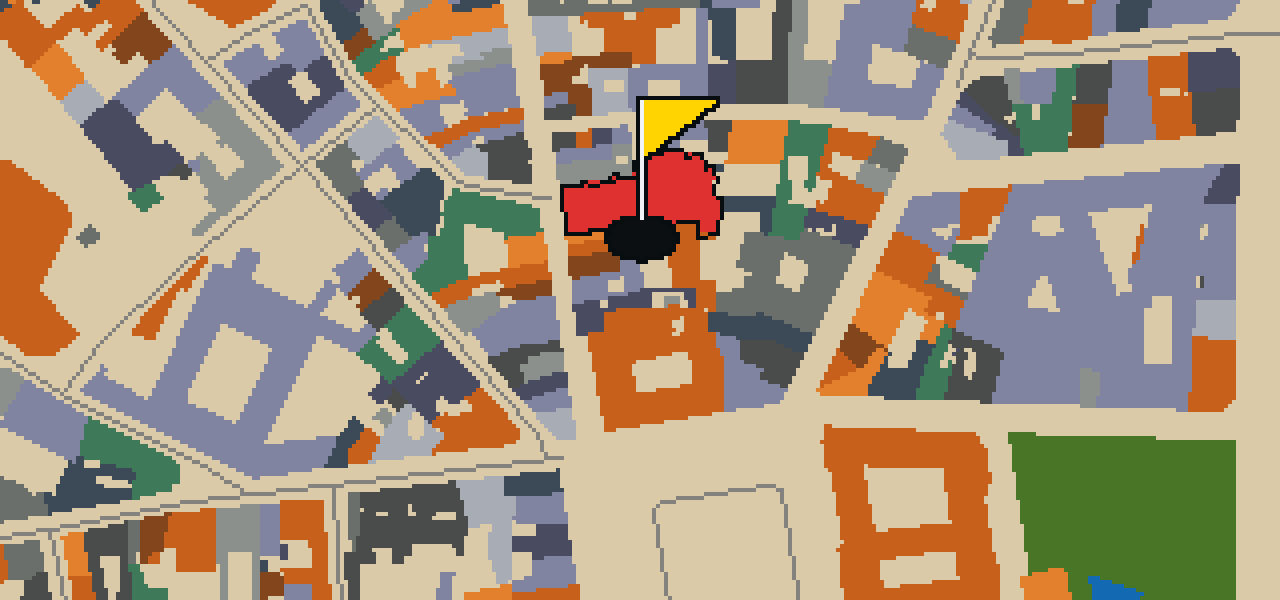
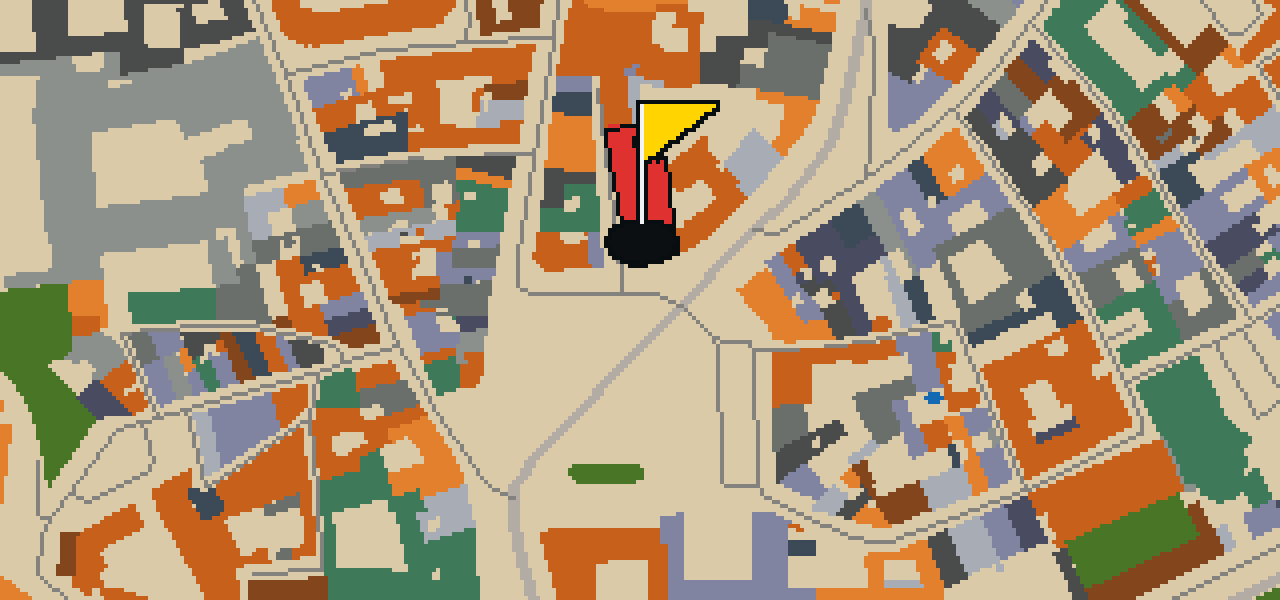
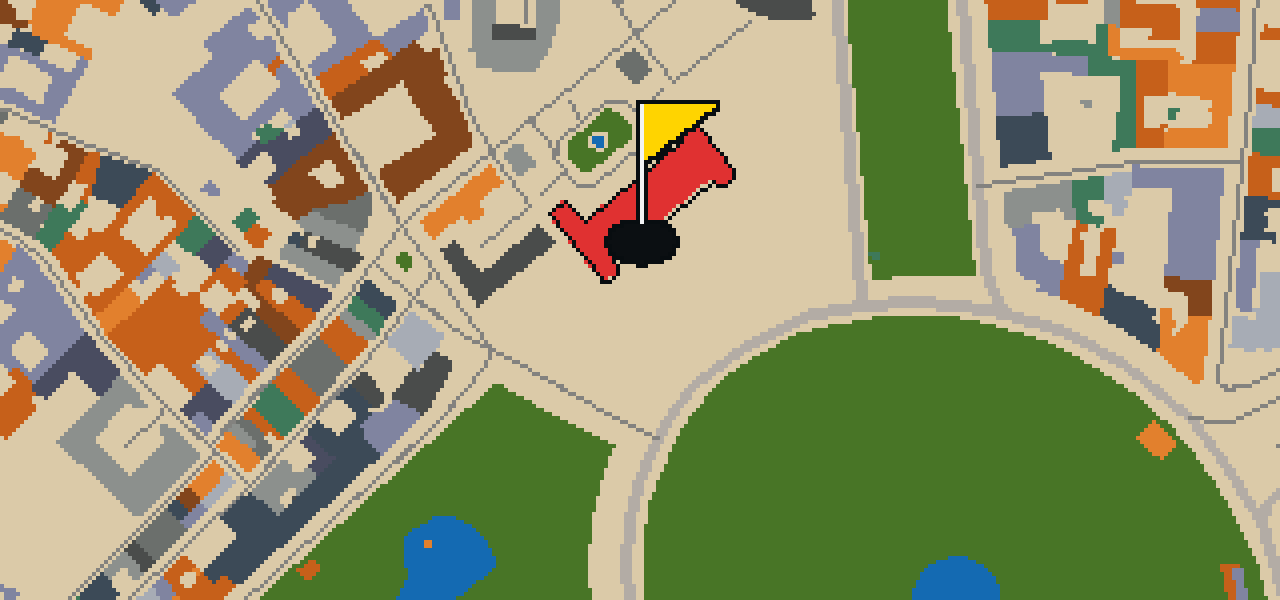
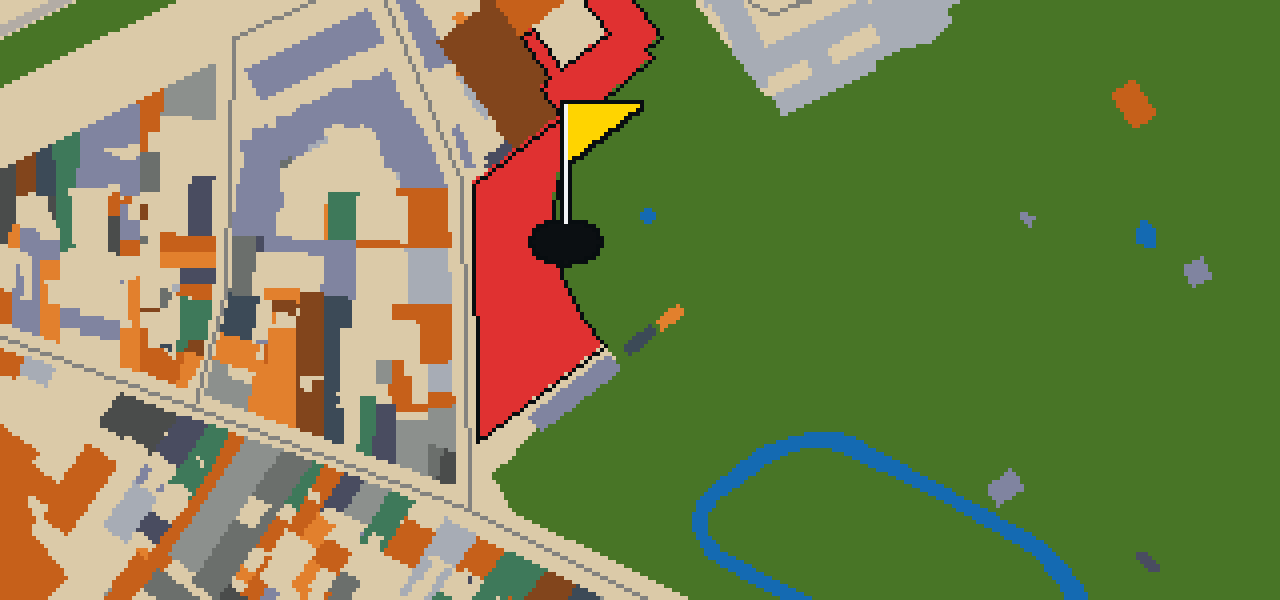
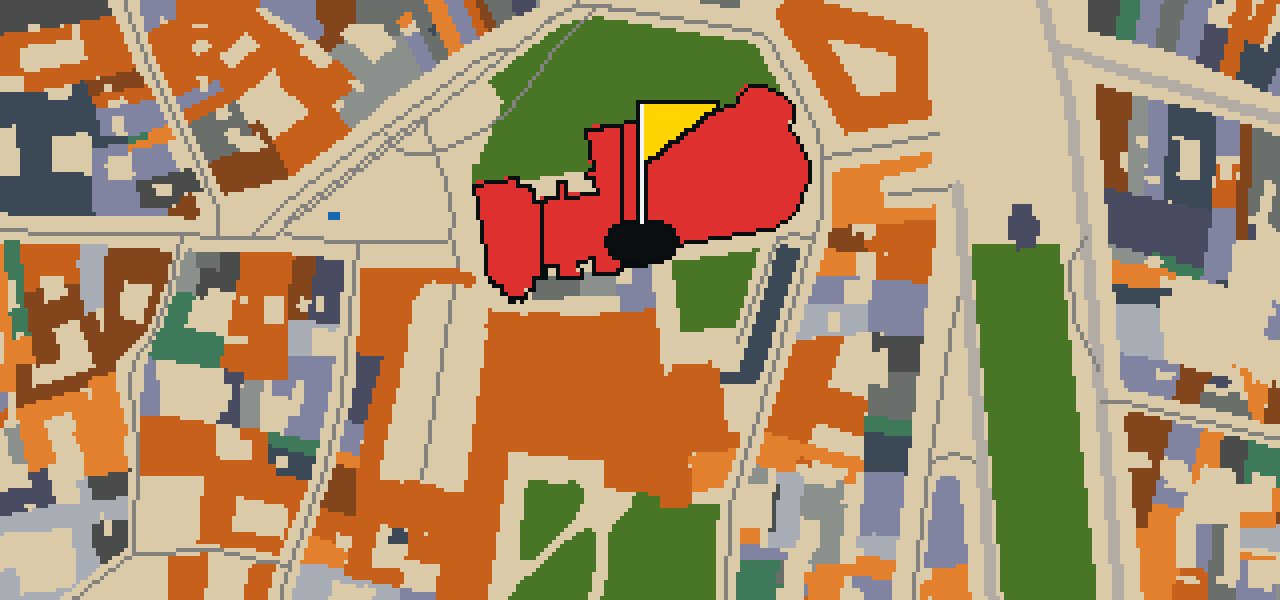
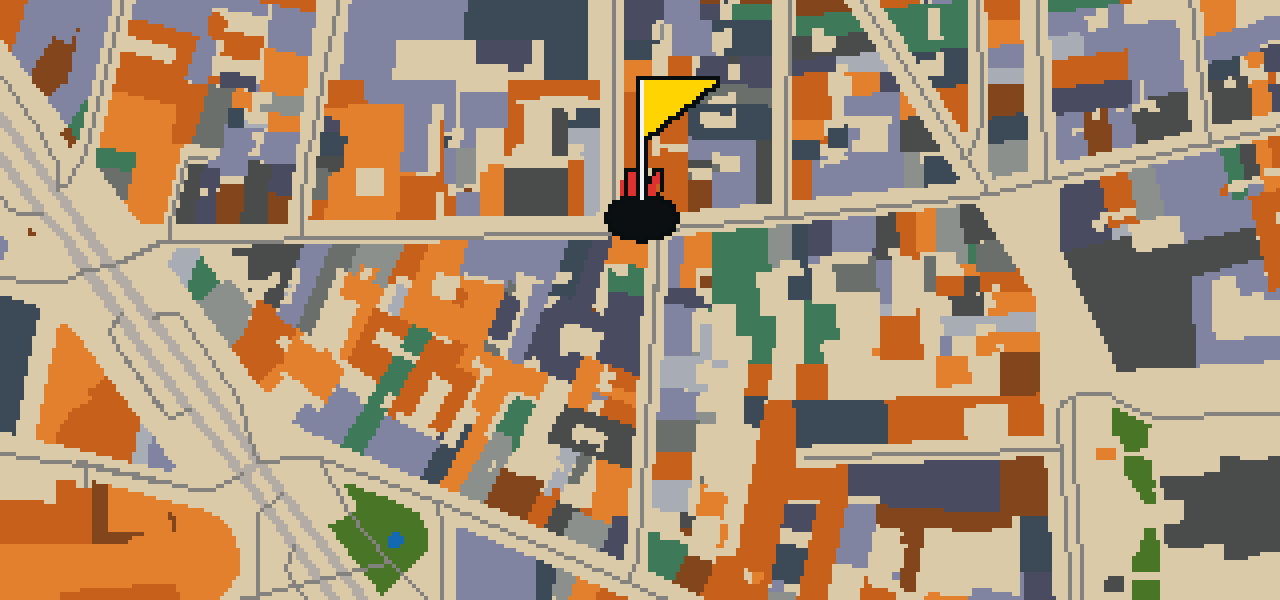
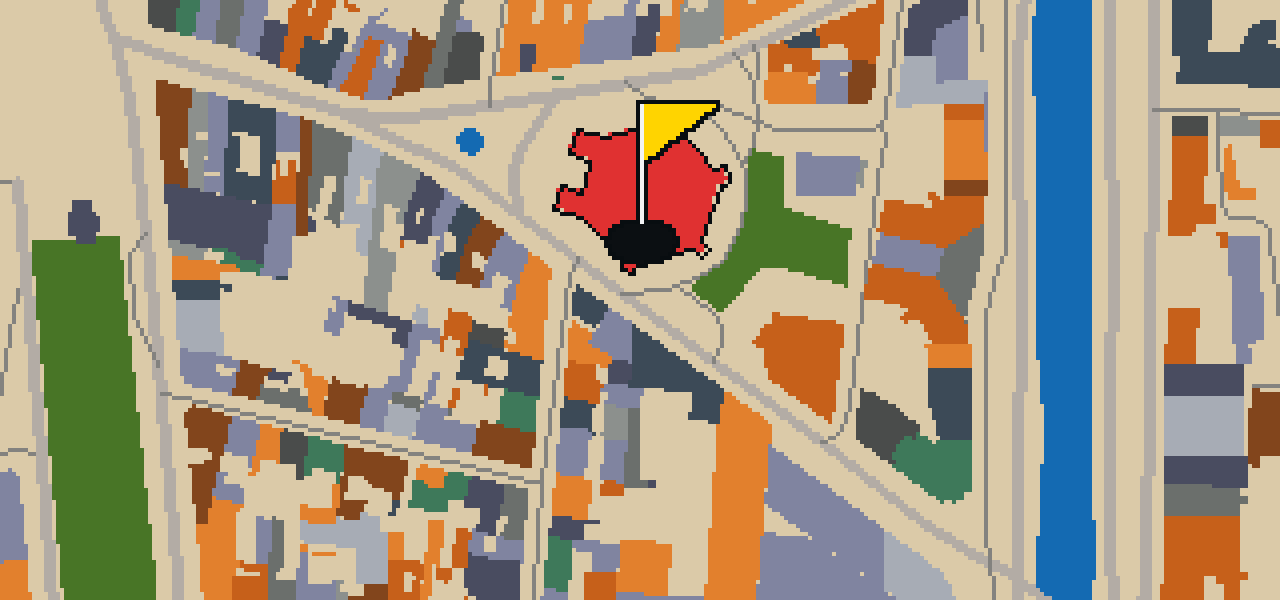
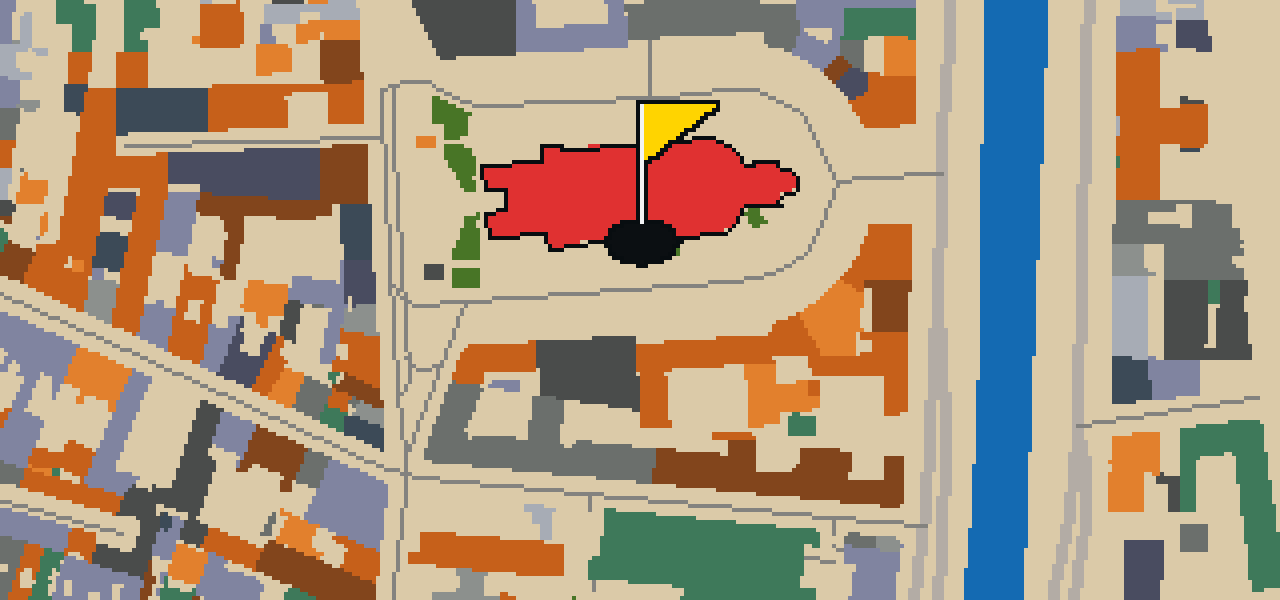
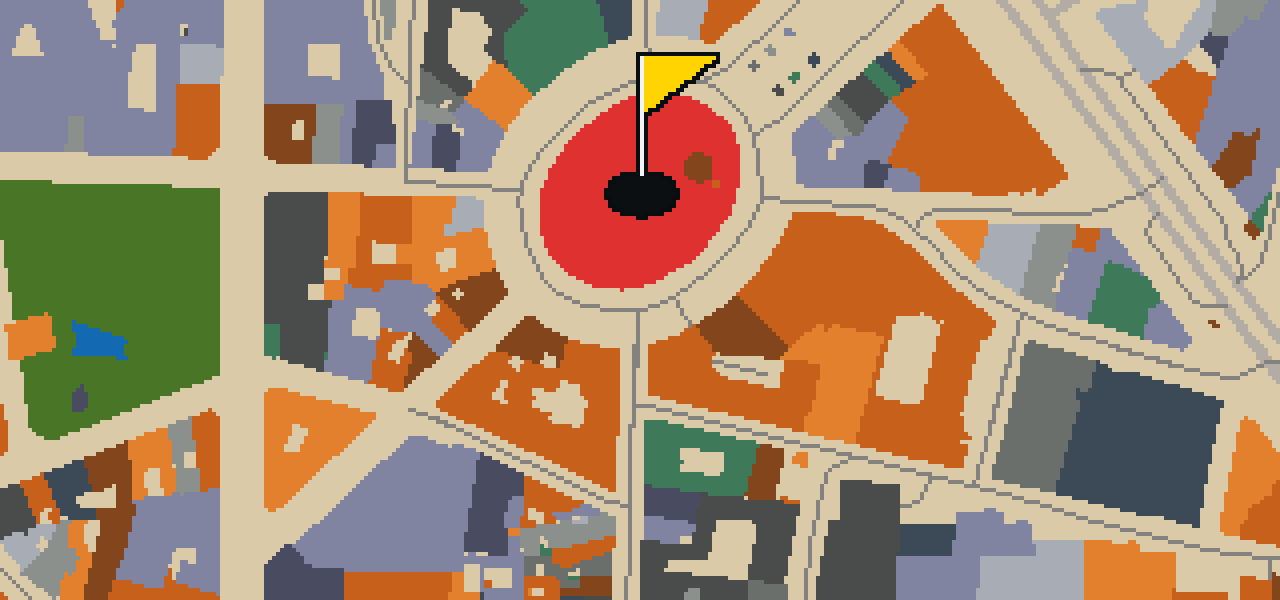
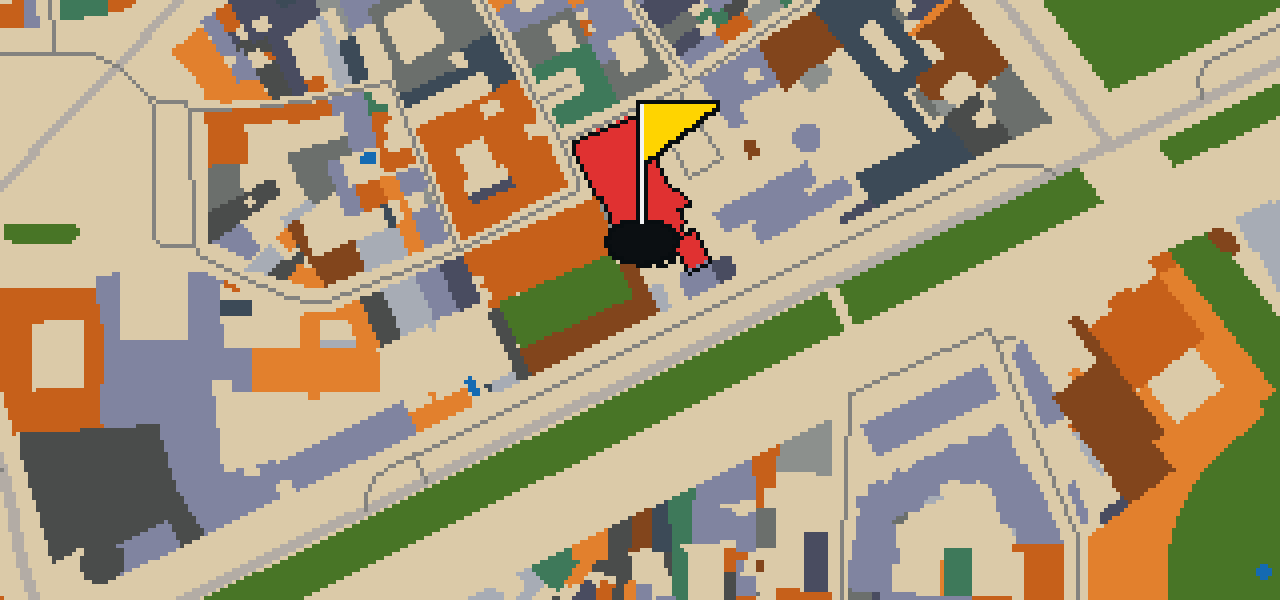
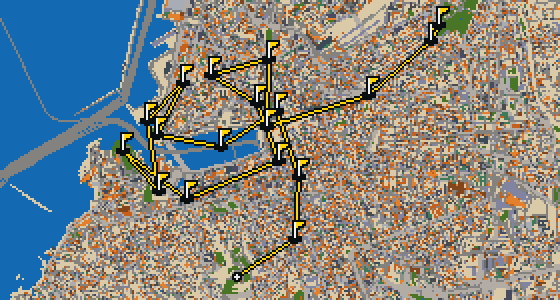
Toulouse looks like a sea of terracotta from a pigeon's perch, but the action happens down on the pavement. The map is the real city and the round is played on its actual streets, using local attractions like the Capitole as holes. Skip knows these alleys by heart. It is a full round of 18 holes with a par of 56, covering 11.1 km and using 34 portals.

Trouble loading? Open the game in its own tab.

HOW IT WORKS

01

Pick a city

The course is drawn on the real street grid, so the map you play is the map you walk.

02

Putt to the pin

Drag to aim, release to swing. Buildings bounce and water costs you a stroke.

03

Sightsee between strokes

Every hole ends at an attraction. Sink the putt, read the story, walk to the next tee.

THE TOULOUSE ROUND - STOP BY STOP

HOLE 1 - PAR 3

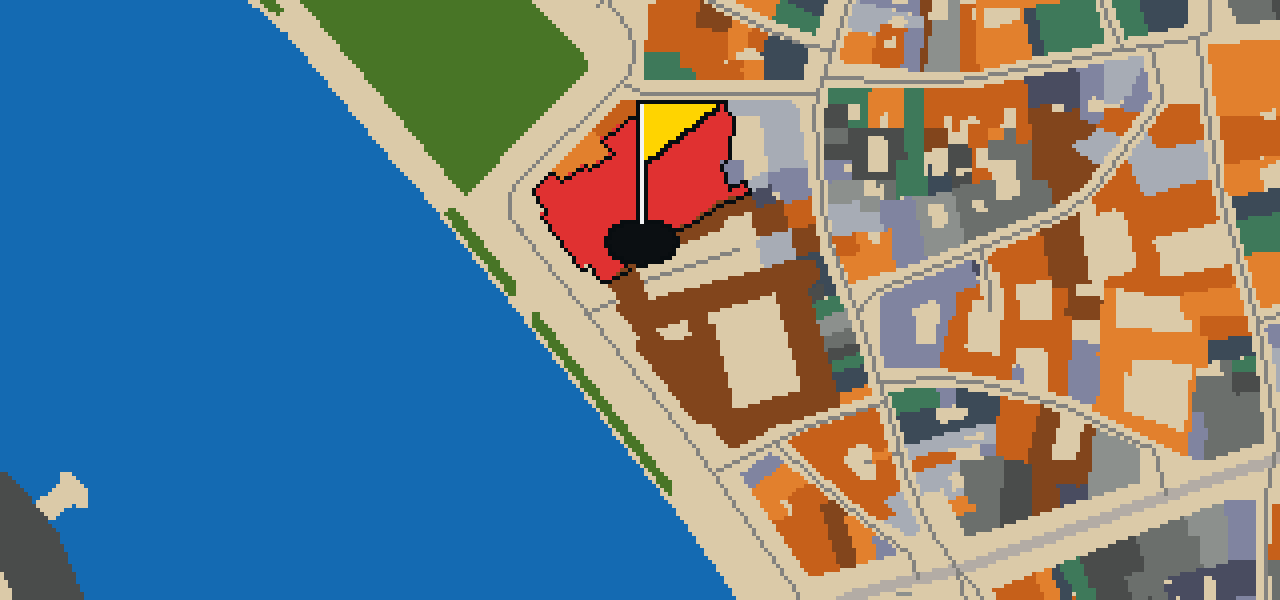
Canal de Brienne

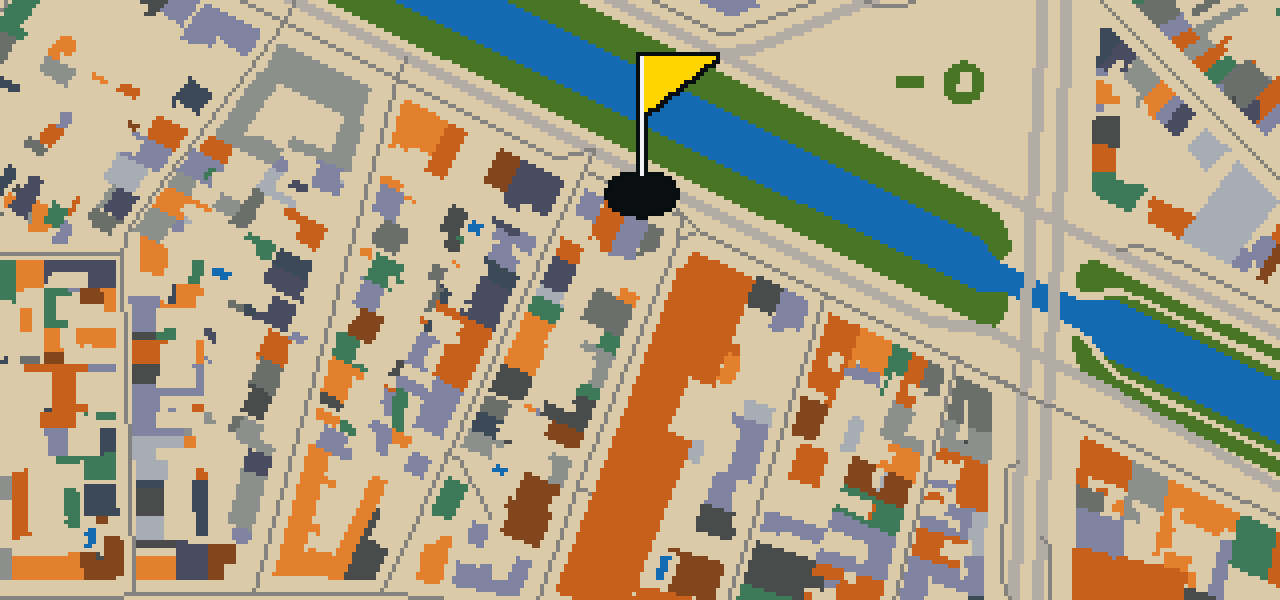
Let me show you the Canal de Brienne. This French canal is built to connect the Garonne River with the Canal du Midi and the Canal de Garonne. It is a key piece of the local water network and is also known as Canal de Saint-Pierre. As you follow the banks, you can pick out the two locks that manage the water levels. One of these, the Ecluse Saint-Pierre, is the specific lock opening to the Garonne. It is a peaceful spot to watch the water move through the city.

Wikidata · Wikipedia

HOLE 2 - PAR 4

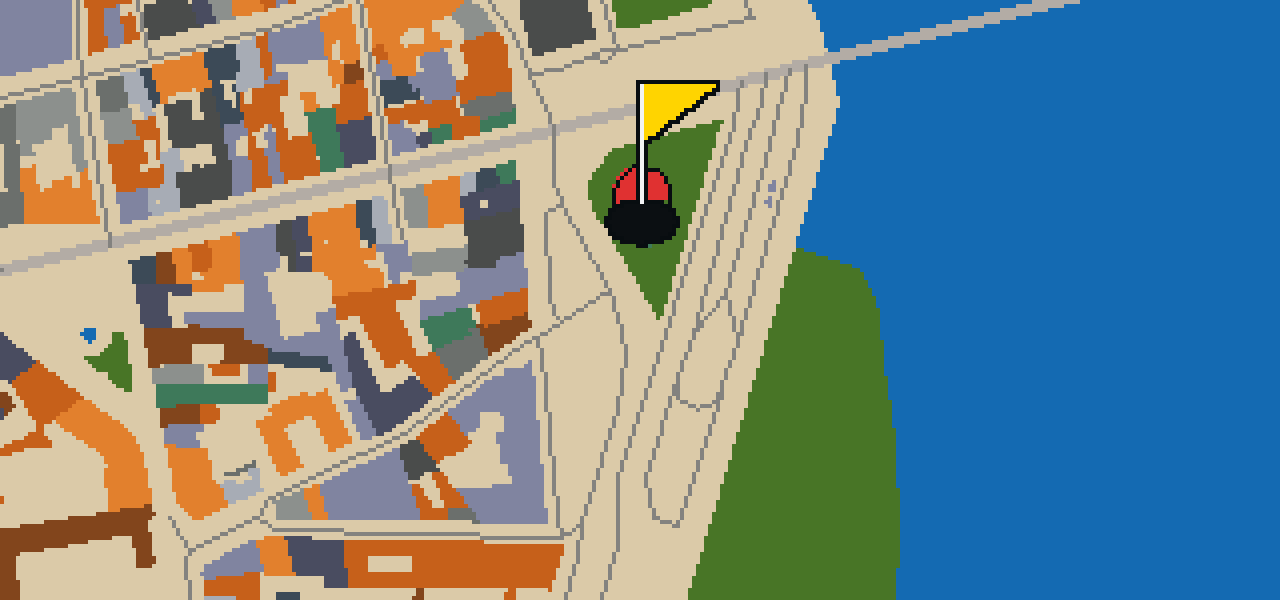
Jardin japonais

You will first notice the curated greenery and serene atmosphere of the Jardin japonais. This botanical garden is designed to offer a quiet retreat for those visiting the city. As an urban park, it provides a dedicated space for nature and plant life amidst the surrounding buildings. I find it is a great spot to slow down and take a breath before heading back into the bustle of Toulouse. It is the kind of place where you can forget the noise of the traffic for a while and just appreciate the plants.

Wikidata

HOLE 3 - PAR 3

Basilique Saint-Sernin

The Basilica of Saint-Sernin is a minor basilica and monastery located in Toulouse, France. This site is built on the location of a previous basilica from the 4th century. It is dedicated to Saint Saturnin, who served as the first bishop of Toulouse in c. 250. Visitors can see that the style of the building is Romanesque art. Because of its architectural and historical value, the basilica is a classified historical monument and was added to the UNESCO World Heritage Sites in 1998.

Wikidata · Wikipedia

HOLE 4 - PAR 3

Église des Jacobins

This isn't an active place of worship, but a deconsecrated Roman Catholic church. Located in Toulouse, the Église des Jacobins is a classified historical monument that started construction in 1230. Its architecture influenced the development of the Gothique méridional style. While the building underwent major restoration in the 20th century, it has since been partially converted into a museum in the early 21st century. I've seen plenty of fancy eaves and ledges in this city, but the lines of this particular place are something else entirely.

Wikidata · Wikipedia

HOLE 5 - PAR 3

Musée des Augustins

You might expect a standard museum, but the Musée des Augustins is actually a secularized convent. Located in Toulouse, the site is known for its Gothic art and had an inception in 1396. It is a place where religious history meets public art, though it ceased to be a convent in 1790. I've always found the transition from a cloistered space to a public one quite fascinating. You can pick out the remnants of its spiritual past as you walk through the halls, which provide a very different atmosphere than a modern white-wall gallery.

Wikidata · Wikipedia

HOLE 6 - PAR 3

Église Notre-Dame-du-Taur

Notre-Dame du Taur is a Roman Catholic church in Toulouse. The building is an example of the Meridional Gothic style. It is situated on the rue du Taur, positioned between the Capitole and the Basilica of St. Sernin. Because of its significance to the city, the building has been classified as a historic monument since 1840. Visitors can observe the distinct architectural characteristics of the Meridional Gothic style while visiting this site on the rue du Taur.

Wikidata · Wikipedia

HOLE 8 - PAR 3

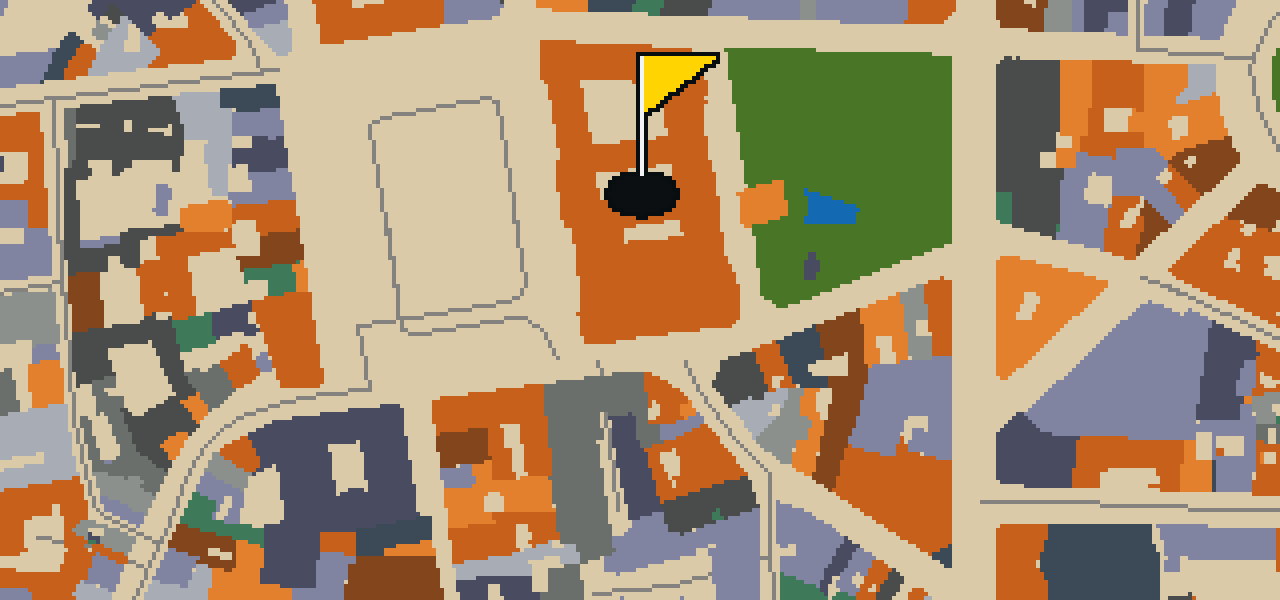
Capitole

Let me show you the Capitole. It is a central landmark in Toulouse that began its inception in 1205. This site is a key point of interest for anyone visiting the city, offering a look at the architectural evolution of the area. You can pick out the scale of the building as you walk by, and it is a place that remains central to the identity of the town. I find it is a great spot to watch the city pulse around it, especially since it has been a fixture here for so long.

Wikidata

HOLE 9 - PAR 3

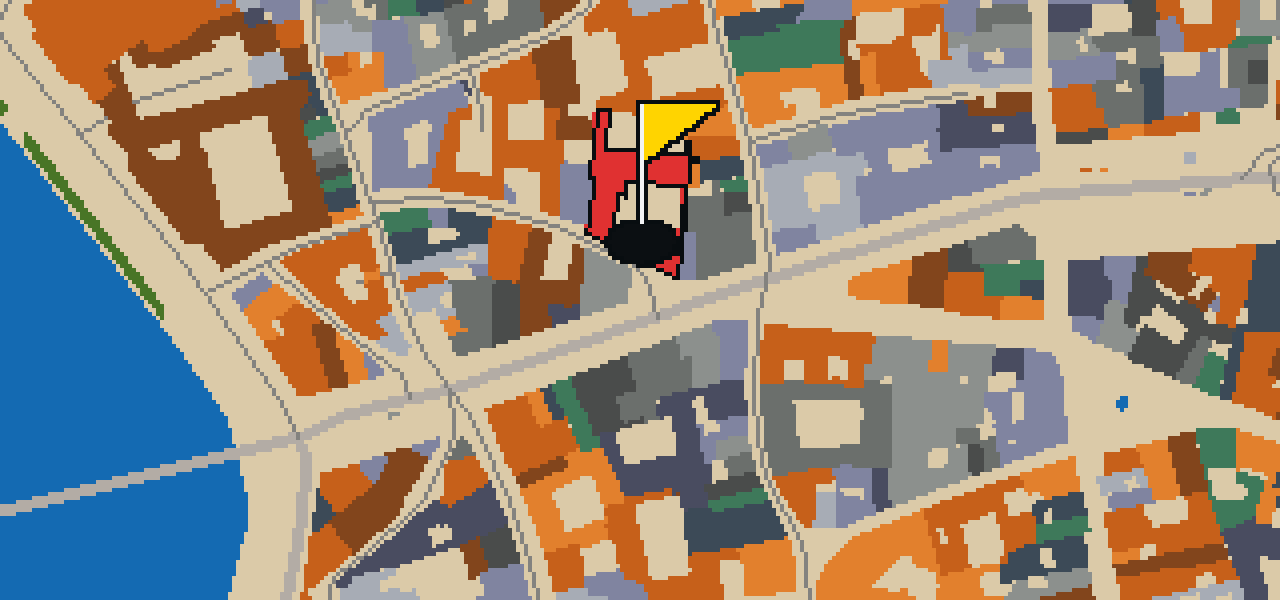
Hôtel d'Assézat

The Hôtel d'Assézat is a private mansion in Toulouse. This French Renaissance hôtel particulier of the 16th century was designed by the architect Nicolas Bachelier, with its inception in 1555. It is officially a classified historical monument and currently houses the Bemberg Foundation. If you look closely at the stonework, you can see the precision that defined the era. I find that the courtyard provides a wonderful sense of space compared to the busier streets outside, making it a perfect place to pause and take in the surroundings.

Wikidata · Wikipedia

HOLE 10 - PAR 3

Galerie Le Château d'eau

Let me show you a spot beside the Pont-Neuf. Here you will find Galerie Le Château d'eau, a nineteenth century water tower that sits near the cours Dillon. It is a monument historique inscrit, and both the building and its pumping station have been listed as historical monuments since 28 September 1987. It is a great landmark to spot while you are wandering through Toulouse. I usually see a few of my friends hanging around the eaves of these old stone structures.

Wikidata · Wikipedia

HOLE 11 - PAR 3

Temple du Salin

Temple du Salin is a Protestant church building. It is a classified historical monument and is also part of the Patrimoine du XXᵉ siècle. The construction of the building was started in 1911. The architect responsible for the design of this site was Léon Daures. Visitors can observe the specific style of the era that Daures implemented here, making it a notable point of interest for those interested in the religious architecture of the twentieth century in Toulouse.

Wikidata

HOLE 12 - PAR 3

Palais Niel

Palais Niel is a palace located in Toulouse. It is a notable landmark in the city for visitors to see. I have noticed that the architecture makes it a distinct point of interest for anyone walking through the neighborhood.

Wikidata

HOLE 13 - PAR 3

Muséum d'Histoire Naturelle

Let me show you the Muséum d'Histoire Naturelle. You can find this natural history museum in the Busca-Montplaisir neighborhood of Toulouse. It was founded in 1796 and has since grown into a massive resource, housing a collection of more than 2.5 million items. Visitors can explore these treasures across some 3,000 square metres of exhibition space. It is a popular spot in the city, seeing 243,432 annual visitors. I usually find the neighborhood quite peaceful for a stroll between the exhibits.

Wikidata · Wikipedia

HOLE 14 - PAR 3

Cathédrale Saint-Étienne

Located in Toulouse, France, Cathédrale Saint-Étienne is a Catholic cathedral. It is a classified historical monument that serves as the seat of the Archbishop of Toulouse. You can pick out a blend of several architectural styles in the structure, including Romanesque, Gothic, and Meridional Gothic. The building has been listed as a monument historique since 1862. This site is a central point of the city's religious life and provides a clear example of the different building techniques used over the centuries to construct this large and significant place of worship.

Wikidata · Wikipedia

HOLE 15 - PAR 3

Synagogue

This building is not a church or a civic hall. It is the Synagogue in Toulouse, a synagogue that serves as a place of worship for the community. Construction on the building was started in 1857. This site is an important center for the Jewish faith within the city, providing a space for prayer and gathering. Visitors can observe the architecture of this house of worship as they move through the streets of Toulouse. It remains a dedicated place for the religious practice of the synagogue community.

Wikidata

HOLE 16 - PAR 3

La Halle aux Grains

You will first notice La Halle aux Grains as a concert hall. This venue is also a corn exchange, meaning it serves both the arts and the agricultural trade. I find the combination of a musical space and a grain market quite a unique way to spend an afternoon in Toulouse. Whether you are here for the acoustics of a performance or to see the business of a corn exchange, there is a distinct character to this building that makes it a highlight of the city's streets.

Wikidata

HOLE 17 - PAR 3

Église Saint-Aubin

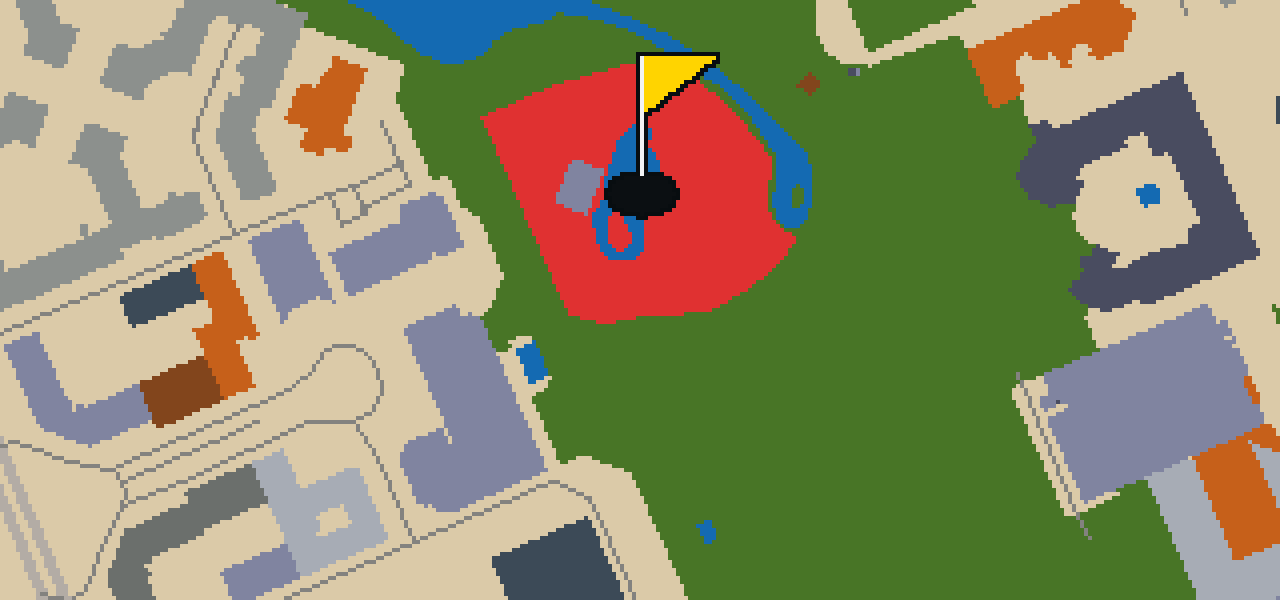
Église Saint-Aubin is a church building in Toulouse. Visitors come to this site to see the architecture and experience the atmosphere of the space. It is a place of worship and a point of interest for those walking through the city.
Wikidata

HOLE 18 - PAR 4

Place du Président Wilson

Let me show you Place du Président Wilson. This square is a monument historique inscrit, which means it is officially recognized for its historical importance and protected by the state. When you visit, you can see how this specific space has been preserved as a site of heritage within the city. It is a great example of the local urban layout and the way the city values its older public spaces. I've noticed it's a nice spot to pause for a moment and watch the world go by while you are exploring the neighborhood.

Wikidata

STOP 19

Église du Gésu

You will first notice the distinct architecture of Église du Gésu, a church building designed by Henri Bach. This site is a monument historique inscrit, ensuring its preservation for future visitors to the city. Work on the structure began in 1854. For anyone walking through Toulouse, the building is a significant example of the religious architecture found in the region. It is a place for quiet reflection and a landmark that helps orient you as you move through the local streets.

Wikidata

OTHER COURSES

18 HOLES - PAR 53

Strasbourg

18 stops

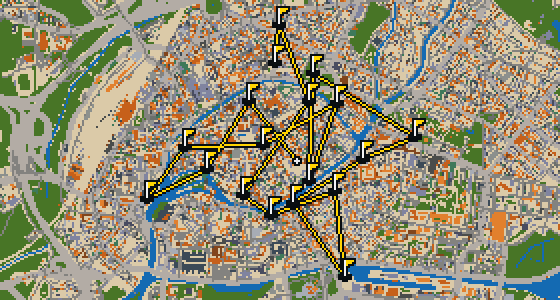
From a rooftop perch, Strasbourg looks like a puzzle of timber and stone. The map is the real city and the round is played on its real streets, where attractions like Cathédrale Notre-Dame provide the architecture for the holes. This full round of 18 holes covers 10.3 km with a par of 53, using 8 portals to bridge the gaps. Skip knows every nook of these alleys and is the local guide.

18 HOLES - PAR 59

Paris

18 stops

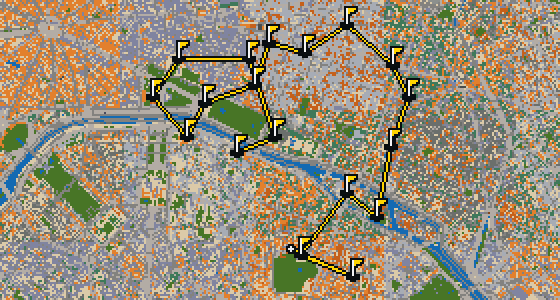
This is Paris. The map is the real city and the round is played on its real streets, where the real attractions like the Arc de Triomphe du Carrousel are what the holes are built from. Skip knows these pavements well, even the bits where the breadcrumbs are best. A full round of 18 holes covers 12 km with a par of 59, using 198 portals to bridge the gaps between landmarks.

9 HOLES - PAR 30

Nice

9 stops

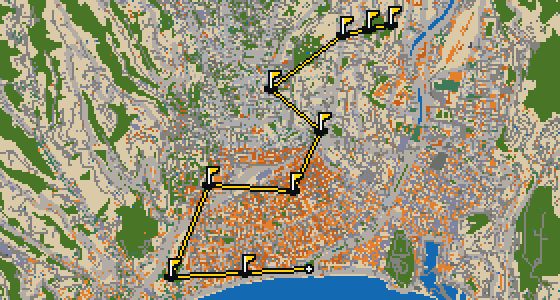
The ball rolls through the streets of Nice, where the map is the real city and the round is played on its actual pavement. The holes are built from real attractions, like the Musée Matisse, and Skip knows these neighborhoods by heart. A quick 9-hole round covers 6.8 km with a par of 30, using 16 portals to skip across the city. A few crumbs for the effort.

18 HOLES - PAR 52

Montpellier

18 stops

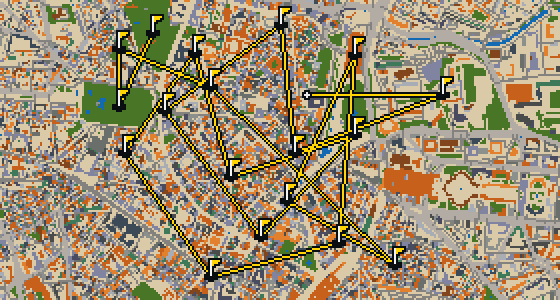
The ball drops into the cup at the Musée Fabre to start things off in Montpellier. The map is the real city, and the round is played on its actual streets using local landmarks for the holes. Skip knows these sidewalks well and acts as the local guide. This full round of 18 holes covers 10.3 km with a par of 52, using six portals to move across town.

18 HOLES - PAR 55

Marseille

18 stops

Marseille is the setting for this round, where the map is the real city and the ball rolls across its actual streets. The holes are built from real attractions, starting at the Basilique Notre-Dame de la Garde. This full round of 18 holes covers 10.9 km with a par of 55, using 42 portals to move between districts. Skip is a local guide who knows these pavements well, even the spots where the crumbs are best.

FAQ

Is it free to play?

Yes. Every course runs in the browser with no account and no install.

Do I need to be in the city?

No. The full round plays from anywhere. Walking the real route is a nice way to see the city, but it is not required.

Are the maps real?

Yes. The geometry comes from OpenStreetMap data, rendered chunky on purpose. Streets, water and parks sit where they really are.