
STRASBOURG - 18 HOLES - FREE

STRASBOURG
CITY MAP MINIGOLF

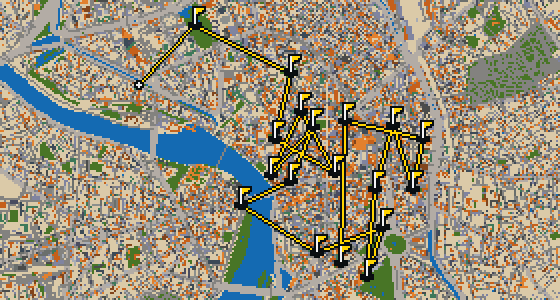
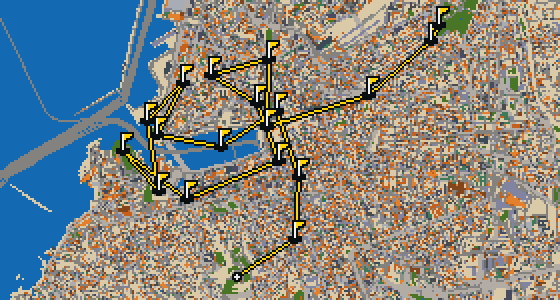
Strasbourg - 18 stops - par 53

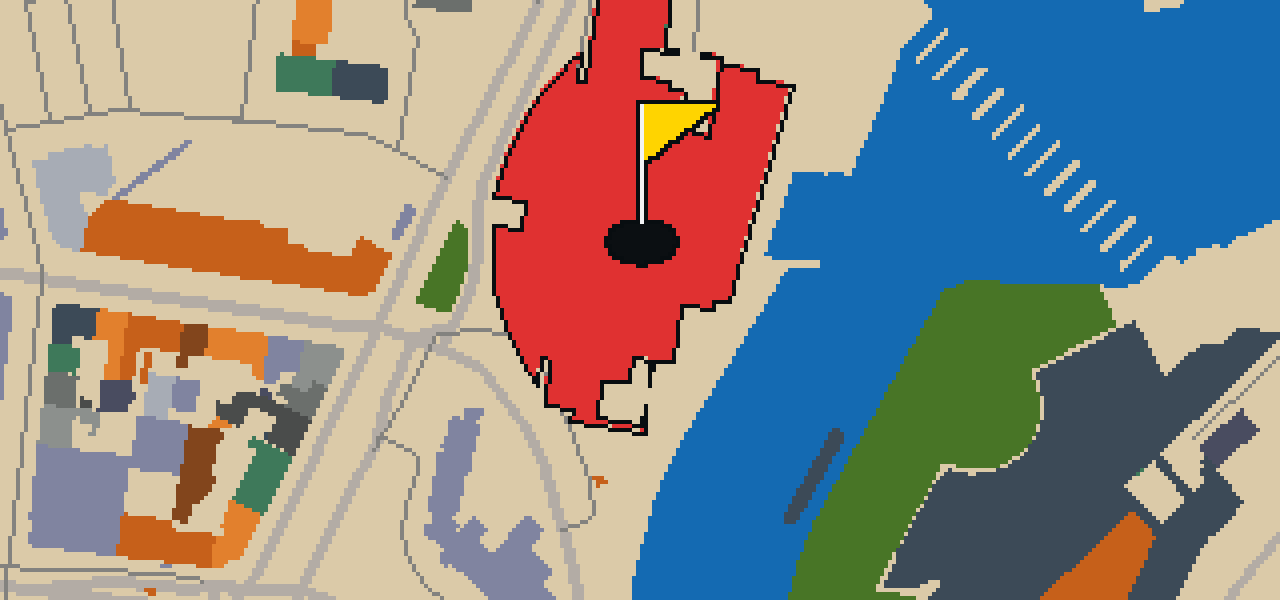
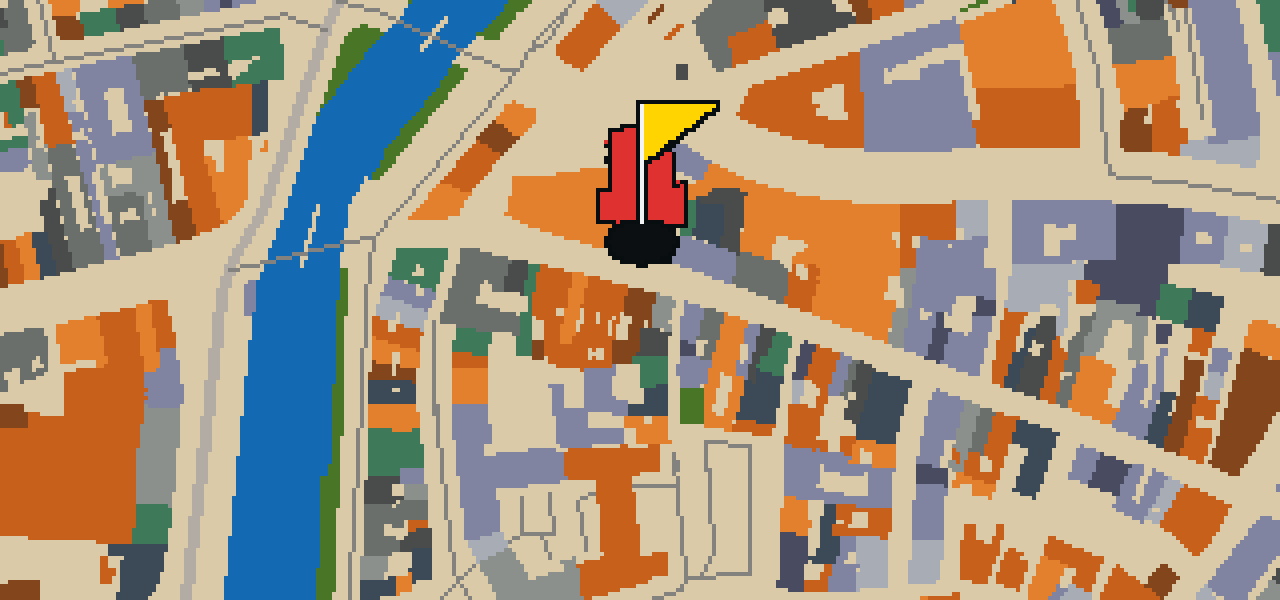
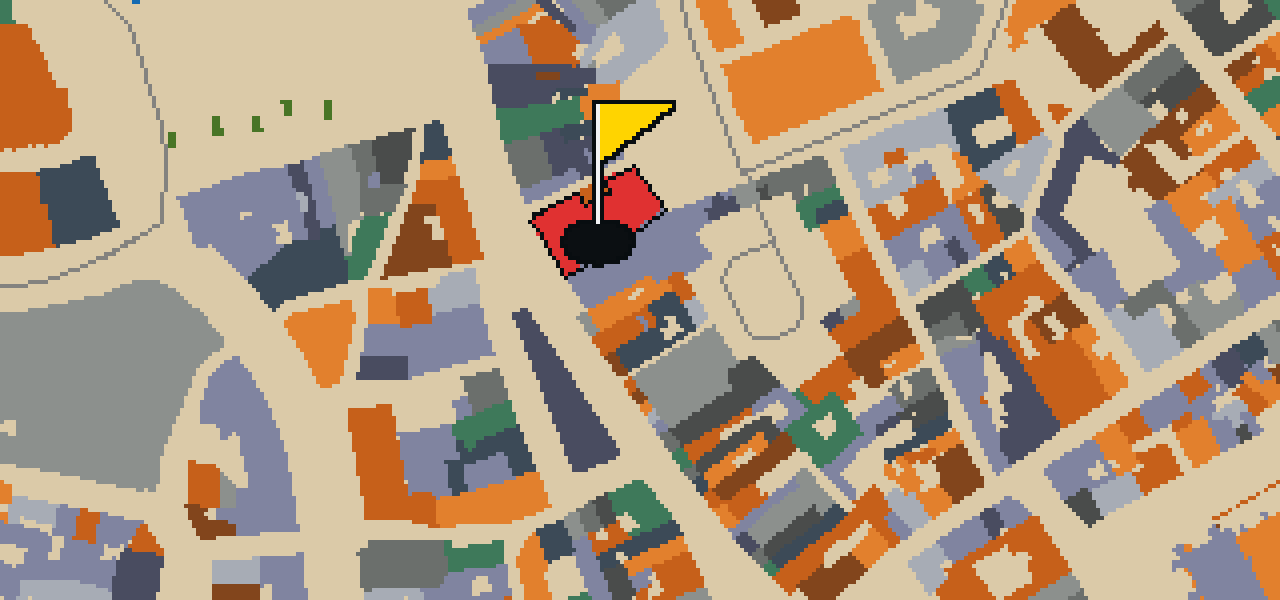
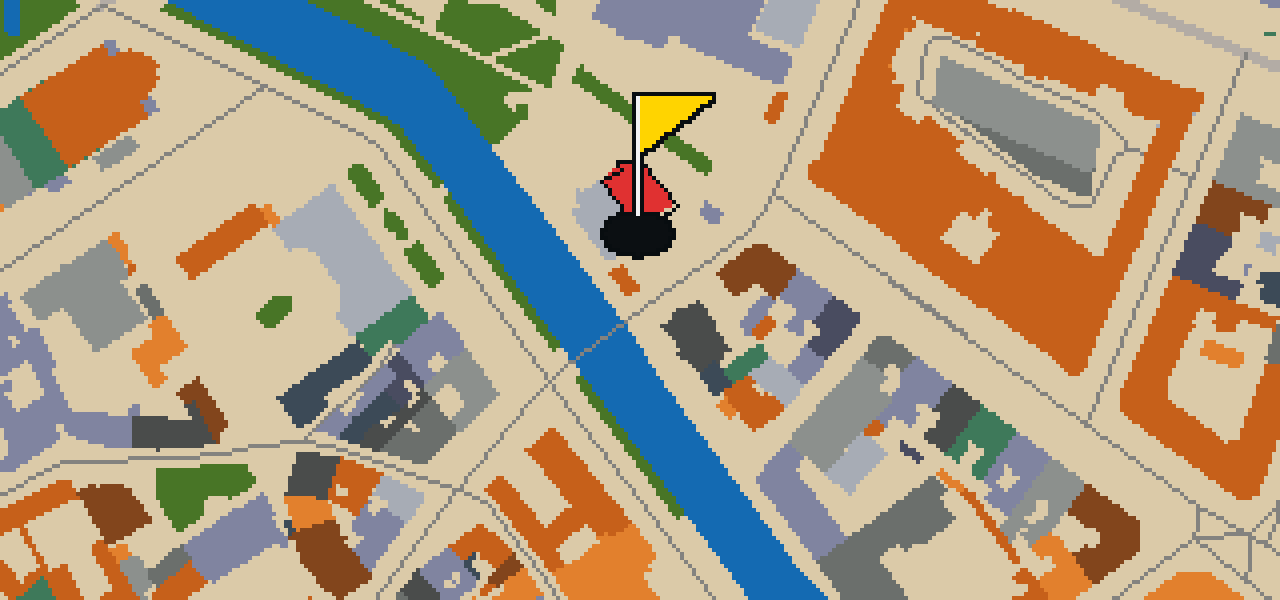
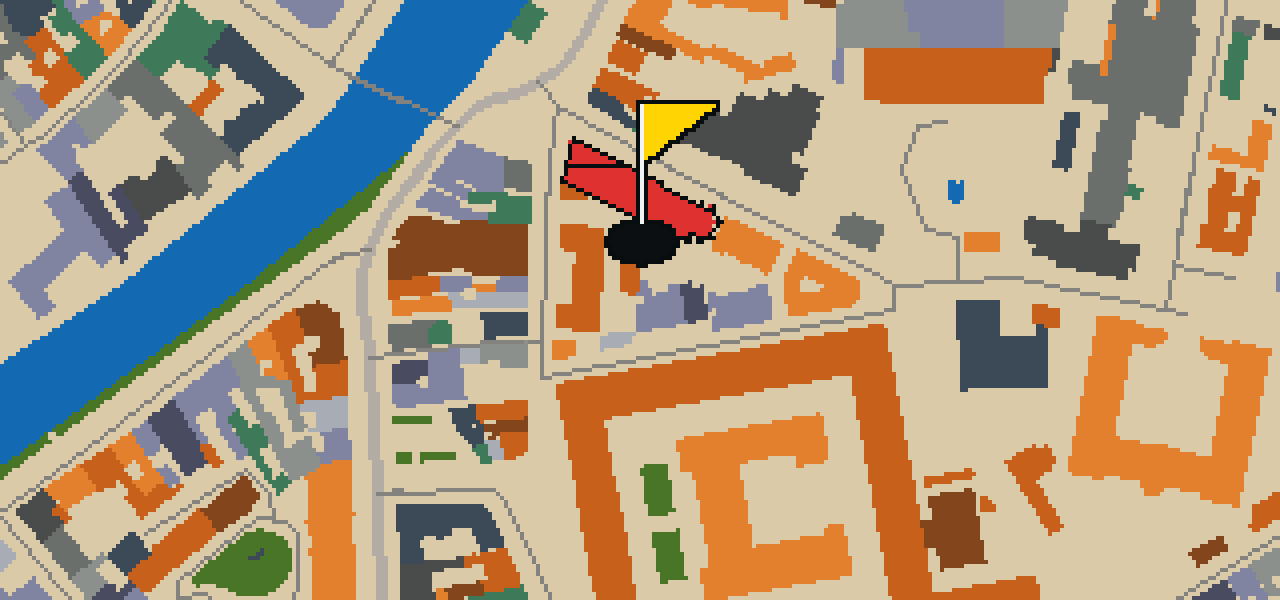
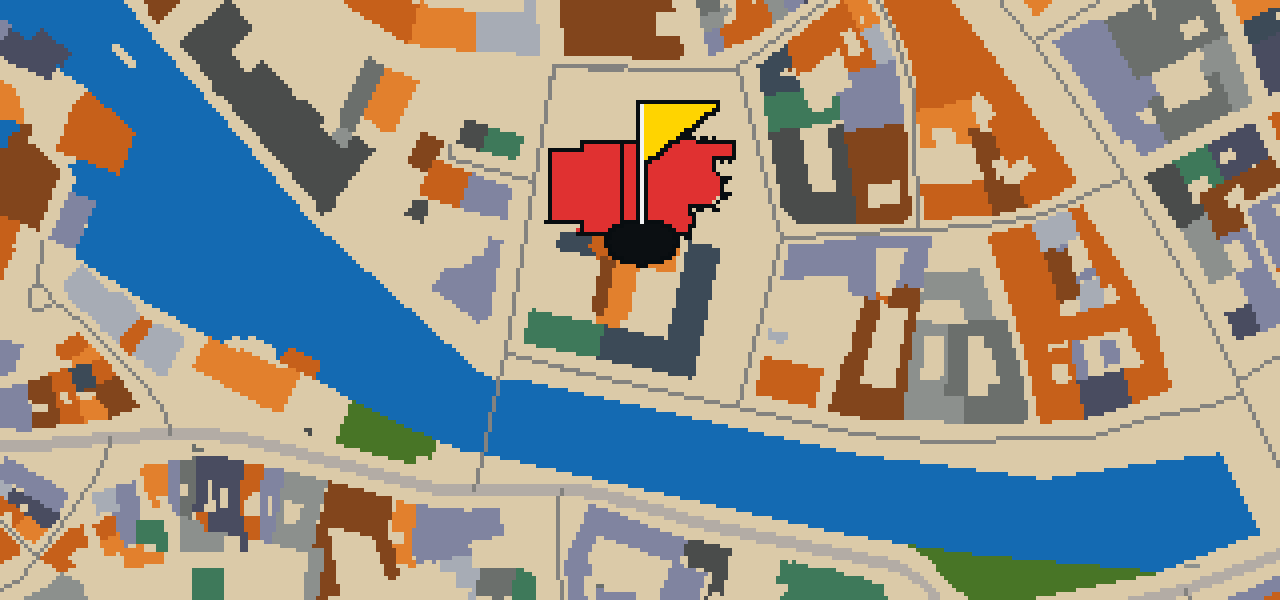
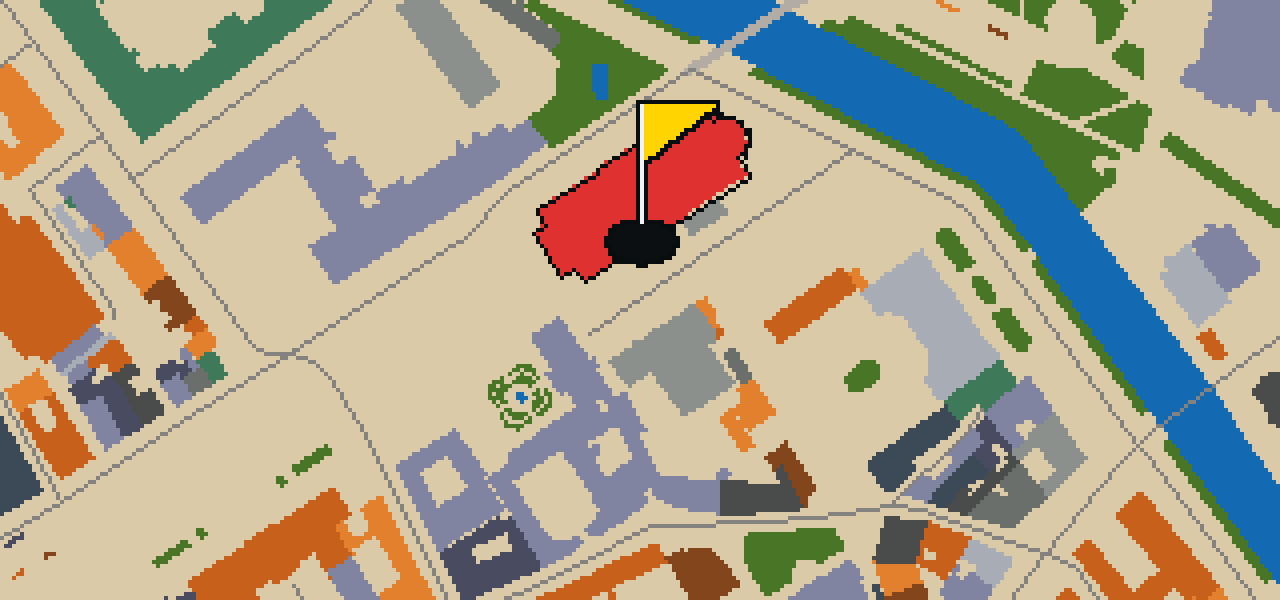
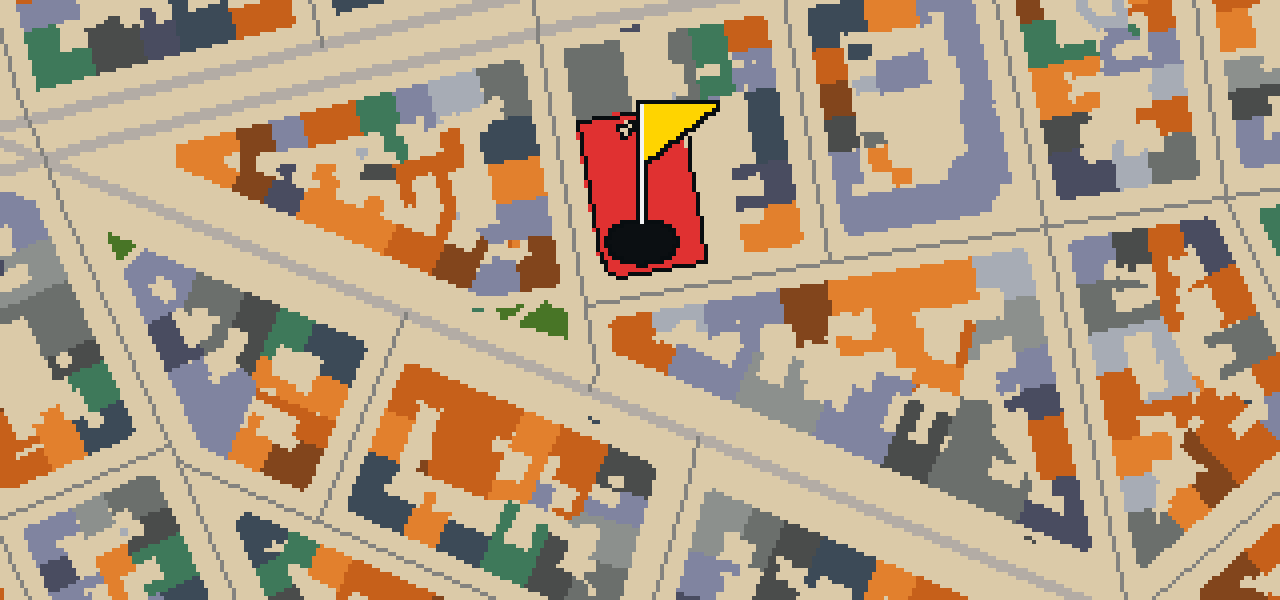
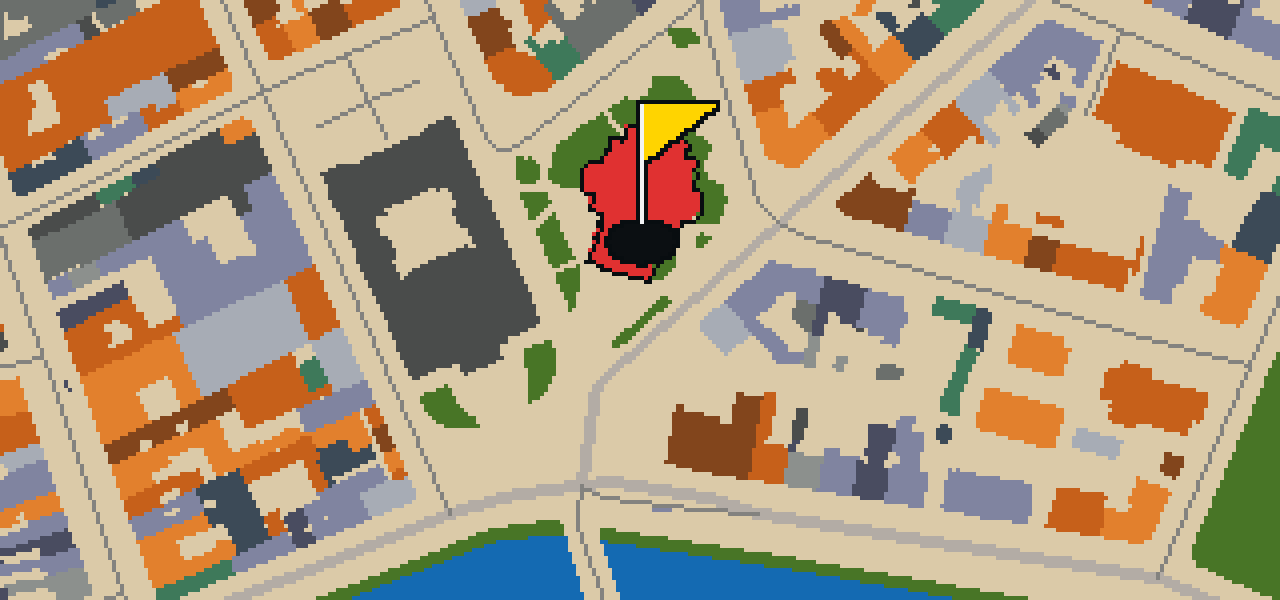
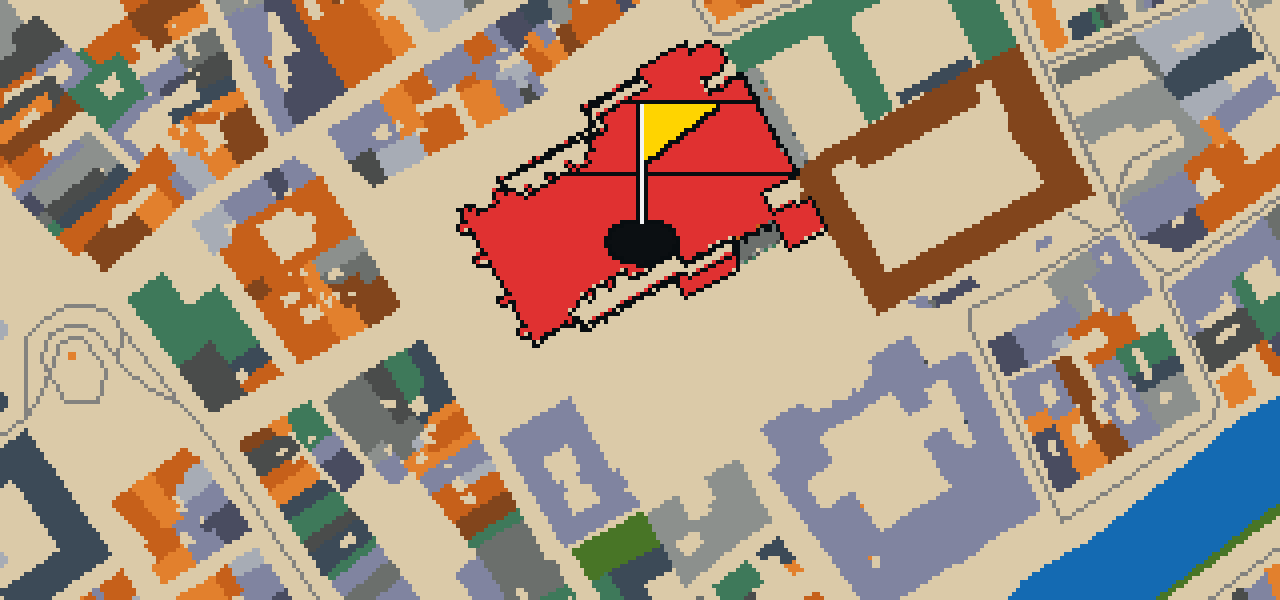
From a rooftop perch, Strasbourg looks like a puzzle of timber and stone. The map is the real city and the round is played on its real streets, where attractions like Cathédrale Notre-Dame provide the architecture for the holes. This full round of 18 holes covers 10.3 km with a par of 53, using 8 portals to bridge the gaps. Skip knows every nook of these alleys and is the local guide.

Trouble loading? Open the game in its own tab.

HOW IT WORKS

01

Pick a city

The course is drawn on the real street grid, so the map you play is the map you walk.

02

Putt to the pin

Drag to aim, release to swing. Buildings bounce and water costs you a stroke.

03

Sightsee between strokes

Every hole ends at an attraction. Sink the putt, read the story, walk to the next tee.

THE STRASBOURG ROUND - STOP BY STOP

HOLE 1 - PAR 3

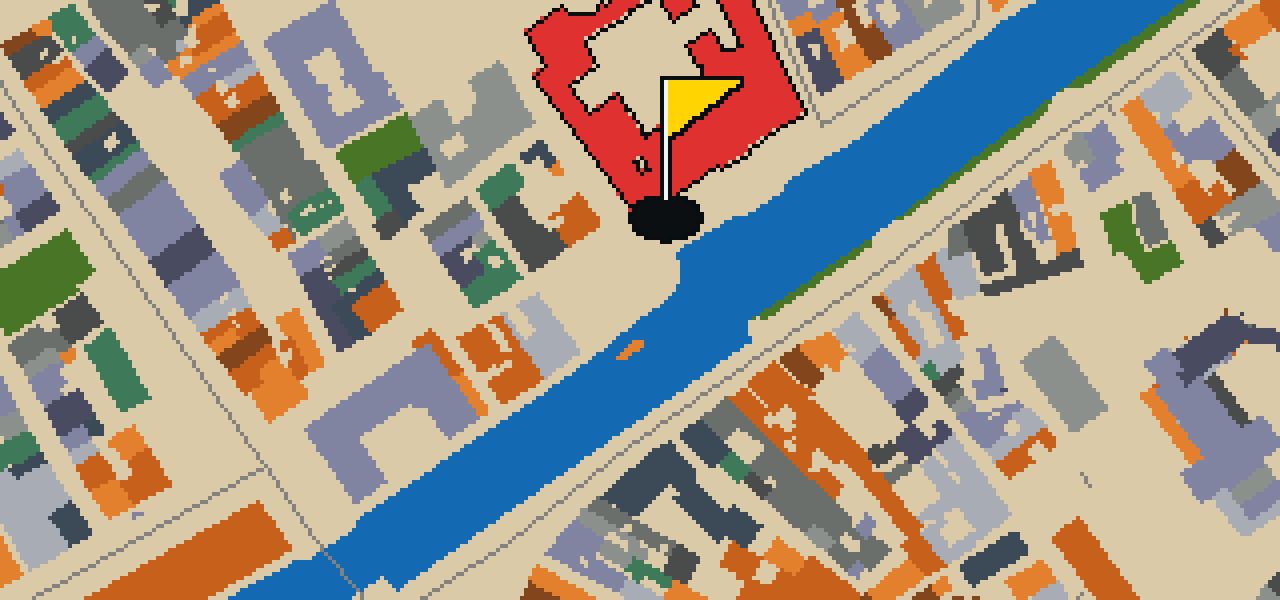
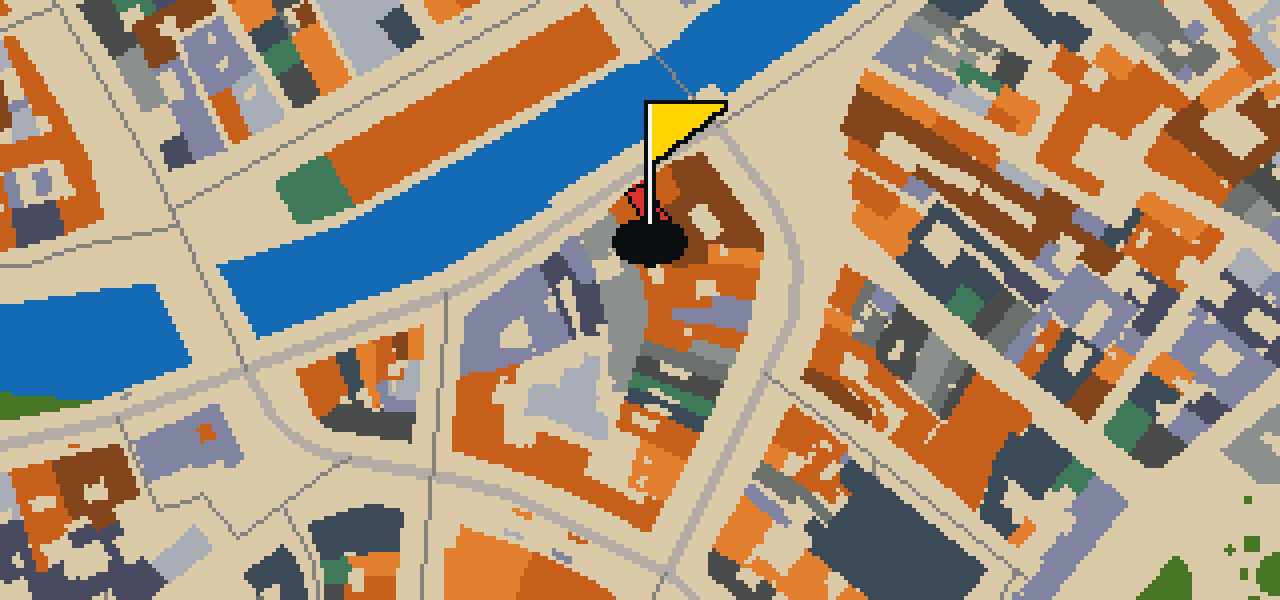
Cathédrale Notre-Dame

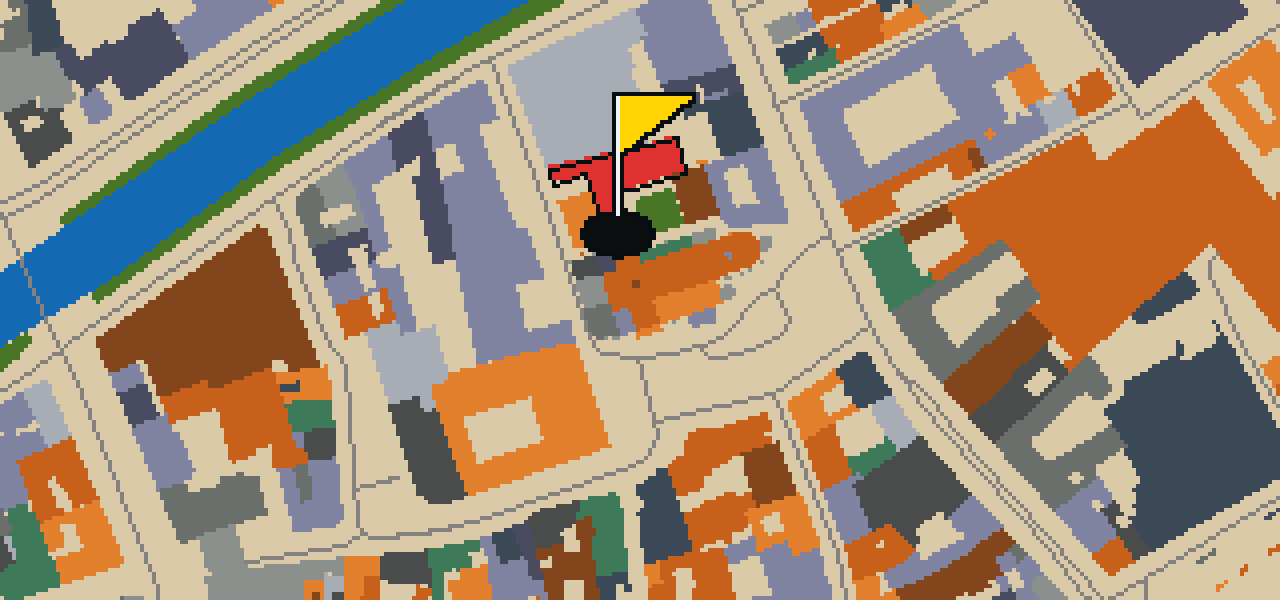
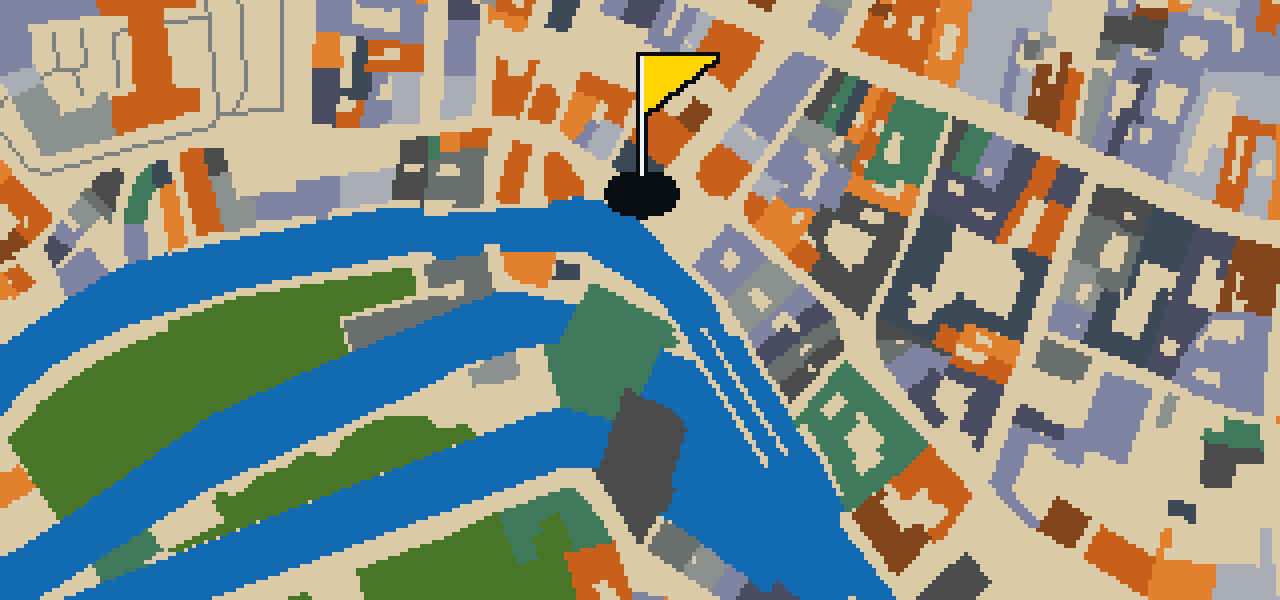
The spire of Cathédrale Notre-Dame reaches 142 meters into the sky. This Catholic cathedral in Strasbourg is a classified historical monument that blends Romanesque and Gothic architecture. Construction first began in 1015, though work was relaunched in 1190 before the project was eventually finished in 1439. Throughout its long history, different figures shaped the building; for example, Erwin von Steinbach is credited for major contributions to the structure from 1277 until his death in 1318. It remains one of the most significant landmarks in Alsace, France.
Wikidata · Wikipedia

HOLE 2 - PAR 3

Cloitre Saint-Pierre-le-Jeune

In the city of Strasbourg, you will find Cloitre Saint-Pierre-le-Jeune. This church building is a classified historical monument and is also a monument historique inscrit. As you look at the structure, you can pick out a blend of different architectural styles. The building incorporates Romanesque architecture, Gothic architecture, and Gothic Revival elements. This combination of styles makes it a significant site for those interested in the architectural history of the region.

Wikidata · Wikipedia

HOLE 3 - PAR 3

La Petite France

La Petite France is a neighborhood located in Strasbourg. It makes up the south-western part of the Grande Île, which is the most central and characteristic island of the city that forms the historic centre. Whether you call it by its name or the Alsatian dialect term Französel, it is a spot where you can feel the city's history. I've found that the narrow paths here make for a great walk, though you have to watch out for the crowds.

Wikidata · Wikipedia

HOLE 4 - PAR 3

Musée d'Art Moderne et Contemporain

The Musée d'Art Moderne et Contemporain is an art museum located in Strasbourg. It was founded in 1973 and spent several years developing before it finally opened in its own building in November 1998. Today, the museum is a significant part of the local cultural scene, attracting 168,645 annual visitors who come to experience the art on display. I think you will find the building itself quite interesting as you approach it. It is a great spot to pause and appreciate the creative side of the city before moving on to your next target.

Wikidata · Wikipedia

HOLE 5 - PAR 3

Église catholique Saint-Pierre le-vieux

Église catholique Saint-Pierre le-vieux is a church building located in Strasbourg. The site was first mentioned in 1130, and the construction of the current structure was started in 1381. It is built in the Gothic architecture style and is officially recognized as a monument historique inscrit. In the region of Alsace, this particular building is a by simultaneum Catholic and Lutheran church building. Visitors can observe the specific architectural details of the Gothic period while learning about the shared religious history of the city through this unique arrangement.

Wikidata · Wikipedia

HOLE 6 - PAR 3

Grande Île

The main channel of the Ill river wraps around one side of this land, while the Canal du Faux-Rempart forms the other border. This canalised arm of the Ill river helps define the Grande Île, a river island located at the historic centre of Strasbourg, France. It is a neighborhood that holds a special status, having been named a UNESCO World Heritage Site in 1988. I always find the water views here particularly refreshing, and the way the river separates the center from the rest of the city is something you can pick out easily as you walk.

Wikidata · Wikipedia

HOLE 7 - PAR 3

Musée Tomi Ungerer Centre International de l'Illustration

Let me show you the Musée Tomi Ungerer Centre International de l'Illustration. This art museum in Strasbourg is dedicated to the work of artist Tomi Ungerer. You can find 11,000 graphic works by Ungerer and some of his colleagues on display here, alongside a collection of ancient toys. Located in the Bas-Rhin department of France, the museum opened in November 2007. It attracts 60,513 annual visitors. I think the toys are the best part, though you have to keep your wings tucked in to see them all.

Wikidata · Wikipedia

HOLE 8 - PAR 3

Musée des Beaux-Arts

The Musée des Beaux-Arts had its inception in 1890 as the old masters paintings collection of the city of Strasbourg. Since 1898, the museum has been housed in the first and second floors of the baroque Palais Rohan. Inside, you can pick out works by non-Upper Rhenish artists from between the 14th century and 1871. It is a popular stop for the 46,483 annual visitors who come to see the art. I find the baroque setting of the Palais Rohan makes the whole experience feel much grander.

Wikidata · Wikipedia

HOLE 9 - PAR 4

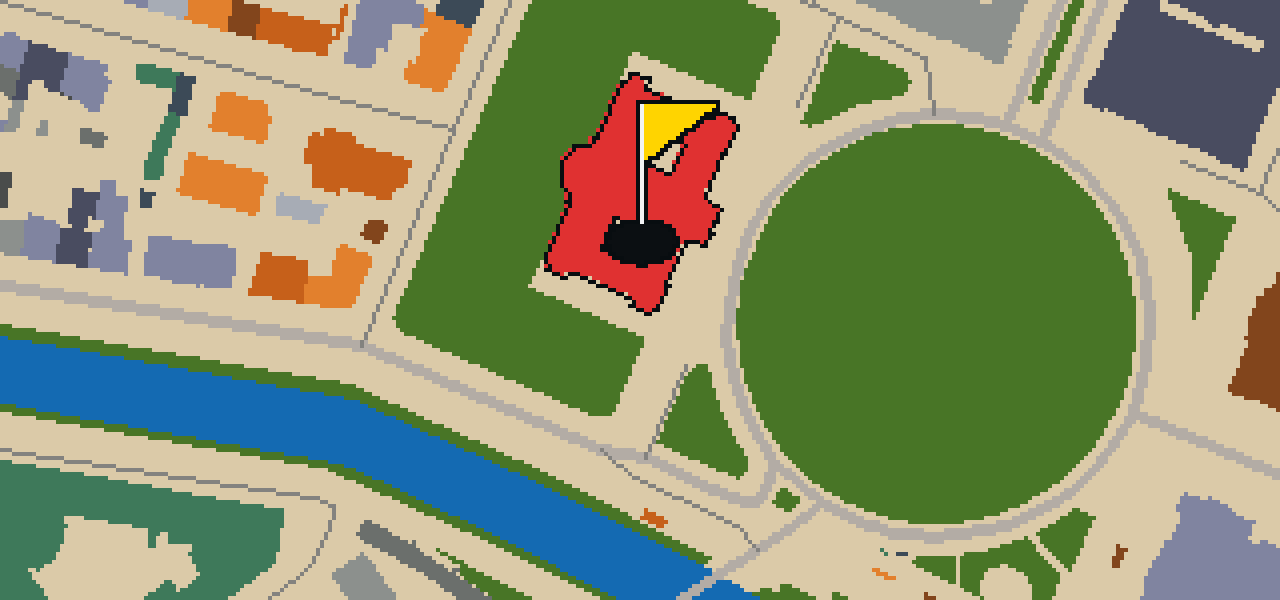
Palais du Rhin

I can show you the German quarter of Strasbourg, where the Palais du Rhin sits. This palace dominates the Place de la République with its massive dome. It is a landmark of 19th-century German architecture, a status it shares with its neighbouring stables and surrounding gardens. When you look at the building, you are seeing the former Kaiserpalast, which was designed by architect Hermann Eggert. It is officially a classified historical monument. I usually find the scale of the dome quite impressive from the street level.

Wikidata · Wikipedia

HOLE 10 - PAR 2

Musée de Minéralogie

You might expect a traditional city gallery when walking these streets, but this is actually a university museum. The Musée de minéralogie displays historical collections of minerals for visitors to examine. Located in the Bas-Rhin department of France, the museum belongs to the University of Strasbourg and was founded in 1890. It is a specialized mineralogical museum that offers a look at the natural world through a scientific lens. I always find the stillness of these displays a nice break from the bustle of the city, where the only thing moving is the occasional curious visitor.

Wikidata · Wikipedia

HOLE 11 - PAR 3

Église Saint-Guillaume

Église Saint-Guillaume is a church building in Strasbourg built in the Gothic architecture style. It is a monument historique inscrit located on the bank of the Ill river. While the exterior follows the Gothic style, the interior of the building combines the Gothic and Baroque styles. This site is presently of the Lutheran Protestant Church of Augsburg Confession of Alsace and Lorraine. You can see how the building integrates these different architectural influences while sitting along the waterfront of the city.

Wikidata · Wikipedia

HOLE 12 - PAR 3

Musée Alsacien

Let me show you the Musée Alsacien, a museum located in Strasbourg within the Bas-Rhin department of France. It opened on 11 May 1907 and focuses on all aspects of daily life in pre-industrial and early industrial Alsace. You can pick out a wide variety of objects here, as the museum contains over 5000 exhibits. I find it especially interesting that the collection includes artifacts documenting the everyday life of Alsatian Jews. It is a great spot to see how people lived long ago before the city became so busy.

Wikidata · Wikipedia

HOLE 13 - PAR 3

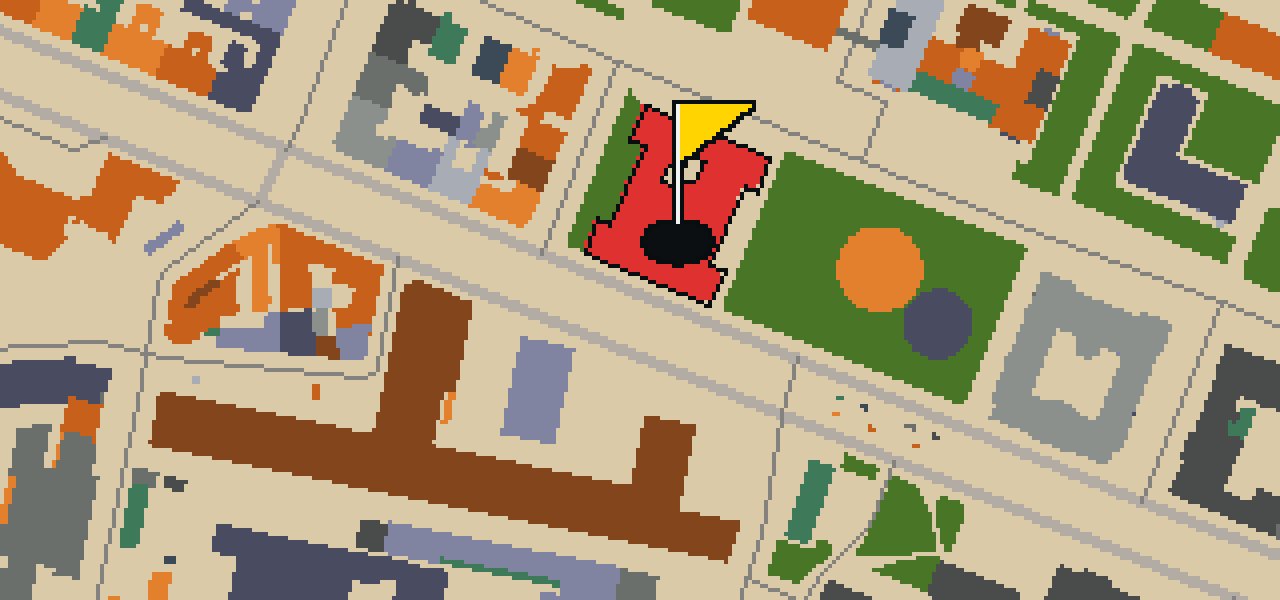
Cité de la Musique et de la Danse

Henri Gaudin is the architect who created the Cité de la Musique et de la Danse. This building is a concert hall, and it stands as a key example of Gaudin's work in the city. When you look at the structure, you can pick out the specific design elements he used to create the space. I always think the lines of the building look quite sharp from the street. Whether you are here for the music or just passing through, the architecture is the main thing to notice about this landmark.

Wikidata

HOLE 14 - PAR 3

Église catholique Sainte-Madeleine

Located in Strasbourg, France, Église catholique Sainte-Madeleine is a church building with an inception in 1478. It was built in Gothic style in the late 15th century and is a classified historical monument. The structure has faced significant turmoil over the centuries. A devastating fire occurred in 1904, and the church was largely rebuilt in a style close to Jugendstil after that fire. Later, the church was destroyed again during World War II. This site remains a significant part of the city's architectural history despite these losses.

Wikidata · Wikipedia

HOLE 15 - PAR 2

Église Saint-Nicolas

Built in the Gothic architecture style, Église Saint-Nicolas is a church building and a classified historical monument. Its inception was 1387. This site holds significant history for the city, as Jean Calvin led services and preached here in 1538. You can also find a connection to Albert Schweitzer, who served as the pastor of the church from 1900 to 1913. During his time as pastor, he played the organ at Saint Nicholas Church. It is a place of historical and architectural importance in the heart of the city.

Wikidata · Wikipedia

HOLE 16 - PAR 4

Église protestante Saint-Thomas

Found in Strasbourg, Église protestante Saint-Thomas is a Gothic church building that began in 1196. It is situated on the Route Romane d'Alsace and is known by nicknames such as the Protestant Cathedral or the Old Lady. Since the city cathedral became Catholic again after the annexation of the town by France in 1681, this site has served as the main Lutheran church of the city. It is a classified historical monument, and the French Ministry of Culture has officially classified it as a Monument historique since 1862.

Wikidata · Wikipedia

HOLE 17 - PAR 3

Opéra du Rhin

Jean Villot was the architect of the Opéra du Rhin. This opera house, founded in 1821, is located on the Place Broglie on the Grande Île in the city center of Strasbourg. It is a classified historical monument and is the main seat and mother house of the opera company Opéra national du Rhin. I have always felt that the energy of the Grande Île makes this a particularly special spot to visit. You can see how the building anchors the square, providing a sense of permanence and art in the heart of the city.

Wikidata · Wikipedia

STOP 19

Église catholique Saint-Pierre-le-Jeune

Église catholique Saint-Pierre-le-Jeune is a Catholic church building located in Strasbourg, France. This late 19th-century church had its inception in 1893 and is dedicated to Saint Peter. When you look at the building, you can pick out the Romanesque Revival architecture style. The design of the site involved the work of August Hartel and Skjold Neckelmann, who both served as architects for the project. It is a significant place of worship that remains a part of the city's religious landscape today.

Wikidata · Wikipedia

OTHER COURSES

18 HOLES - PAR 56

Toulouse

18 stops

Toulouse looks like a sea of terracotta from a pigeon's perch, but the action happens down on the pavement. The map is the real city and the round is played on its actual streets, using local attractions like the Capitole as holes. Skip knows these alleys by heart. It is a full round of 18 holes with a par of 56, covering 11.1 km and using 34 portals.

18 HOLES - PAR 59

Paris

18 stops

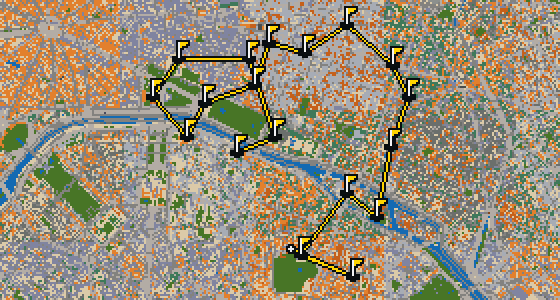
This is Paris. The map is the real city and the round is played on its real streets, where the real attractions like the Arc de Triomphe du Carrousel are what the holes are built from. Skip knows these pavements well, even the bits where the breadcrumbs are best. A full round of 18 holes covers 12 km with a par of 59, using 198 portals to bridge the gaps between landmarks.

9 HOLES - PAR 30

Nice

9 stops

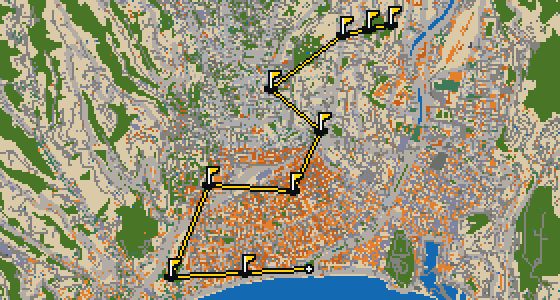
The ball rolls through the streets of Nice, where the map is the real city and the round is played on its actual pavement. The holes are built from real attractions, like the Musée Matisse, and Skip knows these neighborhoods by heart. A quick 9-hole round covers 6.8 km with a par of 30, using 16 portals to skip across the city. A few crumbs for the effort.

18 HOLES - PAR 52

Montpellier

18 stops

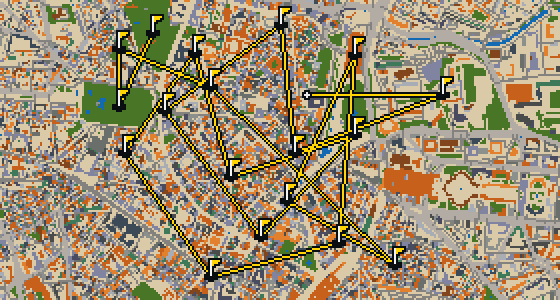
The ball drops into the cup at the Musée Fabre to start things off in Montpellier. The map is the real city, and the round is played on its actual streets using local landmarks for the holes. Skip knows these sidewalks well and acts as the local guide. This full round of 18 holes covers 10.3 km with a par of 52, using six portals to move across town.

18 HOLES - PAR 55

Marseille

18 stops

Marseille is the setting for this round, where the map is the real city and the ball rolls across its actual streets. The holes are built from real attractions, starting at the Basilique Notre-Dame de la Garde. This full round of 18 holes covers 10.9 km with a par of 55, using 42 portals to move between districts. Skip is a local guide who knows these pavements well, even the spots where the crumbs are best.

FAQ

Is it free to play?

Yes. Every course runs in the browser with no account and no install.

Do I need to be in the city?

No. The full round plays from anywhere. Walking the real route is a nice way to see the city, but it is not required.

Are the maps real?

Yes. The geometry comes from OpenStreetMap data, rendered chunky on purpose. Streets, water and parks sit where they really are.