
MONTPELLIER - 18 HOLES - FREE

MONTPELLIER
CITY MAP MINIGOLF

Montpellier - 18 stops - par 52

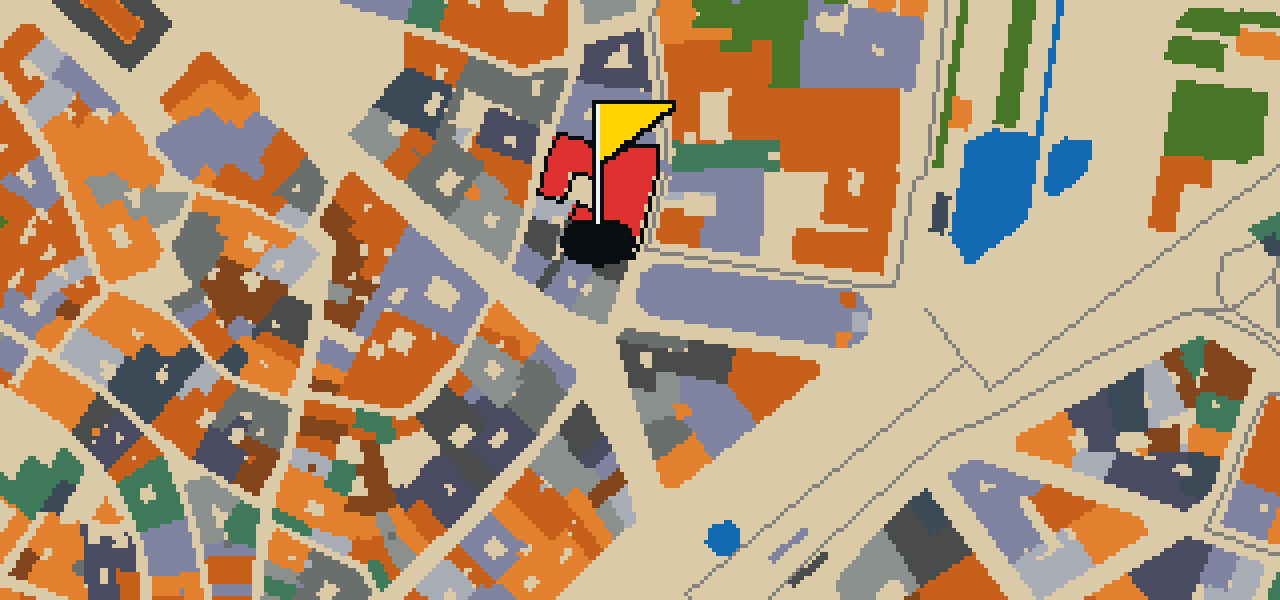
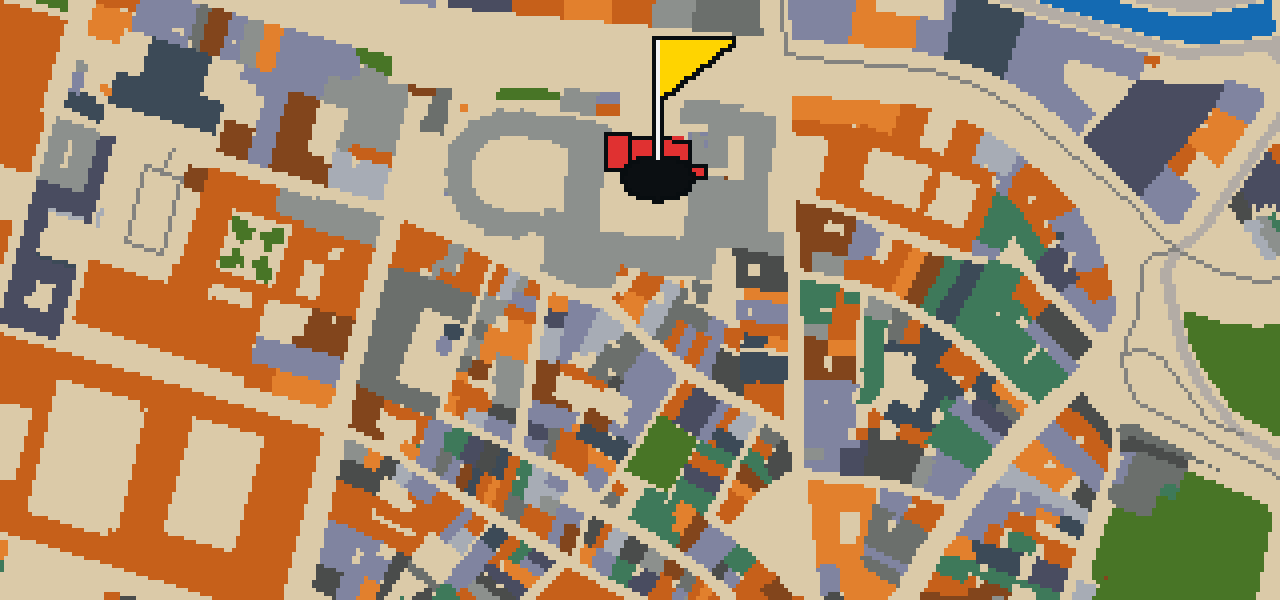
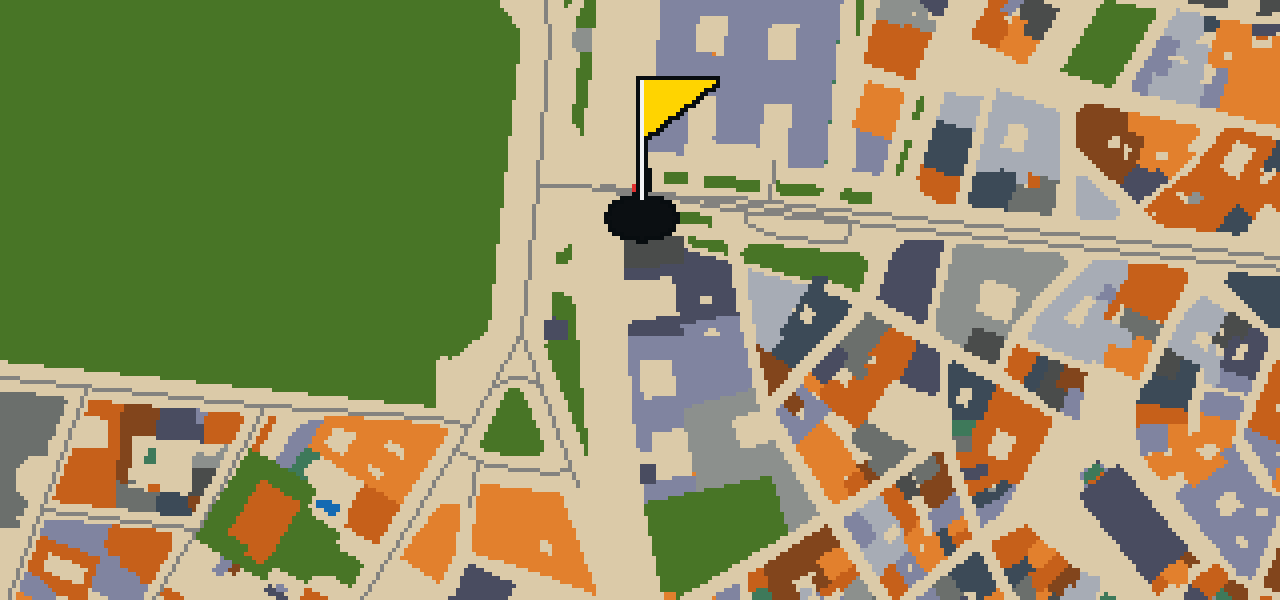
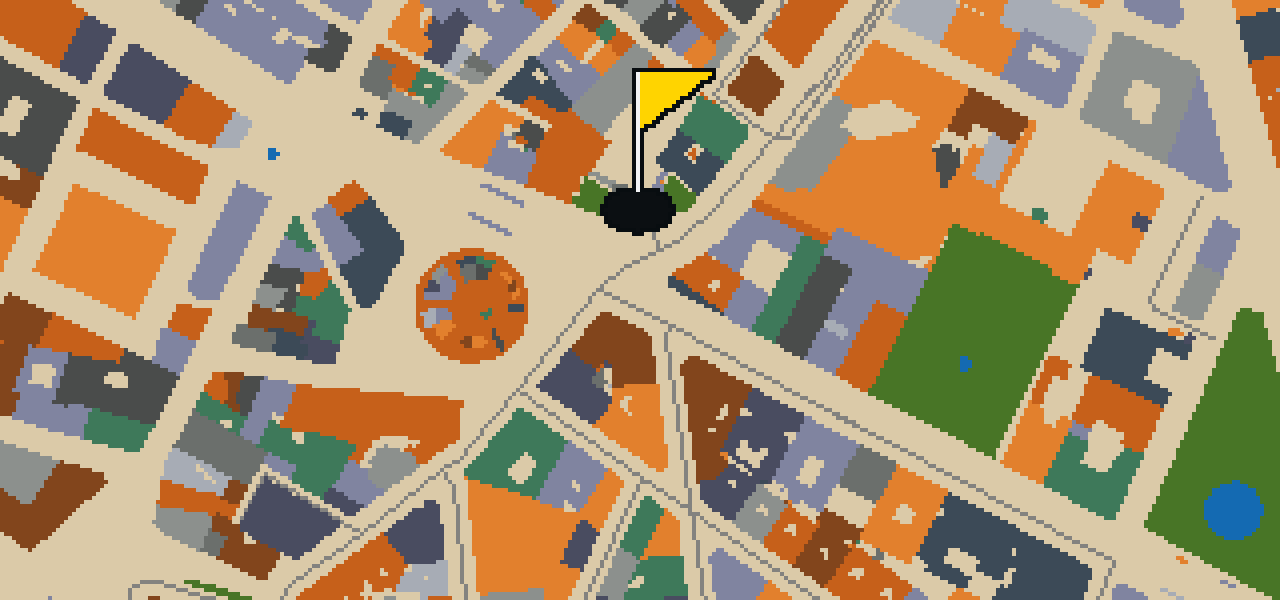
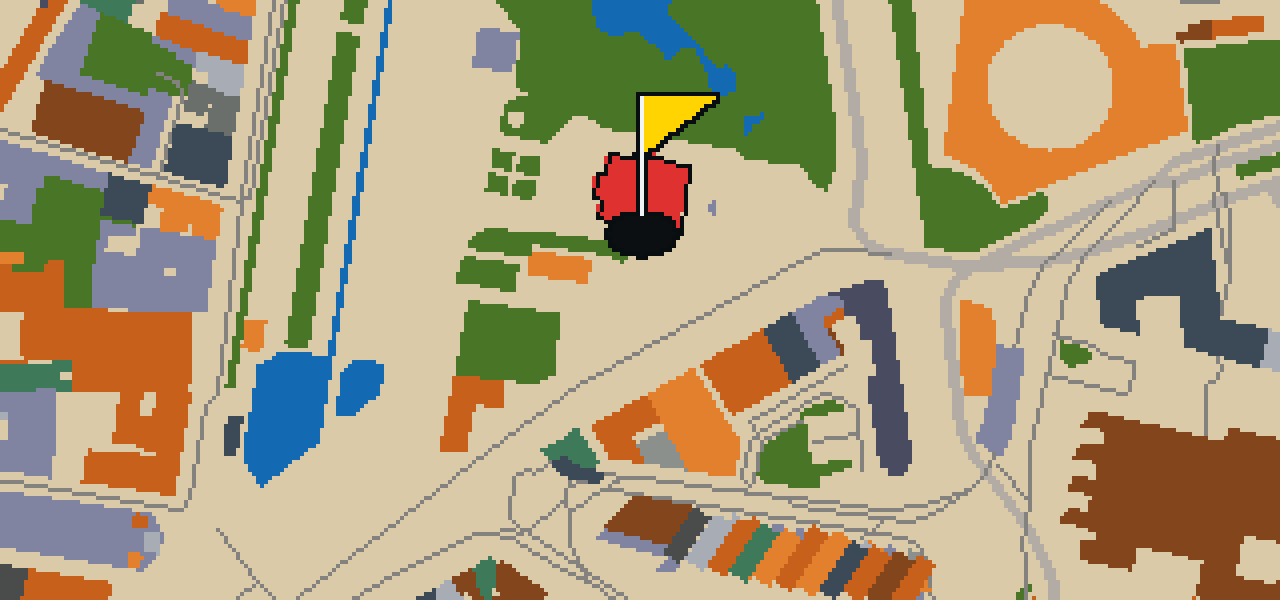
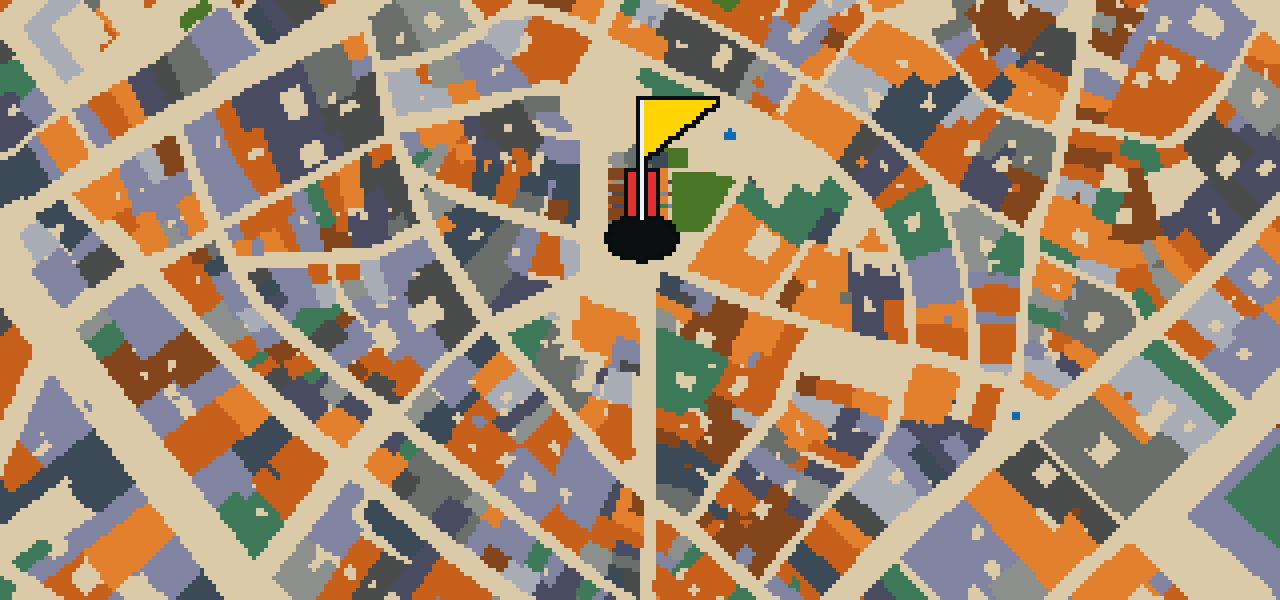
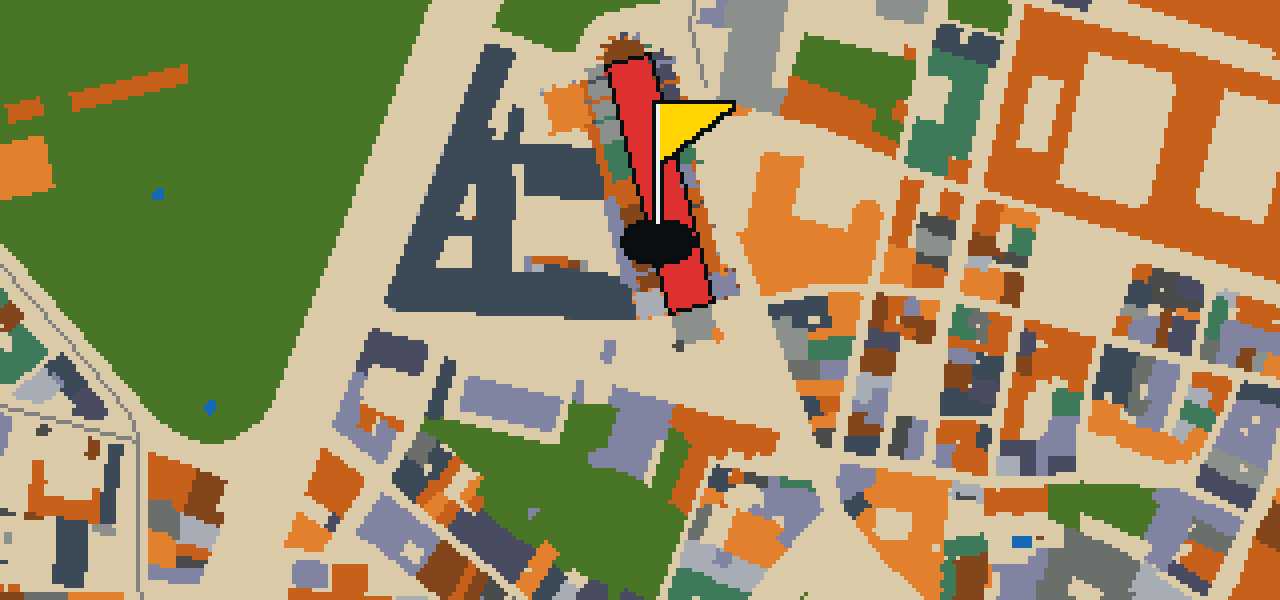
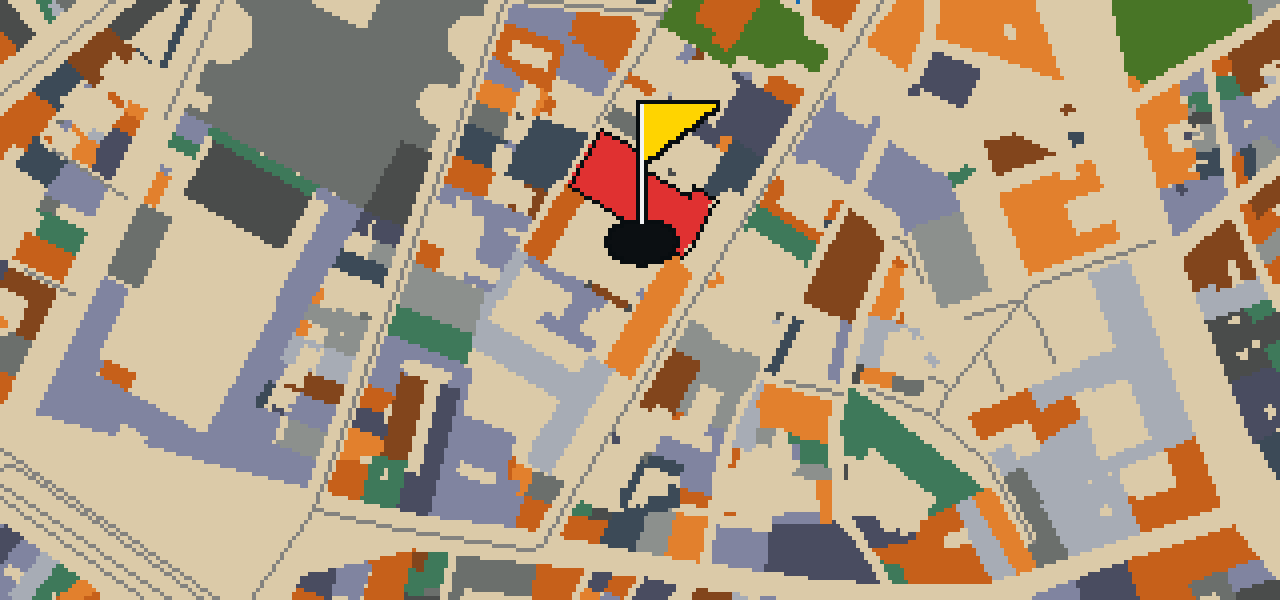
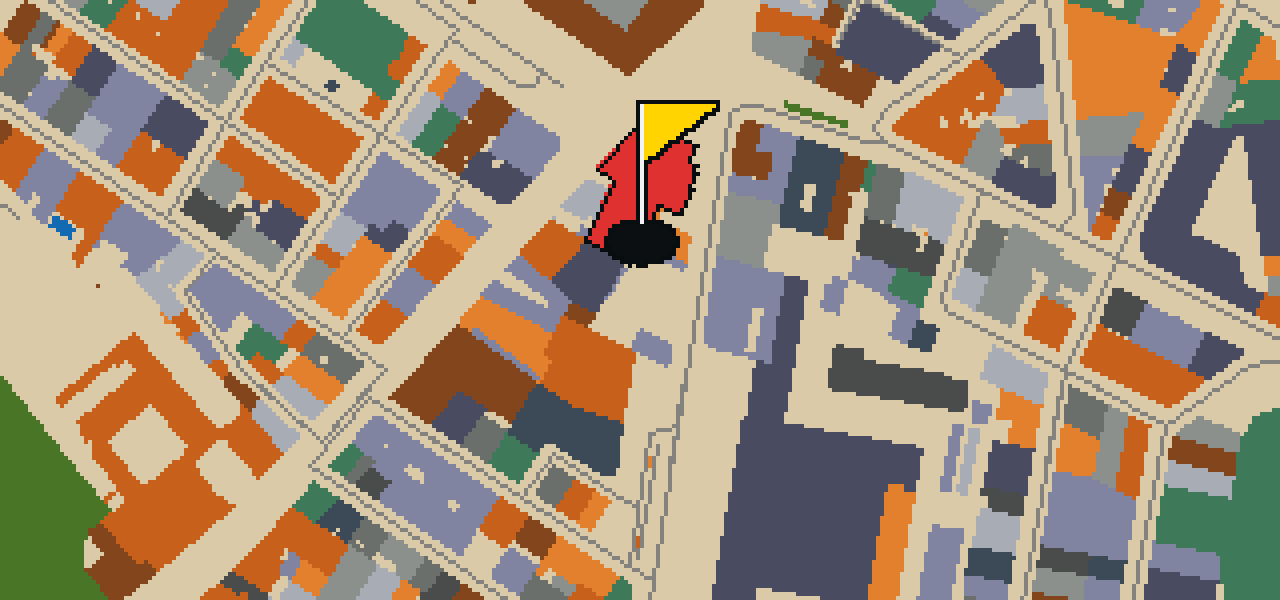
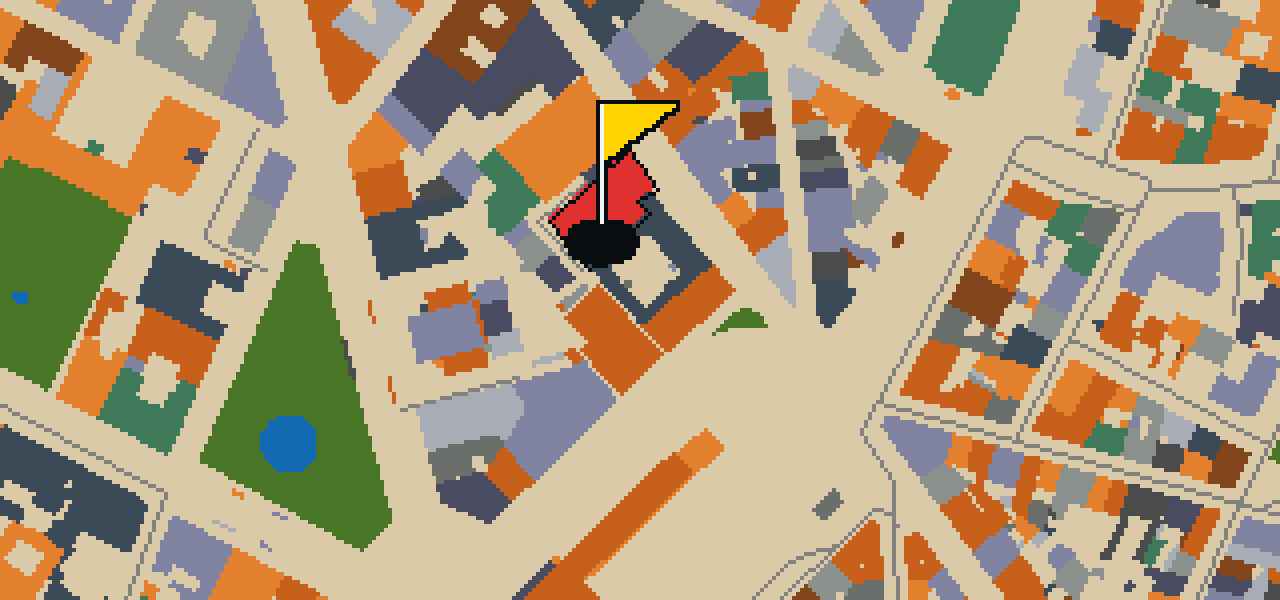
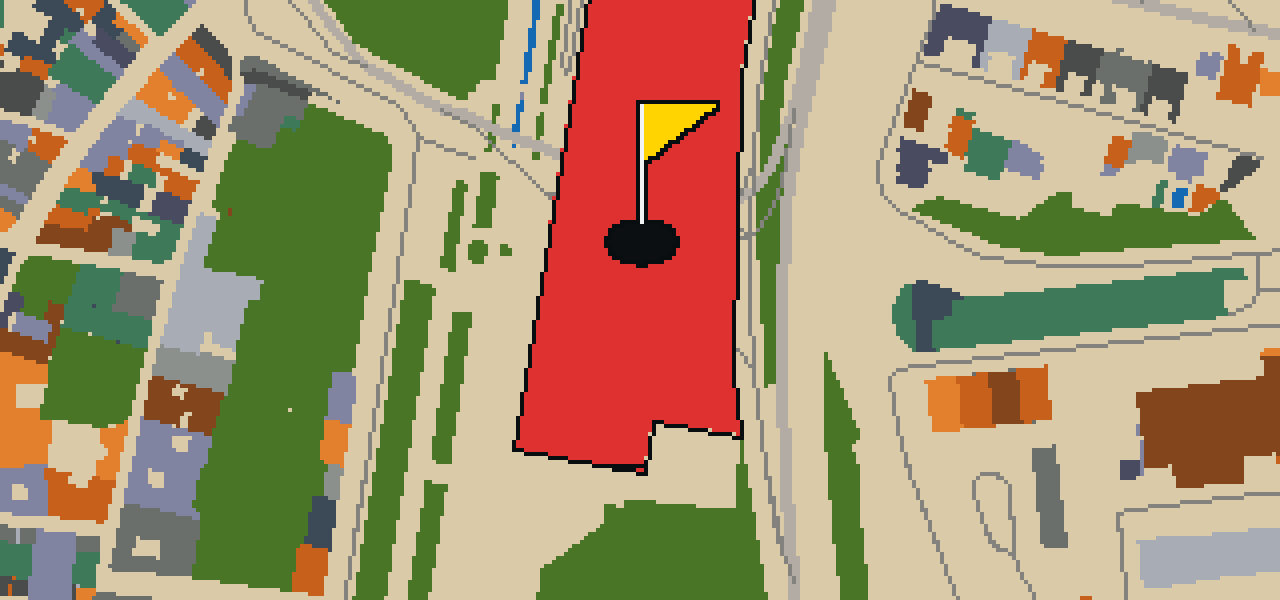
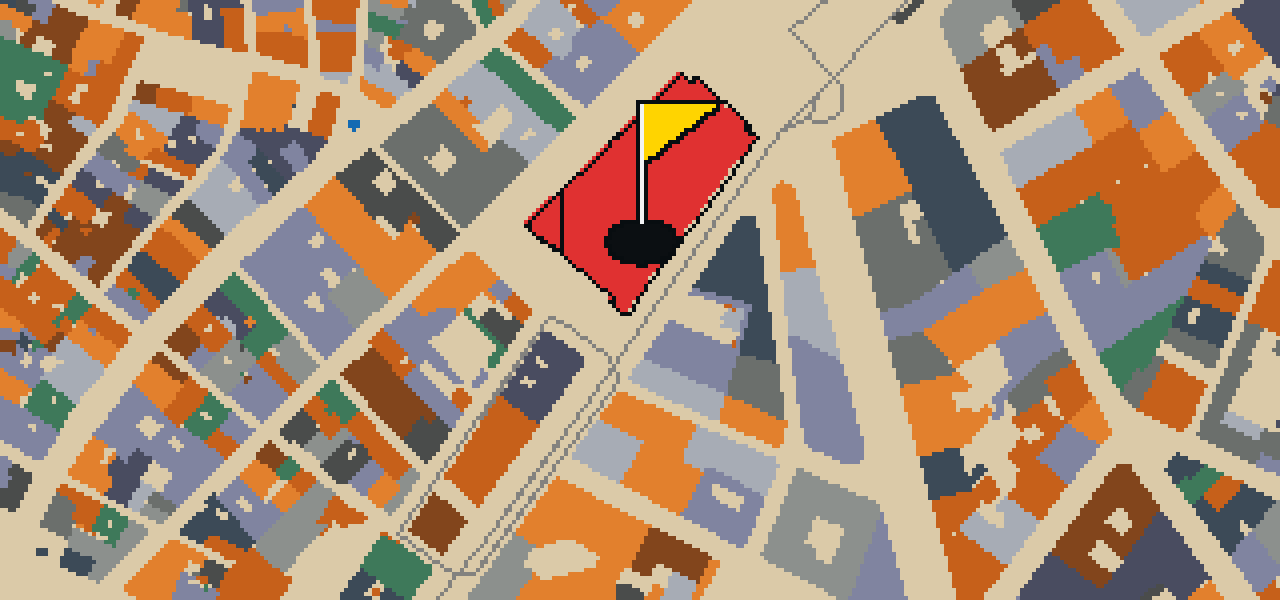
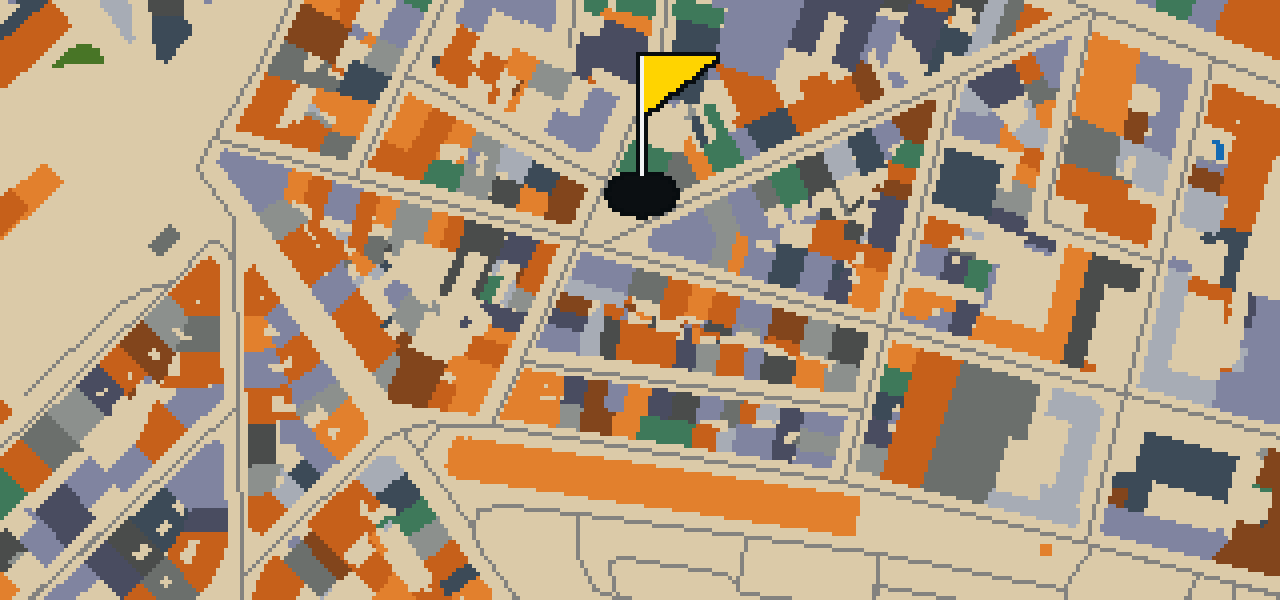
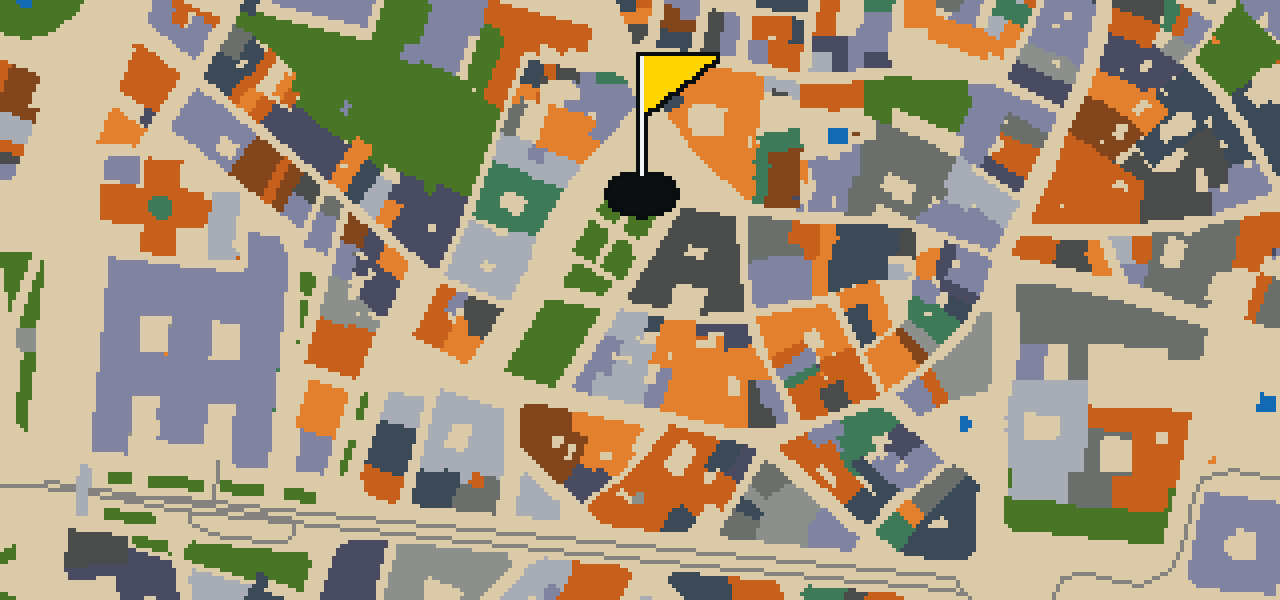
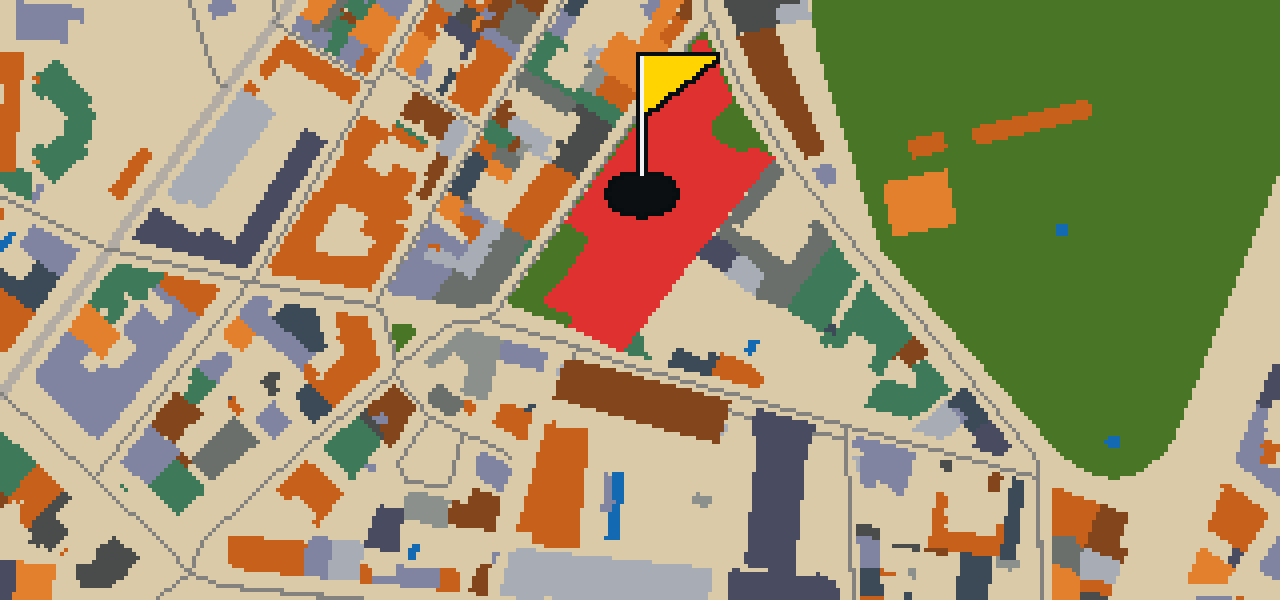
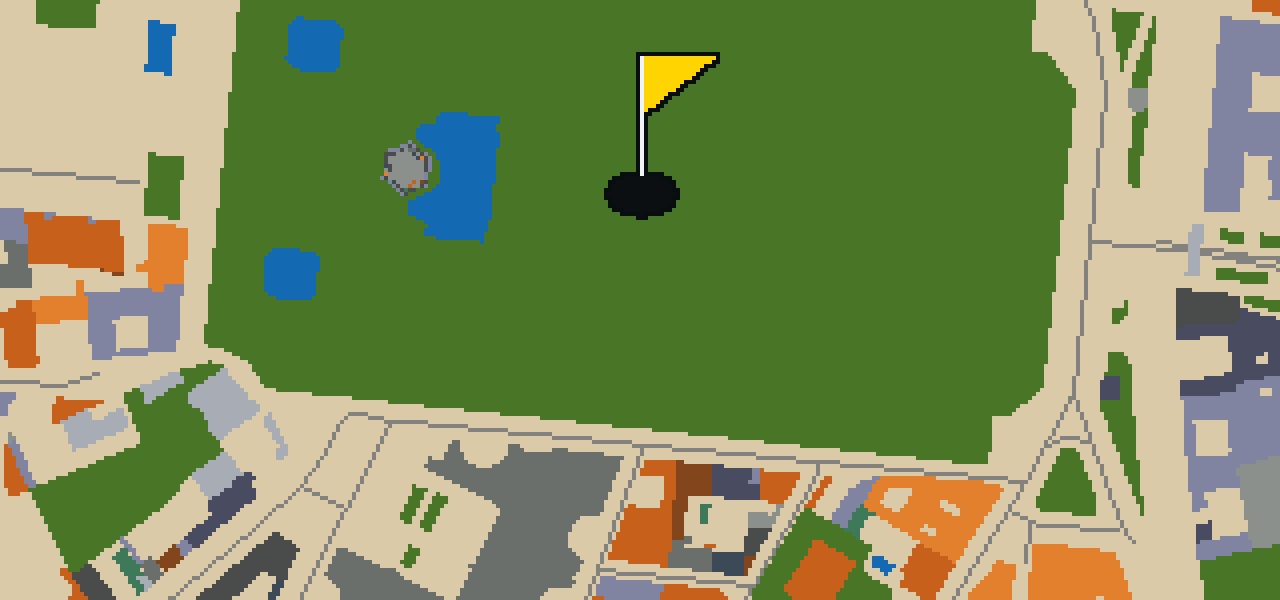
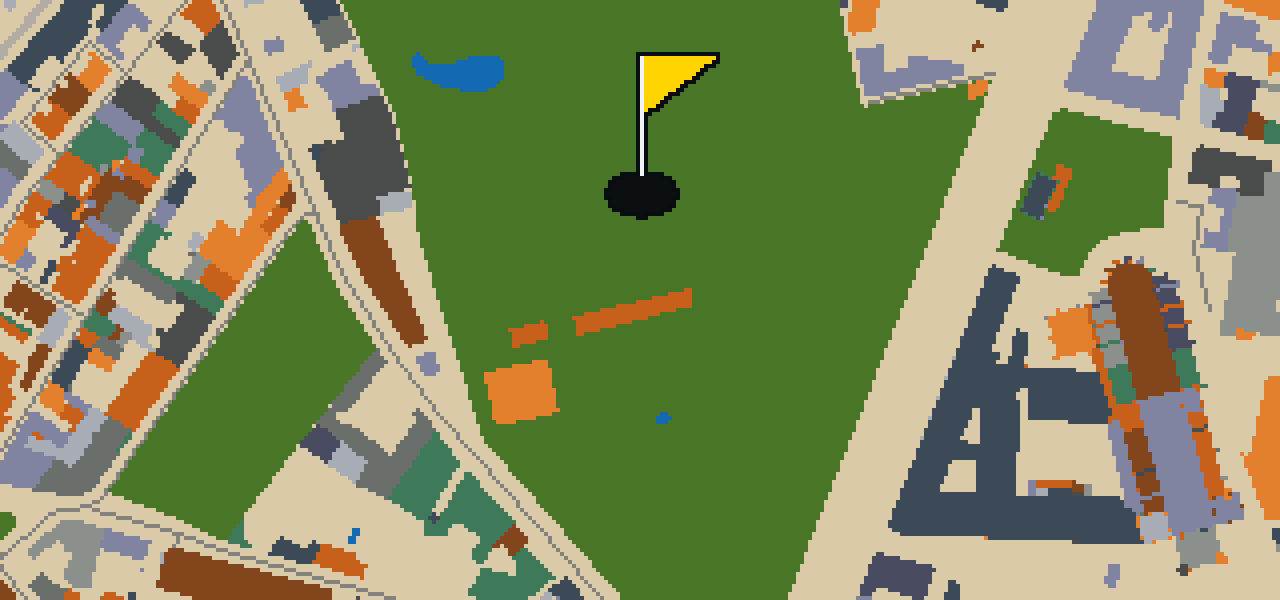
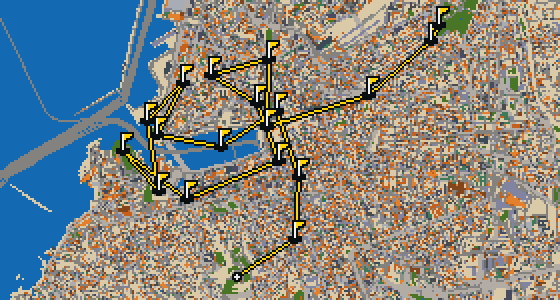
The ball drops into the cup at the Musée Fabre to start things off in Montpellier. The map is the real city, and the round is played on its actual streets using local landmarks for the holes. Skip knows these sidewalks well and acts as the local guide. This full round of 18 holes covers 10.3 km with a par of 52, using six portals to move across town.

Trouble loading? Open the game in its own tab.

HOW IT WORKS

01

Pick a city

The course is drawn on the real street grid, so the map you play is the map you walk.

02

Putt to the pin

Drag to aim, release to swing. Buildings bounce and water costs you a stroke.

03

Sightsee between strokes

Every hole ends at an attraction. Sink the putt, read the story, walk to the next tee.

THE MONTPELLIER ROUND - STOP BY STOP

HOLE 1 - PAR 3

Musée Fabre

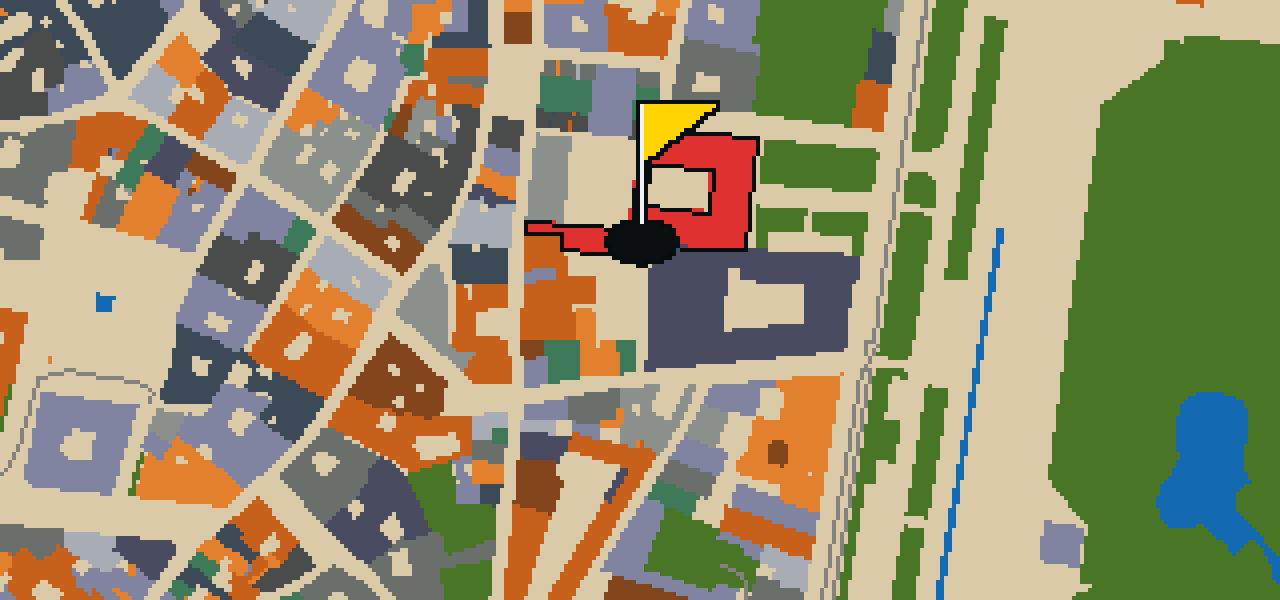
The Musée Fabre is an art museum located in Montpellier. This southern French city is the capital of the Hérault department. The museum was founded in 1825 and has since become a major draw for the region. I often see crowds gathering here, which makes sense given that it welcomes 299,671 annual visitors. It is a great spot to spend an afternoon if you want to see how the city preserves its artistic history. Whether you are a local or just visiting, it is one of the most frequented spots in the city center.

Wikidata · Wikipedia

HOLE 2 - PAR 3

Lycée général et technologique Joffre

Let me show you the Lycée général et technologique Joffre, a citadel located in the Hérault département of southern France. Built between 1624 and 1627 under the orders of Louis XIII, this Early Modern fortification is a monument historique inscrit. Its purpose changed over time; in the 20th century, it became the Joffre Barracks, named after Joseph Joffre. Since 1947, the site has served as an academic campus. I've seen plenty of students walking these old walls, which is a far cry from its days as a military stronghold.

Wikidata · Wikipedia

HOLE 3 - PAR 3

Musée Languedocien

Musée Languedocien is a museum that focuses on the heritage of the area. It is a place where you can explore the history of the region through its curated exhibits and various displays that tell the story of the local culture. It is a relatively small destination for tourists, as the museum has 3,501 annual visitors. I find it a nice break from the busier streets of Montpellier, offering a slower pace for anyone interested in the local identity. Let me show you around this quiet corner of the city.

Wikidata

HOLE 4 - PAR 3

Couvent des Ursulines

The Couvent des Ursulines is a convent and a prison. This site was started in 1357 and is now a monument historique inscrit. It is an interesting place to visit because it combines two very different purposes within its walls. You can pick out the architectural shifts that reflect its time as both a religious house and a place of incarceration. I think the atmosphere here is quite unique compared to other spots in the city, especially when you consider the different types of people who have lived within these walls over the centuries.

Wikidata

HOLE 5 - PAR 3

Porte du Peyrou - Arc de Triomphe

Look up at the masonry of the Porte du Peyrou, a triumphal arch that also functions as a city gate. You can find it in Montpellier, situated at the eastern end of the Jardin de Peyrou. This park is located near the center of the city. It is a great spot to stretch your legs. I've seen plenty of tourists stop here to admire the scale of the structure before heading further into the heart of southern France. It is a wonderful place to get your bearings before continuing your walk.

Wikidata · Wikipedia

HOLE 6 - PAR 3

Tour de la Babote

Tour de la Babote is a tower and an astronomical observatory. It reaches a height of 26 meters and is recognized as a classified historical monument. Work on the tower was started in 1363. I find it a great spot to look out over the city, though you will have to keep your eyes on the horizon rather than the stars during the day. It is a distinct landmark that blends the city's old defensive architecture with the study of the heavens, offering a perspective of Montpellier that is hard to find elsewhere.

Wikidata

HOLE 7 - PAR 3

Pavillon Populaire

You can pick out the Renaissance Revival architecture style immediately upon arriving at the Pavillon Populaire. This building is both a pavilion and a museum, designed by the architect Leopold Carlier. It was started in 1890 and is listed in the general inventory of cultural heritage. I find the ornate details of the exterior quite a sight, though I usually prefer the view from the roof. It is a wonderful spot to pause and appreciate the city's artistic side before moving on to your next target.

Wikidata

HOLE 8 - PAR 3

Église Saint-Roch

Église Saint-Roch is a church building with an inception in 1861. When you look at the structure, you can pick out the Gothic Revival style that defines its appearance. This architectural approach was popular for religious buildings of the era. Since its early days, the church has gained formal recognition for its value to the community. It is listed in the general inventory of cultural heritage, which documents the site's place in the history of the city. It remains a steady point of interest for those exploring the local heritage of Montpellier.

Wikidata

HOLE 10 - PAR 3

Église Sainte-Eulalie

Église Sainte-Eulalie is a church building. This site is recognized as a monument historique inscrit, which indicates its importance to the heritage of the city. The inception of Église Sainte-Eulalie was in 1740. Visitors can observe the architecture of this church building as they move through the area. It remains a significant example of the religious buildings found within the region, holding a formal designation that protects its historical integrity for future generations to see.

Wikidata

HOLE 11 - PAR 3

Église Saint-Denis

The facade of Église Saint-Denis identifies it as a monument historique inscrit. This church building is a notable site in the city, designed by the architect Augustin-Charles d'Aviler. The inception of the building was in 1720. Visitors can observe the architectural style of the era and the preservation of the structure. It is a place of historical significance that remains a key landmark for those exploring the streets of Montpellier, offering a glimpse into the city's past through its enduring stone and design.

Wikidata

HOLE 12 - PAR 3

Rockstore

The Rockstore is located in Montpellier. This building is an instance of a chapel, Protestant church building, movie theater, and concert hall. Its inception was in 1264 and the style is Neoclassical architecture. Because of its significance, the Rockstore was classified a monument historique in 2007 and is a monument historique inscrit. You can see the blend of its various roles in the structure, from its origins as a religious space to its current use as a venue for music. It remains a prominent example of Neoclassical architecture in the city.

Wikidata · Wikipedia

HOLE 13 - PAR 3

Le Corum

Let me show you Le Corum, a building located in the centre of Montpellier in southern France. Its inception was in 1988, and it was designed by architect Claude Vasconi. Since then, it has become a hub for the arts and professional gatherings because it houses both an opera house and a conference centre. You can pick out the scale of the place as it reaches a height of 33.4 meters. I've seen a few crumbs dropped near the entrance that make for a great snack.

Wikidata · Wikipedia

HOLE 14 - PAR 3

Opéra Comédie

Let me show you the Opéra Comédie, an opera house designed by architect Joseph Cassien-Bernard. This building is a classified historical monument and a monument historique inscrit. It is home to the Opéra national de Montpellier Languedoc-Roussillon, an opera company. You can find this landmark located in the Place de la Comédie in Montpellier, France. I have always found the architecture here quite striking when I am gliding past the rooftops. It is a wonderful spot to pause and admire the local history before moving on to your next target.

Wikidata · Wikipedia

HOLE 15 - PAR 4

Place François Jaumes

This location is not a grand boulevard or a hidden alley. Instead, Place François Jaumes is a square. It is a central point for those exploring the city's layout. I usually find it a steady spot to pause and look around before moving to the next street.

Wikidata

HOLE 16 - PAR 2

Fontaine des Licornes

You might expect a standard basin here, but you will find the Fontaine des Licornes instead. It is a fountain and a group of sculptures that stands as a monument historique inscrit. I always find the sculptural details a pleasant break from the usual city streets. Whether you are here for the art or the water, it is a distinct landmark in Montpellier that captures a specific kind of elegance. Take a moment to look closely at the figures; they bring a sense of myth and history to the surrounding neighborhood.

Wikidata

HOLE 17 - PAR 2

Jardin de la Reine

Let me show you the Jardin de la Reine. This site is a garden and holds the official status of a monument historique inscrit. When you visit, you can appreciate the local greenery and the city's designated historical markers. It is a peaceful spot where you can take a break from the bustle of the streets. I often see people pausing here to take in the atmosphere of the grounds and admire the landscape. It is a great place to spend a few minutes simply observing the surroundings while you explore the city.

Wikidata

HOLE 18 - PAR 2

Promenade du Peyrou

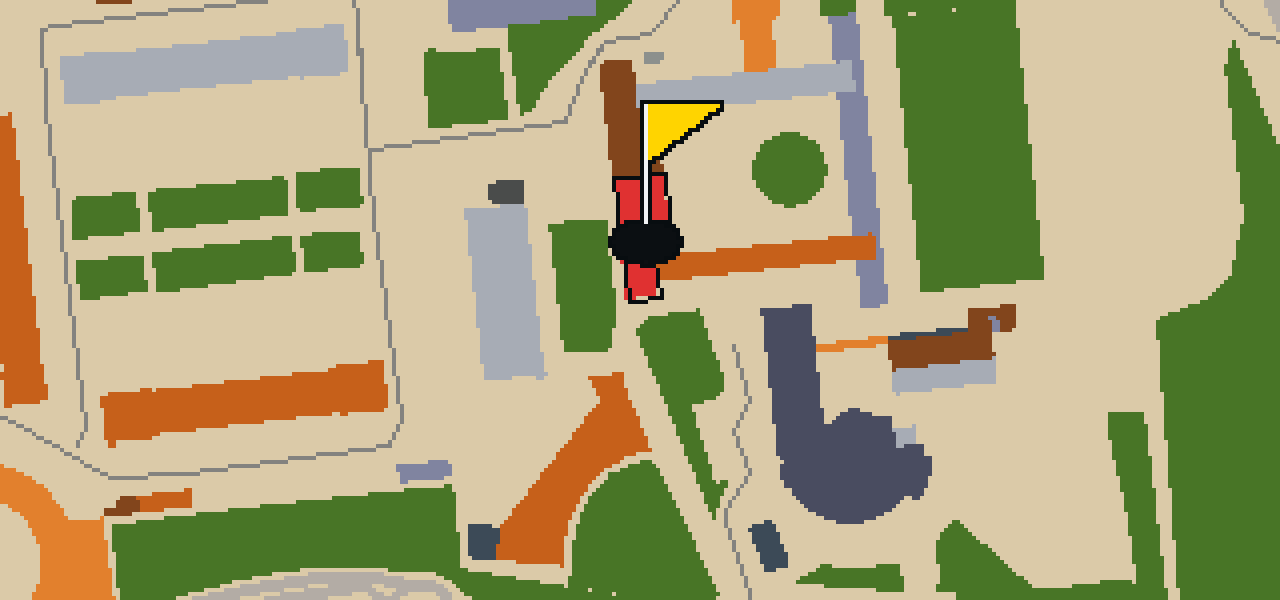
Let me show you the Promenade du Peyrou, which is also known as the Place Royale du Peyrou. This square and esplanade was started in 1689 and is located west of the Écusson district in the city of Montpellier. It is a classified historical monument that borders the old "commune-cloture" wall. It is a massive space that feels quite different from the tight corners of the city center. I find it a great spot to stretch your wings and take in the open air while you look around at the surroundings.
Wikidata · Wikipedia

STOP 19

Jardin des Plantes

Walk past the greenery of the arboretum to find the Jardin des Plantes. This botanical garden is located on Boulevard Henri IV in Montpellier, Hérault, Occitania, France. It is a classified historical monument that was established in 1593. Today, the Université Montpellier 1 maintains the grounds to keep the site in good order. Admission to the garden is free, so you can wander through the plant collection at your own pace without worrying about a ticket. I've noticed it's a great spot to stretch your wings and get a better view of the city.

Wikidata · Wikipedia

OTHER COURSES

18 HOLES - PAR 56

Toulouse

18 stops

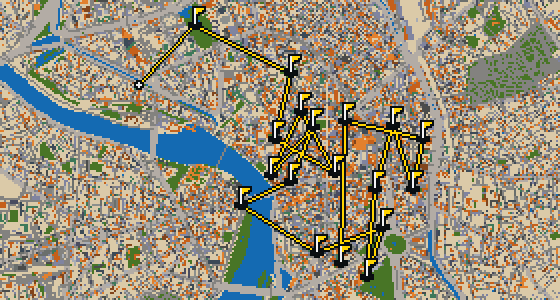
Toulouse looks like a sea of terracotta from a pigeon's perch, but the action happens down on the pavement. The map is the real city and the round is played on its actual streets, using local attractions like the Capitole as holes. Skip knows these alleys by heart. It is a full round of 18 holes with a par of 56, covering 11.1 km and using 34 portals.

18 HOLES - PAR 53

Strasbourg

18 stops

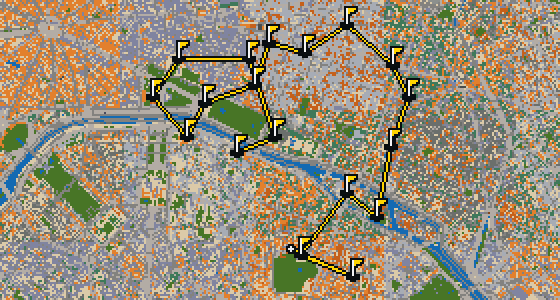
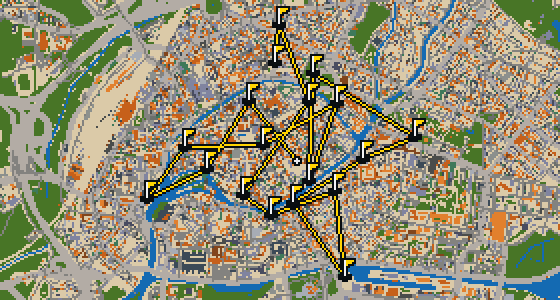
From a rooftop perch, Strasbourg looks like a puzzle of timber and stone. The map is the real city and the round is played on its real streets, where attractions like Cathédrale Notre-Dame provide the architecture for the holes. This full round of 18 holes covers 10.3 km with a par of 53, using 8 portals to bridge the gaps. Skip knows every nook of these alleys and is the local guide.

18 HOLES - PAR 59

Paris

18 stops

This is Paris. The map is the real city and the round is played on its real streets, where the real attractions like the Arc de Triomphe du Carrousel are what the holes are built from. Skip knows these pavements well, even the bits where the breadcrumbs are best. A full round of 18 holes covers 12 km with a par of 59, using 198 portals to bridge the gaps between landmarks.

9 HOLES - PAR 30

Nice

9 stops

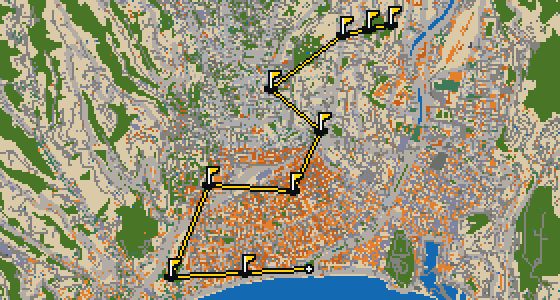
The ball rolls through the streets of Nice, where the map is the real city and the round is played on its actual pavement. The holes are built from real attractions, like the Musée Matisse, and Skip knows these neighborhoods by heart. A quick 9-hole round covers 6.8 km with a par of 30, using 16 portals to skip across the city. A few crumbs for the effort.

18 HOLES - PAR 55

Marseille

18 stops

Marseille is the setting for this round, where the map is the real city and the ball rolls across its actual streets. The holes are built from real attractions, starting at the Basilique Notre-Dame de la Garde. This full round of 18 holes covers 10.9 km with a par of 55, using 42 portals to move between districts. Skip is a local guide who knows these pavements well, even the spots where the crumbs are best.

FAQ

Is it free to play?

Yes. Every course runs in the browser with no account and no install.

Do I need to be in the city?

No. The full round plays from anywhere. Walking the real route is a nice way to see the city, but it is not required.

Are the maps real?

Yes. The geometry comes from OpenStreetMap data, rendered chunky on purpose. Streets, water and parks sit where they really are.