
CÓRDOBA - 18 HOLES - FREE

CÓRDOBA
CITY MAP MINIGOLF

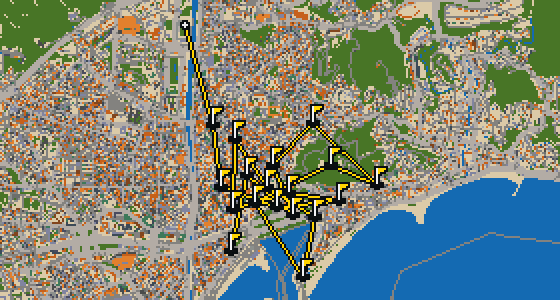
Córdoba - 18 stops - par 54

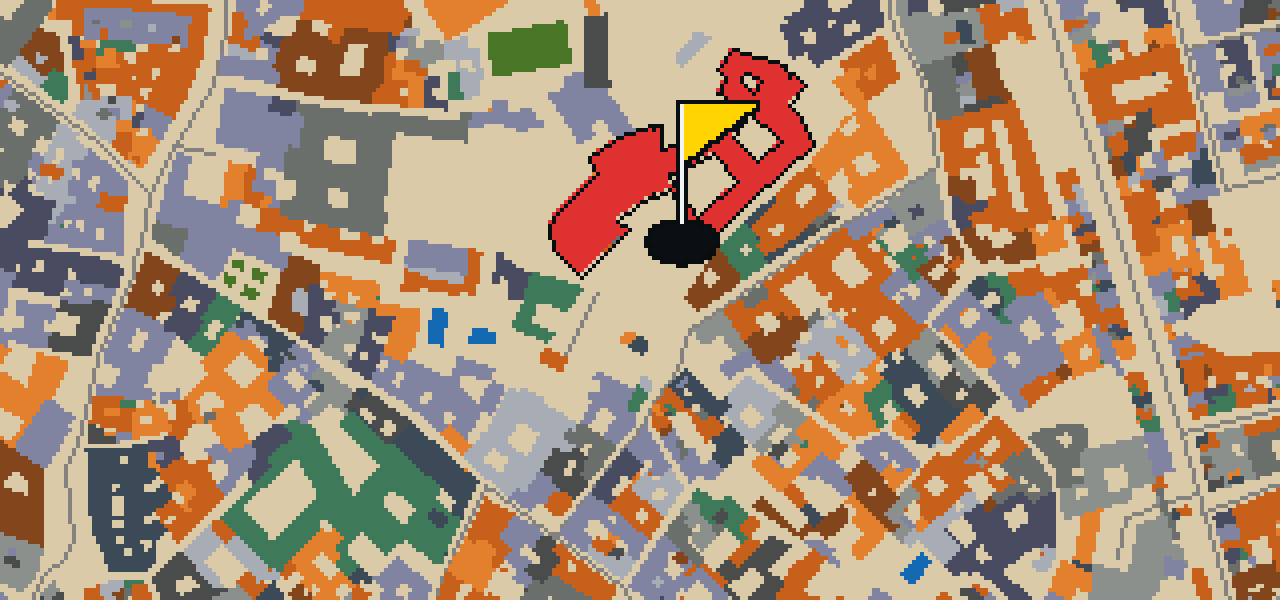
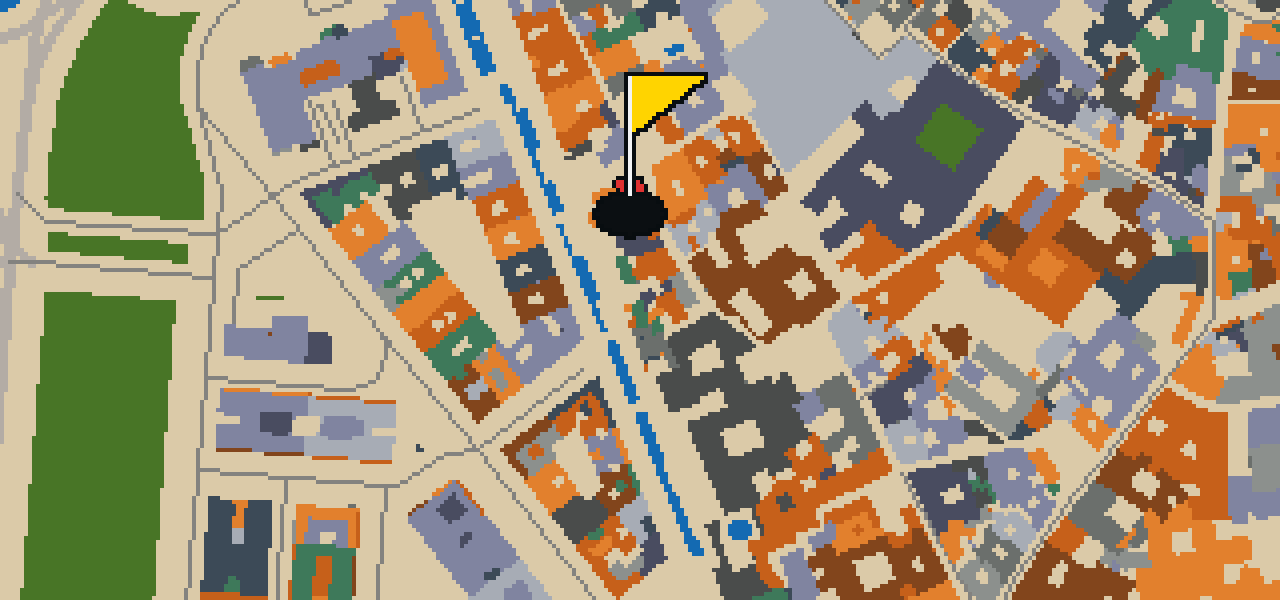
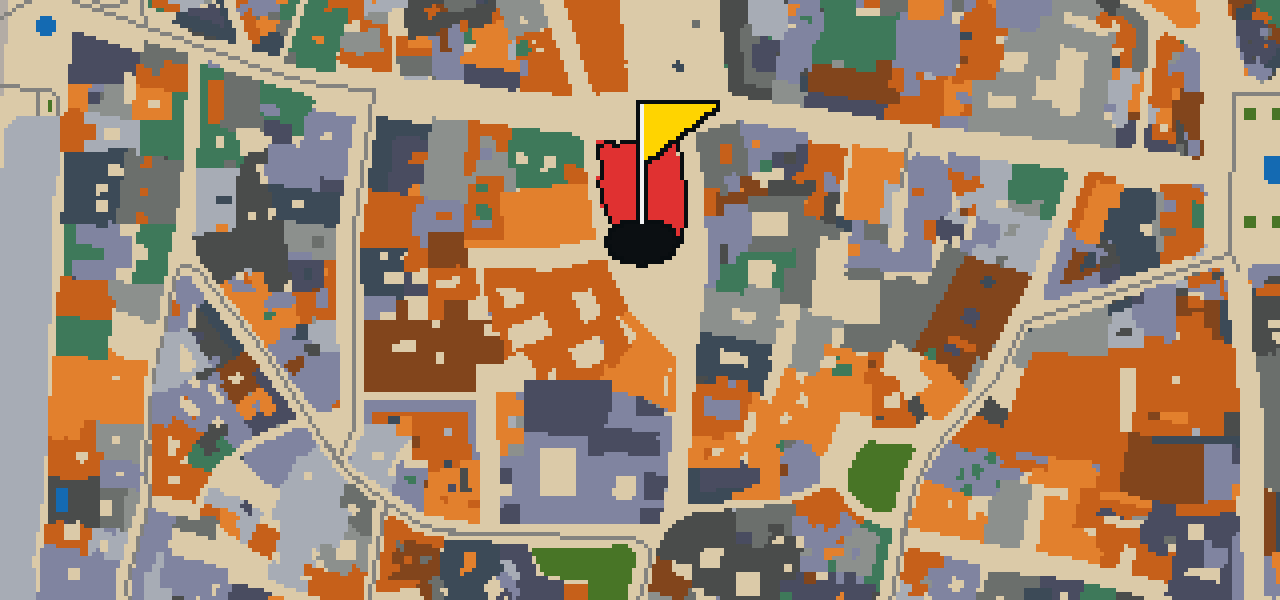
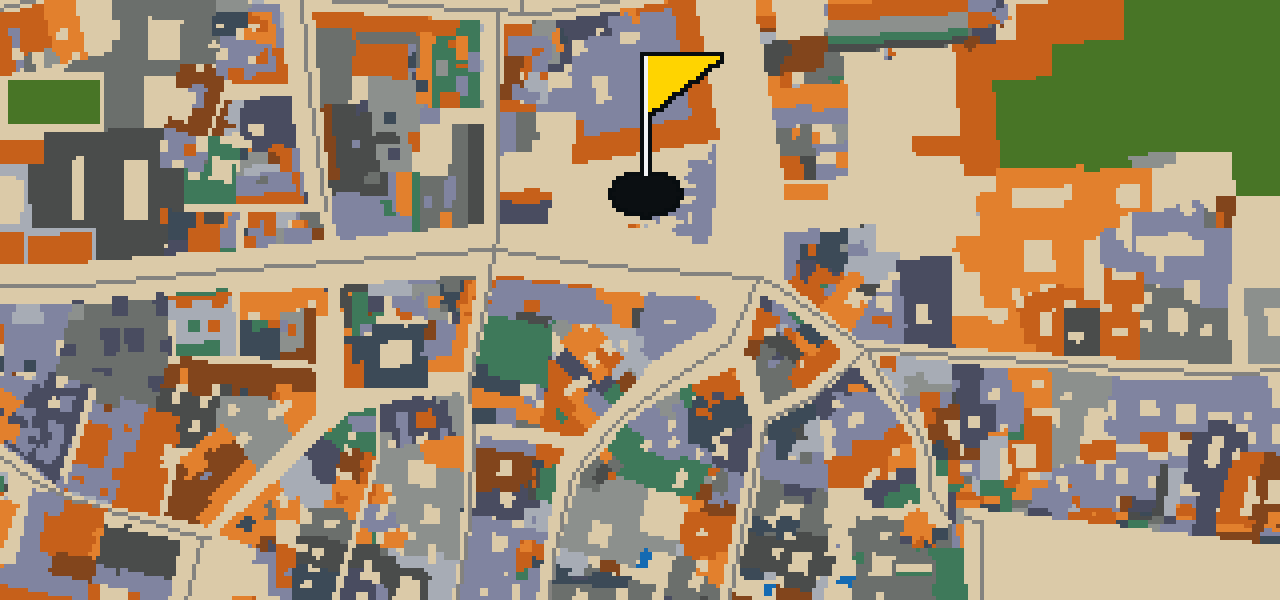
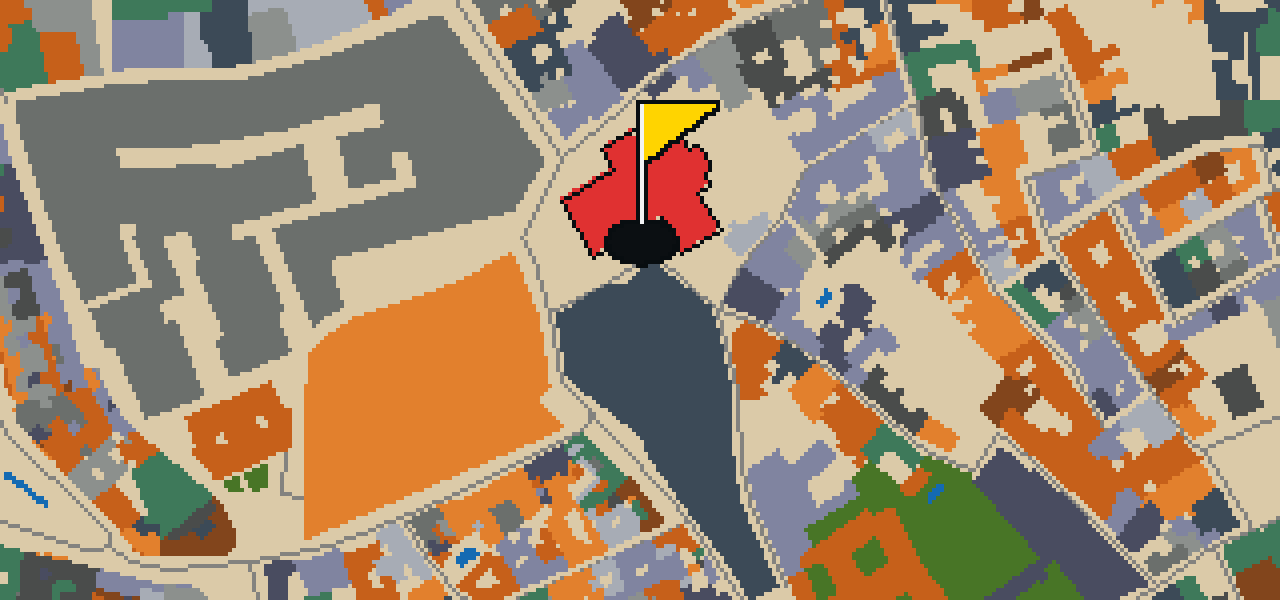
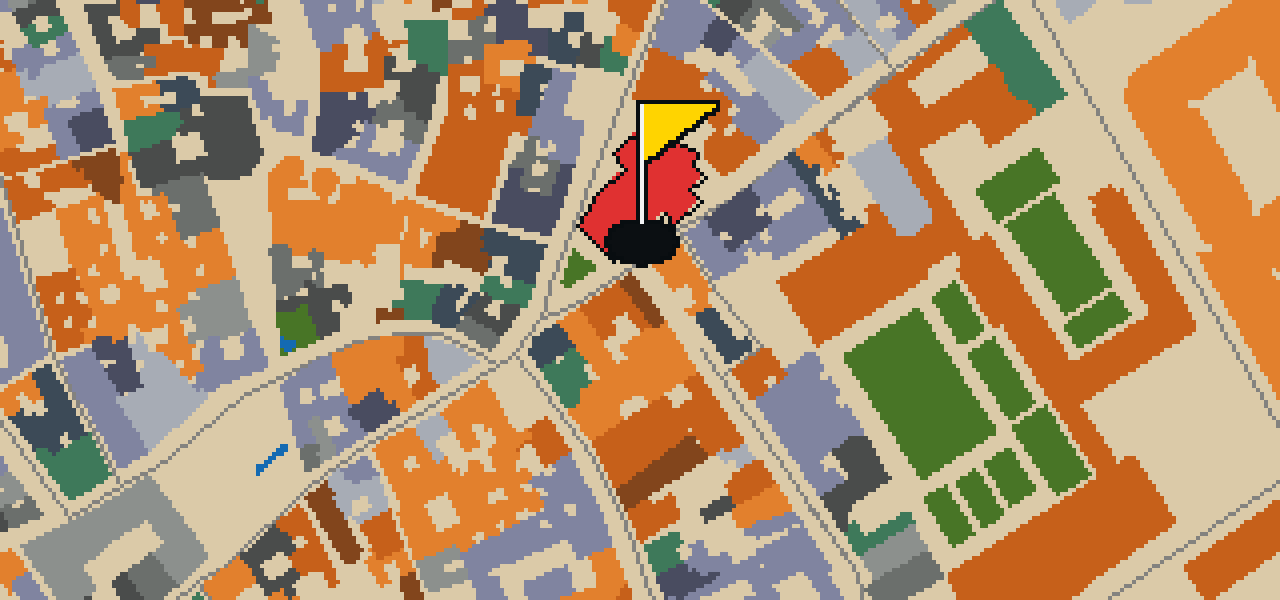
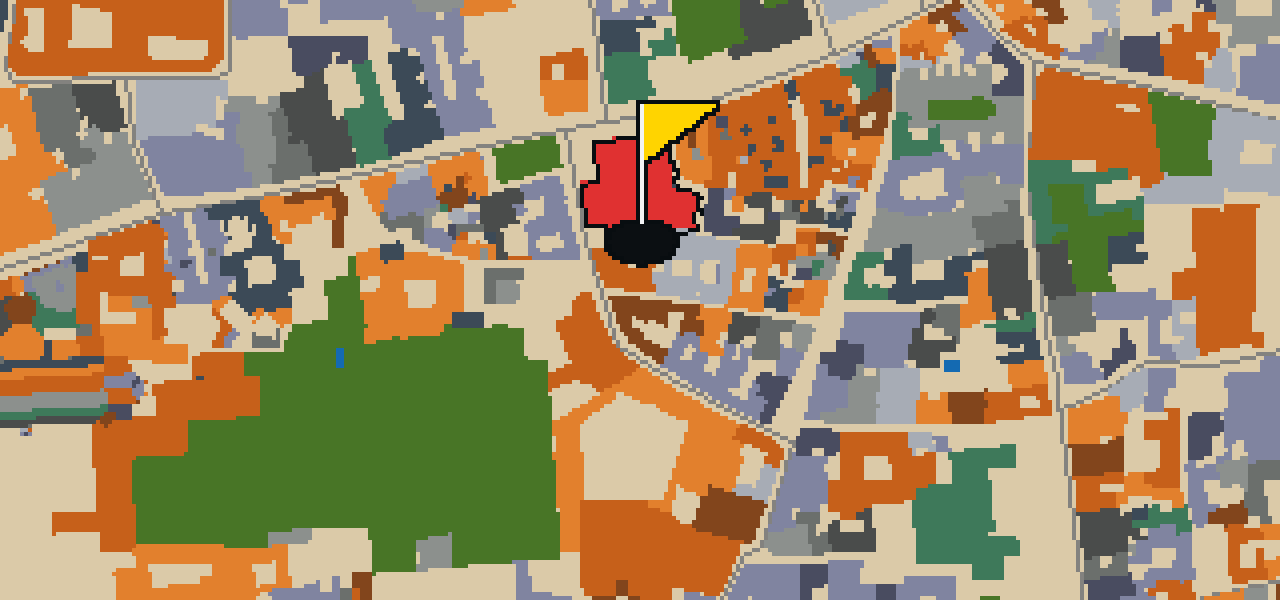
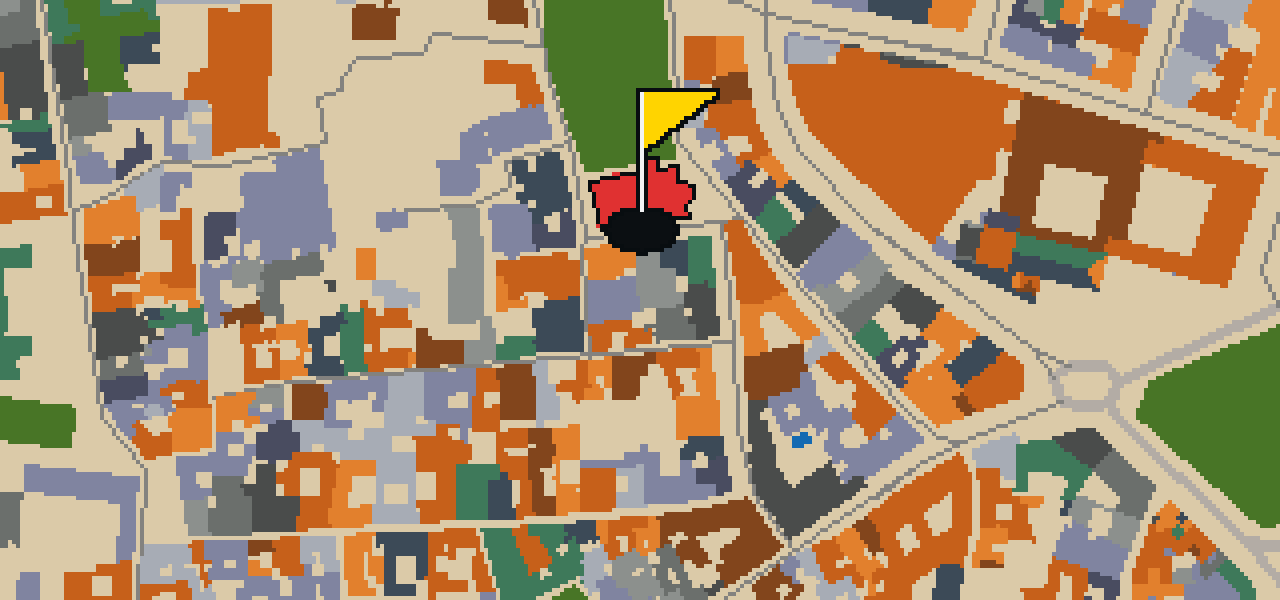
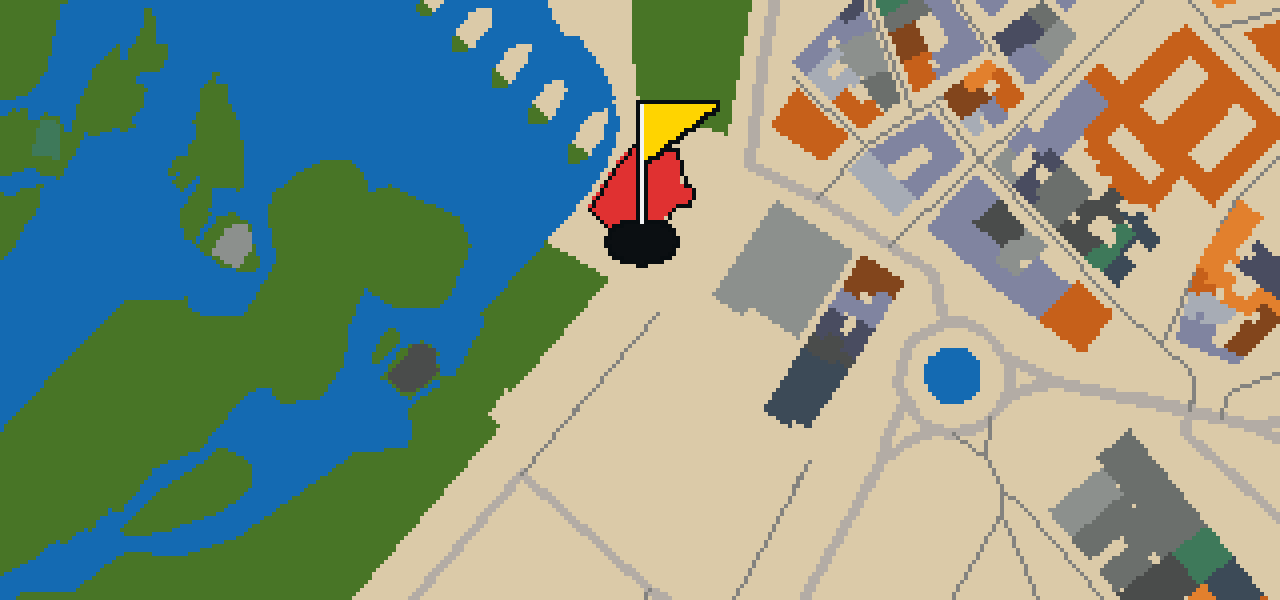
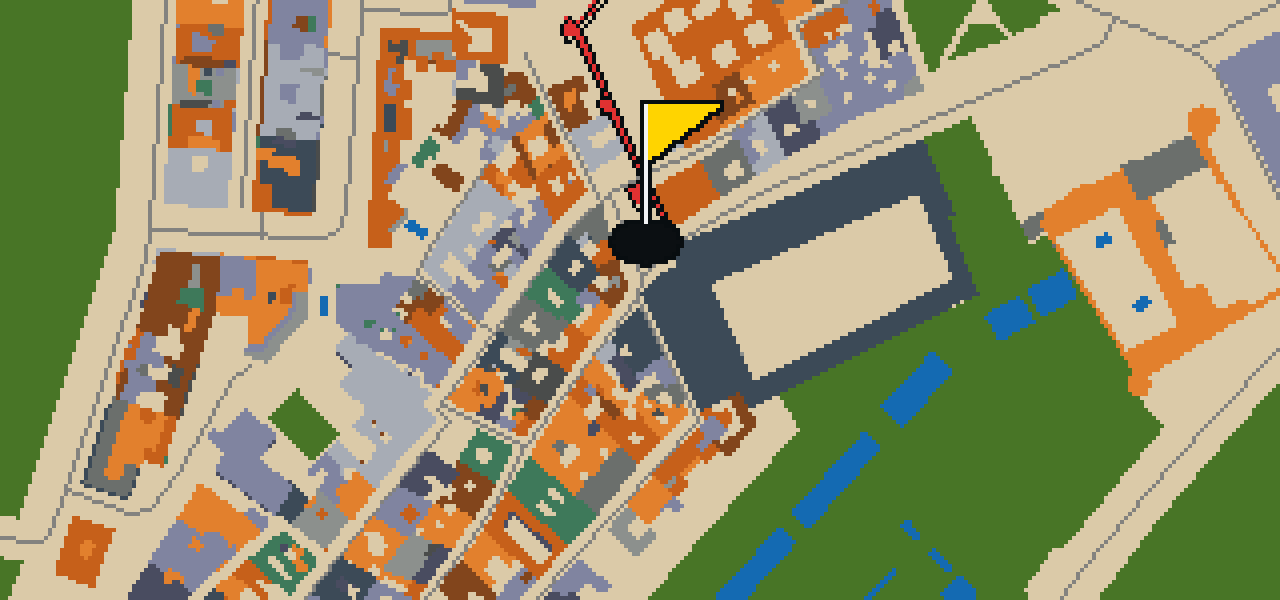
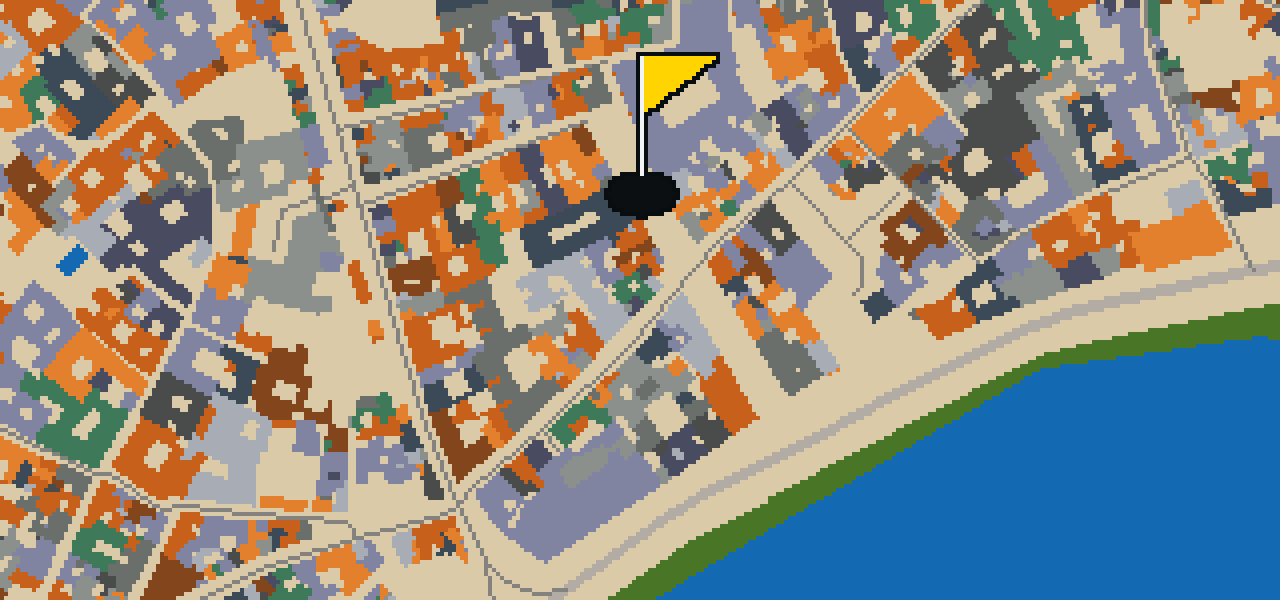
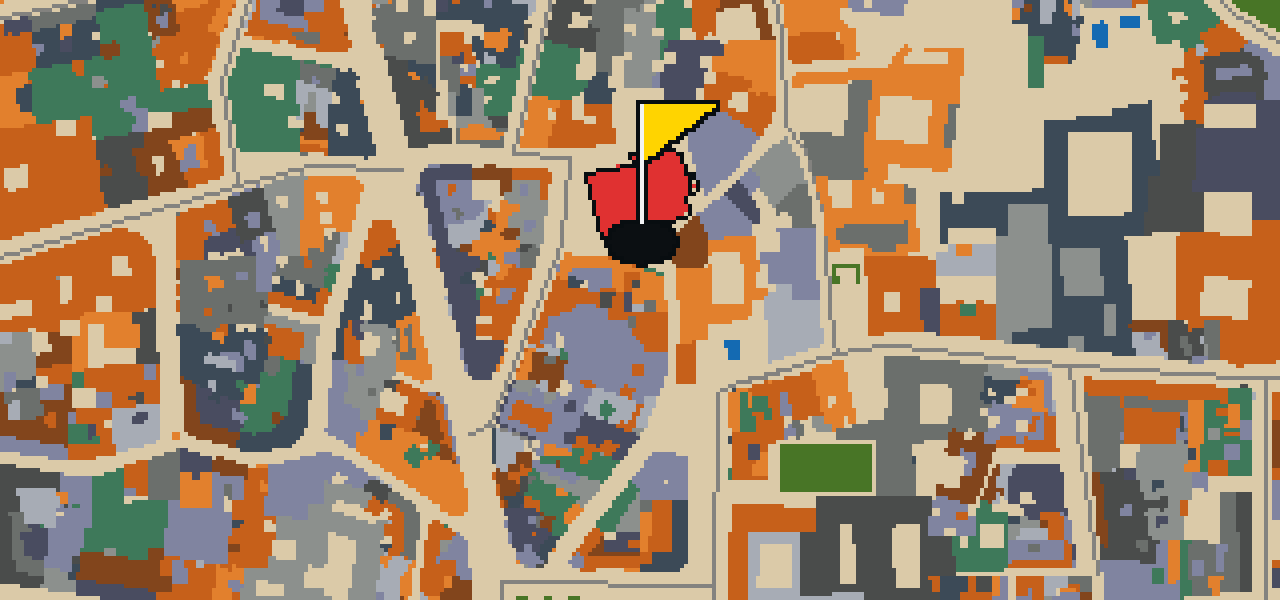
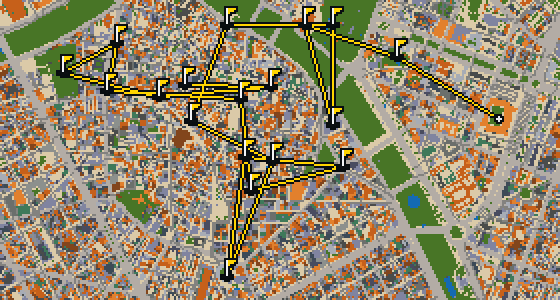
Banking a ball off the stone walls of the Mezquita-Catedral de Córdoba requires a soft touch and a bit of luck. This full round of 18 holes is played on the real streets of Córdoba, using the city's actual attractions as the obstacles and cups. A walk of 9.8 km connects the course, with 14 portals helping the ball skip across distant districts. Skip knows these alleys by heart and is the local guide for the trip.

Trouble loading? Open the game in its own tab.

HOW IT WORKS

01

Pick a city

The course is drawn on the real street grid, so the map you play is the map you walk.

02

Putt to the pin

Drag to aim, release to swing. Buildings bounce and water costs you a stroke.

03

Sightsee between strokes

Every hole ends at an attraction. Sink the putt, read the story, walk to the next tee.

THE CÓRDOBA ROUND - STOP BY STOP

HOLE 1 - PAR 3

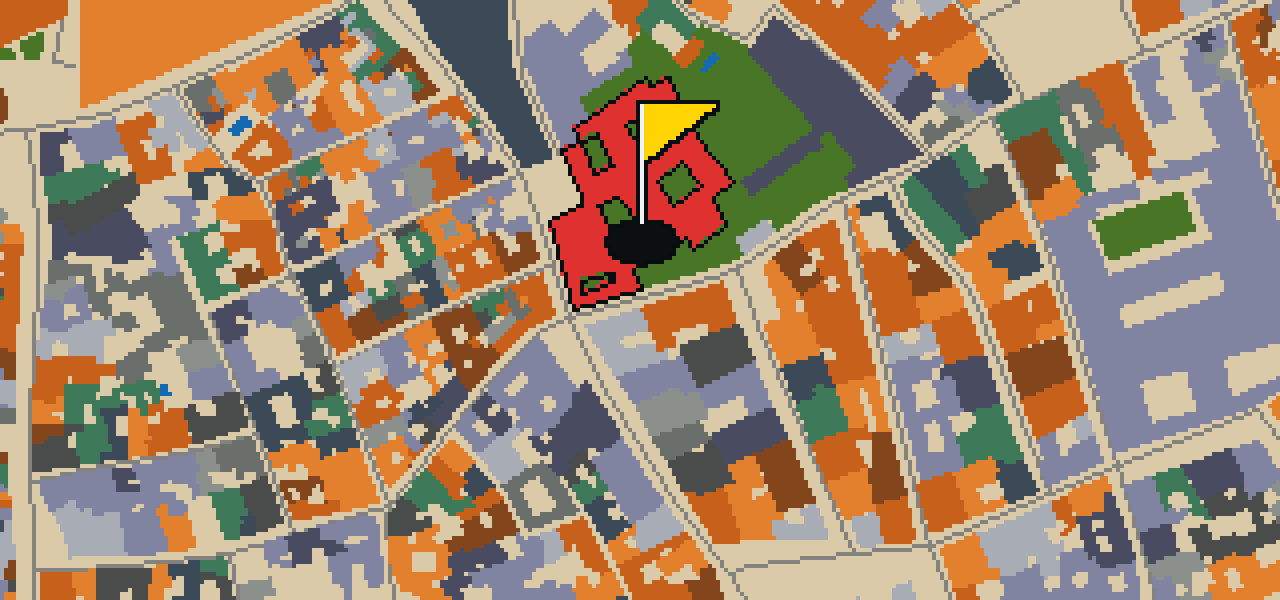
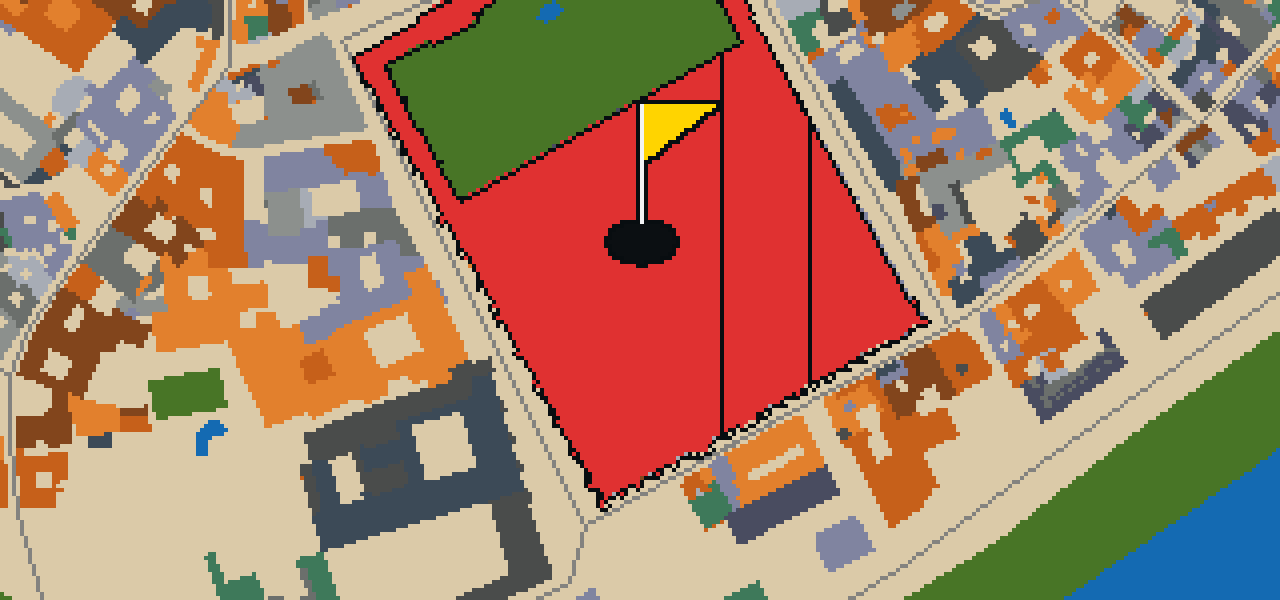
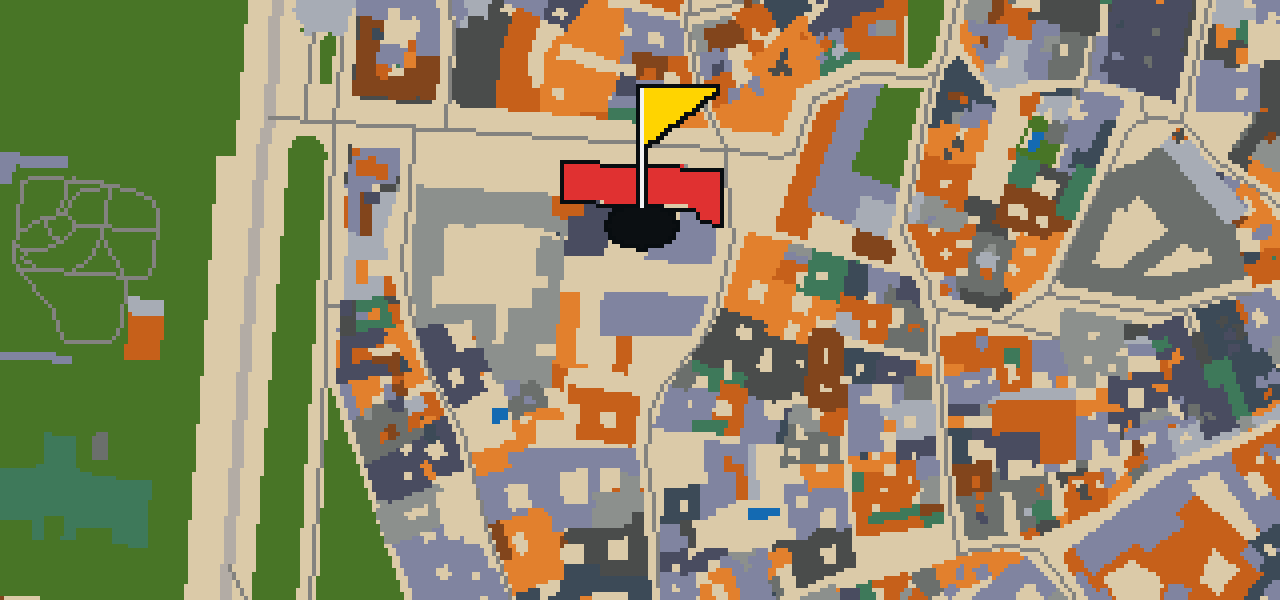
Mezquita-Catedral de Córdoba

Located in the Spanish region of Andalusia, the Mezquita-Catedral de Córdoba is a congregational mosque and a cathedral. This site is the cathedral of the Roman Catholic Diocese of Córdoba and is built in the Islamic architecture style. Its inception was in 786, and it reaches a height of 54 meters. Architects of the building include Ahmad Ben Baso, Hernán Ruiz, and Juan de Ochoa. It is a World Heritage Site and a bien de interés cultural, drawing 1,500,000 annual visitors.

Wikidata · Wikipedia

HOLE 2 - PAR 3

Iglesia de San Juan y Todos los Santos

This is not the original convent, but the Iglesia de San Juan y Todos los Santos. This Baroque Catholic church is located on the Plaza de la Trinidad in Córdoba, Spain. It stands on the site of the former Convento de la Trinidad, which was established shortly after Fernando III conquered the city in 1236. The building is a bien de interés cultural and forms part of the Historic centre of Córdoba, a UNESCO World Heritage site. You can see how the structure integrates into the surrounding square.

Wikidata · Wikipedia

HOLE 3 - PAR 3

Museo Arqueológico y Etnológico de Córdoba

The Museo Arqueológico y Etnológico de Córdoba is both an archaeological museum and an ethnographic museum located in Córdoba. This institution was founded in 1868 and was designed by the architect Hernán Ruiz Jiménez. It is officially recognized as a bien de interés cultural. On average, the museum welcomes 291,832 annual visitors. I have noticed that the crowds here are often as diverse as the exhibits themselves, making it a lively place to spend an afternoon. It is a great spot to see how the city preserves its deep history and cultural identity.

Wikidata · Wikipedia

HOLE 4 - PAR 3

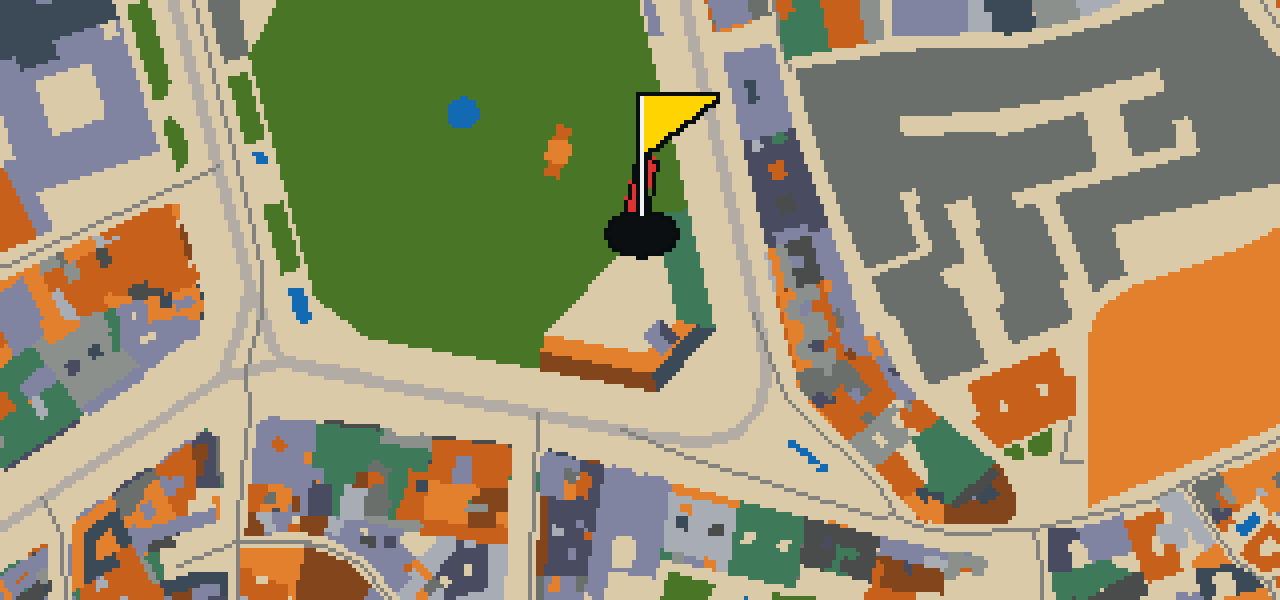
La Sinagoga

Located at 20 Calle de los Judíos in the Jewish Quarter of Córdoba, Andalusia, La Sinagoga is a synagogue. It is a desecrated synagogue that now functions as a museum building. The structure is built in the Moorish architecture style and is recognized as both a Monument (Spain) and a bien de interés cultural. The site is a significant point of interest for those visiting the city, receiving 73,980 annual visitors. You can see the specific architectural influences that define this part of the neighborhood while visiting the museum.
Wikidata · Wikipedia

HOLE 5 - PAR 3

Iglesia de San Nicolás de la Villa

Located in the city of Córdoba, Andalusia, the Iglesia de San Nicolás de la Villa is a church building in southern Spain. This site is built in the Gothic architecture style, which you can see in the structural details of the building. Because of its significance to the region, it is officially designated as a bien de interés cultural. Visitors to Córdoba can observe this architectural style as part of the city's wider cultural heritage in southern Spain.

Wikidata · Wikipedia

HOLE 6 - PAR 3

Templo romano

You will see the remains of a Roman temple located in the angle formed by the streets Claudio Marcelo and Capitulares. This archaeological site is a Pseudoperipterus, hexastyle and of Corinthian order temple. The ruins were discovered in the 1950s during the expansion of City Hall. It is officially designated as a bien de interés cultural. Visitors can observe the specific layout of the ruins, which provide a direct look at the Roman presence in the city through the surviving columns and foundations of the temple.

Wikidata · Wikipedia

HOLE 7 - PAR 3

Iglesia de Santa Marina de Aguas Santas

In Córdoba, you can find the Iglesia de Santa Marina de Aguas Santas. This church building is one of the Fernandinean Churches and was built after Ferdinand III of Castile conquered the city in 1236 CE. It is designed in the Gothic architecture style and is designated as a bien de interés cultural. For those visiting the site, the structure is particularly notable for how it combines proto-Gothic, Mudéjar and late-Romanesque elements. It remains a significant example of the religious architecture established in the city following the conquest.

Wikidata · Wikipedia

HOLE 8 - PAR 3

Iglesia de San Lorenzo

King Ferdinand III of Castile commissioned twelve religious buildings in the city after its conquest in the early 13th century. One of these is the Iglesia de San Lorenzo, a church building situated in the historic centre of Córdoba, Andalusia, southern Spain. You can pick out the Gothic architecture that defines the style of the building. Because of its significance to the region and its history, the church is officially recognized as a bien de interés cultural.

Wikidata · Wikipedia

HOLE 9 - PAR 2

Iglesia de San Andrés

Iglesia de San Andrés is a church building and a monument located in the city of Córdoba. This site is officially recognized as a bien de interés cultural, a designation that highlights its importance to the heritage of the region. As you move through the city, you can observe the architecture of this historic building and its standing as a monument. Its designation as a bien de interés cultural ensures that this church building is preserved as a significant landmark for the public to appreciate.

Wikidata

HOLE 11 - PAR 3

Palacio Marqués de Viana

As you move through Córdoba, you will come across the Palacio Marqués de Viana. This site is a palace and is designated as a bien de interés cultural. It is a key landmark for anyone interested in the city's architectural history and heritage. I have spent plenty of time watching the crowds gather around this area, and it always feels like a central piece of the neighborhood's character. Whether you are a tourist or a golfer, this palace is a highlight of the local scenery.

Wikidata

HOLE 12 - PAR 4

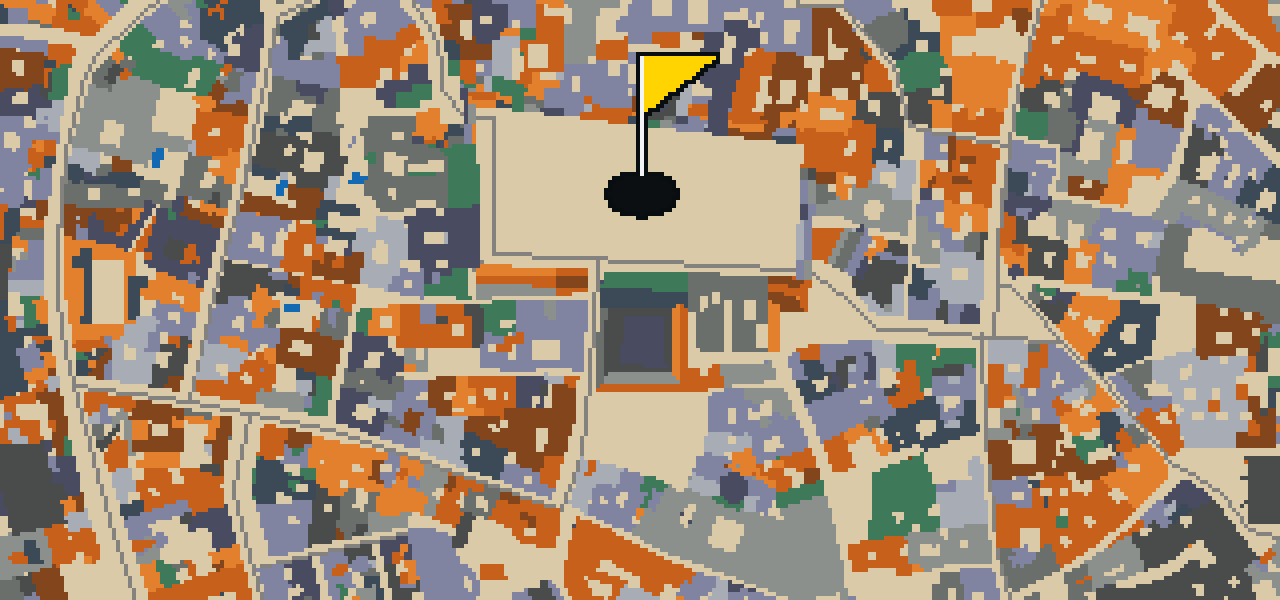
Plaza de la Corredera

You might expect a typical open plaza, but Plaza de la Corredera is actually a porticoed square. This specific architectural style gives the space a distinct character compared to other city centers. Because of its significance, it is officially designated as a bien de interés cultural. I've found that the covered walkways make it a great spot to people-watch without being directly in the sun, which is a relief when the heat kicks in. Let me show you around this unique space where the buildings wrap around the edges to create a sheltered perimeter for visitors.

Wikidata

HOLE 13 - PAR 2

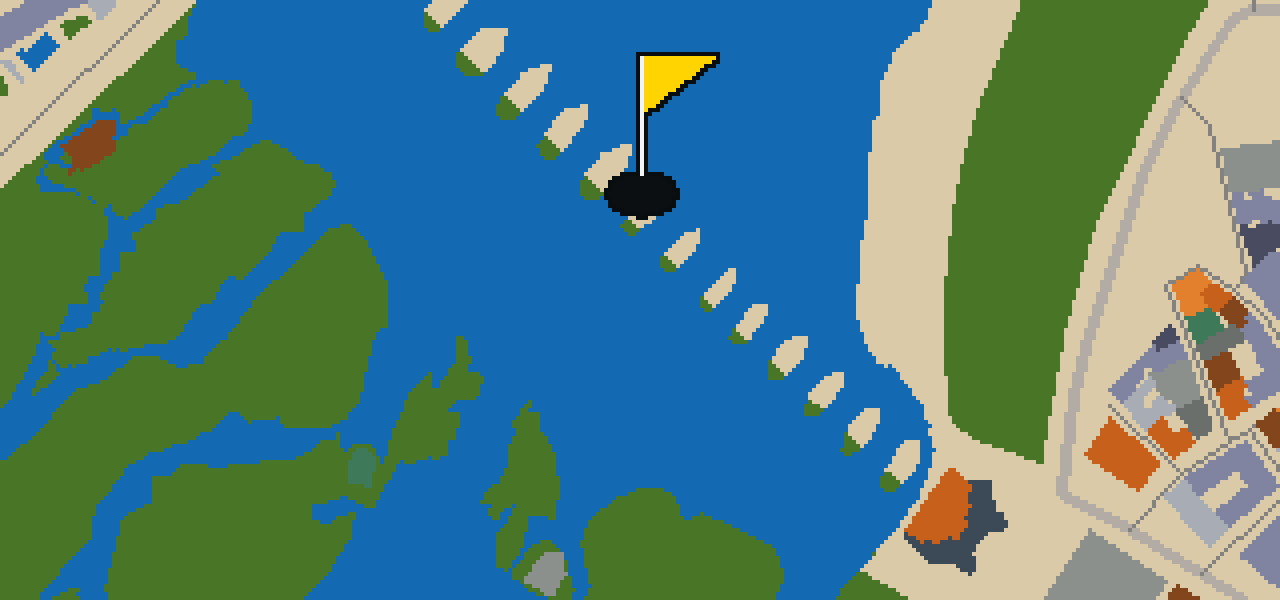
Puente Romano

You will first notice the sturdy stone arches of Puente Romano crossing the water. This Roman bridge is located in the Historic centre of Córdoba, Andalusia, southern Spain. Beyond its use as a crossing, the site is an archaeological site. It is officially recognized as a bien de interés cultural and a Bien en el Catálogo General del Patrimonio Histórico Andaluz. I always find the scale of these old stones impressive when I'm gliding over them, and you can pick out the way the stone has weathered over time. It is a fine example of an arch bridge that still defines the city's layout.

Wikidata · Wikipedia

HOLE 14 - PAR 3

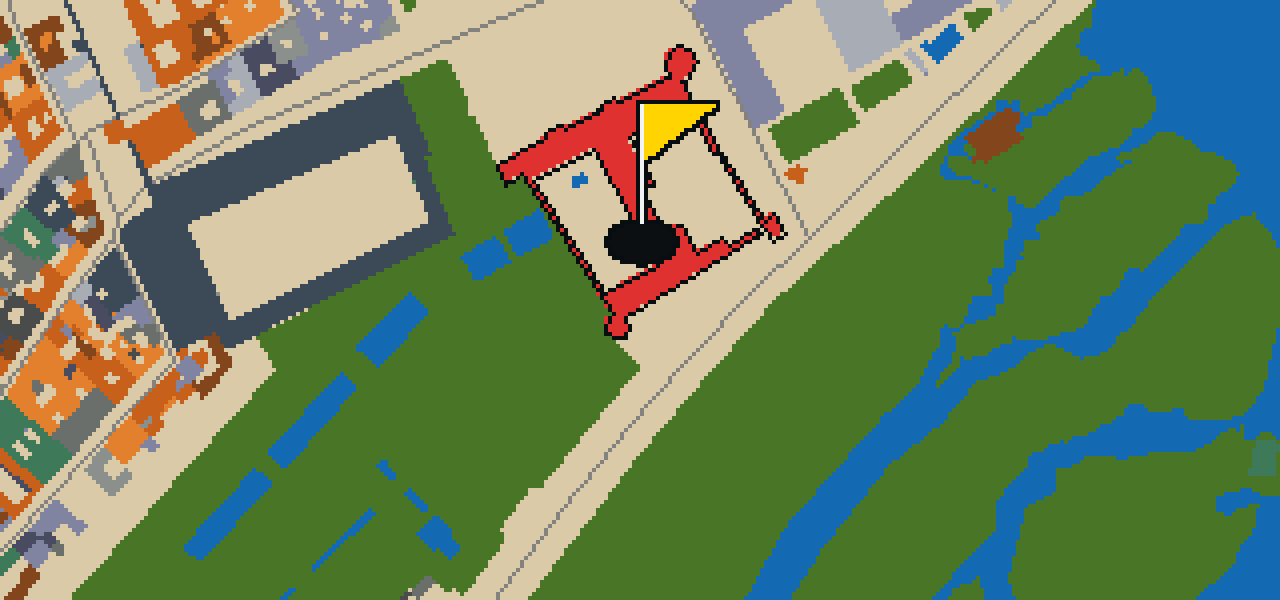
Alcázar de los Reyes Cristianos

Look at the defensive walls of the Alcázar de los Reyes Cristianos, also known as the Alcázar of Córdoba. This medieval fortress is located in the historic centre of the city, situated near the Mosque-Cathedral and next to the Guadalquivir River. It served as one of the primary residences of Ferdinand II of Aragon and Isabella I of Castile. I have found that the river breeze makes the walk over here quite pleasant, and the proximity to the river helps you orient yourself within the old city. It is a great spot to see how the city's fortifications were built.

Wikidata · Wikipedia

HOLE 15 - PAR 3

Torre de la Calahorra - Museo Vivo de Al-Ándalus

Don't let the name fool you into thinking this is a simple spire; the Torre de la Calahorra - Museo Vivo de Al-Ándalus is actually a fortified gate. Located in Córdoba, this tower is an edifice of Islamic origin. It is officially recognized as a bien de interés cultural, making it a significant stop for anyone visiting the historic centre of the city. I've noticed it's a great spot to pause and appreciate the old fortifications before moving on to the next sight.

Wikidata · Wikipedia

HOLE 16 - PAR 4

Torre de Belén

The Torre de Belén is a tower and archaeological site located in the San Basilio neighbourhood of Córdoba, Spain. It is a city gate that provides a clear example of a former defensive gate used to provide access to a walled enclosure. Because it is part of the Historic centre of Córdoba, it is included as a UNESCO World Heritage Site. I've found the surrounding streets are great for a stroll once you've finished admiring the old stonework. It is a great spot to pause and consider how the city's borders used to look.

Wikidata · Wikipedia

HOLE 17 - PAR 3

Plaza del Potro

Plaza del Potro is a public square located in the Spanish city of Córdoba. This open space is designated as a bien de interés cultural, a title that reflects its significance to the region. When you visit, you can see how the square fits into the wider layout of the city. I've noticed that the open air here makes it a great spot to pause and get your bearings before heading deeper into the historic center of Córdoba.

Wikidata · Wikipedia

HOLE 18 - PAR 3

Iglesia de San Miguel

Iglesia de San Miguel is a Roman Catholic church located in Córdoba, Andalusia, southern Spain. This building is a monument and a Catholic parish church designed in the Gothic architecture style. Its history begins in the early 13th century, as San Miguel is one of the twelve churches built by order of King Ferdinand III of Castile in the city after its conquest. The site remains a significant point of interest in the city today. In 1931, the church was officially declared a monument of national interest.

Wikidata · Wikipedia

STOP 19

Almorabito

This site is not an ancient ruin, but Almorabito is a mosque and library located in Córdoba, Spain. It is considered Spain's first modern mosque. The building was constructed during the Spanish Civil War to serve as a gift for the Muslim soldiers of general Francisco Franco. Carlos Sáenz de Santa María y de los Ríos acted as the architect for the project. Visitors can see how this structure combines the functions of a place of worship and a library within its walls, standing as a specific historical marker in the city of Córdoba.

Wikidata · Wikipedia

OTHER COURSES

18 HOLES - PAR 52

Valencia

18 stops

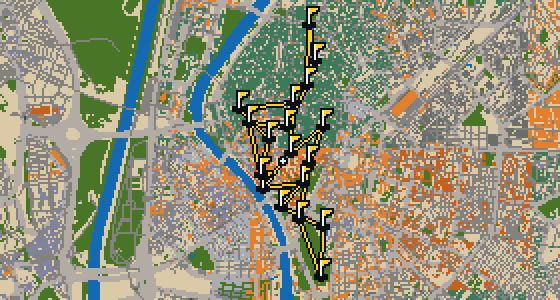
The ball finds its mark at the Catedral de València to end a full round through Valencia. The map is the real city and the game is played on its actual streets, where real attractions form the holes. Skip knows these sidewalks and corners by heart, having spent plenty of time dodging crumbs on the pavement. This walk covers 10.1 km over 18 holes with a par of 52, using 44 portals to bridge the gaps between distant districts.

18 HOLES - PAR 57

Seville

18 stops

Sevilla is the setting for this round, with the map mirroring the real city and the ball rolling across its actual streets. The holes are built from real attractions, starting at the Catedral de Sevilla. Skip is a local guide who knows every corner of the place. This full round of 18 holes covers 11.3 km with a par of 57, using 34 portals to bridge the gaps between the landmarks.

9 HOLES - PAR 28

Santiago de Compostela

9 stops

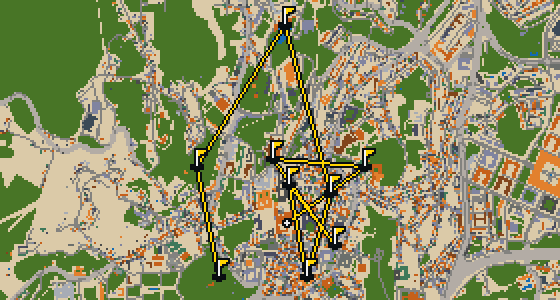
Santiago de Compostela is the setting for this quick nine-hole round. The map uses the real city and its streets for the course, with the Catedral de Santiago de Compostela and other local attractions forming the holes. Skip knows these sidewalks well. The ball travels 5.2 km, using 14 portals to move across the city.

9 HOLES - PAR 27

Palma

9 stops

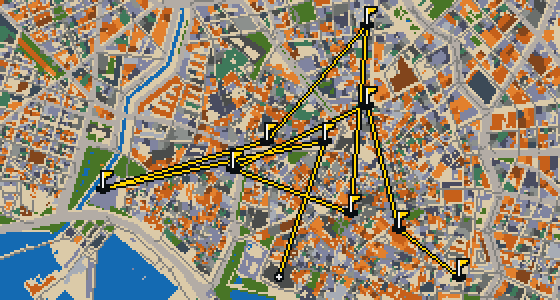
Palma de Mallorca is the setting for this round, where the map is the real city and the ball rolls along its actual streets. The holes are built from real attractions, ending at El Temple. Skip knows these alleys well, even if a few crumbs usually distract the guide. This quick 9-hole round covers 4.8 km with a par of 27, using 22 portals to skip across town.

18 HOLES - PAR 56

Málaga

18 stops

Malaga is the setting for this round, where the map is the actual city and the ball rolls across its real streets. The holes are built from local attractions, including the Catedral de Málaga. Skip knows every corner of these neighborhoods and the best places to perch. This full round of 18 holes covers 11 km with a par of 56, moving between districts via 56 portals. A few crumbs might fall along the way as the ball travels the pavement.

FAQ

Is it free to play?

Yes. Every course runs in the browser with no account and no install.

Do I need to be in the city?

No. The full round plays from anywhere. Walking the real route is a nice way to see the city, but it is not required.

Are the maps real?

Yes. The geometry comes from OpenStreetMap data, rendered chunky on purpose. Streets, water and parks sit where they really are.