
PALMA - 9 HOLES - FREE

PALMA
CITY MAP MINIGOLF

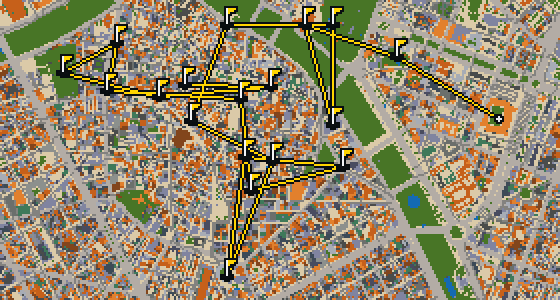
Palma - 9 stops - par 27

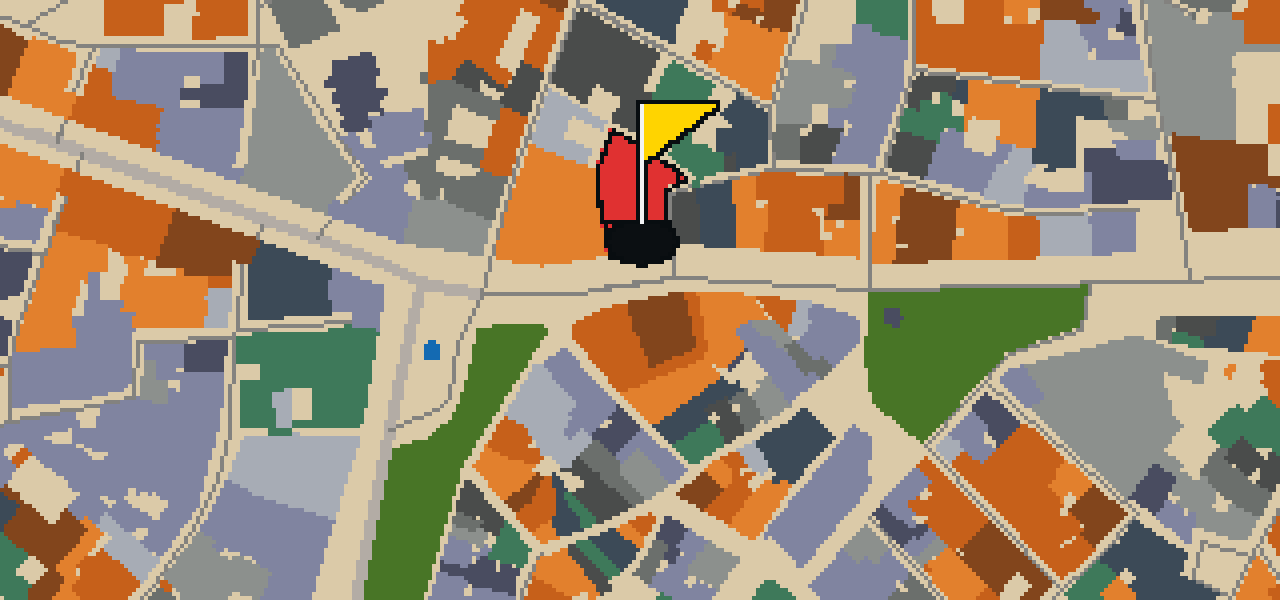
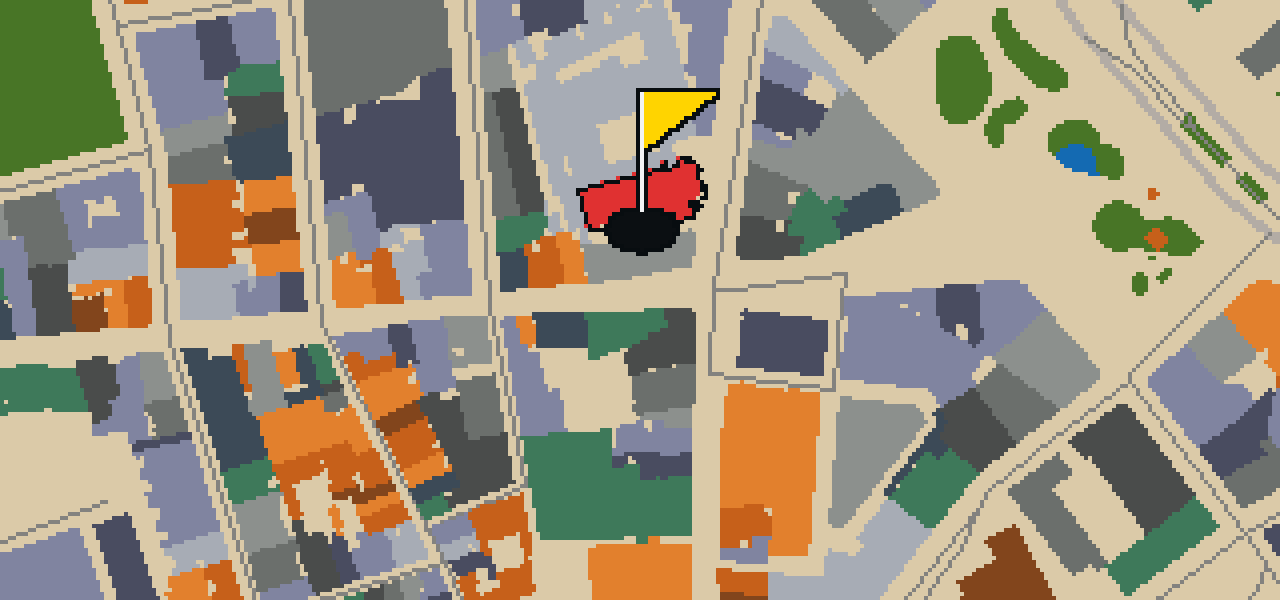
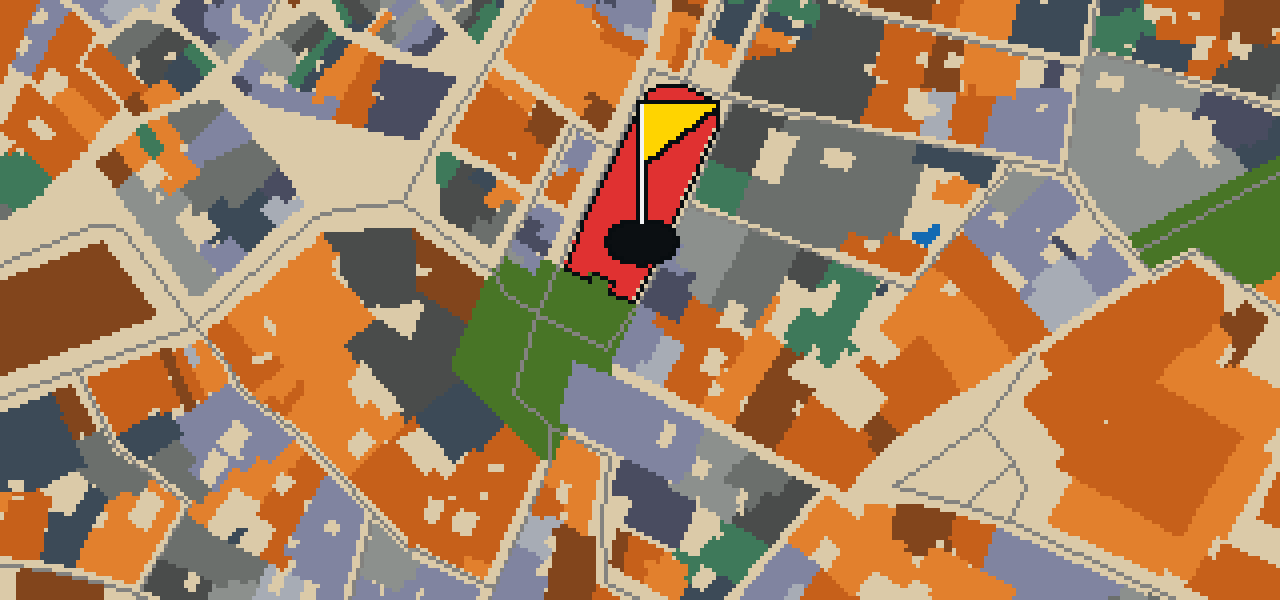
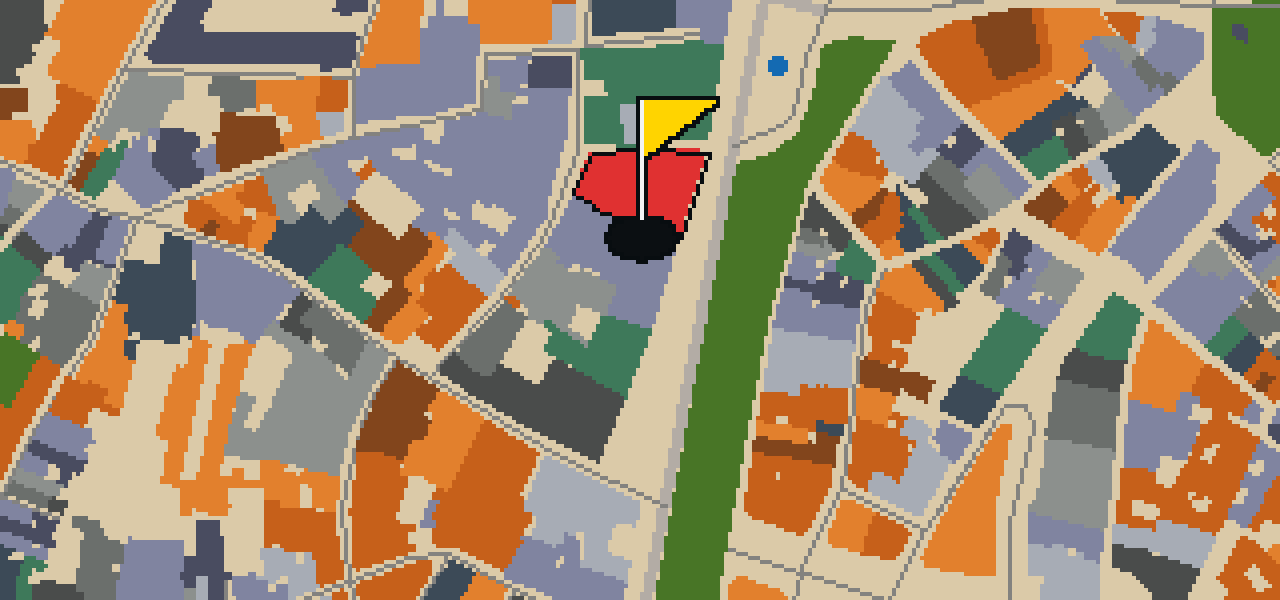
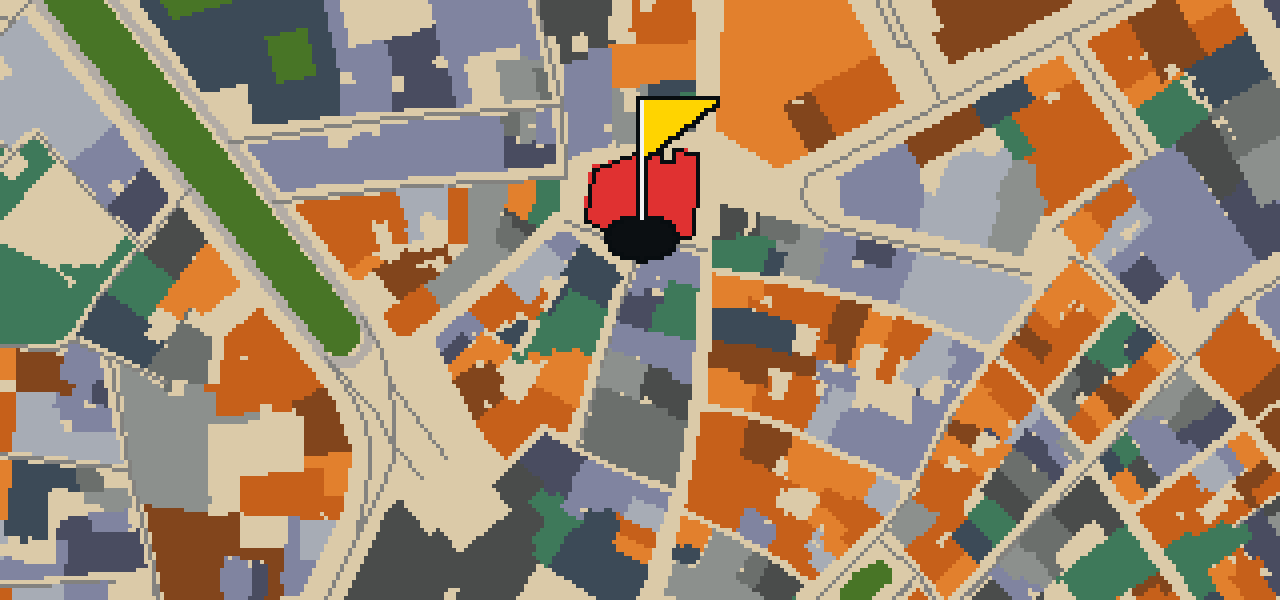
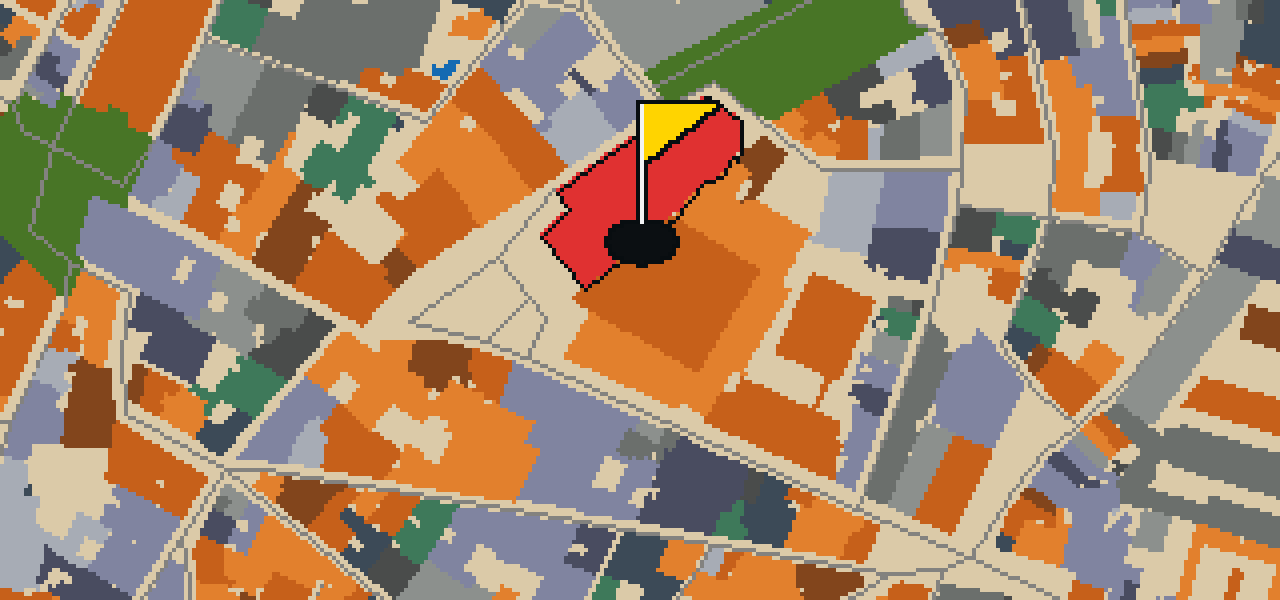
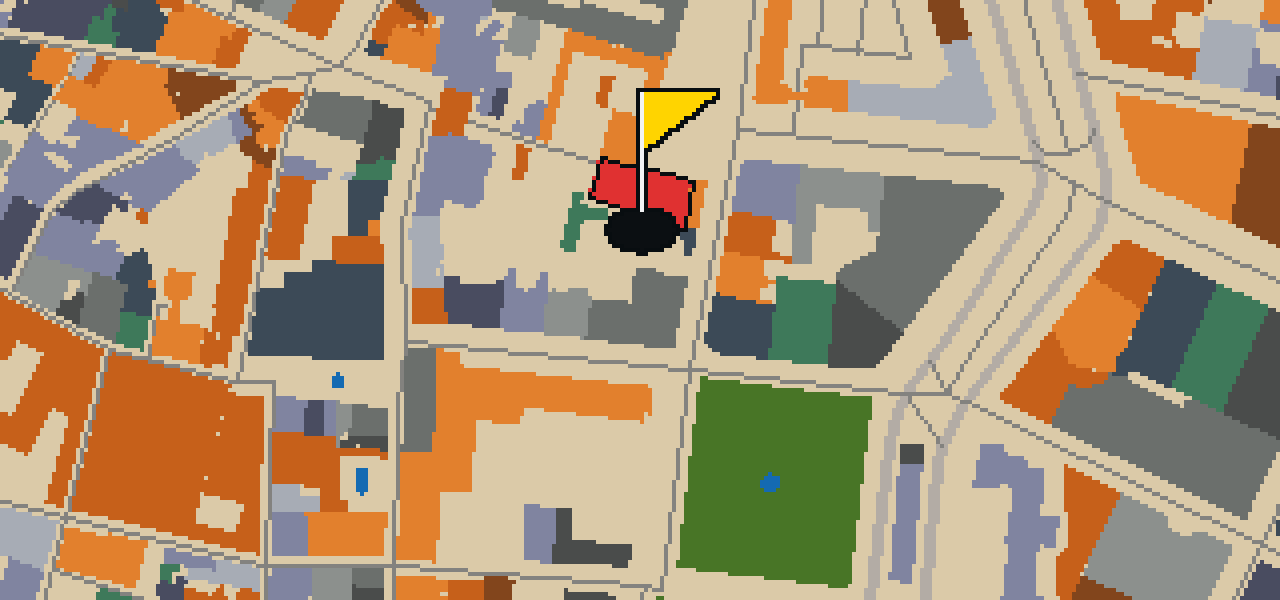
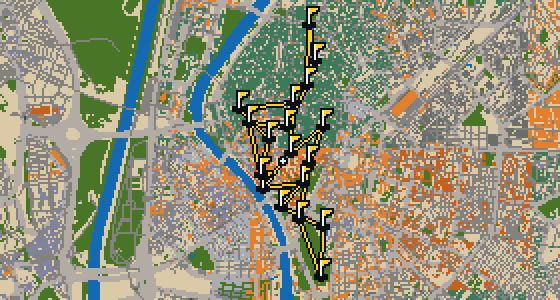
Palma de Mallorca is the setting for this round, where the map is the real city and the ball rolls along its actual streets. The holes are built from real attractions, ending at El Temple. Skip knows these alleys well, even if a few crumbs usually distract the guide. This quick 9-hole round covers 4.8 km with a par of 27, using 22 portals to skip across town.

Trouble loading? Open the game in its own tab.

HOW IT WORKS

01

Pick a city

The course is drawn on the real street grid, so the map you play is the map you walk.

02

Putt to the pin

Drag to aim, release to swing. Buildings bounce and water costs you a stroke.

03

Sightsee between strokes

Every hole ends at an attraction. Sink the putt, read the story, walk to the next tee.

THE PALMA ROUND - STOP BY STOP

HOLE 1 - PAR 3

La Seu

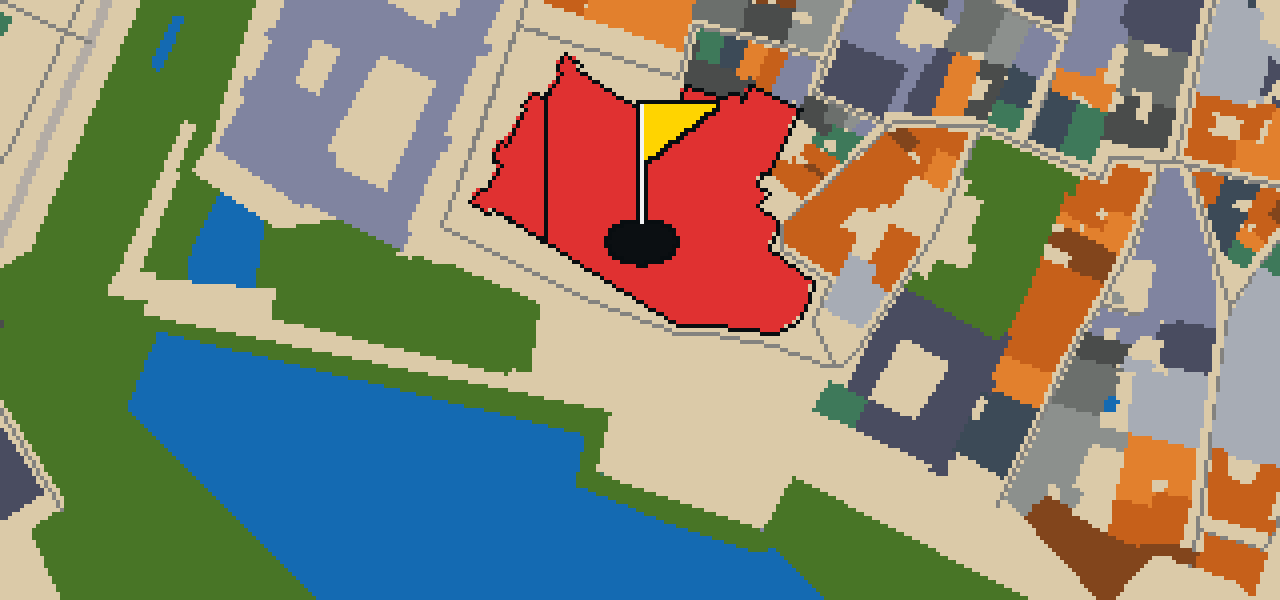
The rose window of La Seu has a diameter of nearly 14 meters, letting light flood into the interior of the building. This Catholic cathedral and minor basilica is located in Palma, Mallorca, Spain. Built in the Gothic architecture style, the structure's inception was in 1228. When you enter, you can look up to see a nave that is 44 meters high, creating a vast sense of space within the walls. The site is designated as a bien de interés cultural, marking its importance to the region's heritage. It is known locally as the Cathedral of Santa Maria of Palma, and it remains one of the most prominent landmarks in the city for visitors to observe.
Wikidata · Wikipedia

HOLE 2 - PAR 4

Gran Hotel CaixaForum

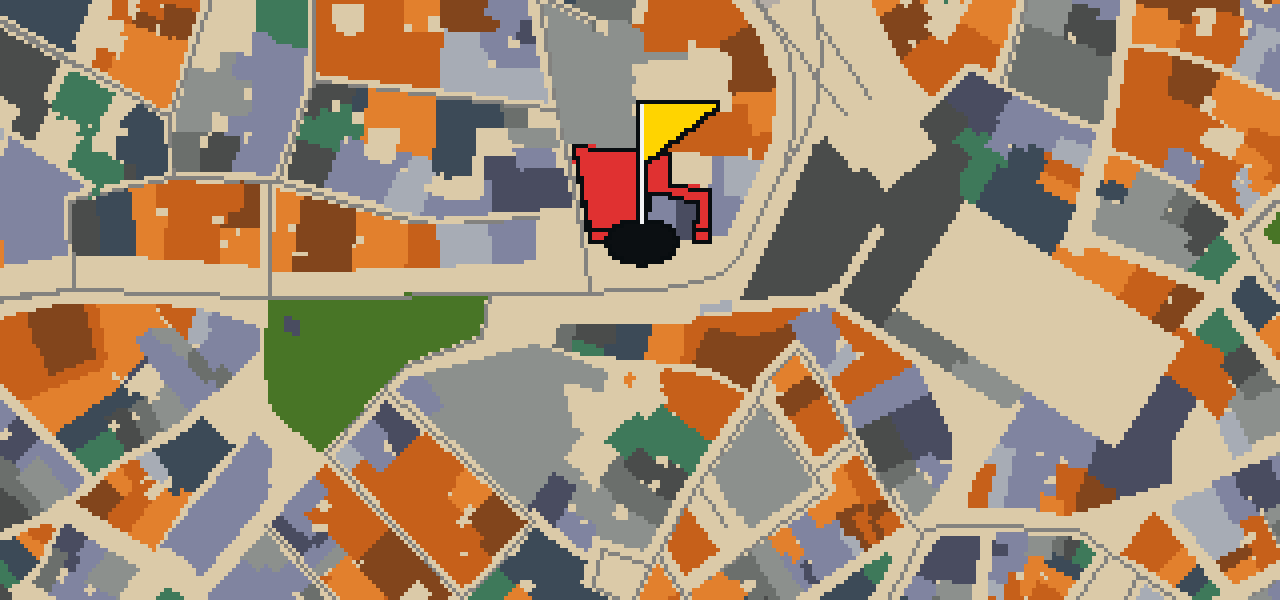
Look closely at the curved lines and organic shapes of the facade; these are the hallmarks of the Art Nouveau architecture style. This is the Gran Hotel CaixaForum, a hotel building and monument located in Plaza Weyler, in Palma. Designed by the architect Lluís Domènech i Montaner, the project was started in 1903. Because of its artistic and historical importance, it is recognized as a bien de interés cultural. While it began as a hotel, the building opened as a CaixaForum in 1993. I usually find the best views of the stonework from the plaza, though you have to keep an eye out for other pigeons trying to steal your spot.

Wikidata · Wikipedia

HOLE 3 - PAR 3

Es Baluard

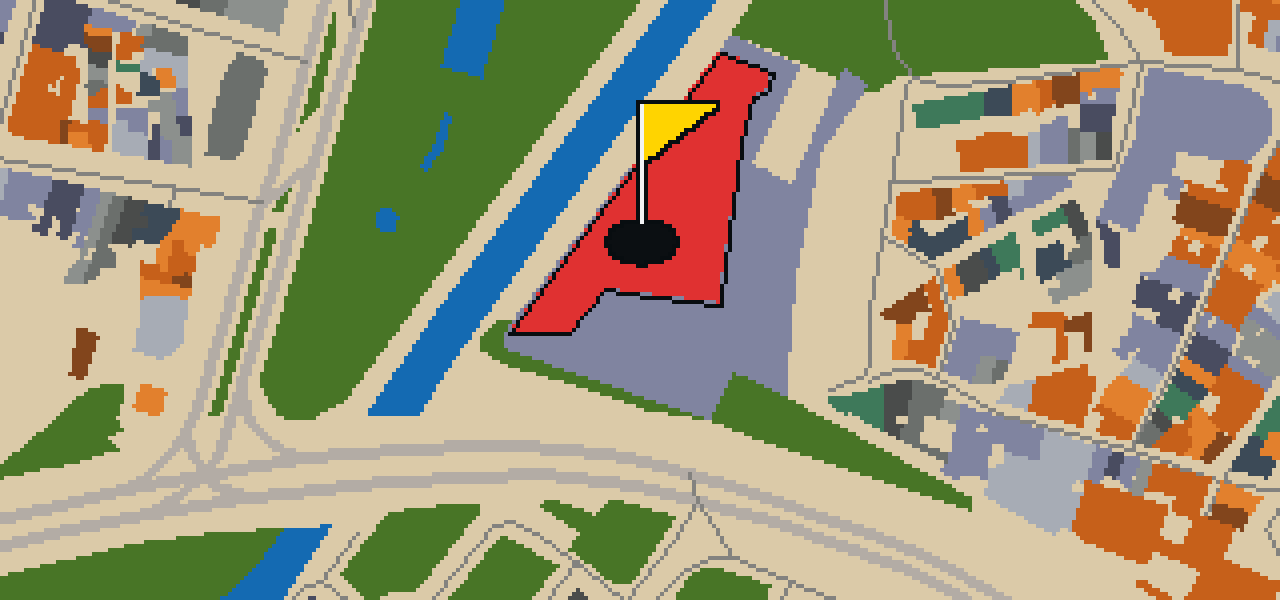
Es Baluard is an art museum and art gallery located in Palma. It holds a reserve of more than 700 works of art, which you can pick out based on their connection to artists from the Balearic Islands or those of international renown. The museum was inaugurated on 30 January 2004. I've always found the mix of local and global art here makes for a great stroll. It is a central spot for anyone interested in the artistic heritage of the region and the wider world. Whether you are visiting for a specific exhibit or just wandering through the galleries, there is plenty to see in this space that brings together diverse voices and styles from across the globe and the islands.

Wikidata · Wikipedia

HOLE 4 - PAR 3

Casal Balaguer

Let me show you Casal Balaguer, which is a manor house. This building was started in 1699 and stands as a significant piece of the city's architectural history. Today, it has a different purpose and operates as a cultural center, where the public can engage with various exhibitions and community events. You can pick out the distinct features of the manor house as you walk through the space, noticing how the structure has adapted to its current role. I've found that the transition from a private residence to a public cultural center gives the building a unique energy. It is a useful stop for anyone wanting to see how the city's old residential estates have been preserved and repurposed for the benefit of the people living and visiting in Palma today.

Wikidata

HOLE 5 - PAR 3

Santa Margalida

Santa Margalida is an abbey church. This site is a bien de interés cultural, a designation that marks its importance and provides a level of official protection for the structure. When you visit, you can see the architecture of the abbey church and observe the details that make it a bien de interés cultural. It is a place of significance within the city of Palma de Mallorca, where the history of the abbey church is preserved. Visitors can take a moment to look at the building and consider the meaning behind its classification as a bien de interés cultural. The site remains a key point of interest for those wanting to see an abbey church in this region.

Wikidata

HOLE 6 - PAR 3

Santa Eulàlia

Located within the city, Santa Eulàlia is a parish church and a prominent building. It is characterized by its Gothic architecture and Gothic Revival style. Because of its historical and architectural importance, it is officially recognized as a bien de interés cultural. Visitors can observe how these two distinct styles blend together in the structure of the church. The building represents a specific intersection of these design movements, making it a point of interest for those exploring the religious heritage of the area. As you walk past the facade, you can pick out the details that define these architectural periods. It is a place of worship that maintains its role as a parish church while serving as a protected cultural asset for the city and its visitors.

Wikidata

HOLE 7 - PAR 3

Casal Solleric

Let me show you Casal Solleric, a site that is both a manor house and a monument. When you look at the building, you can pick out the baroque architecture style that defines its appearance. Beyond the visual appeal of the facade, this location holds a special status as a bien de interés cultural. It is a place where the city's historical identity is preserved through its architecture and official protections. I always find that the intricate details of the baroque style make it one of the most interesting stops on your walk through the neighborhood. Whether you are a fan of old buildings or just passing through, this monument is a key part of the local scenery in Palma de Mallorca that is well worth a moment of your time.

Wikidata

HOLE 8 - PAR 3

Església de Sant Miquel

Església de Sant Miquel is a church building that holds the status of a minor basilica. It is a significant site for those interested in the evolution of religious buildings in the city. When you look at the structure, you can pick out elements of the Gothic architecture style alongside the baroque architecture style. These two distinct periods of design coexist within the same building, providing a clear example of how different aesthetic movements influenced the city's ecclesiastical landmarks. The presence of both the baroque architecture style and the Gothic architecture style makes this minor basilica a unique point of study for visitors. By observing the facade and the interior, you can see how these different architectural traditions were integrated into a single place of worship.

Wikidata

HOLE 9 - PAR 2

Esglèsia de Sant Francesc

Esglèsia de Sant Francesc is built in both Gothic and baroque architectural styles. This structure functions as an abbey church and a minor basilica. Because of its importance to the city and the region, it is recognized as a bien de interés cultural. You can see the transition between the two distinct architectural periods in the building's design. The combination of the Gothic and baroque elements creates a visual history of the site's development over time. Visitors often notice how these two styles coexist within the same walls, providing a clear example of how different eras of design were integrated into a single place of worship. This blend of styles is a primary reason why the building holds its specific cultural designations today.

Wikidata

STOP 10

El Temple

Look closely at the heavy stones and defensive lines of El Temple. This site is a fortification, a place built for protection and strength within the city. Beyond its physical walls, the location holds a special official status as a bien de interés cultural, which marks it as a site of significant cultural interest. Whether you are interested in military history or local heritage, this landmark is a key part of the local scenery. I always find the scale of these old defenses impressive compared to the modern streets surrounding them. It is the kind of place where you can really feel the weight of the city's past just by standing near the perimeter. Take a moment to appreciate the masonry before you move on to your next destination in Palma.

Wikidata

OTHER COURSES

18 HOLES - PAR 52

Valencia

18 stops

The ball finds its mark at the Catedral de València to end a full round through Valencia. The map is the real city and the game is played on its actual streets, where real attractions form the holes. Skip knows these sidewalks and corners by heart, having spent plenty of time dodging crumbs on the pavement. This walk covers 10.1 km over 18 holes with a par of 52, using 44 portals to bridge the gaps between distant districts.

18 HOLES - PAR 57

Seville

18 stops

Sevilla is the setting for this round, with the map mirroring the real city and the ball rolling across its actual streets. The holes are built from real attractions, starting at the Catedral de Sevilla. Skip is a local guide who knows every corner of the place. This full round of 18 holes covers 11.3 km with a par of 57, using 34 portals to bridge the gaps between the landmarks.

9 HOLES - PAR 28

Santiago de Compostela

9 stops

Santiago de Compostela is the setting for this quick nine-hole round. The map uses the real city and its streets for the course, with the Catedral de Santiago de Compostela and other local attractions forming the holes. Skip knows these sidewalks well. The ball travels 5.2 km, using 14 portals to move across the city.

18 HOLES - PAR 56

Málaga

18 stops

Malaga is the setting for this round, where the map is the actual city and the ball rolls across its real streets. The holes are built from local attractions, including the Catedral de Málaga. Skip knows every corner of these neighborhoods and the best places to perch. This full round of 18 holes covers 11 km with a par of 56, moving between districts via 56 portals. A few crumbs might fall along the way as the ball travels the pavement.

18 HOLES - PAR 52

Madrid

18 stops

Madrid is the setting for this round, where the map is the real city and the ball rolls across its actual streets. Real attractions, like the Teatro Real, are what the holes are built from. Skip is a local guide who knows the place and its shortcuts. This full round of 18 holes covers 10.5 km with a par of 52, using 160 portals to bridge the gaps between the landmarks. A few feathers might fly along the way.

FAQ

Is it free to play?

Yes. Every course runs in the browser with no account and no install.

Do I need to be in the city?

No. The full round plays from anywhere. Walking the real route is a nice way to see the city, but it is not required.

Are the maps real?

Yes. The geometry comes from OpenStreetMap data, rendered chunky on purpose. Streets, water and parks sit where they really are.