
SANTIAGO DE COMPOSTELA - 9 HOLES - FREE

SANTIAGO DE COMPOSTELA
CITY MAP MINIGOLF

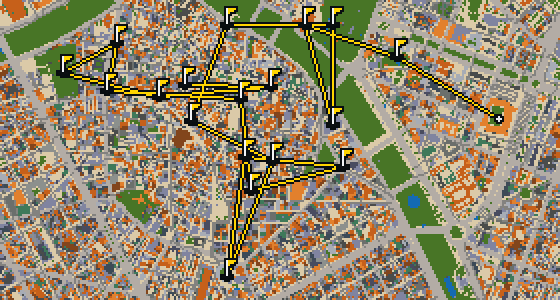
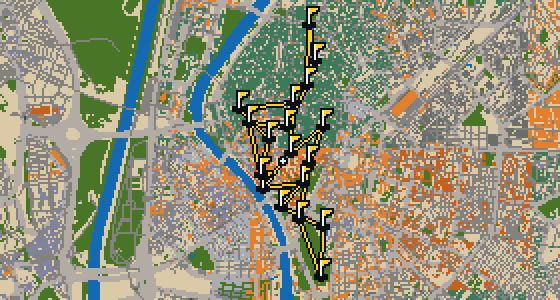
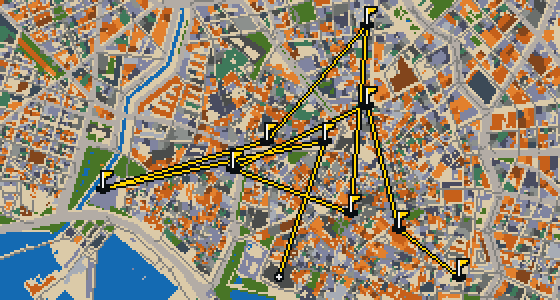
Santiago de Compostela - 9 stops - par 28

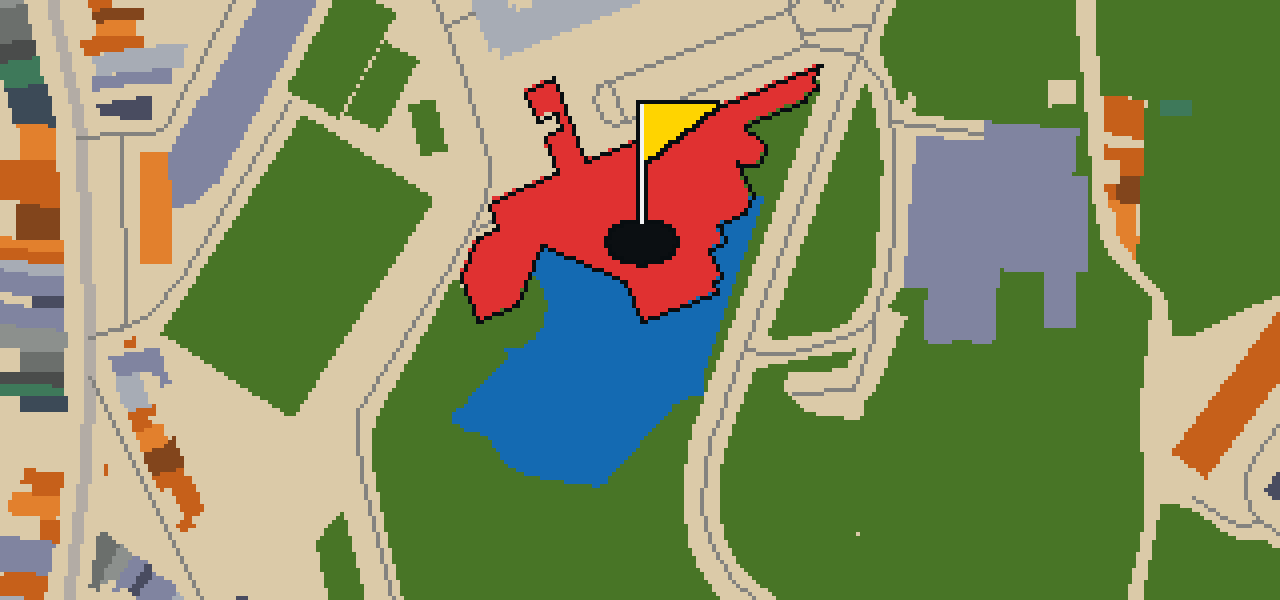
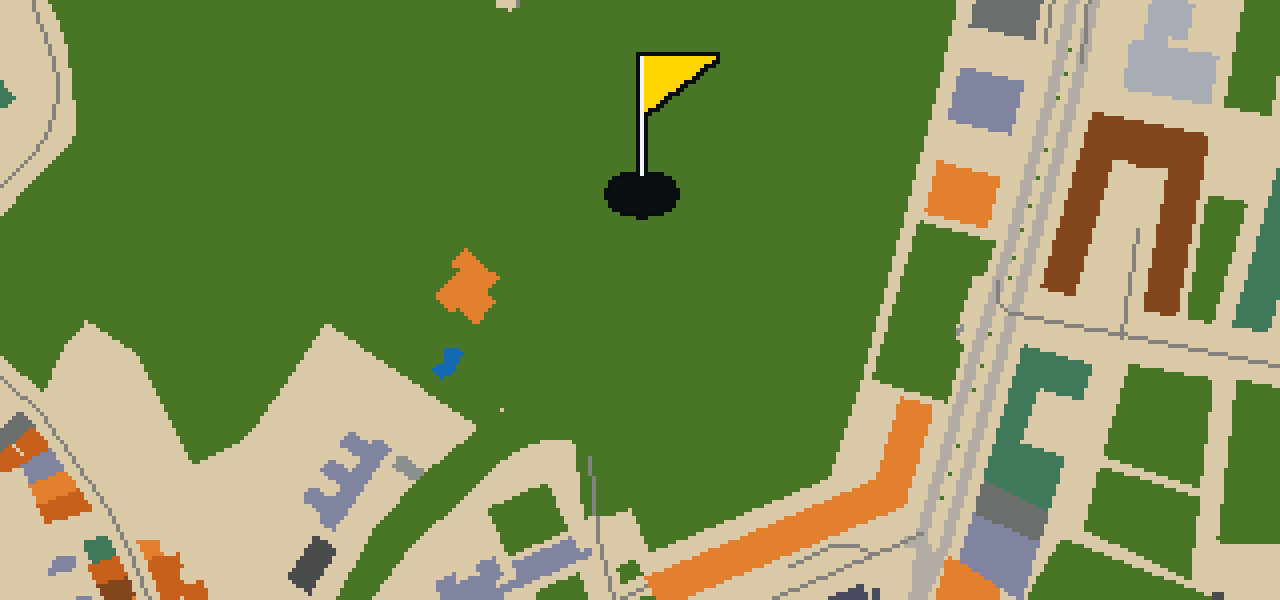
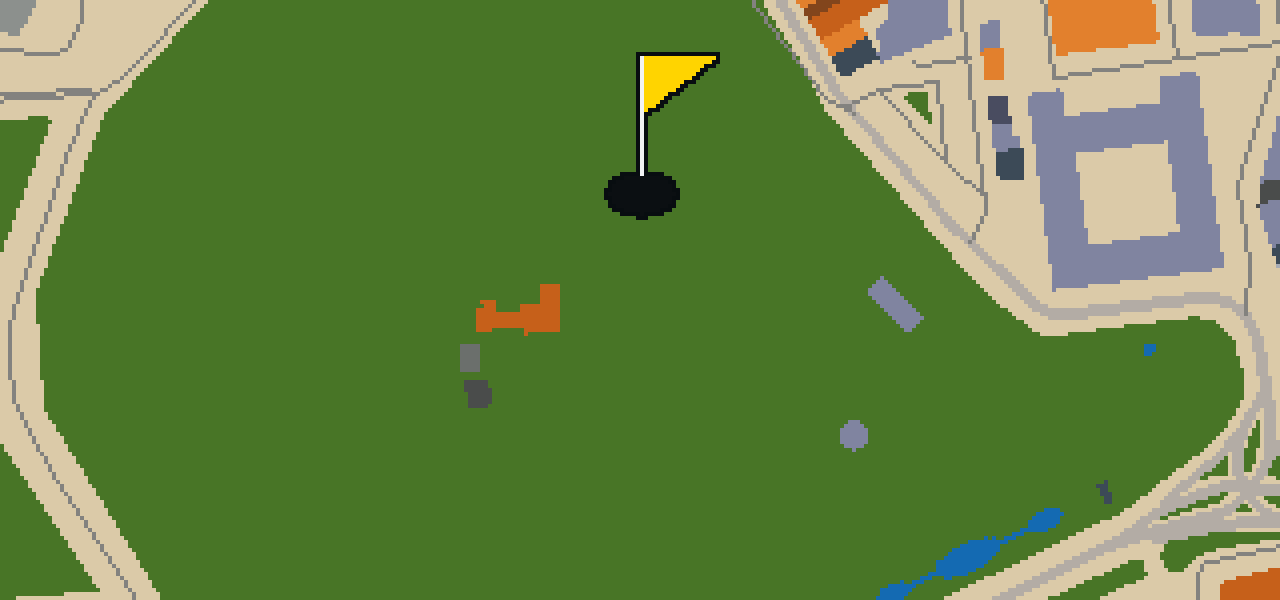
Santiago de Compostela is the setting for this quick nine-hole round. The map uses the real city and its streets for the course, with the Catedral de Santiago de Compostela and other local attractions forming the holes. Skip knows these sidewalks well. The ball travels 5.2 km, using 14 portals to move across the city.

Trouble loading? Open the game in its own tab.

HOW IT WORKS

01

Pick a city

The course is drawn on the real street grid, so the map you play is the map you walk.

02

Putt to the pin

Drag to aim, release to swing. Buildings bounce and water costs you a stroke.

03

Sightsee between strokes

Every hole ends at an attraction. Sink the putt, read the story, walk to the next tee.

THE SANTIAGO DE COMPOSTELA ROUND - STOP BY STOP

HOLE 1 - PAR 3

Catedral de Santiago de Compostela

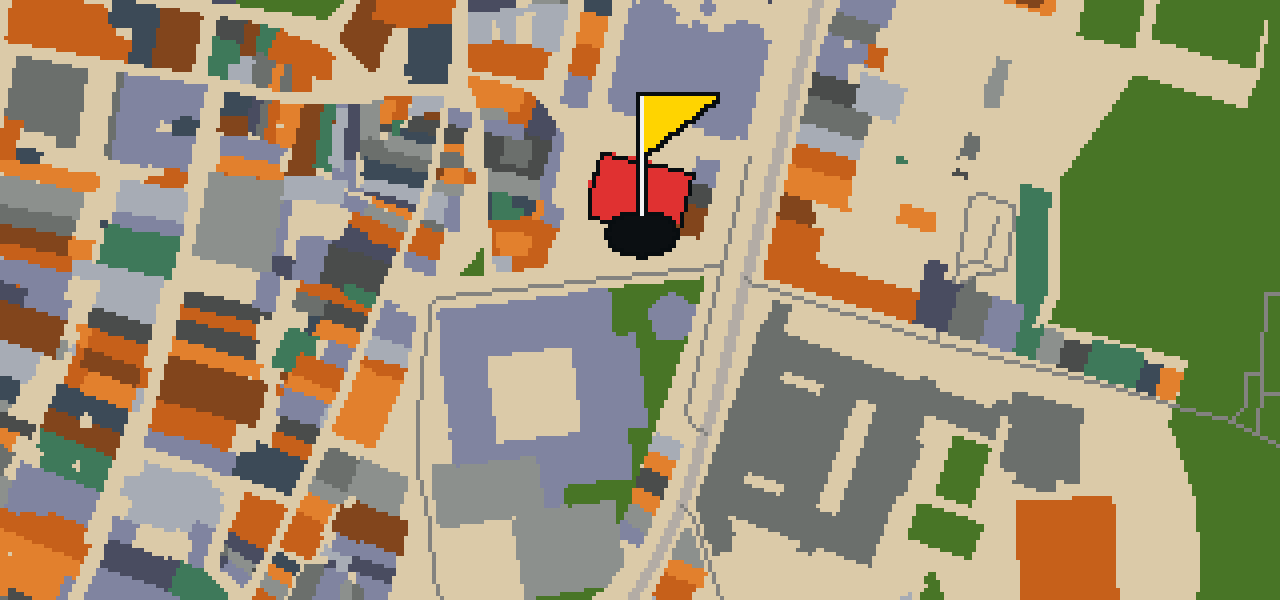
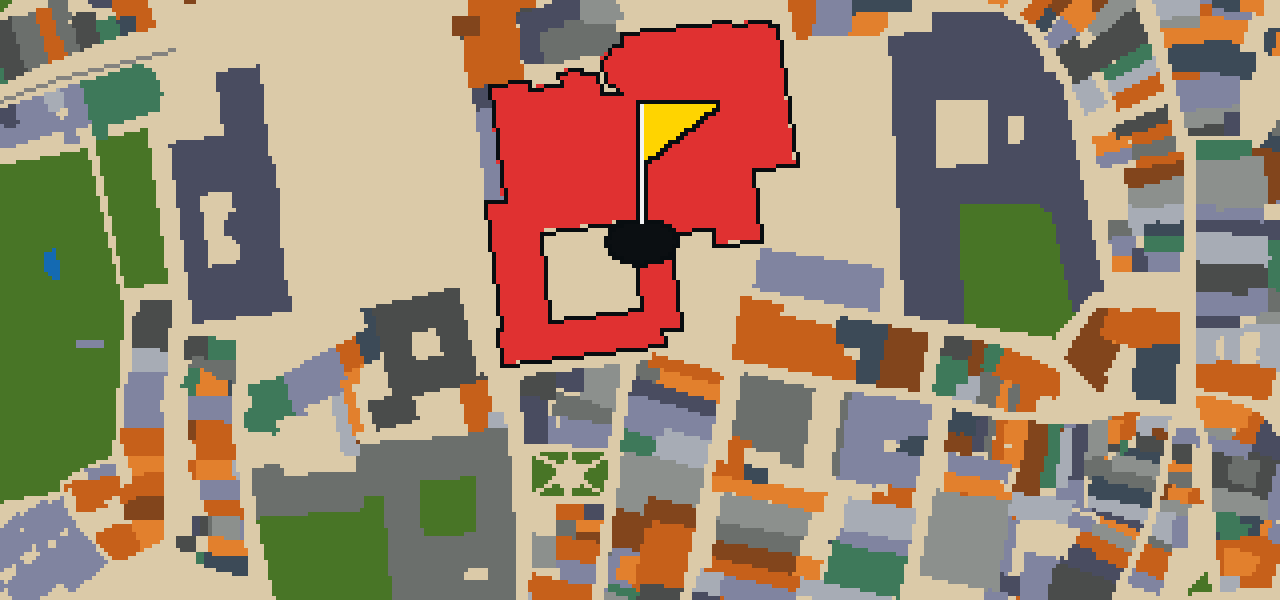
The Catedral de Santiago de Compostela is a Catholic cathedral located in Galicia, Spain. It is the reputed burial place of Saint James the Great and is part of the Metropolitan Archdiocese of Santiago de Compostela. The building reaches a total height of 75 meters and was designed by the architect Fernando de Casas Novoa. When you look at the structure, you can see that it is built in both Romanesque and baroque architectural styles. Because of its historical and artistic importance, the cathedral is designated as a bien de interés cultural. This site is one of the most significant religious landmarks in the region, combining various eras of construction into one monument.
Wikidata · Wikipedia

HOLE 2 - PAR 3

Centro Galego de Arte Contemporánea

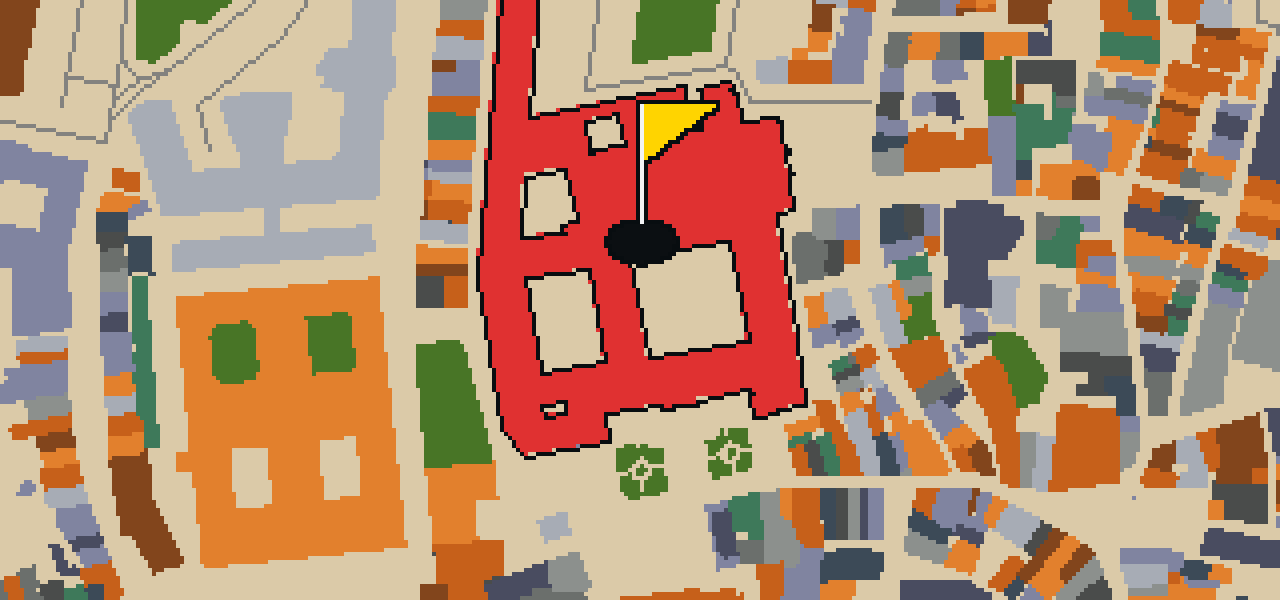
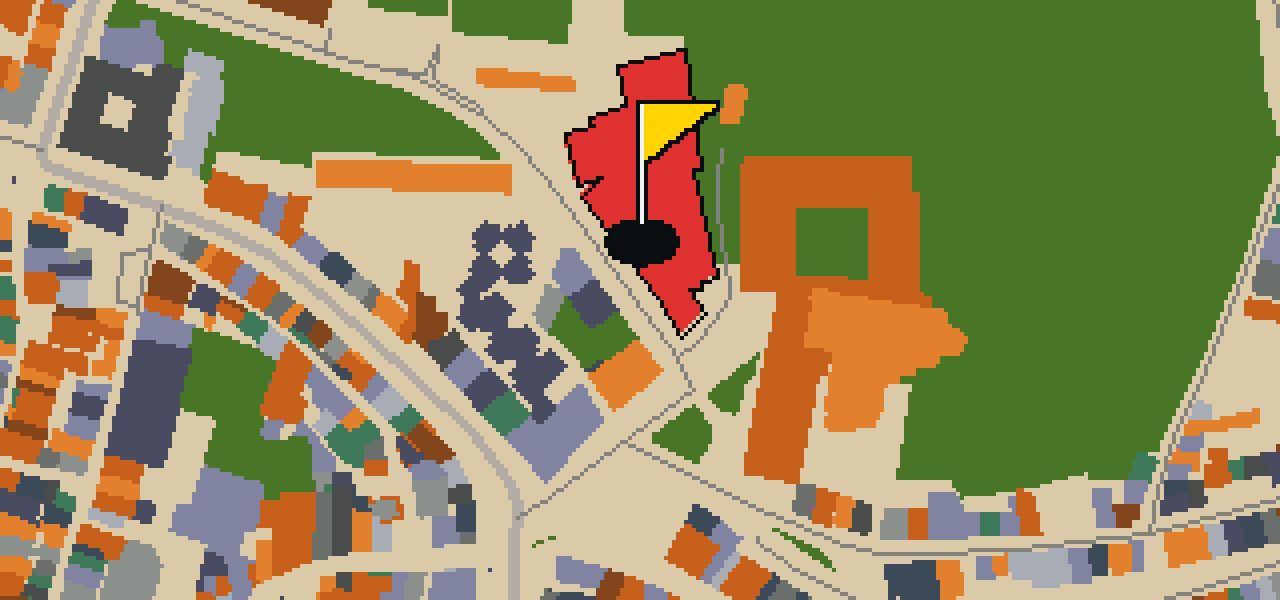
The Centro Galego de Arte Contemporánea is an art museum based in Santiago de Compostela. It is an arts centre founded in 1993 with a clear mission to promote culture in Galicia. To achieve this goal, the museum focuses on the exhibition, enjoyment and knowledge of the trends and currents of contemporary artistic creation. You can pick out various contemporary works as you explore the galleries and learn about the different movements the museum highlights. I've noticed that the clean lines of the space provide a refreshing contrast to the older stone buildings and ancient plazas found elsewhere in the city. It is a place where the city's deep history meets the bold ideas of the present, making it a useful stop for anyone wanting to see how the region engages with modern art today.

Wikidata · Wikipedia

HOLE 3 - PAR 3

Museo de Terra Santa

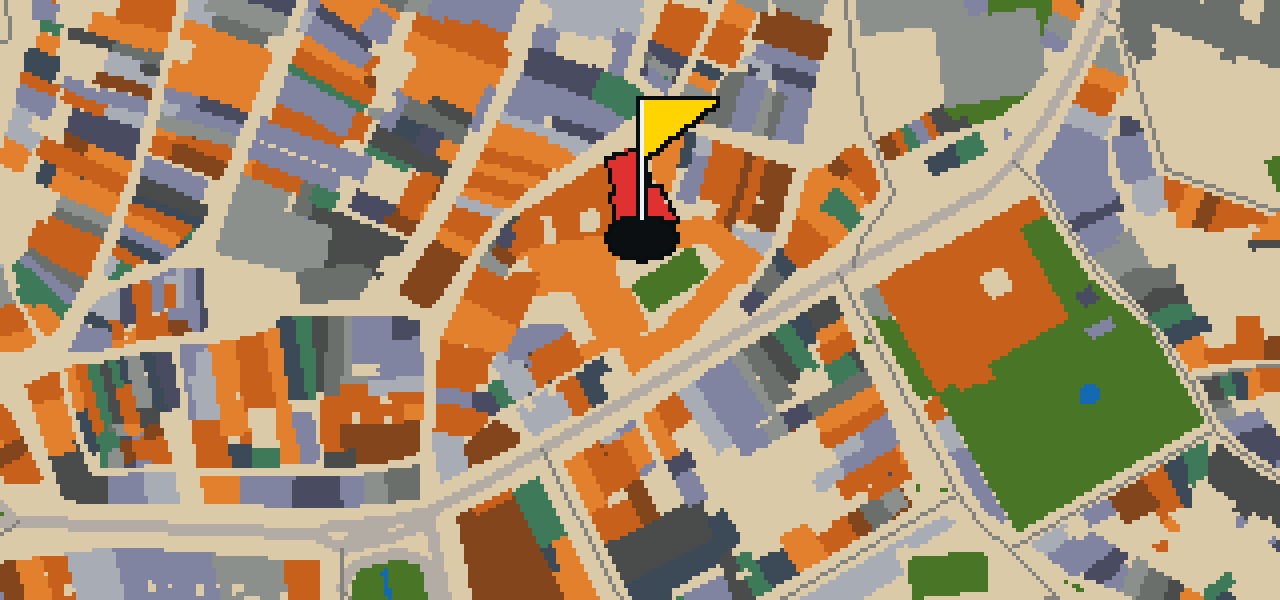
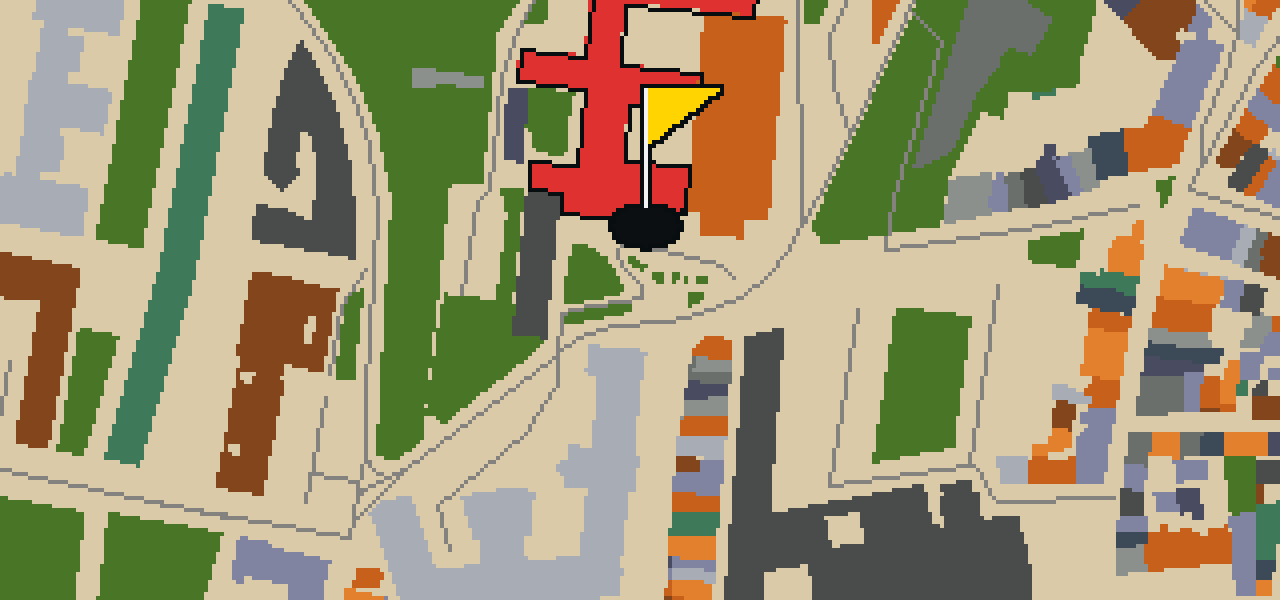
You can pick out the specific displays and artifacts that make up the Museo de Terra Santa. This museum focuses on its collections to provide visitors with a look at the items it houses. I find it is a great spot to slow down and look closely at the details of the exhibits. Whether you are a history enthusiast or just passing through Santiago de Compostela, this museum offers a dedicated space for viewing its curated pieces.

Wikidata

HOLE 4 - PAR 2

Igrexa de San Fiz de Solovio

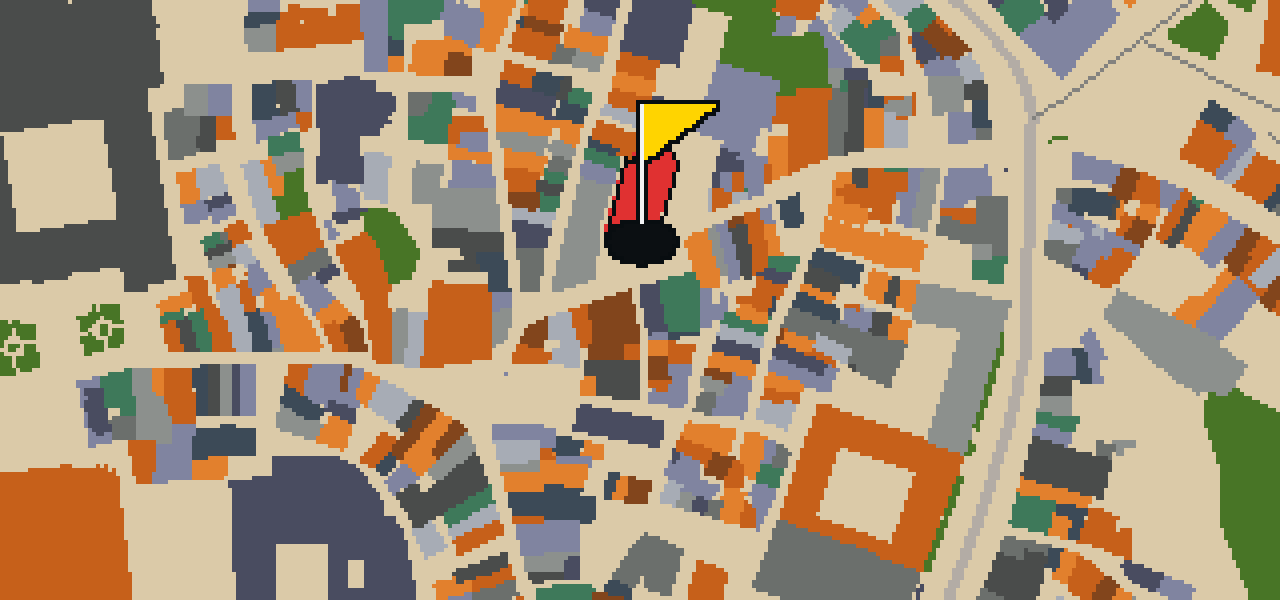
Igrexa de San Fiz de Solovio is a church building. This site is significant because it is part of a UNESCO World Heritage Site, placing it among the most important cultural locations in the world. When you visit, you can observe the architecture of the building and understand its place within the wider protected area of Santiago de Compostela. The church serves as a point of reflection and a marker of the city's long history. Because it is included in the UNESCO designation, the building is maintained as a piece of global heritage for all visitors to see. Whether you are following the path of the golf course or simply exploring the city on foot, this building is a key landmark in the local landscape.

Wikidata

HOLE 5 - PAR 3

Mosteiro e Igrexa de San Martiño Piñario e Seminario Maior

The Benedictine order established this monastery in Santiago de Compostela. Mosteiro e Igrexa de San Martiño Piñario e Seminario Maior is part of a UNESCO World Heritage Site. You can see a mix of architectural styles throughout the complex, as the site features Renaissance, baroque, and Neoclassical architecture. It once held a position of great scale in the region, as it was the second largest monastery in Spain after San Lorenzo de El Escorial. Visitors can walk through the grounds to see how these different styles blend together across the structure. It remains a prominent landmark in the city, reflecting the history of the Benedictine presence in Spain through its expansive design and detailed facades.

Wikidata · Wikipedia

HOLE 6 - PAR 3

Igrexa das Orfas

Igrexa das Orfas is a group of monuments located on a street of the same name in the eastern part of the old town. Designed by architect Domingo de Andrade, these baroque buildings are part of a UNESCO World Heritage Site. When you visit, you can see that the complex comprises a convent, a church, and a school. It was built in the early 17th century for the purpose of housing and educating orphaned girls. I've noticed the architecture here really helps define the feel of this neighborhood in Santiago de Compostela, Galicia, and it is a great spot to pause and look at the facades. The buildings are situated in the Province of A Coruña, and they stand as a significant example of the baroque style used in this region of Spain.

Wikidata · Wikipedia

HOLE 7 - PAR 4

Capela de Ánimas

This is not a cathedral or a grand basilica, but a chapel called the Capela de Ánimas. Located in Santiago de Compostela, it is part of a UNESCO World Heritage Site. The building was designed by the architect Miguel Ferro Caaveiro and is built in the Neoclassical architecture style. It is a place of solemnity and historical weight within the city. You can see the influence of the Neoclassical period in the structured lines of the facade. This chapel serves as a point of reflection and interest for those visiting the religious monuments of the region. Its presence adds to the collection of preserved sites that make this city a destination for people from around the world. The chapel stands as a testament to the architectural preferences of the late eighteenth century in this part of Spain.

Wikidata · Wikipedia

HOLE 8 - PAR 4

Auditorio de Galicia

Julio Cano Lasso and Diego Cano Pintos are the architects responsible for the Auditorio de Galicia. They designed this building to serve as an arts center, providing a dedicated space for cultural expression and performance within the city. When you look at the structure, you can see the influence of these two architects in how the facility is organized to host various creative events. It is a useful landmark for anyone who appreciates modern design or wants to see where the city's artistic community gathers. I often see people pausing here to admire the scale of the building before they head back into the busier streets. Whether you are a fan of the arts or just following the course, the work of Lasso and Pintos makes this a standout stop on your journey through the city.

Wikidata

HOLE 9 - PAR 3

Parque das Galeras

Let me show you Parque das Galeras. It is a park located within the city, providing a dedicated area of greenery for people to enjoy. Whether you are looking for a place to sit or just want to see some nature while exploring the streets, this park is a useful stop on your journey. I often see people taking a breather here away from the busier roads.

Wikidata

STOP 10

Parque da Alameda

This isn't just a simple path through the city. Parque da Alameda is a park that offers a more relaxed pace for those visiting Santiago de Compostela. Whether you are looking for a place to rest or a scenic route to follow, it provides a natural break from the urban surroundings. I find it is a great spot to stretch your legs before heading back into the busier parts of town. It is officially recognized as both a park and an avenue, making it a versatile space for anyone wanting to experience the local atmosphere on foot. You can take your time here to appreciate the layout before moving on to the next destination in the city center.

Wikidata

OTHER COURSES

18 HOLES - PAR 52

Valencia

18 stops

The ball finds its mark at the Catedral de València to end a full round through Valencia. The map is the real city and the game is played on its actual streets, where real attractions form the holes. Skip knows these sidewalks and corners by heart, having spent plenty of time dodging crumbs on the pavement. This walk covers 10.1 km over 18 holes with a par of 52, using 44 portals to bridge the gaps between distant districts.

18 HOLES - PAR 57

Seville

18 stops

Sevilla is the setting for this round, with the map mirroring the real city and the ball rolling across its actual streets. The holes are built from real attractions, starting at the Catedral de Sevilla. Skip is a local guide who knows every corner of the place. This full round of 18 holes covers 11.3 km with a par of 57, using 34 portals to bridge the gaps between the landmarks.

9 HOLES - PAR 27

Palma

9 stops

Palma de Mallorca is the setting for this round, where the map is the real city and the ball rolls along its actual streets. The holes are built from real attractions, ending at El Temple. Skip knows these alleys well, even if a few crumbs usually distract the guide. This quick 9-hole round covers 4.8 km with a par of 27, using 22 portals to skip across town.

18 HOLES - PAR 56

Málaga

18 stops

Malaga is the setting for this round, where the map is the actual city and the ball rolls across its real streets. The holes are built from local attractions, including the Catedral de Málaga. Skip knows every corner of these neighborhoods and the best places to perch. This full round of 18 holes covers 11 km with a par of 56, moving between districts via 56 portals. A few crumbs might fall along the way as the ball travels the pavement.

18 HOLES - PAR 52

Madrid

18 stops

Madrid is the setting for this round, where the map is the real city and the ball rolls across its actual streets. Real attractions, like the Teatro Real, are what the holes are built from. Skip is a local guide who knows the place and its shortcuts. This full round of 18 holes covers 10.5 km with a par of 52, using 160 portals to bridge the gaps between the landmarks. A few feathers might fly along the way.

FAQ

Is it free to play?

Yes. Every course runs in the browser with no account and no install.

Do I need to be in the city?

No. The full round plays from anywhere. Walking the real route is a nice way to see the city, but it is not required.

Are the maps real?

Yes. The geometry comes from OpenStreetMap data, rendered chunky on purpose. Streets, water and parks sit where they really are.