
SALZBURG - 18 HOLES - FREE

SALZBURG
CITY MAP MINIGOLF

Salzburg - 18 stops - par 57

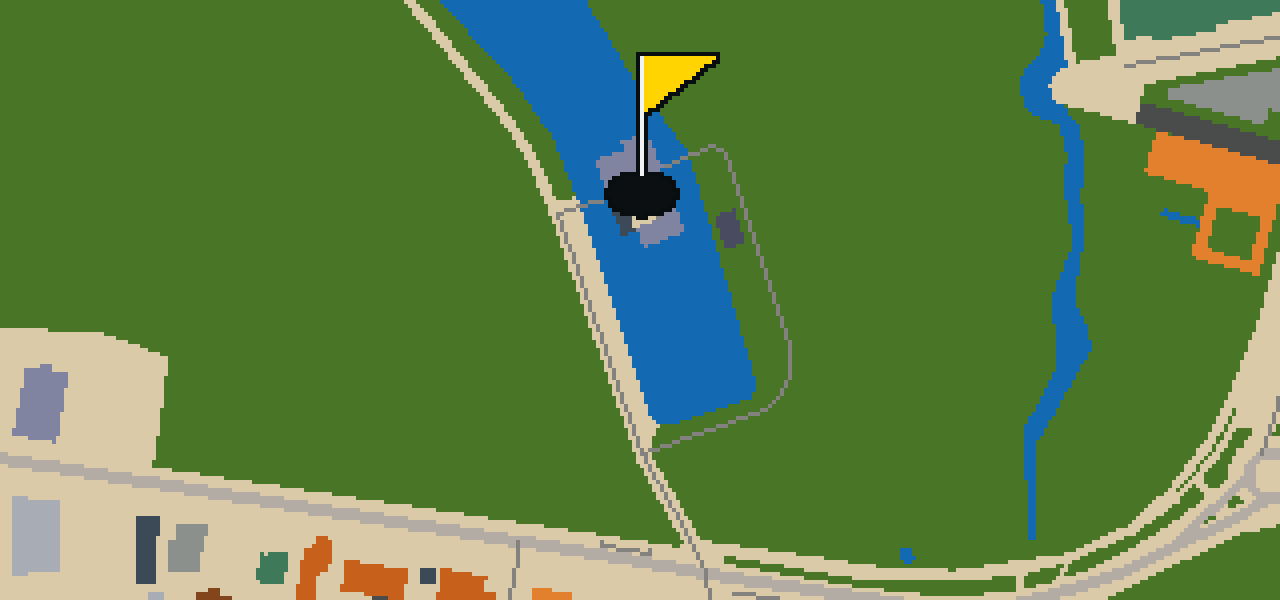
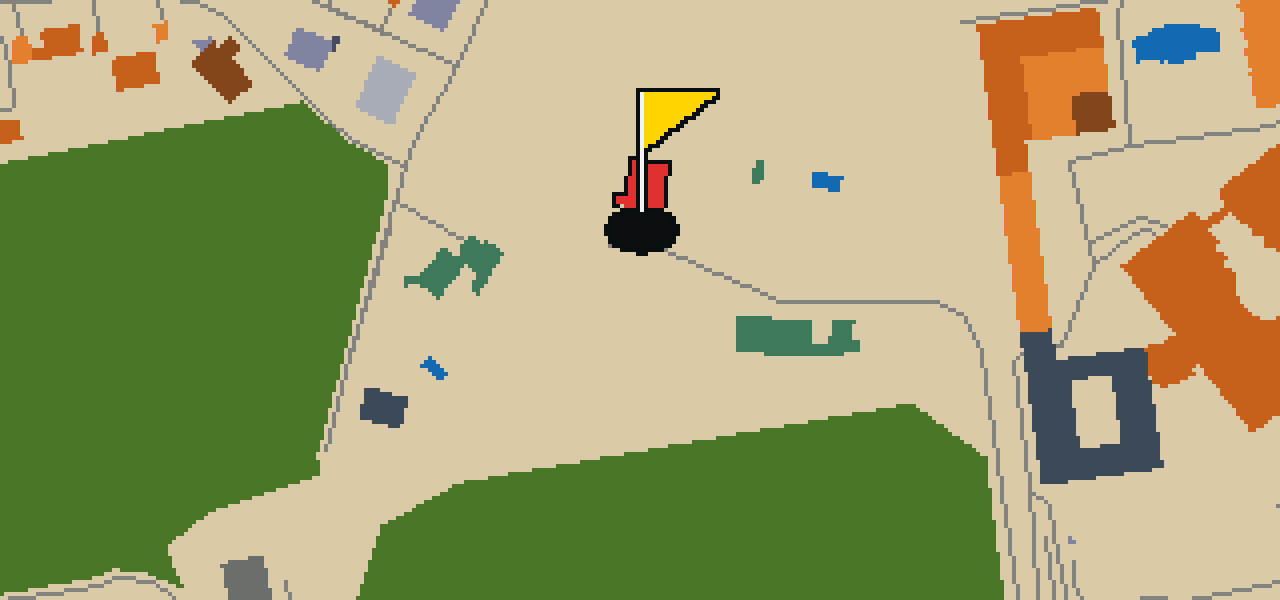
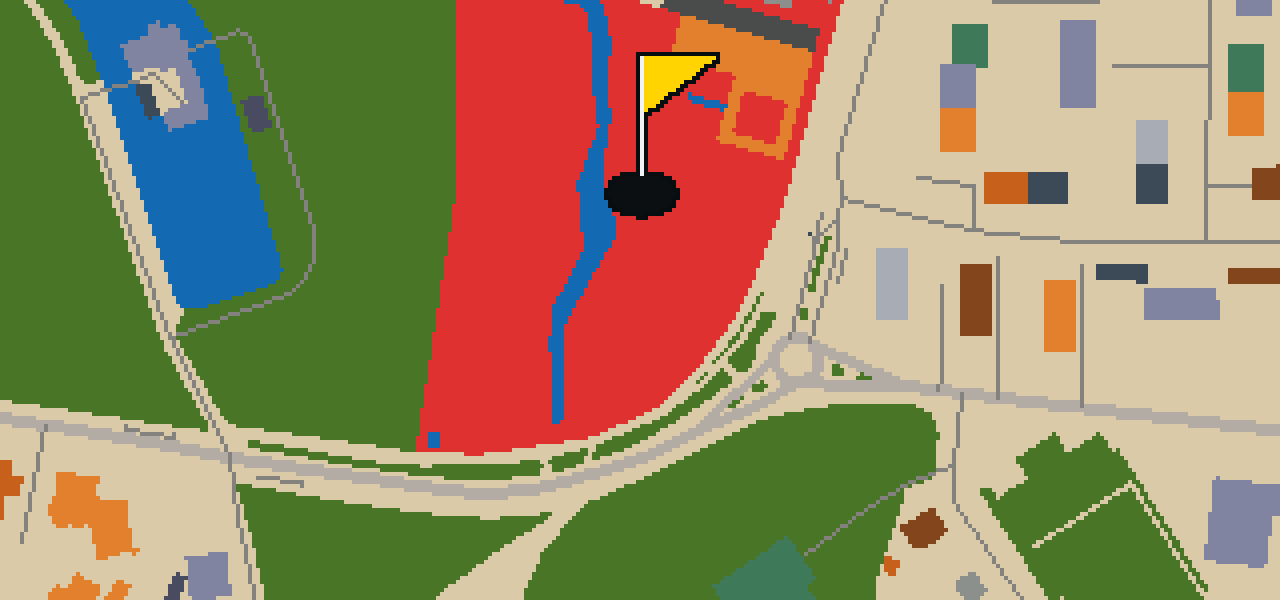
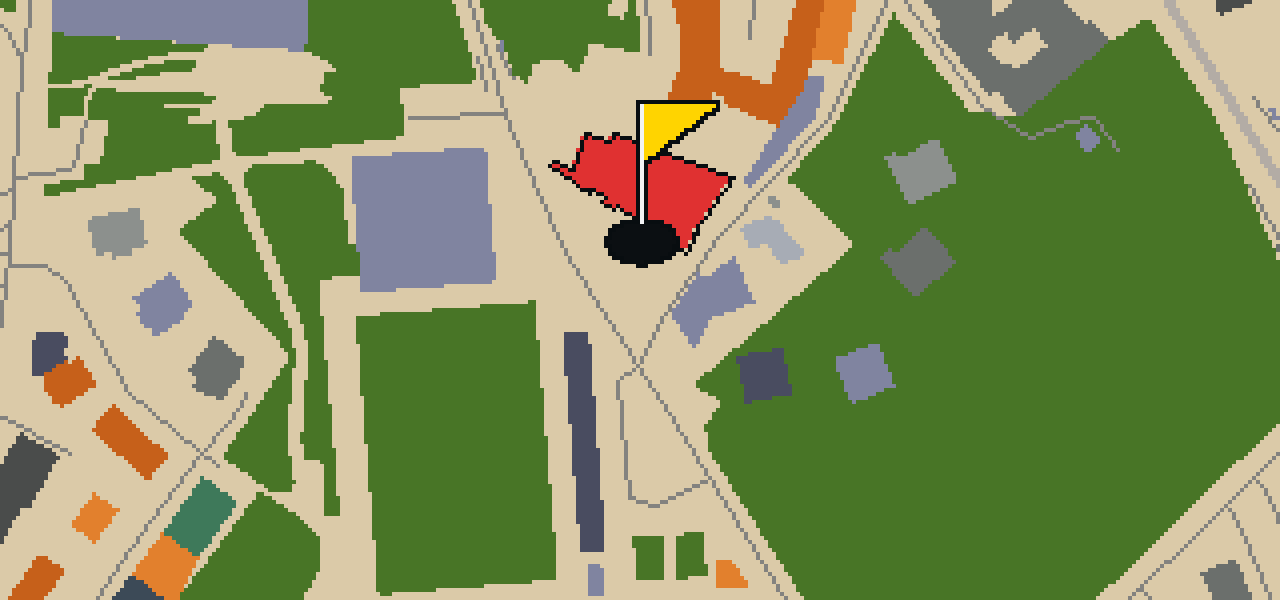
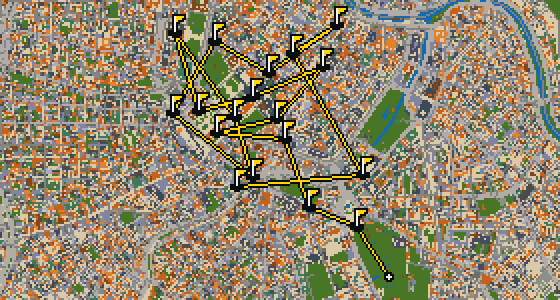
This is Salzburg, where the map is the real city and the round is played on its real streets. The holes are built from the actual attractions, starting with the heights of Festung Hohensalzburg. A full 18-hole round covers 11 km, and 22 portals help the ball skip between distant parts of the map. Skip knows every alleyway and cobblestone here, especially the spots where the crumbs are best. It is a long walk, but the city is worth the effort.

Trouble loading? Open the game in its own tab.

HOW IT WORKS

01

Pick a city

The course is drawn on the real street grid, so the map you play is the map you walk.

02

Putt to the pin

Drag to aim, release to swing. Buildings bounce and water costs you a stroke.

03

Sightsee between strokes

Every hole ends at an attraction. Sink the putt, read the story, walk to the next tee.

THE SALZBURG ROUND - STOP BY STOP

HOLE 1 - PAR 3

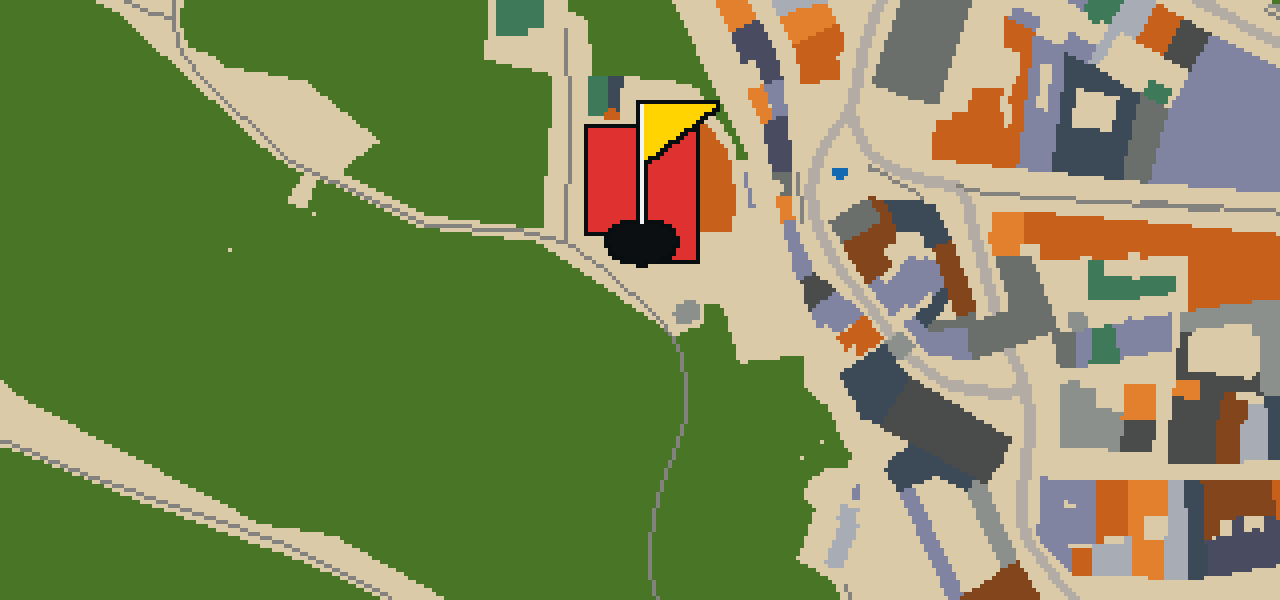
Festung Hohensalzburg

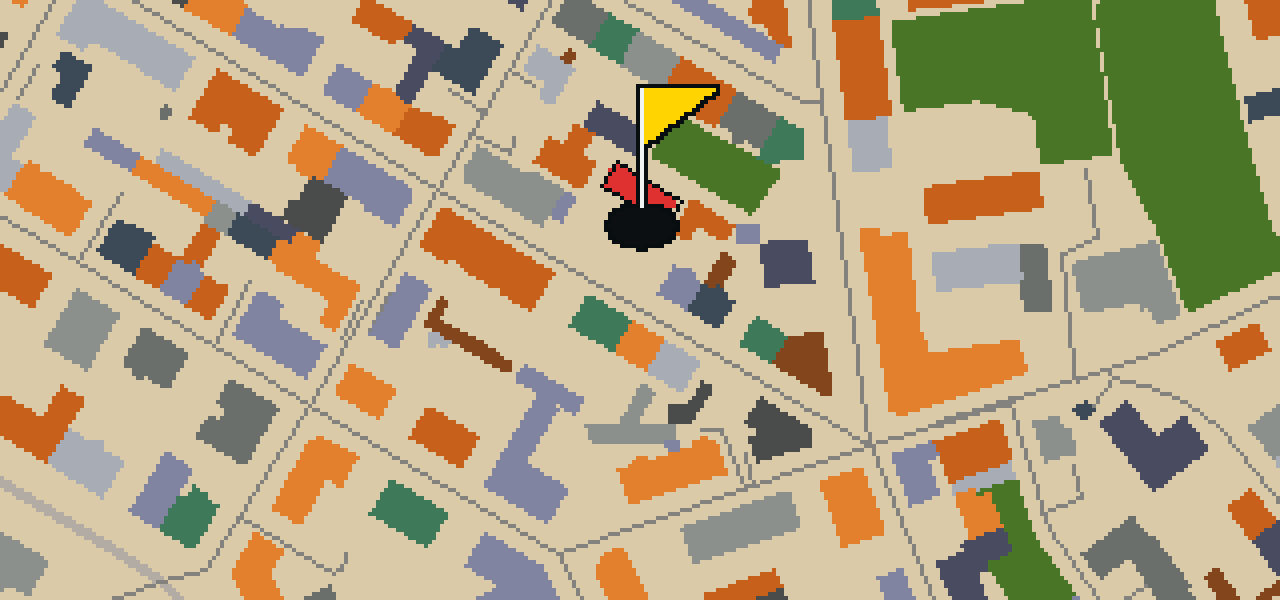
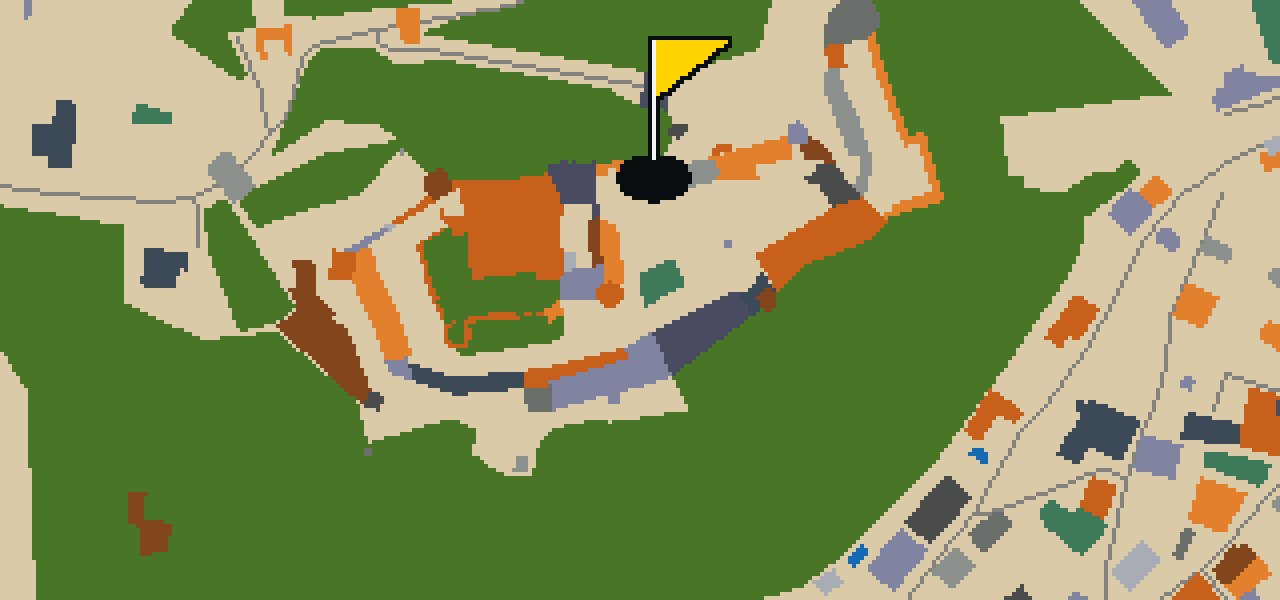
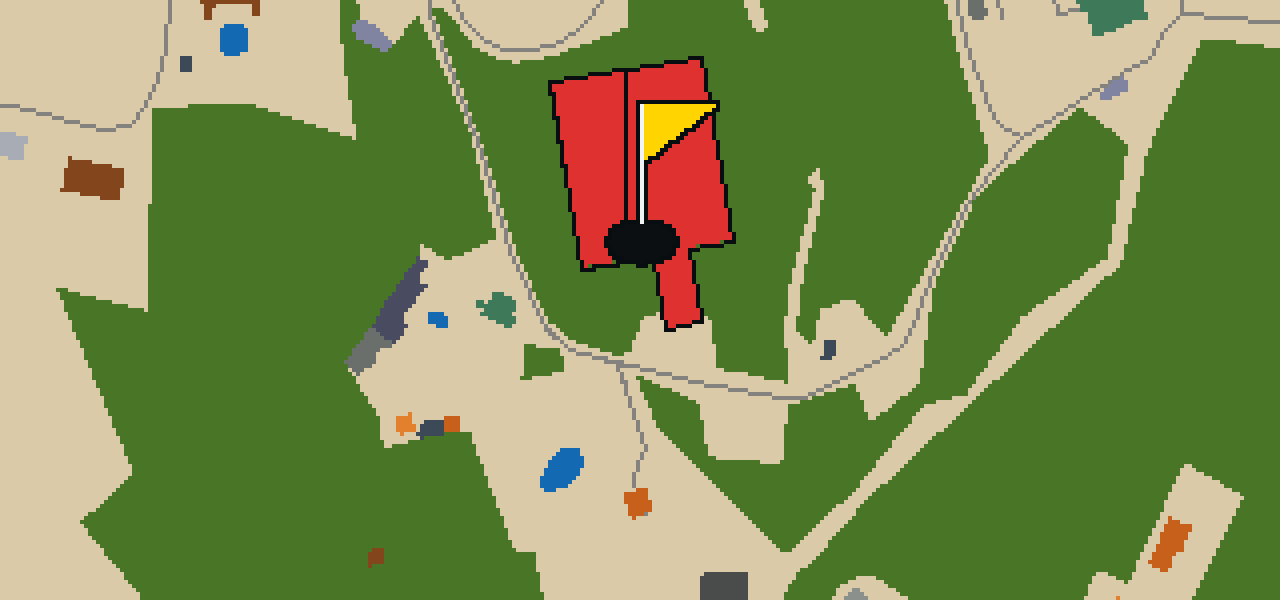
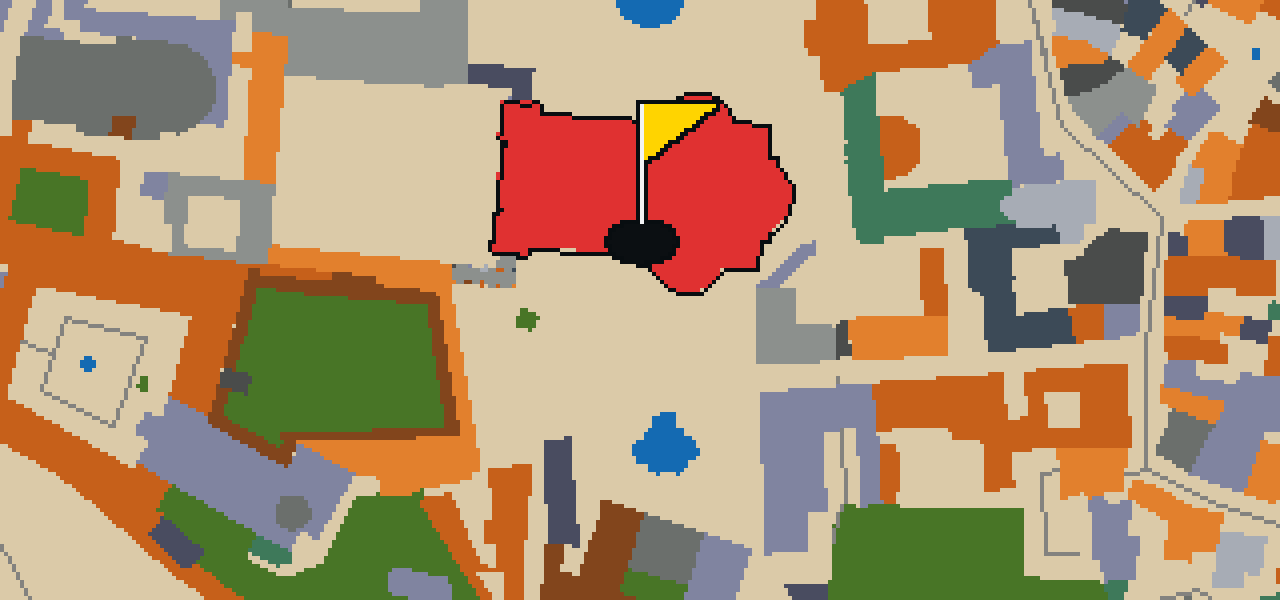
Let me show you Festung Hohensalzburg. This fortress is located in the city of Salzburg, Austria, and sits atop the Festungsberg mountain at an altitude of 506 m. It is a museum and a castle that began its inception in 1077. You can pick out the sheer scale of the site, as the fortress is 250 m long and 150 m wide. It is also among the Listed objects in Austria. I've found the views from this height are the best in the city.
Wikidata · Wikipedia

HOLE 2 - PAR 3

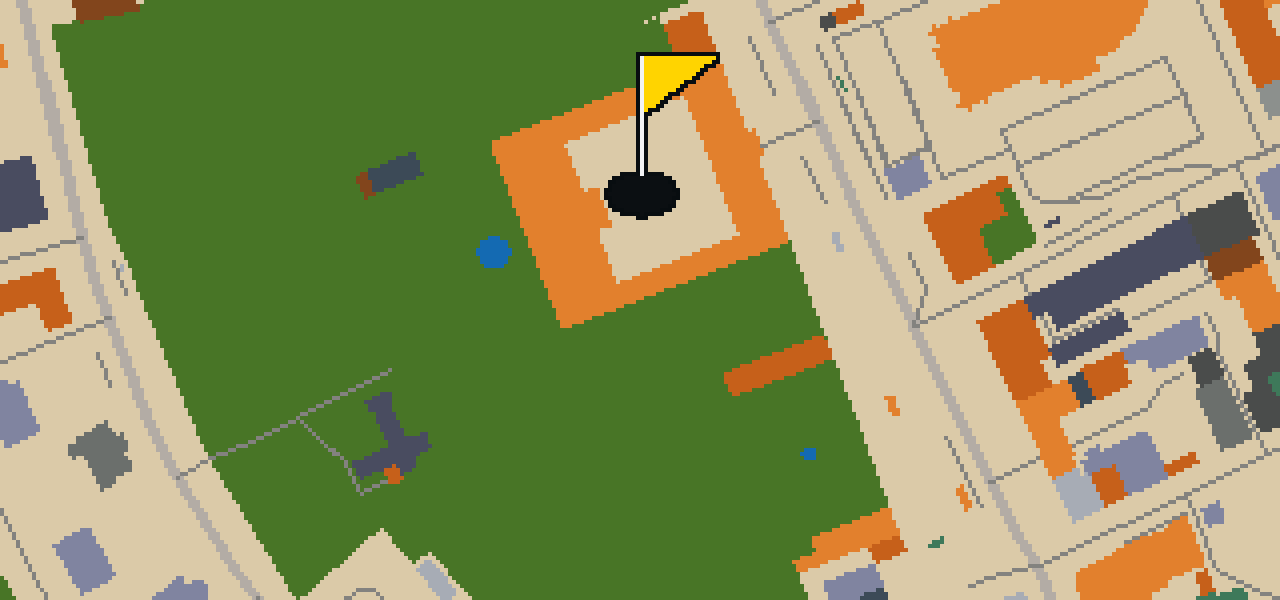
Wassermuseum "Wasser.Spiegel"

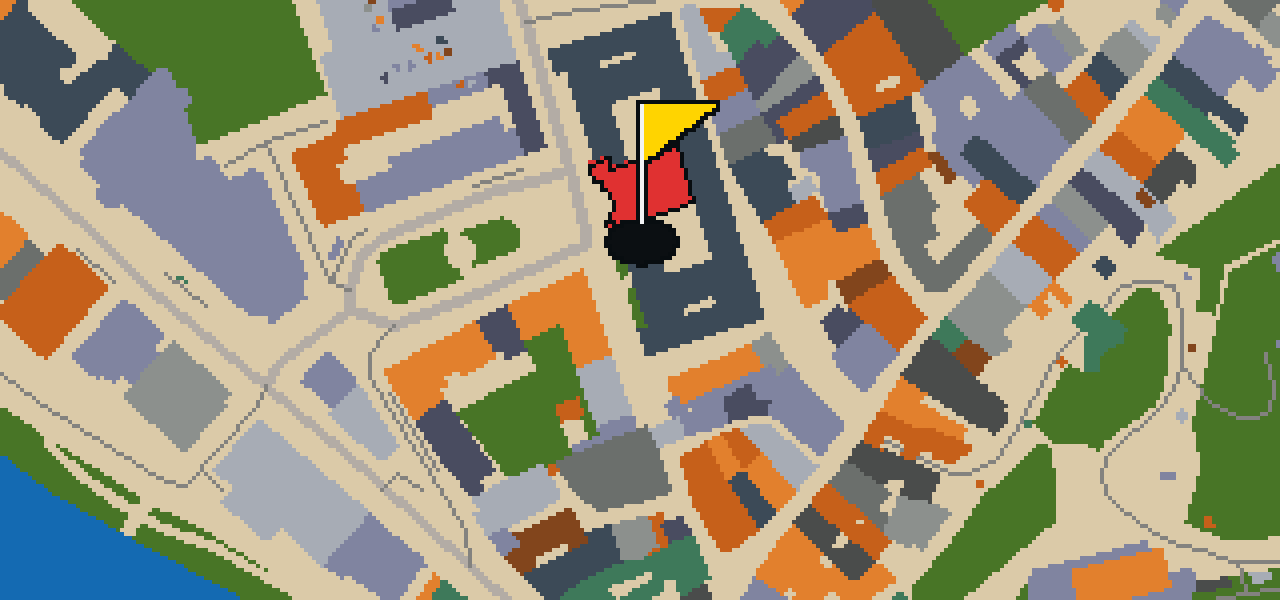
Wassermuseum "Wasser.Spiegel" is a museum that focuses on the element of water and how it interacts with the city. It is a place where you can examine the infrastructure and the history that allow the city to function through its water supply. The museum had its inception in 1997. I always find the atmosphere here to be a refreshing break from the bustle of the streets, and the exhibits offer a clear look at the liquid lifeblood of the region. It is a useful stop for anyone wanting to understand the city's hidden workings.

Wikidata

HOLE 3 - PAR 3

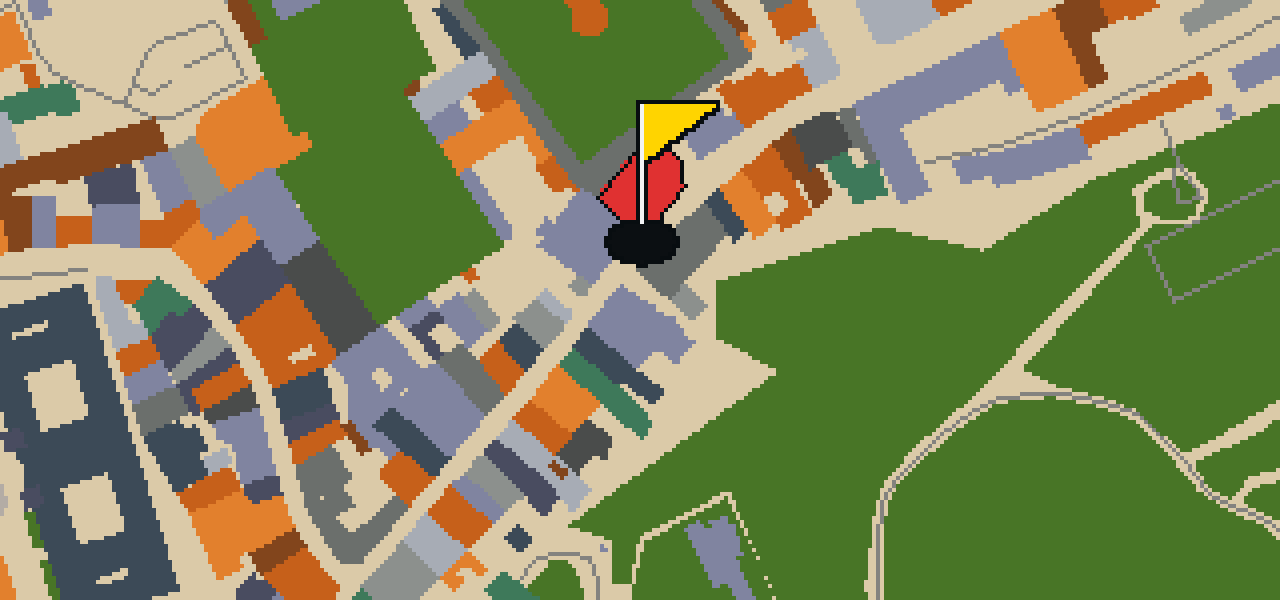
Salzburger Dom

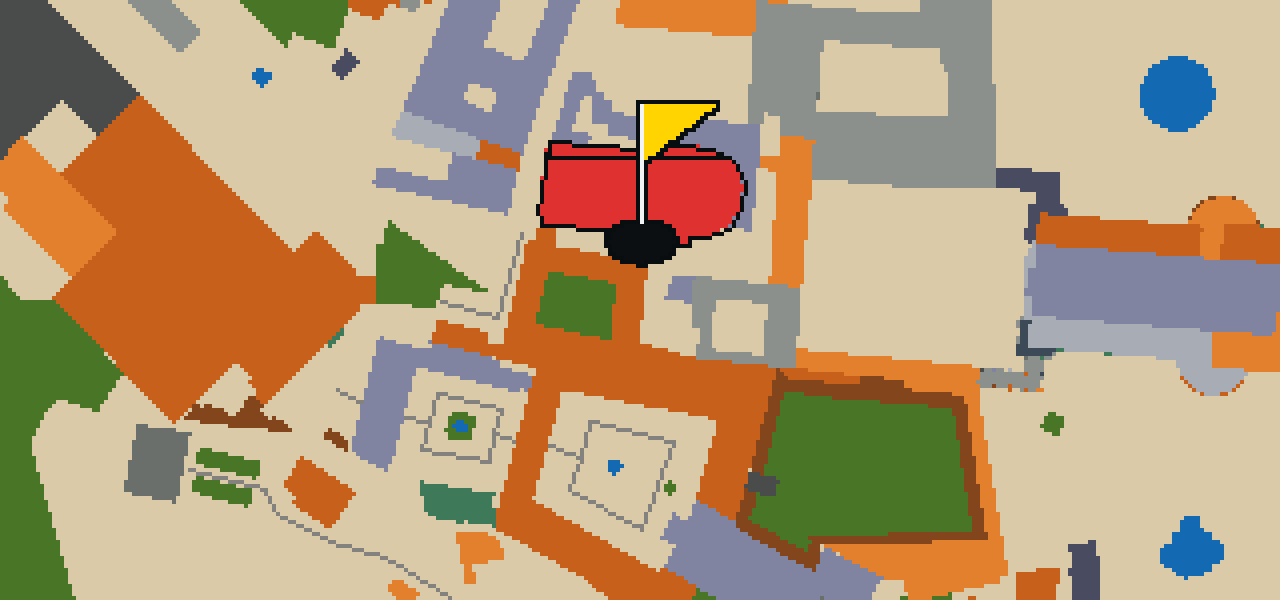
You will first notice the baroque architecture of the Salzburger Dom. This Catholic cathedral was completely rebuilt in this style in the seventeenth century under Prince-Bishop Wolf Dietrich von Raitenau, with Santino Solari as the architect. The church was founded in 774 by Saint Vergilius and was rebuilt in 1181 after a fire. Today, the site remains a significant location for visitors and historians alike, as it houses the baptismal font where Wolfgang Amadeus Mozart was baptized. It is dedicated to Saint Rupert and Saint Vergilius.

Wikidata · Wikipedia

HOLE 4 - PAR 3

Museum der Moderne

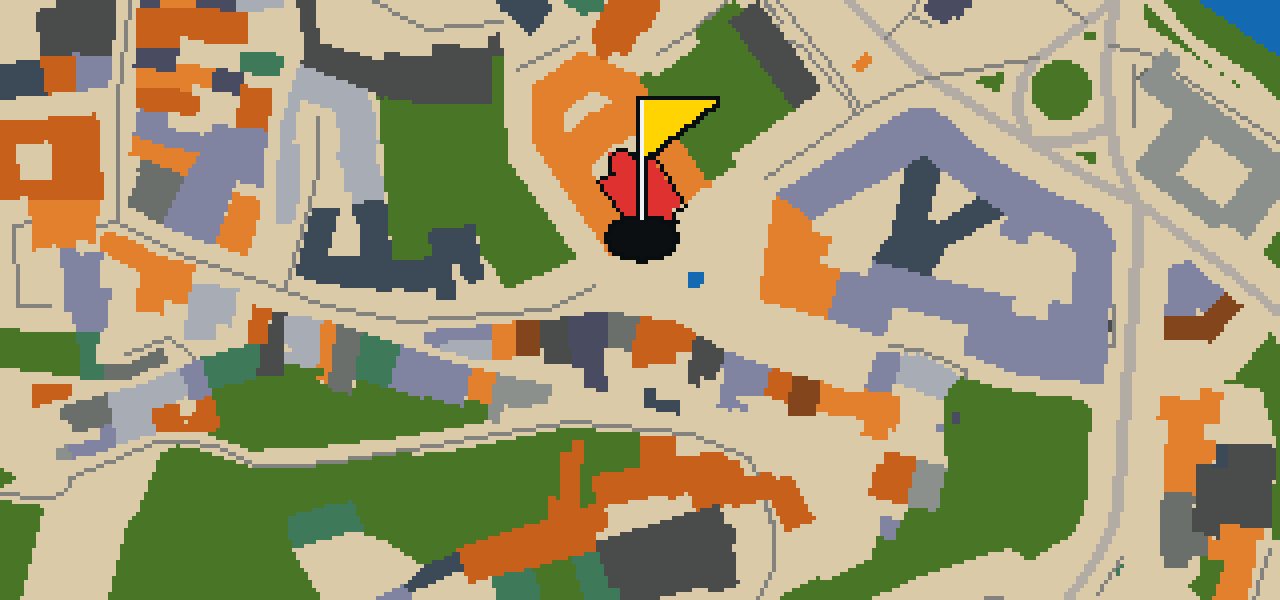
The Museum der Moderne is an art museum that had its inception in 1983. Since then, it has grown to include two buildings in Salzburg, Austria. One of these is the Rupertinum, which opened in 1983 and is located in the old town for new artistic concepts. The other is the Museum on the Mönchsberg, which opened in 2004 for modern art in a contemporary setting. I find the contrast between the old town location and the newer building on the hill quite striking for anyone visiting the city.

Wikidata · Wikipedia

HOLE 5 - PAR 3

Schloss Mirabell

Let me show you Schloss Mirabell, a baroque château located in the city of Salzburg. This site is a listed cultural heritage monument, which includes both the palace and its gardens. You can pick out the specific influence of the architect Johann Lukas von Hildebrandt in the building's design. I've noticed that the area feels quite distinct from the rest of the city, but it remains a central part of the local heritage. Whether you are here for the architecture or the greenery, it is a spot that defines the city's visual character.

Wikidata · Wikipedia

HOLE 6 - PAR 3

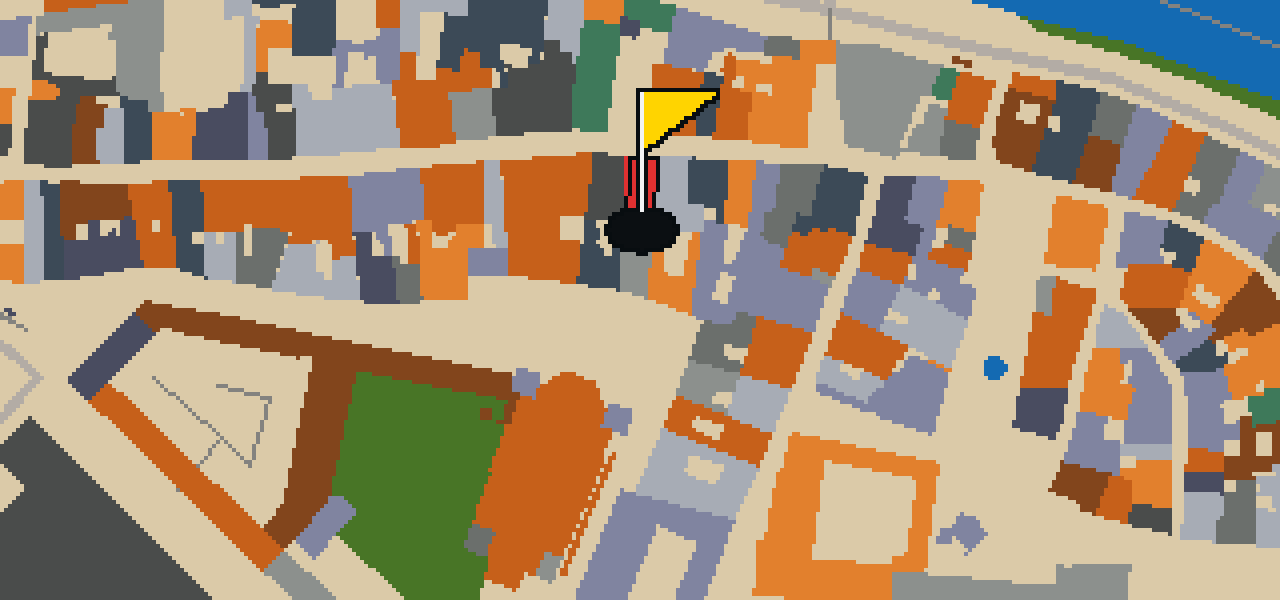
Mozarts Geburtshaus

Look up at the third floor of No. 9 Getreidegasse to find the heart of this bourgeois house. This is Mozarts Geburtshaus, a museum and one of the Listed objects in Austria. It is the birth house where Mozart was born on 27 January 1756. The Mozart family resided in these upper quarters from 1747 to 1773. I've noticed the crowds always gather here to imagine the early life of Leopold Mozart's seventh child. It is a wonderful spot to stop and appreciate the history of the city.

Wikidata · Wikipedia

HOLE 7 - PAR 3

Sebastianskirche

Sebastianskirche is a church building located in Salzburg. The structure is built in the baroque architecture style, which is known for its ornate decoration and grand scale. Because of its architectural value and its place in the history of the city, Sebastianskirche is among the Listed objects in Austria. This designation ensures that the building is recognized and protected as a significant example of the baroque style within the region.

Wikidata

HOLE 8 - PAR 3

Israelitische Kultusgemeinde Salzburg

The Israelitische Kultusgemeinde Salzburg is a synagogue. It is one of the listed objects in Austria, which means it is recognized for its importance to the country's architectural or cultural record. This building serves as a place of worship and a center for the local community.

Wikidata

HOLE 9 - PAR 3

Dreifaltigkeitskirche

Johann Bernhard Fischer von Erlach was the architect of Dreifaltigkeitskirche. He designed this church building in the baroque architecture style. Also known as the Holy Trinity Church, it is a Roman Catholic church located in Salzburg, Austria. Work on the structure was started in 1702. Visitors can observe the specific baroque details and the layout envisioned by Fischer von Erlach. As a Roman Catholic church in the heart of Salzburg, it provides a look at the religious architecture of the early eighteenth century.

Wikidata · Wikipedia

HOLE 10 - PAR 3

Franziskaner Kirche

Johann Bernhard Fischer von Erlach is the architect of the Franziskaner Kirche. This church building is in the Romanesque architecture style and is among the listed objects in Austria. The site has a long history, with the first church erected there in the eighth century. Over time, the structure evolved; a Gothic choir replaced the Romanesque choir between 1408 and 1450, and a slender Gothic tower was added between 1468 and 1498. While it served as the parish church until 1635, the church was ceded to the Franciscan Order in 1642.

Wikidata · Wikipedia

HOLE 12 - PAR 3

Schloss Arenberg

Looking toward the right bank of the river Salzach, you can find Schloss Arenberg. This château is a notable part of the Salzburg skyline and is among the listed objects in Austria. Beyond its role as a historic residence, the building is a Catholic seminary. I usually keep an eye on the river currents while the students are studying inside, though I prefer to stay high up on the roof where the view of the valley is much better for a bird like me.

Wikidata · Wikipedia

HOLE 13 - PAR 3

Künstlerhaus

Künstlerhaus is an artist's house that stands as a notable example of historicist architecture. For those visiting the city, it is a point of interest that is among the Listed objects in Austria. The construction of the building was started in 1885. When you are walking by, take a moment to look at the details of the facade to see how the historicist style was applied to the structure. I usually see plenty of other birds perched on the ledges of buildings like this one while I am flying over the district.

Wikidata

HOLE 14 - PAR 3

Schauspielhaus Salzburg

Let me show you the Schauspielhaus Salzburg. This is a theatre building located in Salzburg, Austria. It is a place dedicated to the performing arts where the community gathers for various productions. I have noticed that the area around the theatre always has a certain energy when a show is about to begin. Whether you are a fan of the stage or just exploring the city, this building is a significant landmark in the local neighborhood that brings people together through the power of live performance.

Wikidata · Wikipedia

HOLE 15 - PAR 3

ORF Landesstudio Salzburg

You might expect another historic palace here, but this is the ORF Landesstudio Salzburg. It is an ORF regional studio and an architectural structure designed by Gustav Peichl. Because it is among the listed objects in Austria, the building is recognized for its specific value to the city's built environment. I always find the clean lines of these studios a refreshing change from the baroque style found elsewhere in town. It is a great spot to pause and appreciate how the city mixes its oldest treasures with these more modern, listed landmarks.

Wikidata

HOLE 16 - PAR 4

Schloss Freisaal

Let me show you Schloss Freisaal, which is a château here in Salzburg. This particular building is among the listed objects in Austria, meaning it is officially recognized for its importance to the country's heritage. When you visit, you can pick out the specific features that earn it this status. I find that these protected sites give the city a certain character that makes wandering the streets much more interesting. It is a great example of the preserved architecture you will encounter throughout the city.

Wikidata

HOLE 17 - PAR 4

Schloss Hernau

Let me show you Schloss Hernau, a château located here in Salzburg. This site is among the listed objects in Austria, which means it is officially recognized for its historical and architectural value. When you visit, you can pick out the specific details that make it a listed object in this country. It is a quiet spot that represents the estate style of the region. I have noticed that the air always feels a bit fresher when you are near these old stone walls.

Wikidata

HOLE 18 - PAR 4

Botanischer Garten

Wikidata

STOP 19

ARGEkultur Salzburg

Let me show you ARGEkultur Salzburg. It is a building that functions as a cultural center, providing a dedicated space for various activities within the city. In addition to being a physical landmark for you to visit, it is also a nonprofit organization. I find it to be a great spot for seeing how the community gathers and works together. Whether you are looking for a place of art or a community hub, this building provides the necessary infrastructure for the city's creative spirit to thrive.

Wikidata

OTHER COURSES

18 HOLES - PAR 56

Vienna

18 stops

Wien is the setting for this round, where the map is the actual city and the ball rolls along its real streets. The holes are built from real attractions, with the final cup located at the Wiener Konzerthaus. This 18-hole circuit covers 11.4 km and uses 124 portals to leap across the map. Skip knows every cobblestone here, even the ones where a pigeon might find a stray crumb or a bit of pastry.

18 HOLES - PAR 54

Innsbruck

18 stops

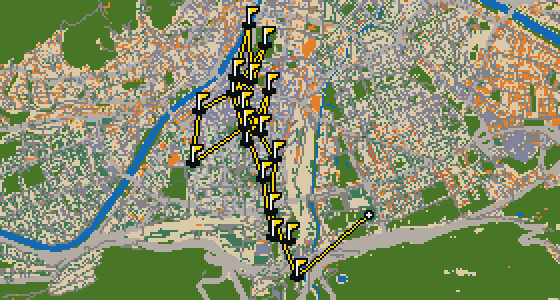
Innsbruck is the setting for this round, where the map is the real city and the play happens on its actual streets. The holes are built from real attractions, ending at the Basilika Wilten. A full round of 18 holes with a par of 54 covers 10.4 km, moving through the city via 20 portals. Skip knows these corners well, even the ones where the crumbs are best, and can guide the ball through every alleyway.

18 HOLES - PAR 53

Graz

18 stops

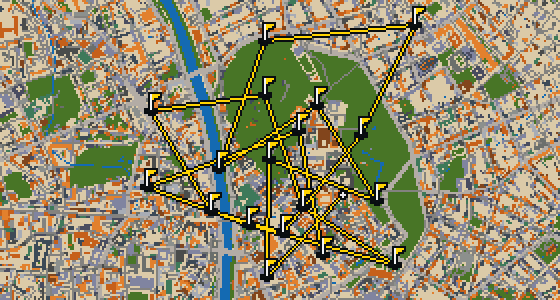
Graz is the setting for this round, where the map follows the real city and the ball rolls across its actual streets. The holes are built directly from local attractions, starting the game at the Grazer Dom. I know these sidewalks and alleys well, even the spots where the best crumbs land. This full round of 18 holes covers 10.5 km with a par of 53, using 32 portals to bridge the gaps between different districts.

FAQ

Is it free to play?

Yes. Every course runs in the browser with no account and no install.

Do I need to be in the city?

No. The full round plays from anywhere. Walking the real route is a nice way to see the city, but it is not required.

Are the maps real?

Yes. The geometry comes from OpenStreetMap data, rendered chunky on purpose. Streets, water and parks sit where they really are.