
VIENNA - 18 HOLES - FREE

VIENNA
CITY MAP MINIGOLF

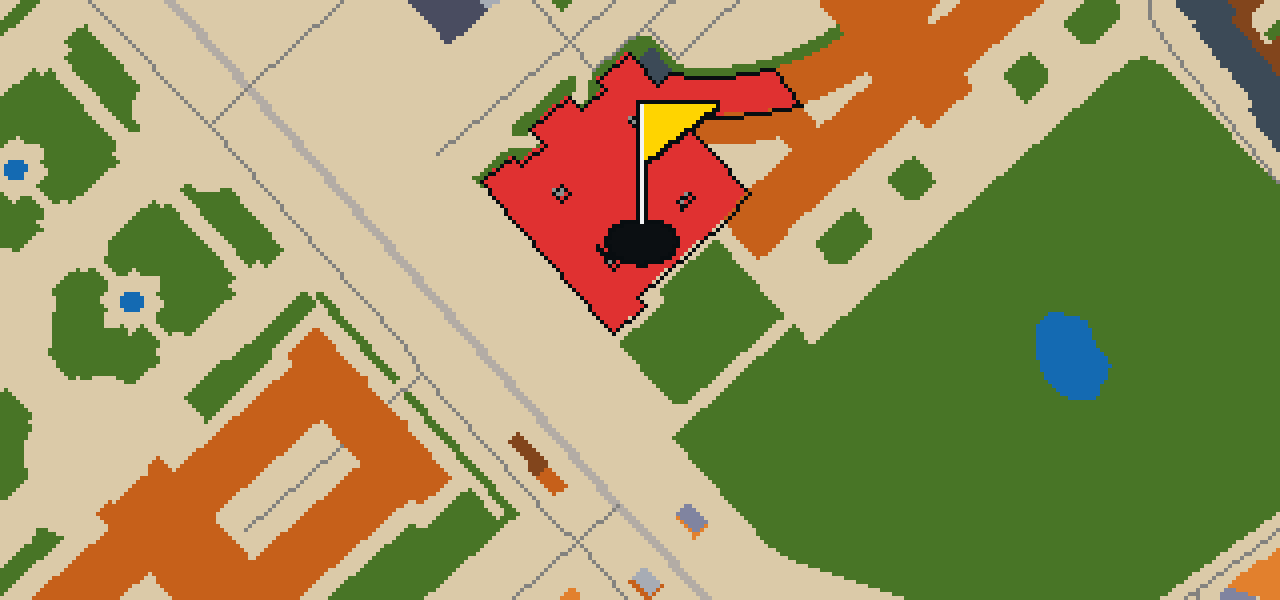
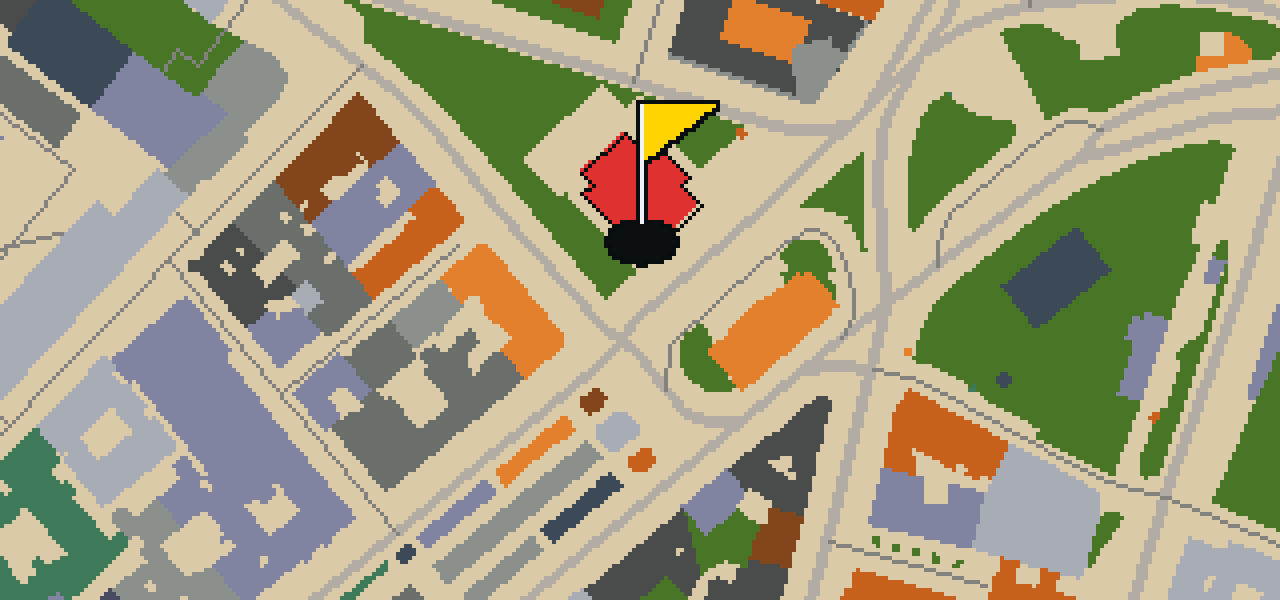
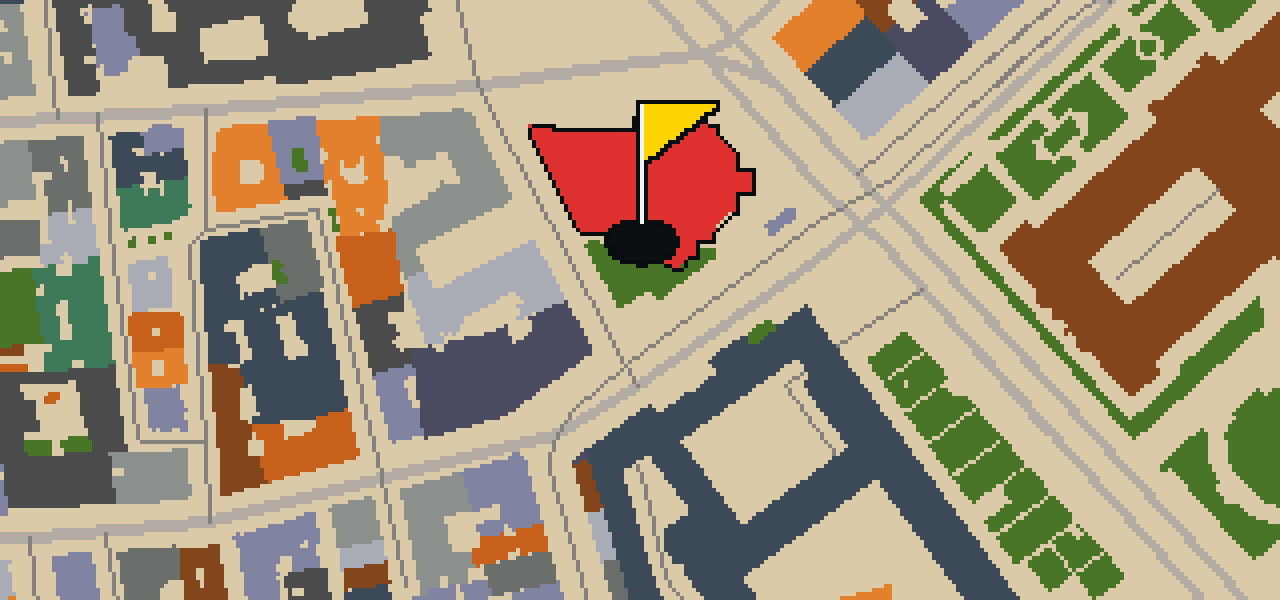
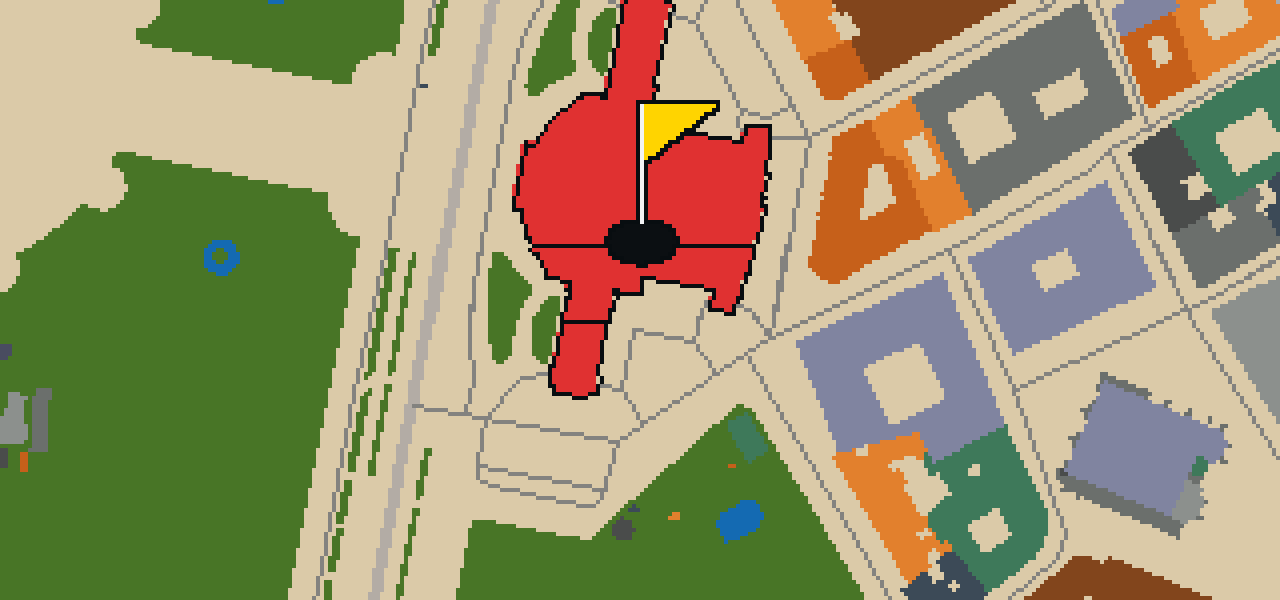
Vienna - 18 stops - par 56

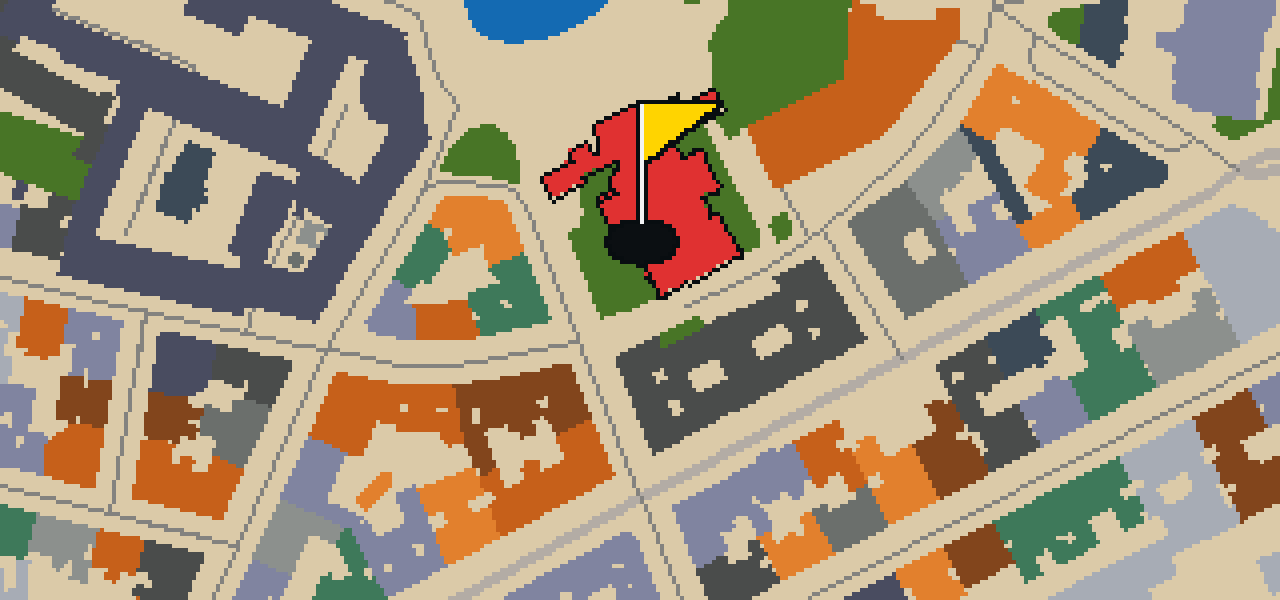
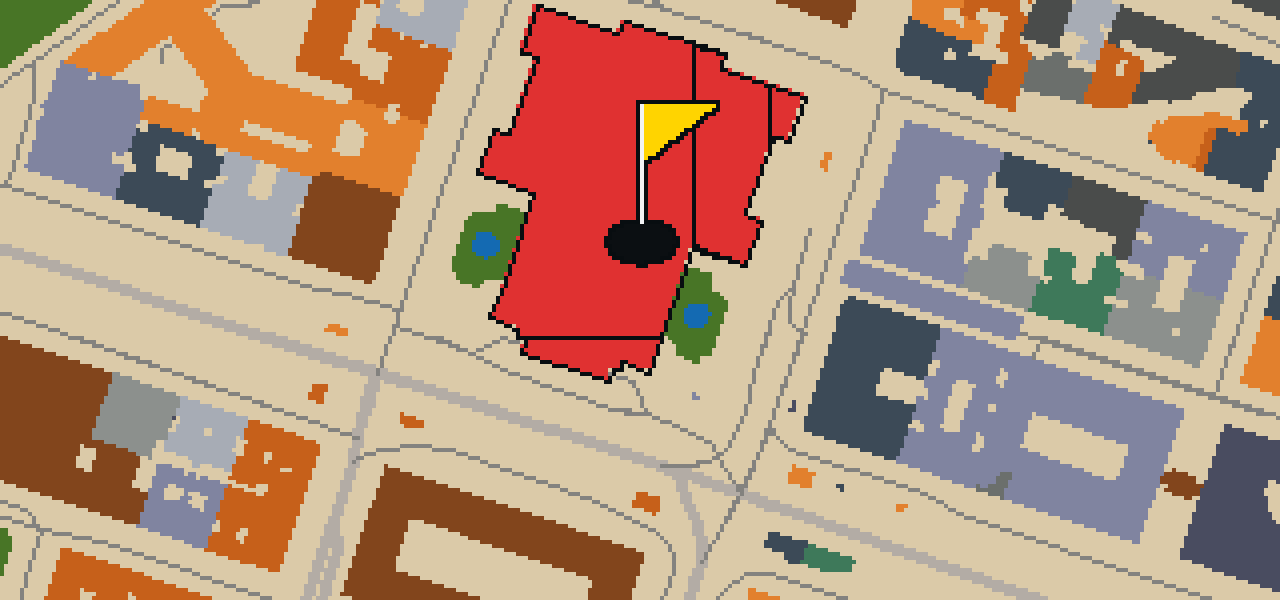
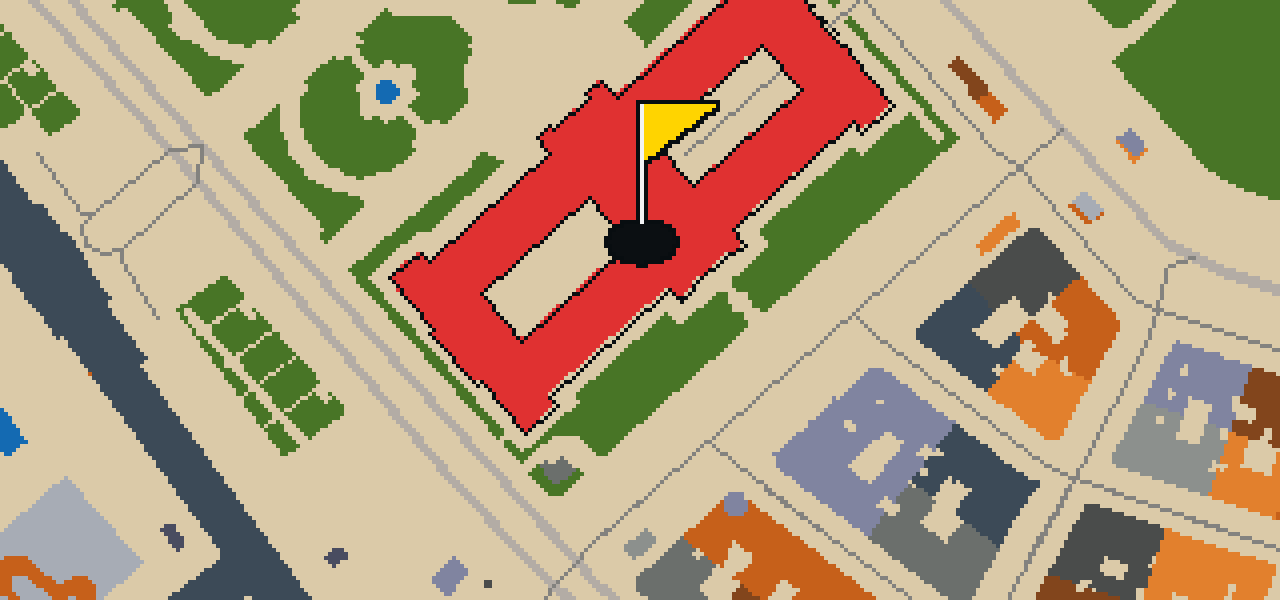
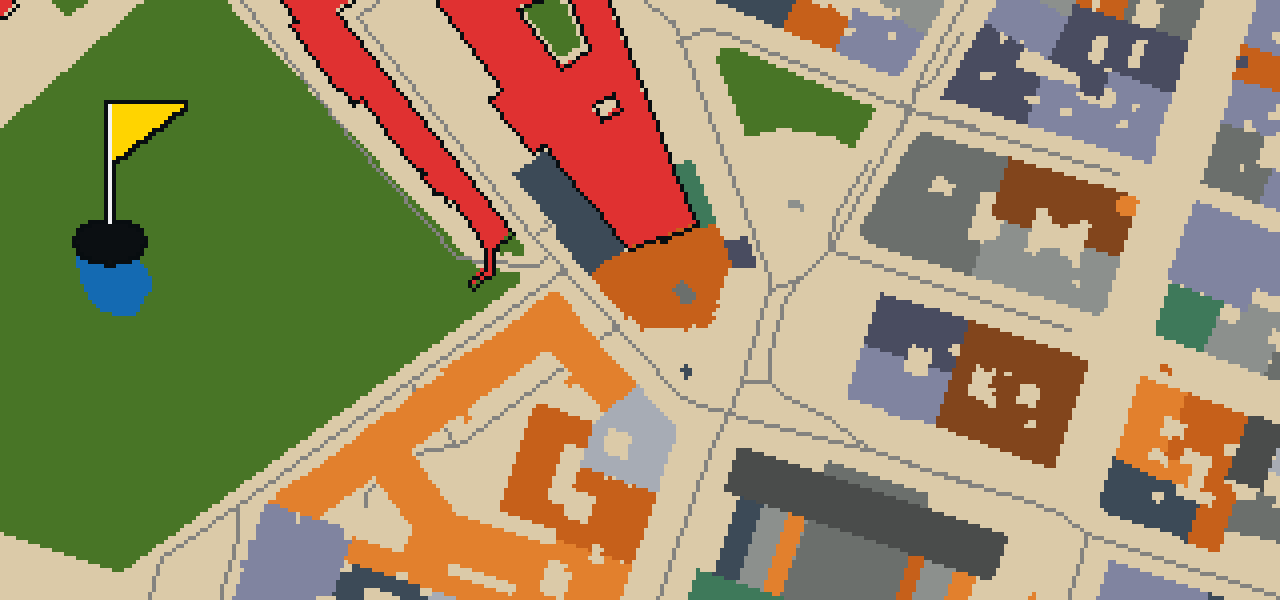
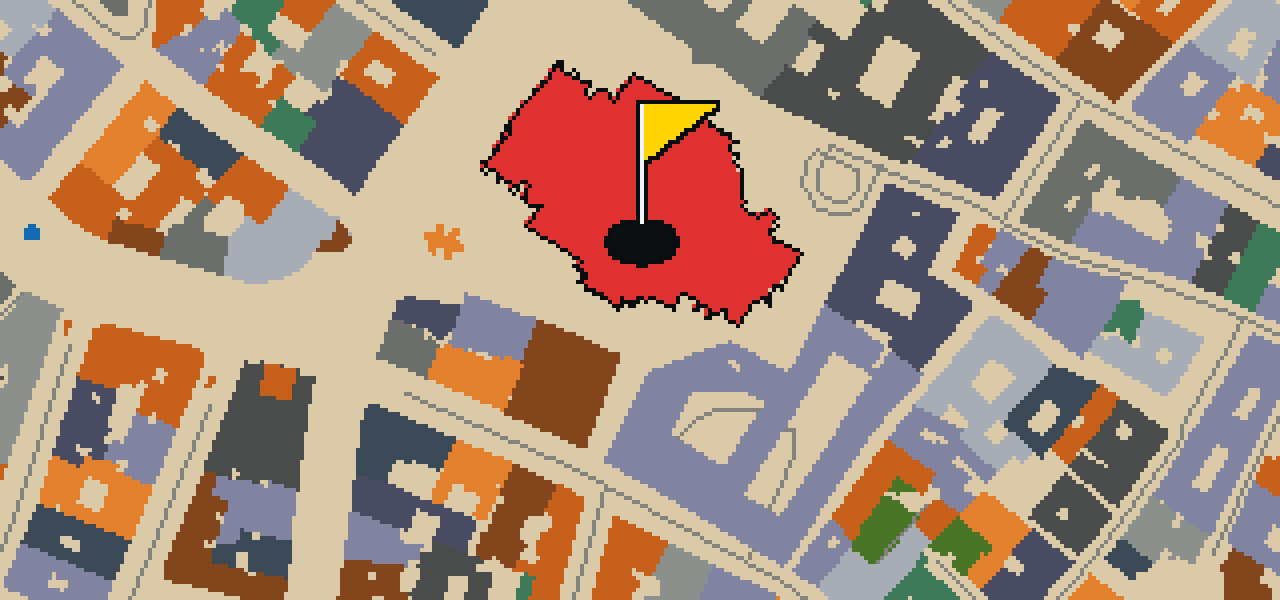
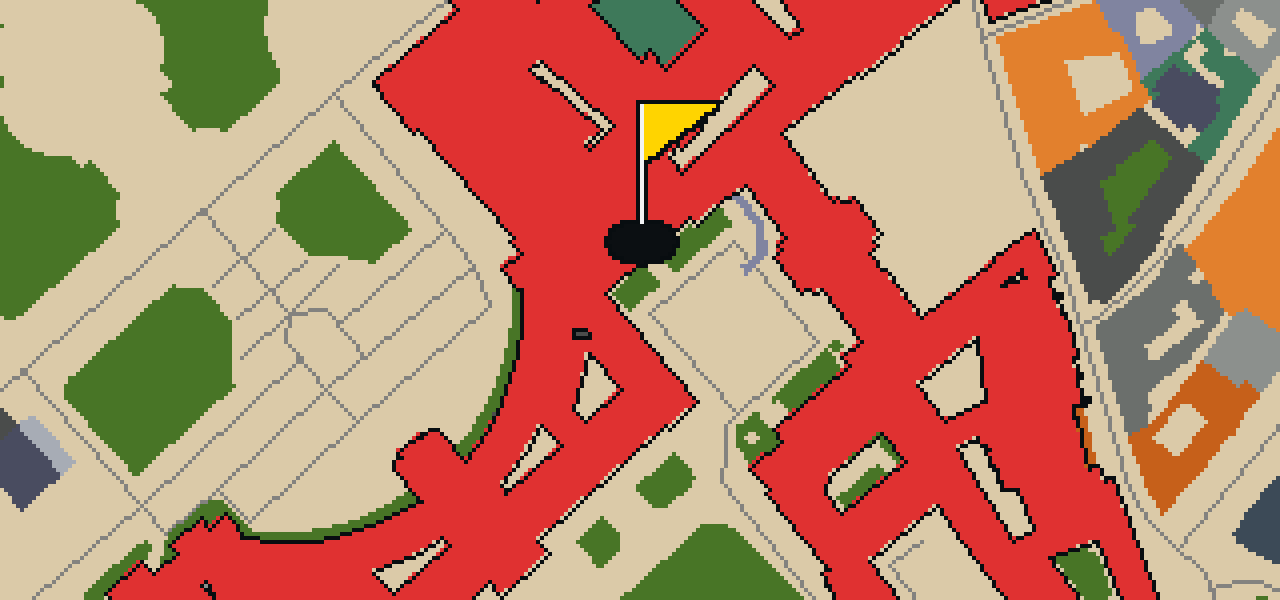
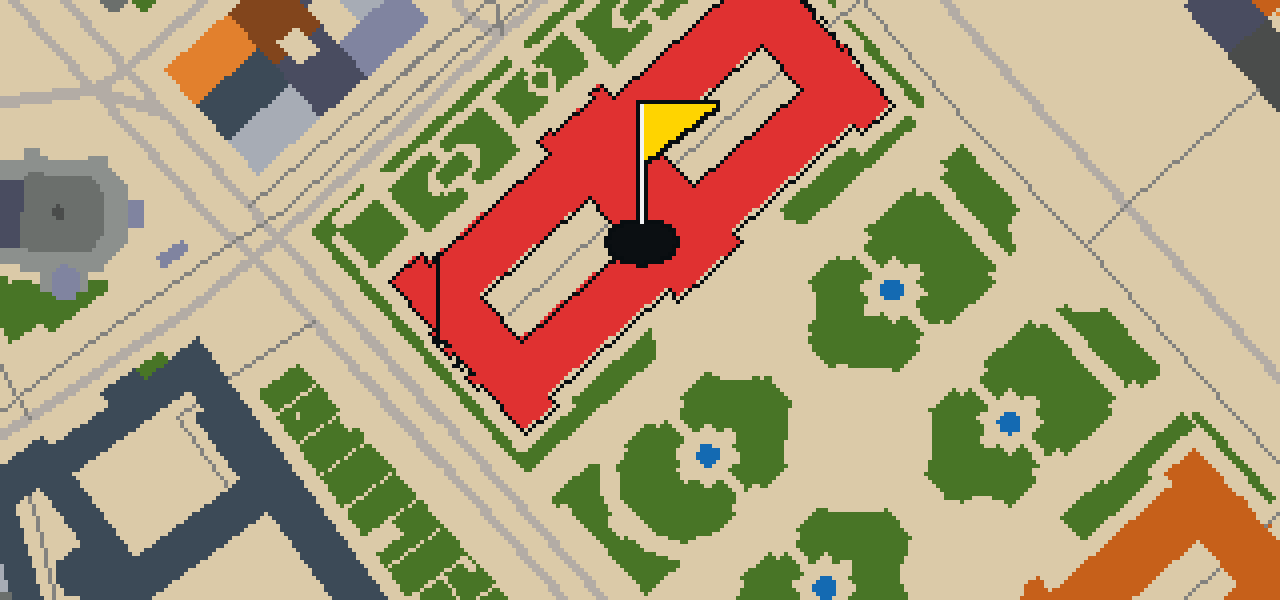
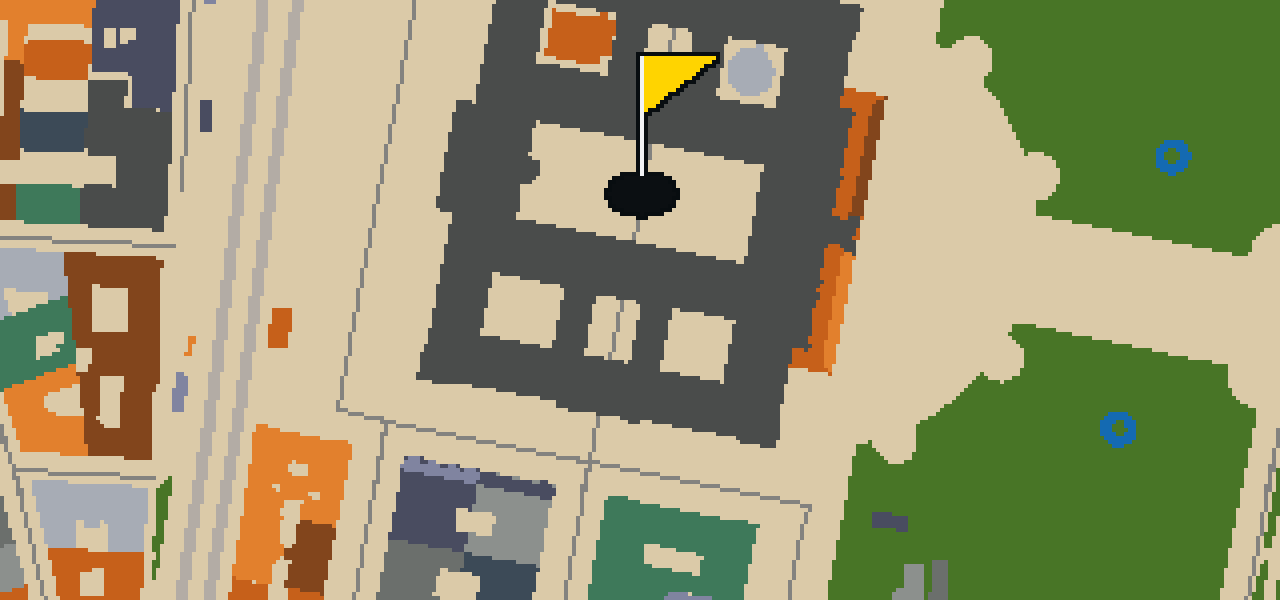
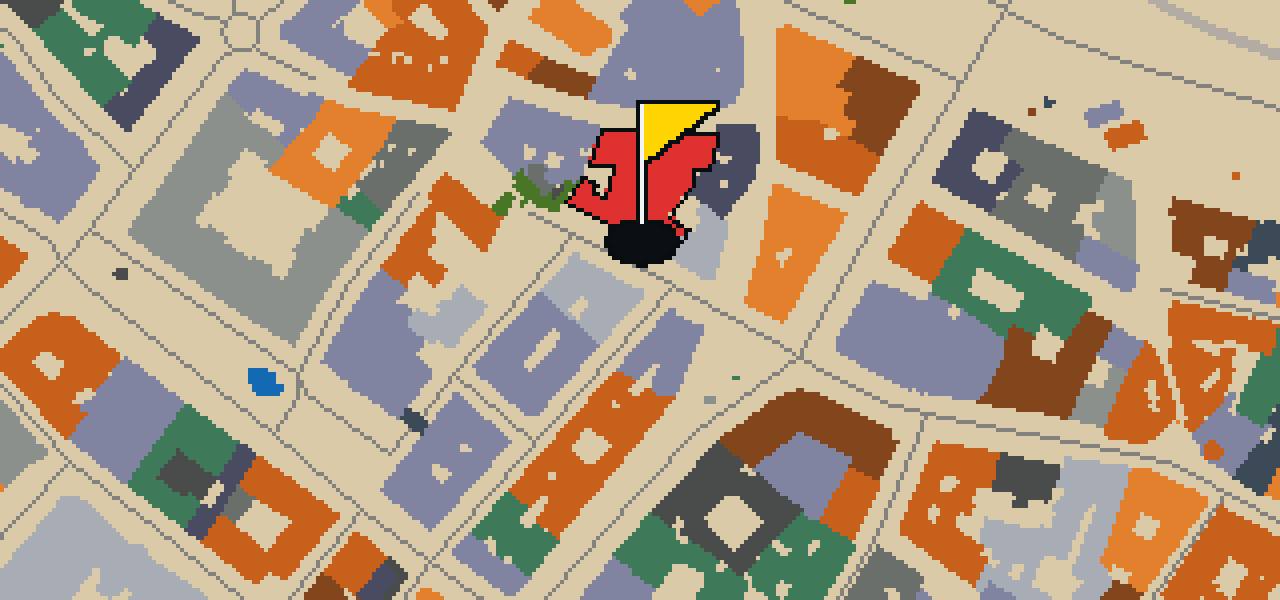
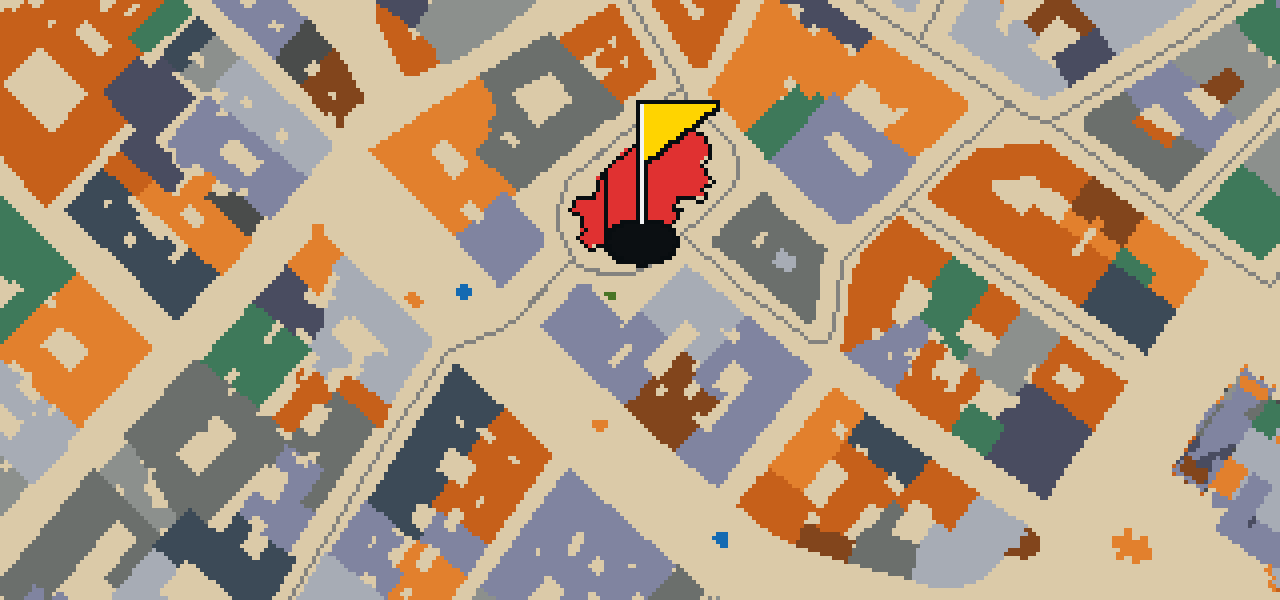
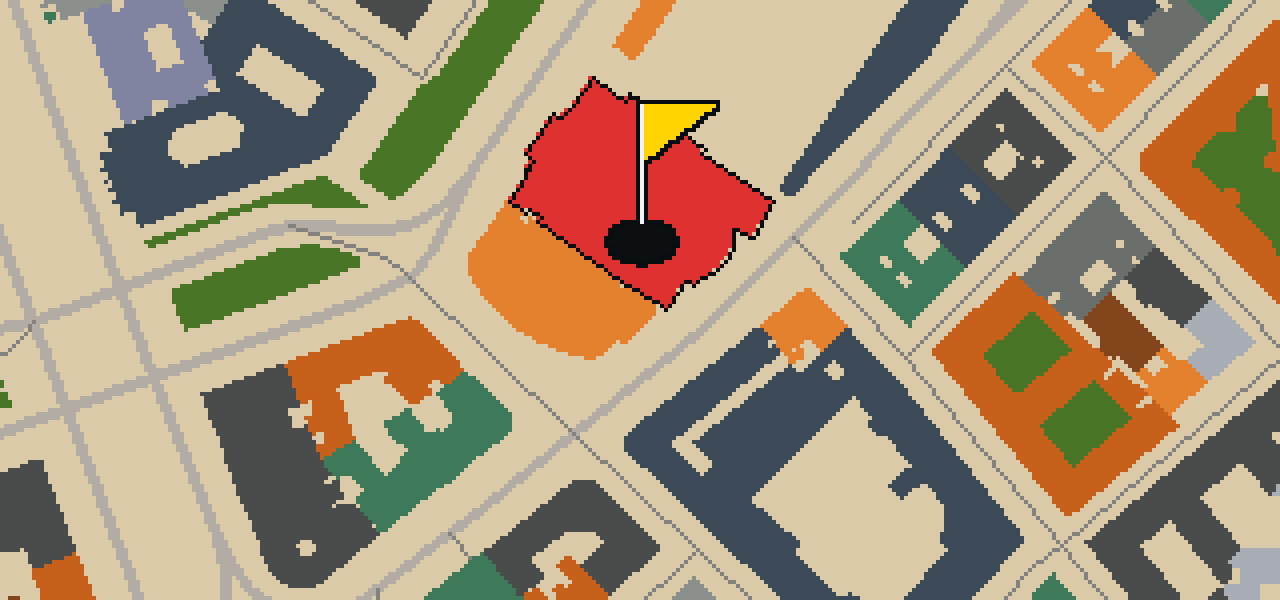
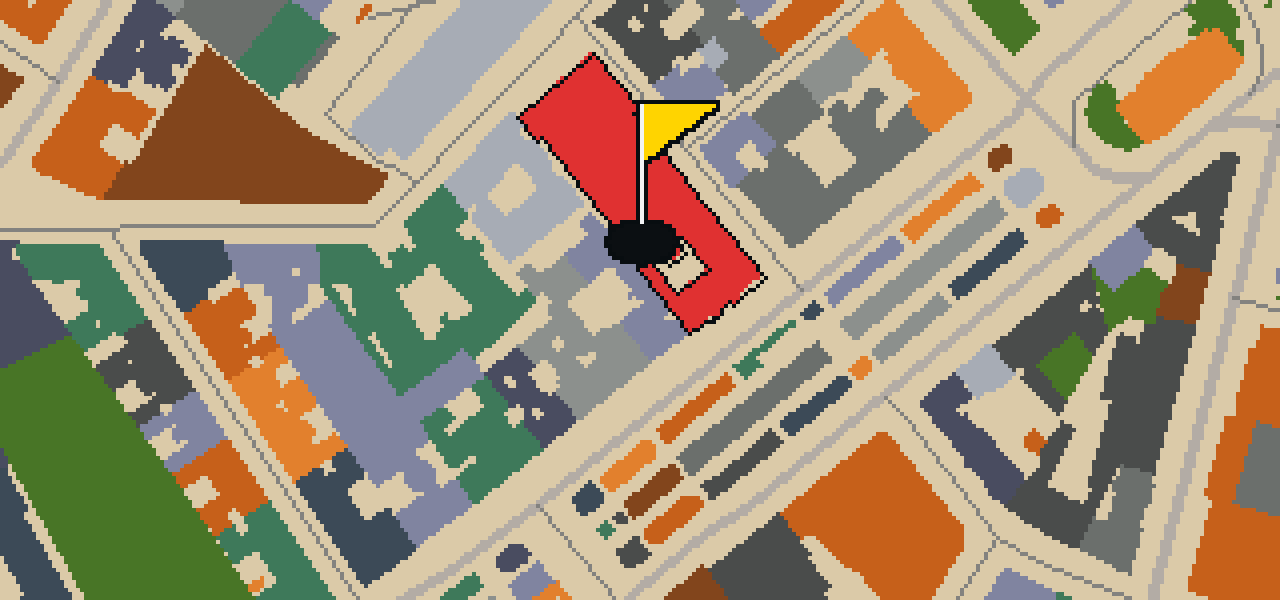
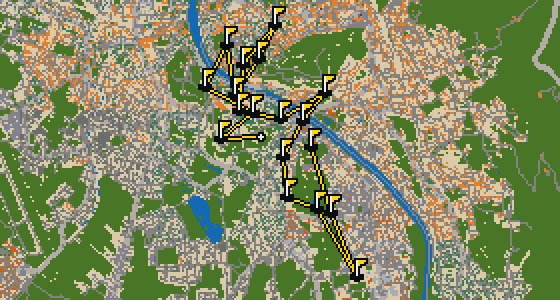
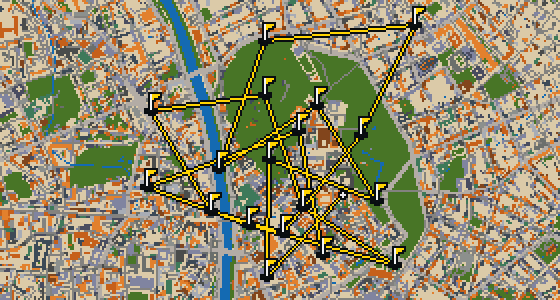
Wien is the setting for this round, where the map is the actual city and the ball rolls along its real streets. The holes are built from real attractions, with the final cup located at the Wiener Konzerthaus. This 18-hole circuit covers 11.4 km and uses 124 portals to leap across the map. Skip knows every cobblestone here, even the ones where a pigeon might find a stray crumb or a bit of pastry.

Trouble loading? Open the game in its own tab.

HOW IT WORKS

01

Pick a city

The course is drawn on the real street grid, so the map you play is the map you walk.

02

Putt to the pin

Drag to aim, release to swing. Buildings bounce and water costs you a stroke.

03

Sightsee between strokes

Every hole ends at an attraction. Sink the putt, read the story, walk to the next tee.

THE VIENNA ROUND - STOP BY STOP

HOLE 1 - PAR 3

Belvedere

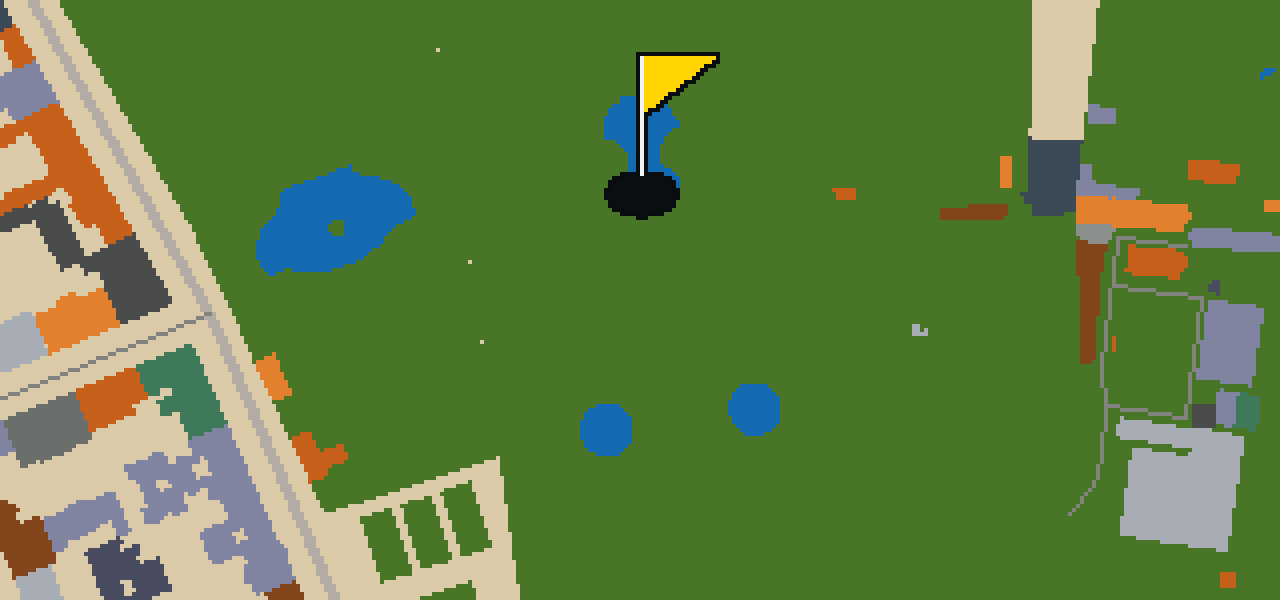
The inception of the Belvedere was in 1714. Designed by architect Johann Lukas von Hildebrandt, the palace is built in the baroque architecture style and is one of the listed objects in Austria. While it began as a private residence, it is now a historic building complex and art museum located in Vienna's third district, Landstraße. I always find the scale of the gardens impressive when I'm gliding over the hedges. You can see how the architecture defines the skyline of this part of the city.

Wikidata · Wikipedia

HOLE 2 - PAR 2

Palais Schwarzenberg

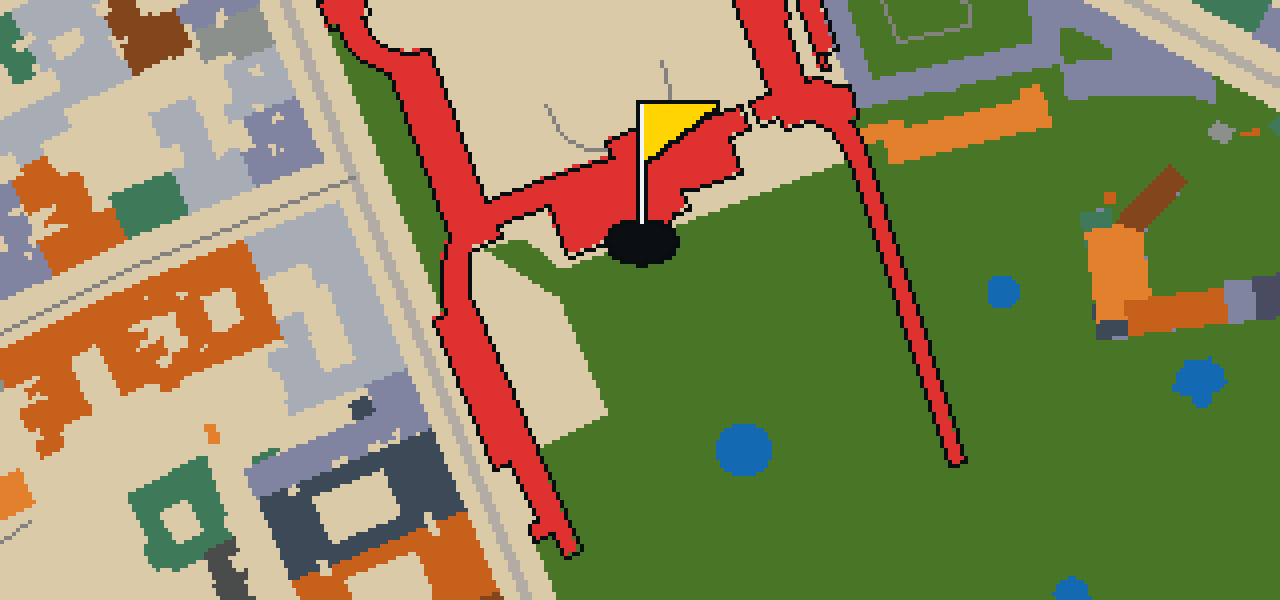
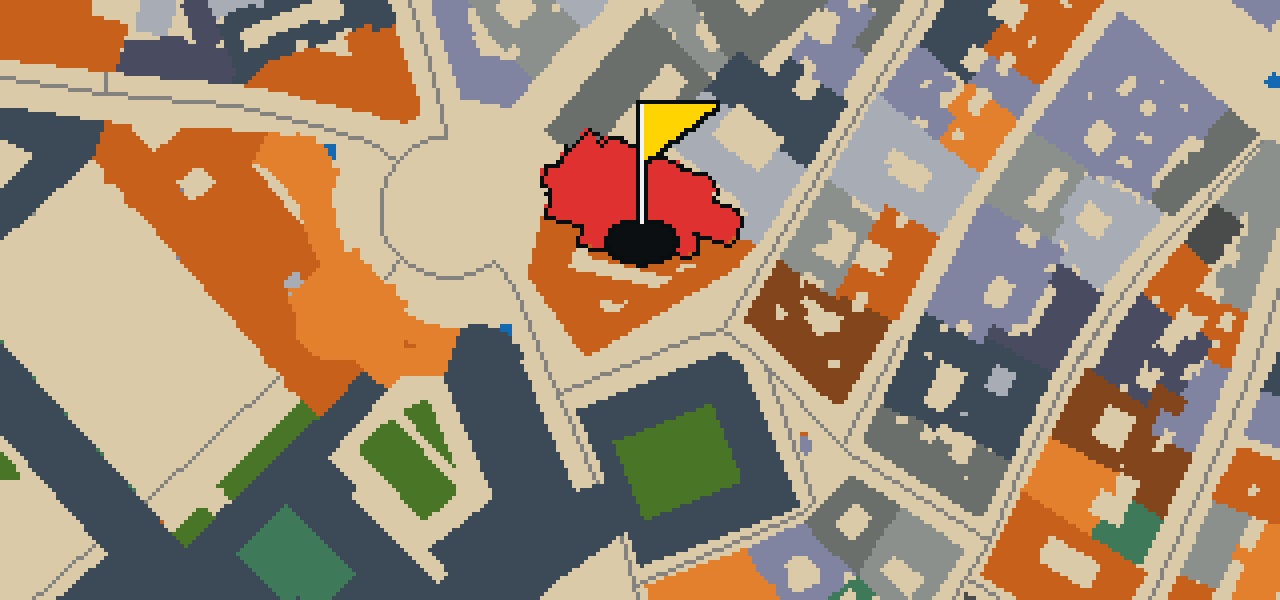
Let me show you Palais Schwarzenberg, a city palace designed in the baroque architecture style. Johann Lukas von Hildebrandt is the architect of this building, which you can find in front of Schwarzenbergplatz in the 3rd district of Vienna. It is owned by the princely Schwarzenberg family and is among the Listed objects in Austria. I've noticed the facades make for a great bank shot if you're playing through the Landstraße area. It is a wonderful example of the period's design and remains a prominent landmark for anyone visiting this part of the city.
Wikidata · Wikipedia

HOLE 3 - PAR 3

Karlskirche

This is not a modern monument, but the Karlskirche, a church building in Vienna. Its inception was in 1716, and it was designed by architects Johann Bernhard Fischer von Erlach and Joseph Emanuel Fischer von Erlach. You can pick out the influence of baroque architecture and Rococo styles throughout the structure. It is one of the listed objects in Austria and sits in the Karlsplatz. The building is dedicated to Saint Charles Borromeo and is located on the border of Wieden and the Innere Stadt.

Wikidata · Wikipedia

HOLE 4 - PAR 3

Wiener Staatsoper

You will first notice the imposing Renaissance Revival facade of the Wiener Staatsoper. This opera house was designed by architects August Sicard von Sicardsburg and Eduard van der Nüll. Construction took place from 1861 to 1869, and it is now one of the listed objects in Austria. While it opened in 1869, the house only took on its current name after the First Austrian Republic was established in 1921. I've noticed that the crowds here always seem to be dressed for a special occasion.

Wikidata · Wikipedia

HOLE 5 - PAR 3

Kunsthistorisches Museum

The Kunsthistorisches Museum had an inception in 1891. Since then, it has grown into the largest art museum in the country and is now among the Listed objects in Austria. You can find this cultural institution in Vienna, where it is housed in a palatial building on the Vienna Ring Road. When you look up, you can pick out the octagonal dome that crowns the building. I've noticed that the scale of the place is quite something, even for a city as grand as this one.

Wikidata · Wikipedia

HOLE 6 - PAR 3

Albertina

Founded in 1776, the Albertina is an art museum located in the Innere Stadt of Vienna, Austria. Since its early days, it has grown into a massive repository for art lovers, housing approximately 1 million old master prints and approximately 65,000 drawings. The building was designed by architects Emanuel Silva-Tarouca and Joseph Kornhäusel. It remains a popular destination for people visiting the city, ranking 74th in the list of most-visited art museums in the world. I've noticed the crowds here can be quite thick, which is great for finding a few stray crumbs.

Wikidata · Wikipedia

HOLE 7 - PAR 3

Stephansdom

Stephansdom is a Catholic cathedral and the mother church of the Archdiocese of Vienna. Construction on this site started in 1137. As you look at the building, you can pick out a combination of Romanesque and Gothic architecture. The cathedral is a significant tourist attraction and reaches a height of 136.44 meters. It remains a central point of the city, where the historic architecture provides a clear look at the different styles used during its long construction history.

Wikidata · Wikipedia

HOLE 8 - PAR 3

Hofburg

You might think this is just another museum, but the Hofburg is the former principal imperial palace of the Habsburg dynasty. Located in Vienna, it was started in 1279 and built by Ottokar II of Bohemia. I can show you the Renaissance architecture style used throughout the complex, which features work by the architect Filiberto Lucchese. It is a massive place to navigate, but you can pick out the sections that still serve as the official residence and workplace of the president of Austria today.

Wikidata · Wikipedia

HOLE 9 - PAR 3

Naturhistorisches Museum

You can't miss the grand exterior of the Naturhistorisches Museum, designed by architects Gottfried Semper and Karl von Hasenauer. Located in Vienna, Austria, this natural history museum is one of the city's listed objects. Since its inception in 1889, it has grown into a major destination that sees 564,512 annual visitors. Beyond the exhibits, the institution also operates as a collection and an academic publisher. I've noticed that the crowds always seem to move in a synchronized swarm toward the entrance.

Wikidata · Wikipedia

HOLE 10 - PAR 4

Rathaus

Construction on this Gothic Revival town hall began in 1872. Located in the Innere Stadt on the Rathausplatz, just off the Ringstrasse, the building was finished in 1883. Since then, it has become the center of local administration, housing the offices of the Mayor of Vienna and the city and state government. You can pick out the intricate details that make it one of the listed objects in Austria. I've seen plenty of crumbs dropped by tourists on the plaza outside, but the architecture is the real draw here.

Wikidata · Wikipedia

HOLE 11 - PAR 3

Hofjagd- und Rüstkammer

You might expect another standard exhibit, but the Hofjagd- und Rüstkammer is an art museum and cultural institution located in Wien. Established in 1891, it is a significant stop for anyone exploring the city's heritage. You can pick out why it remains so popular today by looking at the crowds, as it sees 1,351,940 annual visitors. It is also among the Listed objects in Austria, making it a protected part of the local environment. I've seen a few crumbs dropped near the entrance, so it's a busy spot for everyone.

Wikidata · Wikipedia

HOLE 12 - PAR 4

Secession

The Secession had its inception in 1897. Joseph Maria Olbrich designed the museum building in the Art Nouveau architecture style and completed the work in 1898. Since then, it has remained a significant part of the city and is among the listed objects in Austria. Today, the Secession is an art museum and a contemporary art exhibition hall in Vienna, Austria. I've always thought the building's unique style makes it one of the easiest landmarks to spot from the air when I'm flying over the city.

Wikidata · Wikipedia

HOLE 13 - PAR 3

Volkstheater

The Volkstheater is a theatre building located in Neubau, the seventh district of Vienna. It was erected according to designs by Ferdinand Fellner and Hermann Helmer and is among the listed objects in Austria. This venue was founded in 1889 by request of the citizens of Vienna, including the furniture manufacturer Thonet and the dramatist Ludwig Anzengruber. I've found that the architecture in this neighborhood always makes for a great bank shot, and the street layout here is quite helpful for getting the ball to roll straight toward the goal.

Wikidata · Wikipedia

HOLE 14 - PAR 3

Burgtheater

Look at the grand facade of the Burgtheater building in Vienna. This is the national theater of Austria and a theatre company that opened in 1741. It has a long history of names, starting as the K.K. Theater an der Burg. Later, it was known as the K.K. Hofburgtheater until 1918. I've found that the scale of the place is enough to make any visitor feel small, though it's a great spot for a bird to get a view of the city.

Wikidata · Wikipedia

HOLE 15 - PAR 3

Michaelerkirche

Michaelerkirche is a parish church located at Michaelerplatz across from St. Michael's Gate at the Hofburg Palace. The inception of this church building was in 1219, and it is constructed in the Romanesque architecture style. It is among the listed objects in Austria. This site is dedicated to the Archangel Michael. You can also note that it was called Zum heiligen Michael during the period when it was the parish church of the Imperial Court.

Wikidata · Wikipedia

HOLE 16 - PAR 2

Stadttempel

The Stadttempel is an Orthodox Jewish synagogue located at Seitenstettengasse 4, in the Innere Stadt 1st district of Vienna. Visitors will first notice the Neoclassical architecture style of the building, which was designed by the architect Joseph Kornhäusel. The construction of the synagogue was started in 1826 and was completed in 1826. It is officially among the listed objects in Austria. The congregation of the Stadttempel continues to worship here in the Ashkenazi rite, maintaining the traditions of the community in the heart of the city.
Wikidata · Wikipedia

HOLE 17 - PAR 4

Peterskirche

This is not a modern structure, but a baroque Roman Catholic parish church in Vienna. The Peterskirche is built in the baroque architecture style and is among the Listed objects in Austria. Work on this church building was started in 1701. It remains a significant site within the city. In 1970, the Archbishop of Vienna Franz Cardinal König transferred the Peterskirche to the priests of the Opus Dei. This transition marked a change in the administration of the parish church, while the baroque architecture of the building continues to be a defining feature for those visiting the site.

Wikidata · Wikipedia

HOLE 18 - PAR 4

Wiener Konzerthaus

Located in Vienna, the Wiener Konzerthaus is a concert hall and a music organization. You can pick out the Art Nouveau architecture style of the building, which was designed by the architects Fellner & Helmer. It opened in 1913 and is among the listed objects in Austria. Whether you are a fan of classical music or just enjoy a stroll through the neighborhood, the building is a sight to see. I've noticed that the entrance is a particularly good spot to pause and take in the surroundings before the music starts.

Wikidata · Wikipedia

STOP 19

Theater an der Wien

You will find the Theater an der Wien located on the Left Wienzeile in the Mariahilf district of Vienna. It is a theatre building that is among the Listed objects in Austria, meaning it is recognized for its heritage. The structure was started in 1801 and completed in 1801. While it began as a theatre, since 2006 it has operated primarily as an opera house. I've always found the area around the Wienzeile to be a great spot for people-watching.

Wikidata · Wikipedia

OTHER COURSES

18 HOLES - PAR 57

Salzburg

18 stops

This is Salzburg, where the map is the real city and the round is played on its real streets. The holes are built from the actual attractions, starting with the heights of Festung Hohensalzburg. A full 18-hole round covers 11 km, and 22 portals help the ball skip between distant parts of the map. Skip knows every alleyway and cobblestone here, especially the spots where the crumbs are best. It is a long walk, but the city is worth the effort.

18 HOLES - PAR 54

Innsbruck

18 stops

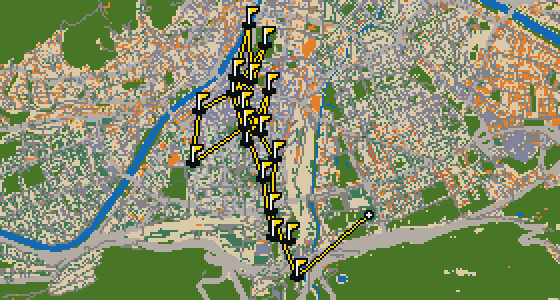
Innsbruck is the setting for this round, where the map is the real city and the play happens on its actual streets. The holes are built from real attractions, ending at the Basilika Wilten. A full round of 18 holes with a par of 54 covers 10.4 km, moving through the city via 20 portals. Skip knows these corners well, even the ones where the crumbs are best, and can guide the ball through every alleyway.

18 HOLES - PAR 53

Graz

18 stops

Graz is the setting for this round, where the map follows the real city and the ball rolls across its actual streets. The holes are built directly from local attractions, starting the game at the Grazer Dom. I know these sidewalks and alleys well, even the spots where the best crumbs land. This full round of 18 holes covers 10.5 km with a par of 53, using 32 portals to bridge the gaps between different districts.

FAQ

Is it free to play?

Yes. Every course runs in the browser with no account and no install.

Do I need to be in the city?

No. The full round plays from anywhere. Walking the real route is a nice way to see the city, but it is not required.

Are the maps real?

Yes. The geometry comes from OpenStreetMap data, rendered chunky on purpose. Streets, water and parks sit where they really are.