
INNSBRUCK - 18 HOLES - FREE

INNSBRUCK
CITY MAP MINIGOLF

Innsbruck - 18 stops - par 54

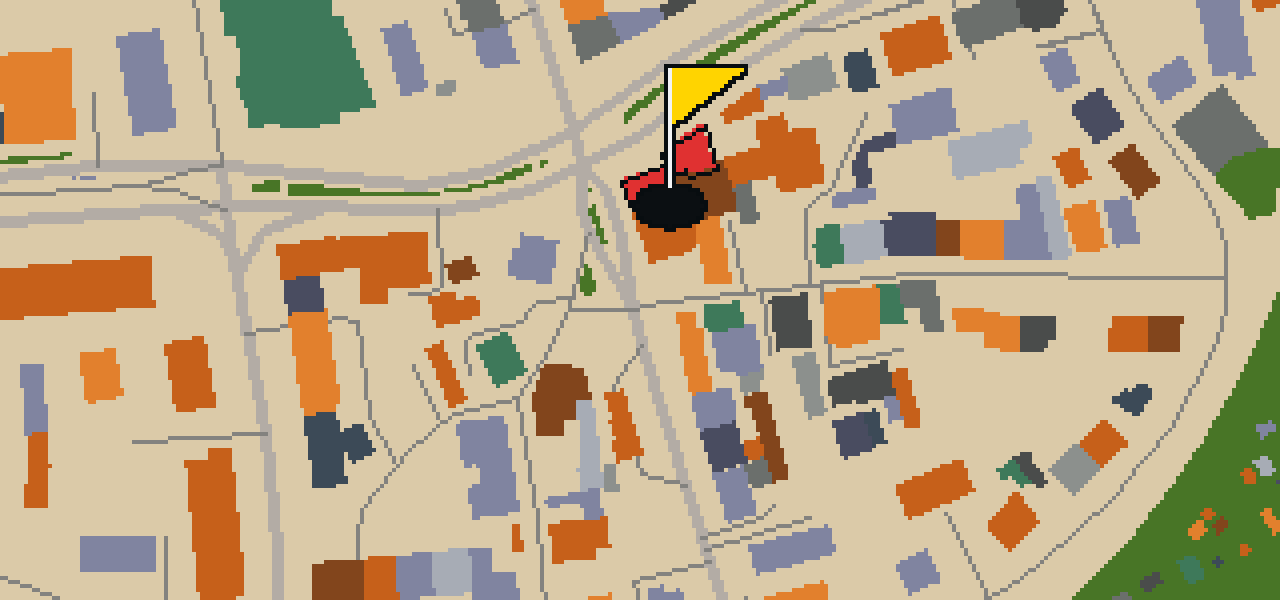
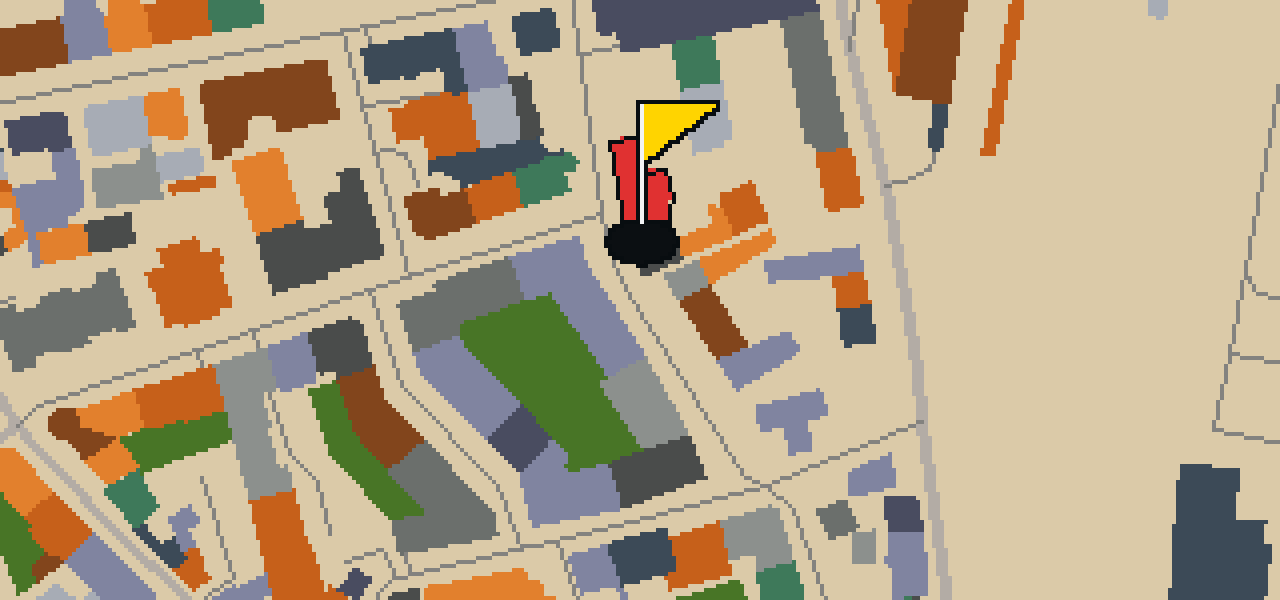
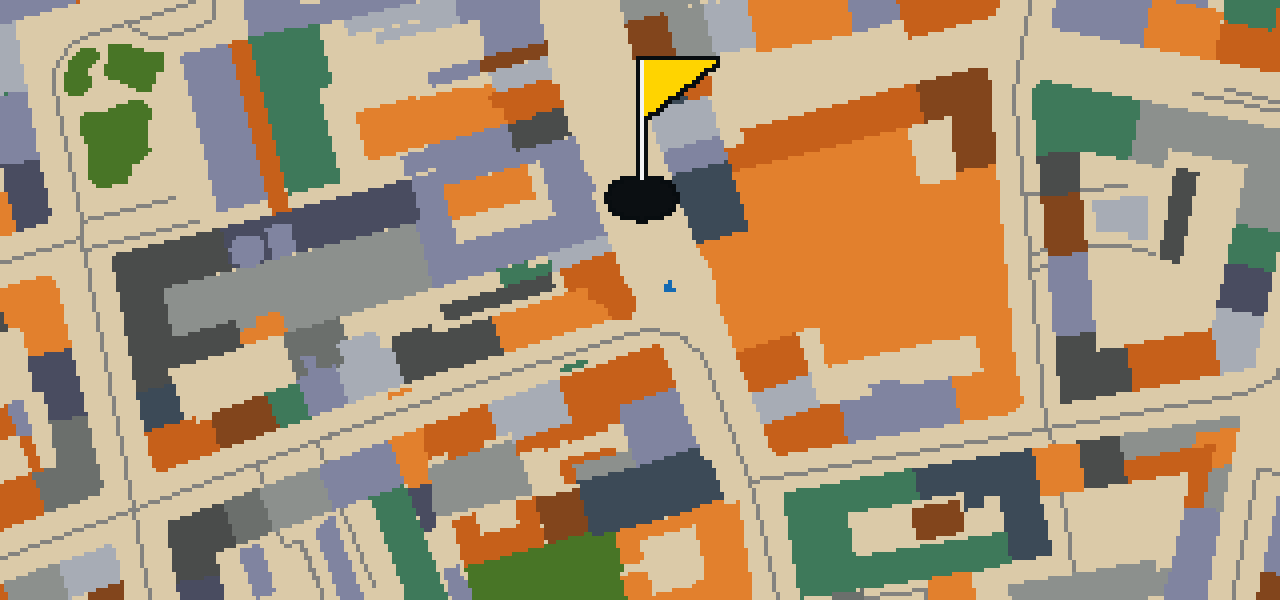
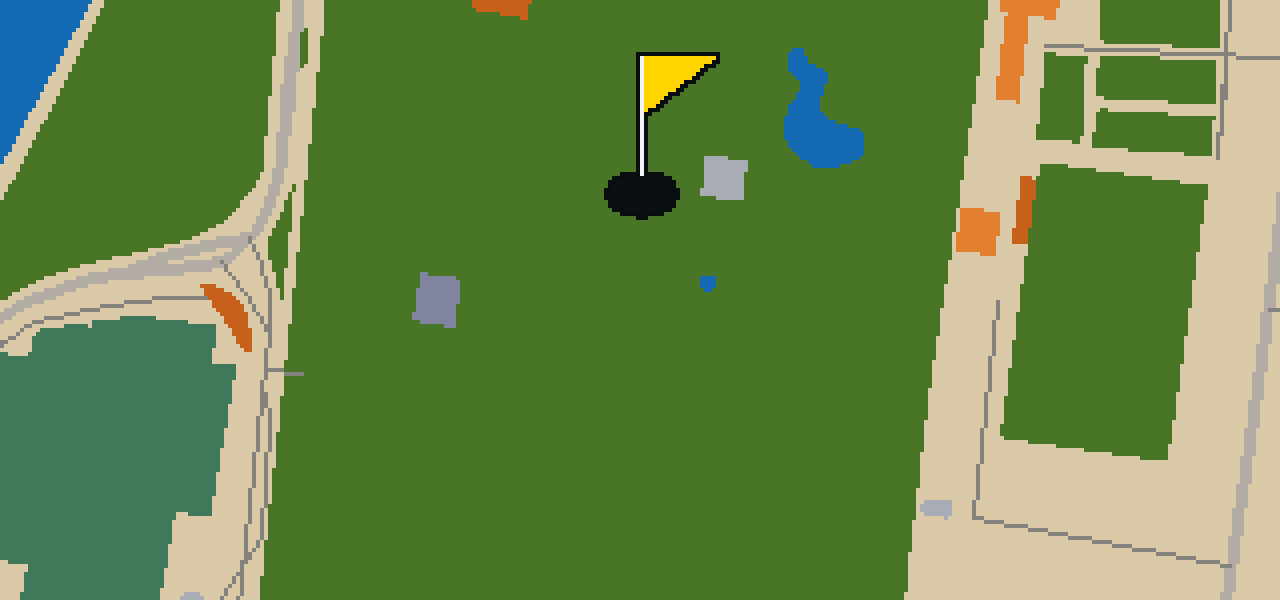
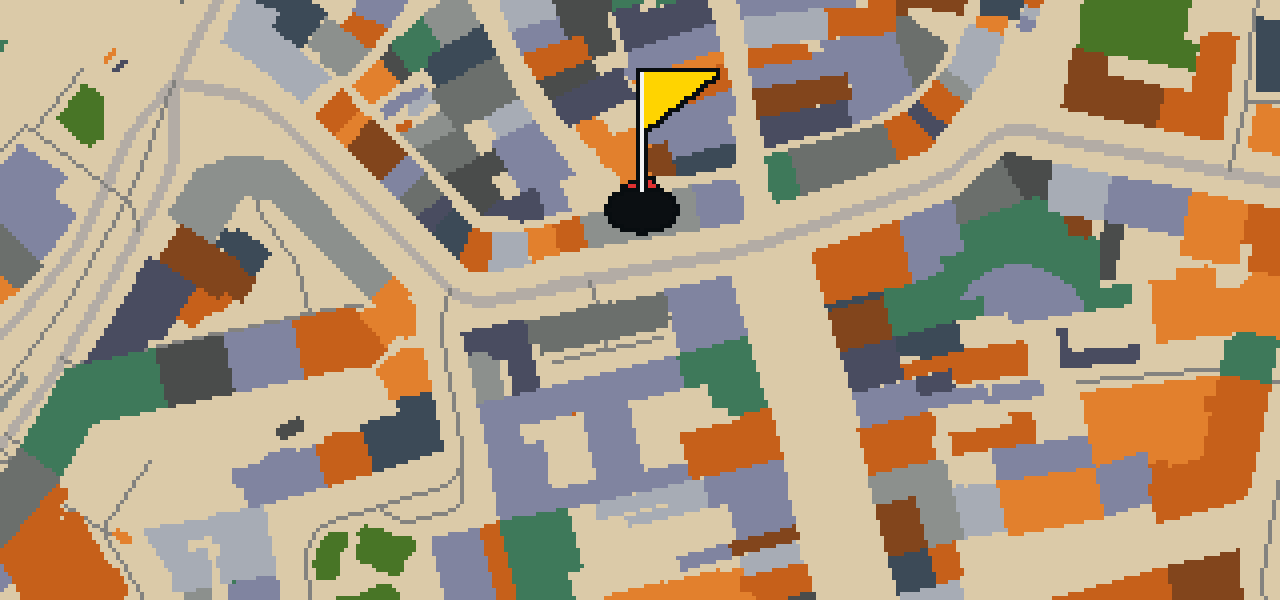
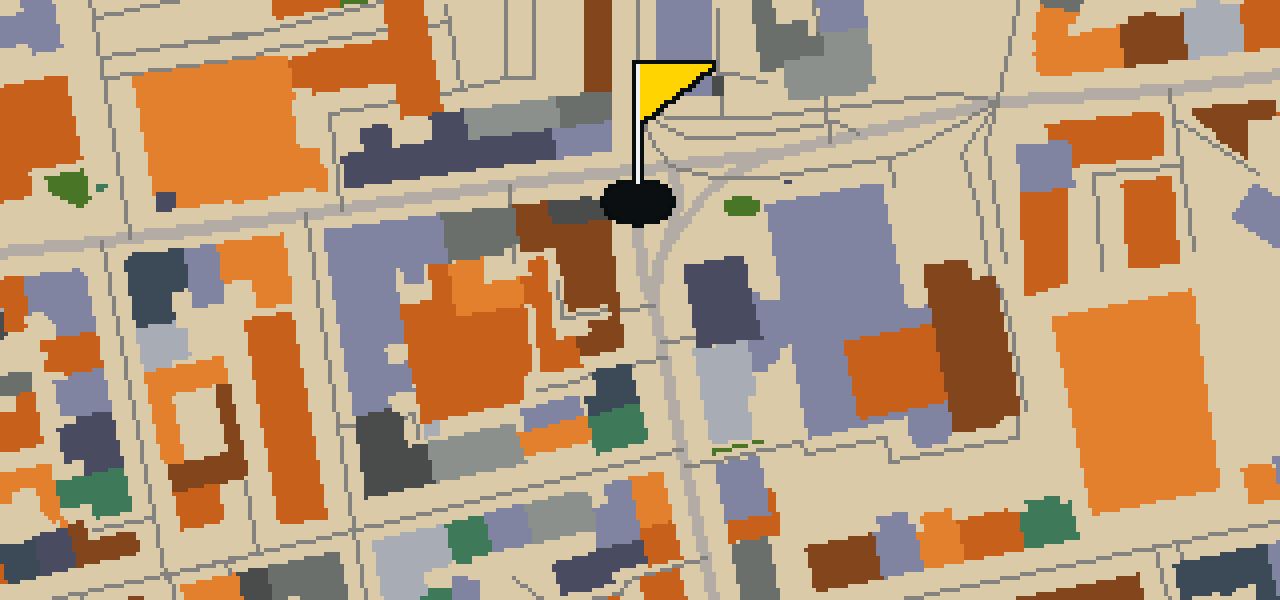
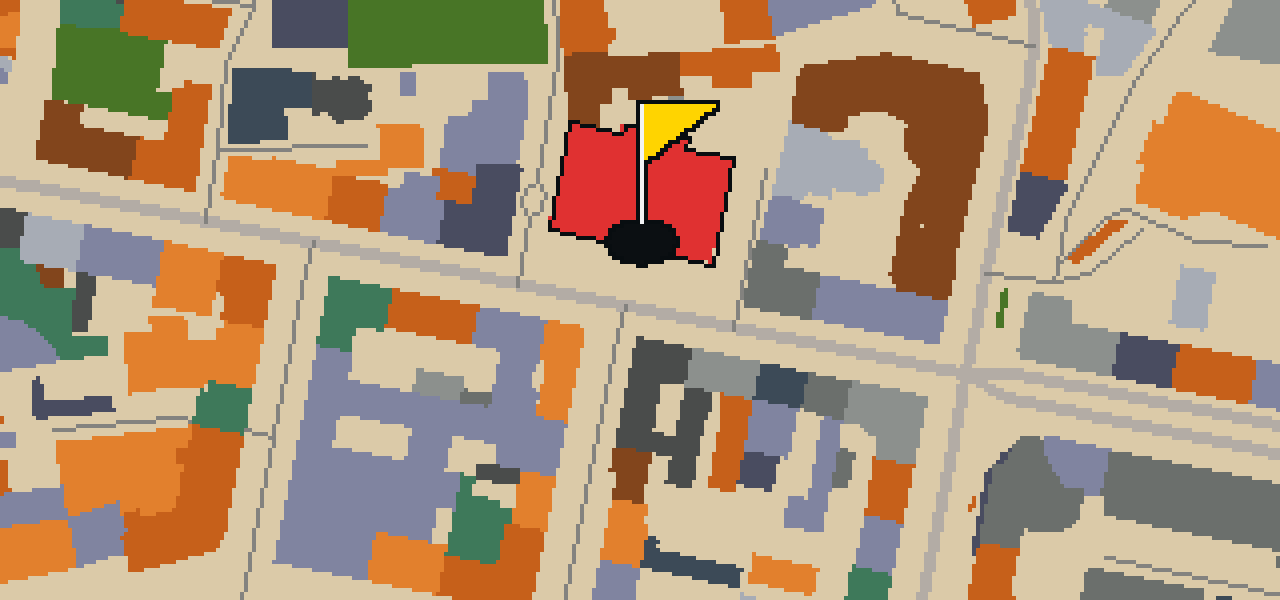
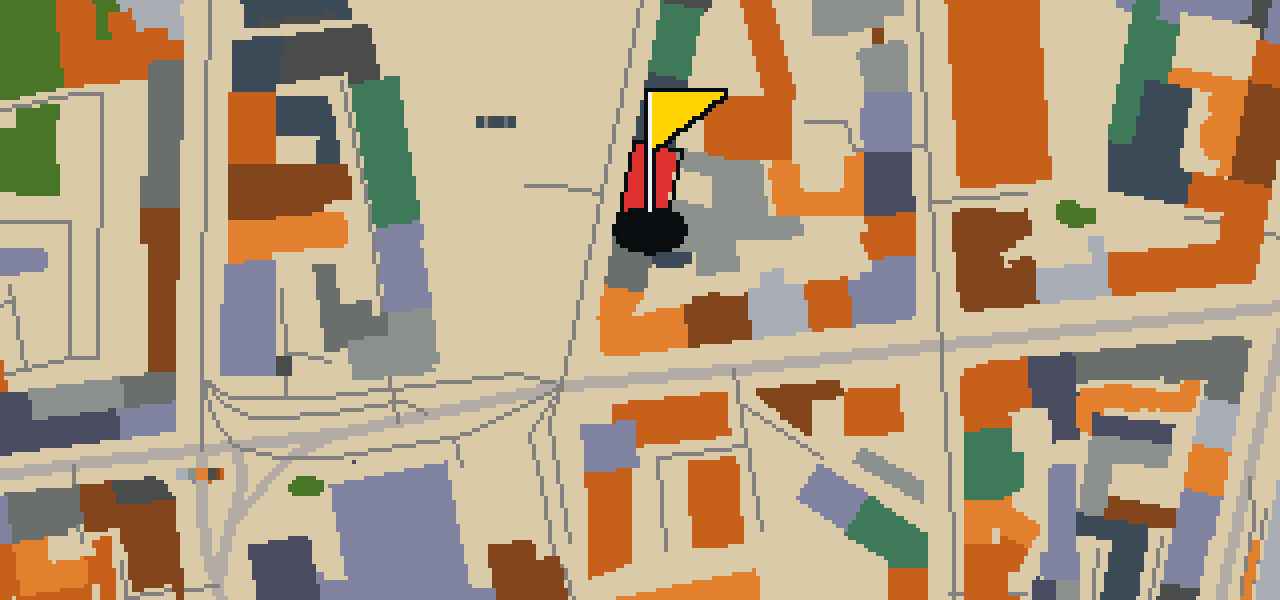
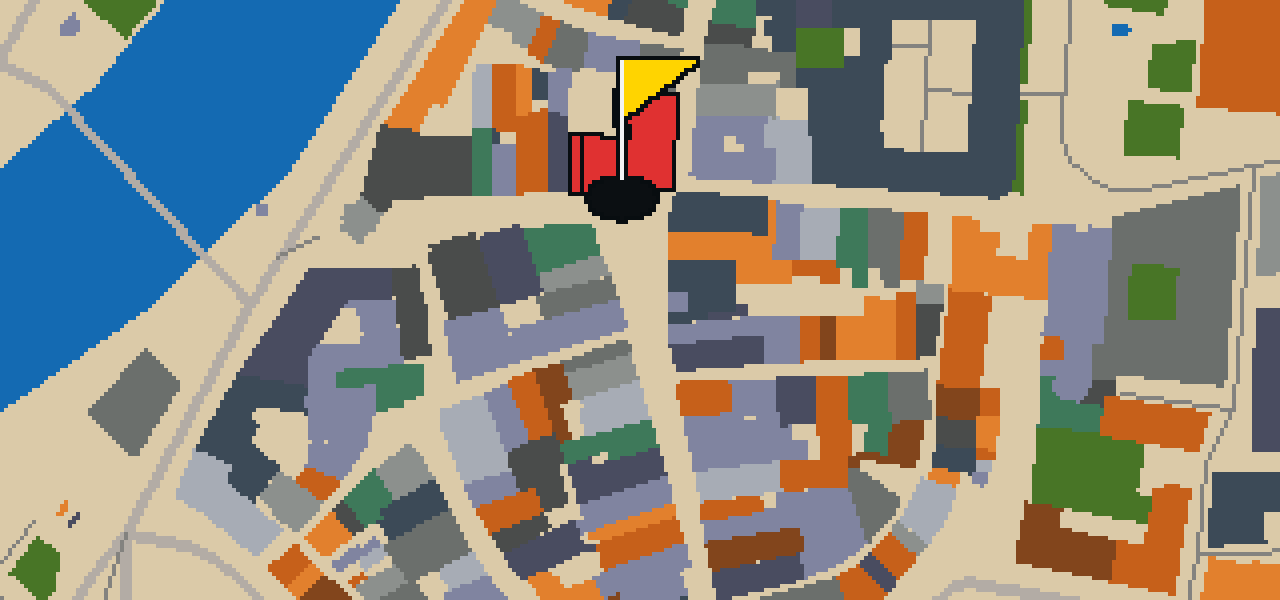
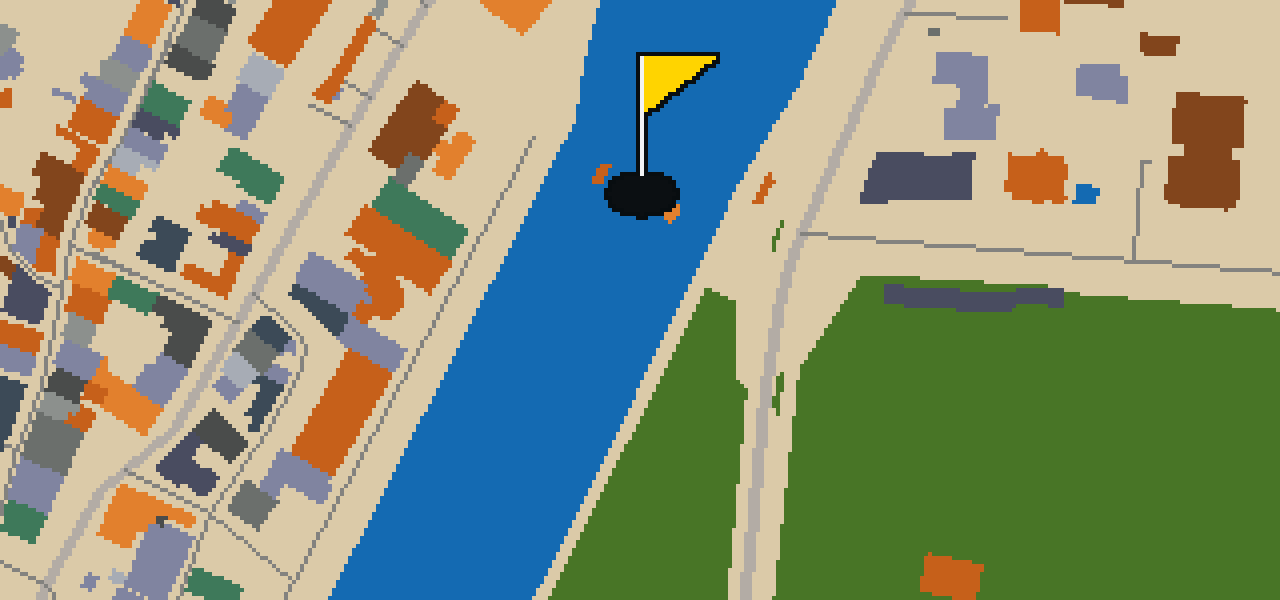
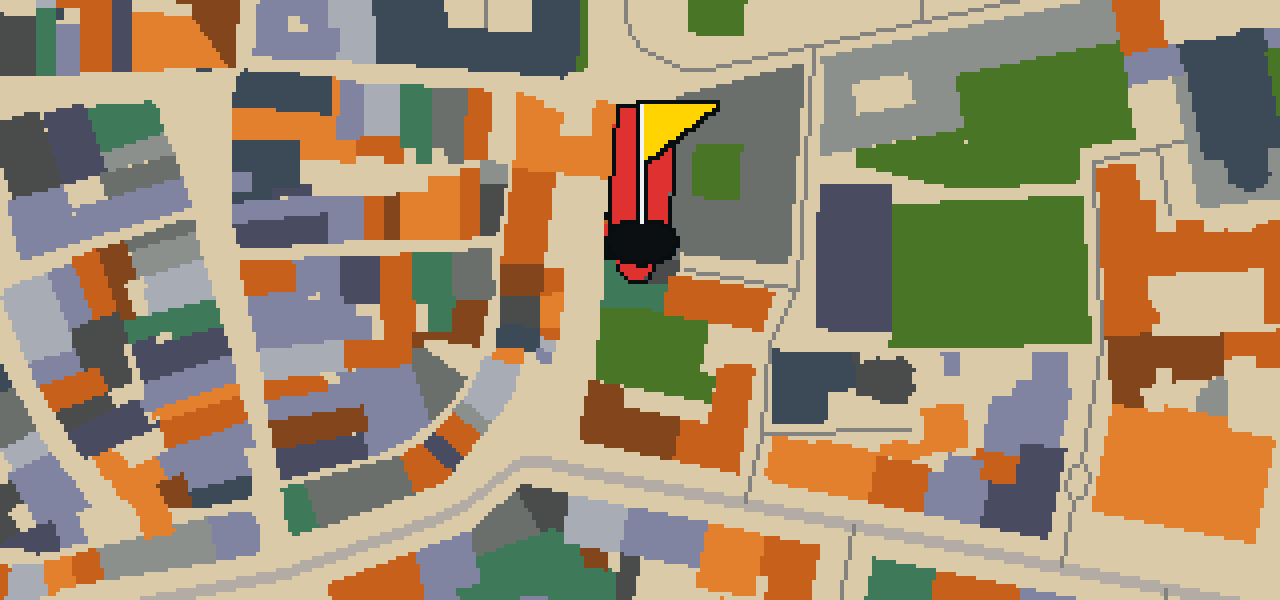
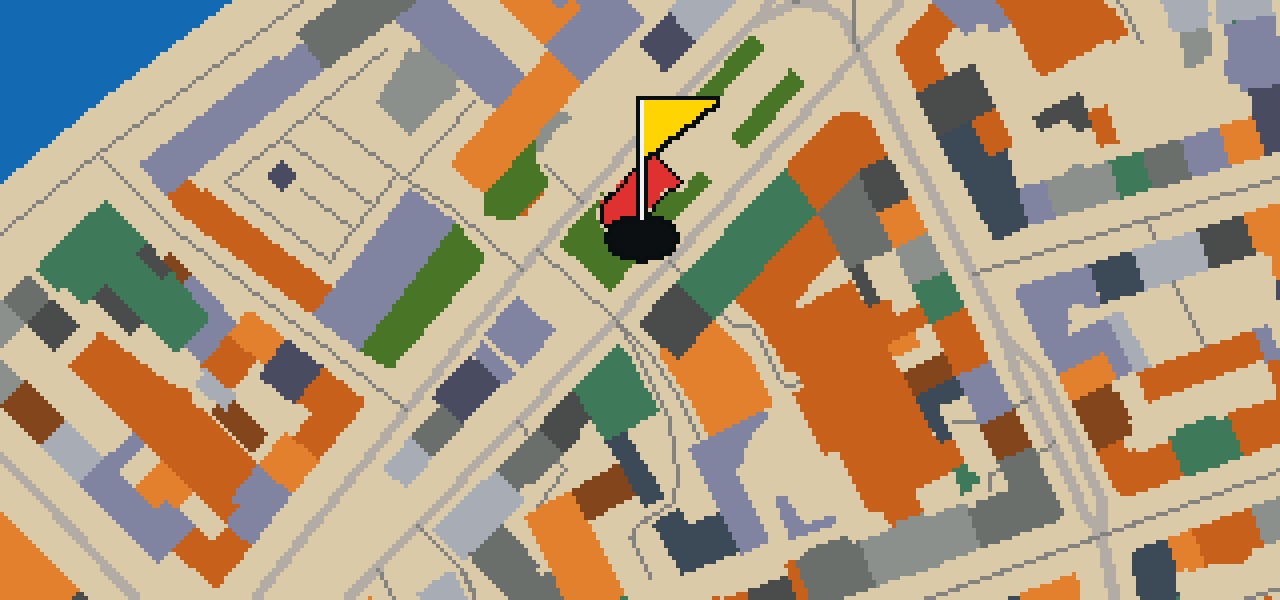
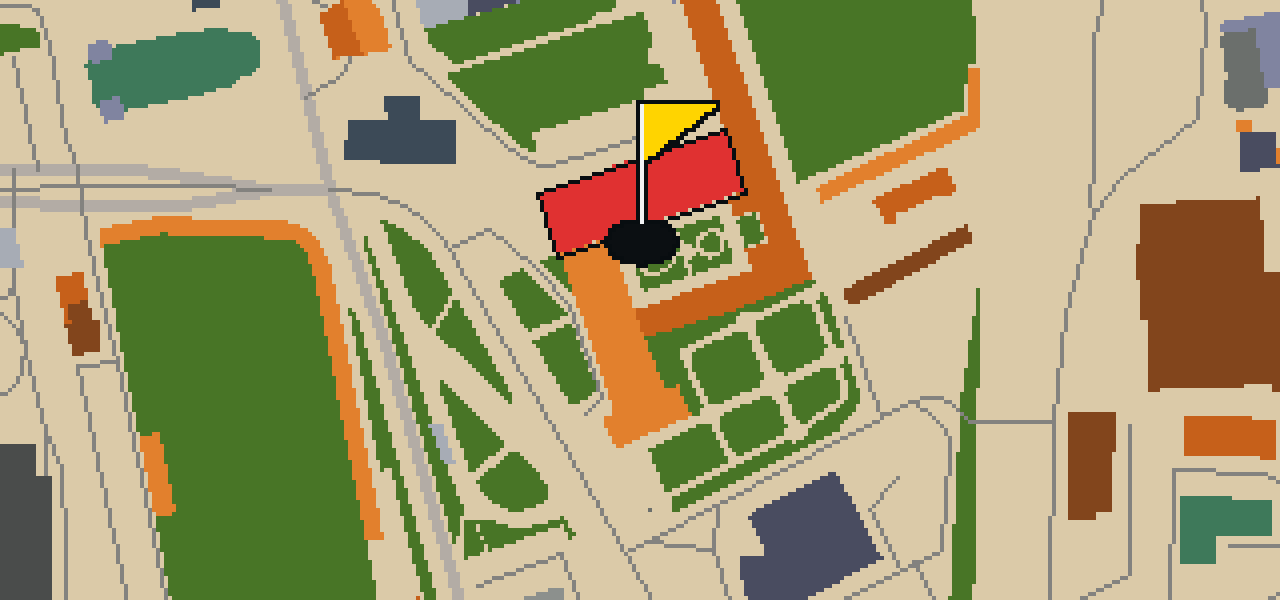
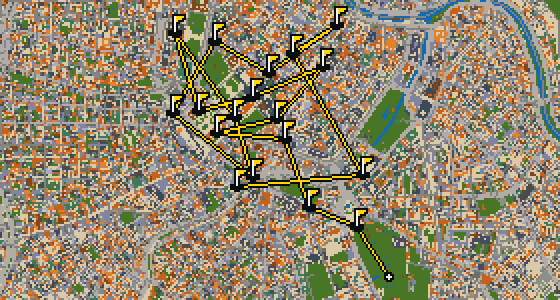
Innsbruck is the setting for this round, where the map is the real city and the play happens on its actual streets. The holes are built from real attractions, ending at the Basilika Wilten. A full round of 18 holes with a par of 54 covers 10.4 km, moving through the city via 20 portals. Skip knows these corners well, even the ones where the crumbs are best, and can guide the ball through every alleyway.

Trouble loading? Open the game in its own tab.

HOW IT WORKS

01

Pick a city

The course is drawn on the real street grid, so the map you play is the map you walk.

02

Putt to the pin

Drag to aim, release to swing. Buildings bounce and water costs you a stroke.

03

Sightsee between strokes

Every hole ends at an attraction. Sink the putt, read the story, walk to the next tee.

THE INNSBRUCK ROUND - STOP BY STOP

HOLE 1 - PAR 4

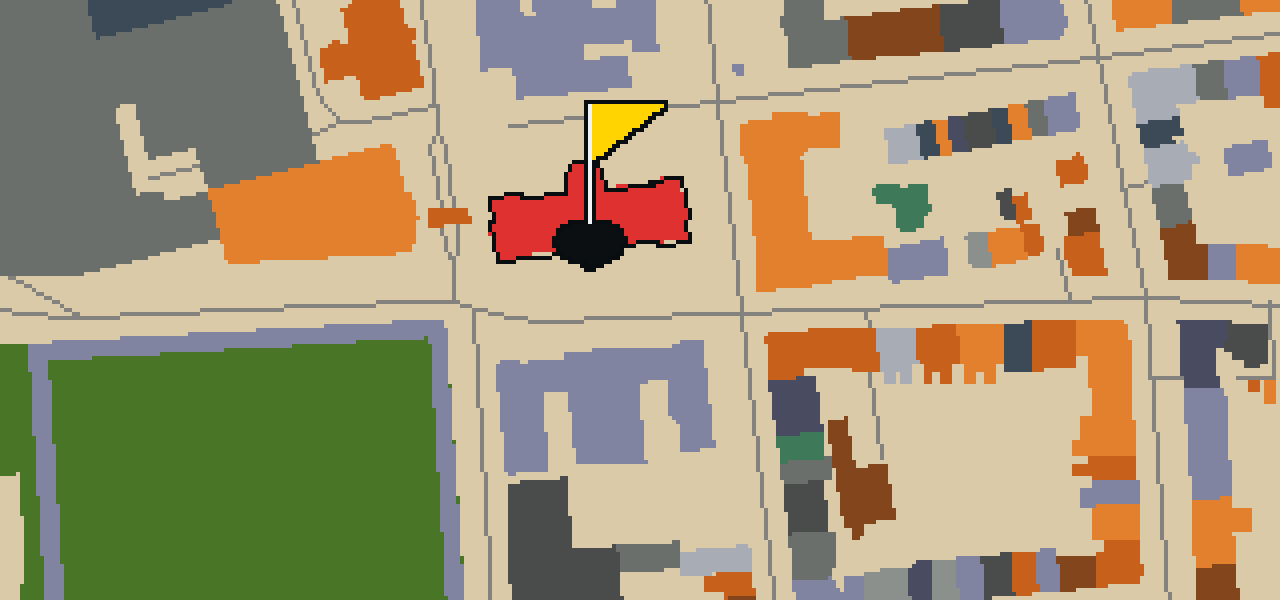
Tivoli Stadion Tirol

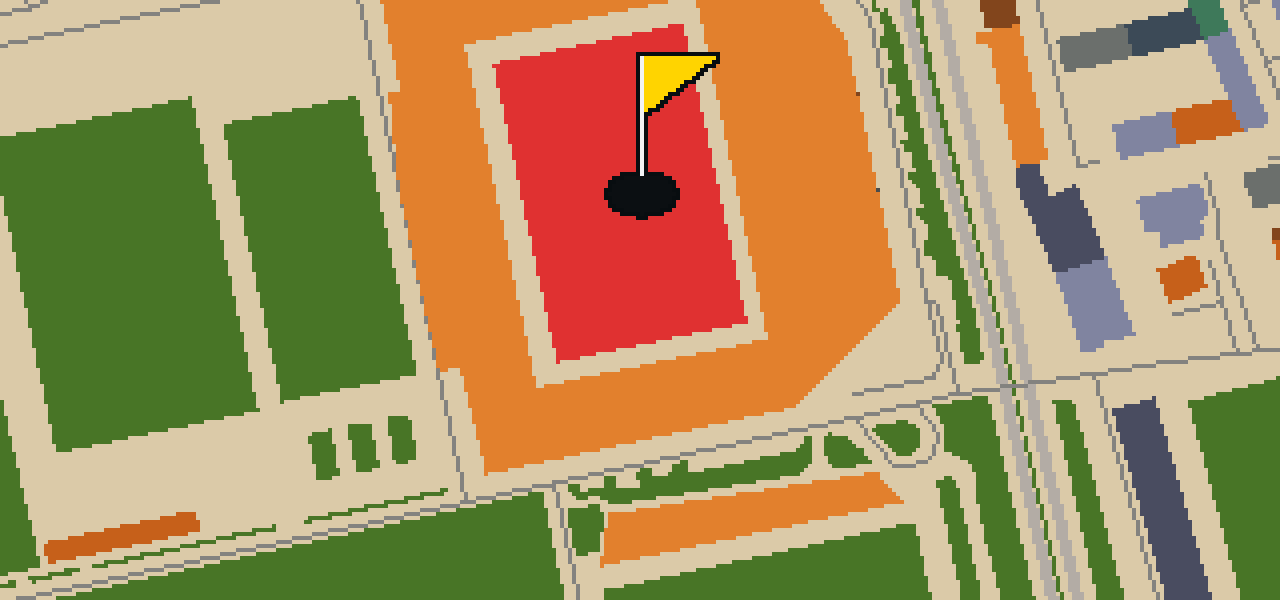
You will first notice the scale of Tivoli Stadion Tirol, a multi-purpose stadium in Innsbruck, Austria. Built in 2000, this association football venue originally had a capacity of 17,400 people. It has seen significant crowds in the past, as it was temporarily expanded to 30,000 people for UEFA Euro 2008. Today, the grounds are shared by several teams. It is the home ground for Bundesliga club WSG Tirol, 2. Liga club Wacker Innsbruck, and Raiders Tirol of the European League of Football. I've seen plenty of excited fans flocking to these stands from the air.

Wikidata · Wikipedia

HOLE 2 - PAR 3

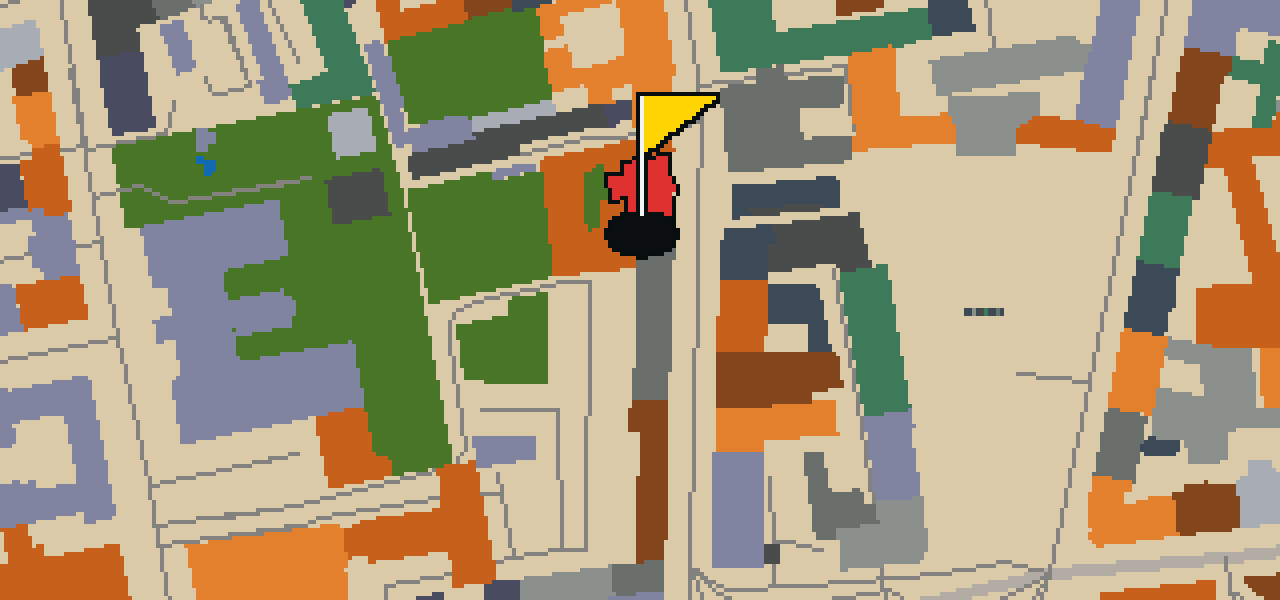
Riesenrundgemälde

Let me show you the Riesenrundgemälde. This piece was started in 1896 and remains a significant sight in Innsbruck. It is a painting, specifically a cyclorama, which creates a panoramic experience for those who visit. I always find it impressive how such a massive work of art has been preserved for so long. You can pick out the immense scale of the canvas as you look around the space. It is one of those rare spots where the art completely surrounds you, making the scene feel like it is actually happening around your feet.

Wikidata

HOLE 3 - PAR 3

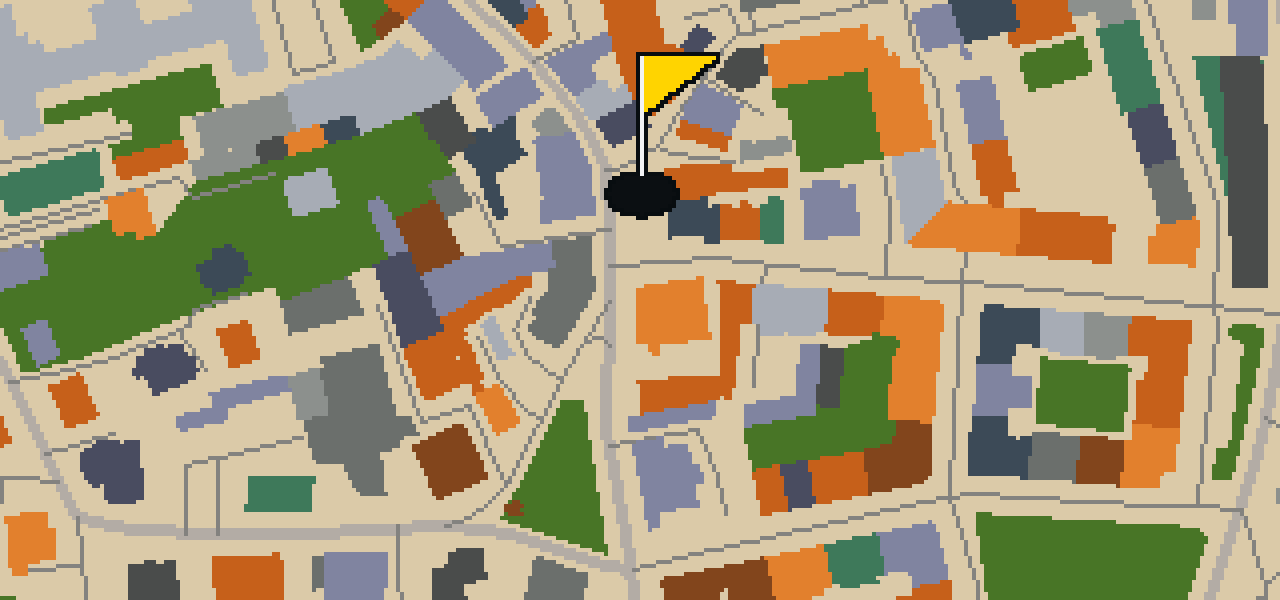
Glockengießerei Grassmayr

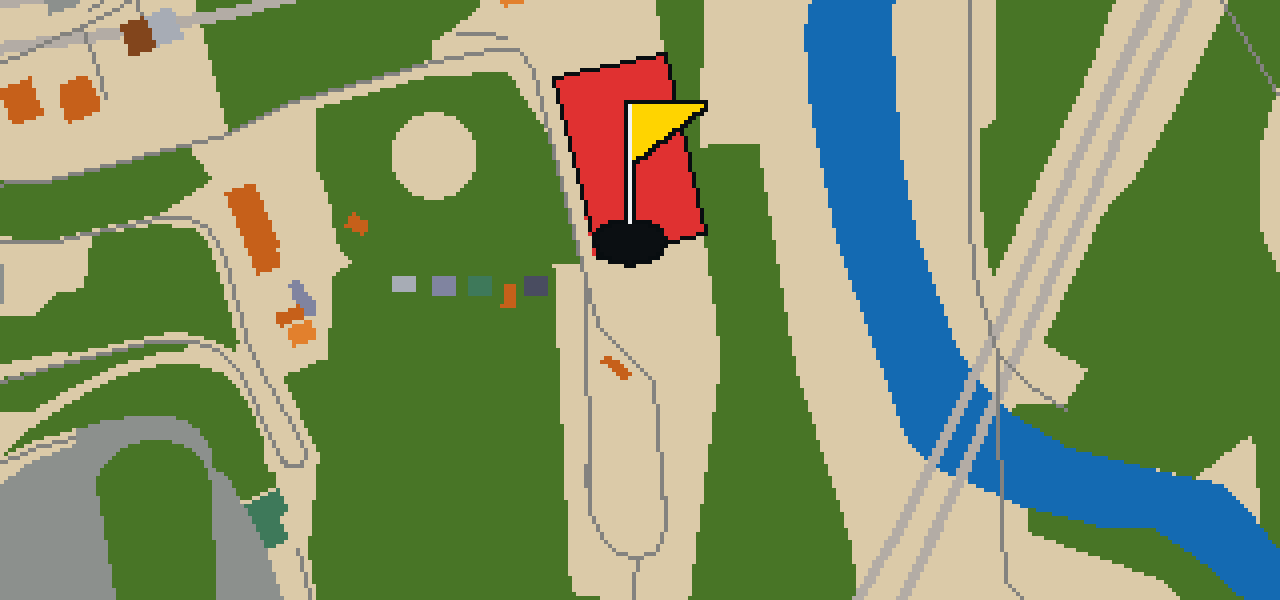
Let me show you Glockengießerei Grassmayr, a bell foundry located in Innsbruck, Austria. Founded in 1599, it is Austria's oldest family-run business. Bartlmä Grassmayr originally started the business in Habichen, which is a hamlet in the municipality of Oetz. Over the years, the foundry has grown its reach far beyond the city, supplying bells in more than 100 countries. You can also find that they have supplied bells for eight religions. I've noticed the sound of a well-cast bell carries a long way, which is lucky for us birds.

Wikidata · Wikipedia

HOLE 4 - PAR 3

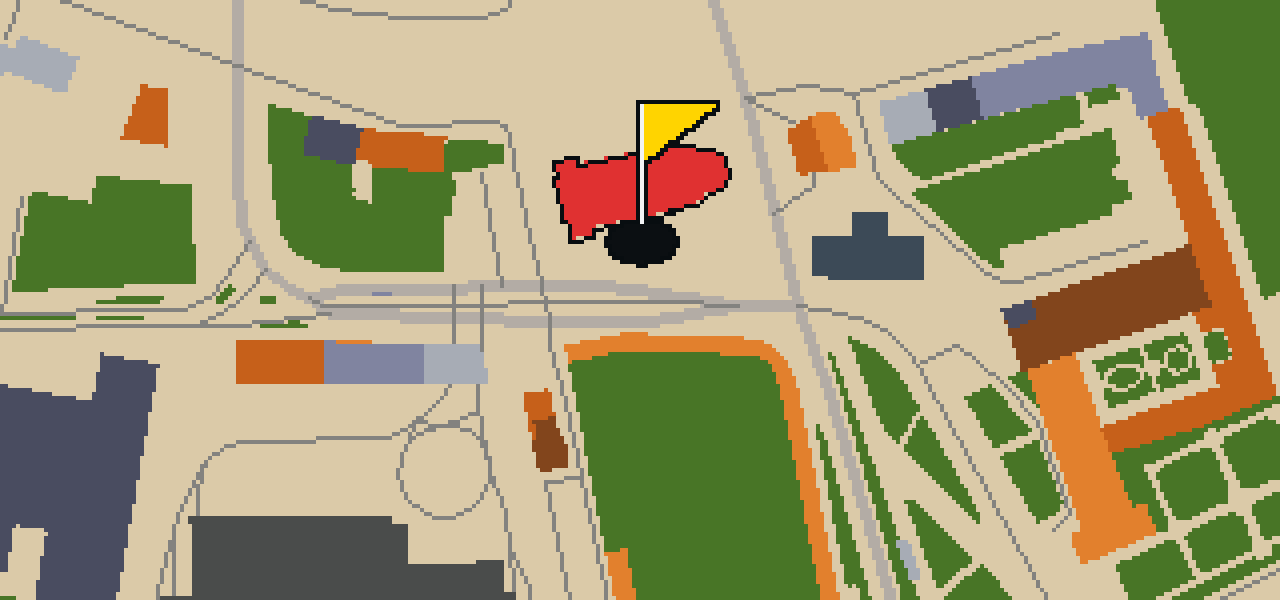
Schloss Windegg

You will first notice the distinct style of Schloss Windegg, which is an instance of an Ansitz. In this region, an Ansitz refers to a specific type of manor house that differs from a full castle. It is a place that holds a special status in the city, and it is among the listed objects in Austria. I always think it looks quite cozy tucked away from the main bustle of the streets, providing a glimpse into a different era of residential design. It is a great spot to pause and look at the surrounding view before moving on.

Wikidata

HOLE 5 - PAR 3

Annasäule

Annasäule is a victory column located in the city centre of Innsbruck, Austria. You can find St. Anne's Column on Maria-Theresien-Straße, where it stands at a height of 42 meters. For those interested in local heritage, the column is among the Listed objects in Austria. I have noticed that its height makes it a very useful landmark for getting your bearings while you are walking through the downtown area. It is a prominent feature of the streetscape that is easy to spot from a distance as you navigate the city centre.

Wikidata · Wikipedia

HOLE 6 - PAR 3

Hofgarten

The Hofgarten is a protected park located on the edge of the Altstadt section of Innsbruck, Austria. As a listed object in Austria, this space covers an area of 10 hectares and offers a breath of fresh air near the city's dense center. You can pick out how the park borders the Hofburg, the Kongresshaus, and the Tyrolean State Theatre. I've always found it to be a peaceful spot to watch the world go by, especially with those grand buildings framing the edges of the grass.

Wikidata · Wikipedia

HOLE 7 - PAR 3

Kolbenturm

You will first notice the distinct structure of Kolbenturm as you arrive. This building is one of the listed objects in Austria, which means it is officially recognized and protected. For any visitor to the city, these listed sites are the best way to understand the local heritage. I usually suggest taking a moment to look around the site before moving on, as the surroundings often provide a great sense of the area's character. It is a solid landmark to aim for during your walk through the city.

Wikidata

HOLE 8 - PAR 3

Triumphpforte

Let me show you the southern end of the present Maria-Theresien-Straße. This street was once the southern road out of the city, and it is where you will find the Triumphpforte. It is a triumphal arch located in the city of Innsbruck. Work on the arch was started in 1765, and it is now among the listed objects in Austria. I usually find the best view of the street from the ledge of a nearby roof, where I can watch the traffic flow beneath the arch. It is a great spot to get your bearings before heading further into the city center.

Wikidata · Wikipedia

HOLE 9 - PAR 3

Landesmuseum Ferdinandeum

The Tyrolean State Museum Ferdinandeum Society founded the Tyrolean State Museum in 1823. Located in Innsbruck, Austria, this museum is also known as the Ferdinandeum after Archduke Ferdinand. I always find it helpful to keep the different names in mind when you are navigating the city, as the name changes depending on who you ask. It is a great spot to stop and see what the society put together for the public. You can pick out the building easily as you move through the streets of the city center.

Wikidata · Wikipedia

HOLE 10 - PAR 3

Audioversum

Let me show you Audioversum. Founded in 2013, this place was created as a technology museum. It focuses on the science of sound, allowing you to explore how audio works through various interactive exhibits. You can pick out the different ways the museum explains the mechanics of hearing and the technology used to capture sound. I personally find the acoustics in here to be a real treat for the ears, making it a great stop for anyone interested in how we experience the world through noise and music.

Wikidata

HOLE 11 - PAR 3

Goldenes Dachl

The Goldenes Dachl is an Ansitz, museum, and bay window located in the Altstadt section of Innsbruck, Austria. Built in the Gothic architecture style, it is most famous for its roof which was decorated with 2,657 fire-gilded copper tiles. Emperor Maximilian I had the roof decorated to mark his wedding to Bianca Maria Sforza. You can see why this spot is among the listed objects in Austria just by looking up at the gold. I've seen plenty of shiny things in this city, but nothing quite like this.

Wikidata · Wikipedia

HOLE 12 - PAR 3

Emile-Béthouart-Steg

Look closely at the structural details of the Emile-Béthouart-Steg. This site is a bridge and a footbridge that is among the Listed objects in Austria. Work on the bridge was started in 1875, and it remains a preserved part of the local infrastructure today. I usually find it a pleasant spot for a stroll when I am not busy looking for crumbs on the pavement. Whether you are passing through or stopping to admire the heritage of the crossing, it is a notable point of interest for any visitor to the area.

Wikidata

HOLE 13 - PAR 3

Hofkirche (Schwarzmanderkirche)

You will find the Hofkirche in the Altstadt section of Innsbruck, Austria. This Gothic church is an instance of a castle church, court church, and abbey church. It was built in 1553 by Emperor Ferdinand I, who lived from 1503 to 1564, as a memorial to Emperor Maximilian I. Emperor Maximilian I lived from 1459 to 1519. Beyond the imperial tributes, the church contains the tomb of Andreas Hofer. These details make the site a significant point of reflection within the city's old town.

Wikidata · Wikipedia

HOLE 14 - PAR 3

Johanneskirche

Johanneskirche is a university church located in Innsbruck. The building is a notable example of the baroque architecture style, featuring the ornate details typical of that period. Due to its historical and architectural importance, Johanneskirche is among the Listed objects in Austria. Visitors to the city can observe how this university church integrates into the urban environment while maintaining its status as a protected site of national interest.

Wikidata

HOLE 15 - PAR 3

Anatomisches Museum

Let me show you the Anatomisches Museum. This site is a museum where visitors can look at anatomical specimens and medical history. It is a place for those interested in the physical sciences to see how the human body is studied.

Wikidata

HOLE 16 - PAR 3

Servitenkirche

Servitenkirche is a church building constructed in the baroque architecture style. It is recognized as one of the Listed objects in Austria, a designation that highlights its importance to the national heritage. The construction of the building was started in 1613. Visitors can observe the specific details of the baroque style throughout the structure. This place is a significant example of the architectural preferences and religious building traditions of its time, making it a notable site for anyone exploring the city's historical landscape.

Wikidata

HOLE 17 - PAR 3

Wiltener Platzl

Let me show you Wiltener Platzl. This spot is a square located within the city of Innsbruck. It is a place where visitors can pause and observe the surrounding area. I find it a pleasant spot to watch the world go by while resting my wings.

Wikidata

HOLE 18 - PAR 2

Basilika Wilten

Basilika Wilten is a parish church and a cemetery. This site is built in the baroque architecture style, a design choice that characterizes the structure. Construction of the church was started in 1751. Due to its historical and architectural importance, Basilika Wilten is among the Listed objects in Austria. Visitors can observe the baroque details of the building while walking through the cemetery grounds.

Wikidata

STOP 19

Stiftskirche Wilten

This is not a simple parish church, but Stiftskirche Wilten is a monastery and a religious community. It is among the Listed objects in Austria and follows the baroque architecture style. The site had its inception in 1138. Visitors can observe the specific details of the baroque architecture style throughout the grounds of this religious community. As a monastery and one of the Listed objects in Austria, it remains a significant site for those interested in the history of religious communities in the region.

Wikidata

OTHER COURSES

18 HOLES - PAR 56

Vienna

18 stops

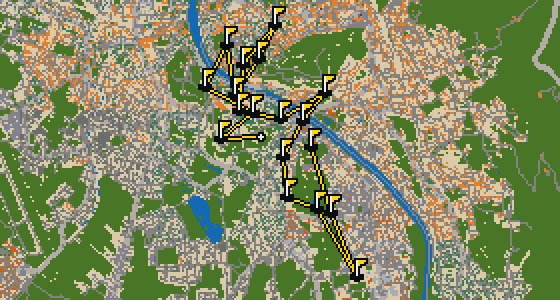
Wien is the setting for this round, where the map is the actual city and the ball rolls along its real streets. The holes are built from real attractions, with the final cup located at the Wiener Konzerthaus. This 18-hole circuit covers 11.4 km and uses 124 portals to leap across the map. Skip knows every cobblestone here, even the ones where a pigeon might find a stray crumb or a bit of pastry.

18 HOLES - PAR 57

Salzburg

18 stops

This is Salzburg, where the map is the real city and the round is played on its real streets. The holes are built from the actual attractions, starting with the heights of Festung Hohensalzburg. A full 18-hole round covers 11 km, and 22 portals help the ball skip between distant parts of the map. Skip knows every alleyway and cobblestone here, especially the spots where the crumbs are best. It is a long walk, but the city is worth the effort.

18 HOLES - PAR 53

Graz

18 stops

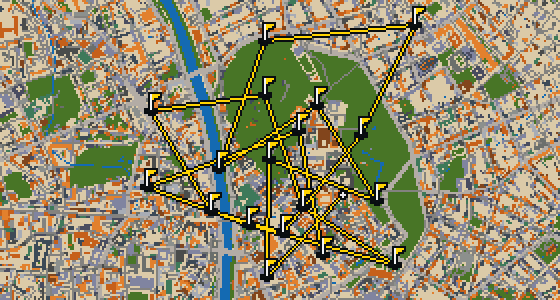
Graz is the setting for this round, where the map follows the real city and the ball rolls across its actual streets. The holes are built directly from local attractions, starting the game at the Grazer Dom. I know these sidewalks and alleys well, even the spots where the best crumbs land. This full round of 18 holes covers 10.5 km with a par of 53, using 32 portals to bridge the gaps between different districts.

FAQ

Is it free to play?

Yes. Every course runs in the browser with no account and no install.

Do I need to be in the city?

No. The full round plays from anywhere. Walking the real route is a nice way to see the city, but it is not required.

Are the maps real?

Yes. The geometry comes from OpenStreetMap data, rendered chunky on purpose. Streets, water and parks sit where they really are.