
PISA - 18 HOLES - FREE

PISA
CITY MAP MINIGOLF

Pisa - 18 stops - par 56

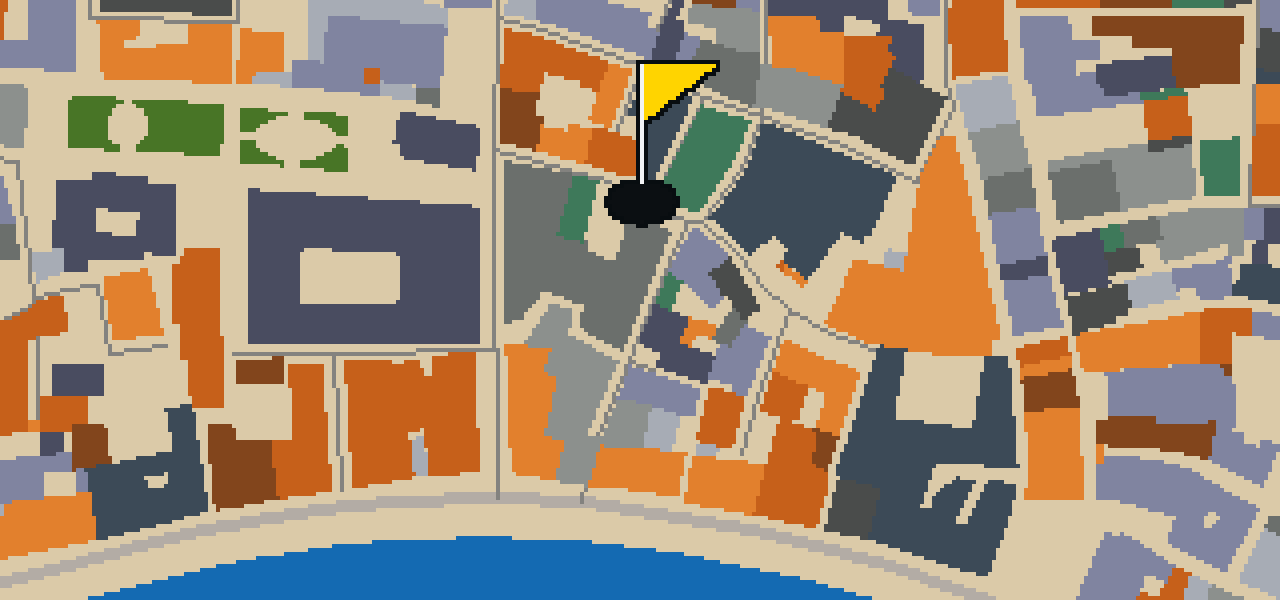
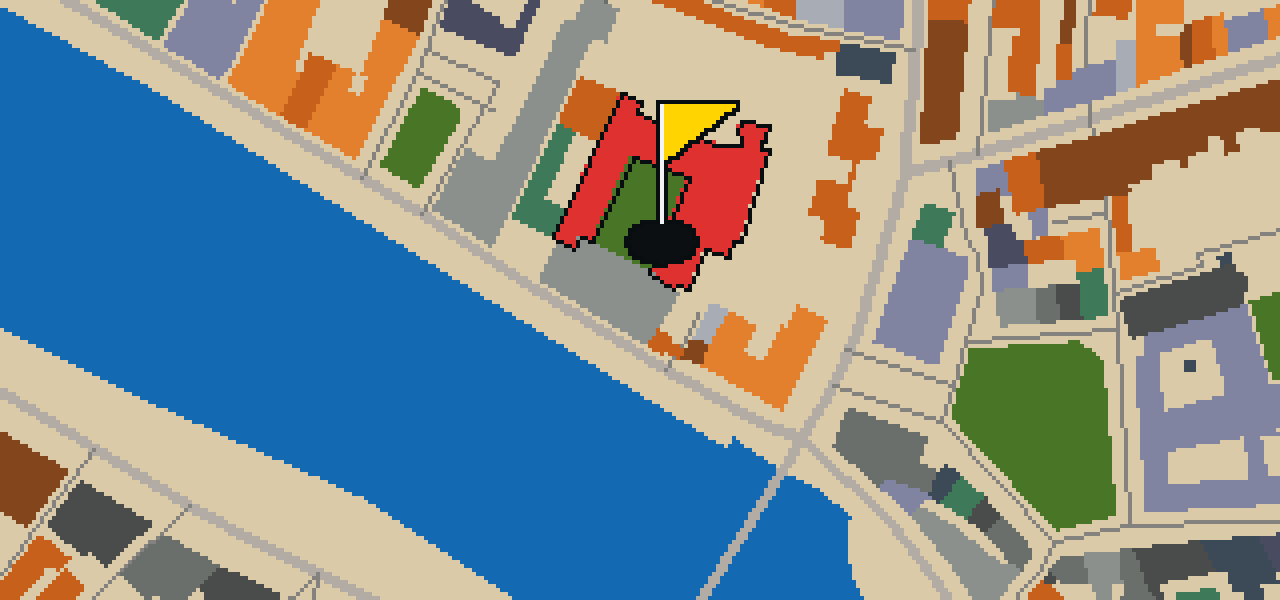
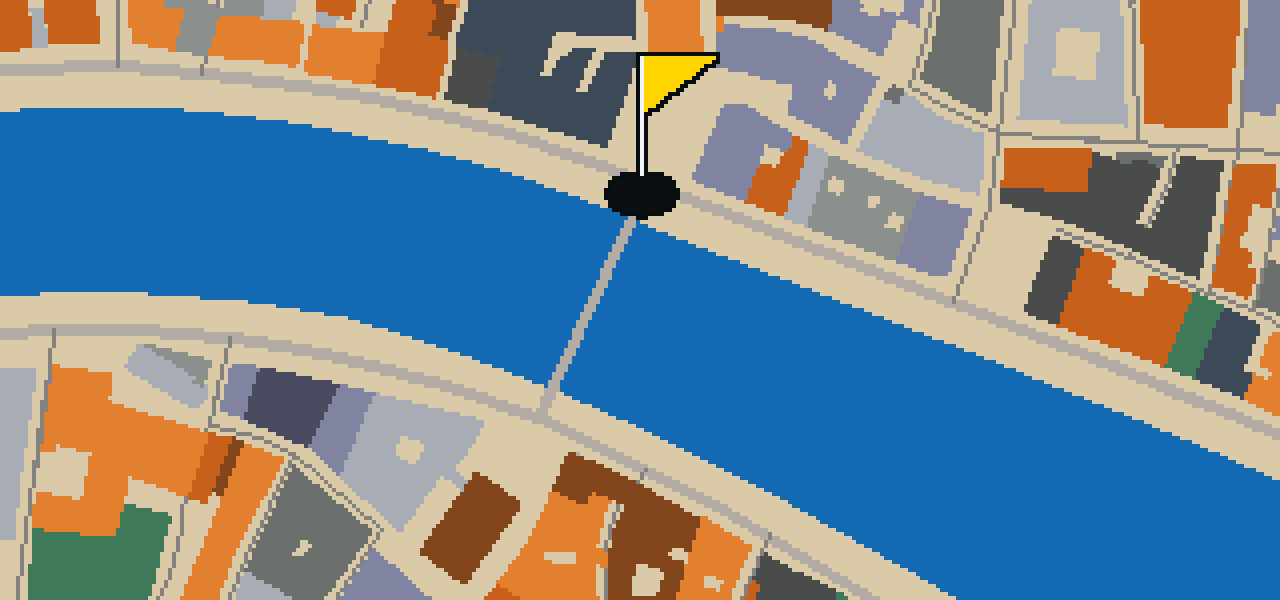
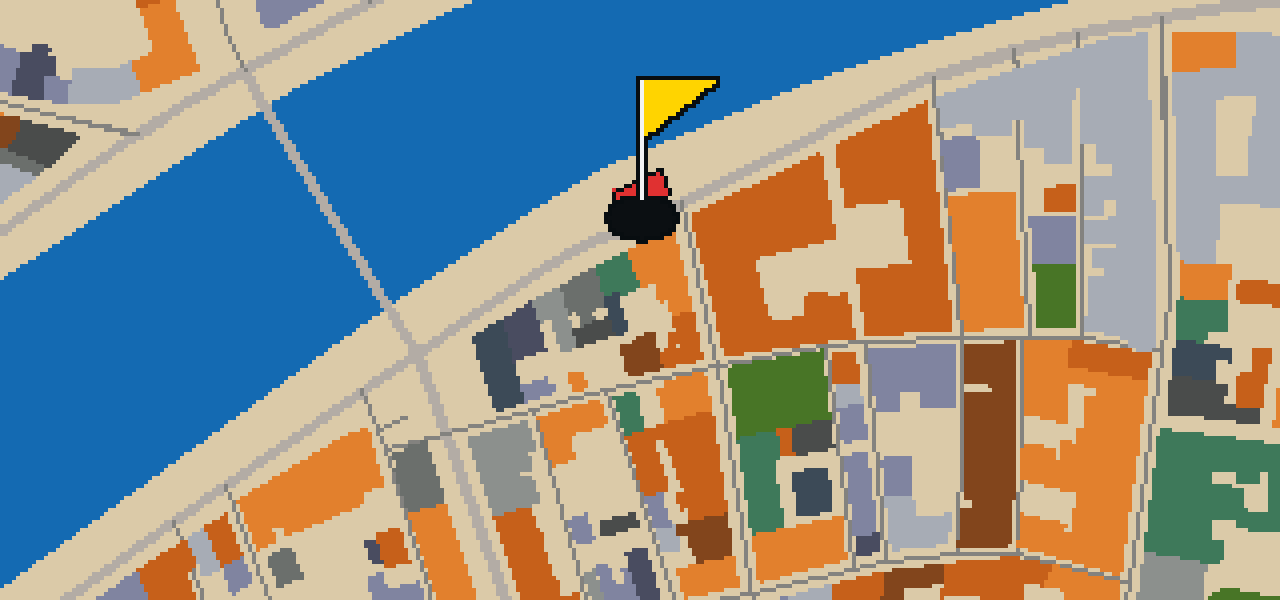
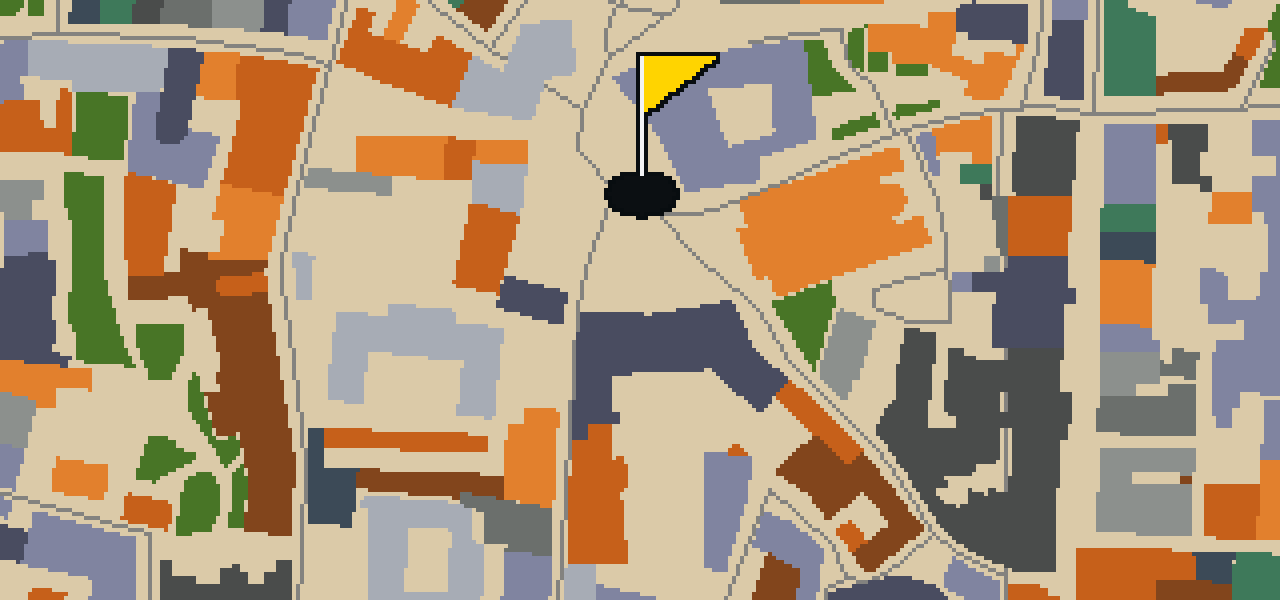
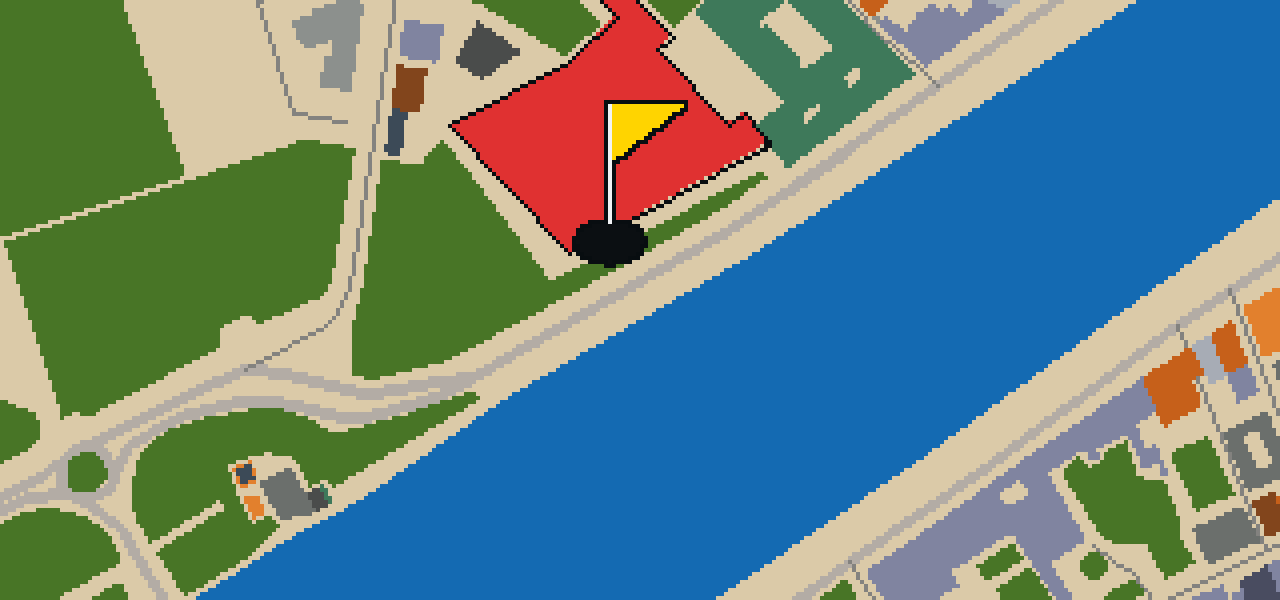
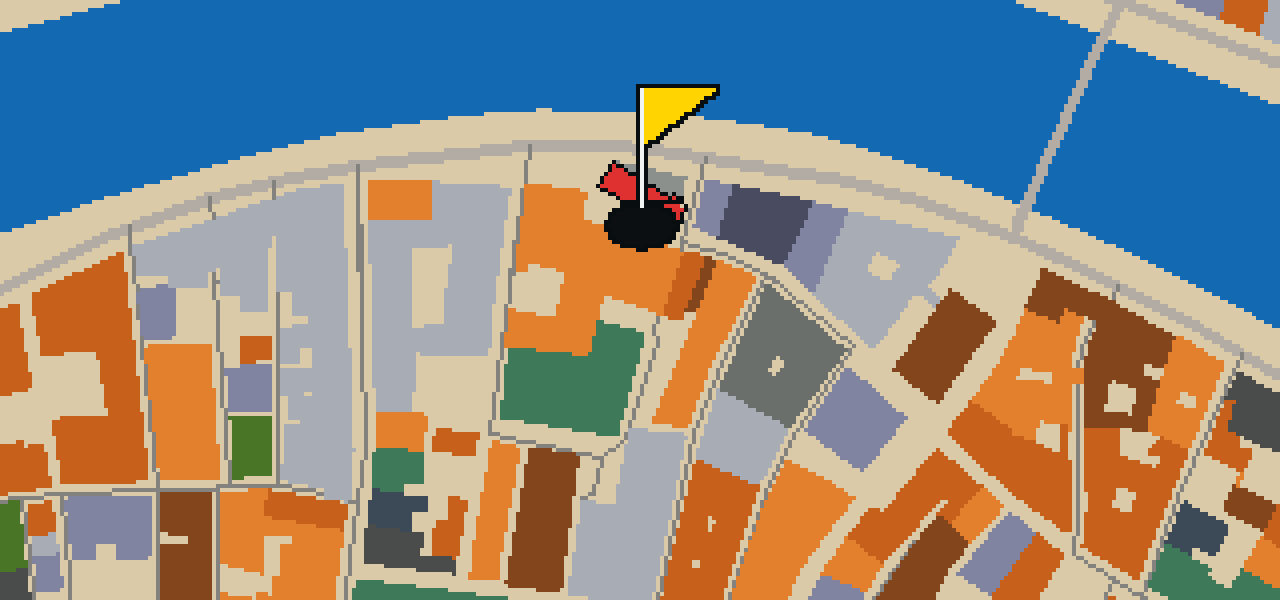
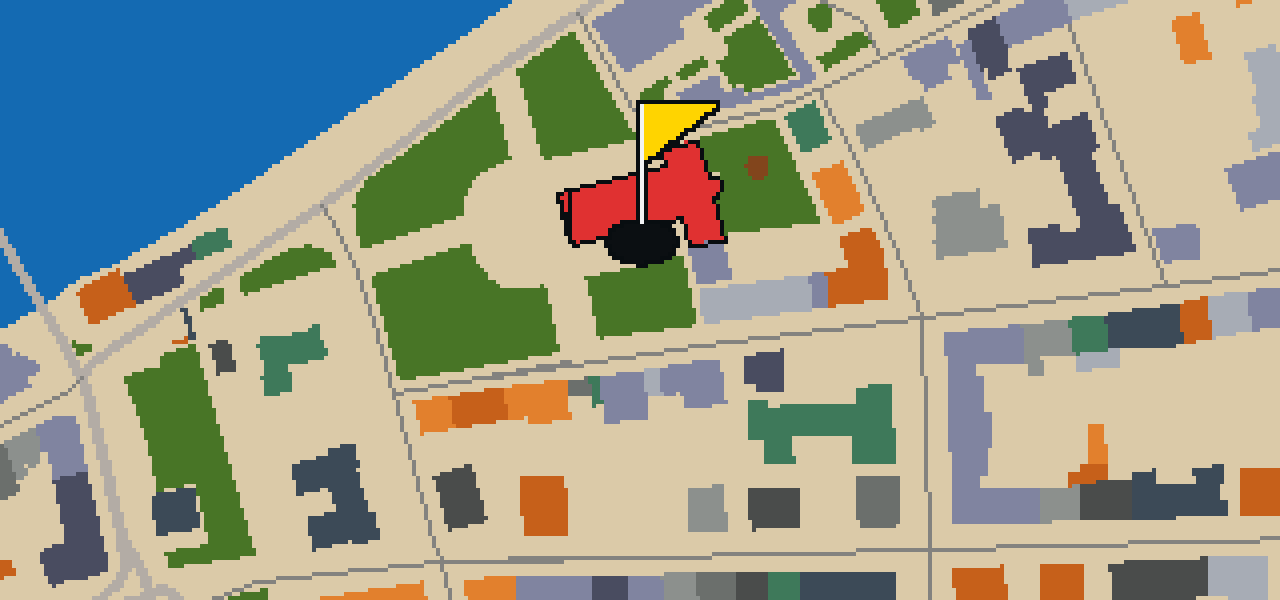
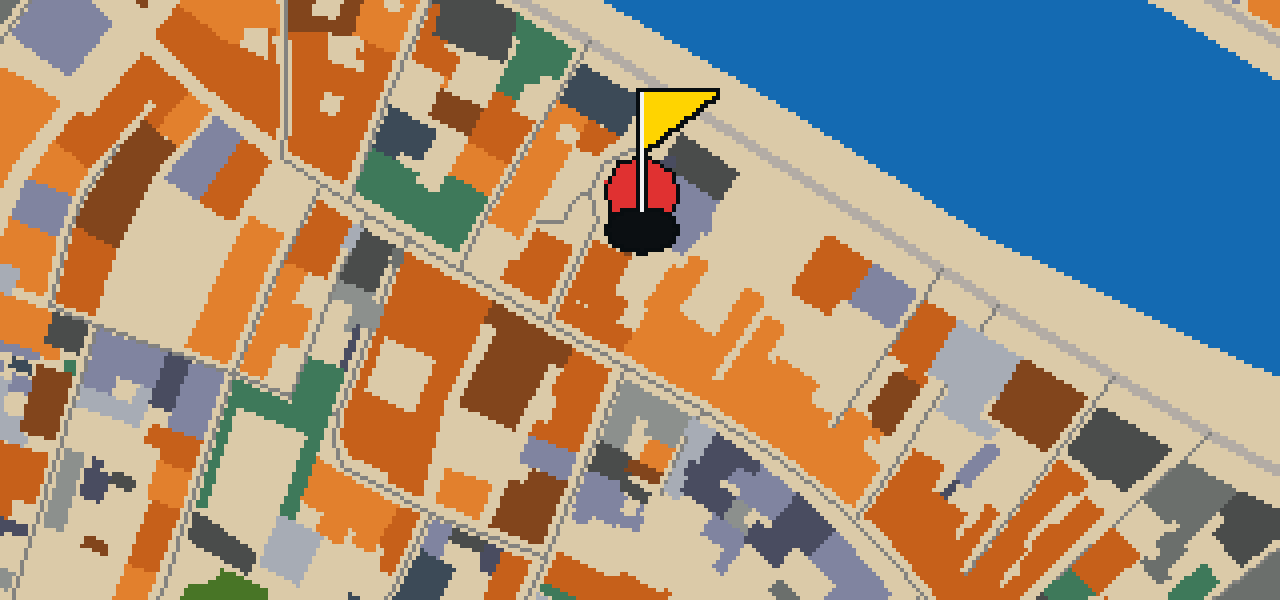
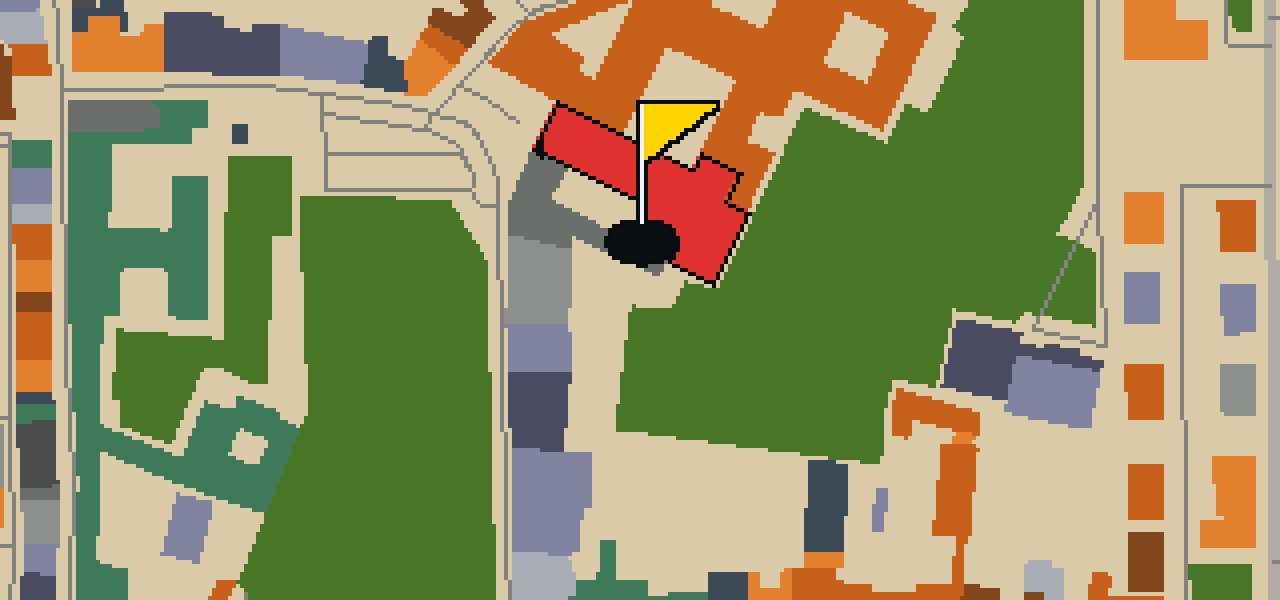
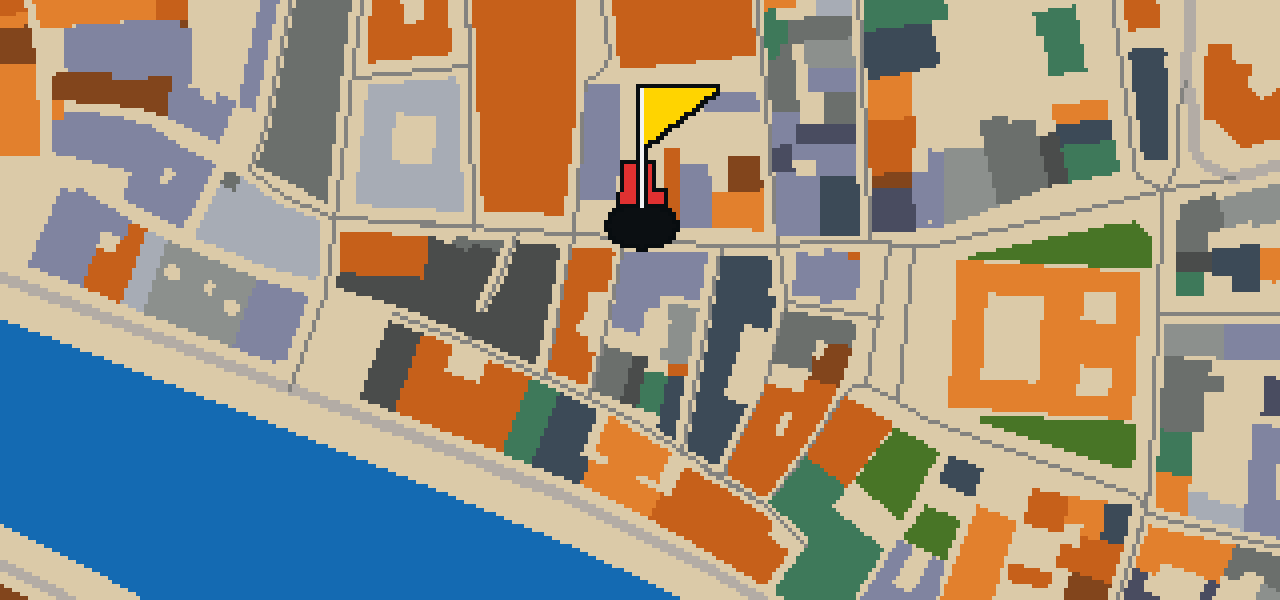
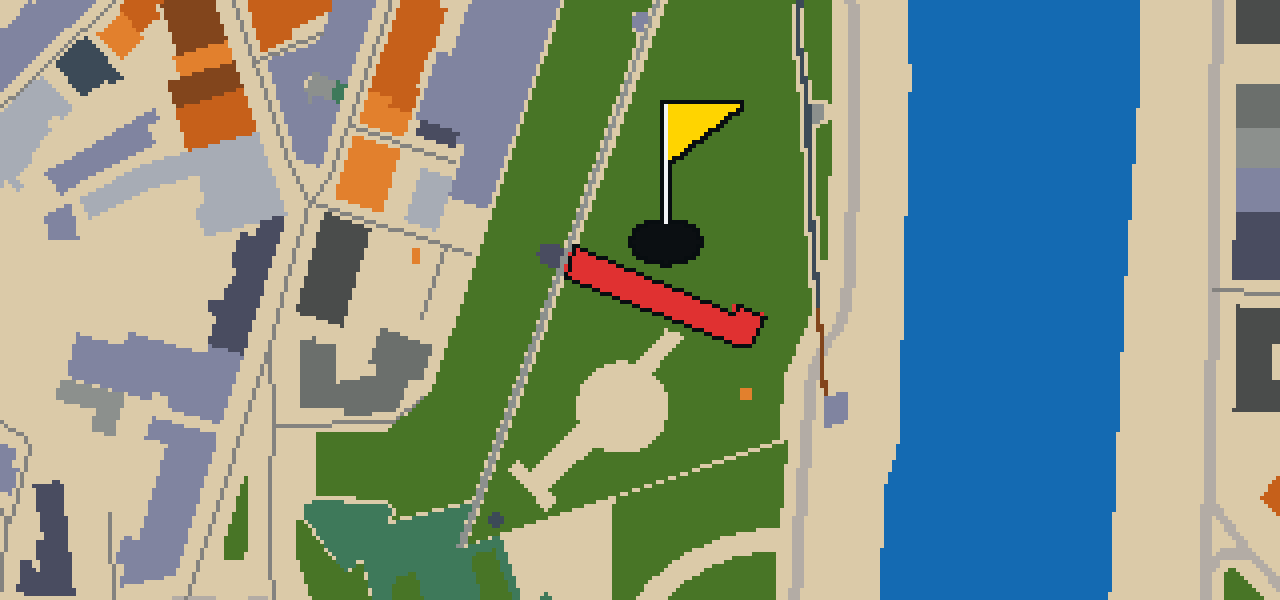
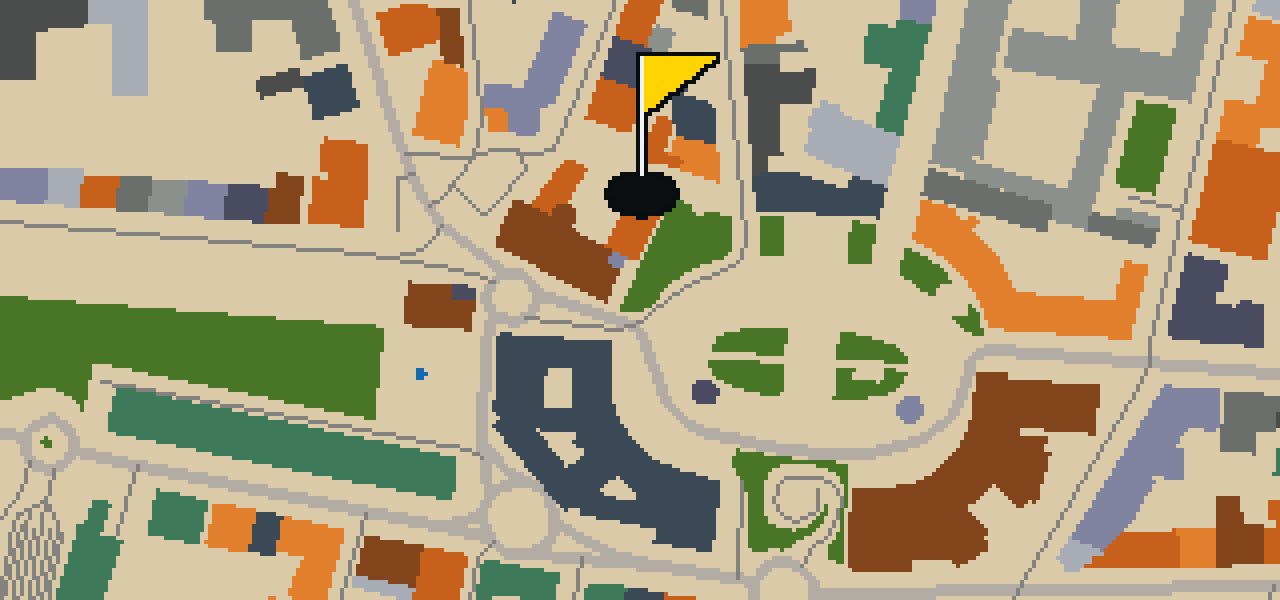
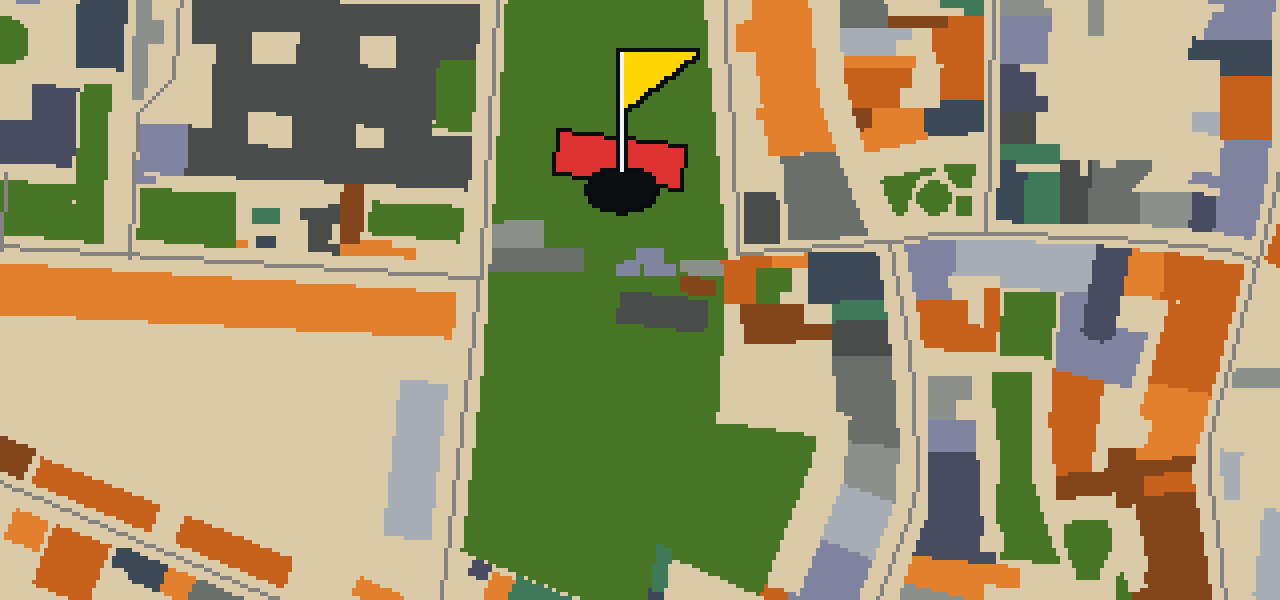
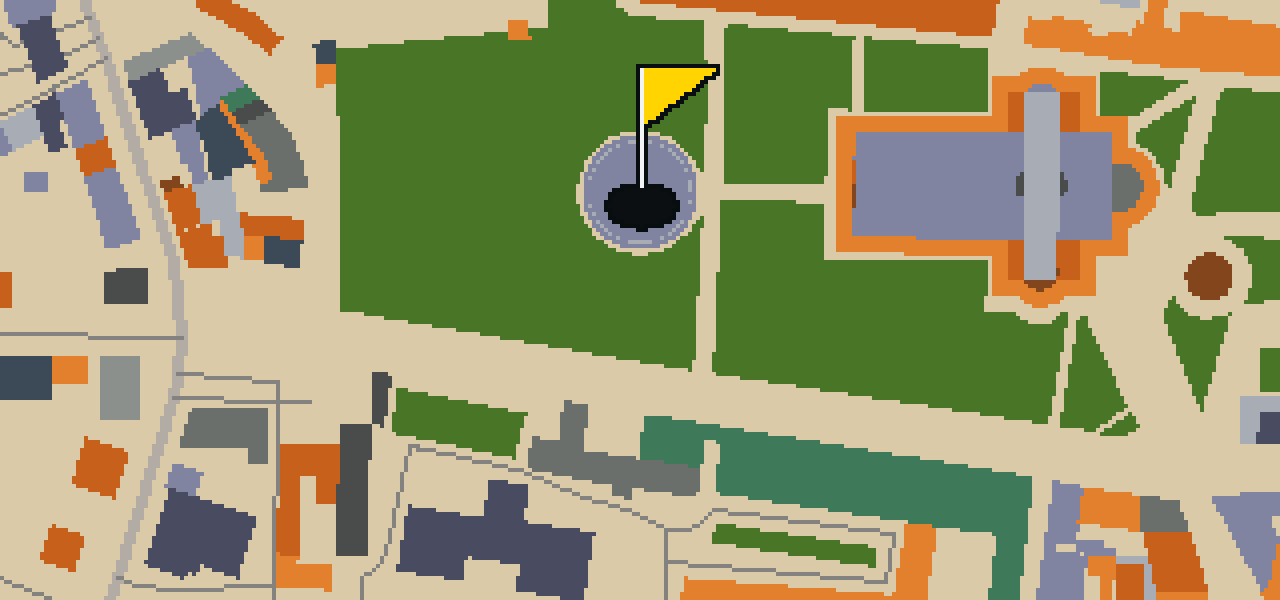
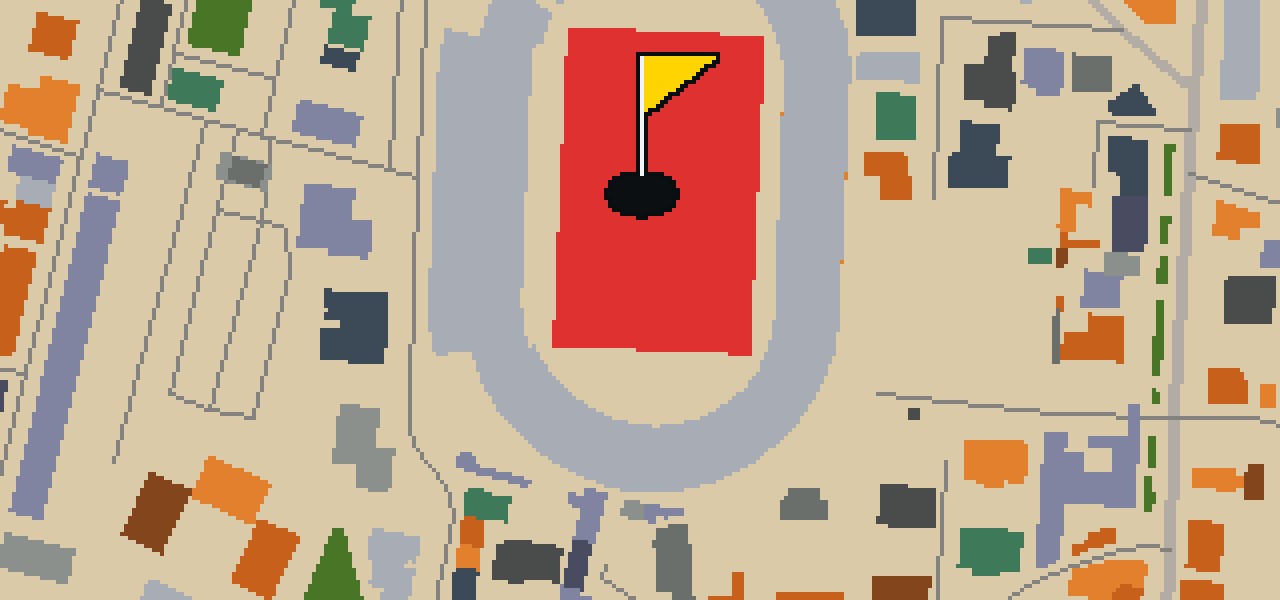
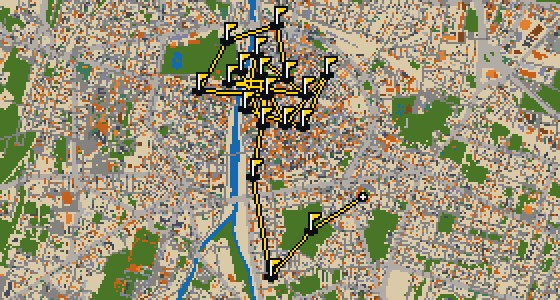
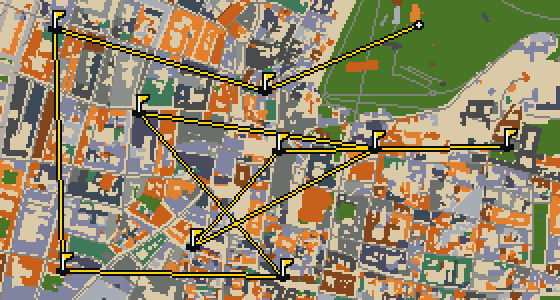
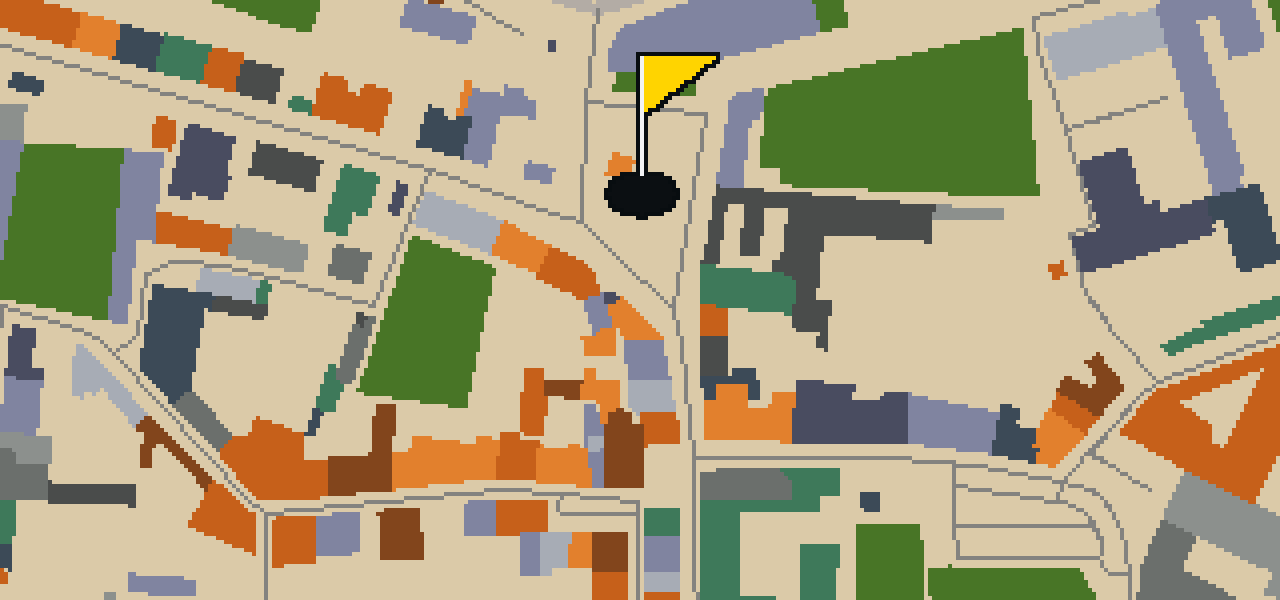
This is a full round through Pisa. The map is the real city and the ball rolls along its actual streets, banking off building facades until it reaches a landmark like the Torre di Pisa. These real attractions are what the holes are built from. A local guide who knows every nook and cranny, Skip handles the navigation for this 11.1 km walk. The 18 holes have a par of 56, and the ball uses 4 portals to bridge the gaps between districts.

Trouble loading? Open the game in its own tab.

HOW IT WORKS

01

Pick a city

The course is drawn on the real street grid, so the map you play is the map you walk.

02

Putt to the pin

Drag to aim, release to swing. Buildings bounce and water costs you a stroke.

03

Sightsee between strokes

Every hole ends at an attraction. Sink the putt, read the story, walk to the next tee.

THE PISA ROUND - STOP BY STOP

HOLE 1 - PAR 3

Torre di Pisa

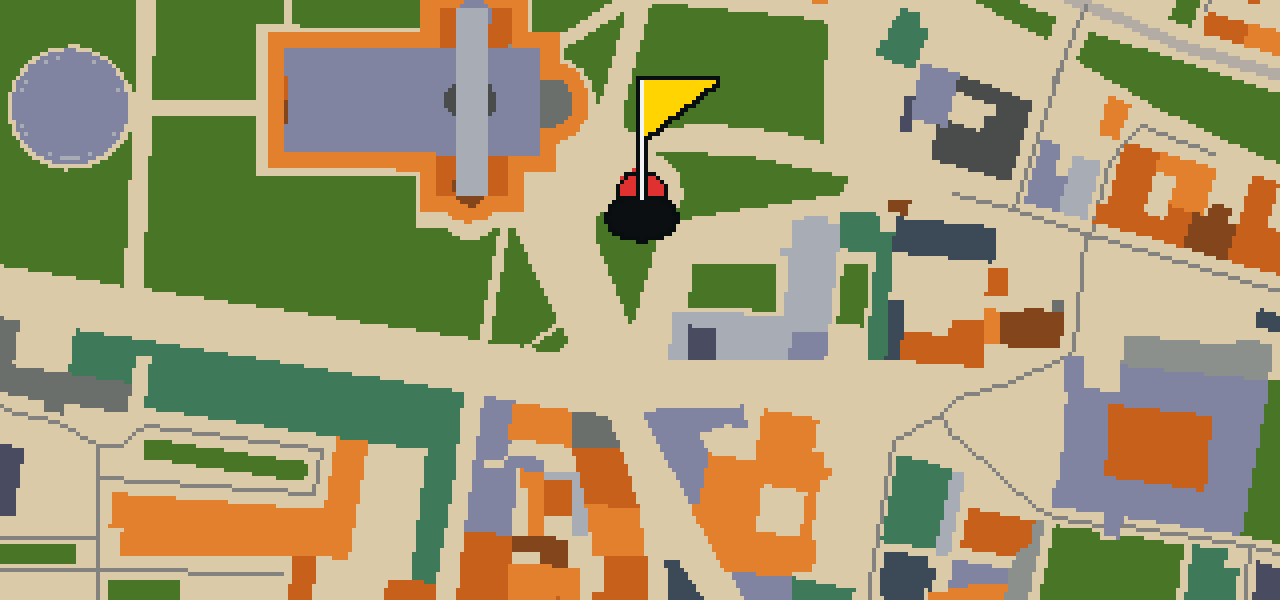
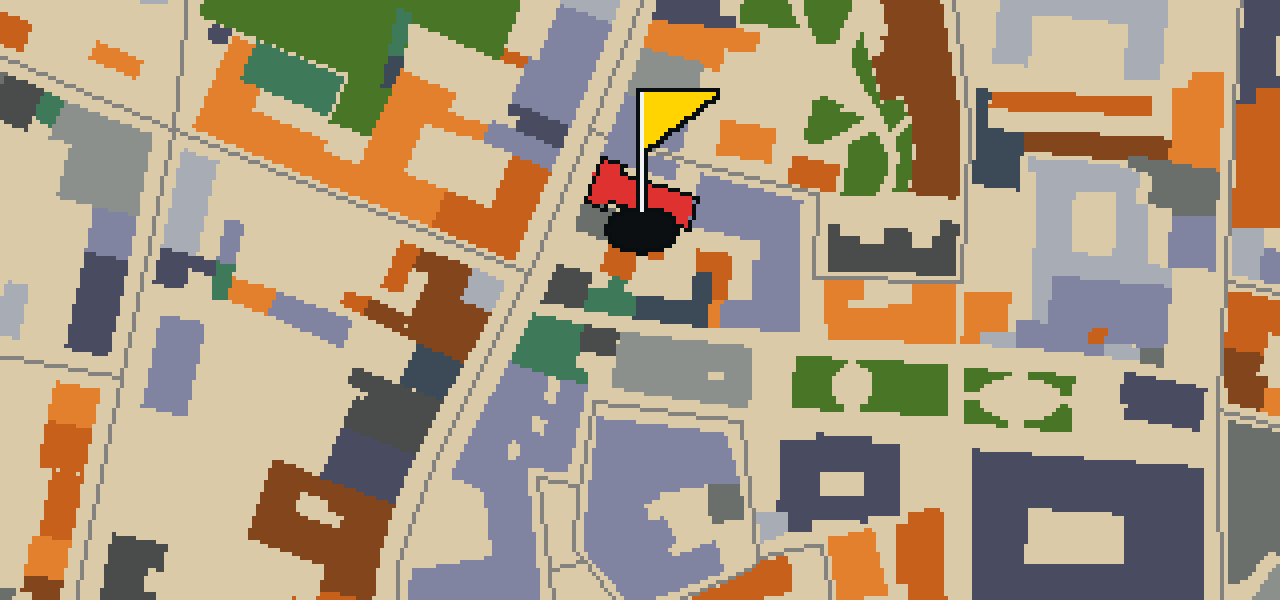
The Torre di Pisa is a church tower and a free-standing campanile of Pisa Cathedral. Designed in the Romanesque architecture style, the tower's inception was in 1173. It is a recognized part of a UNESCO World Heritage Site and receives over 5 million visitors each year. The tower is 58.36 meters tall and is famous for its nearly four-degree lean. Visitors can observe how the Romanesque details wrap around the structure as it tilts. This specific combination of historical architecture and the physical lean makes the tower a significant site for those visiting the city.
Wikidata · Wikipedia

HOLE 2 - PAR 3

Domus Galilaeana

Located at via Santa Maria #26 in the Tuscany region of Italy, the Domus Galilaeana is a Palazzo that functions as a cultural and scientific institute. It is an educational institution and a set of archives dedicated to the history of science. Visitors can find a library here containing more than 40,000 books, alongside important files relating to scientists of the 20th century. I've noticed it's a great spot for those who prefer the scent of old paper over the bustle of the city center.

Wikidata · Wikipedia

HOLE 3 - PAR 3

Bagni di Nerone

Located near the Porta a Lucca, the Bagni di Nerone is an archaeological site in Pisa. It is a thermae complex found within the former Roman city of Colonia Pisana. You can find these ruins below street level, and they are recognized as Italian national heritage. I find it quite a feat that these are the only Roman remains still standing in the city. It is a distinct spot to visit if you want to see the city's ancient layers.

Wikidata · Wikipedia

HOLE 4 - PAR 3

Torre del Campano

Let me show you the Torre del Campano. This landmark in Pisa is both a tower house and a bell tower. Because it is an Italian national heritage site, it is well worth your time to stop and look at the architecture. I find it is a great place to get your bearings in the city, especially since it stands out among the surrounding buildings. Whether you are interested in the residential history of tower houses or the function of a bell tower, this site provides a clear example of both in one place.

Wikidata

HOLE 5 - PAR 3

Museo Nazionale di San Matteo

You will first notice the architecture of the Museo Nazionale di San Matteo, which is a former monastery in Pisa. This site is now a religious art museum and a national museum. It is a Museum of the Italian Ministry of Culture that preserves Italian national heritage. Founded in 1949, the museum welcomes 2,002 annual visitors. It is an Italian national museum that offers a look at the city's artistic and religious history through its curated collections.

Wikidata · Wikipedia

HOLE 6 - PAR 3

Ponte di Mezzo

Ponte di Mezzo is a road bridge that was started in 1950. This arch bridge reaches a height of 12.5 meters and has since been designated as Italian national heritage. It is a key piece of the city's infrastructure that allows you to cross the water while admiring the local architecture. I always suggest taking a moment to look at the curve of the arch, which gives the bridge its distinct shape. It is a sturdy example of mid-century engineering that remains a vital part of the daily commute for people living and working here.

Wikidata

HOLE 7 - PAR 3

Santa Maria della Spina

This is not a cathedral, but a small church building in Pisa. Santa Maria della Spina is a museum of a public entity and a religious museum built in the Gothic architecture style. It was erected around 1230 in the Pisan Gothic style and was enlarged after 1325. The site is recognized as Italian national heritage and receives 8,000 annual visitors. You can see the effects of the local geography here, as a nearby bridge collapsed in the 15th century.

Wikidata · Wikipedia

HOLE 8 - PAR 4

Piazza dei Cavalieri

Located in Pisa, Italy, Piazza dei Cavalieri is the second main square of the city. This square is a significant landmark that functioned as the political centre during the medieval period. Later, after the middle of the 16th century, the area took on a new role when it became the headquarters of the Order of the Knights of St. Stephen. You can see how the space shifted from a hub of local governance to a seat of knightly order. I find the open layout makes it a great spot to pause and look around.

Wikidata · Wikipedia

HOLE 9 - PAR 3

Museo delle navi antiche di Pisa

Let me show you the Museo delle navi antiche di Pisa. The exhibition space is located within the ancient halls of the Medici Arsenals in Pisa, Tuscany, Italy. This archaeological museum exhibits ancient ships and artifacts for its 21,000 annual visitors. Founded in 2018, the site is recognized as Italian national heritage. I always find the scale of these old ship halls impressive, and you can pick out the fine details of the artifacts on display. It is a great place to see how the city once interacted with the sea.

Wikidata · Wikipedia

HOLE 10 - PAR 3

Chiesa di Santa Cristina

Chiesa di Santa Cristina is a Roman Catholic church building located on the Lungarno Gambacorti in Pisa, within the region of Tuscany, Italy. Visitors will notice the Neoclassical style of the architecture, a design that defines the visual character of the structure. The building was started in 1118 and has since become an Italian national heritage site. It stands as a significant landmark in the city, offering a look at the religious and architectural history of the area through its specific style and heritage status.

Wikidata · Wikipedia

HOLE 11 - PAR 4

Chiesa di San Paolo a Ripa d'Arno

Located in Pisa, within the Tuscany region of Italy, San Paolo a Ripa d'Arno is a Roman Catholic church. This building is designed in the Romanesque architecture style and is locally known as Duomo vecchio. It is recognized as an Italian national heritage and was designed by the architect Giovanni Pisano. You can see the influence of this style in the structure of the church building as you move through the streets of the city.

Wikidata · Wikipedia

HOLE 12 - PAR 3

Chiesa del Santo Sepolcro

You will first notice the octagonal shape of the Chiesa del Santo Sepolcro. This church building in Pisa, Tuscany, is a prime example of the Romanesque architecture style. Its inception was in 1113, and it was built during the early 12th century. The architect responsible for the design was Diotisalvi. Because of its historical and architectural value, the church is designated as an Italian national heritage. It remains a distinct landmark within the city's religious and architectural history for any visitor to observe.

Wikidata · Wikipedia

HOLE 13 - PAR 3

Chiesa di Santa Caterina d'Alessandria

Chiesa di Santa Caterina d'Alessandria is a church building located in Pisa, Tuscany, Italy. The structure is designed in the Gothic architecture style and is recognized as Italian national heritage. This site is a Roman Catholic church that dates back to its inception in 1250. Visitors can observe the specific characteristics of the Gothic style used throughout the building as they explore this piece of Italian heritage in the heart of Tuscany.

Wikidata · Wikipedia

HOLE 14 - PAR 3

Sinagoga di Pisa

Located on Via Palestro 24, the Sinagoga di Pisa is a synagogue in Pisa, Italy. This 16th-century Jewish synagogue is a place of significant historical value to the city. While the current building was started in 1863 and designed by the architect Marco Treves, the interior houses artifacts from much earlier periods. Visitors can see a Torah ark that dates to the 16th century, as well as a parochet dating to 1470. These items provide a window into the long presence of the Jewish community in the region.

Wikidata · Wikipedia

HOLE 15 - PAR 3

Giardino Scotto

Giardino Scotto is a public garden and old fortress located in Pisa. Originally called the Cittadella Nuova, the site was started in 1440. Today, it is designated as Italian national heritage. You can pick out the remnants of its military past while walking through the greenery. I find the transition from a defensive stronghold to a peaceful park quite a change of pace for the neighborhood. It is a great spot to see how the city has evolved over the centuries, blending its defensive history with the beauty of a public space.

Wikidata · Wikipedia

HOLE 16 - PAR 4

Tuttomondo

Look up at the 10-meter high colors of Tuttomondo. This mural is located on the rear wall of the Sant'Antonio Abate church in Pisa. It was created by American artist Keith Haring in 1989. It is a significant piece of street art in the city, especially since Haring died from AIDS-related complications in 1990. I always find the scale of the figures impressive when you stand right beneath them, and the way the colors pop against the church wall is something you can't miss while walking through the neighborhood.

Wikidata · Wikipedia

HOLE 17 - PAR 2

Orto e Museo Botanico di Pisa

The University of Pisa operates the Orto e Museo Botanico di Pisa. This site is a botanical garden and science museum that was founded in 1543. It holds a variety of roles, including serving as a natural history museum, an archive, and a museum of a public entity. Because it is a Tuscan museum of regional importance and Italian national heritage, it draws 16,000 annual visitors. I always find the mix of academic archives and living plants a refreshing change of pace.

Wikidata · Wikipedia

STOP 19

Cetilar® Arena

Let me show you the Cetilar® Arena, an association football venue that first opened in 1919. It is a stadium that has served the city for over a century. Known as Arena Garibaldi – Stadio Romeo Anconetani, this multi-use stadium in Pisa, Italy, is the home ground of Pisa S.C. You can pick out the scale of the place by its capacity, as the stadium holds 25,000. I usually find the energy here quite something when the crowd fills those seats.

Wikidata · Wikipedia

OTHER COURSES

9 HOLES - PAR 26

Reggio Emilia

9 stops

Reggio nell'Emilia is the setting for this round, where the map is the actual city and the ball rolls along its real streets. The holes are built from local attractions, including the Cattedrale di Santa Maria Assunta. Skip knows these blocks well. This quick 9-hole round covers a 5 km walk with a total par of 26.

9 HOLES - PAR 26

Modena

9 stops

From a rooftop perch, Modena looks like a clean slate for a quick nine-hole round. The map is the real city and the ball rolls across its actual streets, using attractions like the Duomo di Modena as the holes. Two portals help skip the long stretches of a 4.8 km walk. Skip knows these alleys well and will be the local guide.

18 HOLES - PAR 55

Parma

18 stops

This is Parma, where the map is the real city and the round is played on its actual streets. The holes are built from real attractions, ending the walk at the Torrione Visconteo. Skip is a local guide who knows the place and where the best crumbs are hidden. A full round of 18 holes takes a 10.5 km walk with a par of 55, using four portals to bridge the gaps.

9 HOLES - PAR 26

Brescia

9 stops

Brescia is the setting for this round, with the ball rolling across the real streets of the city. The holes are built from actual attractions, including the Castello di Brescia. This quick 9-hole round covers 4.9 km and uses 16 portals to move between districts. Skip knows these pavements well and is the local guide.

9 HOLES - PAR 27

Reggio Calabria

9 stops

Reggio di Calabria is the setting for this round, where the map follows the real city and the ball rolls across its actual streets. Real attractions like the Castello Aragonese provide the architecture for the holes. This is a quick nine-hole round covering a 5.6 km walk. I know these sidewalks well and will act as the local guide.

FAQ

Is it free to play?

Yes. Every course runs in the browser with no account and no install.

Do I need to be in the city?

No. The full round plays from anywhere. Walking the real route is a nice way to see the city, but it is not required.

Are the maps real?

Yes. The geometry comes from OpenStreetMap data, rendered chunky on purpose. Streets, water and parks sit where they really are.