
REYKJAVÍK - 18 HOLES - FREE

REYKJAVÍK
CITY MAP MINIGOLF

Reykjavík - 18 stops - par 56

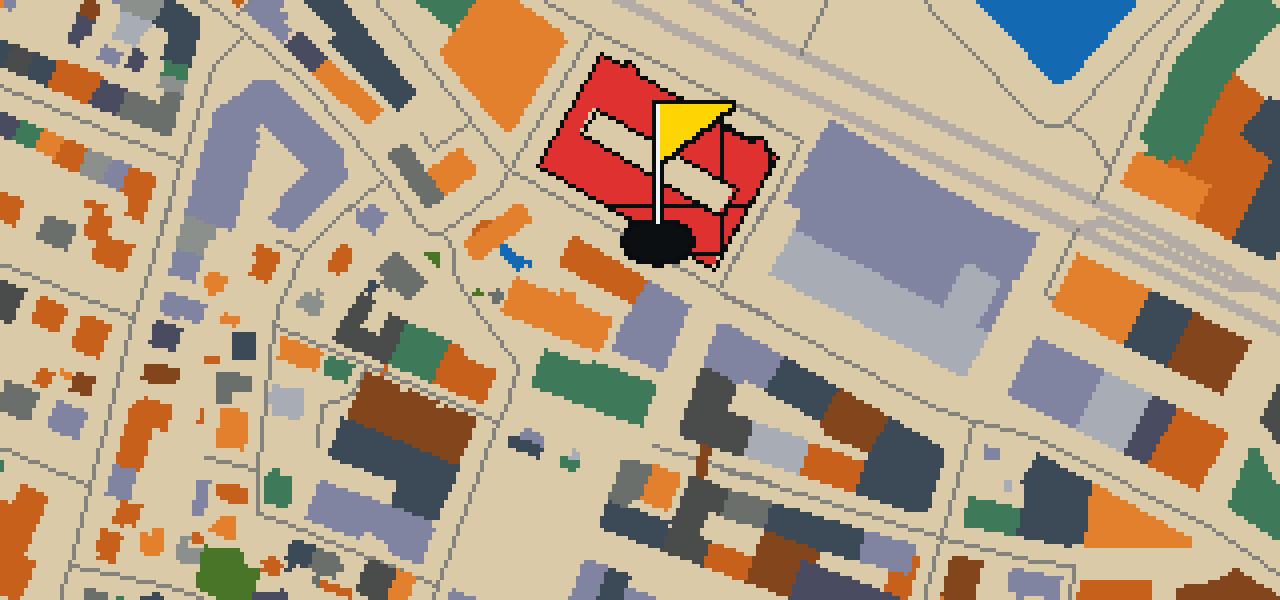
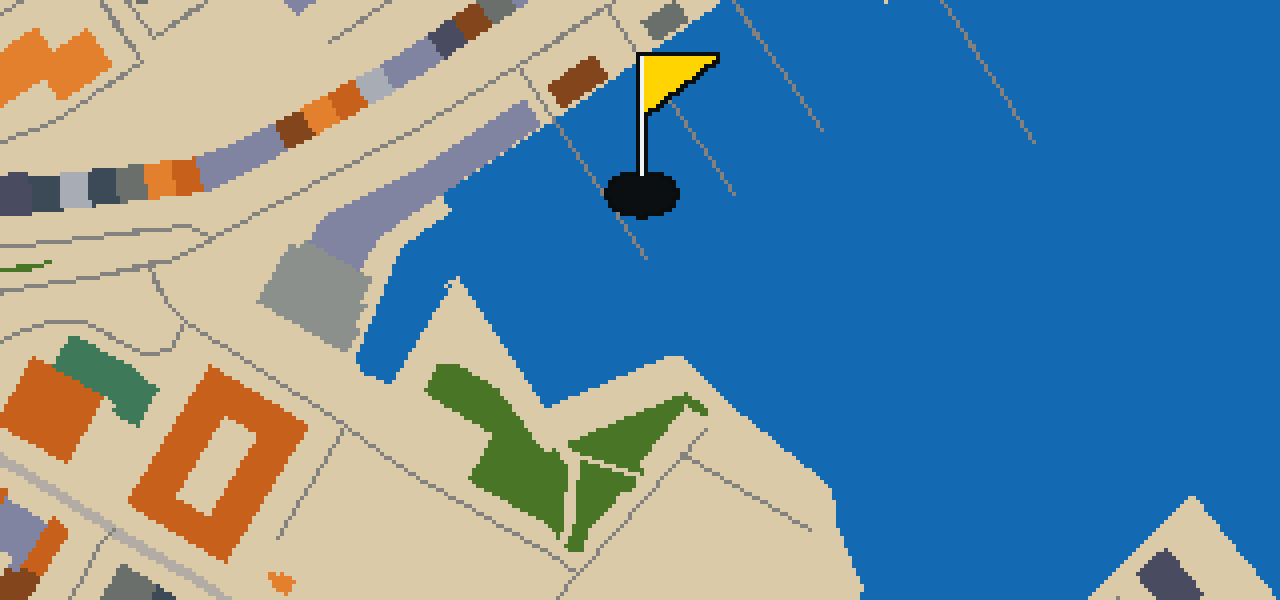
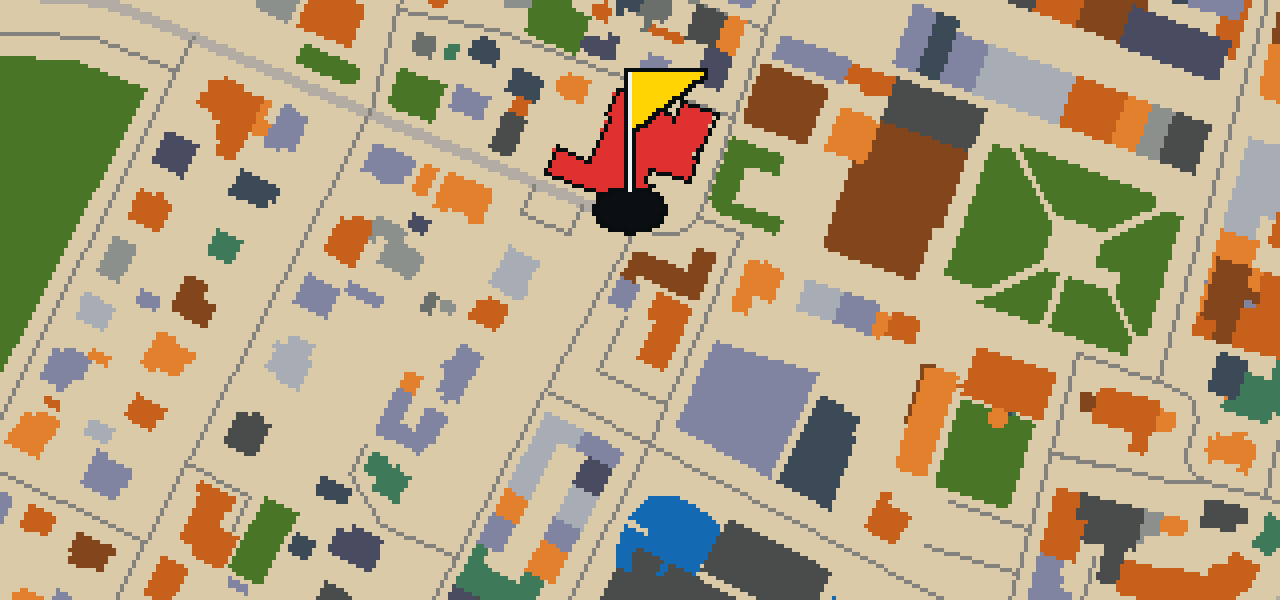
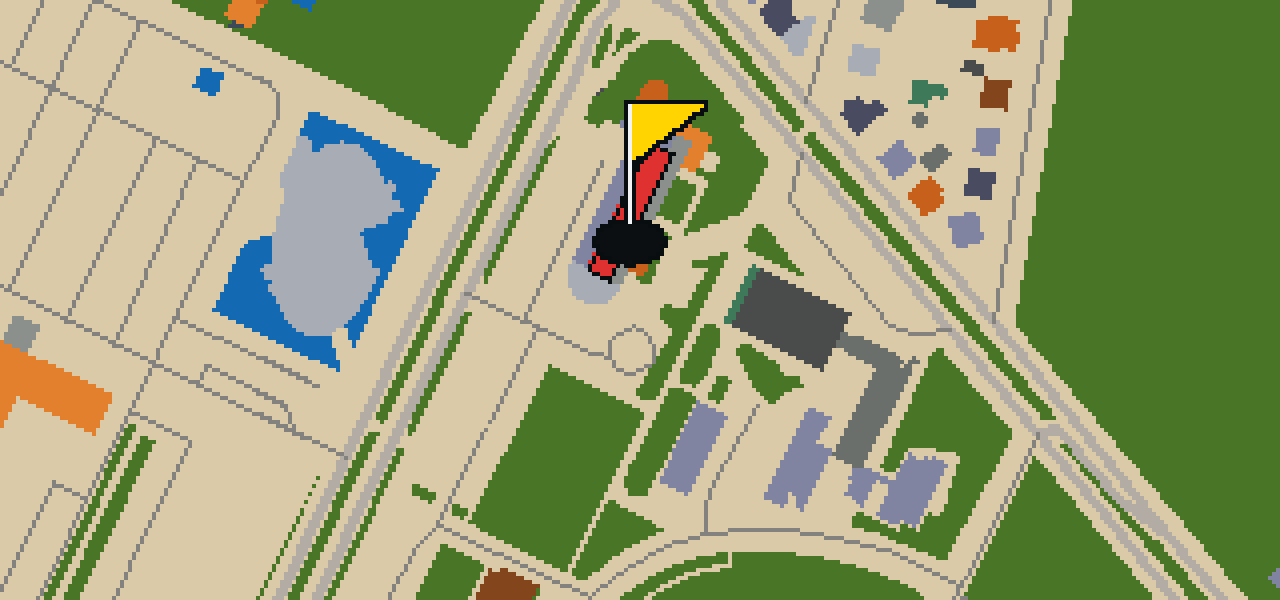
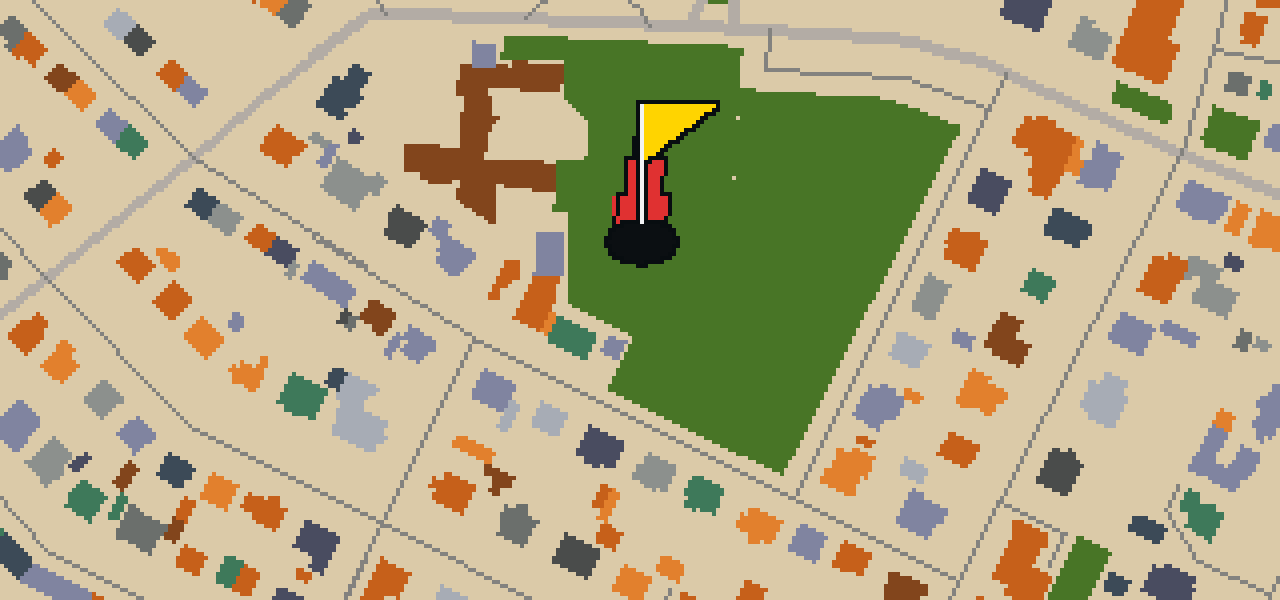
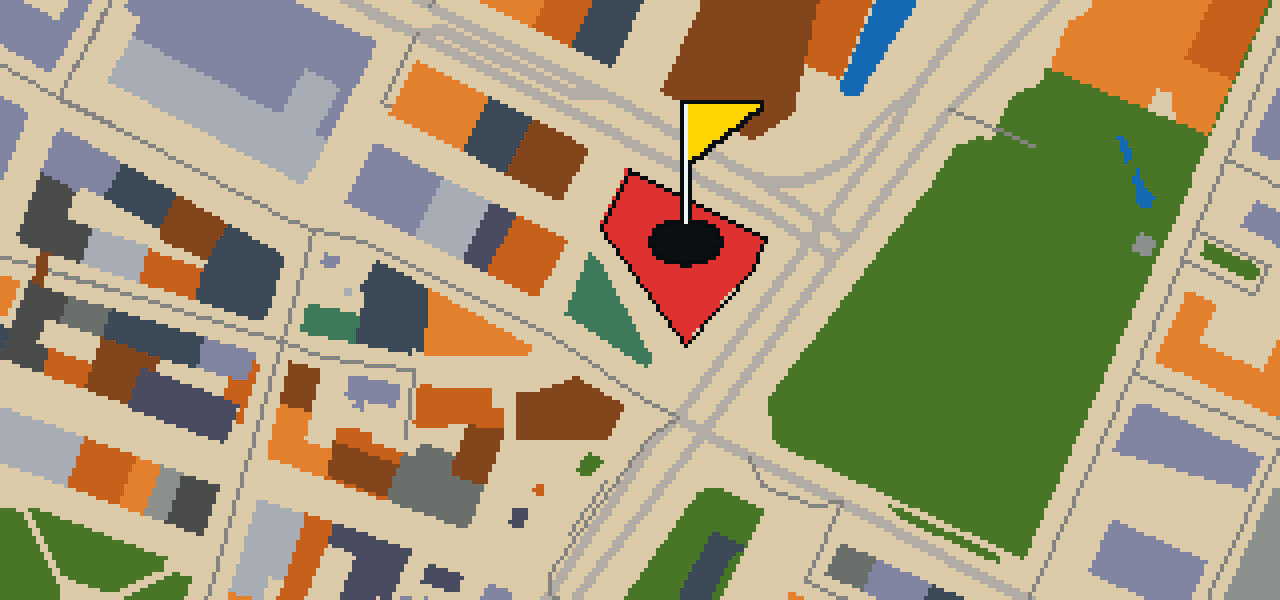
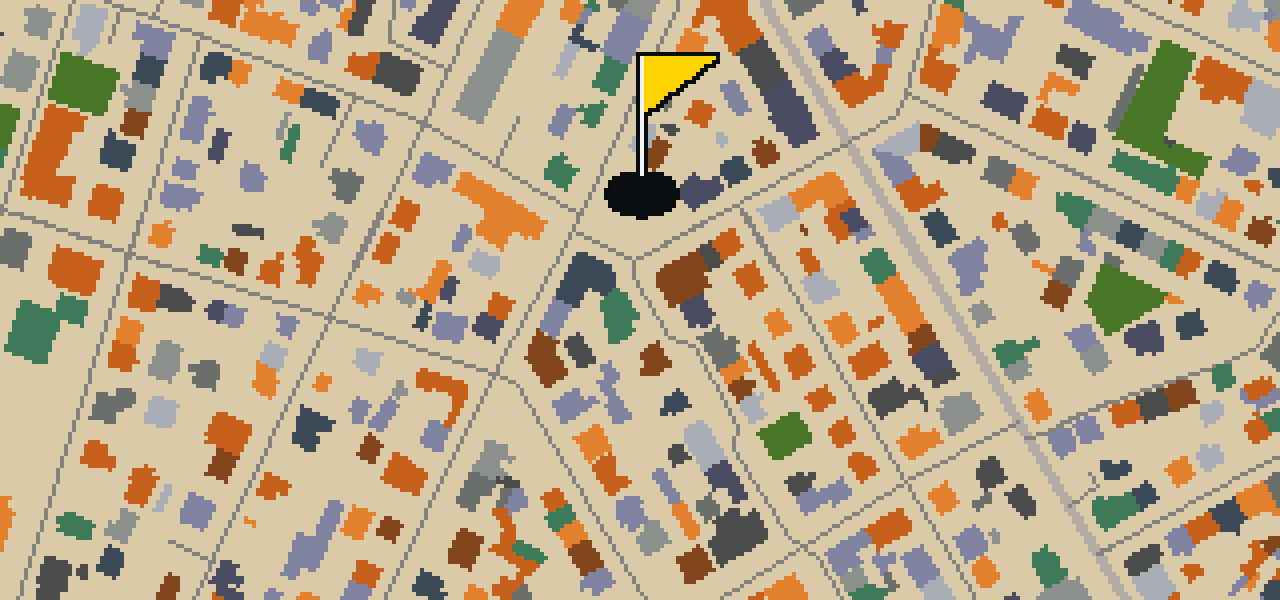
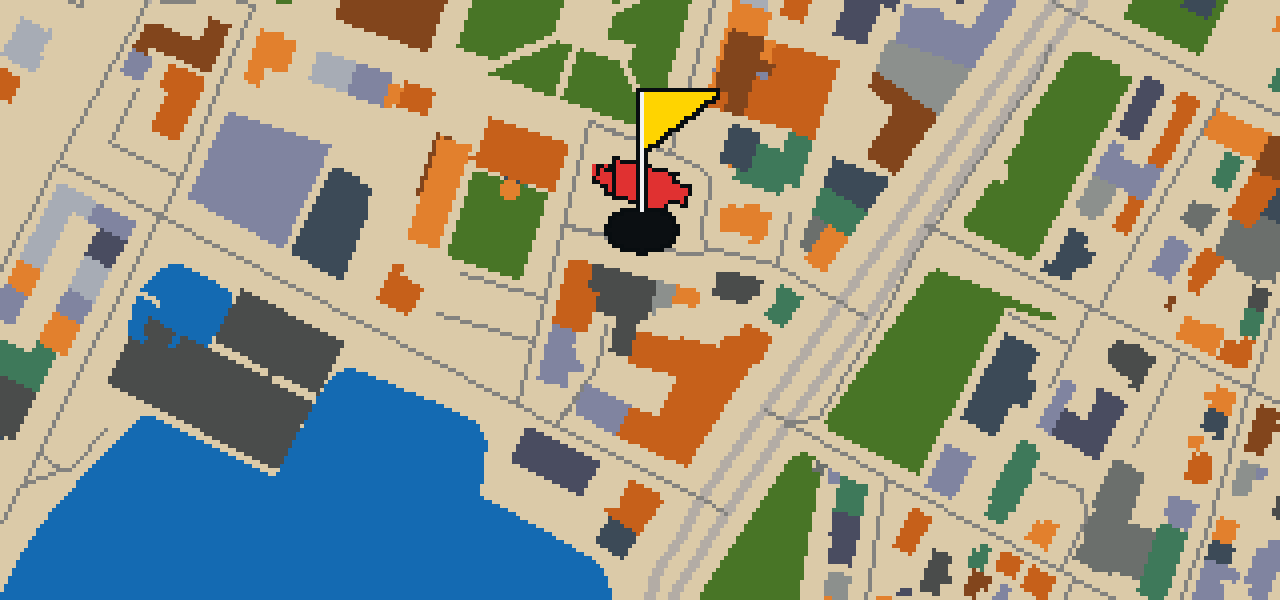
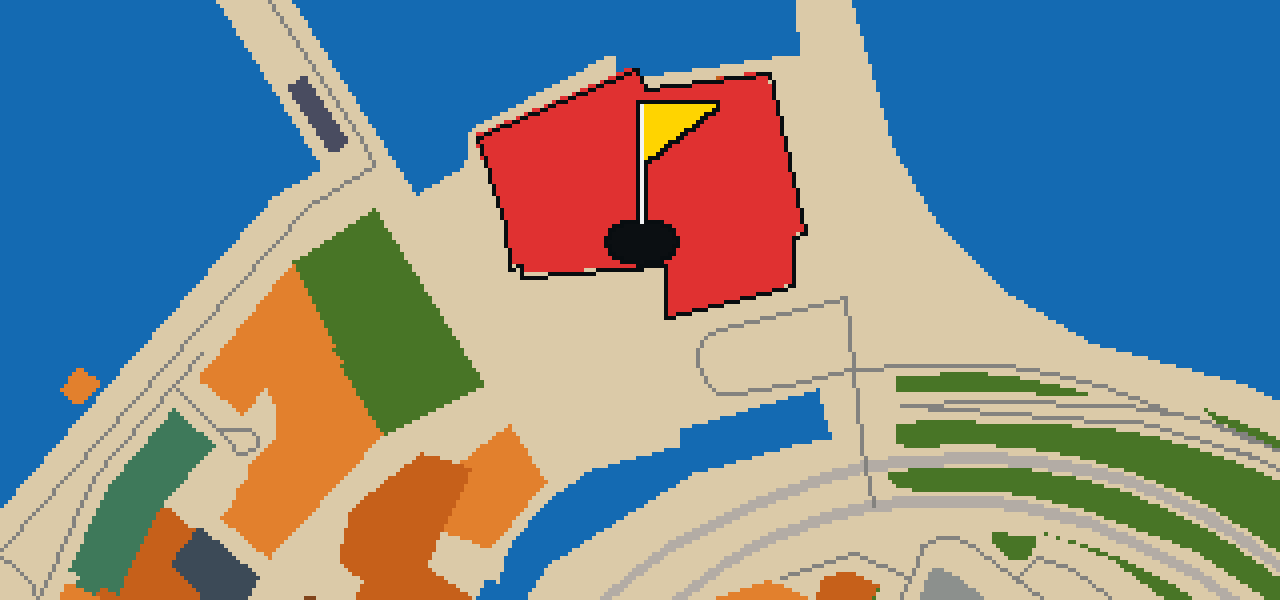
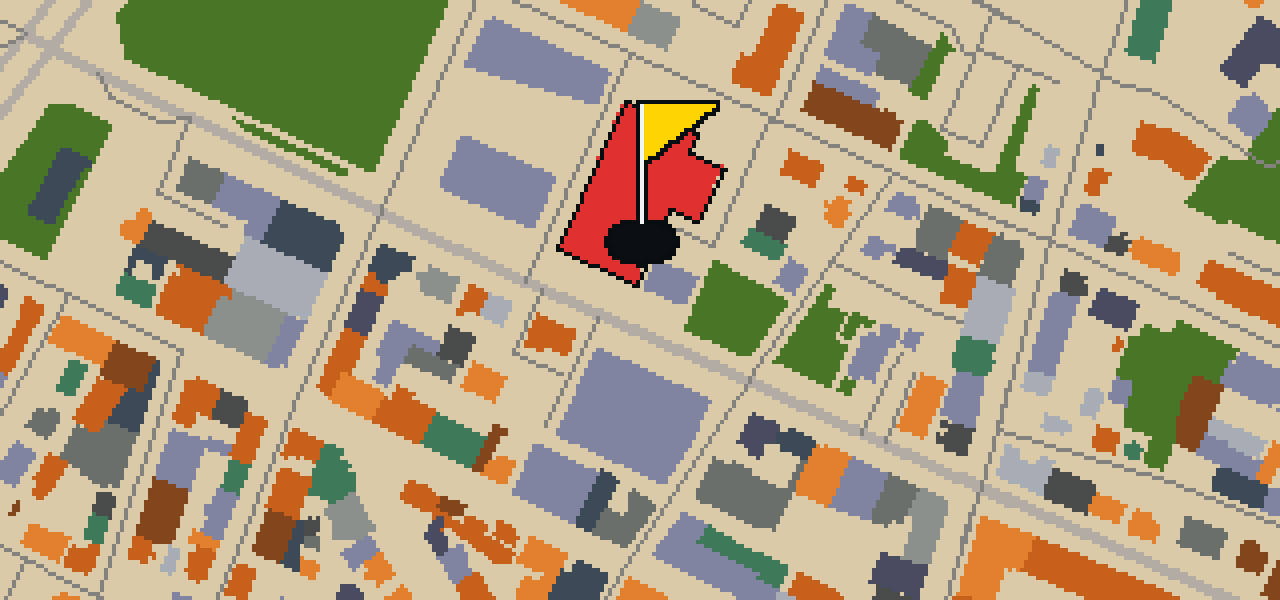
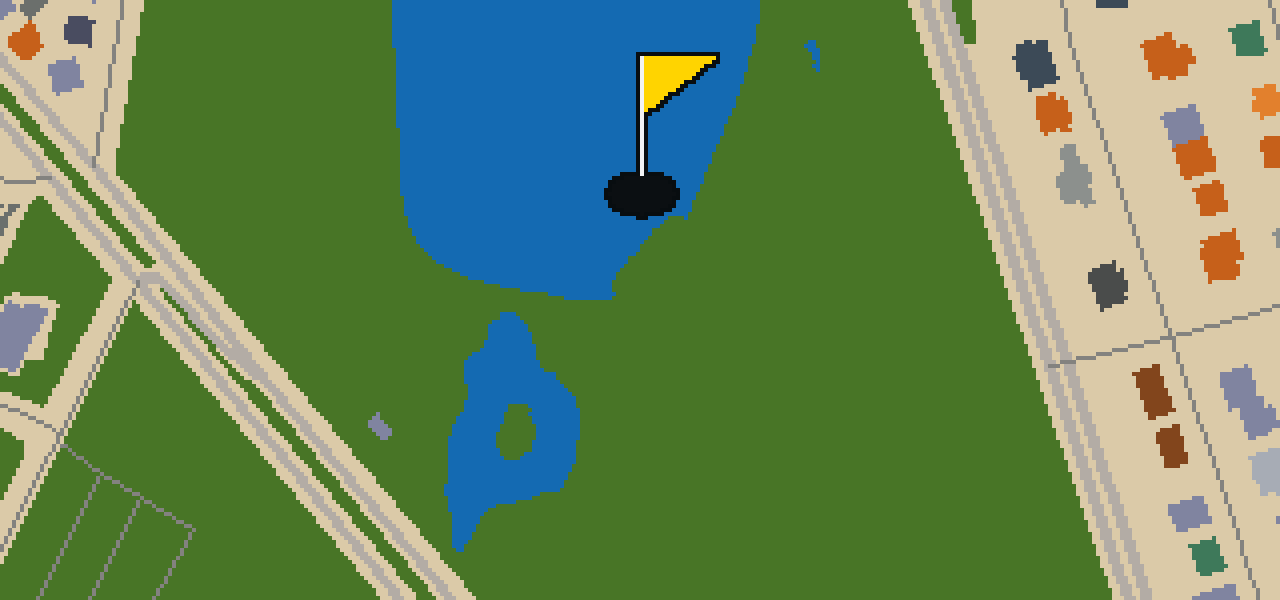
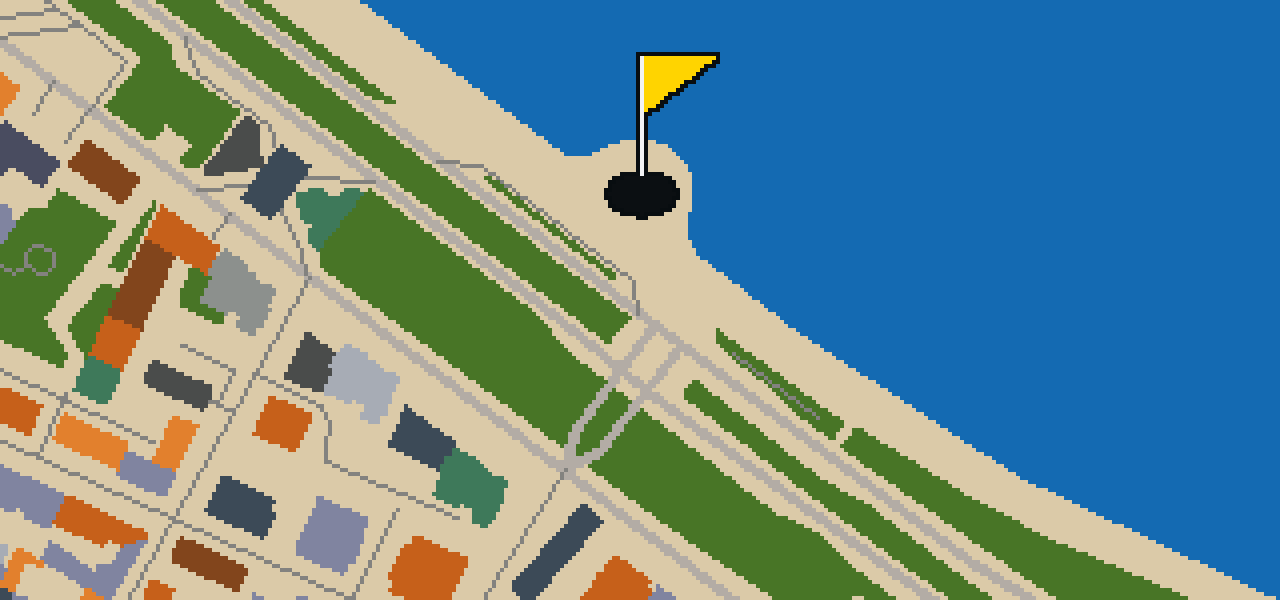
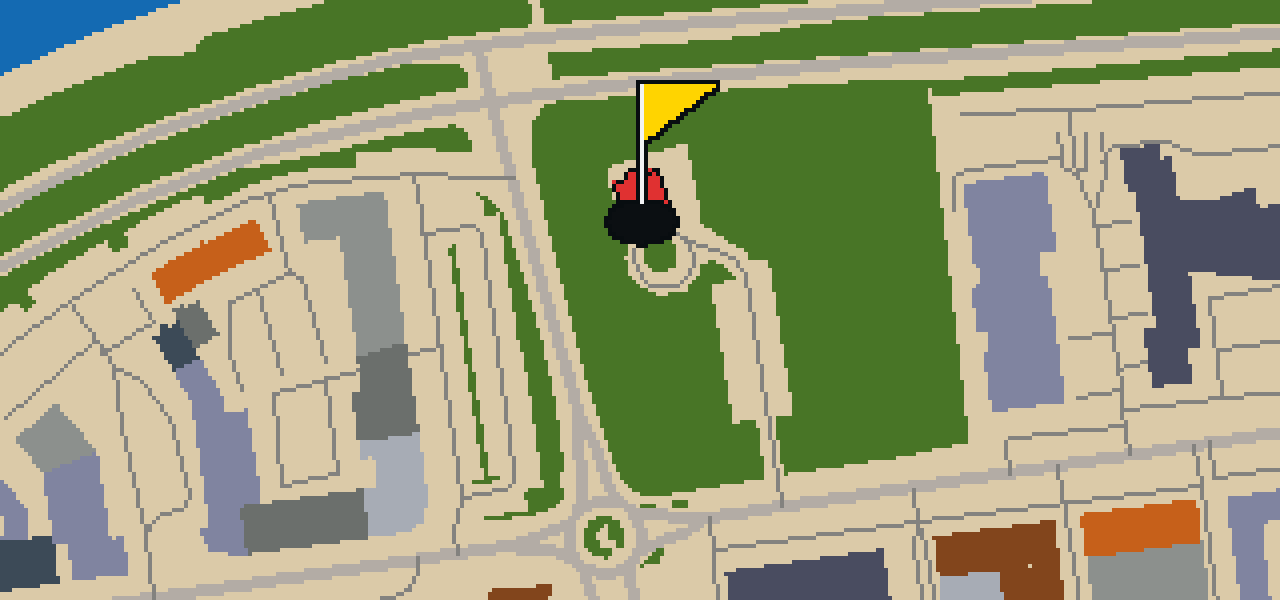
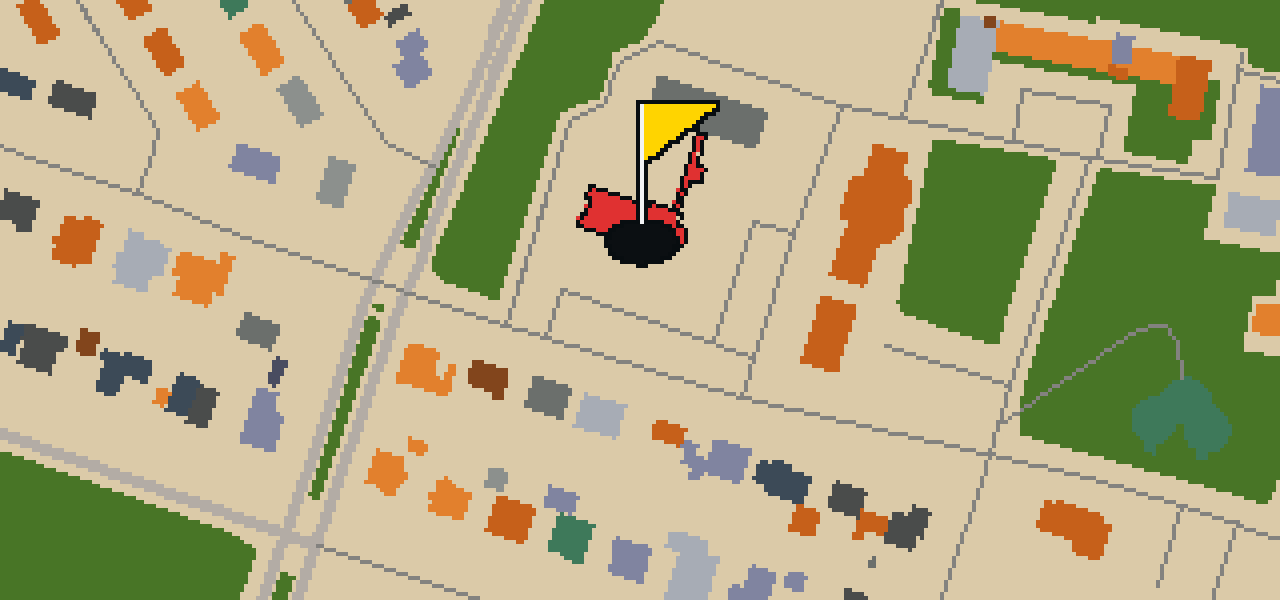
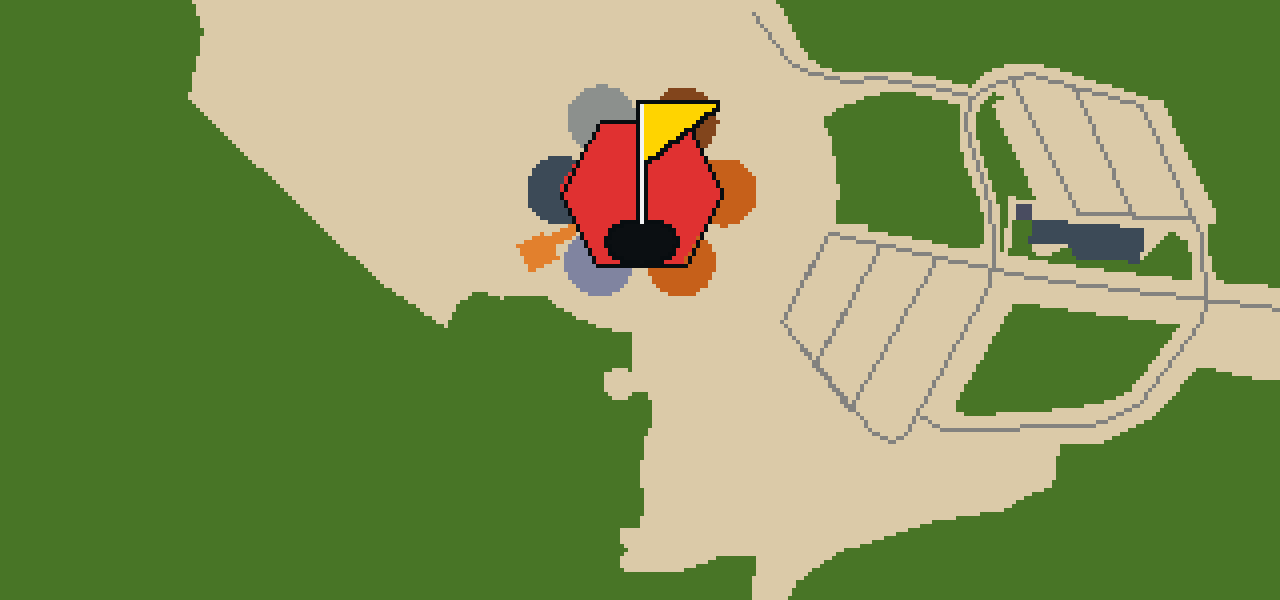
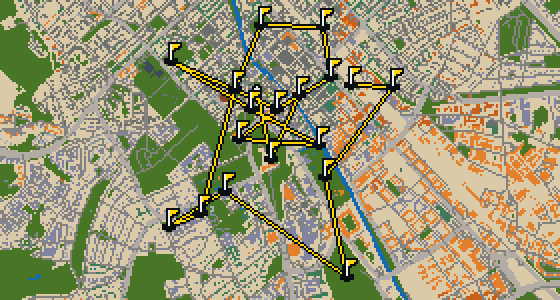
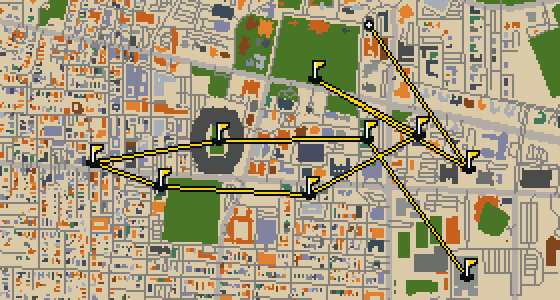
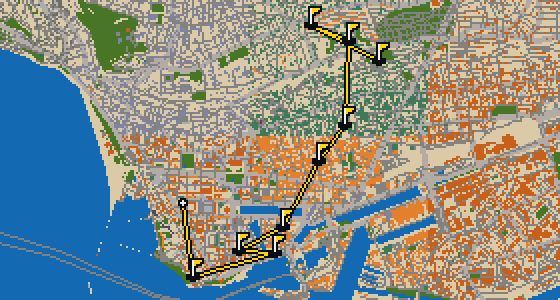
This is Reykjavík, where the map is the actual city and the round is played on its real streets. The holes are built from attractions like Hallgrímskirkja, and the ball banks off the local facades. Skip is a local guide who knows every corner of the place. It is a full round of 18 holes with a par of 56, covering a walk of 11.8 km. A few portals help the ball skip across the map to keep things moving.

Trouble loading? Open the game in its own tab.

HOW IT WORKS

01

Pick a city

The course is drawn on the real street grid, so the map you play is the map you walk.

02

Putt to the pin

Drag to aim, release to swing. Buildings bounce and water costs you a stroke.

03

Sightsee between strokes

Every hole ends at an attraction. Sink the putt, read the story, walk to the next tee.

THE REYKJAVÍK ROUND - STOP BY STOP

HOLE 1 - PAR 3

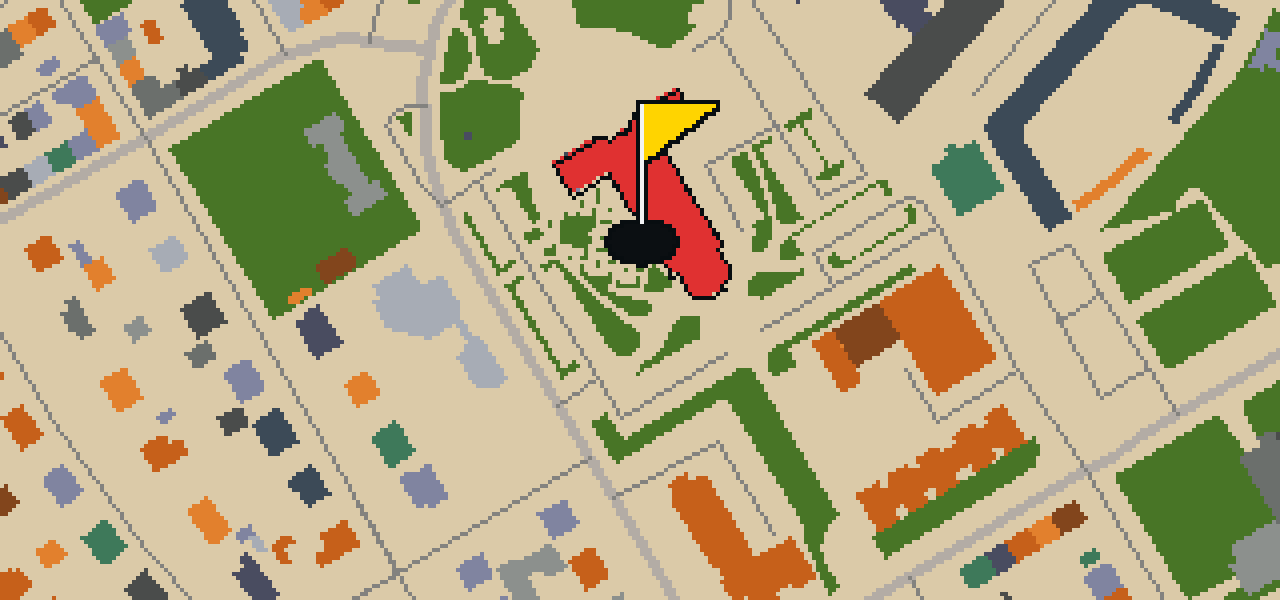
Hallgrímskirkja

Hallgrímskirkja is a Protestant Lutheran parish church in Reykjavík. Designed by architect Guðjón Samúelsson, the building is an example of Gothic Revival and expressionist architecture. It stands as the largest church in Iceland and is the second tallest building in the country. The structure reaches a height of 74.5 metres. It is named after the Icelandic poet and cleric Hallgrímur Pétursson, who lived between 1614 and 1674. The inception of the building was in 1986.

Wikidata · Wikipedia

HOLE 2 - PAR 3

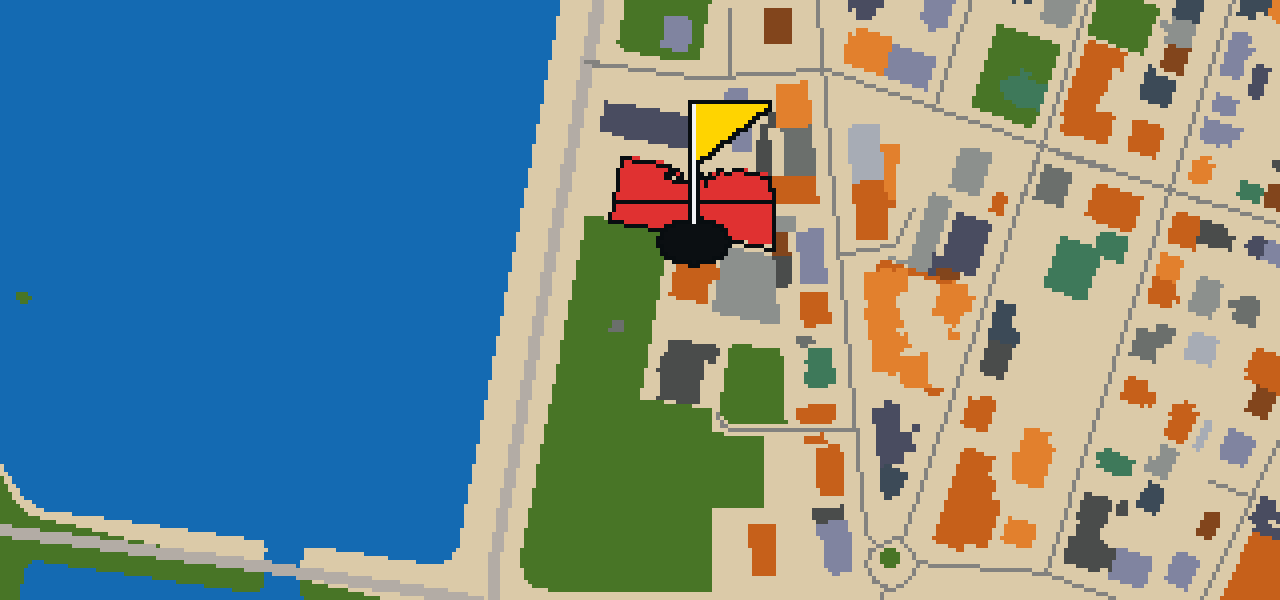
Listasafn Íslands

You can pick out the specific brushstrokes of famous Icelandic artists as you walk through Listasafn Íslands. Located in Reykjavík, this national museum houses a collection of Icelandic art that captures the spirit of the island. It is an art museum where the exhibits do more than just decorate the walls, as the artwork helps explain the traditional Icelandic culture. I've found that the colors here often mirror the moody skies outside, making it a great place to spend an afternoon.

Wikidata · Wikipedia

HOLE 3 - PAR 3

Listasafn Reykjavíkur

Founded in 1973, Listasafn Reykjavíkur is an art museum that has grown over the years to become the largest visual art institution in Iceland. Rather than staying in one spot, the museum occupies three different locations across Reykjavík. You can visit Hafnarhús by the old harbour, Kjarvalsstaðir by Klambratún, or Ásmundarsafn in Laugardalur. I find that having the museum split up this way is a great excuse to explore different neighborhoods in the city while you are looking at the art. It is a wonderful way to get a feel for the local surroundings.

Wikidata · Wikipedia

HOLE 4 - PAR 3

Óðinn

I can show you the ICGV Óðinn, a decommissioned offshore patrol vessel. It is the oldest ship in the coastguard's fleet and was formerly operated by the Icelandic Coast Guard. You can find it in Reykjavík Harbour, where it has served as a museum ship at the Reykjavík Maritime Museum. It is a sturdy piece of maritime history that was still operative as of June 2022. I always find the scale of these patrol ships impressive when you see them docked against the city skyline.

Wikidata · Wikipedia

HOLE 5 - PAR 3

Reykjavík 871±2

Located at Aðalstræti 16 in 101 Reykjavík, this museum sits right at the corner of Aðalstræti and Suðurgata. It is a fascinating spot because it displays the ruins of one of the first known Viking houses in Iceland in its original location. Along with those ruins, the exhibit features various findings from other excavations throughout the city center. It is an exhibit run by the Reykjavik City Museum. I've always found it interesting how the modern city just wraps around these ancient walls.

Wikidata · Wikipedia

HOLE 6 - PAR 3

Þjóðminjasafn Íslands

You will find Þjóðminjasafn Íslands located in Reykjavík. This national museum was established in 1863, and it provides a look at the country's history. Jón Árnason was the first curator of the Icelandic collection, which is a key part of what you can see there. It is a particularly important site because the Icelandic collection was previously kept in Danish museums. I always find it interesting how these objects eventually found their way back to the city. It makes for a great stop on your walk through the neighborhood.

Wikidata · Wikipedia

HOLE 7 - PAR 3

Landakotskirkja

Guðjón Samúelsson was the architect of Landakotskirkja, which was started in 1929. This Catholic basilica in the western part of Reykjavík is built in the Gothic Revival style. It is officially named Basilika Krists konungs, though it is often referred to as Kristskirkja. The site is the sole Catholic cathedral in Iceland and is the cathedral of the Diocese of Reykjavík. You can see the influence of the Gothic Revival style in the structure of the building as you approach the grounds.

Wikidata · Wikipedia

HOLE 8 - PAR 3

Hið Íslenzka Reðasafn

Founded in 1997, Hið Íslenzka Reðasafn is a museum in Reykjavík. It is known for housing the world's largest display of penises and penile parts, which draws 11,000 annual visitors to its doors. Inside, you can find a collection of over 300 penises from more than 100 species of mammals. The museum also includes 22 imagined penises of creatures from Icelandic folklore. I have noticed that people usually have a very specific look on their faces when they first walk in. It is certainly one of the most unique stops you will find on your walk through the city.

Wikidata · Wikipedia

HOLE 10 - PAR 3

Dómkirkjan

You will find Dómkirkjan located at Austurvöllur, situated directly next to Alþingishúsið. This Lutheran cathedral was started in 1787 and is built in the style of historicist architecture. It holds a central place in the civic and religious life of the city. Since the Alþingi was resurrected in 1845, each session of parliament has begun with a Mass at the cathedral. It is a place of significant tradition where the political and spiritual histories of the city meet in one location.

Wikidata · Wikipedia

HOLE 11 - PAR 2

Harpa

Look closely at the glass and steel of Harpa. This contemporary and high-tech building is a concert hall in Reykjavík that first held its opening concert on 4 May 2011. Ólafur Elíasson is the architect of the structure, which also functions as a conference centre. It is a striking example of modern design that stands out against the harbor skyline. I usually find the light reflecting off the facade is the best part of the view, though you might be too busy admiring the geometry to notice me fluttering nearby.

Wikidata · Wikipedia

HOLE 12 - PAR 4

Þjóðleikhúsið

You can find Þjóðleikhúsið in Reykjavík. As the national theatre of Iceland, this theatre building is a major cultural landmark designed by Guðjón Samúelsson. It formally opened on 20 April 1950, providing a dedicated space for the performing arts in the city. For those interested in the current creative direction of the stage, Magnús Geir Þórðarsson has been the artistic director since 2020. I always think the architecture looks quite striking against the city skyline, especially when you see it from the street level. It is a great spot to pause and admire the local design before you continue your game.

Wikidata · Wikipedia

HOLE 13 - PAR 4

Hljómskálagarðurinn

Let me show you Hljómskálagarðurinn. This place is a park, providing a green space for visitors to enjoy. It is a spot where you can pause and look around the surrounding area.

Wikidata

HOLE 15 - PAR 4

Höfði

Let me show you Höfði, a house in Reykjavík built in 1909. You can pick out the Jugendstil style of the architecture as you approach. This building is known for being the location of the 1986 Reykjavík Summit, where President Ronald Reagan of the United States and General Secretary Mikhail Gorbachev of the Soviet Union met. Inside, the flags of the United States and the Soviet Union are cross-hung to commemorate the event. I've noticed it's a great spot for a stroll along the coast.

Wikidata · Wikipedia

HOLE 16 - PAR 2

Háteigskirkja

Háteigskirkja is a church building. It is a site of importance in the local area, having had its inception in 1965. Visitors to the city can find this building as they navigate the streets, where it stands as a dedicated space for the community. The building is recognized for its role as a church and its presence in the neighborhood since its inception in 1965.

Wikidata

HOLE 17 - PAR 4

Klambratún

Let me show you Klambratún, an outdoor park located in the Hlíðar district of Reykjavík. It is a recreation area where locals and visitors can spend time in the fresh air. While you are walking through the grounds, you can pick out the Reykjavik Art Museum, which stands within the park. I've found that the open layout makes it a great spot to stretch your wings between city sights, and it remains one of the most accessible green spaces for anyone exploring the city on foot.

Wikidata · Wikipedia

HOLE 18 - PAR 3

Perlan

A glass dome resting on top of six district heating tanks defines the silhouette of Perlan. This natural history museum is situated on the top of Öskjuhlíð hill in Reykjavík, Iceland. Opened to the public on June 21, 1991, the building uses its unique base for more than just support. You can find a planetarium in one tank and an ice cave in another, while four of the district heating tanks are still in use. I've noticed the view from the hill is quite a sight, and the structure is a landmark you can't miss as you move through the city.

Wikidata · Wikipedia

STOP 19

Fossvogskirkja

Fossvogskirkja is a church building. It is a place of worship located within the city of Reykjavík.

Wikidata

OTHER COURSES

18 HOLES - PAR 57

Zurich

18 stops

This is a full 18-hole round through Zürich. The map follows the real city, with the ball rolling across actual streets and banking off building facades. Real attractions like the Grossmünster are what the holes are built from. Skip knows every corner of this place, though a pigeon mostly cares about the crumbs. The walk covers 12.4 km and uses 70 portals to bridge the gaps between distant landmarks.

18 HOLES - PAR 52

Zagreb

18 stops

This is a full round of 18 holes through Zagreb. The map follows the real city, with the ball rolling across actual streets and banking off building facades. Real attractions like the bazilika Presvetog Srca Isusova form the holes. Skip knows these pavements well, even the bits where the crumbs are best. The walk covers 10.2 km and uses 40 portals to bridge the gaps between distant parts of the city.

18 HOLES - PAR 55

York

18 stops

This is a full eighteen-hole round through York. The map is the real city and the ball rolls along its actual streets, banking off the stone of the York Minster. Real attractions provide the structure for every hole. Six portals help move the ball across the 6.9 mi walk. Skip is a local guide who knows these alleys and bars by heart, provided there are no crumbs to distract him.

18 HOLES - PAR 54

Wrocław

18 stops

Wrocław is the setting for this round, where the map is the real city and the ball rolls across its actual streets. The holes are built from real attractions, starting at the Archikatedra Świętego Jana Chrzciciela. Skip is a local guide who knows the place and where the best crumbs are hidden. This full round of 18 holes has a par of 54 and covers a walk of 10.2 km, with 28 portals to help the ball skip across the map.

9 HOLES - PAR 26

Warsaw

9 stops

This is Warszawa, where the map is the real city and the round is played on its actual streets. The holes are built from real attractions, starting at Religijne Towarzystwo Przyjaciół w Polsce. This quick 9-hole round covers 4.9 km with a par of 26, using 78 portals to bridge the gaps. Skip knows these sidewalks well enough to find the best banks.

FAQ

Is it free to play?

Yes. Every course runs in the browser with no account and no install.

Do I need to be in the city?

No. The full round plays from anywhere. Walking the real route is a nice way to see the city, but it is not required.

Are the maps real?

Yes. The geometry comes from OpenStreetMap data, rendered chunky on purpose. Streets, water and parks sit where they really are.