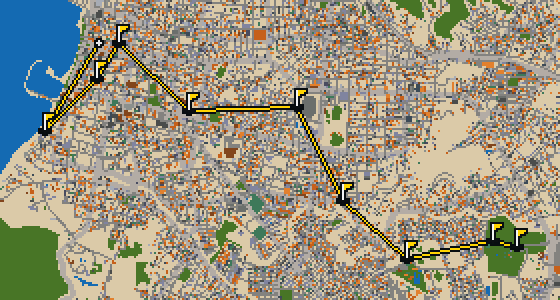
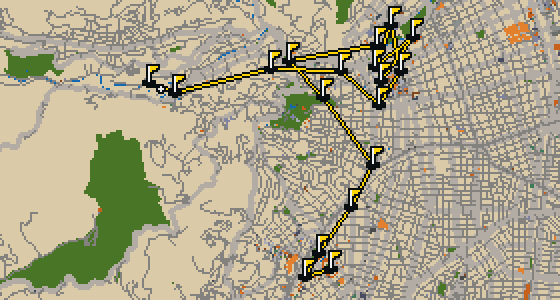
THE CARTAGENA ROUND - STOP BY STOP




Plaza del estudiante

Baluarte de Santo Domingo
Located in Cartagena de Indias, Colombia, the Baluarte de Santo Domingo is a bastion and a cultural property. The construction of the city walls originated with this specific structure in the early 17th century. The fortification work was conceived around 1602 by engineer Battista Antonelli and his nephew Cristóbal de Roda. You can pick out where the defenses were strongest, as the bastion was built on the avenue through which the pirate Francis Drake had penetrated in 1586. I've noticed the breeze is usually quite refreshing up here on the walls.
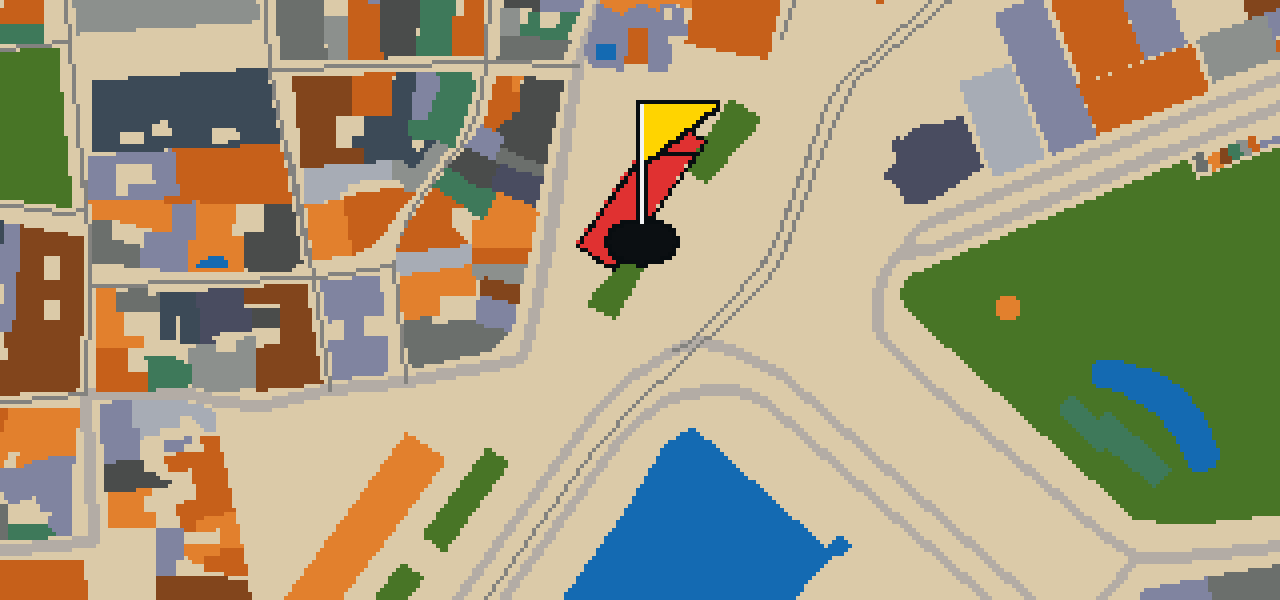

Puerta del Reloj
You might think this is just a decorative tower, but it is actually the main city gate of the historic center of Cartagena de Indias. Puerta del Reloj is a clock tower that was crowned with its timepiece at the beginning of the 18th century. During the colonial period, a drawbridge was raised at the foot of the channel of San Anastasio to link the walled city to the Getsemaní neighborhood. I've seen plenty of tourists stop here to admire the view, and it's easy to see why this spot is so central to the city's layout.

Monumento a las Palenqueras
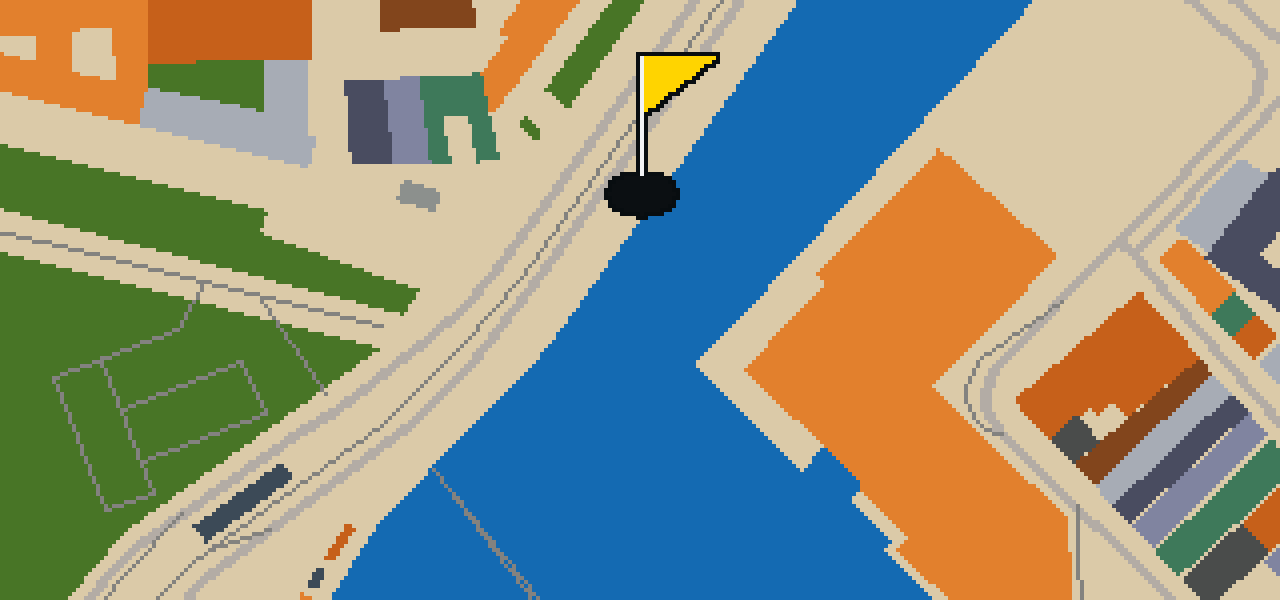
Muelle de La Bodeguita
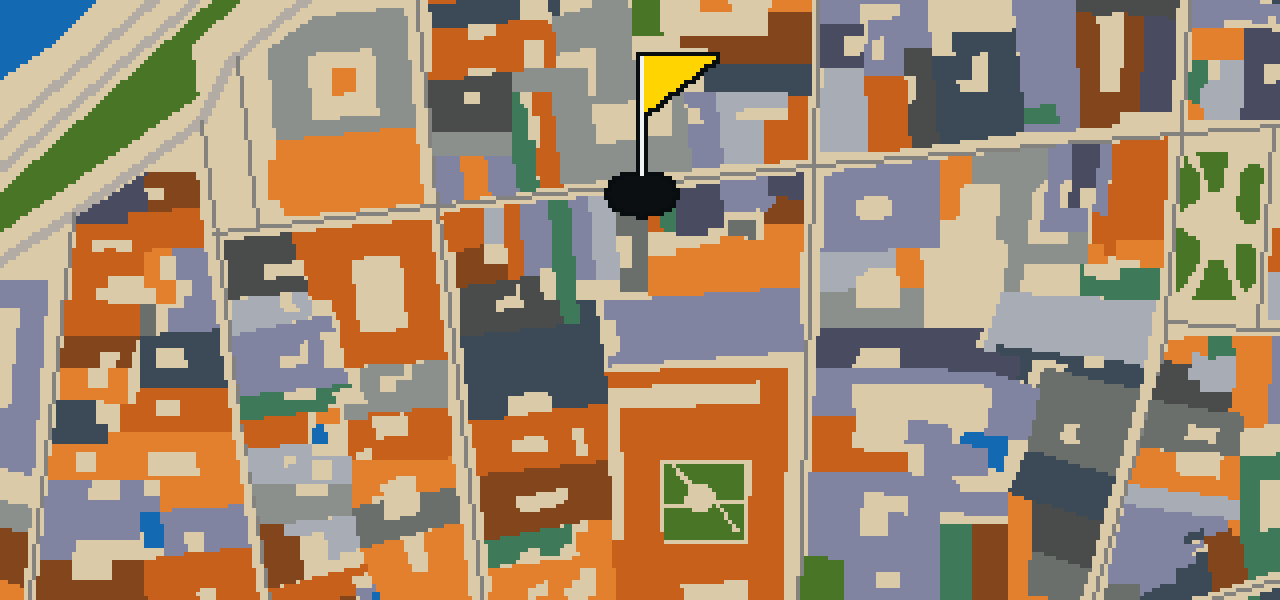

Artesanal Monsu
Virgen de la Candelaria
José Fernandez de Madrid
India Catalina
Casa Museo Rafael Núñez
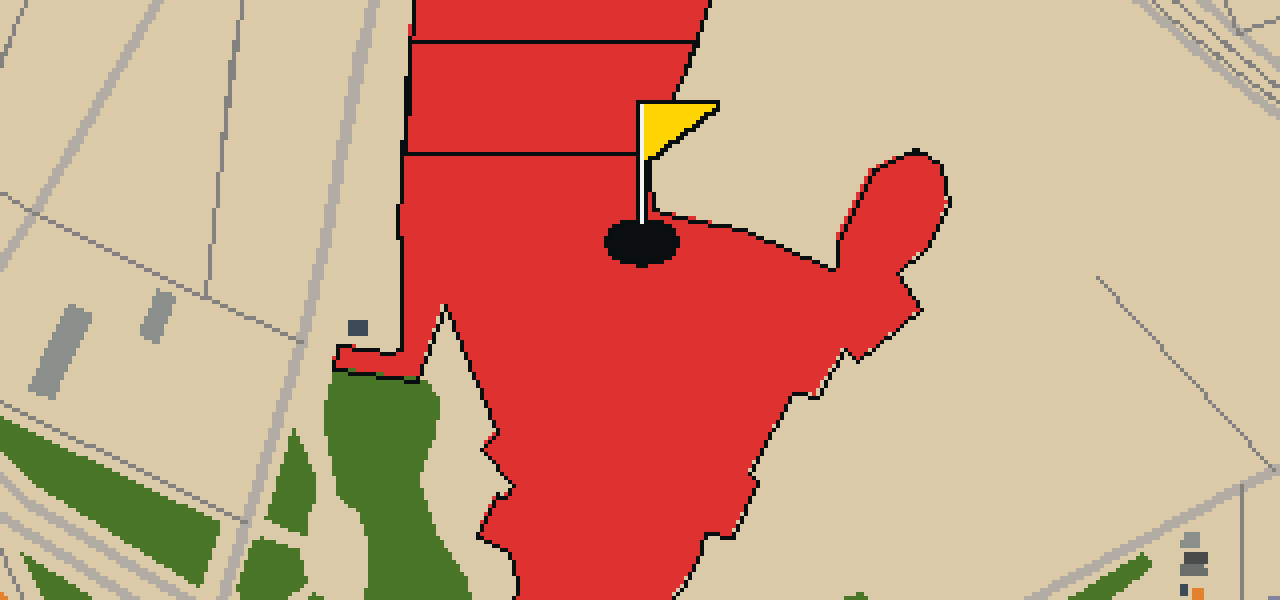
Castillo San Felipe de Barajas
Castillo San Felipe de Barajas is a fortress in the city of Cartagena, Colombia. The inception of this castle was in 1536, and it was built in 1639. During the colonial era, African slave labor built the structure under Spanish supervision. You can find it located on the Hill of San Lázaro. Since its early days, the site has become part of the National Monuments of Colombia. I've found that the views from the heights are quite a treat for anyone visiting the city. It is a massive place to explore on foot.

Los Zapatos Viejos
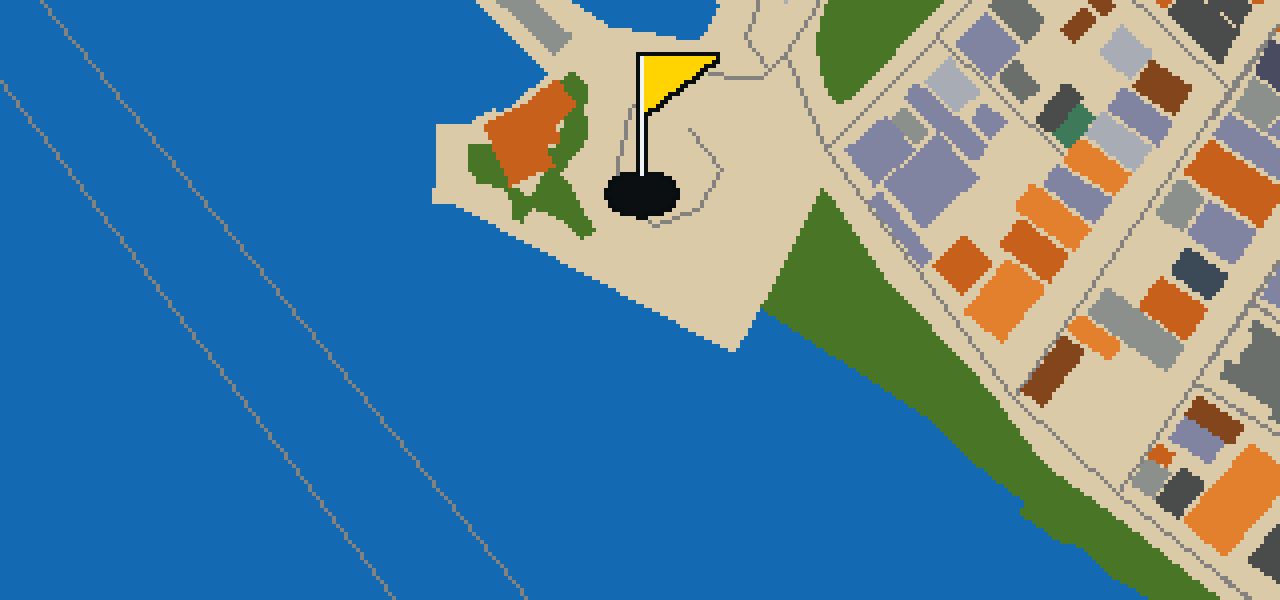
Fuerte de San Sebastián del Pastelillo
Let me show you the Fort San Sebastián del Pastelillo. Colonial builders created this military fortress in Cartagena de Indias, Colombia, as part of the city's defensive network. It is a significant piece of history that you can still visit today to see how the coast was guarded. I have spent a lot of time around these walls, and I think the way the stone has weathered over the centuries gives the whole place a very specific character. It is a great spot to stop and get your bearings while exploring the city's old fortifications.

Gran Almirante del Perù Miguel Grau Seminario
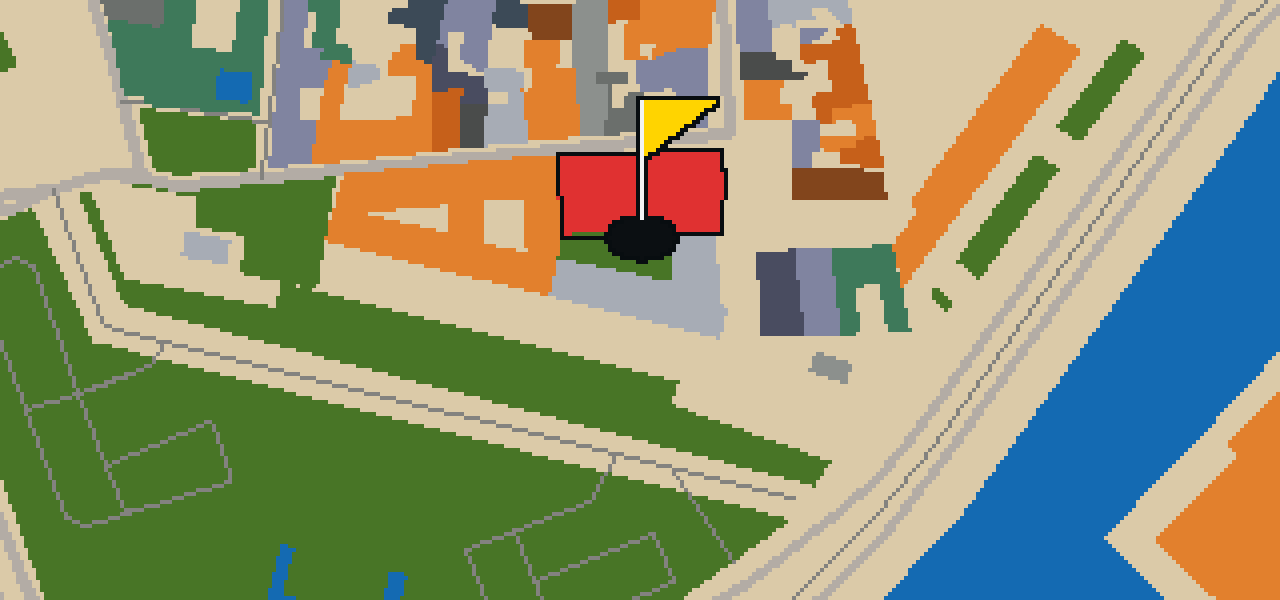
Iglesia de San Pedro Claver
In the heart of Cartagena de Indias, Colombia, you will find the Iglesia de San Pedro Claver. This church building is a significant site in the city and is officially recognized as part of the National Monuments of Colombia. As you approach the building, you can pick out the specific details of the baroque architecture style. The structure also incorporates the Spanish Colonial architecture style, making it a notable example of these historical design movements within the urban center of Cartagena de Indias.
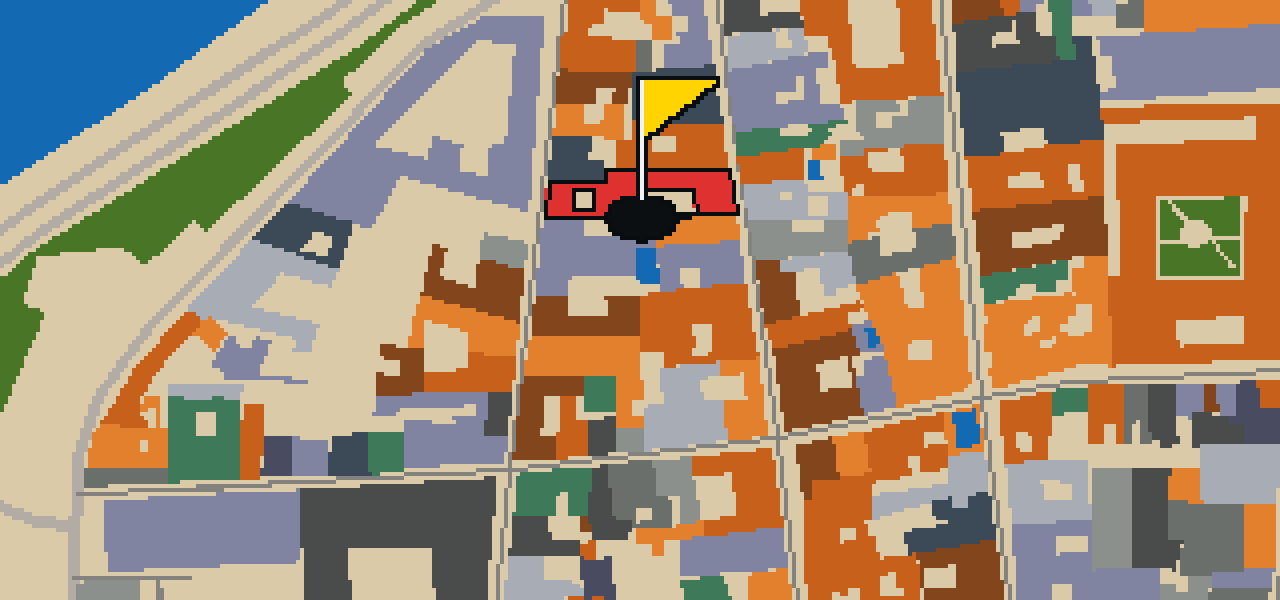
Casa España
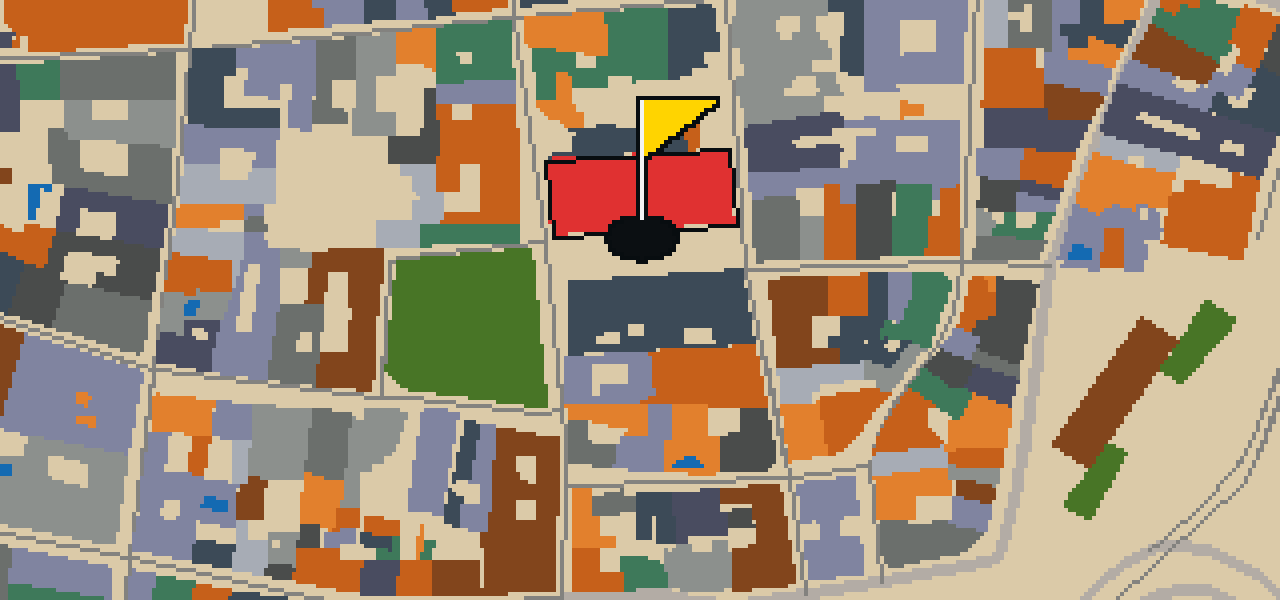
Catedral de Santa Catalina de Alejandría
This site is not a modern construction, but the Catedral de Santa Catalina de Alejandría. Located in the historic centre of Cartagena, this cathedral is dedicated to Saint Catherine of Alexandria. It is also a minor basilica and is recognized as part of the National Monuments of Colombia. You can see that it functions as the episcopal see of the Archbishop of Cartagena de Indias. Its official name is the Metropolitan Cathedral Basilica of Saint Catherine of Alexandria. This landmark remains a primary point of interest for those visiting the heart of the city.