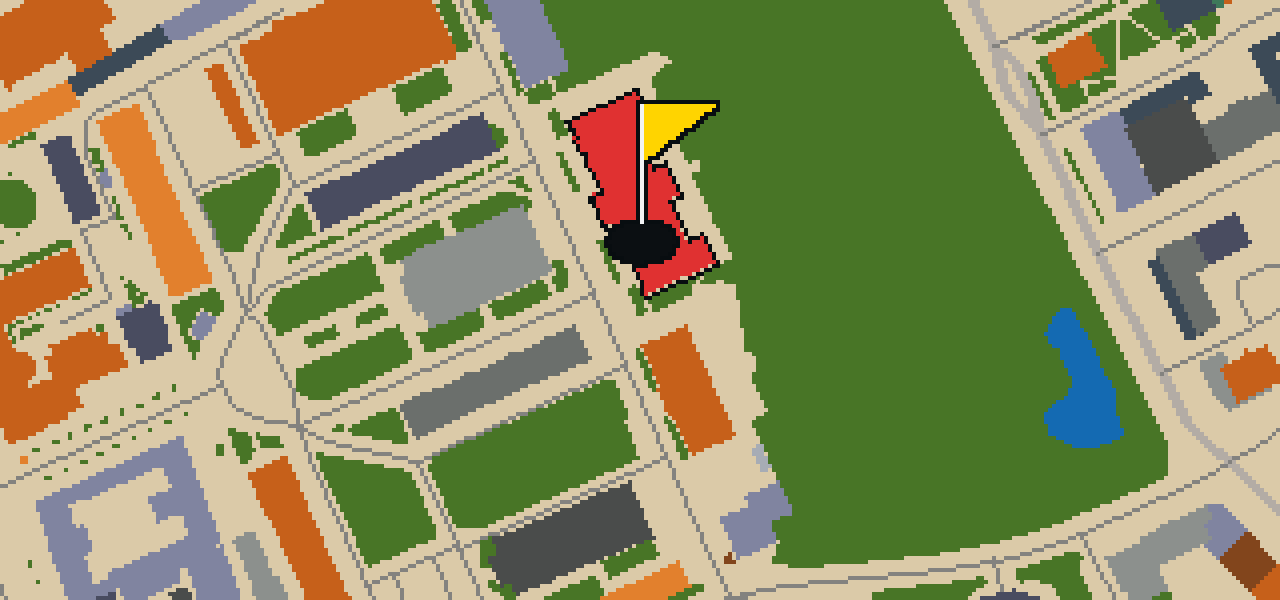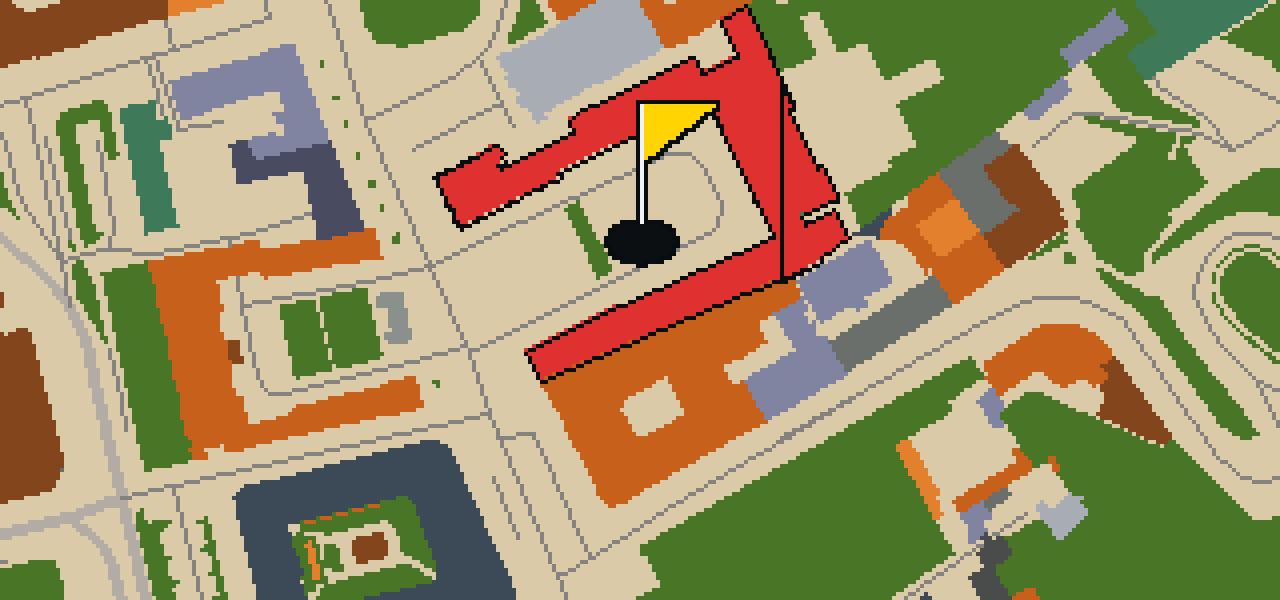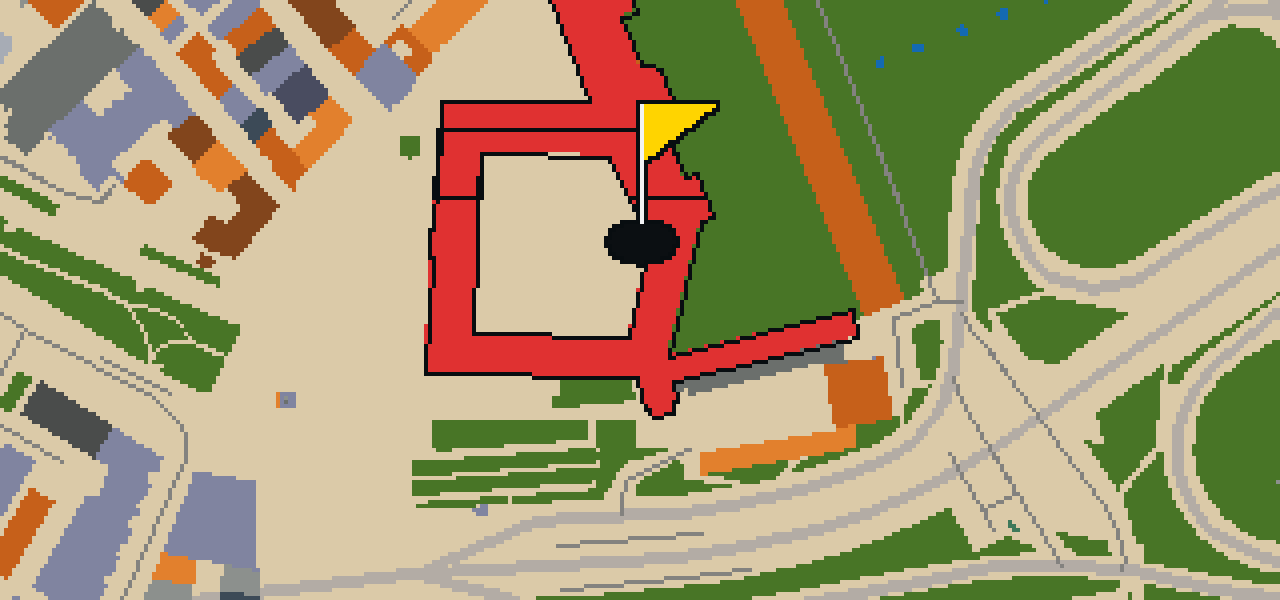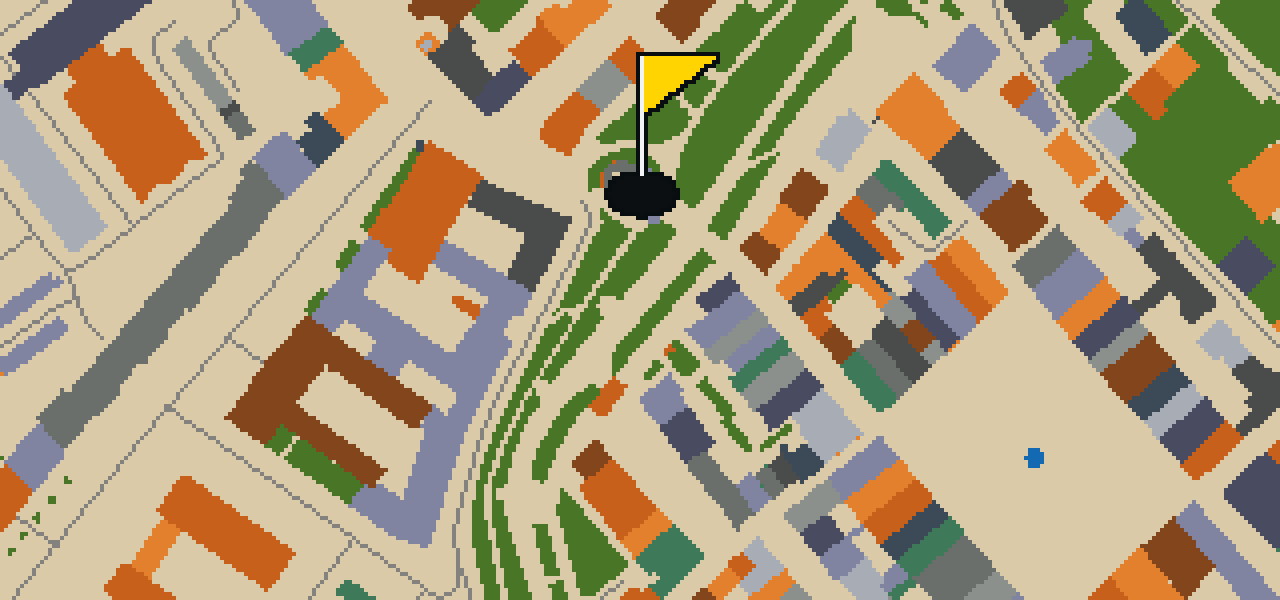

WARSAW - 9 HOLES - FREE

WARSAW
CITY MAP MINIGOLF

Warsaw - 9 stops - par 26

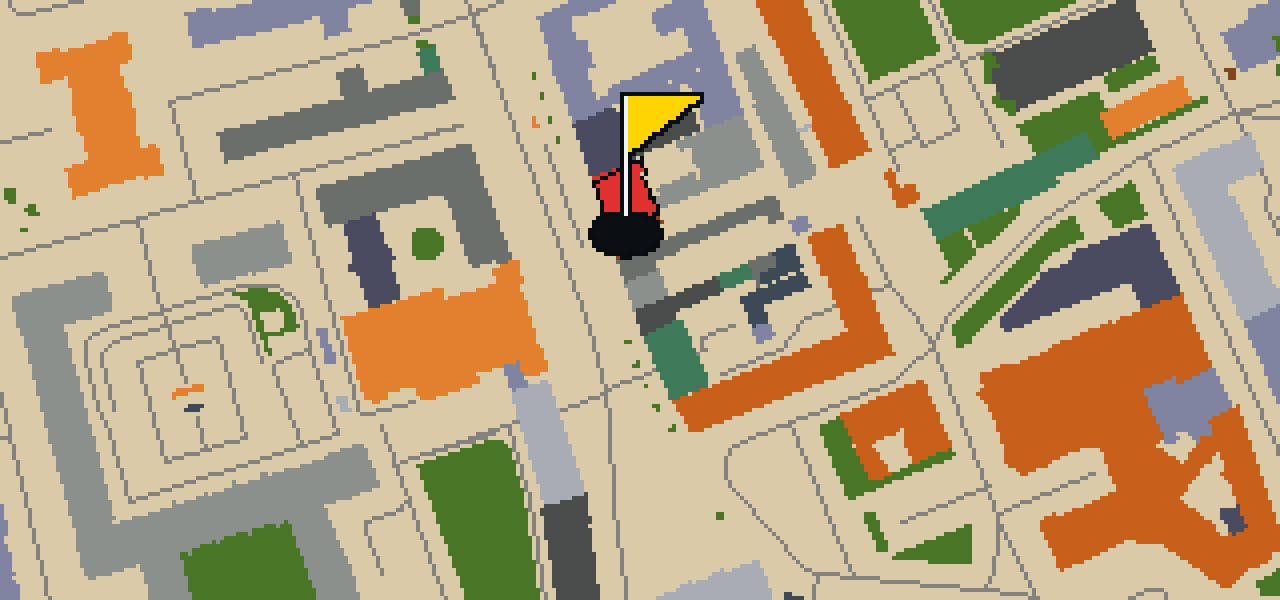
This is Warszawa, where the map is the real city and the round is played on its actual streets. The holes are built from real attractions, starting at Religijne Towarzystwo Przyjaciół w Polsce. This quick 9-hole round covers 4.9 km with a par of 26, using 78 portals to bridge the gaps. Skip knows these sidewalks well enough to find the best banks.

Trouble loading? Open the game in its own tab.

HOW IT WORKS

01

Pick a city

The course is drawn on the real street grid, so the map you play is the map you walk.

02

Putt to the pin

Drag to aim, release to swing. Buildings bounce and water costs you a stroke.

03

Sightsee between strokes

Every hole ends at an attraction. Sink the putt, read the story, walk to the next tee.

THE WARSAW ROUND - STOP BY STOP

HOLE 1 - PAR 3

Religijne Towarzystwo Przyjaciół w Polsce

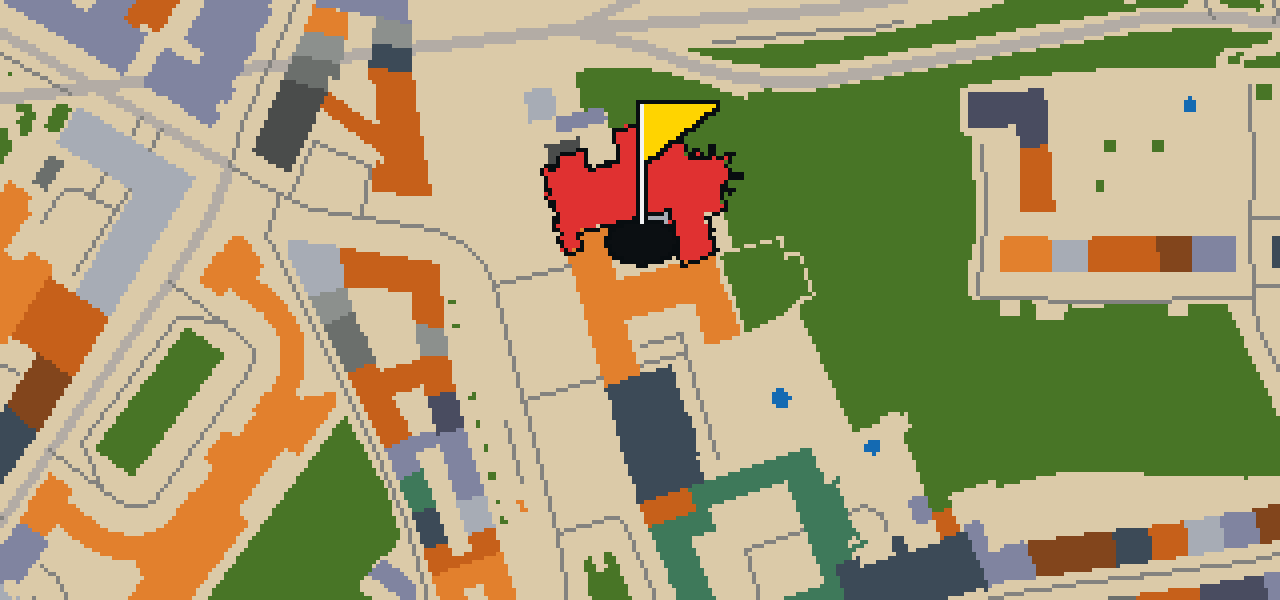
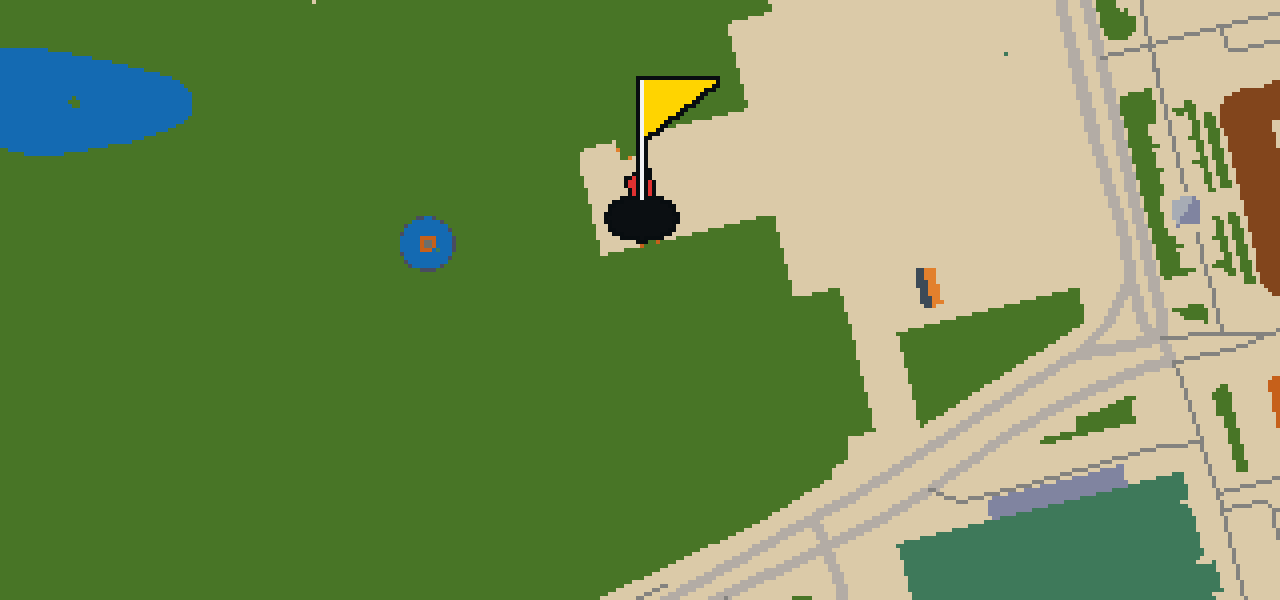
Let me show you a spot in Warszawa where you can find Religijne Towarzystwo Przyjaciół w Polsce. This site represents a religion and a Christian denominational family with roots that go back quite a long way. You can pick out the historical weight of the place, as its inception was in 1652. Beyond its religious identity, it is also recognized as an instance of a worldview, which gives it a unique standing among the various beliefs found throughout the city. I have noticed that the streets of Warszawa are full of these tucked-away landmarks that tell us about the different ways people have viewed the world over the centuries. It is the kind of place that rewards a slow pace and a curious eye as you navigate the urban landscape.

Wikidata · Wikipedia

HOLE 2 - PAR 3

Grób Nieznanego Żołnierza

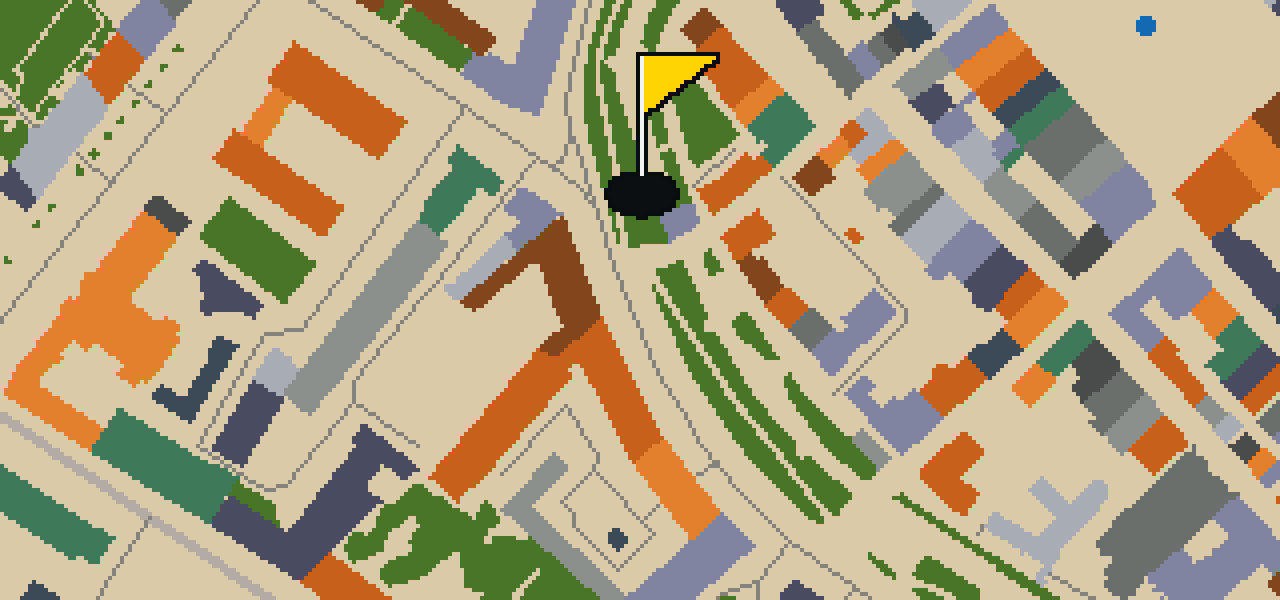
The Grób Nieznanego Żołnierza is an architectural heritage monument located in Warsaw. It is a tomb of the unknown soldier and a monument dedicated to the unknown soldiers who have given their lives for Poland. This site is an immovable monument in Poland, marking a place of solemnity and national memory. It was erected after World War I to honor the soldiers who died for the country but whose identities were never known. Visitors can observe the site as a significant piece of architectural heritage that remains a central point of respect in the city. The monument focuses on the sacrifice of these individuals, ensuring that their contribution to Poland is remembered by all who pass through the streets of Warsaw.

Wikidata · Wikipedia

HOLE 3 - PAR 2

Pałac Kazimierzowski

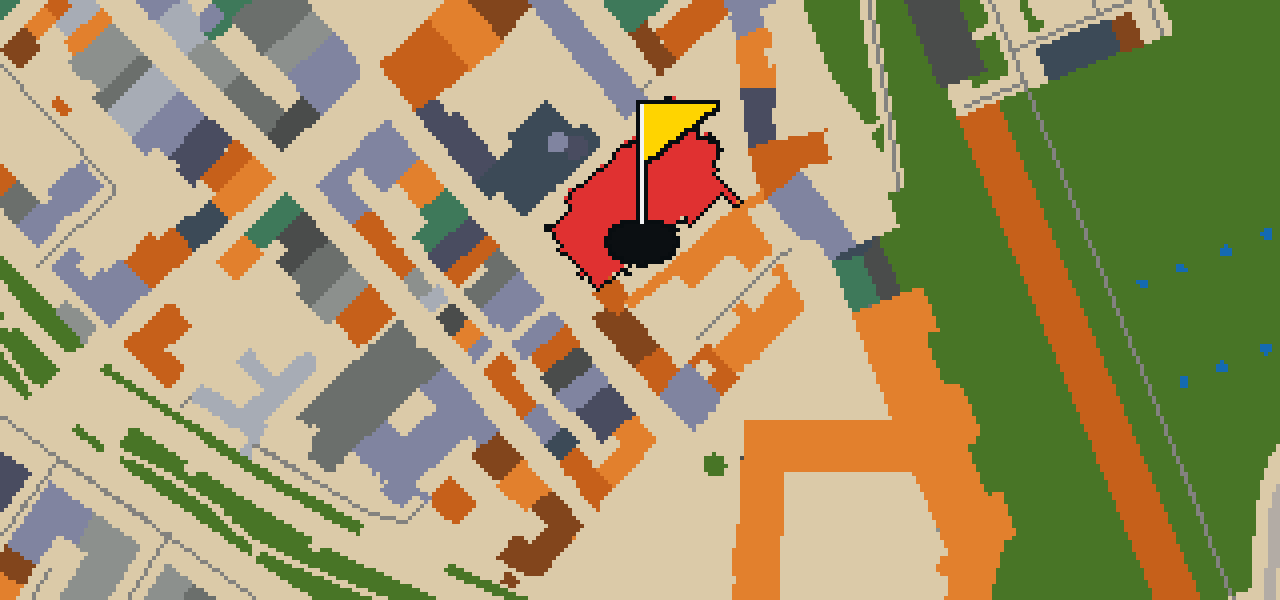
Look closely at the Neoclassical architecture style of Pałac Kazimierzowski. This palace is located at Krakowskie Przedmieście 26/28 in Warsaw, Poland. It is an architectural heritage monument and an immovable monument in Poland. Giovanni Battista Trevano was the architect of the building, which had its inception in 1641. Today, it functions as a university building. I always find the area around this site to be a great spot for people-watching while you take in the surroundings. It is one of those places where the scale of the building really makes you feel the history of the street. You can spend quite a bit of time just admiring the facade before moving on to the next part of your journey through the city.

Wikidata · Wikipedia

HOLE 4 - PAR 3

Pałac Prezydencki

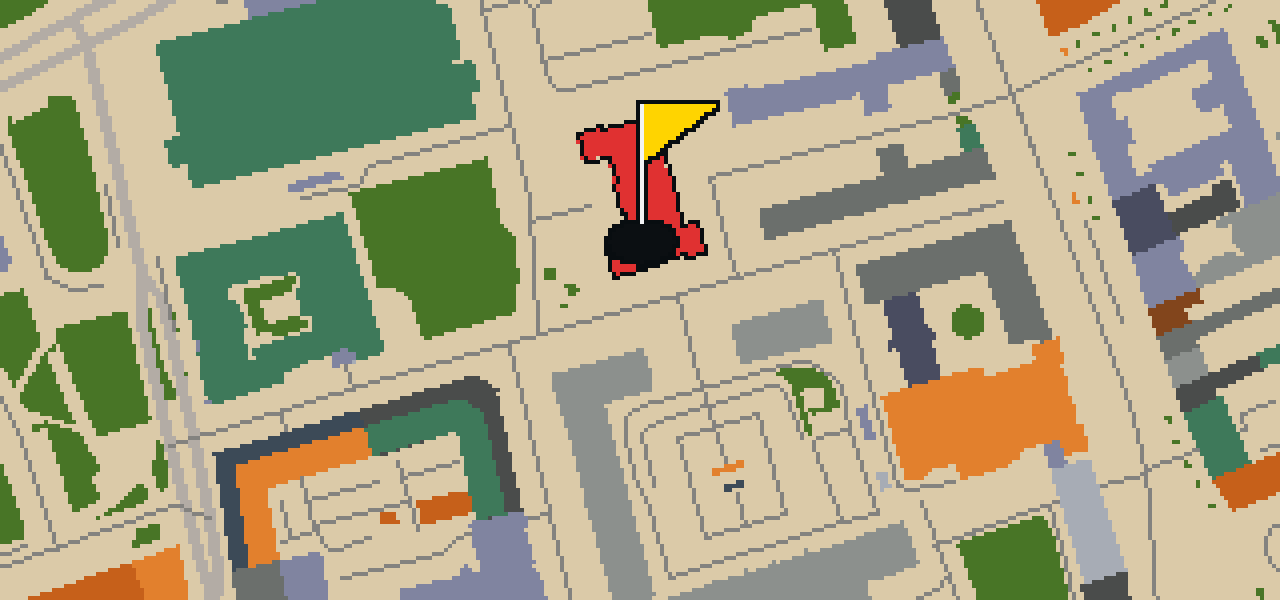
Constantino Tencalla was the architect behind the Presidential Palace. Located in Warsaw, this palace is an immovable monument in Poland. While the inception of the building was in 1643, the current neoclassical palace was completed in 1818. You can pick out the Neoclassical architecture style in the facade, which makes it a standout example of the city's architectural heritage. It is one of two official residences for the Polish head of state and president, with the other being the Belweder Palace. I've noticed that the transition from an aristocratic mansion to a presidential seat gives the building a very stately presence on the street. It is a great spot to pause and admire the scale of the masonry before you move on to your next shot.

Wikidata · Wikipedia

HOLE 5 - PAR 3

Zamek Królewski

Look closely at the Gothic art style of Zamek Królewski, a royal palace that stands as a national historical monument. This castle was designed by Giovanni Battista Trevano and had its inception in 1598. It is more than just a beautiful building; it is a state museum that preserves a significant era of Polish history. From the 16th century until the final partition of Poland in 1795, the site housed the personal offices of the king along with the administrative offices of the royal court. I've seen plenty of fancy ledges in this city, but the architecture here is truly something else. Whether you are visiting for the art or the history, it is a central piece of the city's heritage.

Wikidata · Wikipedia

HOLE 6 - PAR 3

Barbakan

You will first notice the rounded, brick walls of the Barbakan, a fortification that sits between the Old and New Towns. This architectural heritage monument is an immovable monument in Poland. I can show you how it reflects the Renaissance architecture style, which gives the walls their distinct look. It is a great spot to pause and look at the masonry before you head further into the city center. I often see people stopping here to admire the way the brickwork curves around the gateway. It is a sturdy piece of history that anchors the transition between the two districts. Take your time walking around the perimeter to see how the design served its original purpose. It is one of the most recognizable sights in the area, and the red brick always looks striking against the sky.

Wikidata · Wikipedia

HOLE 7 - PAR 3

Kościół pw. Świętej Anny

Located at Krakowskie Przedmieście 68 in Warsaw, Poland, Kościół pw. Świętej Anny is a church building with an inception dating back to 1454. This architectural heritage monument has evolved through the work of several architects, including Giovanni Battista Gisleni, Tylman van Gameren, and Chrystian Piotr Aigner. Because of these contributions, the building incorporates a variety of styles, specifically Gothic art, baroque architecture, and Neoclassical architecture. While the structure has a long history of development and redesign across different eras, the appearance of the church has remained unchanged since 1788. It remains a significant example of these overlapping architectural movements in the city, offering a look at how the building was shaped by different architects over several centuries.

Wikidata · Wikipedia

HOLE 8 - PAR 2

Mały Powstaniec

You will find this landmark on Podwale Street, positioned right next to the ramparts of Warsaw's Old Town. It is a statue known as Mały Powstaniec, and it was created in 1946. The figure is called the Little Insurrectionist and stands in commemoration of the child soldiers who fought and died during the Warsaw Uprising of 1944. I've noticed that the small scale of the statue makes it feel much more personal than the towering monuments you see elsewhere in the city. It is a poignant spot to stop and reflect on the history of the area while you are walking through the Old Town. Whether you are a history buff or just exploring, this site offers a unique perspective on the bravery of the youngest participants in the city's struggle.

Wikidata · Wikipedia

HOLE 9 - PAR 4

Archikatedra pw. Świętego Jana Chrzciciela

This is not a simple parish church, but the Archikatedra pw. Świętego Jana Chrzciciela. It is a Catholic cathedral and a minor basilica that stands on Świętojańska Street, adjacent to the Jesuit Church. This architectural heritage monument is an immovable monument in Poland, with an inception in 1390. You can see the influence of the Brick Gothic style in its design. Located within the Old Town precinct in Warsaw, it serves as a central point of faith and history for the city. It is a place of significant religious importance and architectural value, recognized for its preservation and its role within the community. Its presence on the street provides a direct link to the city's medieval roots and its long religious tradition.

Wikidata · Wikipedia

STOP 10

Pałac Czapskich

The Czapski Palace is a palace located at 5 Krakowskie Przedmieście in the center of Warsaw. This immovable monument in Poland is an example of Baroque and Rococo architectural styles. Tylman van Gameren served as the architect for the building. While it was originally constructed in about 1686 for Michał Stefan Radziejowski, the structure underwent a reconstruction between 1712 and 1721. You can pick out the rococo character it acquired between 1752 and 1765. I've noticed that the facade makes for a great bank shot if you hit the ball just right. It is a significant piece of the city's architectural heritage and stands as an architectural heritage monument. Visitors can admire the blend of styles that define the exterior of this historic site.

Wikidata · Wikipedia

OTHER COURSES

18 HOLES - PAR 54

Wrocław

18 stops

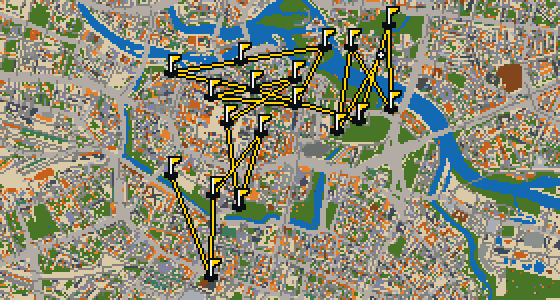
Wrocław is the setting for this round, where the map is the real city and the ball rolls across its actual streets. The holes are built from real attractions, starting at the Archikatedra Świętego Jana Chrzciciela. Skip is a local guide who knows the place and where the best crumbs are hidden. This full round of 18 holes has a par of 54 and covers a walk of 10.2 km, with 28 portals to help the ball skip across the map.

18 HOLES - PAR 55

Poznań

18 stops

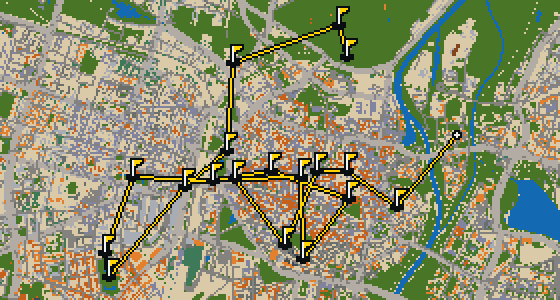
Banking a ball off the brickwork of the Ratusz requires a steady eye and a light touch. This full round of 18 holes takes place on the real streets of Poznań, where the map is the city itself. The holes are built directly from actual attractions, and the ball travels 11.9 km across the pavement, using 52 portals to bridge the gaps. Skip knows every cobblestone here and is the local guide.

18 HOLES - PAR 54

Kraków

18 stops

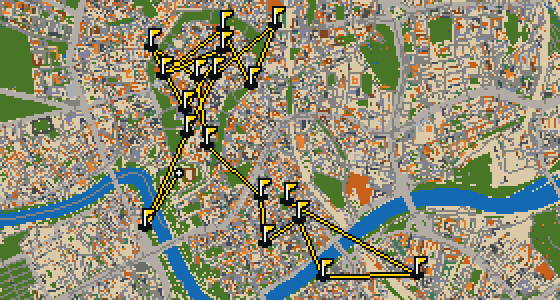
The ball finds the cup at Fabryka Emalia Oskara Schindlera to end a full round through Kraków. This map uses the real city, with the game played on the actual streets and sidewalks. The holes are built from real attractions, and Skip knows every curb and cobblestone of the place. This walk covers 10.3 km across 18 holes with a par of 54, using 38 portals to bridge the gaps. A few stray crumbs might be found along the way, but the focus remains on the course.

18 HOLES - PAR 54

Gdańsk

18 stops

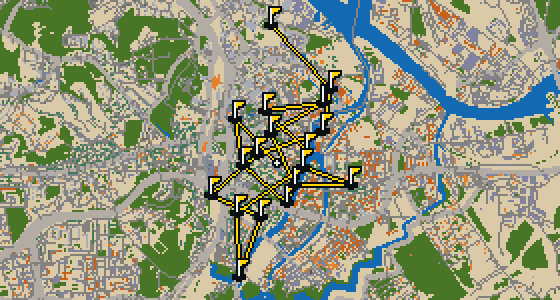
Gdańsk looks different from a rooftop, but the ball stays grounded on the real streets of the city. This full round of 18 holes follows a 10.3 km walk where real attractions like the Złota Brama form the hazards and the cups. A few portals help the ball skip across town to keep the pace up. Skip knows these pavements well enough to avoid the worst puddles and find the best lines through the center.

FAQ

Is it free to play?

Yes. Every course runs in the browser with no account and no install.

Do I need to be in the city?

No. The full round plays from anywhere. Walking the real route is a nice way to see the city, but it is not required.

Are the maps real?

Yes. The geometry comes from OpenStreetMap data, rendered chunky on purpose. Streets, water and parks sit where they really are.