
GDAŃSK - 18 HOLES - FREE

GDAŃSK
CITY MAP MINIGOLF

Gdańsk - 18 stops - par 54

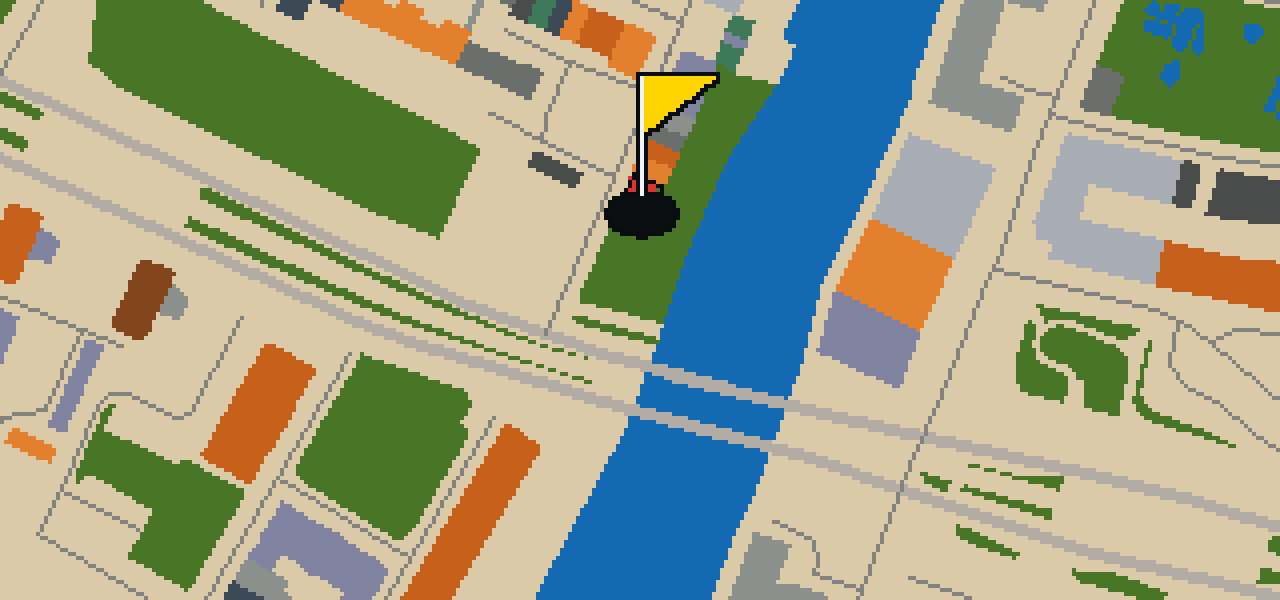
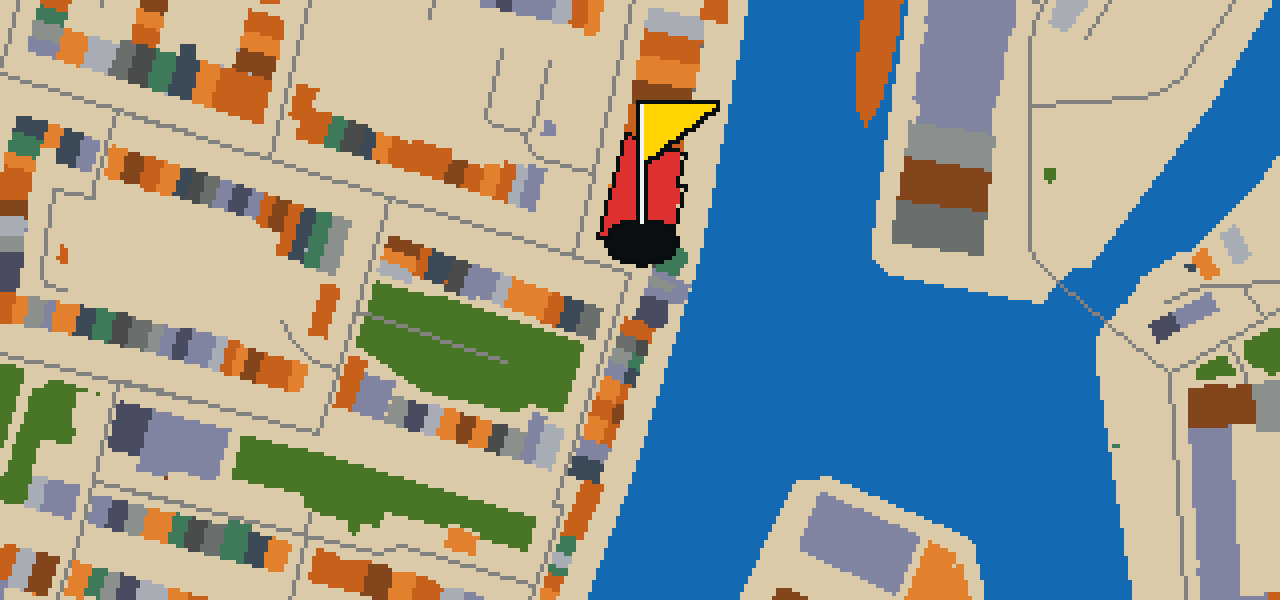
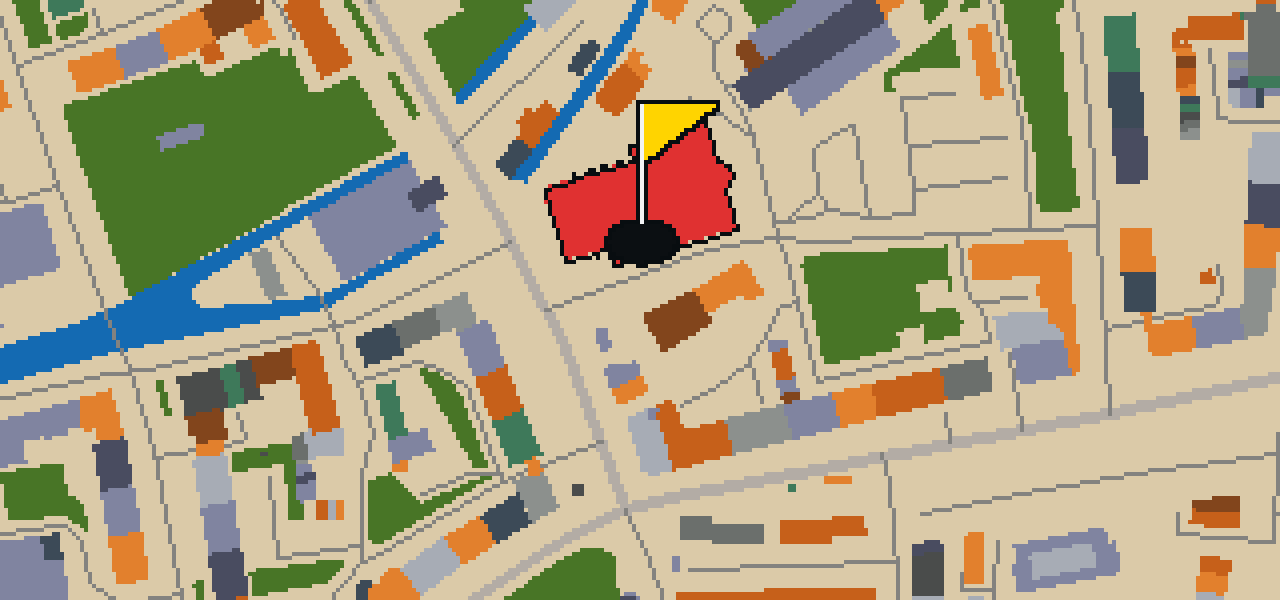
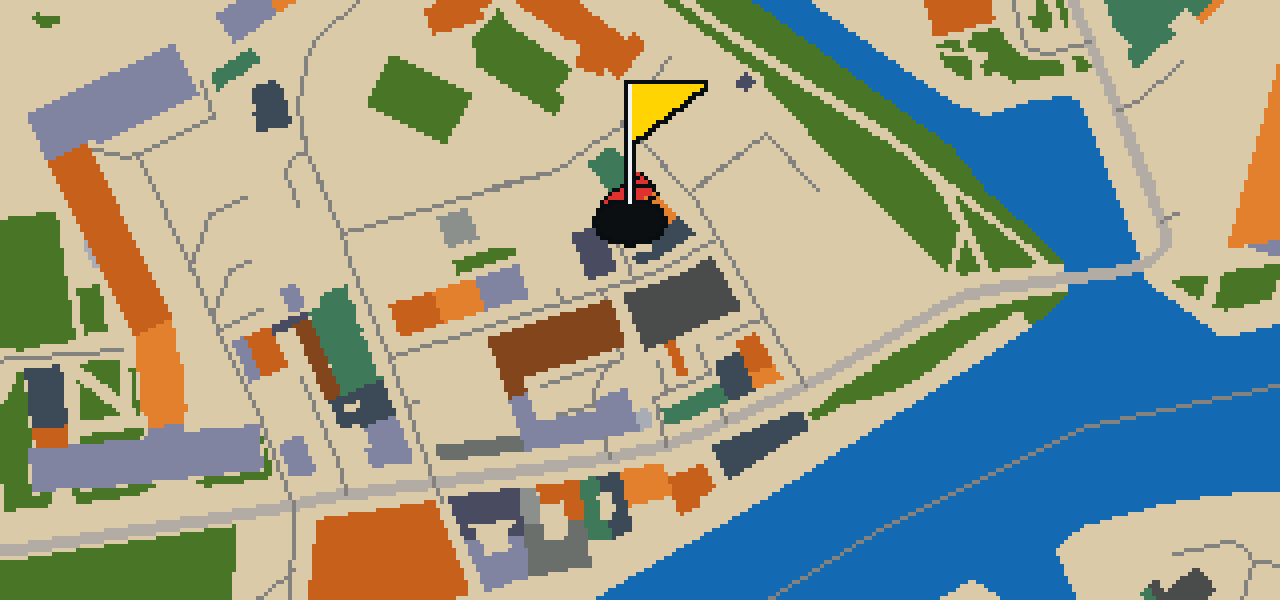
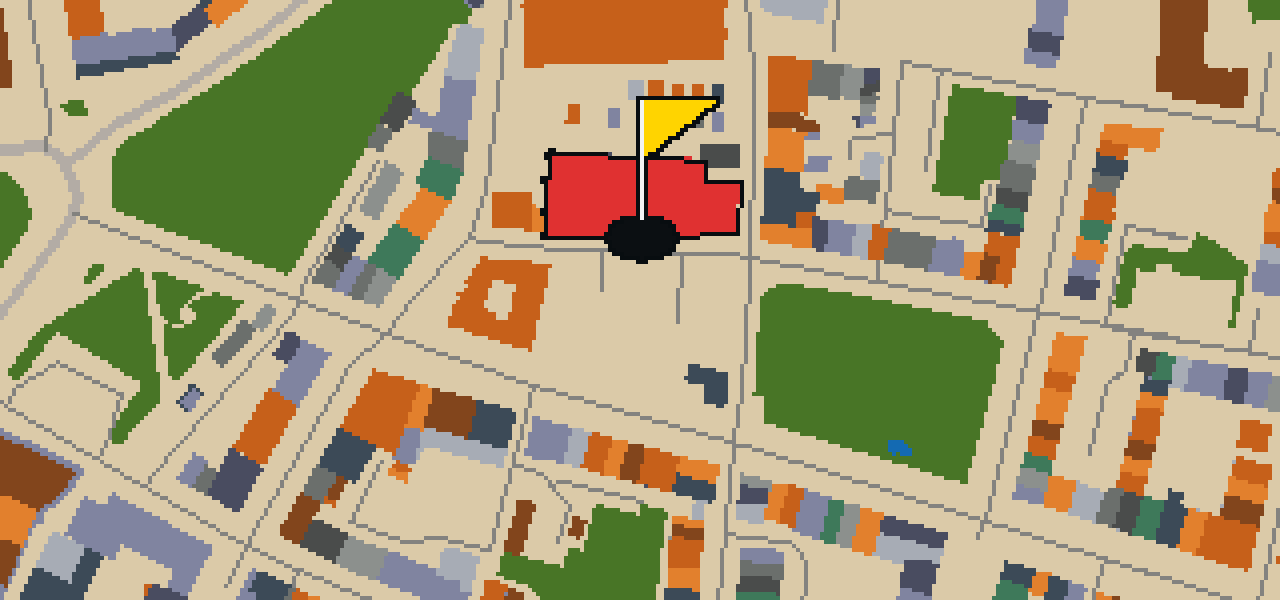
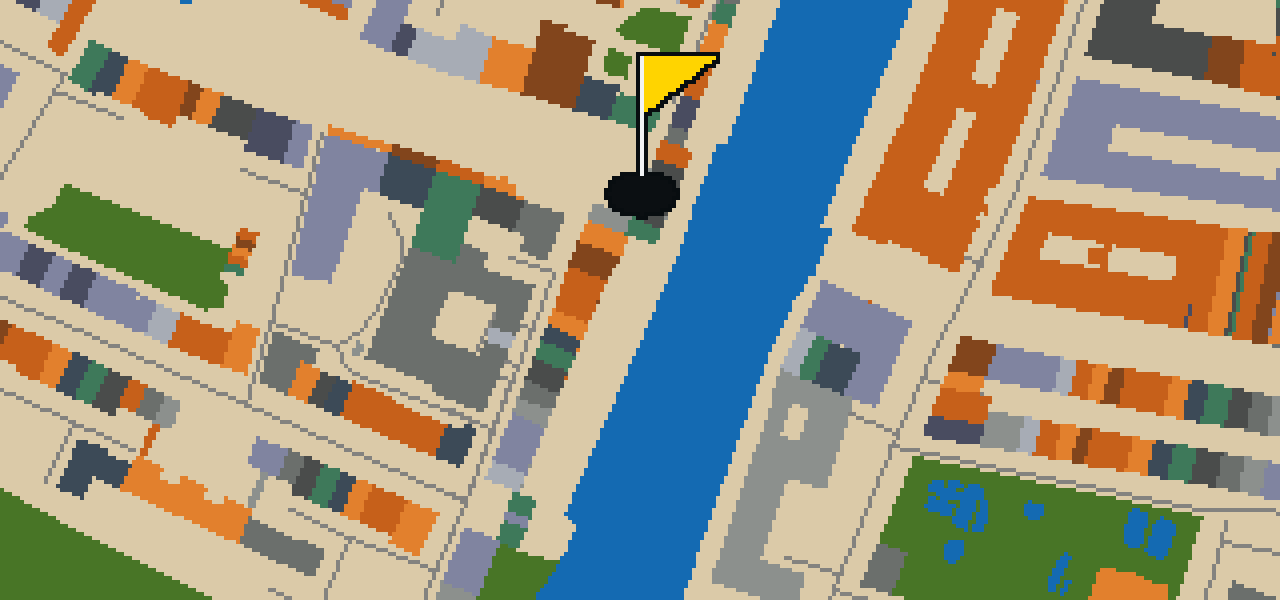
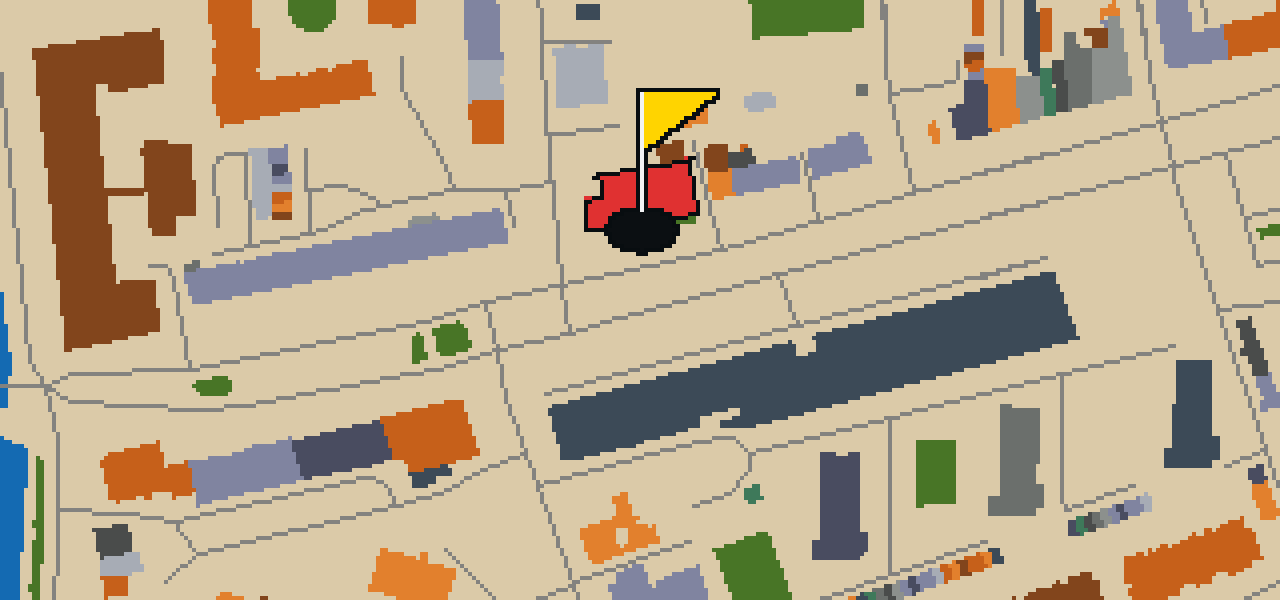
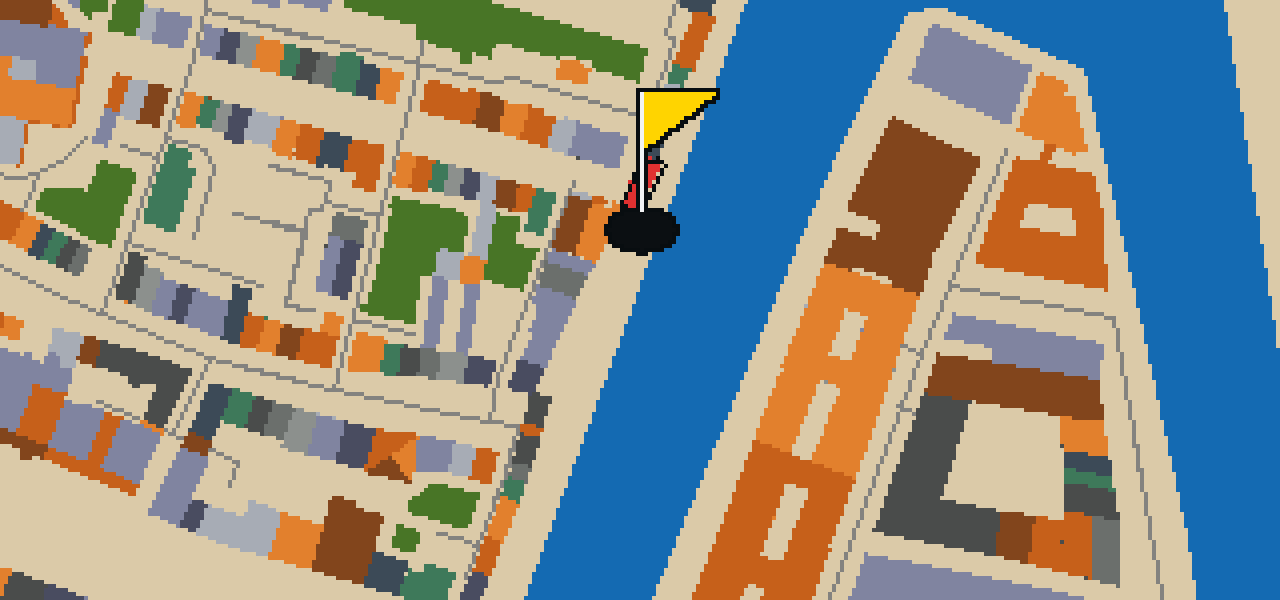
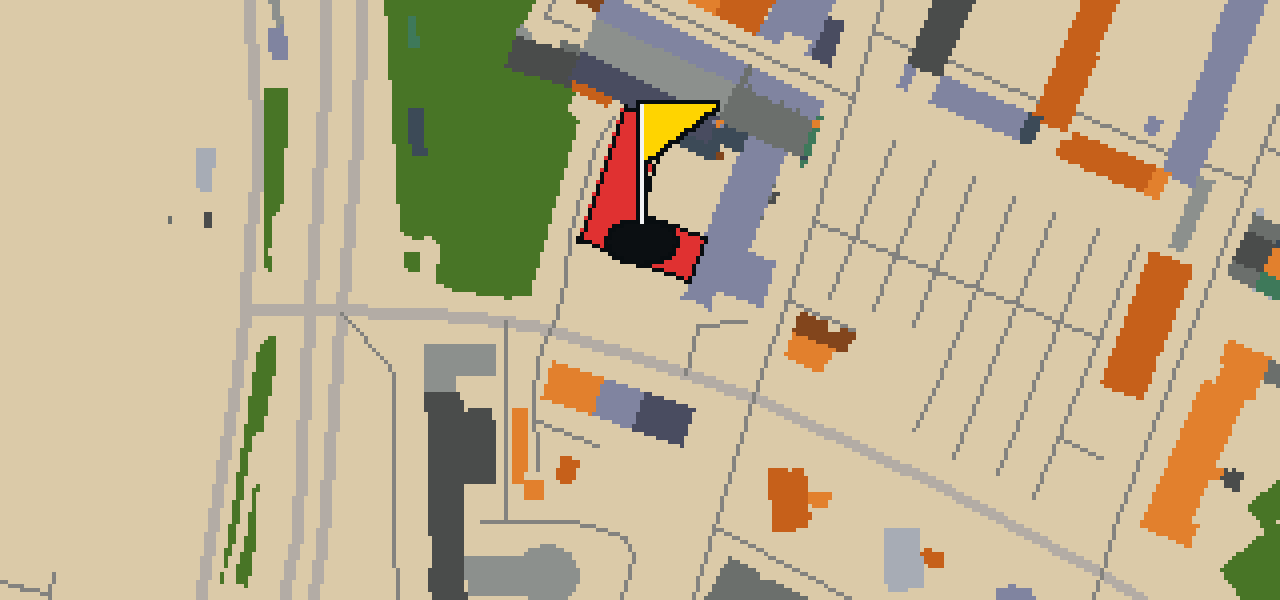
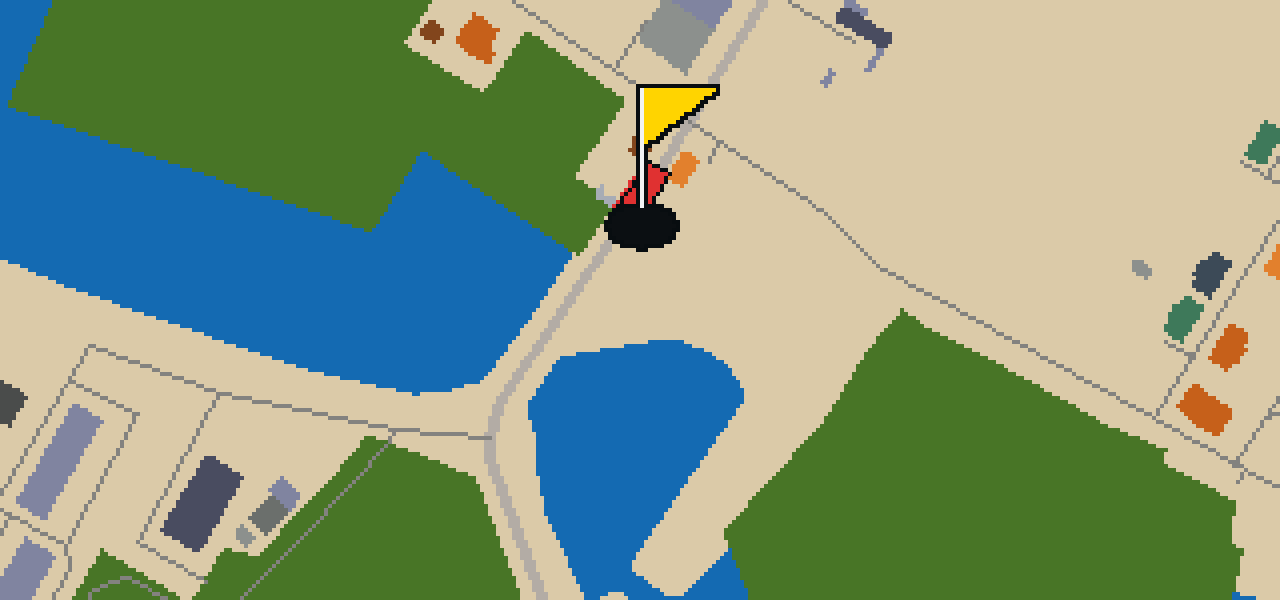
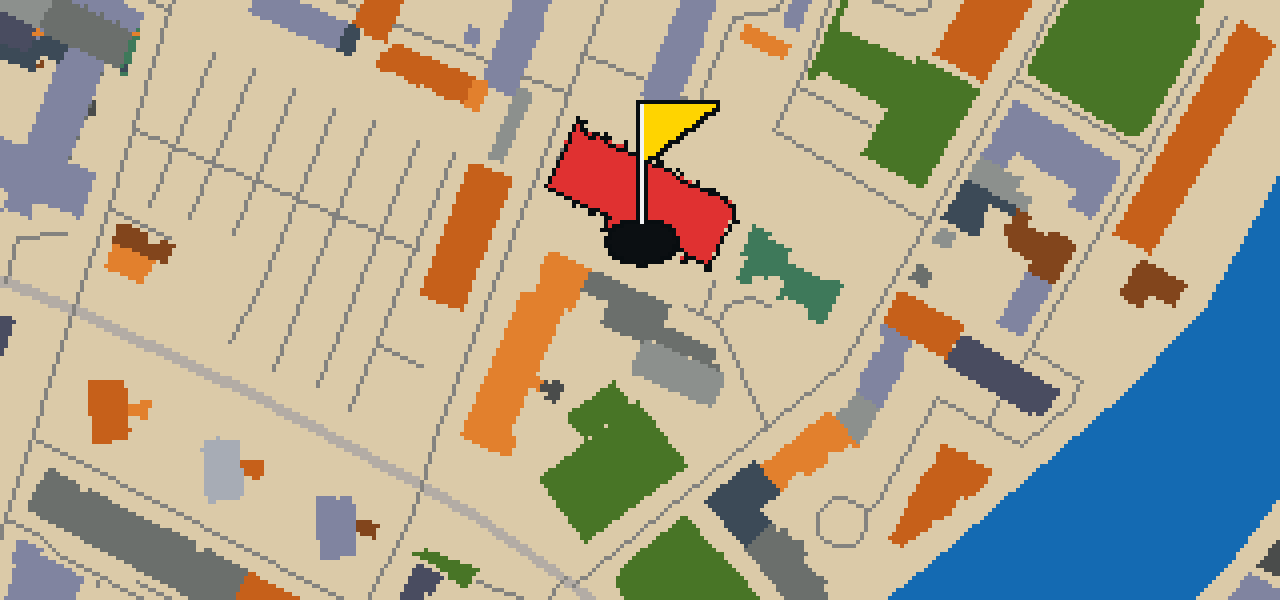
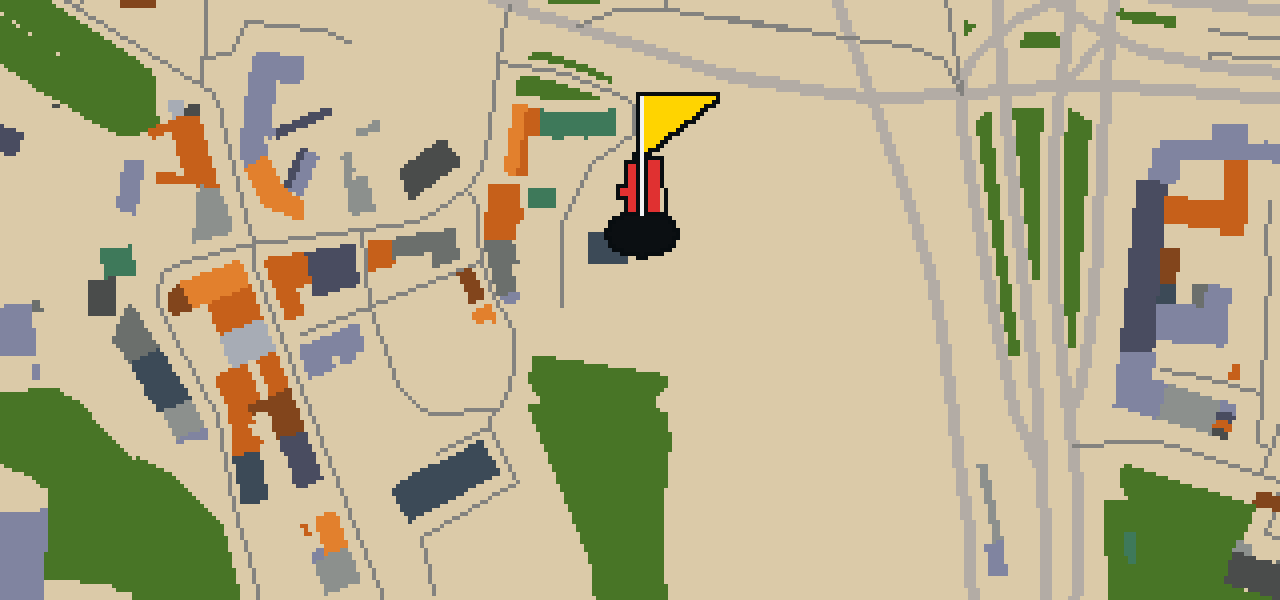
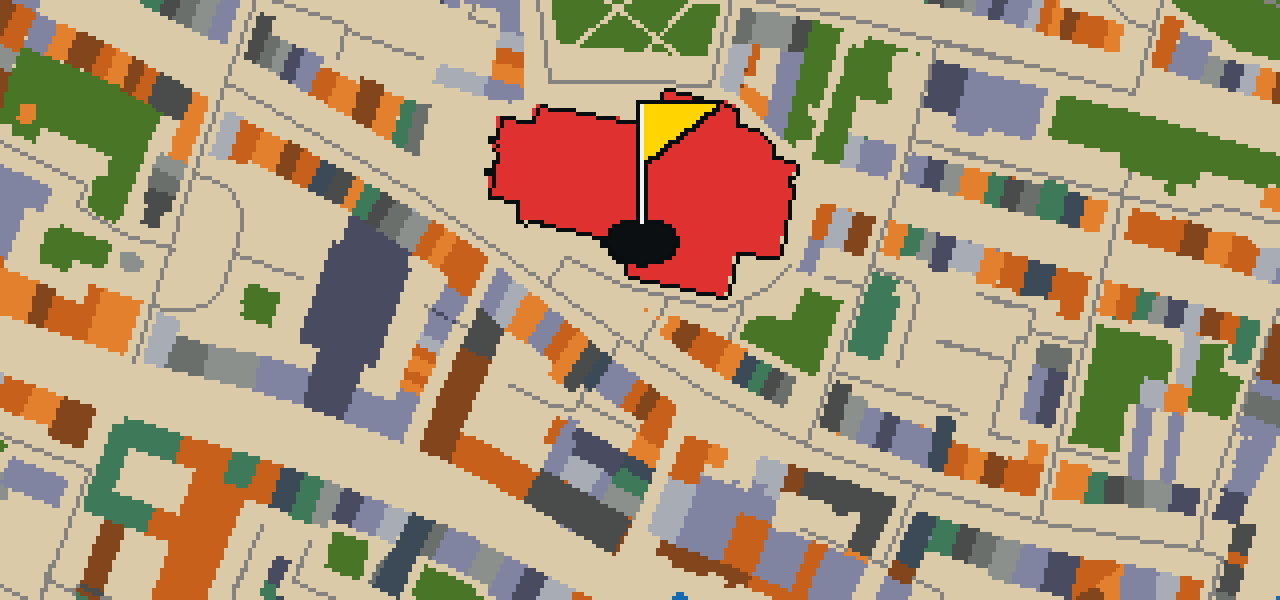
Gdańsk looks different from a rooftop, but the ball stays grounded on the real streets of the city. This full round of 18 holes follows a 10.3 km walk where real attractions like the Złota Brama form the hazards and the cups. A few portals help the ball skip across town to keep the pace up. Skip knows these pavements well enough to avoid the worst puddles and find the best lines through the center.

Trouble loading? Open the game in its own tab.

HOW IT WORKS

01

Pick a city

The course is drawn on the real street grid, so the map you play is the map you walk.

02

Putt to the pin

Drag to aim, release to swing. Buildings bounce and water costs you a stroke.

03

Sightsee between strokes

Every hole ends at an attraction. Sink the putt, read the story, walk to the next tee.

THE GDAŃSK ROUND - STOP BY STOP

HOLE 1 - PAR 3

Bazylika Konkatedralna Wniebowzięcia Najświętszej Maryi Panny

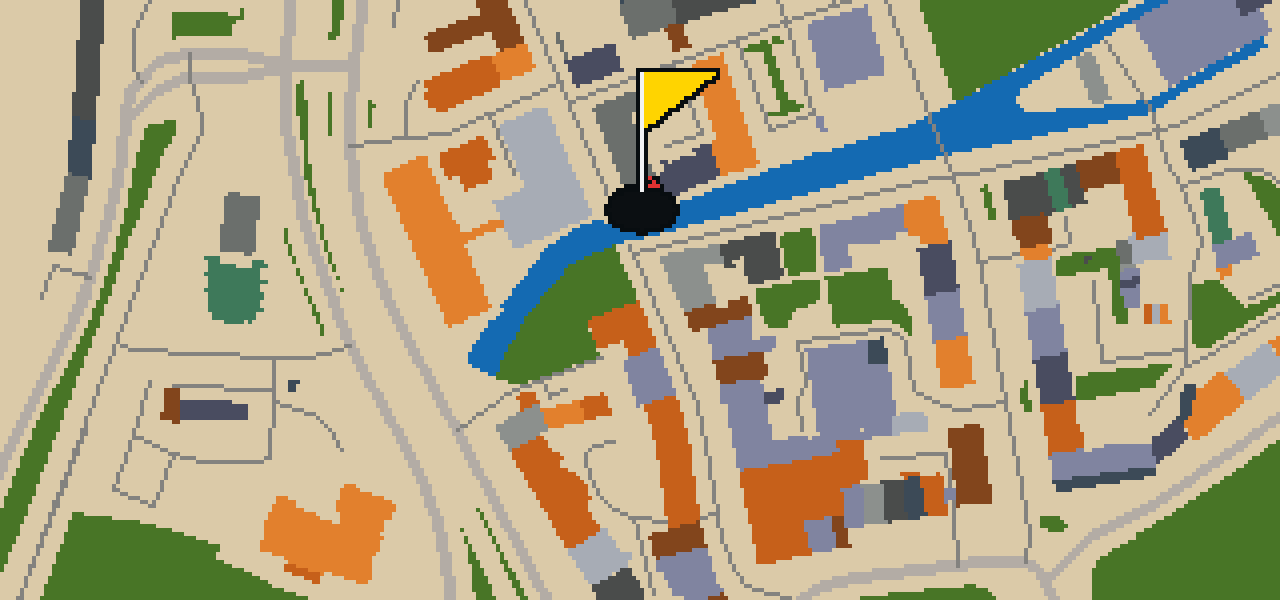
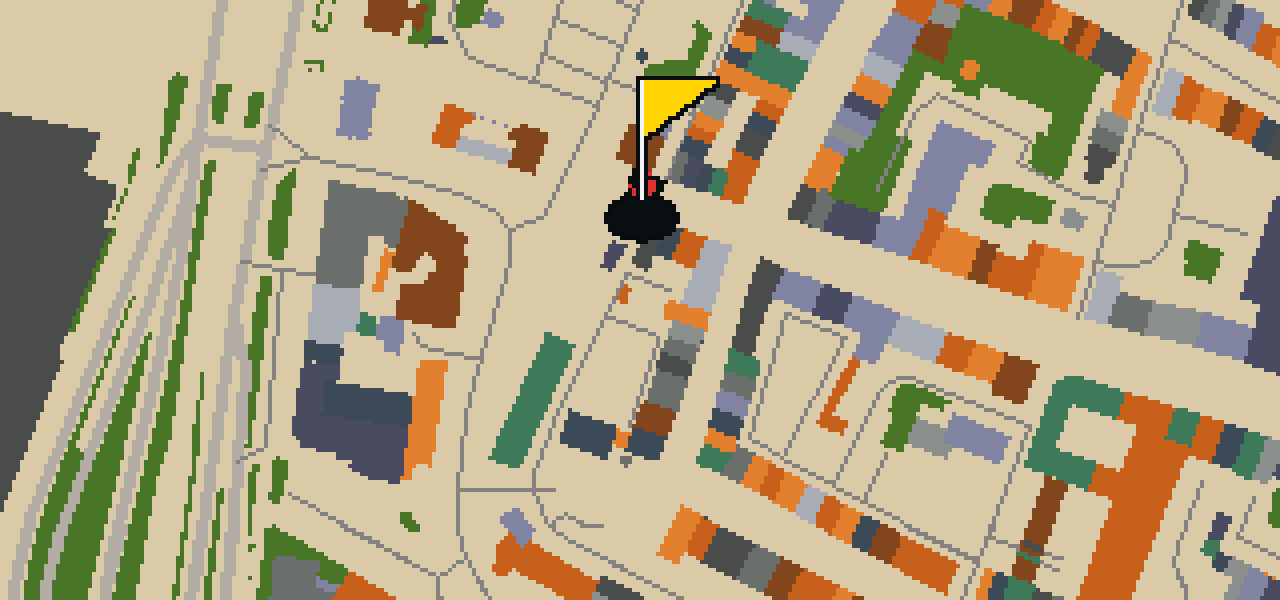
The first thing you will notice is the scale of Bazylika Konkatedralna Wniebowzięcia Najświętszej Maryi Panny, a church building that stands 78 meters tall. It is an architectural heritage monument and an immovable monument in Poland. The structure is built in the Brick Gothic style. Its inception was in 1343, and Heinrich Ungeradin served as the architect. St. Mary's Church was completed in 1502. This site remains a significant example of the region's history and construction, combining the specific Brick Gothic aesthetic with a height that dominates the surrounding area.
Wikidata · Wikipedia

HOLE 2 - PAR 3

Dom Opatów Pelplińskich

In the Old Town of central Gdańsk, you can find Dom Opatów Pelplińskich. This house is an architectural heritage monument and an immovable monument in Poland. It is a 17th-century townhouse designed by the architect Abraham van den Blocke in the Mannerism style. Because it is on the regional heritage list, it is a great spot to stop and admire the city's historic building facades. I've always found the details of this specific style quite striking when looking up from the street level. It is one of the many treasures that make this part of the city feel so distinct.

Wikidata · Wikipedia

HOLE 3 - PAR 3

Złota Brama

Let me show you Złota Brama, an architectural heritage monument in Gdańsk. This historic Renaissance city gate is located within the Royal Route and is recognized as an immovable monument in Poland. Abraham van den Blocke served as the architect for the project, which was started in 1614. It is a great spot to pause and admire the stonework. I usually find the best view of the carvings from the sidewalk, though you have to keep an eye out for other pigeons crowding the ledge.

Wikidata · Wikipedia

HOLE 4 - PAR 3

Baszta Kotwiczników

Let me show you Baszta Kotwiczników, a tower built in the Gothic architecture style. This site is an architectural heritage monument and is specifically classified as an immovable monument in Poland. You can pick out the distinct Gothic details that define its form as you approach the base of the structure. I find the height of these old towers quite impressive, though I usually prefer the view from the very top where the wind is strongest. It is a significant piece of the city's physical history that you can still touch and explore today.

Wikidata

HOLE 5 - PAR 3

Ośrodek Kultury Morskiej

Ośrodek Kultury Morskiej is a national maritime museum located in Gdańsk, Poland. This museum is dedicated to gathering, researching, and preserving documents and artifacts concerning fishing, international trade, and ship transport. It also focuses on the culture of people working on rivers, at sea, and those ashore. I've noticed it's a great spot to see how the city's connection to the water is kept alive. The museum's mission involves sharing knowledge about the economy and maritime history of Poland across different ages.

Wikidata · Wikipedia

HOLE 6 - PAR 3

Kościół pw. Świętej Katarzyny

You will first notice the high gable roof and vaults of Kościół pw. Świętej Katarzyny. This church building is an immovable monument in Poland and an architectural heritage monument. Built in the Gothic architecture style, the design includes chappels and a square floor plan. Building of St Catherine's Church began in the 1220s, and the inception of Kościół pw. Świętej Katarzyny was in 1227. It is the oldest church in Gdańsk, Poland. This site remains a significant example of Gothic architecture for visitors to the city.

Wikidata · Wikipedia

HOLE 7 - PAR 3

Muzeum Archeologiczne

Let me show you the Muzeum Archeologiczne. This archaeological museum was founded in 1953 to preserve and display the material remains of the past. It is a key spot for anyone wanting to understand the early layers of the city's development through the objects found beneath the streets. I've found that the exhibits here offer a great look at how people lived long before the modern city took shape. It is a place where the ground gives up its secrets, providing a tangible connection to the people who walked these lands centuries ago.

Wikidata

HOLE 8 - PAR 3

Bazylika Świętego Mikołaja

The Dominican Order currently serves the Bazylika Świętego Mikołaja. This church building is an architectural heritage monument and an immovable monument in Poland. Constructed between the 14th and 15th centuries, the basilica is built in the Brick Gothic style. You can find it situated in the Old Town of Gdańsk. It is a site of great importance to the city because it is the only historic church of central Gdańsk which escaped damage during World War II, allowing the structure to remain intact while others around it were lost.

Wikidata · Wikipedia

HOLE 9 - PAR 3

Brama Zielona

You will find Brama Zielona situated between Long Market and the River Motława. This structure is a city gate, a water gate, and an architectural heritage monument. Built in the Mannerism style, the construction of the gate was started in 1564. It is also officially listed as an immovable monument in Poland. When you are standing here, you can really feel the scale of the place. I always think it looks quite stately sitting right there by the water, watching the boats go by on the river.

Wikidata · Wikipedia

HOLE 10 - PAR 3

Kościół pw. Świętej Barbary

You will first notice the Gothic architecture style of Kościół pw. Świętej Barbary. This church building is an architectural heritage monument and is recognized as an immovable monument in Poland. The structure's design reflects the specific characteristics of Gothic architecture, which defines its visual presence in the city. As an immovable monument in Poland, the site is preserved for its historical and architectural value, ensuring that this heritage monument remains a permanent part of the local landscape for all visitors to observe.

Wikidata

HOLE 11 - PAR 3

Brama Mariacka

Let me show you Brama Mariacka, which is a city gate and an architectural heritage monument. You can pick out the Gothic architecture style used throughout the structure. It is also officially recognized as an immovable monument in Poland. I have spent a lot of time watching people admire the stonework from the air, and it really is a sight to see. Whether you are here for the history or just passing through, this monument is a key part of the city's look. It is the kind of place where you can really feel the weight of the materials.

Wikidata

HOLE 12 - PAR 3

Muzeum Narodowe w Gdańsku

Established in 1972, the Muzeum Narodowe w Gdańsku is a national museum located in Gdańsk. Since its founding, it has grown to become one of the main branches of Poland's national museum system. When you visit, you can see how it functions as a key pillar of the country's broader museum network, bridging the gap between local heritage and national identity. I've always found the atmosphere here quite welcoming for a stroll through the galleries, and it is a great place to spend a few hours getting away from the bustle of the streets.

Wikidata · Wikipedia

HOLE 13 - PAR 3

Brama Nizinna

Brama Nizinna is a city gate and an architectural heritage monument. This structure was designed by the architect Jan Strakowski and is built in the Renaissance style. It is officially recognized as an immovable monument in Poland. When you look at the facade, you can pick out the specific details that define its era. I have spent a fair bit of time watching the crowds from the higher ledges, and the view of the surrounding streets is always a treat. It is a great spot to pause and appreciate the craftsmanship of the stonework before continuing your journey through the city.

Wikidata

HOLE 14 - PAR 3

Kościół pw. Świętego Piotra i Pawła

Kościół pw. Świętego Piotra i Pawła is a church building and an immovable monument in Poland. This site is recognized as an architectural heritage monument and is constructed in the Brick Gothic style. The inception of the building was in 1397. Visitors can observe the specific characteristics of the Brick Gothic style throughout the structure, which marks its status as a piece of architectural heritage. It remains a preserved example of this specific style of construction in the region.

Wikidata

HOLE 15 - PAR 3

Kościół Zielonoświątkowy „Radość Życia”

Kościół Zielonoświątkowy „Radość Życia” is built in the Neoclassical architecture style. It is a church building and is recognized as an architectural heritage monument. This site is also an immovable monument in Poland. Construction of the building was started in 1818. Visitors can observe the specific Neoclassical elements that define the exterior of this church building. It is preserved as an architectural heritage monument, ensuring that the structure remains an immovable monument in Poland for future generations to see.

Wikidata

HOLE 16 - PAR 3

Galeria ZPAP Dom Liter

Galeria ZPAP Dom Liter is an organization founded in 1911. It is tied to the Association of Polish Artists and Designers, an official association of professional artists in Poland. The association represents more than 4,500 learned artists working in the field of visual arts. You can find work here across many disciplines, including painting, sculpture, graphic design, ceramics, and fabric arts. The group also covers interior and set design, new media, and art restoration. I've always found the variety of styles here quite impressive.

Wikidata · Wikipedia

HOLE 17 - PAR 2

Polska Filharmonia Bałtycka im. Fryderyka Chopina

You will first notice the Gothic Revival style of the Polska Filharmonia Bałtycka im. Fryderyka Chopina. This concert hall is located in Ołowianka, Gdańsk, and had its inception in 1945. It is a public building and an architectural heritage monument. I always think the building looks quite stately against the skyline. As an immovable monument in Poland, it is a significant piece of the city's physical history for any visitor to see, providing a glimpse into the artistic and structural legacy of the area.

Wikidata · Wikipedia

HOLE 18 - PAR 4

Muzeum II Wojny Światowej

You will first notice the scale of the Museum of the Second World War, a military museum located in Gdańsk. This state cultural institution is devoted to the Second World War and is supervised by the Ministry of Culture and National Heritage. While the museum was established in 2008, the exhibits opened in 2017. I always find the architecture here makes a bold statement before you even step inside, setting a heavy tone for the history contained within the walls. It is a place where the city's connection to global conflict becomes very visible.

Wikidata · Wikipedia

STOP 19

Sala BHP

You will first notice the industrial scale of Sala BHP. This site is a warehouse and a museum building. It is an immovable monument in Poland, making it a significant stop for anyone visiting the city. I have found that the building's presence alone tells a story of the area's history. Whether you are interested in the architectural style of a warehouse or the exhibits of a museum building, there is plenty to see here. It is one of those places where the structure itself is just as important as what is kept inside.

Wikidata

OTHER COURSES

18 HOLES - PAR 54

Wrocław

18 stops

Wrocław is the setting for this round, where the map is the real city and the ball rolls across its actual streets. The holes are built from real attractions, starting at the Archikatedra Świętego Jana Chrzciciela. Skip is a local guide who knows the place and where the best crumbs are hidden. This full round of 18 holes has a par of 54 and covers a walk of 10.2 km, with 28 portals to help the ball skip across the map.

9 HOLES - PAR 26

Warsaw

9 stops

This is Warszawa, where the map is the real city and the round is played on its actual streets. The holes are built from real attractions, starting at Religijne Towarzystwo Przyjaciół w Polsce. This quick 9-hole round covers 4.9 km with a par of 26, using 78 portals to bridge the gaps. Skip knows these sidewalks well enough to find the best banks.

18 HOLES - PAR 55

Poznań

18 stops

Banking a ball off the brickwork of the Ratusz requires a steady eye and a light touch. This full round of 18 holes takes place on the real streets of Poznań, where the map is the city itself. The holes are built directly from actual attractions, and the ball travels 11.9 km across the pavement, using 52 portals to bridge the gaps. Skip knows every cobblestone here and is the local guide.

18 HOLES - PAR 54

Kraków

18 stops

The ball finds the cup at Fabryka Emalia Oskara Schindlera to end a full round through Kraków. This map uses the real city, with the game played on the actual streets and sidewalks. The holes are built from real attractions, and Skip knows every curb and cobblestone of the place. This walk covers 10.3 km across 18 holes with a par of 54, using 38 portals to bridge the gaps. A few stray crumbs might be found along the way, but the focus remains on the course.

FAQ

Is it free to play?

Yes. Every course runs in the browser with no account and no install.

Do I need to be in the city?

No. The full round plays from anywhere. Walking the real route is a nice way to see the city, but it is not required.

Are the maps real?

Yes. The geometry comes from OpenStreetMap data, rendered chunky on purpose. Streets, water and parks sit where they really are.