PALERMO - 18 HOLES - FREE

PALERMO
CITY MAP MINIGOLF

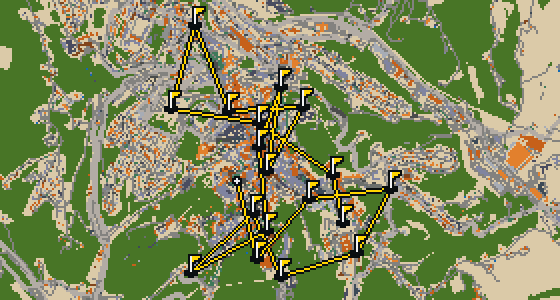
Palermo - 18 stops - par 52

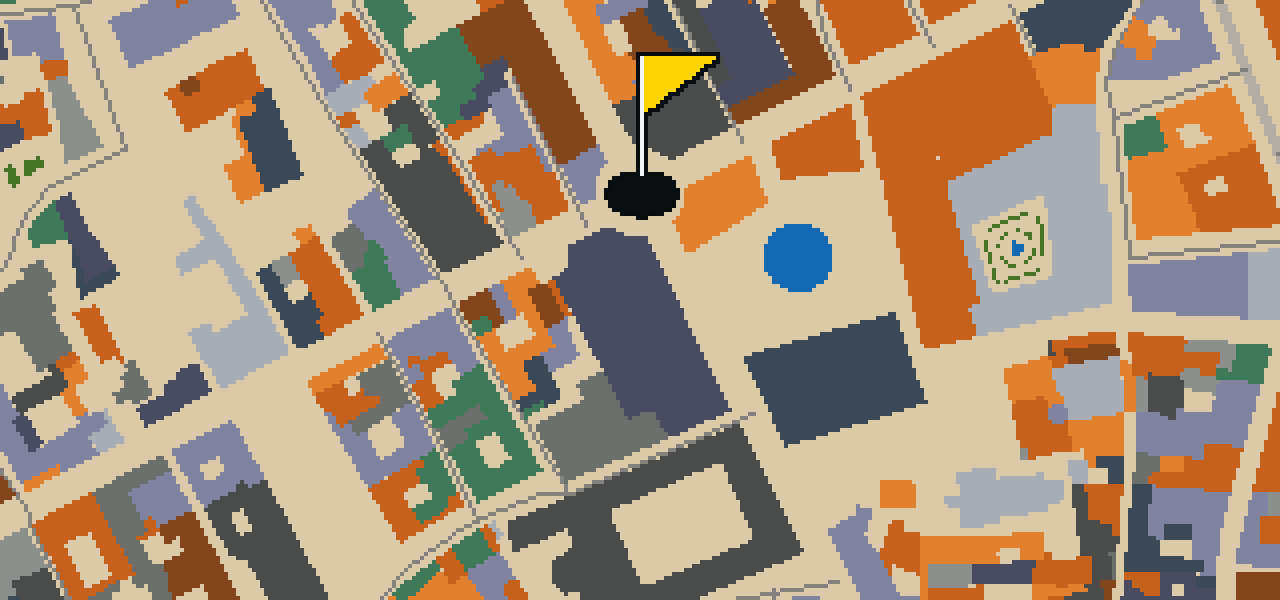
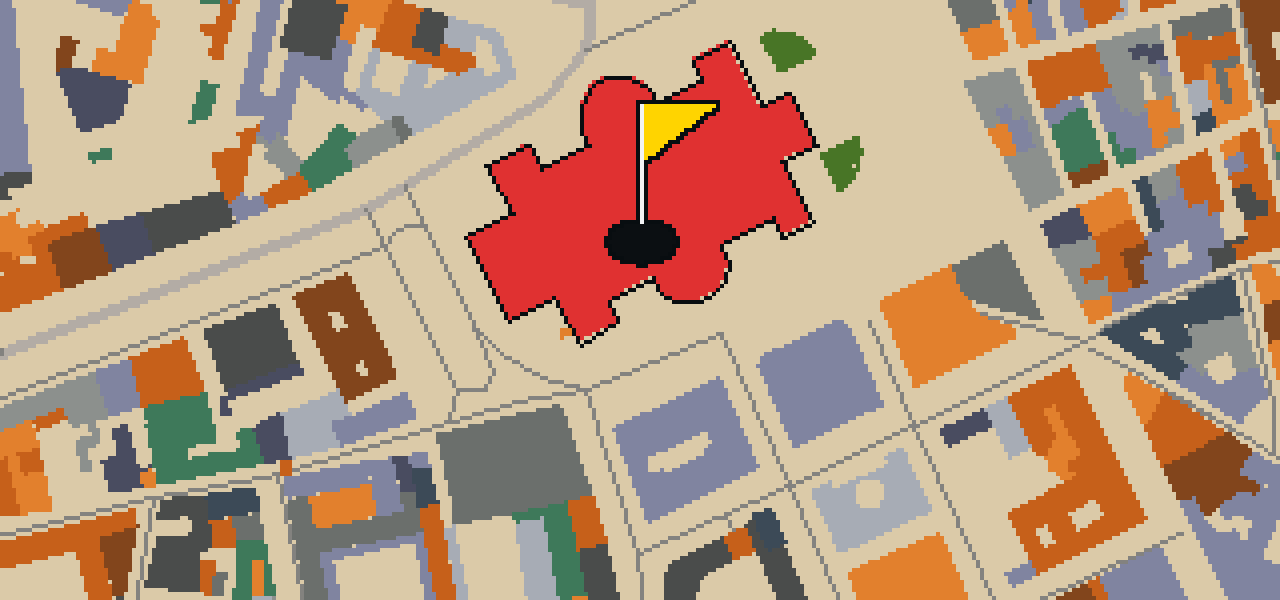
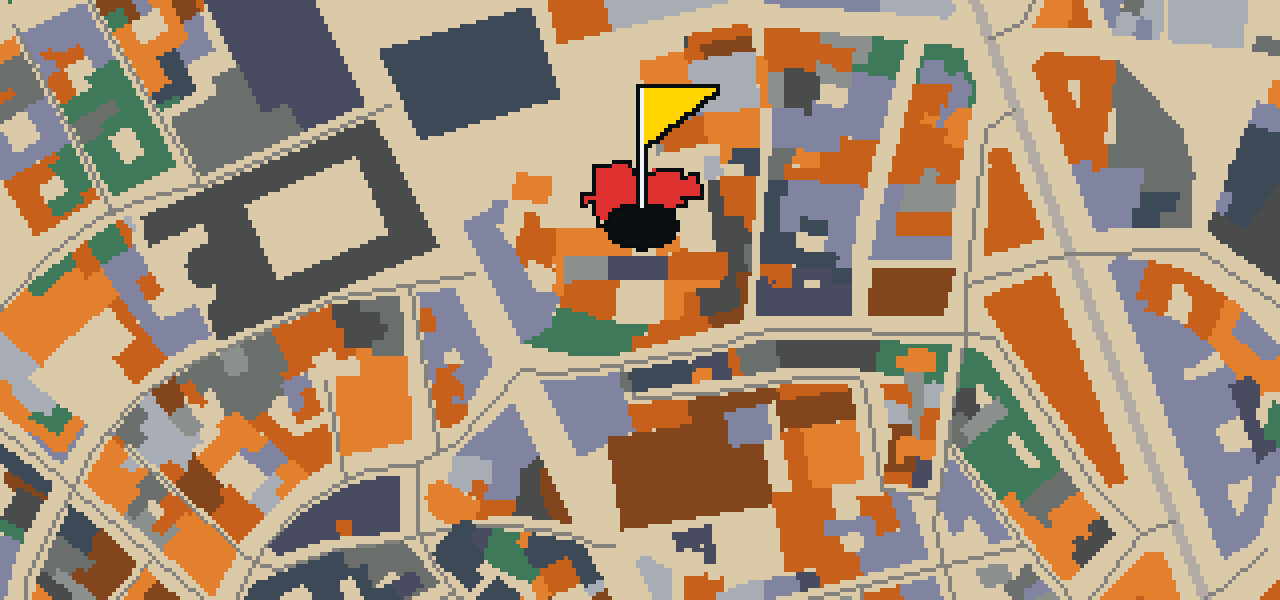
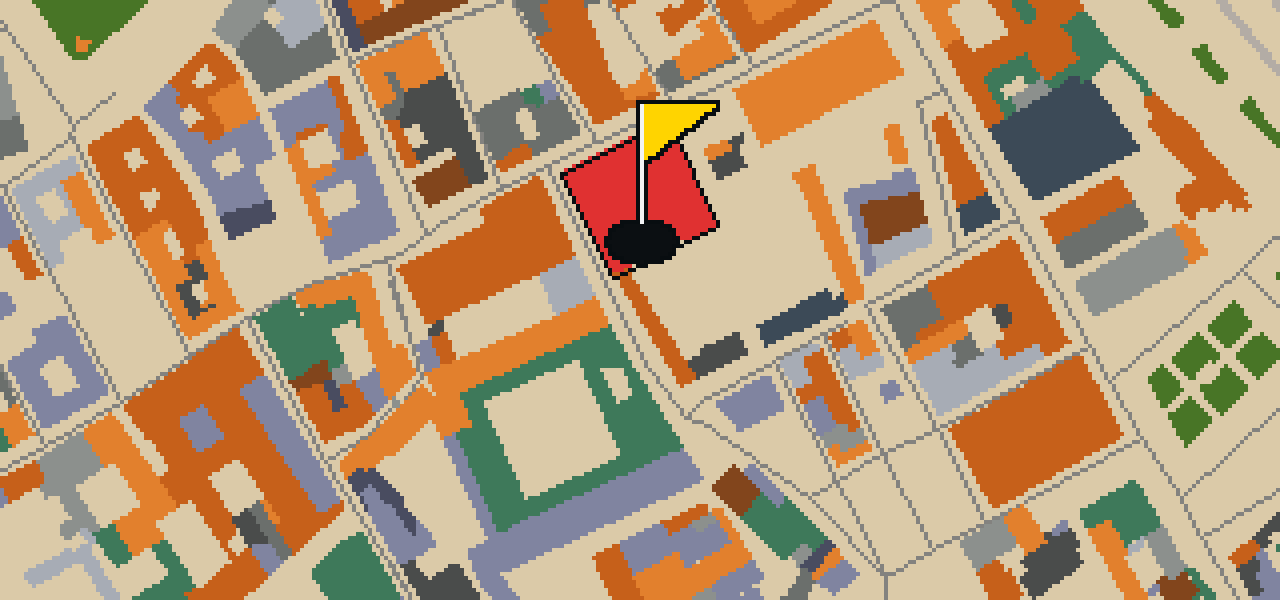
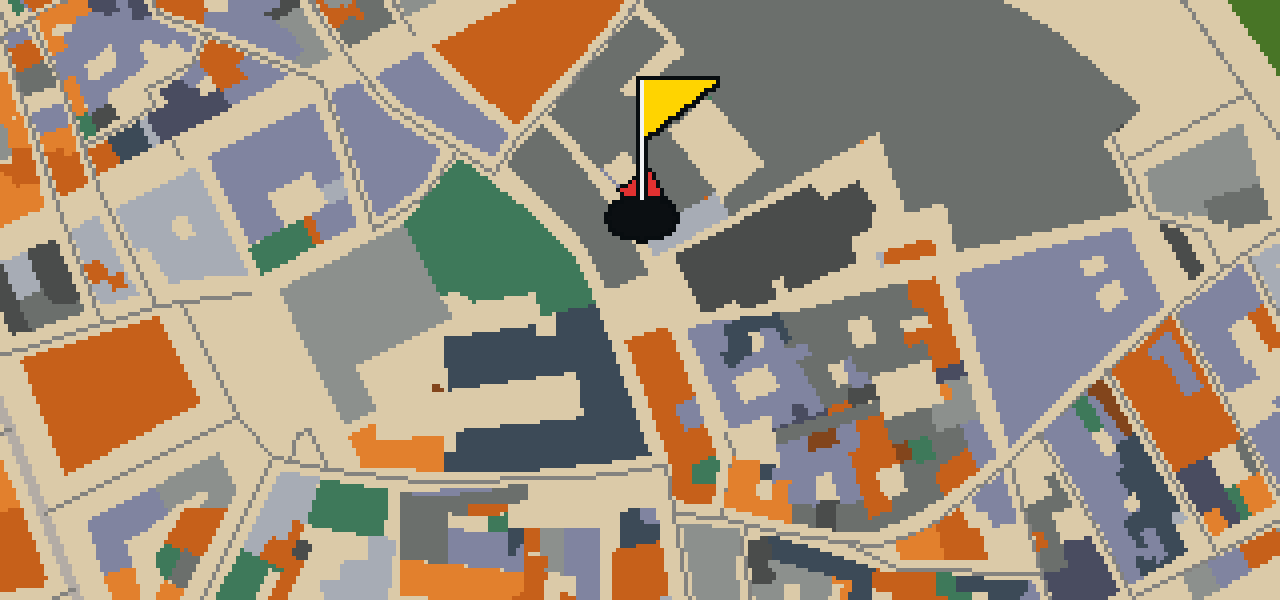
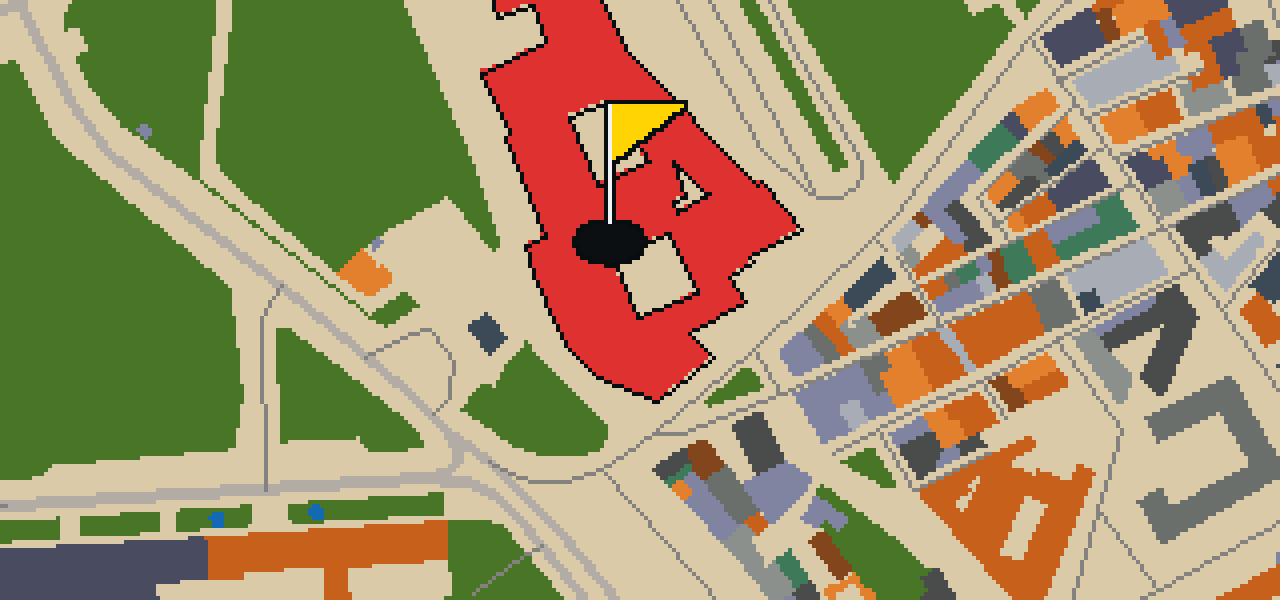
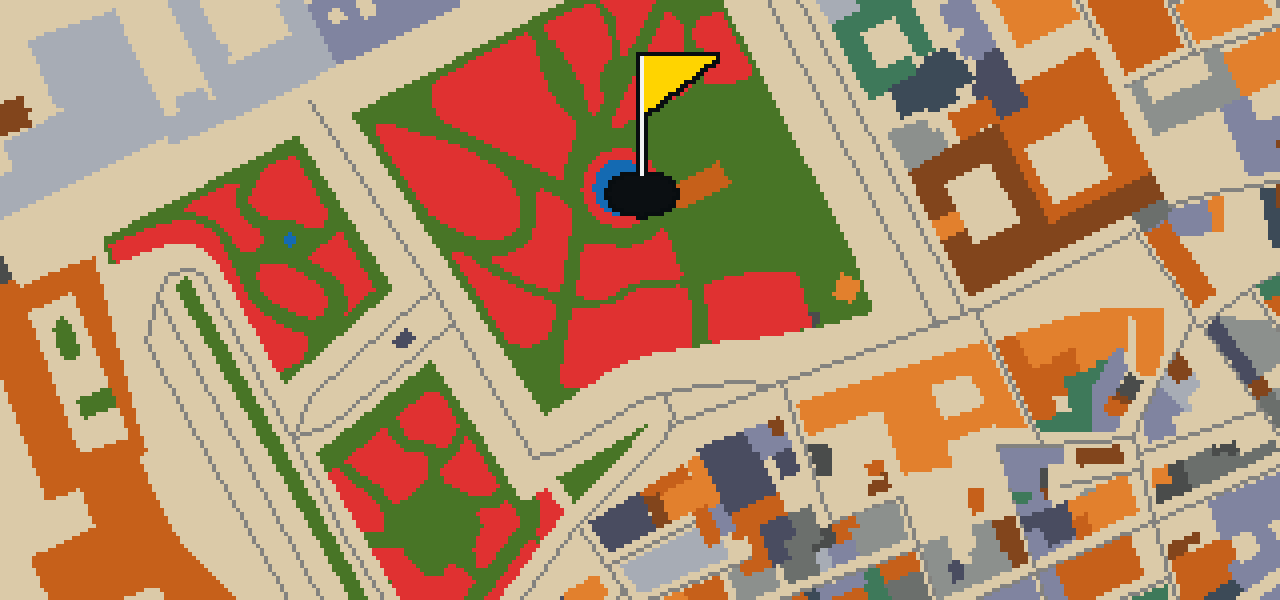
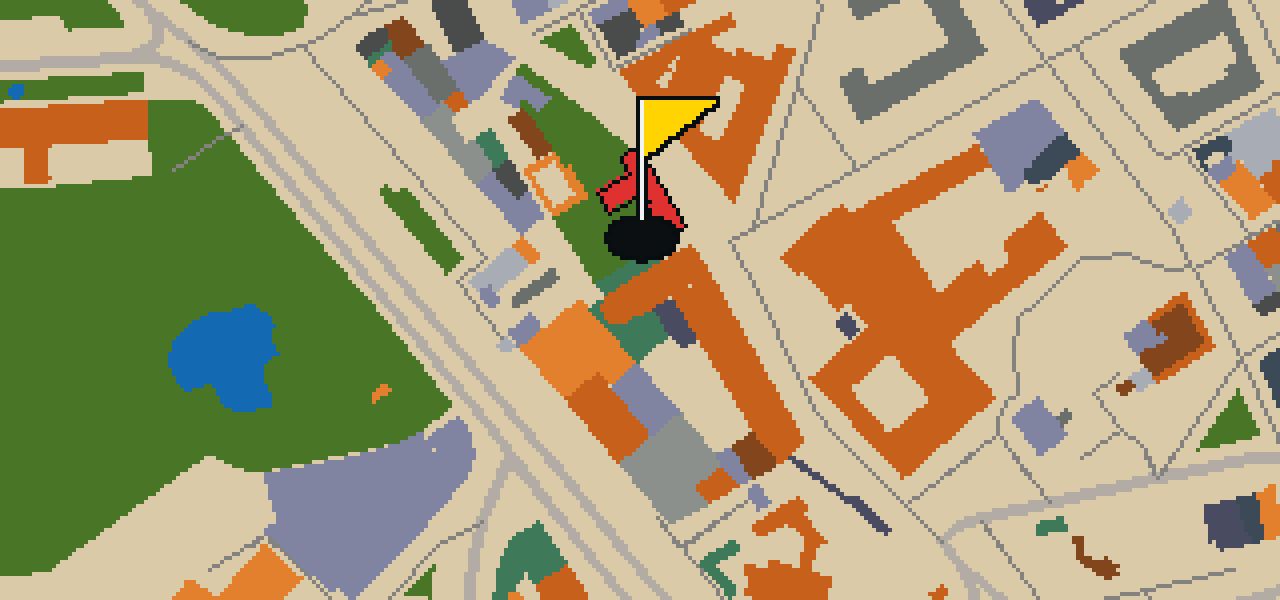
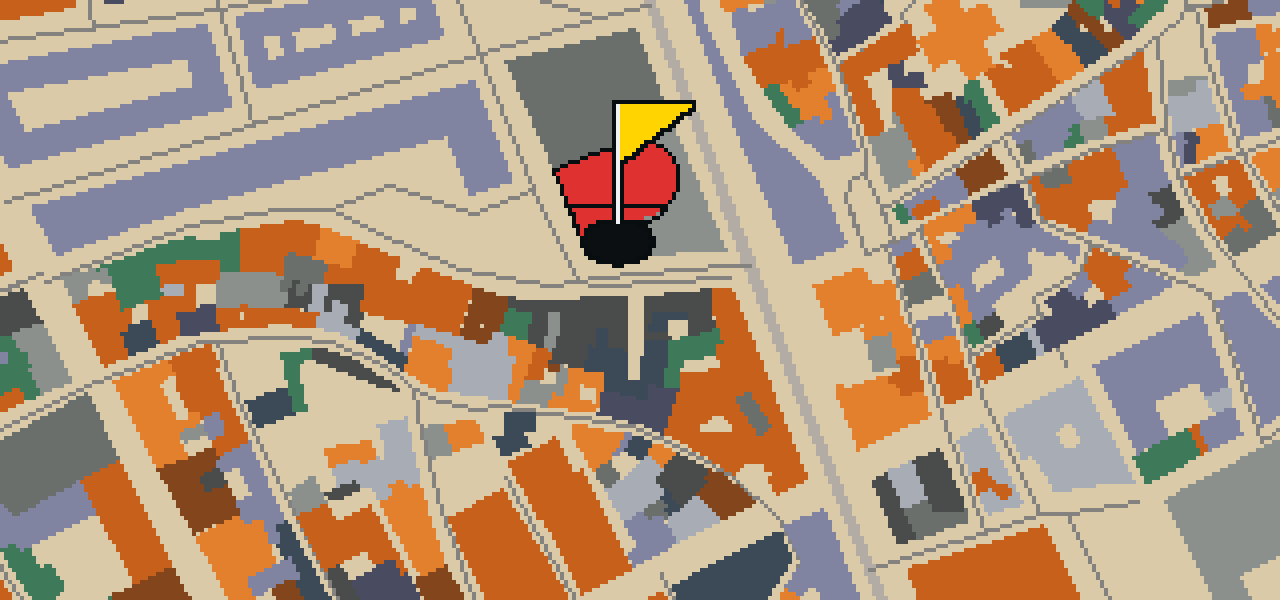
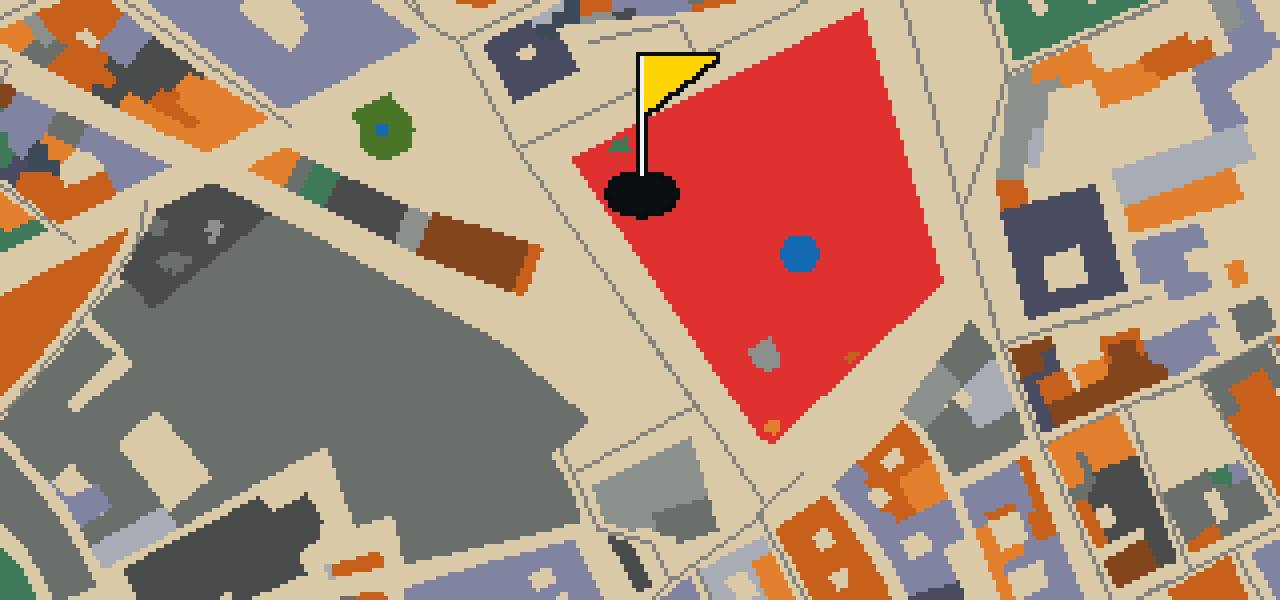
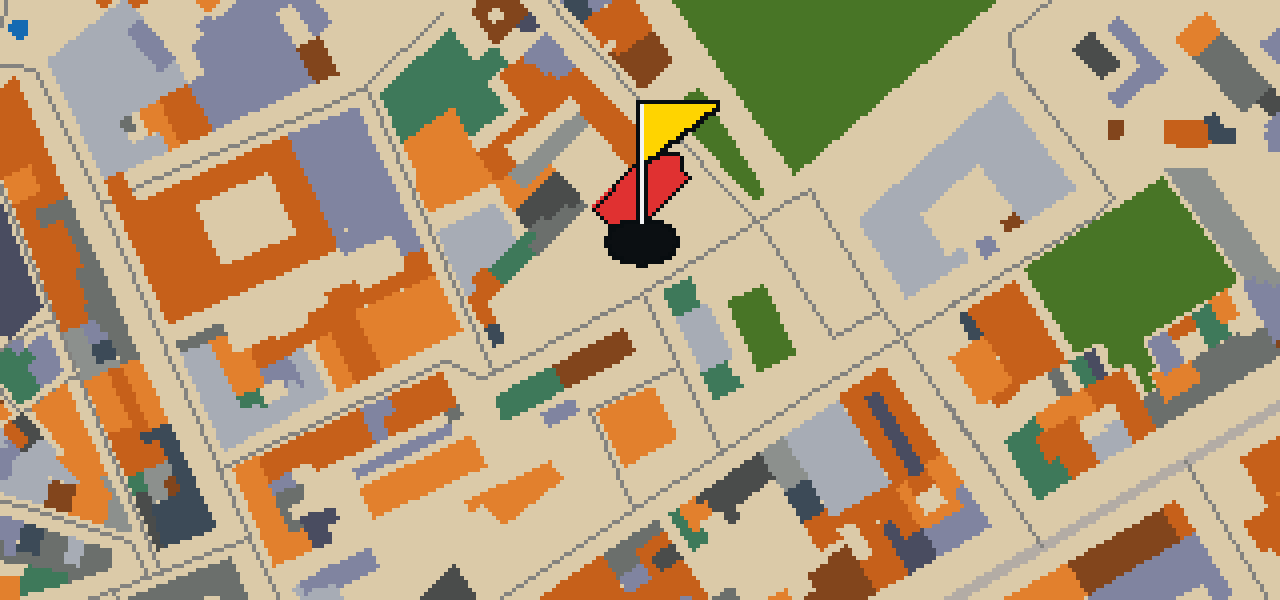
Palermo looks different from a rooftop, but the ball stays grounded on the real streets of the city. This full round of 18 holes uses actual attractions, like the Teatro Massimo Vittorio Emanuele, as the foundations for the course. The ball covers 10.8 km and uses 8 portals to cross the map. Skip knows these alleys better than anyone, having spent plenty of time dodging scooters from above and hunting for crumbs in the squares.

HOW IT WORKS

01

Pick a city

The course is drawn on the real street grid, so the map you play is the map you walk.

02

Putt to the pin

Drag to aim, release to swing. Buildings bounce and water costs you a stroke.

03

Sightsee between strokes

Every hole ends at an attraction. Sink the putt, read the story, walk to the next tee.

THE PALERMO ROUND - STOP BY STOP

HOLE 1 - PAR 3

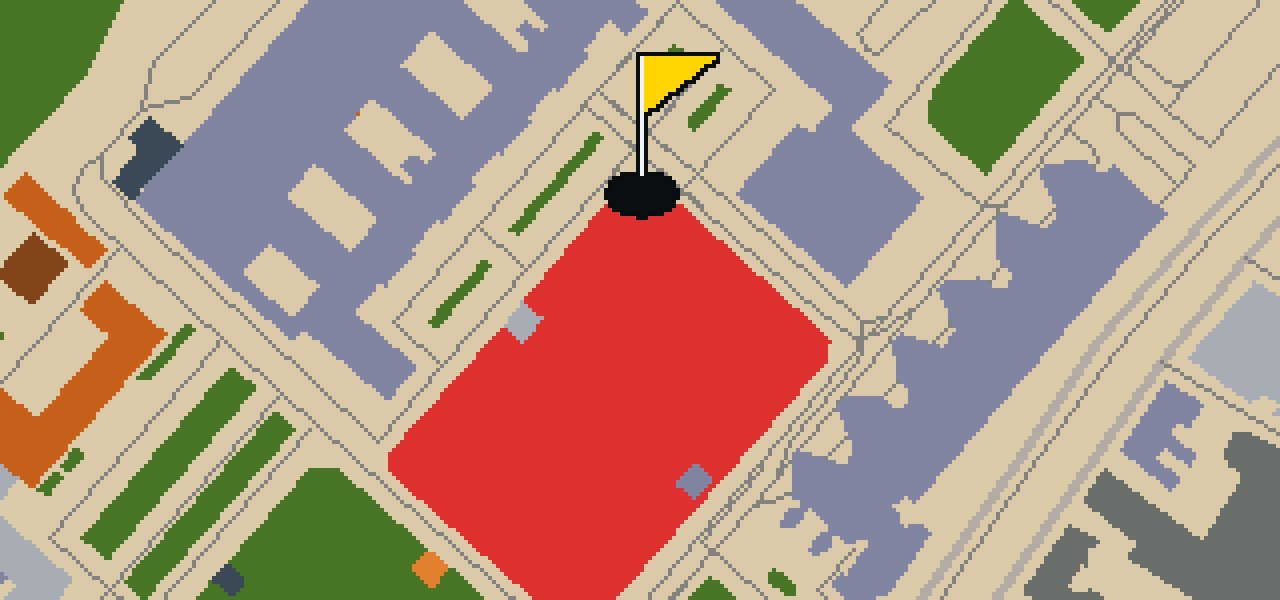
Aereo Lockheed F104-S (Starfighter)

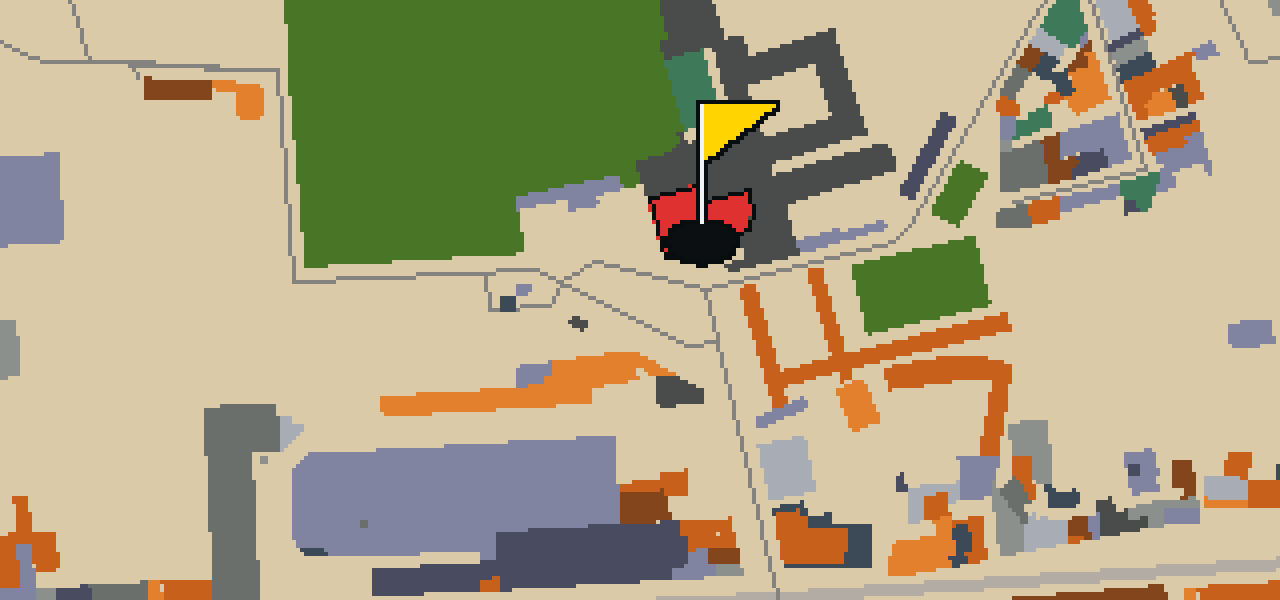
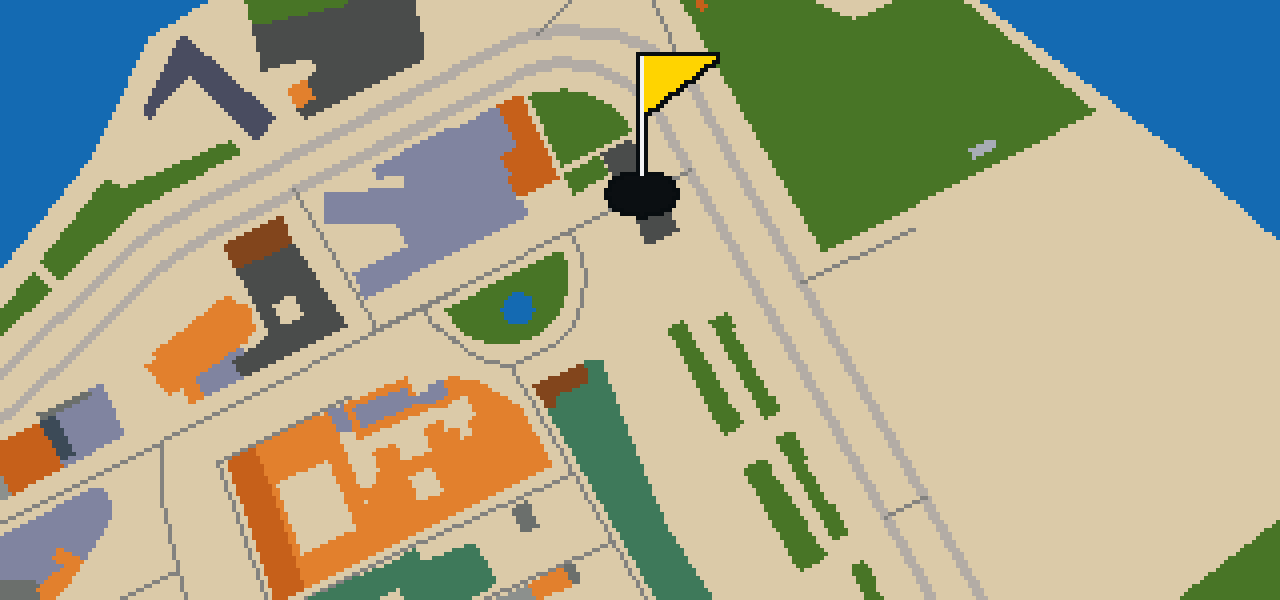
Located here in Palermo, you can find the Aereo Lockheed F104-S, an instance of a specific aircraft family. This American single-engine, supersonic interceptor was originally created by Lockheed as a day fighter for the United States Air Force as one of the Century Series. Over time, it was developed into an all-weather multirole aircraft in the early 1960s and saw extensive deployment as a fighter-bomber during the Cold War. Other nations also produced the aircraft under license. I always find the sleek lines of this machine a bit reminiscent of the dive-bombing speed of my cousins back home.

Wikidata · Wikipedia

HOLE 2 - PAR 3

Castello della Cuba (Cuba sottana)

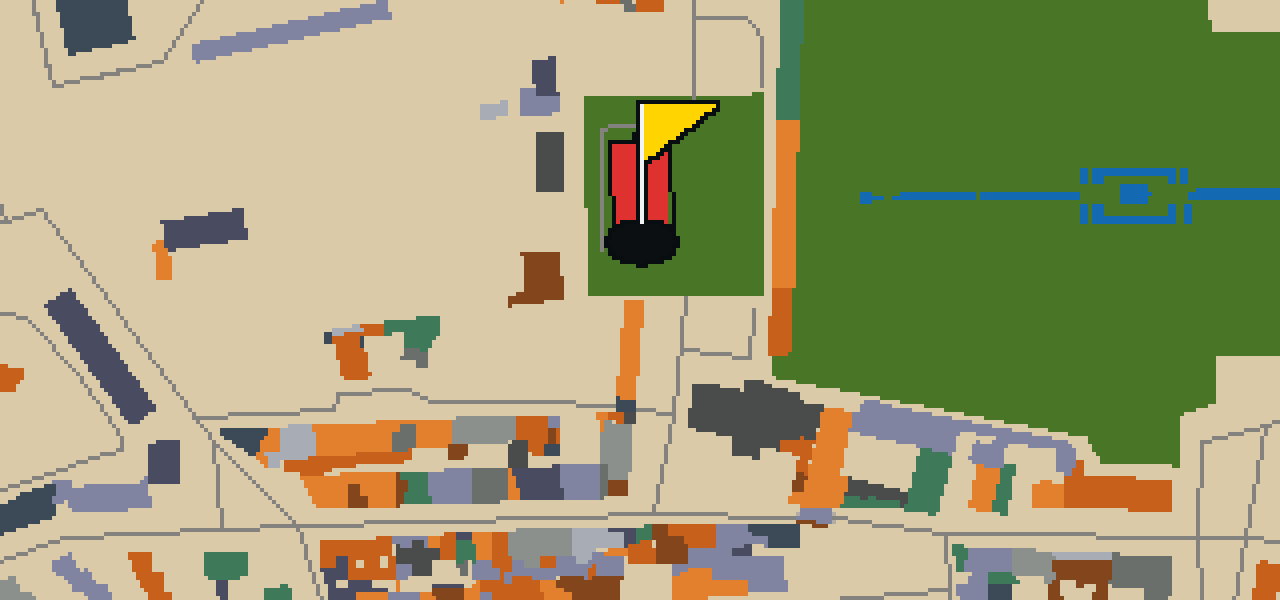
Let me show you Castello della Cuba. It is a recreational palace in Palermo that functions as a palazzo museum and a museum of a public entity. This building was built in 1180 by William II of Sicily and was originally part of the Sollazzi Regi group of Norman palaces. You can pick out how the design is an imitation of the Zisa palace. It is a quiet spot in the city, seeing 3,234 annual visitors. I usually find the best crumbs near the entrance.

Wikidata · Wikipedia

HOLE 3 - PAR 3

Catacombe dei Cappuccini

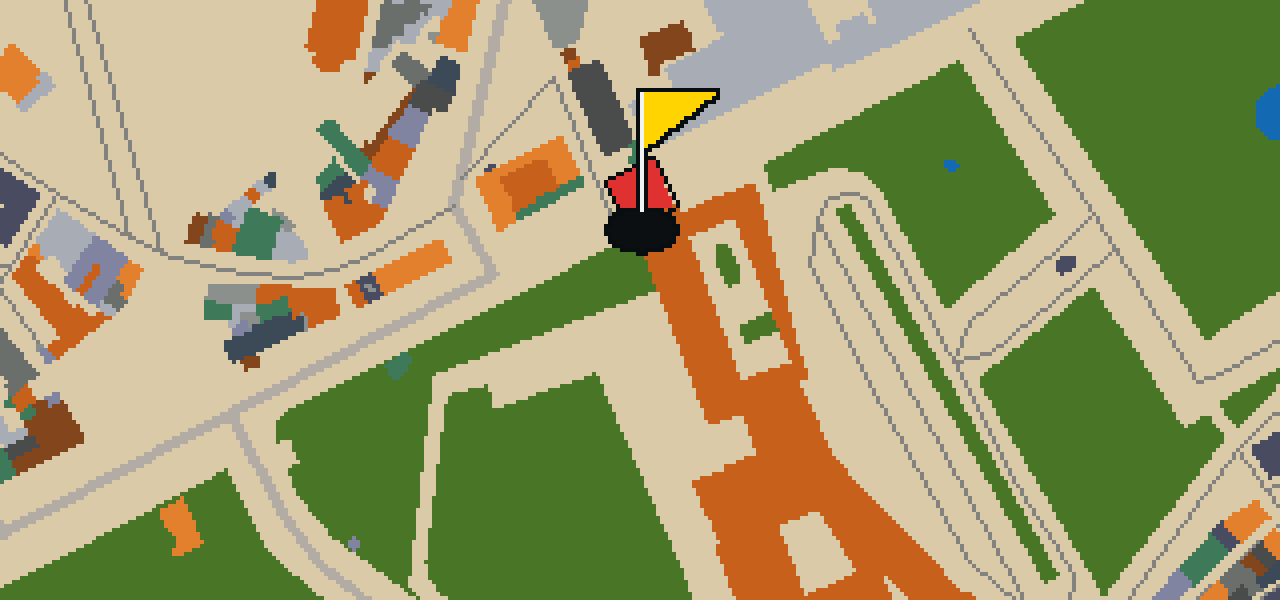
Mummified remains line the walls of the Catacombe dei Cappuccini. These burial catacombs in Palermo serve as an ethnographic museum and a private museum. The inception of the site was in 1599, and it is now considered Italian national heritage. Visitors can walk through the corridors to see how the dead were preserved and displayed. I have found that the atmosphere here is unlike any other spot in the city, though it can feel a bit crowded during the peak season. It is a place that focuses on the physical reality of the past.

Wikidata · Wikipedia

HOLE 4 - PAR 4

Castello della Zisa

This is not a fortress for war, but the Castello della Zisa, a 12th-century hunting lodge and summer palace. Located in Palermo, Sicily, it is an Italian national heritage site and part of a UNESCO World Heritage Site. The building is designed in the Normanno style and currently functions as a château, palazzo museum, religious museum, and museum of a public entity. I've noticed the architecture feels distinct from the rest of the city, which makes sense since it was built by Arab craftsmen. It is a quiet spot compared to the city center, seeing about 21,795 visitors every year.

Wikidata · Wikipedia

HOLE 6 - PAR 3

Cattedrale Santa Vergine Maria Assunta

Cattedrale Santa Vergine Maria Assunta is a cathedral in Palermo, Sicily, southern Italy. The building features styles from Norman-Arab-Byzantine culture, Gothic art, and Classicism. It is part of a UNESCO World Heritage Site and is an Italian national heritage. The inception of the cathedral was in 1185, and the last restoration occurred in the 18th century. This site serves as the cathedral church of the Roman Catholic Archdiocese of Palermo and is dedicated to the Assumption of the Virgin Mary.

Wikidata · Wikipedia

HOLE 7 - PAR 3

Quattro Canti

You will first notice the symmetrical Baroque design of Quattro Canti. This square in the Sicily region of Italy marks the intersection of the Via Maqueda and the Corso Vittorio Emanuele. The four corners are named Albergaria to the northwest, Castellammare to the northeast, the Kalsa to the southeast, and Seralcadi to the southwest. If you walk about 500 meters west along the Cassaro, you will find the piazza of the Cathedral of Palermo. I find the layout makes it a great spot to get your bearings in the city.

Wikidata · Wikipedia

HOLE 8 - PAR 3

Teatro Massimo Vittorio Emanuele

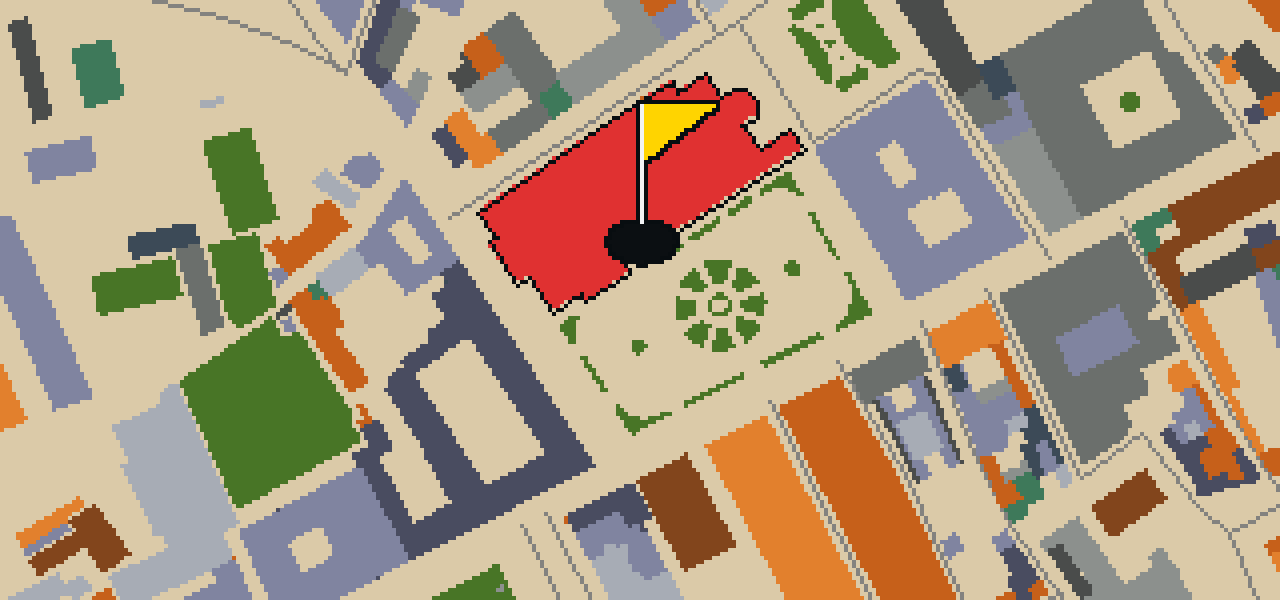
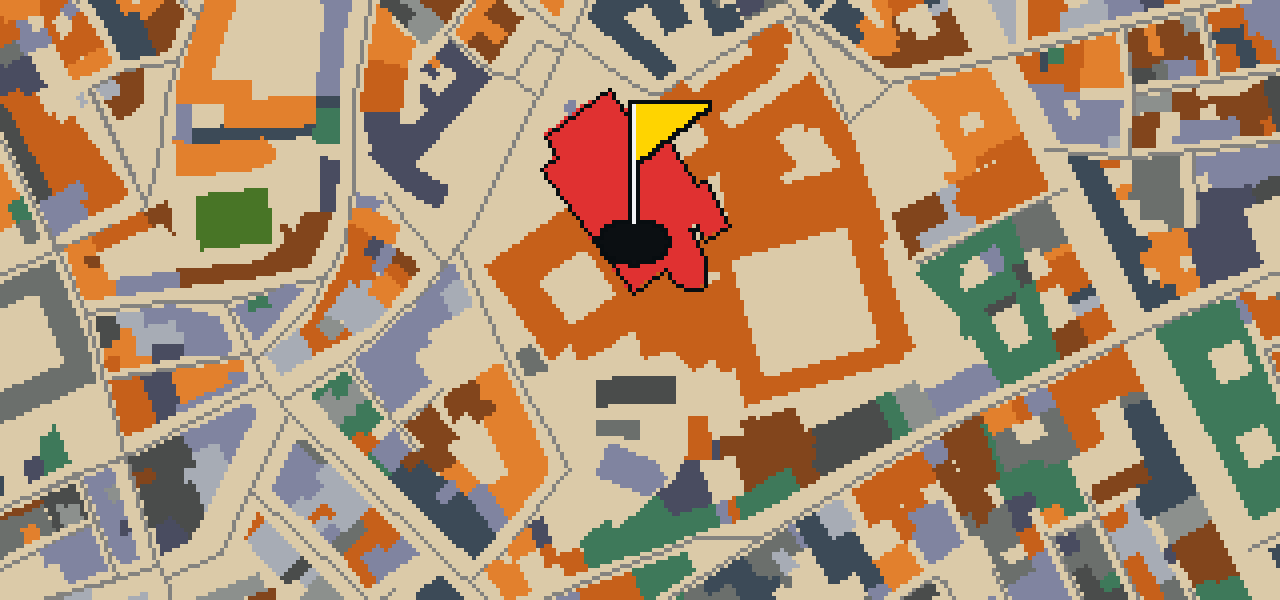
The Teatro Massimo Vittorio Emanuele is an opera house and theatre building located on the Piazza Verdi in Palermo, Sicily. It is the biggest opera house in Italy and is recognized as Italian national heritage. The building had its inception in 1897 and was dedicated to King Victor Emanuel II. Giovan Battista Filippo Basile and Ernesto Basile were architects of the site. I always find the scale of the place impressive when I am flying overhead, as it dominates the square. It is a must-see for anyone visiting the city, whether you are a fan of the arts or just admire grand architecture.

Wikidata · Wikipedia

HOLE 9 - PAR 3

Santa Maria dell’Ammiraglio (La Martorana)

Santa Maria dell’Ammiraglio is a church building in Palermo, Italy, that was started in 1143. This site, also known as Martorana, overlooks the Piazza Bellini and is the seat of the Parish of San Nicolò dei Greci. Because of its significance, it is recognized as Italian national heritage. Furthermore, the church is part of a UNESCO World Heritage Site. Visitors to the area can find it situated in the heart of the city, where it remains a central point of interest for those exploring the local history of Palermo.

Wikidata · Wikipedia

HOLE 10 - PAR 2

Galleria Regionale

You will first notice the striking architecture of this Palermo palace. It is the home of the Galleria Regionale, which functions as both an archaeological museum and a museum of a public entity. The building was started in 1495 and features the work of architects Matteo Carnilivari and Carlo Scarpa. It is officially designated as Italian national heritage, making it a significant stop for anyone exploring the city's history. I find the blend of these different architectural styles makes for a great walk around the exterior, especially if you enjoy seeing how old palaces evolve over centuries.

Wikidata · Wikipedia

HOLE 11 - PAR 3

Porta Felice

Mariano Smiriglio was the architect behind Porta Felice, a city gate located in Palermo, Sicily. Started in 1637, the gate is found in the zone of the Foro Italico and the Castellammare quarter. You can see the influence of Renaissance and Baroque styles here, as the gate was built between the 16th and 17th centuries. It is an Italian national heritage and stands as a significant example of Renaissance architecture. I've noticed the breeze coming off the water is always a bit stronger right here by the gate.

Wikidata · Wikipedia

HOLE 12 - PAR 3

Oratorio di San Lorenzo

This is not a grand cathedral or a public square. It is the Oratorio di San Lorenzo, a church building in the Baroque style. You can find the Oratory of Saint Lawrence within the historic centre of Palermo, specifically in the quarter of the Kalsa. It is located near the Basilica of Saint Francis of Assisi. This Baroque oratory of Palermo is a significant site for those visiting the older parts of the city, where the architecture reflects the specific aesthetic of the Baroque period in this region.

Wikidata · Wikipedia

HOLE 13 - PAR 3

Chiesa del Gesù (Casa Professa)

The Chiesa del Gesù is a church building designed in the baroque architecture style. Located at Piazza Casa Professa 21 in Palermo, within the region of Sicily, Italy, this site is also known as the Casa Professa or Saint Mary of Jesus. It is a Roman Catholic church that was established under the patronage of the Jesuit order, with its inception dating back to 1636. Because of its historical and architectural importance, the building is officially designated as an Italian national heritage.

Wikidata · Wikipedia

HOLE 14 - PAR 2

Cappella Palatina

The Cappella Palatina is a chapel and an Italian national heritage. Its design is a mixture of Byzantine, Norman, and Fatimid architectural styles, reflecting the Norman-Arab-Byzantine culture style. It is the royal chapel of the Norman Palace in Palermo, Sicily. Because it combines these distinct influences, the building shows the tricultural state of Sicily during the 12th century. Visitors can see how these different traditions merged into one space to create a royal place of worship that is recognized as a piece of national heritage.

Wikidata · Wikipedia

HOLE 15 - PAR 2

Piazza della Vittoria

Piazza della Vittoria is a square located within the historic centre of Palermo. You can find it in the quarter of the Albergaria, positioned down the Cassaro street. The square is situated between the Royal Palace and the Palermo Cathedral, and the garden of Villa Bonanno dominates the space. I find the greenery of the garden a nice break from the surrounding stone. It is a great place to pause and look around at the surrounding landmarks before you continue your walk through the historic streets of the city.

Wikidata · Wikipedia

HOLE 16 - PAR 4

Chiesa di San Giovanni degli Eremiti

In the Albergaria quarter on Via Benedettini #19, you will find Chiesa di San Giovanni degli Eremiti. This church building is located about two blocks south from the Palazzo dei Normanni. Its inception was in 1136, and the building reflects Norman architecture and Norman-Arab-Byzantine culture. Visitors can see Romanesque cloister ruins, a garden, and Islamic domes. It is recognized as both Italian national heritage and part of a UNESCO World Heritage Site. The site remains a significant example of the architectural blending that occurred in Sicily during the medieval period.

Wikidata · Wikipedia

HOLE 17 - PAR 3

Teatro Biondo

Nicolò Mineo is the architect behind the Teatro Biondo, a theatre building in the region of Sicily, Italy. It is a neoclassical and Art Nouveau-style theater building that you can find in the ancient quarter of Castellamare of central Palermo. If you are walking the streets, look for it on Via Roma #258, at the corner with Via Venezia. I've always found the mix of those two architectural styles to be a great sight for a stroll, and the building itself is a wonderful landmark for any visitor to notice while exploring the city center.

Wikidata · Wikipedia

HOLE 18 - PAR 3

Piazza Marina

The first thing you will notice about Piazza Marina is the great Garibaldi Garden that dominates the space. This square is located within the historic centre of Palermo, specifically in the quarter of the Kalsa. To get here, you can follow the Cassaro street down to the plaza. I find it a great spot to stretch your legs and enjoy the greenery before you head off to explore more of the neighborhood. It is one of the most recognizable squares in the area for a reason.

Wikidata · Wikipedia

STOP 19

Chiesa della Magione o della SS. Trinità

Chiesa della Magione o della SS. Trinità is a minor basilica built in the Norman architecture style. Located in the ancient quarter of Kalsa in Palermo, this Roman Catholic Basilica church is an Italian national heritage site. The inception of the building was in 1191. You can find the church on Via Magione #44, and you can see that its apse is situated on the southeast corner of Piazza Magione. It is a significant site for those visiting the historic center of the city.

Wikidata · Wikipedia

OTHER COURSES

18 HOLES - PAR 53

Verona

18 stops

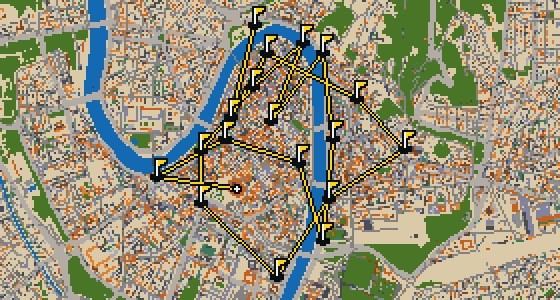
This is a full round of 18 holes through Verona. The map is the real city and the ball rolls along its actual streets, using attractions like the Arena di Verona as the basis for the holes. A total of 10 portals help bridge the 10.1 km walk across the city. Skip is a local guide who knows these pavements well, including exactly which ledges offer the best view of the street. This round follows the real geography of the town to reach each cup.

18 HOLES - PAR 54

Venice

18 stops

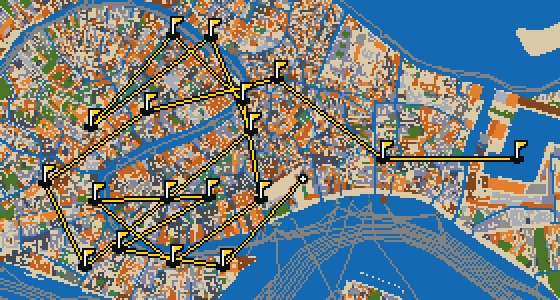
Venezia is the city for this round, where the map is the actual city and the game is played on its real streets. The holes are built from real attractions, starting with the Basilica di San Marco. This is a full round of 18 holes with a par of 54. The ball covers a walk of 10.2 km and uses 102 portals to move across the water. Skip is a local guide who knows these alleys and canals by heart, even if a few breadcrumbs occasionally go missing.

18 HOLES - PAR 56

Turin

18 stops

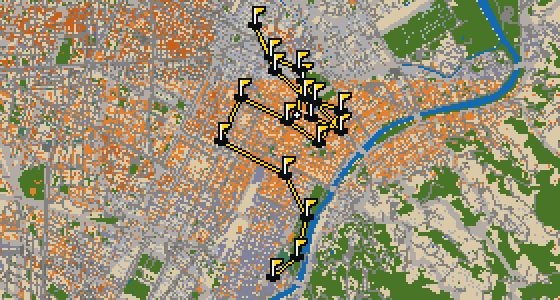
Torino is the setting for this full round of 18 holes. The map follows the real city layout, using its actual streets for the ball to roll. Landmarks like the Mole Antonelliana form the physical basis for the holes. This 11.6 km walk uses 42 portals to bridge the gaps between districts. Skip knows these corners well, from the grand piazzas to the hidden alleys where the crumbs are best. The total par for the round is 56.

18 HOLES - PAR 53

Siena

18 stops

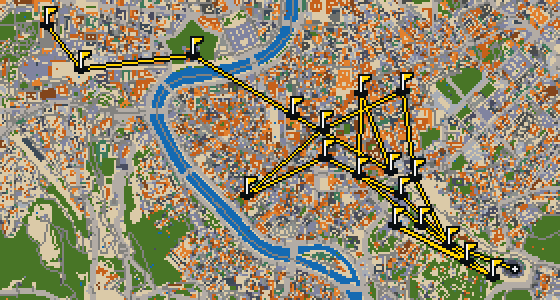
Siena looks different from a rooftop, but the ball stays grounded on the real streets. This full round of 18 holes covers 10 km and uses eight portals to bridge the gaps between the city's edges. Real attractions, like the Cattedrale di Santa Maria Assunta, are the foundations for every hole. Skip knows these alleys by heart and can find the best bank shots from a bird's eye view, provided there are no stray crumbs to distract a local guide.

18 HOLES - PAR 53

Rome

18 stops

The cup for the final hole is the open expanse of Piazza San Pietro. This full round of 18 holes takes place on the actual streets of Roma, where the map is the real city and the landmarks are the rails and targets. A total walk of 10.8 km connects the course, with 90 portals moving the ball across the city. Skip is a local guide who knows every cobblestone, even the ones where a pigeon might find a stray crumb.

FAQ

Is it free to play?

Yes. Every course runs in the browser with no account and no install.

Do I need to be in the city?

No. The full round plays from anywhere. Walking the real route is a nice way to see the city, but it is not required.

Are the maps real?

Yes. The geometry comes from OpenStreetMap data, rendered chunky on purpose. Streets, water and parks sit where they really are.