
MILAN - 18 HOLES - FREE

MILAN
CITY MAP MINIGOLF

Milan - 18 stops - par 56

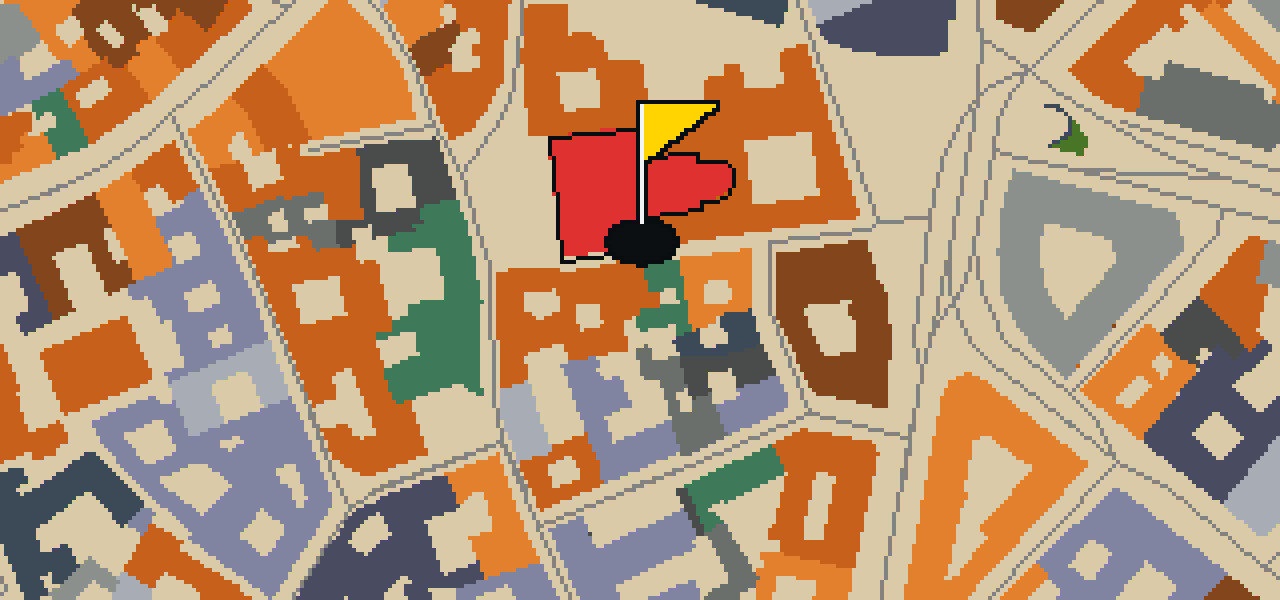
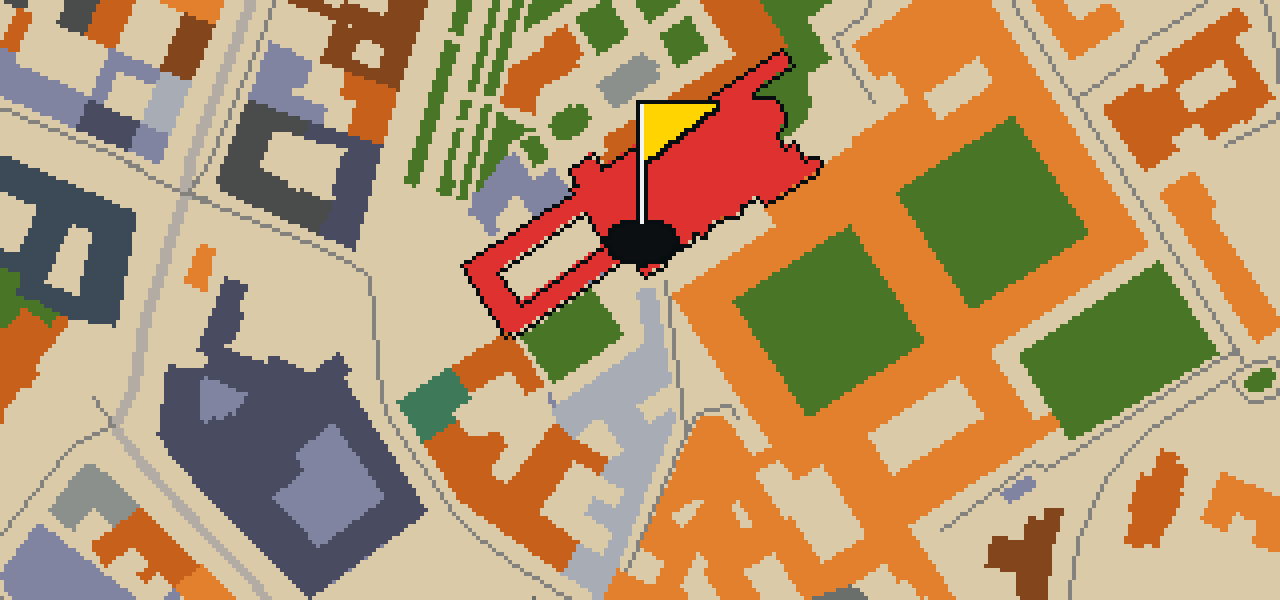
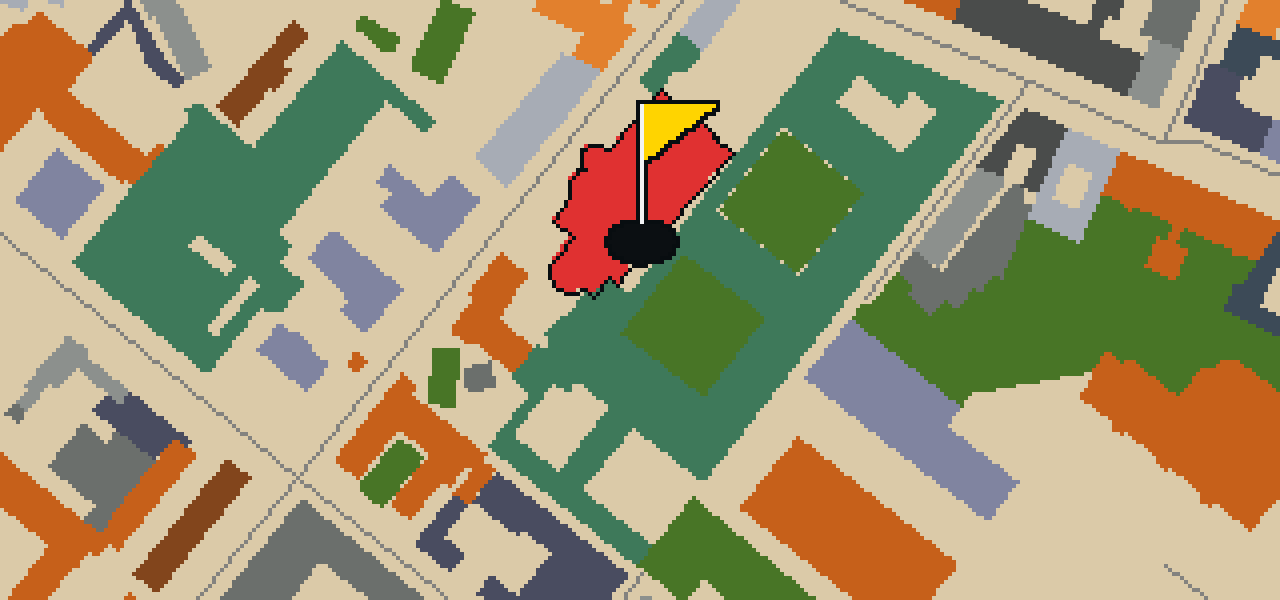
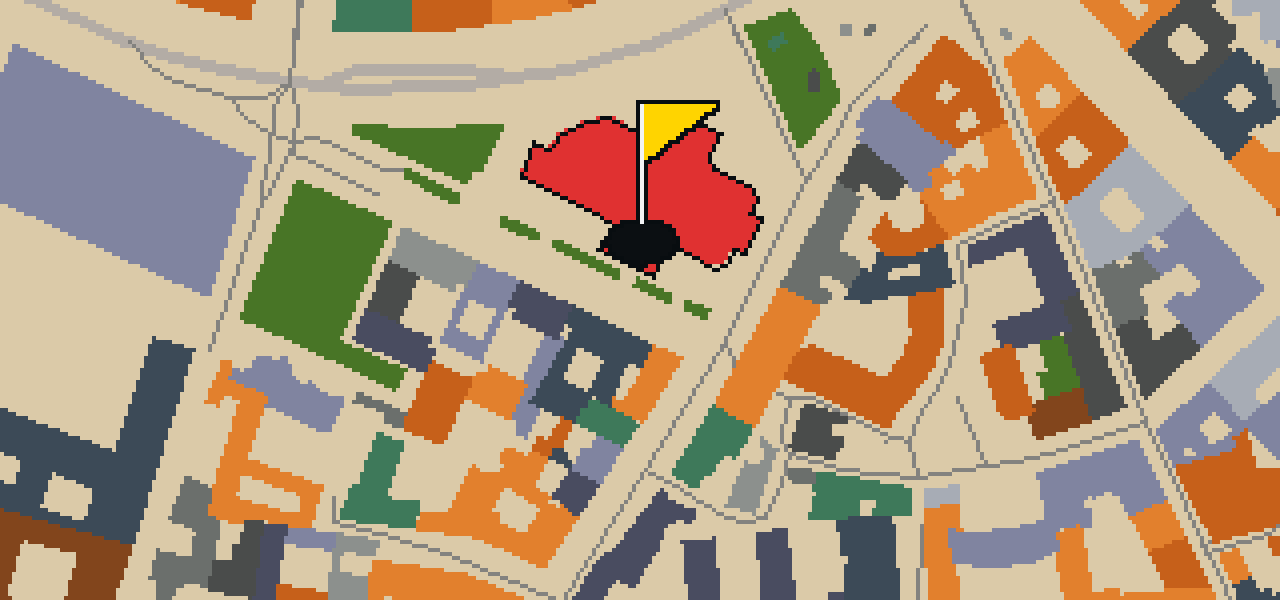
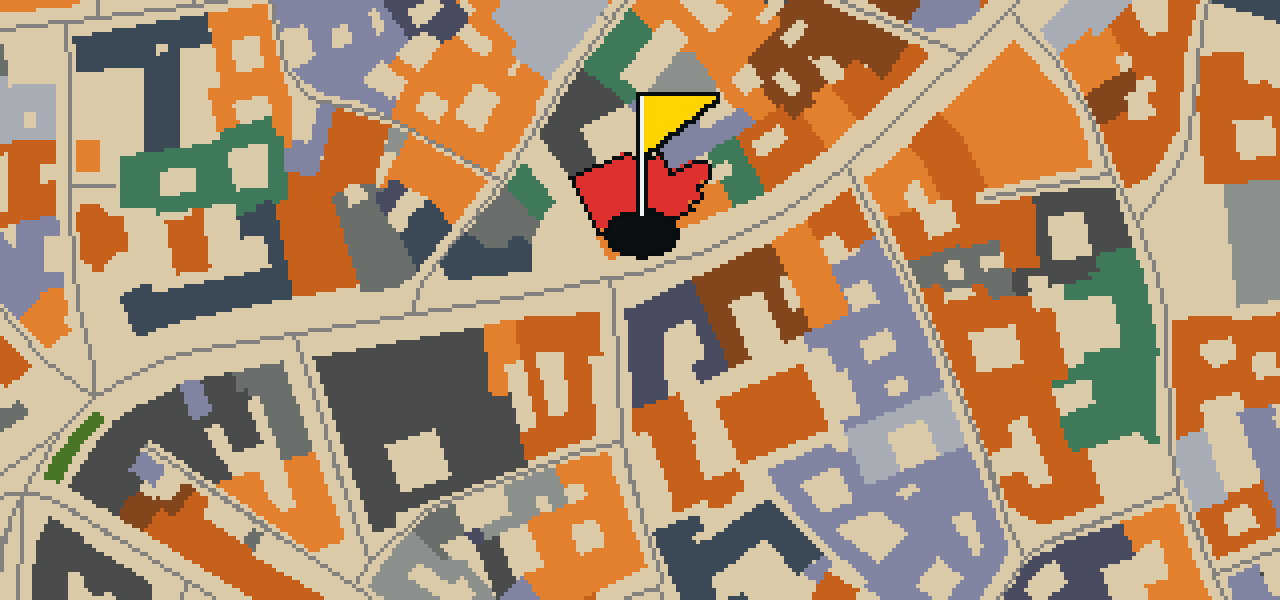
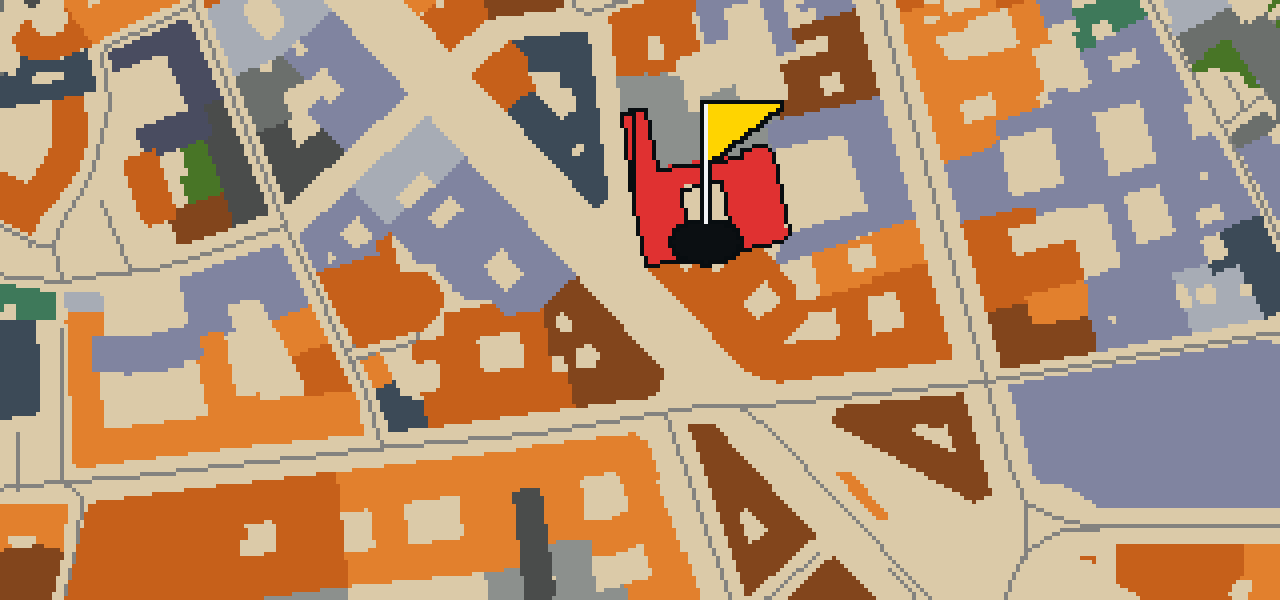
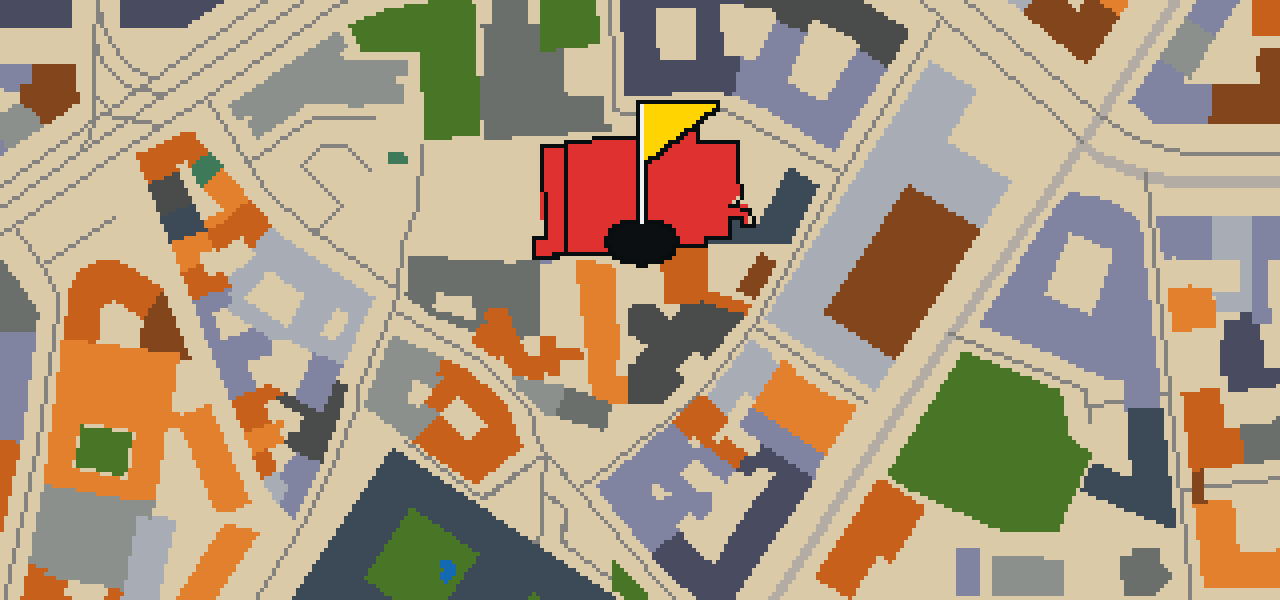
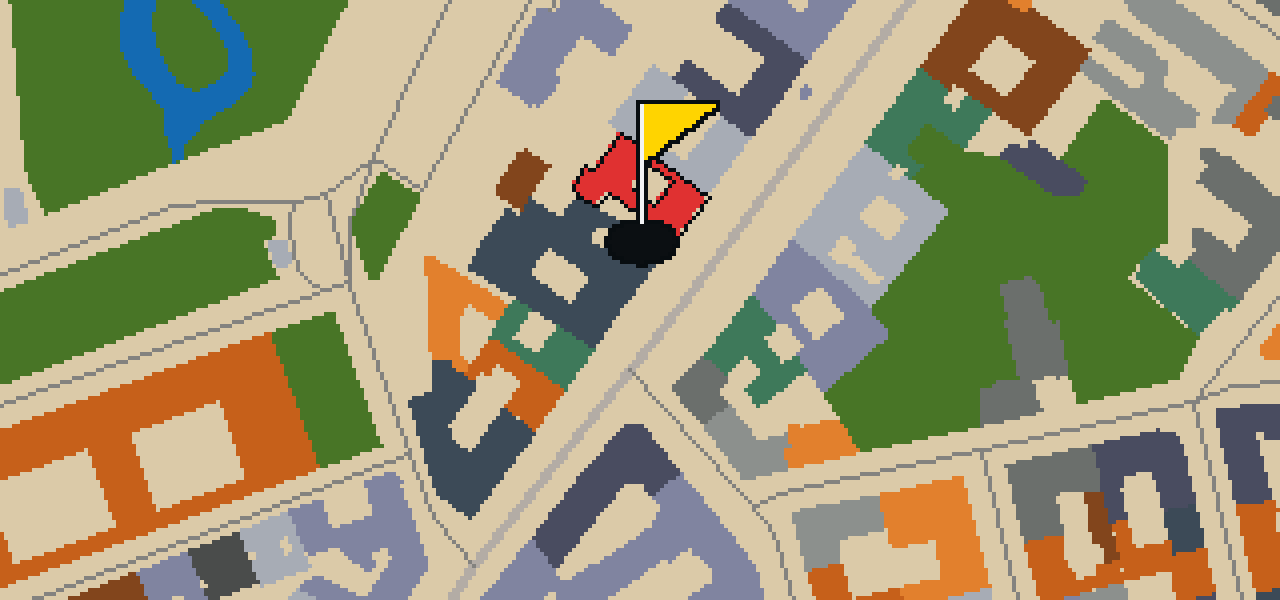
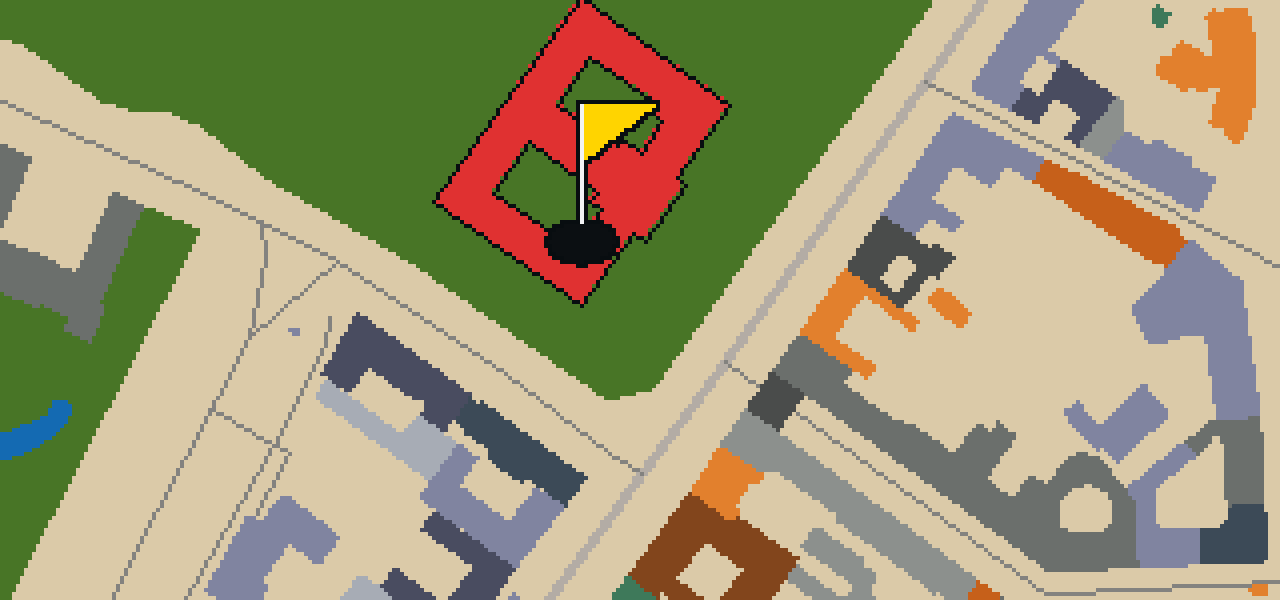
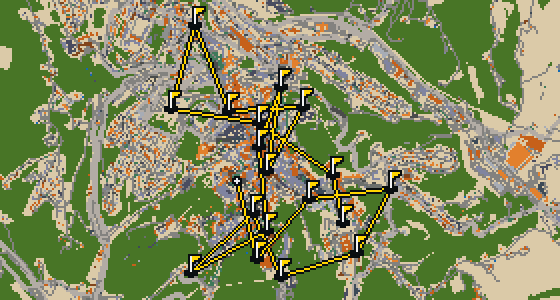
Milano looks different from a rooftop, but the real action is down on the pavement. The map is the actual city and the round is played on its real streets, with local attractions like the Duomo di Milano providing the physical structure for the holes. Skip knows every nook of these neighborhoods. This is a full round of 18 holes with a par of 56, covering a walk of 11.4 km and using 134 portals to bridge the gaps.

Trouble loading? Open the game in its own tab.

HOW IT WORKS

01

Pick a city

The course is drawn on the real street grid, so the map you play is the map you walk.

02

Putt to the pin

Drag to aim, release to swing. Buildings bounce and water costs you a stroke.

03

Sightsee between strokes

Every hole ends at an attraction. Sink the putt, read the story, walk to the next tee.

THE MILAN ROUND - STOP BY STOP

HOLE 1 - PAR 3

Museo del Cenacolo Vinciano

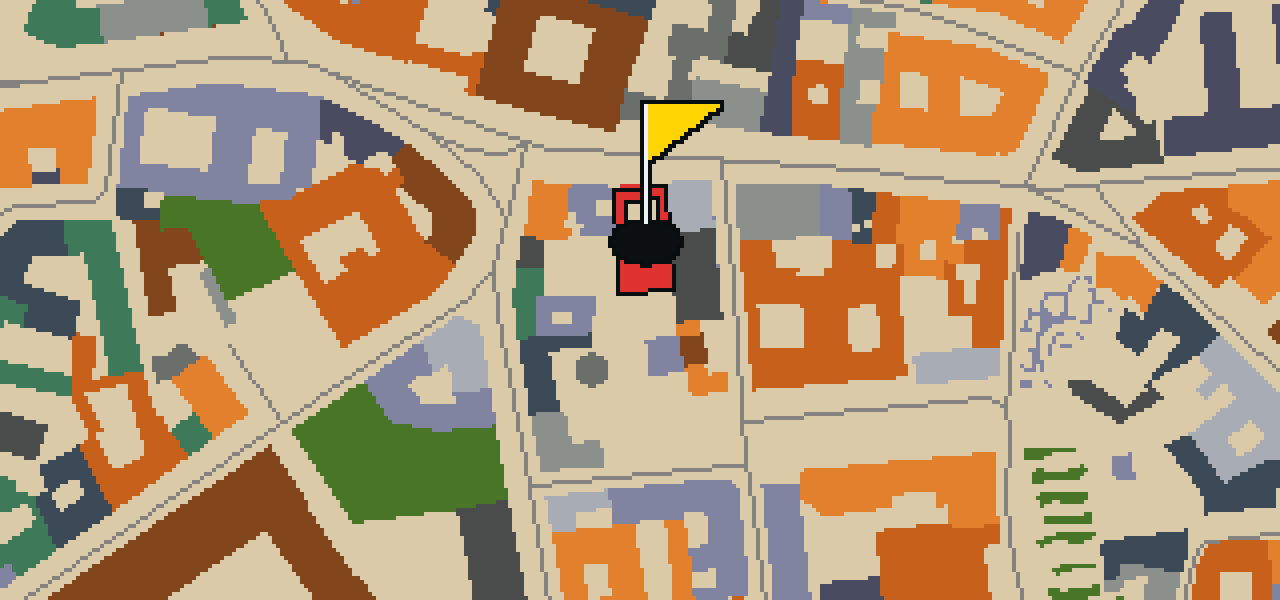
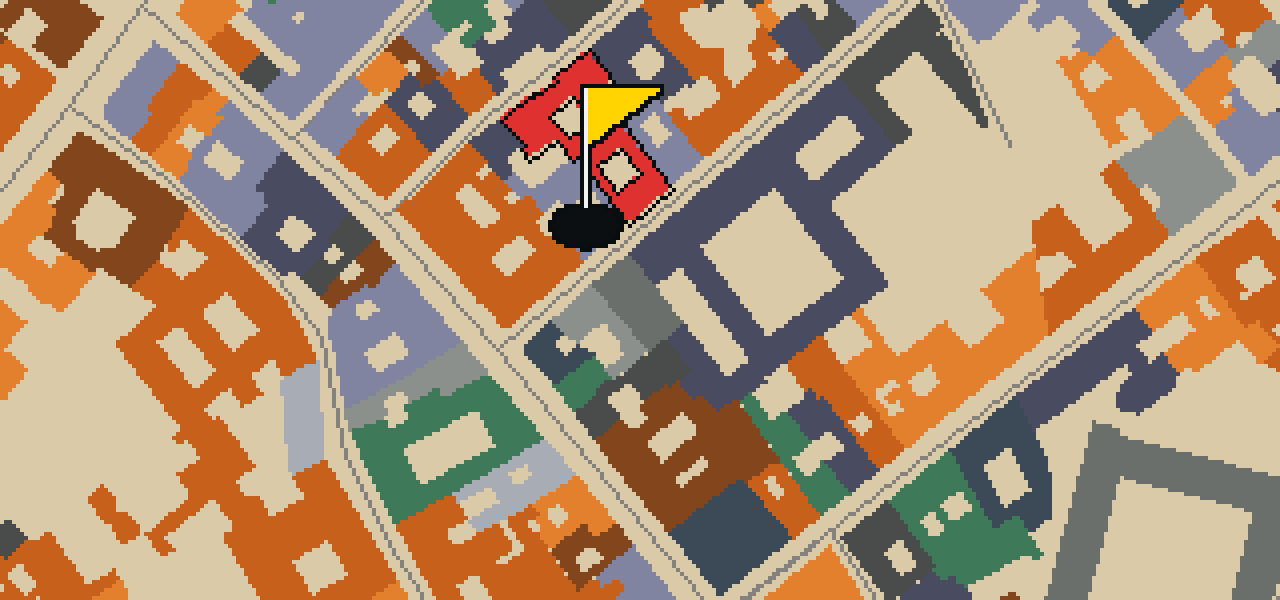
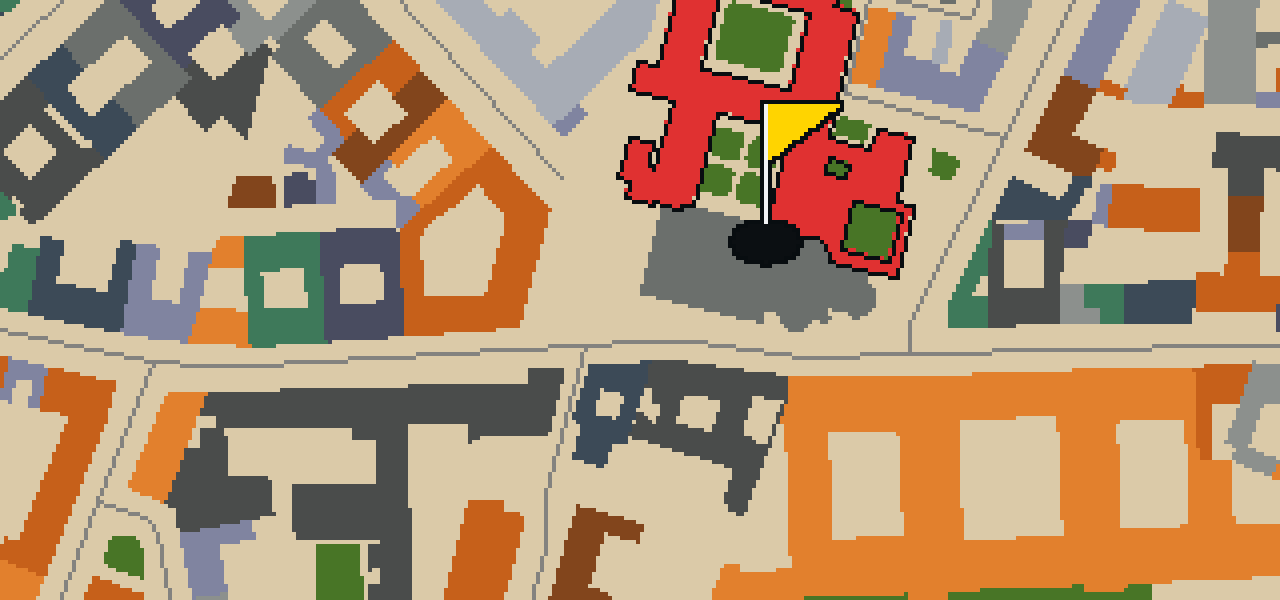
Looking up, you will see a wall painting that reaches a height of 7 meters. This is the Museo del Cenacolo Vinciano, a work of art and fresco painting. It houses The Last Supper, a mural painting by Leonardo da Vinci dated to c. 1495–1498. You can find it in the refectory of the Convent of Santa Maria delle Grazie in Milan, Italy. The painting represents the scene of the Last Supper of Jesus with the Twelve Apostles. I've seen plenty of things from the air, but this is a view worth staying on the ground for.

Wikidata · Wikipedia

HOLE 2 - PAR 3

Lanciatore Vega

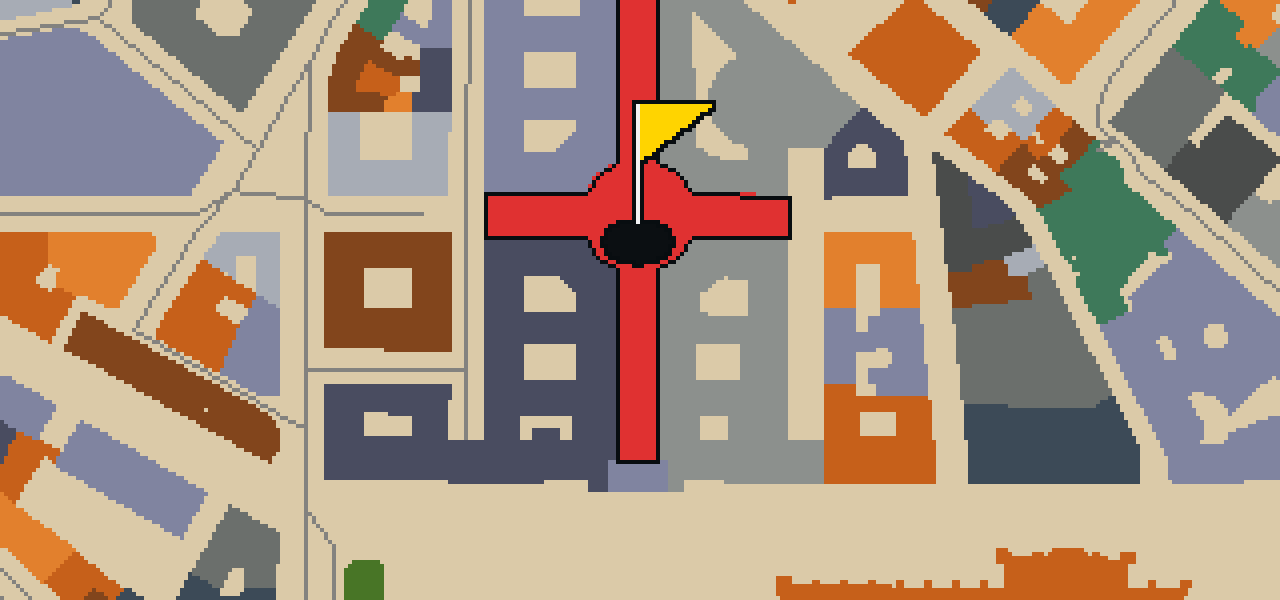
You might mistake this for a piece of modern art, but it is actually the Lanciatore Vega rocket model. The real Vega was developed by Avio as a European expendable small-lift launch vehicle. It served primarily scientific and Earth observation missions, designed to carry payloads between 300 and 2,500 kilograms into polar orbits and low Earth orbits. It was operated by Arianespace for the Italian Space Agency and the European Space Agency. I've seen some strange things in this city, but a rocket is definitely one of the best.

Wikidata · Wikipedia

HOLE 3 - PAR 3

Civico museo archeologico di Milano

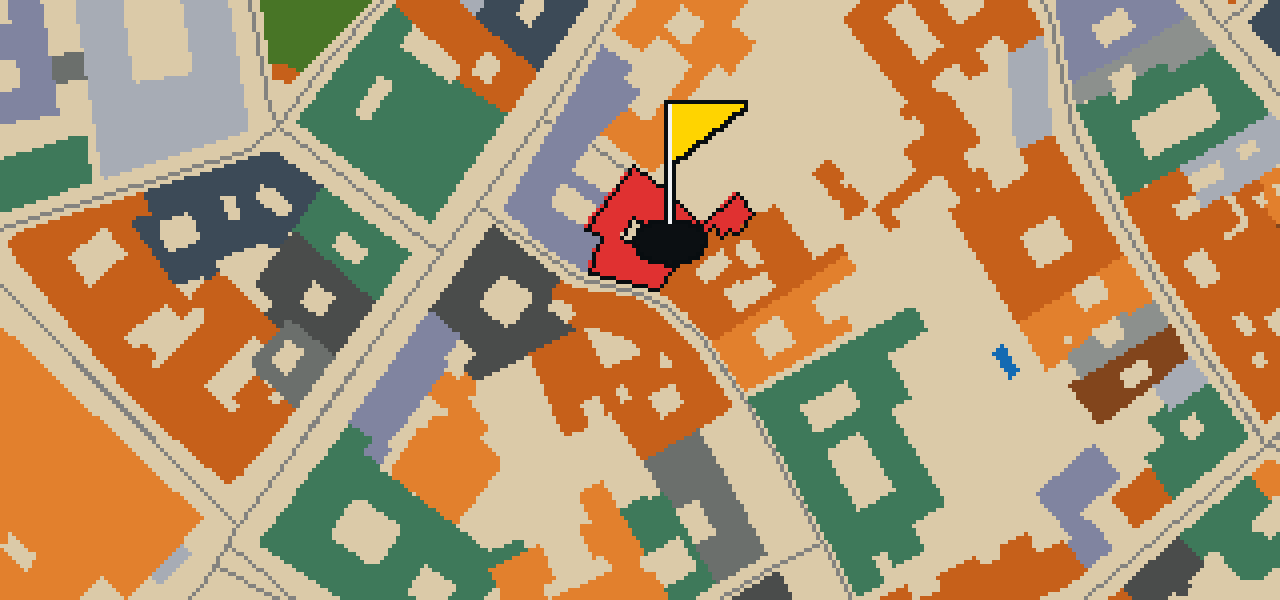
You won't find contemporary art here. The Civico museo archeologico di Milano is an archaeological museum and a museum of a public entity. It is recognized as Italian national heritage and welcomes 11,949 annual visitors each year. If you are visiting, you can find the entrance on Corso Magenta. I always like how the museum sits right next to the ancient church of San Maurizio al Monastero Maggiore, tucked into the ex-convent of the Monastero Maggiore. It is a great place to see the city's deep history without the usual crowds.

Wikidata · Wikipedia

HOLE 4 - PAR 3

Castello Sforzesco

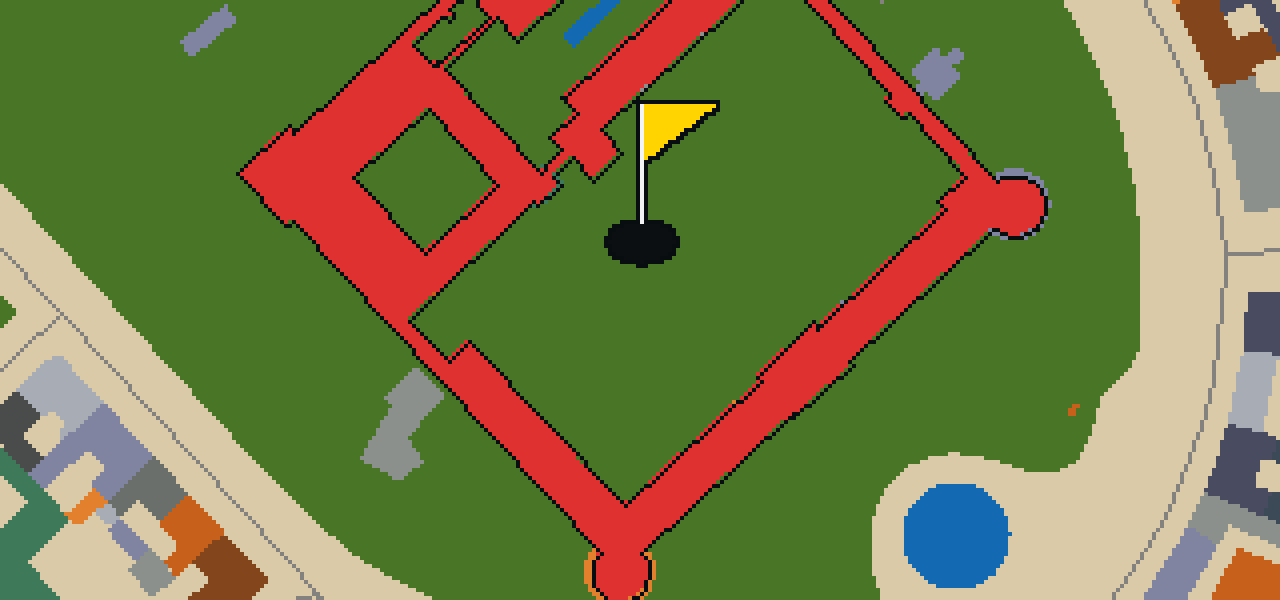
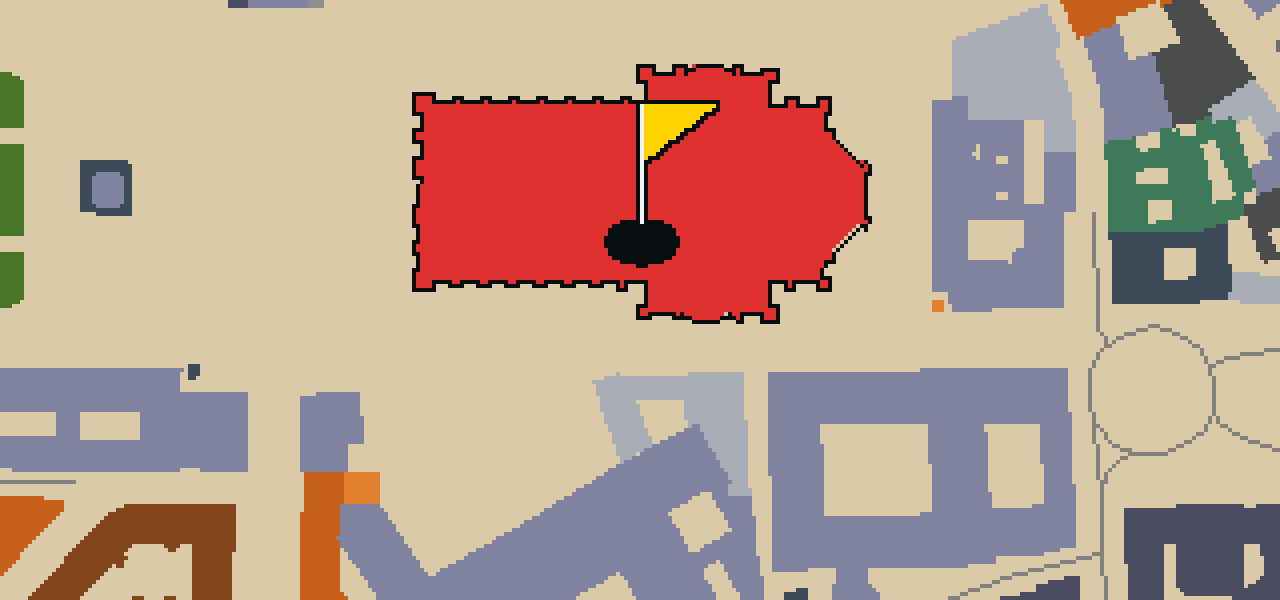
Let me show you Castello Sforzesco, a medieval fortification located in Milan, northern Italy. This Italian national heritage site was started in 1360 and designed by the architect Filarete. You can pick out the Renaissance architecture style throughout the complex. It is a massive presence in the city, though it has changed over time. While it began as a 14th-century fortification, it was later developed by Francesco Sforza, the Duke of Milan. I've noticed that the wide open spaces around the walls make it a great spot to stretch your wings.

Wikidata · Wikipedia

HOLE 5 - PAR 3

Pinacoteca di Brera

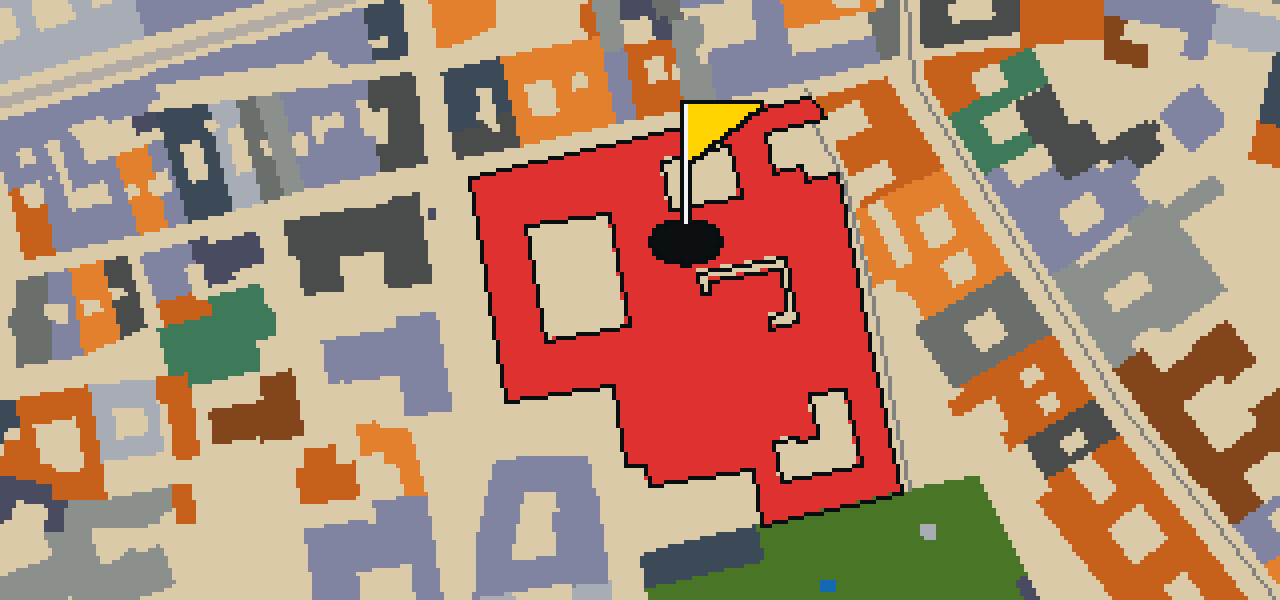
You first notice the vast collection of Italian paintings spanning the 13th to the 20th century. This is the Pinacoteca di Brera, the main public gallery for paintings in Milan. It is an Italian national heritage site founded in 1776. The museum is located in the Palazzo Brera, which it shares with the Brera Academy. Architects Piero Portaluppi and Gualtiero Galmanini worked on the building. I've noticed the crowds here are steady, with 111,727 annual visitors coming to see the art.

Wikidata · Wikipedia

HOLE 6 - PAR 3

Teatro alla Scala

Giuseppe Piermarini is an architect of Teatro alla Scala. He helped create this opera house in Milano, which is an Italian theater and a tourist attraction. The site is a theatre building and an architectural ensemble. Other architects of the place include Alessandro Sanquirico, Luigi Lorenzo Secchi, and Mario Botta. It had its inception in 1778. I've noticed the crowds here are always eager to see the show, and the atmosphere is always buzzing with anticipation. You can pick out the grandeur of the design as you approach the building.

Wikidata · Wikipedia

HOLE 7 - PAR 3

Museo Bagatti Valsecchi

The Museo Bagatti Valsecchi is a private museum, art museum, and Palazzo. You can find it in the Montenapoleone district of downtown Milan, northern Italy. Founded in 1974, this site is a historic house museum and an archive that is recognized as Italian national heritage. It receives 5,221 annual visitors. I find the neighborhood it sits in to be a fancy spot for a stroll, and the building itself is a great example of how these historic houses are preserved. It is a quiet place to visit compared to the bustle of the surrounding shopping district.

Wikidata · Wikipedia

HOLE 9 - PAR 3

Museo Poldi Pezzoli

You can find the Museo Poldi Pezzoli on Via Manzoni 12, situated near the Teatro alla Scala. It is a private art museum in Milan, Italy, and functions as both a Palazzo and a historic house museum. The museum's inception was in 1881, and the site is officially recognized as Italian national heritage. I've noticed the area is great for a stroll before you head inside to see the collections. It is a wonderful spot to experience the intersection of a family home and a public gallery in the heart of the city.

Wikidata · Wikipedia

HOLE 10 - PAR 3

Duomo di Milano

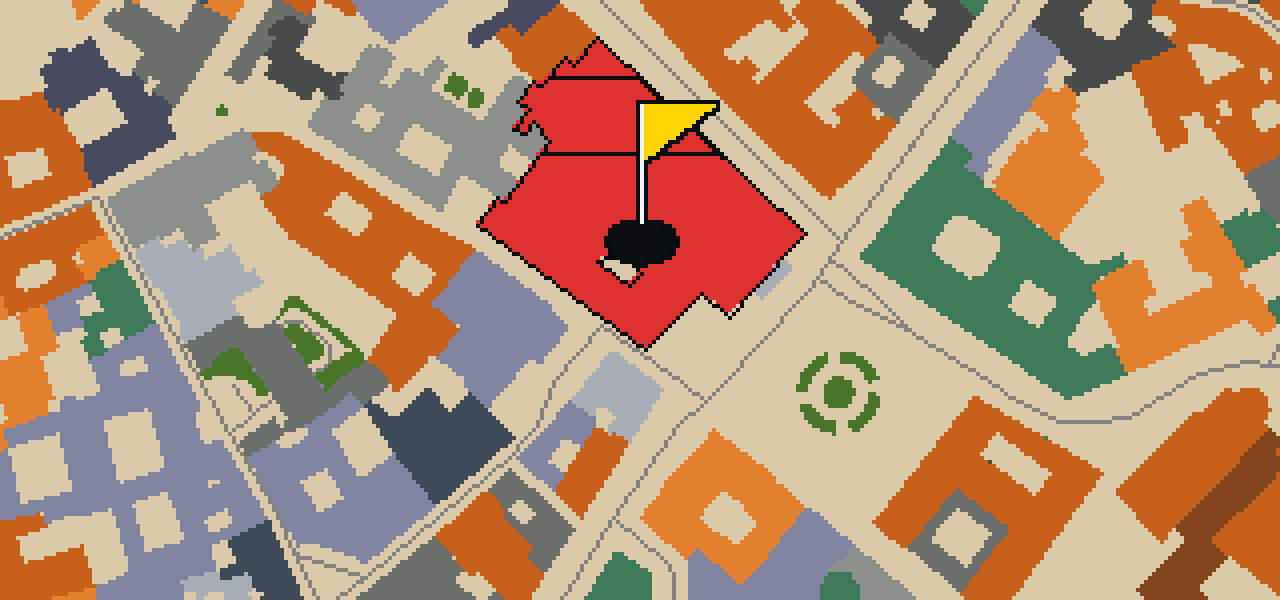
Simone da Orsenigo was an architect of the Duomo di Milano. This Catholic cathedral began in 1386 and is built in Italian Gothic and Flamboyant styles. It is an Italian national heritage site and the seat of the Archbishop of Milan. The building reaches a height of 108.5 meters and attracts 2,140,786 annual visitors. You can pick out the intricate details of the Flamboyant style as you approach the cathedral, which remains one of the most significant architectural ensembles in the city.

Wikidata · Wikipedia

HOLE 11 - PAR 4

Chiesa di Sant'Alessandro

Chiesa di Sant'Alessandro is a church building designed in the Baroque and Italian Baroque architecture styles. The inception of the building was in 1601, with Lorenzo Binago and Francesco Maria Richini serving as architects for the project. This site is a parish church in Milan, Italy, where it is known as Sant'Alessandro in Zebedia. It is an example of the early Lombard Baroque and is recognized as Italian national heritage. You can see the influence of these styles in the structure's design as you move through the streets of the city.

Wikidata · Wikipedia

HOLE 12 - PAR 3

Basilica di Sant'Ambrogio

Notice the Romanesque architecture style of this building. The Basilica di Sant'Ambrogio is a minor basilica and an architectural ensemble located in the center of Milan, within the region of Lombardy, Italy. It is a Roman Catholic church and is recognized as an Italian national heritage site. The official name of the church is Basilica romana minore collegiata abbaziale prepositurale di Sant'Ambrogio. This site is a significant example of its architectural style and remains a central point of interest for those visiting the heart of the city.

Wikidata · Wikipedia

HOLE 13 - PAR 4

Basilica di San Vittore al Corpo

The Basilica di San Vittore al Corpo is a church building and an Italian national heritage. This site was once a fourth century Roman imperial mausoleum of Maximian. In the 8th century, the basilica was enlarged to house the relics of the saints Vittore and Satiro. The church and monastery of San Vittore al Corpo were an ancient monastery of the Olivetan order built in the early 16th century. Reconstruction of the church was begun in 1533 by Vincenzo Seregni and completed in 1568 by Pellegrino Tibaldi. Guglielmo Caccia frescoed the dome in 1617.

Wikidata · Wikipedia

HOLE 14 - PAR 3

Teatro Dal Verme

Teatro Dal Verme began in 1872 on the Via San Giovanni sul Muro. It sits on the site of the former private theatre the Politeama Ciniselli. Today, the venue is used as an opera house, music venue, movie theater, theatre building, and auditorium. It is a piece of Italian national heritage that has evolved to host many different styles of art. I find it a great spot to see how the city balances its various performance needs in one place, from cinematic screenings to grand musical productions.

Wikidata · Wikipedia

HOLE 15 - PAR 3

Chiesa di San Giorgio al Palazzo

Francesco Maria Richini, Francesco Croce, and Luigi Cagnola are architects of Chiesa di San Giorgio al Palazzo. This Roman Catholic church is located in central Milan, within the region of Lombardy, Italy. It is an architectural ensemble that blends the Italian Baroque and Italian Neoclassical architecture styles. Because of its history and design, the building is designated as Italian national heritage. You can see how these different stylistic influences come together in one place, making it a significant point of interest for anyone visiting the center of the city.

Wikidata · Wikipedia

HOLE 16 - PAR 4

Piccolo Teatro Grassi

Founded in 1947, Piccolo Teatro Grassi is a theatre company and a drama school. You can find the Teatro Grassi venue on Via Rovello, situated between Sforza Castle and the Piazza del Duomo. It is part of the Piccolo Teatro di Milano, which is Italy's first permanent theatre. The organization manages three different venues: Teatro Grassi, Teatro Studio, and Teatro Strehler. I have noticed that the walk between the castle and the square is a great way to see the city while heading toward the theatre. It is a wonderful spot for those who appreciate the performing arts.

Wikidata · Wikipedia

HOLE 17 - PAR 4

Santo Stefano Maggiore

This is not a modern construction, but a church in Milan established in the 5th century. Santo Stefano Maggiore is a minor basilica, parish church, and church building designed in the Italian Baroque architecture style. While it was originally dedicated to both Saint Zechariah and Saint Stephen, it was later dedicated to Saint Stephen only. It is recognized as an Italian national heritage. Visitors to the city can observe the specific details of the Baroque style that define this building's presence in the urban landscape.

Wikidata · Wikipedia

HOLE 18 - PAR 2

Palazzo Castiglioni

Located in the heart of Milano, Palazzo Castiglioni is a city palace and architectural ensemble. Designed by architect Giuseppe Sommaruga, the building is a prime example of the Art Nouveau architecture style. Its inception was in 1903, and the exterior decorations draw inspiration from 18th century stuccos. Today, the palace is recognized as an Italian national heritage and houses the seat of the Unione Commercianti di Milano. I always think the facade looks a bit like it's wearing a fancy costume.

Wikidata · Wikipedia

STOP 19

Museo di Storia Naturale

The Museo di Storia Naturale is a natural history museum located in Milan, Italy. Dedicated to the study of animals, plants, and the natural environment including geology, it provides a look at the biological world. The building was designed by architect Giovanni Ceruti and is built in the eclectic architecture style. As part of the Italian national heritage, it welcomes 31,819 annual visitors. I always find the eclectic style of the building makes for a great backdrop while you walk through the city.

Wikidata · Wikipedia

OTHER COURSES

18 HOLES - PAR 53

Verona

18 stops

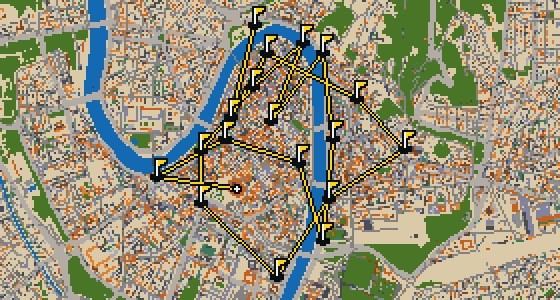
This is a full round of 18 holes through Verona. The map is the real city and the ball rolls along its actual streets, using attractions like the Arena di Verona as the basis for the holes. A total of 10 portals help bridge the 10.1 km walk across the city. Skip is a local guide who knows these pavements well, including exactly which ledges offer the best view of the street. This round follows the real geography of the town to reach each cup.

18 HOLES - PAR 54

Venice

18 stops

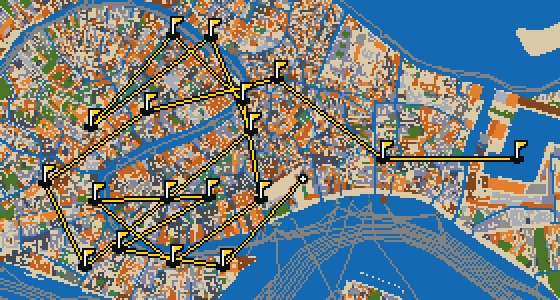
Venezia is the city for this round, where the map is the actual city and the game is played on its real streets. The holes are built from real attractions, starting with the Basilica di San Marco. This is a full round of 18 holes with a par of 54. The ball covers a walk of 10.2 km and uses 102 portals to move across the water. Skip is a local guide who knows these alleys and canals by heart, even if a few breadcrumbs occasionally go missing.

18 HOLES - PAR 56

Turin

18 stops

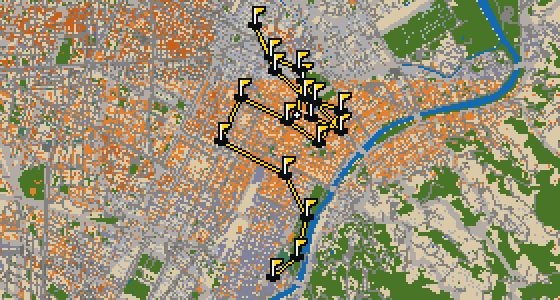
Torino is the setting for this full round of 18 holes. The map follows the real city layout, using its actual streets for the ball to roll. Landmarks like the Mole Antonelliana form the physical basis for the holes. This 11.6 km walk uses 42 portals to bridge the gaps between districts. Skip knows these corners well, from the grand piazzas to the hidden alleys where the crumbs are best. The total par for the round is 56.

18 HOLES - PAR 53

Siena

18 stops

Siena looks different from a rooftop, but the ball stays grounded on the real streets. This full round of 18 holes covers 10 km and uses eight portals to bridge the gaps between the city's edges. Real attractions, like the Cattedrale di Santa Maria Assunta, are the foundations for every hole. Skip knows these alleys by heart and can find the best bank shots from a bird's eye view, provided there are no stray crumbs to distract a local guide.

18 HOLES - PAR 53

Rome

18 stops

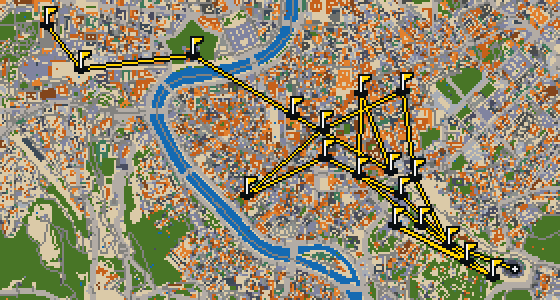
The cup for the final hole is the open expanse of Piazza San Pietro. This full round of 18 holes takes place on the actual streets of Roma, where the map is the real city and the landmarks are the rails and targets. A total walk of 10.8 km connects the course, with 90 portals moving the ball across the city. Skip is a local guide who knows every cobblestone, even the ones where a pigeon might find a stray crumb.

FAQ

Is it free to play?

Yes. Every course runs in the browser with no account and no install.

Do I need to be in the city?

No. The full round plays from anywhere. Walking the real route is a nice way to see the city, but it is not required.

Are the maps real?

Yes. The geometry comes from OpenStreetMap data, rendered chunky on purpose. Streets, water and parks sit where they really are.