
GENOA - 18 HOLES - FREE

GENOA
CITY MAP MINIGOLF

Genoa - 18 stops - par 54

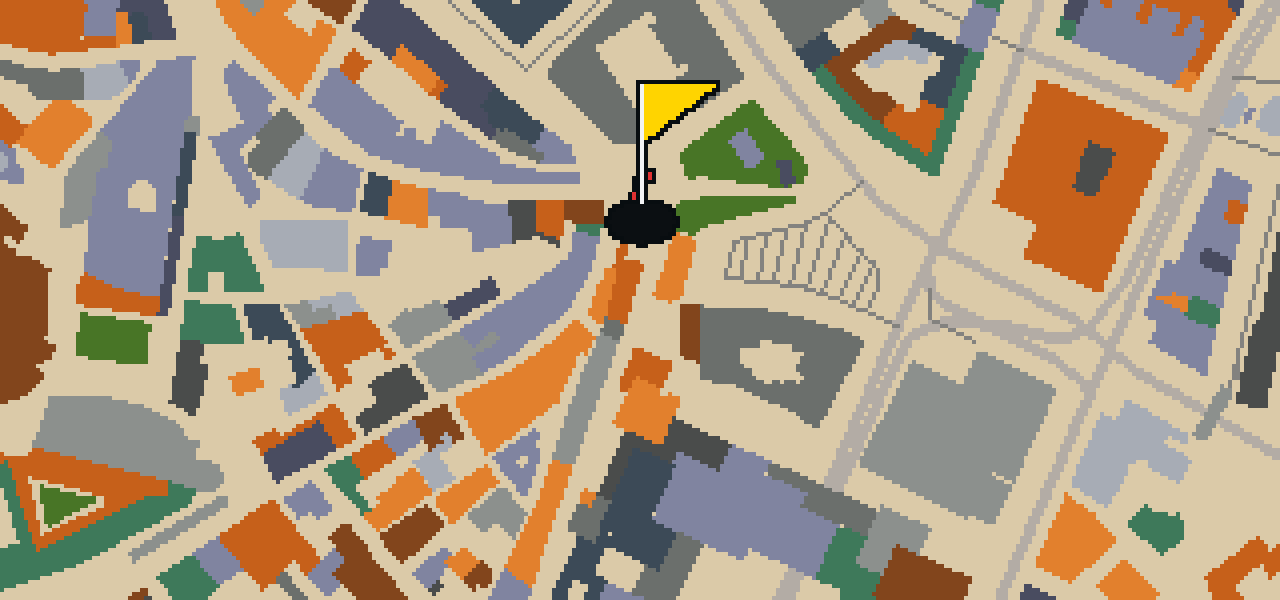
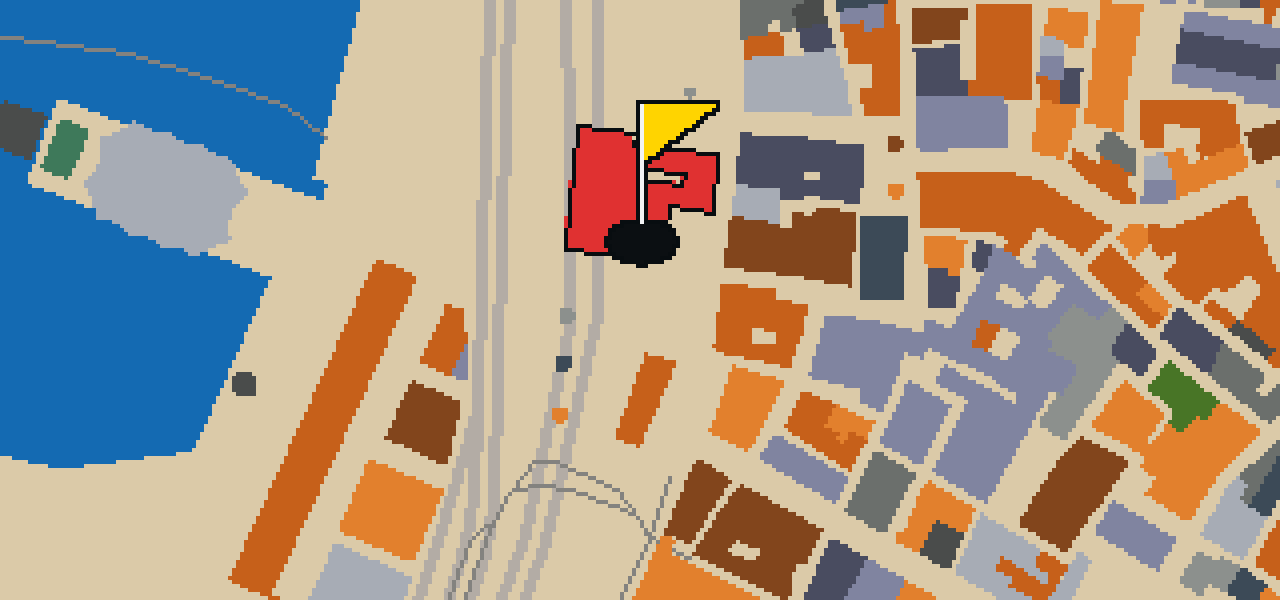
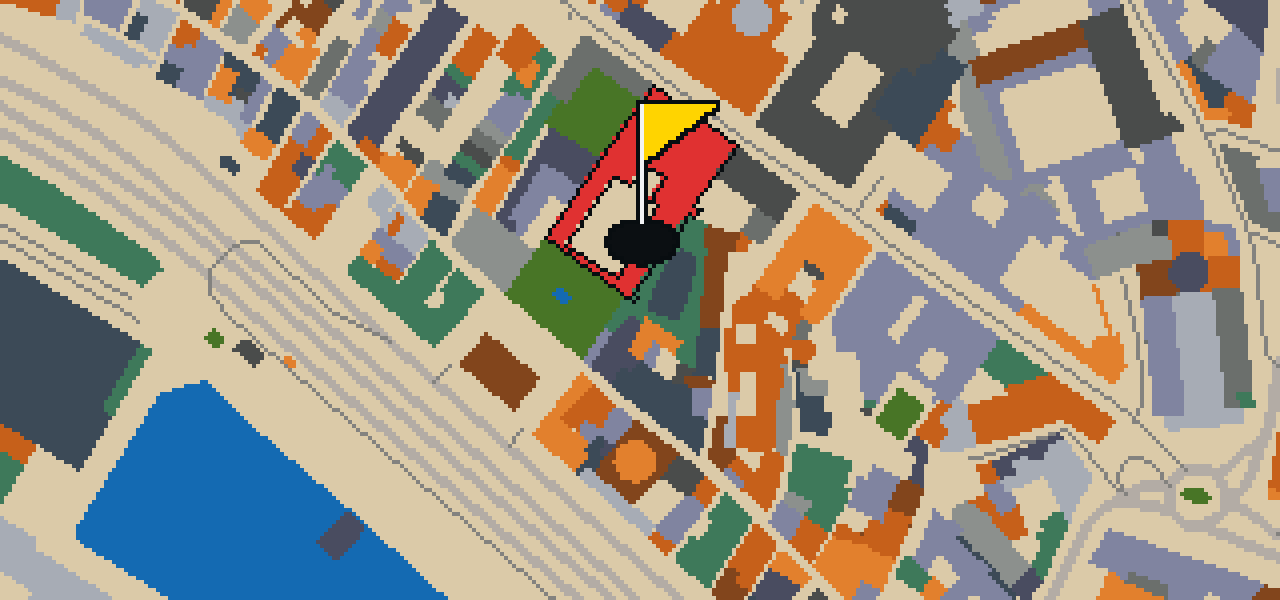
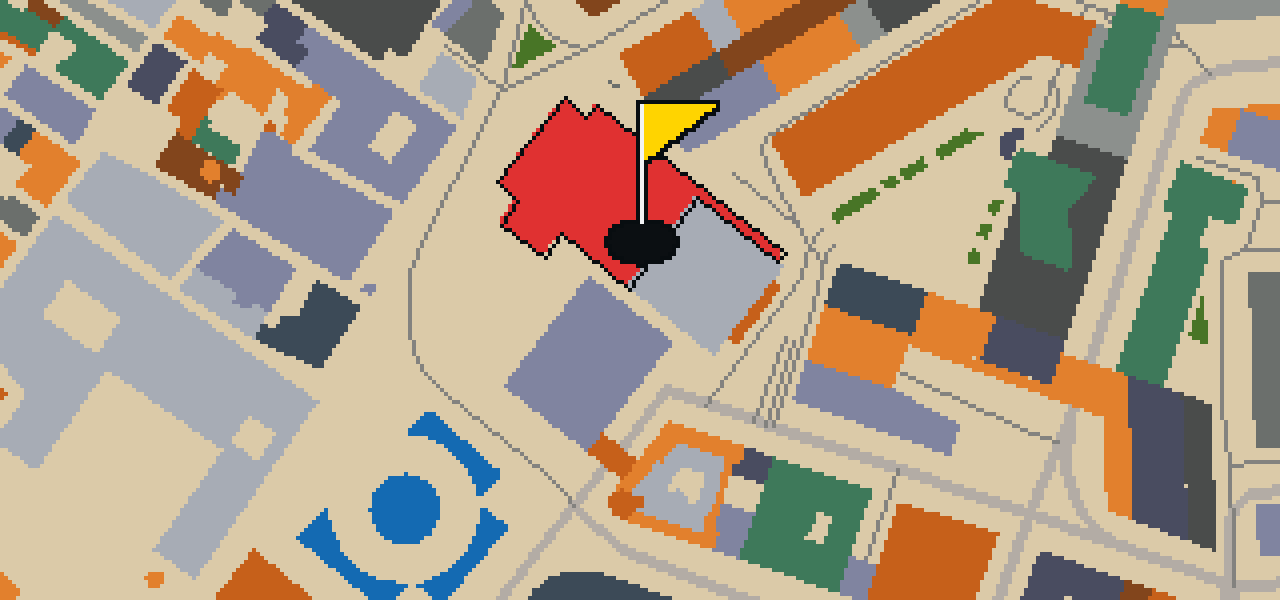
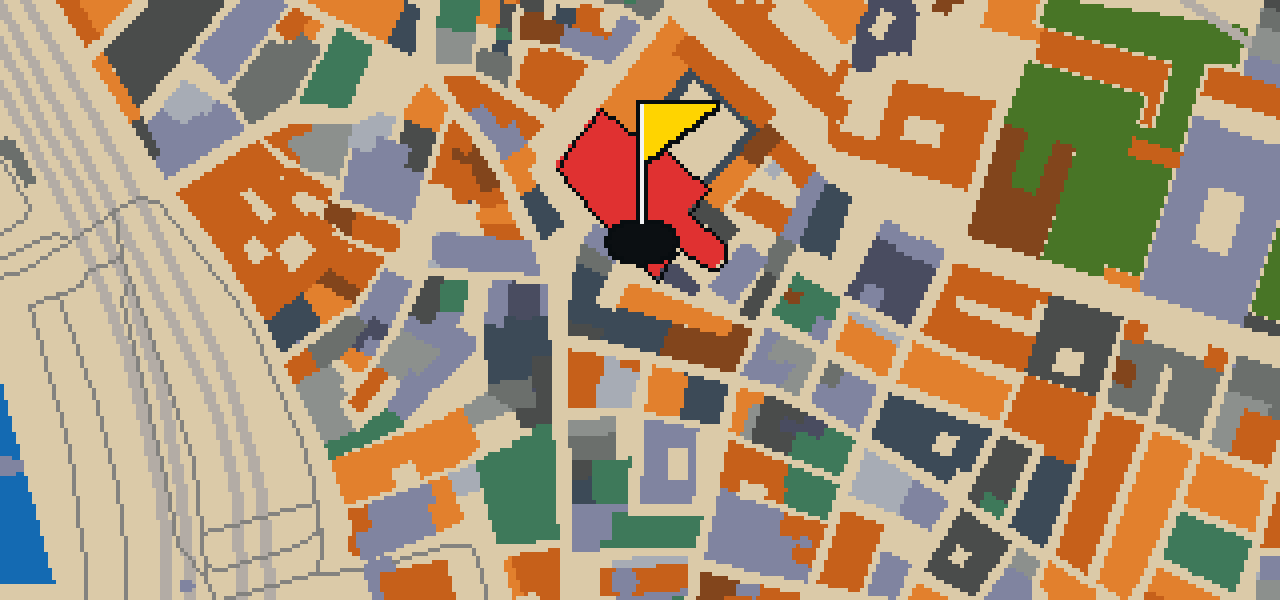
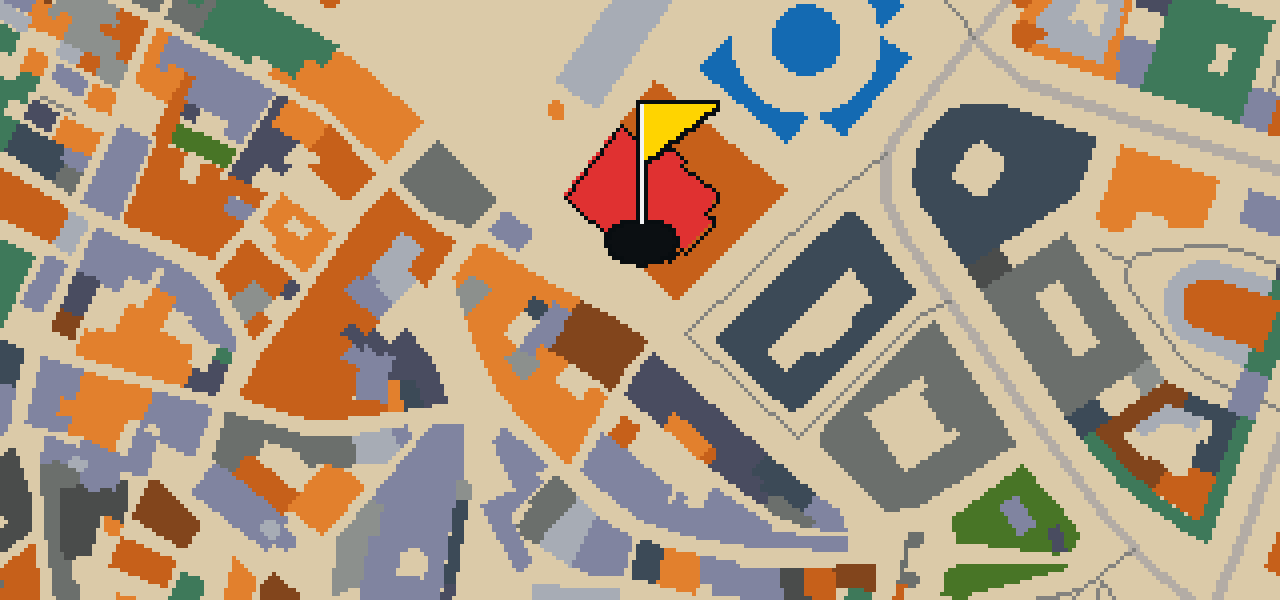
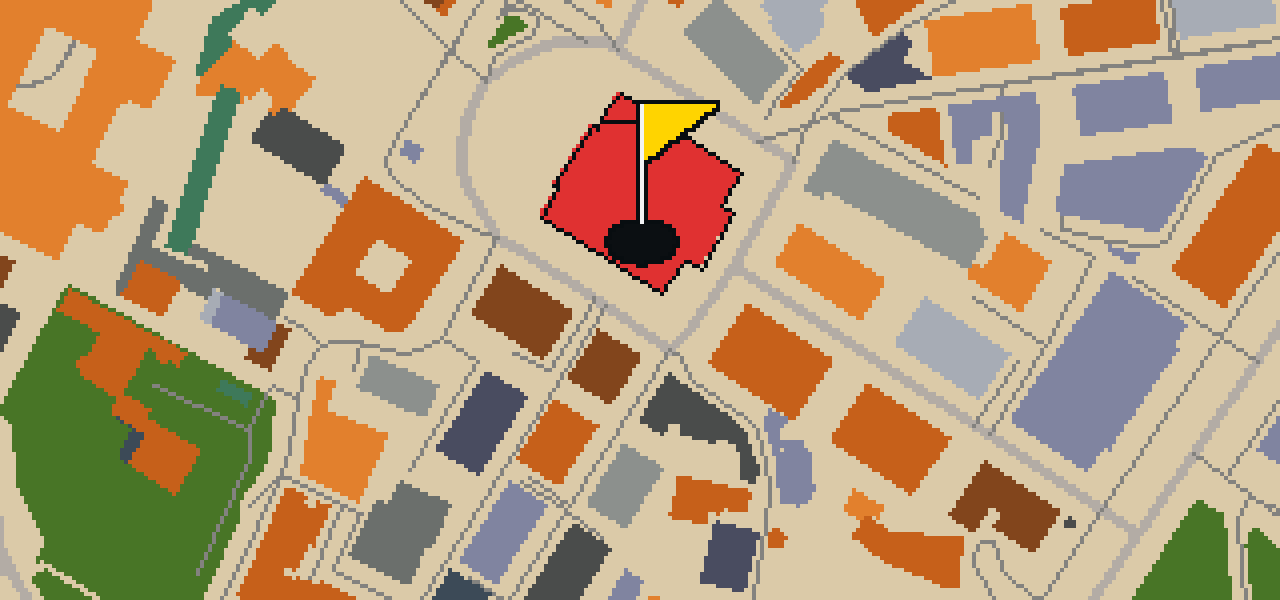
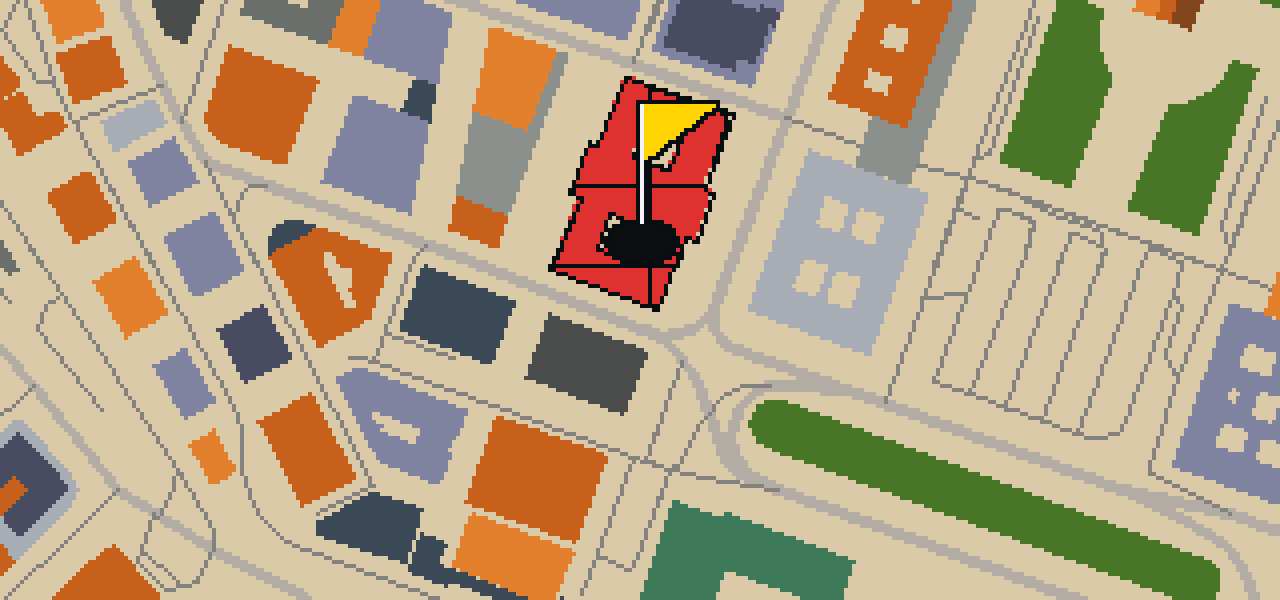
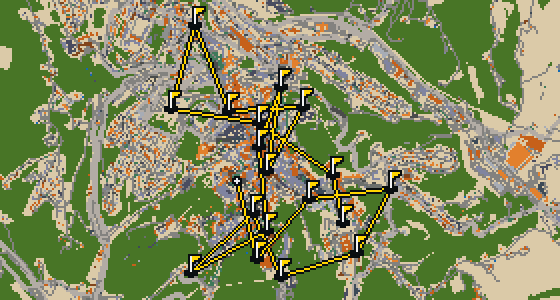
Genova is the city, and the map is a mirror of the real streets where the ball rolls. Real attractions like the Acquario di Genova are the foundations for the holes. Skip knows every alley from a bird's eye view and can lead the way, perhaps pausing for a stray crumb. This full round of 18 holes covers 10.4 km with a par of 54. To move between the distant parts of the map, the ball uses 50 portals.

Trouble loading? Open the game in its own tab.

HOW IT WORKS

01

Pick a city

The course is drawn on the real street grid, so the map you play is the map you walk.

02

Putt to the pin

Drag to aim, release to swing. Buildings bounce and water costs you a stroke.

03

Sightsee between strokes

Every hole ends at an attraction. Sink the putt, read the story, walk to the next tee.

THE GENOA ROUND - STOP BY STOP

HOLE 1 - PAR 3

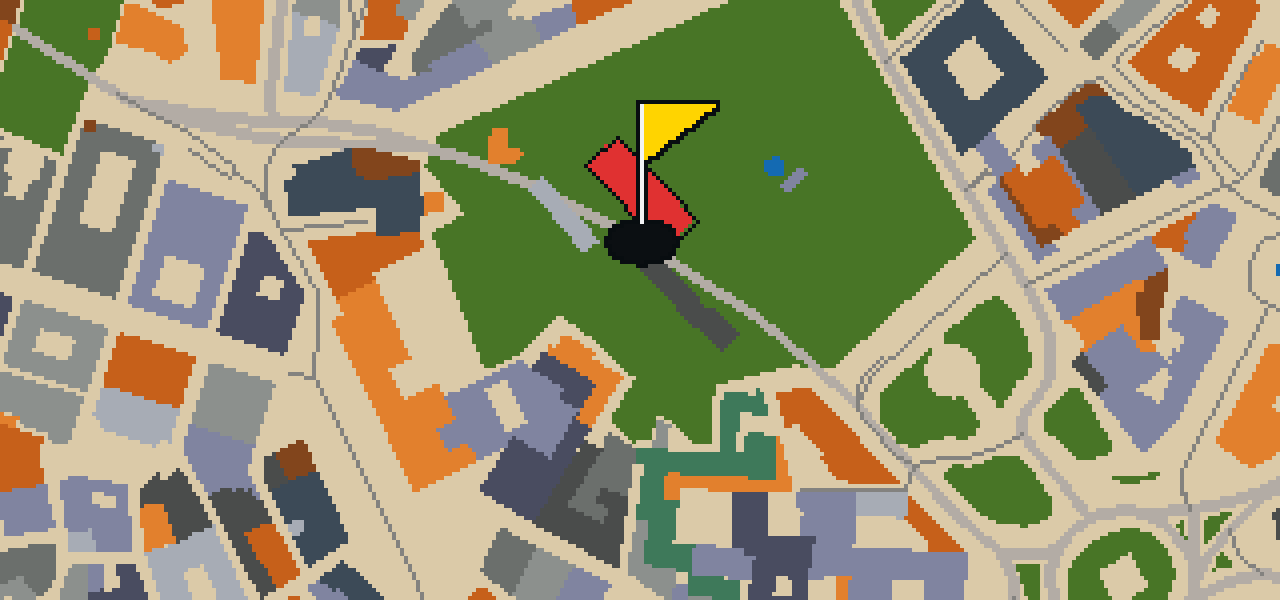
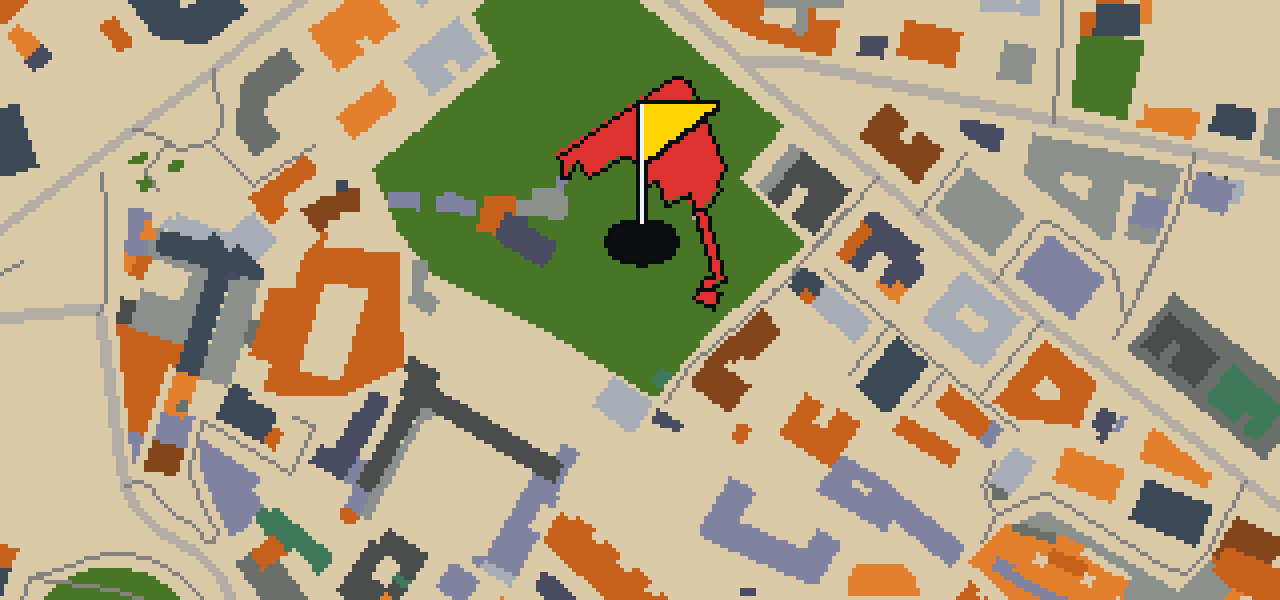
Stadio Luigi Ferraris

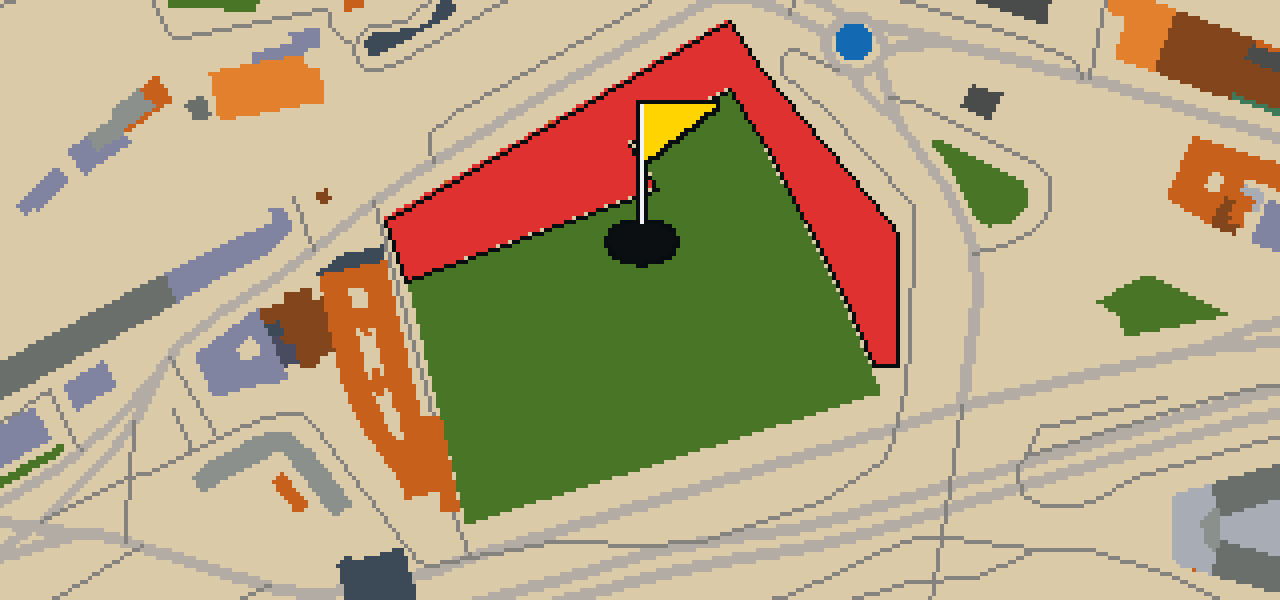
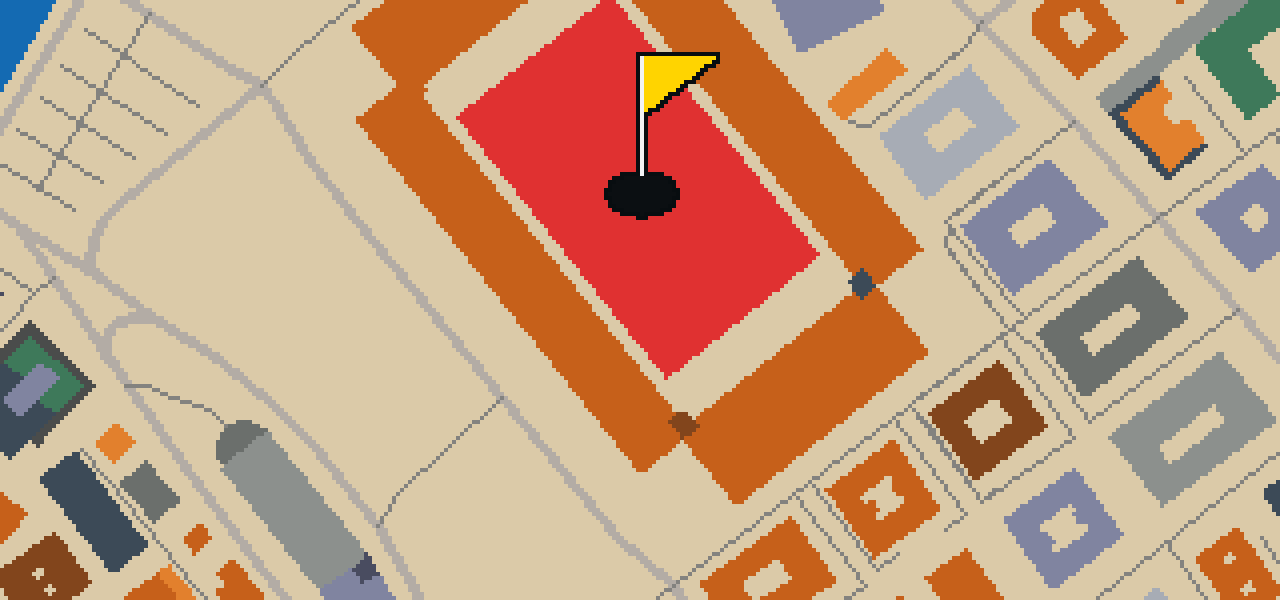
Look at the structure designed by architect Vittorio Gregotti. This is the Stadio Luigi Ferraris, a multi-use stadium in Genoa, Italy. It had its inception in 1910 and opened in 1911. Known locally as the Marassi, it is an association football venue that holds a special place in the city's history. It is the oldest stadium still in use for football and other sports in Italy. You can see the passion of the fans here, as the stadium is the home of both the Genoa CFC and UC Sampdoria football clubs. I've seen a few crumbs dropped by excited fans in these stands.

Wikidata · Wikipedia

HOLE 3 - PAR 3

Museo d'arte orientale Edoardo Chiossone

You will first notice the extensive collection of Asian art housed within the Museo d'arte orientale Edoardo Chiossone. Located in Genoa, Italy, this art museum is recognized as Italian national heritage. It was founded in 1905 and currently records 4,522 annual visitors. Whether you are an art enthusiast or just passing through, the exhibits offer a focused look at Eastern aesthetics in the heart of the city. I find it a peaceful spot to escape the busier streets, though you have to keep an eye out for the entrance.

Wikidata · Wikipedia

HOLE 4 - PAR 2

Cattedrale di San Lorenzo

Look at the bell tower and dome, both of which were built in the sixteenth century. These additions complement a structure that was built between the twelfth century and the fourteenth century. The Cattedrale di San Lorenzo is a Roman Catholic cathedral in Genoa, and its inception was in 1098. It features both Romanesque and Gothic architecture styles. The cathedral is dedicated to Saint Lawrence and serves as the seat of the Archbishop of Genoa. Pope Gelasius II consecrated the cathedral in 1118.

Wikidata · Wikipedia

HOLE 5 - PAR 3

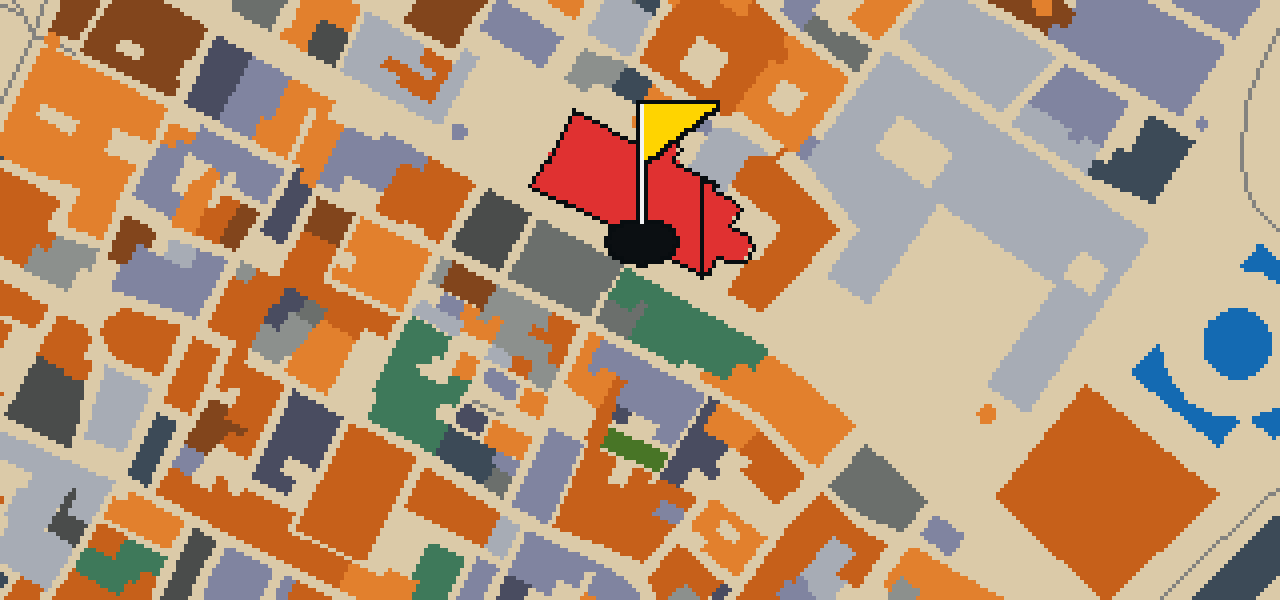
Palazzo Rosso

This is not just a residence, but a palace and specialized museum known as Palazzo Rosso. You can find it in Via Garibaldi, in the historical center of Genoa, in Northwestern Italy. Pietro Antonio Corradi was the architect of the building, which was begun in 1677. It is built in the Italian Baroque architecture style. I find the red facade quite striking against the street. Whether you are here for the art or the history, it is a significant spot in the city.

Wikidata · Wikipedia

HOLE 6 - PAR 3

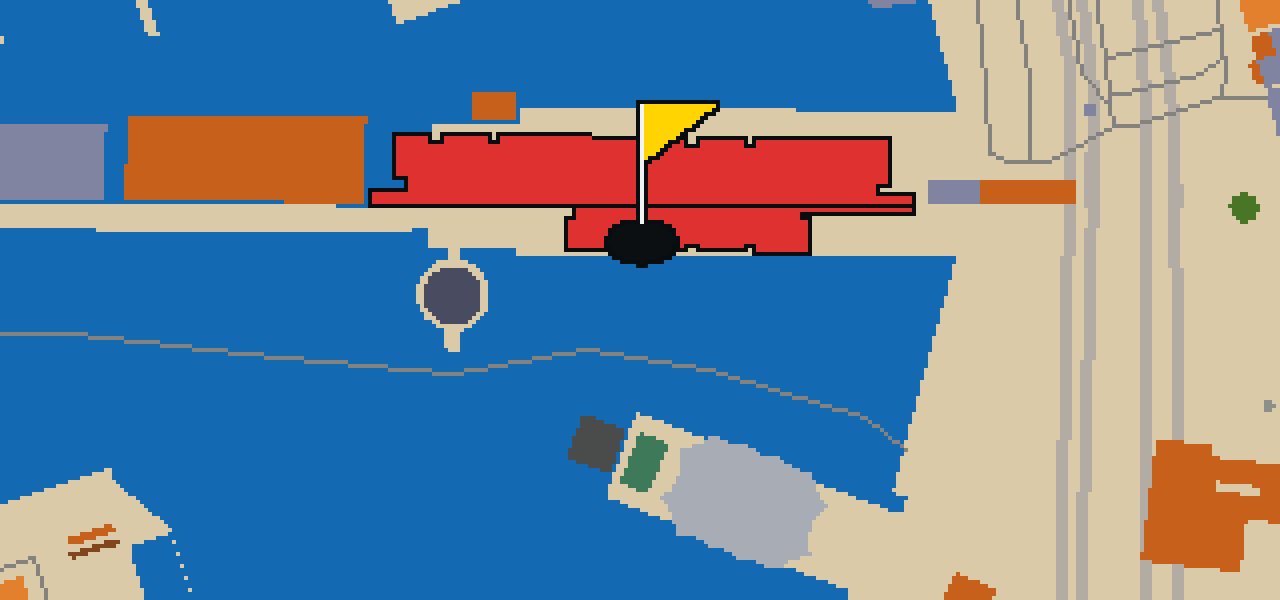
Bigo Ascensore panoramico

The Bigo Ascensore panoramico is an elevator and architectural structure located in the Old Port of Genoa. Designed by architect Renzo Piano, the project was started in 1992. It was built for the Genoa Expo '92. I've seen plenty of strange things from the air, but this lift gives you a view that even a pigeon would appreciate. It remains a prominent feature of the waterfront for anyone visiting the harbor area, offering a unique way to see the city from above without having to flap your wings for an hour.

Wikidata · Wikipedia

HOLE 7 - PAR 3

Porta Soprana

Let me show you Porta Soprana. This site is a fortification and also a historical park museum. Because of its significance, it is recognized as an Italian national heritage site. When you visit, you can pick out the details of these structures that define the area. I find the stone surfaces here quite sturdy for a nap, though I usually prefer the higher ledges. It is a great spot to stop and see how the city protected itself in the past while enjoying the open space of the museum grounds.

Wikidata

HOLE 8 - PAR 3

Palazzo San Giorgio

Palazzo San Giorgio is a palace located in Genova. It is one of the most important and well-known historic buildings in Genoa, designed in the Gothic art style. I can show you where the headquarters of the Port System Authority of the Western Ligurian Sea is housed today. Construction on this landmark was started in 1260. It is a great spot to stop and look at the stone work, as the facade really shows off the character of the area. I always find the atmosphere around this particular building to be quite special compared to the rest of the street.

Wikidata · Wikipedia

HOLE 9 - PAR 3

Museo Palazzo Reale di Genova

Take a look at the Italian Baroque architecture of the Museo Palazzo Reale di Genova. This site is a palace, an art museum, and a historic house museum. It is also a religious museum and a Museum of the Italian Ministry of Culture. Founded in 1655, it is a national museum that carries Italian national heritage. You can find it under the name Palazzo Stefano Balbi as well. It attracts 23,613 annual visitors. I've seen plenty of fancy buildings, but the scale of this one is something else.

Wikidata · Wikipedia

HOLE 10 - PAR 3

Villa del Principe

Let me show you Villa del Principe. This palace in Genoa, Italy, was built in the 16th century and stands as a significant piece of history. Today, it is an art museum and a private museum, while also being designated as Italian national heritage. You can pick out the unique features of the estate, which welcomes 4,155 annual visitors who come to see the site's architecture and collections. I've always found the surrounding gardens to be a peaceful spot to land and watch the world go by.

Wikidata · Wikipedia

HOLE 11 - PAR 3

Castello D'Albertis

Castello D'Albertis is a castle and urban park located in Genoa, in the north-western region of Italy. Started in 1892, this Gothic Revival structure was designed by architect Alfredo d'Andrade. It is recognized as an Italian national heritage site and served as the former home of sea captain Enrico Alberto d'Albertis. Today, the castle houses the Museo delle Culture del Mondo, which was inaugurated in 2004. I've found the grounds are a great spot for a stretch of the wings.

Wikidata · Wikipedia

HOLE 12 - PAR 3

Galata Museo del Mare

You will first notice the scale of the Galata Museo del Mare, which is the largest maritime museum in the Mediterranean area. Located in the Palazzo Galata in the Darsena district, it sits on the grounds of the Porto Antico. This history and historic house museum opened in 2004, coinciding with Genoa's celebration as the European Capital of Culture. It is a great spot to get your bearings on the city's relationship with the sea. I've seen plenty of tourists get lost in the exhibits, but that's half the fun.

Wikidata · Wikipedia

HOLE 13 - PAR 3

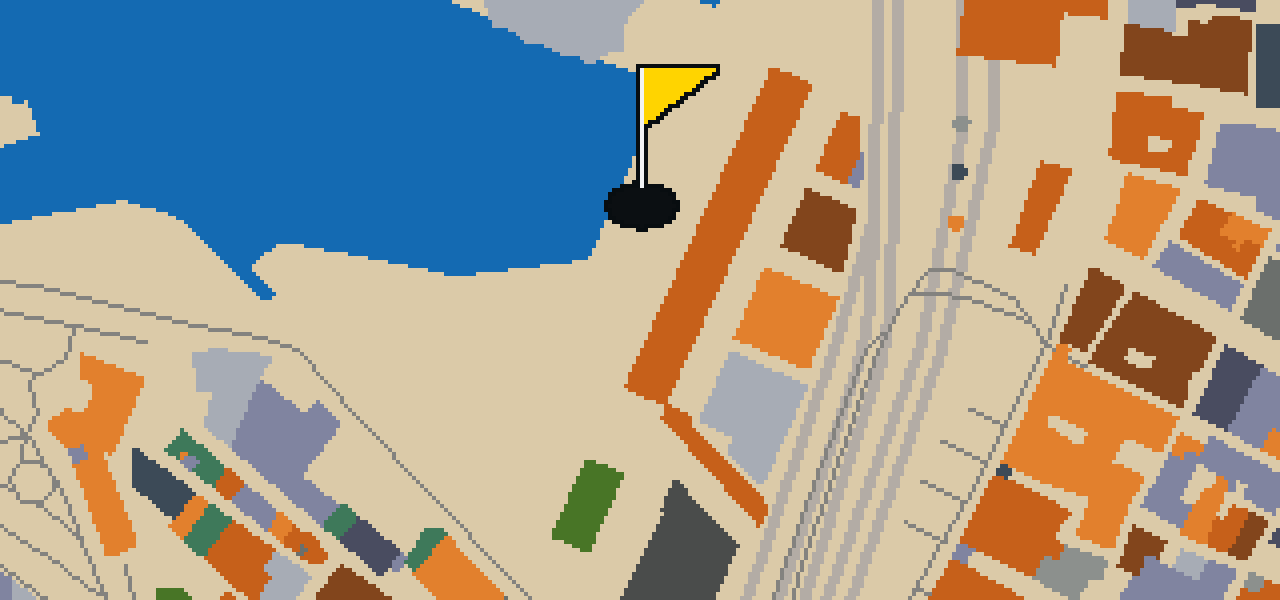
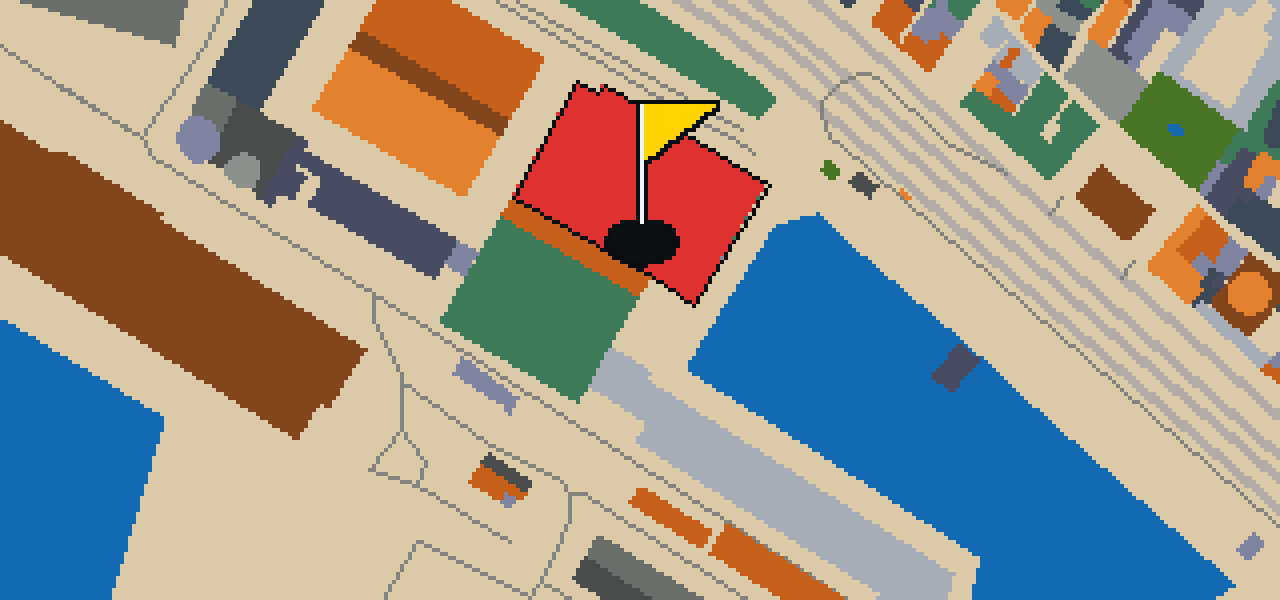
Acquario di Genova

You will find the Acquario di Genova in the Old Harbour area of Genoa, Liguria. This public aquarium is the largest in Italy and draws 1,200,000 annual visitors. It is a member of the European Association of Zoos and Aquaria and is operated by Costa Edutainment S.p.A. I have noticed that the crowds here always seem to be in a hurry to see the sharks, though the architecture of the area is just as interesting. It is a great place to spend a few hours if you want to see marine life without leaving the city center.

Wikidata · Wikipedia

HOLE 14 - PAR 3

Torre degli Embriaci

The Embriaci family left their mark on the oldest area of Genoa with the Torre degli Embriaci. This tower stands where the Castello o Castrum once stood. While an edict of 1196 wanted to cut all the city towers to 80 palms, the Torre Embriaci was spared by the edict of 1196. Today, the structure is officially recognized as Italian national heritage. I've found the narrow alleys around here are perfect for a quick flutter, though the heights of these old stones are much more impressive from the ground than from the air.

Wikidata · Wikipedia

HOLE 15 - PAR 3

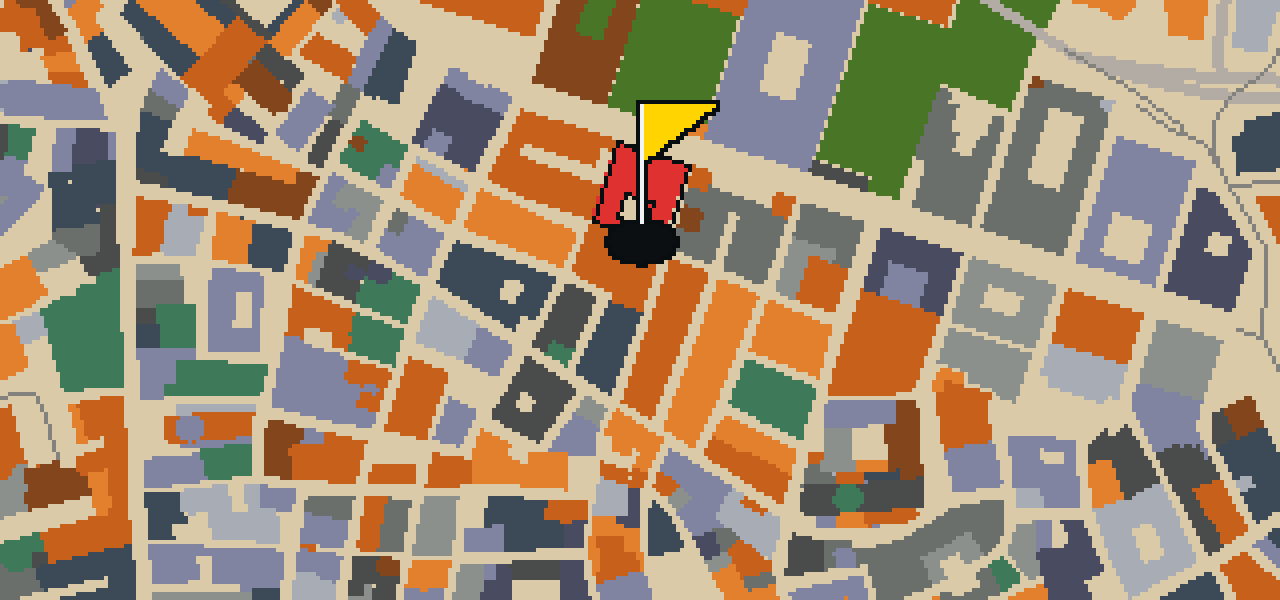
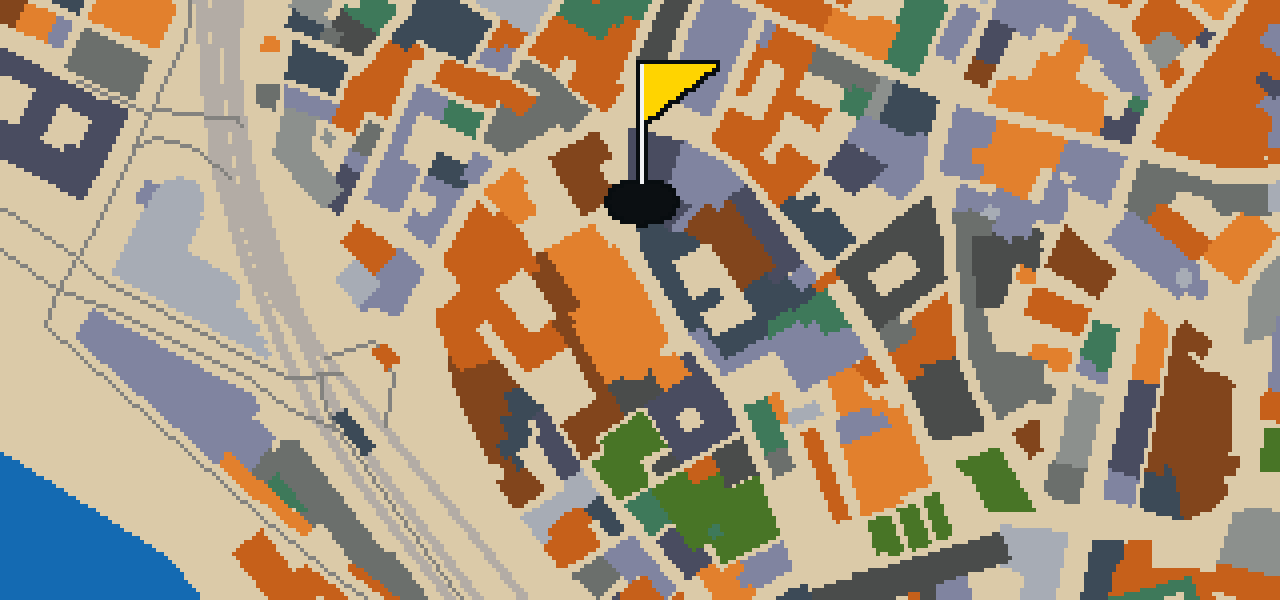
Teatro Carlo Felice

You can find the facade of Teatro Carlo Felice on the side of Piazza De Ferrari. This theatre building is the principal opera house of Genoa, Italy, and is recognized as Italian national heritage. Designed by architect Carlo Barabino, the opera house had its inception in 1826. Today, the venue is used for performances of opera, ballet, orchestral music, and recitals. I find the acoustics in these old houses always make the music feel a bit more magical, though I prefer listening from the rafters where the air is fresher.

Wikidata · Wikipedia

HOLE 16 - PAR 3

Chiesa di San Siro

In the quartiere of the Maddalena in central Genoa, Liguria, Italy, you will find Chiesa di San Siro. This church building is located on the street of the same name. It is a shrine and a Roman Catholic basilica designed in the baroque architecture style. Because of its historical and architectural value, the site is designated as an Italian national heritage site. You can find this landmark situated in the heart of the city, where the baroque details of the building provide a clear example of the style used in this region.

Wikidata · Wikipedia

HOLE 17 - PAR 3

Chiesa del Gesù e dei Santi Ambrogio e Andrea

The curves and ornate details of the baroque architecture define the exterior of this building. This is the Chiesa del Gesù e dei Santi Ambrogio e Andrea, a church building in Genova. Beyond its current role, the site is also a former convent. Because of its historical and architectural value, the church is designated as an Italian national heritage. You can see how the baroque style shapes the structure, marking it as a significant piece of the city's religious and architectural history.

Wikidata

HOLE 18 - PAR 3

Basilica di Santa Maria Assunta di Carignano

The Renaissance architecture style defines the facade and structure of the Basilica di Santa Maria Assunta di Carignano. This parish church building is located in Genoa, Italy, specifically within a residential sector called Carignano. Galeazzo Alessi was the architect of the site. It is an Italian national heritage, serving as a significant example of the design and planning of its era. Visitors can observe the specific architectural choices made by Alessi in this residential part of the city.

Wikidata · Wikipedia

STOP 19

Museo Civico di Storia Naturale Giacomo Doria

The Museo Civico di Storia Naturale Giacomo Doria is a natural history museum located in Genoa, northern Italy. As a museum of a public entity, it is recognized as Italian national heritage. The institution is named after the naturalist Giacomo Doria, who was the founder and the curator of the museum for over forty years. It was founded in 1867 and currently welcomes 19,300 annual visitors. I've noticed the building has a certain presence that makes it a great landmark for your ball to bank off of.

Wikidata · Wikipedia

OTHER COURSES

18 HOLES - PAR 53

Verona

18 stops

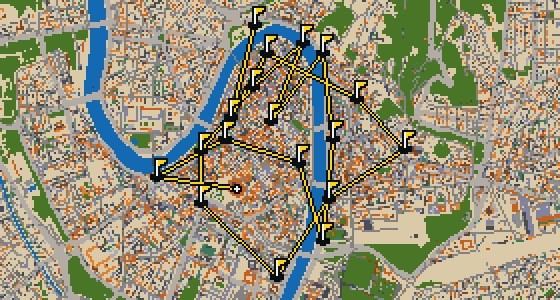
This is a full round of 18 holes through Verona. The map is the real city and the ball rolls along its actual streets, using attractions like the Arena di Verona as the basis for the holes. A total of 10 portals help bridge the 10.1 km walk across the city. Skip is a local guide who knows these pavements well, including exactly which ledges offer the best view of the street. This round follows the real geography of the town to reach each cup.

18 HOLES - PAR 54

Venice

18 stops

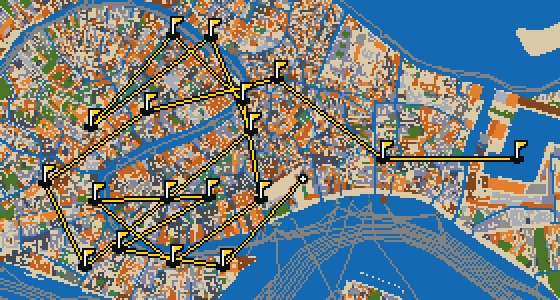
Venezia is the city for this round, where the map is the actual city and the game is played on its real streets. The holes are built from real attractions, starting with the Basilica di San Marco. This is a full round of 18 holes with a par of 54. The ball covers a walk of 10.2 km and uses 102 portals to move across the water. Skip is a local guide who knows these alleys and canals by heart, even if a few breadcrumbs occasionally go missing.

18 HOLES - PAR 56

Turin

18 stops

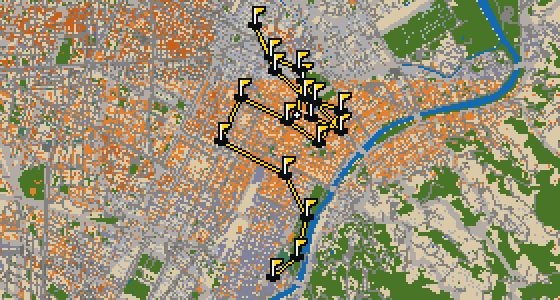
Torino is the setting for this full round of 18 holes. The map follows the real city layout, using its actual streets for the ball to roll. Landmarks like the Mole Antonelliana form the physical basis for the holes. This 11.6 km walk uses 42 portals to bridge the gaps between districts. Skip knows these corners well, from the grand piazzas to the hidden alleys where the crumbs are best. The total par for the round is 56.

18 HOLES - PAR 53

Siena

18 stops

Siena looks different from a rooftop, but the ball stays grounded on the real streets. This full round of 18 holes covers 10 km and uses eight portals to bridge the gaps between the city's edges. Real attractions, like the Cattedrale di Santa Maria Assunta, are the foundations for every hole. Skip knows these alleys by heart and can find the best bank shots from a bird's eye view, provided there are no stray crumbs to distract a local guide.

18 HOLES - PAR 53

Rome

18 stops

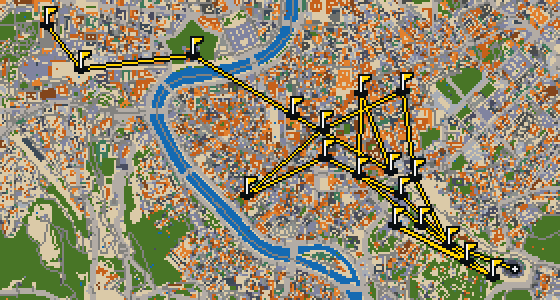
The cup for the final hole is the open expanse of Piazza San Pietro. This full round of 18 holes takes place on the actual streets of Roma, where the map is the real city and the landmarks are the rails and targets. A total walk of 10.8 km connects the course, with 90 portals moving the ball across the city. Skip is a local guide who knows every cobblestone, even the ones where a pigeon might find a stray crumb.

FAQ

Is it free to play?

Yes. Every course runs in the browser with no account and no install.

Do I need to be in the city?

No. The full round plays from anywhere. Walking the real route is a nice way to see the city, but it is not required.

Are the maps real?

Yes. The geometry comes from OpenStreetMap data, rendered chunky on purpose. Streets, water and parks sit where they really are.