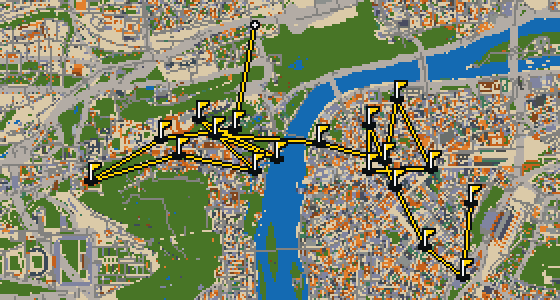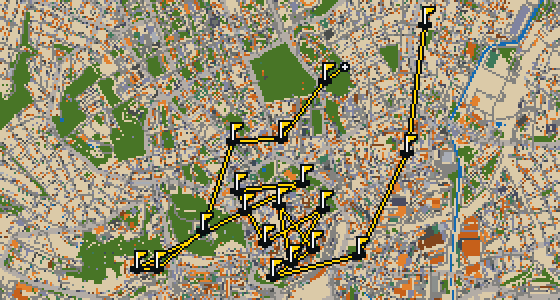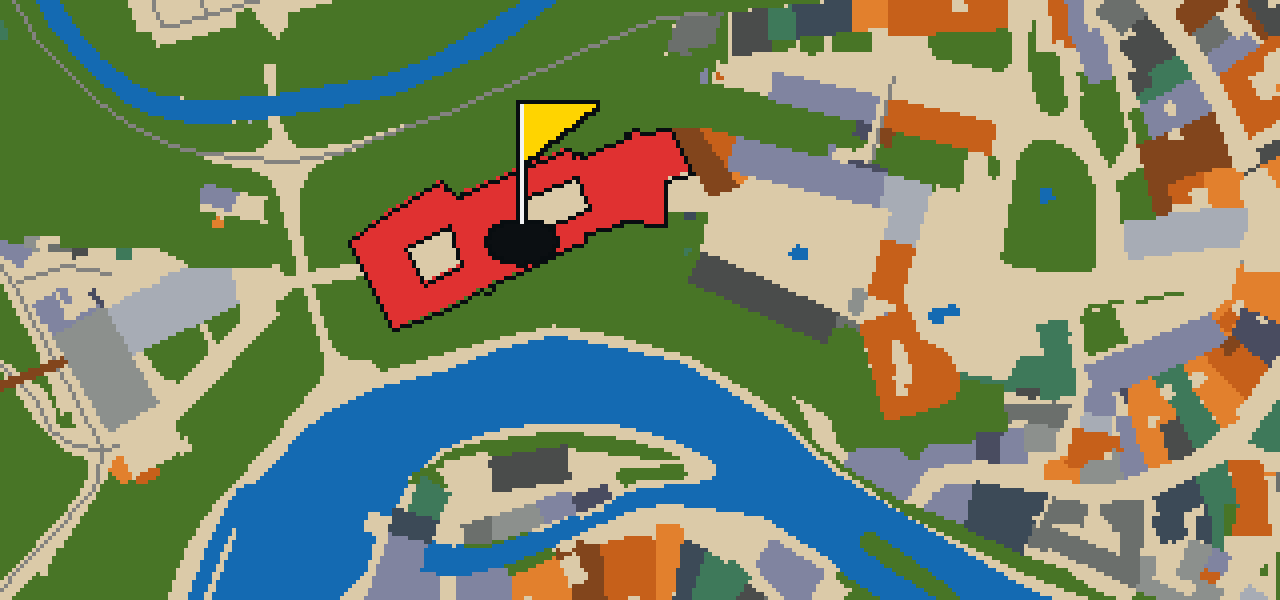

ČESKÝ KRUMLOV - 9 HOLES - FREE

ČESKÝ KRUMLOV
CITY MAP MINIGOLF

Český Krumlov - 9 stops - par 25

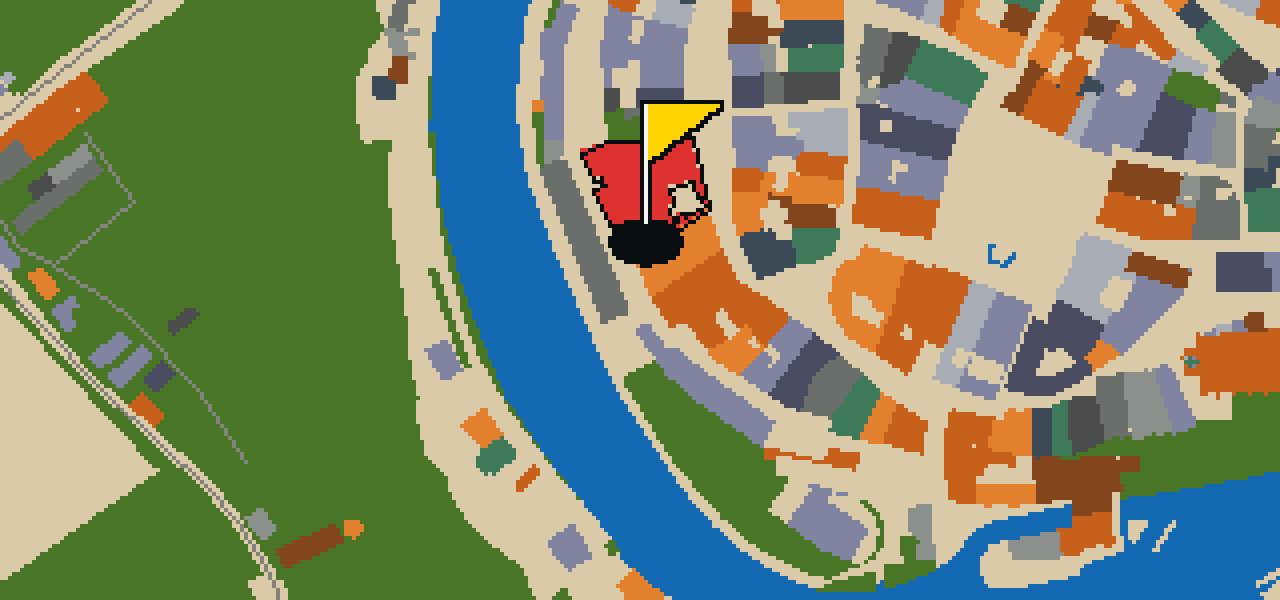
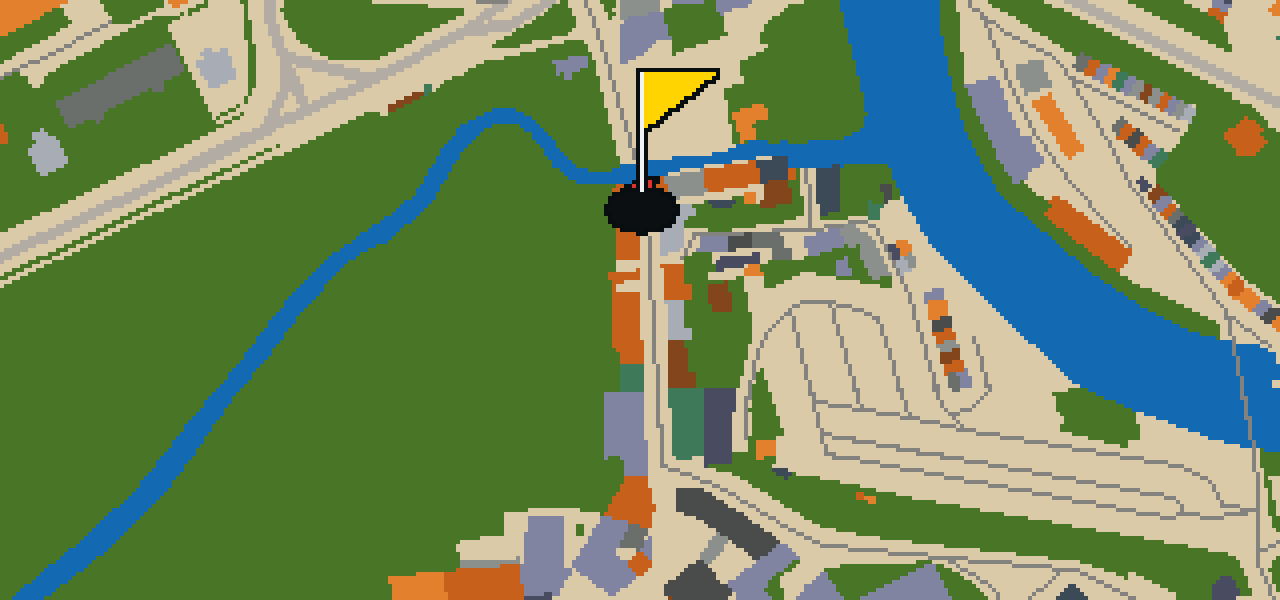
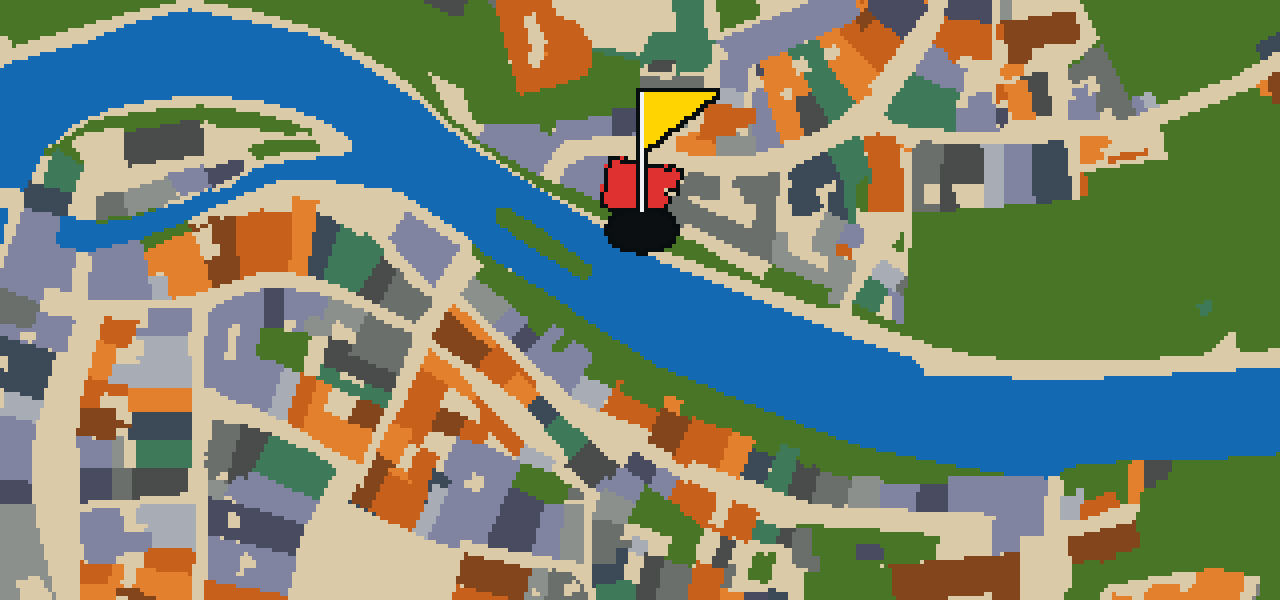
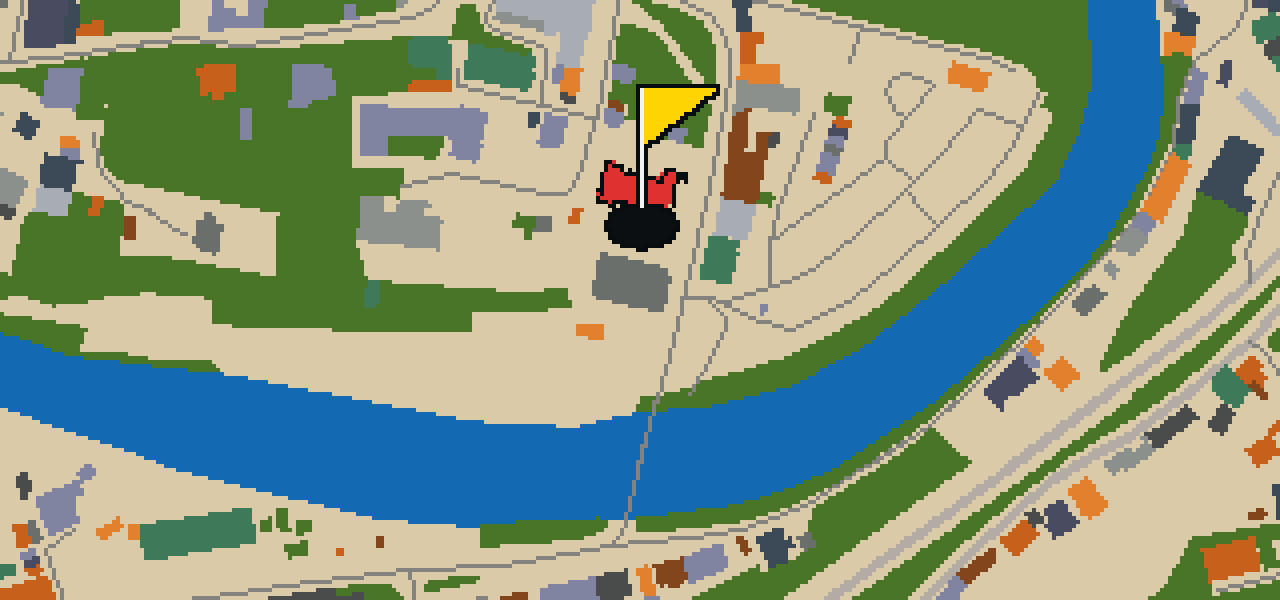
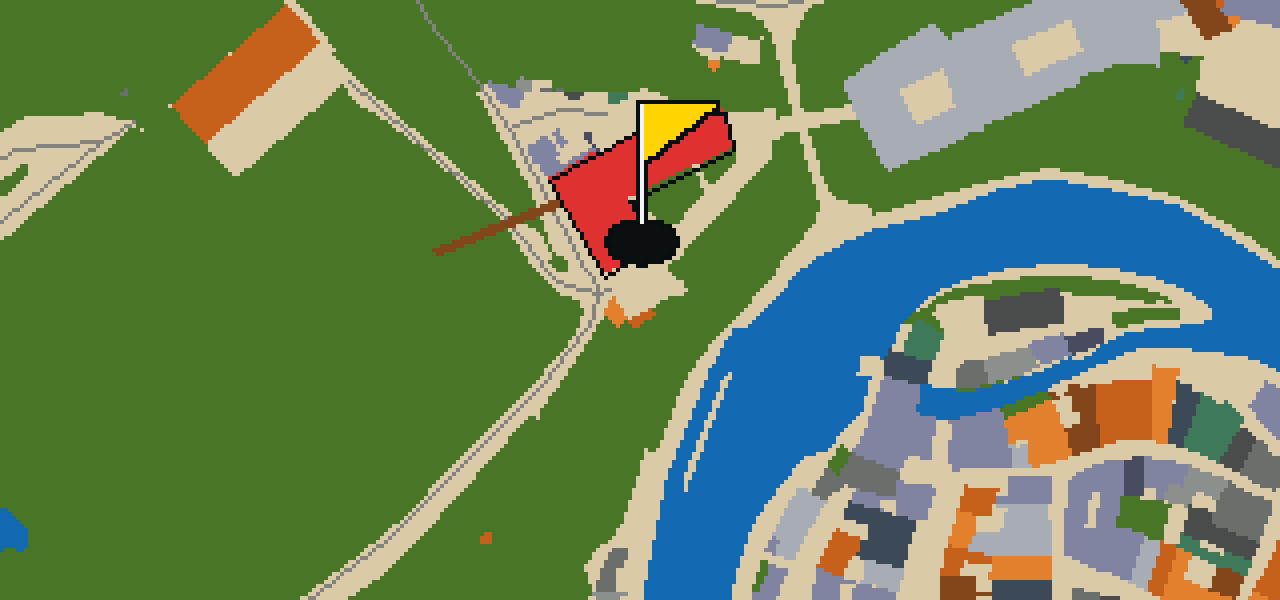
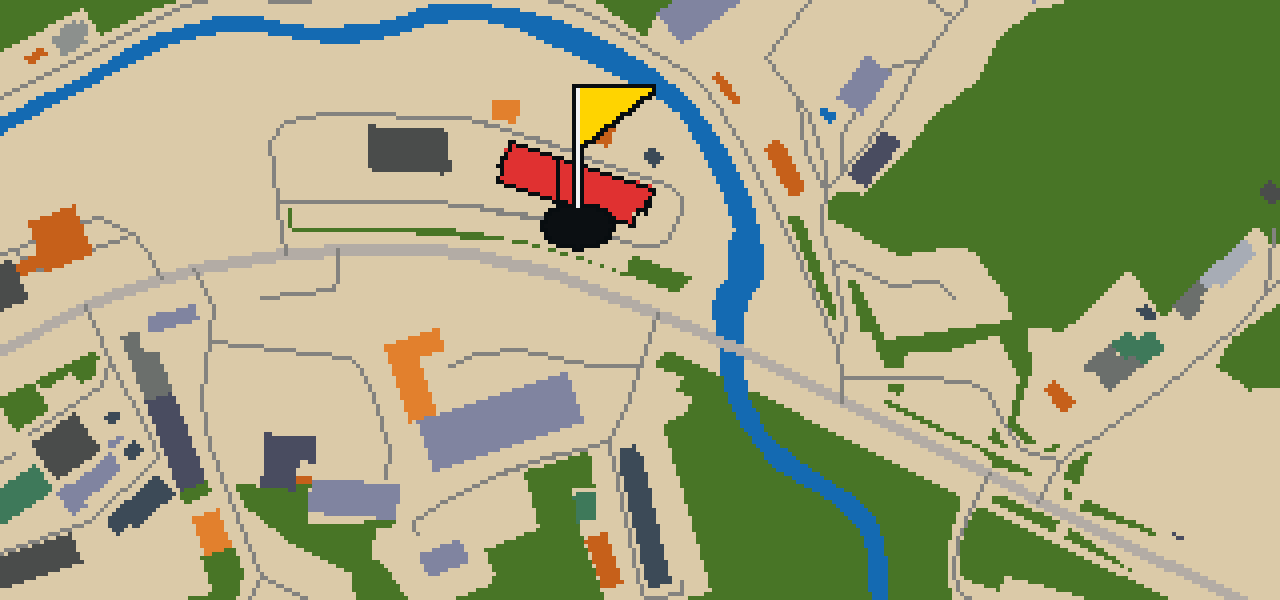
Český Krumlov is a city of tight bends and river views, and the map follows those real streets exactly. The round is a quick 9 holes with a par of 25, using attractions like hrad a zámek Český Krumlov as the actual holes. A few portals help the ball skip across the 4.6 km walk. Skip knows every ledge and cobblestone from a bird's eye view.

Trouble loading? Open the game in its own tab.

HOW IT WORKS

01

Pick a city

The course is drawn on the real street grid, so the map you play is the map you walk.

02

Putt to the pin

Drag to aim, release to swing. Buildings bounce and water costs you a stroke.

03

Sightsee between strokes

Every hole ends at an attraction. Sink the putt, read the story, walk to the next tee.

THE ČESKÝ KRUMLOV ROUND - STOP BY STOP

HOLE 1 - PAR 2

hrad a zámek Český Krumlov

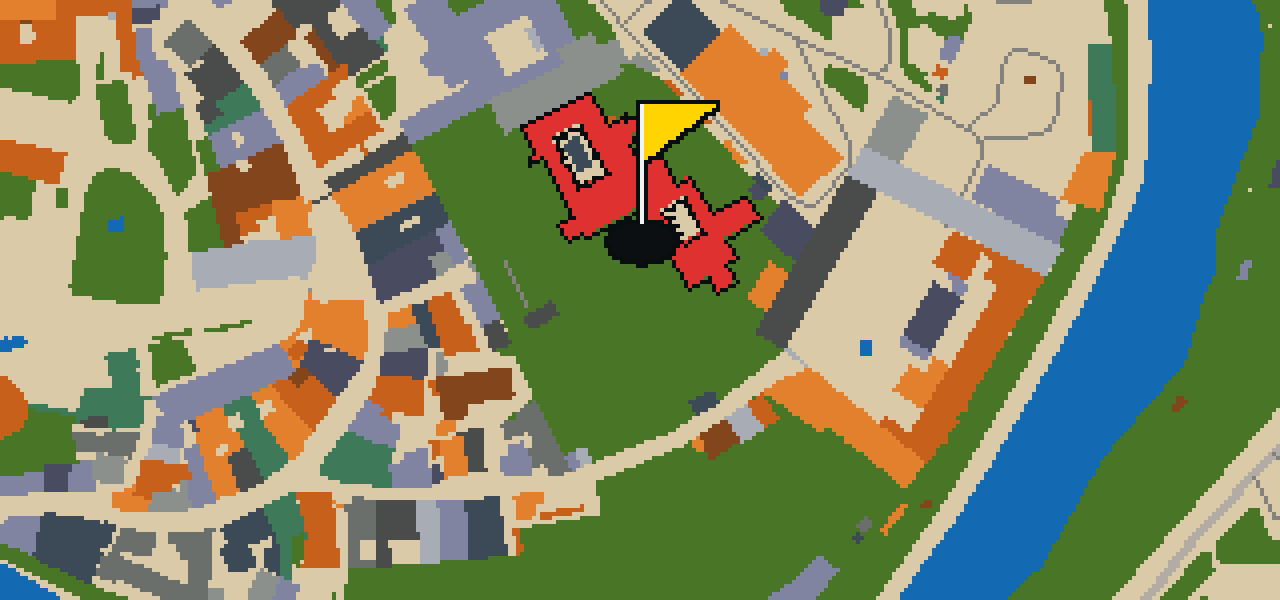
Let me show you the site of Český Krumlov Castle in the South Bohemian Region of the Czech Republic. It is a rare instance of both a castle and a château. The first castle was built by the Vítkovci family in 1253, and the site has evolved since then to include Gothic, Renaissance, and baroque architectural styles. Today, it is a national cultural monument of the Czech Republic that draws 196,400 visitors every year. You can pick out the different eras of building as you walk through the grounds and observe how the styles overlap. I've seen a few crumbs dropped by the crowds here, but the real draw is the history of the place. It is one of the most significant landmarks in the region, blending several centuries of design into one single location.

Wikidata · Wikipedia

HOLE 2 - PAR 3

Minoritský klášter

Located in the heart of Český Krumlov, Minoritský klášter is a monastery. It is designated as a cultural monument of the Czech Republic, which means it is recognized for its historical and architectural significance to the nation. The monastery was founded in 1350, making it one of the older established sites in the region. When you visit, you can see how the complex integrates into the surrounding urban environment of the city. Its presence provides a glimpse into the religious and social history of the area, maintaining its role as a point of interest for those exploring the local heritage. The site stands as a preserved example of monastic life and architecture, serving as a quiet landmark among the other attractions found throughout the streets of Český Krumlov.

Wikidata

HOLE 4 - PAR 2

Budějovická brána

As you move through the town, you will come across Budějovická brána. This city gate is a cultural monument of the Czech Republic and is designed in the Renaissance architecture style. The project was started in 1602 and was created by the architect Domenico Benedetto Cometta. I always find the stonework here quite impressive when I am gliding past on my wings. It is a great spot to pause and appreciate the historical boundary of the city before you continue your walk through the streets. Whether you are interested in the history of the region or simply enjoy the sight of old fortifications, this gate provides a clear look at the artistic preferences of the era. It remains a sturdy and prominent feature of the local landscape for every visitor to see.

Wikidata

HOLE 5 - PAR 3

sv. Jošta

Sv. Jošta is a hospital building and a church building located in the city. It is recognized as a cultural monument of the Czech Republic. This site is important because it combines two distinct functions within its structures, serving as both a place of medical care and a place of worship. As a cultural monument of the Czech Republic, the site is protected to preserve its architectural and historical presence. Visitors can see how the hospital building and the church building exist together on this site. It remains a significant point of interest for those exploring the city's heritage and the various roles that institutional buildings have played over time in the community.

Wikidata

HOLE 6 - PAR 3

Židovská synagoga

Židovská synagoga is a synagogue that was started in 1909. The building was designed by the architect Victor Kafka and is built in the Romanesque Revival architecture style. This specific style is evident in the structure and form of the building, which you can observe as you approach the site. Beyond its architectural interest, the building is a cultural monument of the Czech Republic. It stands as a significant location within the city's layout, reflecting the specific design trends of the early twentieth century. Whether you are visiting for the history or the art, the building remains a key point of interest in the local area. You can take a moment to look at the facade and the details that define its Romanesque Revival characteristics while you are here.

Wikidata

HOLE 7 - PAR 3

Zámecké barokní divadlo

Let me show you Zámecké barokní divadlo. This theatre building is a palace theatre that showcases the baroque architecture style, specifically the Czech Baroque style. It is an important site for any visitor, as it is part of a national cultural heritage site in the Czech Republic. You can pick out the distinct artistic details that define the era throughout the structure. I've noticed that the building feels like a preserved piece of history tucked away in the city. It is a great example of how these spaces were designed for the nobility of the time. Whether you are interested in the arts or the history of the region, this specific architectural style makes it a highlight of the local area. You will find that the building maintains a very specific atmosphere that is rare to see in modern cities.

Wikidata

HOLE 8 - PAR 3

Grafitový důl

Let me show you Grafitový důl. Those who worked this land established a mine here to access the local resources, creating a site that remains a point of interest today. It is a graphite deposit, making it a distinct industrial site within the region. You can pick out the specific characteristics of the mineral extraction that took place at this location. I often wonder how the miners felt descending into the earth to find these deposits. When you visit, take a moment to notice the unique properties of the graphite itself. It is a rare thing to find such a specific type of mine in this part of the city, and it adds a different layer to the local story. I think you will find the industrial nature of the site a refreshing change from the usual sights.

Wikidata

HOLE 9 - PAR 3

Památník vítězství Ptačí hrádek

Located on the outskirts of the town, Památník vítězství Ptačí hrádek is a monument and a memorial. It is recognized as a cultural monument of the Czech Republic, marking its importance to the nation. The structure is built in the Neoclassical architecture style, which is evident in its formal and balanced design. Work on the site was started in 1816. When you visit, you can observe how the Neoclassical elements define the appearance of the memorial. This place remains a significant point of interest for those exploring the local history and architecture of the region, providing a stark contrast to the other styles found throughout the city. It stands as a designated cultural monument of the Czech Republic, ensuring its preservation for future visitors to study and respect.

Wikidata

STOP 10

Otáčivé hlediště

You will find Otáčivé hlediště nestled in a scenic part of the city. This site is a sylvan theater and a theatre building that stands out for its unique mechanical design. It is a revolving auditorium, meaning the seating area can actually rotate to face different stages. This specific architectural feat was the work of architect Joan Brehms. Whether you are interested in the history of performance or just looking for a peaceful spot among the trees, this venue is a highlight of the local area. I've noticed it's a great spot to watch the light filter through the leaves while you wait for a show to begin. It is a place where the natural surroundings and the human-made structure work together to create a special atmosphere for every visitor.

Wikidata

OTHER COURSES

18 HOLES - PAR 54

Prague

18 stops

Banking a ball off the heavy stone of the Národní muzeum requires a firm touch. This round takes place in Praha, where the map is the real city and the game is played on its actual streets. The holes are built from real attractions, and the ball travels 10.8 km across a full 18-hole course. Portals help bridge the gaps between the distant districts. Skip knows every cobblestone here and is the local guide for the walk.

18 HOLES - PAR 55

Brno

18 stops

The ball finishes its journey at the Muzeum romské kultury in Brno. This round uses the real city map, where the ball rolls across actual streets and banks off building facades. The holes are built from real local attractions. Skip knows every sidewalk here and acts as the guide for this full round of 18 holes with a par of 55. The walk covers 10.8 km and uses 6 portals to move between districts.

FAQ

Is it free to play?

Yes. Every course runs in the browser with no account and no install.

Do I need to be in the city?

No. The full round plays from anywhere. Walking the real route is a nice way to see the city, but it is not required.

Are the maps real?

Yes. The geometry comes from OpenStreetMap data, rendered chunky on purpose. Streets, water and parks sit where they really are.