
BRNO - 18 HOLES - FREE

BRNO
CITY MAP MINIGOLF

Brno - 18 stops - par 55

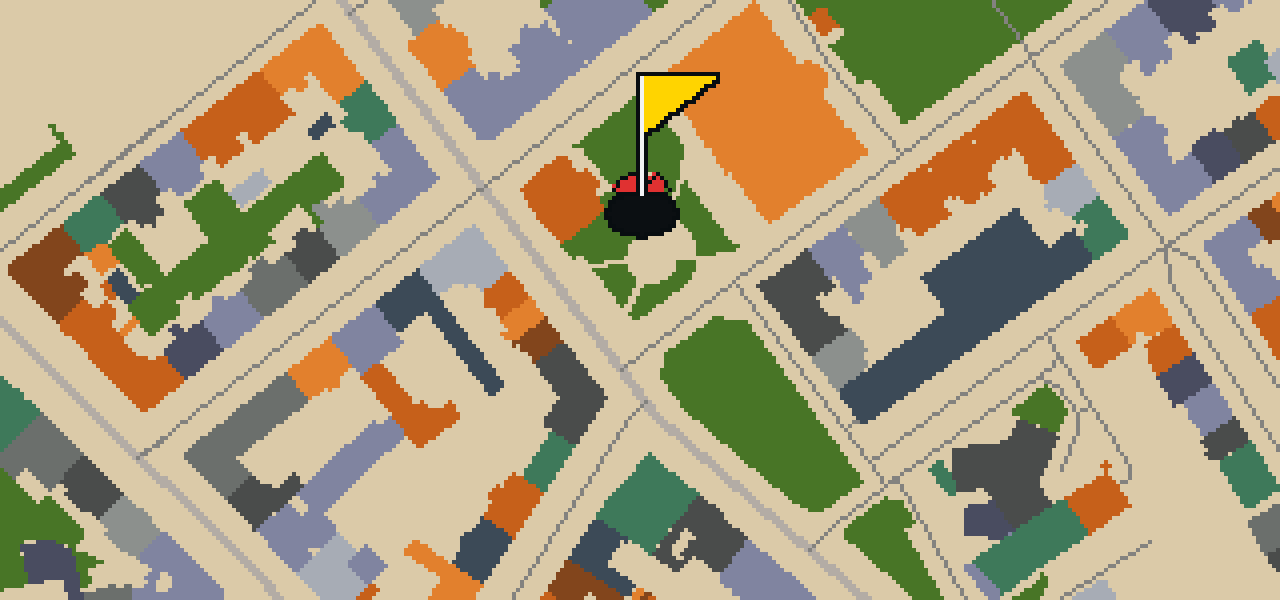
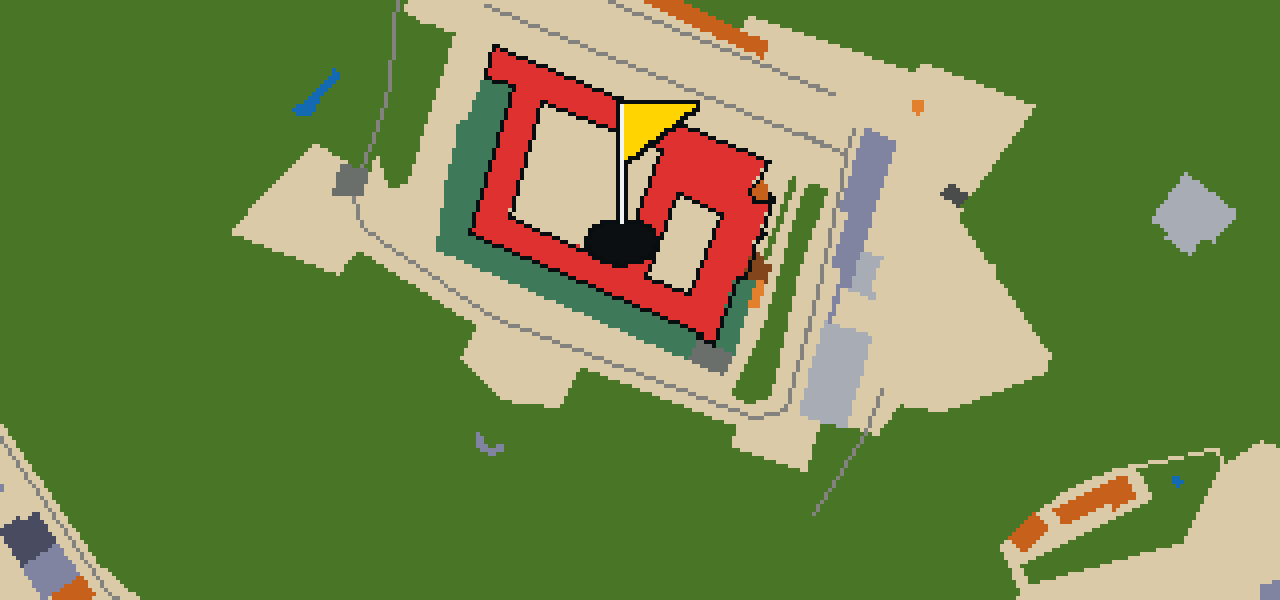
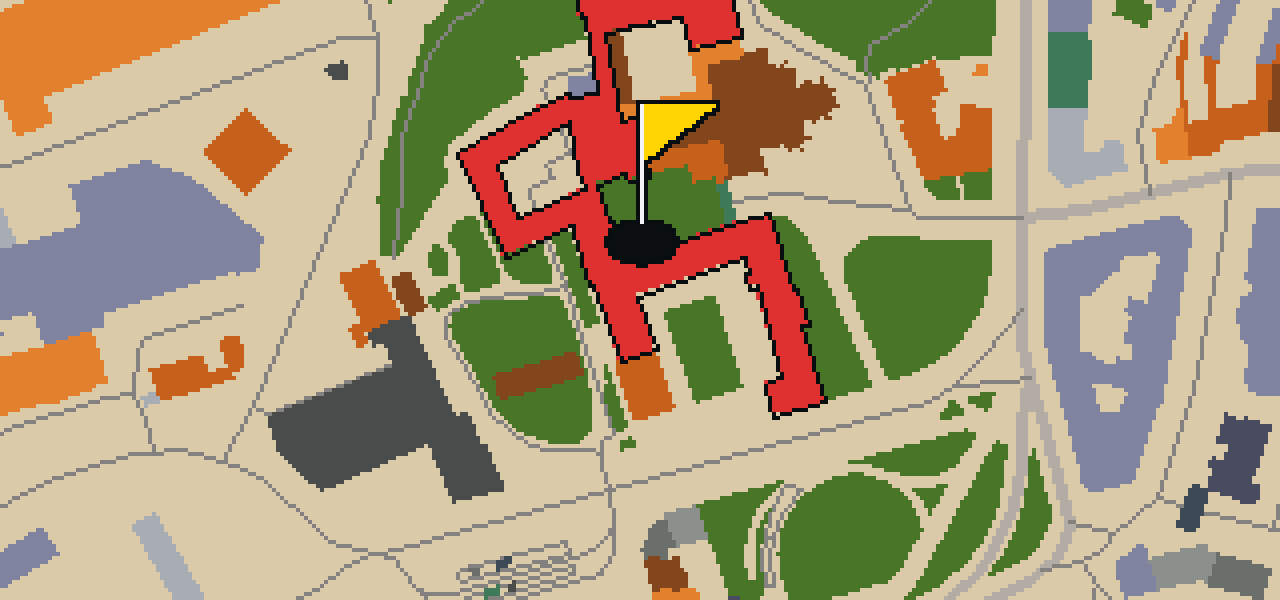
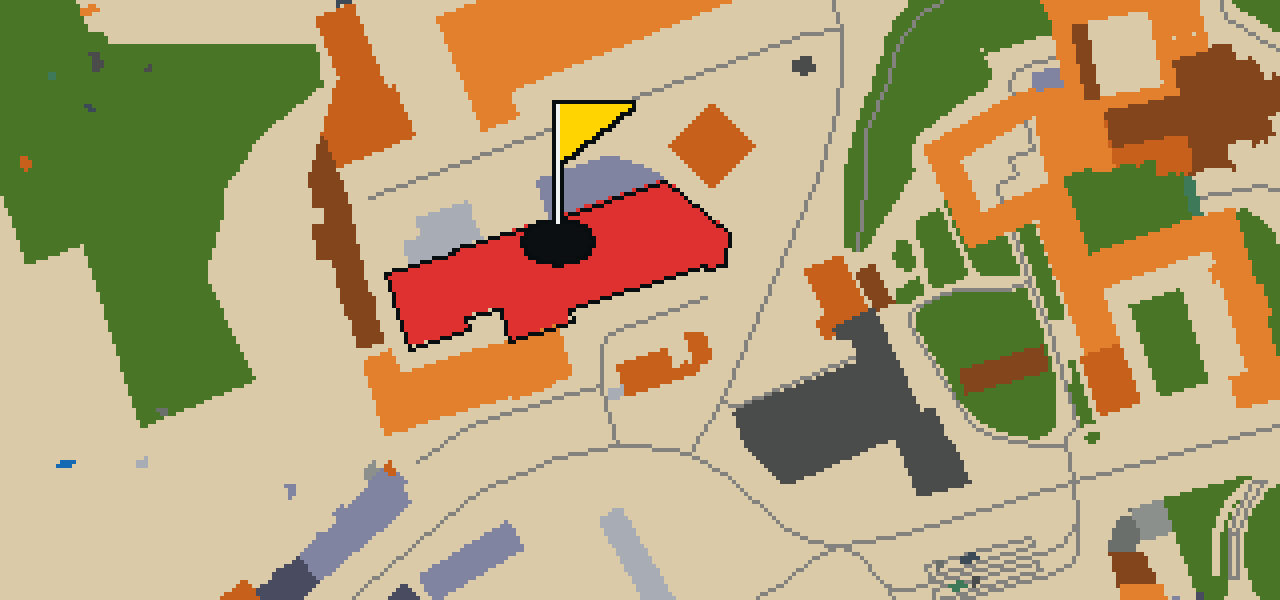
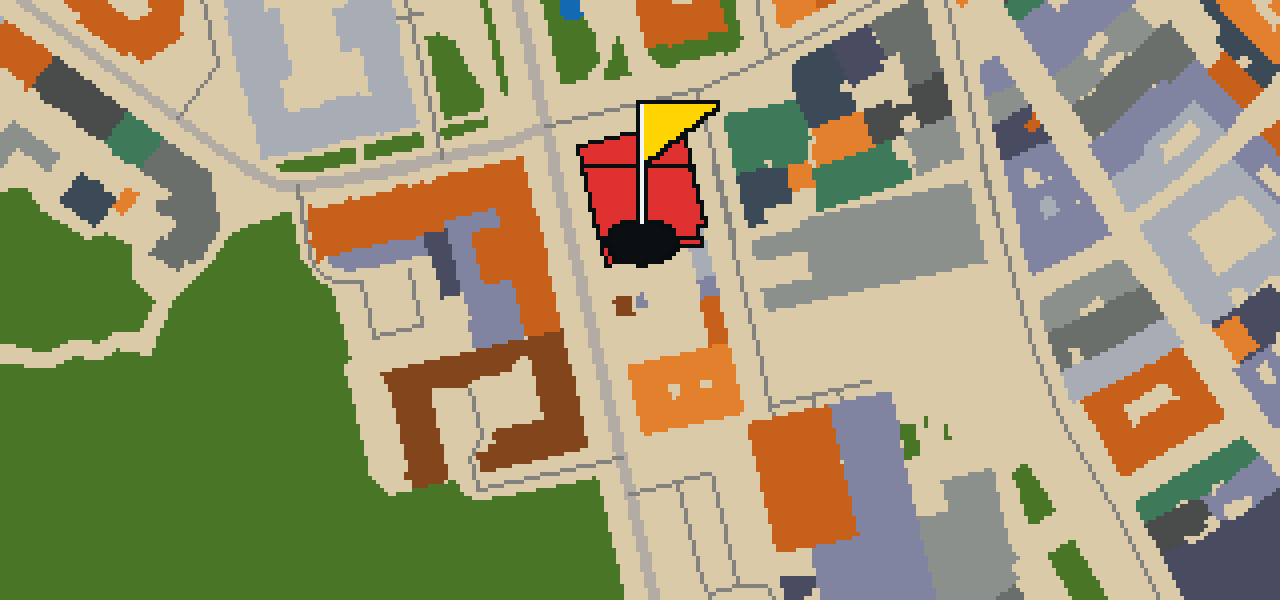
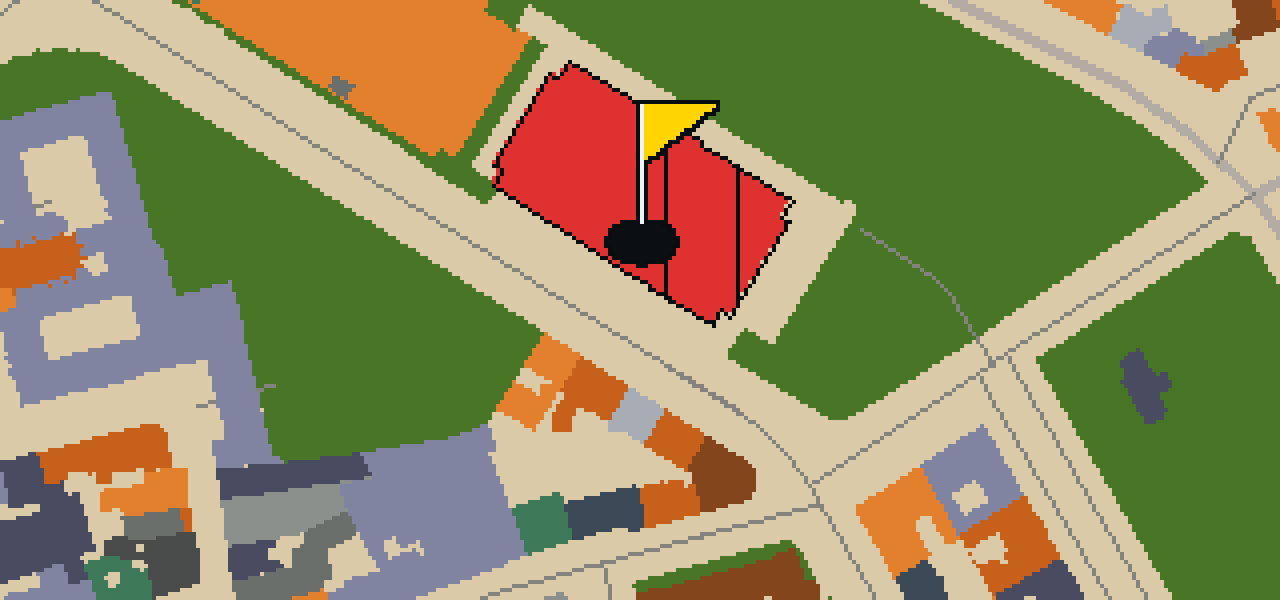
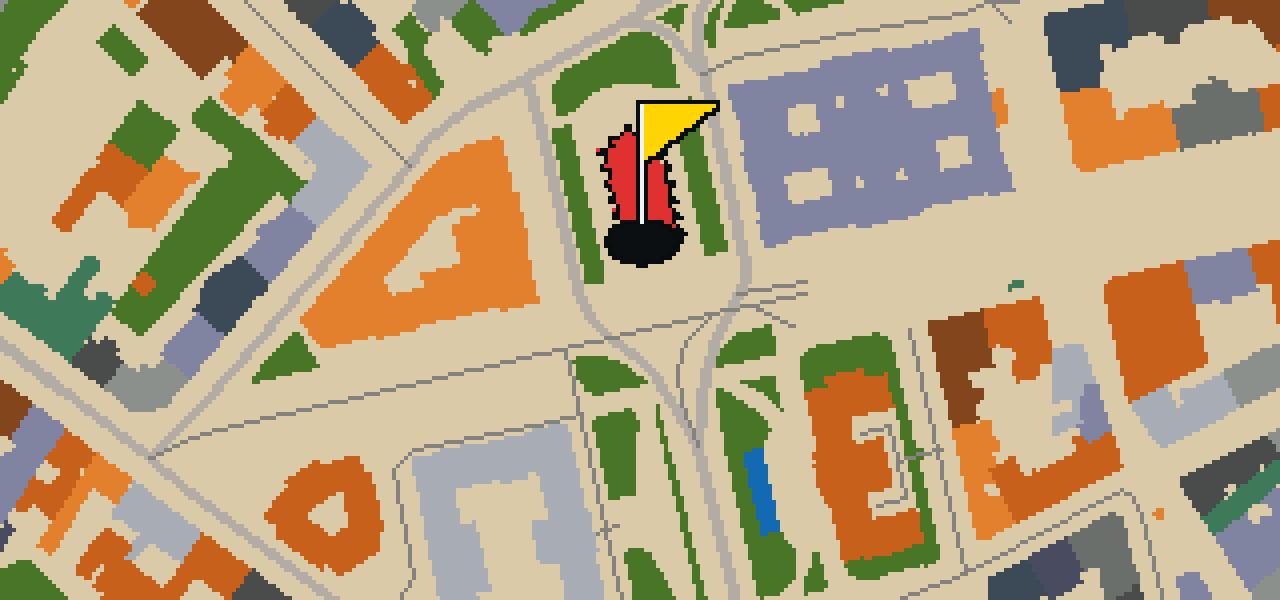
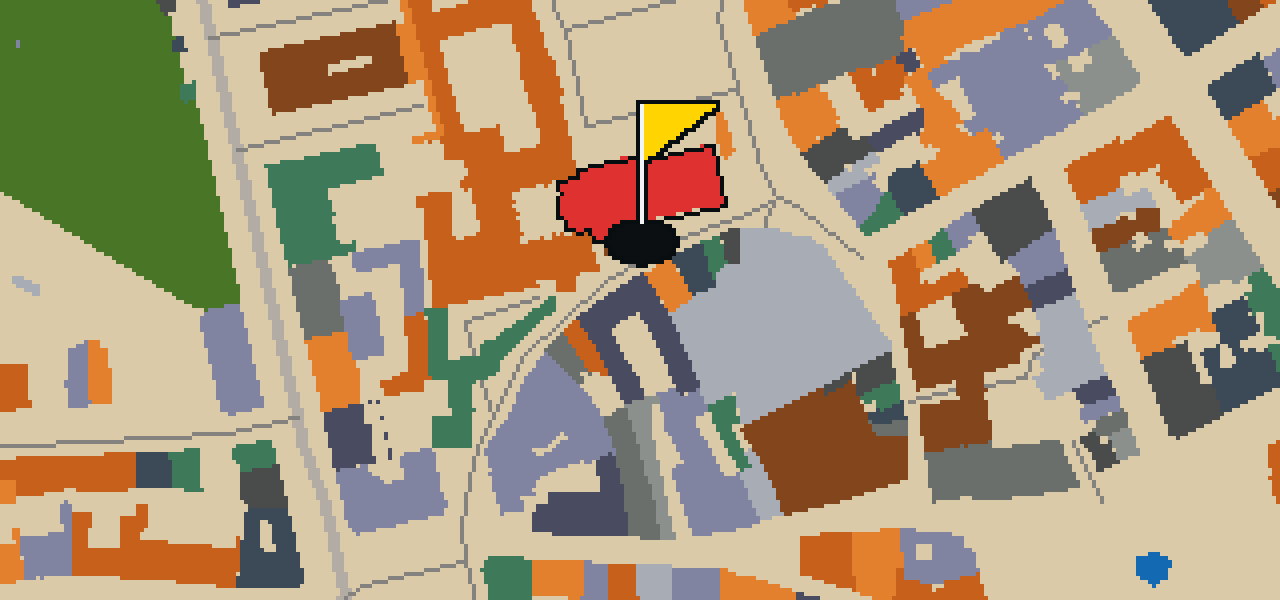
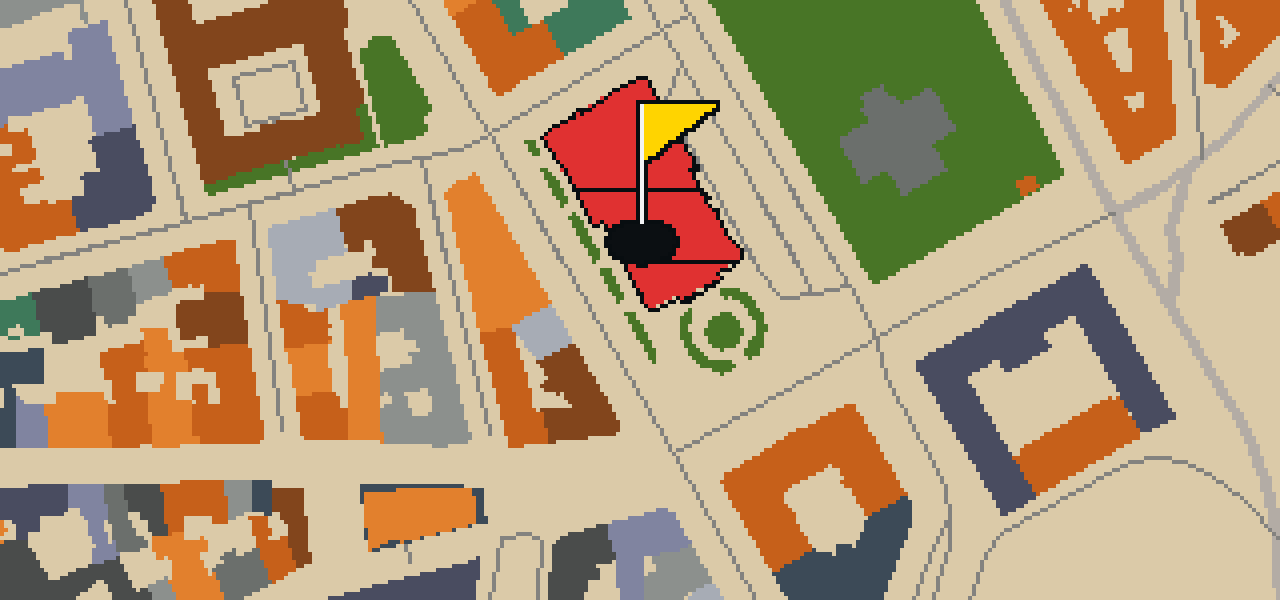
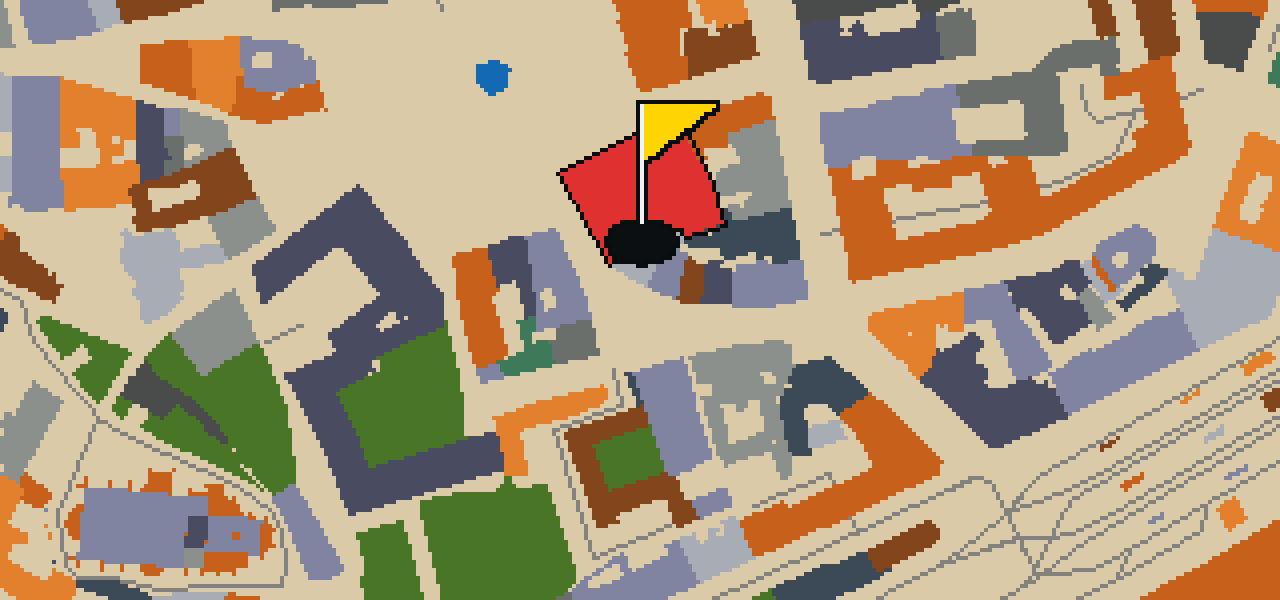
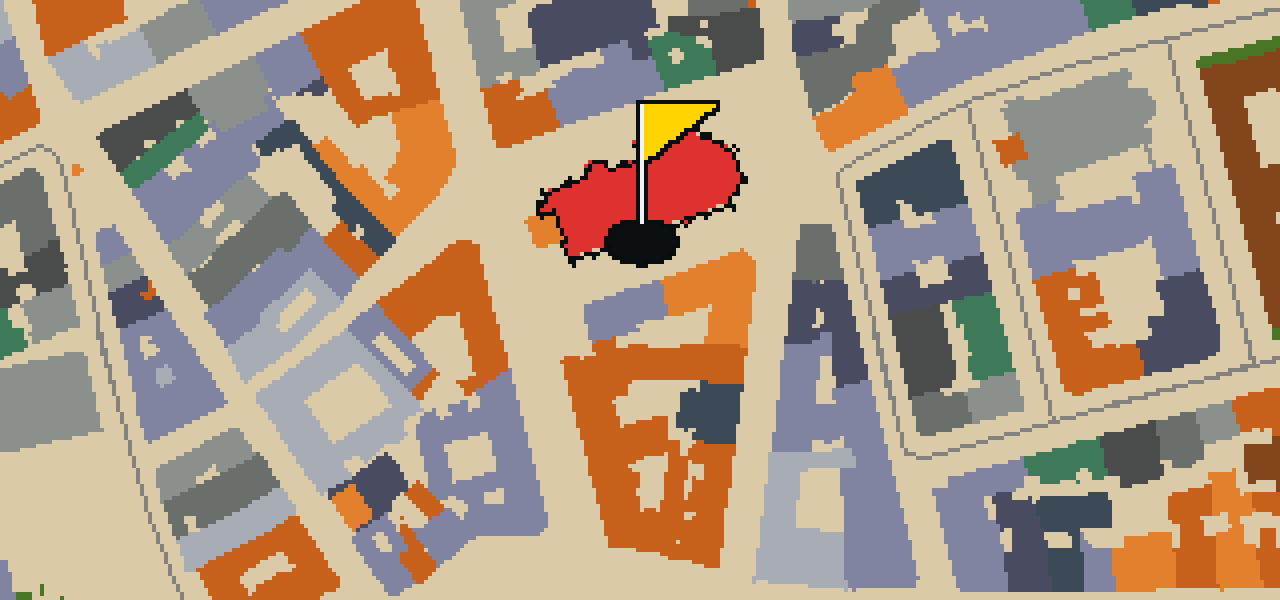
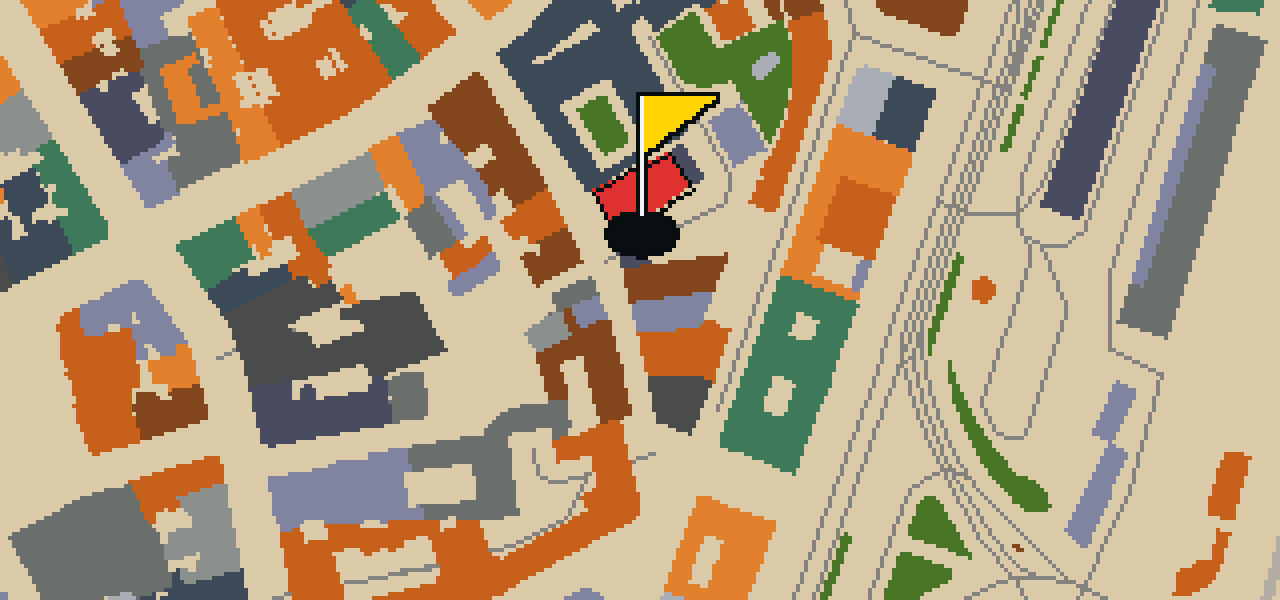
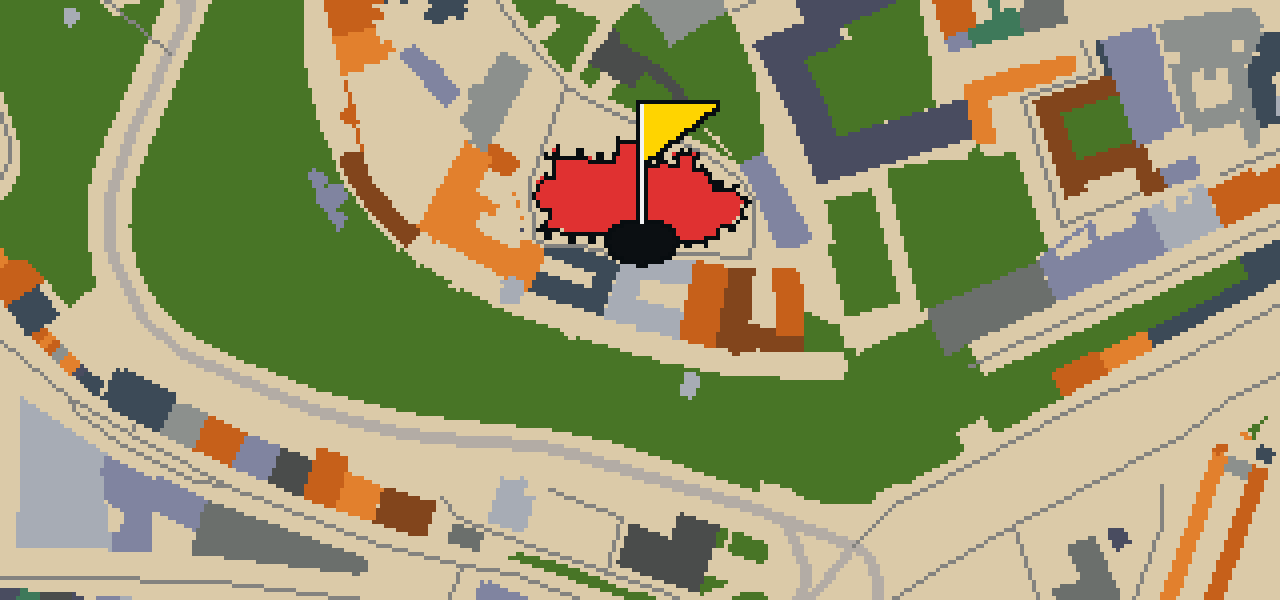
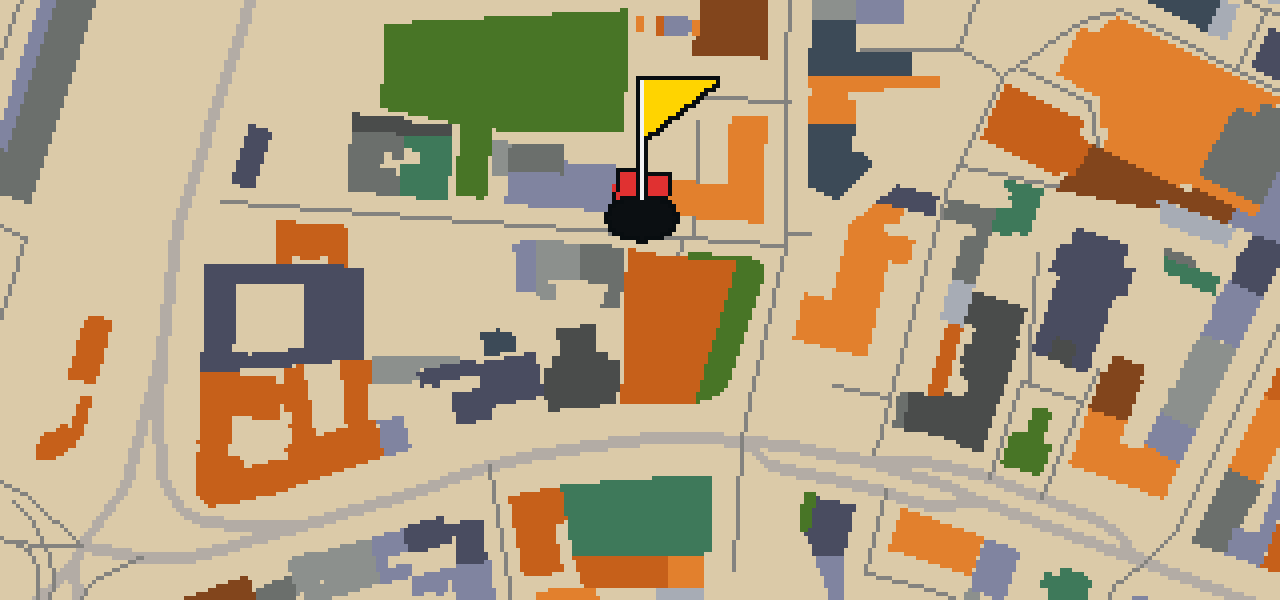
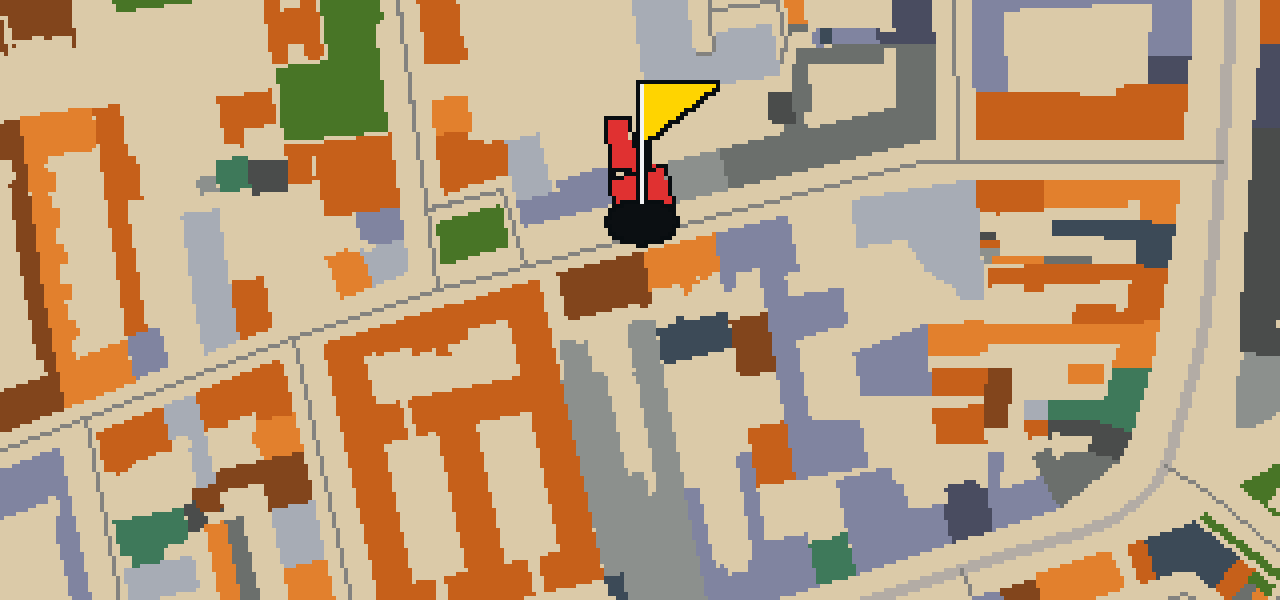
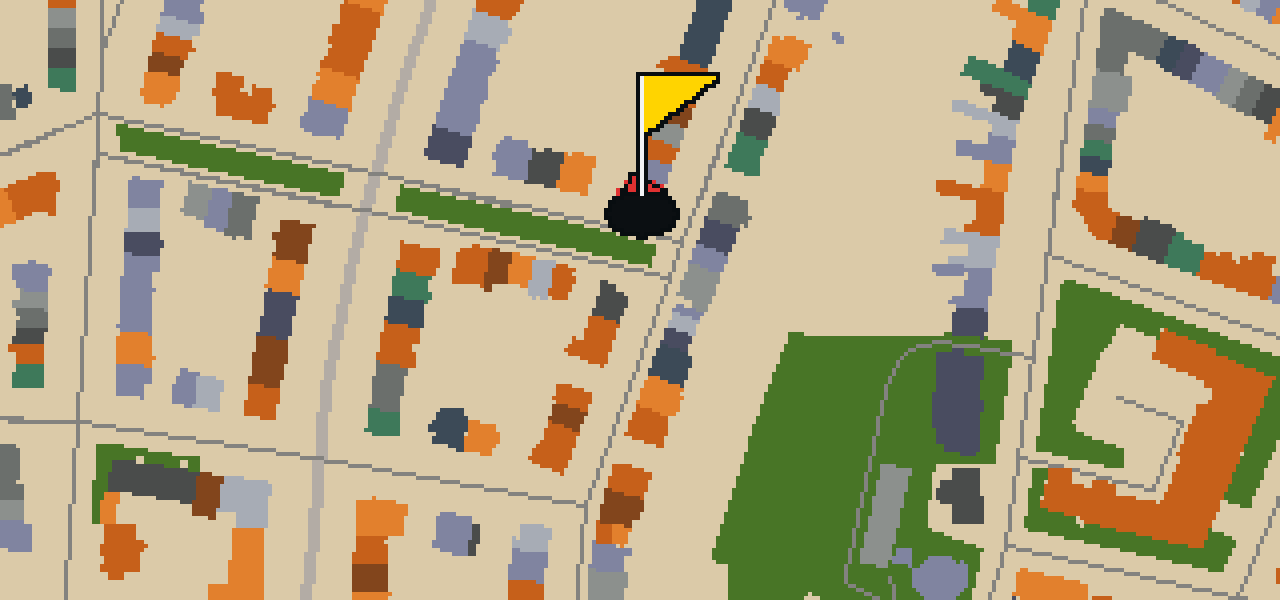
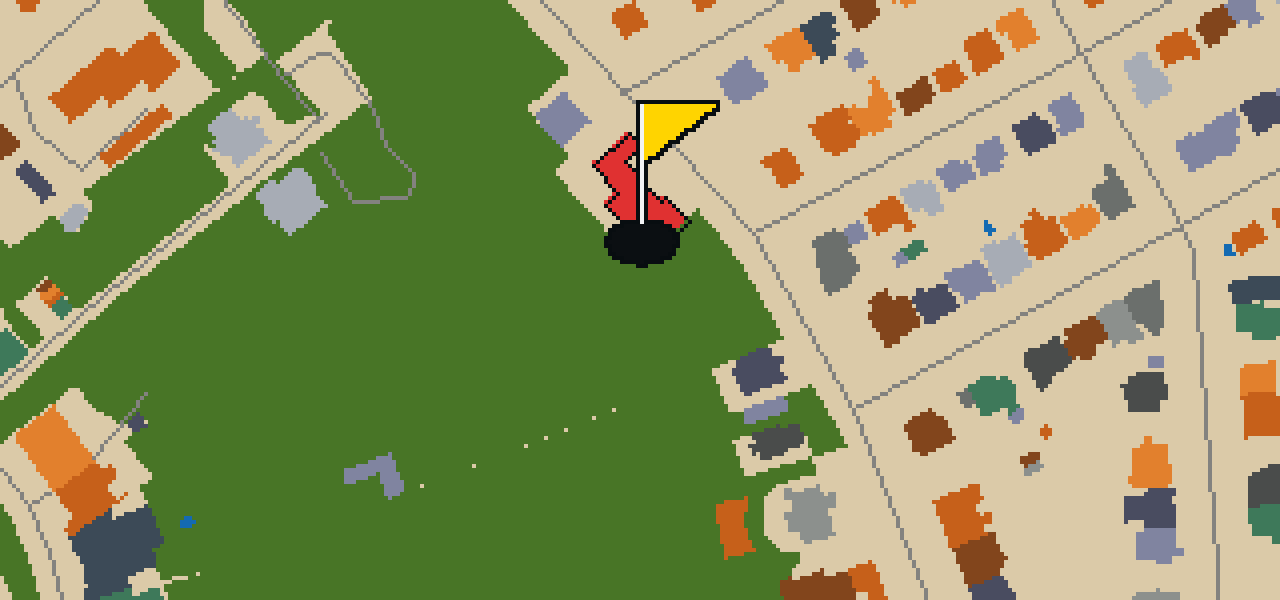
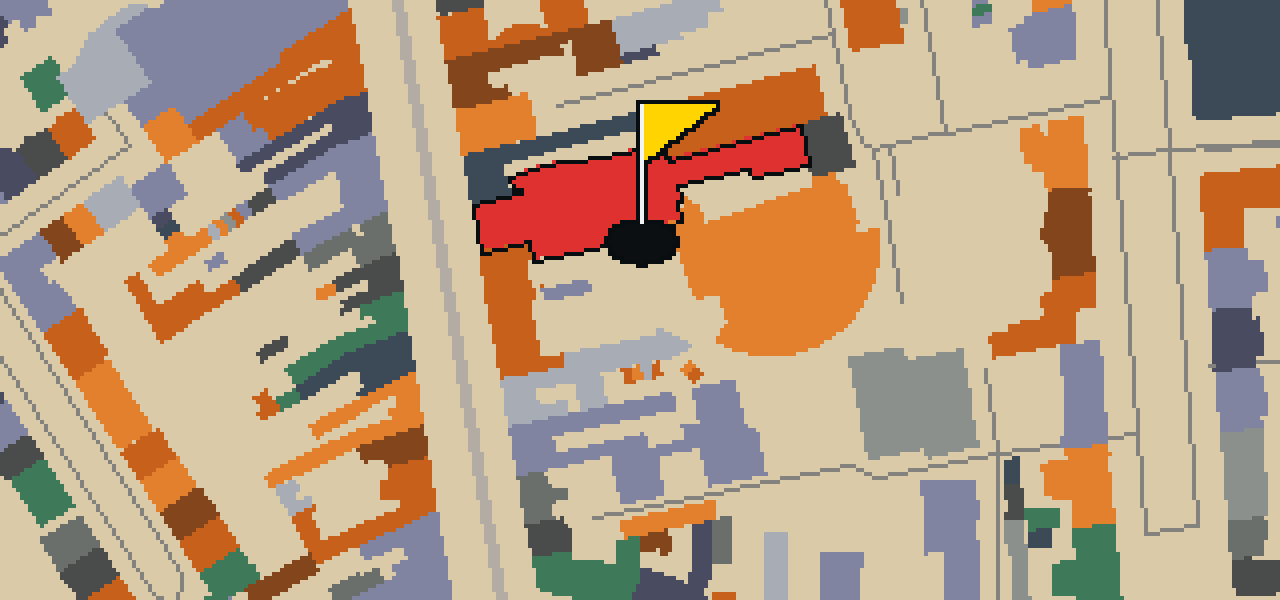
The ball finishes its journey at the Muzeum romské kultury in Brno. This round uses the real city map, where the ball rolls across actual streets and banks off building facades. The holes are built from real local attractions. Skip knows every sidewalk here and acts as the guide for this full round of 18 holes with a par of 55. The walk covers 10.8 km and uses 6 portals to move between districts.

Trouble loading? Open the game in its own tab.

HOW IT WORKS

01

Pick a city

The course is drawn on the real street grid, so the map you play is the map you walk.

02

Putt to the pin

Drag to aim, release to swing. Buildings bounce and water costs you a stroke.

03

Sightsee between strokes

Every hole ends at an attraction. Sink the putt, read the story, walk to the next tee.

THE BRNO ROUND - STOP BY STOP

HOLE 1 - PAR 2

Vila Tugendhat

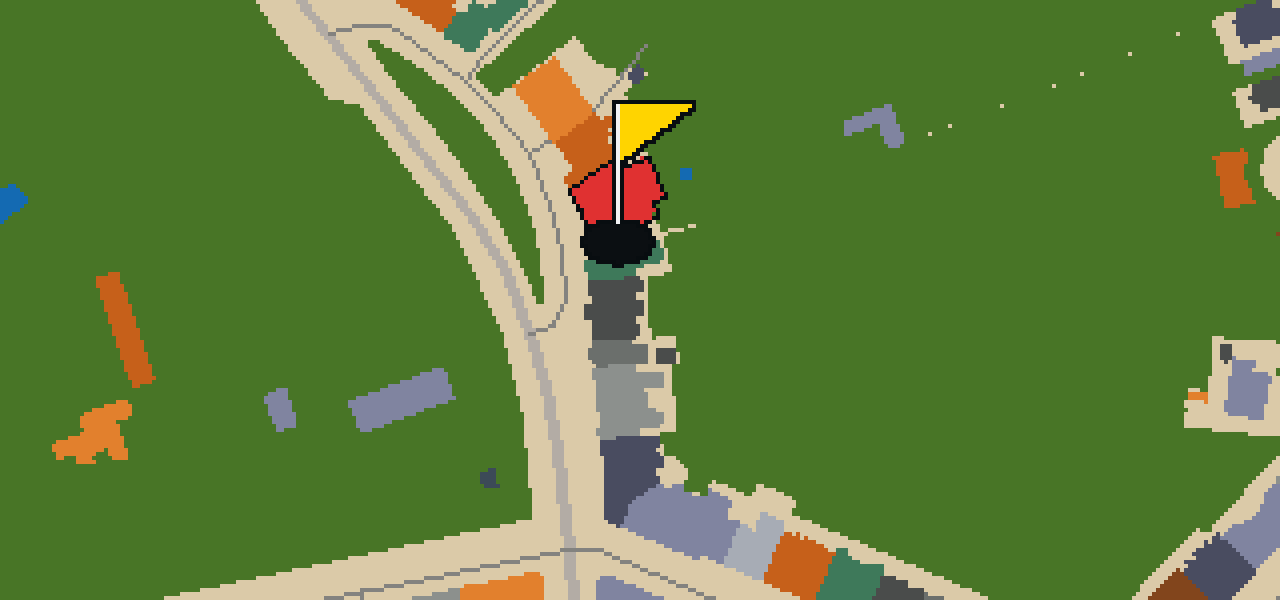
You will first notice the stark, clean lines of Vila Tugendhat, a museum building and villa in Brno. These shapes are the result of functionalism and Neues Bauen, architectural styles used by designers Ludwig Mies van der Rohe and Lilly Reich. The structure is made of reinforced concrete and is recognized as a national cultural monument of the Czech Republic. I think the way the materials feel is what really sticks with you. It is a significant site that was added to the UNESCO World Heritage List in 2001.
Wikidata · Wikipedia

HOLE 2 - PAR 3

Vila Löw-Beer v Brně

This isn't a public museum or a government office; it is Vila Löw-Beer v Brně, a villa. It is a cultural monument of the Czech Republic and a great example of the Art Nouveau architecture style. Alexander Neumann, Rudolf Baumfeld, and Norbert Schlesinger were architects of the villa. I have seen a few crumbs dropped on the steps here, and it is a lovely spot to spend an afternoon. Let me show you around this piece of history while we navigate the streets of Brno together.

Wikidata

HOLE 3 - PAR 2

Městské divadlo Brno

Located on Lidická street in the center of Brno, this theatre building houses the Brno City Theatre. It is a repertoire theatre that focuses on music and dramatic production, with a primary emphasis on musical theatre. Inside, you can find two separate acting areas: a musical theatre scene and a dramatical scene. The theatre is managed and directed by Stanislav Moša as of 2011, while Petr Gazdík serves as the art manager of the musical ensemble and Igor Ondříček manages the operetta. I've always found the energy around the entrance quite lively.

Wikidata · Wikipedia

HOLE 4 - PAR 4

Památník Leoše Janáčka

Památník Leoše Janáčka is a museum that you will find here in Brno. It is an important destination for visitors because it is part of a cultural heritage site in the Czech Republic. Whether you are a fan of history or just wandering the streets, this site offers a glimpse into the nation's preserved legacy. I've noticed that the area around these heritage spots usually has a very different energy than the busier shopping districts, which makes it a pleasant place to spend an afternoon.

Wikidata

HOLE 5 - PAR 3

Hrad Špilberk

King Ottokar II of Bohemia completed the construction of Hrad Špilberk, a castle and fortress located in Brno. Construction of the site originally began in the first half of the 13th century. As you walk the grounds, you can pick out a mix of Gothic and baroque architecture. Today, it is a national cultural monument of the Czech Republic. I've found that the heights of the fortress offer a great view of the surrounding area, making it a spot worth visiting regardless of whether you are playing a game or just exploring the city.

Wikidata · Wikipedia

HOLE 6 - PAR 2

Augustiniánské opatství Staré Brno

Augustiniánské opatství Staré Brno is a monastery founded in 1323. It continues to be a religious community and a publishing house, while also being designated as a national cultural monument of the Czech Republic. As you look at the buildings, you can pick out a mix of Gothic, baroque, and Neoclassical architecture. The site is particularly noted for its garden, where Gregor Mendel conducted experiments on pea plants between 1856 and 1863. It remains a significant location for both its religious history and its contributions to scientific study.

Wikidata · Wikipedia

HOLE 7 - PAR 4

Starobrno

Starobrno is a brewery, business, and enterprise located in the city of Brno. It had its inception in 1872 and was named Starobrno Brewery in the second half of the 19th century. The site was built as a successor of a brewery founded in 1325 as part of a Cistercian convent. In 2009, the brewery merged with the Royal Brewery of Krušovice and became a part of the Dutch brewing company Heineken N.V. That same year, Starobrno Brewery produced more than one million hectoliters of beer. I've always found the smell of the hops in the air quite refreshing.

Wikidata · Wikipedia

HOLE 8 - PAR 3

Besední dům

You will first notice the Renaissance Revival architecture style of Besední dům. This building is a community center, concert hall, and theatre building. Theophil Hansen was the architect of the site, and it was started in 1870 and finished in 1873. It is recognized as a cultural monument of the Czech Republic. I think it is one of the most elegant spots for a stroll in the city, especially if you enjoy looking at the ornate details of the facade while you walk.

Wikidata

HOLE 9 - PAR 3

Janáčkovo divadlo

Janáčkovo divadlo is a theatre building and opera house located in the city of Brno, Czech Republic. It is recognized as a cultural monument of the Czech Republic. The building was designed by architects Jan Víšek, Vilém Zavřel, Libuše Žáčková-Pokorová, and Otakar Oplatek. Construction on the project began in 1960, and the venue was officially established in 1965. I've always liked how the architecture stands out against the city skyline, making it a focal point for anyone wandering through the area. Whether you are here for the art or the history, it is a sight to see.

Wikidata · Wikipedia

HOLE 10 - PAR 3

J. A. Komenského

The distinctive appearance of J. A. Komenského comes from its Gothic Revival and historicist architecture. Designed by architect Heinrich von Ferstel, the church building began in 1863 and was finished in 1867. This structure is recognized as a cultural monument of the Czech Republic. You can also find it referred to as the Red Church, which is a Protestant Church in Brno. Today, the building is used by the Evangelical Church of Czech Brethren. It stands as a prominent example of 19th-century design and a key piece of the city's architectural history.

Wikidata · Wikipedia

HOLE 11 - PAR 3

svatý Michal archanděl

Svatý Michal archanděl is a church building that visitors will recognize for its baroque architecture style. As a cultural monument of the Czech Republic, it holds a place of significance in the city. The building was designed by the architect Giovanni Battista Erna. Construction on the site was started in 1659 and was finished in 1679. This site is a key example of the era's design and remains a protected piece of the national heritage for people to observe today.

Wikidata

HOLE 12 - PAR 3

Mahenovo divadlo

You might think this is just another old stage, but Mahenovo divadlo is a cultural monument of the Czech Republic. Located in Brno, this theatre building and opera house was built in 1882 by architects Fellner & Helmer. You can pick out the Renaissance Revival architectural style on the exterior. I've always found the history of its lighting fascinating; it was one of the first public buildings in the world lit entirely by electric light. It is a grand spot to visit whether you are here for the architecture or the performances.

Wikidata · Wikipedia

HOLE 13 - PAR 3

Reduta

You will first notice the baroque architecture style of Reduta, a theatre building in Brno. It is the oldest theatre building in Central Europe and was first mentioned in 1608. This site is part of the National Theatre in Brno and is recognized as a cultural monument of the Czech Republic. Miroslav Melena is the architect of the building. It is a place of great history; Wolfgang Amadeus Mozart performed in a concert here with his sister in 1767. I've always found the facade a great spot to keep an eye on the crowds.

Wikidata · Wikipedia

HOLE 14 - PAR 3

sv. Jakub Starší

Saint James' church is a church building located in James' square in the centre of Brno, Czech Republic. It is a late Gothic three-nave hall church designed by the architect Anton Pilgram. Built in the Gothic architecture style, the structure is a national cultural monument of the Czech Republic. The history of the church starts in the beginning of the 13th century. It is a significant site in the city and was categorized as a national monument in 1995.

Wikidata · Wikipedia

HOLE 15 - PAR 3

svatý Josef

This is not a modern installation or a secular hall; it is Svatý Josef, a church building. It is designed in the baroque architecture style and was created by the architect Andrea Erna. Because of its historical and artistic value, the building is part of a cultural heritage site in the Czech Republic. Visitors often come here to appreciate the specific details of the baroque period and the work of Erna, making it a significant point of interest for anyone exploring the local architecture of the city.

Wikidata

HOLE 16 - PAR 3

svatý Petr a Pavel

The Cathedral of Saints Peter and Paul is a Roman Catholic cathedral on the Petrov hill in the Brno-střed district. Its exterior shell is Gothic and dates mostly from the 14th century, though the original site dates to the 11th century. The building is the seat of the Diocese of Brno. You can see the towers, which reach 84 metres high. These were constructed between 1901 and 1909 according to the Gothic Revival designs of the architect August Kirstein. This landmark is a national cultural monument of the Czech Republic.

Wikidata · Wikipedia

HOLE 17 - PAR 4

Synagoga Agudas achim

Synagoga Agudas achim is a synagogue. It is recognized as a cultural monument of the Czech Republic. The building was started in 1936 and was designed by the architect Otto Eisler. When you look at the building, you can see that it is designed in the functionalism style. This site remains an important point of reference for the history and architecture of the city, providing a clear example of that specific stylistic period in a religious context.

Wikidata

HOLE 18 - PAR 4

Muzeum romské kultury

Let me show you the Muzeum romské kultury in Brno, Czech Republic. This institution was founded in 1991 to preserve and share the history and culture of the Romani people. While visitors primarily know it as an ethnographic museum, it also functions as a publishing house. You can pick out the detailed exhibits that focus on the Romani experience and the various materials produced by the house. I've noticed the building has a welcoming feel for anyone wanting to learn about this specific heritage, making it a meaningful stop on your walk through the city.

Wikidata · Wikipedia

OTHER COURSES

18 HOLES - PAR 54

Prague

18 stops

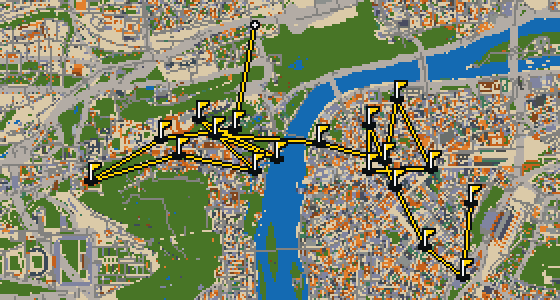
Banking a ball off the heavy stone of the Národní muzeum requires a firm touch. This round takes place in Praha, where the map is the real city and the game is played on its actual streets. The holes are built from real attractions, and the ball travels 10.8 km across a full 18-hole course. Portals help bridge the gaps between the distant districts. Skip knows every cobblestone here and is the local guide for the walk.

9 HOLES - PAR 25

Český Krumlov

9 stops

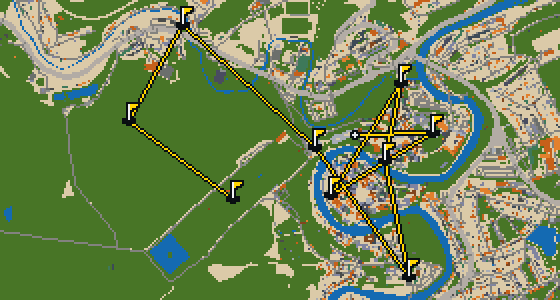
Český Krumlov is a city of tight bends and river views, and the map follows those real streets exactly. The round is a quick 9 holes with a par of 25, using attractions like hrad a zámek Český Krumlov as the actual holes. A few portals help the ball skip across the 4.6 km walk. Skip knows every ledge and cobblestone from a bird's eye view.

FAQ

Is it free to play?

Yes. Every course runs in the browser with no account and no install.

Do I need to be in the city?

No. The full round plays from anywhere. Walking the real route is a nice way to see the city, but it is not required.

Are the maps real?

Yes. The geometry comes from OpenStreetMap data, rendered chunky on purpose. Streets, water and parks sit where they really are.