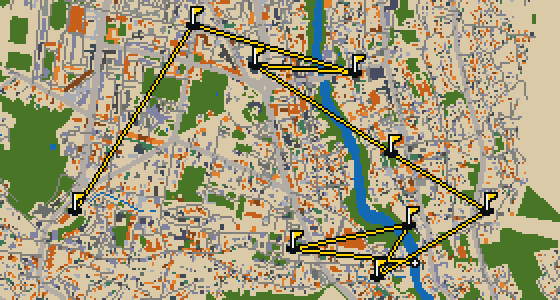
THE SARAJEVO ROUND - STOP BY STOP


Crkva svetog Josipa
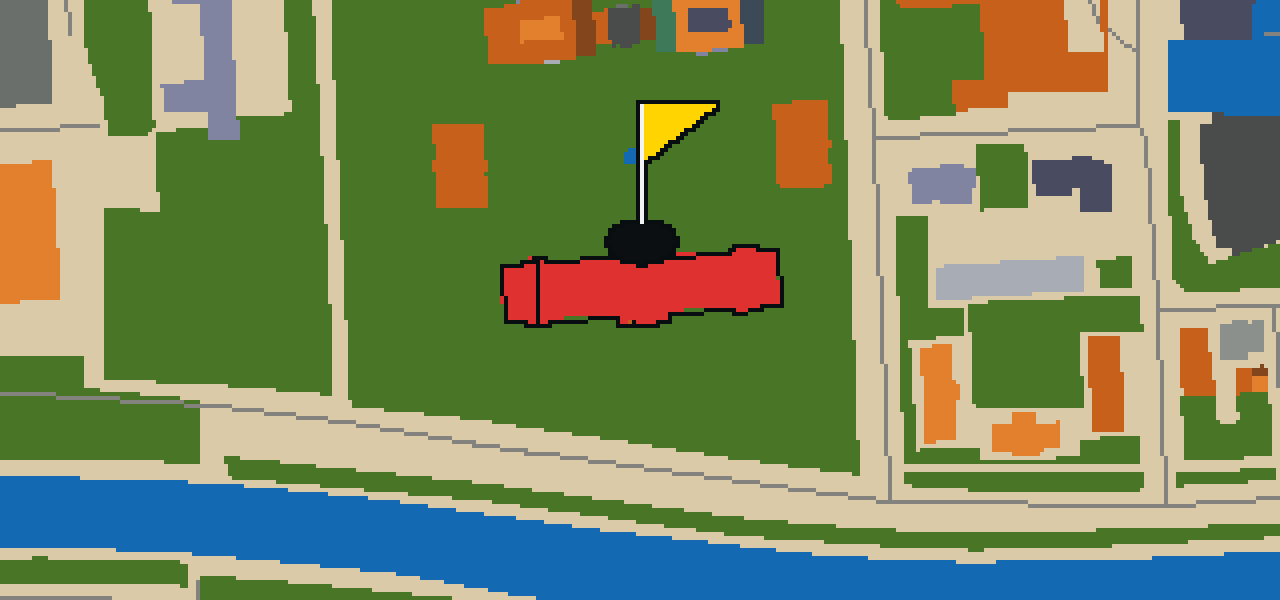
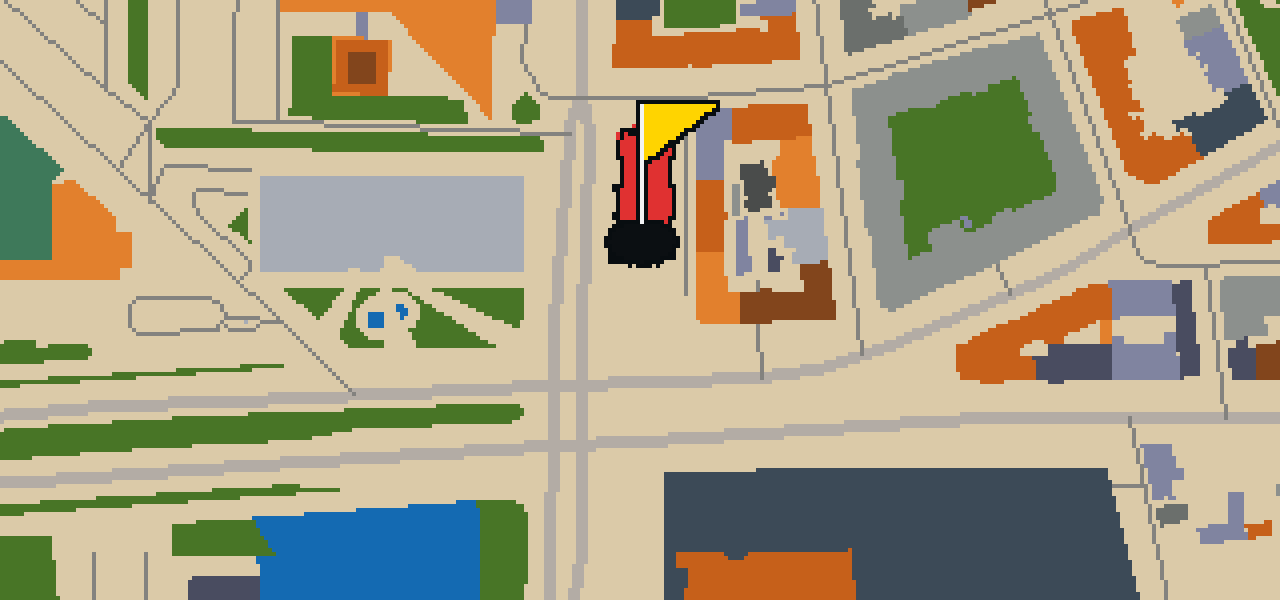
You will first notice the Romanesque Revival architecture style of Crkva svetog Josipa. This Roman Catholic church in Sarajevo is a National Monument of Bosnia and Herzegovina. The building was started in 1940 and was designed by the architect Karel Pařík. It is a significant site within the city and was proclaimed a National Monument of Bosnia and Herzegovina in 2008. Visitors can observe the distinct characteristics of the Romanesque Revival style used by Pařík in the construction of this church building.
Historijski Muzej Bosne i Hercegovine
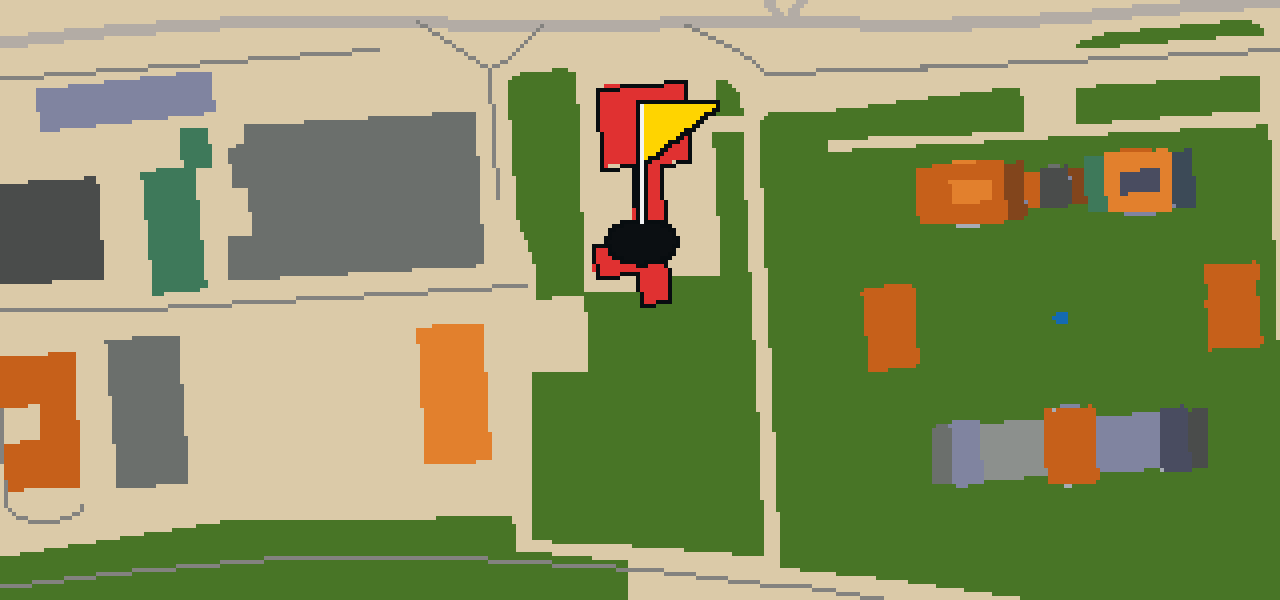
You won't find a narrow focus here; instead, the Historijski Muzej Bosne i Hercegovine is a history museum. It covers the history of Sarajevo and Bosnia and Herzegovina, spanning from the Middle Ages to the present day. I can show you around this institution, which is part of the National Monuments of Bosnia and Herzegovina. It was founded in 1945 and remains a central point for understanding the region's past. I've noticed the building has a presence that matches the weight of the stories inside.

Alipašina džamija
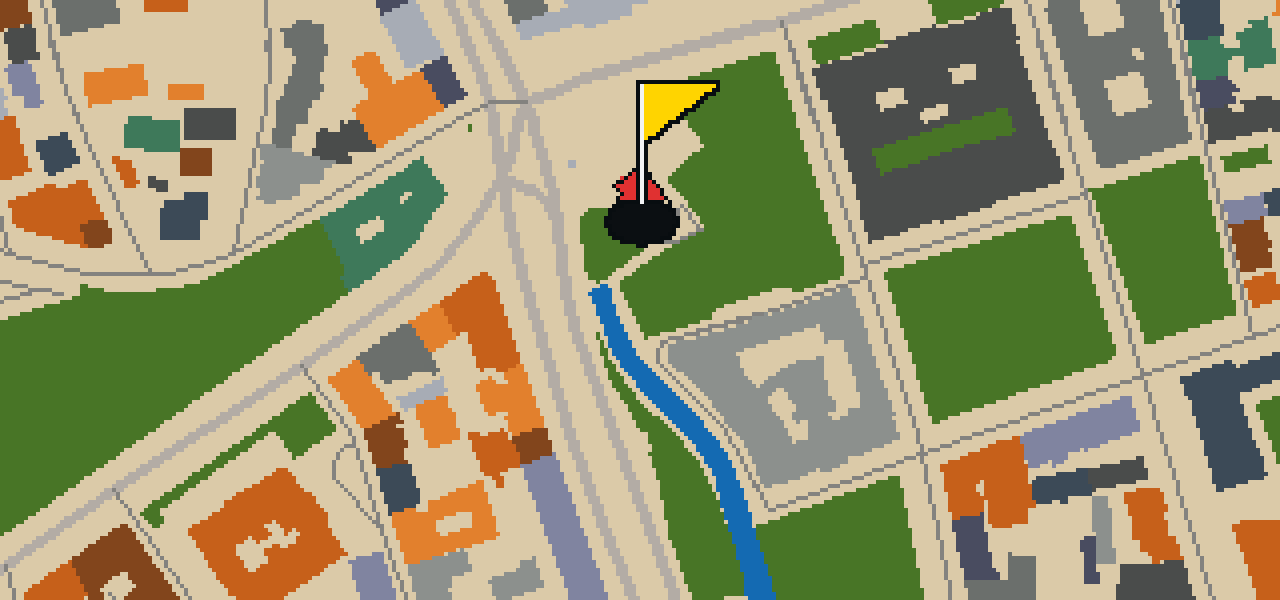
You will first notice the distinct Ottoman architecture style of Alipašina džamija, a mosque located in the Centar neighbourhood of Sarajevo. This site is recognized as a National Monument of Bosnia and Herzegovina. The construction of the mosque took place during 1560–61, though records also indicate it was started in 1561. The building was a vakıf of Sofu Hadım Ali Pasha. This benefactor died in September 1560, leaving behind a structure that continues to define the local streetscape for visitors and residents alike.

Vječna vatra
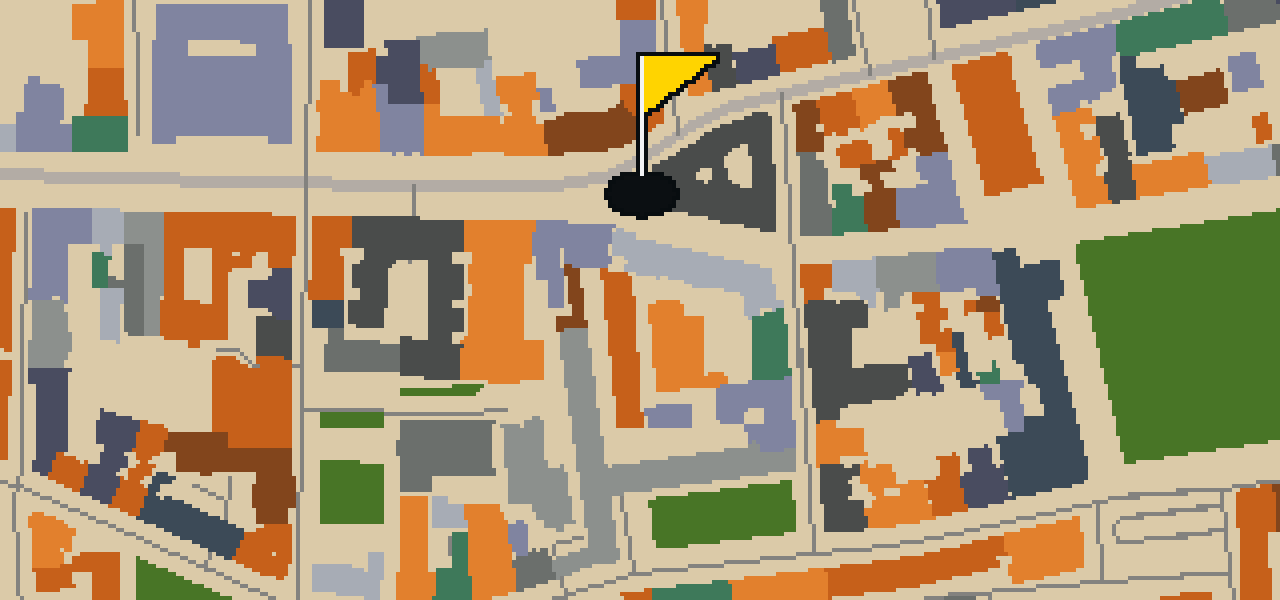
Vječna vatra is an eternal flame and a memorial. It was started in 1946 to honor the military and civilian victims of the Second World War in Sarajevo, Bosnia and Herzegovina. The memorial was dedicated on 6 April 1946. This dedication occurred on the first anniversary of the liberation of Sarajevo from the four-year-long occupation by Nazi Germany and the fascist Independent State of Croatia. It remains a place of remembrance for those who suffered during the conflict in this city.
Muzej ratnog djetinjstva
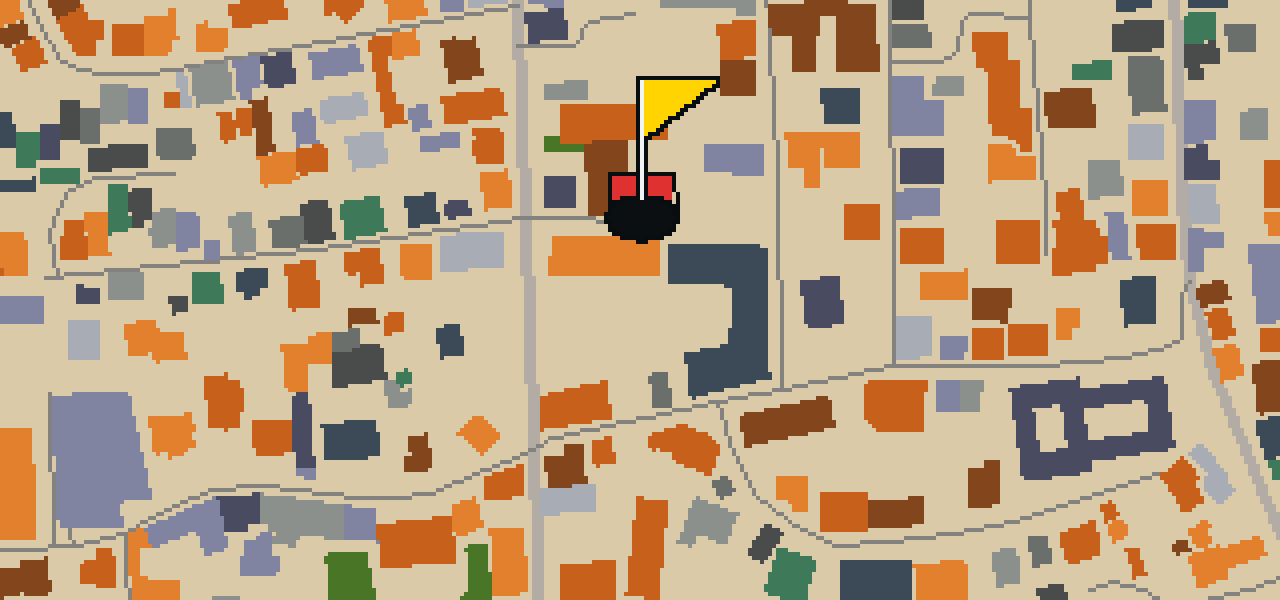
The Muzej ratnog djetinjstva is a history museum located in Sarajevo, Bosnia-Herzegovina. It focuses on the human side of conflict by presenting the experiences of children who lived through the war in Bosnia. Founded in 2017, the museum has gained international recognition for its approach to memory and storytelling. This work led to the museum being awarded the 2018 Council of Europe Museum Prize, which was given as part of the 2018 European Museum of the Year Award. It is a sobering stop on your route, but one that provides a necessary perspective on the city's recent past.
Vijećnica
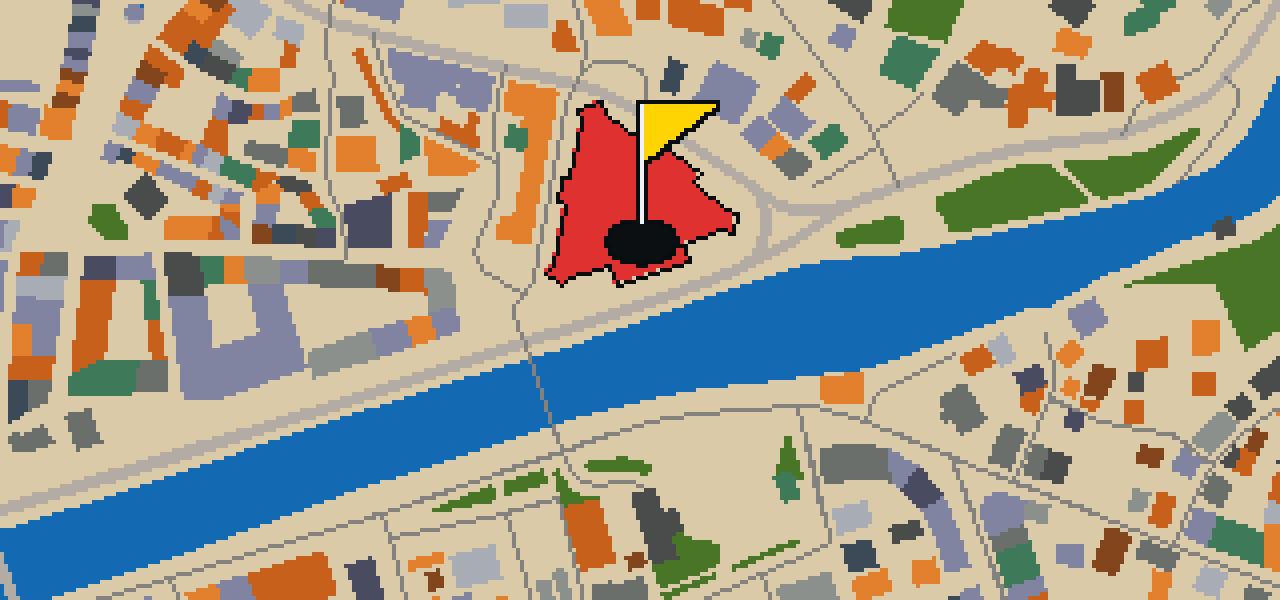
Vijećnica is a national monument located in Sarajevo, Bosnia and Herzegovina. It is a prominent site that served as the city hall and also functions as a library. The building was designed in 1891 by the Czech architect Karel Pařík, with its inception occurring in that same year. It is a place I always admire for its presence in the city center. You can pick out the distinct architectural style that Pařík brought to the project over a century ago.
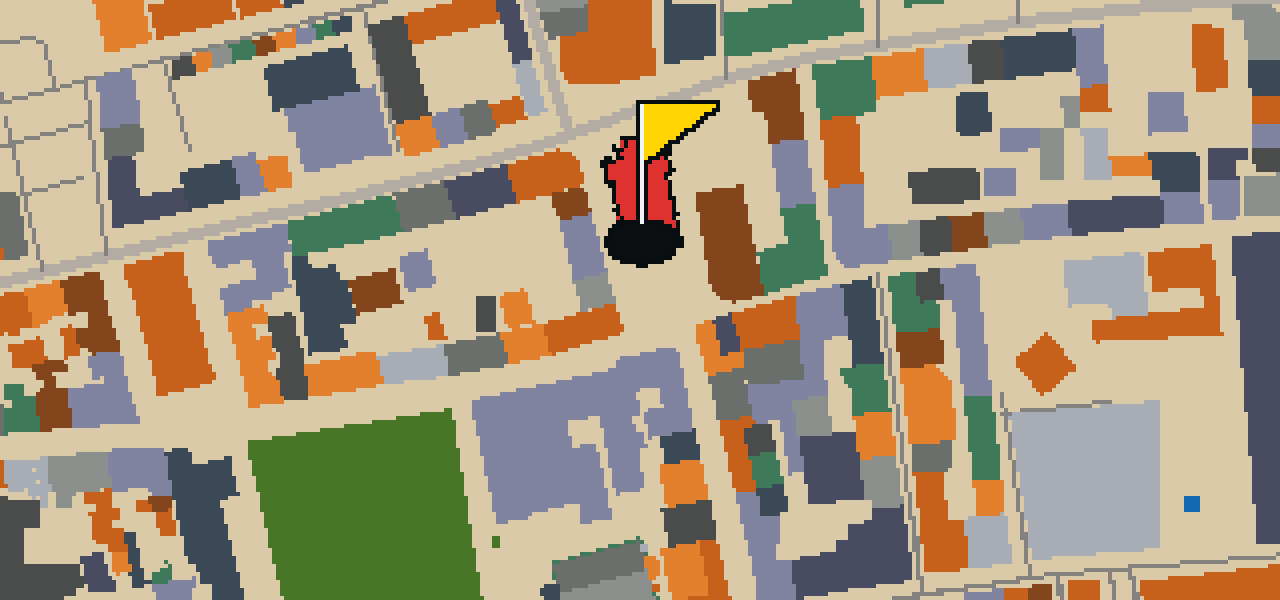
Katedrala Srca Isusova
Katedrala Srca Isusova is a cathedral located in the Old Town district of Sarajevo. This Gothic Revival building was started in 1889 and was designed by the architect Josip Vancaš. It is a National Monument of Bosnia and Herzegovina and serves as a Catholic church. You can see the influence of its style in the structure of the building as you pass through the district. It stands as a prominent landmark in the city's center, reflecting the specific architectural choices of the late nineteenth century.
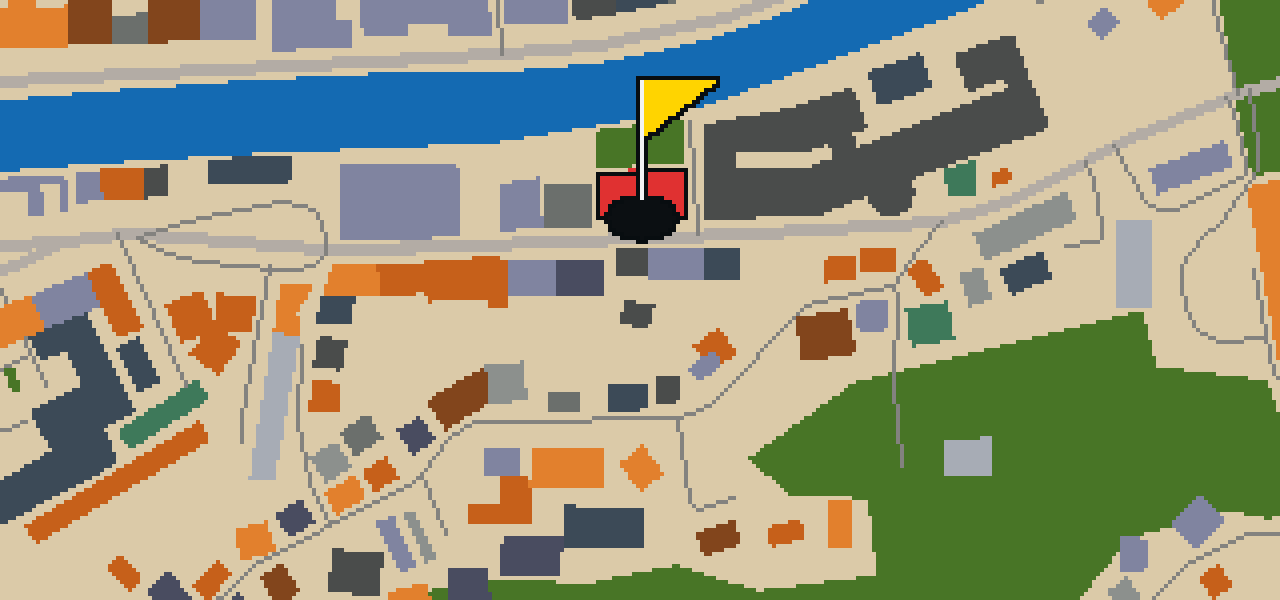
Aškenaška sinagoga
The Aškenaška sinagoga is an Ashkenazi synagogue located on the south bank of the river Miljacka in Sarajevo, Bosnia and Herzegovina. Construction on the building was started in 1902. It was designed by architect Karel Pařík and is built in the Moorish Revival architecture style. The site is a National Monument of Bosnia and Herzegovina. The congregation of the Sarajevo Synagogue worships in the Ashkenazi rite, and it is the only functioning synagogue in Sarajevo today.
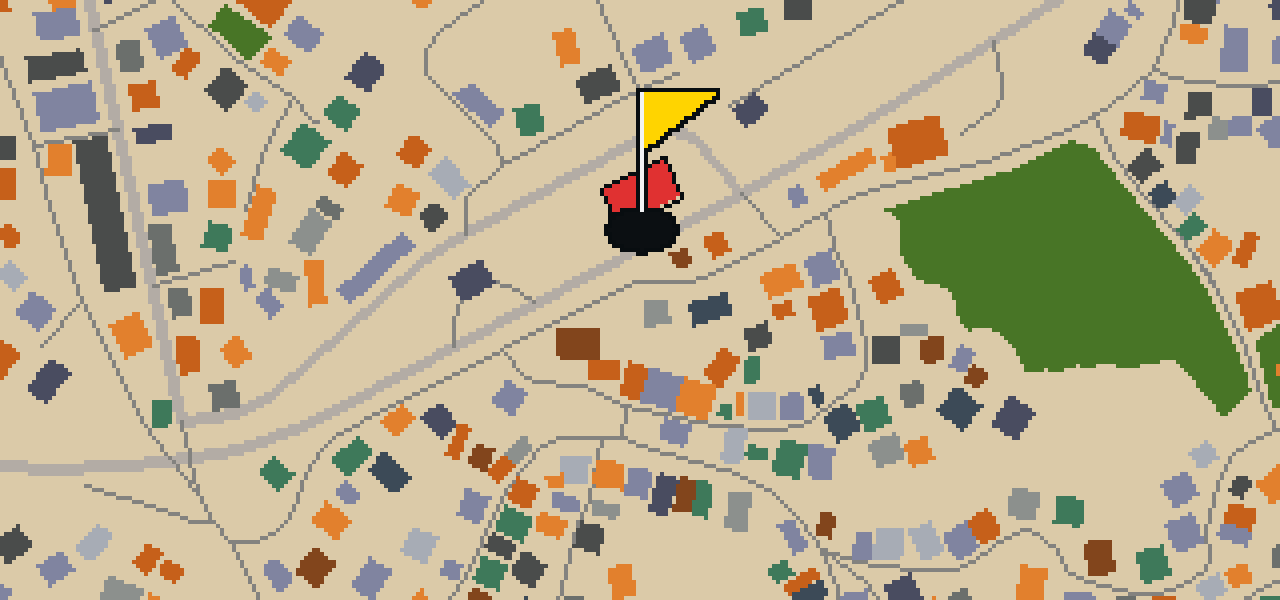
Zgrada željezničke stanice Bistrik
Look closely at the architecture of Zgrada željezničke stanice Bistrik. This railway station is located in the Bistrik neighborhood of Sarajevo, Bosnia and Herzegovina. It is more than just a transit point; it is a historic monument. Because of its significance, the station is a National Monument of Bosnia and Herzegovina. When you wander through the city, you can find this site among 101 national monuments in the Sarajevo area. I've noticed it's a great spot for a quiet moment away from the main crowds.
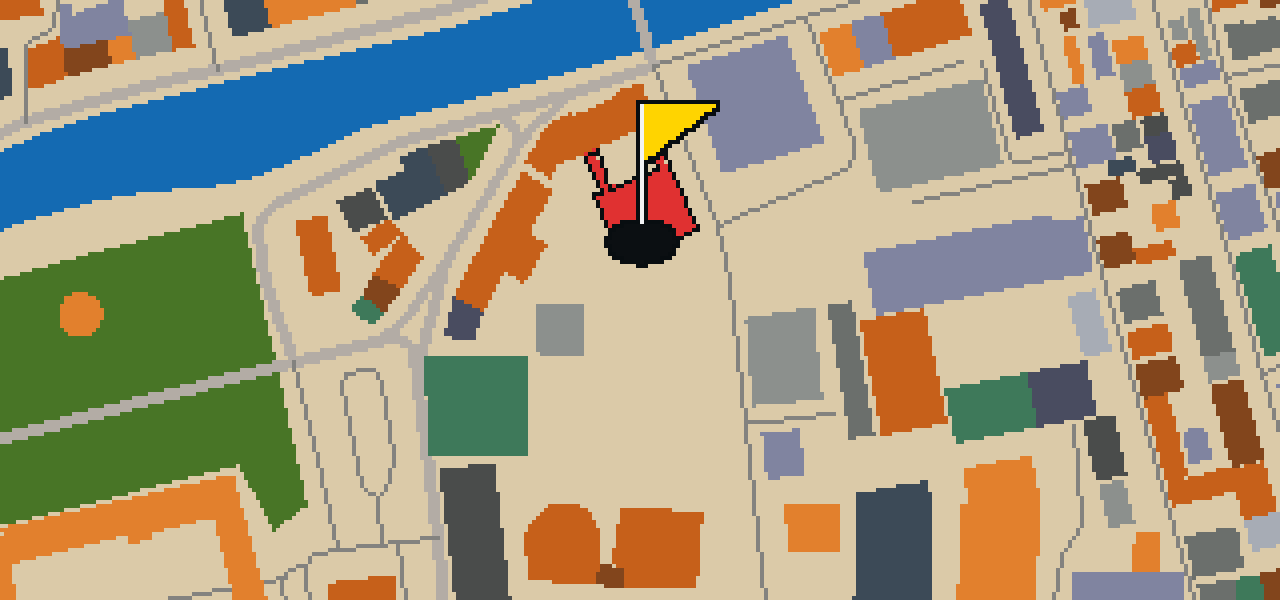
Careva džamija
This is not a modern construction, but Careva džamija, a mosque started and completed in 1457. It is a National Monument of Bosnia and Herzegovina built in the Ottoman architecture style. The site is known as the Emperor's Mosque and holds a place of historical importance as the first mosque built after the Ottoman conquest of Bosnia. Visitors can observe the specific architectural choices of the era in this building, which is the largest single-subdome mosque in the country.

Žuta tabija
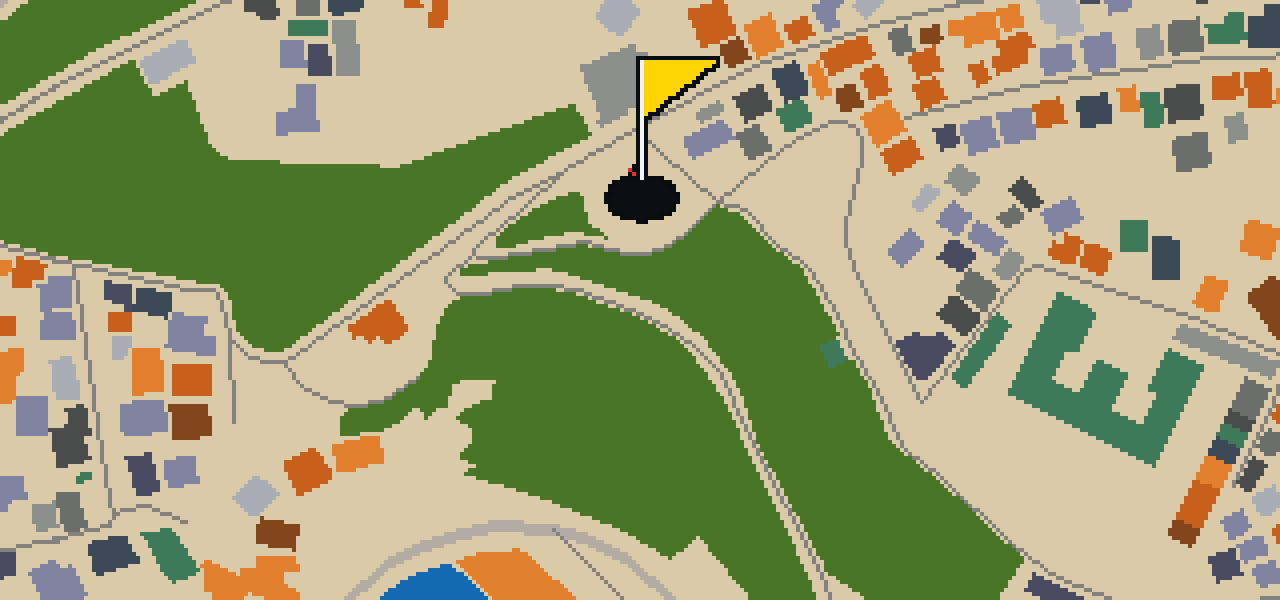
Let me show you Žuta tabija, a cannon fortress located in an area called Jekovac. Situated at the entrance of the Walled City of Vratnik, this site was built between 1727 and 1739. It held a strategic role in the city's history, serving as one of the defense points against Austro-Hungarian troops in 1878. While it is an old fortification, the most recent renovation took place in 1998. You can pick out the sturdy walls that have watched over the valley for centuries. I usually find the breeze up here quite refreshing.
Bijela tabija
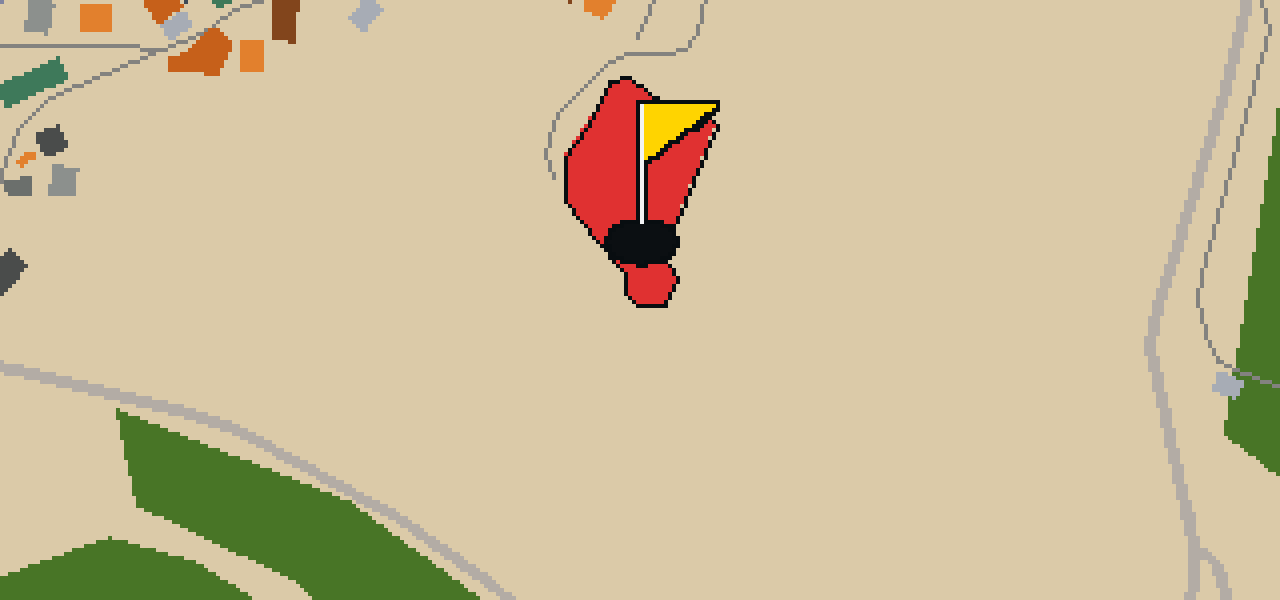
You will first notice the White Fortress perched high above the city. Bijela tabija is a stone fortress and a protruding part of the wall of what was historically known as the old Vratnik City. It is a National Monument of Bosnia and Herzegovina that overlooks the historic core of Sarajevo. Back in the day, these walls housed a gun-crew and an ammunition storage. I find the view from up here is one of the best in the city, provided you don't mind the climb.
Baščaršija
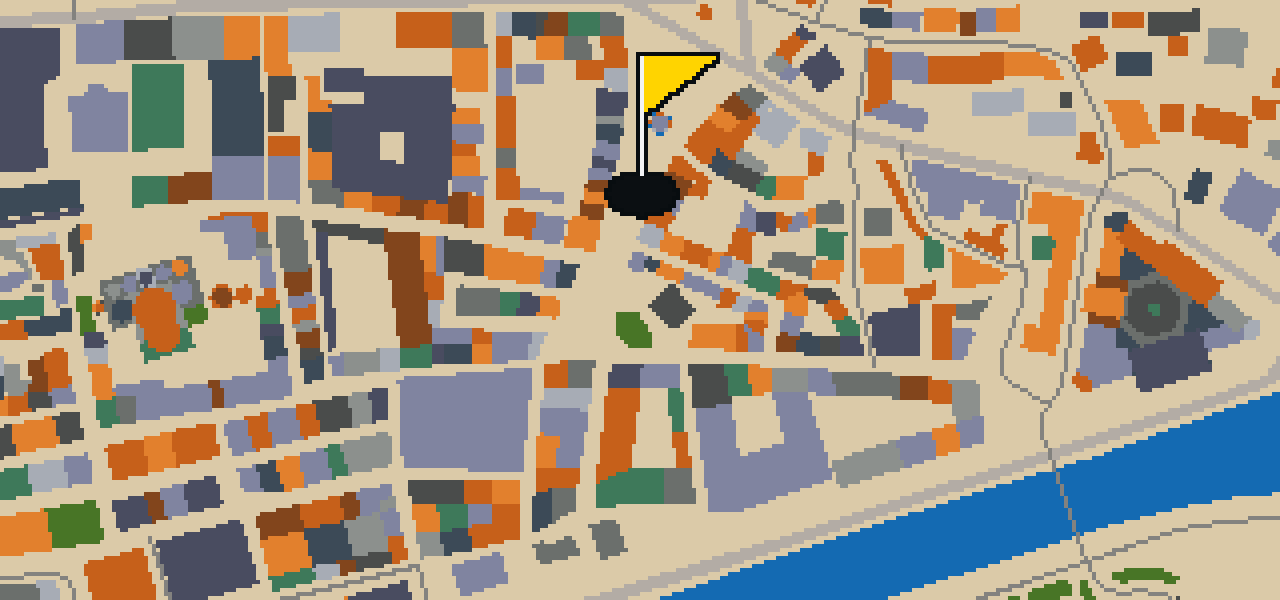
You might expect a standard city center, but you have found Baščaršija. This neighborhood is the old bazaar of Sarajevo and was built in the 15th century. It is a heritage site and an architectural ensemble that is recognized as one of the National Monuments of Bosnia and Herzegovina. As you walk through this pedestrian zone, you are visiting a local community within the Stari Grad municipality. I always find the atmosphere here a bit more timeless than the rest of the city.
Umjetnička galerija Bosne i Hercegovine
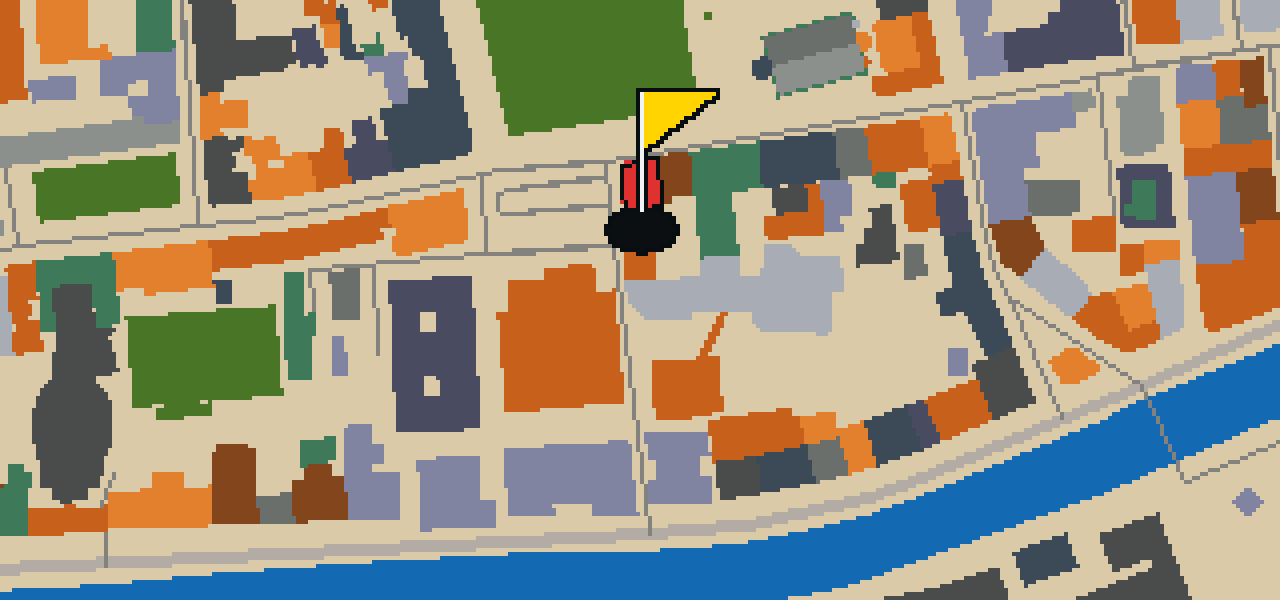
You will first notice the massive scale of the collection at the Umjetnička galerija Bosne i Hercegovine, an art museum in Sarajevo. The gallery contains over 6000 pieces of art, with a main focus on works of Bosnian and Herzegovinian interest. Established on October 11, 1946, it has a history of resilience that I find quite moving. Even during the siege of Sarajevo and the Bosnian war in 1992–1995, the gallery stayed open and continued to hold exhibitions for the public.
Džamija Hasan Čoban Zade
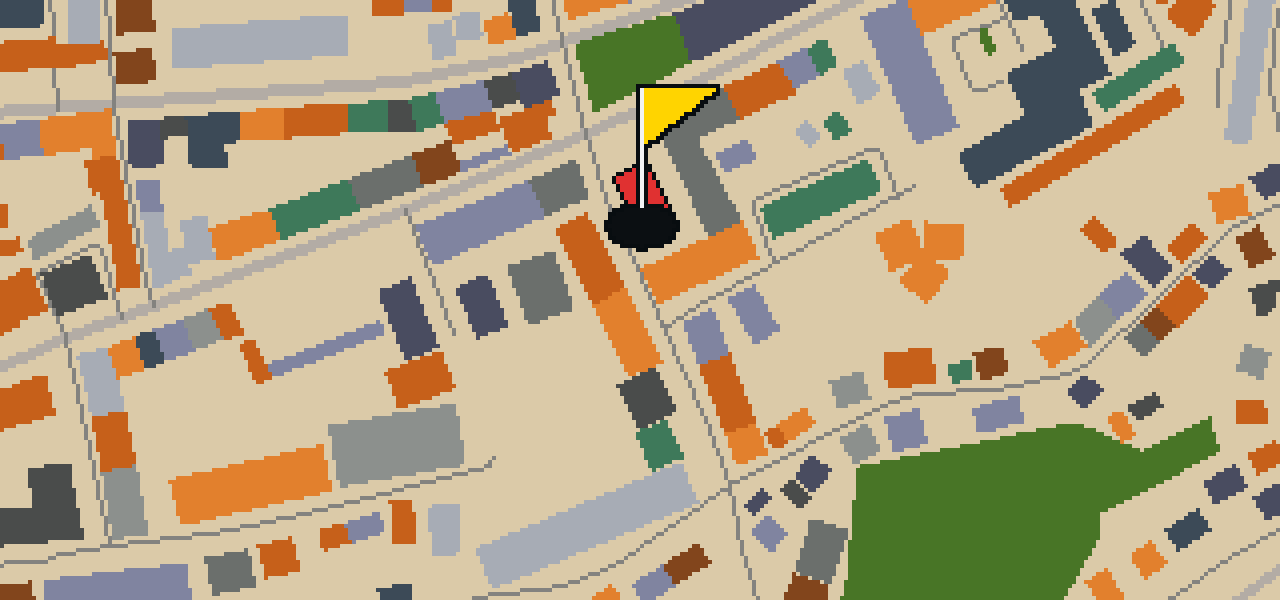
A poem in Turkish is inscribed upon the stone minaret of the Čobanija Mosque. This mosque in Sarajevo is built in the Ottoman architecture style and was started in 1565. It is recognized as a National Monument of Bosnia and Herzegovina. Visitors can see the cemetery located adjacent to the mosque. The site is known as both Džamija Hasan Čoban Zade and the Čobanija Mosque, and it remains a significant example of the city's religious architecture.
Džamija Ferhadija
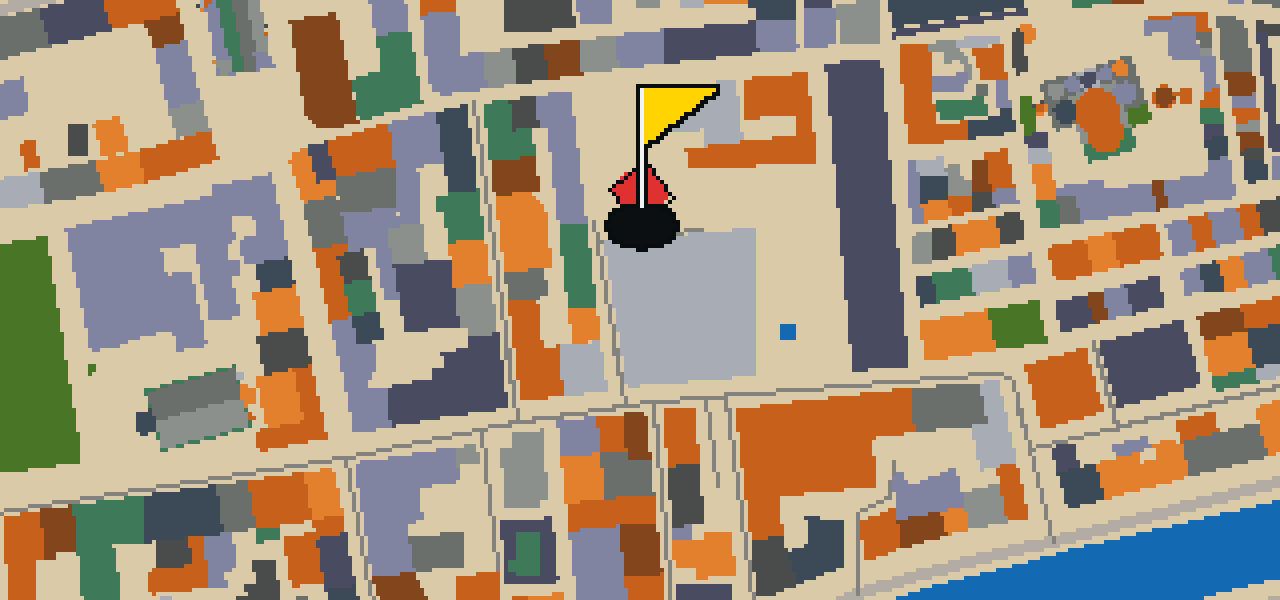
You will notice the Ottoman architecture of Džamija Ferhadija as you walk through the Baščaršija neighbourhood of Sarajevo. This mosque, which is also known as the Ferhat Pasha Mosque, is a National Monument of Bosnia and Herzegovina. It was built in the 16th century by Bosnian Sanjak-bey Ferhad-beg Vuković. He was a descendant of the Vuković family. The site remains a significant point of interest for those visiting the historic heart of the city.
Gazi Husrev-begova džamija
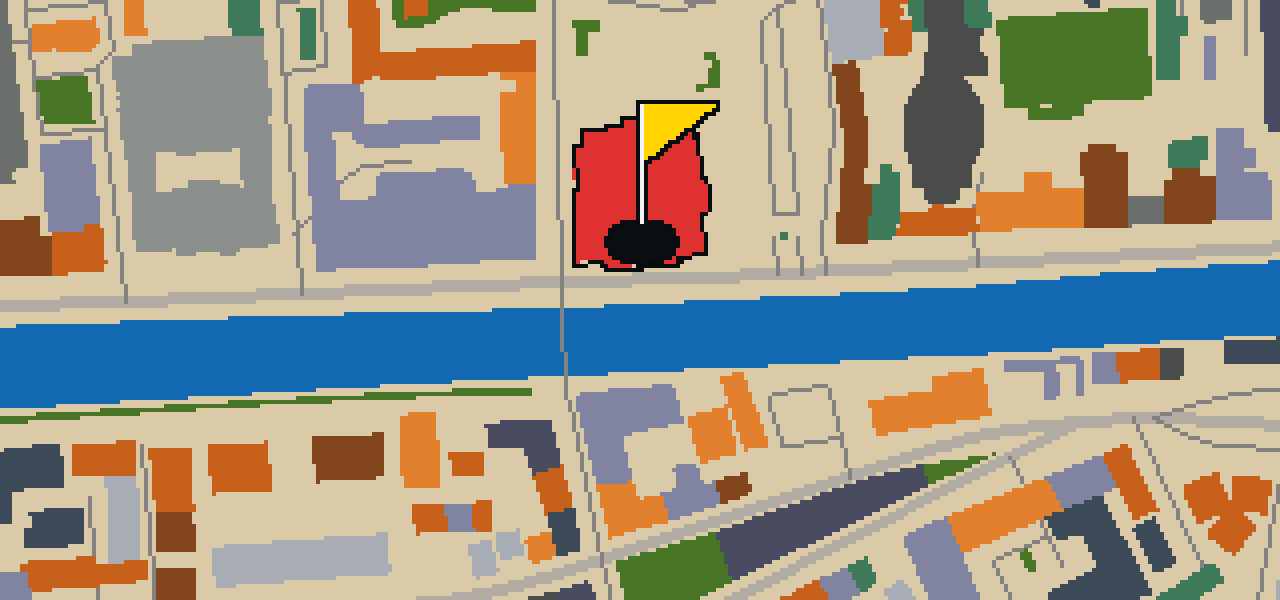
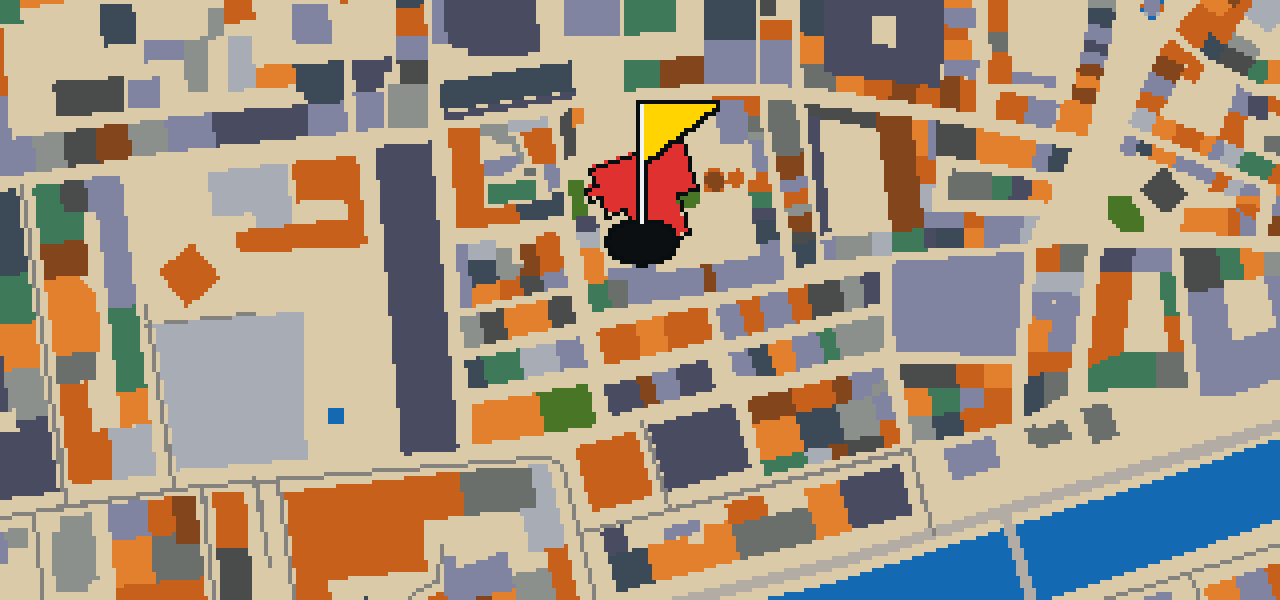
Located in the heart of Sarajevo, Gazi Husrev-begova džamija is a Sunni mosque and a külliye. It is a National Monument of Bosnia and Herzegovina, built in the Islamic and Ottoman architecture styles. The construction of this site was started in 1531, and the architect was Mimar Sinan. You can see the influence of these styles in the structure of the building as it sits within the city center.