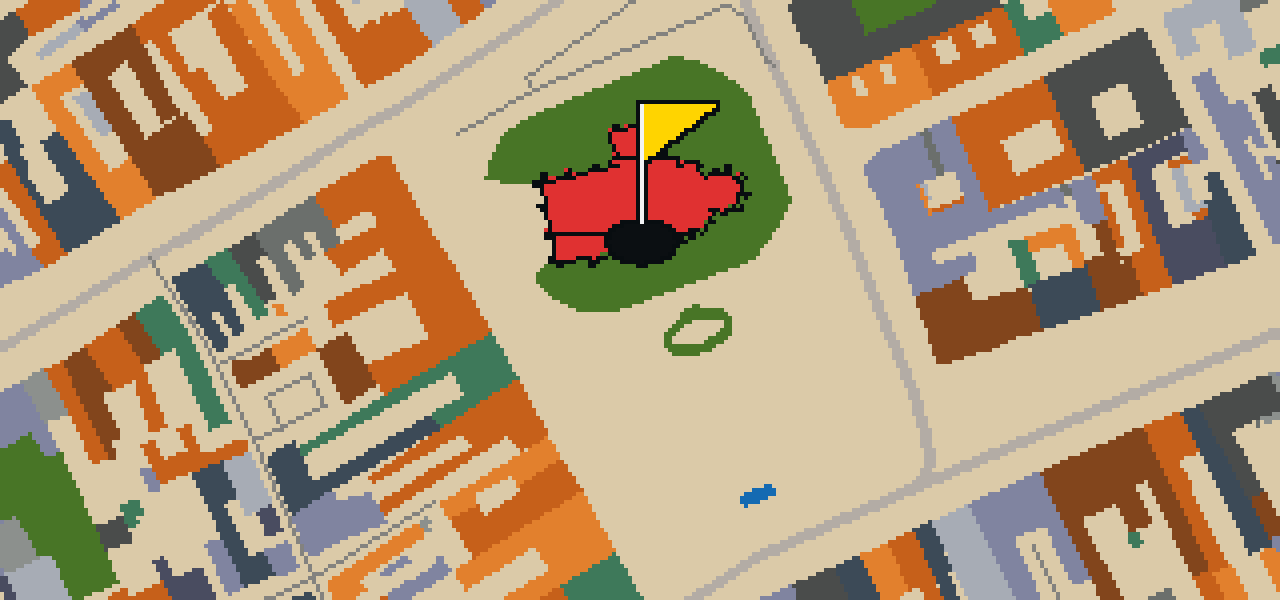

CLUJ-NAPOCA - 9 HOLES - FREE

CLUJ-NAPOCA
CITY MAP MINIGOLF

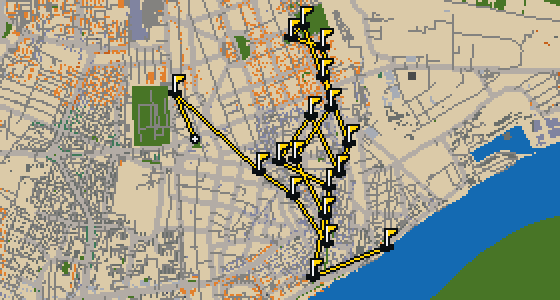
Cluj-Napoca - 9 stops - par 24

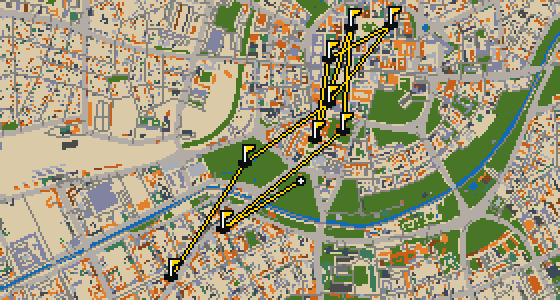
The ball finds its mark at the Catedrala Ortodoxă „Adormirea Maicii Domnului” in Cluj-Napoca. This map is the real city and the round is played on its real streets, where the holes are built from actual attractions. Skip knows every cobblestone of this 5 km walk. It is a quick round of 9 holes with a par of 24, using 30 portals to skip across town.

Trouble loading? Open the game in its own tab.

HOW IT WORKS

01

Pick a city

The course is drawn on the real street grid, so the map you play is the map you walk.

02

Putt to the pin

Drag to aim, release to swing. Buildings bounce and water costs you a stroke.

03

Sightsee between strokes

Every hole ends at an attraction. Sink the putt, read the story, walk to the next tee.

THE CLUJ-NAPOCA ROUND - STOP BY STOP

HOLE 1 - PAR 2

Biserica Romano-Catolică Sfântul Mihail

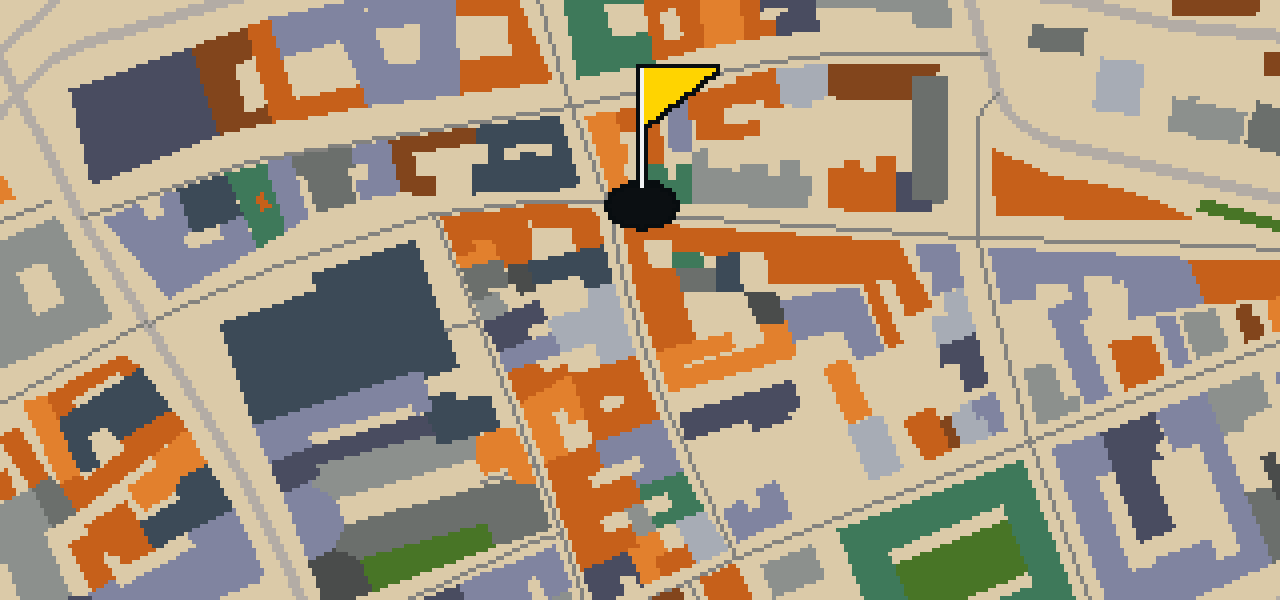
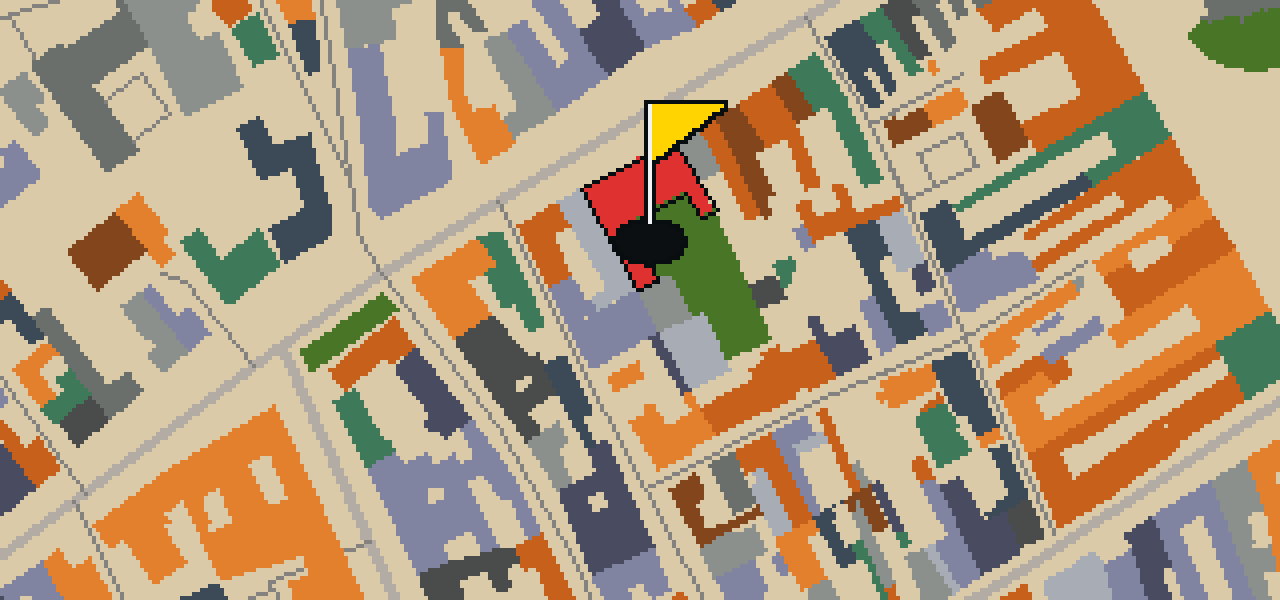
The nave of Biserica Romano-Catolică Sfântul Mihail is 50 meters long and 24 meters wide, while the apse measures 20 by 10 meters. This Catholic church building is designed in the Gothic architecture style. Its inception was in 1487, and it is now recognized as a Historic Monument. The structure is a significant landmark in the city, featuring a tower that stands 76 meters tall. This specific tower is the highest one in Transylvania. Within the broader geographical region of Transylvania, Romania, St. Michael's Church is the second largest church. You can see the scale of the building from the street, where the height of the tower and the breadth of the Gothic nave define the surrounding area.
Wikidata · Wikipedia

HOLE 2 - PAR 3

Turnul Pompierilor

Wikidata

HOLE 3 - PAR 2

Muzeul Etnografic al Transilvaniei

Let me show you the Ethnographic Museum of Transylvania. Located in Cluj-Napoca, Romania, this museum has a history of almost 100 years and is one of the first and greatest of its kind in the country. You can find the exhibits split between two different areas of the city. One exhibition section is located in the downtown Reduta Palace, while the other is the open-air Romulus Vuia Park. If you head to the north-west side of the city, you will find that park situated in Hoia Forest. I find the split between the city center and the woods makes for a very different kind of stroll, and it gives you a chance to see the local landscape from two completely different perspectives.

Wikidata · Wikipedia

HOLE 4 - PAR 3

Mănăstirea și Biserica Franciscană

This is not a simple neighborhood chapel, but the Mănăstirea și Biserica Franciscană. It is a Catholic church building and a Historic Monument in the baroque architecture style. The Franciscan Church is a place of worship in Cluj-Napoca, Romania. While the current structure was started in 1290, the building process took place between 1260 and 1290. It occupies a location of deep historical significance, as it was built on the site of an older Catholic church. That previous building was destroyed during the Tatar invasions in 1241. Visitors can observe the baroque architecture style that defines this Historic Monument. The building stands as a place of worship in Cluj-Napoca, Romania, maintaining a presence that dates back to the time when construction occurred between 1260 and 1290, following the destruction of the earlier church during the Tatar invasions in 1241.

Wikidata · Wikipedia

HOLE 5 - PAR 3

Sinagoga Neologă

Located at 21 Horea Street in Cluj-Napoca, the Sinagoga Neologă is a synagogue. This building was started in 1887 and is designed in the neo-Mudéjar style. It is recognized as a Historic Monument and is also known as the Temple of the Deportees. The site is located in Cluj County, in the Transylvania region of Romania. Visitors can see the distinct architectural influence of the neo-Mudéjar style on the facade of the building. As a Historic Monument, it remains a significant site within the city of Cluj-Napoca and the wider Transylvania area of Romania. The address at 21 Horea Street places it within the urban fabric of the city, where it is known both by its formal name and as the Temple of the Deportees.

Wikidata · Wikipedia

HOLE 6 - PAR 3

Biserica Unitariană

Look closely at the exterior of this Protestant church building. The Biserica Unitariană is a Unitarian church located in Cluj-Napoca, Romania. It is recognized as a Historic Monument, making it a significant point of interest for those visiting the city. The building stands as a place of worship and a piece of the local architectural history. Because it is a Historic Monument, the structure is preserved to show the heritage of the region. Visitors to Cluj-Napoca can find this Protestant church building situated within the city, where it continues to serve as a Unitarian church. This site is one of the many landmarks that define the historical character of the city, providing a direct link to the religious traditions of the area through its status as a protected monument.

Wikidata · Wikipedia

HOLE 7 - PAR 3

Bastionul Croitorilor

Bastionul Croitorilor is a bastion and a Historic Monument. It is located at the southeast corner of the old Cluj-Napoca citadel. This structure was originally built in the 15th century, and it was later rebuilt between 1627 and 1629. The tower was named after the Tailors' Guild. When you visit the site, you can pick out a statue of Baba Novac. He was killed near the tower in 1601 by General Basta. I have noticed that this spot offers a great view of how the old fortifications once protected the heart of the city. It is a useful landmark for anyone wanting to understand the layout of the old citadel and the events that took place around its walls centuries ago.

Wikidata · Wikipedia

HOLE 8 - PAR 3

Cimitirul Central

Cimitirul Central is a cemetery and a Historic Monument located on Avram Iancu Street. It is known as Hajongard cemetery and is one of the oldest cemeteries in Cluj-Napoca, Romania. The grounds were founded in the sixteenth century, making it a site of considerable age within the city. Visitors can see how the space has been maintained over the centuries. The cemetery covers an area of approximately 14 hectares. It remains a place of reflection and historical record for the community. As you walk through the area, you can notice the scale of the grounds and the way the site is integrated into the surrounding urban environment of Cluj-Napoca.

Wikidata · Wikipedia

HOLE 9 - PAR 2

Catedrala Greco-Catolică „Schimbarea la Față”

Wikidata · Wikipedia

STOP 10

Catedrala Ortodoxă „Adormirea Maicii Domnului”

Catedrala Ortodoxă „Adormirea Maicii Domnului” is an Eastern Orthodox cathedral in Cluj-Napoca. This Romanian Orthodox church is situated on the Avram Iancu Square and is designated as a Historic Monument. The building is an example of Byzantine Revival architecture and also incorporates the Romanian Brâncovenesc style. The architects responsible for the design were George Cristinel and Constantin Pomponiu, and the inception of the cathedral took place in 1923. Visitors can observe how these specific architectural styles define the presence of the cathedral within the city. It remains a significant site of faith and history for the community. The blend of the Byzantine Revival and Brâncovenesc styles makes the structure a notable example of regional religious architecture, reflecting the specific design choices made by Cristinel and Pomponiu when the project began in 1923.

Wikidata · Wikipedia

OTHER COURSES

18 HOLES - PAR 51

Galați

18 stops

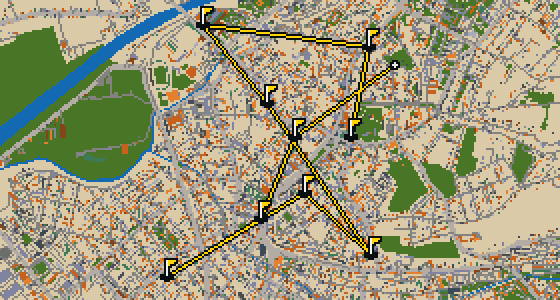
This is Galați, where the map is the actual city and the round is played on its real streets. The holes are built from real attractions, starting with the Statuia lui Ivan Mazepa. Skip is a local guide who knows every corner of the place, even the bits where the crumbs are best. This full round of 18 holes covers 10.2 km with a par of 51, using 4 portals to bridge the gaps between the distant landmarks.

9 HOLES - PAR 27

Timișoara

9 stops

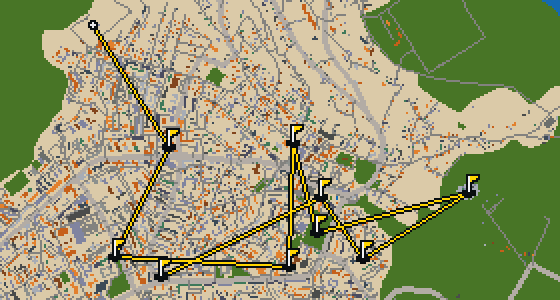
Timișoara is the setting for this round, played on its real streets with a map of the actual city. The holes are built from real attractions, ending at Piața Alexandru Mocioni. Skip is a local guide who knows the place. A quick round of 9 holes and a par of 27 covers a 5.1 km walk, with 58 portals to help the ball move across town.

9 HOLES - PAR 30

Târgu Mureș

9 stops

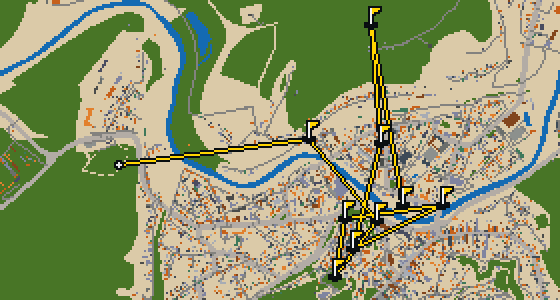
Târgu Mureș unfolds below in a grid of stone and spire. The map is the real city, where the round is played on actual streets and the holes are built from landmarks like the Sala de Expoziții Unirea. Skip knows these sidewalks from every angle. This quick round of 9 holes covers 7.1 km, using 18 portals to skip across town.

9 HOLES - PAR 29

Suceava

9 stops

Banking a ball off the stone walls of Cetatea de Scaun a Sucevei requires a steady wing and a soft touch. This round takes place on the actual streets of Suceava, where the city map is the course and local attractions form the holes. Skip knows every cobblestone of this 6.3 km walk. It is a quick 9-hole round with a par of 29, using two portals to skip across town.

9 HOLES - PAR 27

Sighișoara

9 stops

This is Sighișoara, where the map follows the real city and the round is played on its actual streets. The holes are built from real attractions like the Scara Acoperită. Skip is a local guide who knows these cobblestones well. A quick round of 9 holes with a par of 27 covers a 5.5 km walk, using 2 portals to move across the town.

FAQ

Is it free to play?

Yes. Every course runs in the browser with no account and no install.

Do I need to be in the city?

No. The full round plays from anywhere. Walking the real route is a nice way to see the city, but it is not required.

Are the maps real?

Yes. The geometry comes from OpenStreetMap data, rendered chunky on purpose. Streets, water and parks sit where they really are.