
CZĘSTOCHOWA - 9 HOLES - FREE

CZĘSTOCHOWA
CITY MAP MINIGOLF

Częstochowa - 9 stops - par 28

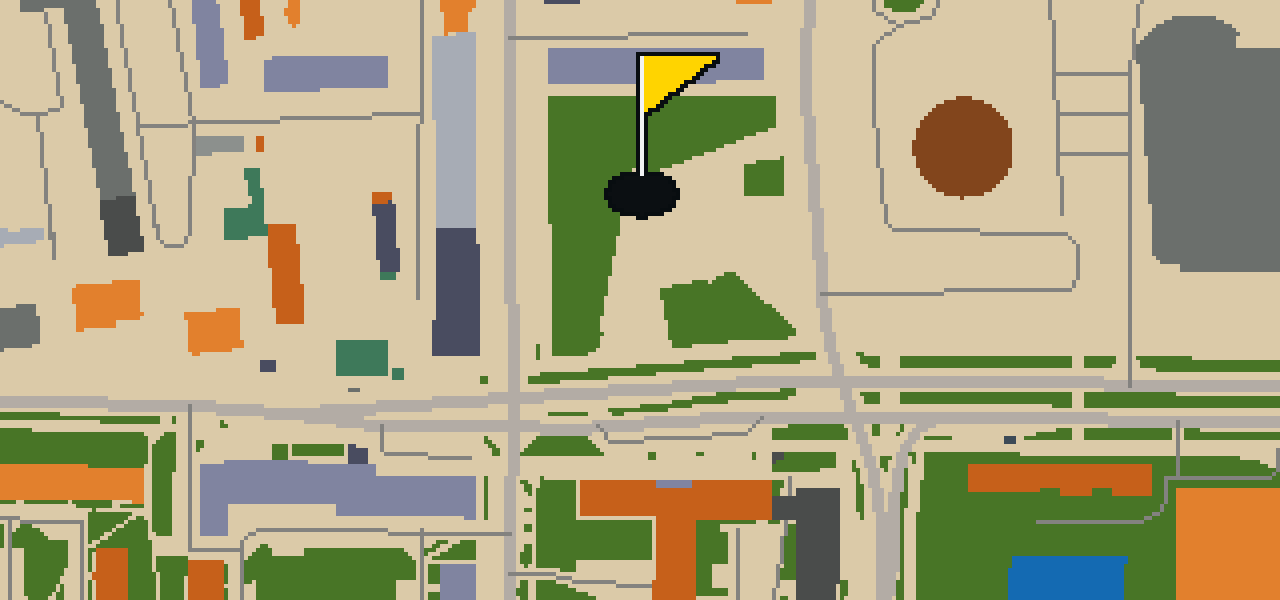
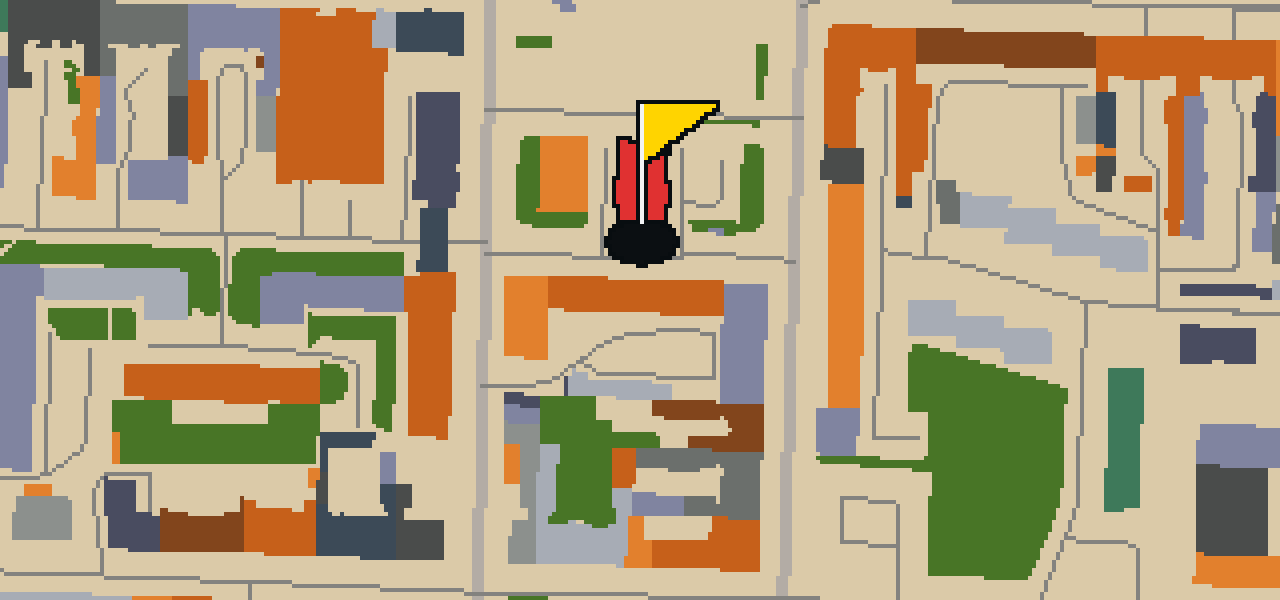
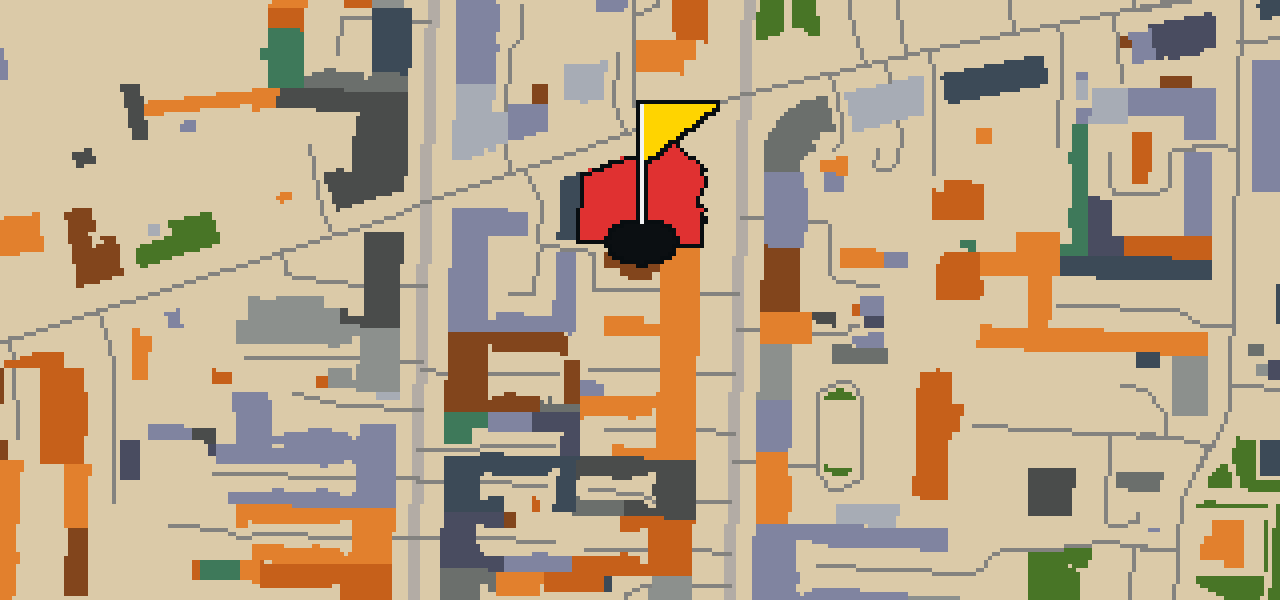
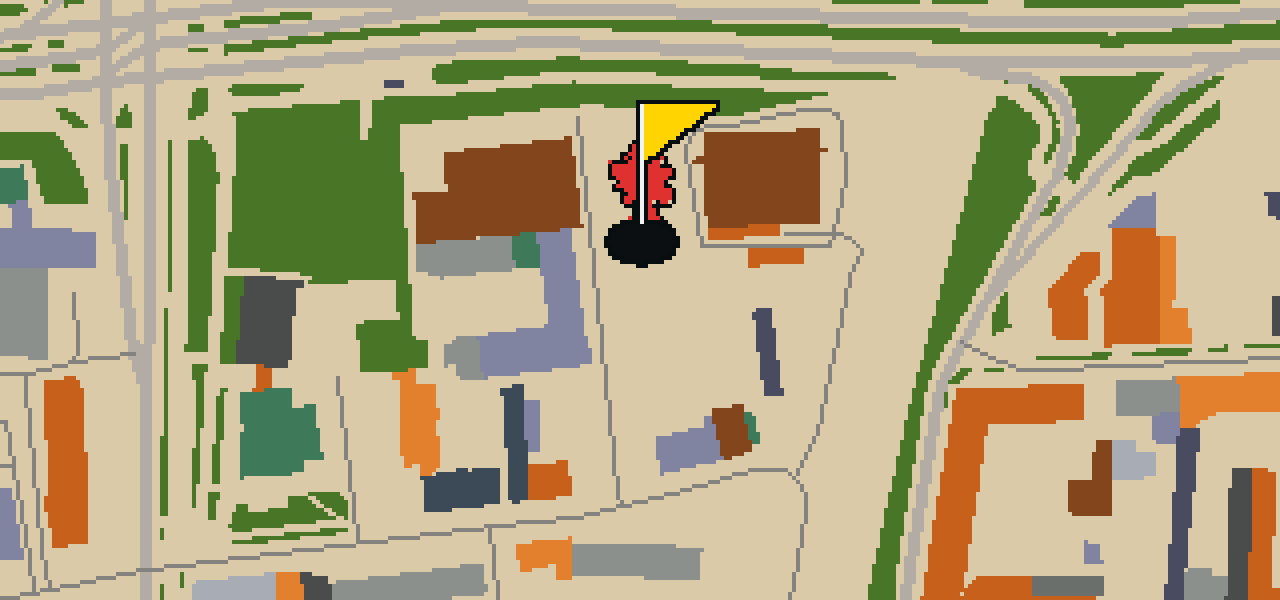
Częstochowa is the setting for this round, where the map follows the real city and the ball rolls along its actual streets. Real attractions like Jasna Góra form the holes of this quick 9-hole circuit. Skip knows every corner of these 5.9 km and can navigate the 34 portals with a few flaps of the wings.

Trouble loading? Open the game in its own tab.

HOW IT WORKS

01

Pick a city

The course is drawn on the real street grid, so the map you play is the map you walk.

02

Putt to the pin

Drag to aim, release to swing. Buildings bounce and water costs you a stroke.

03

Sightsee between strokes

Every hole ends at an attraction. Sink the putt, read the story, walk to the next tee.

THE CZĘSTOCHOWA ROUND - STOP BY STOP

HOLE 1 - PAR 4

Jasna Góra

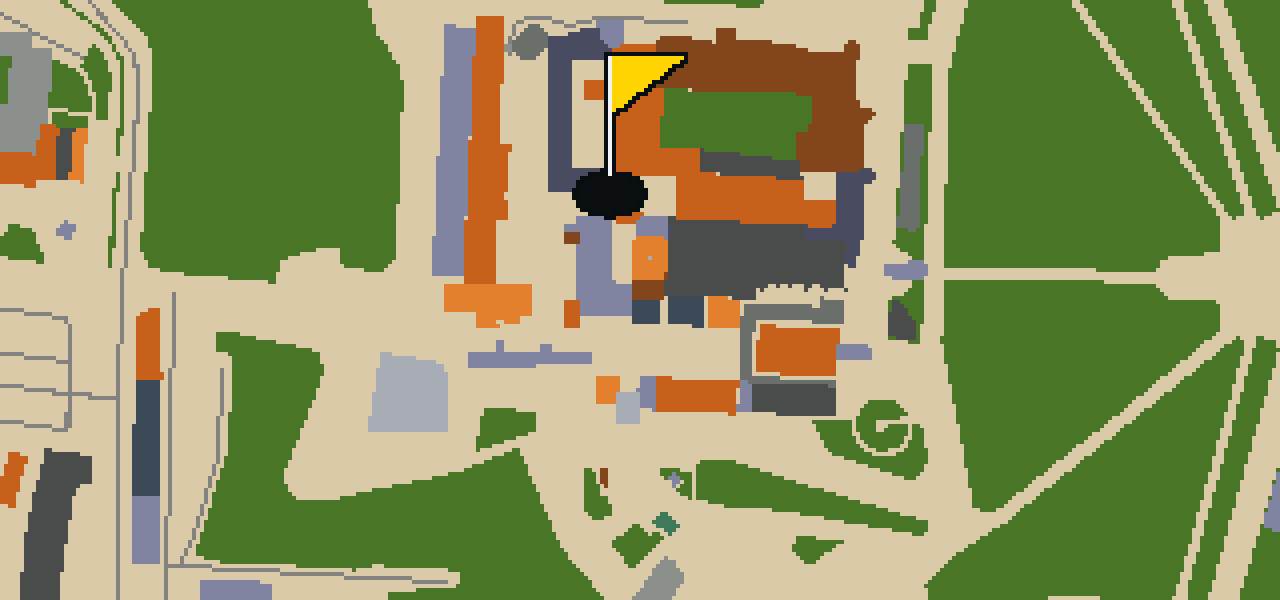
Jasna Góra is an architectural ensemble and fortress located in Częstochowa. The site is built in the Baroque style and its inception was in 1382. It is a monastery and a sanctuary that is also a Historical monument of Poland. The complex is designed as a fortress, but its primary purpose is spiritual. You can see how the architecture supports its role as a sanctuary. The most central part of the experience is the Jasna Góra Monastery, which is a shrine dedicated to the Virgin Mary. This combination of defensive fortifications and religious devotion makes the site a unique landmark in the region. Whether you are interested in the Baroque details of the buildings or the history of the monastery, the site provides a clear look at a major center of faith.

Wikidata · Wikipedia

HOLE 2 - PAR 3

Kościół Najświętszego Imienia Maryi

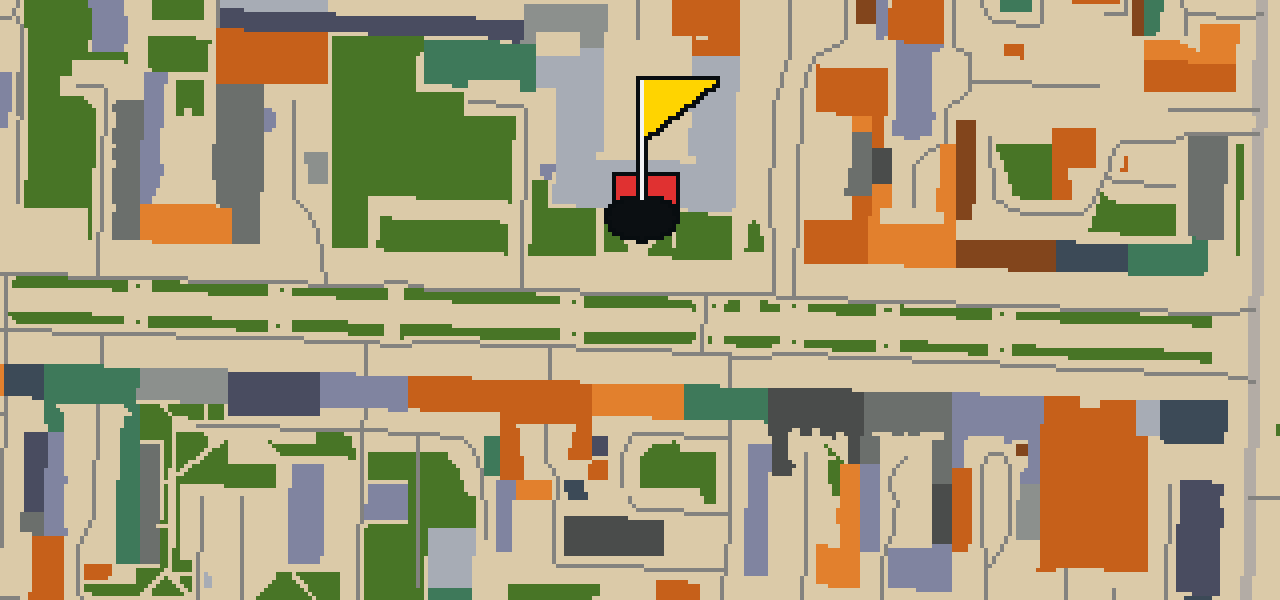
Located within the city of Częstochowa, Kościół Najświętszego Imienia Maryi is a church building. It is an architectural heritage monument that holds a place of significance in the city's layout. Beyond its function as a place of worship, the building is officially recognized as an immovable monument in Poland. Visitors to the area can observe the structure as a preserved example of the region's architectural history. The site stands as a testament to the heritage of the area, providing a point of reflection for those passing through the streets. Because it is classified as an immovable monument, the building is protected under Polish law to ensure its physical characteristics are maintained. This status allows the church to remain a permanent fixture of the urban landscape, offering a glimpse into the architectural standards and religious traditions of the region.

Wikidata

HOLE 3 - PAR 3

Pomnik Poległym w Obronie Ojczyzny

Let me show you the Pomnik Poległym w Obronie Ojczyzny. This monument was started in 1985 and remains a significant site for visitors to the city. While the structure has stood for decades, it continues to be a place where people gather to remember and reflect. You can pick out the specific details of the design as you walk around the base of the sculpture. It is a quiet spot compared to some of the busier streets nearby, making it a good place to pause your journey and take in the surroundings before moving on to the next landmark. Whether you are visiting for the first time or just passing through on a walk, it is a site that provides a moment of stillness in the urban environment.

Wikidata

HOLE 4 - PAR 2

Ratusz

Let me show you Ratusz, the city hall of Częstochowa. Construction on this site began in 1836, and it was designed by the architect Franciszek Reinstein. When you look at the facade, you can pick out the influence of the Classicism style, which gives the building its balanced and formal appearance. Over time, the structure has gained further official recognition and is now listed as an immovable monument in Poland. It is a great spot to pause and admire the local administrative history before moving on to the next stop. I usually find the stonework here a bit easier to land on than the slippery ledges of the newer offices.

Wikidata

HOLE 5 - PAR 3

Teatr im. Adama Mickiewicza

Wikidata

HOLE 6 - PAR 3

Katedra Matki Bożej Królowej Apostołów

You will first notice the imposing presence of Katedra Matki Bożej Królowej Apostołów. This building is a cathedral and serves as a significant spiritual center for the city. Visitors often comment on the structure and the role it plays in the local community. The history of the site is relatively recent compared to other landmarks in the region, as the cathedral had its inception in 1979. Whether you are visiting for the religious services or simply to appreciate the architecture, it is a prominent landmark that defines the skyline of this part of Częstochowa. It remains a place of importance for those seeking a quiet moment of prayer or a deeper understanding of the religious life in Poland.

Wikidata

HOLE 7 - PAR 3

Kościół pw. Świętego Jakuba

Kościół pw. Świętego Jakuba is an Eastern Orthodox church building. It is recognized as an architectural heritage monument and is listed as an immovable monument in Poland. This site is a place of worship and a protected historical structure. When you visit, you can observe the specific architectural details that qualify it as a heritage monument. As an immovable monument in Poland, the building is preserved to maintain its historical and cultural integrity. The site is a church building that represents a specific tradition of Eastern Orthodox architecture within the city. Visitors can appreciate the building as both a functional place of worship and a registered architectural heritage monument, making it a point of interest for those studying the historical built environment of the region.

Wikidata

HOLE 8 - PAR 4

Cerkiew Częstochowskiej Ikony Matki Bożej

The Cerkiew Częstochowskiej Ikony Matki Bożej is an Eastern Orthodox church building located in Częstochowa, Poland. This site honors the Icon of Our Lady of Częstochowa. Construction of the building commenced in 1994, and the structure was designed by Michał Bałasz of Białystok. The cornerstone of the building was blessed by the Ecumenical Patriarch Bartholomew I. While the process of building such a place takes time, as of 2009, the church is mostly complete. It is a place of worship and a significant architectural addition to the city, providing a space for the Eastern Orthodox community. You can see the influence of the designer's vision in the layout of the building as you approach the hole-out point. The building remains a key landmark for those visiting the city of Częstochowa.

Wikidata · Wikipedia

HOLE 9 - PAR 3

Muzeum Produkcji Zapałek

Let me show you Muzeum Produkcji Zapałek. This museum was founded in 2002 to preserve the history of a specific trade. Once you are inside, you can pick out the various methods and materials used in the production of matches. It is a specialized spot that captures the industrial side of daily life. I usually find that the smaller, niche museums in the city tell the most interesting stories about how things were actually made. While you are here, take a look at the displays showing the evolution of the match from a simple tool to a mass-produced item. It is a great way to spend some time getting to know the local heritage of the area through a very particular lens of manufacturing.

Wikidata

STOP 10

Katedra pw. Świętej Rodziny

Katedra pw. Świętej Rodziny is located on Krakowska street in Częstochowa, Poland. This cathedral is an architectural heritage monument and is recognized as an immovable monument in Poland. The building was designed by the architect Konstanty Wojciechowski, who utilized the Gothic Revival style for the project. The inception of the cathedral took place in 1927, resulting in a structure that reaches a height of 80 meters. Visitors to the city can find this landmark as a prominent example of its style and scale within the urban environment of Częstochowa.

Wikidata · Wikipedia

OTHER COURSES

18 HOLES - PAR 54

Olsztyn

18 stops

Olsztyn is the setting for this round, with a map based on the real city and play taking place on its actual streets. The holes are built from real attractions, ending the walk at the Teren dawnego cmentarza ewangelickiego 1873-1947. This full round of 18 holes covers 10.2 km with a par of 54, using 10 portals to move between districts. Skip is a local guide who knows these pavements well, even the spots where the best crumbs land.

9 HOLES - PAR 27

Zabrze

9 stops

This is Zabrze. The map is the real city and the round is played on its real streets, where attractions like the Muzeum Górnictwa Węglowego are the basis for the holes. Skip knows every corner of this place. It is a quick round of 9 holes with a par of 27, covering a walk of 6.1 km and using 8 portals.

18 HOLES - PAR 57

Sosnowiec

18 stops

Banking a ball off the concrete curves of the Spodek makes for a sharp start in Sosnowiec. The map is the real city and the round is played on its actual streets, using real attractions as the holes. This full round of 18 holes covers 11.6 km with a par of 57, using 20 portals to bridge the gaps. Skip knows every sidewalk here and acts as the local guide.

18 HOLES - PAR 57

Rzeszów

18 stops

Rzeszów is the setting for this round, where the map is the real city and the ball rolls across its actual streets. The holes are built from real attractions, starting at Zamek Lubomirskich. This 18-hole course covers a walk of 11.5 km with a par of 57. A few portals help move the ball across the map. Skip is a local guide who knows every corner of the city, even the spots where the best crumbs land.

9 HOLES - PAR 27

Kielce

9 stops

The ball ends its journey at the Rynek. This round takes place on the real streets of Kielce, where the city map is the course and local attractions form the holes. Skip knows every curb and cobblestone of this 5 km walk. It is a quick nine-hole round that uses 18 portals to bridge the gaps between landmarks.

FAQ

Is it free to play?

Yes. Every course runs in the browser with no account and no install.

Do I need to be in the city?

No. The full round plays from anywhere. Walking the real route is a nice way to see the city, but it is not required.

Are the maps real?

Yes. The geometry comes from OpenStreetMap data, rendered chunky on purpose. Streets, water and parks sit where they really are.