
MIDDELBURG - 9 HOLES - FREE

MIDDELBURG
CITY MAP MINIGOLF

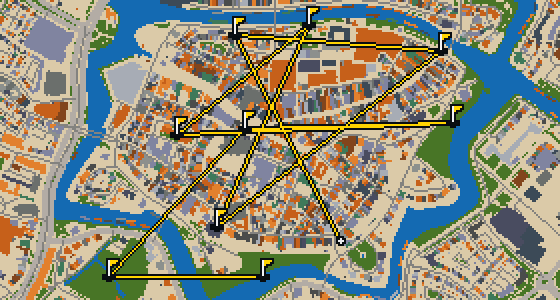
Middelburg - 9 stops - par 27

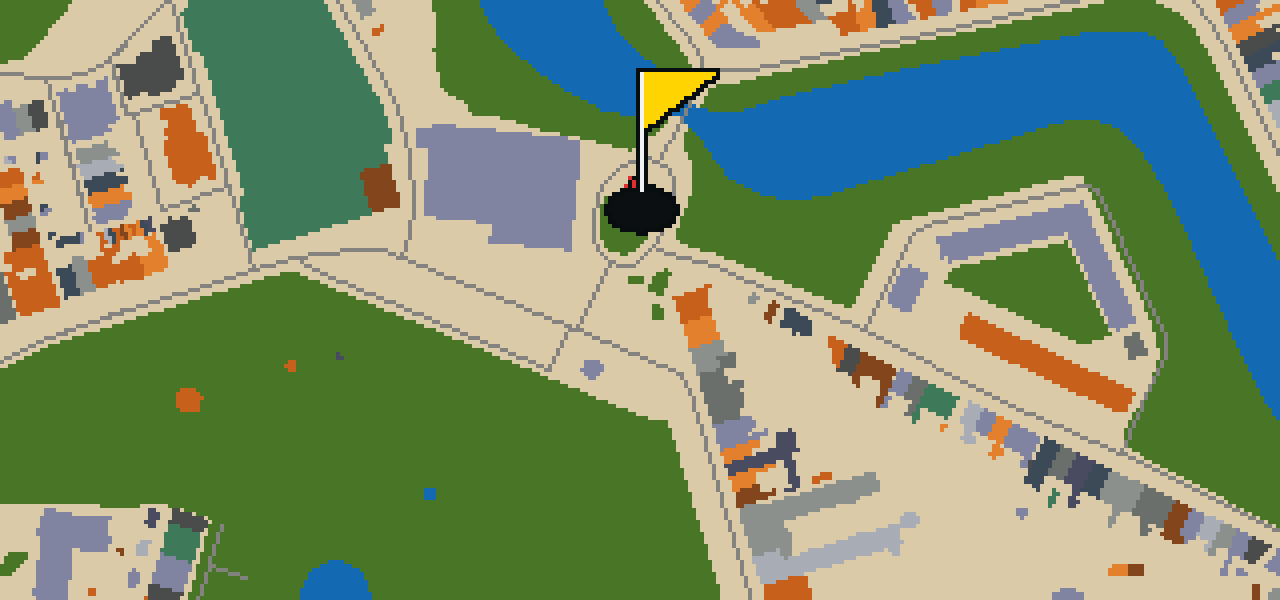
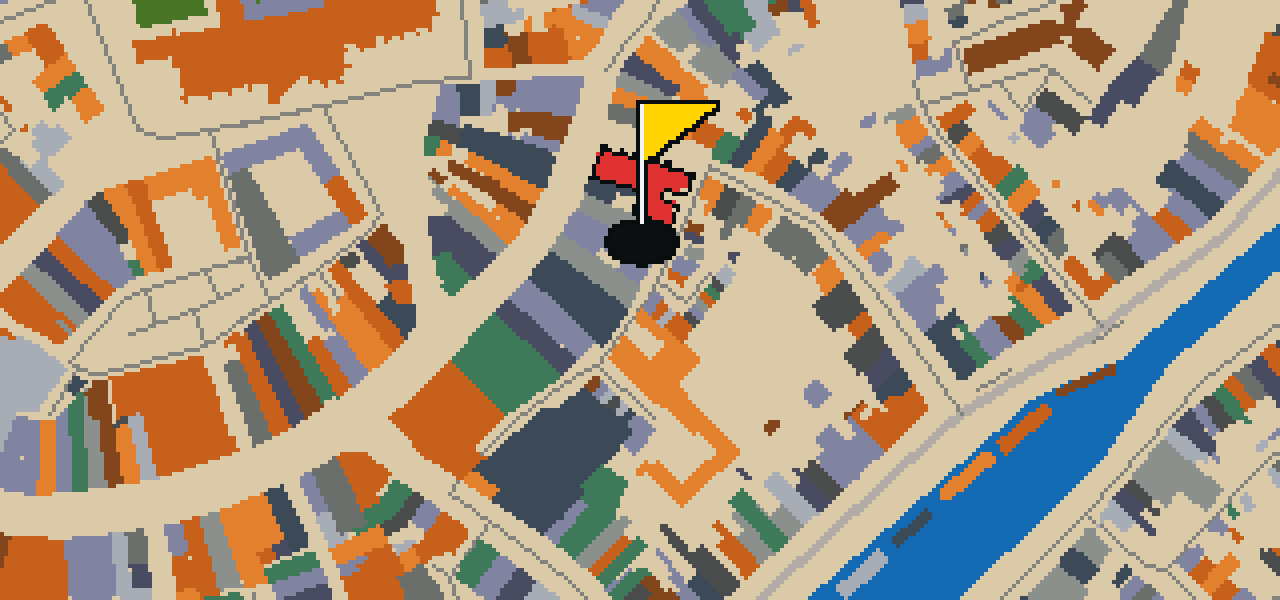
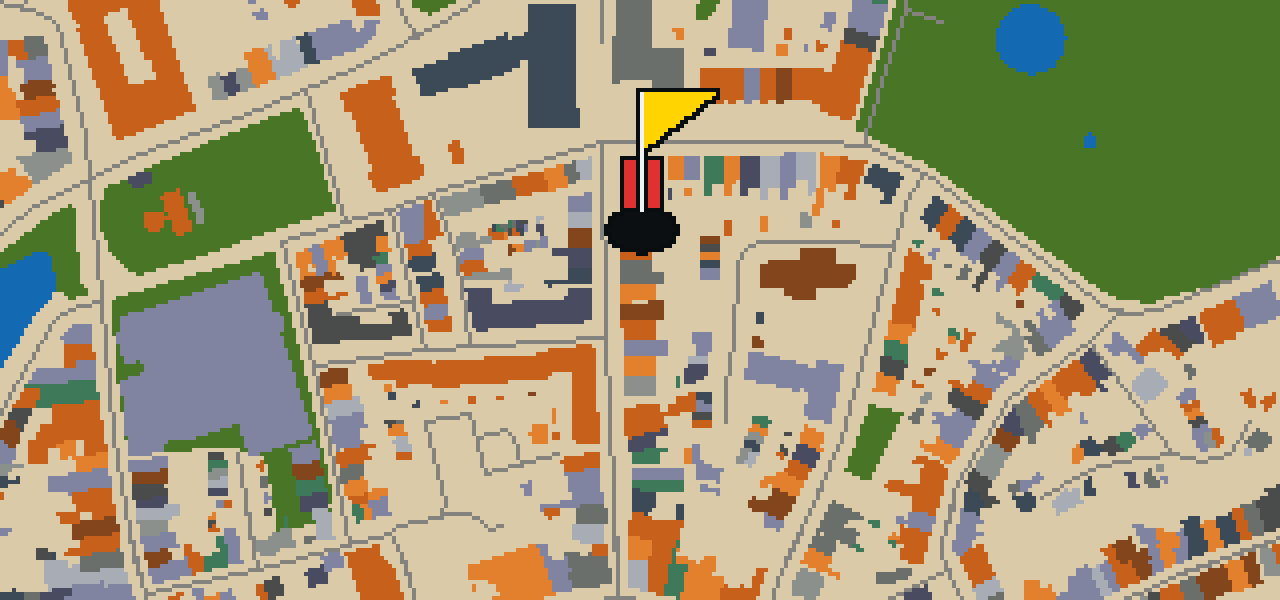
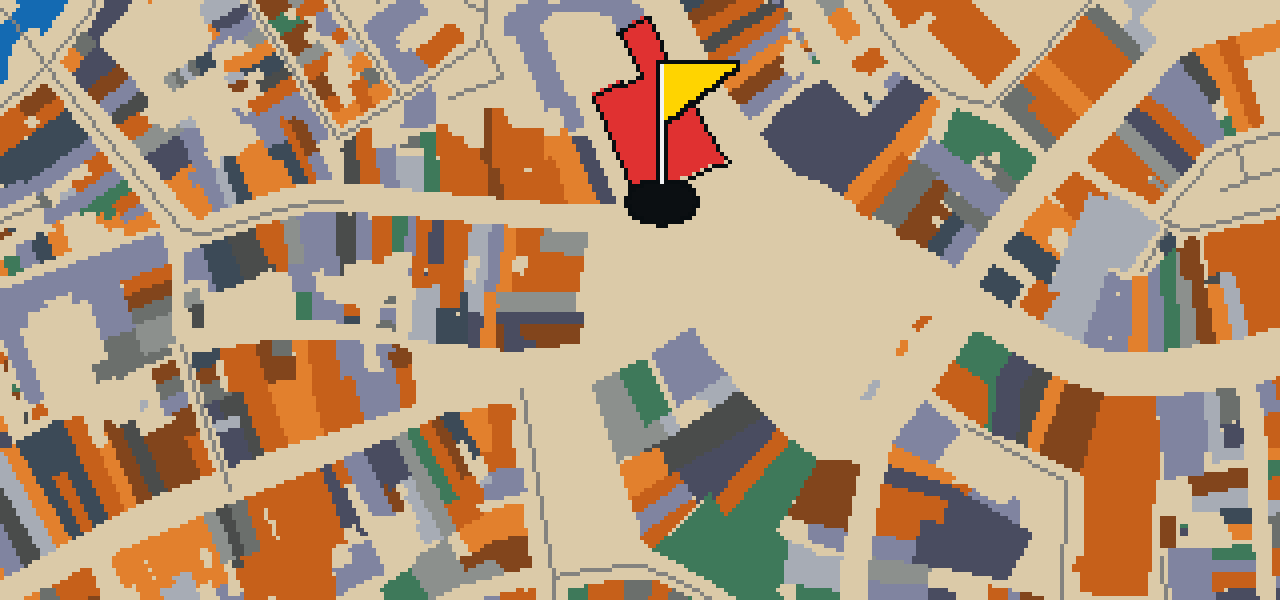
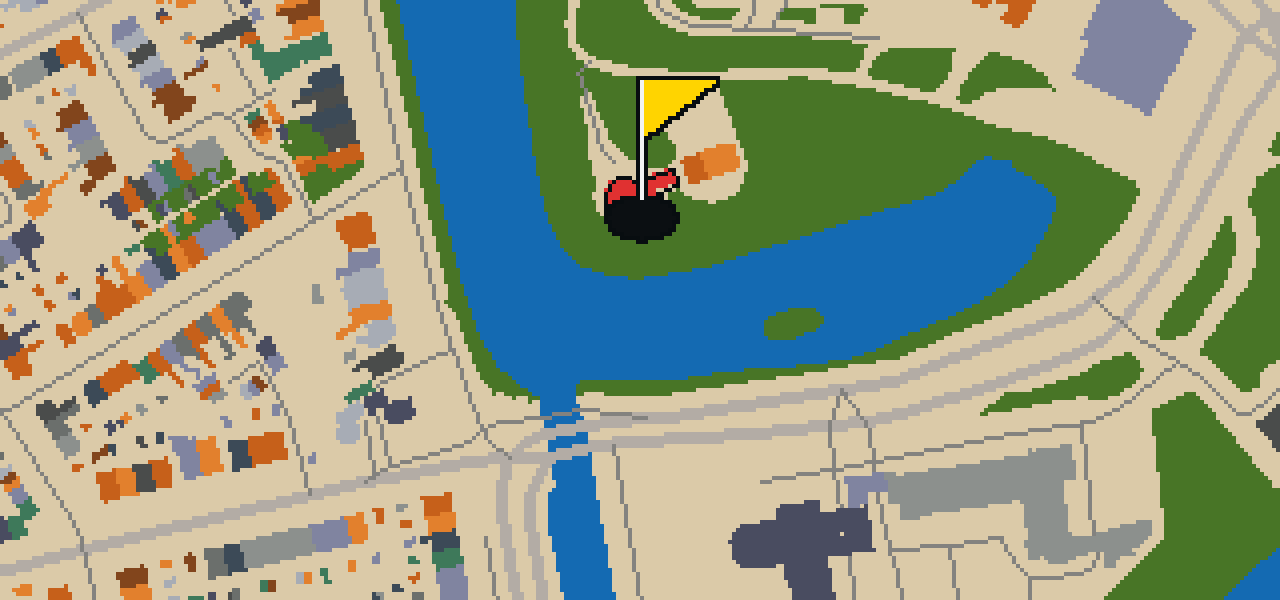
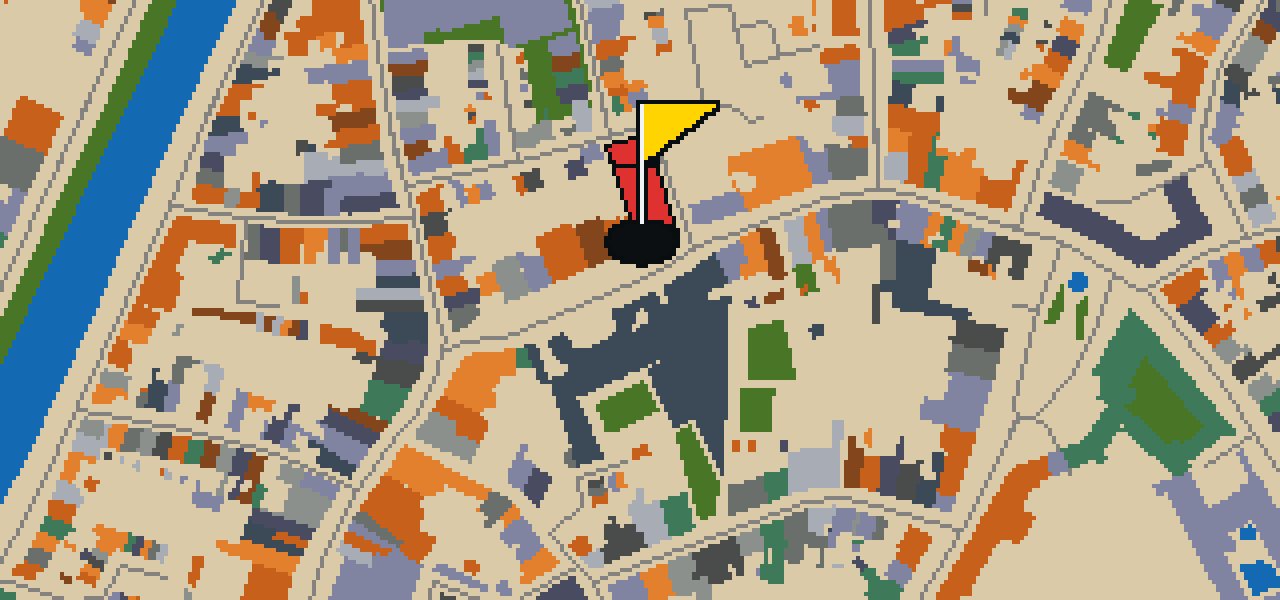
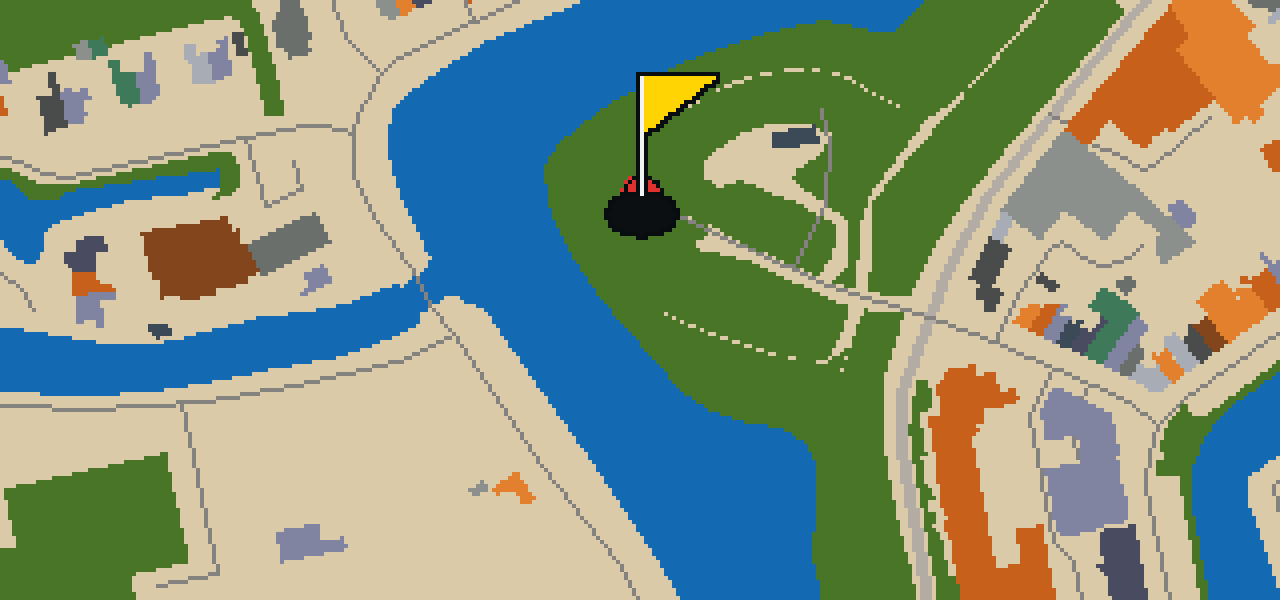
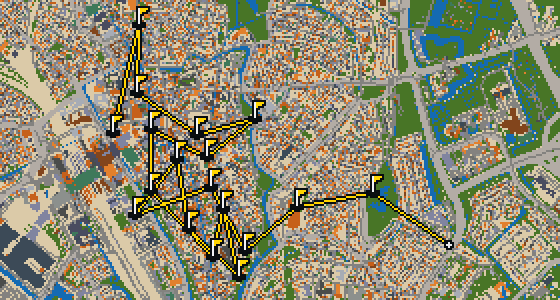
Middelburg is the setting for this round, played on the actual streets of the city. The holes are built from real attractions, ending with a final shot at De Seismolen. Skip knows every cobblestone here and might drop a feather or two along the way. This quick 9-hole round covers 4.9 km with a par of 27, using 2 portals to bridge the gaps.

Trouble loading? Open the game in its own tab.

HOW IT WORKS

01

Pick a city

The course is drawn on the real street grid, so the map you play is the map you walk.

02

Putt to the pin

Drag to aim, release to swing. Buildings bounce and water costs you a stroke.

03

Sightsee between strokes

Every hole ends at an attraction. Sink the putt, read the story, walk to the next tee.

THE MIDDELBURG ROUND - STOP BY STOP

HOLE 1 - PAR 3

Oostkerk

The Oostkerk is a Protestant church in Middelburg. This church building is a Rijksmonument that is recognized for its characteristic round dome. Construction of the site was started in 1648. The architect responsible for the design was Bartholomeus Drijfhout. When looking at the building, you can pick out elements of both Neoclassical and Dutch Baroque architecture styles. These two distinct styles define the visual character of the church and its place within the city. It is a significant site for those interested in the religious and architectural history of the region, blending these specific design movements into a single house of worship.


Wikidata · Wikipedia

HOLE 2 - PAR 3

Zeeuws museum

Let me show you the Zeeuws museum. This museum was founded in 1972 to preserve and share the history of the region. When you visit, you can pick out how the collections tell the story of the local people and their environment. It is a great place to get your bearings if you want to understand the identity of the area through its art and artifacts. I have found that the museum provides a sturdy shelter from the wind, which is always a plus for any visitor exploring the city. Whether you are a history buff or just passing through, the exhibits offer a clear look at the regional heritage. It is a welcoming spot to spend an afternoon learning about the unique way of life that defines this part of the country.

Wikidata

HOLE 3 - PAR 3

Koepoort

You might expect a simple wall here, but instead you will find the Koepoort. This baroque city gate is a standout piece of architecture in Middelburg. Designed by Jan Pieter van Baurscheit the Younger, the gate represents a specific stylistic era of the city's history. Construction of the gate started in 1735. Today, the site is designated as a Rijksmonument, meaning it is a protected national heritage site. I always find that the ornate details of the baroque style make it a great spot to pause and look up. Whether you are passing through or just visiting, the gate provides a clear glimpse into the city's historical boundaries and its commitment to preserving its architectural past.

Wikidata

HOLE 4 - PAR 3

Gasthuiskerk

You will first notice the distinct Gothic architecture style of Gasthuiskerk. This church building is a significant part of the local landscape and is officially designated as a Rijksmonument. Visitors can observe the pointed arches and structural details characteristic of the Gothic tradition that define the exterior and interior of the space. The Gothic style is evident in the verticality and the specific masonry used throughout the building. As a Rijksmonument, the site is recognized for its historical and architectural value to the region. When you approach the building, the intersection of these Gothic elements provides a clear example of the era's design priorities. It is a place of stillness and architectural study within the city, where the physical form of the church conveys its long history through the stone and glass of the Gothic tradition.

Wikidata

HOLE 5 - PAR 3

Sint-Augustinuskerk

Sint-Augustinuskerk is a church building. It is built in the baroque architecture style and is designated as a Rijksmonument. Construction of the building was started in 1740 and finished in 1742. When you look at the structure, you can pick out the ornate details typical of the baroque period. This architectural style is a defining feature of the building, making it a point of interest for those visiting the city. The status of the building as a Rijksmonument indicates its importance to the national heritage. As you move through the area, the facade provides a clear example of how this specific style was implemented during the early eighteenth century. The timeline from the start of work in 1740 to the completion in 1742 shows the period in which this church building was established in the local environment.

Wikidata

HOLE 6 - PAR 3

Vleeshal

Let me show you the Vleeshal, a building characterized by Gothic architecture. It sits on the market square and was formerly Middelburg's town hall. Now, it has a different purpose as an art museum and arts center in the Netherlands. Under the direction of Roos Gortzak, the center organizes exhibitions of contemporary art. You can also find an accompanying public program there to go along with the displays. I've noticed that the contrast between the old stone walls and the modern art inside makes for a great walk. It is a wonderful spot to see how a historical space can be repurposed for the creative needs of the present day while still keeping its original character intact for everyone to see.

Wikidata · Wikipedia

HOLE 7 - PAR 3

De Hoop

Let me show you De Hoop. This structure is a windmill, which means it is built to harness the wind for the purpose of milling. When you look at the exterior, you can see the traditional construction and materials used for these types of machines. It is also designated as a Rijksmonument, which means it is a protected national monument in the Netherlands. I have spent some time watching the sails turn from the rooftops nearby, and it is always a sight to see. Whether you are visiting the city for the history or the architecture, this landmark is a key part of the local skyline. It stands as a great example of the engineering used in the region to process grain and other materials using only the power of the breeze.

Wikidata

HOLE 8 - PAR 3

Herenstraat

While it may look like other buildings on the street, this is not a house. It is the Herenstraat synagogue. This site is a place of worship and holds a specific status in the Netherlands as a Rijksmonument. Visitors can see the architecture of the synagogue as they pass through the city. Because it is a Rijksmonument, the building is protected as a site of national importance. It is a location that requires a calm and respectful approach as you navigate the streets of Middelburg. The presence of the synagogue on Herenstraat provides a window into the religious life of the community. You can observe the facade of the building and recognize its role as a synagogue, distinct from the surrounding structures in this part of the city.

Wikidata

HOLE 9 - PAR 3

Hofpleinkerk

Hofpleinkerk is a church building located in Middelburg. This site is a point of interest due to the professionals who designed the structure. Arend Rothuizen is an architect of Hofpleinkerk, contributing to the building's physical form and layout. In addition to Rothuizen, Gerard 't Hooft is an architect of Hofpleinkerk. These two individuals are the named architects responsible for the design of the church building. Visitors to Middelburg can observe the architectural work of both Rothuizen and 't Hooft when viewing the site. The building stands as a representation of their combined professional efforts in the field of architecture. This church building provides a clear example of the specific design choices made by these two architects during the creation of the site.

Wikidata

STOP 10

De Seismolen

Look up at the gallery platform circling the tower, a defining feature of this stellingmill. This structure is De Seismolen, a prominent windmill in Middelburg. While many visitors admire the machinery, it is also officially designated as a Rijksmonument. I usually keep a close eye on the sails from a nearby ledge, though I prefer the view from the ground when the wind picks up. Whether you are interested in the engineering of the mill or the history of the city's skyline, this landmark is a key stop on your walk through town. It is one of those places where the architecture tells you exactly how the city used to function before modern times took over the horizon.

Wikidata

OTHER COURSES

9 HOLES - PAR 25

Zwolle

9 stops

This is Zwolle, where the map is the actual city and the round is played on its real streets. The holes are built from attractions like the Sassenpoort. Skip knows these alleys well, even the ones where the best crumbs hide. It is a quick 9-hole round with a par of 25, covering a 4.3 km walk that uses 6 portals to move the ball.

18 HOLES - PAR 53

Utrecht

18 stops

Utrecht is the map for this round, where the ball rolls across the actual city streets. The holes are built directly from real attractions, ending the game at the Rijn en Zon. A full 18-hole round covers 9.3 km and uses six portals to bridge the gaps between distant districts. Skip knows these pavements well, including the specific corners where the best crumbs fall. As a local guide, this pigeon has seen every inch of the walk from the air and the cobblestones.

9 HOLES - PAR 25

Tilburg

9 stops

The final hole drops right into the Efteling. This round uses the real streets of Tilburg as a map, where the actual attractions provide the walls and obstacles for the ball. It is a quick 9-hole round with a par of 25, covering a walk of 4.5 km. Skip knows every cobblestone here and can show the way.

18 HOLES - PAR 58

Rotterdam

18 stops

This is Rotterdam, where the map is the real city and the round is played on its actual streets. Real attractions like the Euromast are what the holes are built from, turning the city into a course. Skip is a local guide who knows the place and where the best crumbs are hidden. This full round of 18 holes covers 12.7 km and uses 60 portals to bridge the gaps between the distant landmarks.

9 HOLES - PAR 28

Nijmegen

9 stops

This is a quick nine-hole round through Nijmegen. The map is the real city and the ball rolls along its actual streets, using landmarks like the Jacobskapel to form the holes. Skip knows these pavements well enough to avoid the occasional crumb-stealing rival. The walk covers 5.5 km of the city center, where the real attractions provide the rails and the cups.

FAQ

Is it free to play?

Yes. Every course runs in the browser with no account and no install.

Do I need to be in the city?

No. The full round plays from anywhere. Walking the real route is a nice way to see the city, but it is not required.

Are the maps real?

Yes. The geometry comes from OpenStreetMap data, rendered chunky on purpose. Streets, water and parks sit where they really are.