
LEEUWARDEN - 18 HOLES - FREE

LEEUWARDEN
CITY MAP MINIGOLF

Leeuwarden - 18 stops - par 55

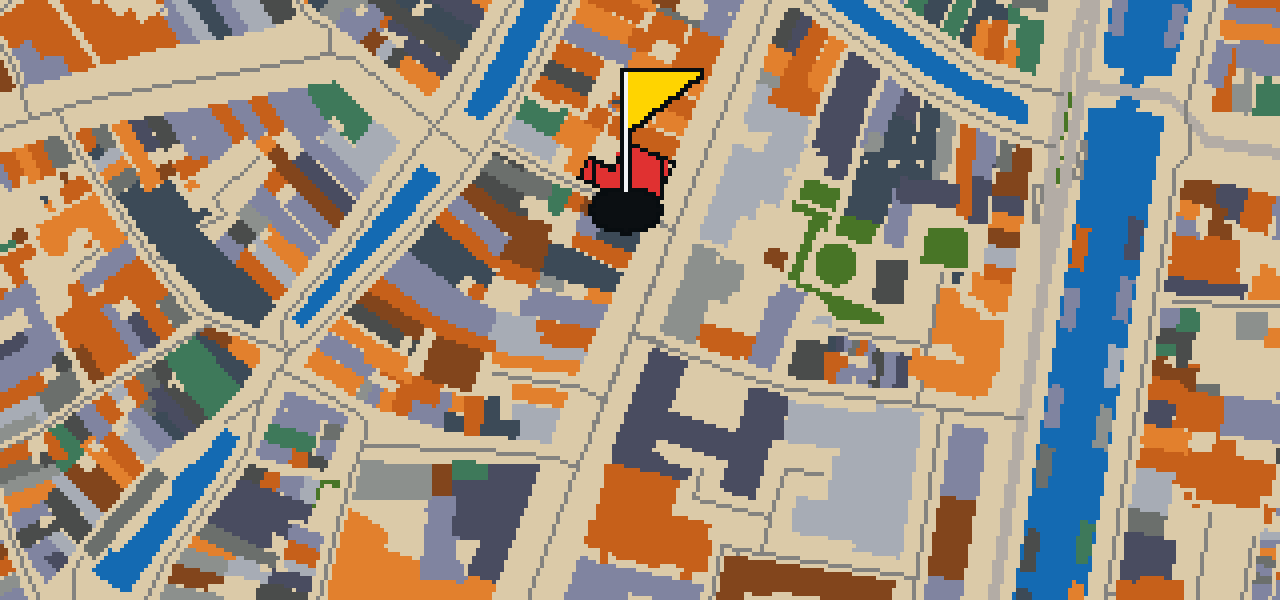
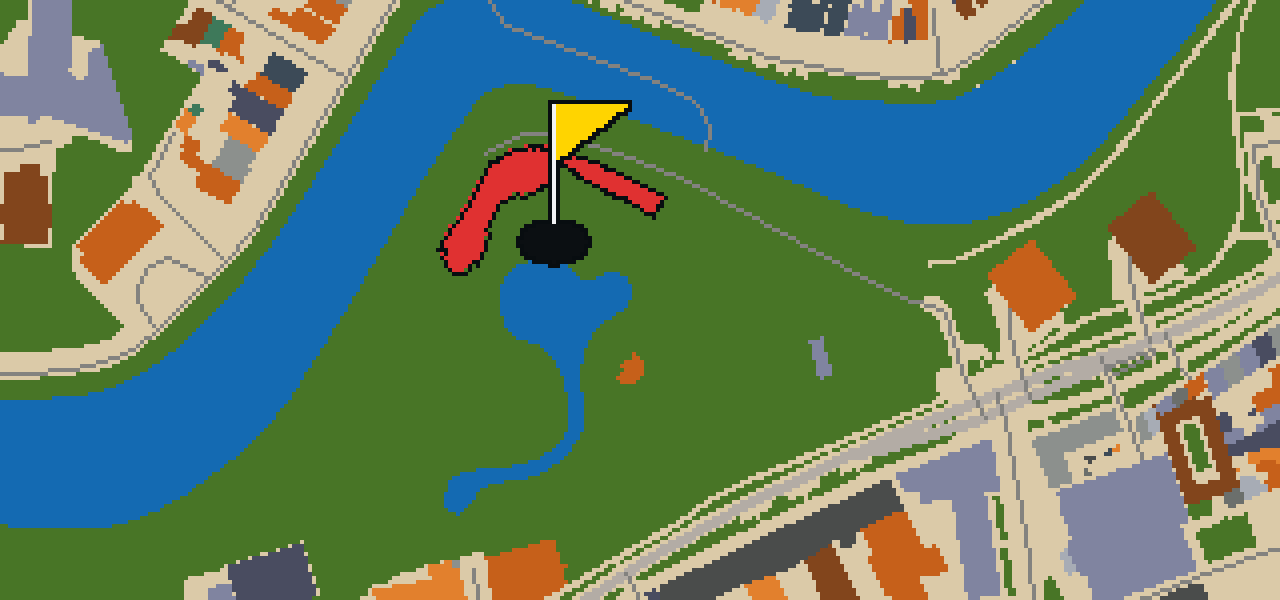
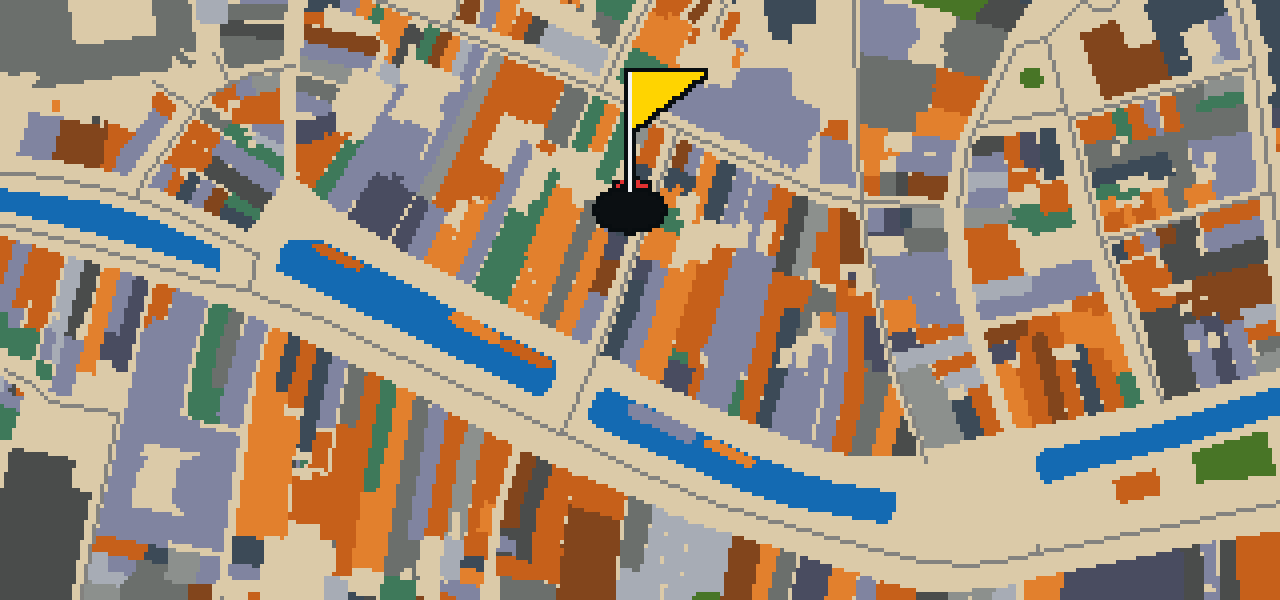
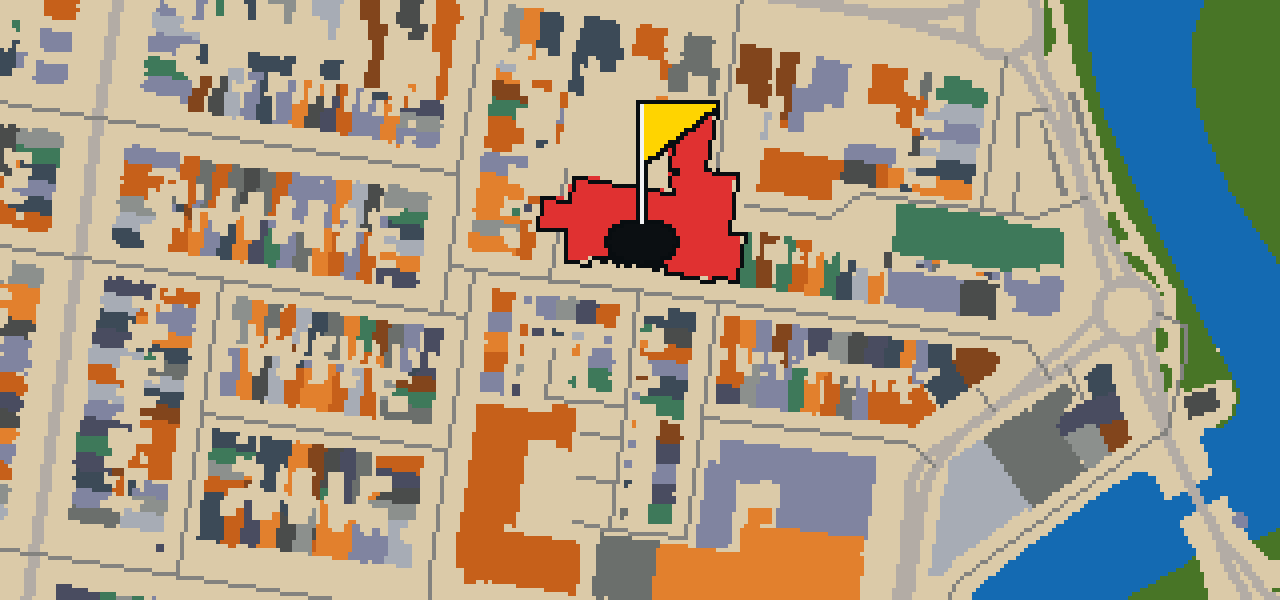
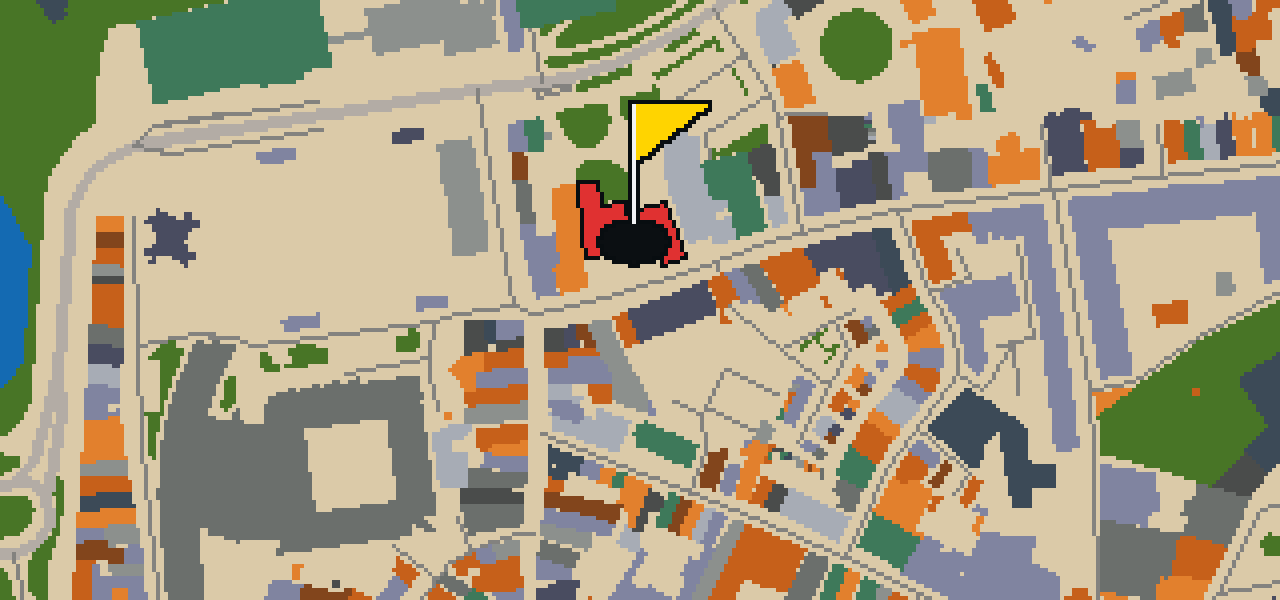
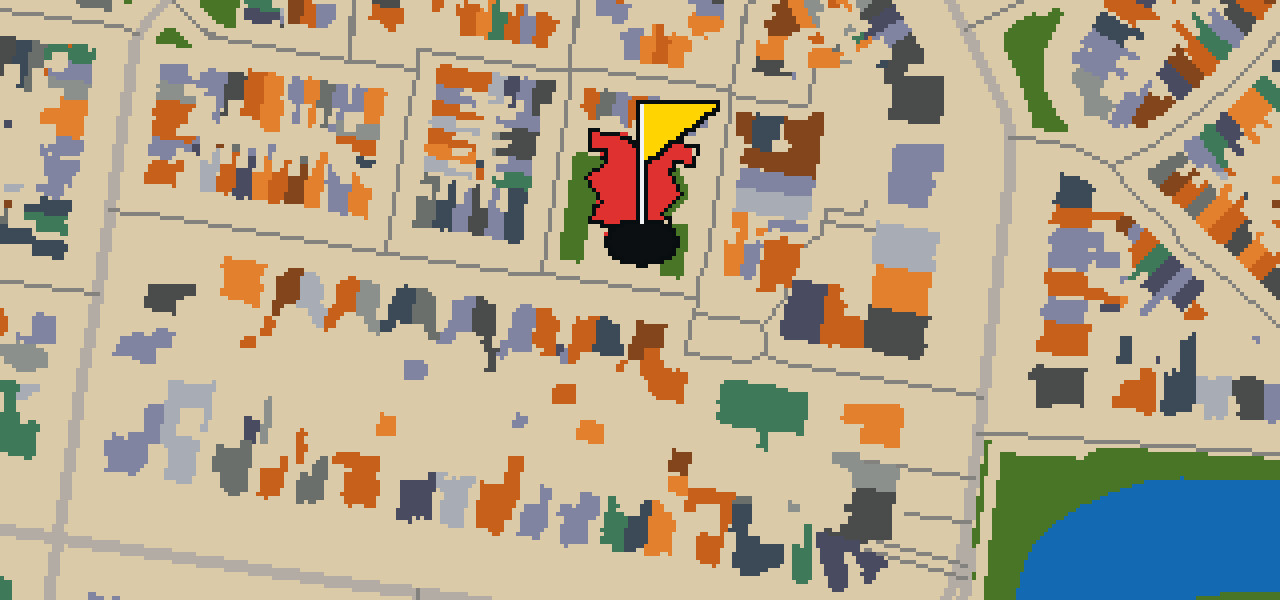
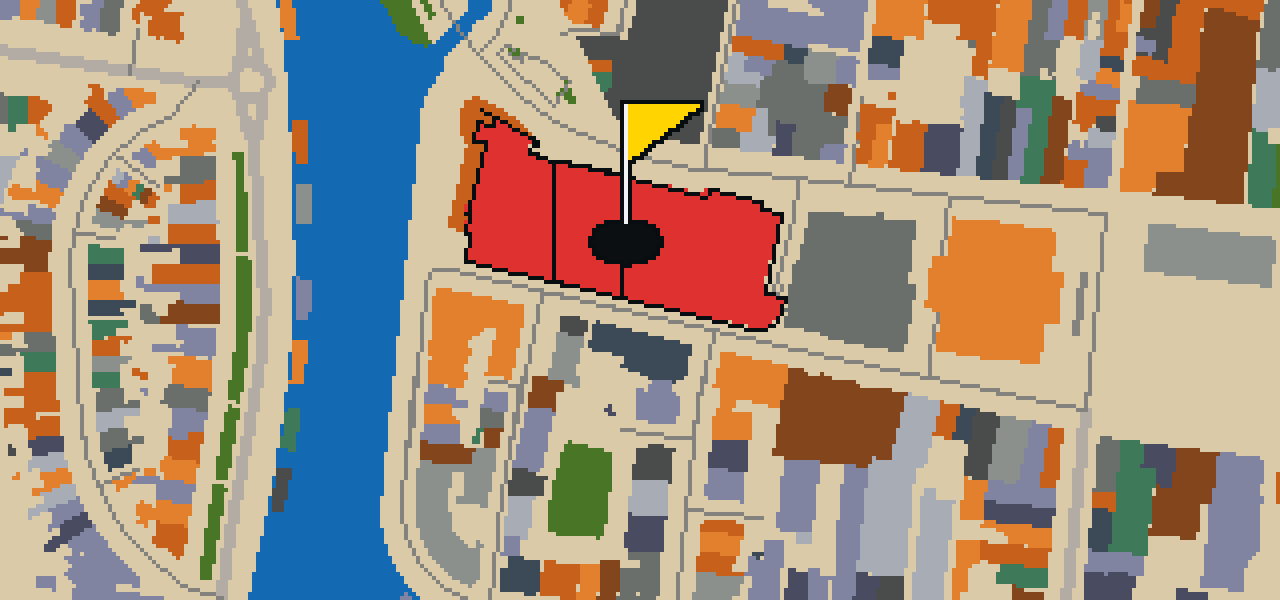
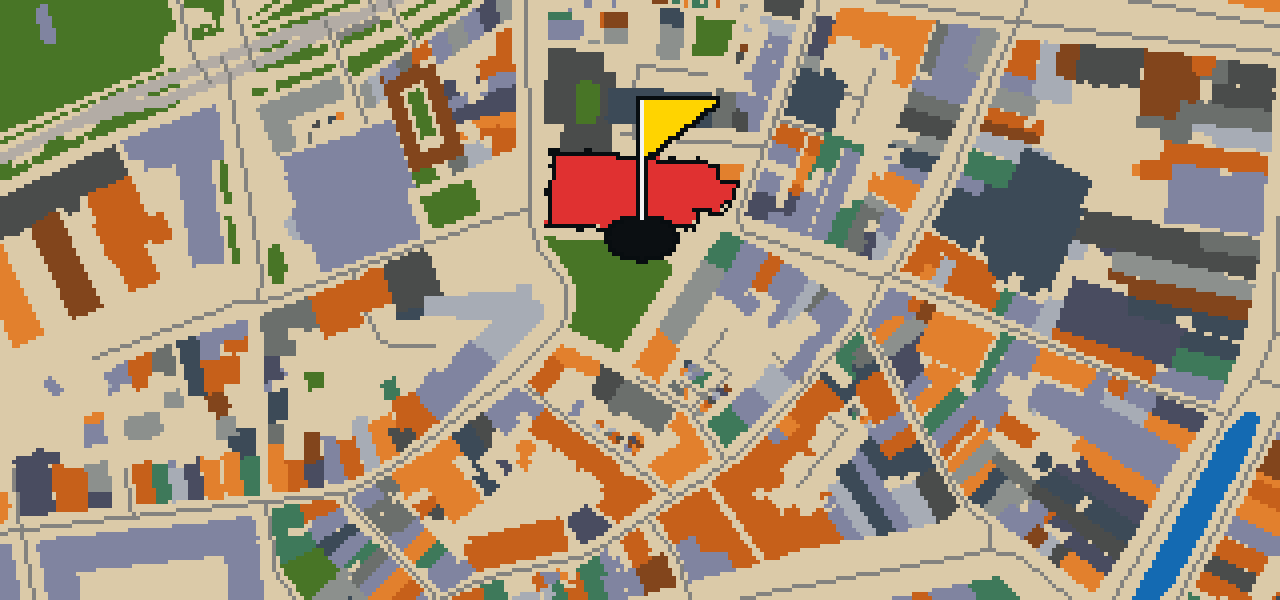
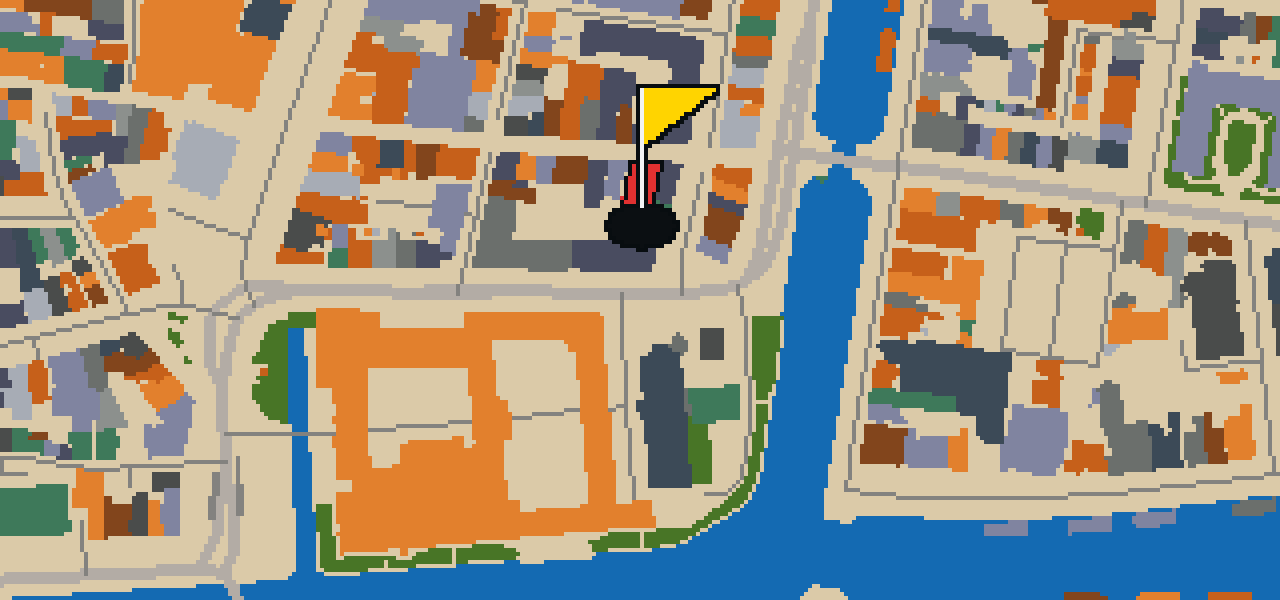
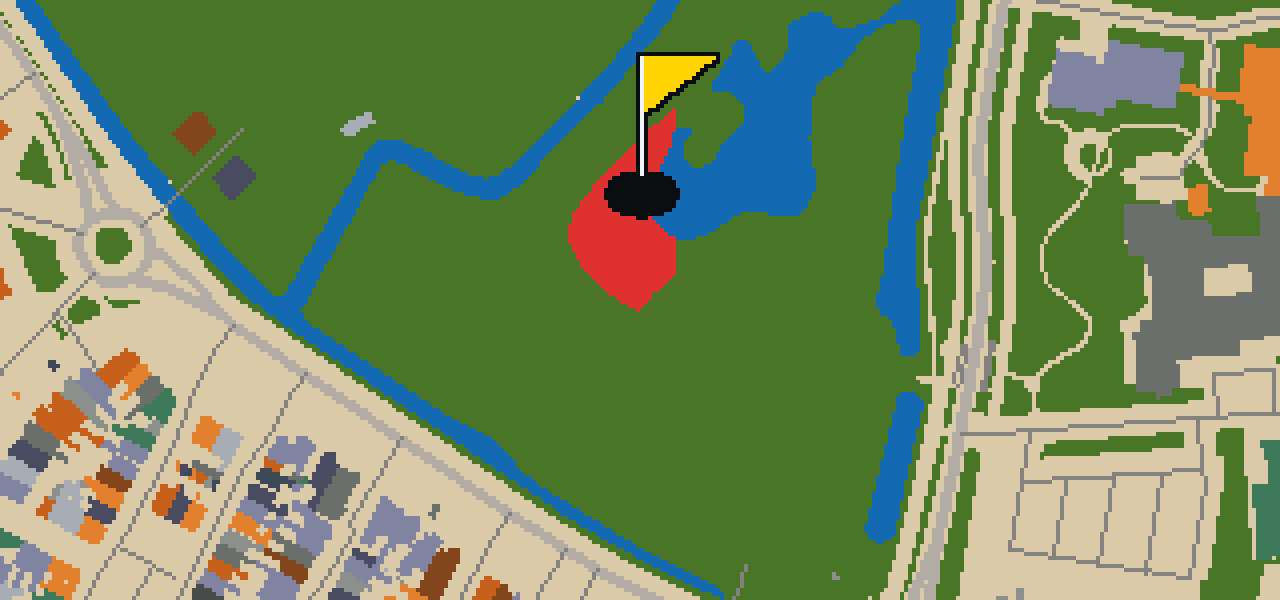
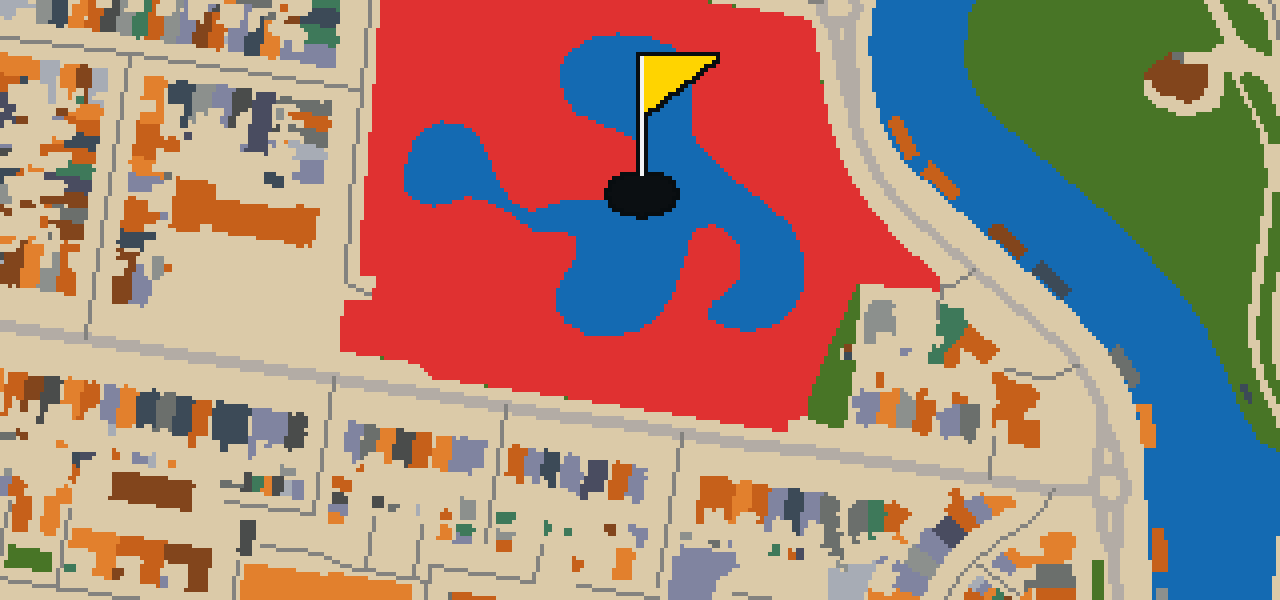
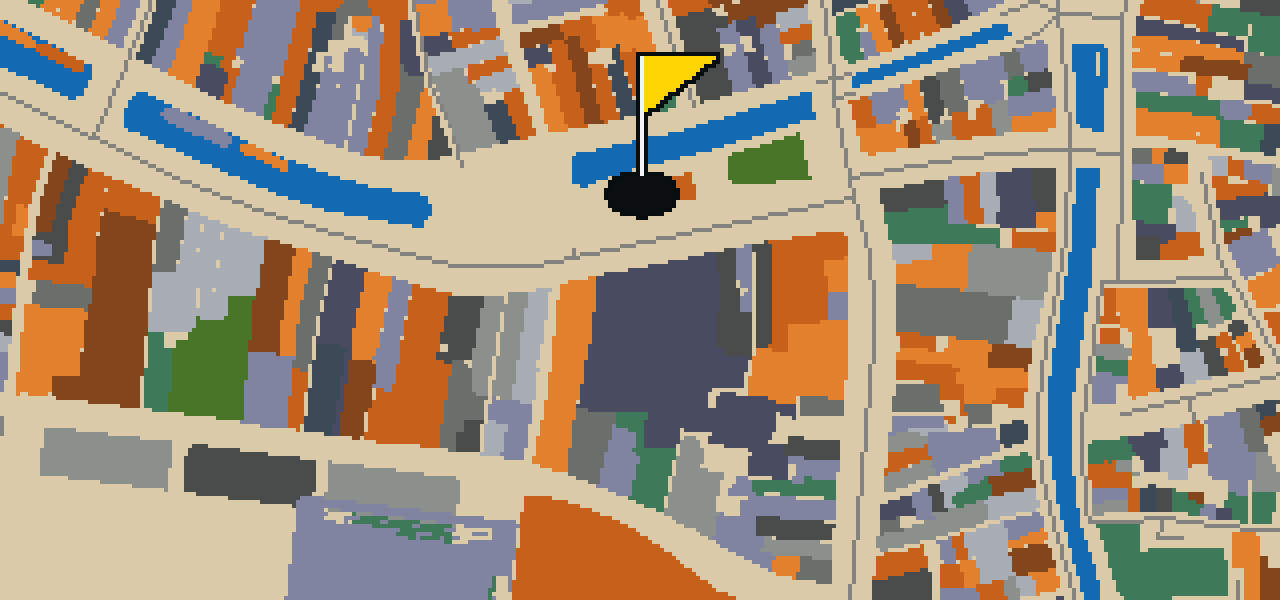
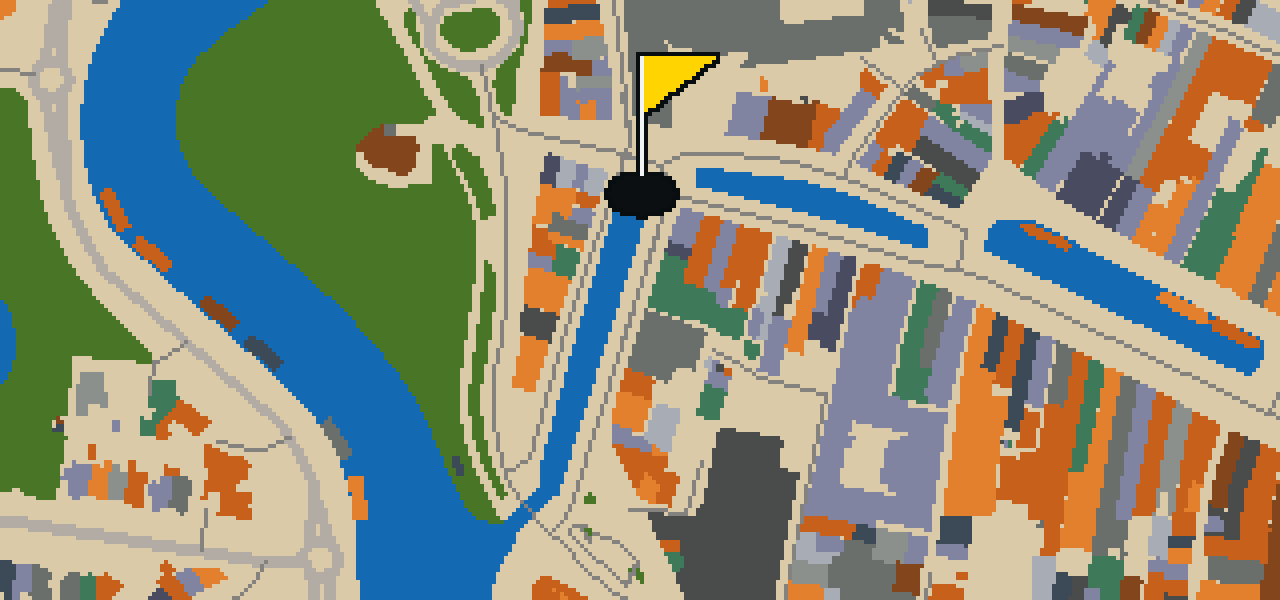
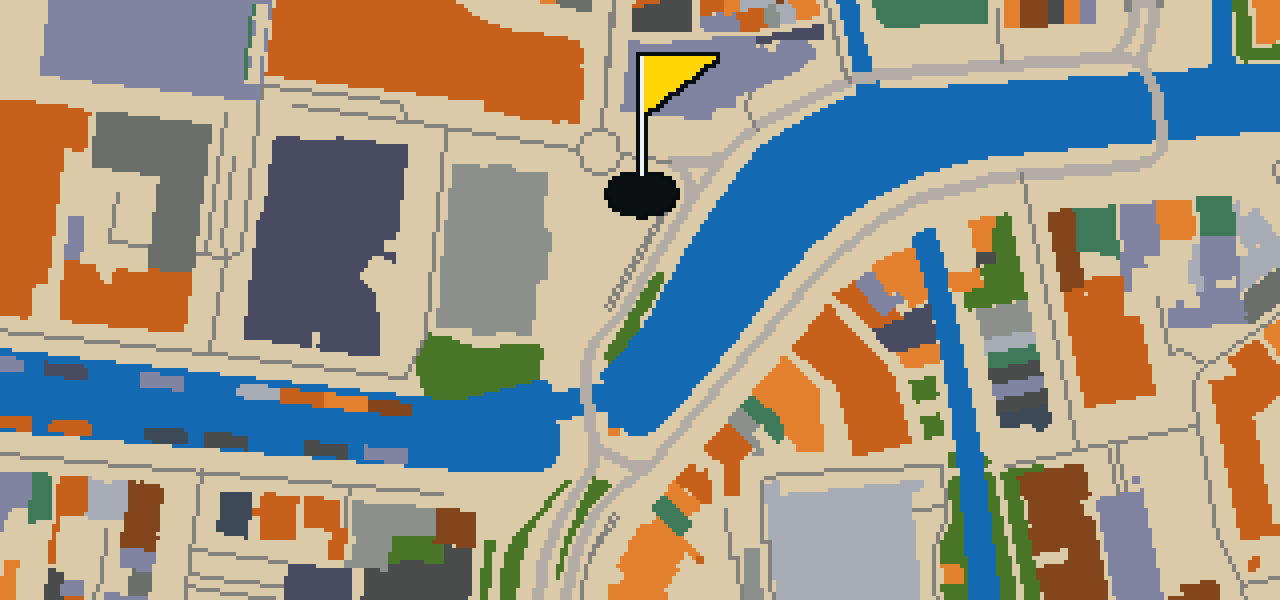
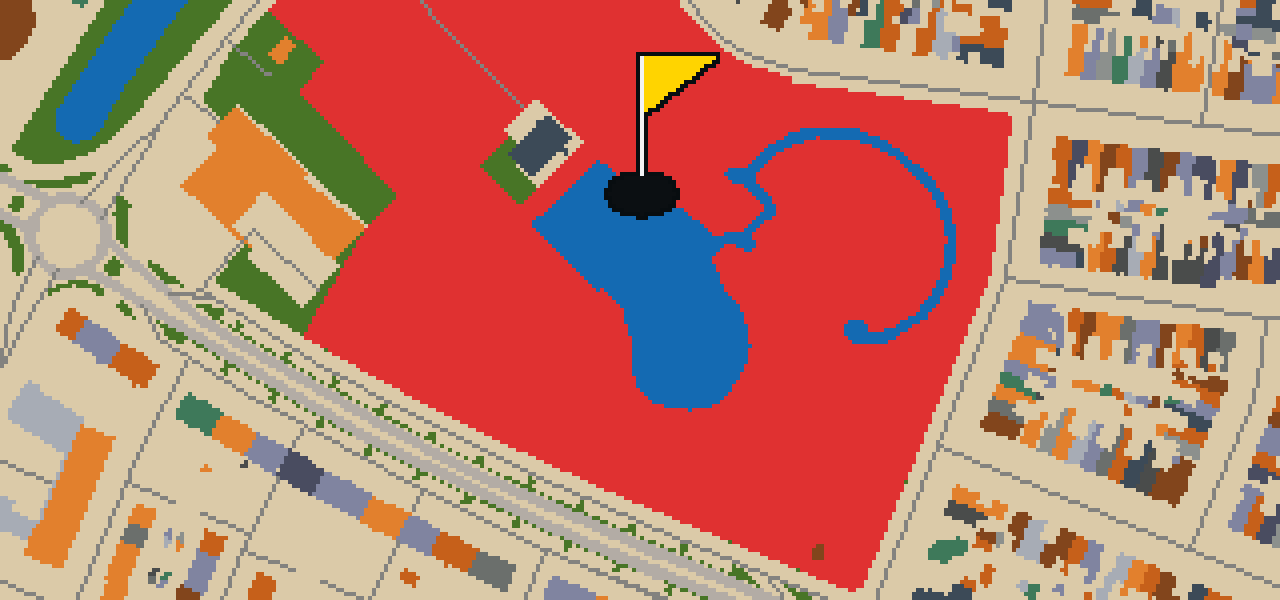
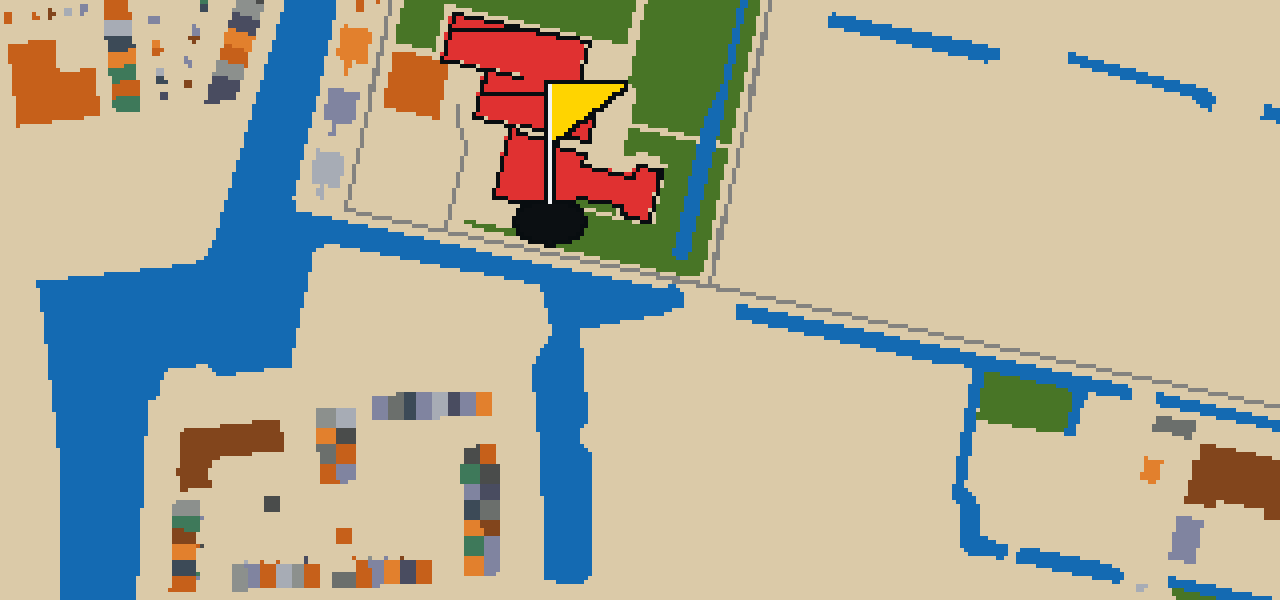
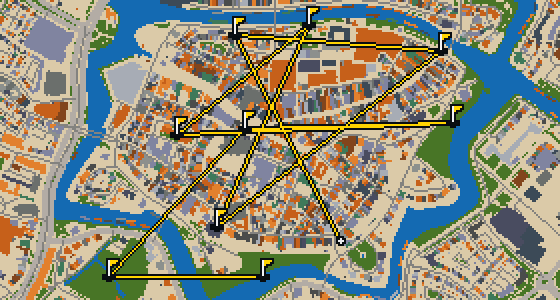
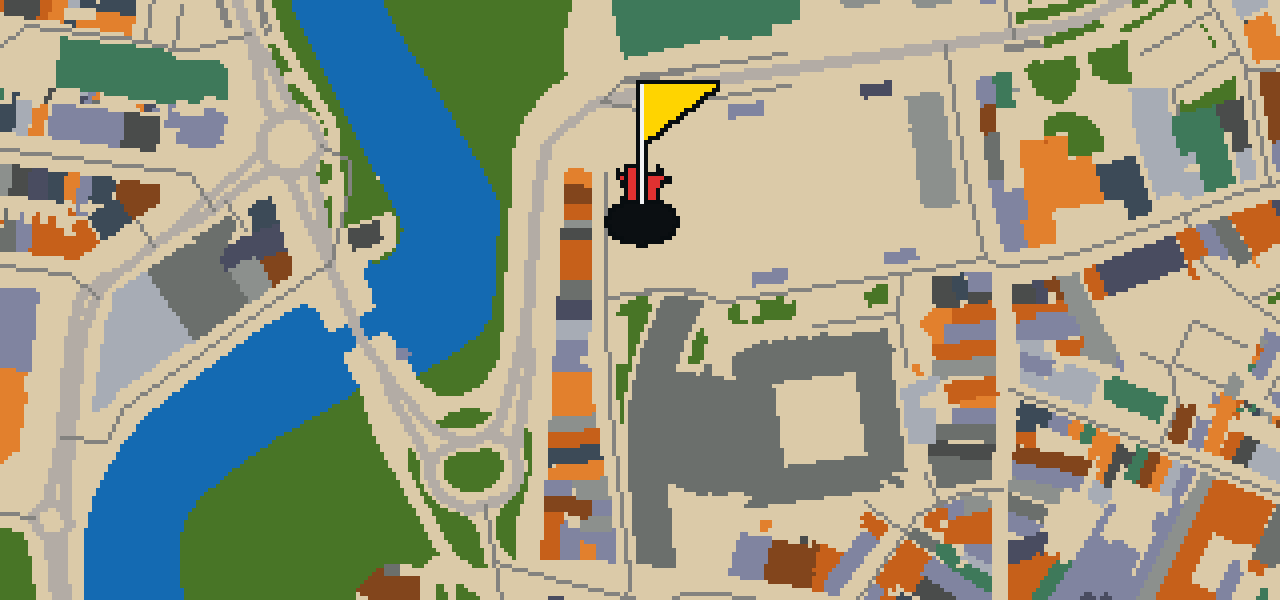
Leeuwarden is the setting for this round, where the map is the actual city and the ball rolls along its real streets. The holes are built from actual attractions, ending at landmarks like the Oldehove. This is a full 18-hole round with a par of 55, covering a walk of 11.4 km. Skip knows every corner of these streets and acts as the local guide, though a stray crumb might occasionally distract the view.

Trouble loading? Open the game in its own tab.

HOW IT WORKS

01

Pick a city

The course is drawn on the real street grid, so the map you play is the map you walk.

02

Putt to the pin

Drag to aim, release to swing. Buildings bounce and water costs you a stroke.

03

Sightsee between strokes

Every hole ends at an attraction. Sink the putt, read the story, walk to the next tee.

THE LEEUWARDEN ROUND - STOP BY STOP

HOLE 1 - PAR 3

Oldehove

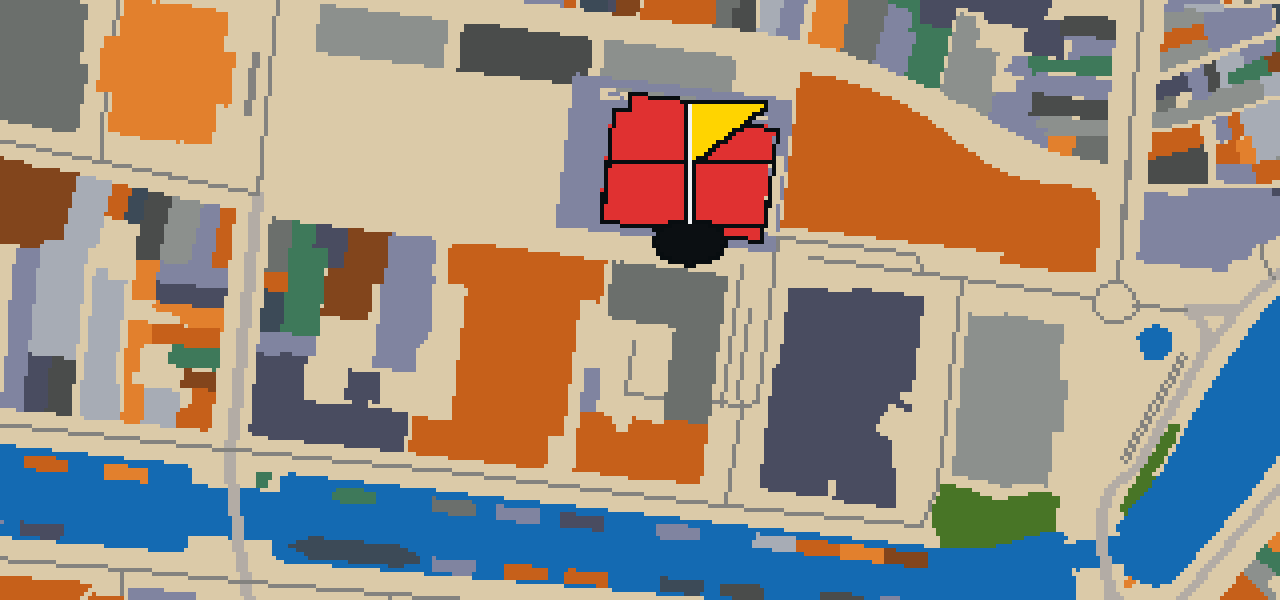
You will immediately notice the tilt of the Oldehove. This inclined church tower is located in the medieval centre of Leeuwarden. The inception of the tower was in 1533, and it was built in the Gothic architecture style. While the structure is an unfinished church tower, it remains a significant site and is designated as a Rijksmonument. You can see the architectural details of the Gothic style as you approach the base of the tower in the heart of the city.

Wikidata · Wikipedia

HOLE 2 - PAR 3

Fries Museum

You will likely notice the prestige of the Fries Museum immediately. Located in Leeuwarden, Netherlands, this museum has won the Global Fine Art Award. This specific honor is sometimes nicknamed the Museum-Oscar, which tells you a lot about the quality of the collections found inside. It is a place that has been welcoming visitors since it was founded in 1881. I always think it is a grand spot to spend an afternoon, as there is so much to see within these walls. Let me show you why this spot is a highlight of the city.

Wikidata · Wikipedia

HOLE 3 - PAR 3

Huis Van Eysinga

Tucked into the city of Leeuwarden, you will find Huis Van Eysinga. This building is an instance of a stins, a type of fortified residence that reflects the local history of the region. Beyond its architectural style, the site is designated as a Rijksmonument, which identifies it as a protected national monument. It is a wonderful place to stop and admire the facade while you are navigating the streets. I often find the ledges here are perfect for a quick break between flights across the city.

Wikidata

HOLE 4 - PAR 2

Pier Pander Museum

You will first notice the building of the Pier Pander Museum, which was designed by architect Justus Zuidema. This museum opened its doors in 1954 and remains a point of interest in Leeuwarden. I always find the architecture of the city's older museums to be quite distinct. Whether you are here for the art or just passing through the neighborhood, it is a landmark worth recognizing as you navigate the streets. It is one of the places that gives this part of town its specific character, making it easy to spot from a distance.

Wikidata

HOLE 5 - PAR 3

Museum de Grutterswinkel

Let me show you Museum de Grutterswinkel. This site is a museum that offers a glimpse into the past of Leeuwarden. It is a place where you can learn more about the city's heritage and how life used to be for the people living here. I think you will find the atmosphere quite welcoming as you walk through the exhibits.

Wikidata

HOLE 6 - PAR 3

Sint-Dominicuskerk

Sint-Dominicuskerk is a church building located in Leeuwarden. This site is a Rijksmonument, meaning it is a protected national heritage site. The building was started in 1937. Hendrikus Cornelis Marie van Beers is the architect of Sint-Dominicuskerk. You can observe the specific design choices made by van Beers as you approach the structure. It is a significant example of a church building from this era and holds a protected status due to its historical and architectural value to the city.

Wikidata

HOLE 7 - PAR 3

Keramiekmuseum Princessehof

The Keramiekmuseum Princessehof is a ceramics museum in Leeuwarden. Founded in 1917, the museum is housed in a small palace built in 1693 that was later occupied by Marie Louise, dowager Princess of Orange. Part of the museum is also located in the Papinga stins, which is a former stronghold from the 15th century. Visitors can see a collection that includes pottery, tiles, and ceramic sculpture. I've always found the mix of a palace and a stronghold to be a bit of a fancy contrast for one museum.

Wikidata · Wikipedia

HOLE 8 - PAR 3

Pelikaankerk

This is not a modern construction, but a Rijksmonument. Pelikaankerk is a church building in Leeuwarden that holds a place of historical importance in the city. It was designed by the architect Egbert Reitsma, who provided the vision for the structure. Work on the building began in 1931 and the project was finished in 1932. It is a site that visitors can observe for its specific architectural style and its status as a protected national monument.

Wikidata

HOLE 9 - PAR 3

Stadsschouwburg de Harmonie

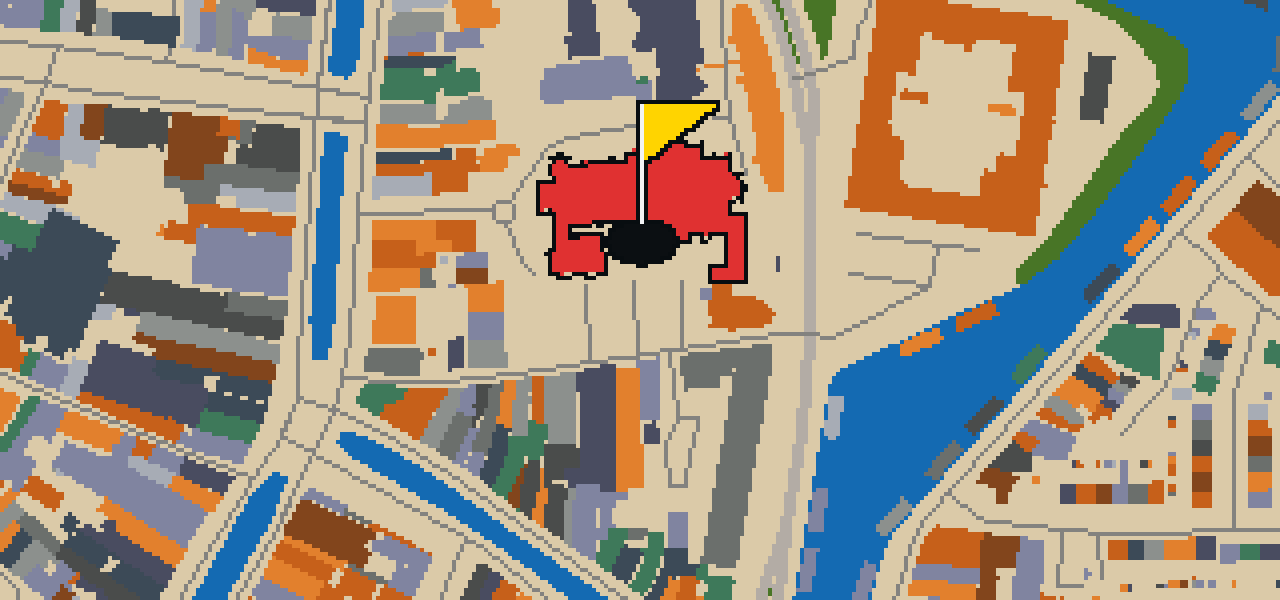
You will likely notice the striking modern design of Stadsschouwburg de Harmonie first. This building is both a concert hall and a theatre building, providing a central space for the performing arts in the heart of the city. It was designed by architects Frits van Dongen and Cie Architects, with work on the project starting in 1994. I always think the architecture makes it one of the most distinct silhouettes in the neighborhood, standing out against the surrounding buildings. It is a place where the community gathers for music and drama alike.
Wikidata

HOLE 10 - PAR 3

Grote of Jacobijnerkerk

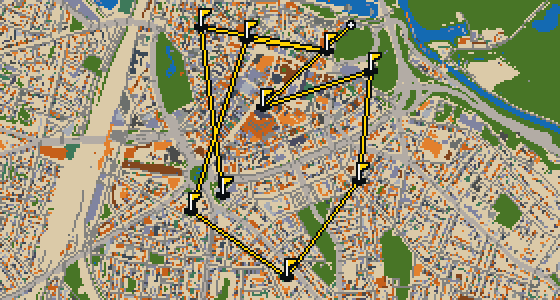
The Jacobijnerkerkhof square surrounds the Grote of Jacobijnerkerk, a Protestant church located in Leeuwarden, Netherlands. This church building is a Rijksmonument built in the Gothic architecture style. Construction on the site was started in 1310. Visitors to the area can see how the Gothic elements define the structure and how the church integrates with the surrounding public square. It is a place of historical significance that provides a glimpse into the early architectural development of the city.
Wikidata · Wikipedia

HOLE 11 - PAR 3

Evangelisch-Lutherse kerk

The Evangelisch-Lutherse kerk is a church building located in Leeuwarden. When you see the building, you will notice it is a Rijksmonument, which means it is protected as a site of national heritage in the Netherlands. This specific church building was started in 1681. It remains an important landmark for those visiting the city who are interested in the religious architecture of the region.

Wikidata

HOLE 12 - PAR 3

Sint-Bonifatiuskerk

You are not looking at a contemporary design, but the Sint-Bonifatiuskerk. This church building in Leeuwarden is a Rijksmonument designed in the Gothic Revival style. Pierre Cuypers was the architect of the site, which was built from 1882 to 1884. The building is a significant example of the Gothic Revival style within the city. Visitors can observe the architectural details that define this specific period of construction and the influence of Cuypers on the local landscape.

Wikidata · Wikipedia

HOLE 13 - PAR 4

Rengerspark

Green lawns and shaded paths open up as you enter Rengerspark. This park is a place for quiet walks and fresh air in the city, providing a soft break from the surrounding urban streets. Beyond its greenery, the site is designated as a Rijksmonument, which means it is a protected national heritage site. I often see people relaxing here under the canopy of the old trees or watching the squirrels scramble through the grass. It is a peaceful spot that manages to feel tucked away while remaining right in the heart of the action.

Wikidata

HOLE 14 - PAR 3

Westerpark

Located on the western side of Leeuwarden, you will find Westerpark. This area is a park that offers a place for visitors to experience the city's greenery. I always find it a pleasant spot to stretch my wings away from the busier streets.

Wikidata

HOLE 15 - PAR 2

Karnster

You might think you are looking at a local resident, but this is actually Karnster. It is a statue that has been part of the city scenery since 1979. I always find that people stop and stare at it, wondering about the story behind the figure. It is a simple but distinct marker in the city for any visitor to spot while walking the streets. Whether you are a tourist or a CityGolf player, this piece is a recognizable landmark that helps orient you as you navigate through the neighborhood.

Wikidata

HOLE 16 - PAR 3

De Frisiaan

Let me show you De Frisiaan. This sculpture was created in 1983 and has remained a part of the city ever since. It is a distinct piece of art that visitors often spot while exploring the streets of Leeuwarden. I always find that these kinds of permanent fixtures give the neighborhood a steady sense of character. Whether you are a fan of public art or just passing through on your way to other sights, it is a notable point of interest in the local area that has witnessed the city change around it over the decades.

Wikidata

HOLE 17 - PAR 4

Mercuriusfontein

The sculpted figures of the Mercuriusfontein catch the light before you see the whole fountain. Created in 1923, this sculpture is a Rijksmonument. Andries Baart sr. is the architect of the work. I usually find the best view when the water is flowing, though you can appreciate the stone carvings even when it is still. It is a fine example of the city's public art, standing as a permanent fixture for visitors to admire as they wander through the streets. Just keep an eye on the water's edge to get the best angle for a photo of the carvings.

Wikidata

HOLE 18 - PAR 4

Julianapark

You will first notice the open green spaces and curated paths of Julianapark. This park is a municipal monument in the Netherlands, which means it is a protected site of local importance. Visitors can wander through the grounds to experience a piece of the city's preserved public landscape. It is a place where the city maintains a specific historical and aesthetic character through its official monument status. I find it a great spot to stretch your legs and watch the world go by while you are exploring the local area.

Wikidata

STOP 19

Fries Landbouwmuseum

Located in Leeuwarden, this spot brings you to the Fries Landbouwmuseum. It is a museum where you can explore the agricultural side of the region. I find it a relaxing place to spend an afternoon away from the busier city center.

Wikidata

OTHER COURSES

9 HOLES - PAR 25

Zwolle

9 stops

This is Zwolle, where the map is the actual city and the round is played on its real streets. The holes are built from attractions like the Sassenpoort. Skip knows these alleys well, even the ones where the best crumbs hide. It is a quick 9-hole round with a par of 25, covering a 4.3 km walk that uses 6 portals to move the ball.

18 HOLES - PAR 53

Utrecht

18 stops

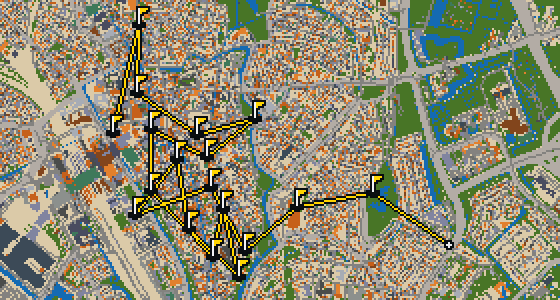
Utrecht is the map for this round, where the ball rolls across the actual city streets. The holes are built directly from real attractions, ending the game at the Rijn en Zon. A full 18-hole round covers 9.3 km and uses six portals to bridge the gaps between distant districts. Skip knows these pavements well, including the specific corners where the best crumbs fall. As a local guide, this pigeon has seen every inch of the walk from the air and the cobblestones.

9 HOLES - PAR 25

Tilburg

9 stops

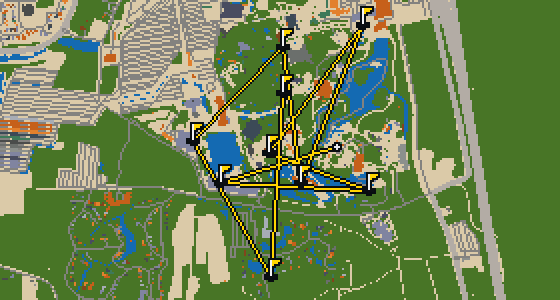
The final hole drops right into the Efteling. This round uses the real streets of Tilburg as a map, where the actual attractions provide the walls and obstacles for the ball. It is a quick 9-hole round with a par of 25, covering a walk of 4.5 km. Skip knows every cobblestone here and can show the way.

18 HOLES - PAR 58

Rotterdam

18 stops

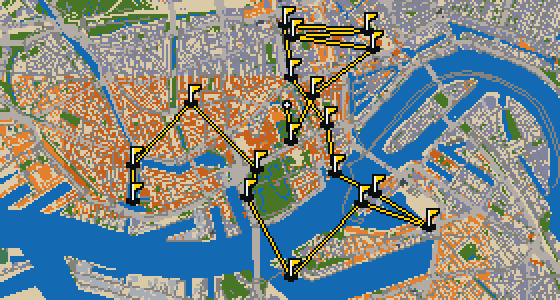
This is Rotterdam, where the map is the real city and the round is played on its actual streets. Real attractions like the Euromast are what the holes are built from, turning the city into a course. Skip is a local guide who knows the place and where the best crumbs are hidden. This full round of 18 holes covers 12.7 km and uses 60 portals to bridge the gaps between the distant landmarks.

9 HOLES - PAR 28

Nijmegen

9 stops

This is a quick nine-hole round through Nijmegen. The map is the real city and the ball rolls along its actual streets, using landmarks like the Jacobskapel to form the holes. Skip knows these pavements well enough to avoid the occasional crumb-stealing rival. The walk covers 5.5 km of the city center, where the real attractions provide the rails and the cups.

FAQ

Is it free to play?

Yes. Every course runs in the browser with no account and no install.

Do I need to be in the city?

No. The full round plays from anywhere. Walking the real route is a nice way to see the city, but it is not required.

Are the maps real?

Yes. The geometry comes from OpenStreetMap data, rendered chunky on purpose. Streets, water and parks sit where they really are.