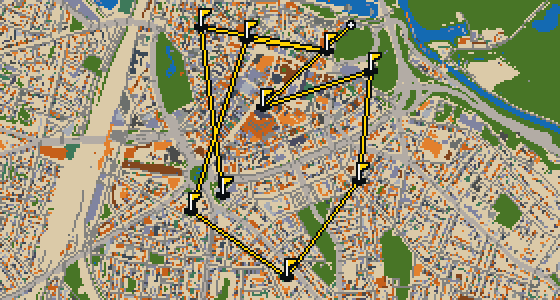
THE EINDHOVEN ROUND - STOP BY STOP

Philips Museum
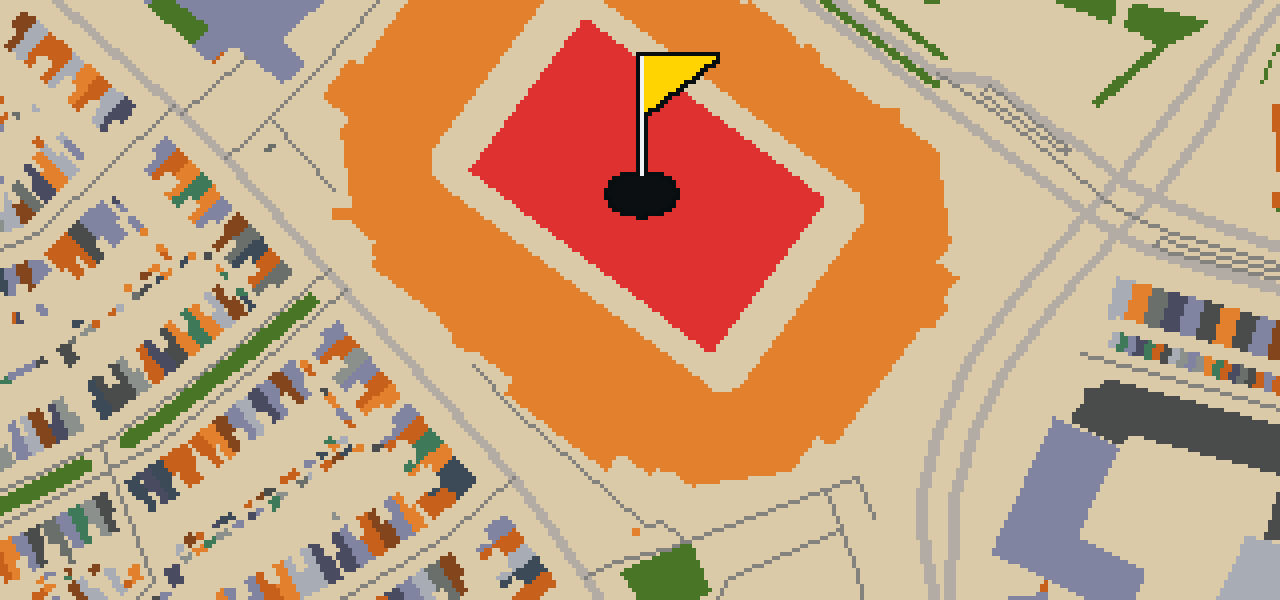
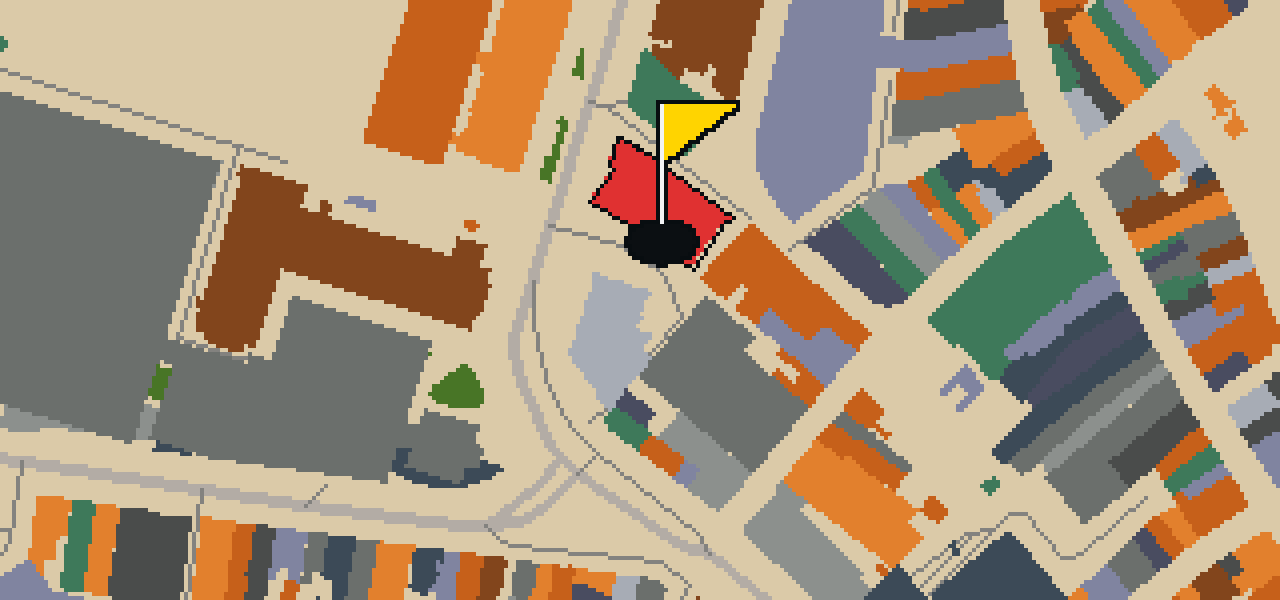
Located in the heart of Eindhoven, this site is the Philips Museum. It is a museum that lets you explore the industrial legacy of the area. I've found that the surrounding streets make for a great approach to the building.

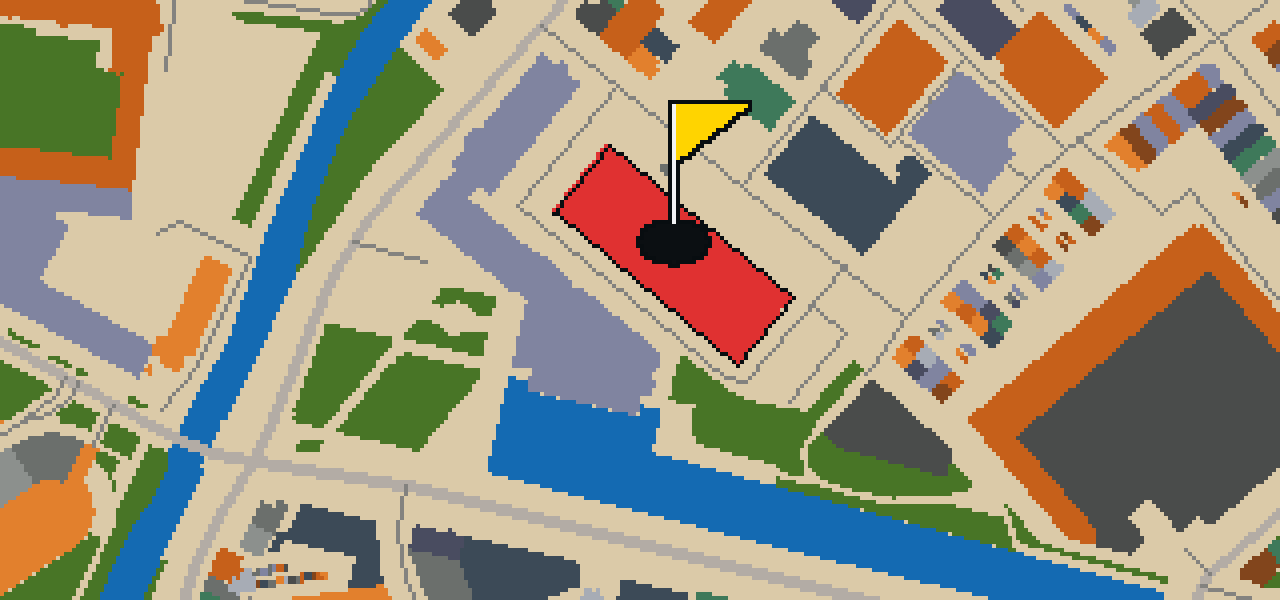

Erfgoedhuis
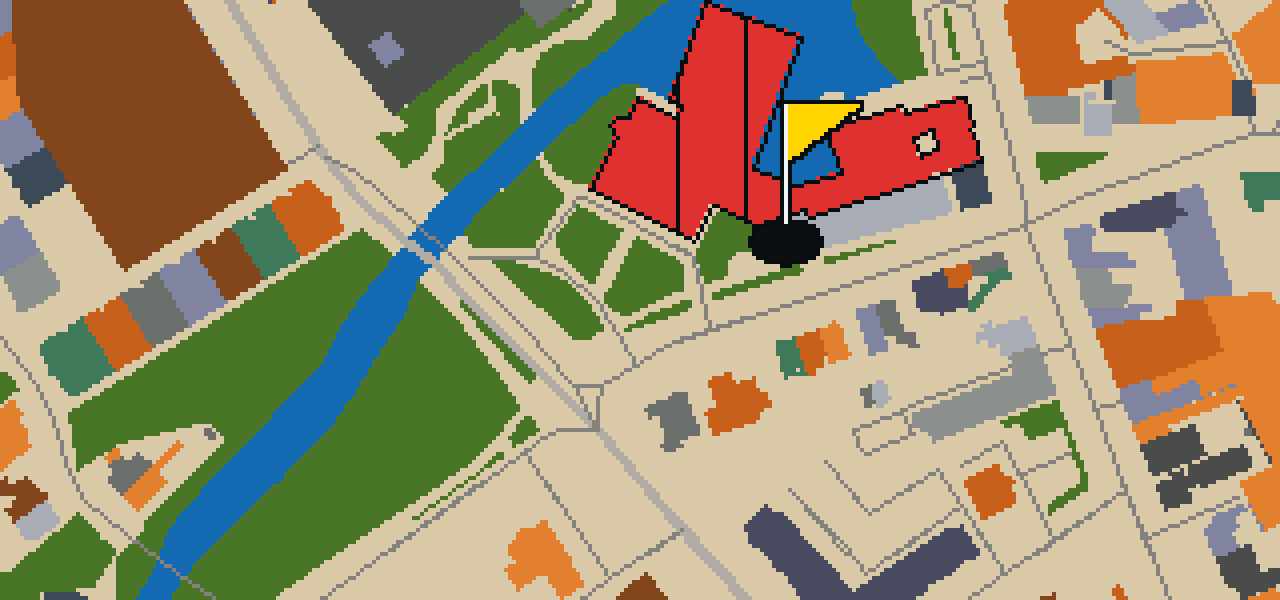
Let me show you the Erfgoedhuis. It is a cultural facility that allows you to connect with the history of the area. In addition to its role as a facility, it is a cultural association. I find it is a great spot to see how the city views its own past.
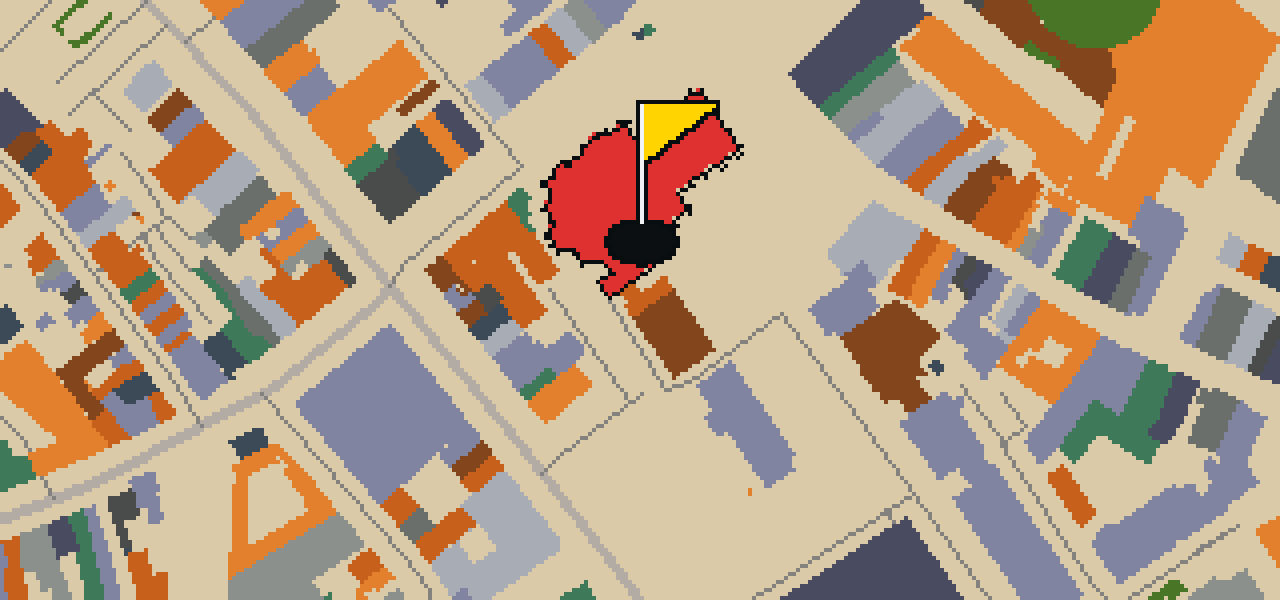
Sint-Catharinakerk
Sint-Catharinakerk is a church building designed in the Gothic Revival style. This structure is a Rijksmonument, meaning it is a protected national heritage site. The architect responsible for the design of the building was Pierre Cuypers. Visitors can observe the specific architectural elements of the Gothic Revival movement throughout the site, which remains a significant landmark in the city. It is a place of worship and a piece of architectural history that reflects the work of one of the most prominent architects in the region.
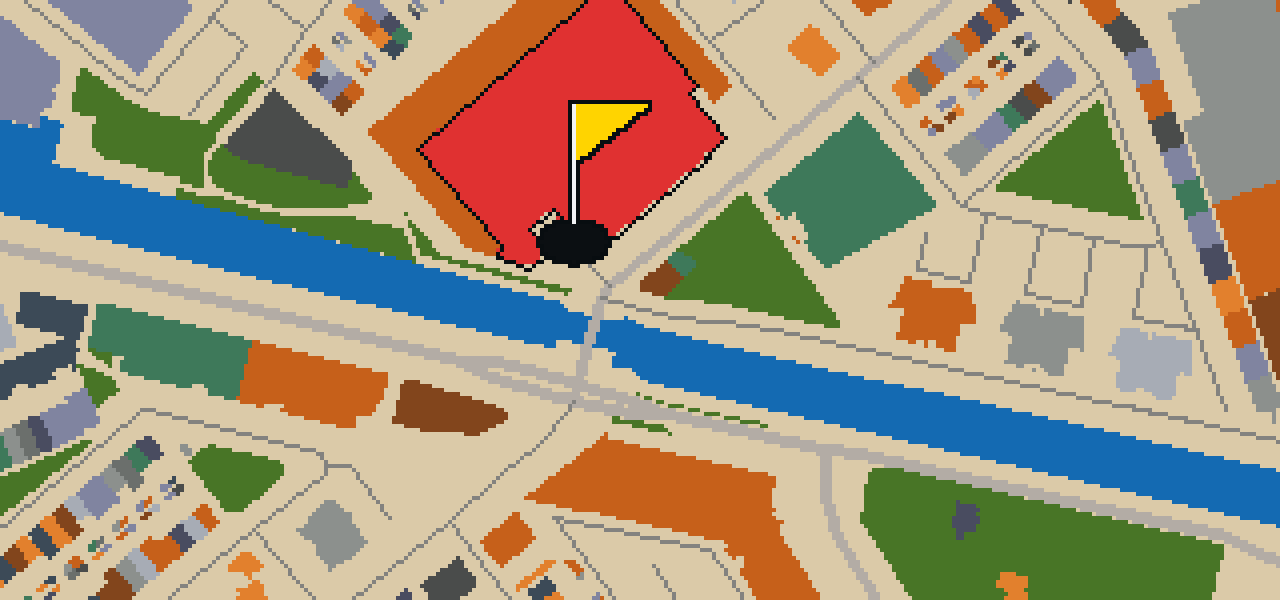

DAF Museum
Located here in Eindhoven, the DAF Museum is a museum. It is also recognized as a Rijksmonument, meaning the site is protected as a national monument. When you are visiting, you can pick out the specific details that come with such a designation. I find that these protected buildings often have a certain character that makes them stand out from the newer developments in the city. It is a great spot to stop and take in the local atmosphere while you are navigating your way through the streets.
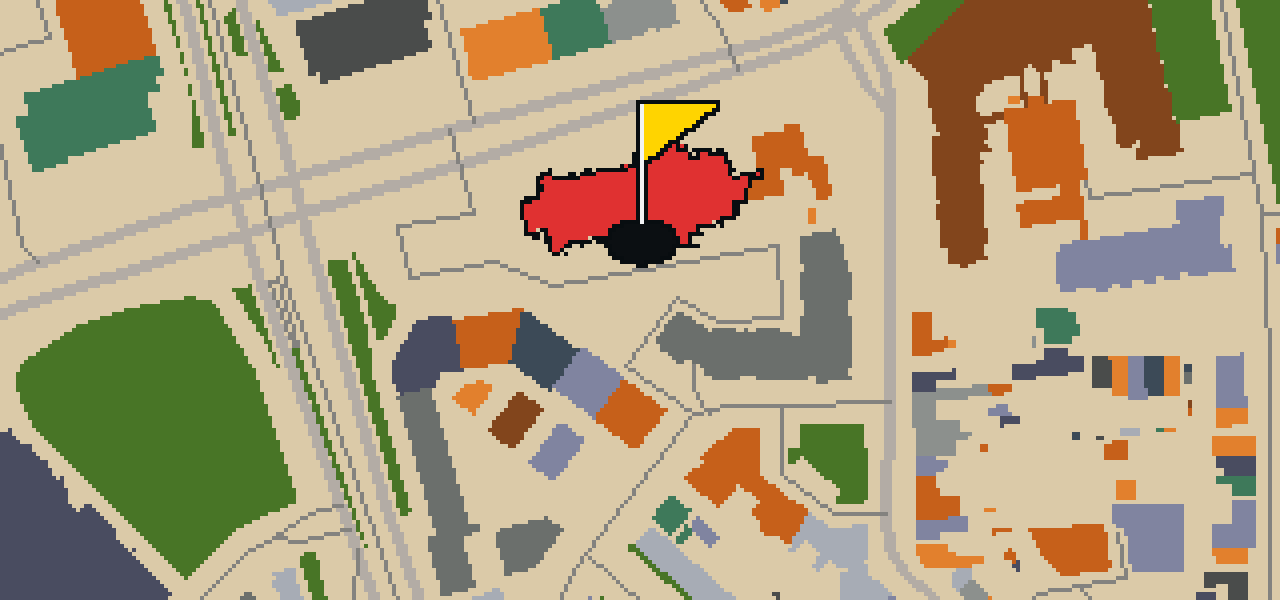
Sint-Joriskerk
Sint-Joriskerk is a church building located in Eindhoven. This site is a Rijksmonument and is built in the Gothic Revival style. Construction of the building was started in 1884. The architect of Sint-Joriskerk is Hendrik Jacobus van Tulder. Visitors to the city can observe the specific architectural choices made by van Tulder in the facade and structure of the church, which remain a significant part of the local streetscape.
Stadswandelpark
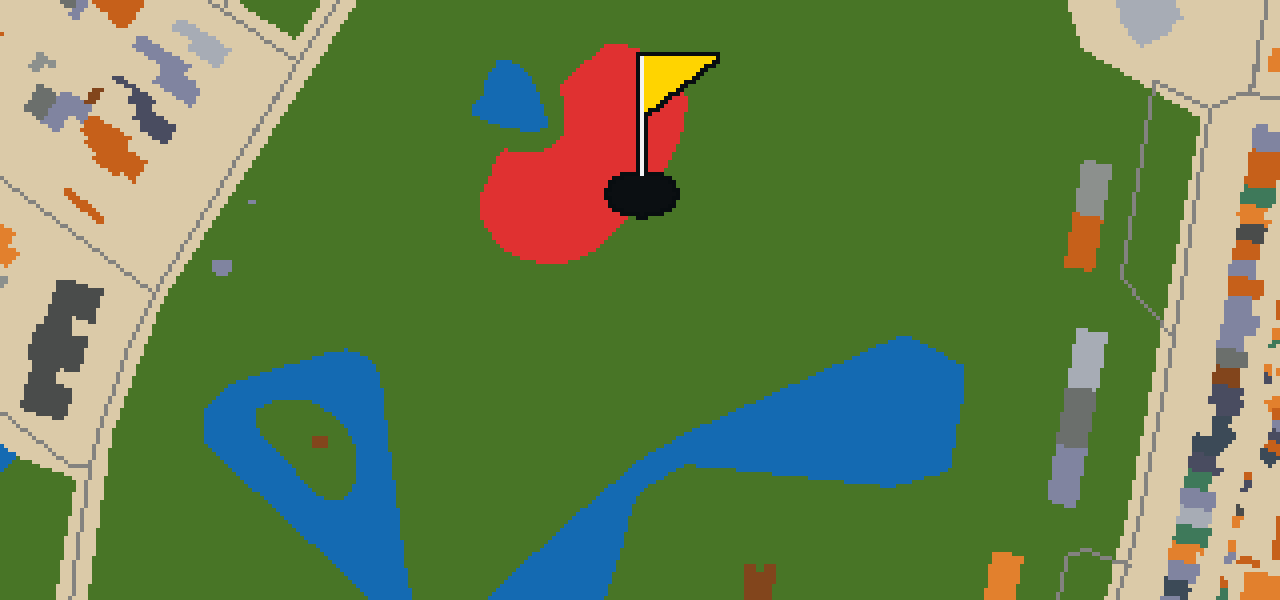
Located within the city, Stadswandelpark is an urban park that provides a natural break from the surrounding streets. It was designed by the architect Leonard Anthony Springer. Whether you are passing through on your way to another attraction or simply stopping to rest for a while, you can see the specific layout planned by Springer. I usually find the breeze here a bit fresher than on the main roads, and it is a great spot to watch the city move by from a distance while you take a breath.
PreHistorisch Dorp
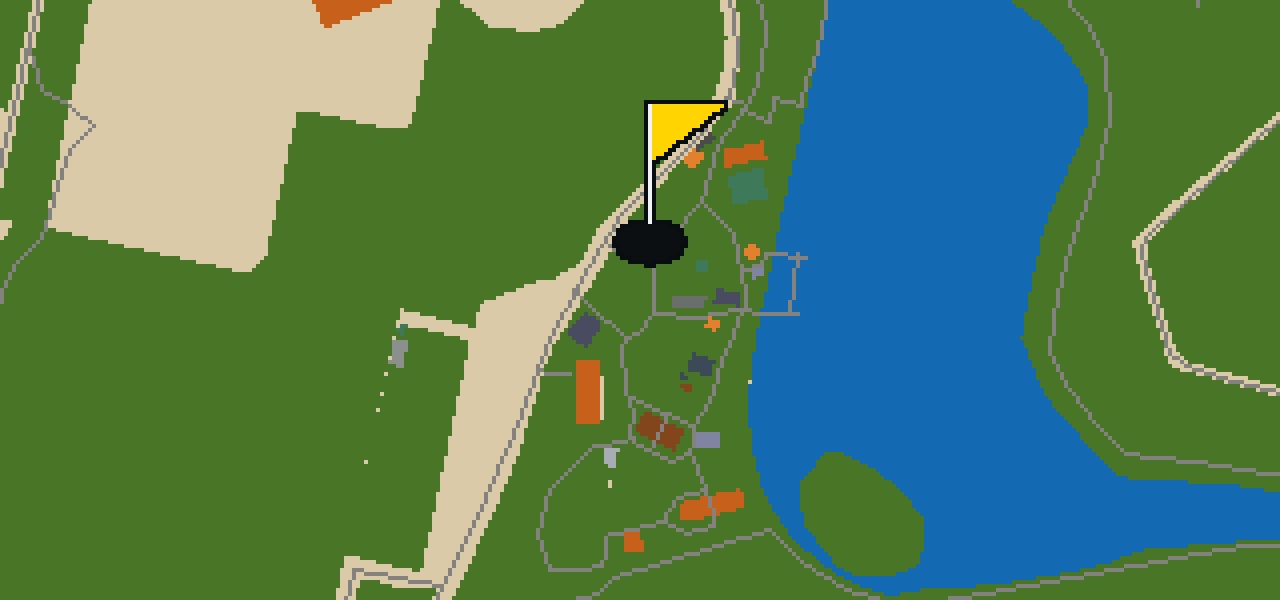
Let me show you PreHistorisch Dorp. This open-air museum was started in 1982 and is an architectural structure that brings ancient life to the present. It is a place where you can walk through a recreated settlement to see how people lived long ago. I have noticed a few crumbs dropped near the entrance, which tells me it is a popular spot for both human visitors and birds like me. Whether you are interested in history or just looking for a scenic walk, this site provides a clear window into a different era of human existence.

De Genneper Watermolen
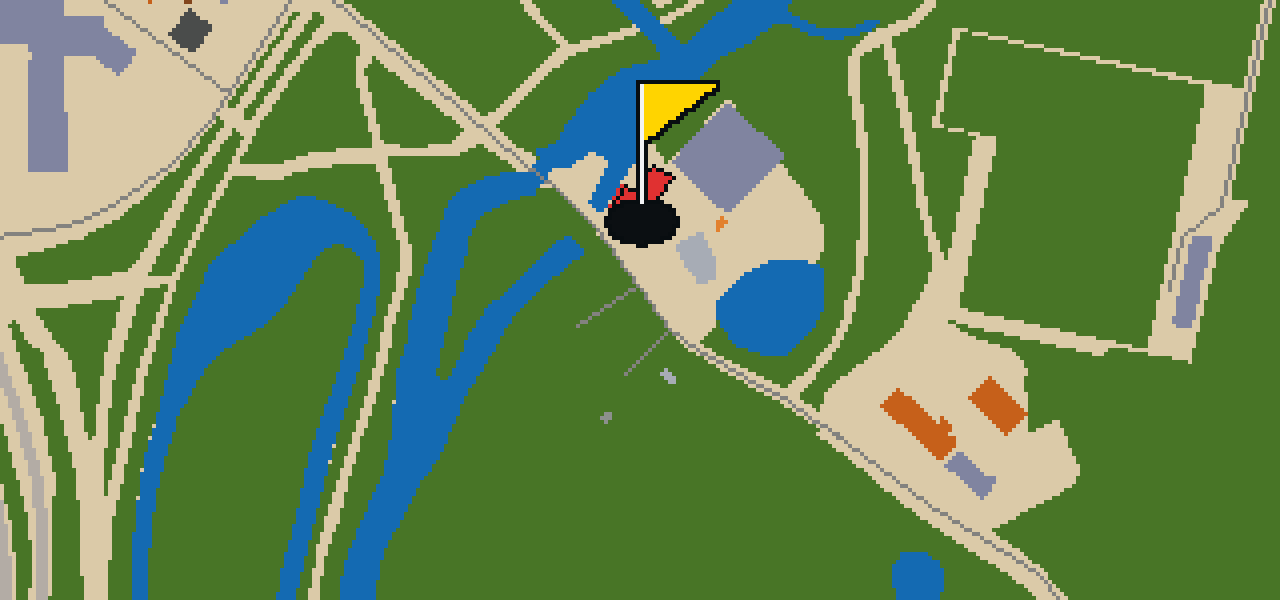
Let me show you De Genneper Watermolen. This watermill is a Rijksmonument located along the river Dommel on the Genneperweg 143 in Gestel, Eindhoven. It is a piece of history in the province of North Brabant, Netherlands. While the mill was first mentioned in the 13th century, the building you see now is the result of a later effort. The watermill burned down and was rebuilt in 1587. It is a peaceful spot to stop and watch the water work its magic.
Sint-Lambertuskerk
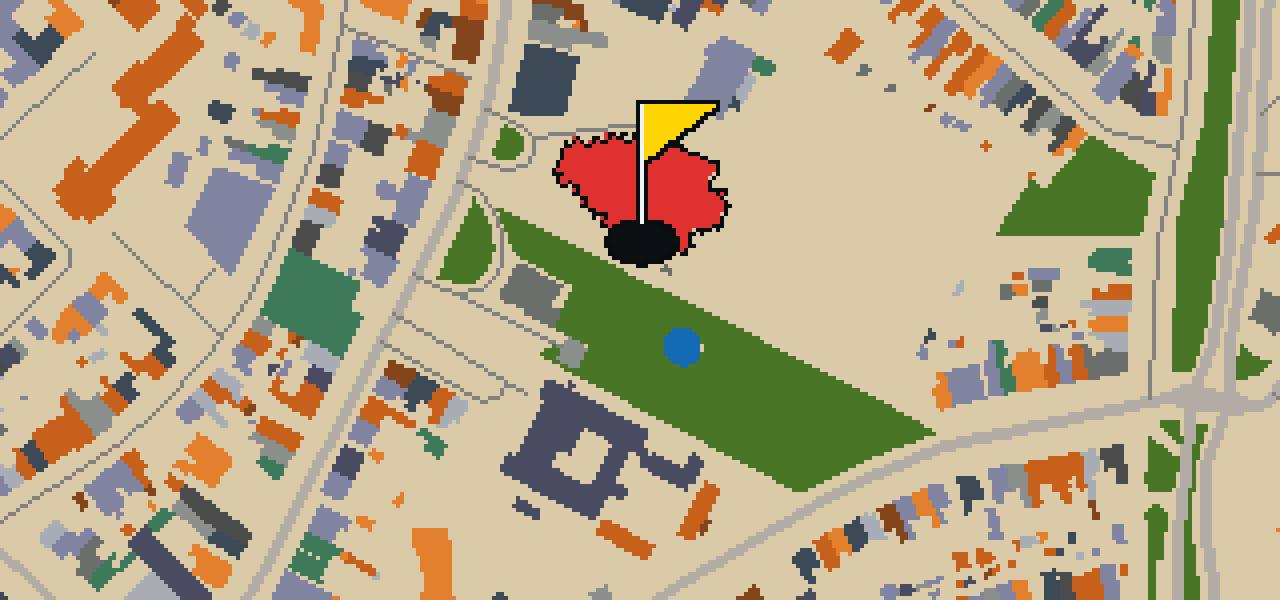
Sint-Lambertuskerk is a church building located in Eindhoven. The structure was started in 1910 and finished in 1911. The architect of the building was Wolter te Riele. Since its completion, the site has been recognized for its importance and is now a Rijksmonument. Visitors can appreciate the design and the history of the building as it stands today in the city.
Adventskerk
Parktheater
Let me show you the Parktheater, a theatre building that had its inception in 1964. It is a staple of the local arts scene and a key landmark for any visitor to the city. You can pick out the architectural style that reflects its mid-century origins, providing a glimpse into the aesthetic of that era. I have found that the area around the theatre is a great spot for people-watching between shows, as the crowd is always varied and the atmosphere is lively.
Anne Frankplantsoen
Let me show you Anne Frankplantsoen. This place is a park, providing a natural space for visitors to explore. It is a spot where you can step away from the urban bustle and enjoy the outdoors. I often see people relaxing here while they take in the surroundings.
Markt
Let me show you Markt, which is a street. It is a central part of the city where you can see the local flow of traffic and people. I find it is a great spot for people-watching while you plan your next move.
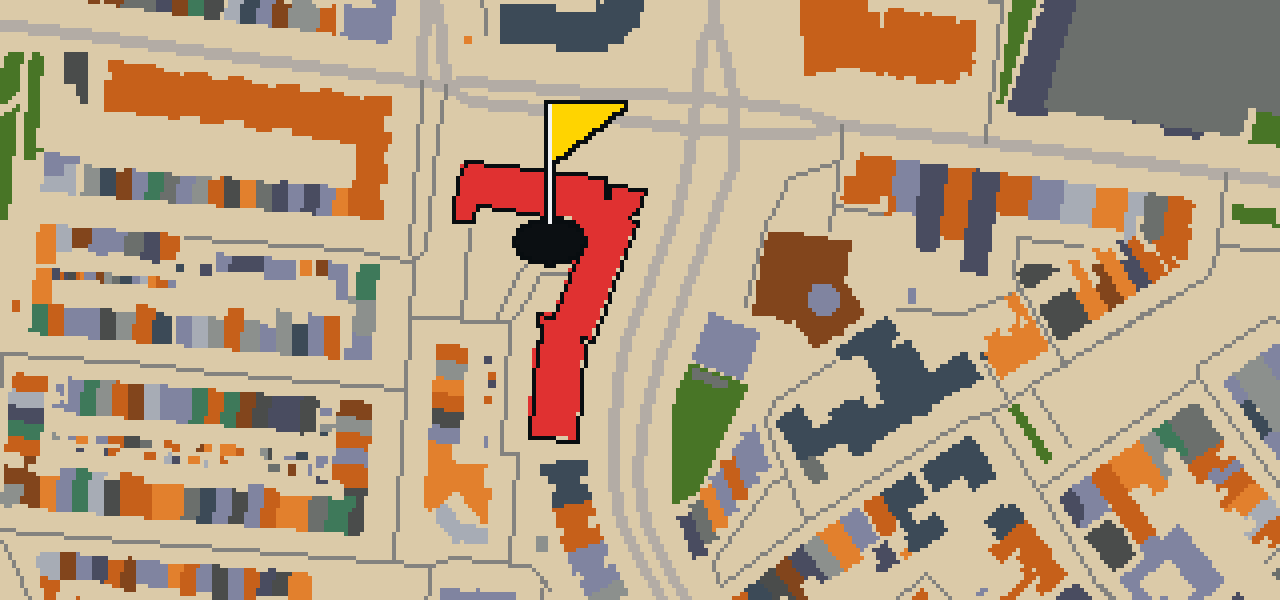
DAF 32
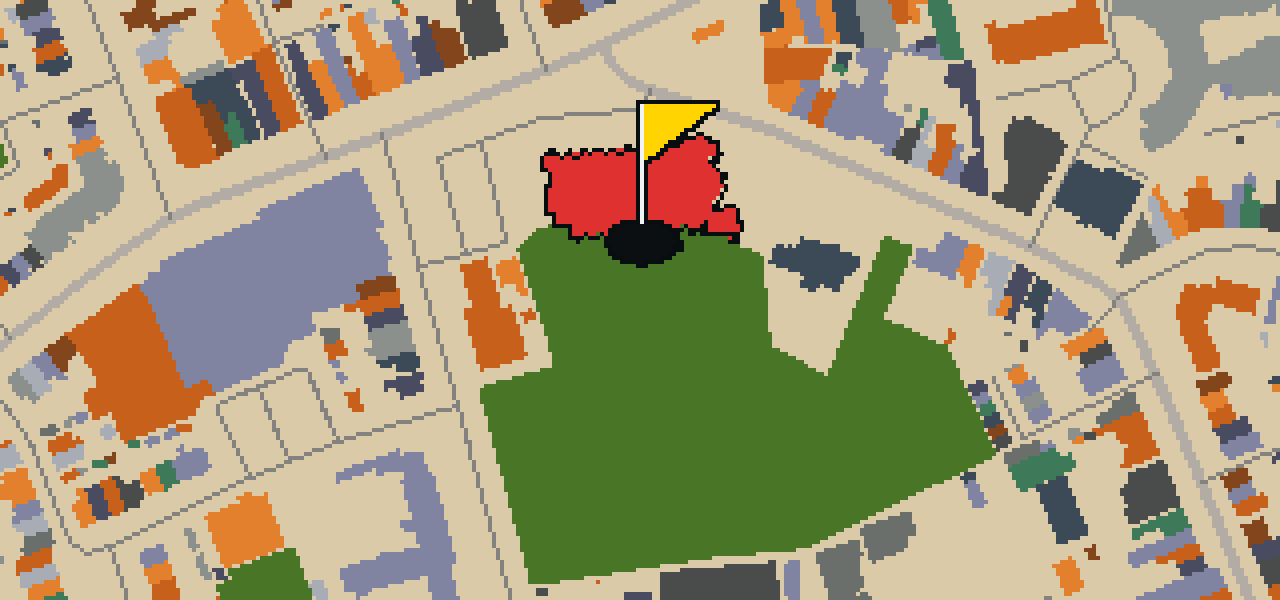
Sint Trudokerk
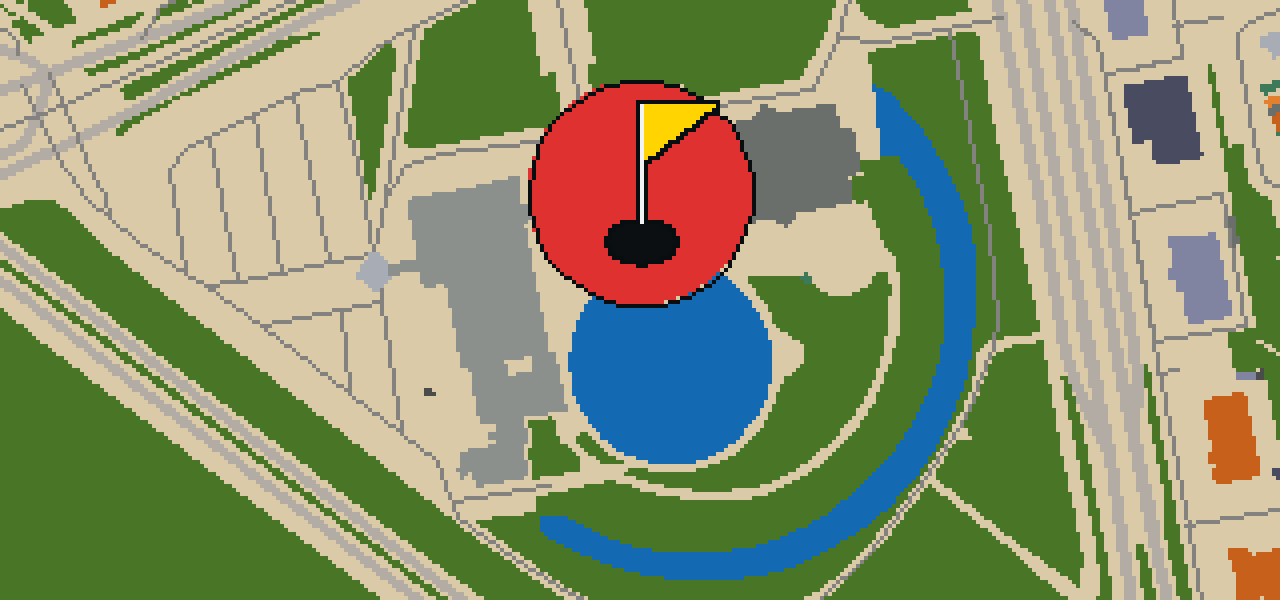
Evoluon
You can't miss the Evoluon, a UFO-shaped building located in Eindhoven, the Netherlands. Louis Christiaan Kalff and Leo de Bever designed the structure, which Philips built in 1966 to serve as a science museum. While that original museum closed in 1989, the site has continued to evolve. It spent years as a conference centre and exhibition venue starting in 1998, and more recently, it reopened for the general public as the Next Nature Museum in 2022. It is a strange sight to see from the air, though I think it looks quite sleek from the sidewalk.
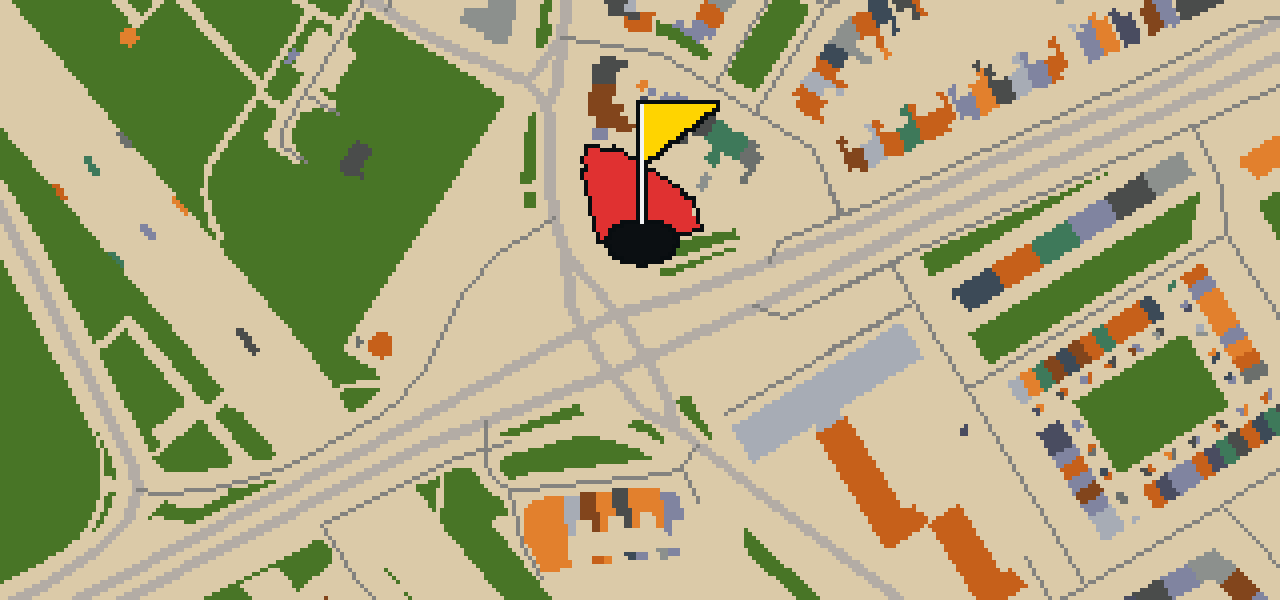
De Schuilplaats
De Schuilplaats is a church building. It had its inception in 1956. This place of worship provides a space for the community to gather and reflect. Visitors can observe the structure as they move through the city, noting its presence as a dedicated religious site. It remains an active part of the local environment, maintaining its role as a church building for those who visit or pass by its doors.