
DORDRECHT - 9 HOLES - FREE

DORDRECHT
CITY MAP MINIGOLF

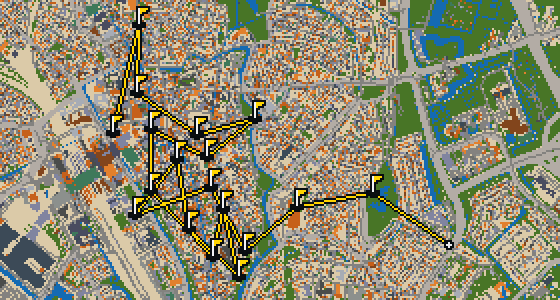
Dordrecht - 9 stops - par 27

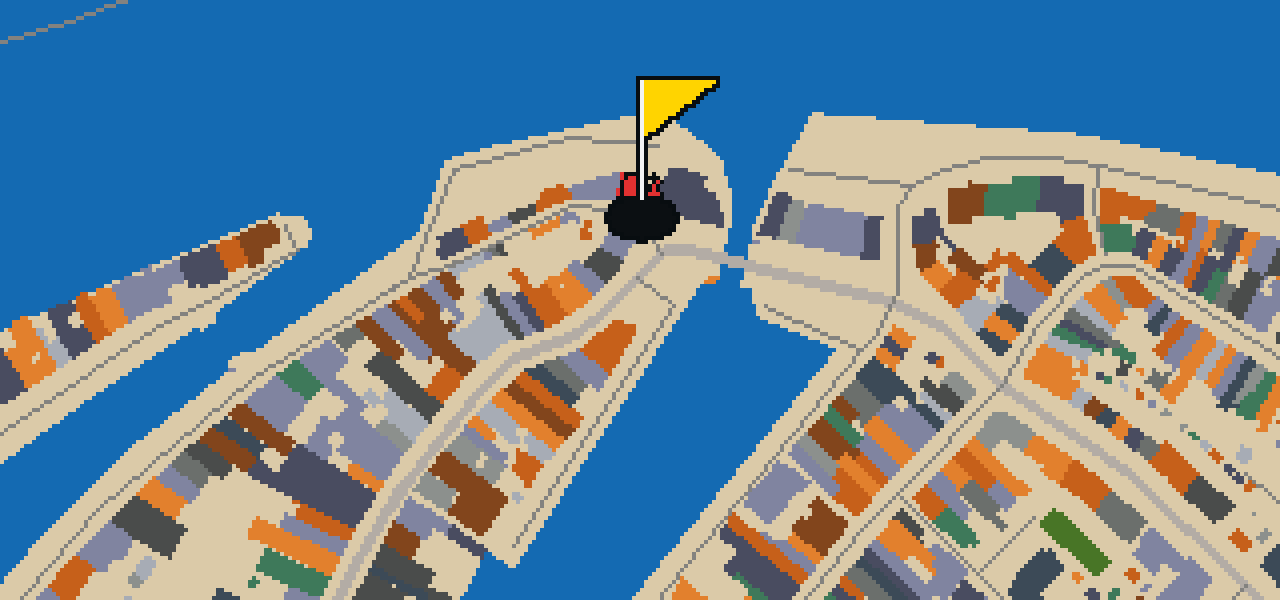
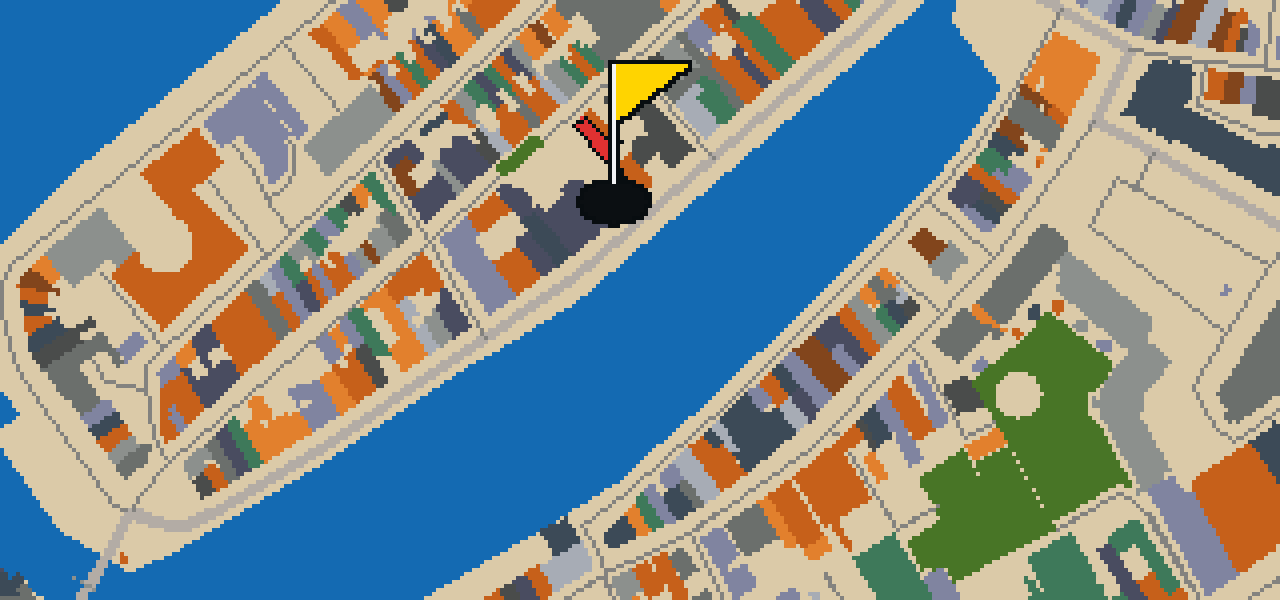
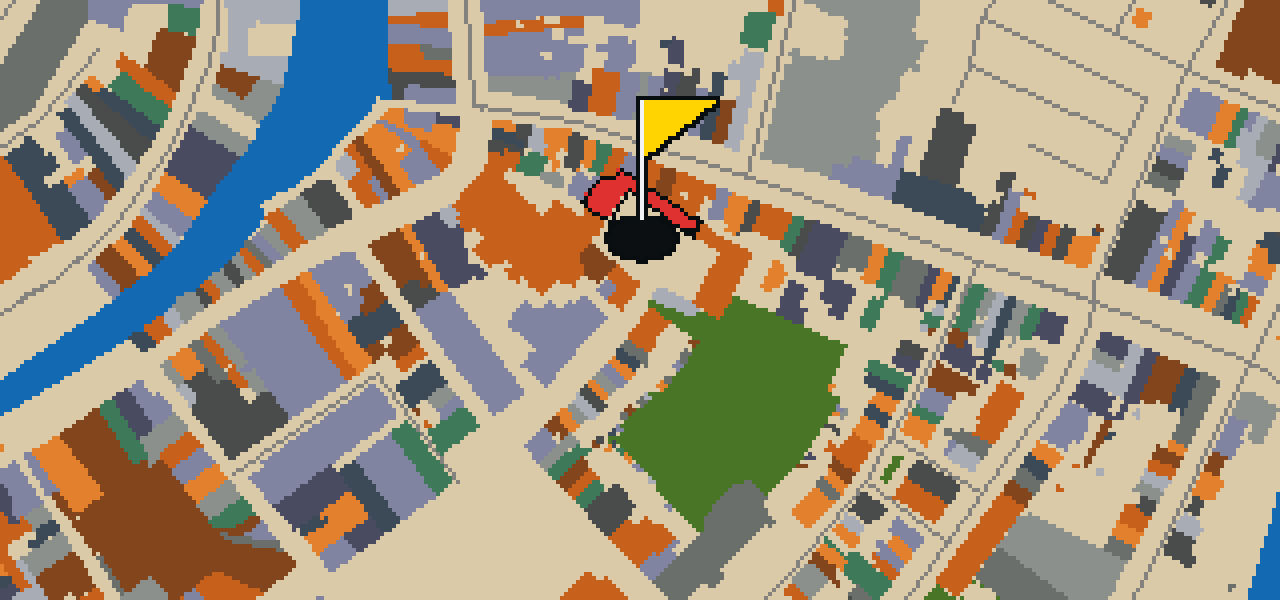
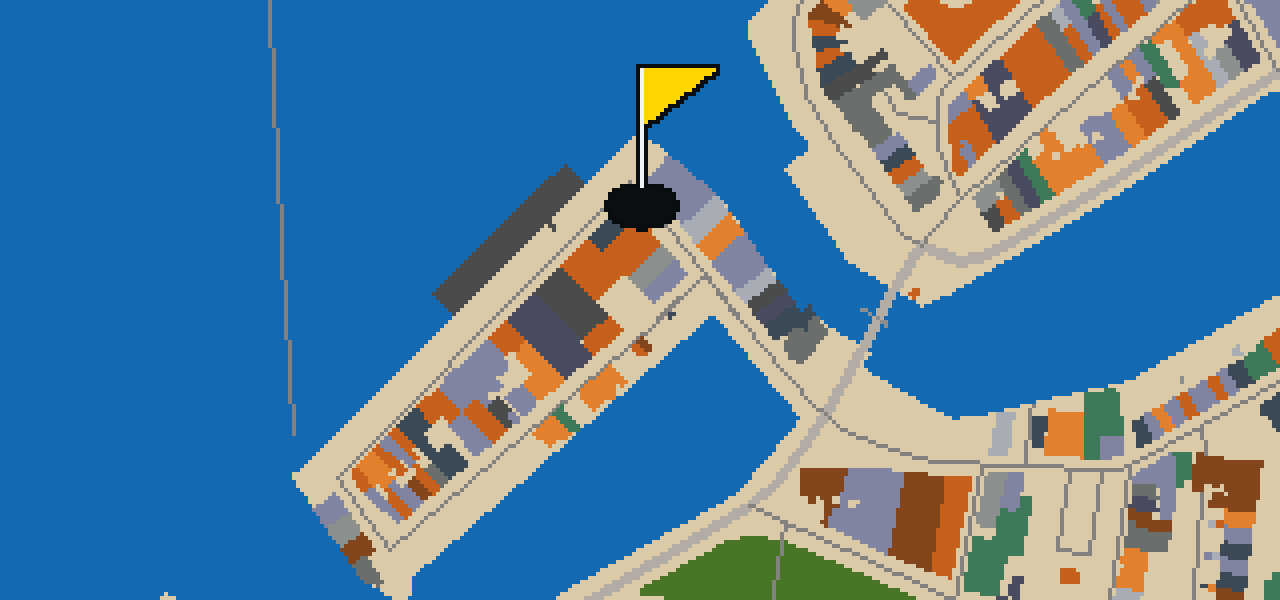
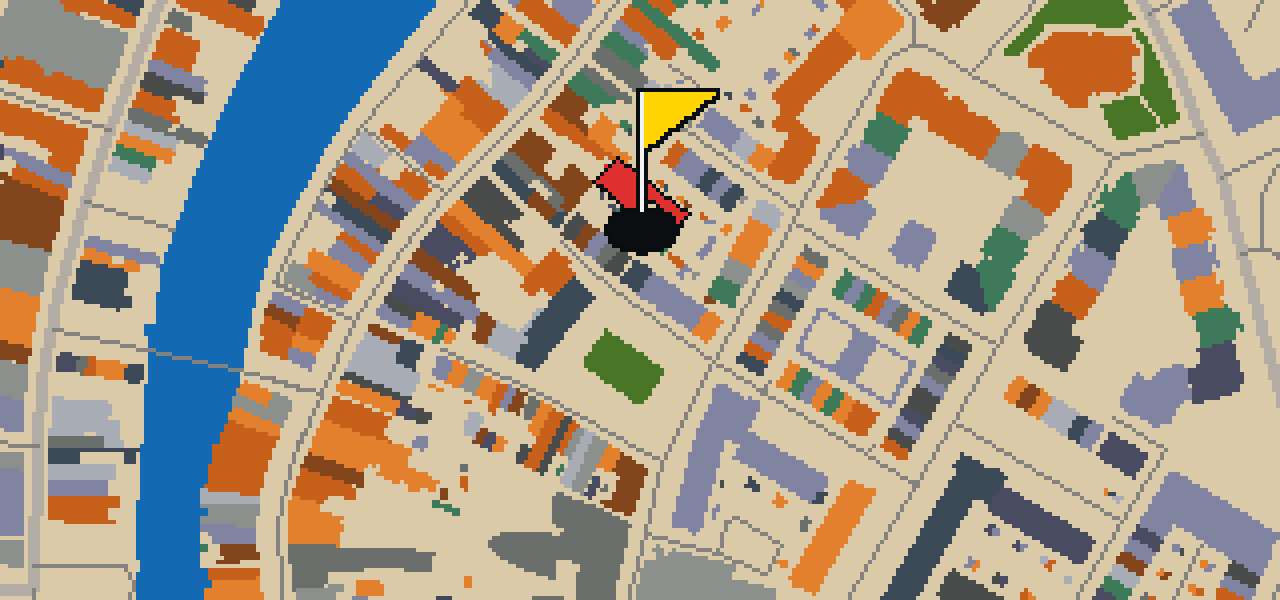
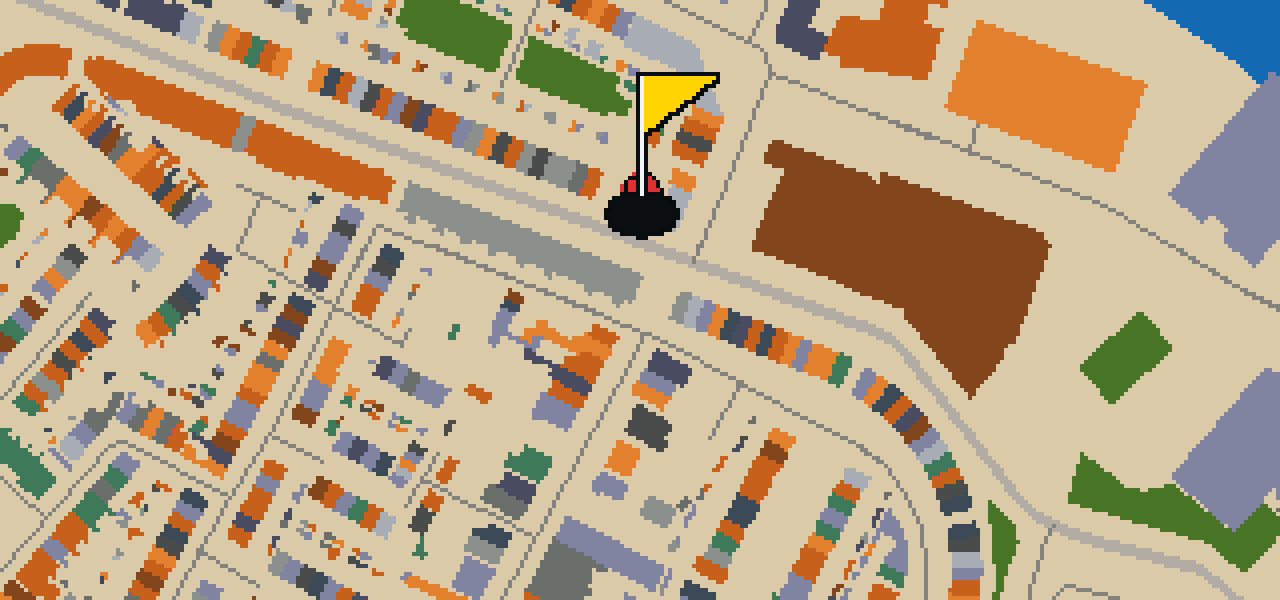
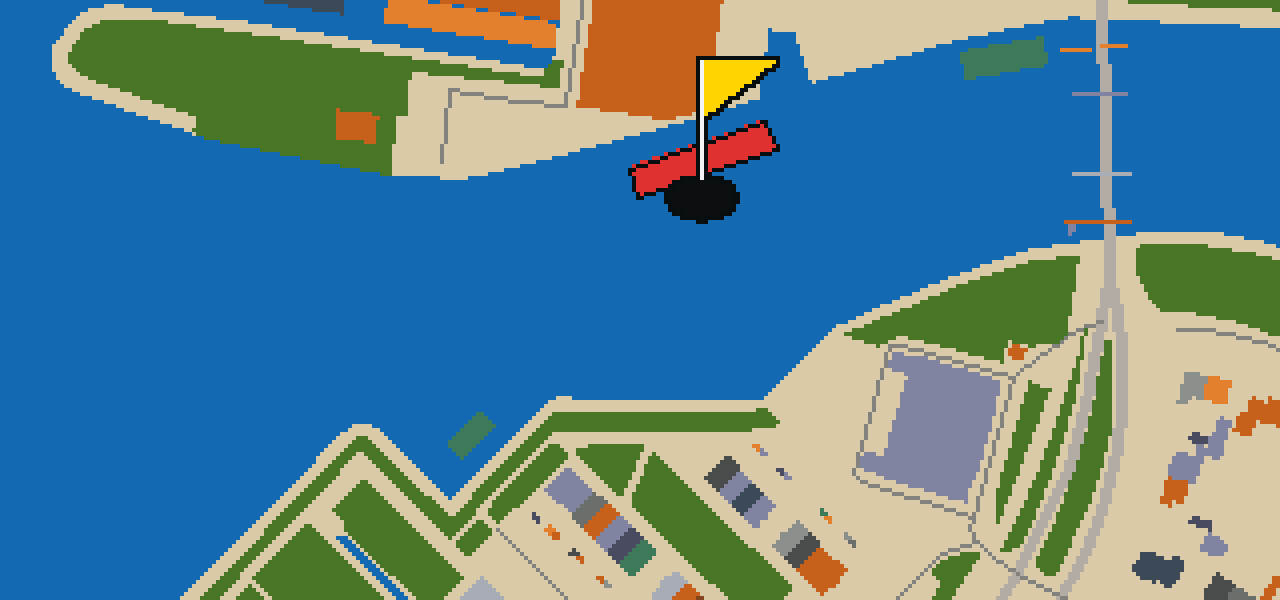
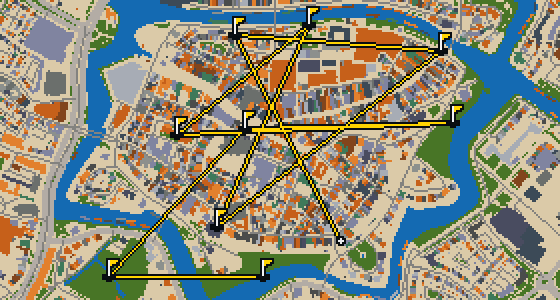
The ball finishes its run at Kyck over den Dyck in Dordrecht. The map is the real city and the round is played on its actual streets, using real attractions as the holes. This quick 9-hole round covers 5.3 km and uses 8 portals to move across the city. Skip is a local guide who knows these corners well, even the ones where a pigeon might find a stray crumb.

Trouble loading? Open the game in its own tab.

HOW IT WORKS

01

Pick a city

The course is drawn on the real street grid, so the map you play is the map you walk.

02

Putt to the pin

Drag to aim, release to swing. Buildings bounce and water costs you a stroke.

03

Sightsee between strokes

Every hole ends at an attraction. Sink the putt, read the story, walk to the next tee.

THE DORDRECHT ROUND - STOP BY STOP

HOLE 1 - PAR 3

Grote of Onze-Lieve-Vrouwekerk

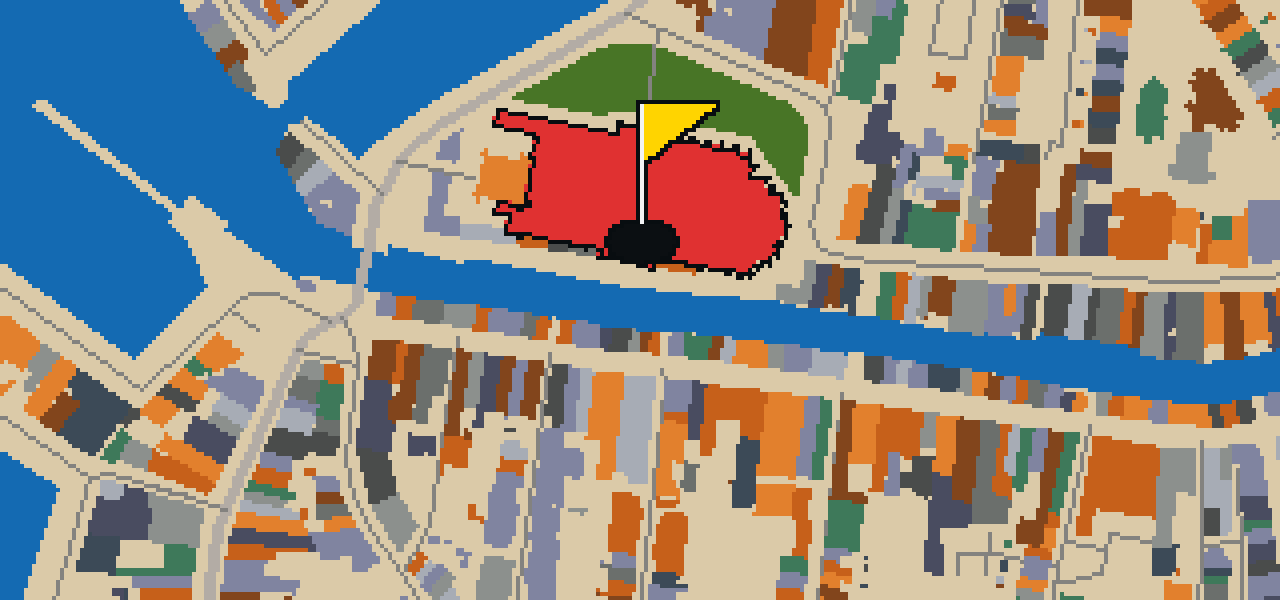
The Grote of Onze-Lieve-Vrouwekerk is a church building and a Rijksmonument. Built between 1284 and 1470, the structure is designed in the Brabantine Gothic style. Its construction involved the work of architects Everaert Spoorwater and Antoon I Keldermans. The building is currently owned by the Protestant Church in the Netherlands. In 1572, the Grote Kerk of Dordrecht became a Reformed Protestant church. Visitors can observe the distinct architectural features of the Brabantine Gothic style throughout the site, which reflects the different periods of its long construction history spanning several centuries. This church remains one of the most prominent examples of its type in the region, maintaining its status as a protected monument while continuing to serve its community under the ownership of the national church organization.
Wikidata · Wikipedia

HOLE 2 - PAR 3

Schroevendok Straatman

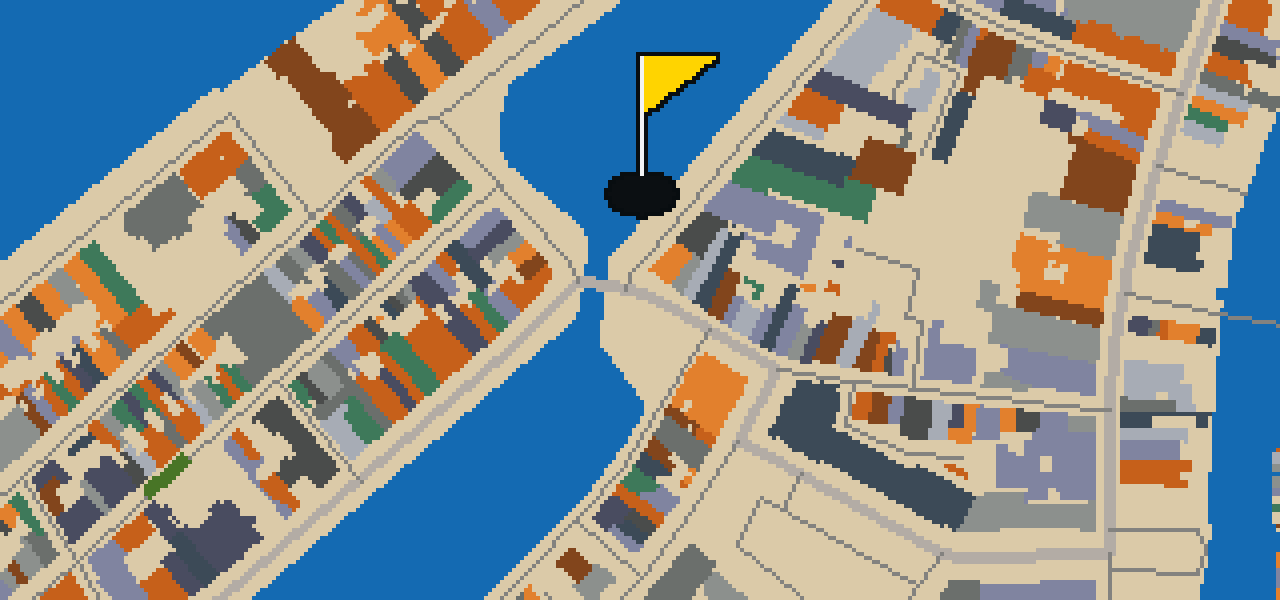
As you move through the city of Dordrecht, you will come across Schroevendok Straatman. This site is a Rijksmonument, meaning it is protected as a national monument of the Netherlands. Its inception was in 1928. I always find the air feels a bit different when you are standing by the water here, which makes it a pleasant spot to pause for a moment. Whether you are following the CityGolf course or just exploring the neighborhood on foot, it is a distinct piece of the local environment to observe. The area around this monument provides a glimpse into the city's development over the last century, making it a useful stop for any visitor wanting to see how the city's infrastructure has been preserved over time.

Wikidata

HOLE 3 - PAR 3

Dordrechts Museum

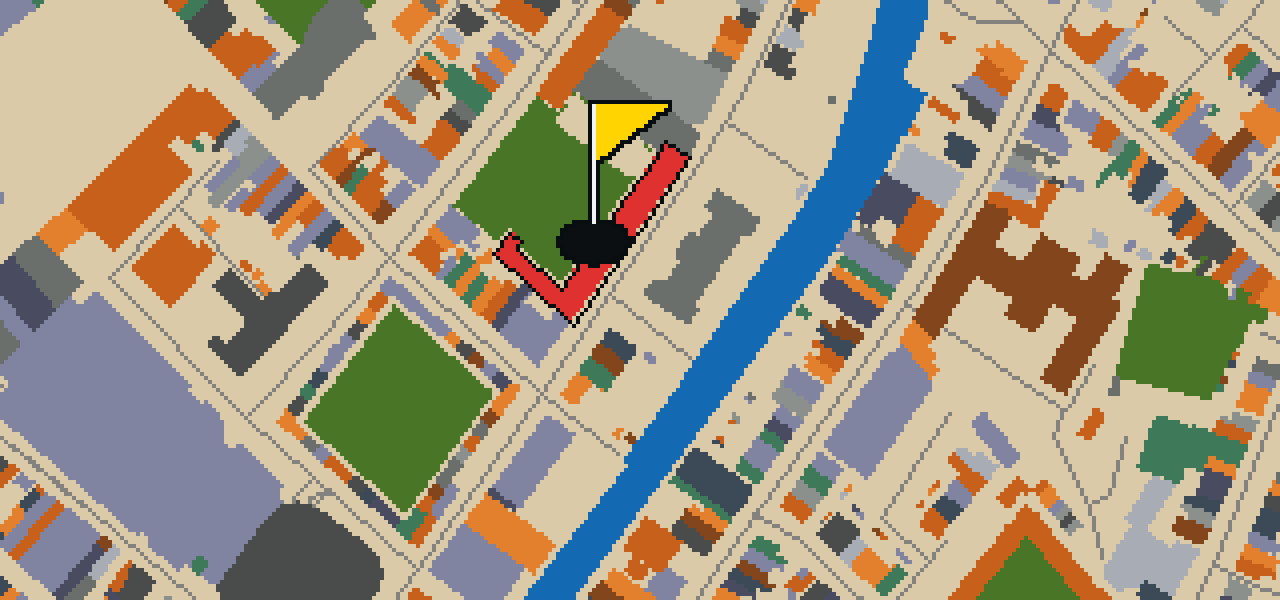
Located in the heart of Dordrecht, Netherlands, Dordrechts Museum is an art museum that houses a collection of painting and other artistic objects from the last six centuries. It is a great spot to see how styles shifted over time, as the permanent collection includes works from the baroque period and the Dutch Golden Age. You can pick out pieces by Jacob van Strij, Aelbert Cuyp, and Rembrandt while you wander through the galleries. I've noticed that the blend of eras makes for a very diverse walk through the halls. Whether you are interested in the early masters or the later 19th century landscape art, there is plenty to see here.

Wikidata · Wikipedia

HOLE 4 - PAR 3

Groothoofdspoort

Let me show you the Groothoofdspoort. This former city gate in Dordrecht began its inception in 1618 and is now recognized as a Rijksmonument. It is a great spot to stop because of its specific location; the gate sits right at the point where the Merwede, the Oude Maas, and the Noord rivers meet. I always enjoy watching the water flow around this part of the city from my favorite perches. Whether you are here for the history of the gate or the view of the converging rivers, it is one of the most distinct landmarks in the area. You can see how the city was once defended and how the geography of the river system shaped the growth of Dordrecht over the centuries.

Wikidata · Wikipedia

HOLE 6 - PAR 3

Museum Het Hof van NLD

You might expect a contemporary art space, but you have found Museum Het Hof van NLD. This site is a museum and a monastery. It is a place of historical significance in Dordrecht, having had its inception in 1275. For those visiting the city, it provides a direct connection to the medieval past. You can walk through the spaces and observe how the monastery has been preserved over the centuries. The site remains a point of interest for anyone wanting to see the architectural and spiritual history of the region. By visiting this monastery and museum, you can see the physical evidence of a community that began its existence long before the modern city grew around it. It is a place for quiet reflection on the timeline of the city.

Wikidata

HOLE 7 - PAR 3

Catharijnepoort

Look closely at the masonry of the Catharijnepoort, a surviving piece of the city's old defenses. This structure is a city gate and holds a place in the city's history as a Rijksmonument. When you walk past it, you are seeing a preserved part of the boundary that once defined where the urban center ended. I often see people stop here to admire how the stone has weathered over time. It is a sturdy landmark that gives you a sense of the scale of the old fortifications. Whether you are interested in architecture or just taking a stroll, this gate is a key point of interest in Dordrecht. It stands as a reminder of the city's former layout and the way the streets were once controlled.

Wikidata

HOLE 8 - PAR 3

Sint Maria Maior

Sint Maria Maior is a church building in Dordrecht. It is a Rijksmonument, which means it is recognized as a protected national heritage site. The building was designed by the architect George Nicolaas Itz. Construction on the church began in 1842 and was finished in 1843. When you visit, you can observe the specific structural details and the historical preservation of the site. This building stands as a point of interest for those exploring the city's religious architecture and its protected monuments. Whether you are interested in the work of George Nicolaas Itz or the general history of the area, this site provides a direct look at a mid-nineteenth century construction that remains preserved for the public to see today.

Wikidata

HOLE 9 - PAR 3

Kyck over den Dyck

Look up at the wooden gallery circling the tower; this is the defining feature of a stellingmill. This platform allows the miller to reach the sails while the body of the mill stays high enough to catch the wind over surrounding buildings. That is how Kyck over den Dyck operates. This particular windmill is a Rijksmonument, meaning it is officially recognized as a national monument of the Netherlands. These structures are essential for understanding the industrial history of the region and the way people once harnessed the air to power their work. I find the height of these towers gives a great perspective on the city, though I usually prefer the view from the sails themselves if the wind is just right for a little lift.

Wikidata

STOP 10

Binnenvaartmuseum

Founded in 2004, the Binnenvaartmuseum is a museum located in Dordrecht, South Holland, Netherlands. It is a floating museum, which means the building itself sits directly on the Wantij waterway. When you visit, you can pick out the nearby former shipyard De Biesbosch, providing a glimpse into the industrial surroundings of the region. It is a great spot for anyone interested in how the water shaped the city. I find that the gentle rocking of the floor makes the whole experience feel more authentic, though it might be a bit distracting if you are trying to stand perfectly still. Whether you are a history buff or just passing through, seeing a museum that actually floats is a highlight of any trip to this part of the Netherlands.

Wikidata · Wikipedia

OTHER COURSES

9 HOLES - PAR 25

Zwolle

9 stops

This is Zwolle, where the map is the actual city and the round is played on its real streets. The holes are built from attractions like the Sassenpoort. Skip knows these alleys well, even the ones where the best crumbs hide. It is a quick 9-hole round with a par of 25, covering a 4.3 km walk that uses 6 portals to move the ball.

18 HOLES - PAR 53

Utrecht

18 stops

Utrecht is the map for this round, where the ball rolls across the actual city streets. The holes are built directly from real attractions, ending the game at the Rijn en Zon. A full 18-hole round covers 9.3 km and uses six portals to bridge the gaps between distant districts. Skip knows these pavements well, including the specific corners where the best crumbs fall. As a local guide, this pigeon has seen every inch of the walk from the air and the cobblestones.

9 HOLES - PAR 25

Tilburg

9 stops

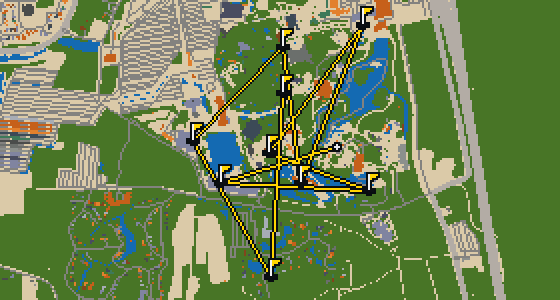
The final hole drops right into the Efteling. This round uses the real streets of Tilburg as a map, where the actual attractions provide the walls and obstacles for the ball. It is a quick 9-hole round with a par of 25, covering a walk of 4.5 km. Skip knows every cobblestone here and can show the way.

18 HOLES - PAR 58

Rotterdam

18 stops

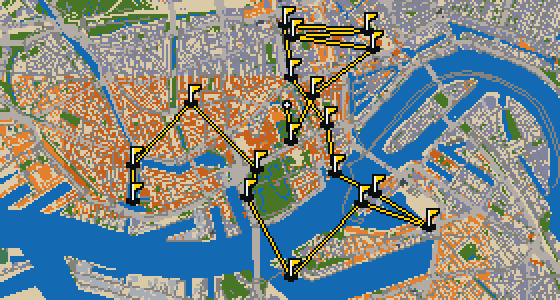
This is Rotterdam, where the map is the real city and the round is played on its actual streets. Real attractions like the Euromast are what the holes are built from, turning the city into a course. Skip is a local guide who knows the place and where the best crumbs are hidden. This full round of 18 holes covers 12.7 km and uses 60 portals to bridge the gaps between the distant landmarks.

9 HOLES - PAR 28

Nijmegen

9 stops

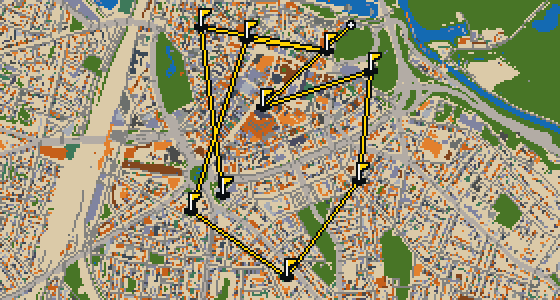
This is a quick nine-hole round through Nijmegen. The map is the real city and the ball rolls along its actual streets, using landmarks like the Jacobskapel to form the holes. Skip knows these pavements well enough to avoid the occasional crumb-stealing rival. The walk covers 5.5 km of the city center, where the real attractions provide the rails and the cups.

FAQ

Is it free to play?

Yes. Every course runs in the browser with no account and no install.

Do I need to be in the city?

No. The full round plays from anywhere. Walking the real route is a nice way to see the city, but it is not required.

Are the maps real?

Yes. The geometry comes from OpenStreetMap data, rendered chunky on purpose. Streets, water and parks sit where they really are.